Floor Sanding and Wood Floor Restoration in Great Torrington

Sanding, repairs and refinishing for Great Torrington town houses, cottages and village halls, from woodworm-marked pine boards to busy community floors that host classes every week.

QUICK QUOTATION

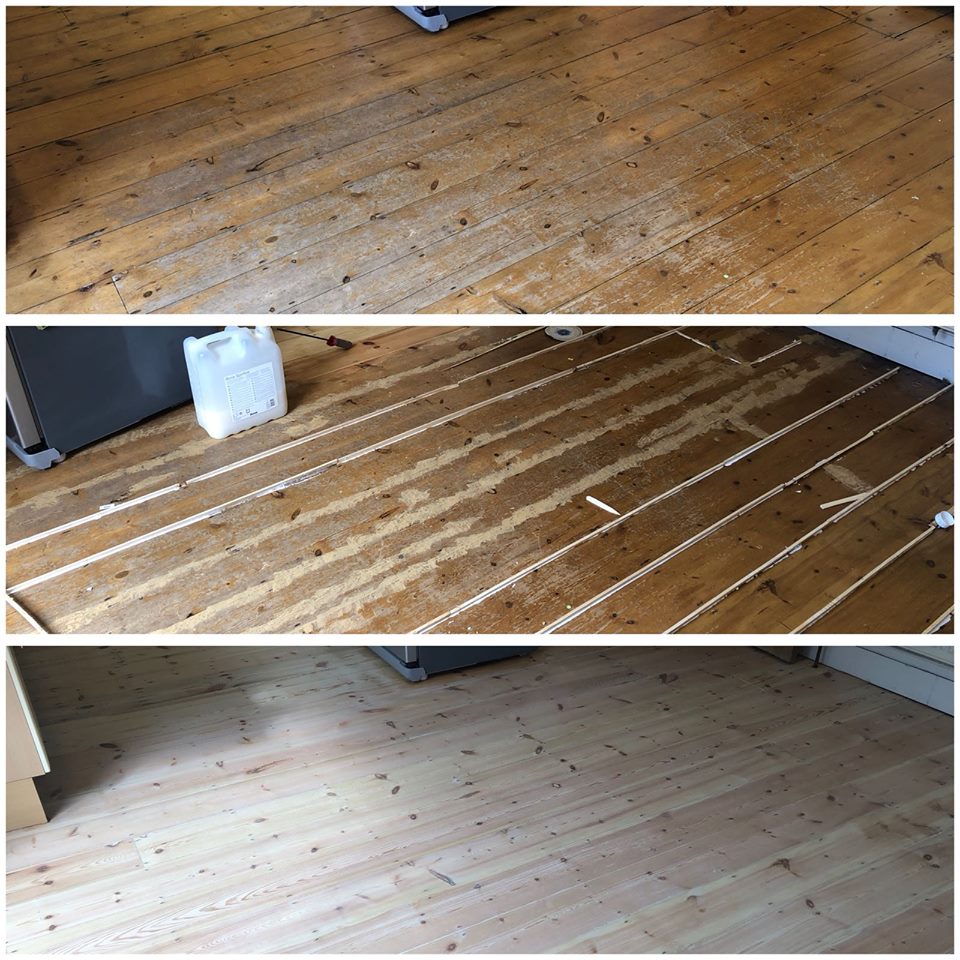
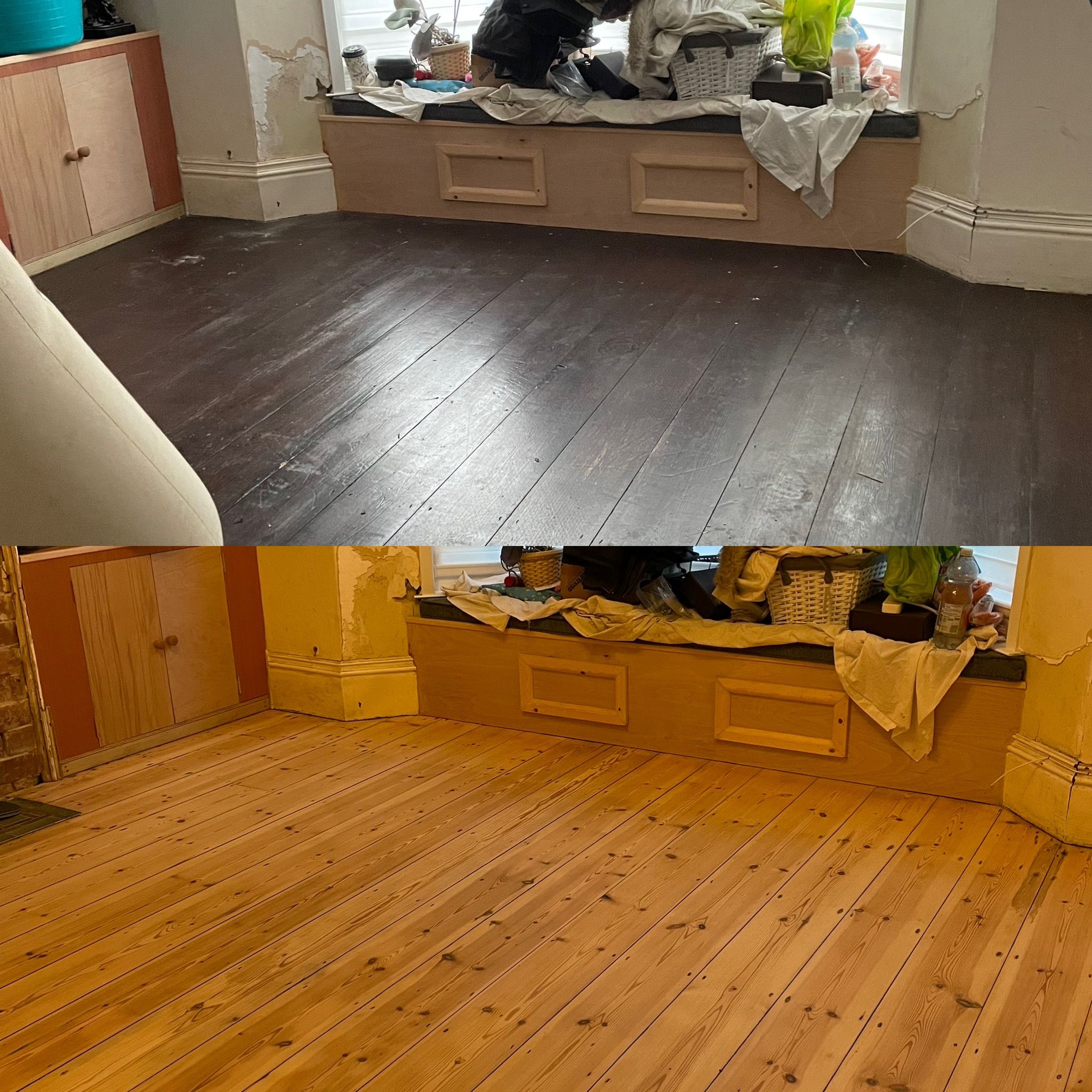
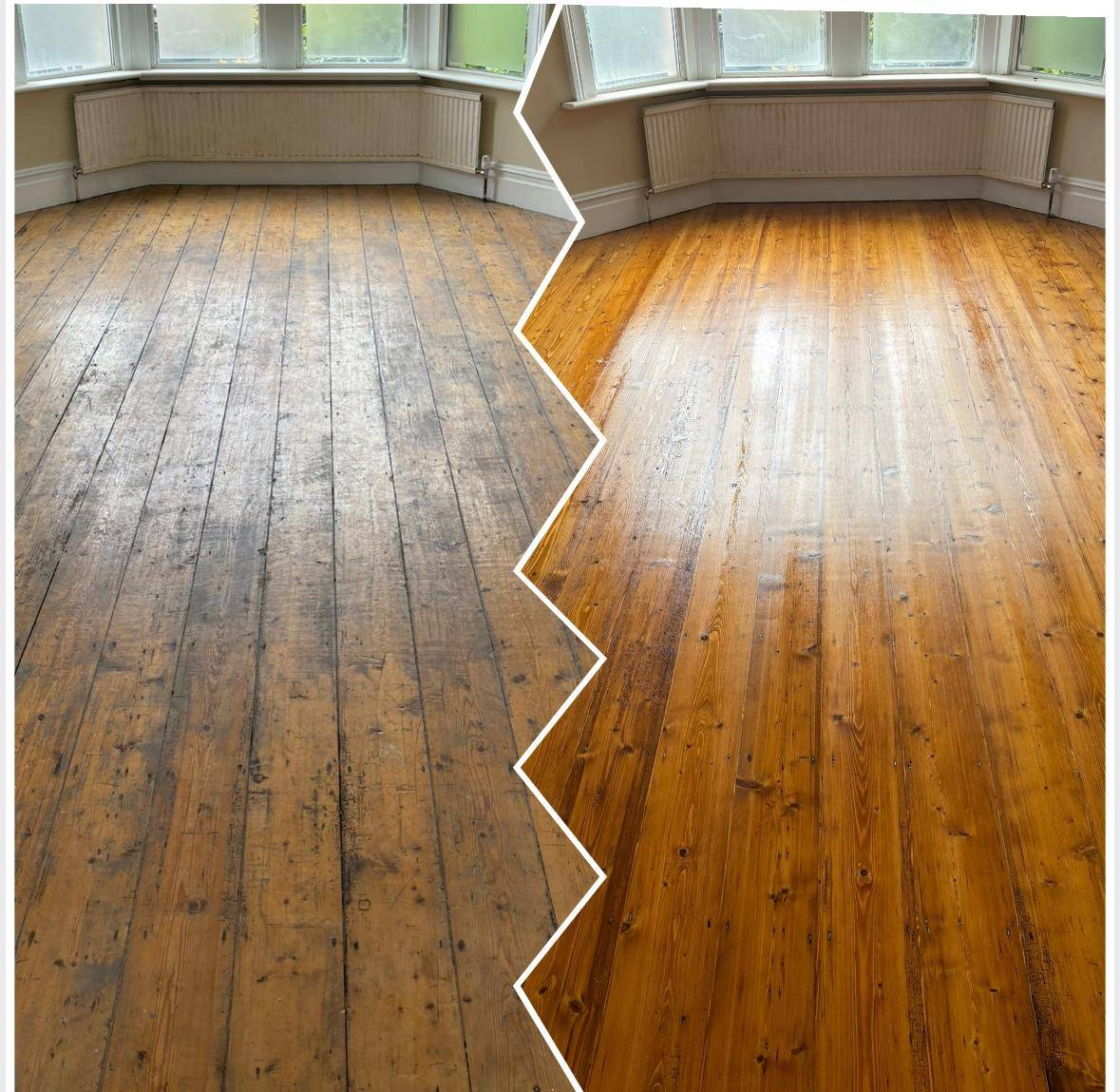
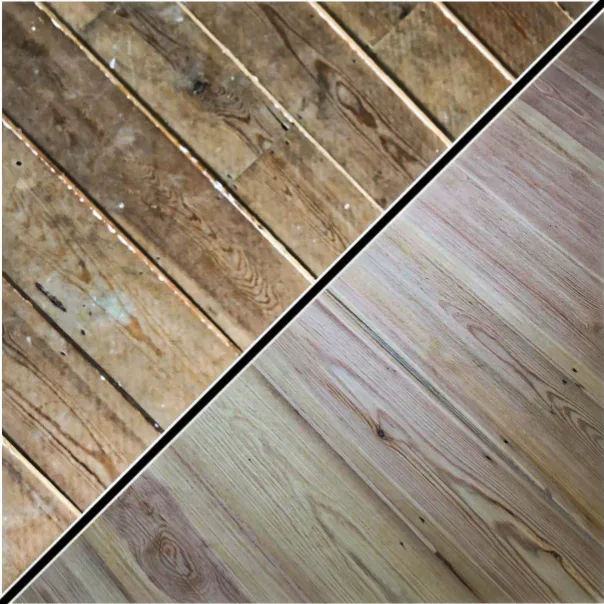
Floor sanding before and after

Floor Sanding in Great Torrington: Starting With the Boards You Already Have

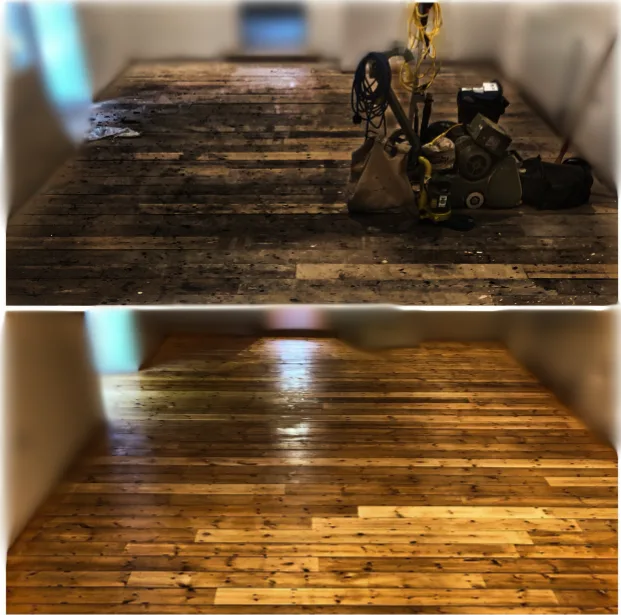
Great Torrington sits along the top of a steep inland cliff with the River Torridge running far below, and a good deal of its housing has been standing long enough to collect several generations of floor coverings. Pull back the carpet in a typical town-centre terrace and the picture is usually similar: softwood boards nailed across the joists, a dark band of varnish or paint around the edges where a square rug once lay, lines of rusty carpet tacks, and perhaps a sheet of hardboard pinned over one room so that lino would sit flat. None of that rules a floor out. It mostly means an hour or two of preparation before any sanding machine touches the timber.

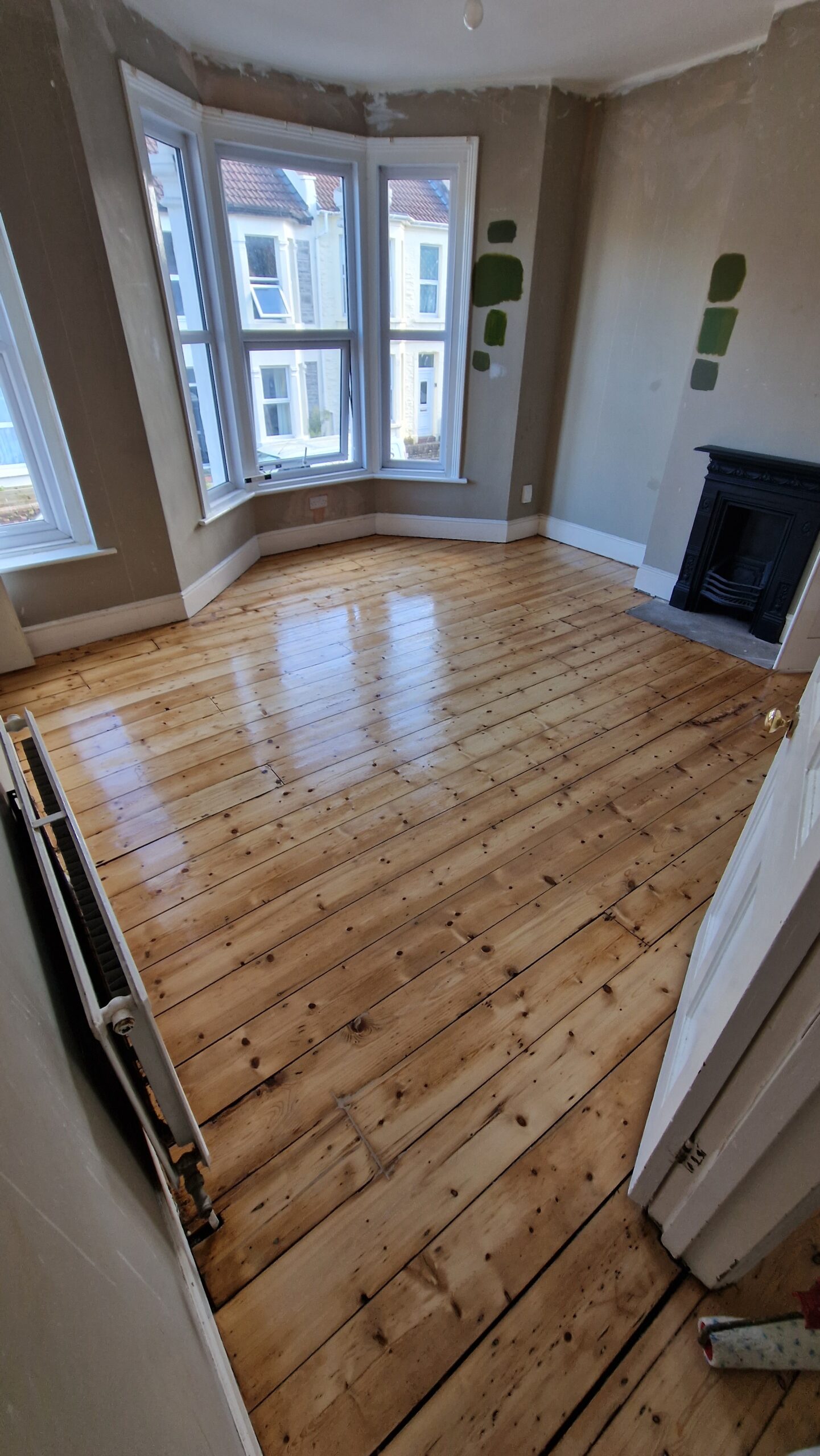
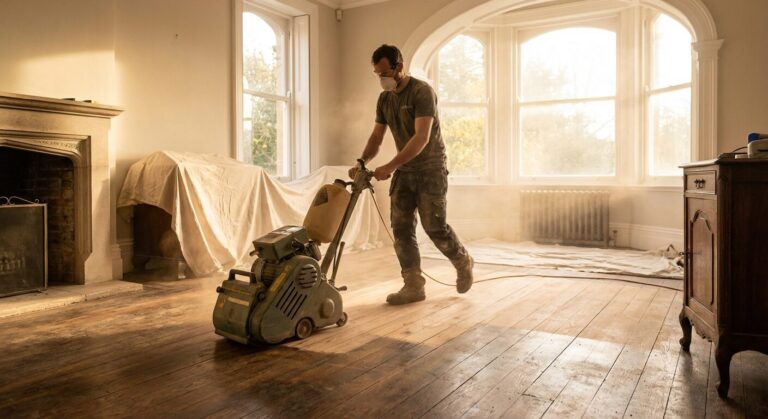
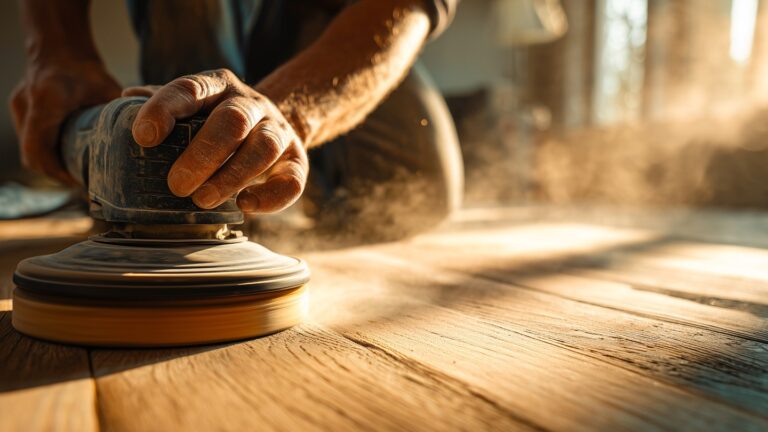
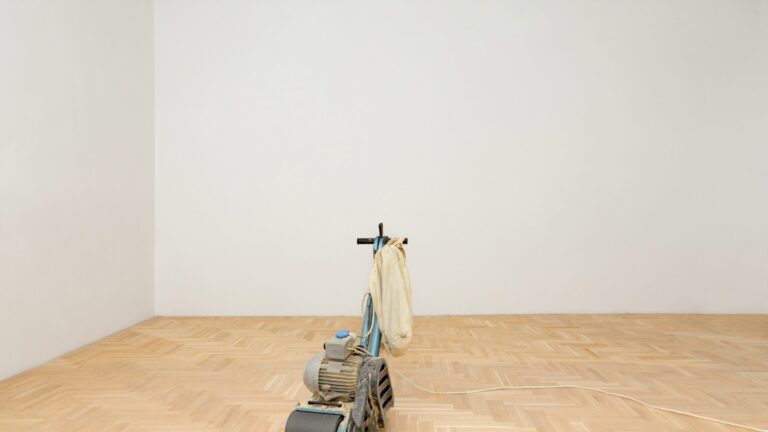
Good floor sanding in Great Torrington starts with the dull jobs. A nail head standing even a millimetre proud will shred a sanding belt in seconds and tear a scar across the next few boards, so each one is knocked down with a punch first. Hardboard is lifted and the hundreds of pins that held it are pulled out rather than snapped off level. Any board that lifts underfoot gets a couple of screws into the joist, otherwise it bounces as the machine rolls over it and comes out wavy. After that the main machine works through a run of grits, coarse enough at the start to cut through old coatings and flatten cupped boards, then finer at each pass so that every set of scratches is taken out by the next. Jumping a grit is the most common reason a DIY job shows faint lines once the lacquer goes on. Edges, hearths and door frames are done with a smaller edging sander, and the tightest corners with a hand scraper.

Torrington is a regular destination for us rather than a special expedition: the family firm runs from a workshop at Higher Poole outside Wellington, and the drive up to the Torridge valley is one we make often. Torrington terraces are full of picture rails, deep sills and dressers, all perfect dust shelves, which is why every machine we run is hooked to a sealed collector. No system is perfect, and the dust-free floor sanding page says honestly what a sealed rig misses. If your boards are softwood, the advice on pine floor restoration is worth reading before you decide anything, and the whole sequence is set out under our wood floor sanding service. For other towns and villages across the county, see floor sanding throughout Devon.
Woodworm Holes, Soft Edges and Wood Floor Restoration in Great Torrington

Small round holes scattered across old boards are one of the commonest sights under a lifted carpet, and the older houses of Great Torrington are no exception. They are almost always the flight holes of the common furniture beetle, whose larvae spend several years tunnelling inside the wood before chewing their way out as adults. The holes you can see are exits, not entrances, and in most floors the beetles finished their work decades ago.

Before any wood floor restoration in Great Torrington is agreed, someone has to decide whether the beetles are history or still busy. Historic holes tend to have darkened, softened edges and are often packed with dirt or old polish. Fresh ones look crisp and pale inside, and you may find little heaps of fine, gritty bore dust, known as frass, on the boards or on the joists below. Sanding complicates the picture, because the first coarse pass cuts a clean new face across every hole and makes them all look recent, so the time to judge is beforehand, ideally with a torch through a lifted board or from a cellar. Where there is any sign of an active infestation, the timber needs treating by a timber treatment specialist before it is sealed; trapping live larvae under a coat of lacquer solves nothing.

Beetles prefer sapwood and damp wood. On a sloping town site it is common to find that a later path or yard surface has crept up over the airbricks on the uphill side, leaving the void under the boards stale and damp, exactly what beetle larvae like. Checking that outside wall and taking meter readings on the boards are both part of the free visit before any quote. Restore the airflow and the conditions that encouraged the beetles in the first place disappear with it.

Then comes the practical decision, board by board. Sound timber with scattered holes can be sanded, and the holes either filled with a tinted filler or left as part of the floor’s character; a film of lacquer bridges the smaller ones. Where holes have joined into channels, the edge crumbles under a thumbnail or the board flexes when you stand on it, it is past saving and is cut back to the joists and replaced. Rot is a separate issue. Wet rot shows as dark, soft wood near a leaking window or a damp wall and is usually local. Dry rot, with white strands, cracking into cubes and a mushroom smell, needs a specialist and the source of moisture dealt with before anyone refinishes that floor. For the bigger picture, read how worn and damaged wood floors are brought back; a finished Devon job can be seen in the boards we sanded and sealed at East Anstey.

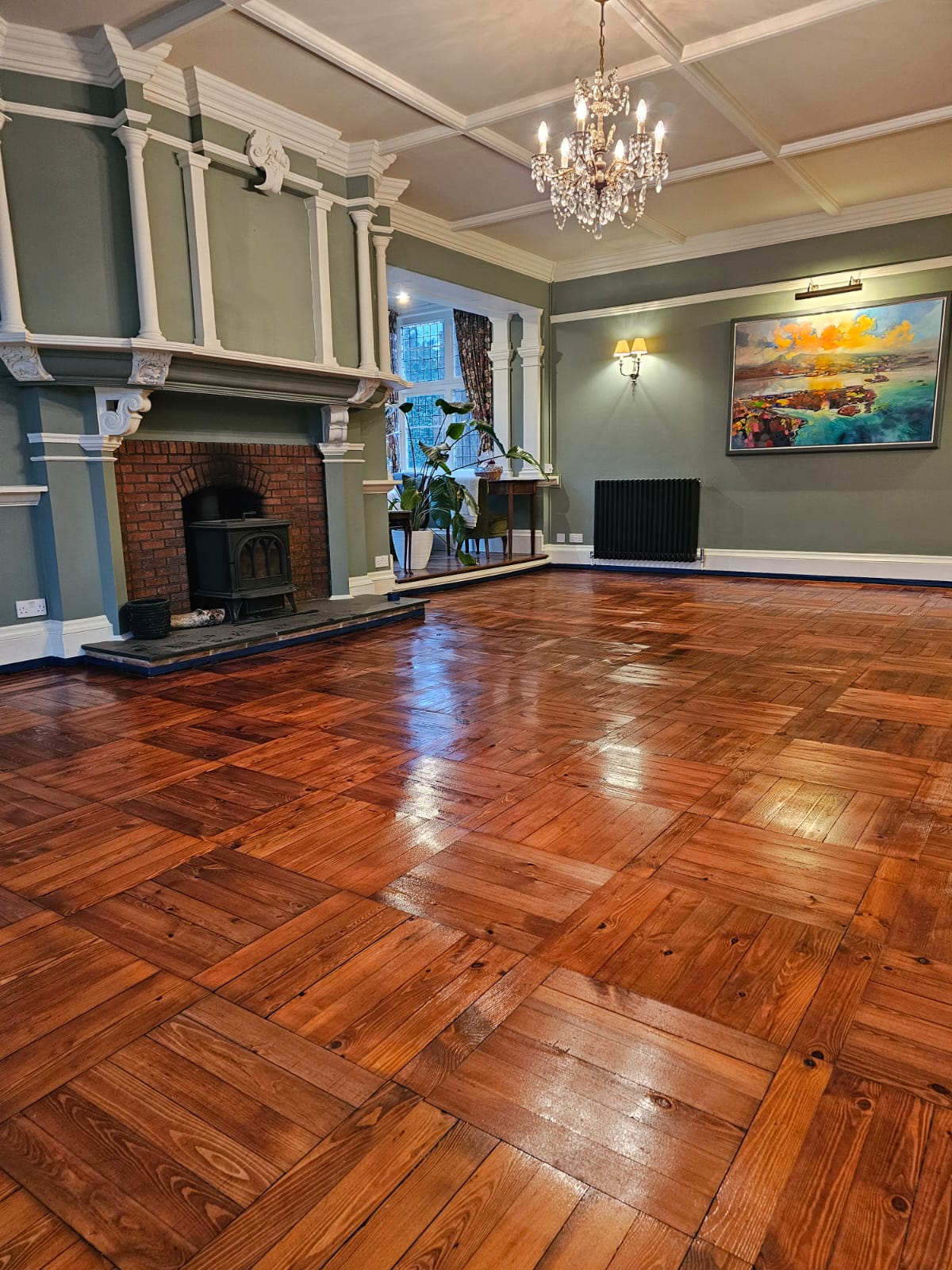
parquet wooden floor sanding
wooden floor sanding

Commercial Floor Sanding for Great Torrington's Village Halls and Community Rooms

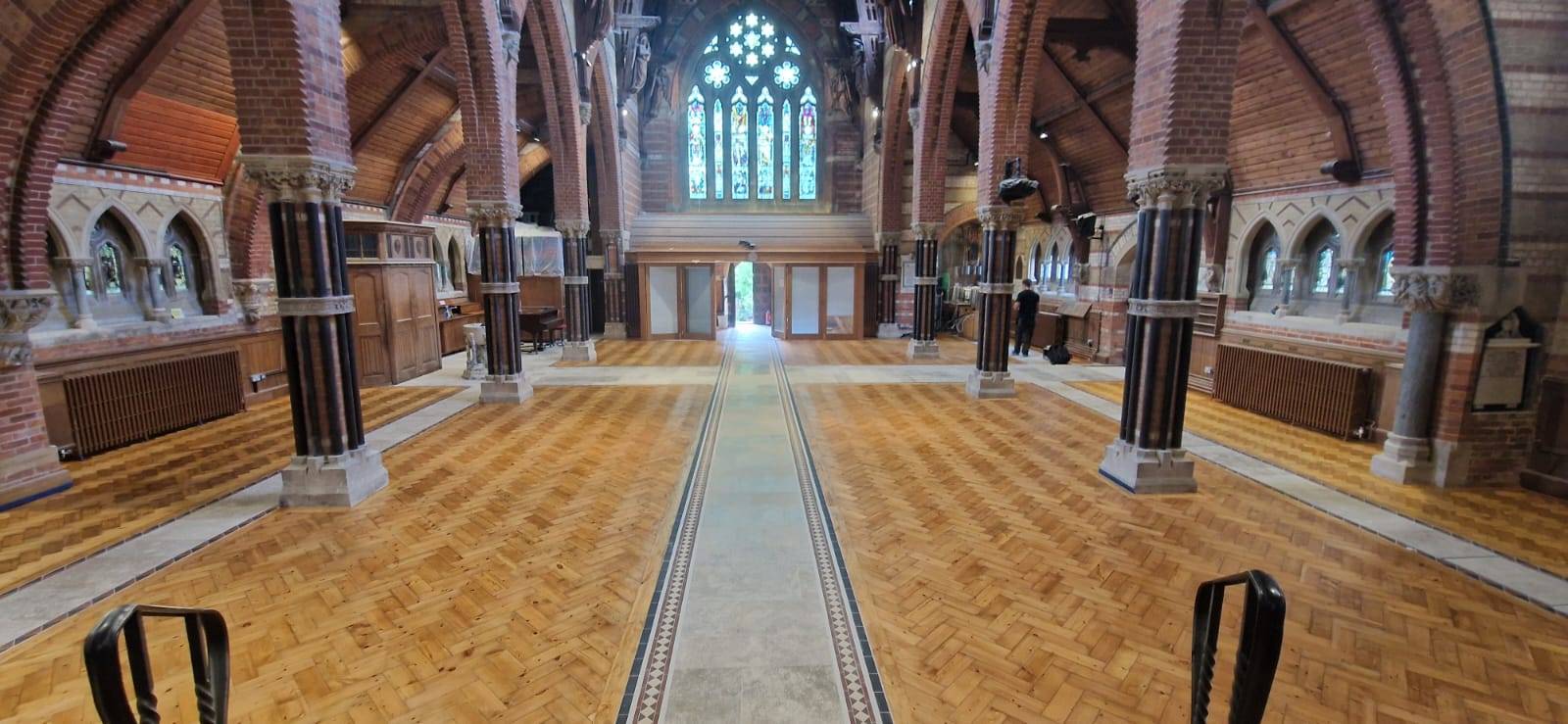
In a town the size of Great Torrington, commercial floor sanding is as likely to mean a village or community hall as a shop or a pub. Hall floors lead an unusually mixed life. On a single weekday the same boards might take a keep-fit class in the morning, a toddler group at lunchtime, short mat bowls in the afternoon and a dance class in the evening, followed at the weekend by a wedding party with trestle tables dragged out of the store cupboard. Each of those leaves its own marks. Table legs score arcs near the walls. Stacking chairs grind grit into the boards by the door. The strip in front of the kitchen hatch takes spilled tea and constant mopping, and the main entrance collects gravel and mud from the car park.

Committees usually want three things: as few cancelled bookings as possible, paperwork the trustees can file, and a floor that is safe for every group that hires it. The first is a matter of timing. Work can run on closed days, across a quiet week or overnight, using fast-curing finishes so the hall can reopen promptly, and dates are held well in advance so the bookings secretary has time to plan around them. Treasurers and trustees answer to a committee, so the job can be backed with a method statement setting out each stage, our insurance cover in writing and references from earlier commercial customers, whichever of those the committee asks to see. The third comes down to the finish. Decades of slip-on polish or floor wax rarely build up evenly; you get slick boards by the stage and sticky ones by the kitchen, neither of which suits a tap class or an eighty-year-old at a tea dance. Taking the boards back to bare wood clears every layer, and a hall-grade lacquer leaves one consistent surface across the room.

Many halls have badminton or short tennis courts marked on the boards. The court lines vanish with the old coating, so our own team measures and paints them back in to the governing body’s dimensions before the topcoats lock them in. With bowls, dance and Saturday parties all on the same boards, a hall usually comes round for full resanding at four or five years, and a maintenance coat at the midpoint stretches that cycle further. Committees wanting detail on courts can read about hall floors and court markings, groups that mostly dance should look at sanding and sealing dance floors, and anyone running business premises will find the planning side under commercial floor sanding in shops, pubs and halls. Town-centre shops and cafés follow the same principles of careful timing and proper paperwork.

Making Tired Boards Sound: Gaps, Creaks and Scratches

Older Torrington houses were floored in imperial sizes, and that matters the moment a board needs replacing. A typical Victorian softwood board might be around six inches wide and a little under an inch thick, while new timber from a merchant comes in metric sizes that are thinner and narrower. Lay a modern board beside an old one and it either sits low, leaving a dip, or has to be packed up and still shows a different width. That is why we hold a stock of reclaimed boards: a split or rotten length can be swapped for timber of the same age and dimensions, which then sands and takes the finish like its neighbours. Our floorboard replacement page covers cutting out and refitting, and the broader wooden floor repairs page deals with everything from snapped tongues to damaged joist ends.

Creaks come from movement. A board that has shrunk away from its nails rubs on them every time it is stepped on, or two tongues grind together along a joint. Replacing loose cut nails with screws driven into the joist below usually quietens it, though a run of noisy boards across a room can point to a joist that has dropped or been notched too deeply by a plumber at some point in the past. Once the cause is found the cure is usually simple; there is more detail on quietening creaking floorboards.

Gaps are a seasonal fact of life in solid wood. Boards take up moisture in a damp autumn and give it back once the heating comes on, so a floor that looks tight in September may show clear gaps by February. Hairline gaps take a resin filler stirred together with the floor’s own sanding dust, so the colour comes from the very boards it sits between. Wider ones are better dealt with using thin slivers of timber glued to one side only, so the board can still move without cracking the repair. There is a fuller comparison of resin and sliver repairs on the gap filling page.

Surface scratches in a finish that is still intact can often be dealt with without a full sand, whereas dents and gouges into the wood itself need sanding out or, if deep, a local repair. See repairing scratched wood floors for the choices.

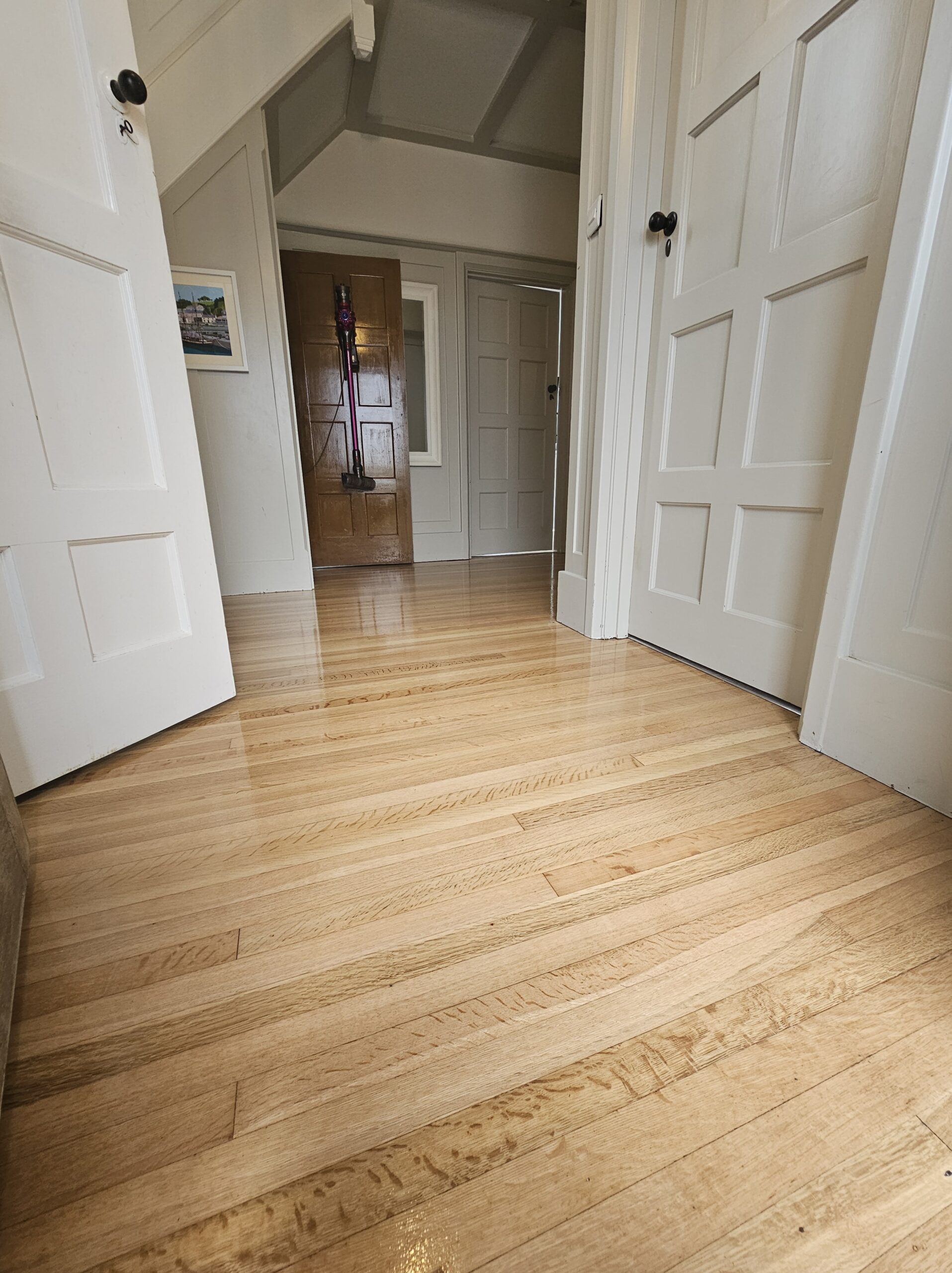
flooring sanding company
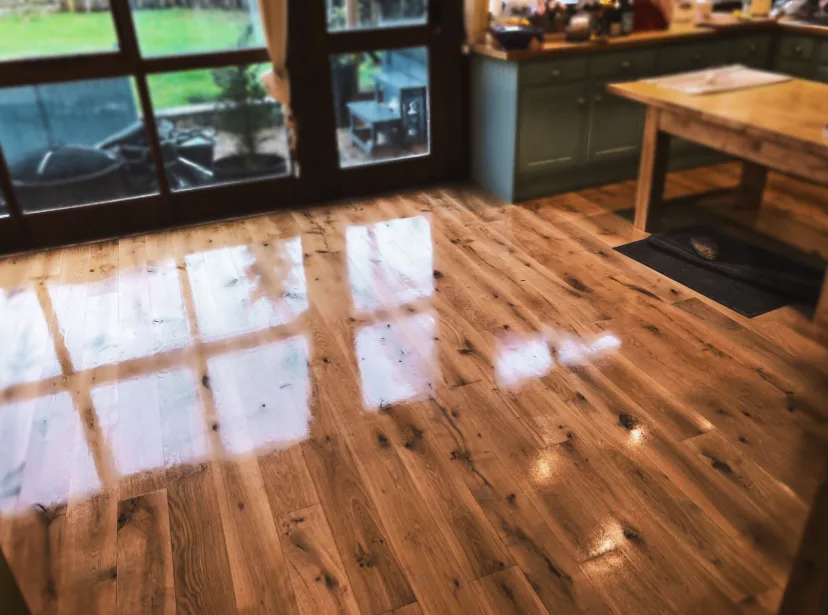
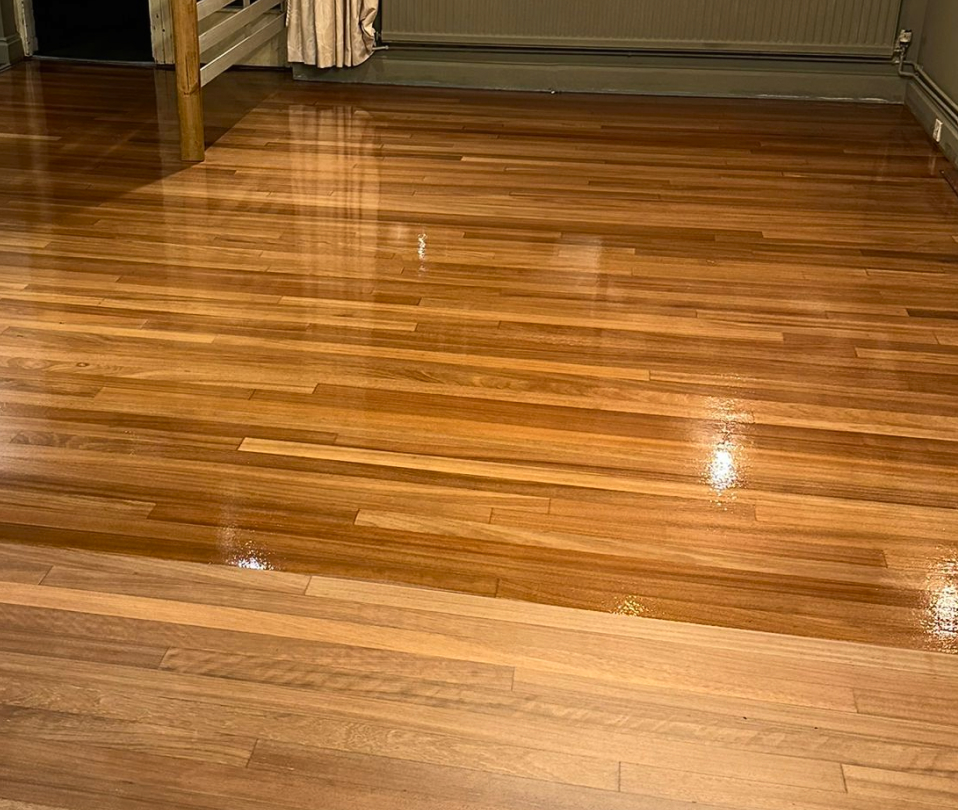
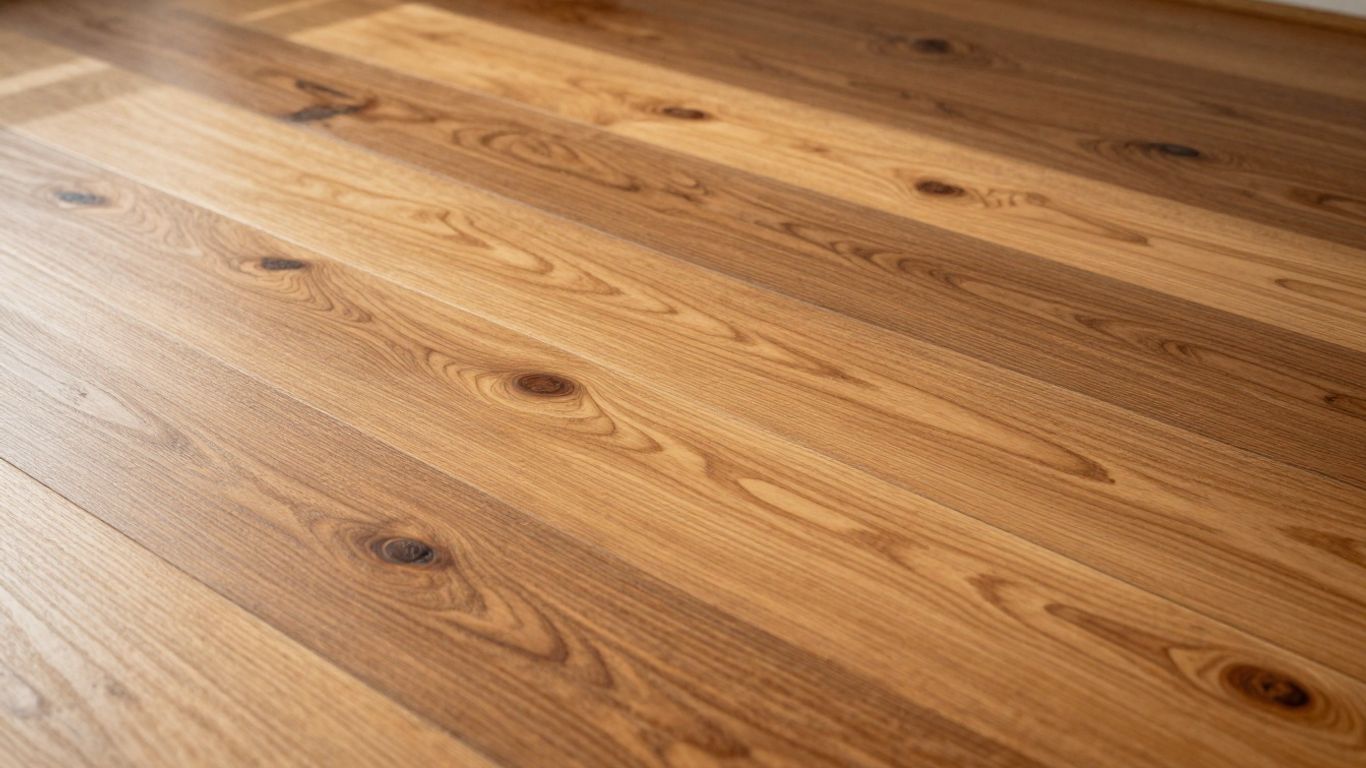
Sunlight across freshly lacquered wooden floorboards

Herringbone Blocks, Steep Stairs and Landings

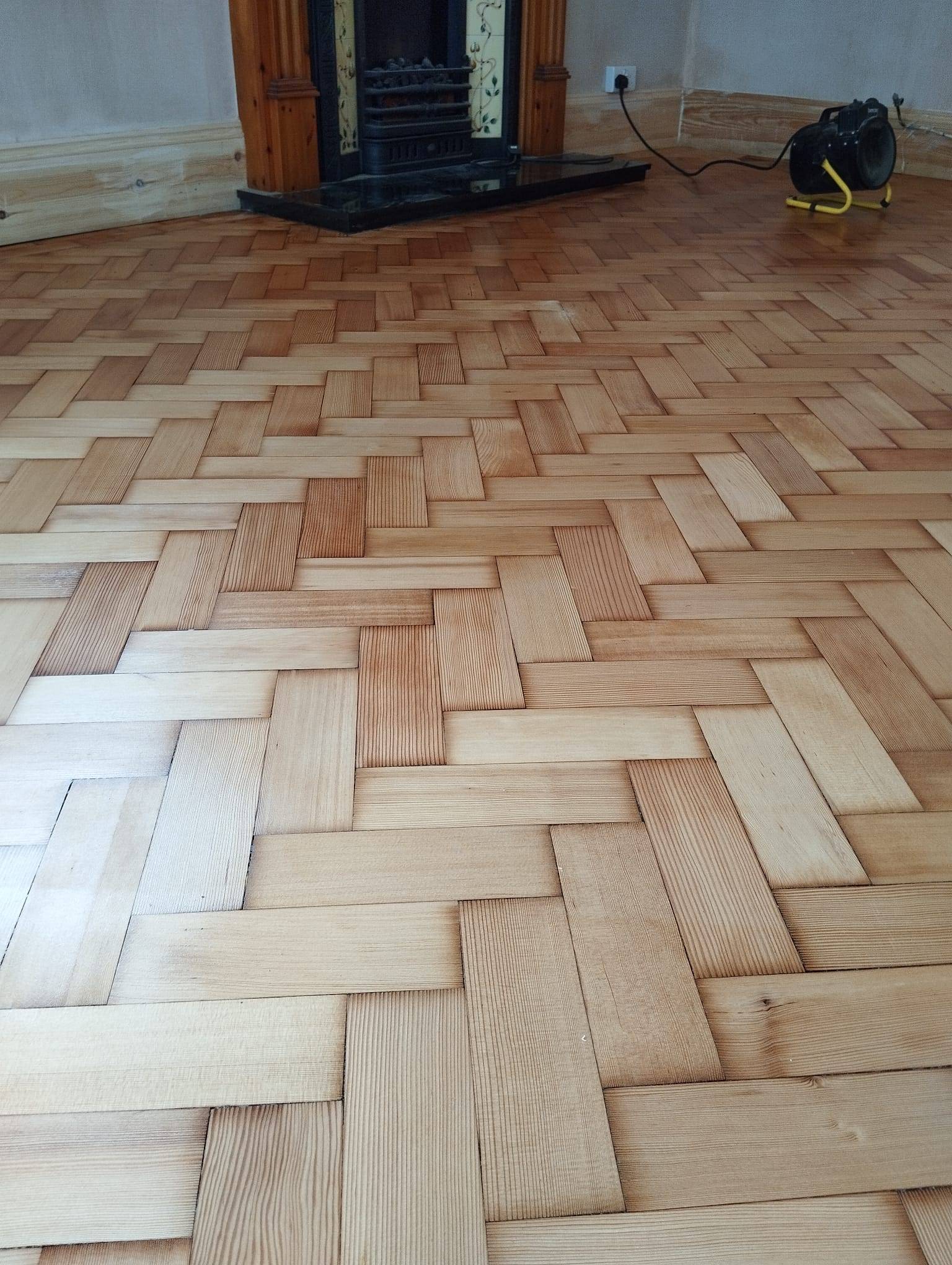
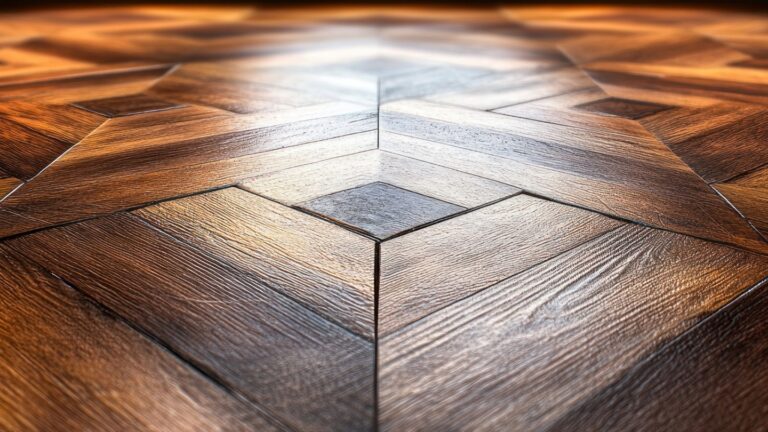
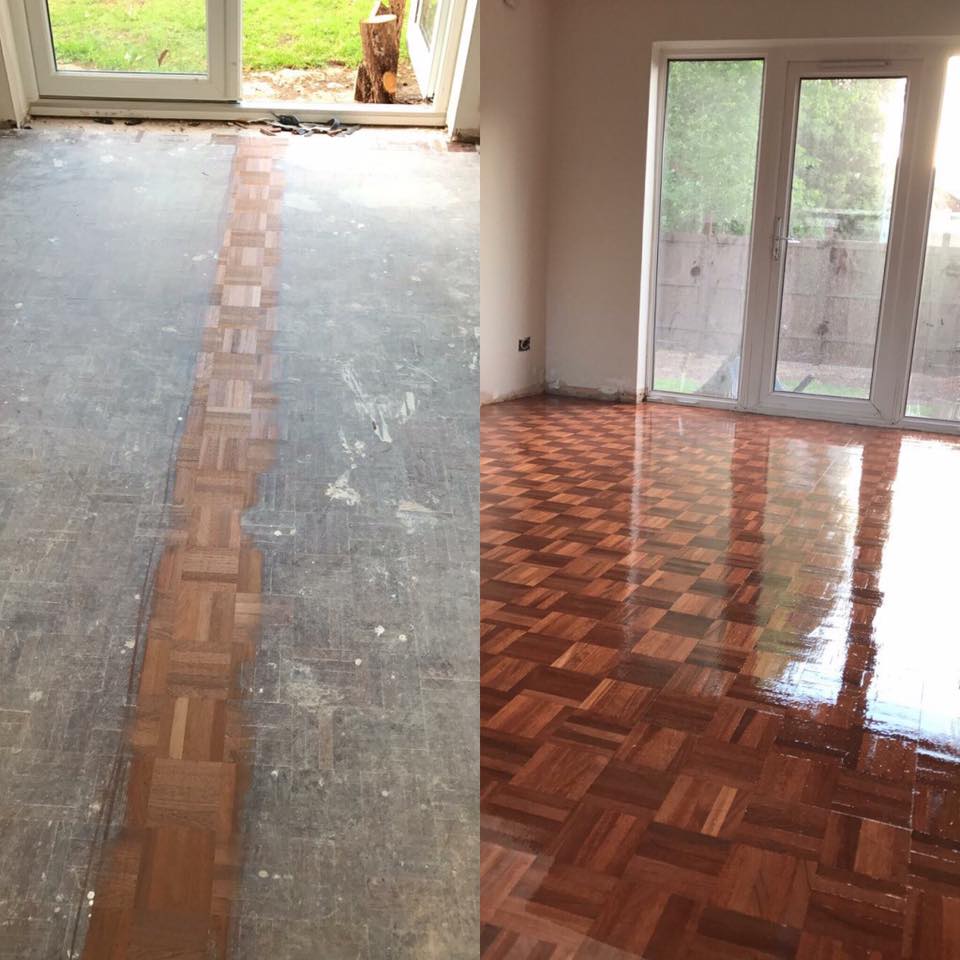
Woodblock floors turn up in Torrington in mid-century houses, in some halls and now and then in older hallways. Most problems with old parquet start with the adhesive. Blocks laid on hot bitumen held well for decades, but bitumen dries out and goes brittle, and the blocks begin to rock. Tap across a parquet floor with a screwdriver handle and loose blocks give a hollow, dead note against the solid click of the bonded ones. Any block that rattles comes up, has its crust of old bitumen chiselled off, and goes back down in fresh adhesive once the screed beneath has been scraped clean; left loose, it could be caught by the drum or sanded thinner than the blocks around it.

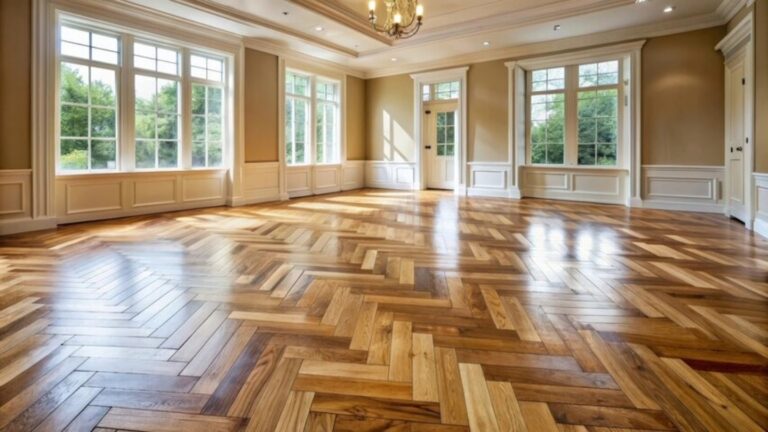
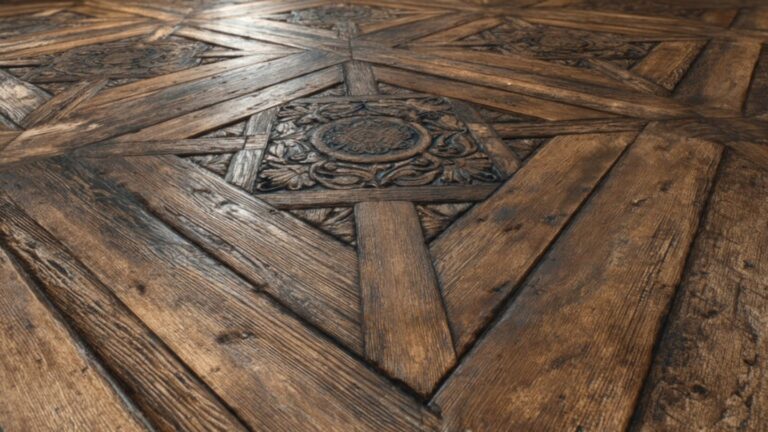
Sanding herringbone parquet or basketweave takes a different technique from boards. The grain changes direction every few inches, so no single pass runs with the grain everywhere. The floor is sanded at angles in several directions, then worked over with a multi-head or rotary machine to remove cross-grain scratching that would otherwise show as fine swirls under lacquer. The parquet sanding page goes into the cross-cutting technique more fully, and for a south Devon example there is the Paignton woodblock floor we sanded and sealed.

Torrington’s older stairs are often tight and steep, and many still carry the ghost of a stair runner: a band of brown paint or varnish down each side and paler, barely worn timber in the middle. Treads are sanded with small hand-held machines and finished by hand at the back corners and against the strings, where no machine reaches. Nosings are often worn into a soft dip at the centre and need care so that sanding does not flatten the profile unevenly. Risers can be sanded and sealed to match or painted to frame the treads, which suits many period houses. Because a household cannot do without its stairs, one common approach is to finish alternate treads, let them cure, then complete the rest. See stair sanding and refinishing for more.

Picking the Finish for Pine and Oak in an Old Town House

Sanding gets the boards flat and clean, but in any wood floor restoration it is the coating applied afterwards that settles both the look and the upkeep for the next decade, so it is worth choosing slowly. Water-based lacquers dry clear and stay that way, which keeps pine close to its natural pale colour and oak looking fresh. Oil-based lacquers give a warmer, ambered tone that deepens with time, popular with owners who want old pine to look properly old. Where muddy boots and dog claws are a daily fact, a two-component lacquer, which only cures once its hardener is stirred in on site, stands up best. All of these are covered under sealing and lacquering wood floors.

Some people prefer the floor to look and feel like wood rather than wood under a coating. Hard wax oil and plain natural oil behave another way, sinking in instead of forming a skin, which leaves farmhouse kitchen boards looking almost untreated, and the worn path from range cooker to sink can be re-oiled on its own. Oiling a wood floor has its own page. Paste wax produces the deep, buttery glow found in old farmhouse parlours. It wants buffing and topping up from time to time, works best away from heavy traffic, and once it is on, lacquer is ruled out unless the floor is sanded bare again. The waxed floor finishes page explains the routine.

Colour is the other question. Pine yellows with age, and some owners want it toned down; others want an oak floor darkened to sit with heavy old furniture. Stain goes onto bare timber after the final sanding, before the protective coats, and every stain we use is tried out first on a patch of the customer’s own boards, because the same colour looks quite different on pine, on oak, or on a floor that has been sanded harder in one area than another. Softwood in particular can take stain unevenly. There is more on staining floorboards to a new colour, on oak floor restoration, and on polishing and maintenance coats for floors that simply need their shine brought back.

Wood floor sanding company
Floor sanding taunton

Looking After the Floor, Fitting New Wood and Getting a Quote in Great Torrington

Give the last coat a full day before padding across it in socks. The heavy oak dresser and the piano should wait two or three days. Rugs wait longest of all, a fortnight or so, because a coating smothered too early tends to stay soft and dull under them. The single most useful purchase afterwards is a packet of felt pads for every chair and table foot in the house. North Devon mud dries to an abrasive grit, and a doormat at each entrance plus a vacuum with a soft brush head will do more than any polish. Wash day means a mop wrung out until it is nearly dry, plus a splash of neutral-pH wood floor cleaner, and nothing harsher. Steam mops and soaking wet mops push moisture into the joints and are best avoided. With that kind of care, the sanders should not be needed again in a family home for something like eight or ten years. Well before then, if the sheen goes patchy, the surface can be scuffed back and recoated in a fraction of the time a resand takes, as explained under buffing and recoating.

Some floors are past rescuing, and some houses never had wood down at all. New flooring can come from us either fitted or as materials only for a builder you already trust, drawing on ranges such as Bona and Junkers. Details are on the wood floor installation page.

Start by taking two pictures on your phone. One wide shot from the doorway shows us the size and layout of the room. The other should be close enough to count the worm holes, measure a gap against a coin, or see how far the varnish has gone in front of the stage. Initial advice can usually be given from those. Should the photos show a floor worth rescuing, we arrange to call at the house; there is no charge, and thirty minutes or so is normally plenty. That is when board thickness is gauged at a lifted edge, meter readings are logged, airbricks and any damp patches are checked, and past patch repairs are noted. You get the figures written down item by item: sanding, repairs, filling and finish each listed separately, and the total only changes if the work you have asked for changes. Weekday calls between eight and six reach the office directly; Saturdays are by appointment for those who work all week. Our office number is 01823 674562, and the two photographs are best emailed to info@ryansrestoration.co.uk; our contact page works just as well for a first message. If you also have a property further down the river, the page on floor sanding in Bideford may be useful.

Great Torrington Floor Sanding Questions

Rarely. Most holes in old floors were left by beetles that died out long ago, and the boards around them are still sound. If the survey finds signs of live activity, the timber should be treated first. Only boards that have gone soft, crumbly or springy need cutting out, and those are replaced with reclaimed timber of a similar age so the floor still reads as one surface.

In most cases, yes. A typical hall floor is sanded and sealed over a few consecutive days, and the work can be arranged for a quiet week, a closed period or overnight sessions. Quick-drying coatings shorten the closure, and because dates can be agreed months ahead, the bookings secretary can warn the keep-fit class and the playgroup long before the doors shut.

Most Torrington homes take between one and three days. A single front room with sound boards is at the short end, while a ground floor needing hardboard lifted, new boards let in and gaps filled sits at the long end, and the finish chosen affects drying time too.

Yes. They come off with the worn coating, and our team repaints them in-house to the dimensions the sport’s governing body sets out, before sealing over them. It is also a good moment for the committee to decide whether any extra court markings should be added at the same time.

Usually. Old filler, string, papier-mache and even folded newspaper all turn up between boards. Whatever is loose is raked out before sanding, and the gaps are then filled again with resin and sanding dust or with glued timber slivers, depending on their width. Very wide gaps sometimes call for the boards to be taken up and closed together instead.

It can. Pine is stained after the final sanding, before any protective coats, and the colour is always tested on your own boards first, since softwood can absorb stain unevenly. A slightly lighter shade than you think you want is often the safer choice, because colours tend to look darker across a whole room than on a small sample.

You can walk on it in socks around 24 hours after the last coat. Heavy pieces can return after two or three days; carry them in rather than dragging, and put felt under every foot first. The finish keeps hardening for a while after that, so hold off on rugs and any heavy cleaning for a little longer.

Yes. We work across North Devon regularly, so a farmhouse out in the lanes or a cottage in one of the nearby parishes is treated no differently from a house in the town itself. If you are unsure whether your address falls within the usual area, send a couple of photos with your postcode and you will get a straight answer.

Very little. Extraction is built into the sanding equipment and sealed, so the dust is drawn off at the abrasive as it is made. A fine film can still settle on high ledges in a house with lots of nooks, which is why it makes sense to clear ornaments and close doors to adjoining rooms before work starts. It is a very different experience from using hired machines.