Floor Sanding Norfolk

Floor Sanding and Wood Floor Restoration Across Norfolk

QUICK QUOTATION

Floor Sanding Taunton

Floor Sanding Throughout Norfolk

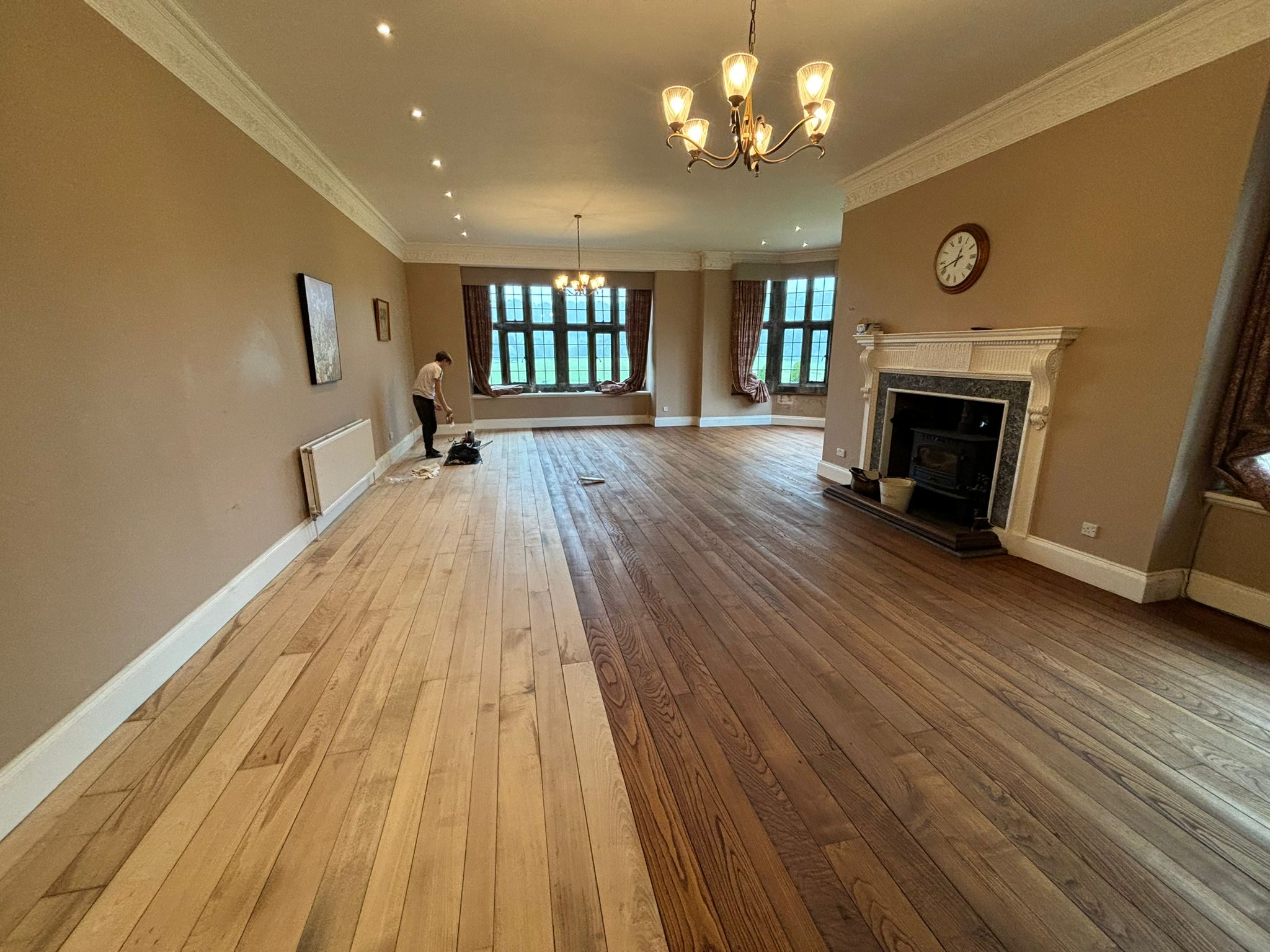
We are a family firm with over 45 years behind the machines, covering Norwich, King’s Lynn, Great Yarmouth, Dereham, Fakenham, Thetford, Wymondham, Diss, Holt, Cromer, Sheringham and the villages between. Distances being what they are, we run multi-day blocks in each part of the county so travel never inflates a job. Our wood floor sanding always begins with an assessment — including moisture readings, since boards in low-lying Norfolk properties often hold more water than they should — and we will happily recommend a lighter option such as buffing and recoating or renovation without sanding when a full sand is not needed.

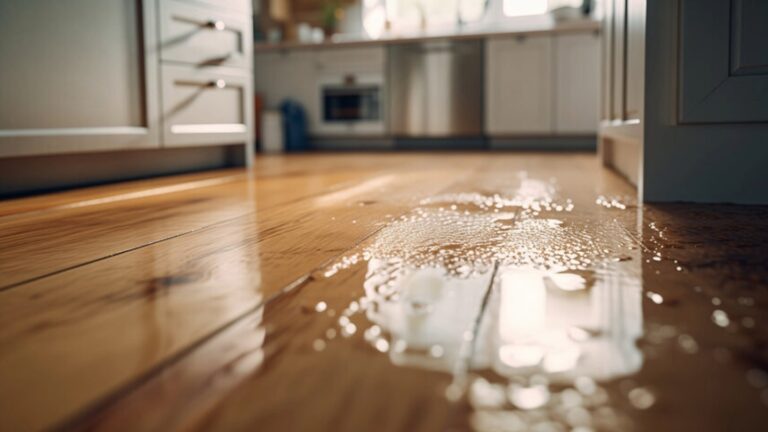
Those moisture readings are not a formality. Timber sanded while it is carrying too much water will shrink as it dries out, opening gaps and sometimes cracking a freshly applied seal, so if a meter tells us the boards are wet we would rather diagnose the source — a ventilation problem beneath the floor, a recent leak, a new screed still drying nearby — and return when the readings settle. It is slower, and it is right.

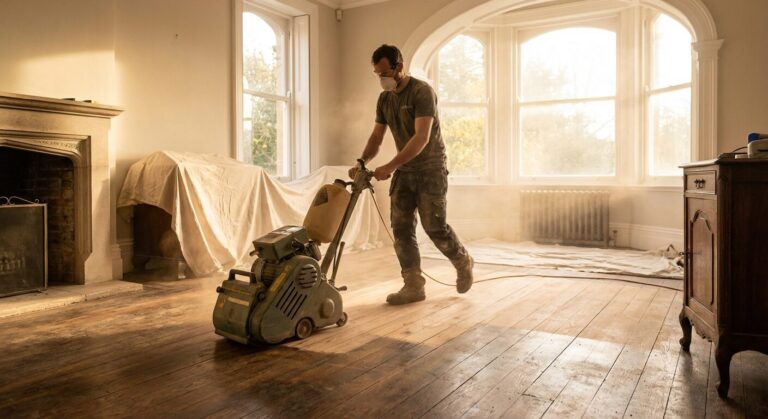
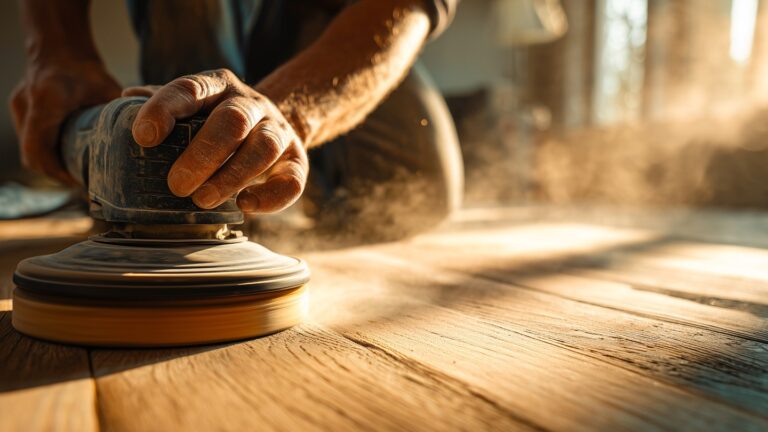
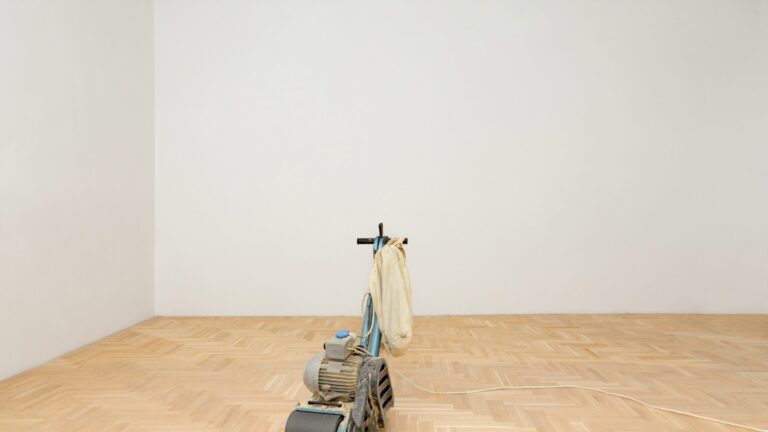
When sanding does go ahead, the machines are matched to the floor rather than the other way round. Heavy belt sanders make the levelling cuts on the open boards, a smaller edging machine works tight to the skirtings, and corners, cupboard returns and the boards around hearths are taken back by hand or with detail sanders. Between every abrasive change the floor is vacuumed and wiped so stray coarse particles cannot scratch the finer work that follows, and the final pass leaves a surface ready to take finish evenly from wall to wall.

Because the county is wide and our workshop is in Somerset, Norfolk visits are organised as planned runs rather than single-day dashes. We arrive with abrasives in every grade, spare machine parts and the agreed finishes on board, book accommodation locally for multi-day restorations, and confirm the day-by-day programme with you in writing before we set off so you know exactly when each room is out of action.
Commercial Floor Sanding in Norfolk

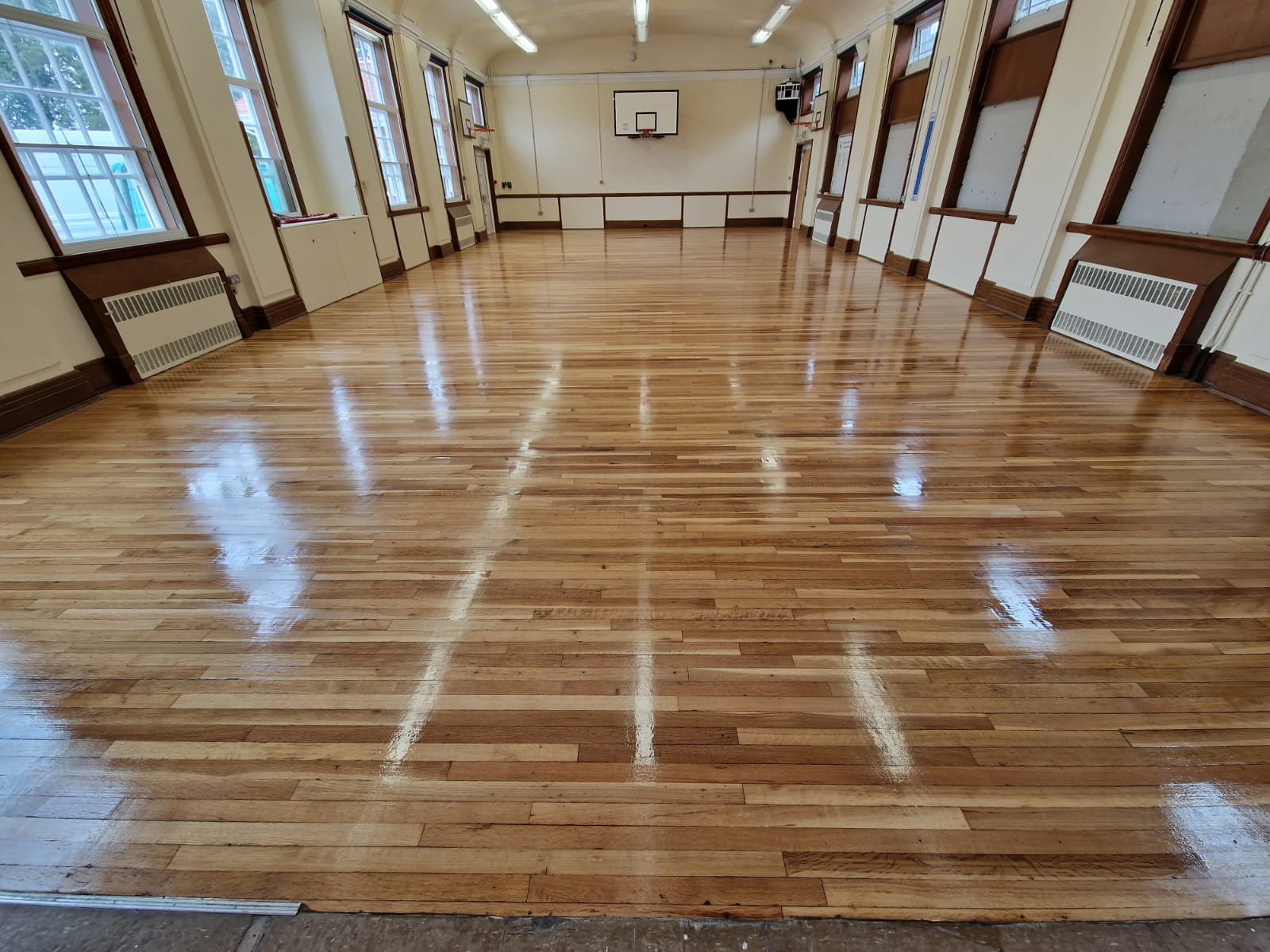
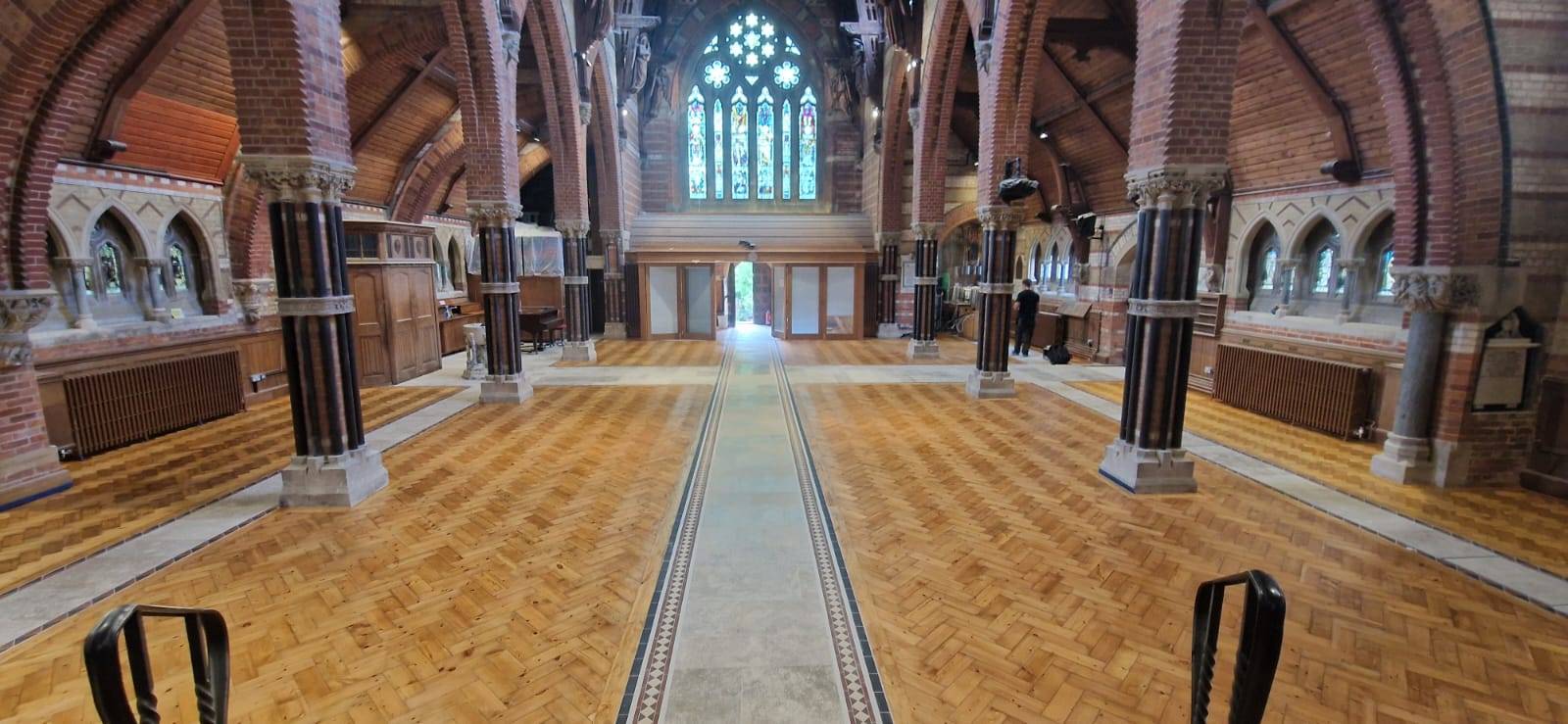
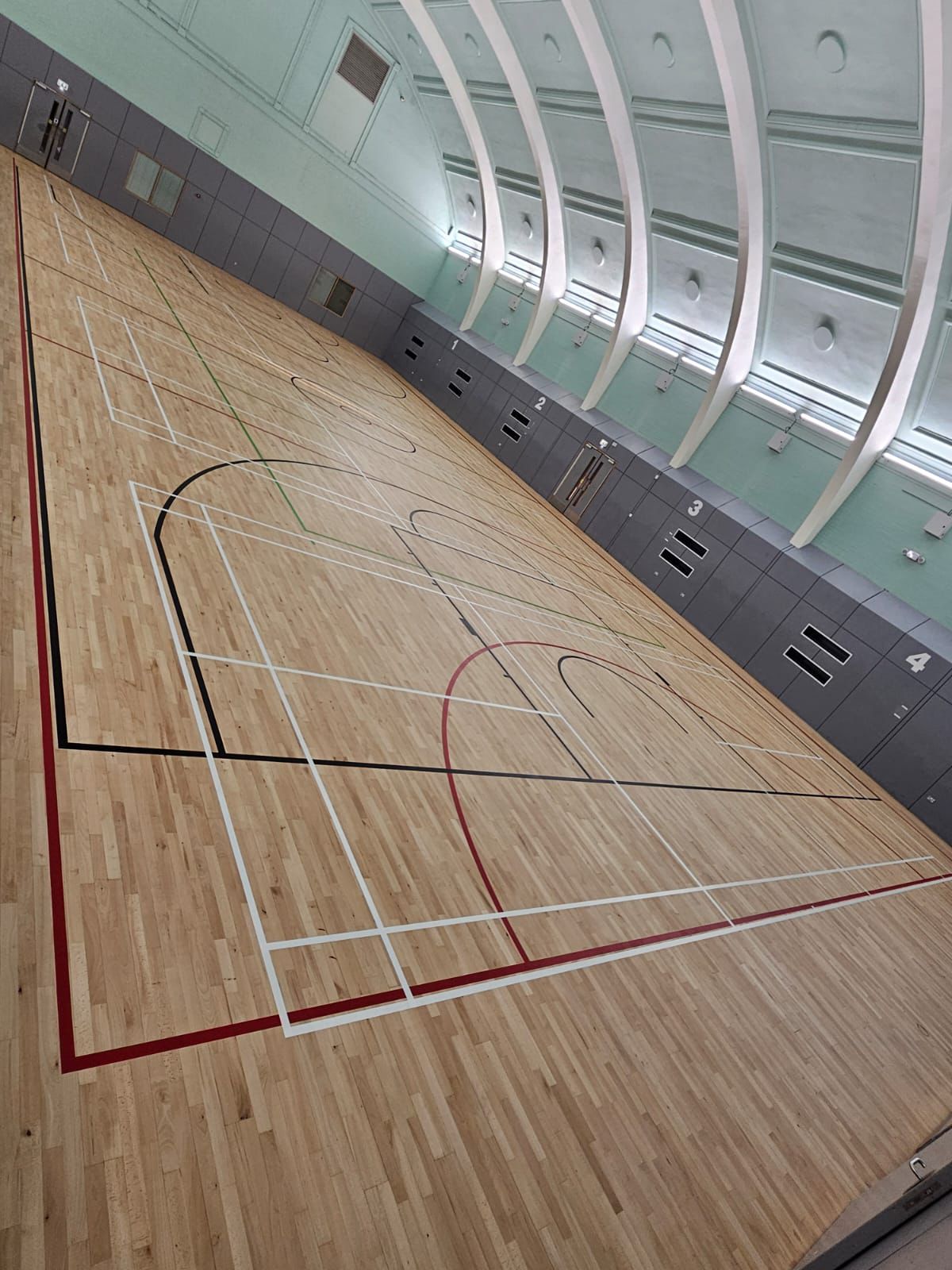
Our commercial floor sanding team looks after pubs, village halls, country house venues and seasonal businesses along the coast. Jobs are booked outside trading hours — overnight, weekends or between holiday lets — and arrive with method statements and insurance documentation already issued. We cover restaurants, shops, hotels and school halls, where sports lines are repainted to governing body specification after the seal has cured.

Coastal businesses often hand us their floors in the quiet months, and winter working needs planning of its own. Finishes dry more slowly in cold, damp buildings, so we ask for background heating to be left on and build realistic drying windows into the programme rather than promising times the chemistry cannot keep. On phased jobs — a dining room one week, the bar the next — we sequence the areas so there is always a dry route through the building, and completion paperwork confirms what was applied where, which helps when different rooms are recoated in future years.

Floor sanding south east London
Commercial Hall Floor Refurbishment

Wood Floor Repairs, Board Replacement and Gap Filling

Making the floor sound comes first. Wooden floor repairs deal with rot, woodworm, splits and water staining; floorboard replacement uses reclaimed boards from our own stock so a patched cottage floor still looks a hundred years old; and squeak repairs quieten movement over shallow joists. Where draughts whistle up between boards — a familiar complaint in older flint cottages — gap filling with timber slivers closes the joints while still letting the floor move.

Woodworm is a case where inspection earns its keep. Old flight holes are extremely common in Norfolk floors and are usually just history; fresh, pale-edged holes with powdery frass beneath suggest an active problem that needs treating before any timber is replaced. We check the underside where access allows, tap boards for the dull note of hollowed timber, and look at joist ends and sub-floor ventilation while we are down there, because replacing a rotten board without curing the damp that rotted it only books a repeat visit. And we are candid about limits — some floors have simply been sanded too many times before, and we will say so rather than take another cut they cannot afford.

Parquet Block Restoration

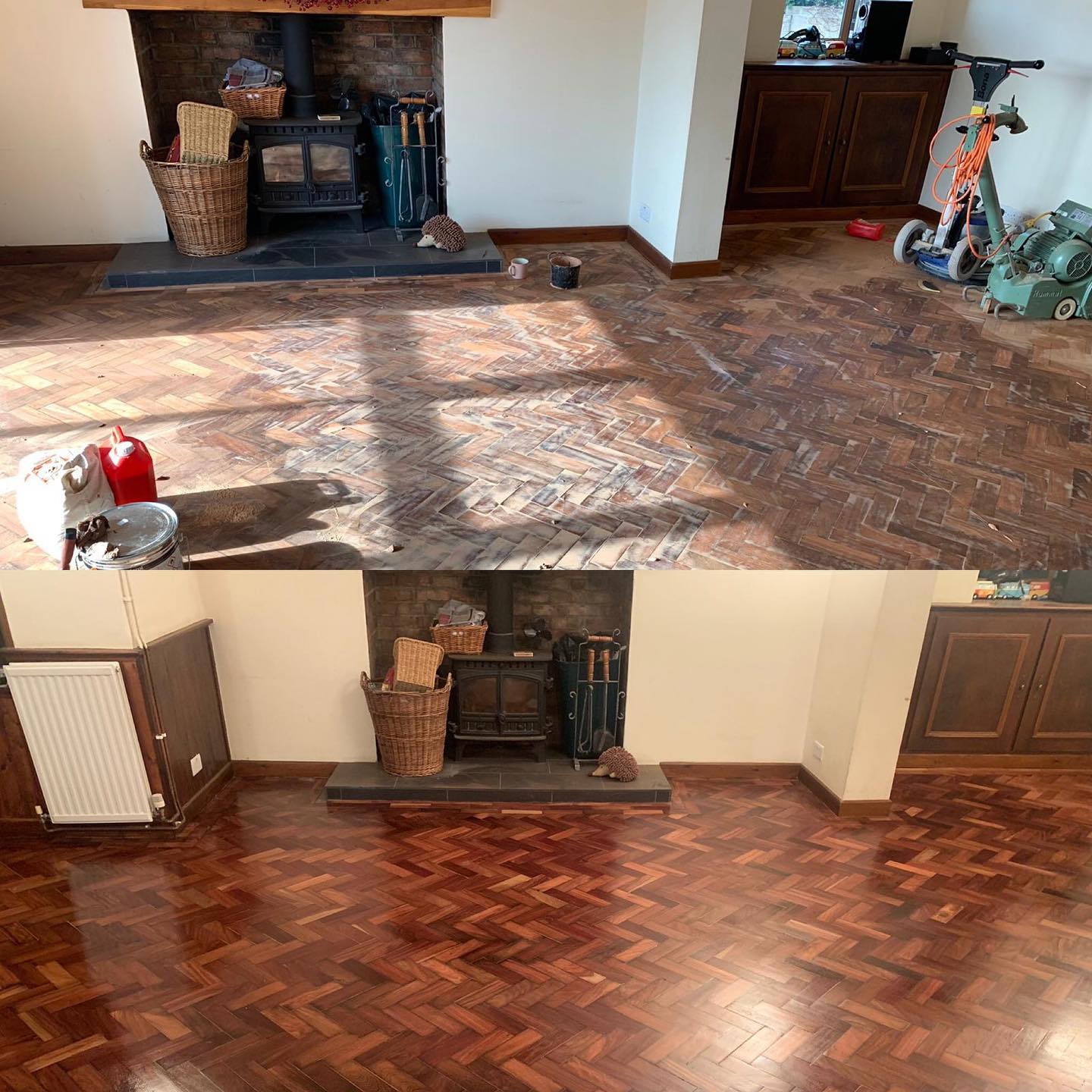
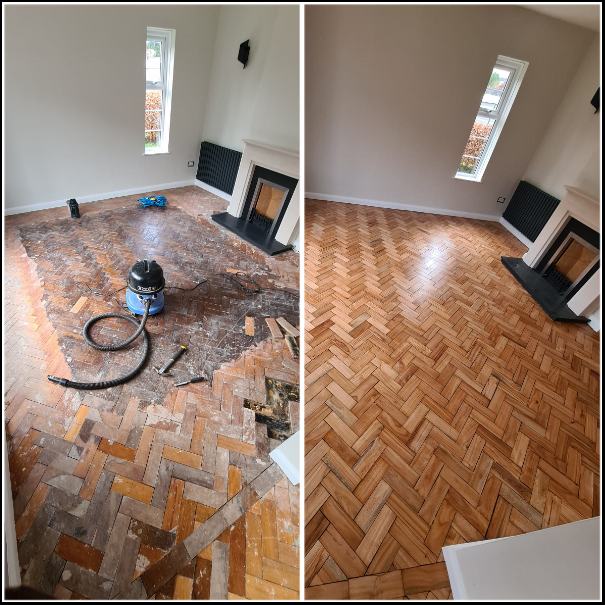
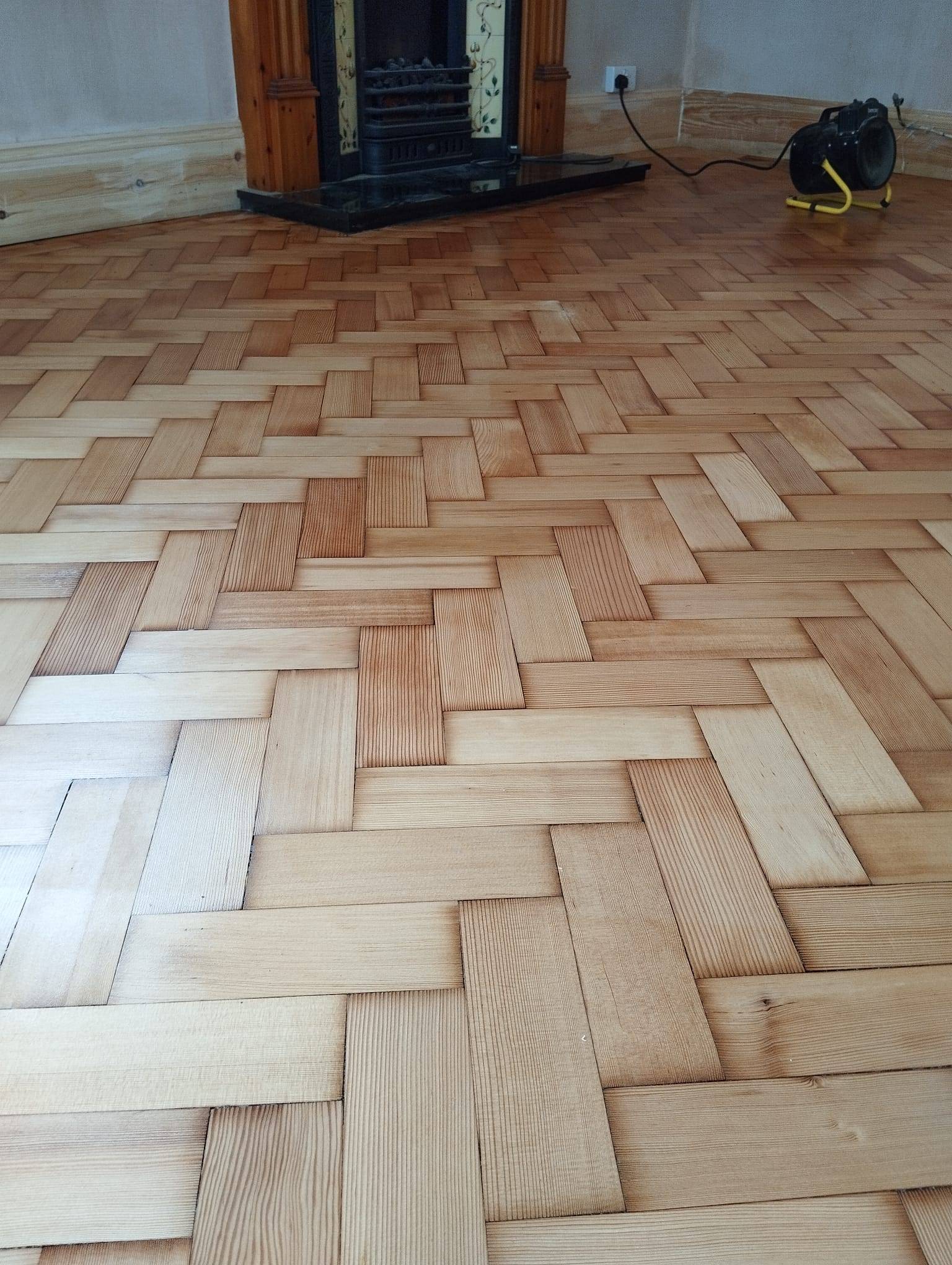
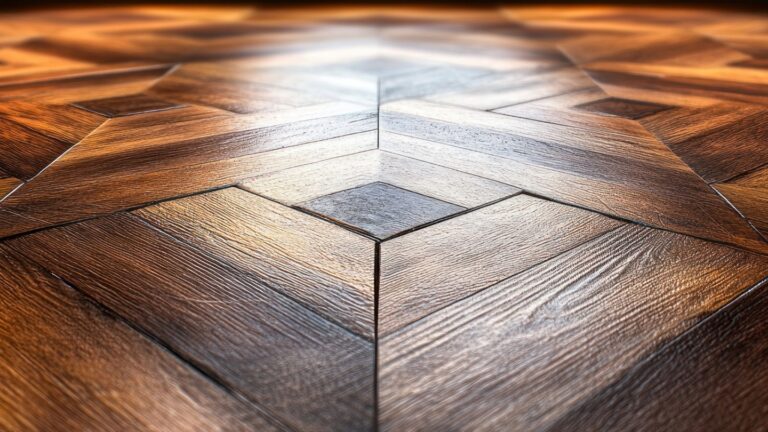
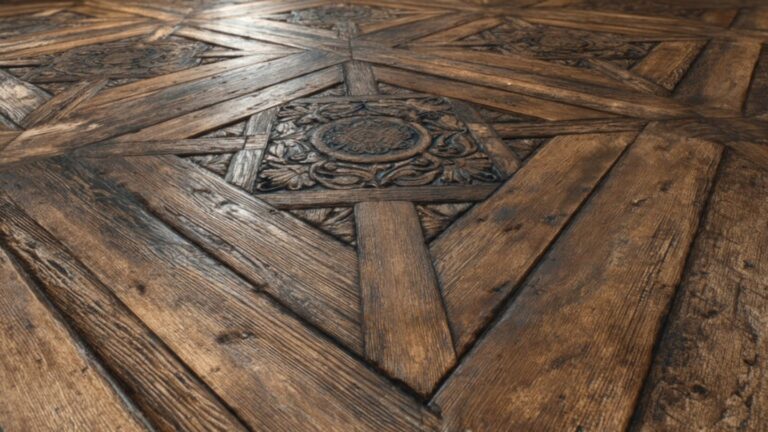
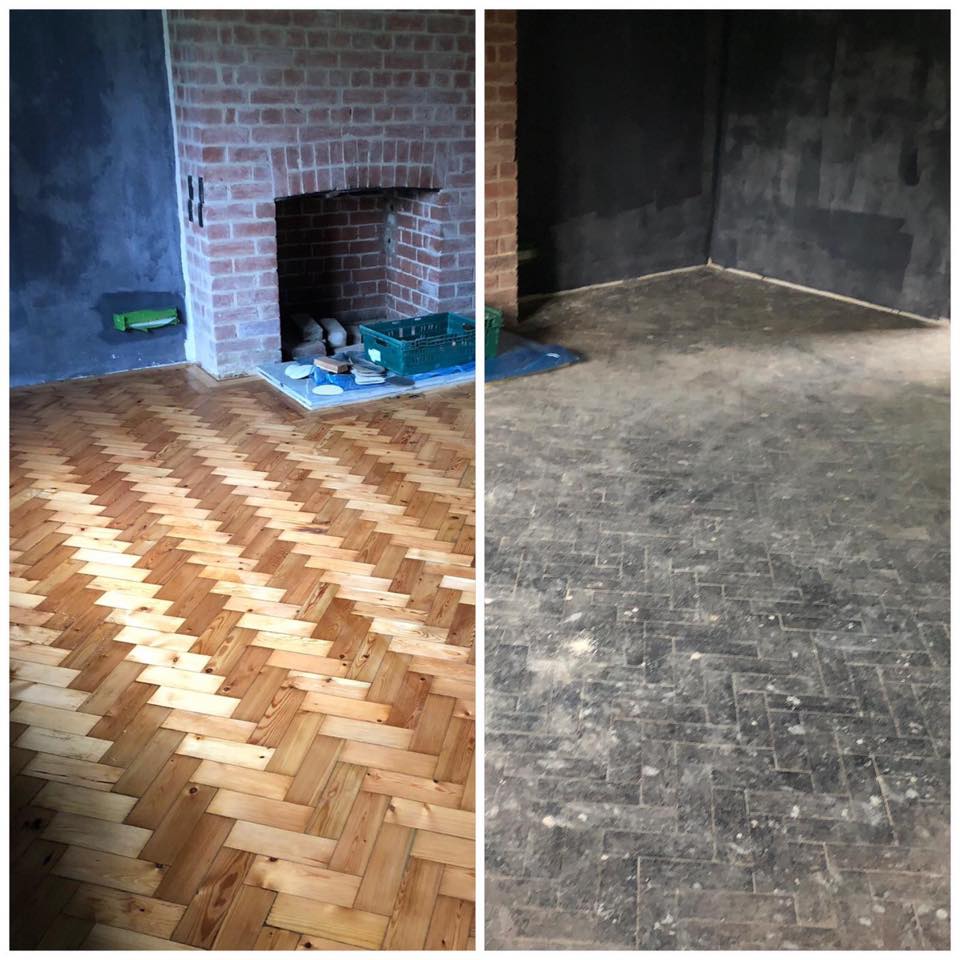
From school halls to Georgian town houses, Norfolk keeps producing parquet worth saving. Parquet floor sanding here means securing every loose block, piecing in replacements for missing ones, clearing out the old bitumen bed and sanding across the pattern until it sits perfectly level. The finish — lacquer, oil or wax — is chosen to suit how hard the room works.

The first question with any block floor is coverage: how many blocks are loose, how many are missing, and whether the border courses — often laid as straight runs framing the pattern — have survived. Lifting a stuck block without snapping its tongue takes patience and the right lever points, and every sound block that comes up is cleaned and reused, since the original timber is always the best colour match available. Only genuine gaps are made up from reclaimed stock. We keep spares from every species we commonly meet, which is why a repaired field can be sanded through as one floor rather than reading as old and new halves.

Floor Sanding Essex
parquet floor restoration near me

Choosing a Finish: Oils, Lacquers, Stains and Wax

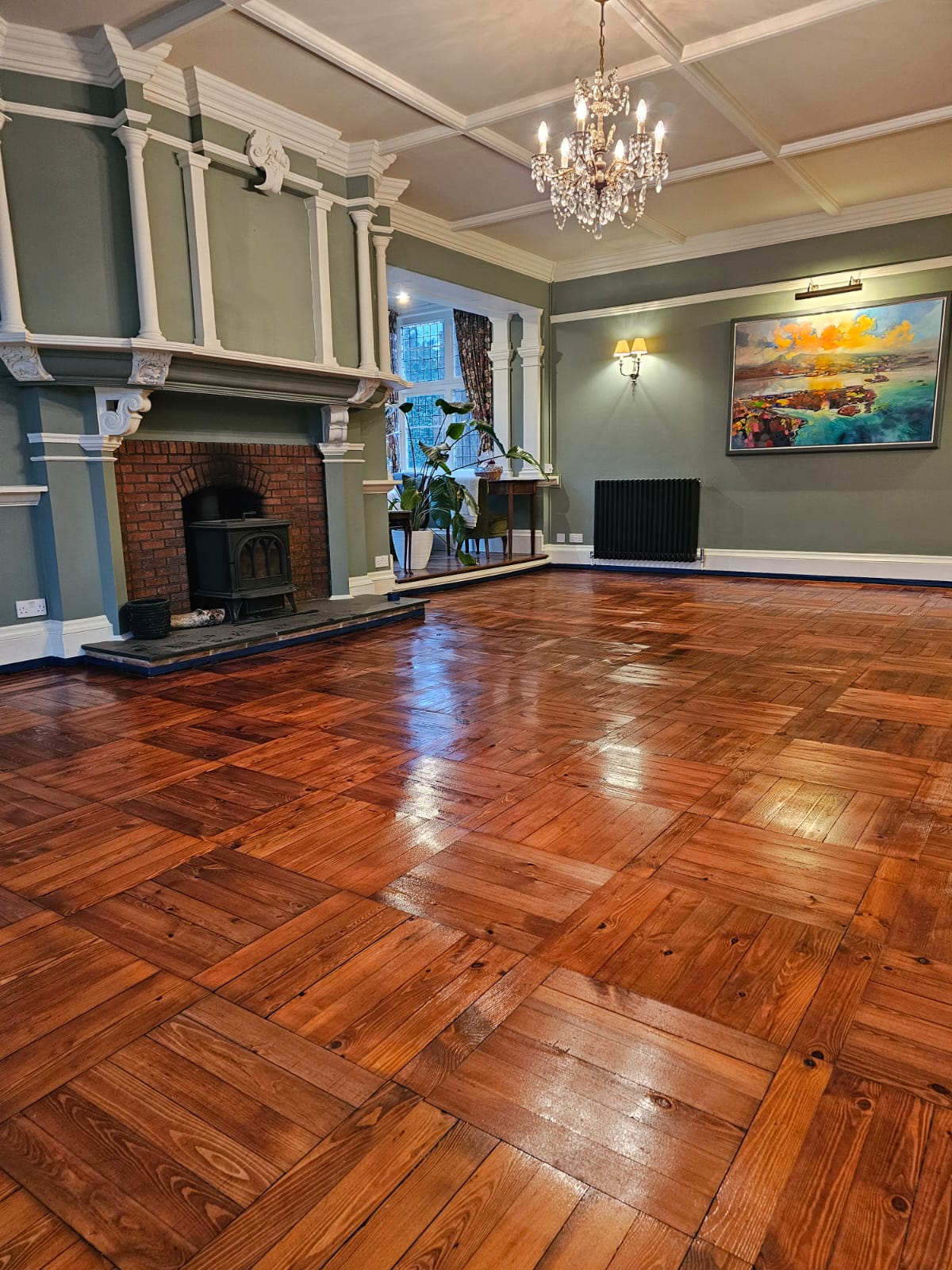
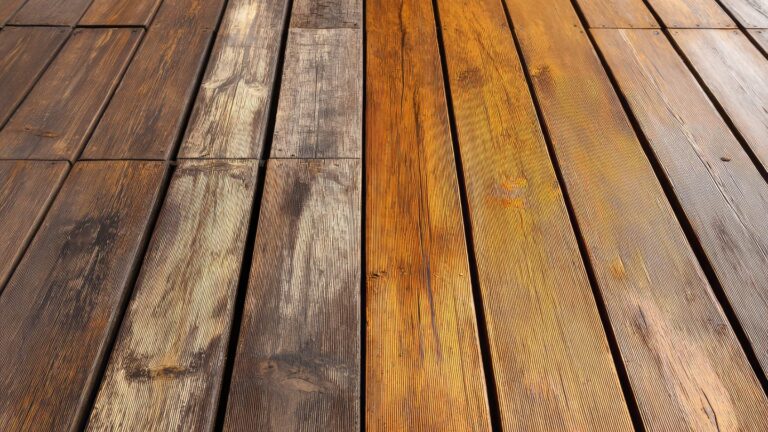
In this county the building often picks the finish. Hard wax oiling suits coastal and second-home property because it moves with the boards and repairs in patches; lacquer sealing is the workhorse for busy family houses; staining adjusts colour before either goes down; and waxing keeps listed interiors looking as they should. Every option is sampled on your own boards before we commit.

Second homes and holiday cottages that stand empty for weeks push the choice towards finishes that tolerate swings in temperature and humidity. An oiled floor copes well with this life and can be revived locally when one room weathers faster than the rest; a lacquered floor prefers steadier conditions but resists sand and grit tracked in from the beach far better. Underfloor heating adds its own rules — surface temperatures need keeping within the limits the finish and the timber can stand, and heating should be ramped gently after refinishing rather than switched straight to full. We walk through all of this at survey so the finish suits the way the building is actually used.

Get a Floor Sanding Quote in Norfolk

Two photographs — one from the doorway, one close-up of the worst area — get you an honest opinion and a fixed written quotation, usually the same day. Larger houses, halls and listed property get a free site survey with no obligation attached.

Call 01823 674562, email info@ryansrestoration.co.uk, or use the form on this page.

All services available in Norfolk: floor sanding, commercial sanding, floor repairs, board replacement, gap filling, parquet restoration, oiling, sealing, stair sanding and new installation.

Nearby areas we also cover: Norwich, Brentwood, Cambridge and Chelsea. There is a page for each, and the full list of towns is on our areas we cover page.

Parquet Flooring Restoration

FAQ: Floor Sanding in Norfolk

Sanding, restoration, repairs, floorboard replacement, gap filling, parquet work, all four finishing routes (stain, seal, oil, wax), stair sanding, recoats and complete new floor installation.

Almost always. We schedule around service hours — nights, weekends or the gap between bookings — so the finish has cured by the time staff and customers return.

They come out before sanding begins. Replacements are cut from reclaimed timber we keep in stock, chosen to match width, species and age so the repair disappears into the floor.

In nearly every case, yes. Loose blocks are re-bedded, missing pieces sourced, adhesive residue removed and the pattern sanded flat, after which it takes a finish like a new floor.

Yes — staining after sanding can lighten, darken or even out mismatched timber, and we trial shades on your own floor so the decision is made on evidence, not a colour chart.

Engineered boards can usually take one or two careful sands depending on the wear layer, which we measure first. Laminate is an image on fibreboard and cannot be sanded.

Not with our set-up. Sealed extraction pulls the overwhelming majority of dust away at source, so you can normally stay in the property while the work goes on.

Photograph the floor twice — wide and close — and send it over for an honest opinion and a fixed written quotation, or book the free no-obligation survey. Call 01823 674562, email info@ryansrestoration.co.uk, or use the form on this page.

Yes, provided the system is switched off or turned right down during the work and ramped back up gradually afterwards. We also choose finishes rated for use over underfloor heating and advise on sensible surface temperature limits.

They can. We take moisture readings before sanding, allow longer drying times in cold or humid buildings, and recommend finishes that cope with the conditions rather than fighting them. If boards are too wet to sand reliably, we say so and return when readings settle.