45 years’ experience  ·  Rated 4.9 on Google  ·  Family-run, from our workshop near Wellington

45 years’ experience · Rated 4.9 on Google · Family-run

Floor Sanding and Wood Floor Restoration in Wiveliscombe

Floor sanding, board repairs and hard-wearing finishes for houses, farmhouses, pubs and halls in Wiveliscombe and the villages towards the Brendon Hills.

QUICK QUOTATION

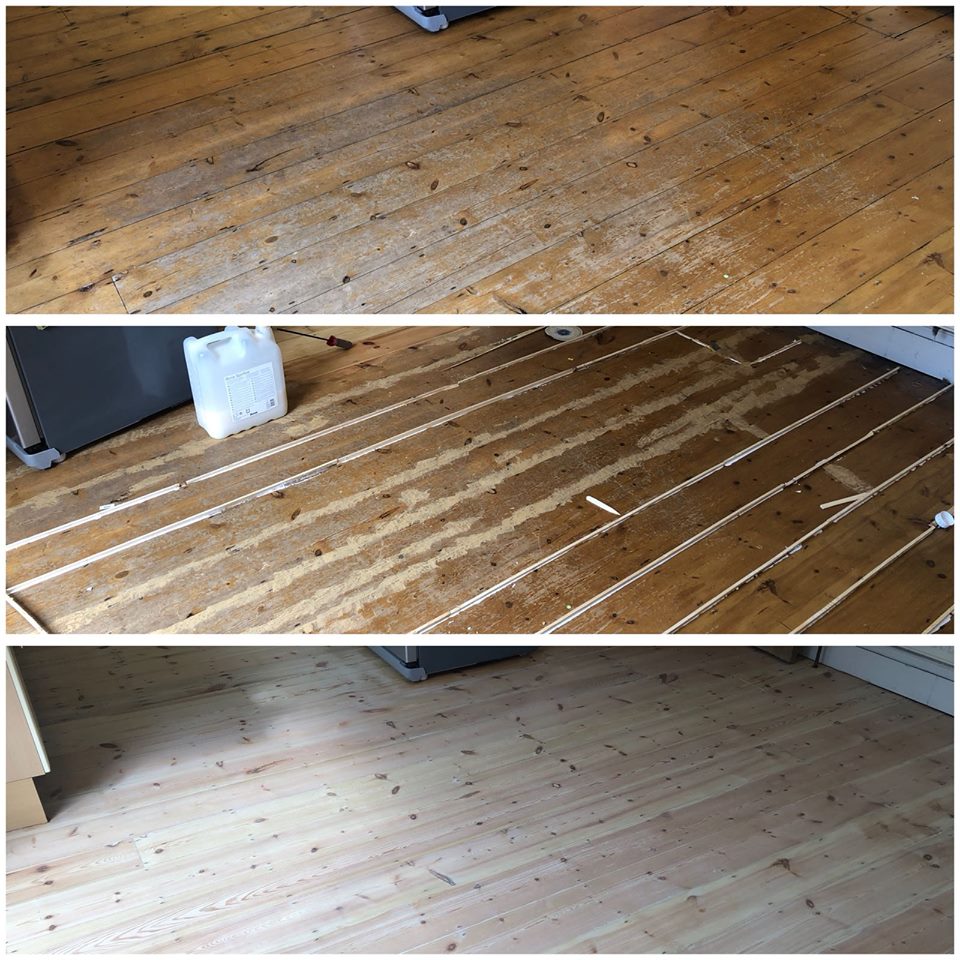
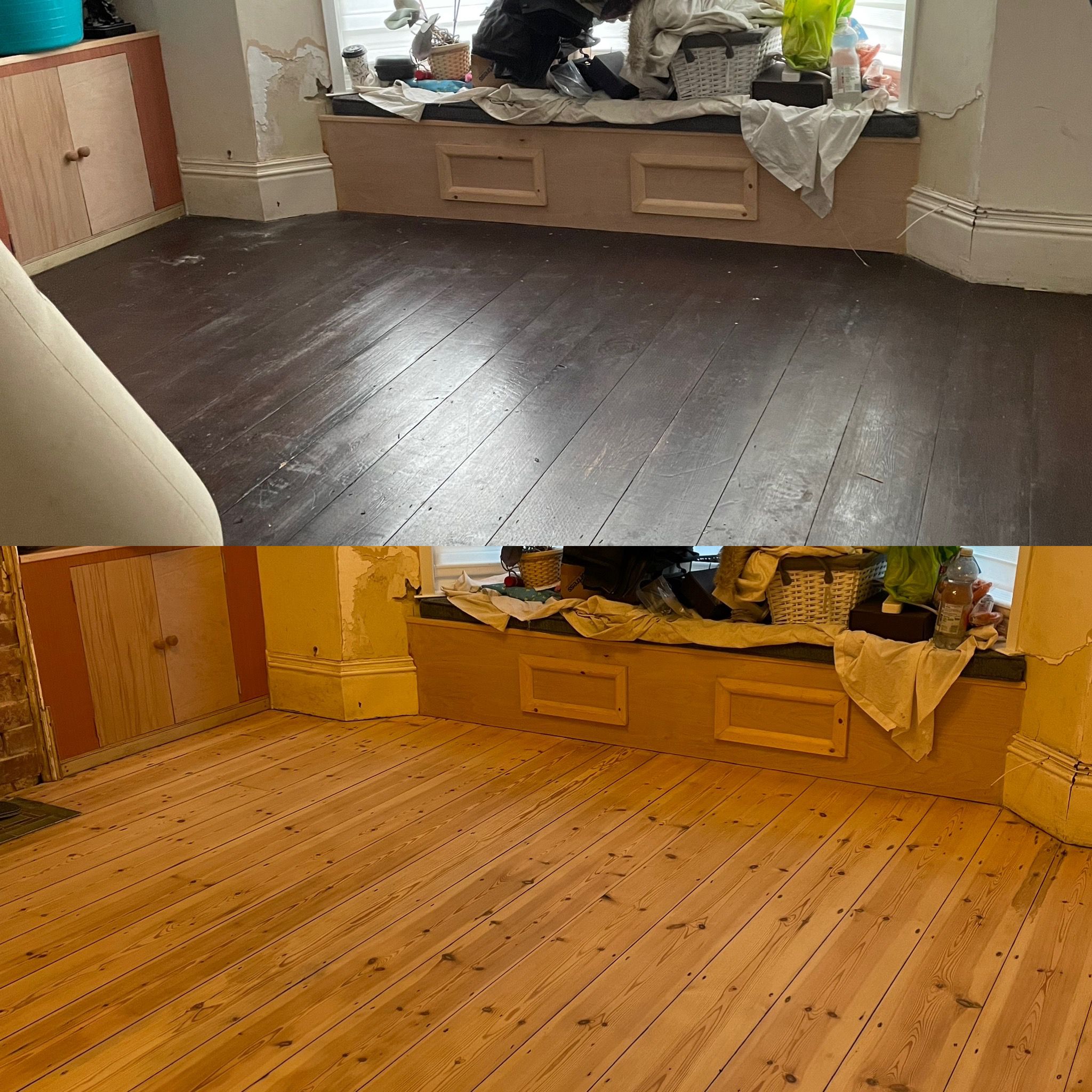
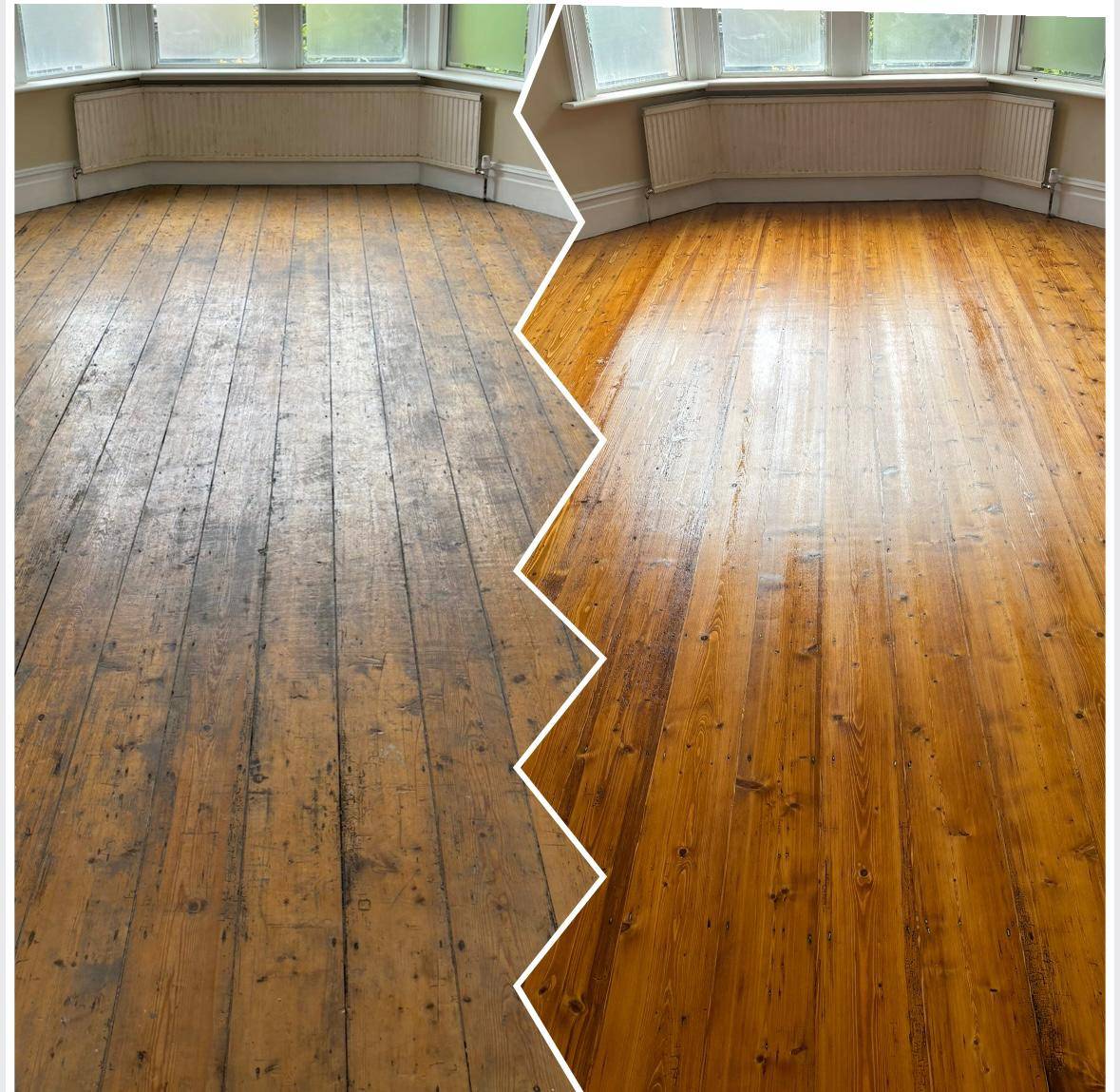
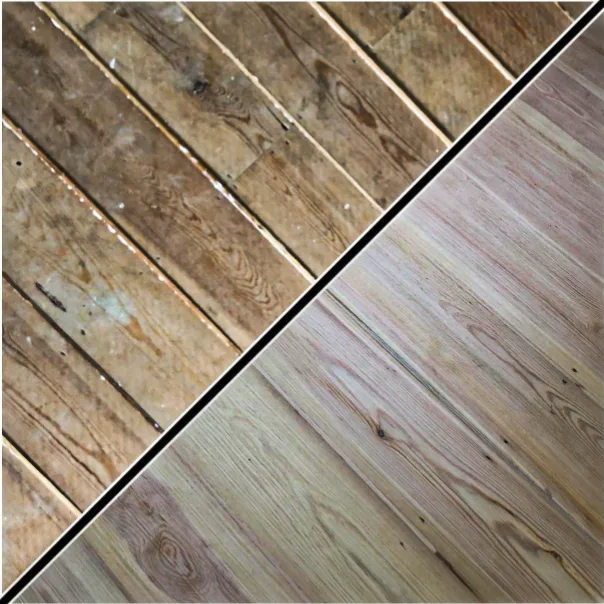
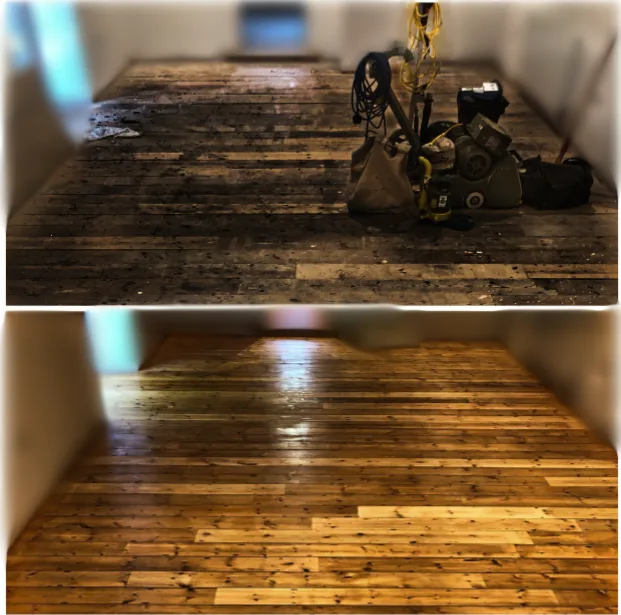
Floor sanding before and after

Floor Sanding in Wiveliscombe, a Short Drive From Our Workshop

Wiveliscombe is close to home for us. Our workshop sits at Higher Poole near Wellington, so a survey in the town can usually be fitted in within the week, and often sooner. That matters more than it sounds: a floor that has been looked at properly before anyone quotes is a floor that rarely throws up surprises halfway through the job.

At that first visit we check how thick the boards are, whether they have been sanded before and how they are fixed to the joists. Moisture readings come next, taken at the walls as well as across the middle of the room, because older properties in this part of Somerset often have solid walls with no modern damp course. We also look at the airbricks and the ventilation under the floor. If any of that suggests the boards are not ready, we say so before anything else happens.

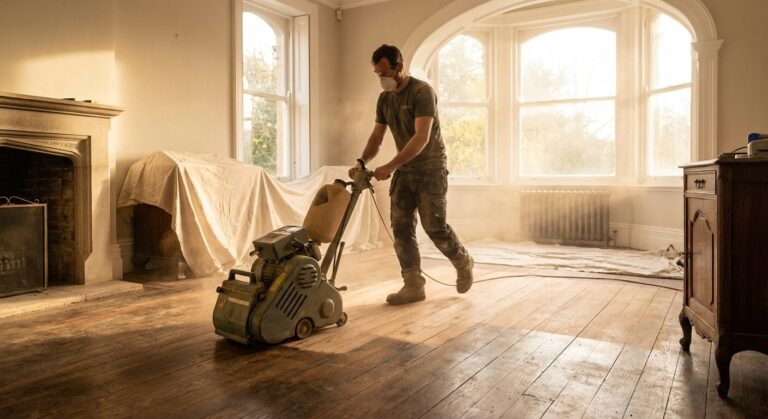
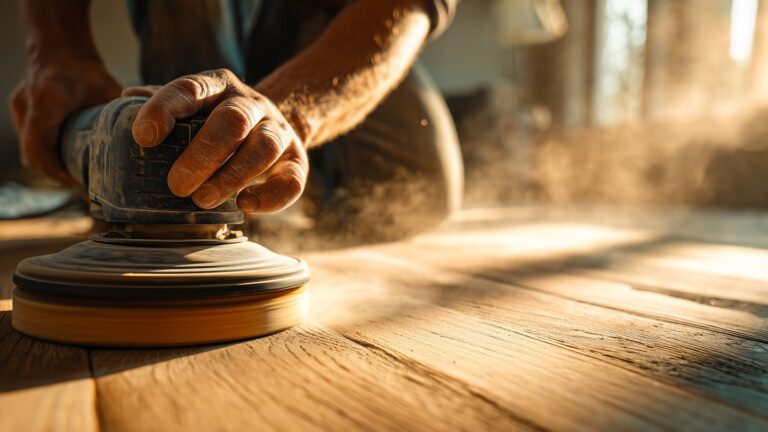
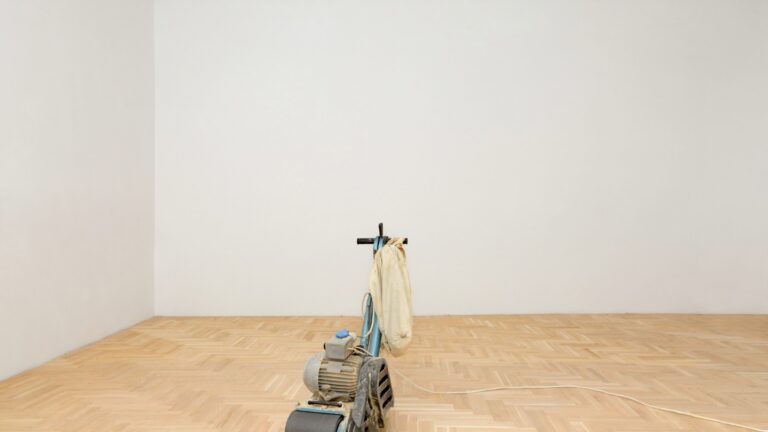
The sanding runs from coarse to fine. A heavy first cut strips the old varnish, stain or paint and flattens boards that have cupped. Each finer grit then removes the marks left by the one before, while edges and corners get a smaller edging sander and hand scraping. Our wood floor sanding machines are connected to sealed extraction, which is the basis of our dust-free floor sanding service. It keeps the house far cleaner than the old bag sanders did, although a little fine dust can still escape, so we sheet doorways off as well. Most homes are finished in one to three days.
Repairs Come First on Older Wiveliscombe Floors

Before floor sanding in Wiveliscombe starts, the floor has to be sound. Sanding over a loose board just polishes a problem, and it will be back within the year. So the first part of most jobs is a round of wooden floor repairs: refixing boards that have pulled away from their nails, rebuilding broken tongues, tidying old service traps and squaring off any rough patches left by past work.

If a board has split, rotted at the end or been badly cut, it comes out. Floorboard replacement is done with reclaimed timber from our own stock, picked to match the species, width and thickness of what is already there. A seasoned board blends in after sanding in a way that new timber from a merchant never does.

Gaps are the next job. Draughty joints between old boards can be closed with resin and sanding dust from the same floor, or with thin slivers of timber glued in where the gap is wider; our gap filling page explains how we choose between the two. Creaks and loud cracks underfoot usually come from boards rubbing or from nails that have worked loose in the joist, and squeaky wood floor repair deals with that from above or below. Where a room only has surface marks from furniture or a dog, wood floor scratch repair may be enough on its own.

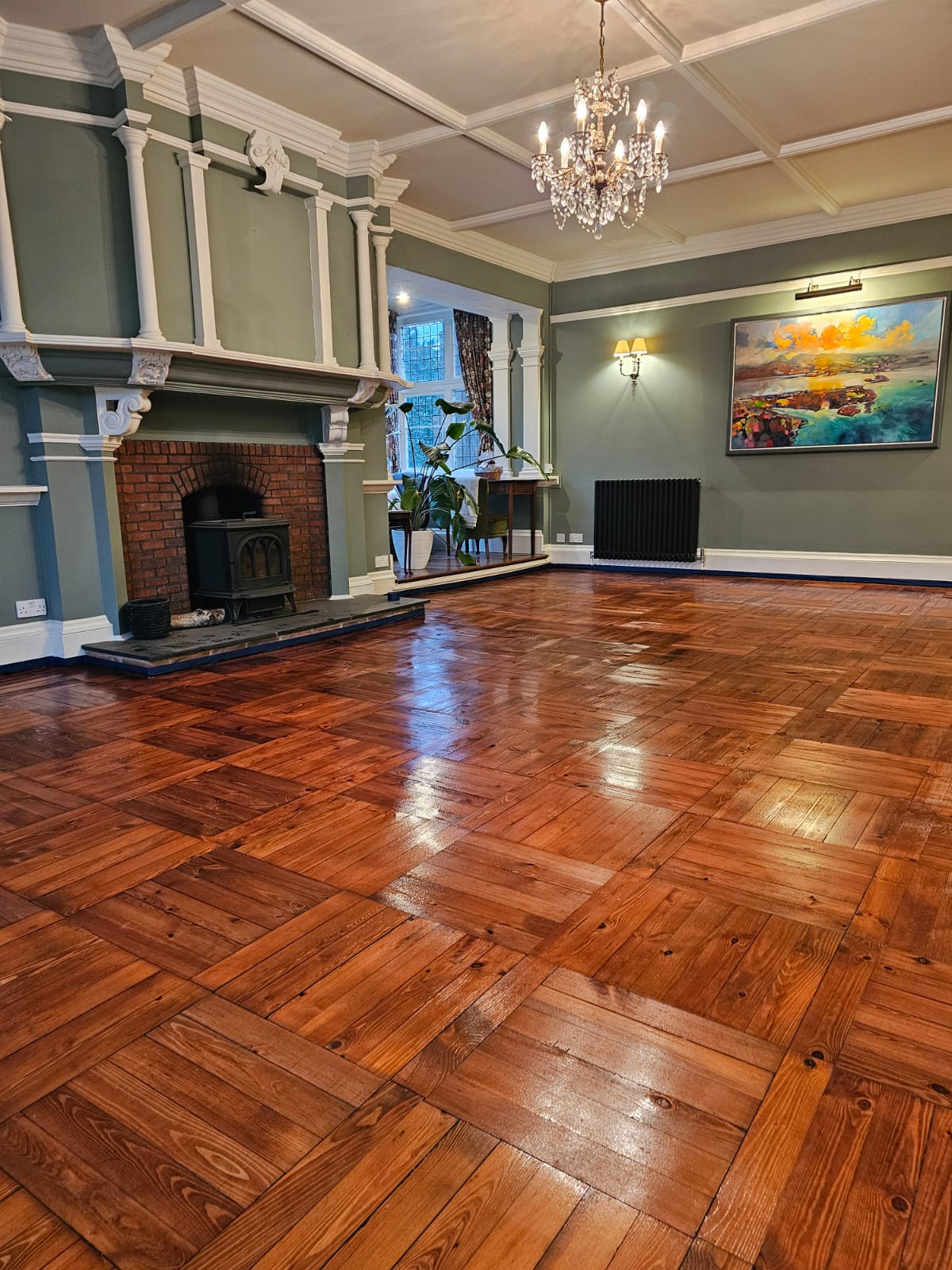
parquet wooden floor sanding
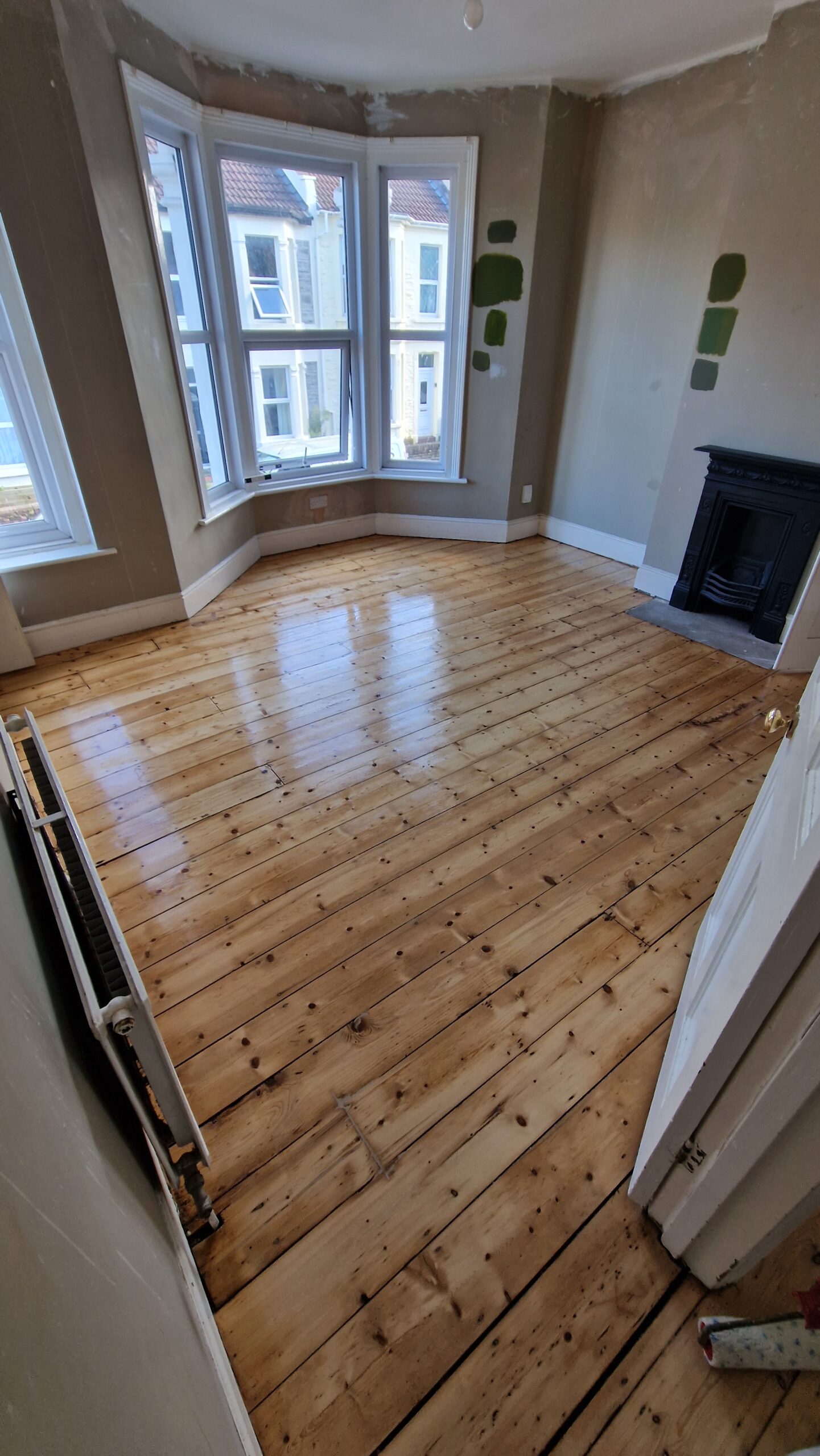
wooden floor sanding

Wood Floor Restoration in Wiveliscombe: Oak and Pine Boards

Wood floor restoration in Wiveliscombe covers a wide spread of houses, from period homes near the town centre to cottages and farmhouses in the surrounding hills. Plenty of them still have their original boards under carpet or lino, and those boards are usually worth saving.

Oak is the easier of the two main timbers. It is dense, it sands cleanly and it takes almost any finish well. With careful oak floor restoration a floor that has gone grey and dull comes back with real depth to the grain. On a very old oak floor we keep the sanding gentle, so the worn dips in front of a hearth or a doorway soften rather than disappear.

Pine needs a lighter touch. It dents easily, the nail heads often stand proud, and decades of dark stain or varnish can sit deep in the grain. Good pine floor restoration means punching the nails down, choosing grits that cut without gouging and accepting that a few old marks are part of the floor. The reward is a warm, golden floor that suits a cottage far better than a new laminate ever would.

Our main wood floor restoration page sets out the full process, from the first survey through repairs and sanding to the final coat.

Commercial Floor Sanding in Wiveliscombe and the Surrounding Villages

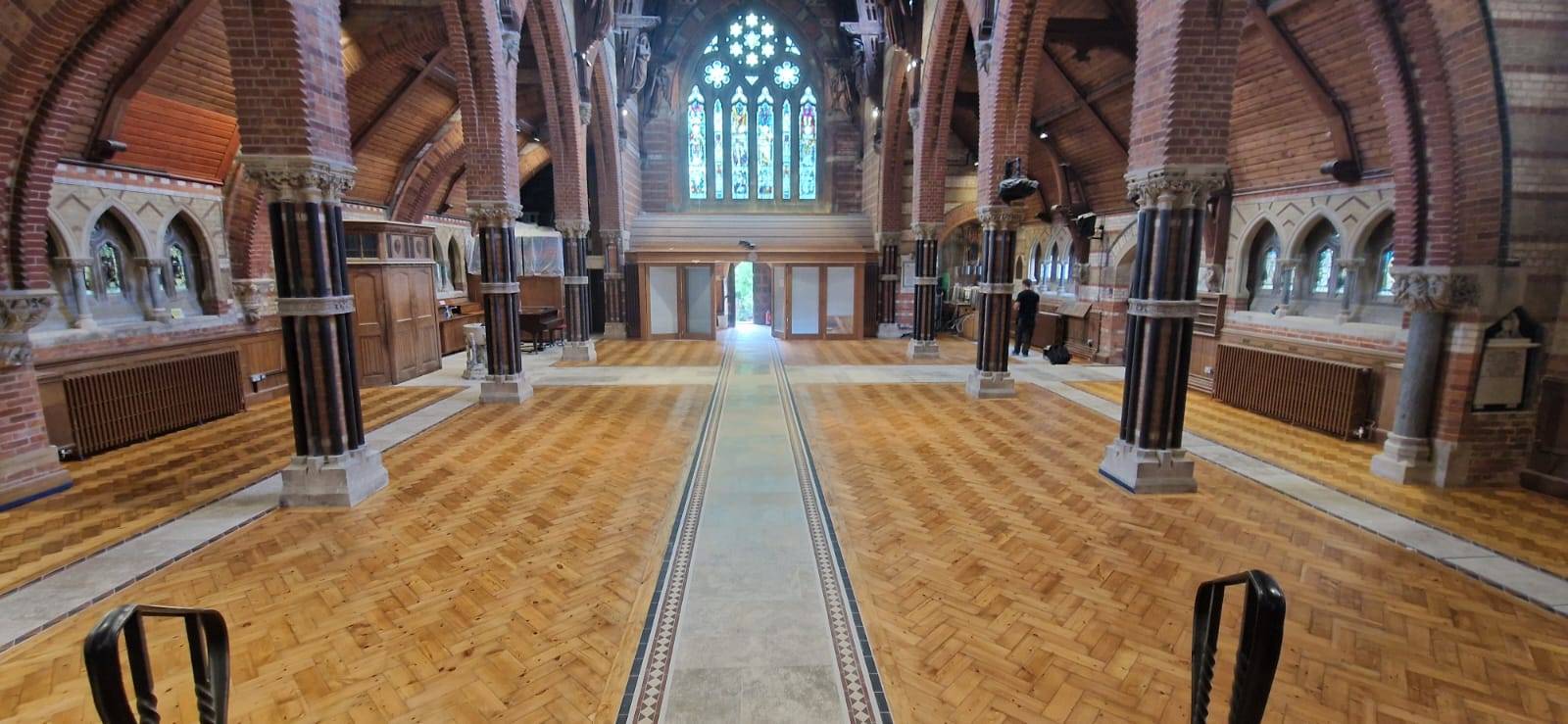
Commercial floor sanding in Wiveliscombe tends to mean pubs, cafes, community buildings and schools rather than big retail units. These floors carry heavy, concentrated wear: bar fronts, doorways and the routes between tables wear through long before the rest of the room.

We plan the work so you lose as little trading time as possible. A bar or dining room is usually tackled after last orders or on the day you normally shut, and we choose finishes that harden quickly so the bar can reopen with as little lost trading as possible. Our restaurant floor sanding page explains how that is usually staged. For anything larger, the main commercial floor sanding page covers how we organise surveys, programmes and handover.

Term time is rarely an option for a school, so school floor sanding is fitted into the summer or a half-term break. Halls with badminton or netball markings get their lines put back by our own team once the sanding is done, laid out to the governing body layout, which is all part of sports hall floor sanding. Village halls that host exercise classes or dance groups need a finish with the right grip, which is the same thinking behind our gym floor sanding.

For any commercial job we can provide method statements, insurance certificates and references on request.

flooring sanding company
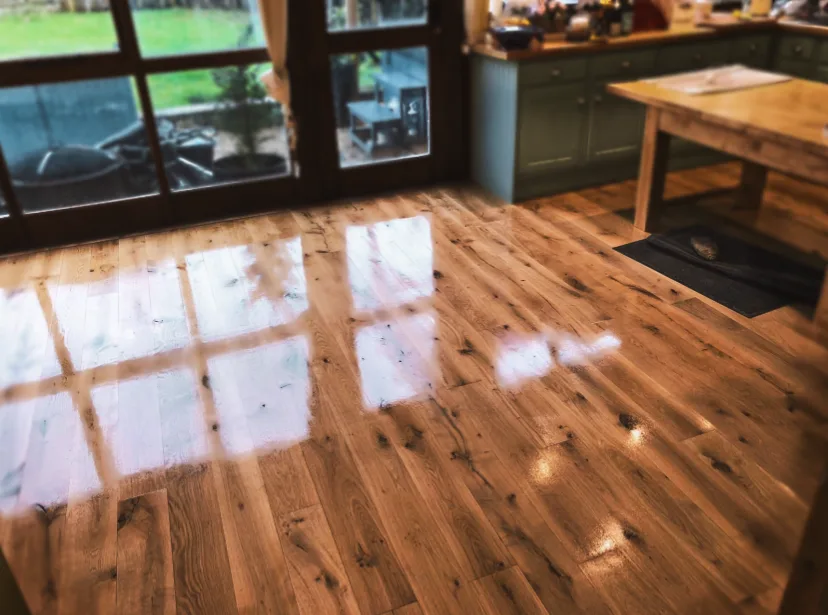
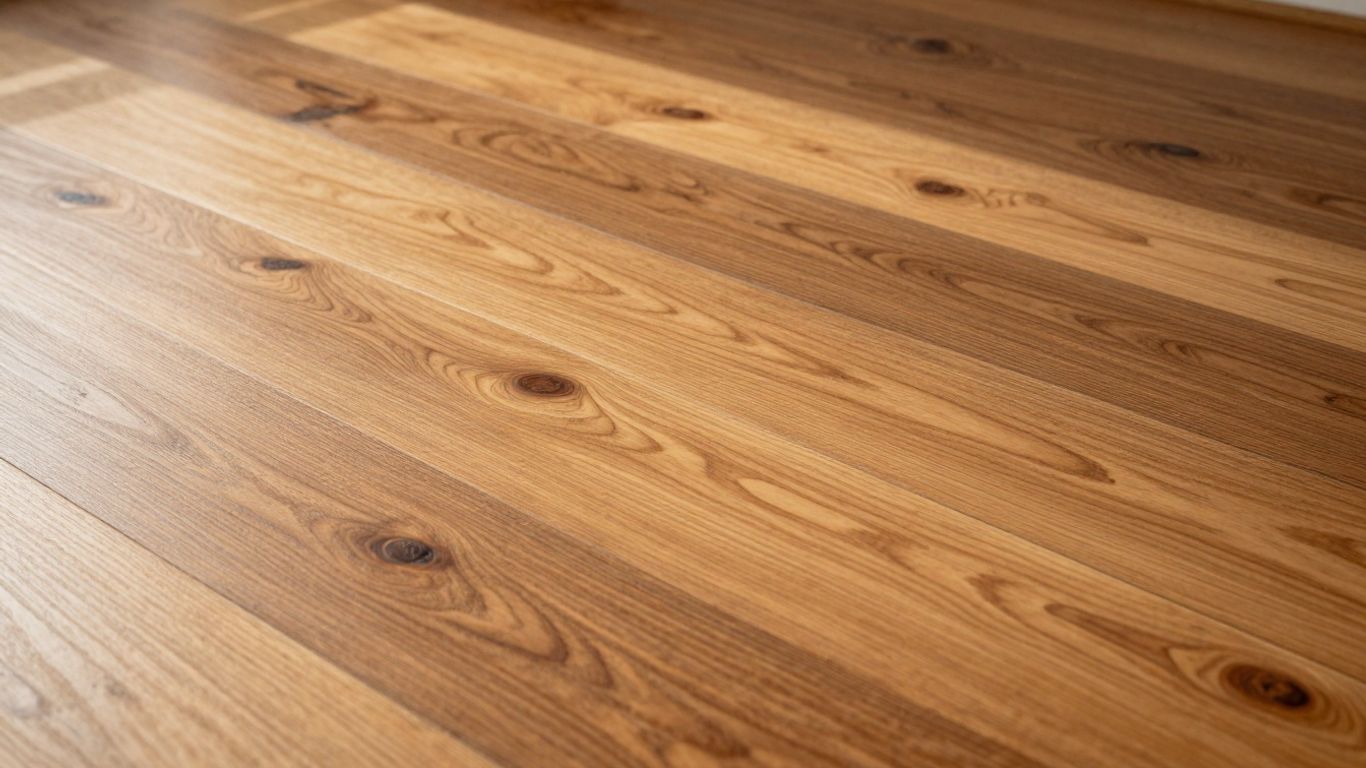
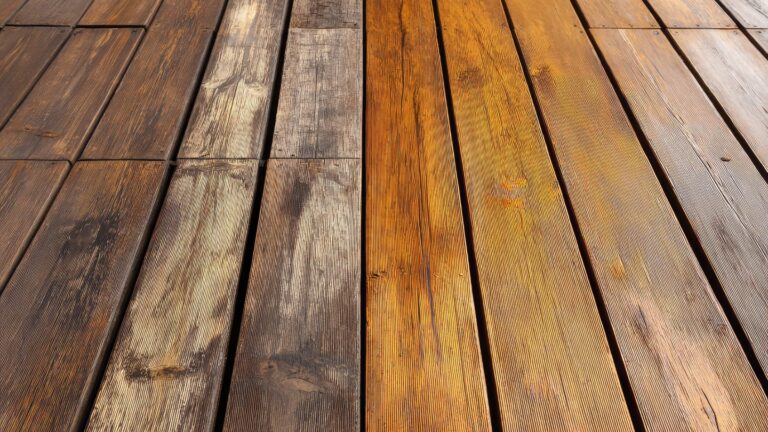
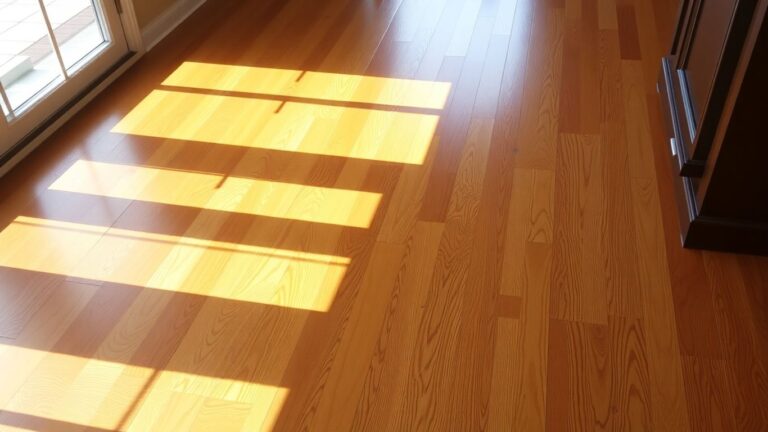
Sunlight across freshly lacquered wooden floorboards

Woodblock, Herringbone and Stairs

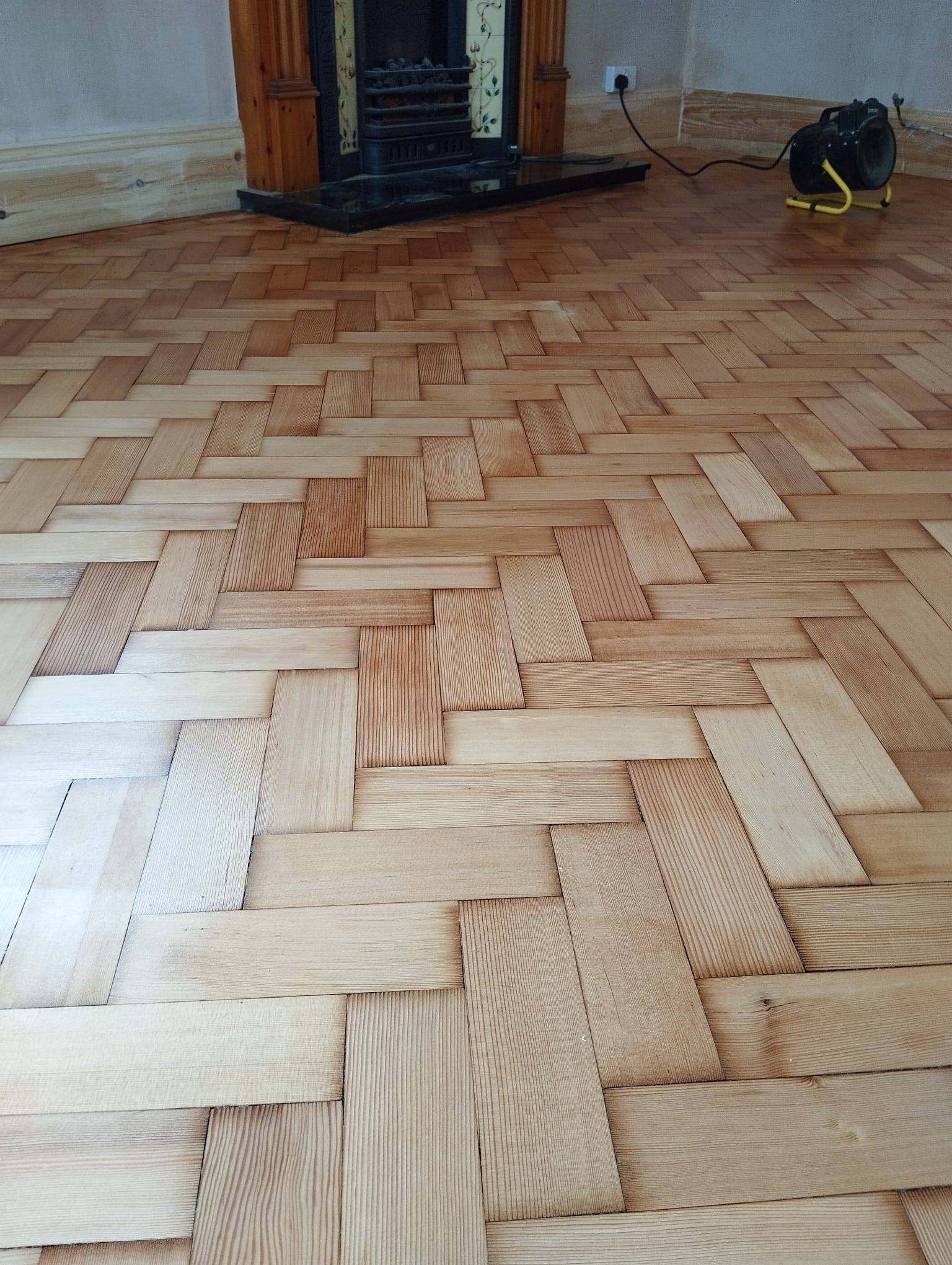
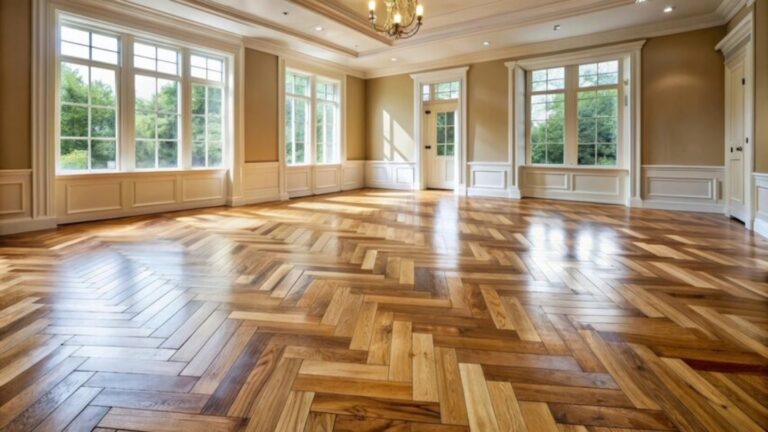
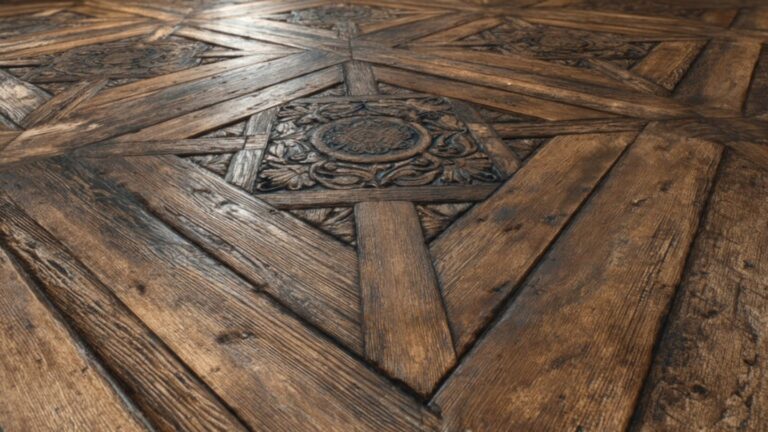
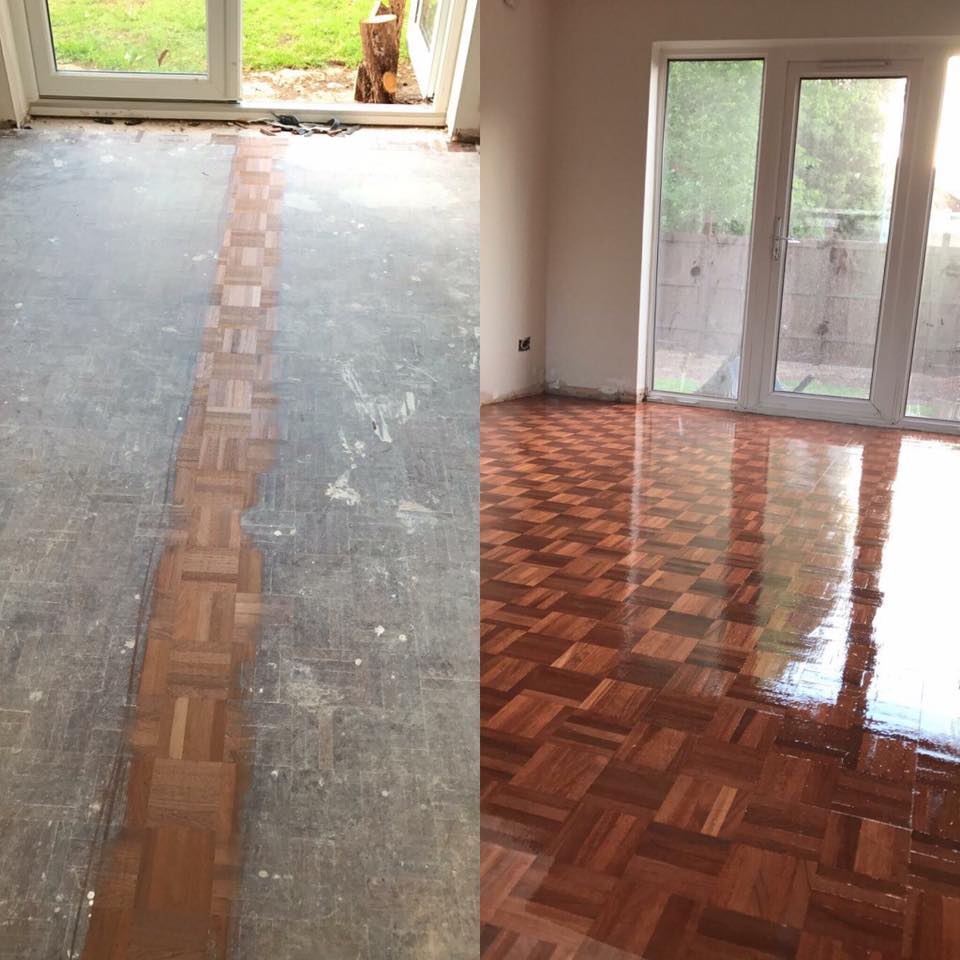
Parquet is less common in rural houses than in town, but it does turn up in Wiveliscombe, especially in mid-century homes, halls and older institutional buildings. If carpet tiles or vinyl have covered it for years, the first step is to find out how well the blocks are still stuck down. A hollow tap usually means the old bitumen adhesive has let go.

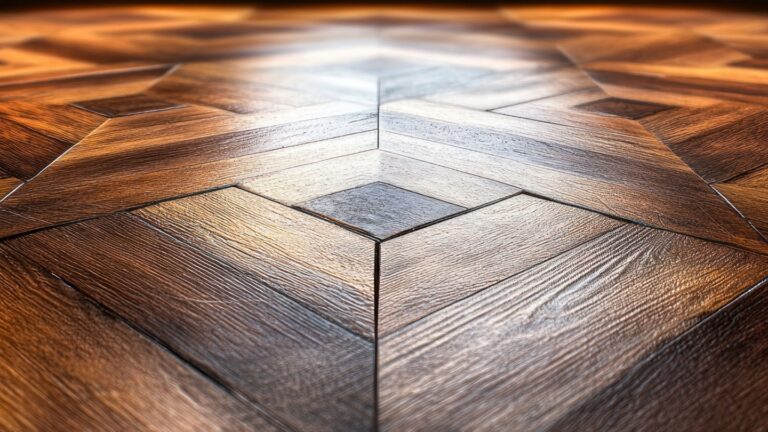
Loose blocks are lifted, cleaned back and relaid with modern adhesive. Any that are missing or broken are replaced from reclaimed blocks of the same timber and size, so the pattern stays unbroken. Because herringbone parquet puts the grain in two directions at once, we change to finer abrasives earlier than on boards and finish with a multi-disc sander to remove cross-grain scratches. You can read more on our parquet floor sanding page.

Stairs are slow, detailed work. Treads, risers and nosings sit out of reach of a full-size sander, so they are worked with detail machines, scrapers and hand sanding. Stair sanding is often booked at the same time as the hall or landing so the colour and sheen match throughout. On worn treads in older houses we look closely at the nosings, which take most of the wear and sometimes need a repair before they can be refinished.

What Goes on the Floor Once It Is Sanded

A freshly sanded floor is bare timber, and the finish you choose decides how it looks and how much looking after it needs.

Lacquer forms a clear, tough layer on top of the wood. It suits kitchens, hallways and family rooms, and comes in matt, satin or gloss. Wood floor sealing involves building up several coats, each lightly de-nibbed before the next goes on so they bond together.

Oil works differently. It soaks into the timber and hardens there, leaving the floor looking and feeling like wood rather than a coating. Worn patches can be refreshed without redoing the room, which is why wood floor oiling suits oak and many older floors. In some period rooms traditional wood floor waxing is still the right answer, giving a soft sheen that builds over time with regular buffing.

If the colour of the timber is not what you want, wood floor staining can take it darker, warmer or cooler. Every stain is tested on your own boards before we go further, as pine and oak take colour very differently. When the finish has cured, wood floor polishing with the right maintenance product brings up an even sheen. Socks are fine on the floor after a day; furniture should wait two or three.

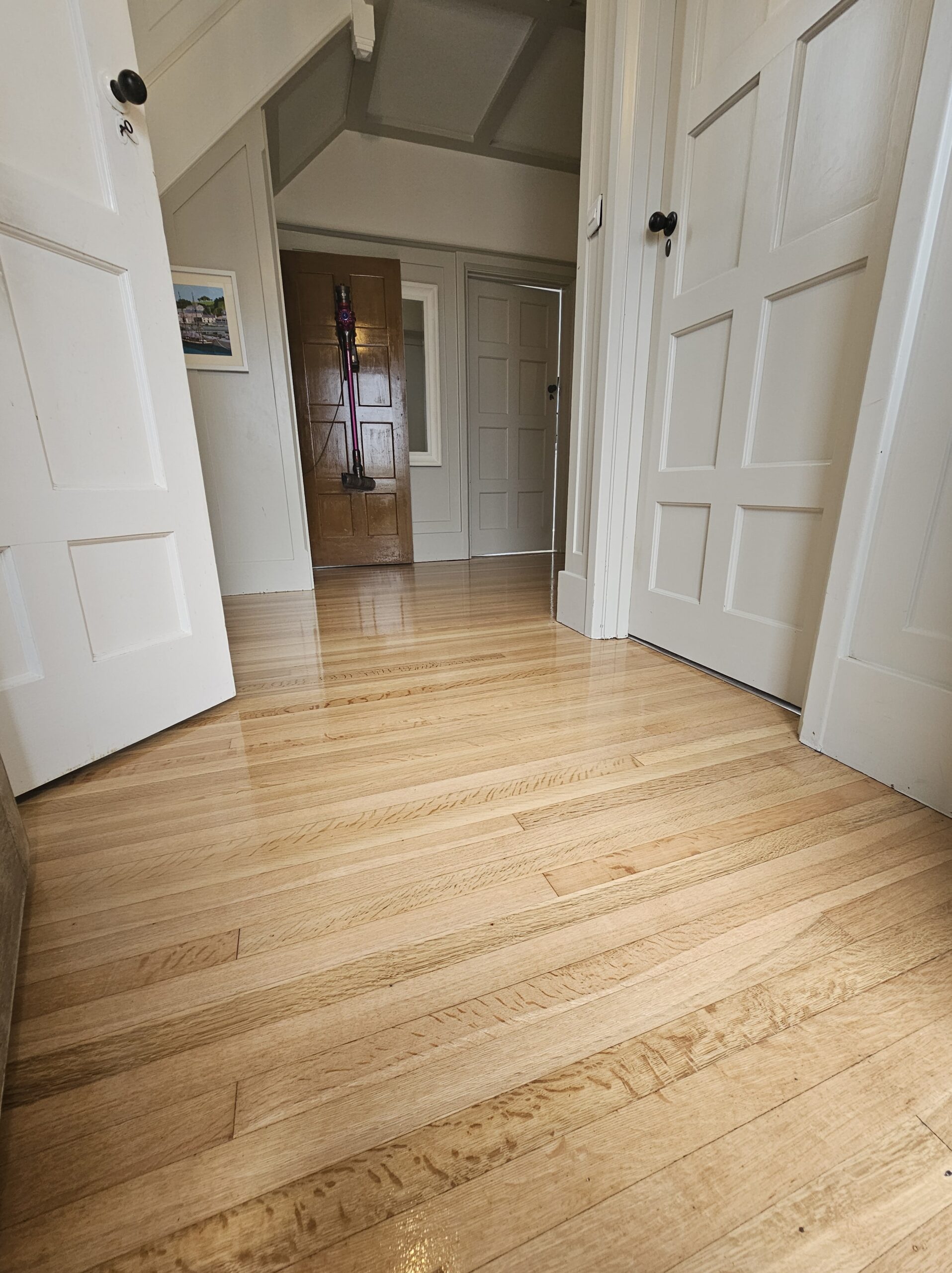
Wood floor sanding company
Floor sanding taunton

Keeping the Floor Right Afterwards and Booking Your Survey

Once it is finished, a domestic floor can usually go eight to ten years before it needs a full resand. Busier commercial floors need it sooner, often every four or five years. Between full sands, a light wood floor buffing visit, which the trade calls a screen and recoat, scuffs back the worn finish and lays a new coat over it. The timber itself is left alone, so the life of the floor is not shortened.

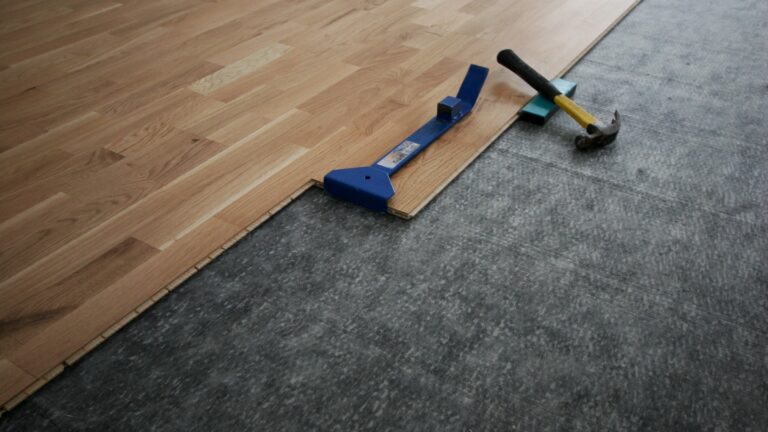
Not every floor can be saved, and some rooms never had timber to begin with. In those rooms our wooden floor installation team can fit new solid or engineered boards, with ranges from makers including Junkers and Bona. If you would rather use a joiner you already know, we can supply the flooring without fitting it.

A pair of photographs gets things moving: a general shot of the space and a tighter one of whichever patch of floor is bothering you. That is usually enough for us to give you an honest first view. Where a visit is justified, the survey is free, and the itemised written quotation that follows holds firm unless you ask us to change what we are doing. Further afield, our Somerset floor sanding page covers the rest of the county, and neighbouring Milverton has its own page. Or simply get in touch with the team.

Questions About Floor Sanding in Wiveliscombe

Wiveliscombe is close to our workshop near Wellington, so a survey can usually be booked within the week, and sometimes sooner. Sending two photographs first helps us tell you whether a visit is worthwhile, and what we are likely to need to check when we arrive.

In most cases, yes. Old pine and oak boards are often in better condition than they look under carpet. Loose boards are refixed, split or rotten ones are replaced with matched reclaimed timber, and gaps are filled before sanding, so the finished floor looks like one piece.

It depends on the readings. Readings are taken right along the skirting as well as in the open floor, and we look at how well the void underneath is ventilated. If the boards are too damp, sanding is held back until the cause is dealt with, because a wet floor will move after it has been refinished.

Very little. The sanders run through sealed extraction that collects most of the dust at the machine. No method is completely free of dust, so we still mask doorways and cover anything that cannot be moved, but it is a world away from the old bag sanders.

Usually, yes. We can work overnight or across a closed day and use fast-curing finishes so the room is back in use quickly. Larger spaces can be done in sections so part of the building keeps trading while we work on the rest.

A hard-wearing lacquer copes best with spills, boots and constant cleaning. For a softer, more natural appearance, hard wax oil works well too, and a scuffed patch by the range or the back door can be revived on its own later. We can talk through both at the survey.

Yes, as long as there is enough genuine hardwood on top. A threshold strip or a cut edge by a radiator pipe usually shows us how much. Thin wear layers may only take a light sand or a screen and recoat. Laminate cannot be sanded, as the surface is a printed layer.

Use the form or email us a couple of photos, one showing the room as a whole and one tight on the area that concerns you. We will reply with advice and, if a visit makes sense, arrange a free survey. A written, itemised quotation follows, and it only changes if the scope of work does.

Yes. We keep reclaimed boards of different species, widths and thicknesses so a replacement can be chosen to suit the floor around it. Once the whole room has been sanded and finished together, a well-matched reclaimed board settles in and is very hard to pick out.

Often it is. Paint around the edges of a room, or even across the whole floor, can be removed with the right abrasives, though it takes longer than plain varnish. We check at the survey whether the boards underneath are thick and sound enough to justify the extra work.