Floor Sanding Somerset

Somerset Floor Sanding and Wood Floor Restoration

QUICK QUOTATION

Floor Sanding Taunton

Your Local Floor Sanding Firm, Based in Somerset

We work out of Wellington, a few miles down the road from Taunton, and Somerset is where this business started more than forty-five years ago. That matters more than it might sound. We are not a national outfit sending a van down the M5 for the day — we know the housing stock here, we know which villages sit on ground that holds water, and we have been back to some of these houses twice in a generation.

We cover the whole county: Taunton, Bridgwater, Yeovil, Frome, Glastonbury, Street, Wells, Minehead, Burnham-on-Sea, Wellington, Chard, Ilminster, Crewkerne, Shepton Mallet and the villages in between. If you are out on the Levels or up on the Quantocks, we still come to you.

Being local also means we can pop out and look at a floor properly rather than quoting blind off a photograph. For most of Somerset that is a same-week visit at no charge.

Somerset Floors: What We Usually Find

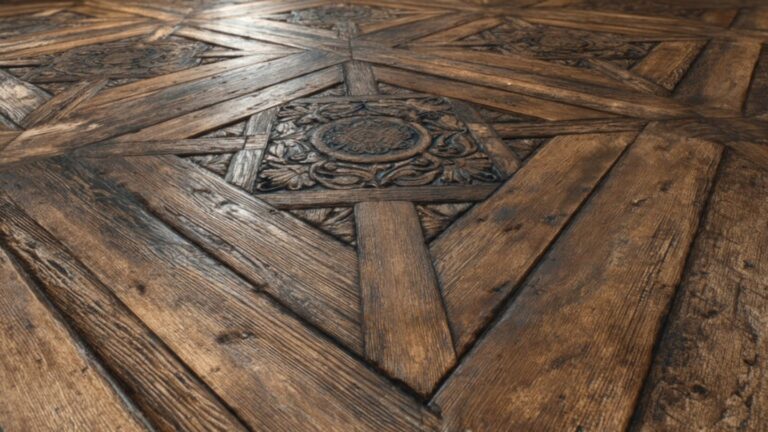
The county throws up a particular mix. In the older farmhouses and cottages you get wide elm and oak boards, often over two hundred years old, laid straight onto joists with no subfloor and considerable movement between them. They are beautiful and they need a light touch — there is rarely enough thickness left for an aggressive sand.

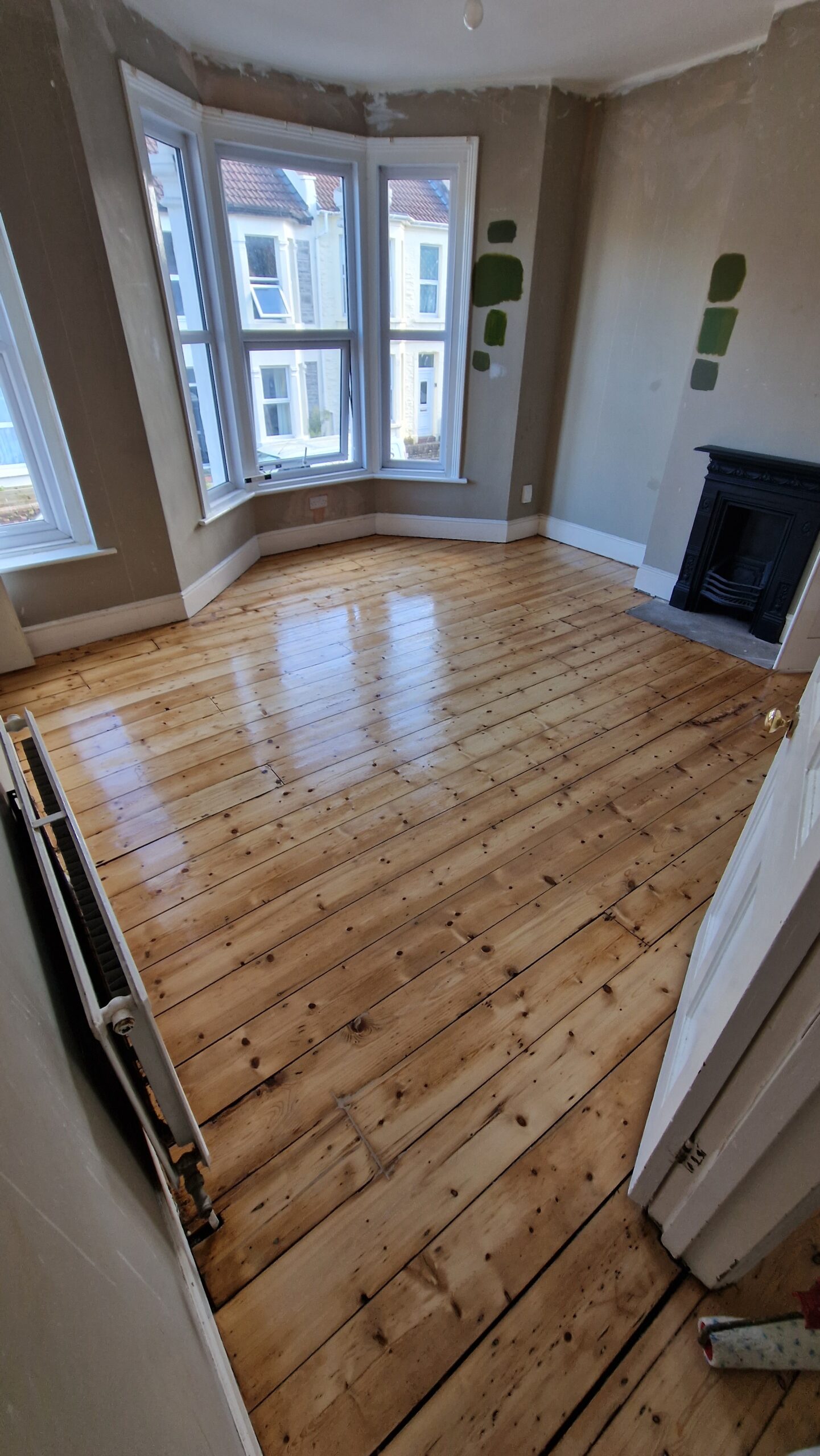
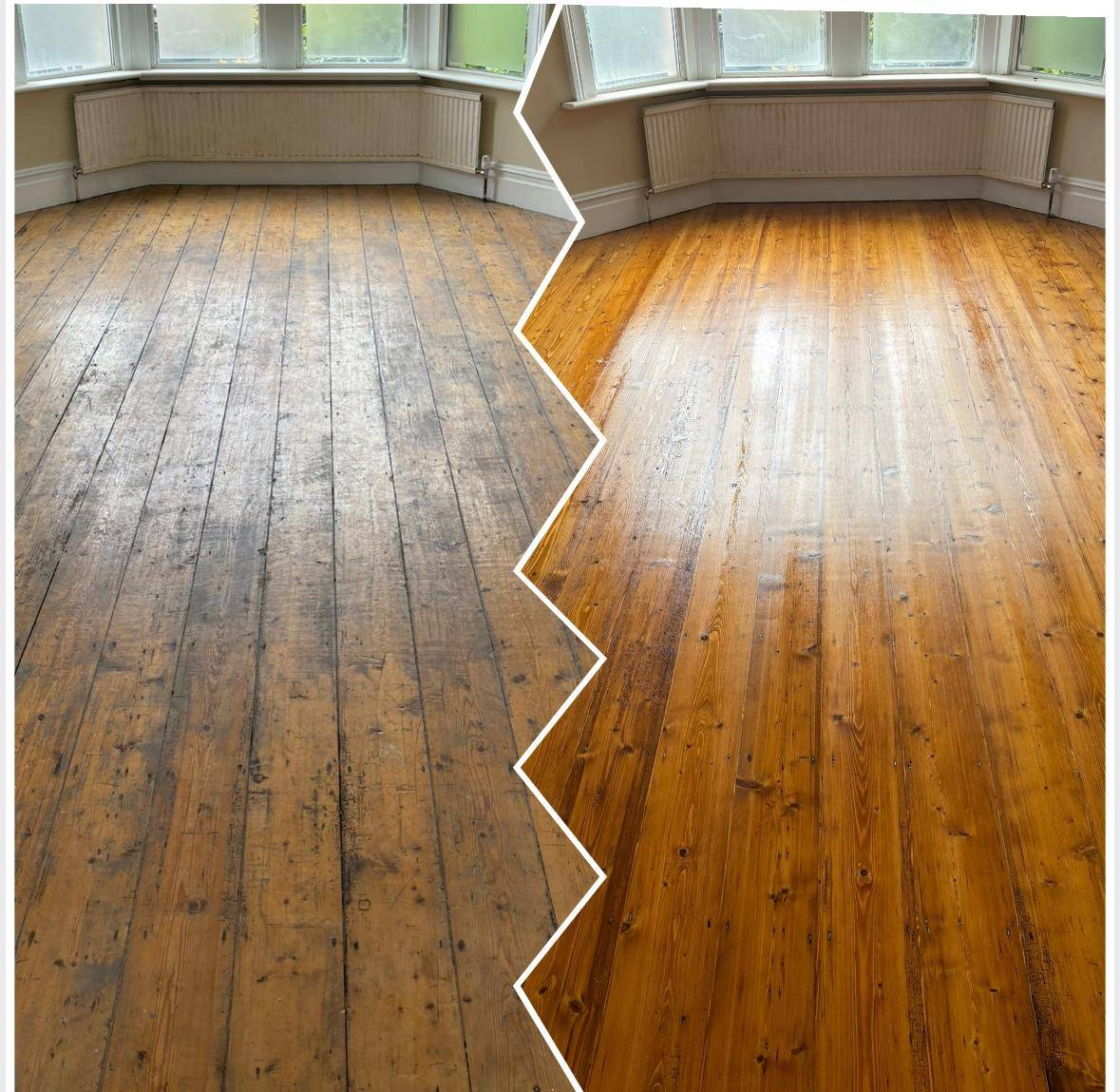
Victorian and Edwardian terraces in Taunton, Bridgwater and Yeovil are usually pitch pine or baltic redwood, most of it hidden under carpet since the 1970s. Lift the carpet and you find gripper rod holes down every edge, a century of tack marks, and boards that have darkened around the perimeter where the carpet did not reach.

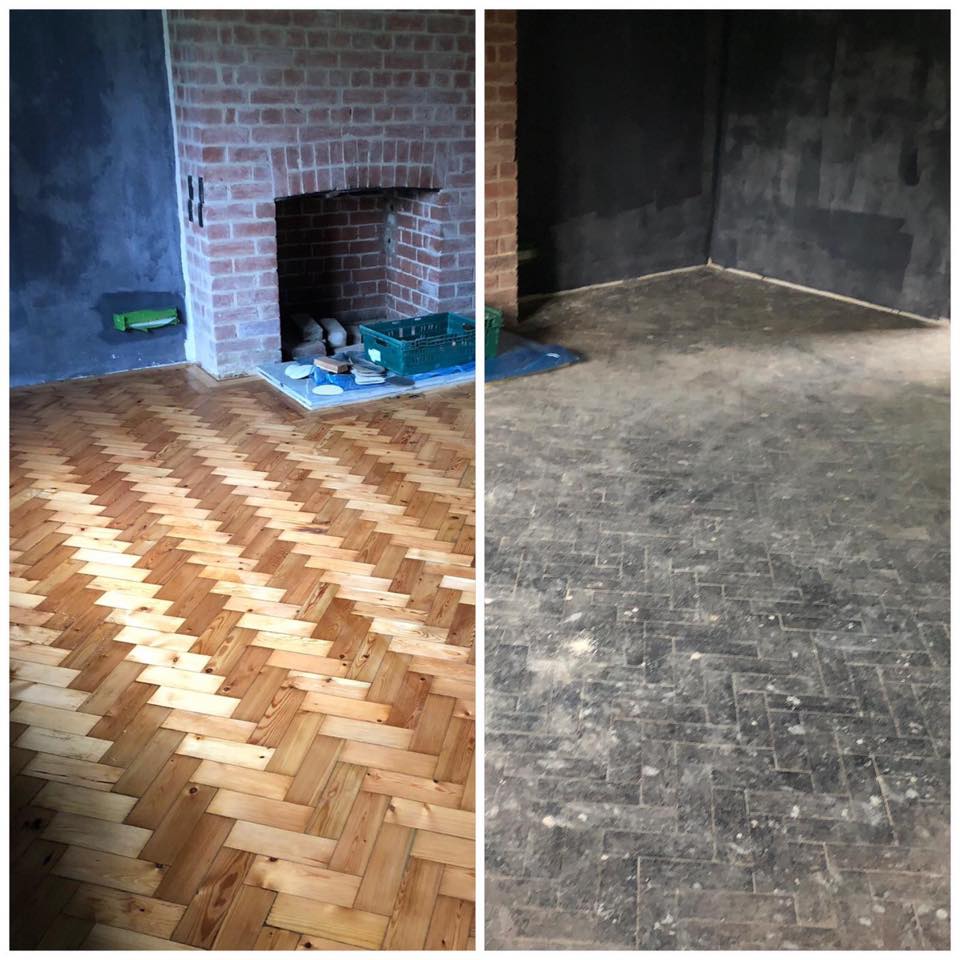
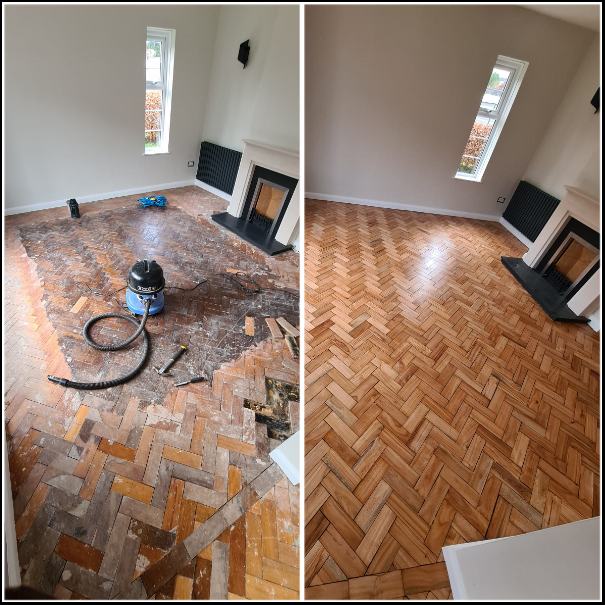
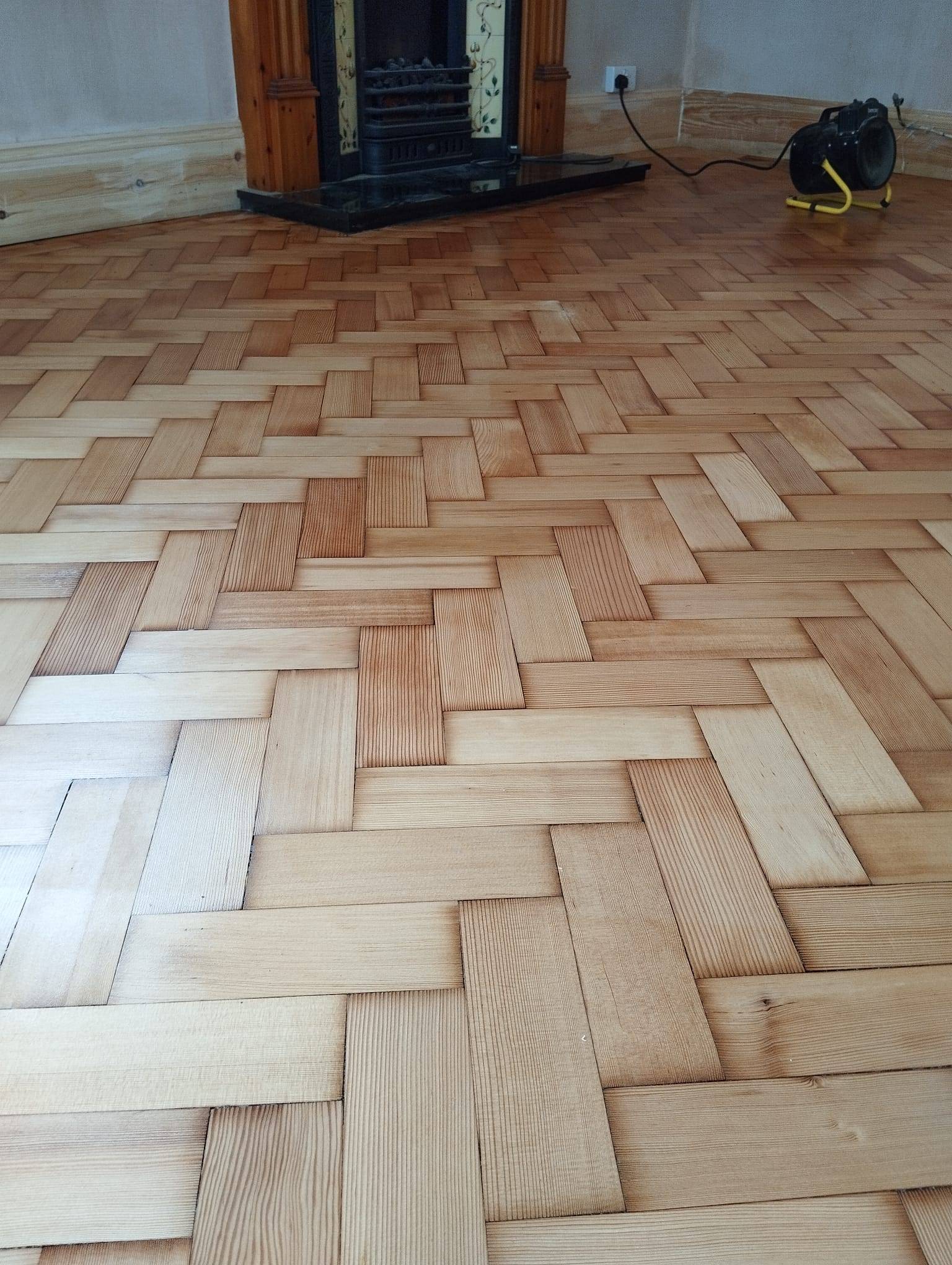
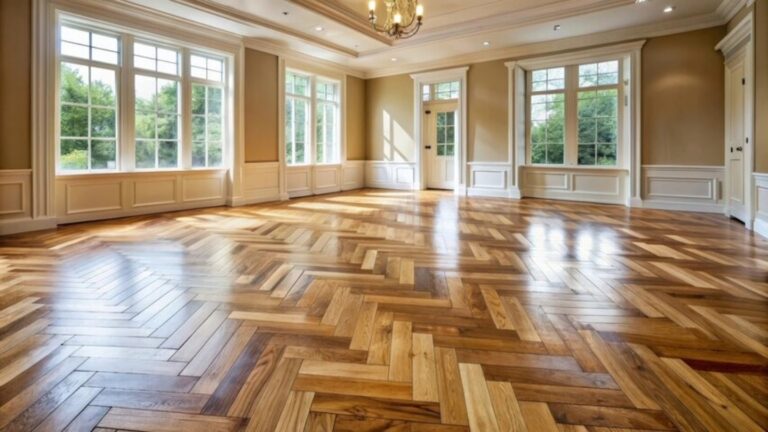
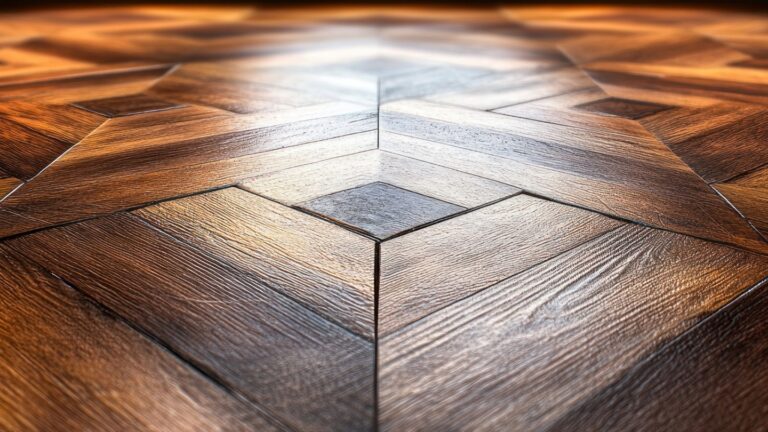
Then there is the post-war stock, where parquet blocks laid in bitumen turn up in hallways and living rooms. Bitumen is the awkward one — it clogs abrasives, it smells, and it needs the right approach rather than brute force.

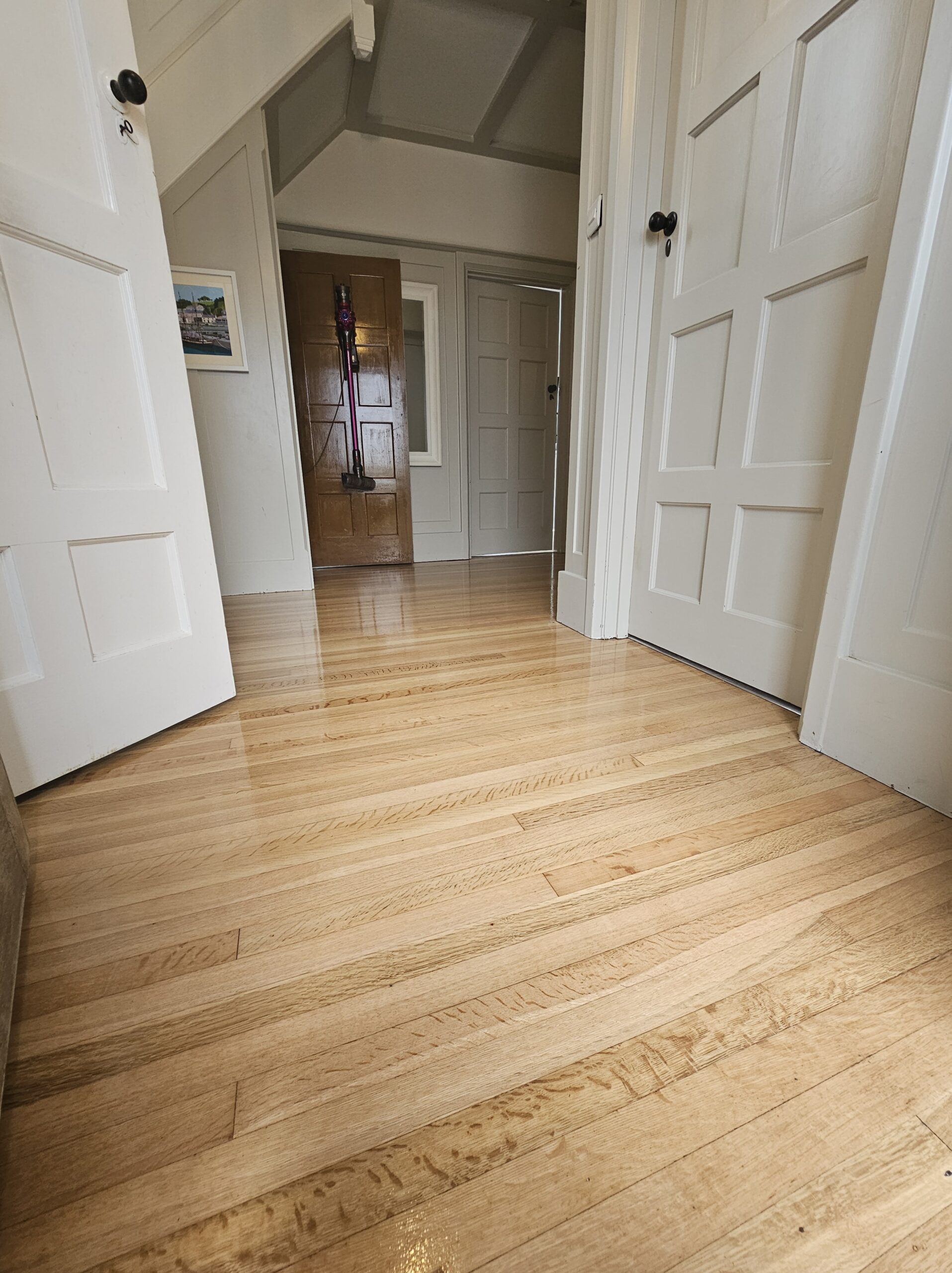
Floor sanding south east London
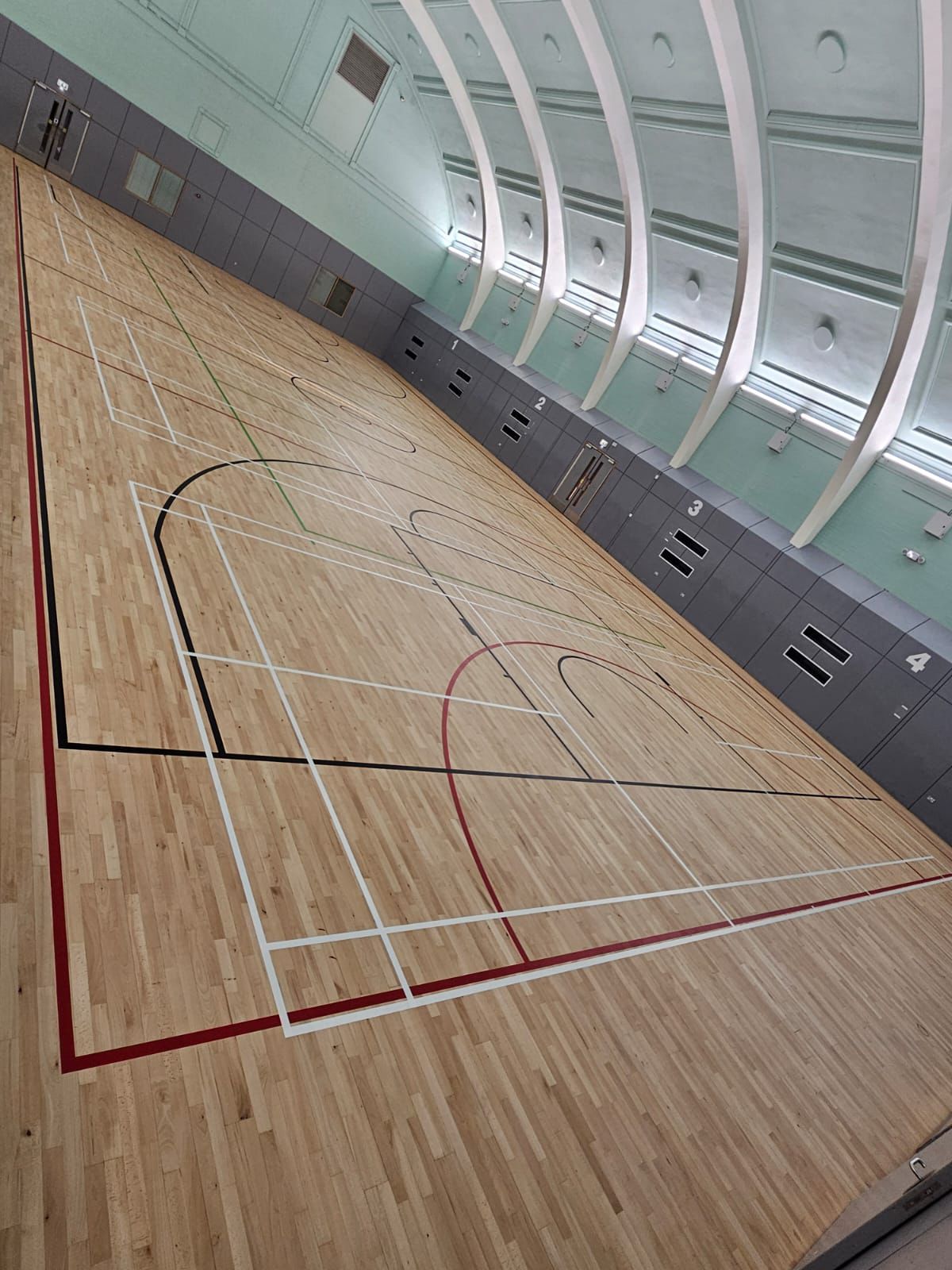
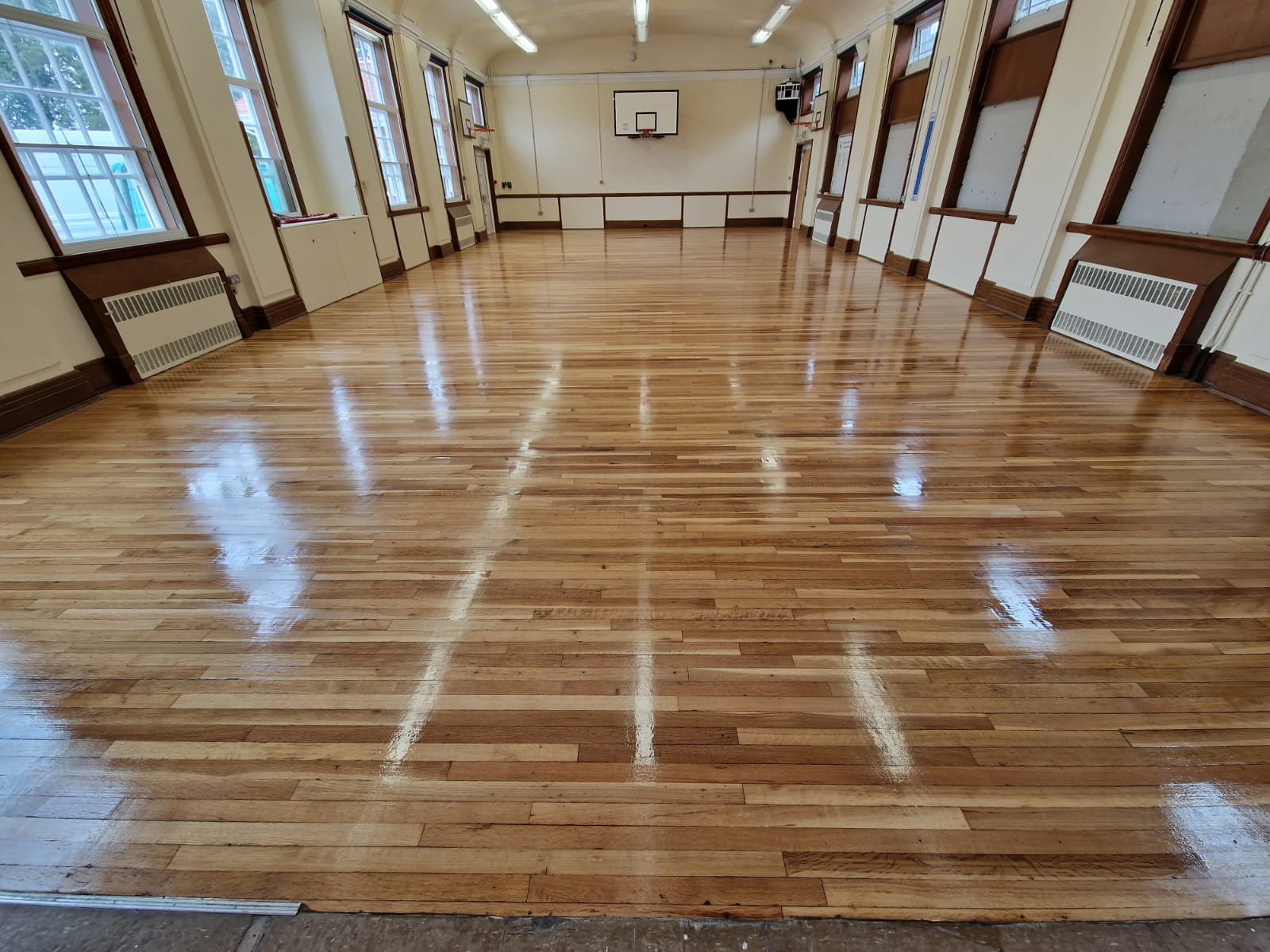
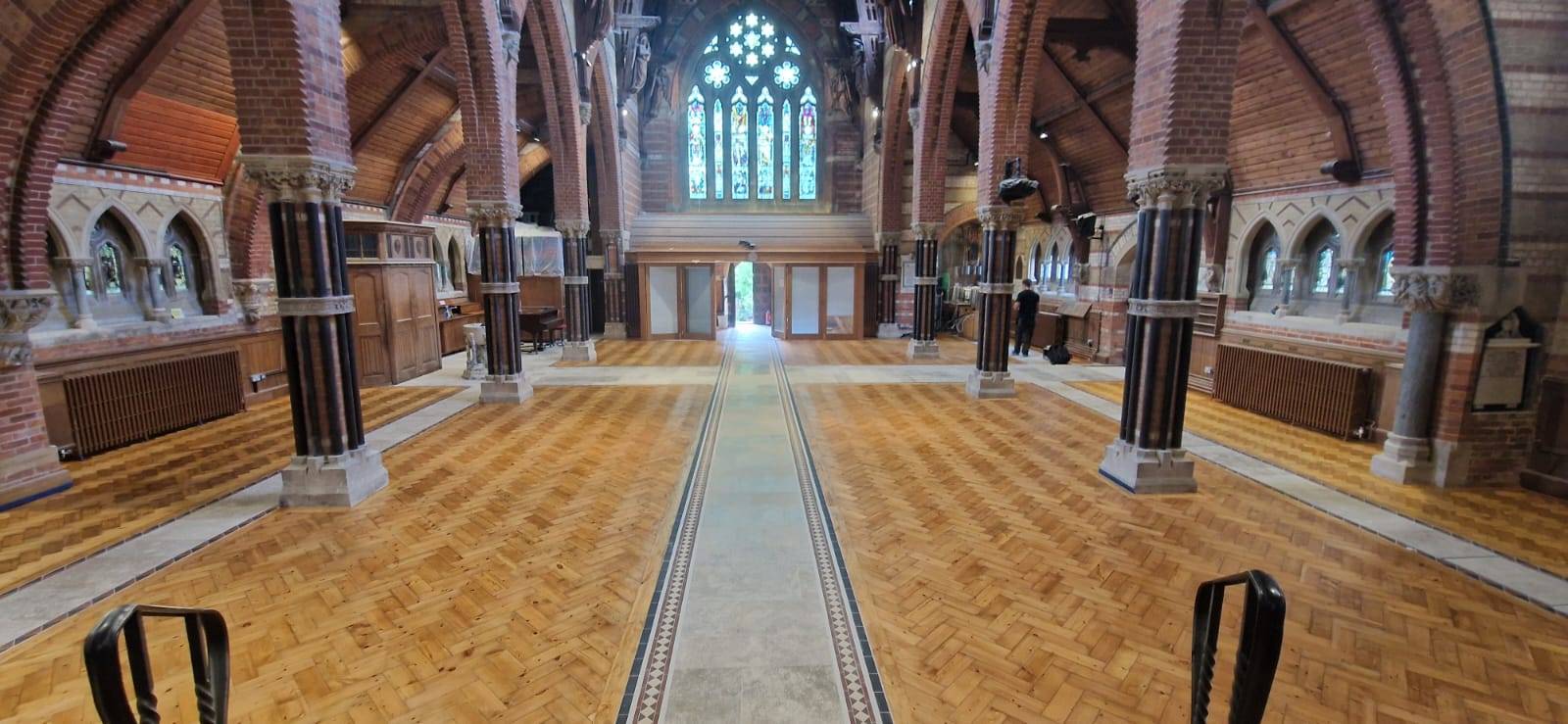
Commercial Hall Floor Refurbishment

Damp, the Levels and Why It Matters Here

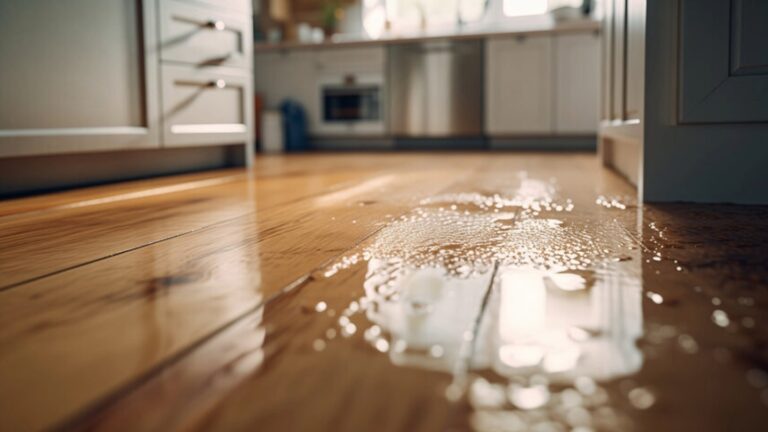
Somerset has a water problem that other counties do not, and it shows up in floors. On the Levels and anywhere near the Parrett, Tone or Brue, the water table sits high enough that suspended timber floors take up moisture from below all year round. The result is cupping — boards that curve upwards at the edges so the floor feels like a series of shallow ridges underfoot.

Sanding a cupped floor flat while it is still wet is the single most common mistake we are called in to correct. The boards dry out over the following months, flatten, and you are left with a floor sanded thin in the middle of every board. It cannot be undone.

We take moisture readings before we start. If the readings are high we will tell you to sort the ventilation first — clearing airbricks, improving underfloor airflow, sometimes lifting a board to check the void — and come back when the timber has settled. It is a slower answer and it is the right one.

Listed Buildings and Conservation Work

Somerset has a lot of listed property, particularly around Wells, Glastonbury, Dunster, Bruton and the older parts of Taunton. Original floorboards in a listed building are usually part of what is protected, which changes how we work.

The principle is to remove as little timber as possible. That means starting at a finer grit than we otherwise would, hand-working the areas a machine cannot reach safely, and accepting some of the patina rather than chasing a factory-flat finish. A three-hundred-year-old elm board is supposed to look its age.

Where consent is needed we are happy to talk to your conservation officer and put our method in writing. We have done that plenty of times and it usually smooths the process considerably.

Floor Sanding Essex
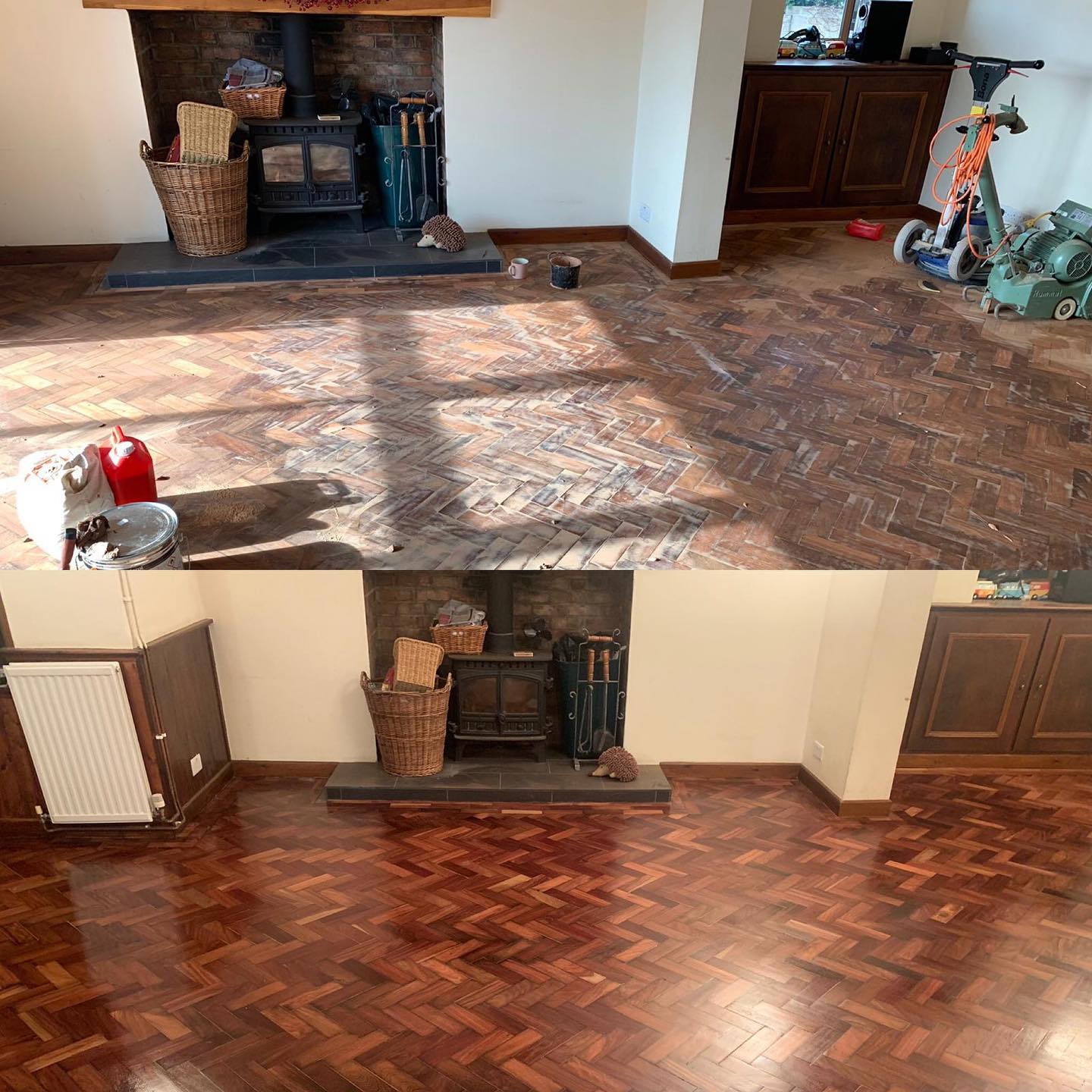
parquet floor restoration near me

Why Somerset Customers Choose Us

Forty-five years in one county leaves a trail. A good deal of our Somerset work now comes from people who saw a floor we did at a friend’s house, or whose parents used us in the eighties.

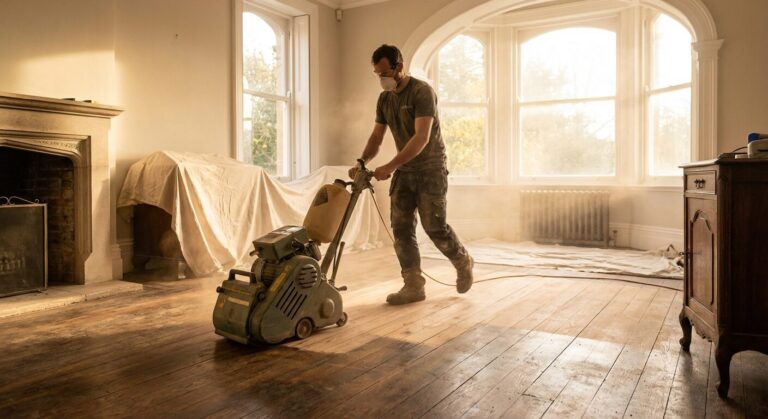
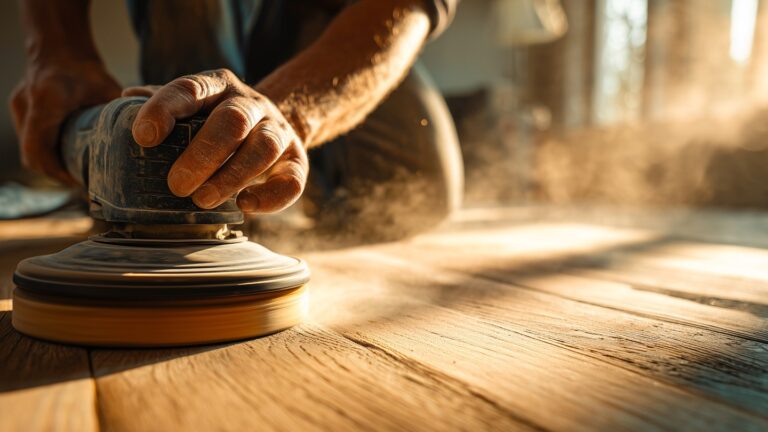
Every job runs with sealed dust extraction, so you can stay in the house while we work — which matters when the nearest alternative is moving out for a week. We give fixed written prices rather than estimates, we turn up when we say we will, and if we think your floor needs a buff rather than a full sand we will tell you, even though it is the smaller job.

We carry full public liability insurance and we are happy to give you addresses of recent Somerset work to look at.

Get a Free Somerset Floor Sanding Quote

Tell us roughly where you are, what sort of floor you have and what state it is in. For most of Somerset we can come and look within the week, free of charge and with no obligation.

If you would rather start with photographs, send a shot of the whole room from the doorway plus a couple of close-ups of the worst patches, and we will come back with a realistic range the same day.

Call 01823 674562, email info@ryansrestoration.co.uk, or use the form on this page.

Parquet Flooring Restoration

FAQ: Floor Sanding in Somerset

All of it. Taunton, Bridgwater, Yeovil, Frome, Wells, Glastonbury, Street, Minehead, Burnham-on-Sea, Wellington, Chard, Ilminster, Crewkerne, Shepton Mallet and the surrounding villages. We are based in Wellington so most of the county is within an easy drive.

No. Because we are local we can usually come out within the week at no cost and no obligation. If you would rather not wait, send photographs and measurements and we will give you an indication the same day.

Not until it has dried out and flattened. Cupping on the Somerset Levels is almost always underfloor moisture, and sanding a wet floor flat leaves you with boards sanded thin once they dry. We take moisture readings first and will tell you honestly if the floor needs ventilation work before anything else.

Yes, and they need a gentler approach than modern flooring. Boards that old rarely have much thickness left, so we start finer, work by hand where needed and aim to keep the character rather than sanding it away.

Regularly. Original boards in a listed property are usually part of what is protected, so we remove as little timber as possible and can put our method in writing for your conservation officer if consent is required.

Common in Somerset post-war housing and entirely workable, but it needs the right technique. Bitumen clogs abrasives and softens with heat, so it gets handled carefully rather than forced.

Yes. We run sealed dust extraction on every job, so the mess is minimal and the rest of the house stays usable. The room being finished needs to stay clear of feet and pets while the lacquer or oil cures.

It depends on the size and condition of the floor and the finish you choose. We give a fixed written price after seeing the floor rather than an estimate that creeps. Send photographs for a same-day indication.

A single room is usually a day to sand plus a day or two for the finish. A whole ground floor is typically three to five days. Floors needing board replacement or old adhesive removal take longer, and we tell you that at quoting stage.

Yes — pubs, village halls, schools, shops, restaurants and offices across the county. We can work evenings and weekends so you keep trading, and dust extraction means neighbouring areas stay usable.

Ryan's Restoration
4.9
Based on 114 reviews
×
js_loader