Floor Sanding Castle Cary

Floor Sanding and Wood Floor Restoration in Castle Cary and Bruton

QUICK QUOTATION

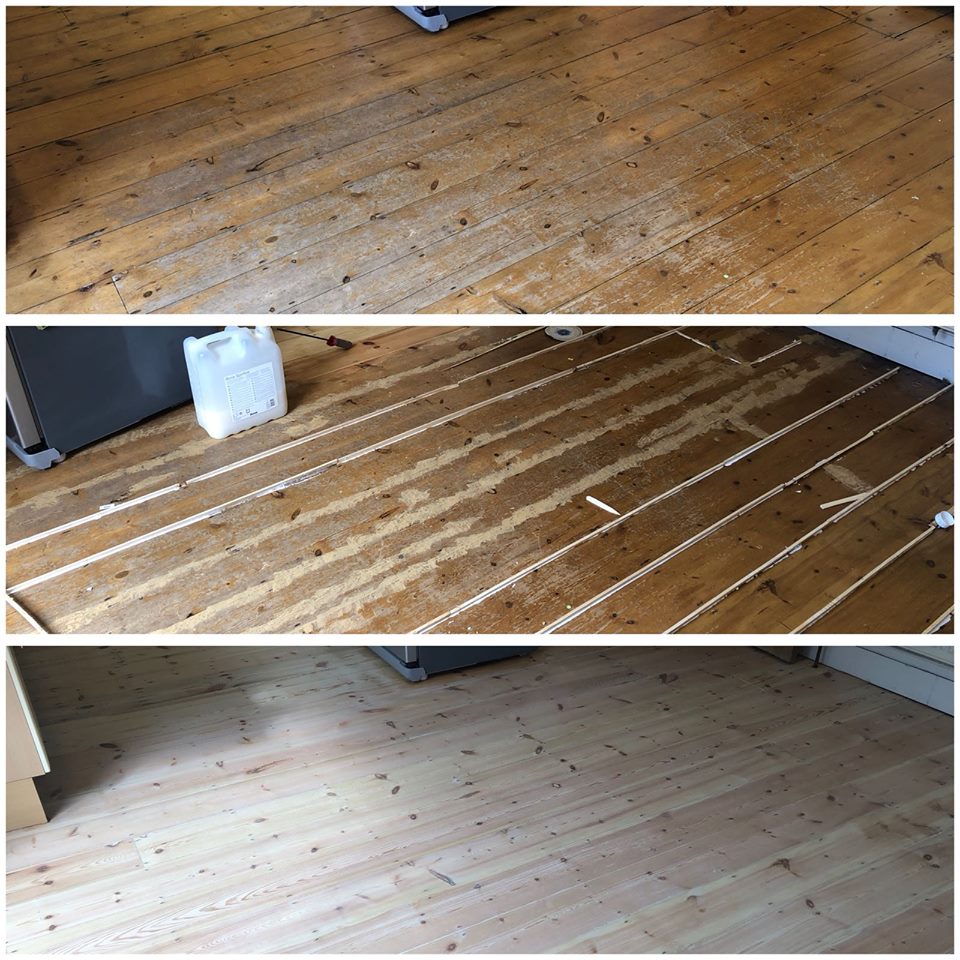
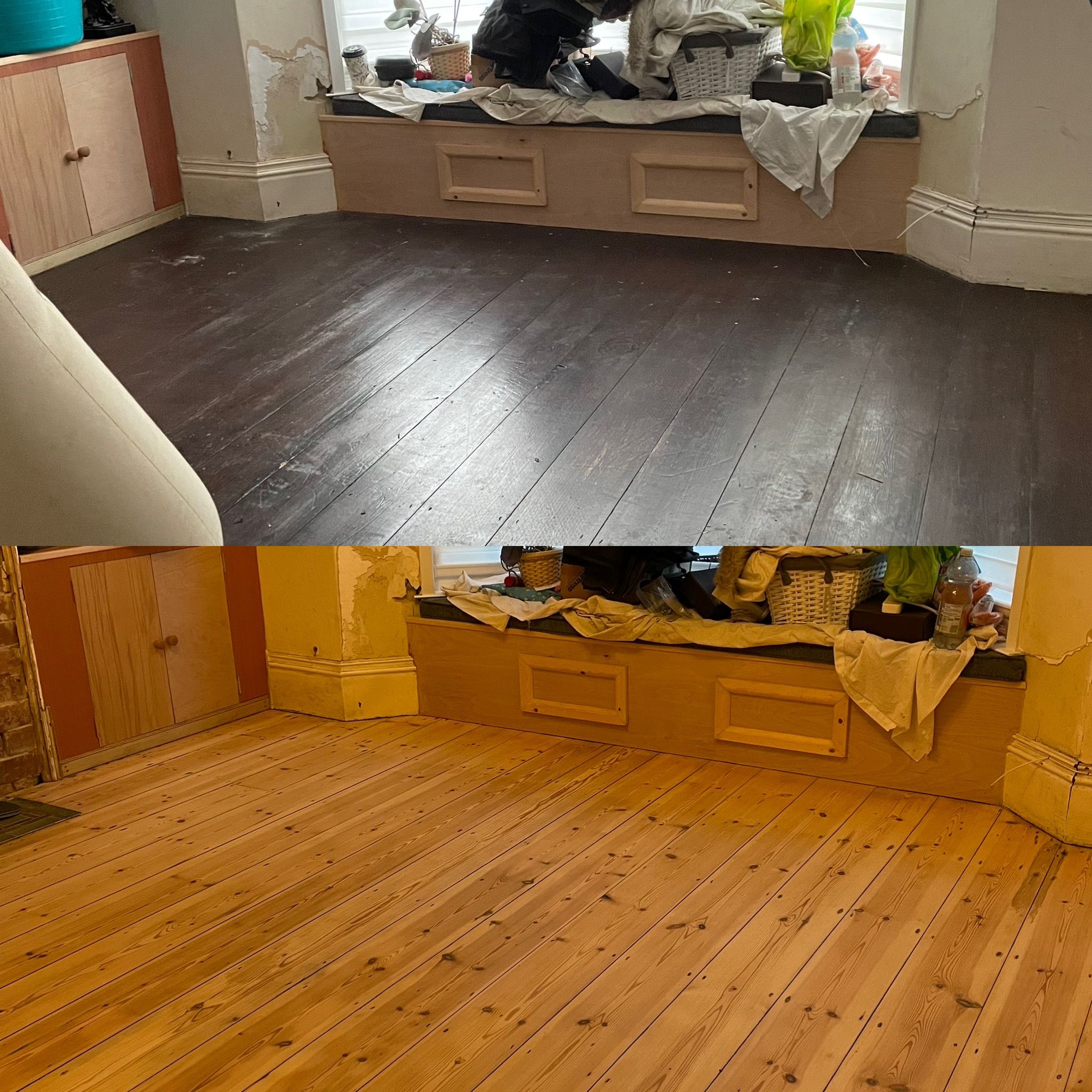
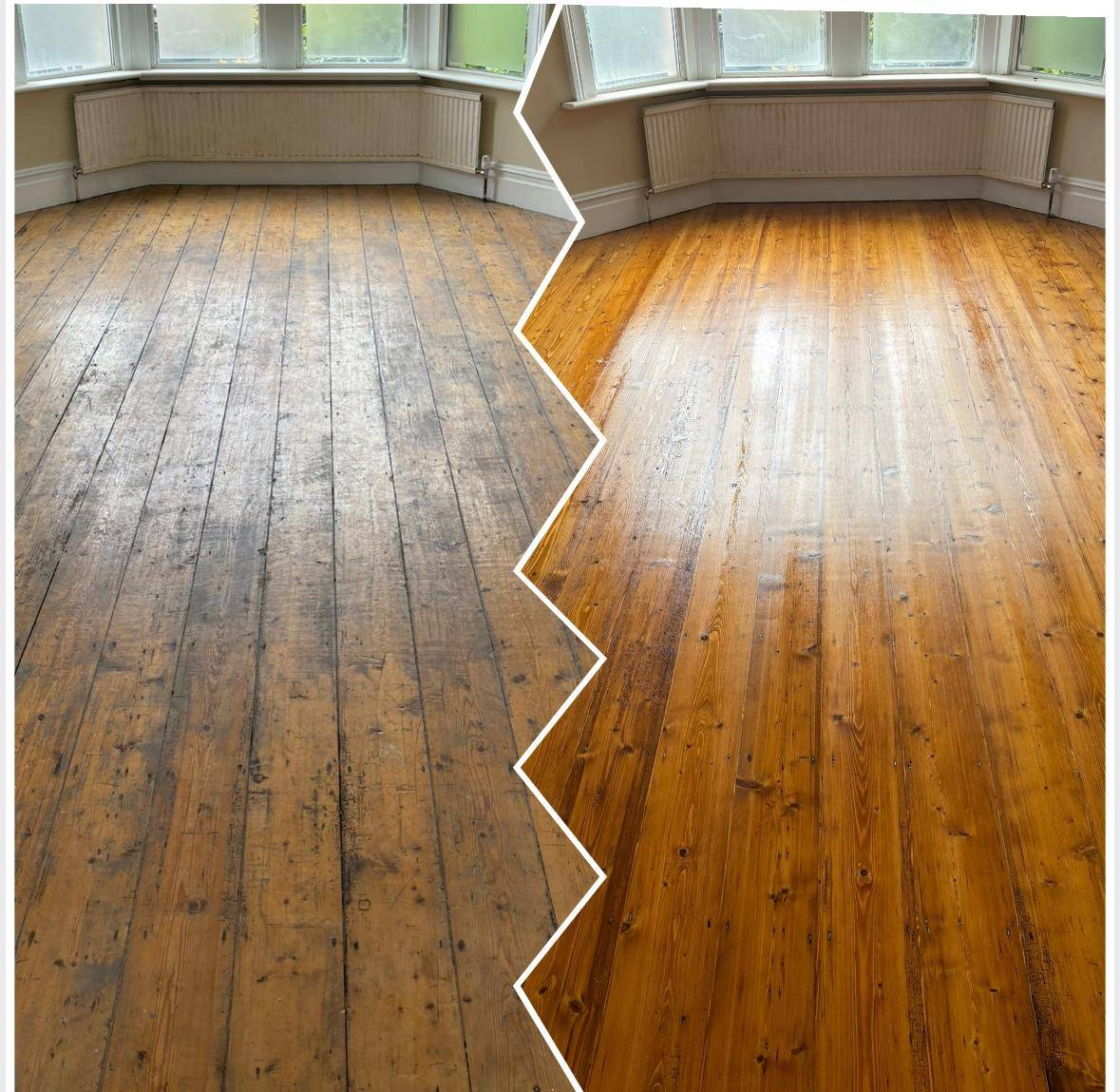
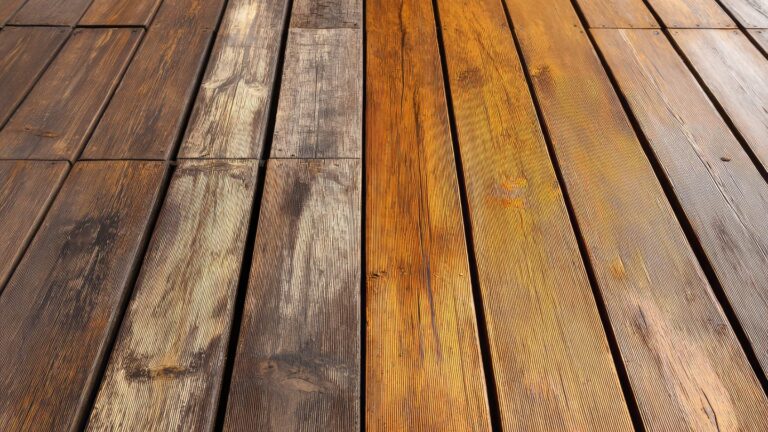
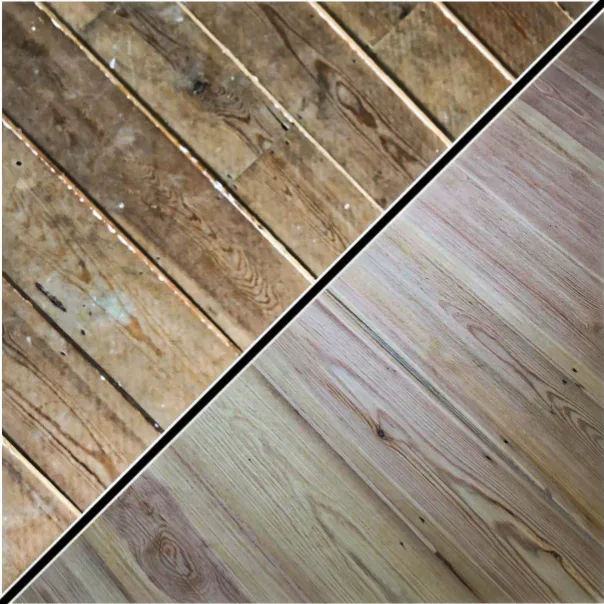
Floor sanding before and after

Floor Sanding in Castle Cary and Bruton

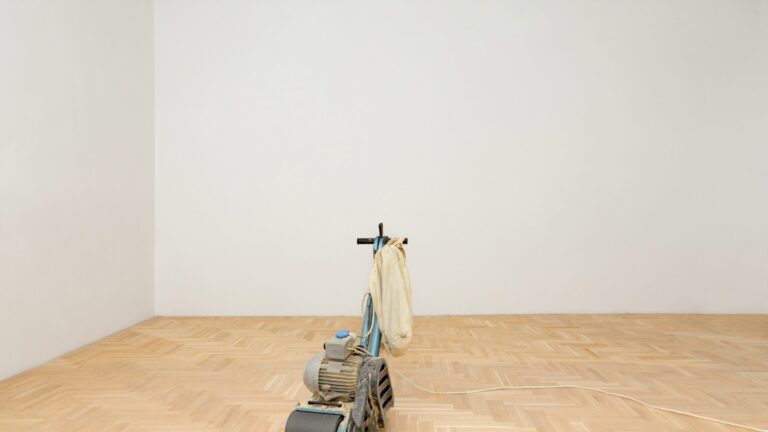
Castle Cary and Bruton hold some of the finest period floors in Somerset, wide elm and early pine in the stone cottages and Georgian boards in the townhouses around the Market Place, and our wood floor sanding is calibrated to them: remaining thickness measured first, finer grits, more passes, and centuries of settlement left in place rather than sanded away.

We are a family firm, more than 45 years in the trade, covering both towns plus Ansford, Galhampton, North Cadbury, Ditcheat, Evercreech and Pitcombe, always to a fixed written quotation.

Elm asks for different handling from every other board we meet. Its grain interlocks and swirls rather than running straight, which is what makes it beautiful and also what makes it tear: push a tired abrasive or a heavy pass across elm and it plucks fibres out in patches that no amount of later work hides. So elm floors get genuinely sharp paper changed early, shallower passes, and more of them, letting the abrasive slice cleanly through the wild grain instead of dragging at it. It takes longer than the same area of pine, and the figure that emerges is worth every extra pass.
Commercial Floor Sanding Around Castle Cary

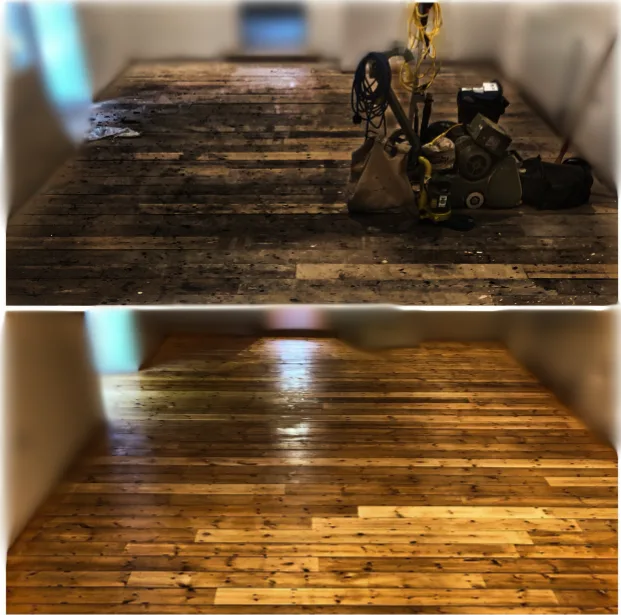
Both towns have a thriving independent scene, and our commercial floor sanding serves it without stopping it: pubs, cafes, galleries and hotels refinished overnight or on closed days with fast-cure sealers, method statements and insurance documentation supplied in advance, and village halls across east Somerset completed within a single closed week.

Add to that school floors in holiday windows, gym, dance and sports hall floors with line marking to governing body specification, and shop and restaurant refinishing planned around service.

A good share of our work in these towns arrives inside larger refurbishments, and sequencing is where those jobs are won or lost. Floor sanding belongs late in a schedule of works, after the wet trades and the dusty ones, after decorators have done everything but their final touch-ups, and before furniture and fittings arrive; sand too early and other trades will spend weeks marking your new surface. We are used to slotting into a main contractor’s programme, saying clearly what we need finished before we start and what must wait until our seal has cured.

parquet wooden floor sanding
wooden floor sanding

Repairs and Reclaimed Board Replacement

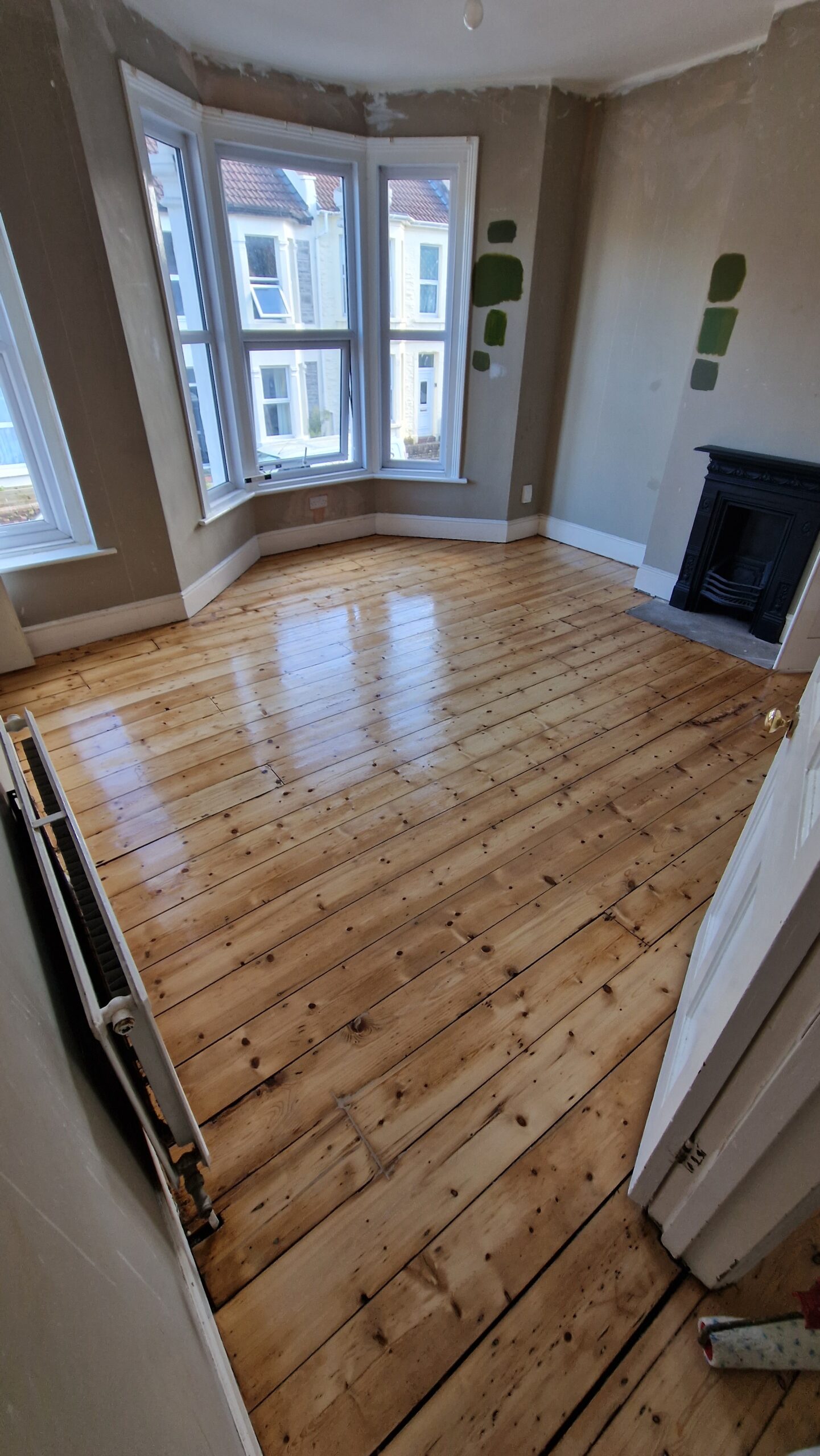
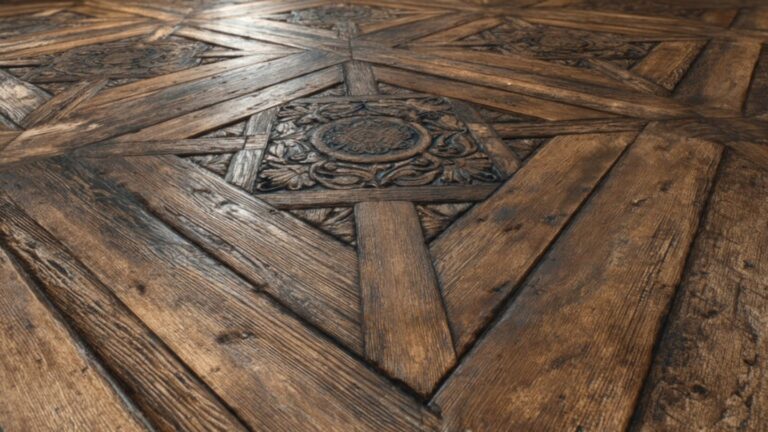
Historic floors here carry generations of mending, and our wood floor repairs respect that: sound old repairs stay, loose boards are re-fixed, and soft timber at joist ends is dealt with before it spreads. Where replacement is unavoidable, floorboard replacement comes from our reclaimed timber stock so the new board carries appropriate age and grain. Squeaks are cured at the fixing and scratches lifted without over-sanding.

When a floor is coming up anyway, it is worth pausing before it goes back down. Open joists in a stone cottage are the one easy opportunity to add insulation between them, or to deal with cables and pipes that have needed attention for years, and once our reclaimed boards are fixed and finished that opportunity closes for a generation. We are happy to coordinate with whoever is doing that work so the sequence runs lifting, other trades, then re-fixing and sanding, and the floor only has to come up once.

Gap Filling for Floors That Move

Plenty of property here is occupied part of the year, and a house left cold and closed swings in humidity, so boards move more than in a lived-in home. Our gap filling allows for it: tapered timber slivers on old boards, glued so they flex with the seasonal cycle, and resin fills reserved for stable, consistently heated floors. We specify the approach to how the house is actually used, not how we wish it were.

For a house that stands empty part of the year, the survival of any gap fill depends on what happens while nobody is there. Timber tracks the moisture of the air around it, so a building that swings from damp and cold to heated and dry works its boards harder than daily life ever does. The kindest regime is steadiness: background heat holding the house a few degrees up through winter keeps the swings, and therefore the movement, small. We advise on that alongside the filling itself, because the two together are what keep the floor quiet and tight.

flooring sanding company
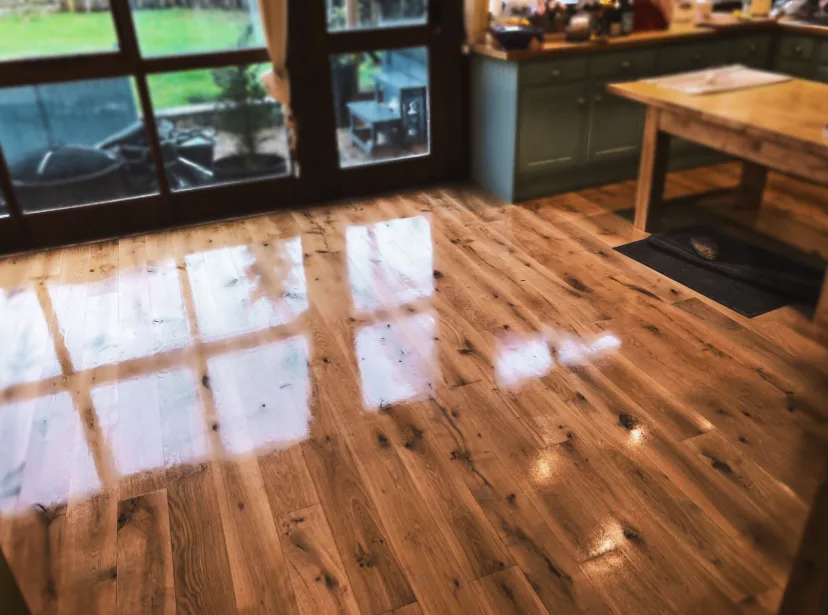
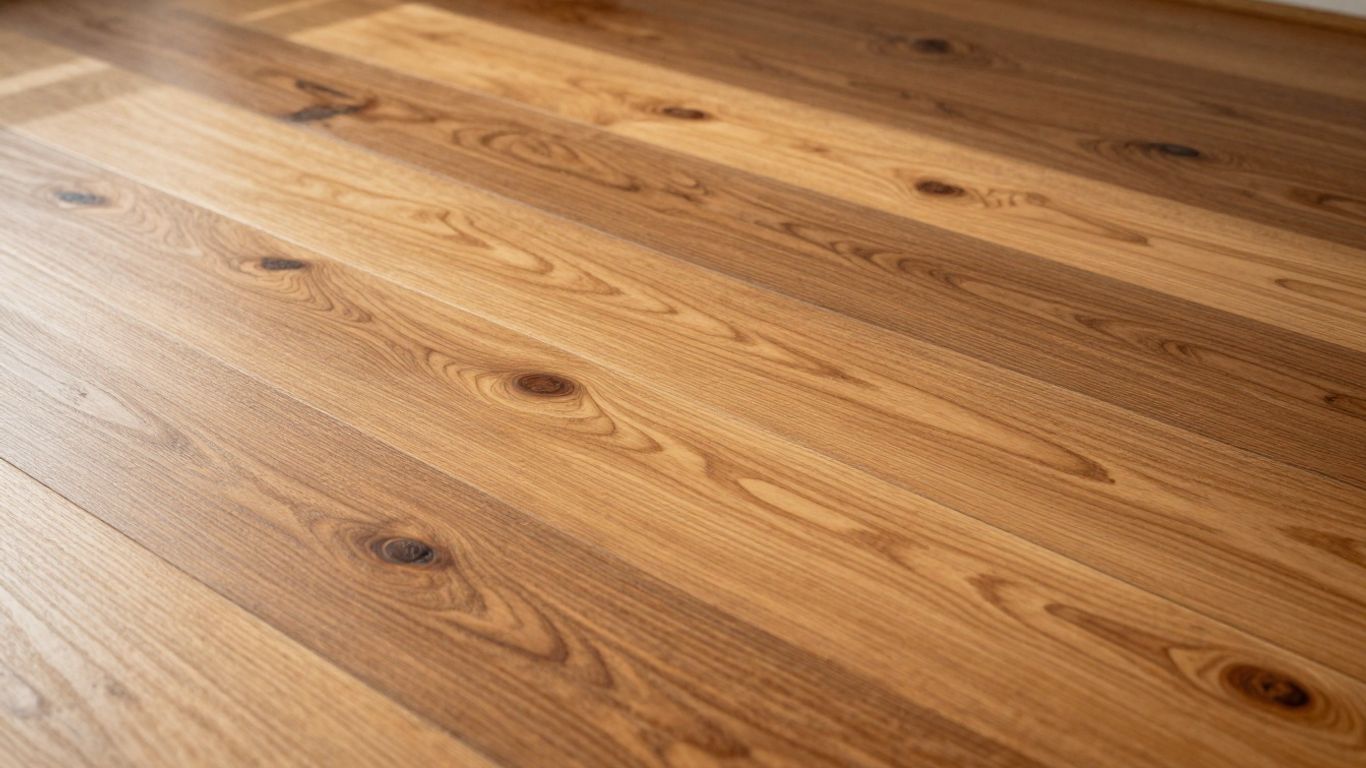
Sunlight across freshly lacquered wooden floorboards

Parquet Sanding and Restoration

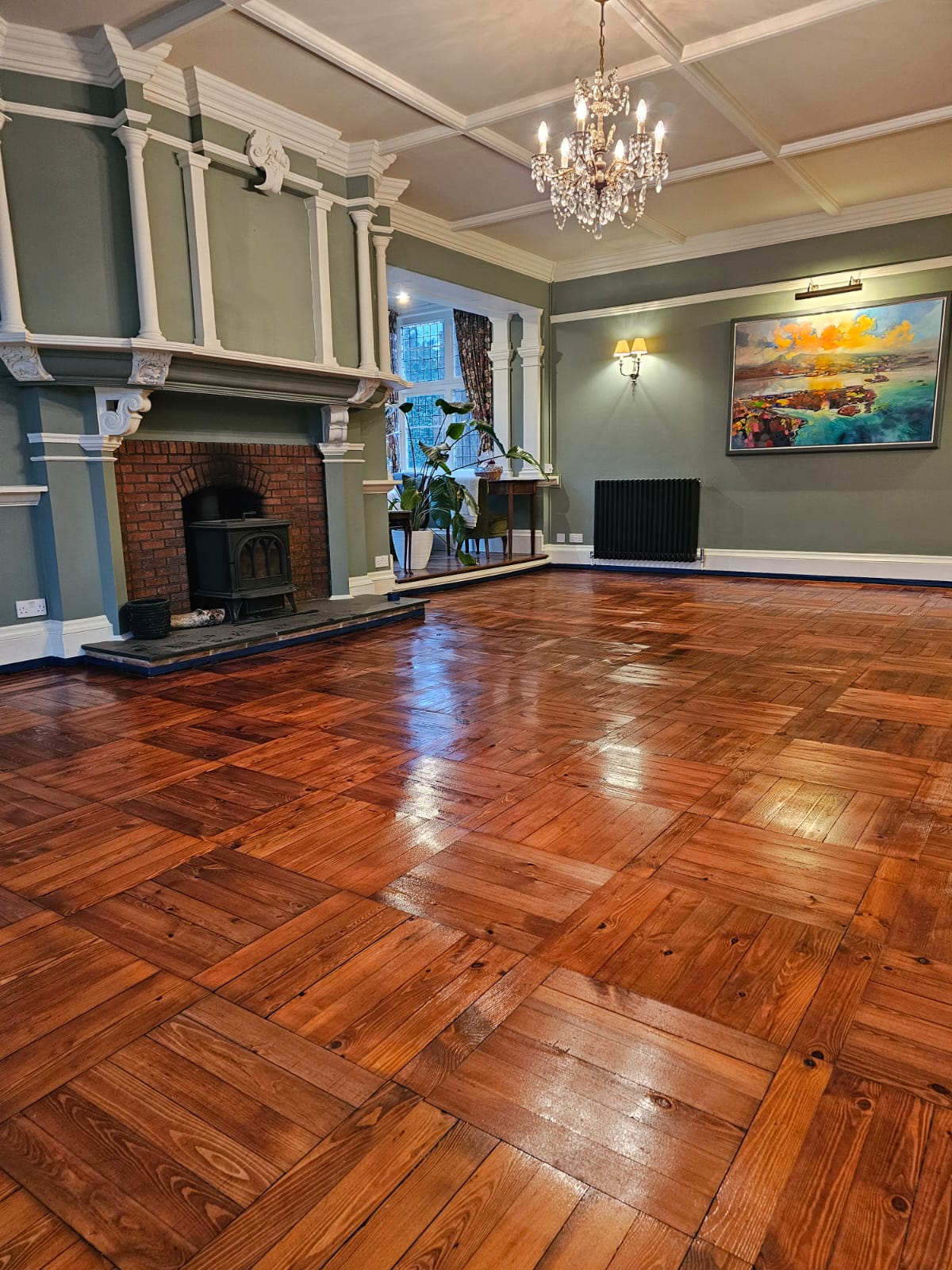
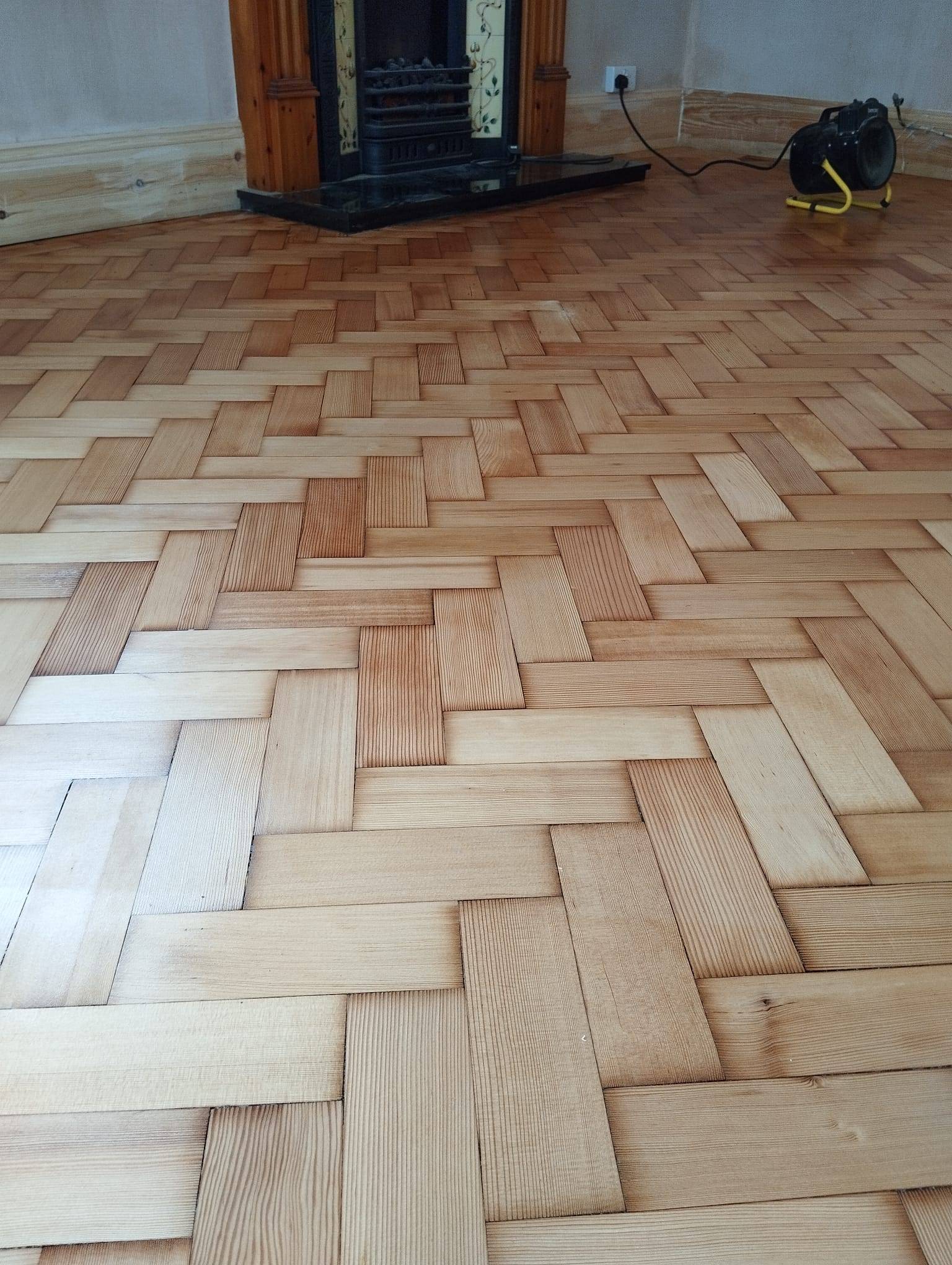
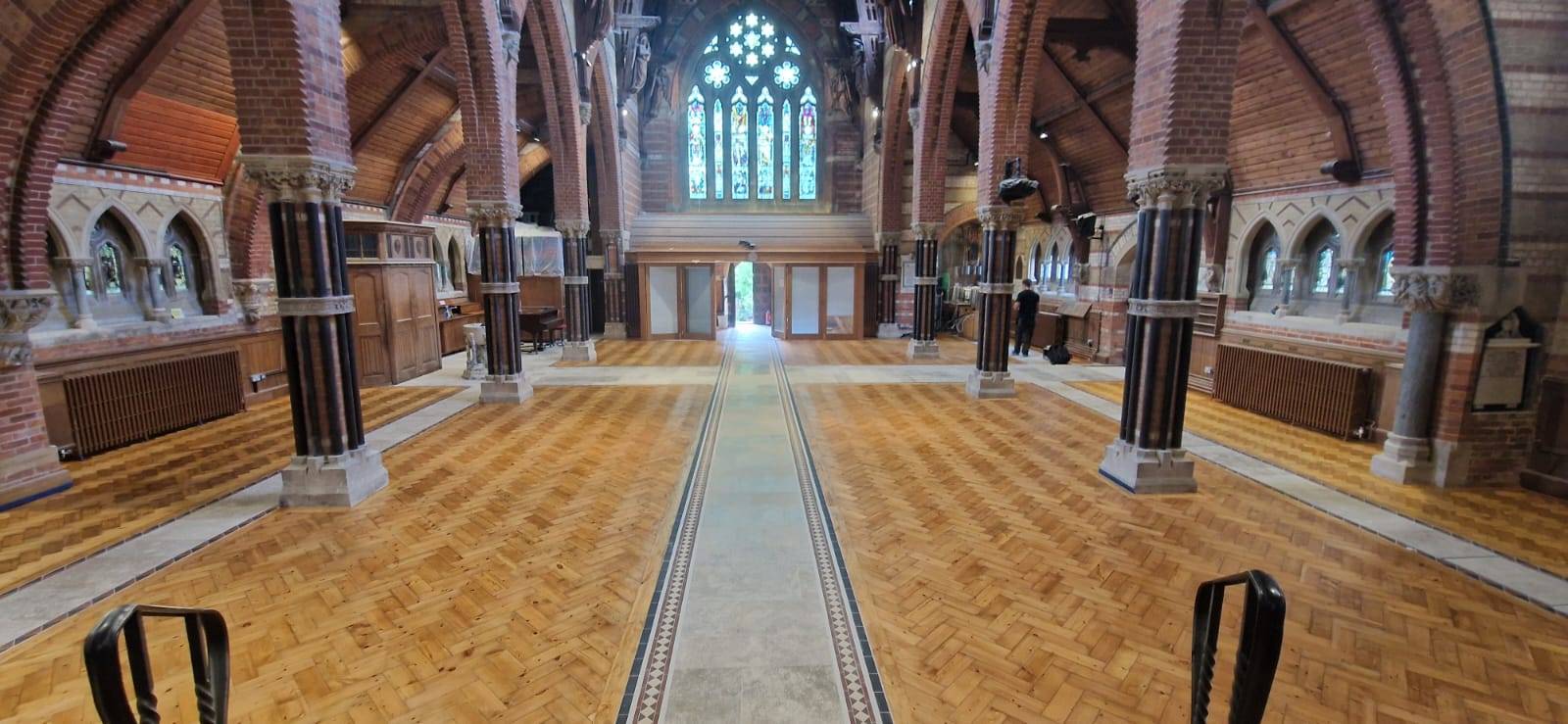
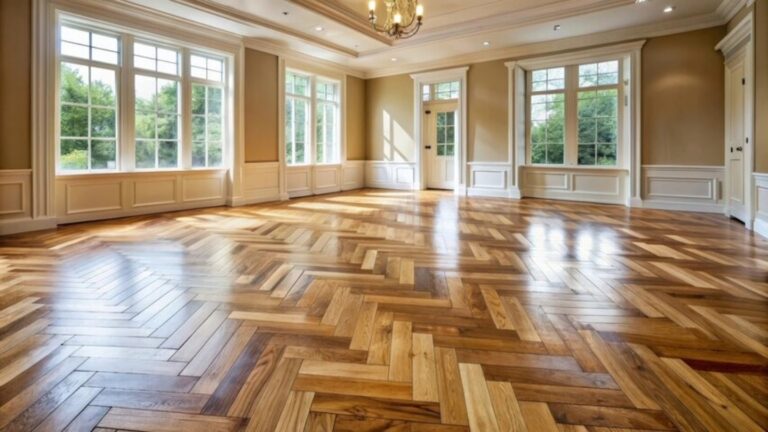
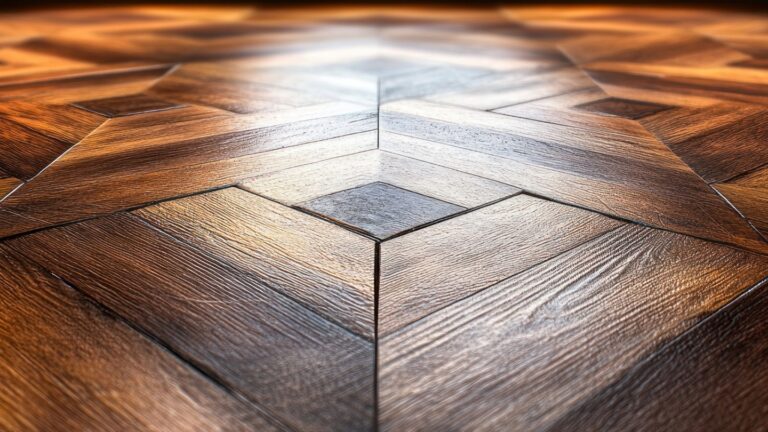
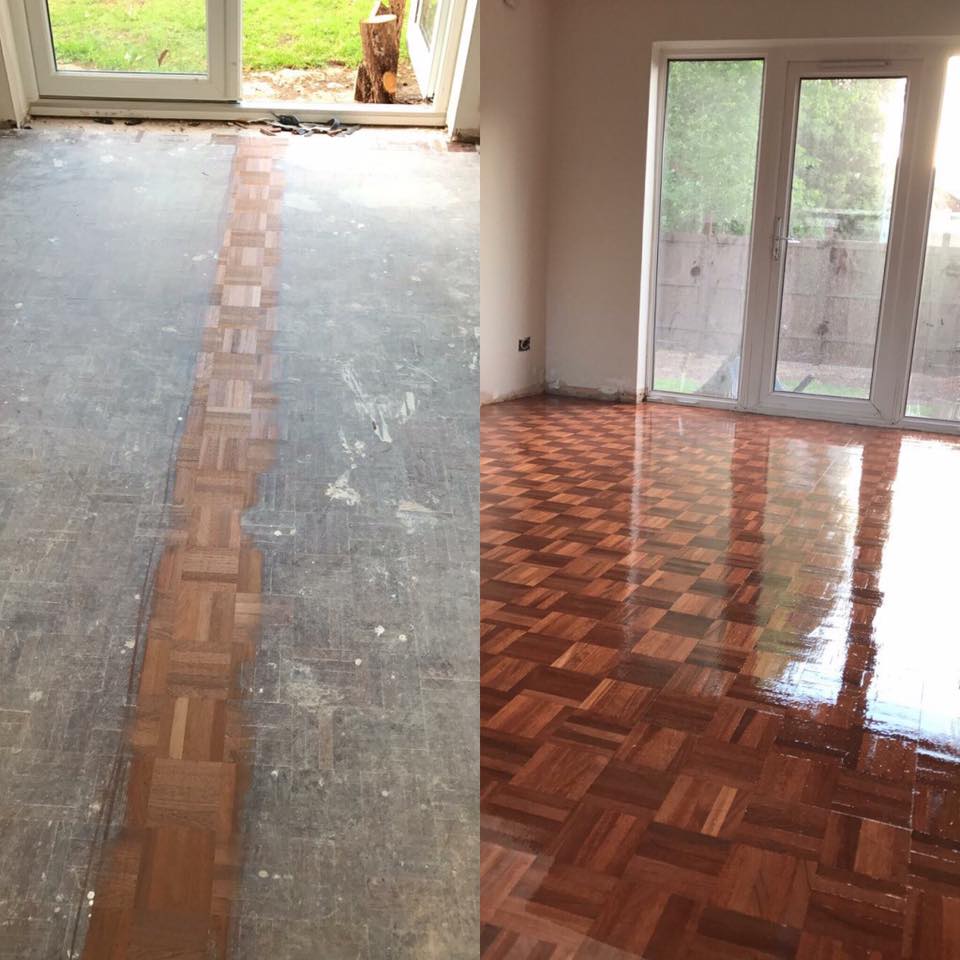
Block floors appear around Castle Cary in halls, schools and some twentieth-century houses, and our parquet floor sanding gives them the full treatment: loose blocks lifted, bitumen cleaned away, re-bonding, missing pieces matched from reclaimed stock, then the pattern machined flat and sealed. With grain running in two directions the sanding is deliberately slow, which is exactly why the finished floor looks the way it does.

Finish choice matters more on parquet than on boards, for a simple geometric reason: a block floor is mostly joints. Hundreds of short edges cross a single room, and a finish has to live with all of them as the blocks breathe. Penetrating oils cope gracefully, flexing with each block and touching up invisibly, while harder film-forming lacquers give more surface protection but ask for a floor that is stable and properly bonded first. It is one more reason the re-bonding stage is never rushed: the best finish in the world cannot hold a floor together from above.

Finishes for Period Property

In breathing stone buildings we nearly always recommend hardwax oiling: it penetrates rather than filming over, suits lime-plastered interiors and repairs in patches. Two-pack lacquer sealing earns its place in shops, cafes and rentals, waxing in the oldest rooms, and staining wherever colour needs adjusting, trialled first on your own boards. A finish that has dulled without wearing may only want a buff and recoat, and sealed extraction on every machine keeps the overwhelming majority of dust out of beams, joints and plaster.

What owners of old houses usually want is not a new-looking floor but an old floor looking its best, and the finish decides which they get. Patina, the depth of tone centuries of light and use build into timber, survives sanding when the surface is taken back with restraint, and the right finish deepens it rather than burying it. This is why we so often steer period rooms away from thick, glassy build coats towards oils and waxes that sit in the wood: they let a 200-year-old floor look 200 years old and freshly cared for at the same time, which is the whole point.

Wood floor sanding company
Floor sanding taunton

Get a Floor Sanding Quote in Castle Cary

Two photographs, one of the room and one close-up of the worst area, bring an honest opinion and a fixed written quotation; for the older buildings we usually suggest the free, no-obligation site survey so decisions rest on measurements rather than guesses. If the house stands empty part of the year, say so, because it shapes the advice.

Call 01823 674562, email info@ryansrestoration.co.uk, or use the form on this page.

All services available in Castle Cary: floor sanding, commercial floor sanding, wood floor repairs, floorboard replacement, gap filling, parquet restoration, oiling, sealing, staining, waxing, buffing and stair sanding.

Nearby areas we also cover: Frome, Shepton Mallet, Wincanton and Burnham-on-Sea. There is a page for each, and the full list of towns is on our areas we cover page.

FAQ: Floor Sanding in Castle Cary

Sanding, sealing, oiling, waxing, staining, repairs, reclaimed board replacement, gap filling, parquet restoration, buffing, stair sanding and new installations, with particular experience in listed and period property.

Yes. The noisy stages run overnight or on closed days and fast-curing seals bring the floor back into use quickly, so most independents here trade straight through the job.

Conservatively. Sound historic repairs are left alone, loose boards re-fixed, and only genuinely failed timber replaced, always with reclaimed boards so age sits beside age.

Yes, in halls, schools and later houses. Blocks are cleaned, re-bonded and pieced in from reclaimed stock, then the pattern is sanded flat and sealed to bring the geometry back.

It is, through staining once the boards are bare. Old timber takes colour with a will of its own, so trial patches go on your actual floor and sit a day before you commit.

Engineered boards with a decent wear layer, yes; we measure at the free survey. Laminate has no sandable timber, so refinishing it is not possible.

At source. Sealed extraction on every machine captures the overwhelming majority of dust before it reaches the air, with sheeted doorways and progressive cleaning doing the rest.

Send two photographs for an honest opinion and a fixed written quotation, or take the free half-hour survey with no obligation. Second-home owners can arrange everything remotely, keys included.