45 years’ experience  ·  Rated 4.9 on Google  ·  Family-run, from our workshop near Wellington

45 years’ experience · Rated 4.9 on Google · Family-run

Floor Sanding and Wood Floor Restoration in Wincanton

Commercial floors planned around trading hours and homes finished with care: sanding, repairs and refinishing across Wincanton and the Blackmore Vale edge.

QUICK QUOTATION

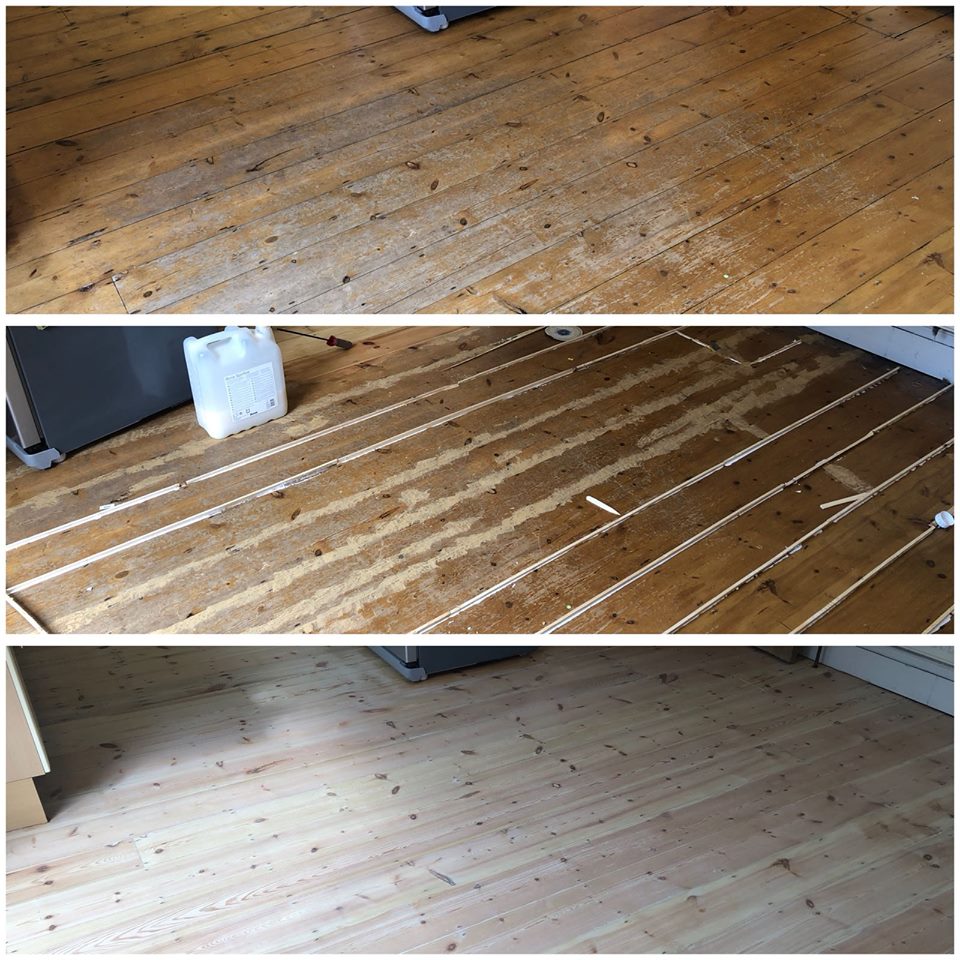
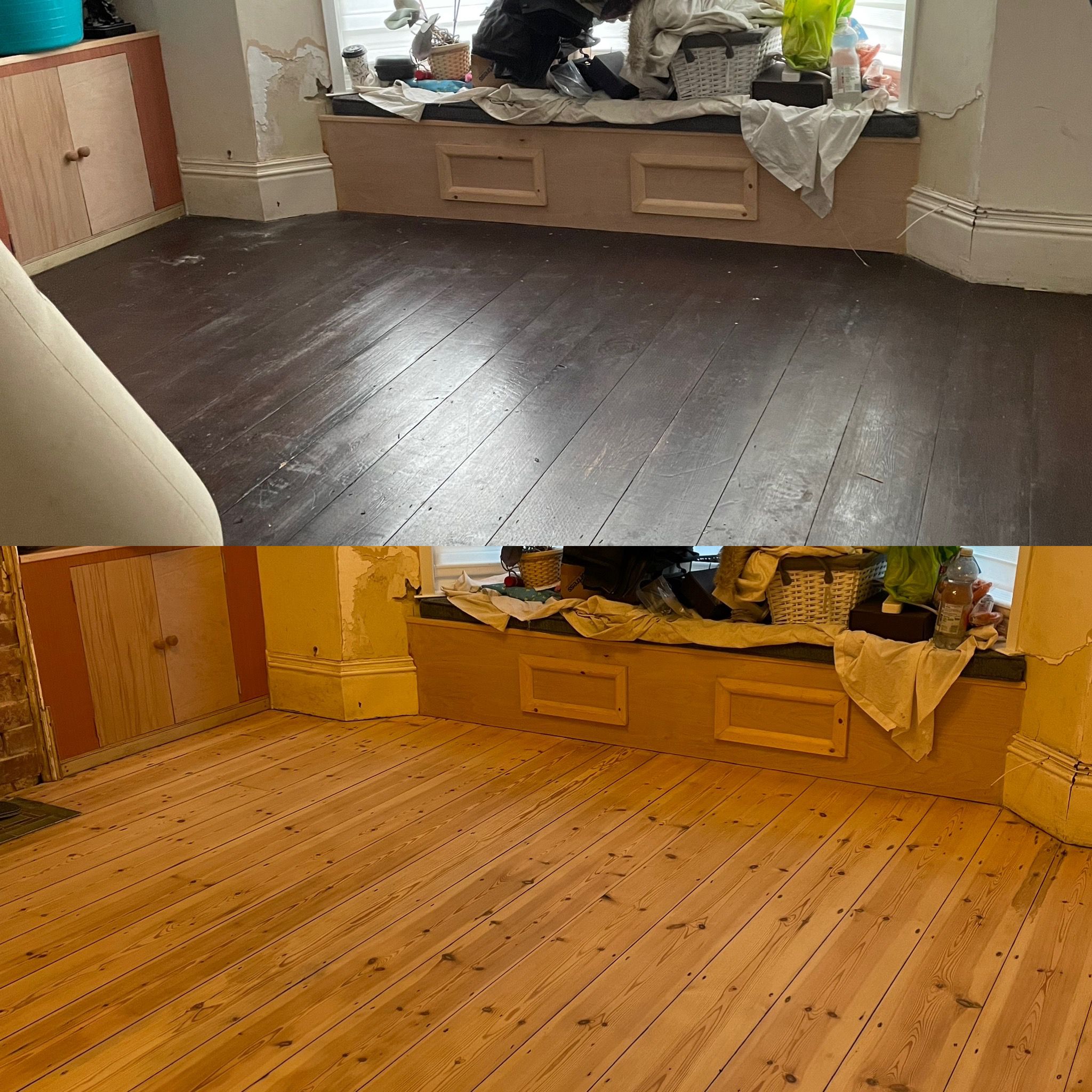
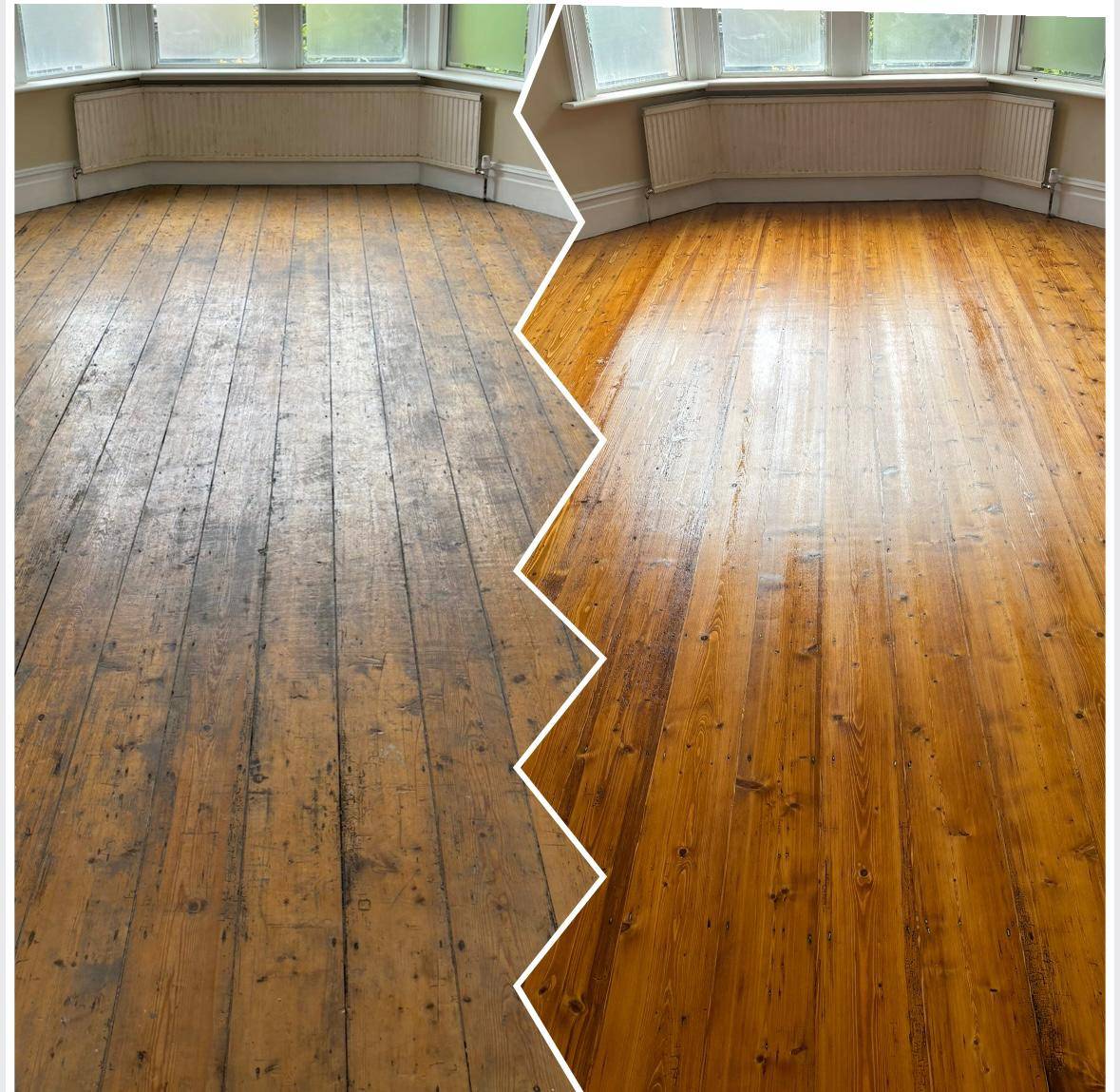
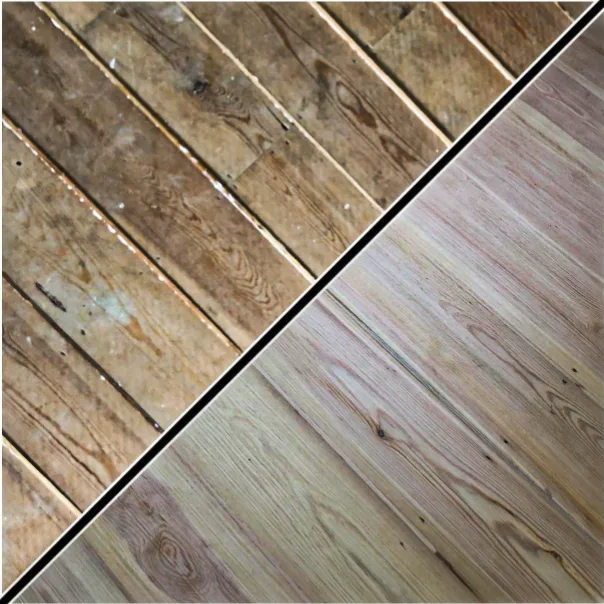
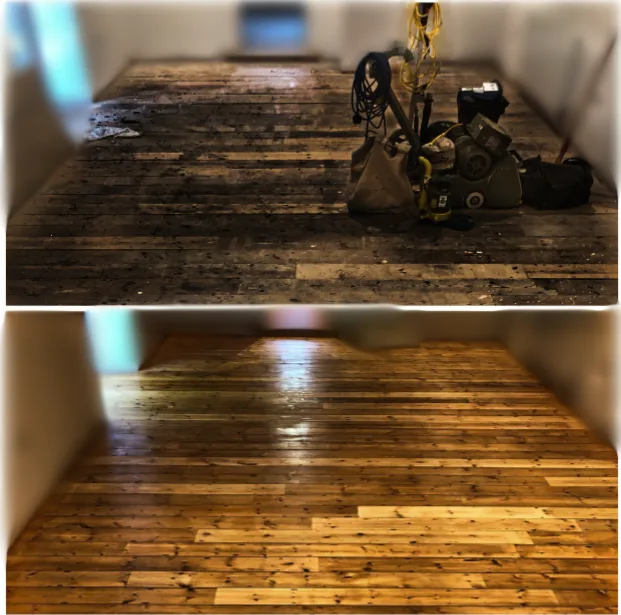
Floor sanding before and after

Floor Sanding in Wincanton: Planned Before the First Pass

The most important tool on a commercial job is not the sander, it is the plan. A bar that has to reopen at noon, a gym with members arriving at six in the morning, a shop that dreads losing a Saturday: each of those sets a deadline, and floor sanding in Wincanton for a business is built backwards from it. Homes are more relaxed, but the same thinking helps there too, because nobody wants to be shut out of the kitchen for longer than necessary.

So before anything is booked we look at the floor and the timetable together. On the floor side, that means checking how much wood remains above the tongue, how the boards or blocks are fixed, what is on them now and whether moisture levels near the walls are acceptable. On the timetable side, it means working out how many sanding passes the floor needs, how long each coat of finish needs before the next, and how long before people and furniture can come back.

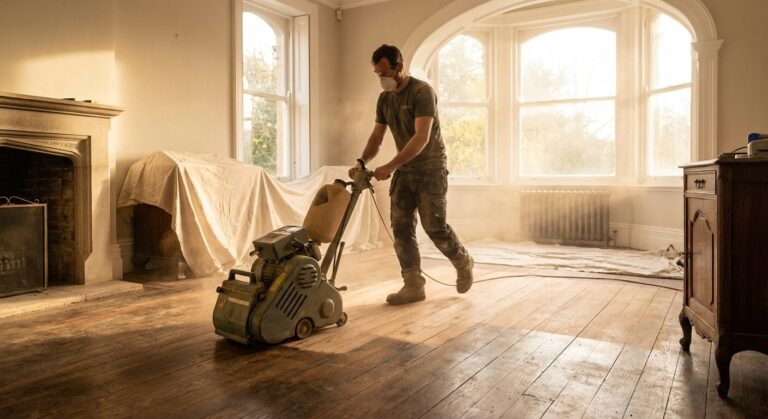
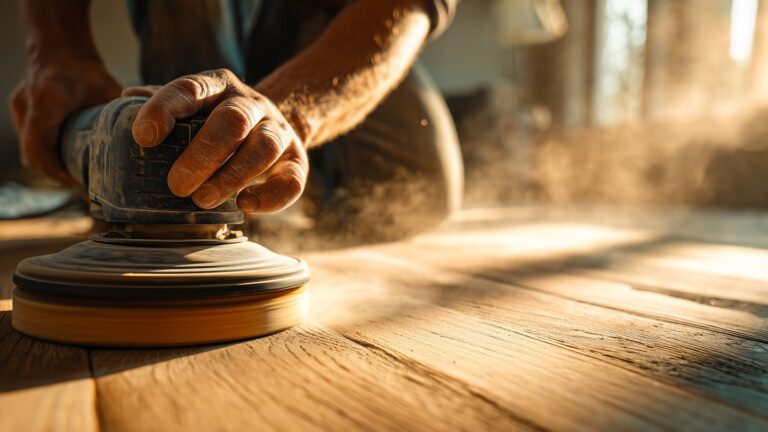
The work then runs as planned: a coarse first cut, progressively finer grades, edging around the walls and hand scraping into corners, each step vacuumed and checked under low light. Dust is the other thing that has to be planned for in a pub kitchen or a shop full of stock. Each of our wood floor sanding machines draws its dust down a hose into a sealed collector as it works, and that is what makes dust-free floor sanding possible beside a glass-washer or a rail of clothes.
Commercial Floor Sanding in Wincanton, Shift by Shift

Commercial floor sanding in Wincanton covers pubs and hotels, cafes and restaurants, shops along the main streets, offices, schools, gyms, studios and halls. The buildings vary, but the job always comes down to fitting sanding, finishing and curing into a window the business can live with.

For licensed premises the usual pattern is to start after closing, sand through the night and lay the first coats before morning, using a fast-curing lacquer chosen for traffic. Larger rooms can be split so one half is sanded while the other stays in use, then swapped. There is more on that rhythm under restaurant floor sanding. Hotels and inns with rooms upstairs take a different approach, a couple of bedrooms at a time between bookings, as set out under hotel floor sanding.

Shops are handled in zones behind barriers, starting with whichever area can be spared. Shop floor sanding covers the detail, including how stock and fixtures are moved and returned. Gyms and fitness studios are often best done over a bank holiday or a quiet weekend, with a finish selected to give the right grip under trainers, as set out under gym floor sanding. A ballet or tap studio is fussier still; too much grip and turns snag, too little and feet slide, so dance floor sanding treats the final coat as carefully as the sanding.

Term dates rule school floor sanding, so it lands in the long holiday, and painted courts are measured out and relined by us after sealing as part of sports hall floor sanding. Paperwork for a facilities team or committee, method statement, insurance and referees, is ready on request, and larger contracts are described on the main commercial floor sanding page.

parquet wooden floor sanding
wooden floor sanding

Wood Floor Restoration in Wincanton's Town Houses

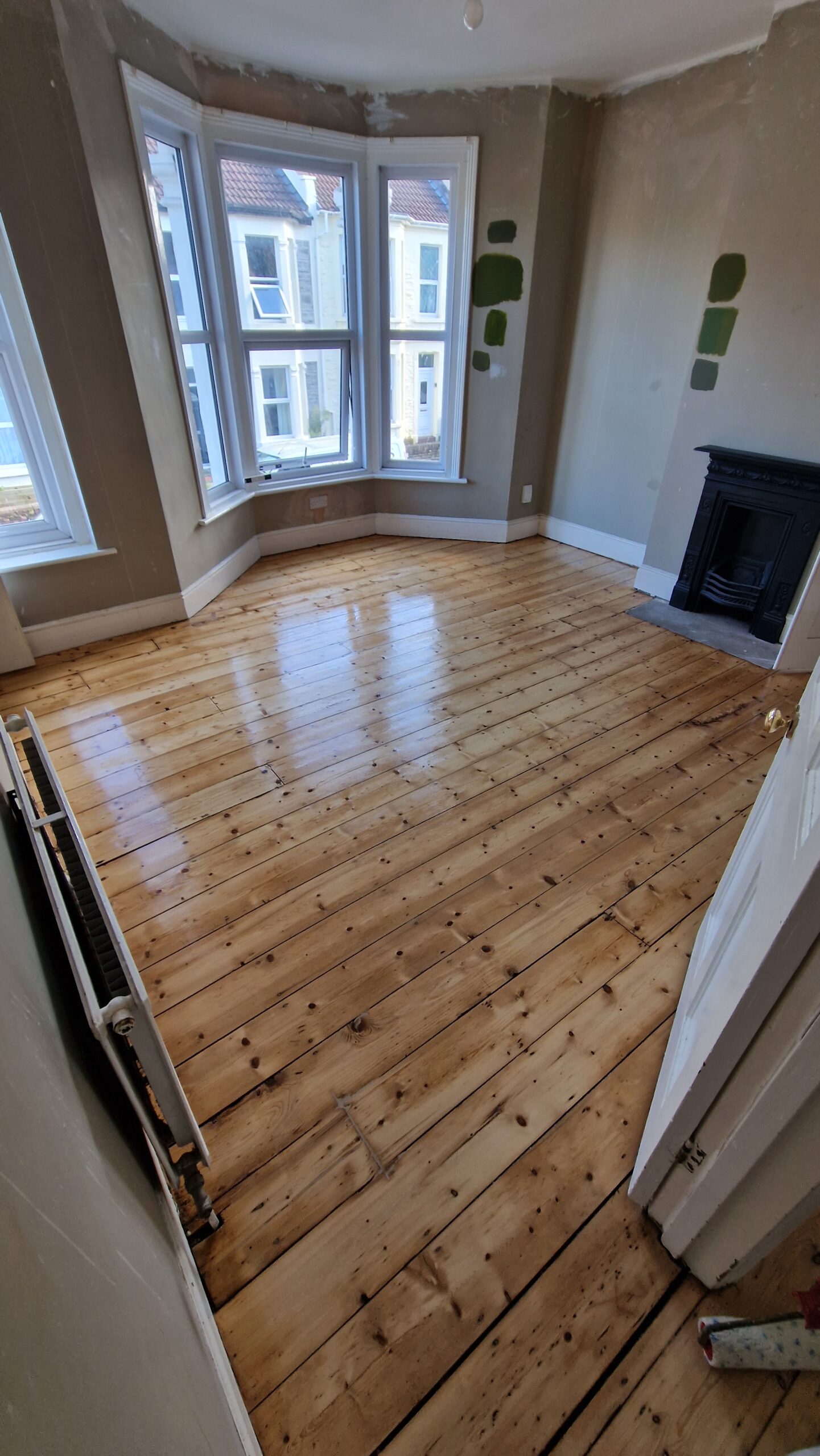
Wincanton’s centre has many Georgian buildings, and the town’s older houses often keep their original floors under later carpets. Wood floor restoration in Wincanton therefore tends to mean wide boards, sometimes oak, more often pine, that have been patched, painted around the edges and covered up more than once.

The first job is to read the floor. A run of mismatched boards near the hearth tells you a fireplace was opened up or blocked. A neat rectangle of newer timber marks an old access trap. Dark paint along the walls shows where rugs once stopped. Our wood floor restoration work deals with all of it, making the floor sound before it is sanded and finished as one surface.

Oak is the easier timber. It is hard and stable, and oak floor restoration often needs only a modest sand to bring back warm colour and the silvery flecks of the grain. Pine in Georgian and later houses is softer, and pine floor restoration needs patience: nails set well down, gentle grits and no attempt to sand out every historic dent, because that would only thin the boards.

Either way, the result should look like the floor the house always had, only loved again.

Fixing the Floor Before It Is Sanded

Put a sander over a loose board and you get a shiny loose board. The movement is still there, and within months it cracks the new finish along both edges. In a Georgian house the usual suspects are boards nailed with cut nails that have rusted thin, tongues snapped when someone prised a board up for a gas pipe, and thresholds worn into a dip by two centuries of feet. Our wooden floor repairs deal with all of these before a single grit touches the floor, screwing boards down into sound joist, gluing or splining broken tongues and building up worn thresholds.

Some boards are past mending. End rot under a sash window, a split running the length of a board, or a short piece cut by an electrician in the 1960s: each calls for floorboard replacement. Georgian boards are often wider and thicker than anything sold today, so we use salvaged timber that already has the right dimensions and some age to its colour.

Gaps in old pine let cold air rise from the void and fill with grit that grinds at the finish. For fine joints we mix a hard-setting resin with dust from your own floor; for anything wider, a tapered sliver is glued to one board only, so the joint can still breathe with the seasons. The reasoning is explained under gap filling. Creaks are cured with squeaky wood floor repair. A single dent from a dropped cast-iron pan may be a case for wood floor scratch repair rather than the big machine.

flooring sanding company
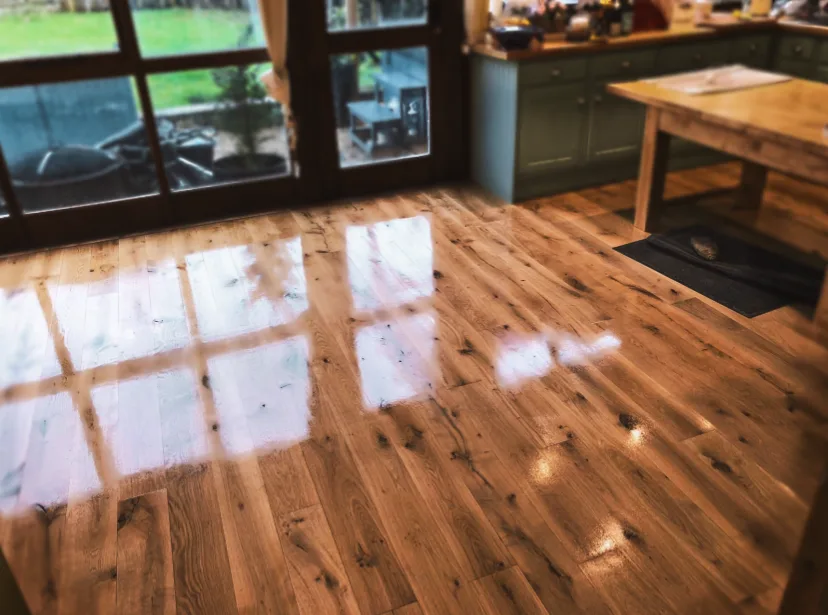
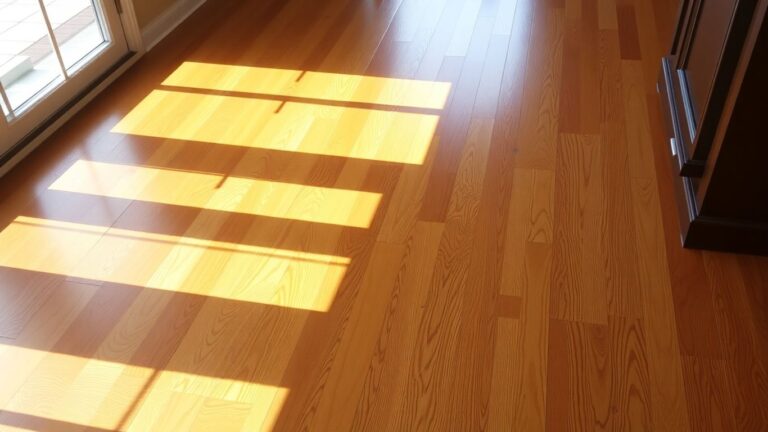
Sunlight across freshly lacquered wooden floorboards

Woodblock Floors and Staircases

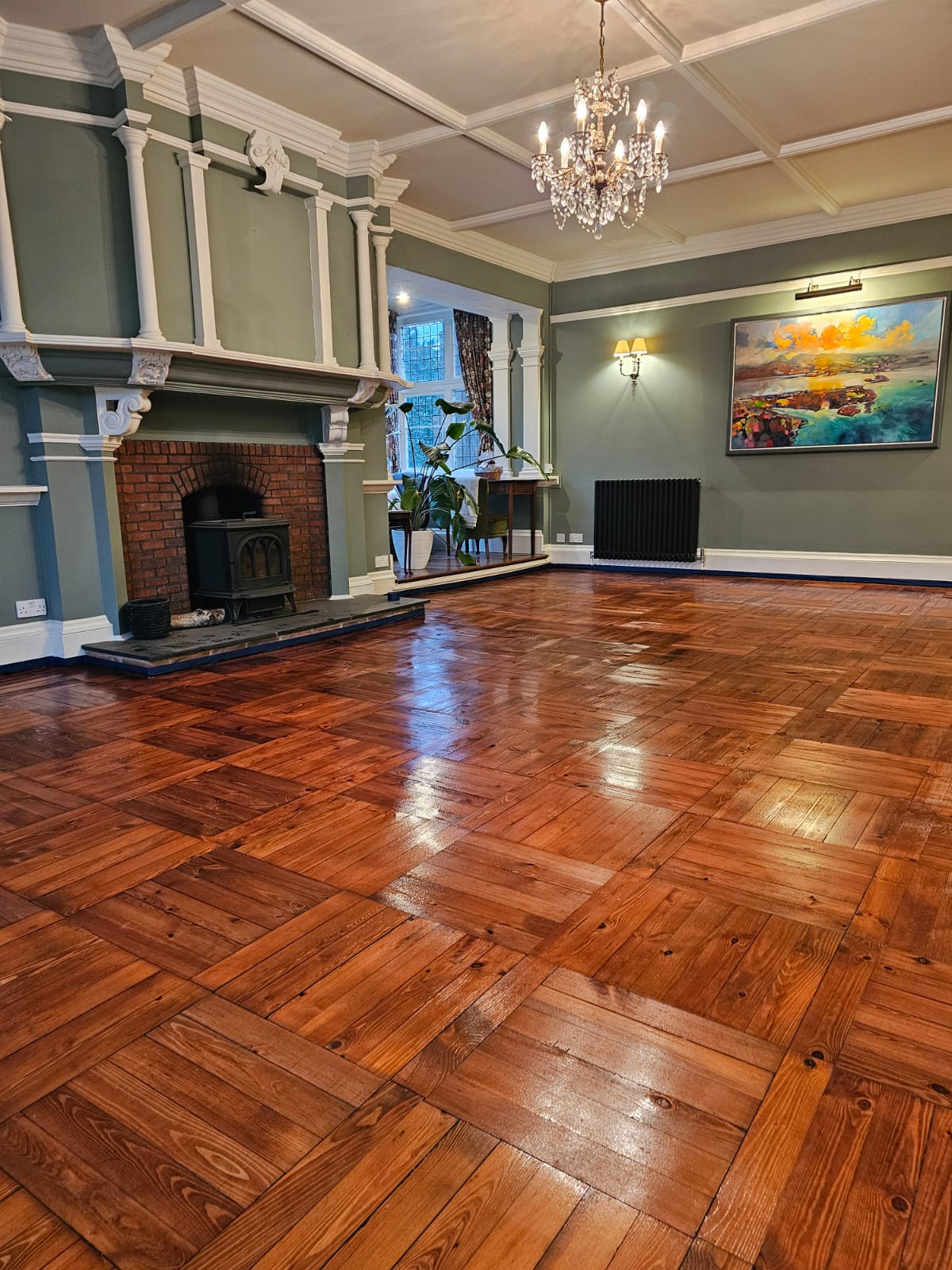
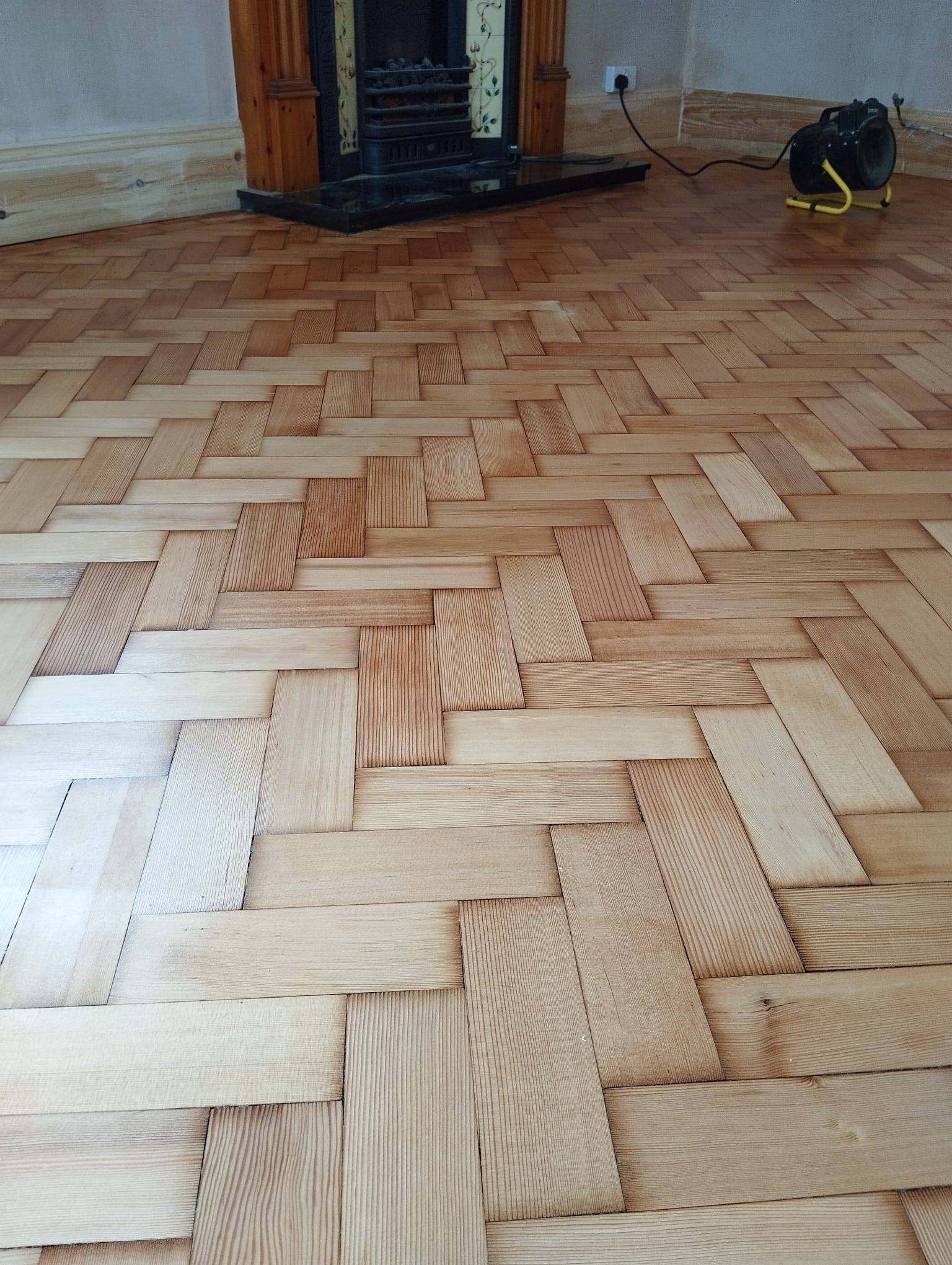
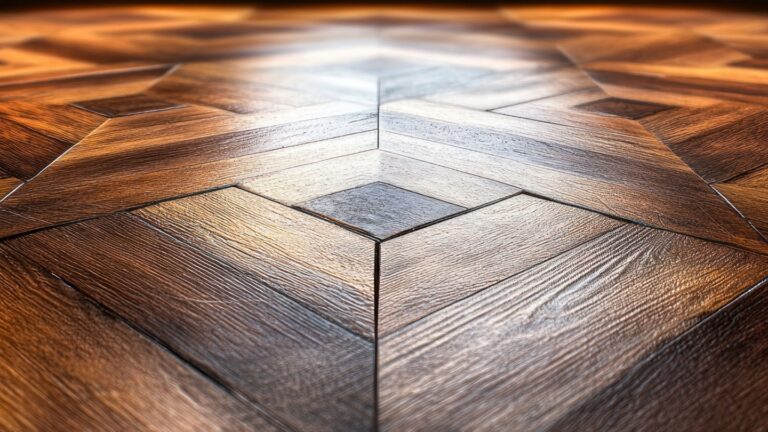
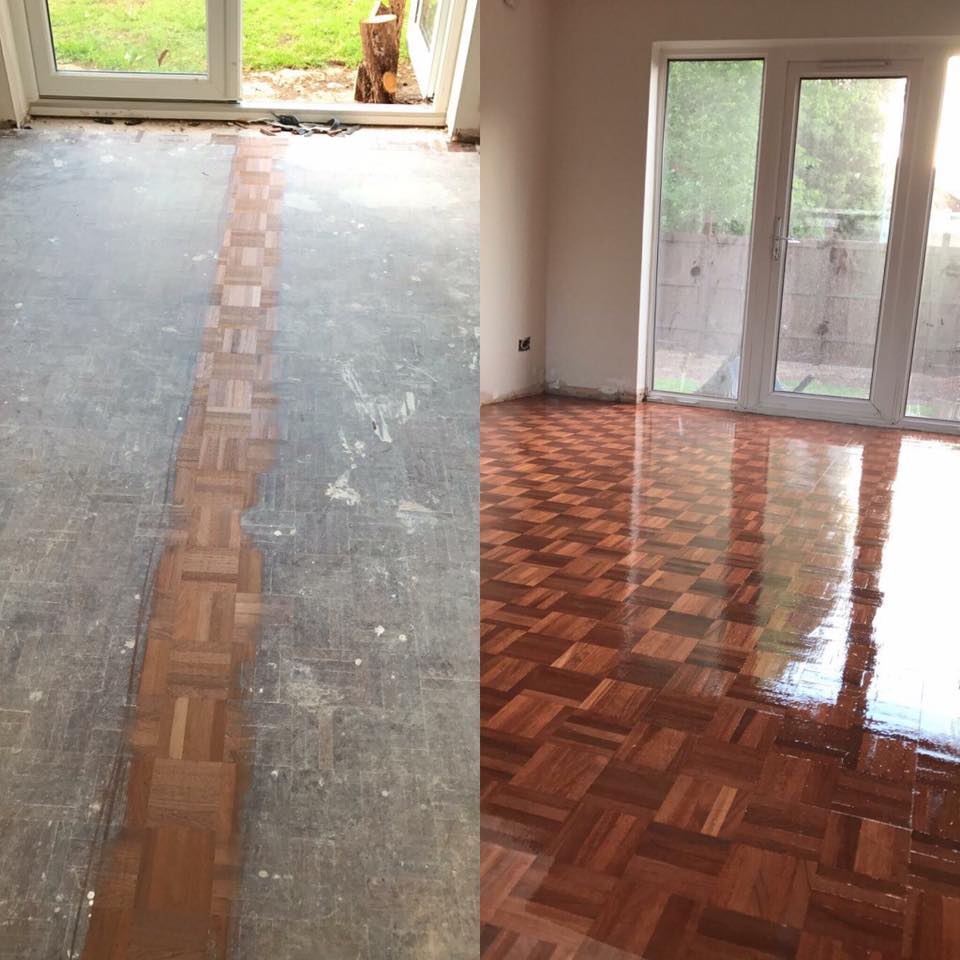
Wincanton has its share of mid-twentieth-century houses and older public buildings, and that is where woodblock parquet tends to appear. Under carpet tiles it usually looks grim: blackened at the edges by old bitumen, dulled by years of polish, with the odd block rocking loose. Underneath all of that, the hardwood is normally in good order. We tap across the floor to find blocks that have let go, lift them, scrape both the block and the bed clean and relay them in modern adhesive. Holes in the pattern are made good with blocks salvaged from other floors, sorted by species and size.

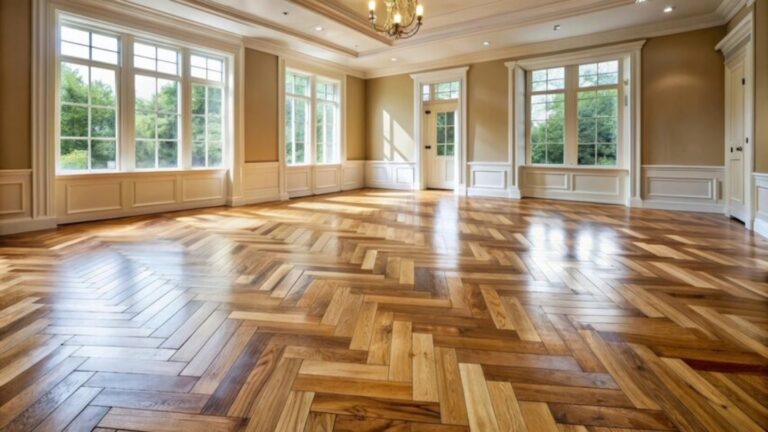
With herringbone, the grain flips direction from one block to its neighbour. The first cuts run diagonally, finer grades come in sooner, and a multi-head machine finishes the surface so no cross-grain scratching shows. Our parquet floor sanding page goes through the process.

Stairs are slow work by any standard. Treads and risers are too small and awkward for a large machine, so stair sanding is done with compact sanders, cabinet scrapers and hand abrasives, one step at a time. Paint left at the edges by an old runner is lifted first, and a worn nosing can be rebuilt with a glued-in section of matching timber before the flight is finished in the same product as the hall below.

Finishes for Busy Floors and Quiet Rooms

The finish is where commercial and domestic needs differ most. Commercial floors start with the toughest coatings available, usually a water-based lacquer and, where traffic is heaviest, a two-part version mixed with hardener on site. Wood floor sealing lays it down in several coats, rubbed back lightly between each so they bond into one tough layer.

At home there is more choice. Kitchens and hallways still suit lacquer, but sitting rooms and bedrooms often look better with wood floor oiling, which keeps the natural feel of the timber and can be patched where it wears. On the oldest boards in a Georgian house, wood floor waxing gives a soft lustre that suits the room.

If you want a new colour, wood floor staining can deliver it, but always tried first on a board from your own floor. In the months and years after, wood floor polishing keeps a lift in the sheen, provided the maintainer suits the coating.

Wood floor sanding company
Floor sanding taunton

Getting Your Wincanton Floor Booked In

Businesses can help us plan by telling us three things alongside the photographs: your opening hours, the date the work must be finished by, and anything that cannot be moved, such as a fixed bar or built-in seating. At home, two phone snaps are plenty. From our workshop near Wellington, Wincanton is a regular trip, and for commercial work we are happy to pencil dates in months ahead.

If we need to measure and test the floor, the visit is free. What follows is a written quotation split into its parts, sanding, repairs, finish, and for a business a proposed running order showing which areas close and when. We stand by that figure unless the job itself changes.

Commercial floors stay presentable for longer with an annual or biennial wood floor buffing visit: the tired top coat is abraded and replaced, often overnight, and the timber is left alone. A family home might go many years between such visits.

Occasionally a floor is beyond rescue, or a new extension needs timber from scratch. For those, wooden floor installation means new solid or engineered boards, chosen from ranges including Junkers and Bona, fitted by us or dropped off for the builder. Nearby, see our page for floor sanding in Castle Cary; the rest of the county is under Somerset. To start, tell us about your floor.

Wincanton Floor Sanding Questions

Usually, yes. A bar or dining room can normally be sanded after close and receive its first coats before morning, using a lacquer that hardens fast. Larger rooms can be split so part stays open. We give you a written programme so you know when each area is back in use.

It depends on the activity. Gyms need durability and grip under trainers, while dance studios need a controlled level of slip. We choose a finish to suit how the floor is used and can repaint court or studio markings afterwards where needed.

Yes. Tell us what your organisation needs, whether that is a method statement, proof of insurance, referees or an outline programme, and we will send it over. Tell us what your organisation needs and we will provide it before the job is confirmed.

Very often. Old boards usually have plenty of life left once loose ones are secured, damaged ones replaced and gaps filled. A restored original floor suits a period house far better than anything new, and it keeps the character people value in an older home.

Busy floors usually benefit from a screen and recoat every year or two, which renews the finish without sanding into the timber. A full sand is typically needed every four or five years, depending on traffic and how well the floor is maintained.

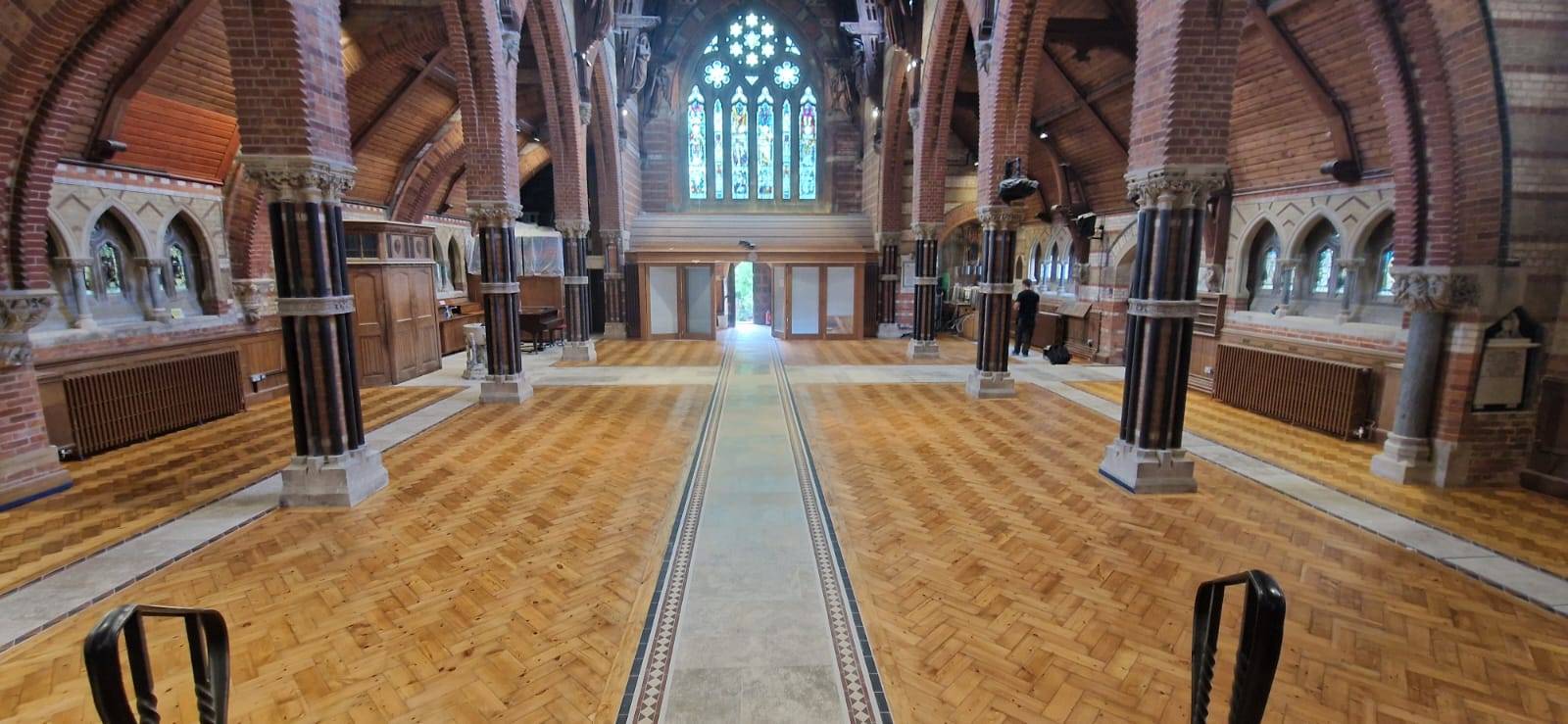
Yes. Larger parquet floors are best scheduled into holidays, with dates booked well ahead so the hall is ready for the new term. Loose blocks are re-bonded and missing ones replaced before sanding and sealing, and sports markings can be reapplied afterwards.

Most rooms are finished within one to three days, depending on repairs and the chosen finish. Walk on it in socks from the day after the final coat, and bring the sofa back in once another day or two has passed.

Email or use the form to send photos of the floor, and for businesses, your opening hours and any deadlines. We reply with advice, visit for free where needed and send an itemised written quotation, with a programme for commercial work.