45 years’ experience  ·  Rated 4.9 on Google  ·  Family-run, from our workshop near Wellington

45 years’ experience · Rated 4.9 on Google · Family-run

Floor Sanding and Wood Floor Restoration in Shepton Mallet

Draughty, gappy old floors made warm and sound again, then sanded and finished, for Shepton Mallet homes, shops, pubs, schools and halls.

QUICK QUOTATION

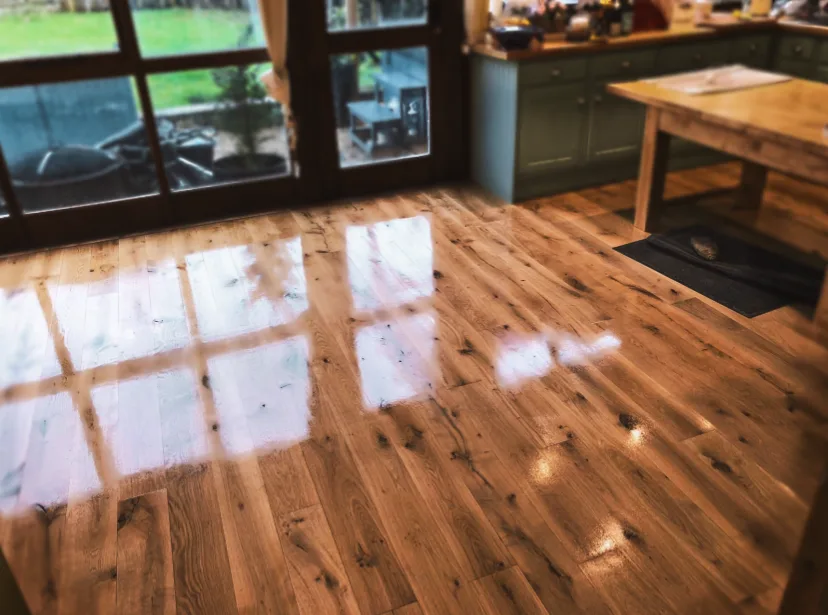
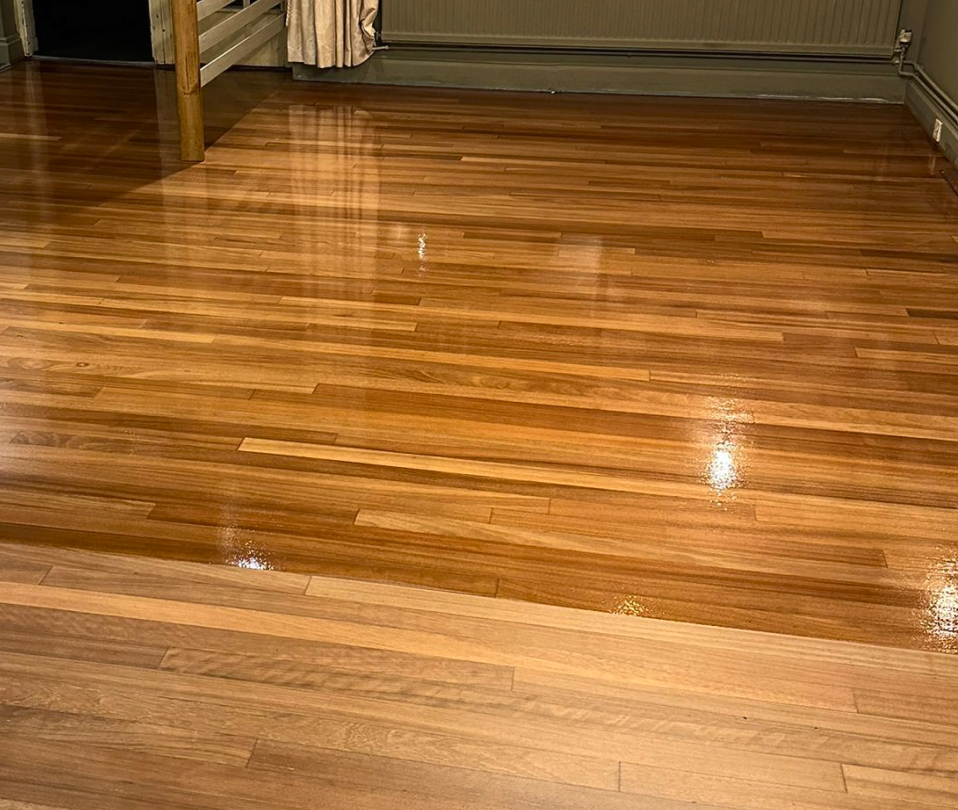
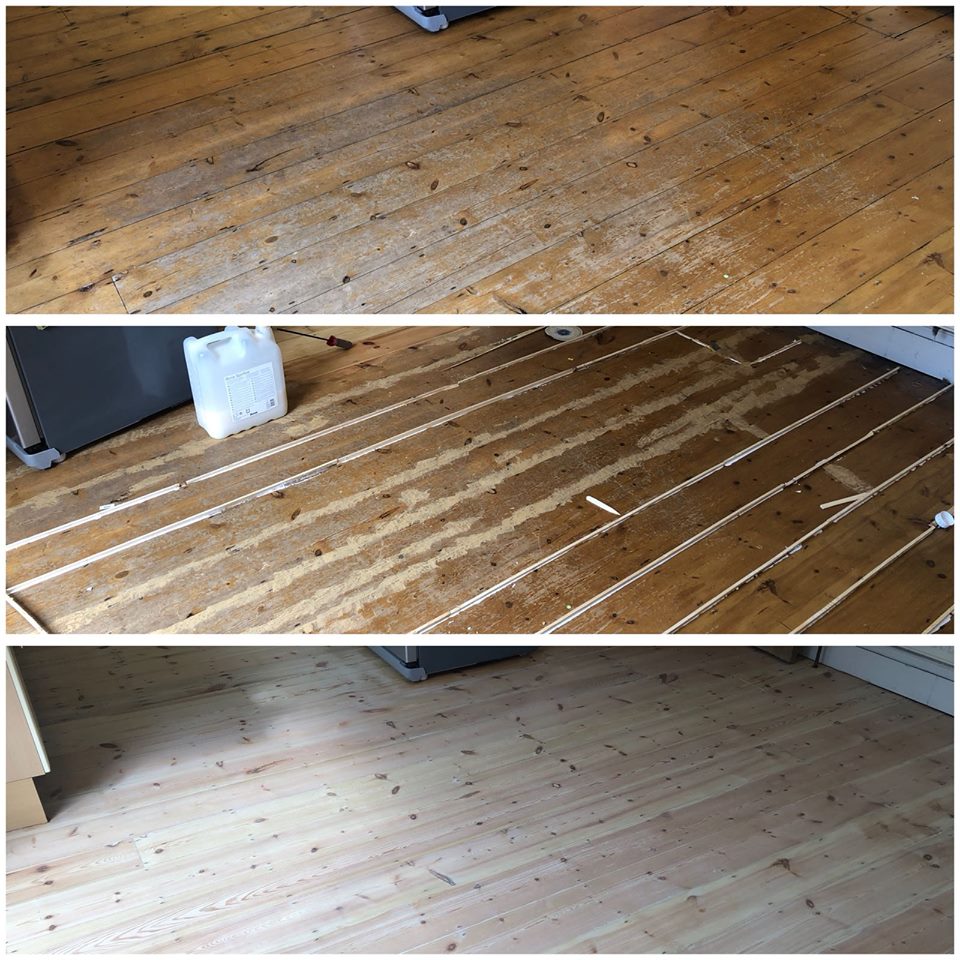
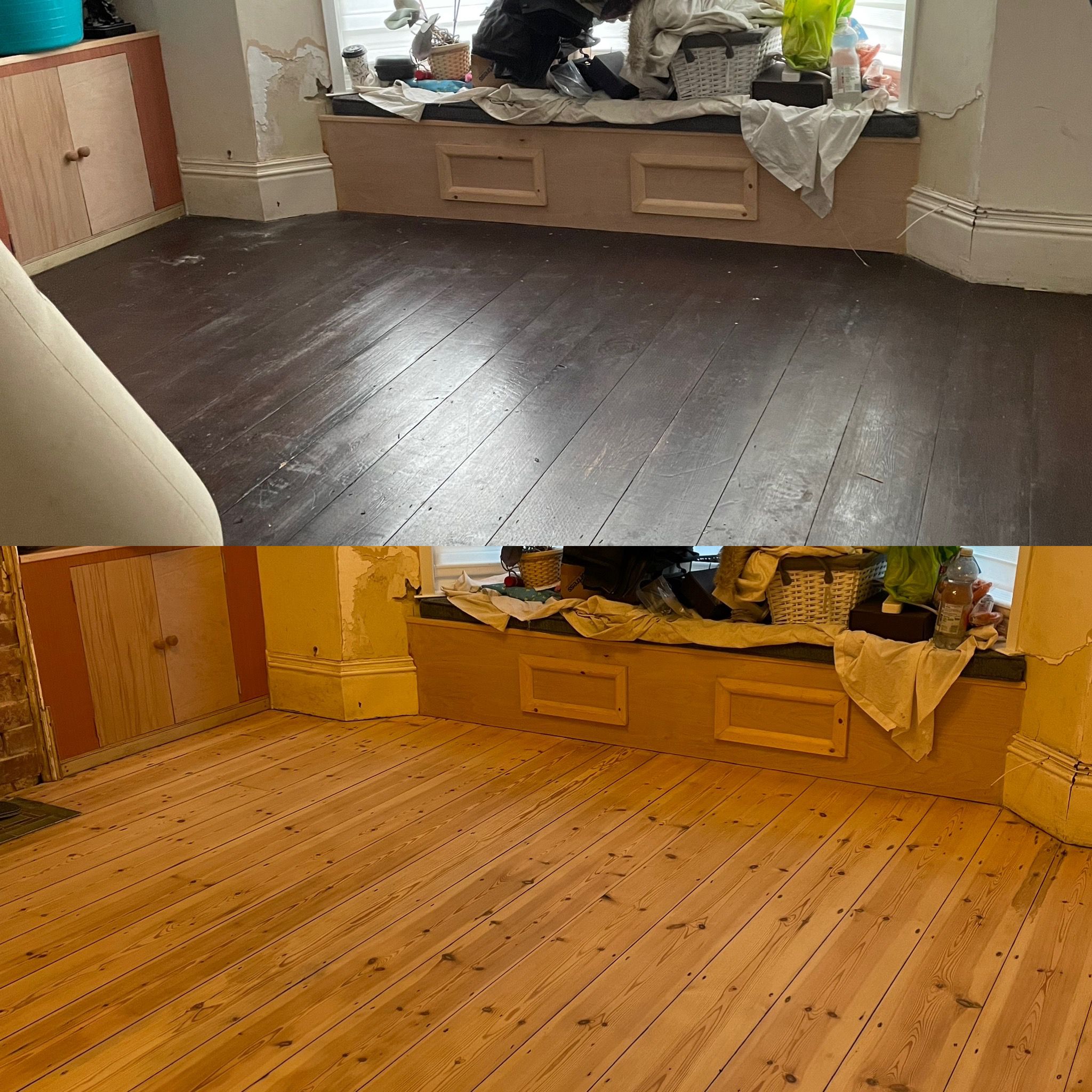
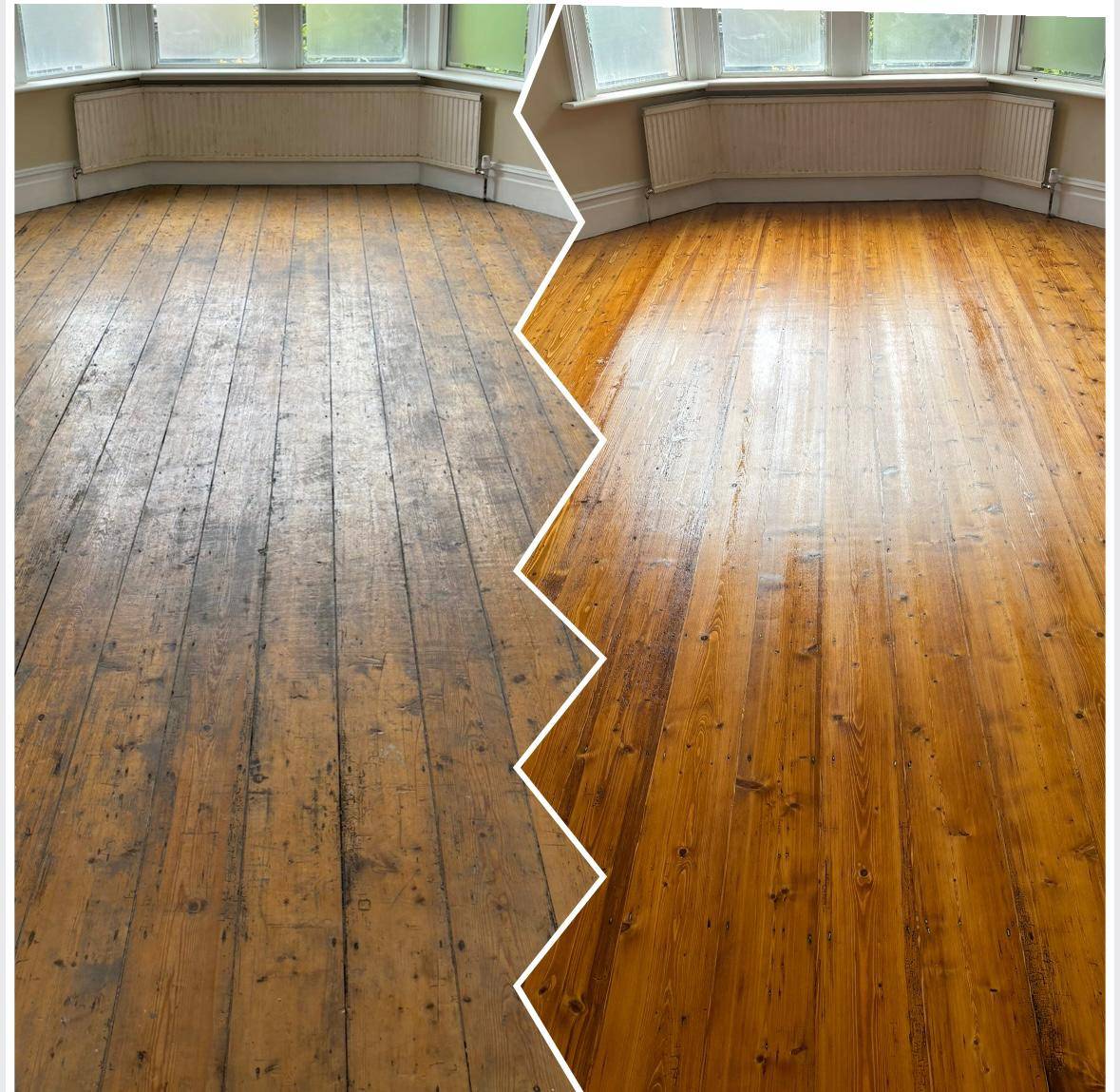
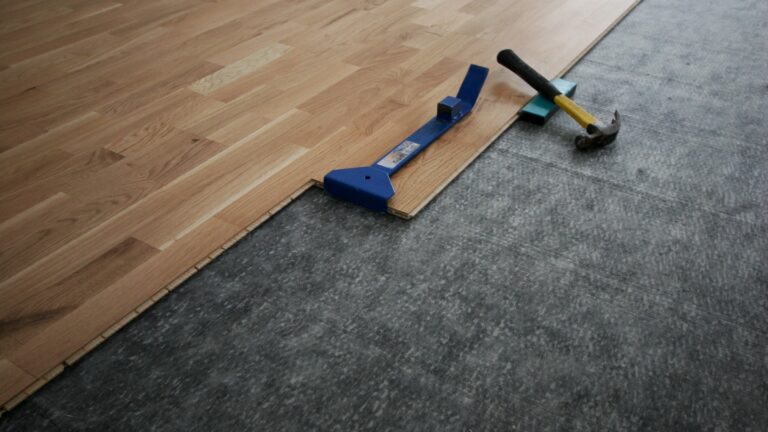
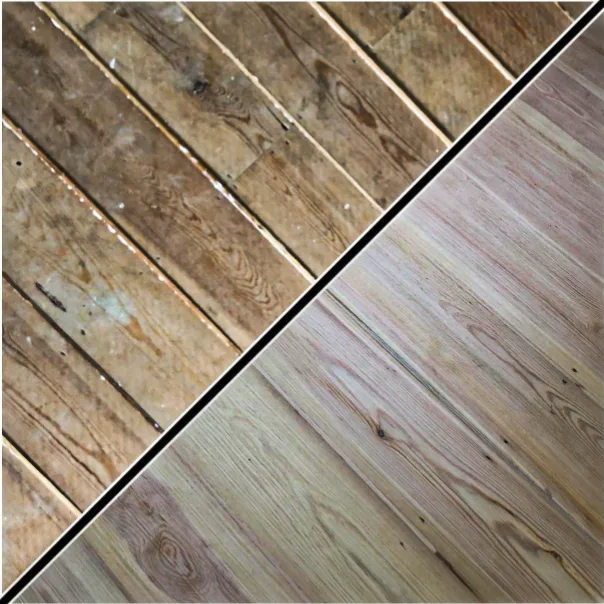
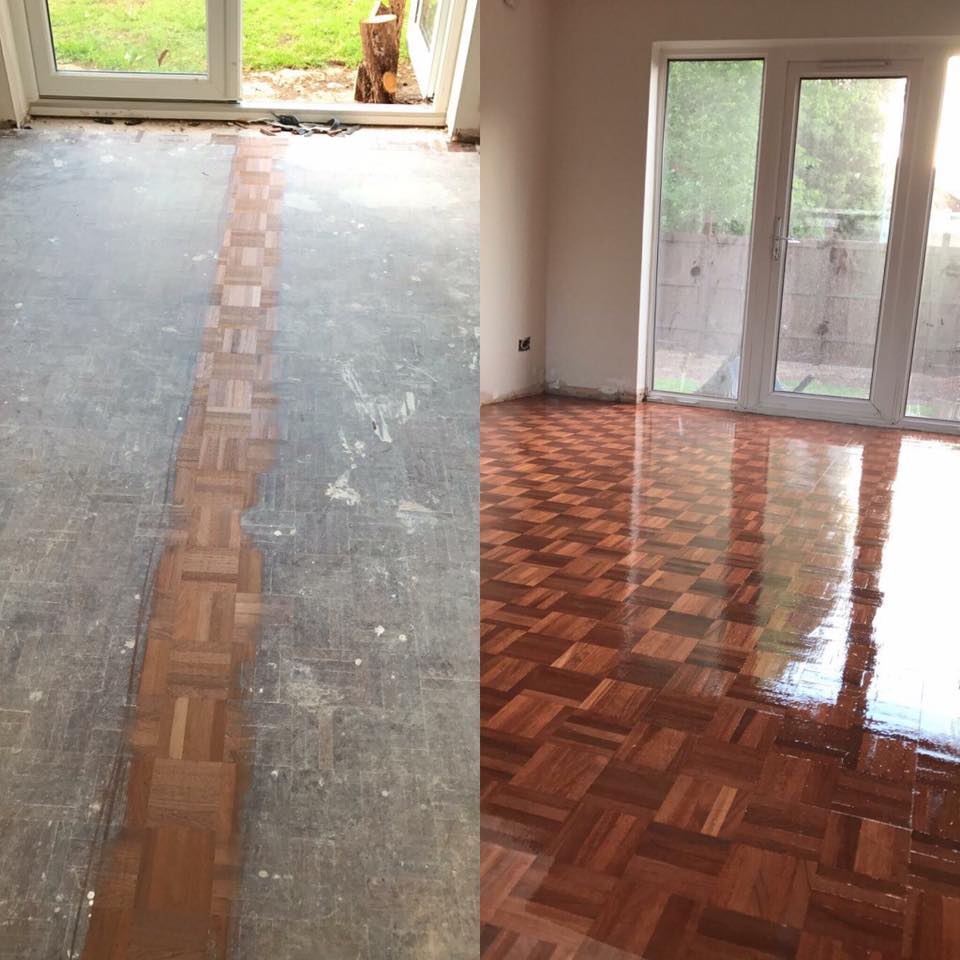
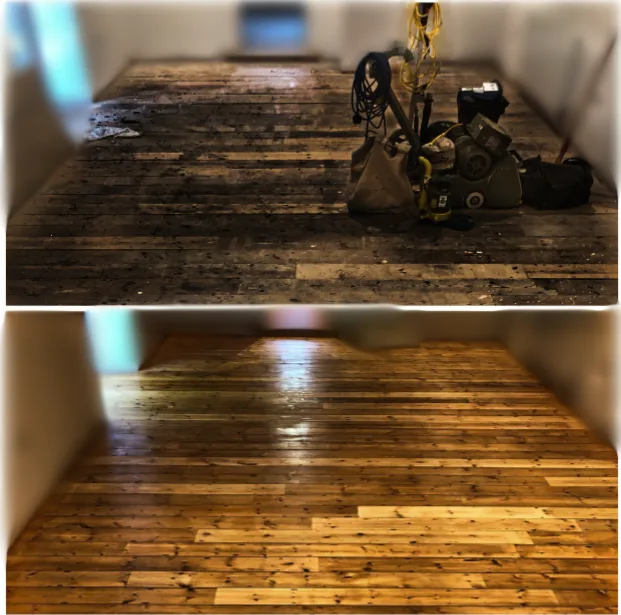
Floor sanding before and after

Floor Sanding in Shepton Mallet, Gaps and All

Stand barefoot on an old pine floor in a Mendip winter and you will know straight away whether it has gaps. A cold line of air rising between the boards is one of the most common complaints we hear in Shepton Mallet, usually from people who have just pulled up a carpet and discovered that it was doing more than looking nice. Floor sanding in Shepton Mallet often goes hand in hand with closing those gaps, and the two have to be planned together.

The survey sets the plan. We measure how much timber is left on the boards, check that they are firmly fixed, take damp readings by the outside walls and in open floor, and look at the airbricks, which must stay open whatever we do to the boards above. We also look at the gaps themselves: how wide they are, whether they are even, and whether some boards have shrunk more than others. That tells us which filling method suits which part of the room.

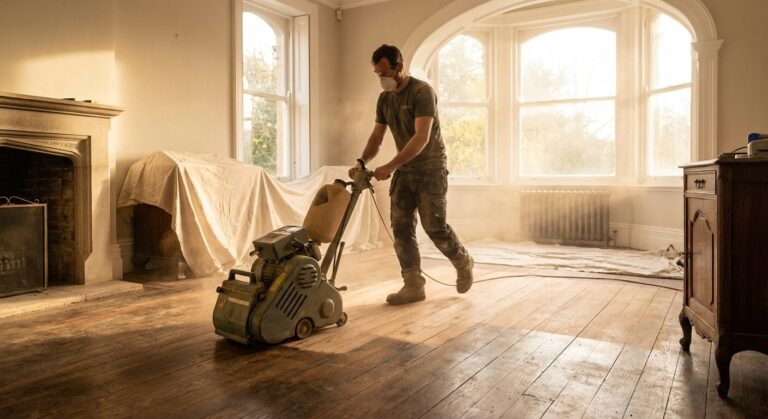
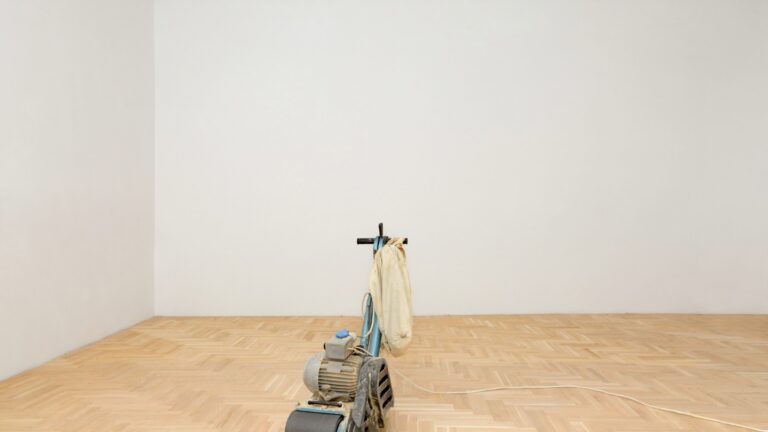
The sanding then runs through its sequence, coarse to fine, with the edges and corners handled separately. Filling slots in between the coarse and fine stages, so that the last passes level filler and timber together. Every machine we use for wood floor sanding is hooked up to sealed extraction, which keeps the job clean enough to call dust-free floor sanding even in a house you are still living in. Most homes take between one and three days.
Gap Filling in Shepton Mallet: Resin or Slivers?

Timber is never still. Boards take up moisture in damp months and give it back when the heating comes on, swelling and shrinking a little across their width each year. Over a century or more, that seasonal breathing, plus the general drying of old timber, leaves gaps between boards that can be anything from a hairline to the width of a pencil. How those gaps are filled decides whether the repair lasts.

For narrow joints, we collect the finest dust from the medium-grit pass on your own floor and stir it into a clear resin binder. It is pressed into the gaps with a broad knife and, once hard, sanded flush. Because the dust came from the same boards, the colour is close, and it accepts the finish in a similar way. This works well on joints up to two or three millimetres wide. Go much wider, though, and resin tends to crack and drop out as the boards keep moving.

Wider gaps get timber slivers: thin wedges of matching softwood, glued down one face only and tapped home so they stick to one board and leave the other free. That way the joint can still open and close a little through the year without the sliver splitting or the boards cracking. Once set, the slivers are planed and sanded flush, and they look like part of the floor.

Some floors need both methods in different areas. Our gap filling page explains the choice in more detail, and the work is always done before the final sanding passes so everything is levelled together. Filling also stops dust and grit falling into the void, which keeps the air in the room cleaner.

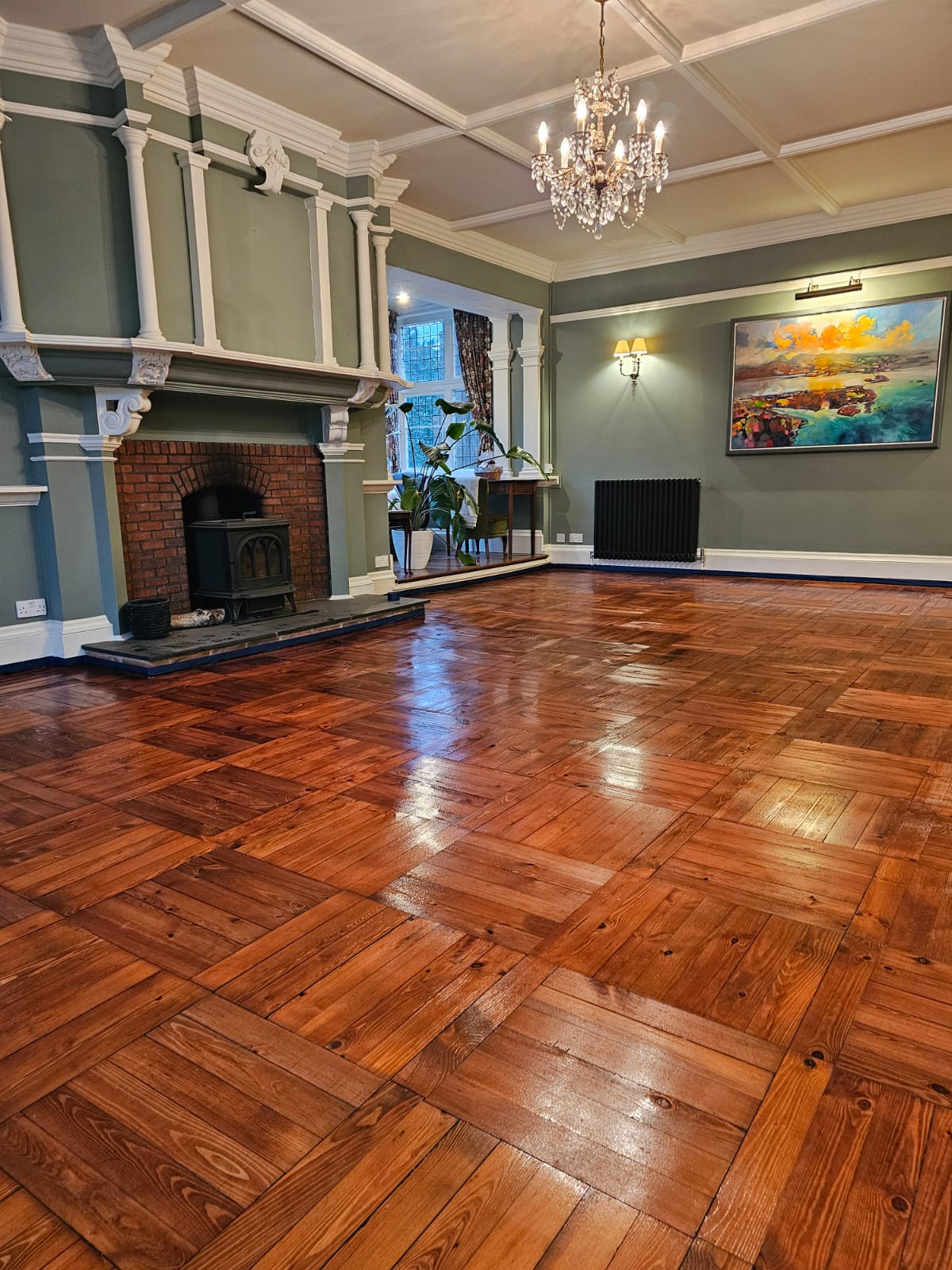
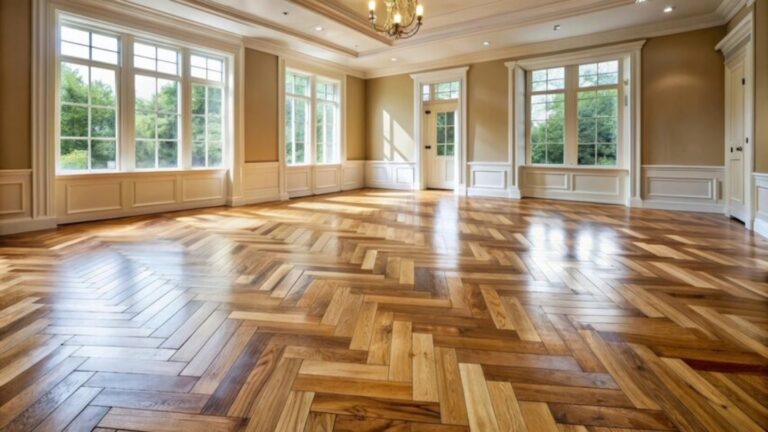
parquet wooden floor sanding
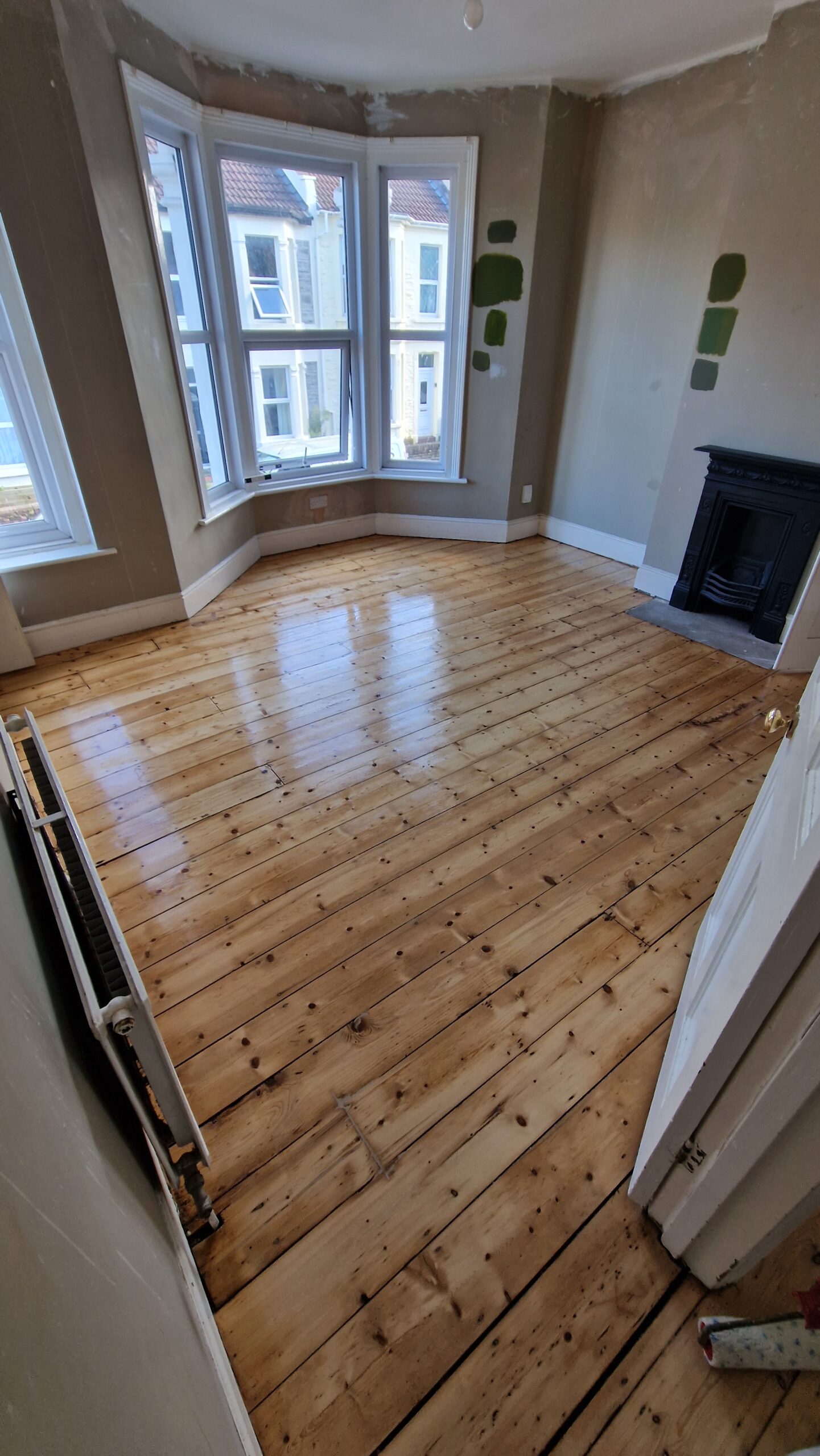
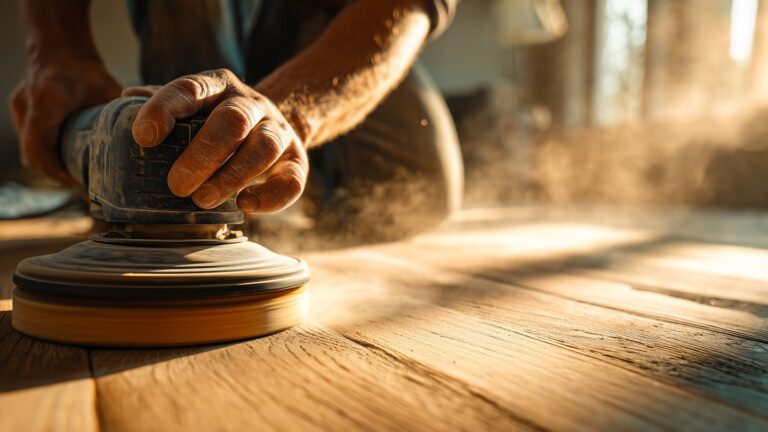
wooden floor sanding

Wood Floor Restoration in Shepton Mallet's Older Homes

Shepton Mallet grew rich on wool and cloth, and the stone houses and terraces of that era still line its older streets. Lift the carpet in one of them and you will usually find softwood boards wearing a century of coatings: a dark band of varnish or paint where linoleum stopped short of the skirting, perhaps shellac or an old oil-based varnish across the middle, and the odd patch of gloss where someone touched up a threshold. Wood floor restoration in Shepton Mallet is largely about taking those layers off without taking the floor with them.

Each coating behaves differently under abrasive. Shellac and old spirit varnish come away quickly. Thick oil-based varnish clogs paper fast and needs frequent changes. Gloss paint softens with heat and smears, so it is scraped back by hand before the machines go near it. Very old paint can also contain lead, so where we suspect it we take extra care with containment and extraction, and talk you through what that means before we start.

The timber underneath dictates the rest. Pine floor restoration needs restraint, because the pale earlywood in each ring is far softer than the dark latewood beside it; press too hard and the floor ends up rippled like corrugated card. Where oak turns up, often in the better rooms of older houses, oak floor restoration can reveal the silvery ray figure that makes quarter-sawn oak so striking. Either way, the wood floor restoration process is the same in outline: strip, repair, fill, sand, finish.

Commercial Floor Sanding in Shepton Mallet

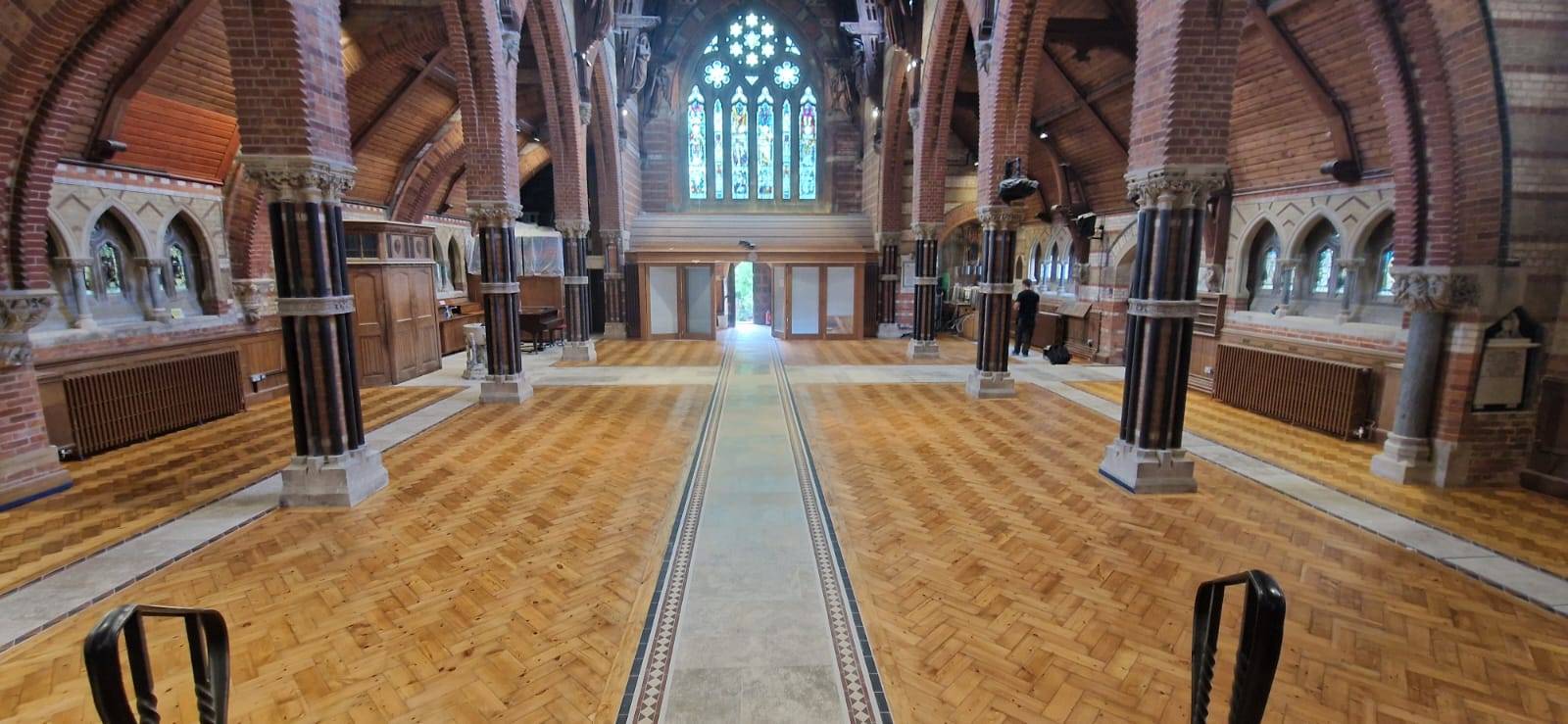
A community hall in a busy market town has a hard life. On Monday it hosts a toddler group, on Wednesday a whist drive, on Saturday a wedding reception with a hired bar and a dance floor. Chairs and trestle tables are dragged across it dozens of times a week, and the cleaning machine that keeps it presentable can, if the wrong pads are used, scour the finish faster than the feet do. Commercial floor sanding in Shepton Mallet is often about halls like that, as well as the town’s pubs, cafes, shops and schools.

The answer for heavy-use floors is a tough lacquer system laid on a properly sanded base, plus sensible rules afterwards: felt or nylon glides on chair legs, trolleys for tables, and soft pads on any scrubber. Badminton and netball lines are put back by our own crew after sealing, measured to the official dimensions, under sports hall floor sanding. Halls that host fitness classes are better served by the grip-focused approach of gym floor sanding.

Pubs and cafes are usually done after hours with a fast-curing lacquer, following our restaurant floor sanding method, while retailers can keep trading with half the floor screened off at a time, as described under shop floor sanding. Schools book us into the long holiday through school floor sanding. Committees and facilities teams can request a method statement, proof of insurance and referees, and the overall approach is set out on our commercial floor sanding page.

flooring sanding company
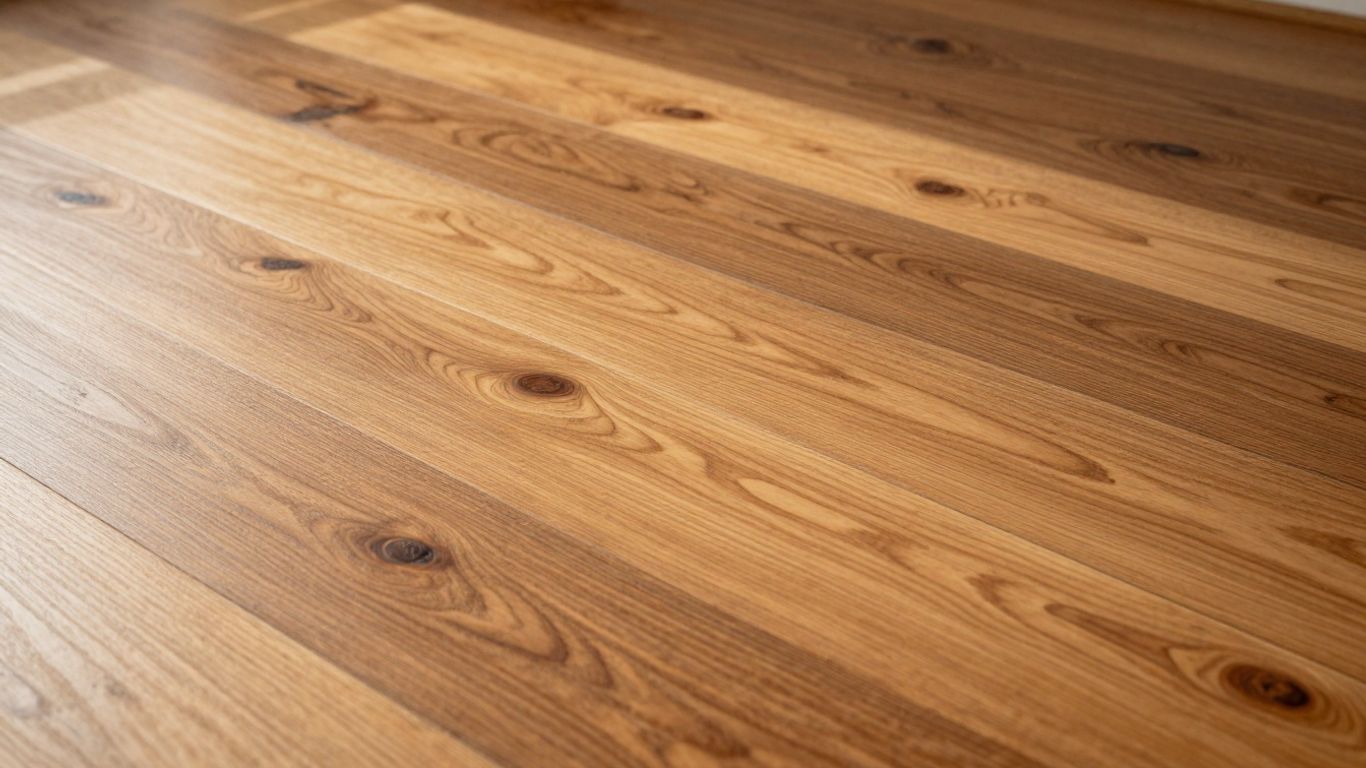
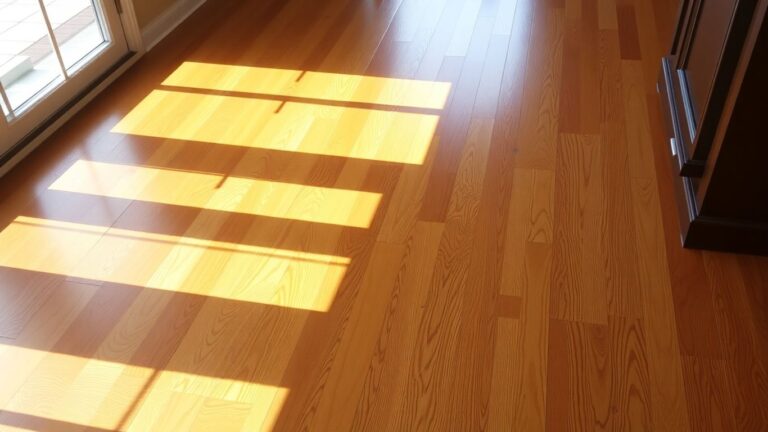
Sunlight across freshly lacquered wooden floorboards

Loose Boards, Broken Edges and Creaks

In Shepton Mallet’s older houses the floor has usually been opened up many times: for gas lighting, then for electric cable, then for central heating pipes. Each visit left a trap or two, often cut across several boards with a saw and dropped back on a couple of nails. Before gaps are filled or a sander is switched on, wooden floor repairs make every one of those sound, along with any boards that have sprung away from rusted cut nails and the broken edges at doorways.

Some boards simply cannot be saved. Floorboard replacement in a town of this age usually means imperial-width boards, so we look to our reclaimed stock for timber that matches in size and has already done its shrinking. Noisy floors get the same attention: a board that clicks or groans underfoot is tightened down into sound joist through squeaky wood floor repair. A floor that is in good order apart from one bad mark, perhaps from a dropped iron, may only need wood floor scratch repair.

Parquet and Stairs

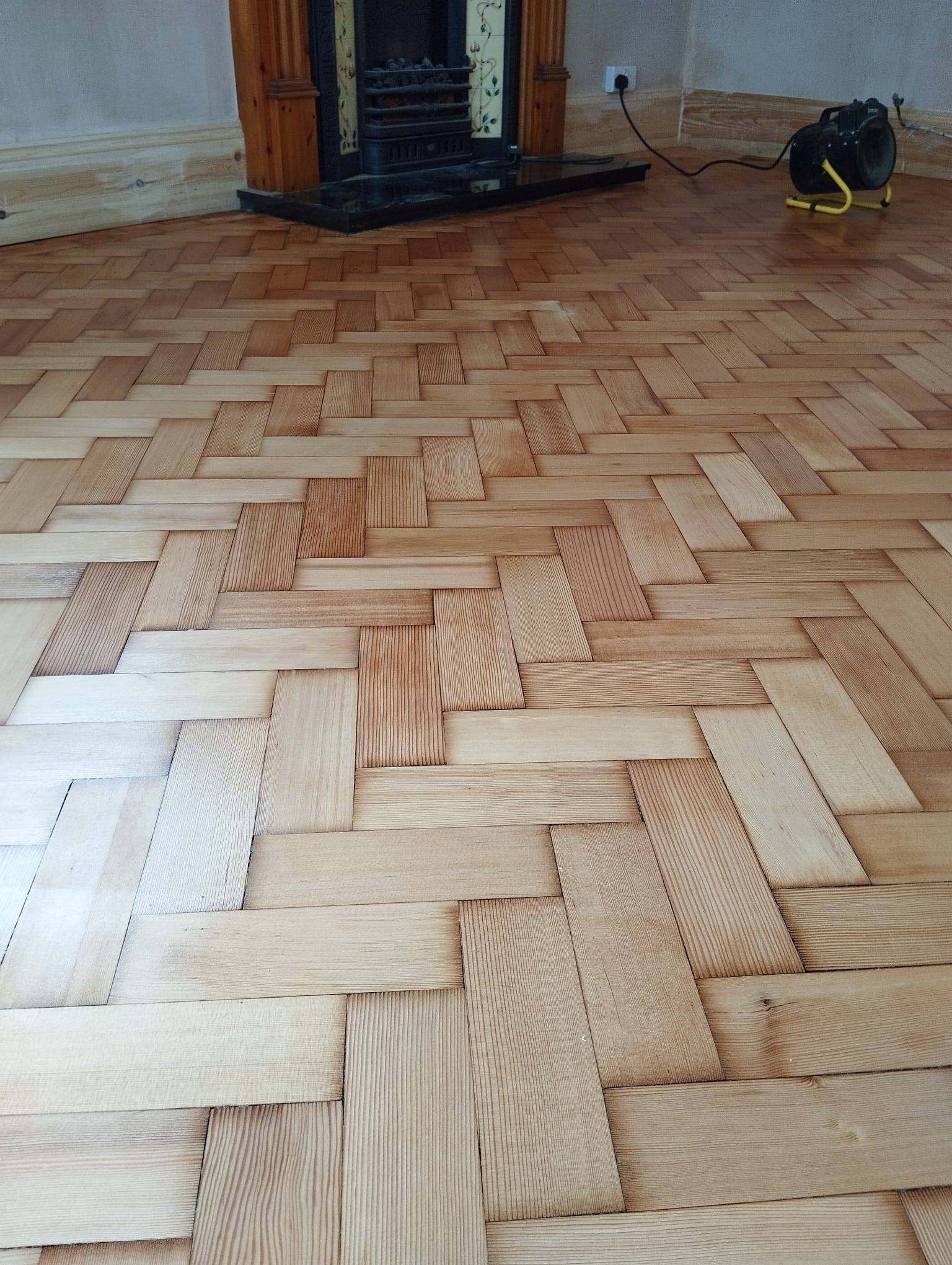
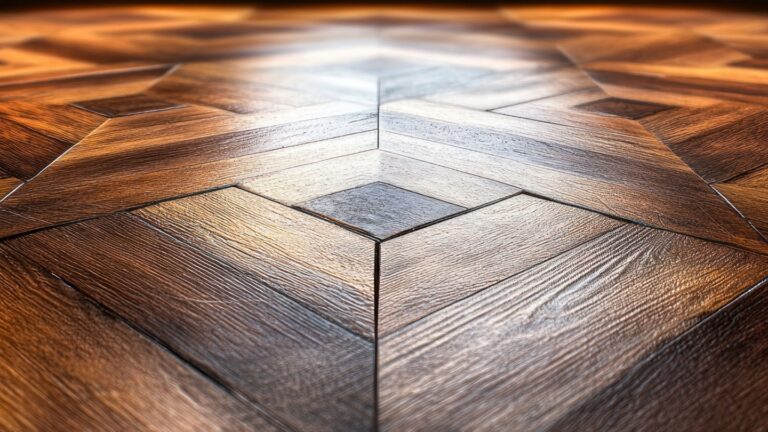
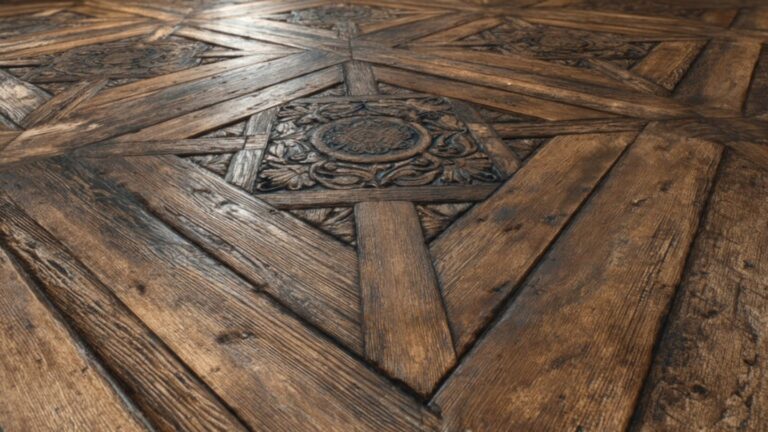
Woodblock floors in the town’s older schools, chapels and mid-century houses rarely let in draughts, but they have their own weakness: the bitumen they were laid in eventually turns brittle, and blocks start to rock and lift. We find those by tapping, lift them, scrape away the black residue from block and floor, and relay them on modern adhesive. Missing blocks are replaced from salvage of the same species and size, and the sanding is planned around grain that switches direction every few inches. Our parquet floor sanding page has more on that process.

Staircases in terraces here are often steep, narrow and boxed in. They are sanded almost entirely by hand and with small machines, one tread at a time, with the painted margins from an old runner scraped away first. Booking stair sanding alongside the hall means both are finished from the same batch of product, so there is no visible change in colour at the bottom step.

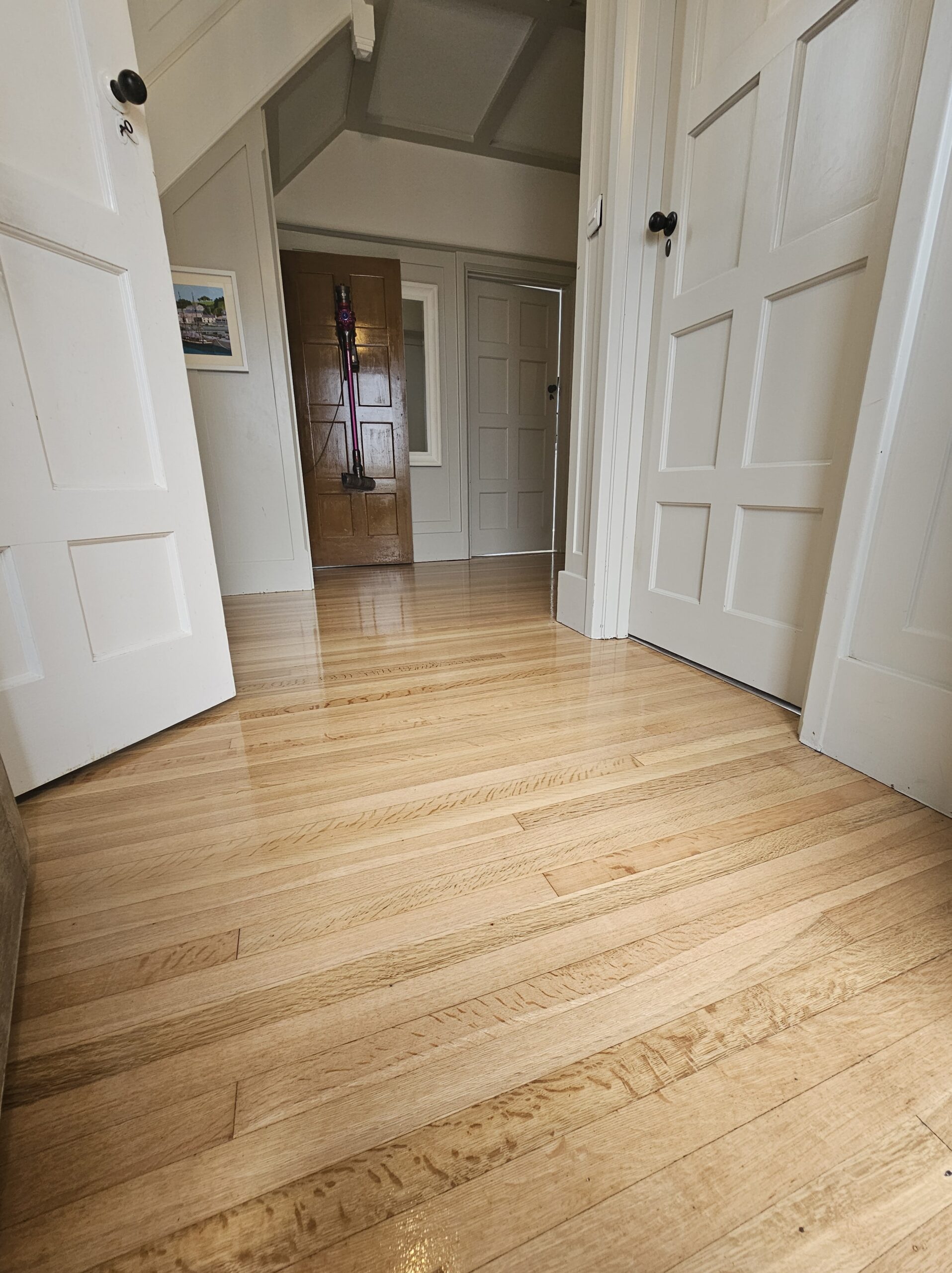
Wood floor sanding company
Floor sanding taunton

Finishes, Aftercare and Your Survey

A floor that has had its gaps filled benefits from a finish that copes with a little movement. Water-based lacquers are now flexible enough to ride with seasonal changes, and wood floor sealing builds one up in thin layers for halls, kitchens and family rooms. Wood floor oiling suits quieter rooms and old boards; it soaks in rather than forming a skin, so it never cracks along a joint. For the oldest pine in a cloth merchant’s house, wood floor waxing is still a lovely, low-sheen choice. Colour can be adjusted through wood floor staining, with trial patches on your boards and on a filled gap, because filler can take stain slightly differently. Over the years, wood floor polishing with a matching maintainer keeps it bright.

To start, email us two pictures, one of the room and one tight on the gaps or the worst boards, or use the form. Shepton Mallet is part of our regular round from the workshop near Wellington. Where we need to see the floor there is no charge, and afterwards you get a written quotation, item by item.

Every few years, a wood floor buffing visit freshens the worn coating while leaving the boards at full thickness. And where the old floor has nothing left to give, wooden floor installation can replace it with solid or engineered timber; we work with ranges such as Junkers and Bona and can either lay it ourselves or deliver it. Neighbouring pages cover Wells and Frome, and the county is under Somerset floor sanding. Whenever you are ready, get in touch with us.

Shepton Mallet Floor Sanding and Gap Filling Questions

Narrow gaps are filled with resin mixed with dust from your own floor, which sets hard and matches closely. Anything wider takes a wedge of softwood bonded to just one of the two boards, so the joint can keep opening and closing through the year.

It makes a big difference. Gaps between boards are a major source of cold air rising from the void beneath. Filling them keeps the room warmer and stops dust and grit falling through. The airbricks outside should still be kept clear to ventilate the void.

Resin filler can crack in wide gaps where boards move a lot, which is why we use timber slivers for anything wider than a few millimetres. Slivers fixed on one side allow seasonal movement and stay in place.

Usually filling is done as part of a full sand, so that the filler and boards are levelled and finished together. Filling without sanding tends to leave visible patches. We can advise on the best approach for your floor.

Very often. Pine boards that have been under carpet are usually sound and sand back to a warm, characterful floor once repairs are done and gaps filled. They suit older houses far better than modern replacements.

Usually. A pub can be done after closing time and a shop half at a time, with lacquers that harden quickly. The reopening time for each area is fixed in advance and written down, so you can tell staff and regulars exactly when to expect it.

Allow one to three days for a typical house, with gap filling adding a little time to the sanding. After the final coat, keep to socks for a day and wait a little longer before carrying heavy furniture back in; rugs are happier left off for a week or so.

Email or upload two photographs, the whole room and a close view of the gaps. You will get our honest opinion first; if a visit helps, it is free, and the quotation that follows is written out line by line.