Floor Sanding Wells

Floor Sanding and Wood Floor Restoration in Wells

QUICK QUOTATION

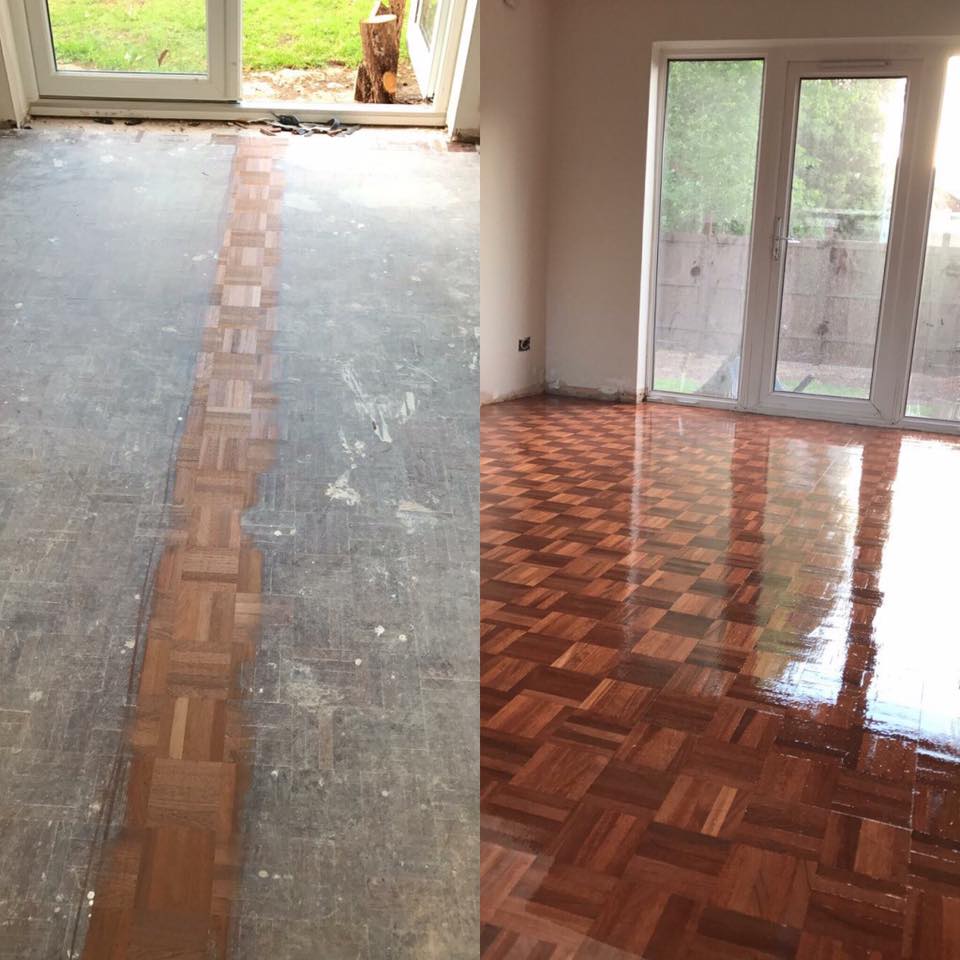
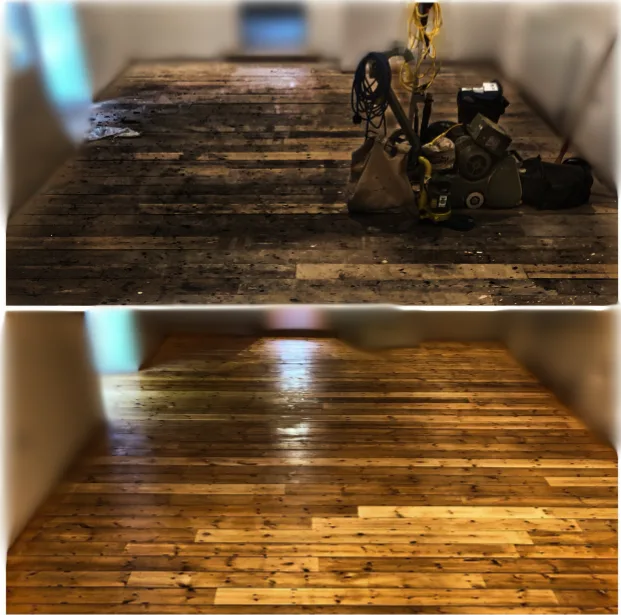
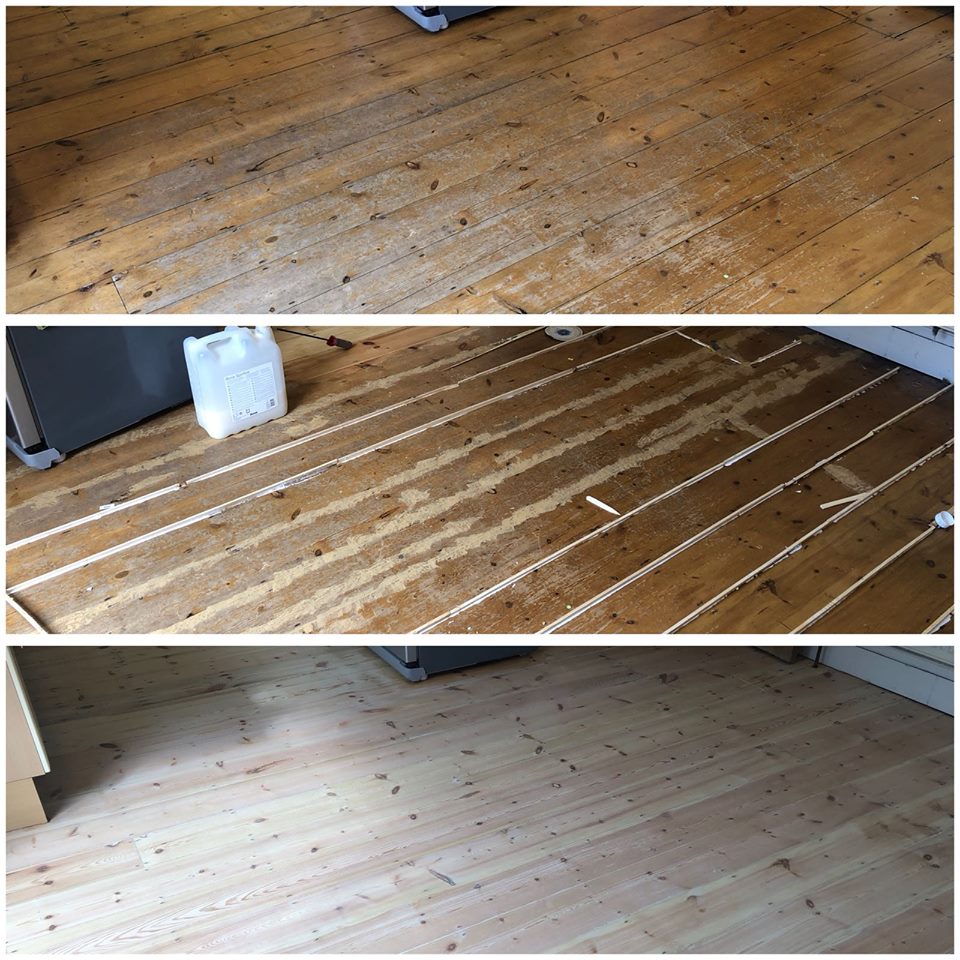
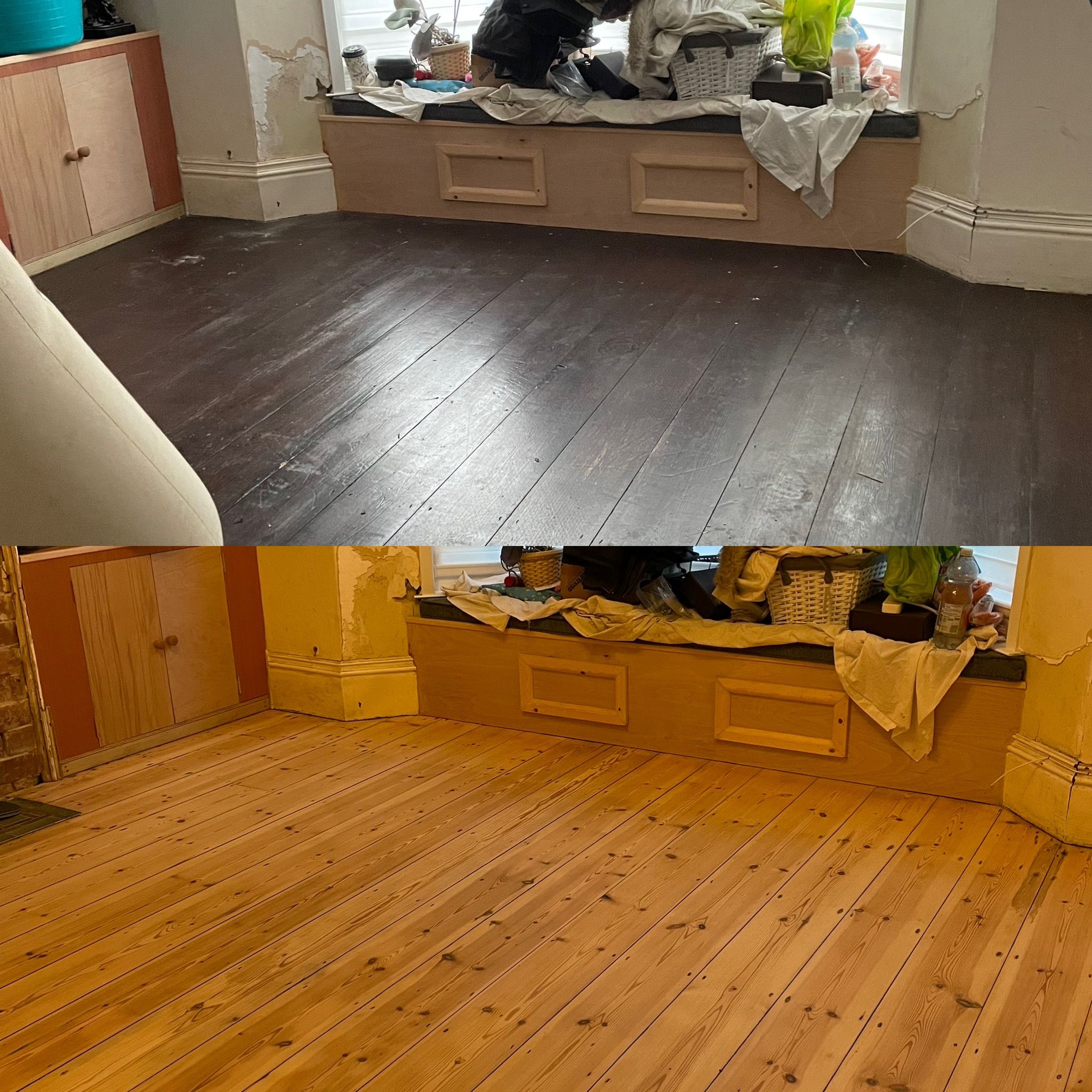
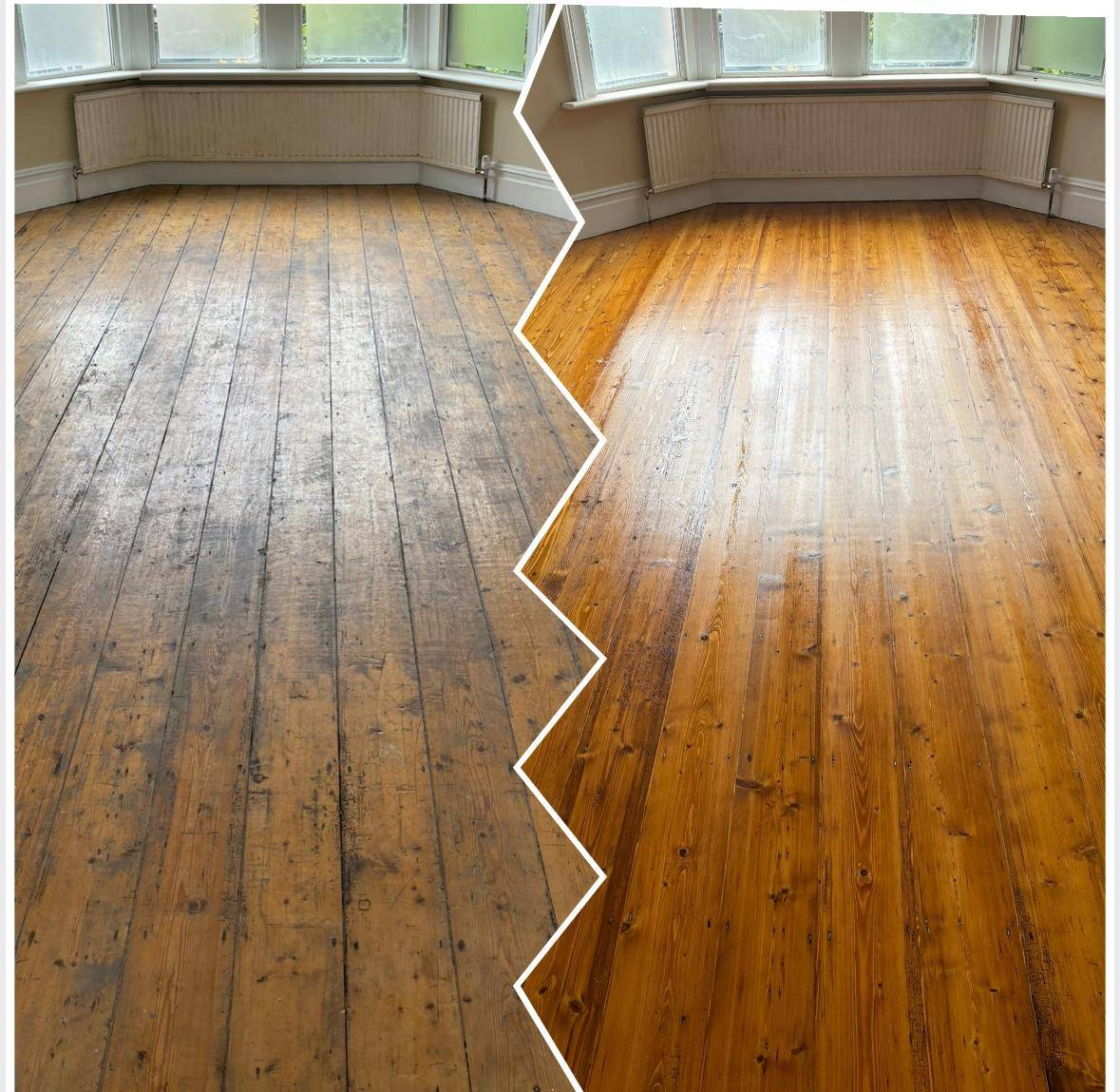
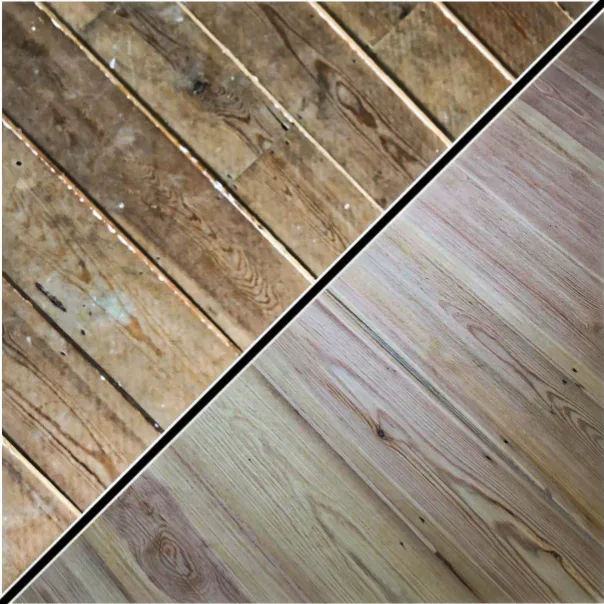
Floor sanding before and after

Floor Sanding Across Wells and the Mendips

Wells is England’s smallest city and one of the most completely preserved medieval ones, and the floors here reflect that. Vicars’ Close is the oldest continuously occupied residential street in Europe, and a great deal of the surrounding property is listed.

We are in the same county, about fifty minutes away, so surveys are usually within the week.

We cover Wells, Wookey, Croscombe, Dinder, Coxley, Easton, Priddy and Westbury-sub-Mendip, plus Glastonbury, Street, Shepton Mallet, Cheddar and Midsomer Norton.

Medieval, Georgian and Everything Between

Wells holds a remarkable range of ages in a very small area, and each needs a different hand.

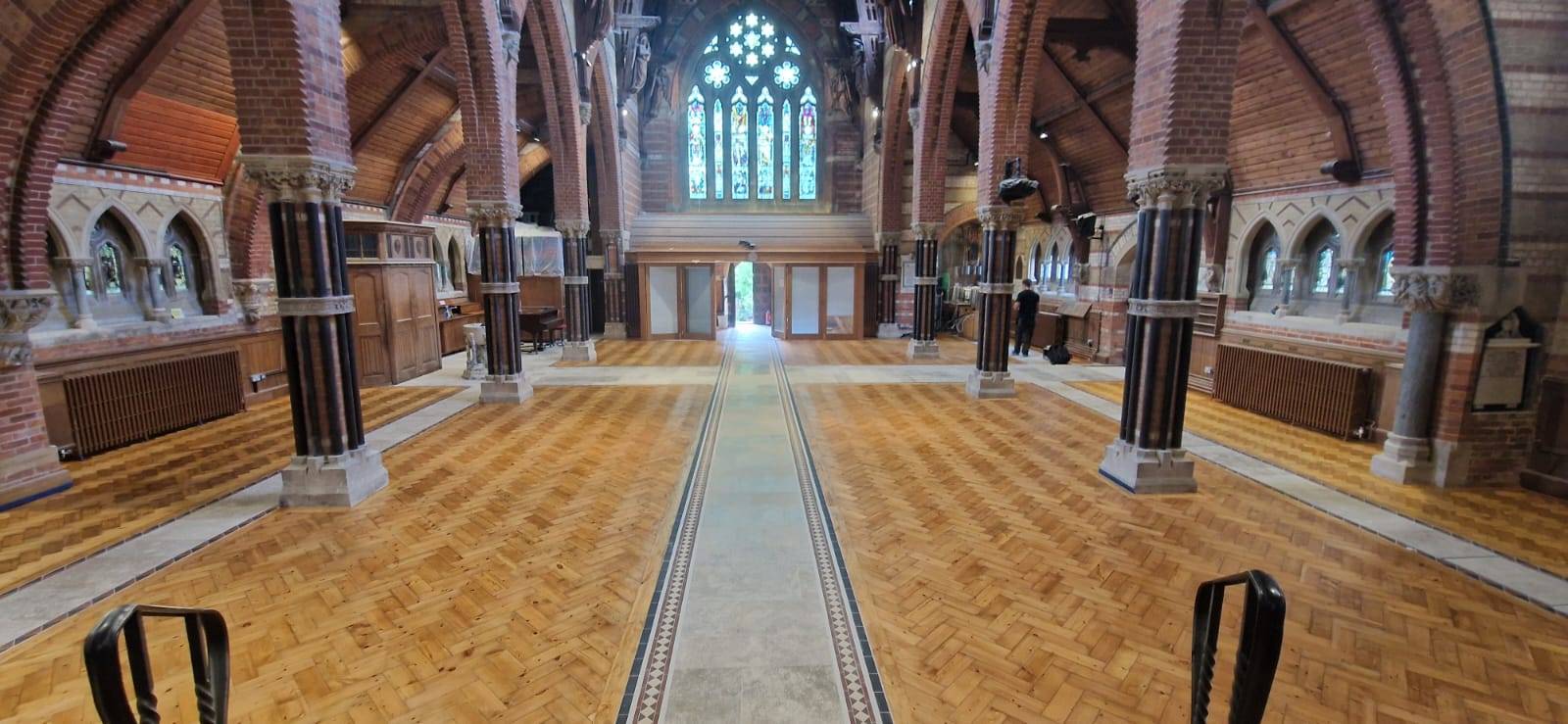
The medieval and early property around the Cathedral, the Liberty and Vicars’ Close has wide oak and elm boards over hand-cut joists, thin from centuries of wear and repaired many times over. These get the very lightest treatment we can manage — the finest grit that will lift the damage, hand work throughout, and a deliberate acceptance of unevenness rather than sanding through boards that simply cannot be replaced.

The Georgian houses along Chamberlain Street, New Street and St Cuthbert Street are more generous, though most have had a sanding or two across two centuries.

The Victorian expansion out towards Portway and the Mendip villages brings baltic redwood and pitch pine over ventilated voids, usually sound once the carpet and its tack holes have gone.

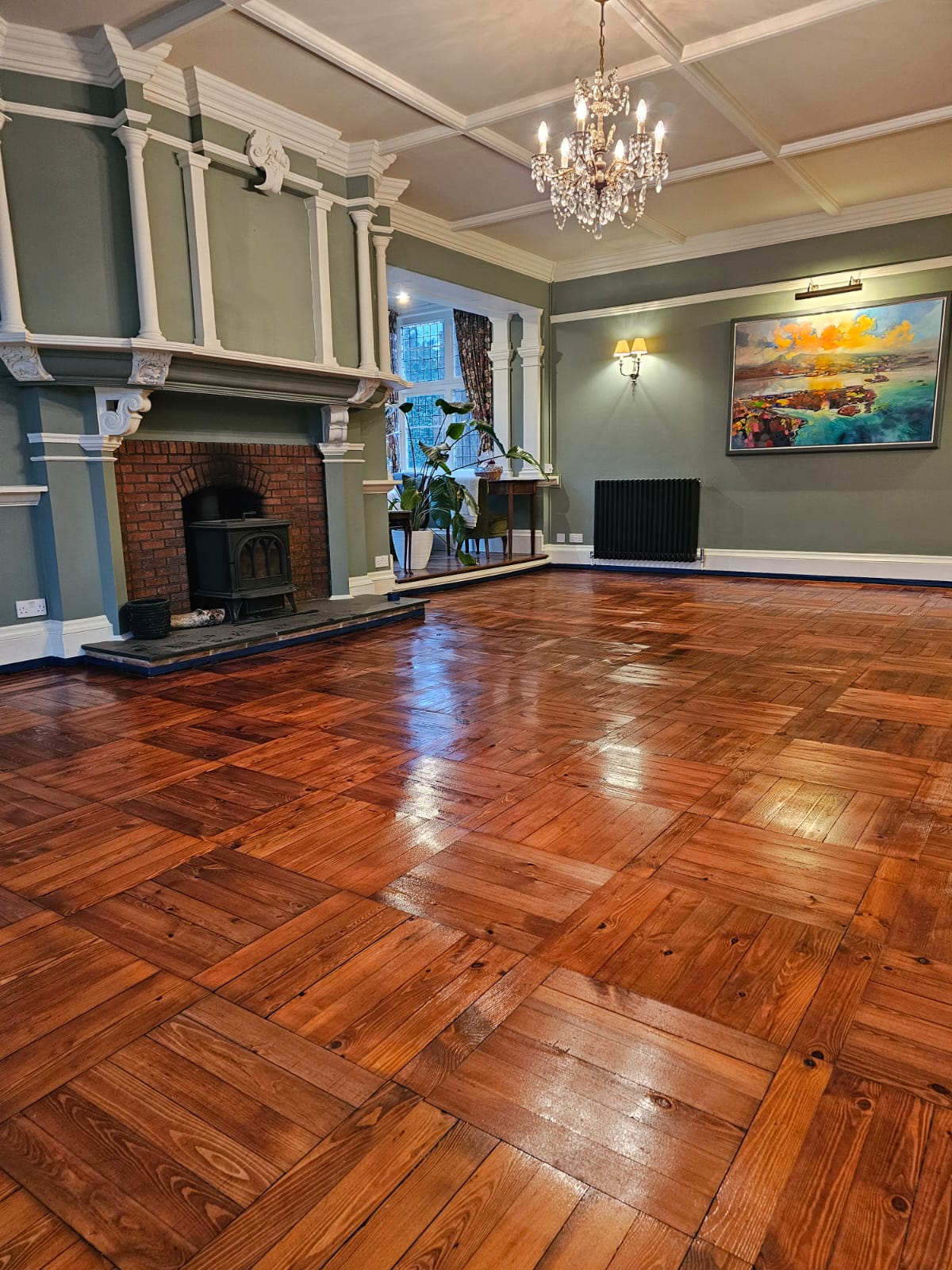
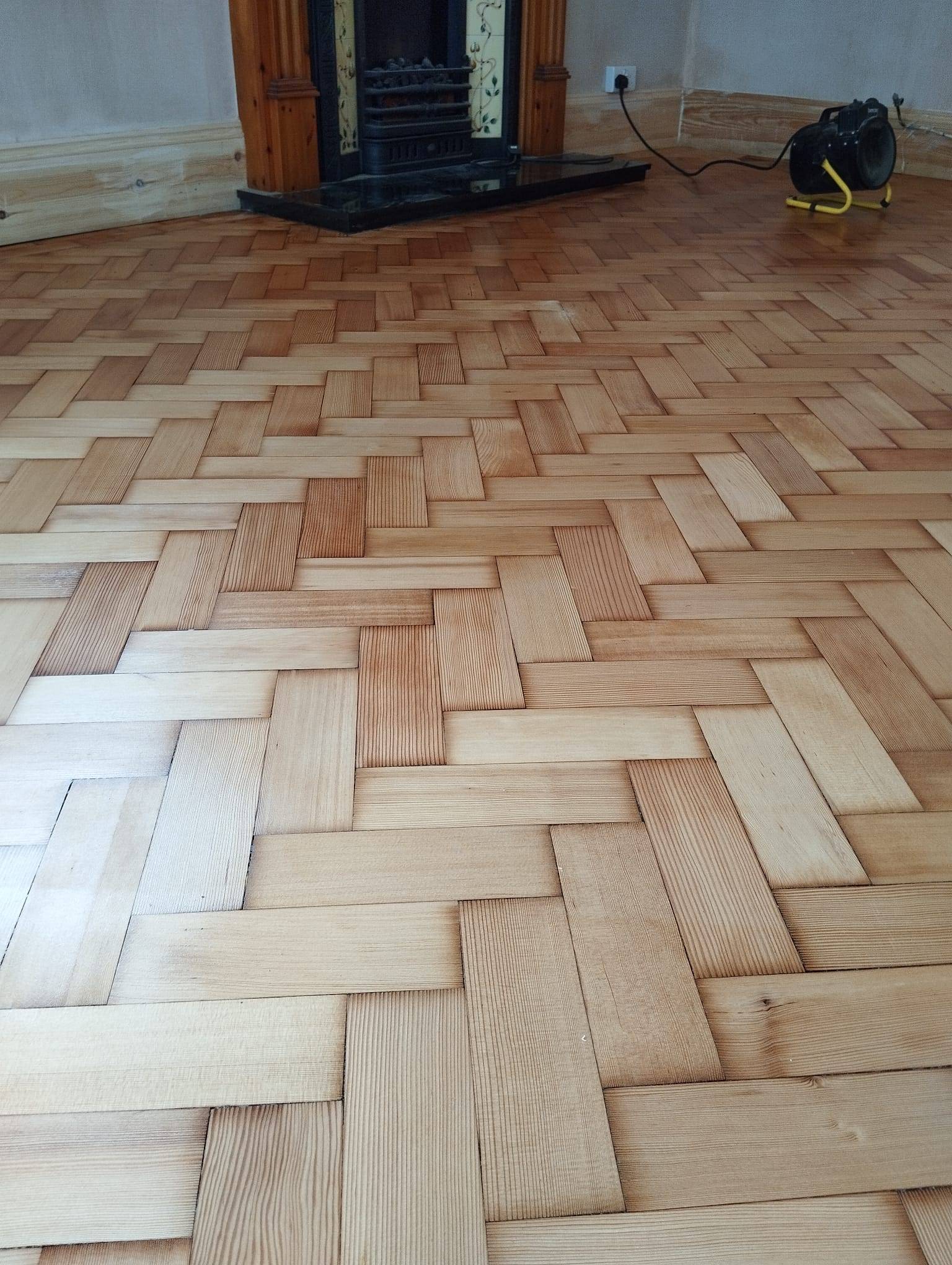
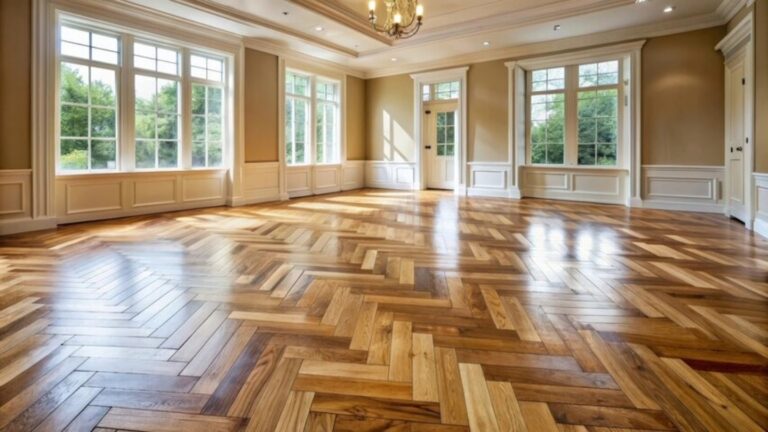
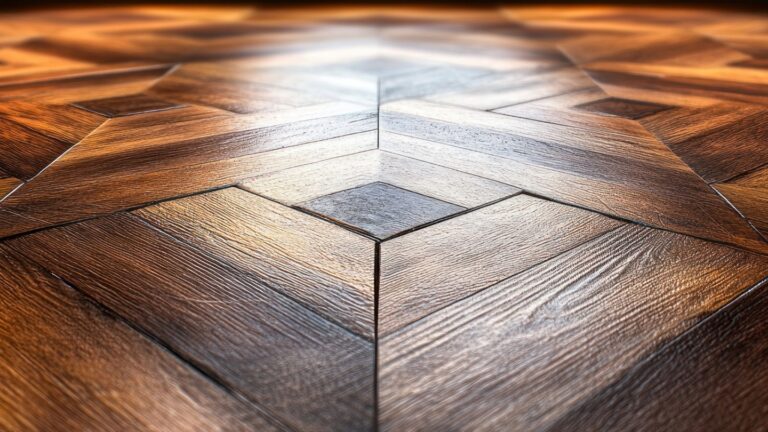
parquet wooden floor sanding
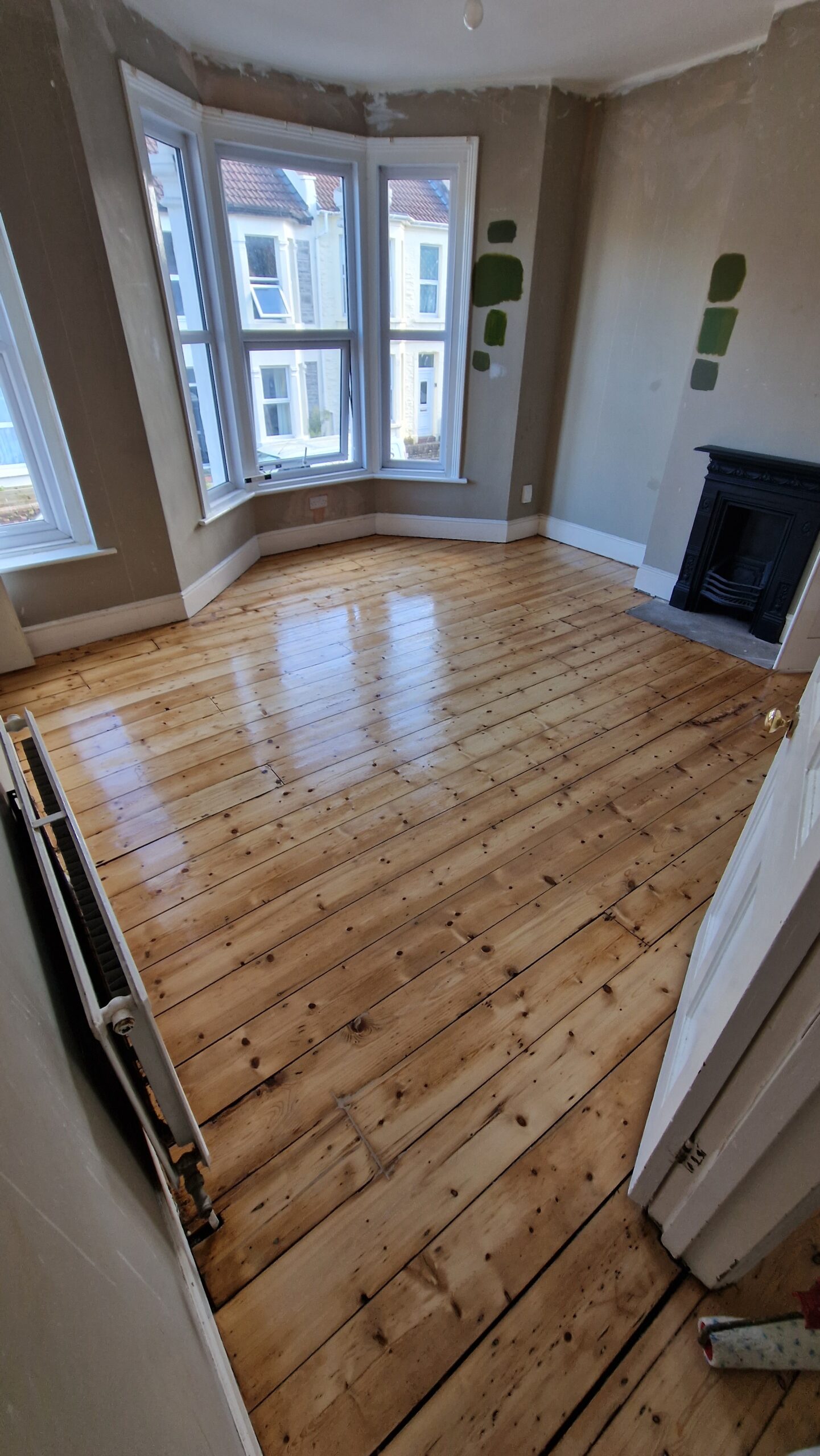
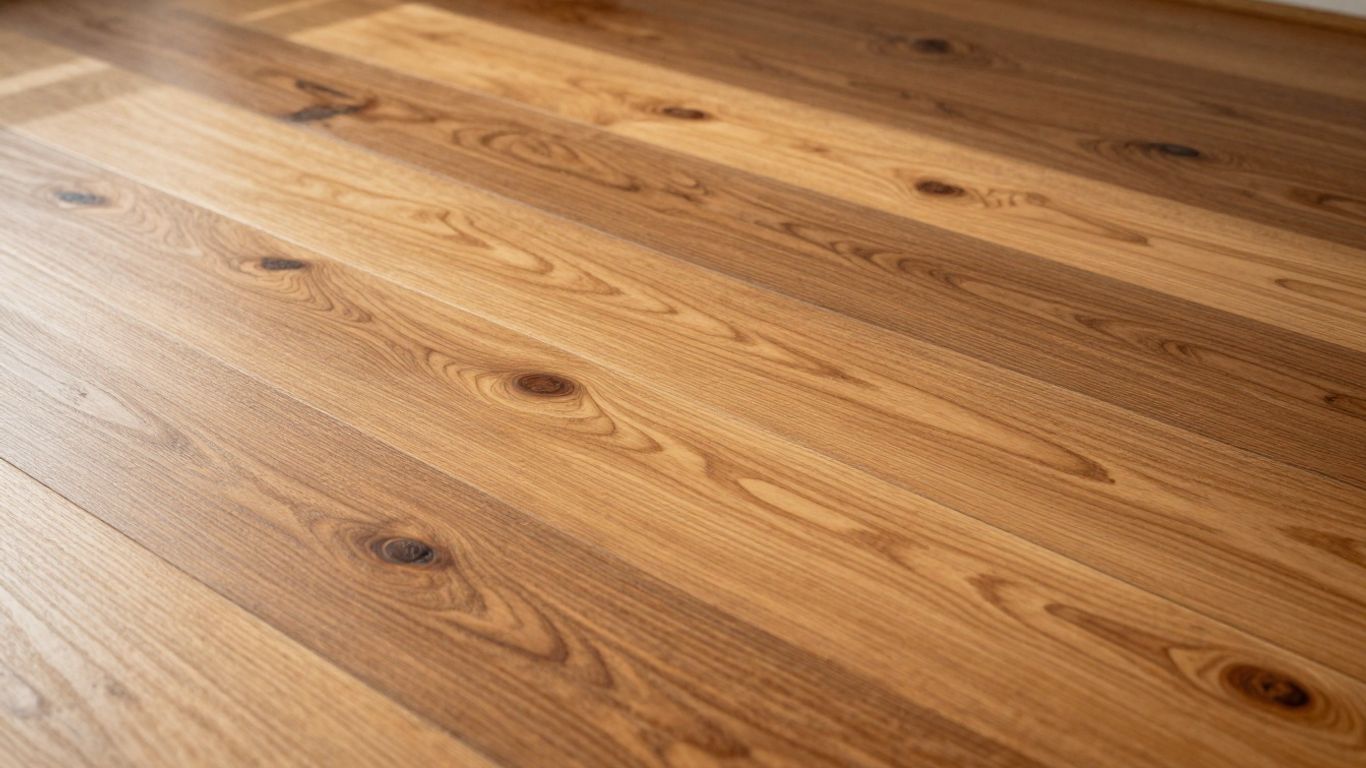
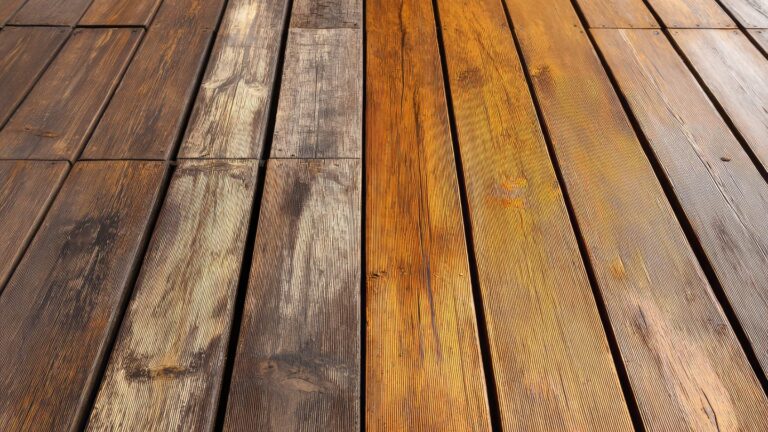
wooden floor sanding

Listed Buildings and Cathedral Conservation

Wells has one of the highest concentrations of listed buildings of any small city in England, and this comes up on the majority of jobs here.

In a listed property the original floorboards are almost always part of what is protected. Sanding and refinishing an existing floor rarely requires listed building consent. Replacing boards, altering the floor structure or changing the material generally does — and carrying out unauthorised works to a listed building is a criminal offence rather than an administrative matter.

We work to that rather than around it. Where there is any doubt we produce a written method statement setting out grits, finishes and precisely what will and will not be removed, which you can put to the conservation officer before we start. Guidance on the consent process is published by Historic England.

Mendip Springs, Limestone and Damp

Wells is named for its springs, and water is never far away here. The city sits at the foot of the Mendips on limestone, with the springs rising in the Bishop’s Palace grounds and running through the town.

That means two things for floors. The water is very hard, so you get pale mineral rings around sinks and radiators, and a fine limescale film on floors that are regularly mopped which dulls them well before the finish has actually worn. A clean and machine buff usually lifts that off for around a third of what sanding costs.

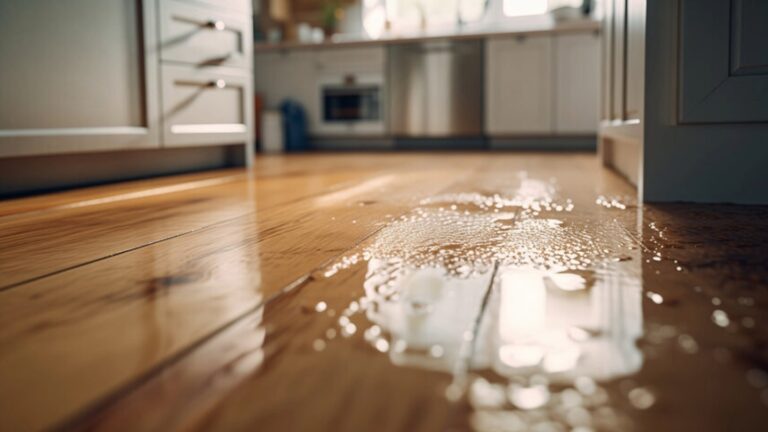
The other is subfloor damp in the lower parts of the city and in older property built directly onto the ground. The symptom is cupping — boards curving upward at the edges so the floor feels ridged underfoot. Sanding one flat while it is still wet leaves every board thin down the middle once it dries, so we take moisture readings before quoting.

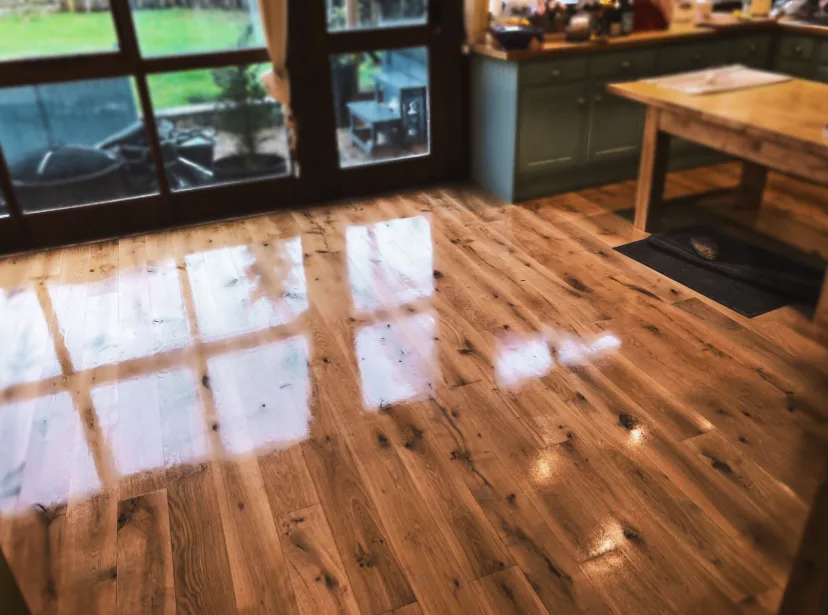
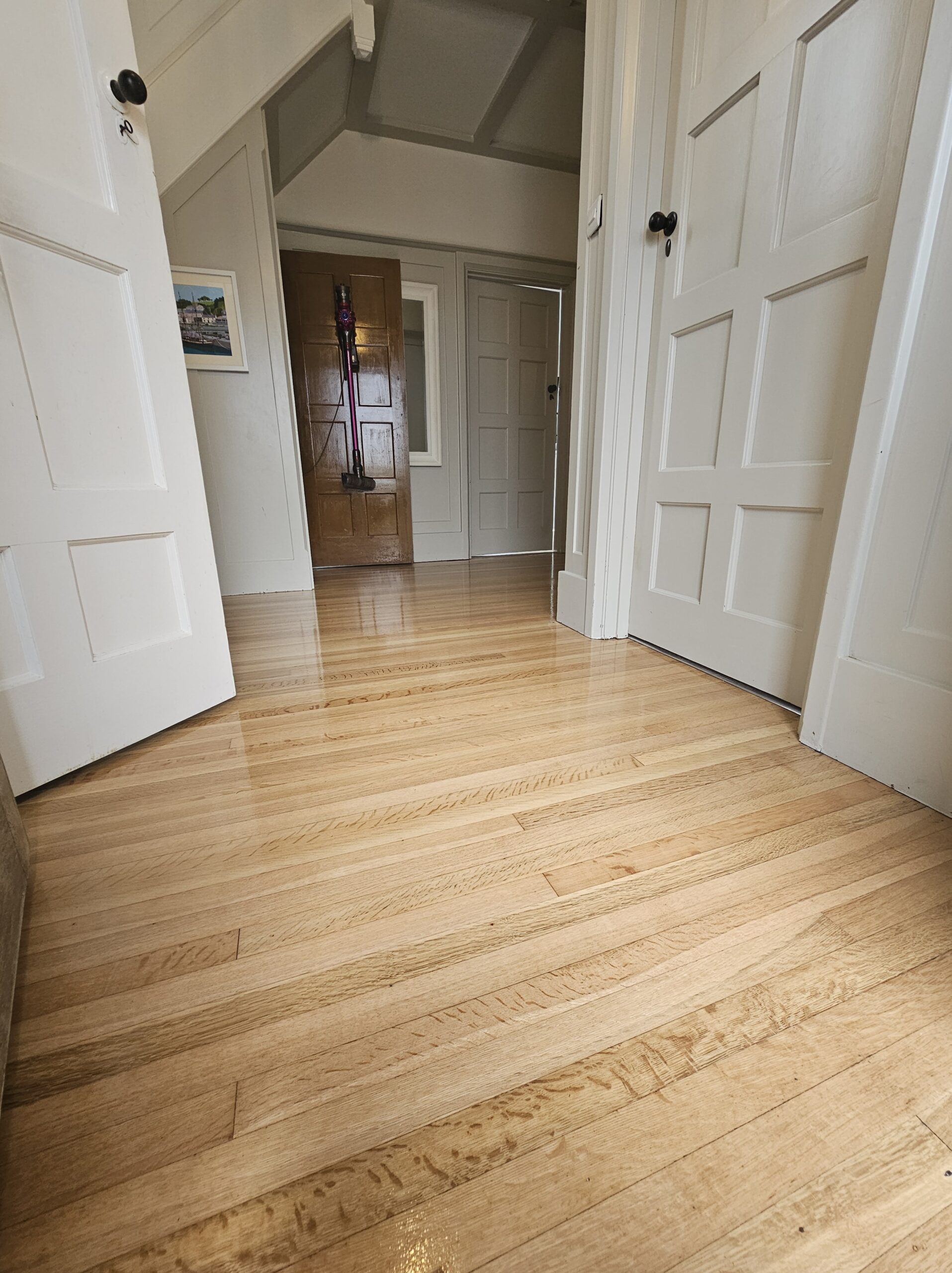
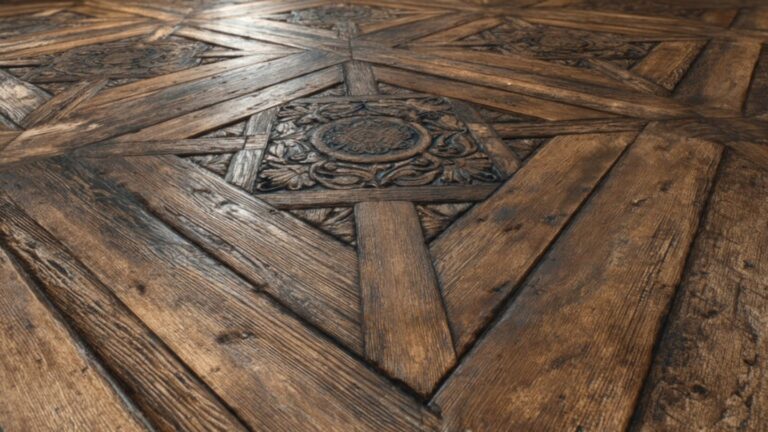
flooring sanding company

Cathedral, Schools, Pubs and Halls

For a small city Wells has an unusual amount of institutional and commercial property — the cathedral buildings, two well-known schools, the Bishop’s Palace, plus pubs, restaurants, hotels and village halls throughout the Mendip parishes.

Institutional work runs strictly to the calendar. Schools want the holidays, cathedral and church buildings want to work around services and events, halls want the gap between bookings. We plan around your diary rather than ours, work evenings and weekends where it helps, and run full dust extraction so neighbouring areas stay in use.

Specification differs from domestic too: a commercial-grade lacquer for heavy traffic, slip-resistant finishes where they matter in kitchens and entrances, and line marking handled as part of the job on sports halls.

Why Wells Customers Choose Us

Forty-five years of restoring wood floors, all of it based in Somerset, and a great deal of experience in listed and ecclesiastical property. On a floor that has been there since the fourteenth century the skill is entirely in knowing how little to take off.

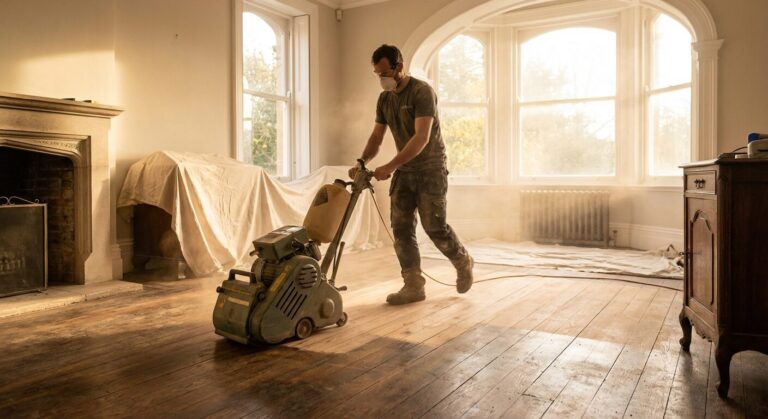
Sealed dust extraction on every job as standard, which matters in old buildings where dust travels through gaps you cannot see. Fixed written prices agreed before we start. Furniture moved by us, the property protected, all waste taken away.

Fully insured, comfortable working alongside conservation officers and architects, 4.9 stars from 114 Google reviews.

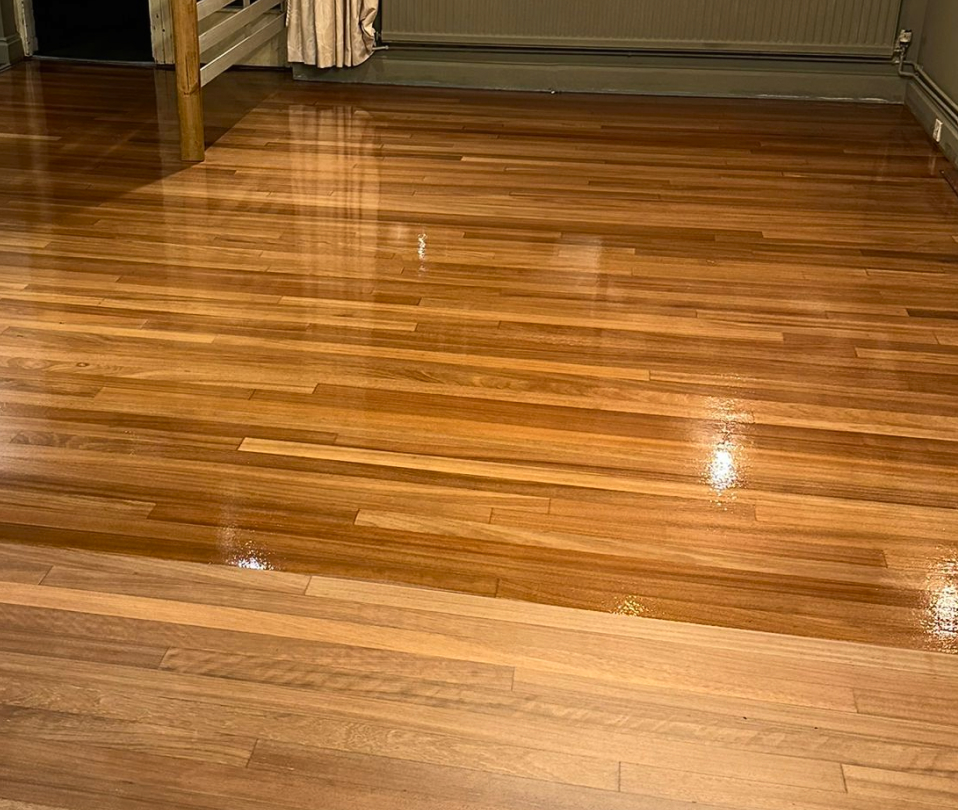
Wood floor sanding company
Floor sanding taunton

Book a Free Wells Floor Survey

Tell us where you are and whether the building is listed, because that shapes everything we would propose. On medieval and Georgian property we will want to see the floor properly rather than pricing from a photograph.

Surveys are free, usually within the week, and carry no obligation. We will tell you honestly if the right answer is to clean and recoat rather than sand.

Call 01823 674562, email info@ryansrestoration.co.uk, or use the form on this page.

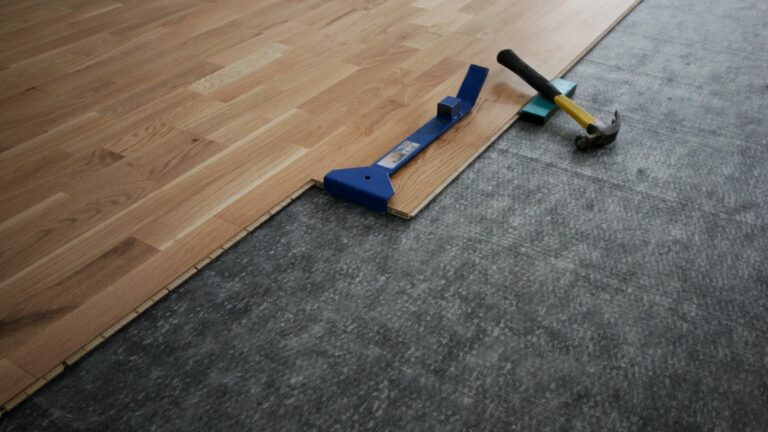
The full list: wood floor restoration, hardwax oiling, floorboard replacement, staining, buffing and recoating and schools and colleges, all of it available in Wells.

If you want the detail: What’s the Best Sanding Grit for Perfect Floors?, or The Impact of Underfloor Heating on Wood Floors.

Nearby areas we also cover: Cheddar, Glastonbury, Midsomer Norton and Shepton Mallet. There is a page for each, and the full list of towns is on our areas we cover page.

FAQ: Floor Sanding in Wells

Wells, Wookey, Croscombe, Dinder, Coxley, Easton, Priddy and Westbury-sub-Mendip, plus Glastonbury, Street, Shepton Mallet, Cheddar and Midsomer Norton.

Sanding and refinishing an existing floor rarely needs it. Replacing boards, altering the structure or changing materials usually does, and unauthorised work to a listed building is a criminal offence. We provide a written method statement for your conservation officer.

Sometimes, extremely lightly. Boards that old are thin, uneven and repaired many times. We use the finest grit that will lift the damage, hand-work throughout, and accept unevenness rather than sanding through boards that cannot be replaced.

Very hard Mendip water. Mopping with tap water leaves a fine limescale film that scatters light, so the floor looks tired long before the finish has worn. A clean and machine buff usually restores it at about a third of the cost of sanding.

Subfloor moisture, common in the lower parts of the city and in older property built directly onto the ground. The boards must dry and flatten before sanding, otherwise they end up thin down the middle.

Yes, and on other ecclesiastical and institutional buildings. We plan around services, events and term dates rather than around ourselves, and can provide written specifications where they are needed.

Regularly, working to holiday windows. We can handle line marking as part of the job and specify slip-resistant finishes for sports use rather than a domestic specification.

Usually within the week. We are about fifty minutes away in the same county, which keeps travel out of your price.

We would rather it did not. Over-sanding strips out colour depth that took centuries to develop and no finish will put it back. We take off the damage and leave the history.

It depends on size, condition, timber and finish. Listed and medieval work takes considerably longer because of the light approach required, and that is built into a fixed written price.

Ryan's Restoration
4.9
Based on 114 reviews
×
js_loader