Floor Sanding Glastonbury

Floor Sanding and Wood Floor Restoration in Glastonbury, Somerset

QUICK QUOTATION

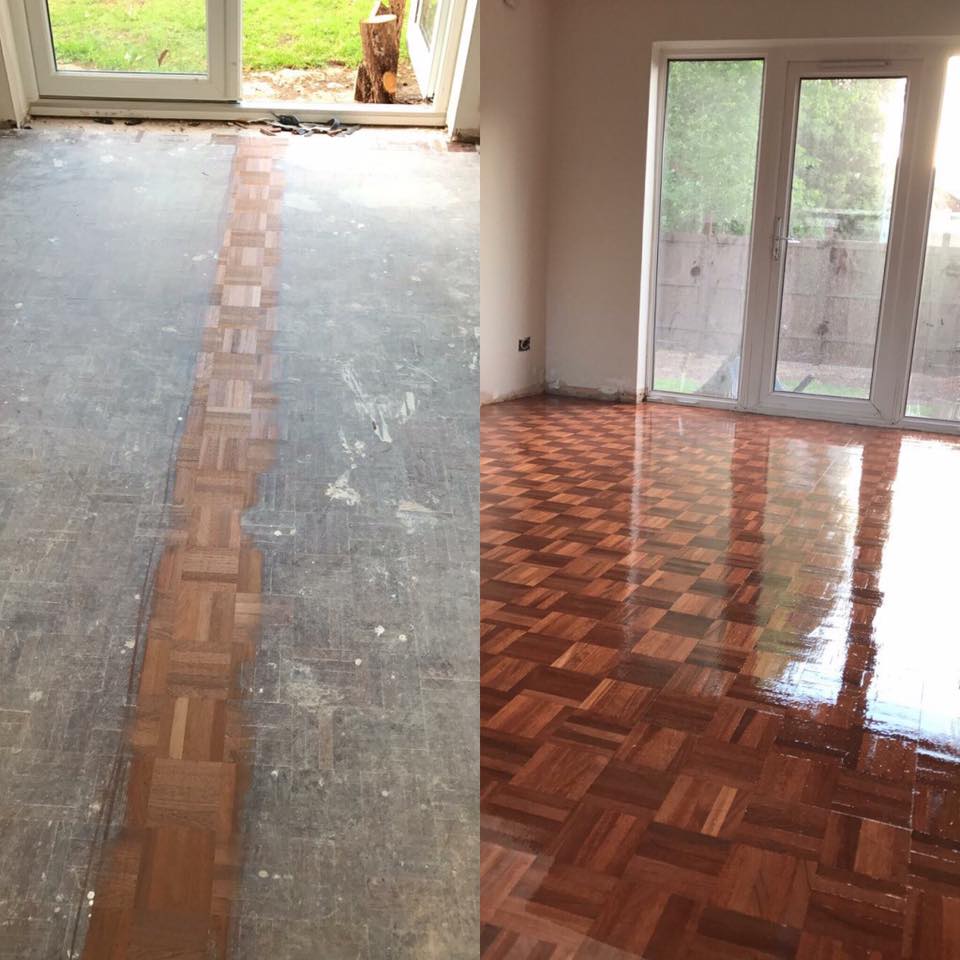
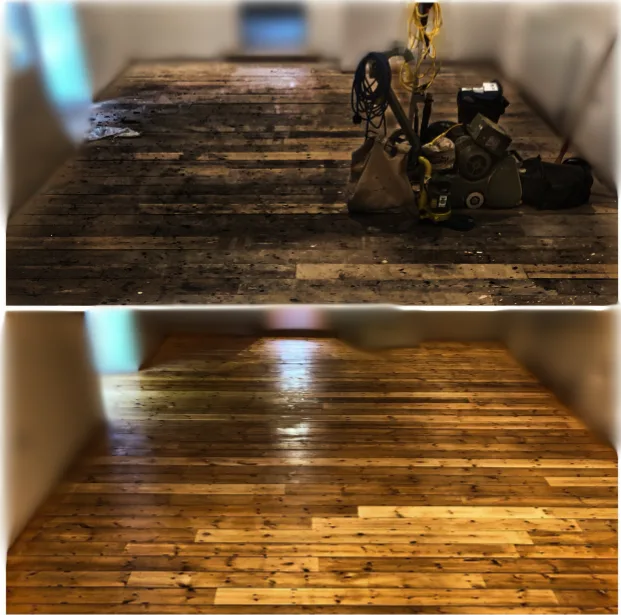
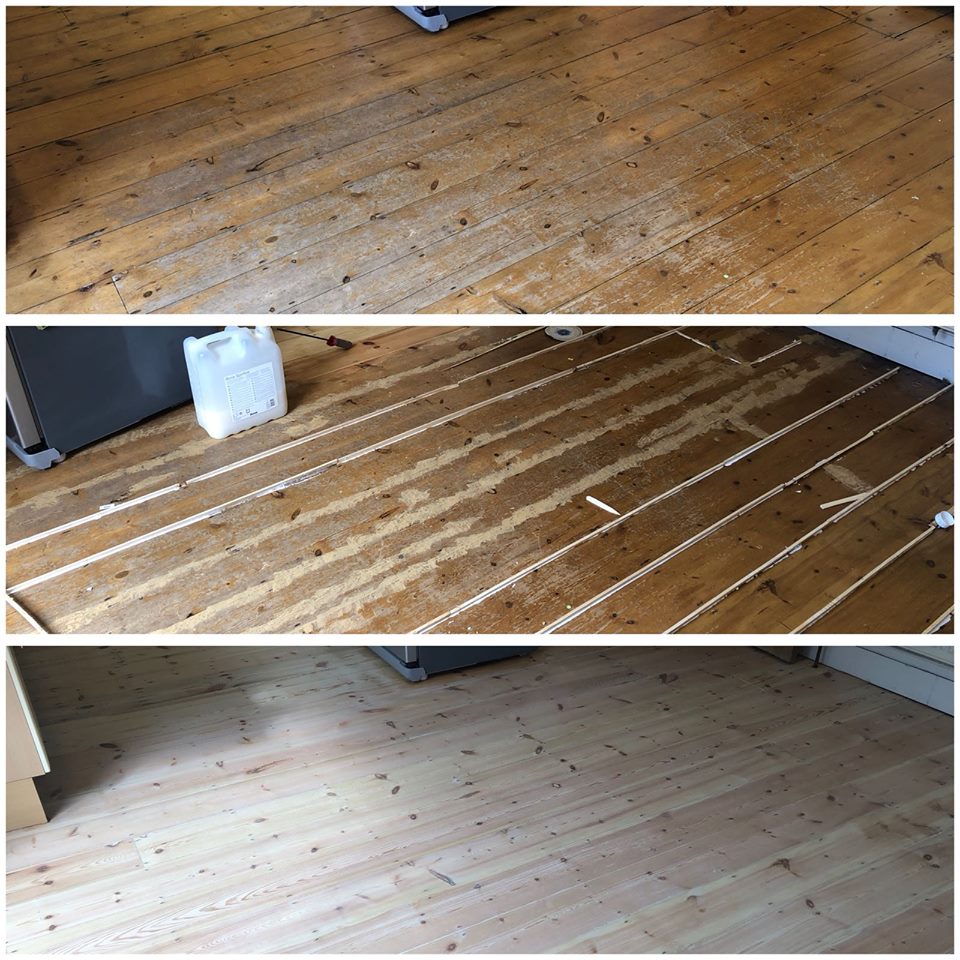
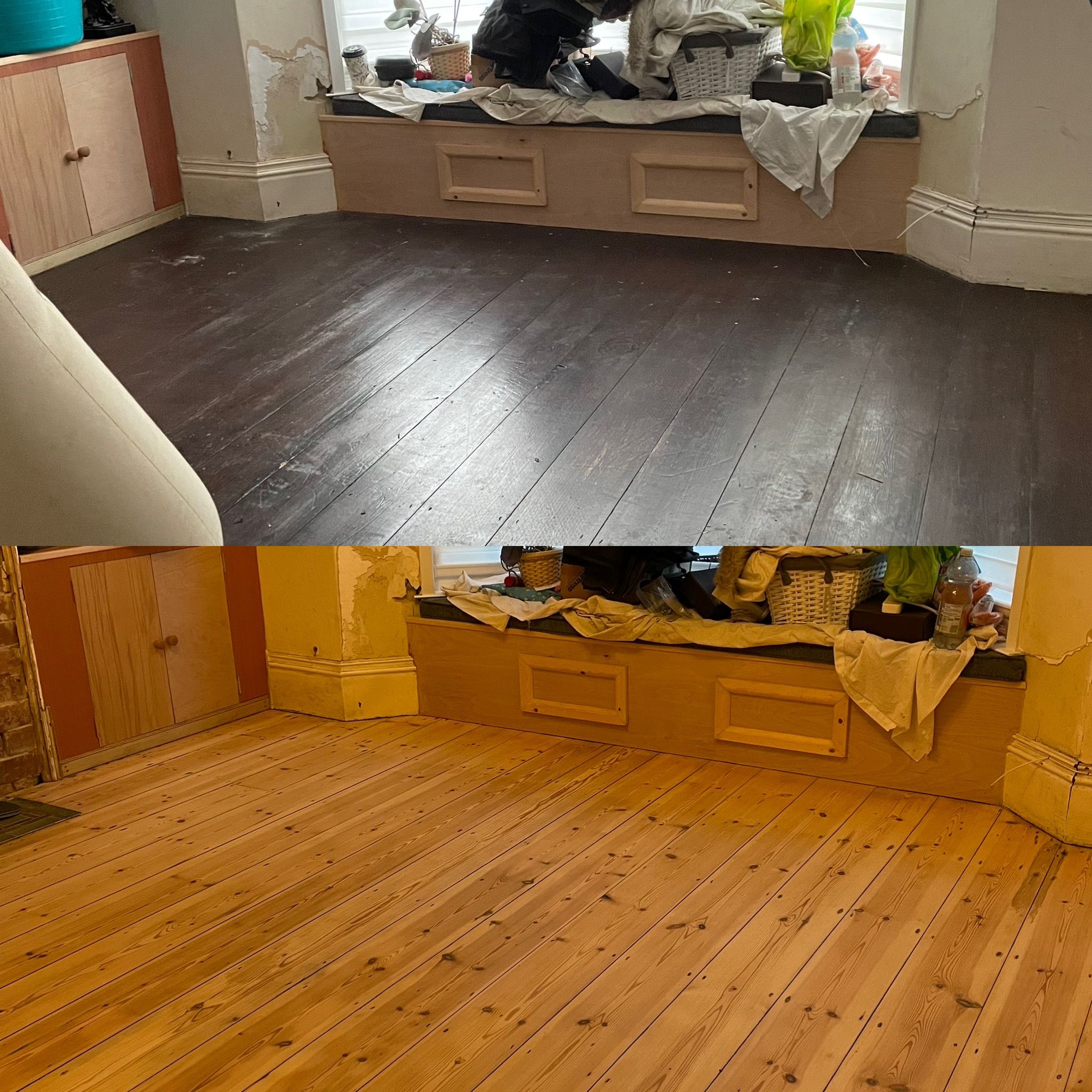
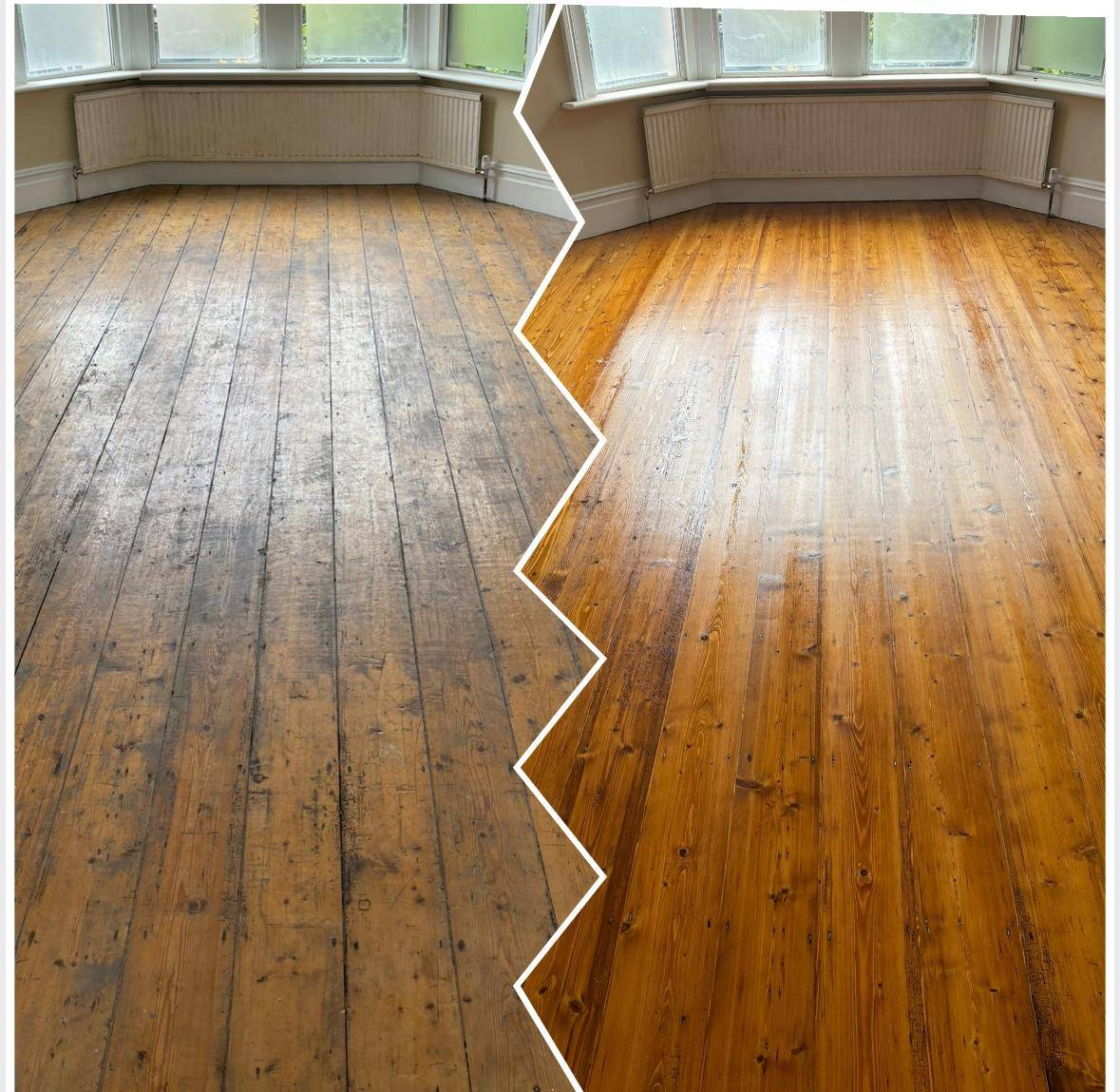
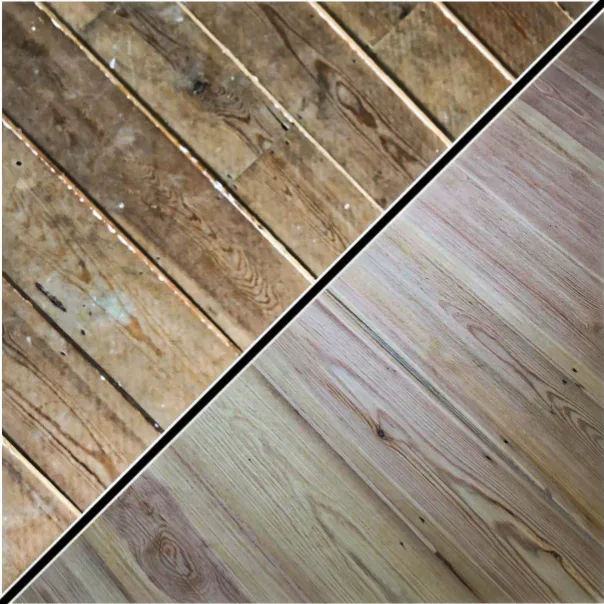
Floor sanding before and after

Floor Sanding in Glastonbury and on the Levels

Glastonbury has an extraordinary concentration of old buildings for a town of eight thousand people. Medieval stone on the High Street, the Tribunal and the George and Pilgrims among the oldest secular buildings in the county, Georgian frontages grafted onto much older structures, and Victorian terraces filling in behind.

Then the town stops abruptly and you are on the Levels, which is peat, water and some of the trickiest ground conditions for timber floors anywhere in England.

We are thirty minutes away in Wellington and we work across Somerset every week, so Glastonbury surveys are normally within a few days.

We cover Glastonbury, Street, Baltonsborough, Butleigh, West Pennard, Meare, Godney, Walton, Compton Dundon and Shepton Mallet, plus Wells, Somerton and the wider Levels.

Listed Buildings and Conservation Consent

A very large share of central Glastonbury is listed or sits within the conservation area, and floors are part of what the listing protects. Sanding and refinishing an existing floor is generally acceptable, but lifting boards, replacing timber, altering levels or changing the character of a historic surface can require listed building consent from Somerset Council.

It is worth a phone call before anything starts. Consent is usually straightforward for sensible work and the conversation is much easier before than after.

Historic England publishes good, readable guidance on traditional building fabric, including floors, at historicengland.org.uk.

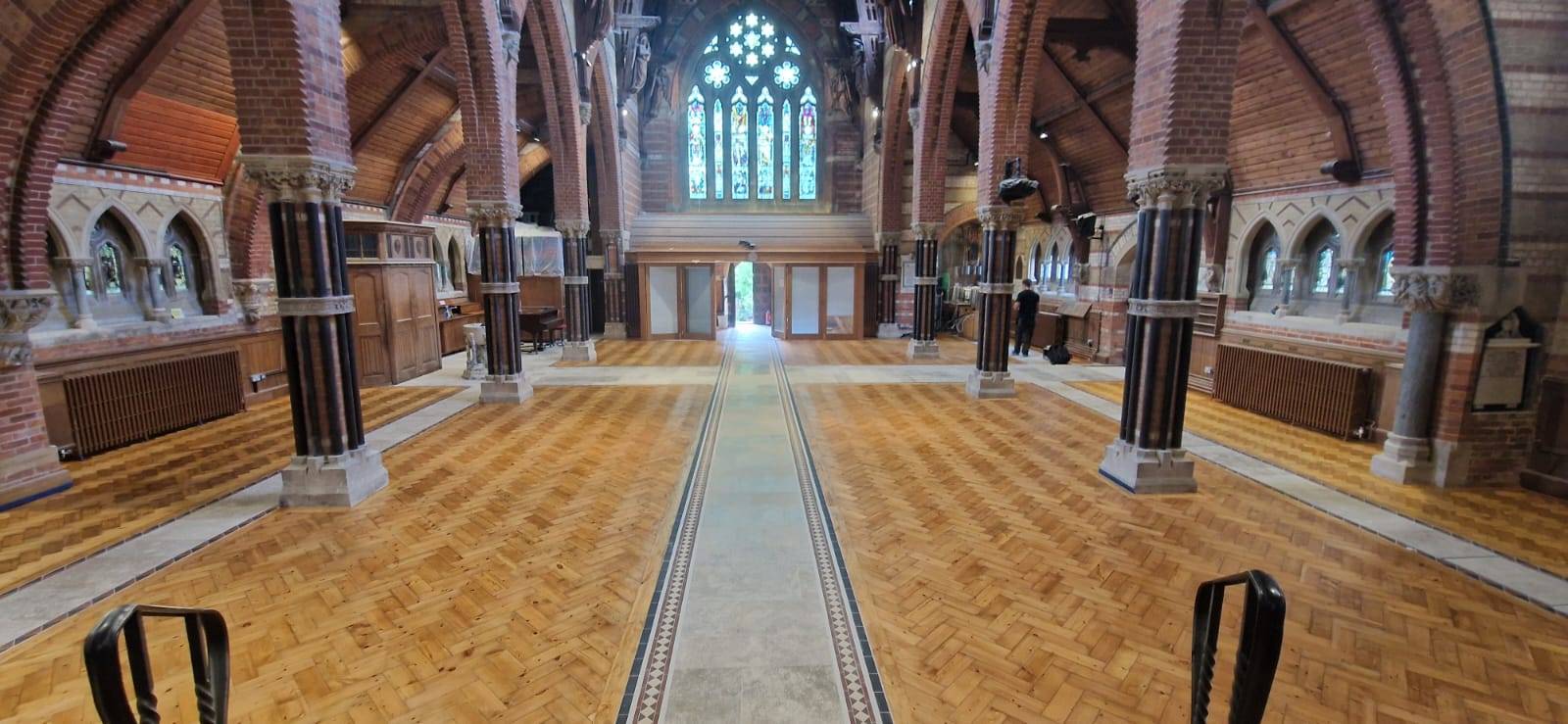
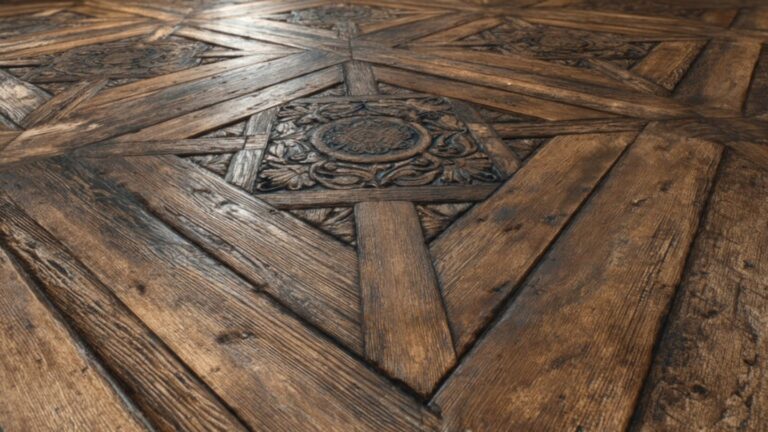
Our default on genuinely old timber is minimum removal. Finer grits, more passes, and no attempt to chase a factory-flat surface. A floor that has been walked on since the sixteenth century has earned the right to look its age.

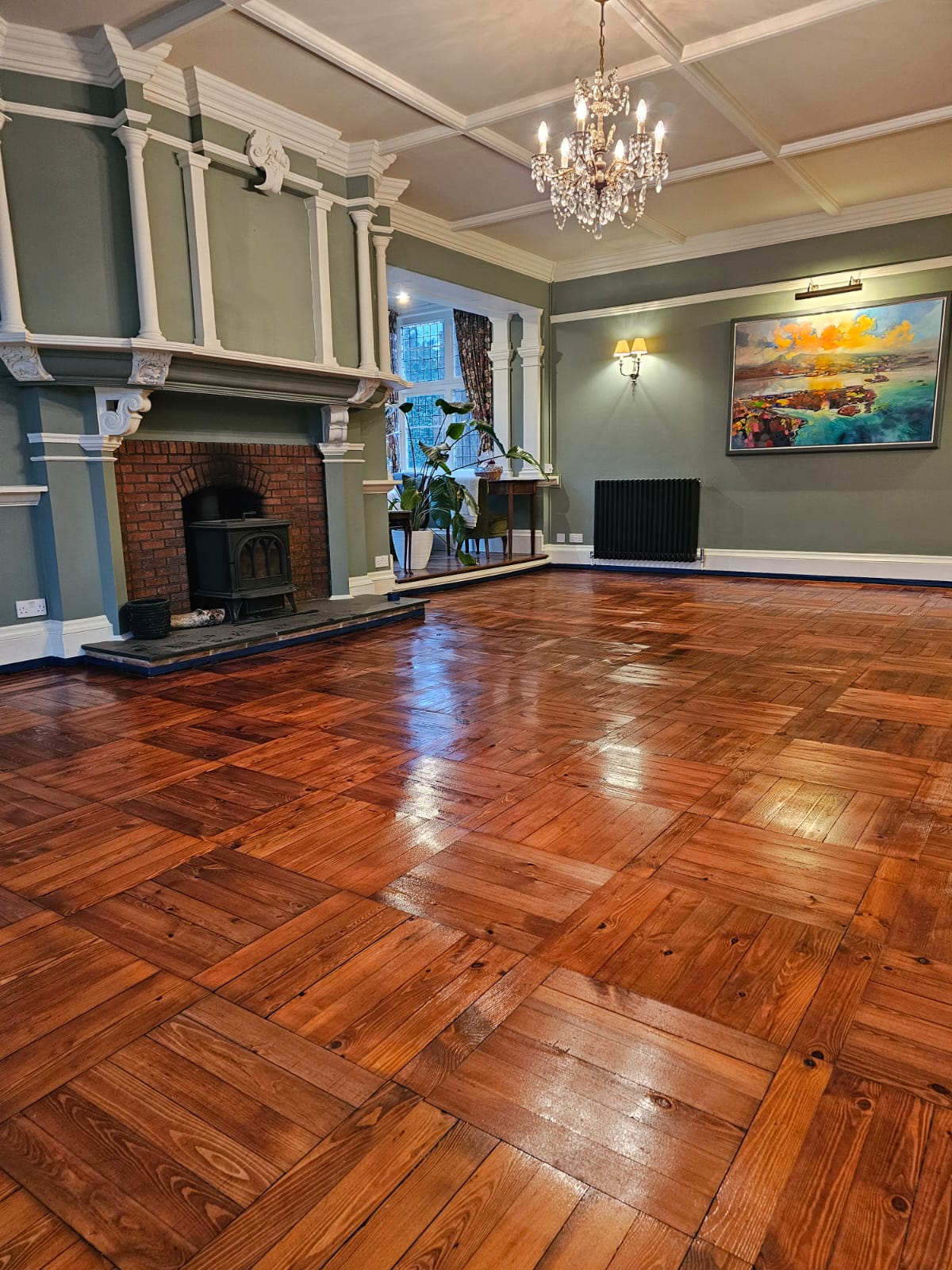
parquet wooden floor sanding
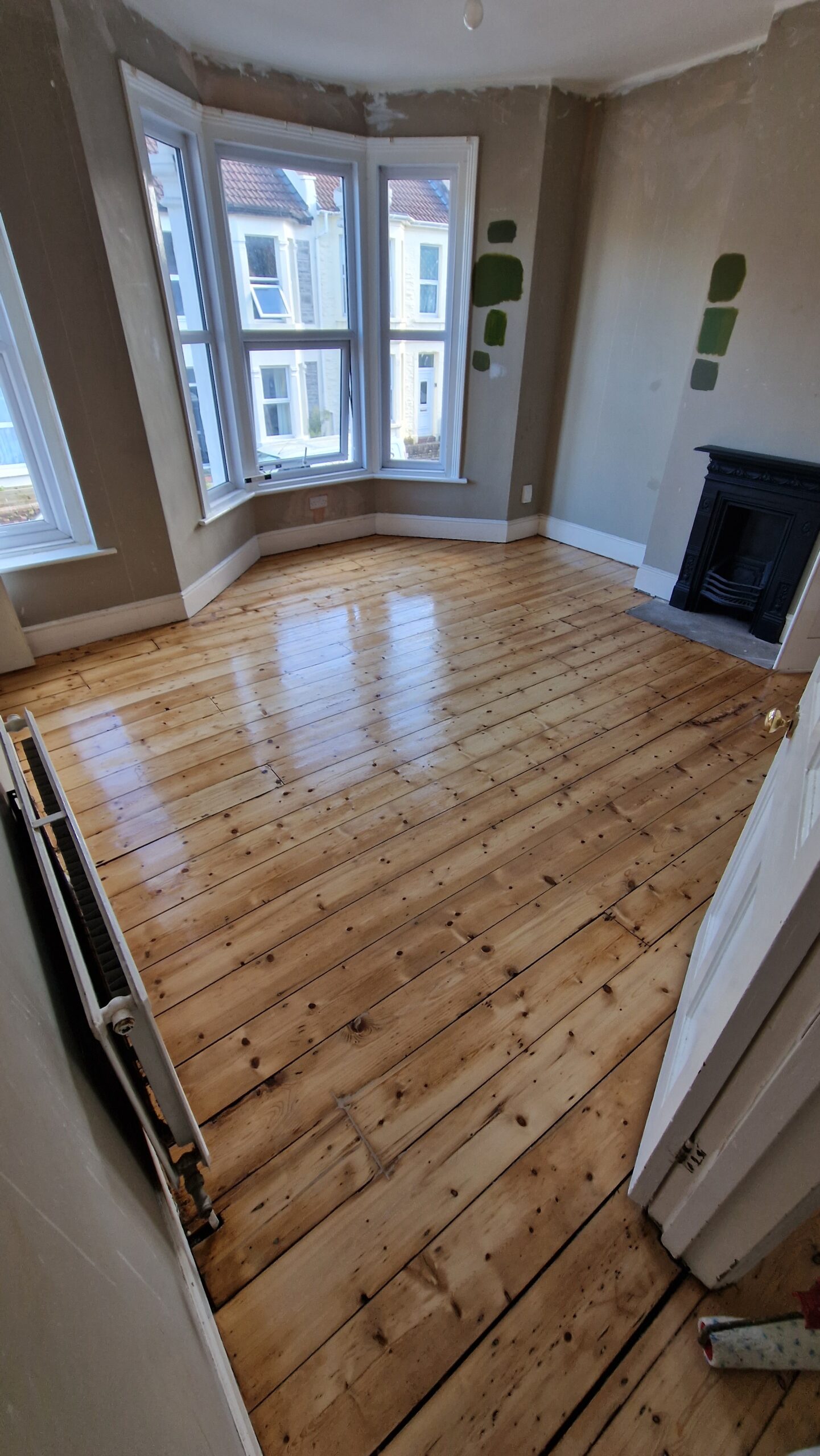
wooden floor sanding

Peat Ground, Water Table and Damp

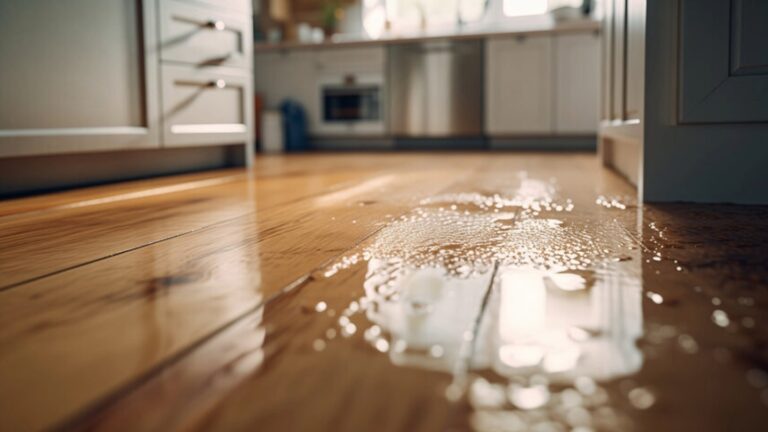
The Levels are drained peat and the water table is high. Properties on the low ground around Meare, Godney and the Baltonsborough road frequently show the classic symptoms: cupped boards, blown finish along external walls, and occasional soft timber where a joist end sits in damp masonry.

Even in the town, buildings on the lower slopes below the Tor can be affected. Peat shrinks as it dries and buildings on it move, which is why so many Glastonbury floors are out of level.

We take moisture readings before quoting and we will not sand a wet floor. It will move again and the finish will fail, and you will have paid for nothing. Where we find damp we tell you what needs fixing first, which is often ventilation rather than anything dramatic, and come back when the readings are right.

Dust-Free Sanding in an Old Building

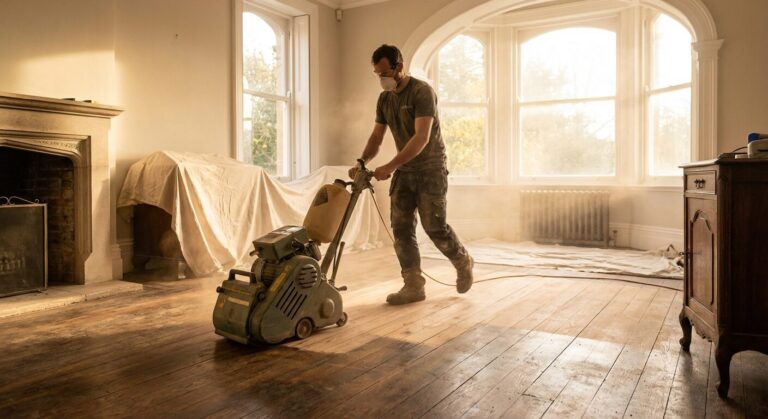
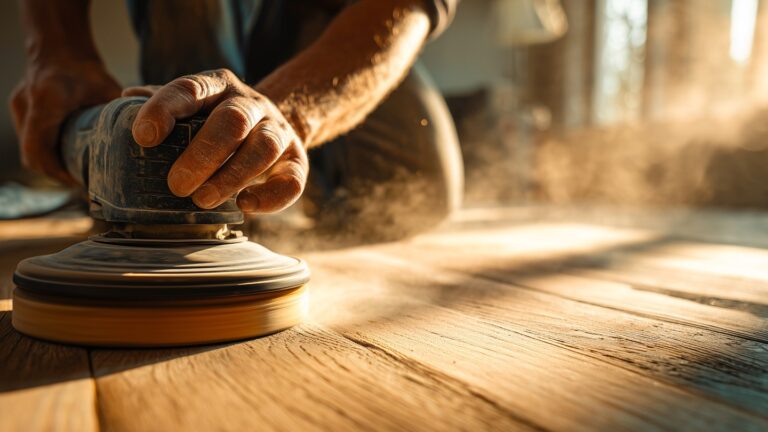
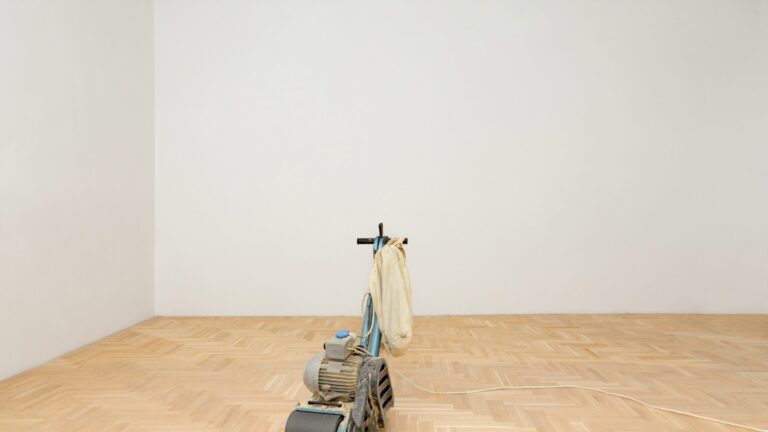
Our machines run to industrial extraction rather than the cloth bags on hire equipment, which captures the great majority of dust at the point it is created.

In an old Glastonbury building with lime plaster, open stairwells and a lot of exposed timber that matters enormously, because anything airborne will settle everywhere and lime plaster does not enjoy being scrubbed.

We sheet doorways, protect fixtures and clean as we go rather than at the end. Most customers stay in the building throughout. We work room by room, tell you which rooms are out of action on which days, and keep a clear route through.

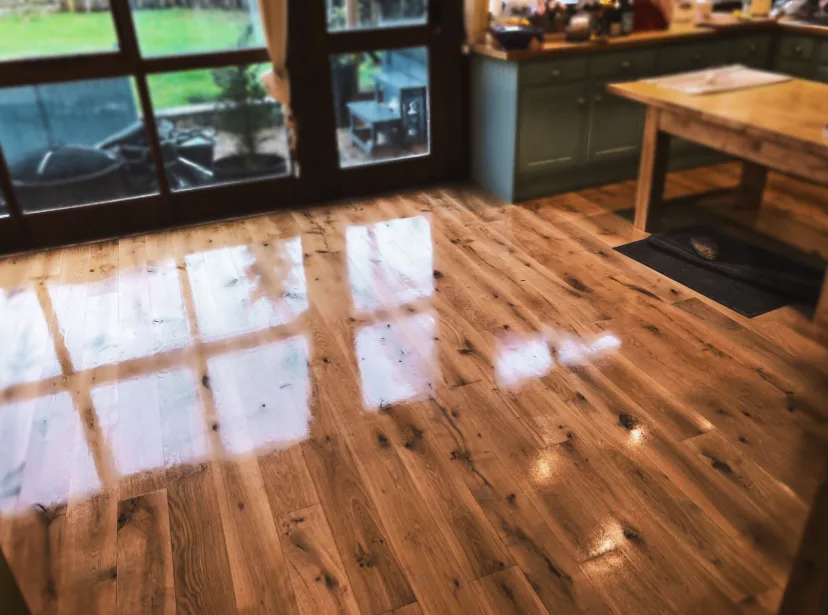
flooring sanding company

Commercial Floors in Glastonbury

Glastonbury runs on hospitality and events, and both are hard on floors. We work for pubs, restaurants, cafes, hotels, guest houses and shops in the town, plus church and village halls, schools, colleges, nurseries, gyms, dance studios and sports halls across central Somerset.

Sports halls and dance floors are sanded back to clean timber, re-marked to the correct governing body specification for badminton, netball, basketball or five-a-side, and sealed with a proper sports system that keeps its grip rather than turning glassy.

Hospitality is done overnight or on closed days using fast-cure sealers, so you lose one service rather than a week. Village and church halls we normally complete inside a single closed week. Schools and colleges are booked into holiday periods, generally a term or more ahead.

Finishes for a Historic House

Hardwax oil is what we fit most often in Glastonbury. It penetrates the timber rather than sitting on it as a film, which is the right behaviour in an old building where everything else breathes, and it keeps the grain visible instead of flattening it under plastic.

It is also repairable. A scuff or a burn in three years can be dealt with locally rather than by sanding the whole room again.

Where a floor takes heavy traffic, a shop, a cafe, a rental, a two-pack water-based lacquer is harder and cures faster. It does not yellow the way the old solvent finishes did.

Very old boards take colour unevenly, so we lay trial patches on your own floor and leave them a day. Better to find blotching on a test patch than across a whole room.

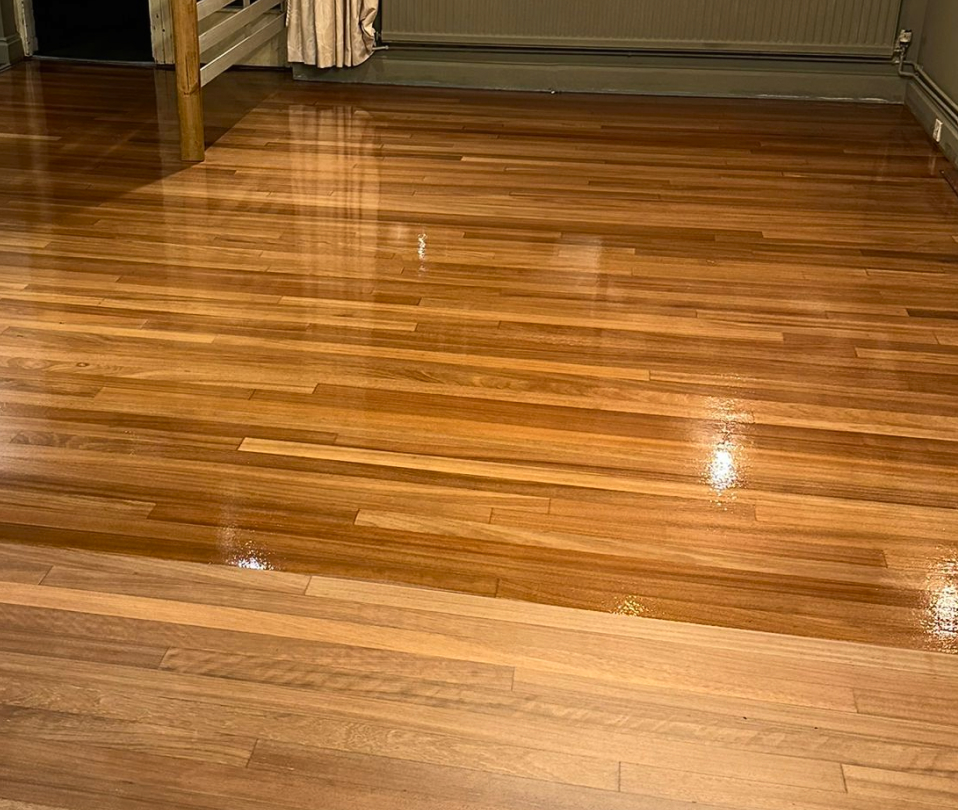
Wood floor sanding company
Floor sanding taunton

Costs, Timings and Booking

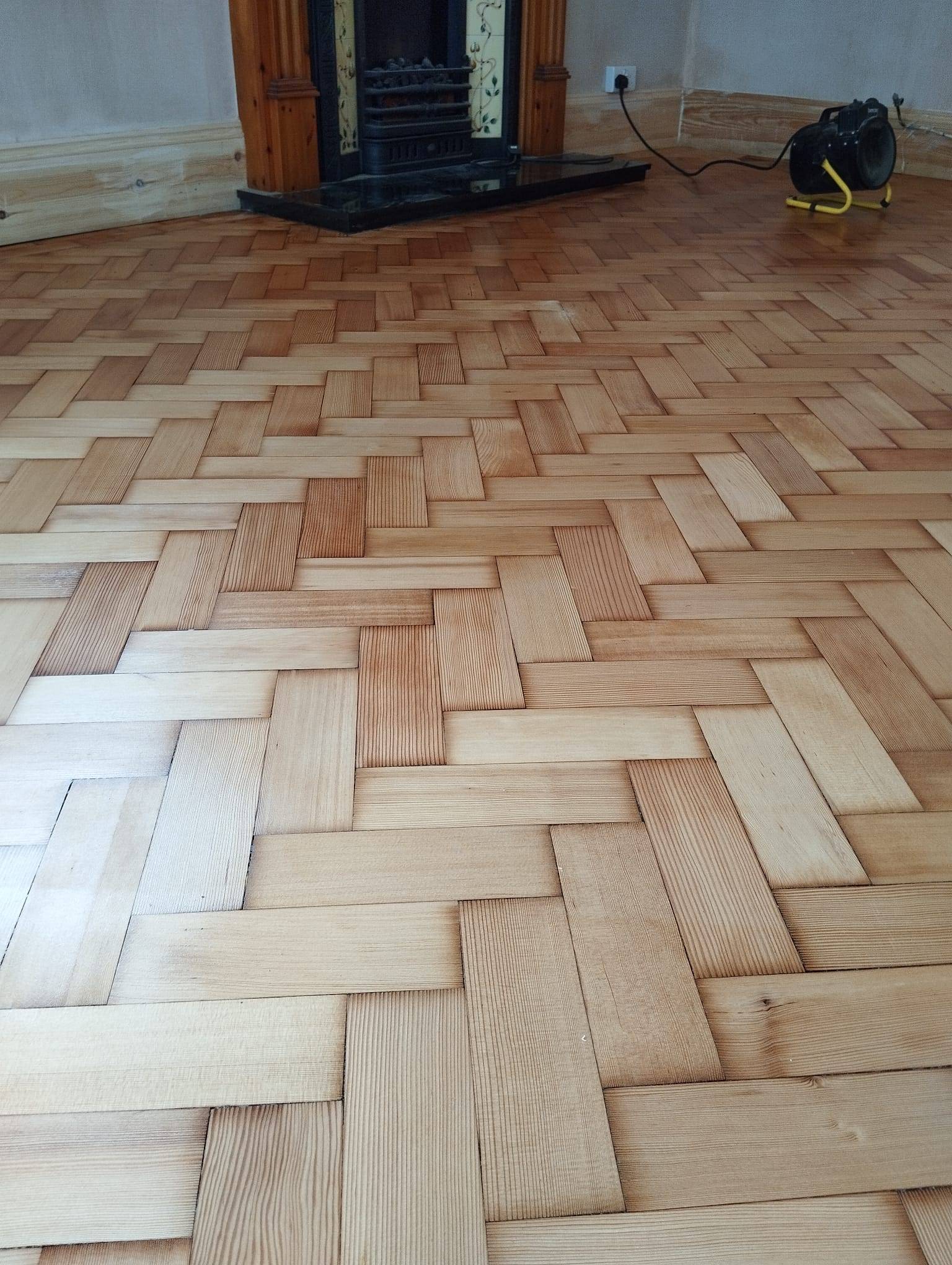
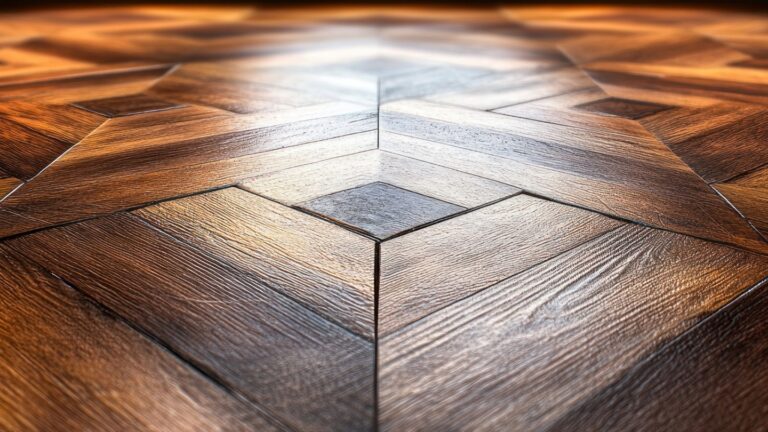
Sanding and sealing in Glastonbury generally runs twenty-five to forty pounds a square metre. Parquet is forty to sixty because it is slower work and usually needs block repairs. Stairs are priced per tread and gap filling, board replacement and repairs are quoted line by line.

The survey is free and takes about half an hour. We measure remaining timber, take moisture readings, look at ventilation and tell you honestly what the floor needs, including when the answer is that it does not need doing yet.

Ring 01823 674562 or use the contact form. Send a wide photograph of the room and a close one of the worst area and we can usually give you a realistic range before we visit.

Nearby areas we also cover: Shepton Mallet, Somerton, Wellington and Burnham-on-Sea. There is a page for each, and the full list of towns is on our areas we cover page.

FAQ: Floor Sanding in Glastonbury

Glastonbury, Street, Baltonsborough, Butleigh, West Pennard, Meare, Godney, Walton and Compton Dundon, plus Wells, Somerton, Shepton Mallet and the wider Levels.

Refinishing an existing floor is normally acceptable, but lifting, replacing or altering historic timber can require listed building consent from Somerset Council. Ask before starting. We are happy to speak to your conservation officer.

Generally twenty-five to forty pounds a square metre for sanding and sealing, and forty to sixty for parquet. Stairs are per tread, repairs quoted separately. Survey and quote are free.

We take moisture readings first. If the floor is wet we will not sand it, because it will move and the finish will fail. Usually the fix is ventilation, and we come back when the readings are right.

Rarely, and usually it should not be. Old Glastonbury buildings have settled on shrinking peat and chasing a flat surface means removing far too much timber. We level what is safe to level and are honest about the rest.

We use industrial extraction which captures the great majority of dust at the machine. Not literally zero, but a completely different experience from hired equipment, and it matters in a lime-plastered building.

A single room is about two days and a full downstairs three to four. Oil wants a day before light use and a week before rugs. Lacquer cures faster.

Hardwax oil, in most cases. It penetrates rather than forming a film, which suits a breathing building, and it can be repaired in patches rather than by redoing a whole room.

Yes, and in old property we generally recommend timber slivers rather than resin, because the boards still move seasonally and slivers move with them.

Yes. Pubs, restaurants, cafes, hotels, shops, village and church halls, schools, colleges, nurseries, gyms, dance studios and sports halls including line marking.

Ryan's Restoration
4.9
Based on 114 reviews
×
js_loader