Floor Sanding Yeovil

Floor Sanding and Wood Floor Restoration in Yeovil

QUICK QUOTATION

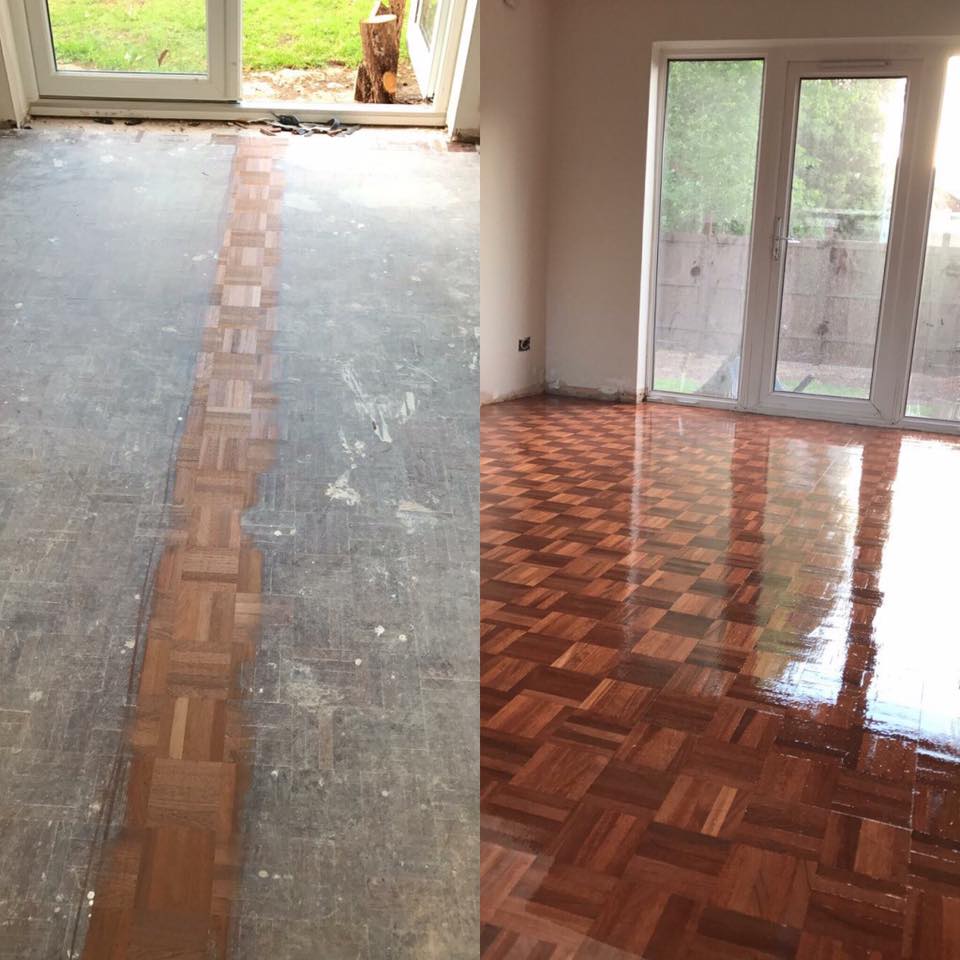
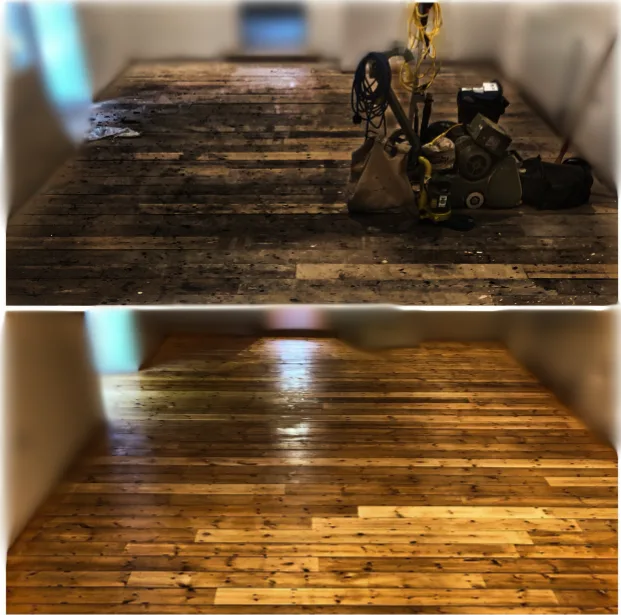
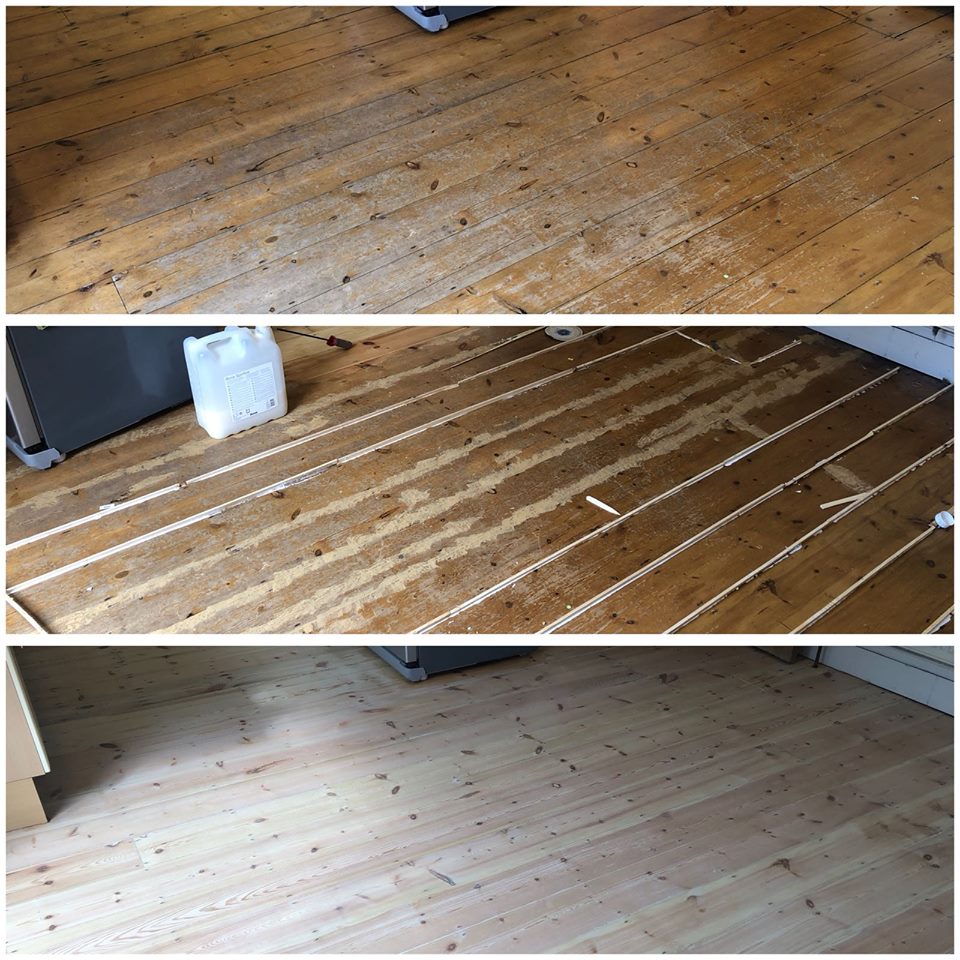
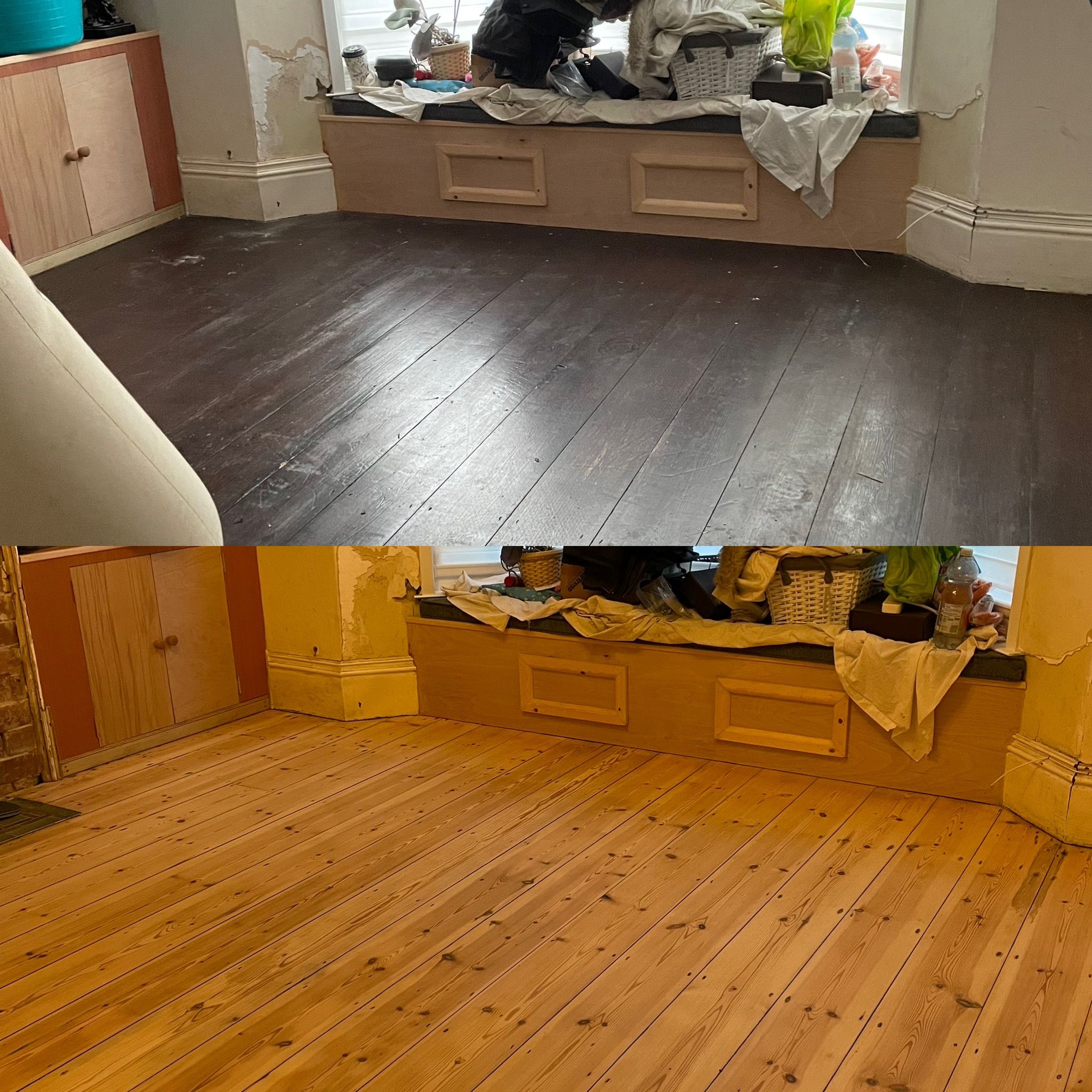
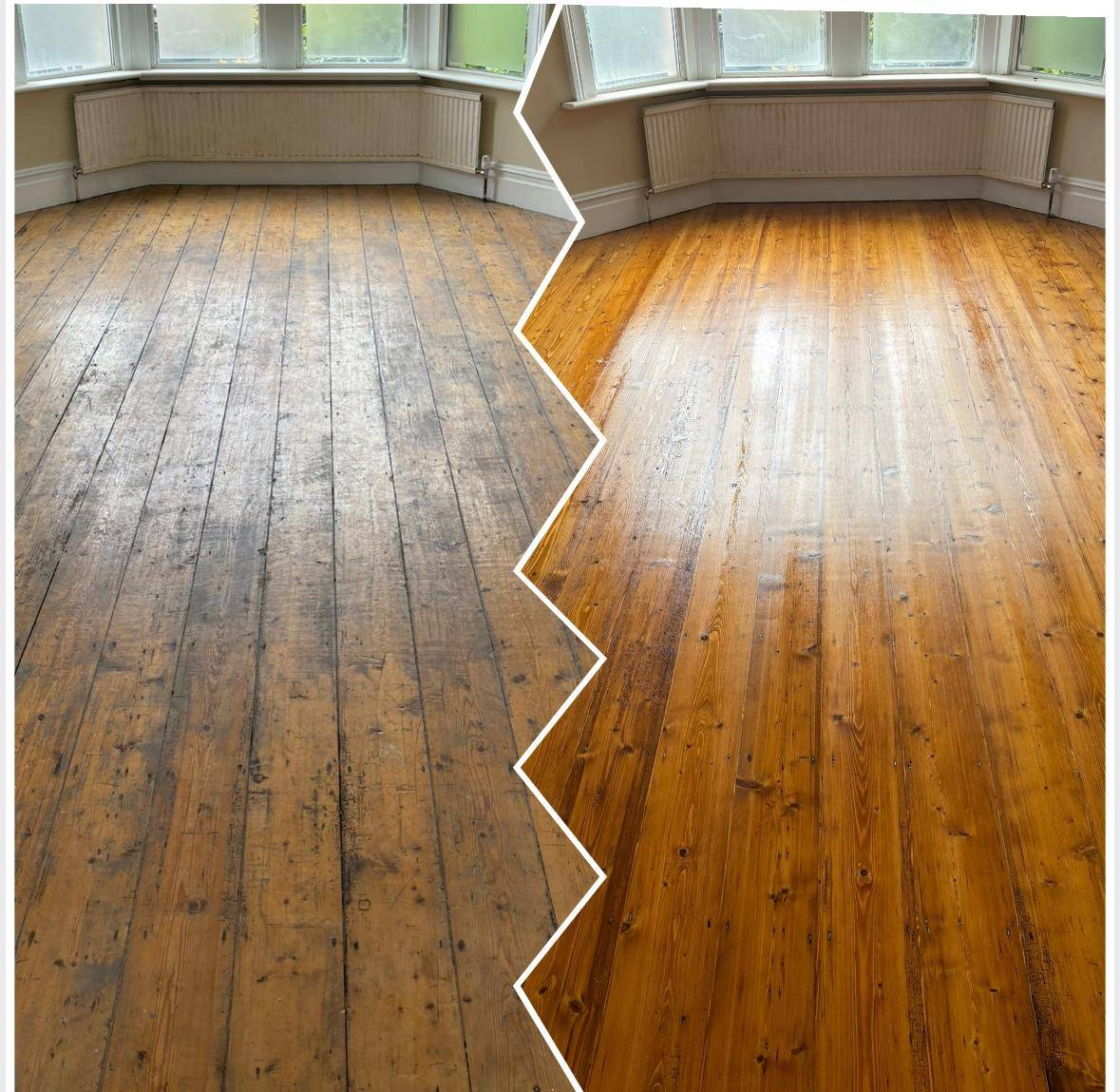
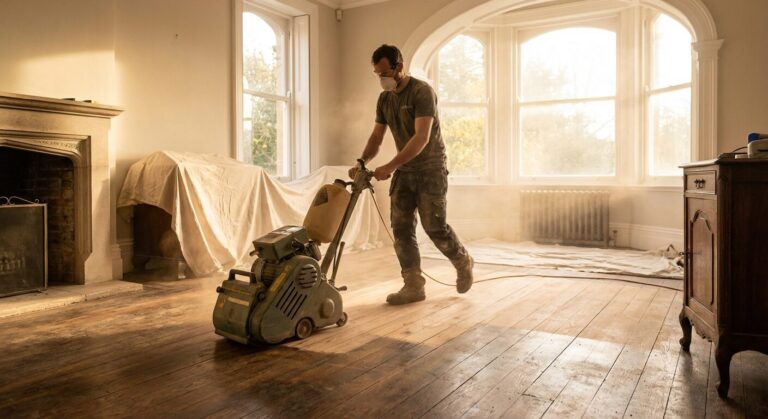
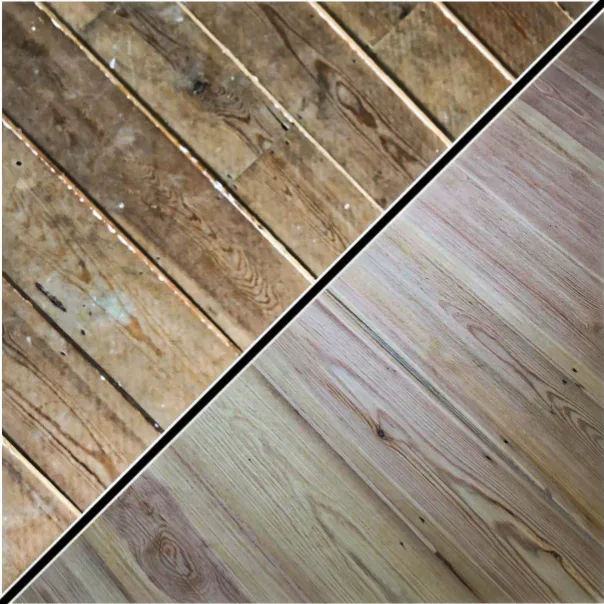
Floor sanding before and after

Floor Sanding Across Yeovil and South Somerset

Yeovil is our own county and roughly forty minutes from the workshop, so it is one of the towns we get to most easily and almost always within the week for a survey.

We cover the town and the surrounding villages: Preston, Penn Mill, Yeovil Marsh, Brympton, Houndstone, Abbey Manor, Mudford and Odcombe, plus Sherborne, Crewkerne, Ilminster, Martock, Somerton and Wincanton.

Quotes are free and, being local, we can usually come and look properly rather than pricing from a description. What is under a Yeovil carpet varies enormously depending on whether the house went up for glove workers in the 1880s or for aircraft workers in the 1950s.

Glove-Trade Terraces and Hamstone Villages

Yeovil built its wealth on gloving and later on aircraft, and the housing splits along those lines.

The Victorian terraces around the town centre and Preston were built quickly for glove and leather workers — narrow baltic redwood boards over shallow joists, thinner than you would find in a merchant house and frequently sanded once already. We measure remaining thickness before committing, and where a floor has had its last sand we recommend a screen and recoat instead, which removes no timber and costs about a third as much.

The villages out towards Montacute, Odcombe and Martock are a different world: golden Hamstone cottages with wide elm and oak boards over hand-cut joists, often little ventilated void beneath and centuries of repair. Those get the lightest treatment we can manage and a careful look at the joist bearings first.

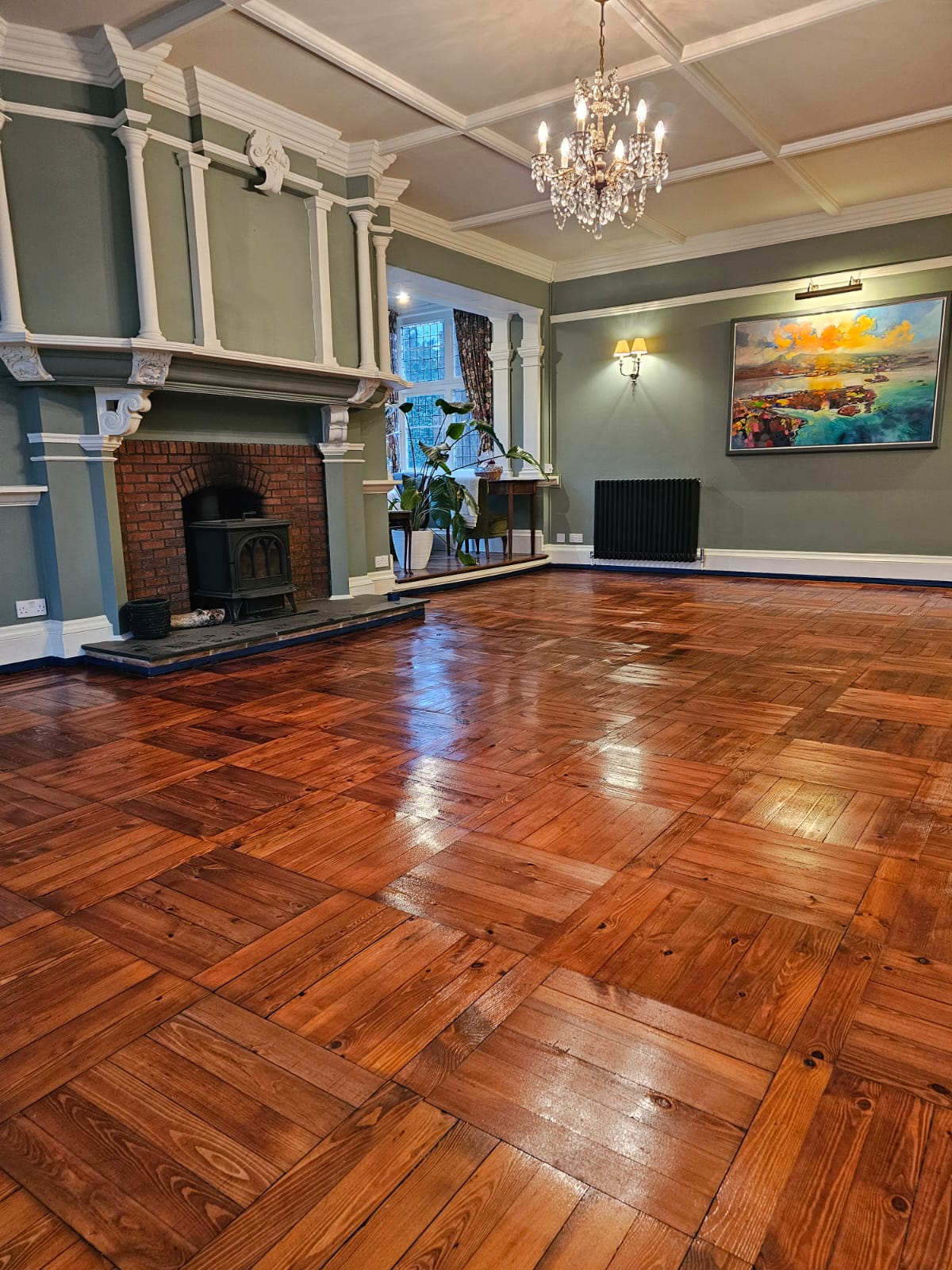
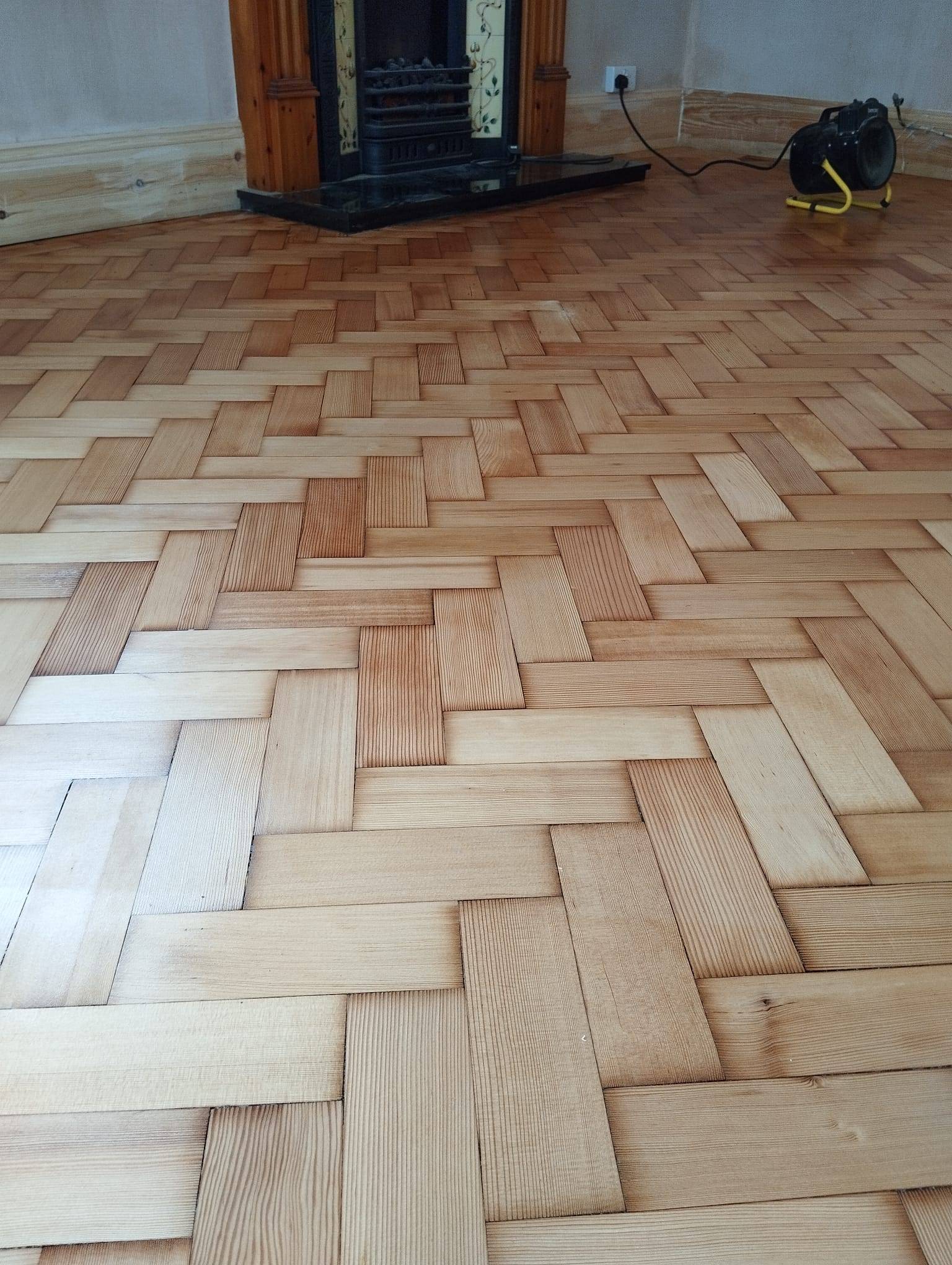
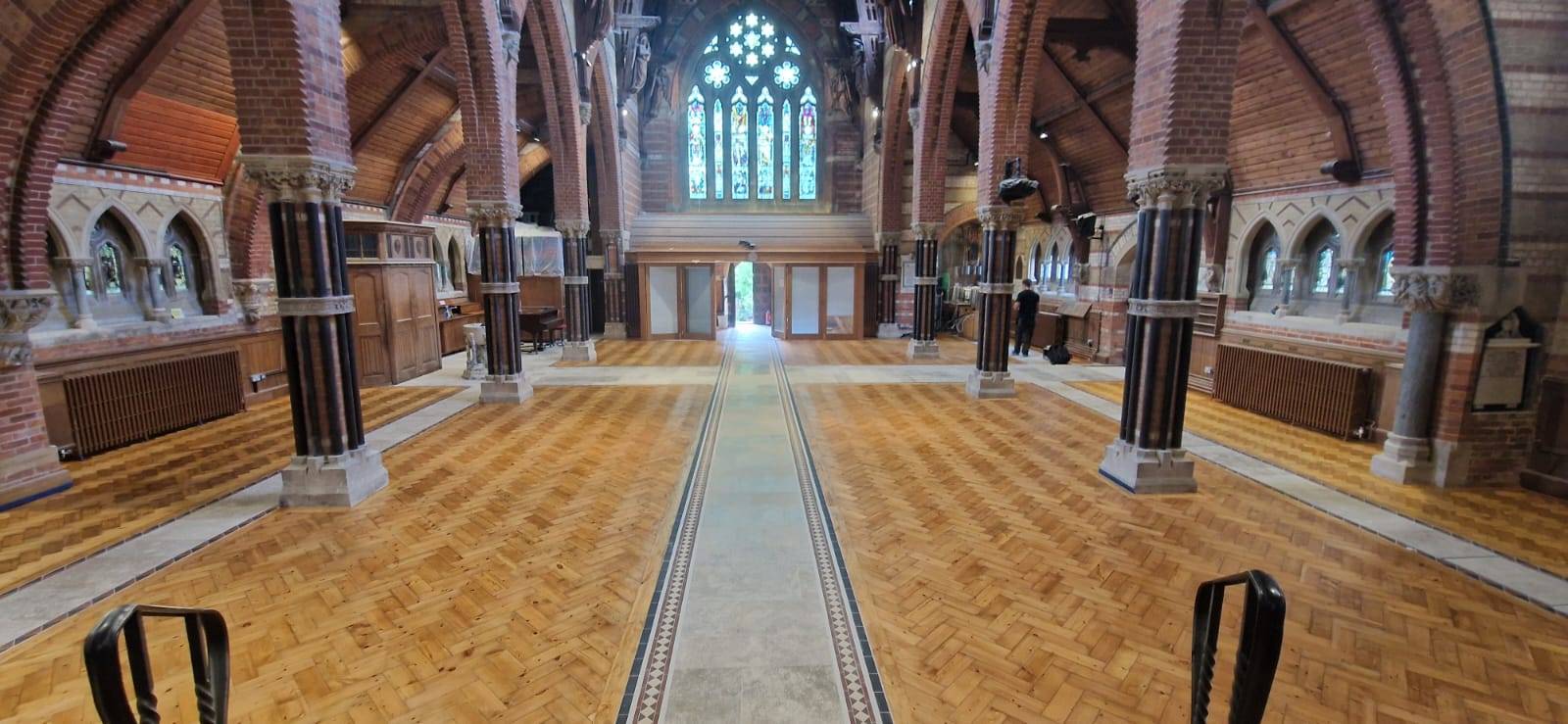
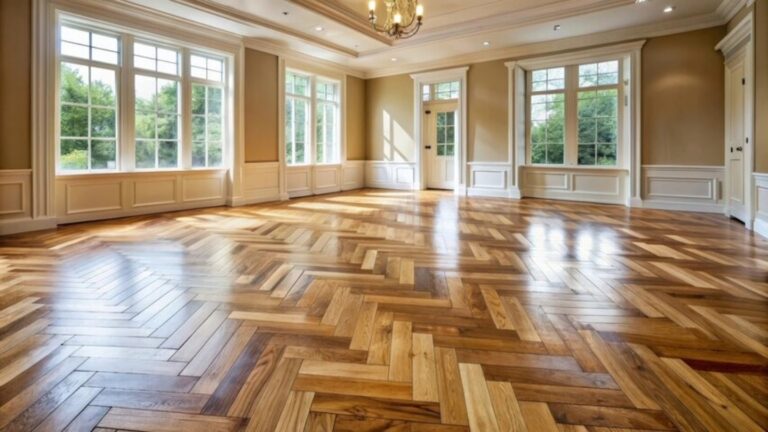
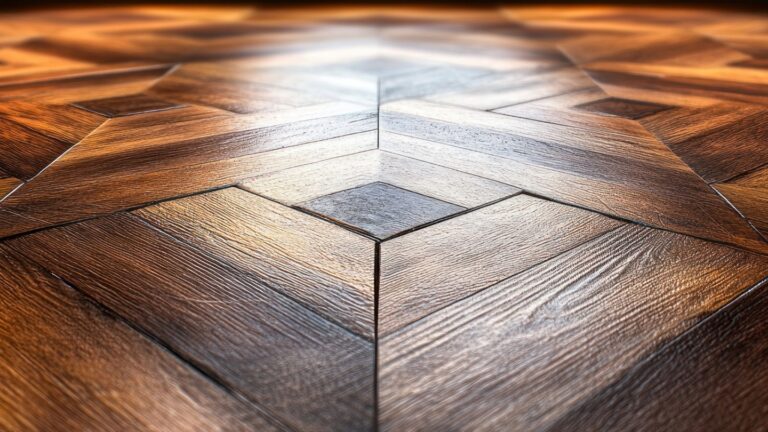
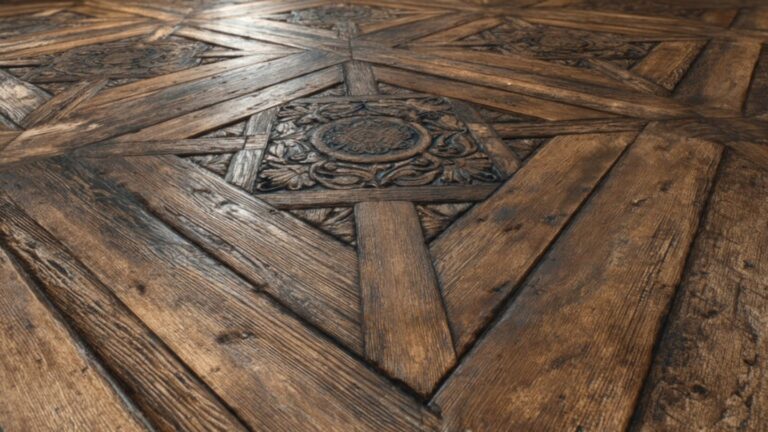
The post-war estates built around the Westland works occasionally hide parquet under later carpet. Worth lifting a corner in the hall if you have never checked.

parquet wooden floor sanding
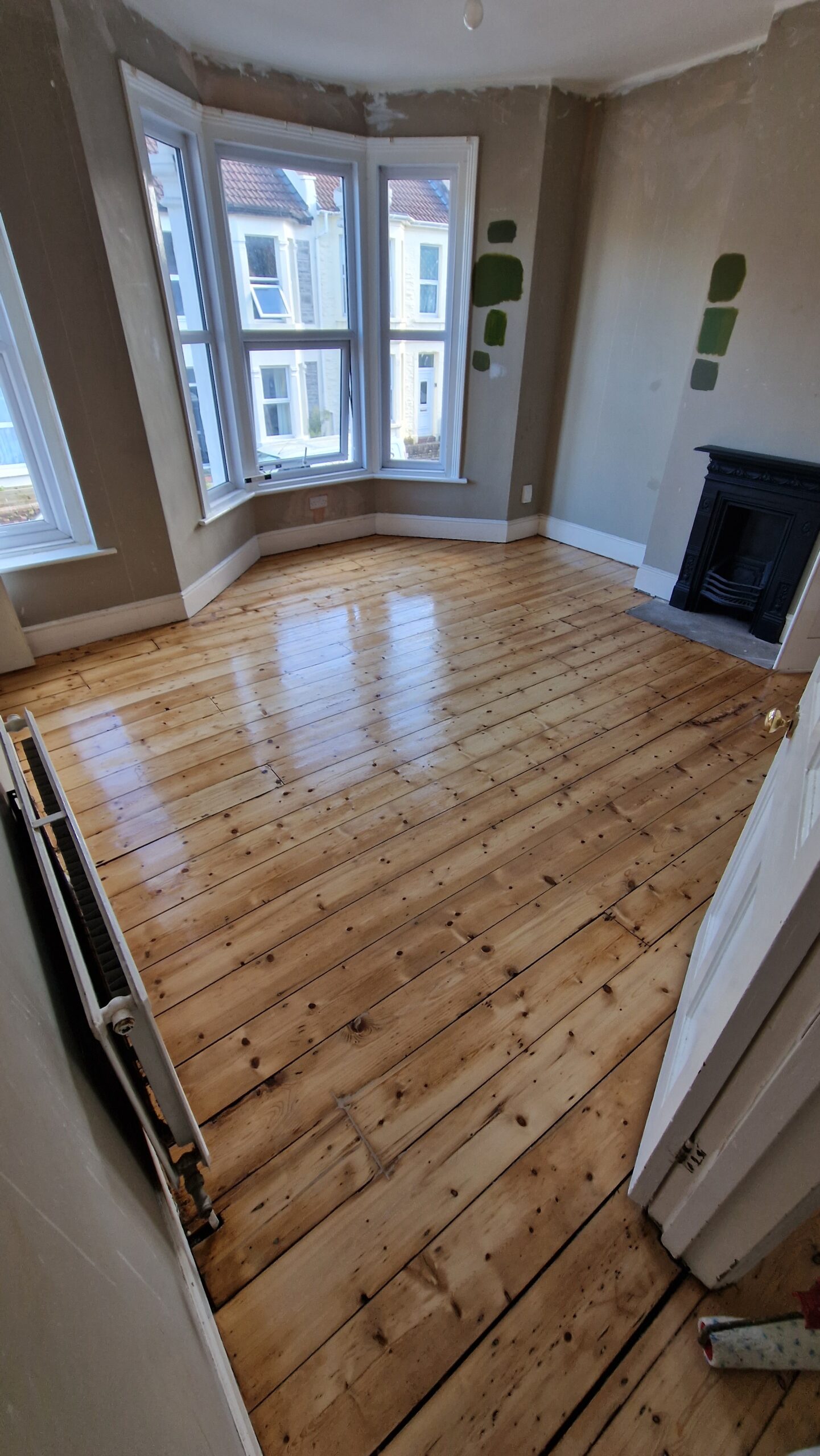
wooden floor sanding

Clay Ground, the Yeo and Subfloor Damp

South Somerset sits largely on clay and lias, and the low ground near the Yeo and around Yeovil Marsh holds water. Clay also swells and shrinks with the seasons, which pushes boards about all year and opens gaps in winter that close again in summer.

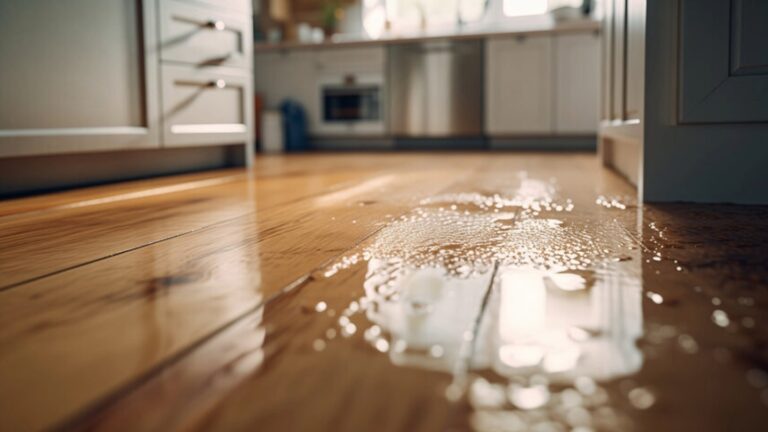
Where the ground is wet the visible symptom is cupping — boards curving upward at the edges so the floor feels ridged underfoot. It is nearly always ventilation: airbricks rendered over, ground levels raised by a patio, or an extension sealing off airflow.

Sanding a cupped floor flat before the moisture is dealt with wastes the timber, because the boards flatten as they dry and end up thin down the middle. We take moisture readings before quoting, and where they are high the honest answer is to sort the airflow and come back in a couple of months.

For gap filling on clay ground we recommend timber slivers rather than resin, because slivers move with the boards where resin cracks out within a couple of winters.

Listed Cottages and Conservation Areas

The Hamstone villages around Yeovil have a high concentration of listed buildings, and in a listed property the original floorboards are usually part of what is protected.

Sanding and refinishing an existing floor rarely needs listed building consent. Replacing boards, altering the structure or changing the material generally does, and unauthorised work to a listed building is a criminal matter rather than a paperwork one.

Where there is doubt we put our proposed method in writing — grits, finishes and precisely what comes off — so you can hand it to the conservation officer before we start. It costs a fortnight at the front of a job and saves considerable trouble afterwards.

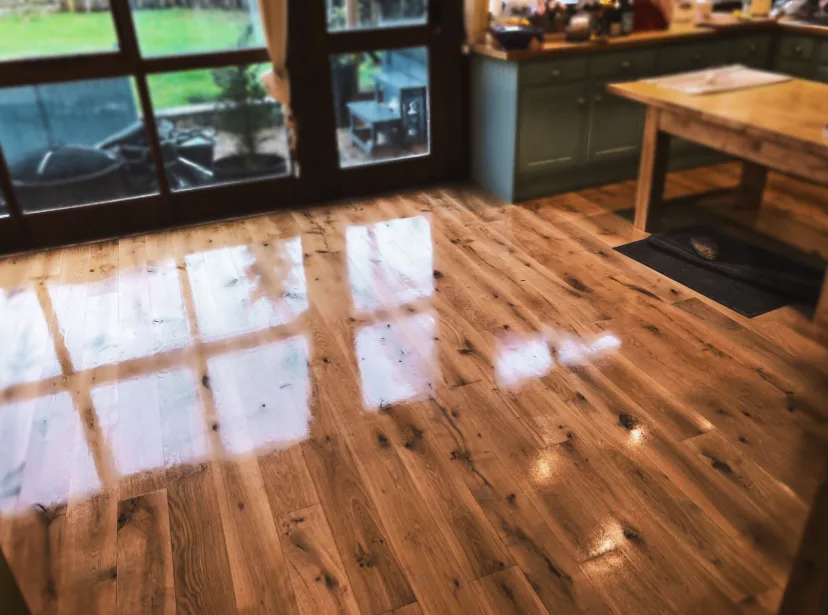
flooring sanding company

Pubs, Halls, Schools and Commercial Work

As the main town in south Somerset, Yeovil brings a steady flow of commercial work: pubs and restaurants, village and church halls across the surrounding parishes, school and college halls, gyms and sports halls, plus shops and offices.

These jobs are governed by the calendar. Schools want the holidays, halls want the gap between bookings, pubs want us finished before the weekend. We work evenings and weekends where that helps, phase the work so you can keep trading, and run full dust extraction so adjoining areas stay usable.

The specification differs from domestic work. Heavy-traffic commercial floors generally want a commercial-grade lacquer rather than an oil, and where slip resistance matters — kitchens, entrances, sports use — we select for that specifically. For sports halls we handle line marking as part of the job.

Why Yeovil Customers Choose Us

Forty-five years of restoring wood floors, all of it based in Somerset. A good share of our south Somerset work now comes from people who saw a floor we did at a friend’s house.

Sealed dust extraction on every job as standard, so you can stay in the house while we work. Fixed written prices agreed before we start. Furniture moved by us, the property protected, all waste taken away with us.

Fully insured, comfortable with listed property, 4.9 stars from 114 Google reviews, and happy to give you local addresses to look at.

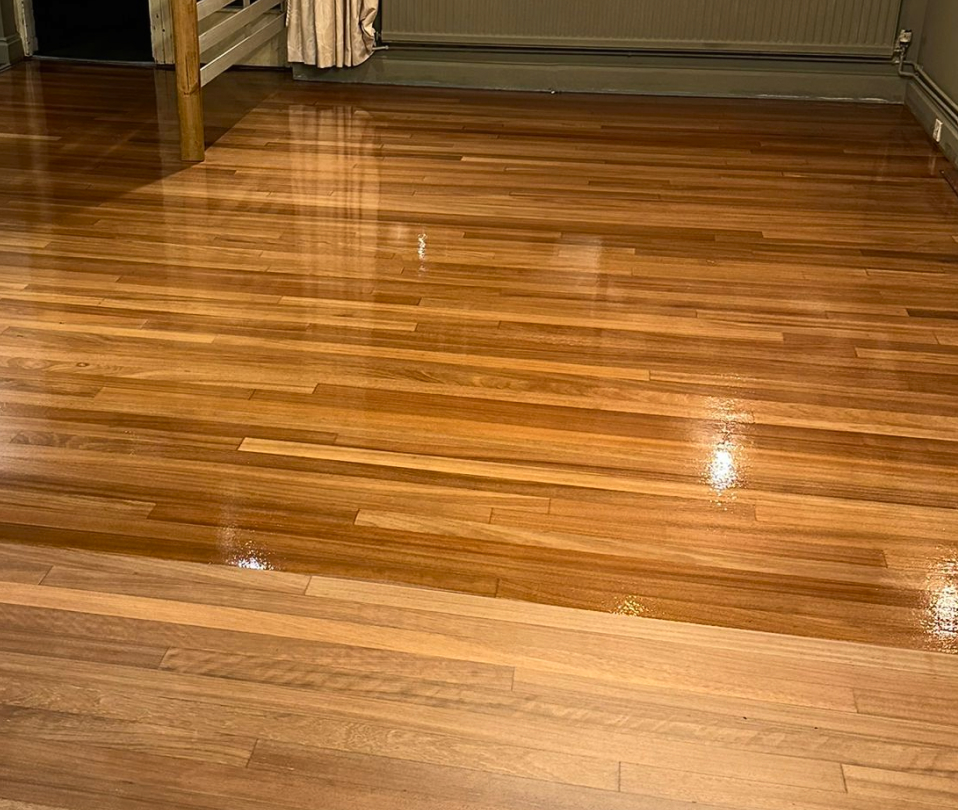
Wood floor sanding company
Floor sanding taunton

Get a Free Yeovil Floor Quote

Being local we can usually come out within the week at no charge and no obligation. Tell us roughly where you are and what sort of floor you have.

If you would rather start with photographs, send one of the room from the doorway plus a couple of close-ups of the worst patches and we will come back the same day.

Call 01823 674562, email info@ryansrestoration.co.uk, or use the form on this page.

Nearby areas we also cover: Crewkerne, Ilminster, Martock, Somerton and Wincanton. There is a page for each, and the full list of towns is on our areas we cover page.

FAQ: Floor Sanding in Yeovil

Preston, Penn Mill, Yeovil Marsh, Brympton, Houndstone, Abbey Manor, Mudford and Odcombe, plus Sherborne, Crewkerne, Ilminster, Martock, Somerton and Wincanton.

Usually within the week. We are about forty minutes away in Wellington, which also means travel does not load your price the way it would for a firm coming from further afield.

Often, but they want checking first. The glove-trade terraces were built with narrow, relatively thin boards and many have been sanded once already. We measure remaining thickness before committing.

Yes, carefully. Those cottages usually have wide elm or oak with little thickness left and often very little ventilated void. We check the joist bearings for rot before sanding, because that is far cheaper to find early.

Timber slivers rather than resin. South Somerset clay swells and shrinks seasonally, and resin cracks out within a couple of winters. Slivers are cut to taper and move with the board.

Cupping, from subfloor moisture. Common on the low ground near the Yeo. Usually the airbricks are blocked or the ground level outside has been raised. The floor must dry and flatten before sanding.

Regularly, across south Somerset. We work to your calendar — school holidays, gaps between hall bookings, weekdays for pubs — and dust extraction means neighbouring areas usually stay usable.

Yes, as part of the job, along with the correct slip-resistant finishes for sports use. A sports floor needs a different specification to a domestic one.

Yes. Original boards are usually part of what a listing protects, so we work to minimum intervention and provide a written method statement for the conservation officer where consent is needed.

It depends on size, condition, timber and finish. We give a fixed written price after surveying, broken down by element, and there are no surprises on the invoice.

Ryan's Restoration
4.9
Based on 114 reviews
×
js_loader