Floor Sanding Chard

Floor Sanding and Wood Floor Restoration in Chard, Somerset

QUICK QUOTATION

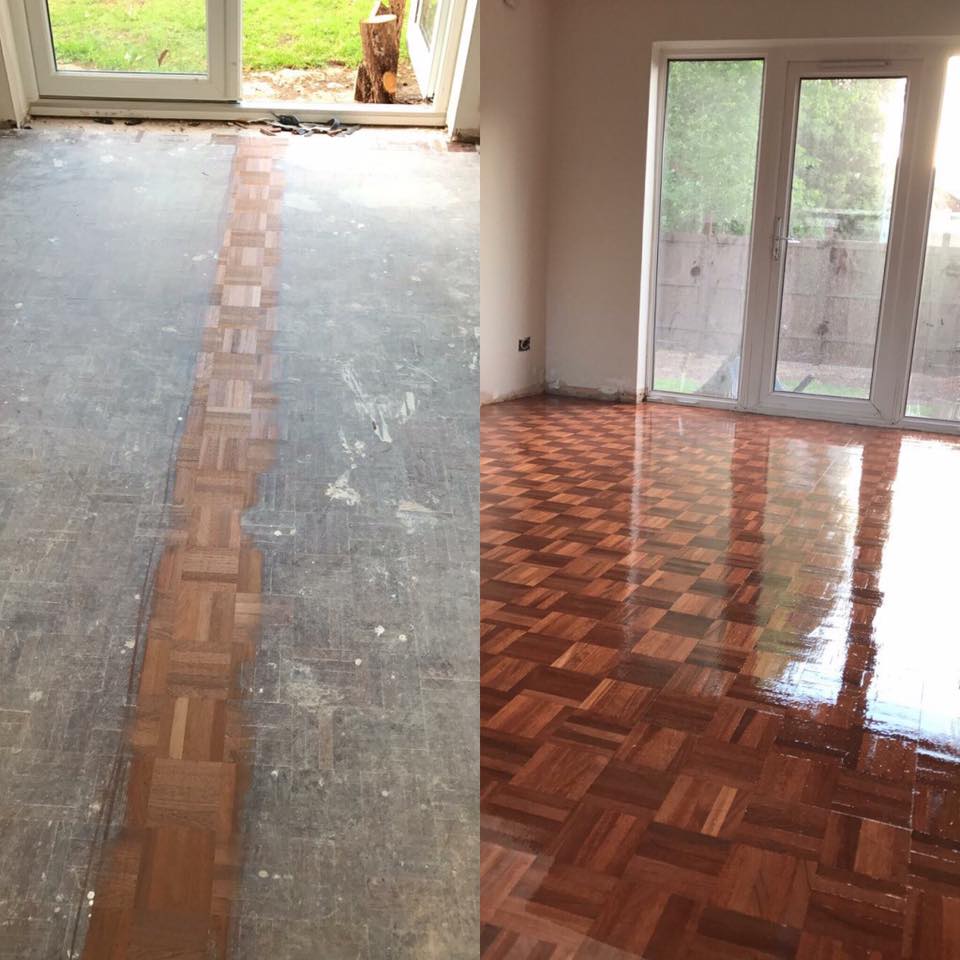
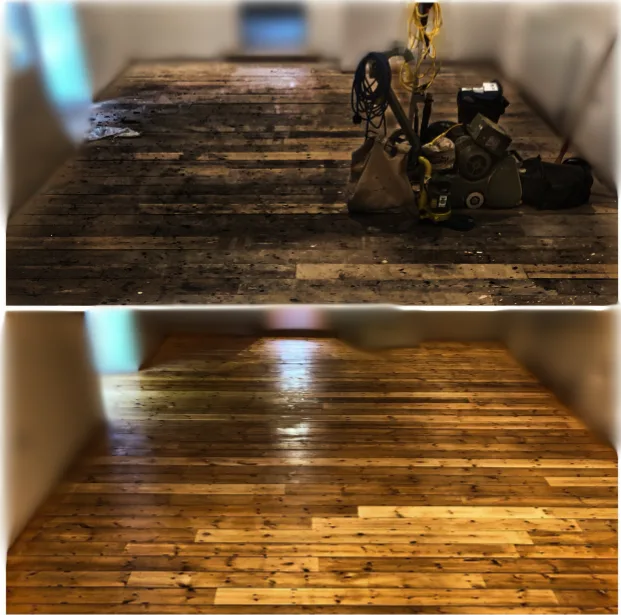
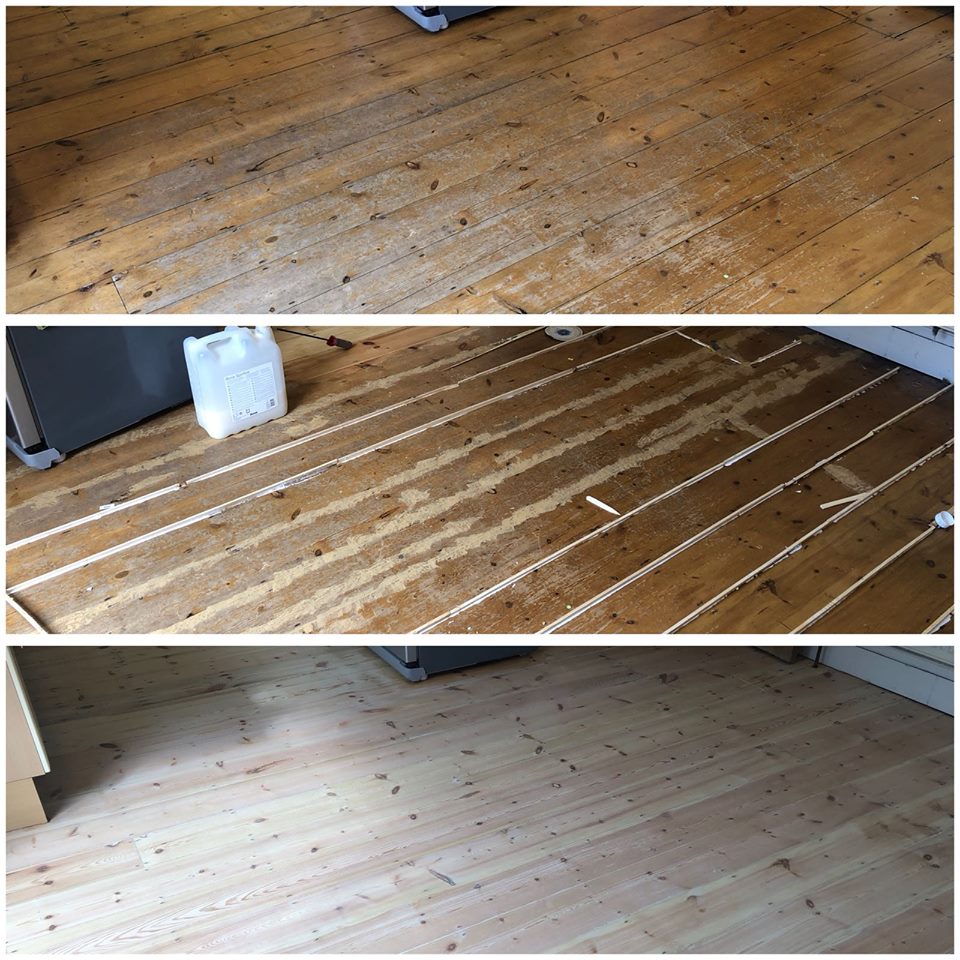
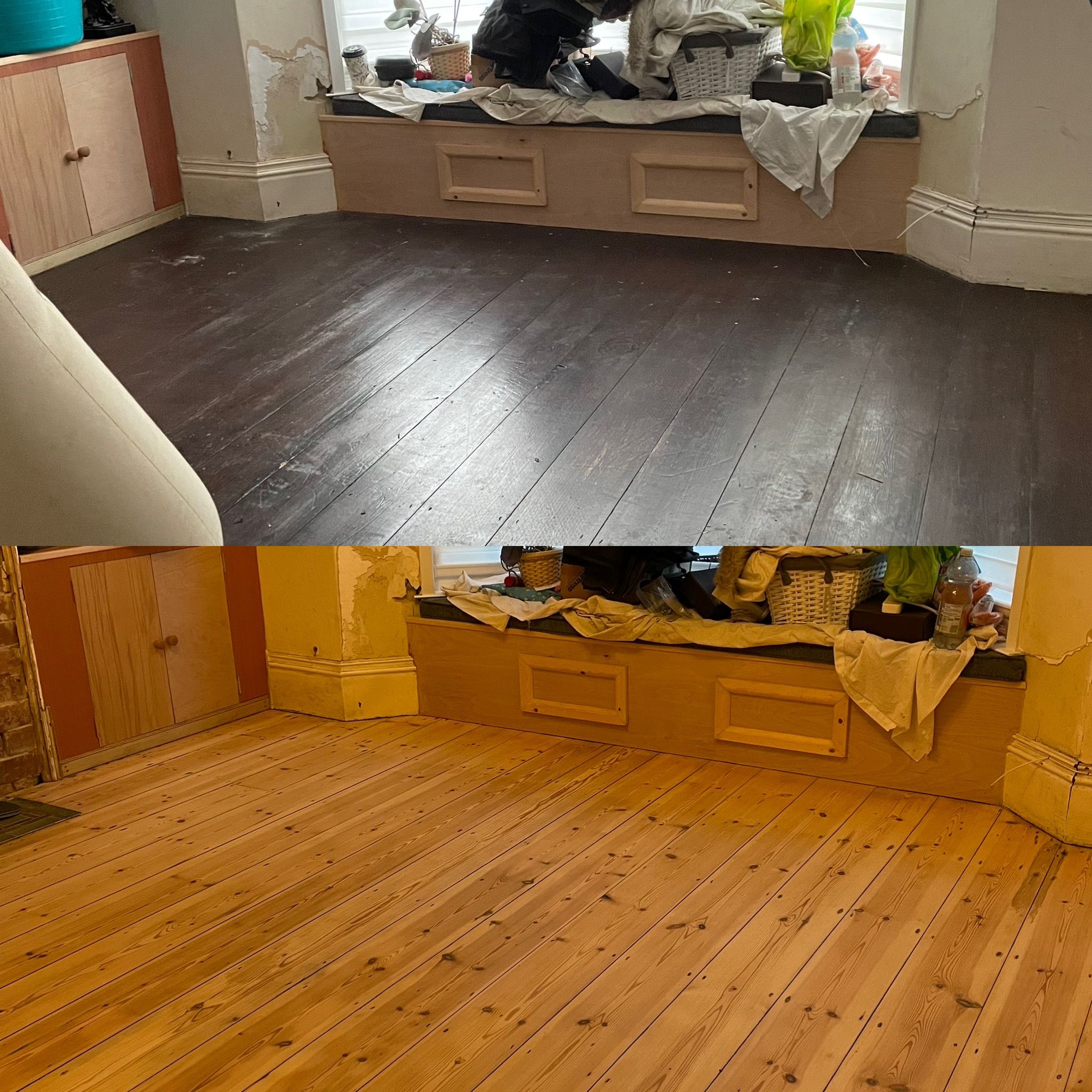
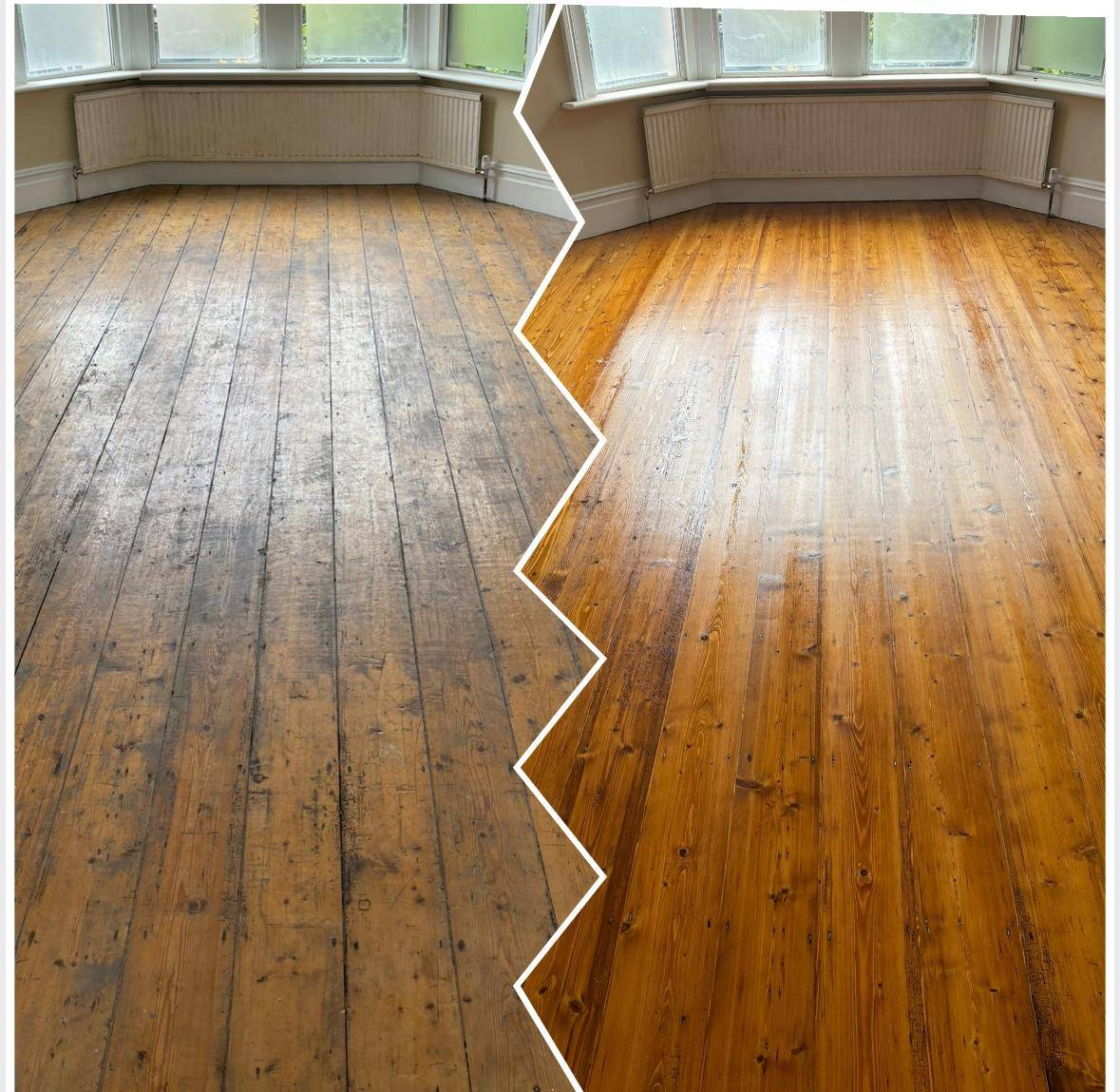
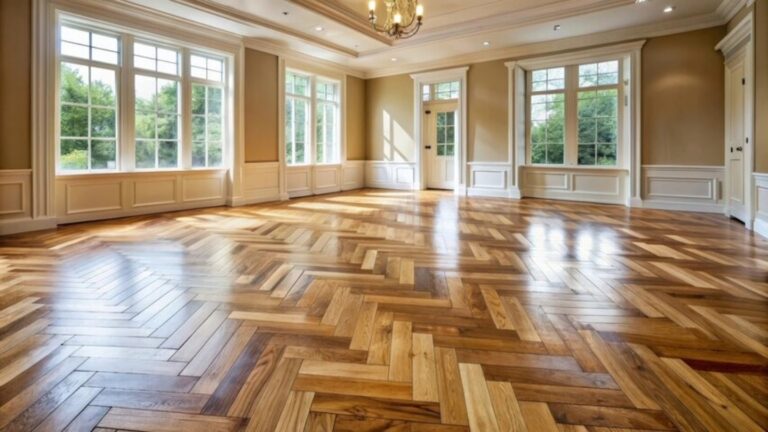
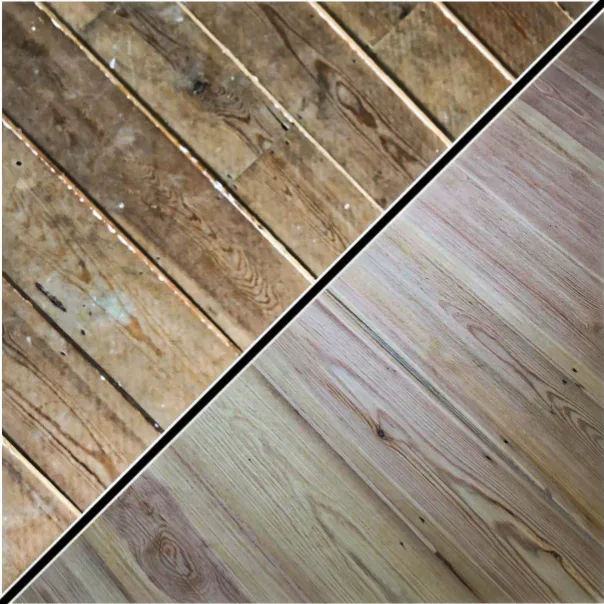
Floor sanding before and after

Floor Sanding Across Chard and South Somerset

Chard is the highest town in Somerset and it was built by the lace and textile trade. Georgian and early Victorian frontages along Fore Street and High Street, terraces put up for the mill workers at Boden and Old Town, larger houses on the hill, and post-war expansion spreading south and east.

The town centre buildings hold the best floors, wide pine over generous joists, generally covered up in the twentieth century rather than worn out. The mill terraces are simpler but sound, with narrower boards over a ventilated void.

We are half an hour away in Wellington and in south Somerset most weeks, so Chard surveys are normally within a few days.

We cover Chard, Ilminster, Crewkerne, Combe St Nicholas, Tatworth, Winsham, Donyatt, Broadway, Chaffcombe and Cricket St Thomas, plus Axminster, Yeovil and Taunton.

Georgian Town Centre and Mill Terraces

Much of central Chard is in the conservation area and a good number of buildings are listed. Refinishing an existing floor is normally acceptable, but lifting boards, replacing timber or altering levels can need listed building consent from Somerset Council, so it is worth asking before starting.

In the mill terraces the floors are typically narrow pine, tightly laid, and in better condition than owners expect. What we find under the carpet is gripper nail holes round the edges, staple holes across the middle, a darker rectangle where a rug sat, and paint from decorating.

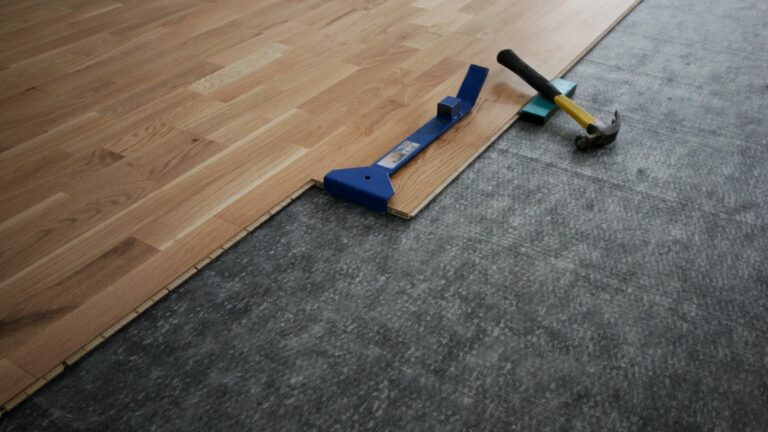
All of it is routine. We punch proud nails and staples, replace butchered boards with reclaimed timber matched for age and section, sand through the grits and finish properly.

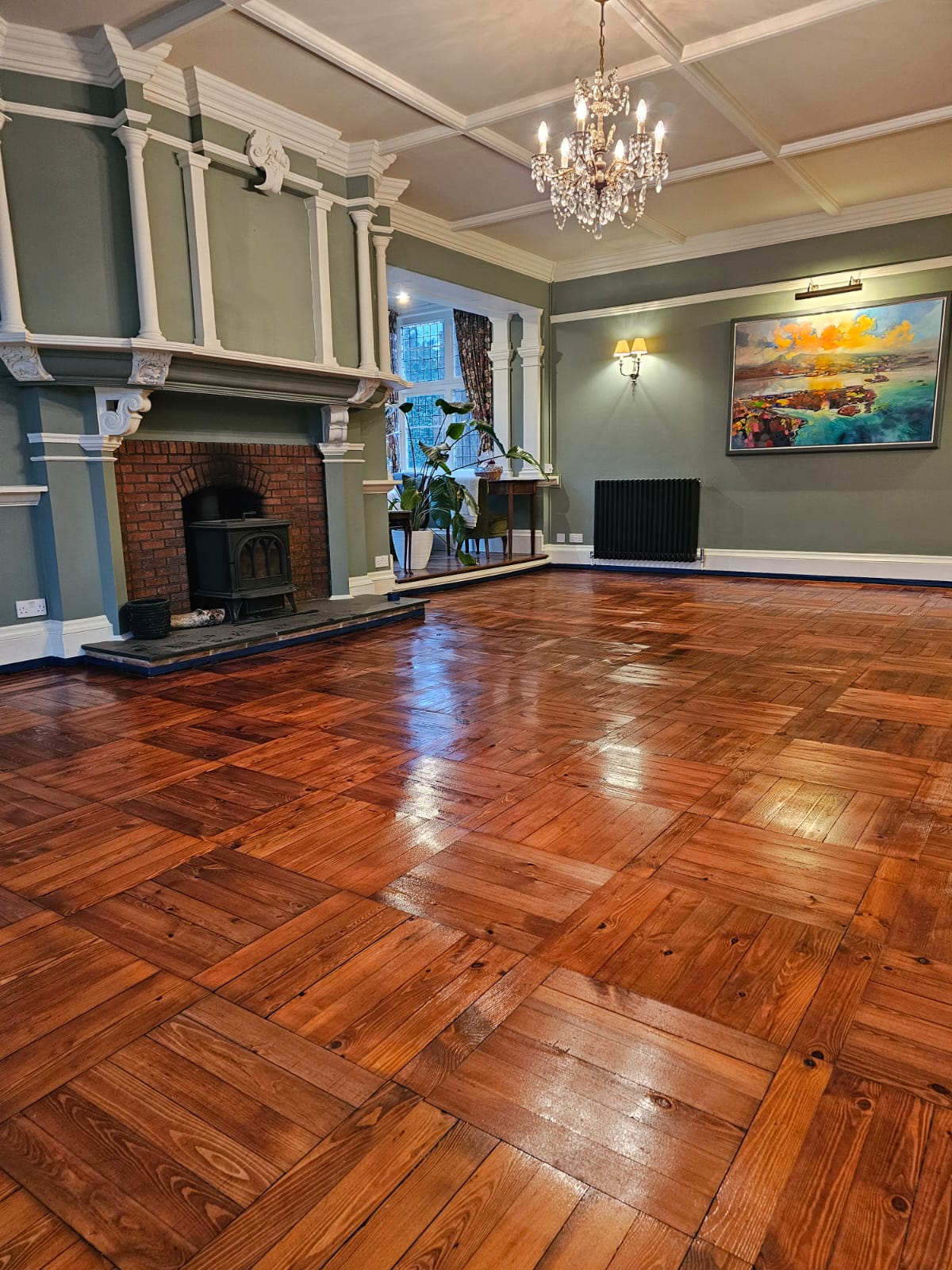
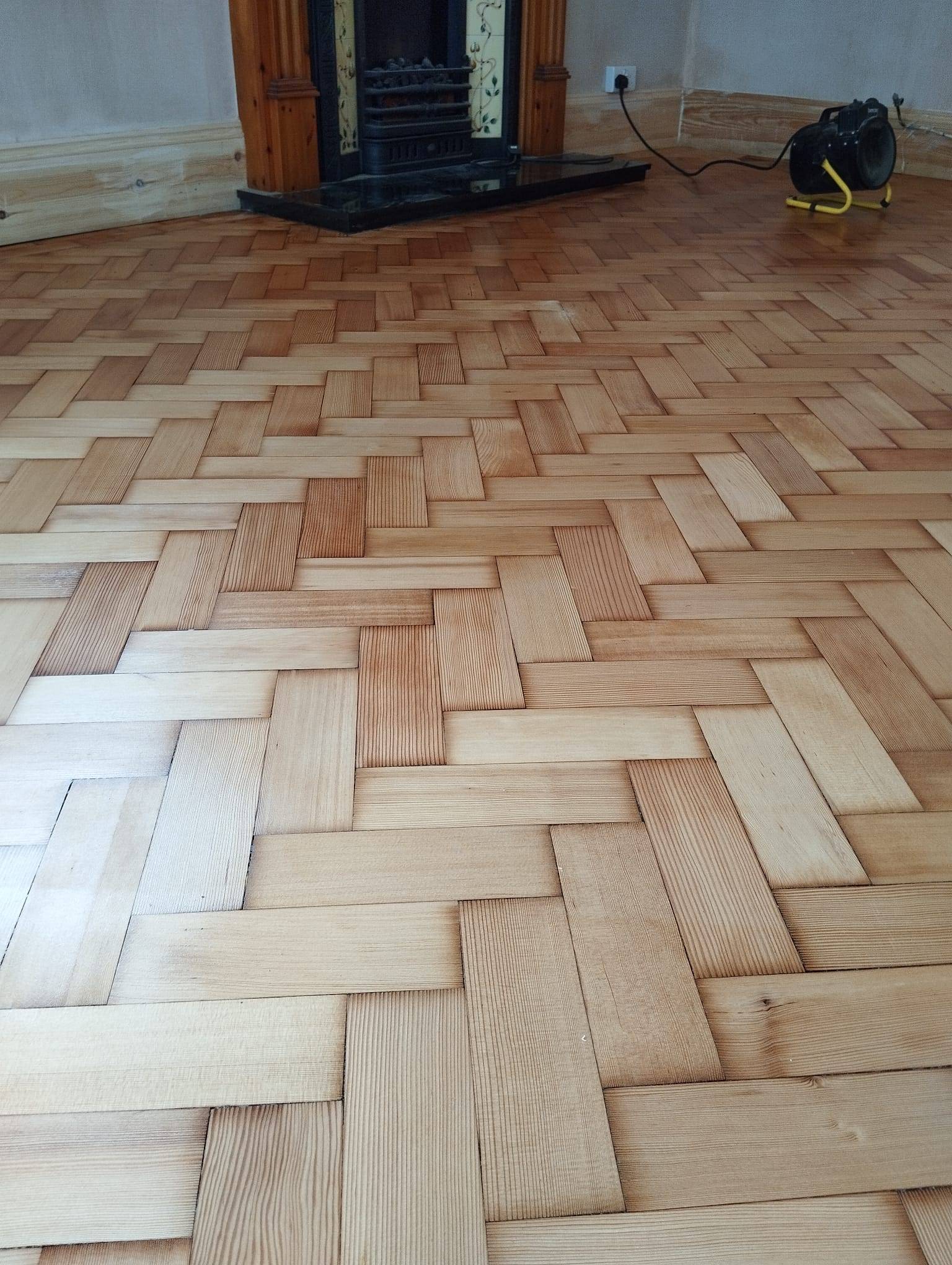
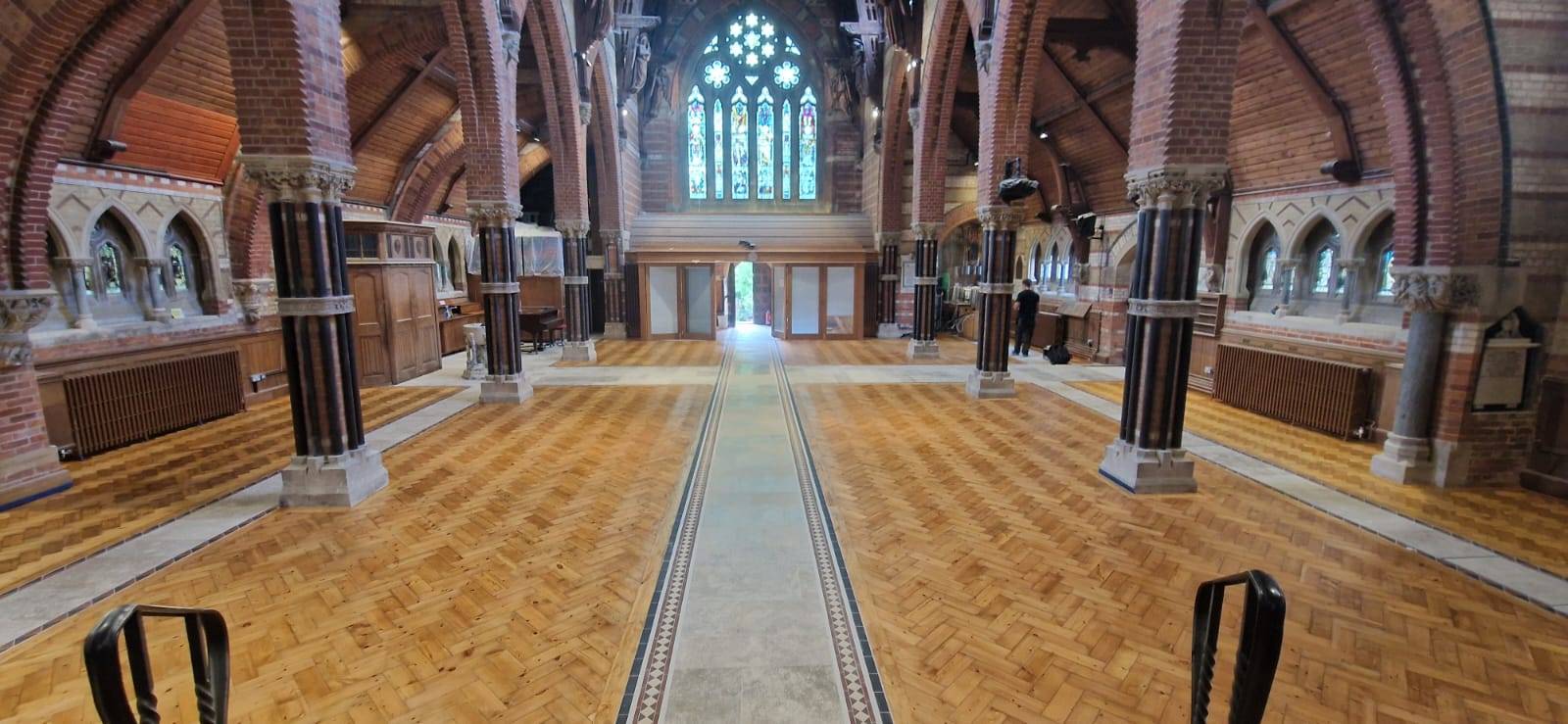
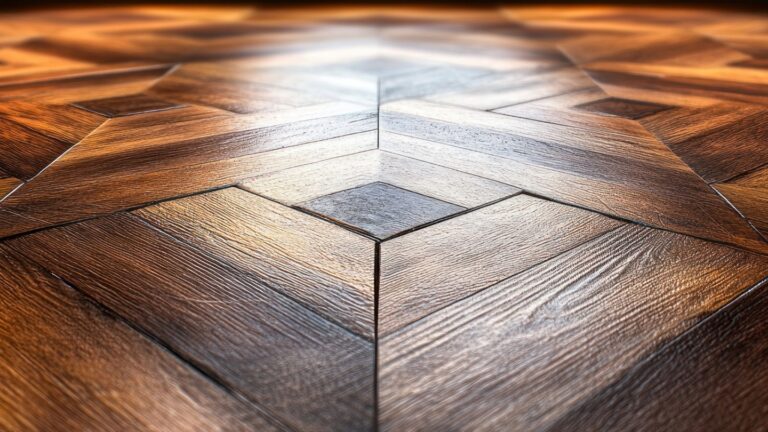
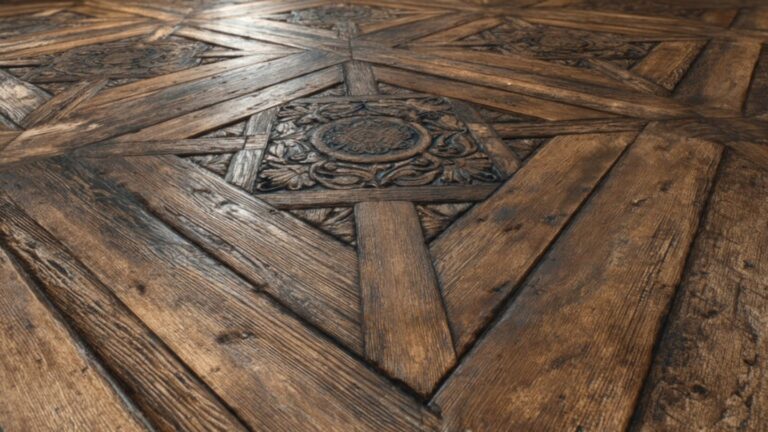
parquet wooden floor sanding
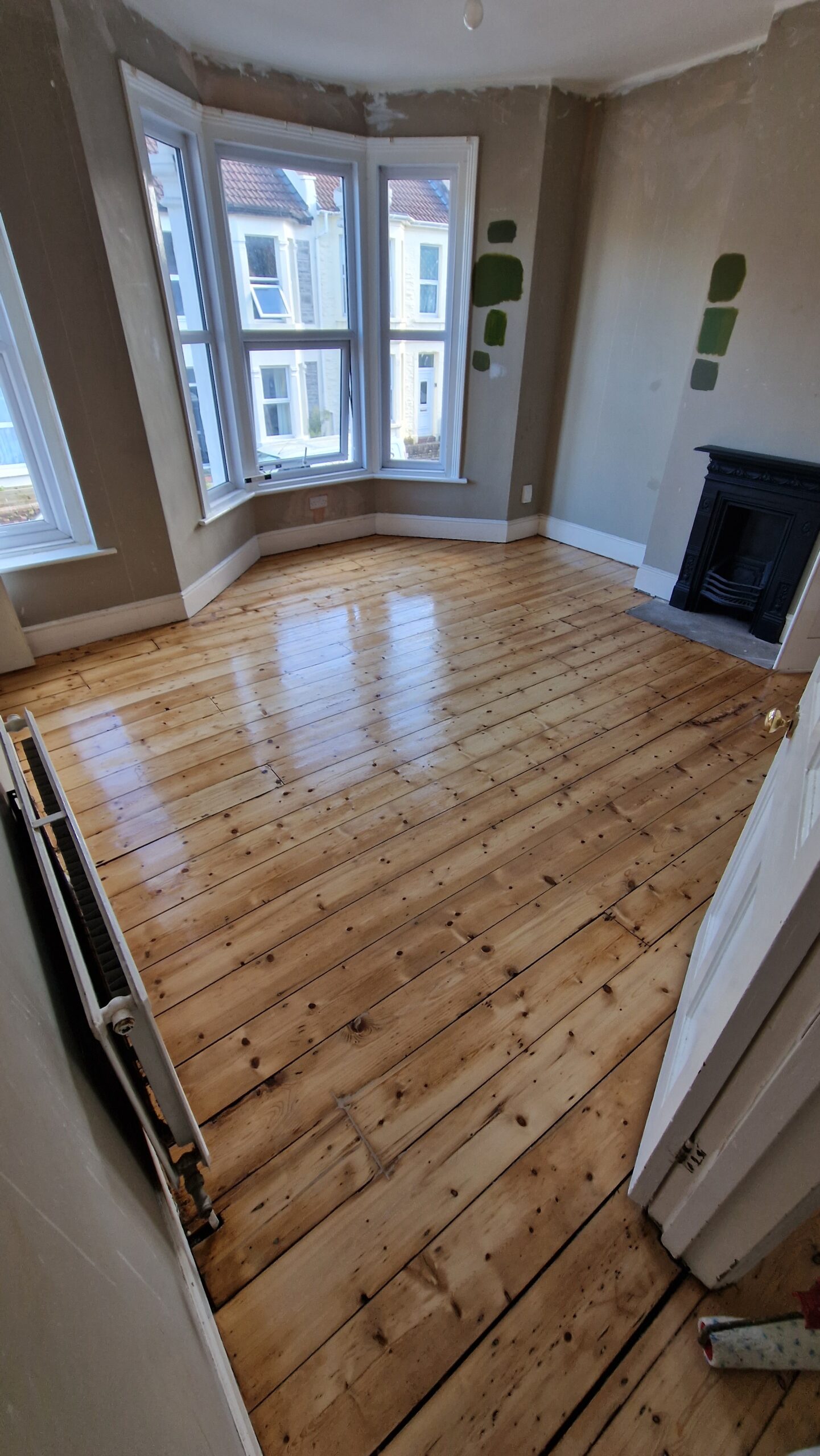
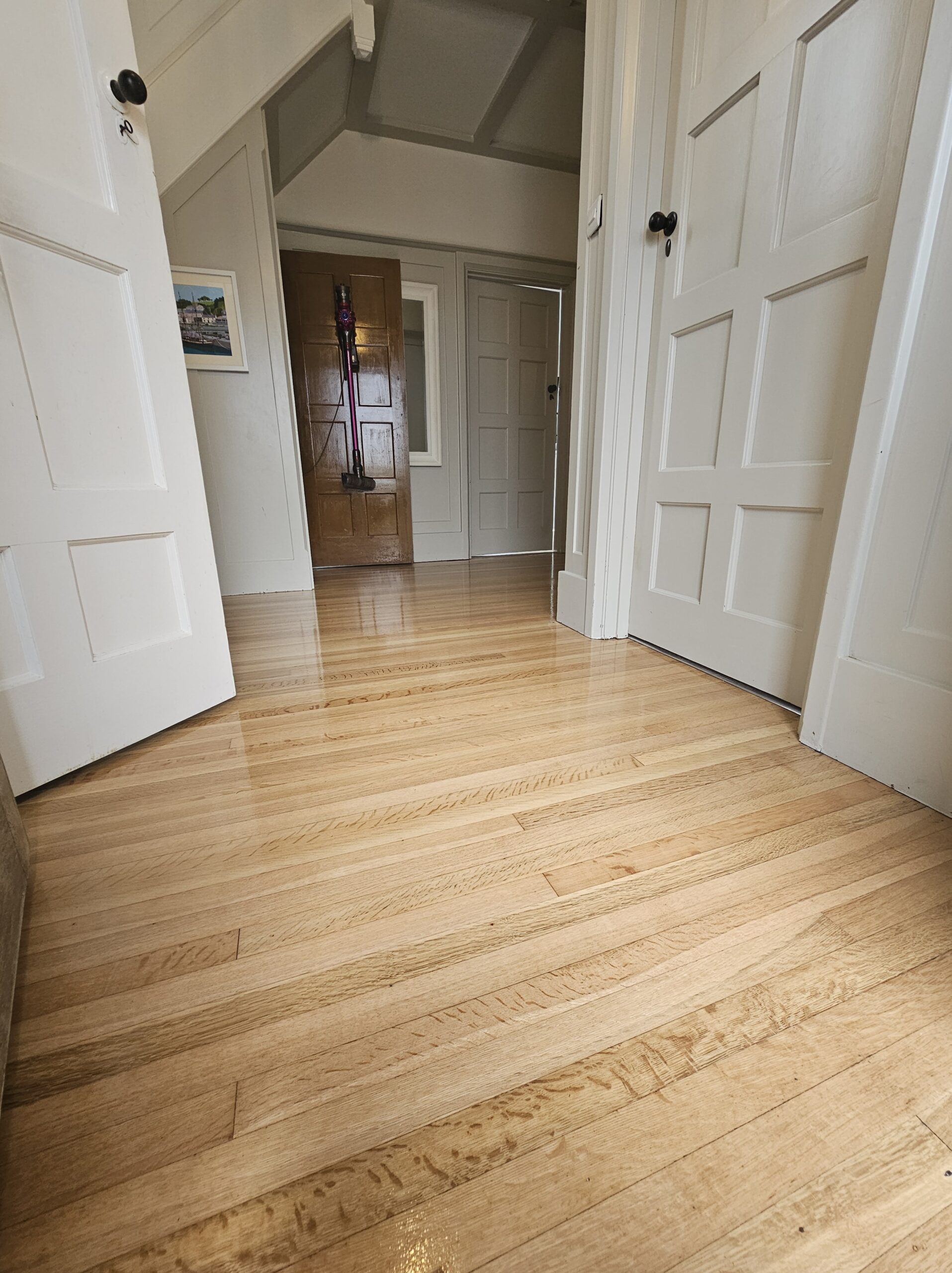
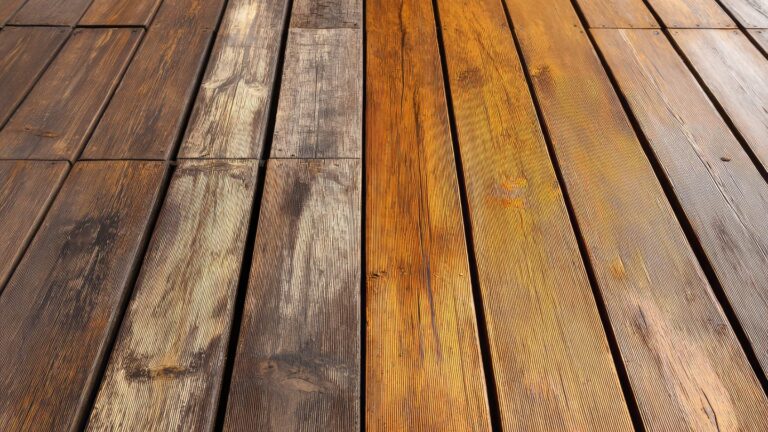
wooden floor sanding

High Ground, Heavy Clay and Damp

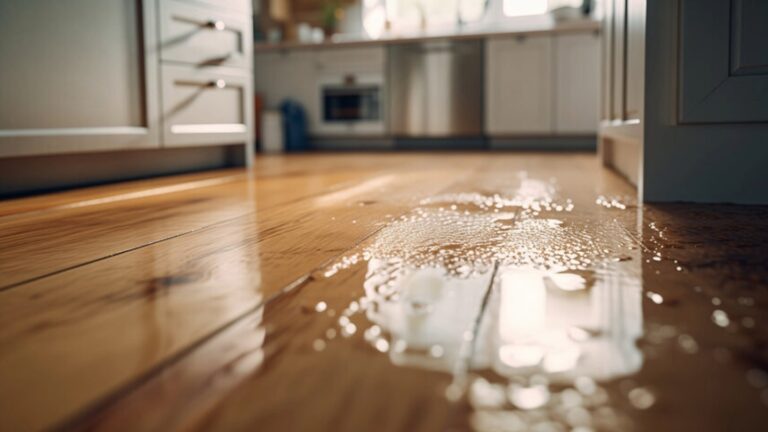
Chard sits high but on heavy ground, and the older parts of town see a good deal of sub-floor damp. Cupped boards near external walls, blown or milky finishes in the same band, and occasionally soft timber at a joist end are all regular findings.

The cause is nearly always ventilation rather than a leak. Airbricks blocked by planting, rendered over or buried by a raised path, or a void sealed with concrete somewhere in the last fifty years.

We take moisture readings before quoting and we will not sand a wet floor, because it will cup again and the finish will fail within a season. We tell you plainly what needs sorting first, which is usually cheaper and simpler than people fear, and come back when the readings are right.

Dust-Free Sanding While You Stay Put

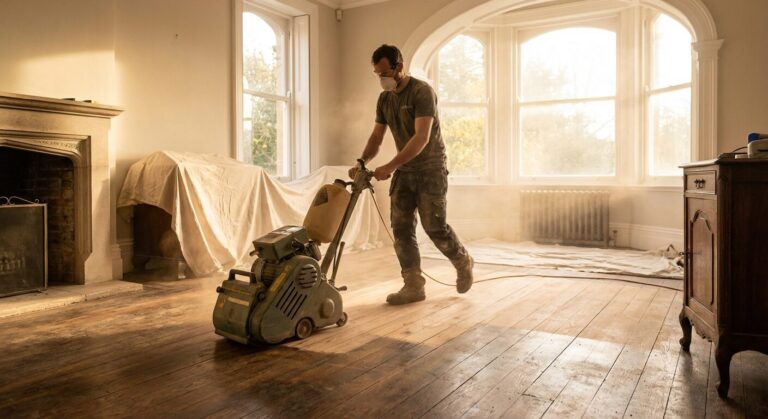
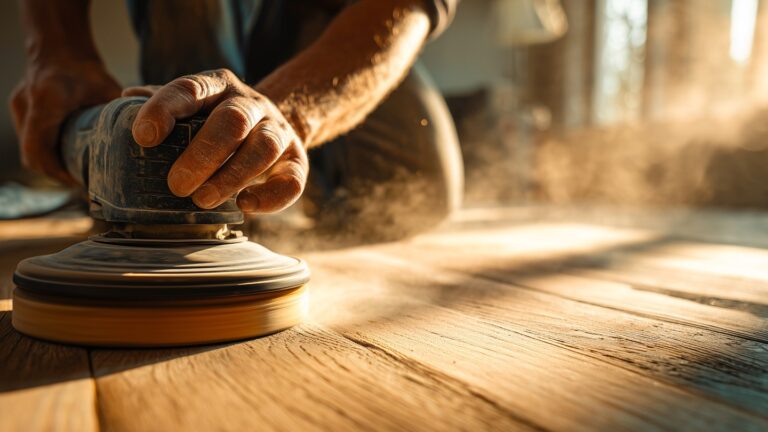
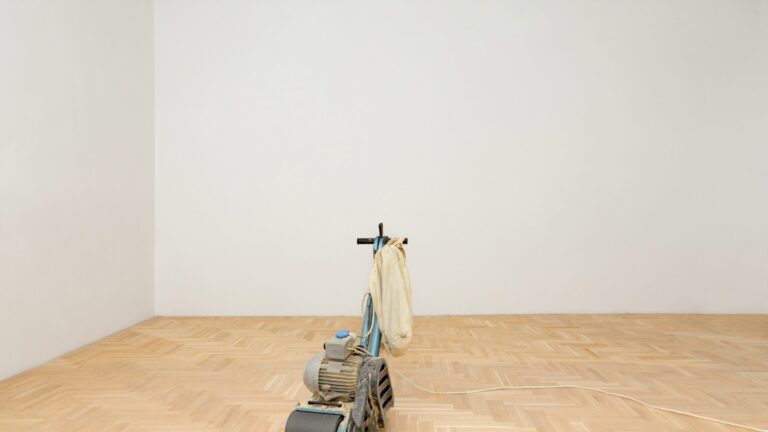
Our machines run to industrial extraction rather than the small cloth bags on hire equipment, which captures the overwhelming majority of dust as it is created.

We sheet doorways, protect what has to stay in the room and clean as we go rather than leaving one large mess at the end.

Nearly all our customers stay in the house while we work. We go room by room, tell you what is out of action on which days and keep a route through so nobody is stranded upstairs. If anyone in the house has asthma, say so at survey and we will take extra steps.

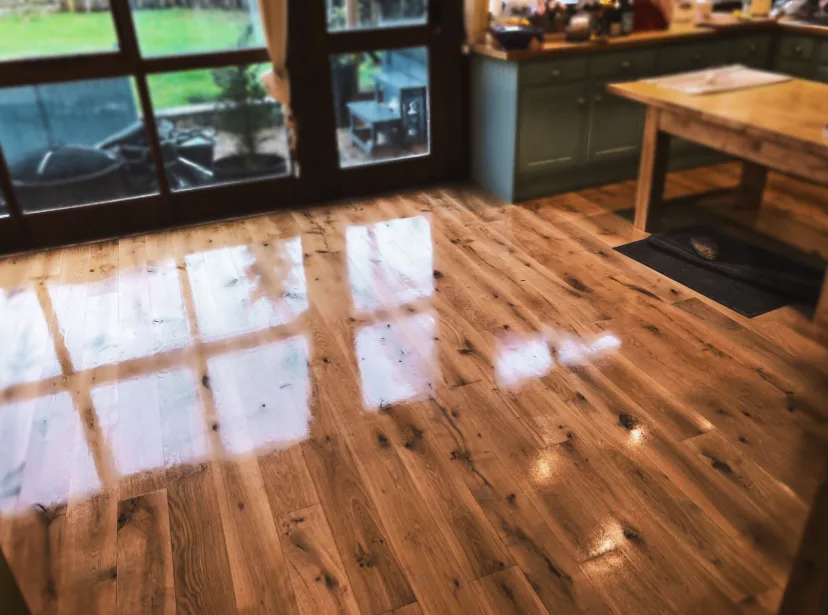
flooring sanding company

Commercial Floors in Chard and Ilminster

We work for pubs, restaurants, cafes, hotels and shops across south Somerset, plus church and village halls, schools, colleges, nurseries, gyms, dance studios and sports halls.

Sports halls and dance floors are sanded back to clean timber, re-marked to the correct governing body specification for badminton, netball, basketball or five-a-side, then sealed with a proper sports system that keeps its grip rather than turning glassy.

Village halls we normally complete inside a single closed week, which suits committees who cannot lose a whole month of bookings. Pubs and restaurants are done overnight or on closed days with fast-cure sealers. School and college floors go into holiday windows, booked a term or more ahead because those weeks are fixed and they fill early.

Finishes and Colour

Hardwax oil is what we fit most often in period Chard property. It penetrates the timber rather than forming a plastic film, keeps the grain visible and can be repaired locally when someone drags a chair across it.

Where a floor takes heavy traffic, a family hallway, a rental, a shop, a two-pack water-based lacquer is harder, cures faster and does not yellow with age.

Old pine takes colour unevenly, particularly where part of it has been shaded by a rug for decades. We lay trial patches on your own boards and leave them a full day so you can judge them in morning light and under lamps before anything is committed.

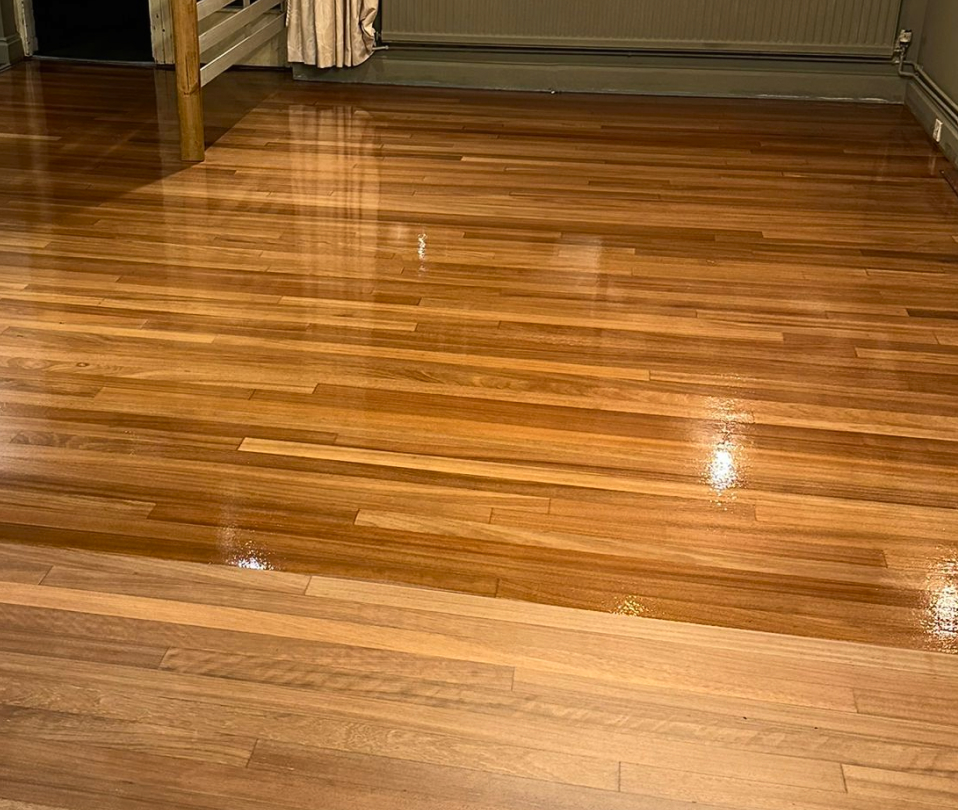
Wood floor sanding company
Floor sanding taunton

Costs, Timings and Booking

Sanding and sealing in Chard generally runs twenty-five to forty pounds a square metre. Parquet is forty to sixty because it is slower and normally needs block repairs. Stairs are priced per tread, and gap filling, board replacement and repairs are quoted line by line.

The survey is free and takes about half an hour. We measure the remaining timber, take moisture readings, look at ventilation and tell you what the floor genuinely needs, including when the honest answer is that it does not need doing yet.

Ring 01823 674562 or use the contact form. A wide photograph of the room and a close one of the worst area will usually get you a realistic range straight away.

Around Chard that means: floor sanding, sealing and parquet restoration for the most part, with board repairs, gap filling and commercial floors on top.

Two guides people find useful: Floor Restoration Techniques for Stunning Results and Maximising the Lifespan of Your Parquet Floors.

Nearby areas we also cover: Crewkerne, Ilminster, Taunton, Wellington and Yeovil. There is a page for each, and the full list of towns is on our areas we cover page.

FAQ: Floor Sanding in Chard

Chard, Ilminster, Crewkerne, Combe St Nicholas, Tatworth, Winsham, Donyatt, Broadway, Chaffcombe and Cricket St Thomas, plus Axminster, Yeovil and Taunton.

Generally twenty-five to forty pounds a square metre for sanding and sealing, and forty to sixty for parquet. Stairs are per tread and repairs quoted separately. Survey and quote are free.

Refinishing an existing floor is normally acceptable, but lifting, replacing or altering historic timber can need listed building consent from Somerset Council. Ask before starting.

Usually narrow pine boards in decent order over a ventilated void. Expect gripper and staple holes, a darker patch where a rug sat and some paint. All routine to put right.

Almost always moisture from a sub-floor void that has stopped breathing. Blocked or rendered-over airbricks and ground raised by a later path are the usual causes.

We run industrial extraction which captures the great majority of dust at the machine. Not literally zero, but nothing like a hired drum sander with a cloth bag.

A single room is around two days and a full downstairs three to four. Oil wants a day before light use and a week before rugs go back down.

Yes, nearly everyone does. We work room by room, keep a route through and tell you clearly which rooms are out of use on which days.

Yes. In older property we generally recommend timber slivers rather than resin, because the boards still move with the seasons and slivers move with them.

Usually yes. We plan village hall work around a single closed week wherever possible, including sanding, any line marking and sealing, so bookings are barely interrupted.

Ryan's Restoration
4.9
Based on 114 reviews
×
js_loader