45 years’ experience  ·  Rated 4.9 on Google  ·  Family-run, from our workshop near Wellington

45 years’ experience · Rated 4.9 on Google · Family-run

Floor Sanding and Wood Floor Restoration in Woolacombe

Floor sanding and refinishing for Woolacombe holiday lets, lodges and seaside homes, planned around guest changeovers and finished for safe barefoot use.

QUICK QUOTATION

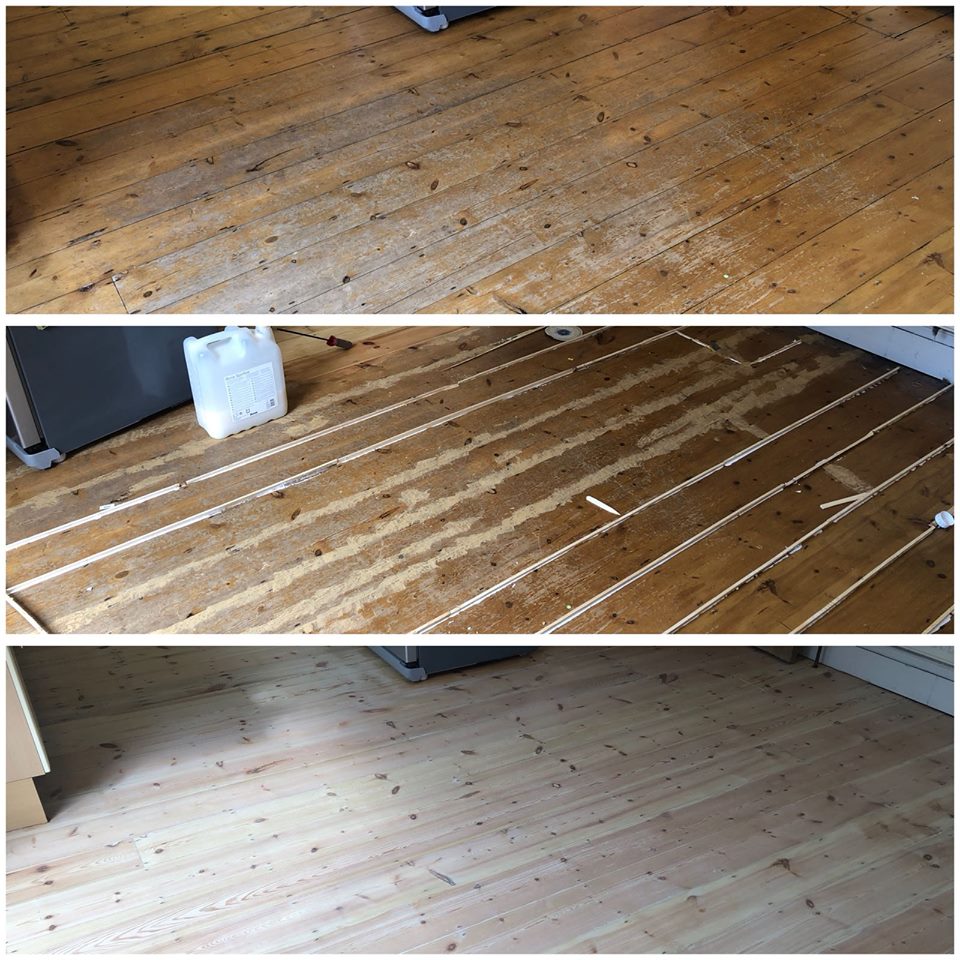
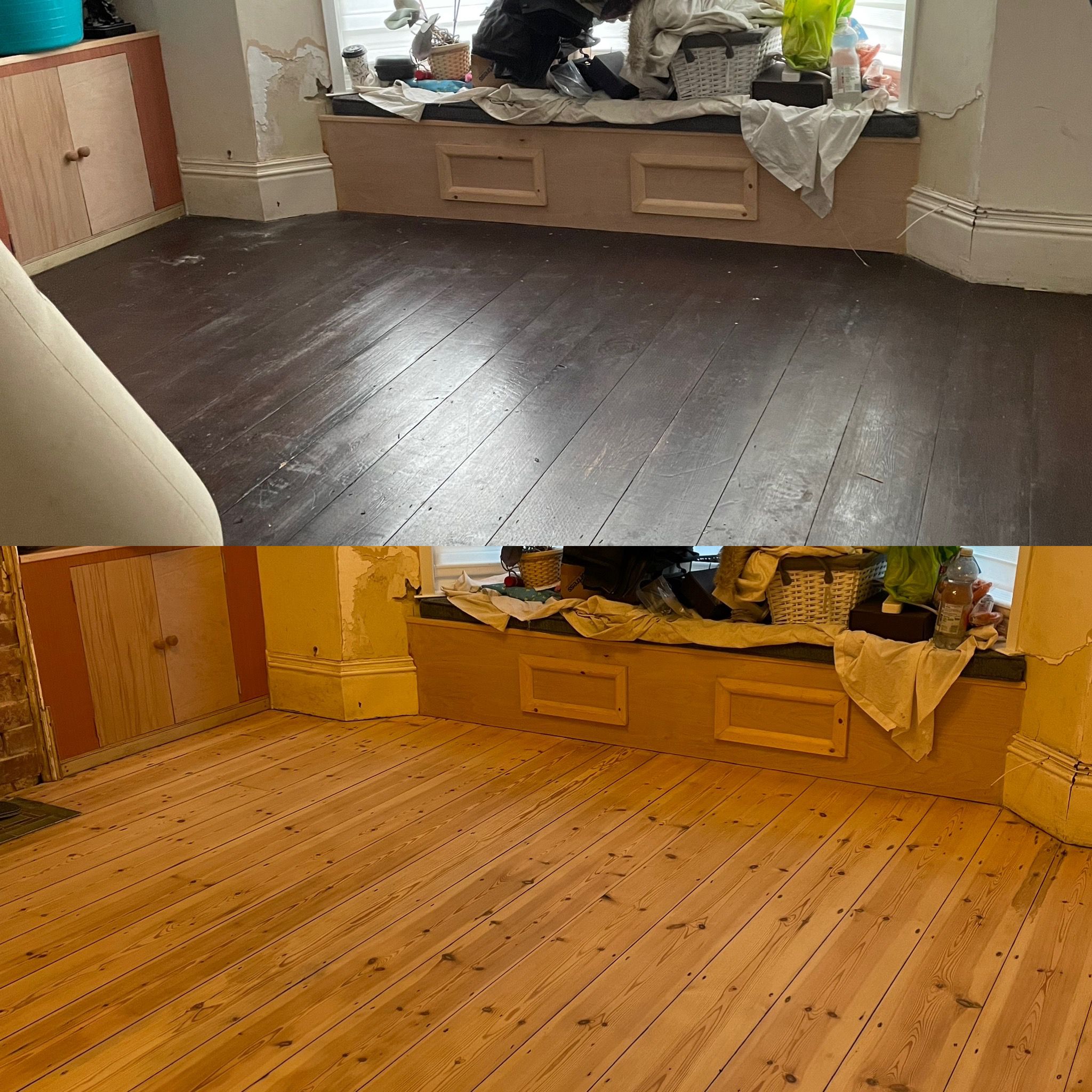
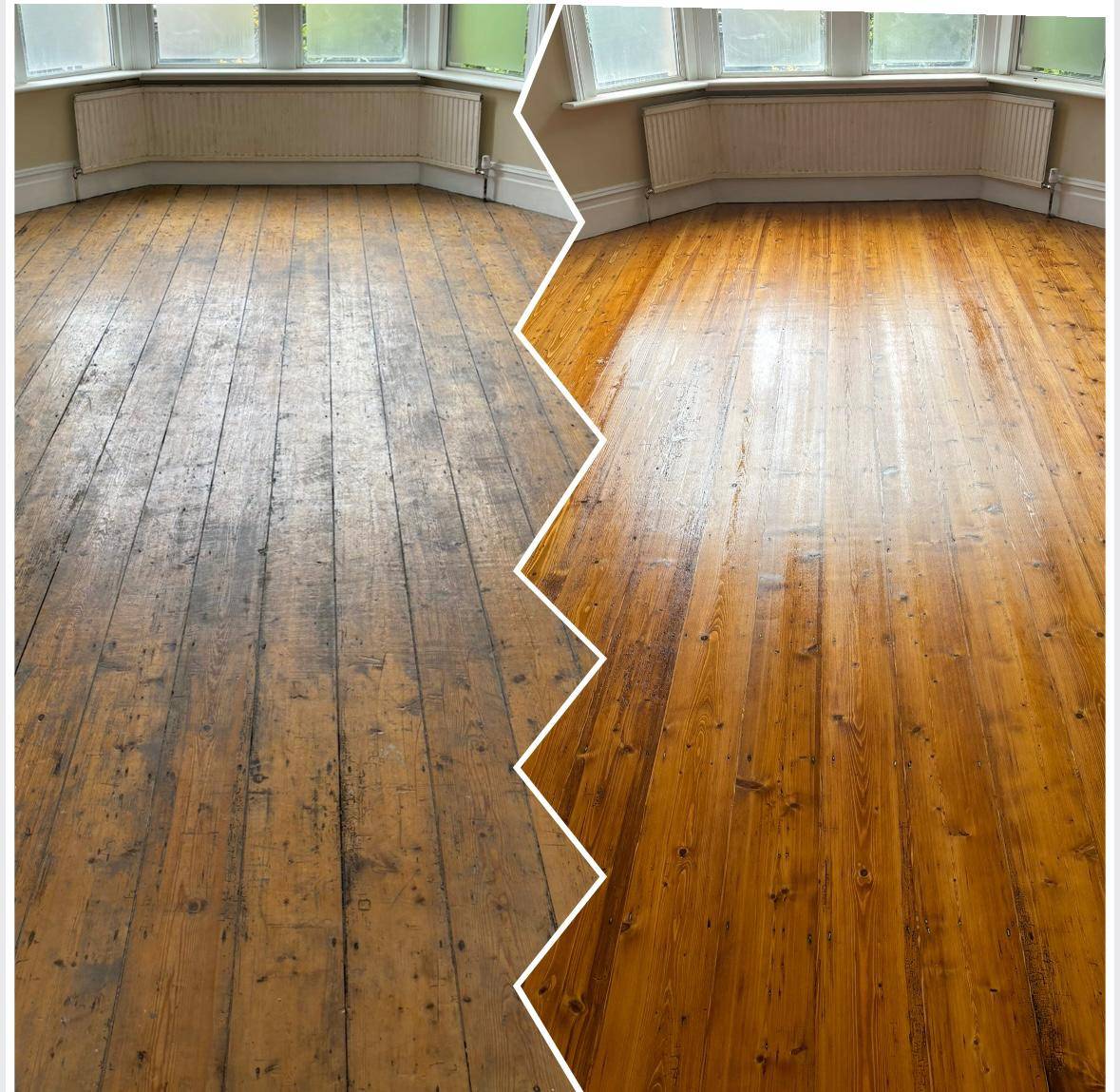
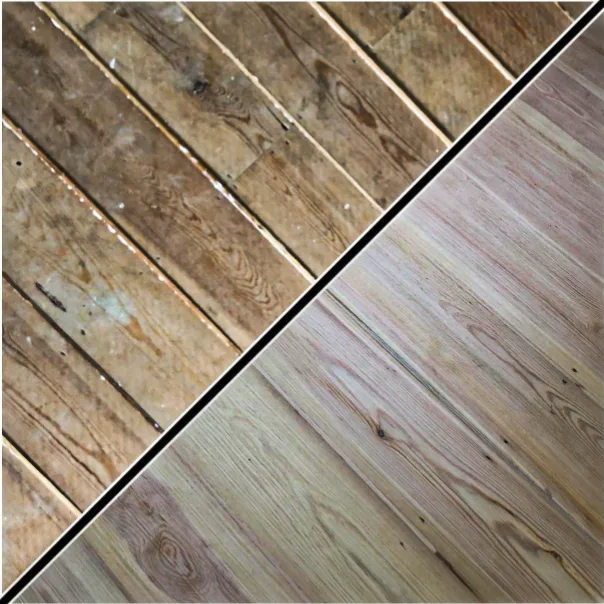
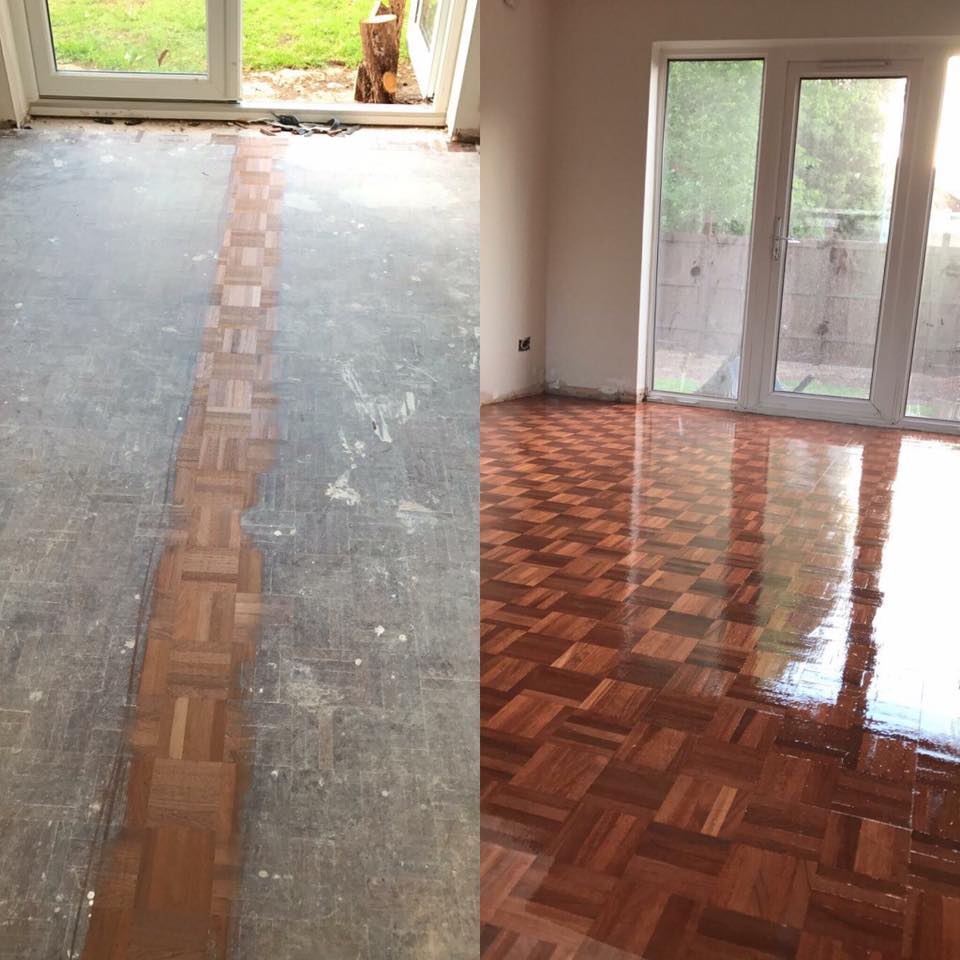
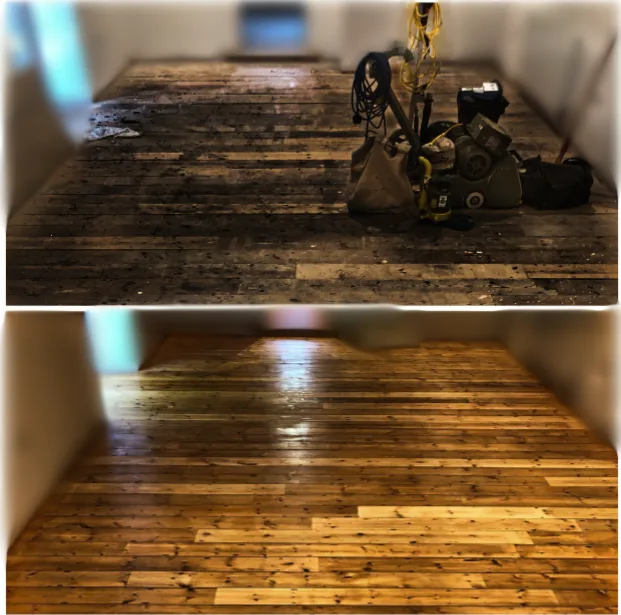
Floor sanding before and after

Floor Sanding in Woolacombe for Homes and Holiday Lets

A large part of Woolacombe’s housing is let to visitors for at least some of the year, and that changes what a timber floor goes through. A family home sees the same few people walk the same routes. A holiday let sees a different group every week, many of them arriving straight from the beach with sand on their feet, suitcases on wheels, buckets and spades, and in some cases a wet dog. The owner is usually miles away while all this happens. By October the evidence is plain: a cloudy, scuffed track from the porch to the fridge, and a greyed square of boards beside the bunk beds where damp beach towels spent the summer.

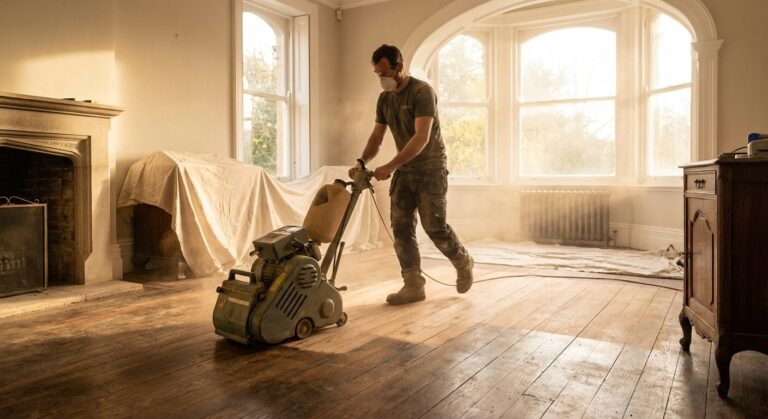
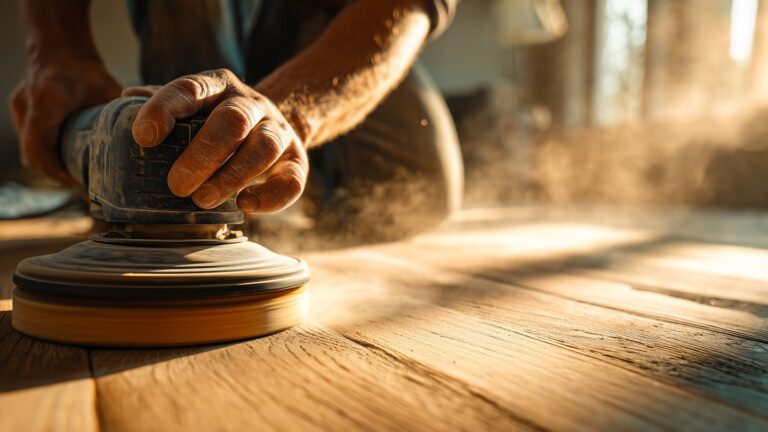
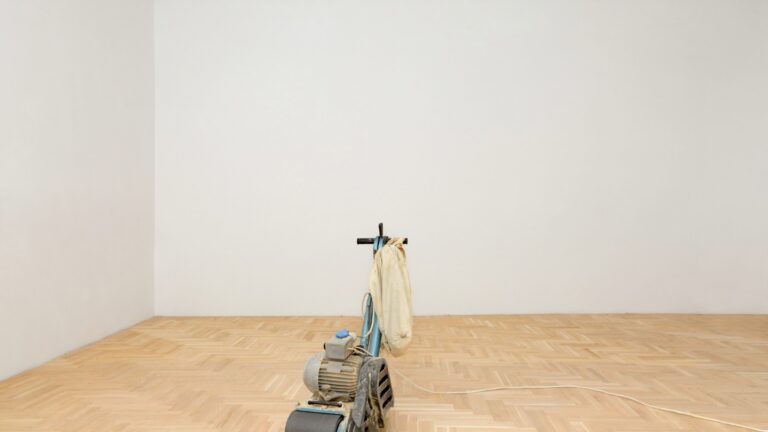
Floor sanding in Woolacombe is mostly about bringing those floors back to an even, sealed surface in a way that fits around the letting calendar. The technical part is the same as anywhere. Rugs, beds and sofas are moved out, any carpet or underlay is lifted, nails are set below the surface, and the floor is cut back with a large belt or drum machine on a coarse grit to remove the old finish. Lighter papers follow, every grade there solely to wipe out the marks of the one before, then a rotary edger runs round the walls and a hand scraper goes into the angles behind doors. Sand is a hazard during that process, because grains trapped in the joints can be thrown out under the machine and leave curved scratches, so the gaps are cleaned out thoroughly first.

In a let full of soft furnishings, cushions and a linen cupboard, controlling dust matters. Our sanders run with sealed extraction, so the fine powder goes into collection rather than into the curtains, and the description of dust-free floor sanding explains how close that comes to dust-free in practice. See how we sand wooden floors for the full sequence, and floor sanding around Devon for the rest of the county. From our base near Wellington the family team makes the run up to Woolacombe and Mortehoe as part of its normal North Devon work, not as a one-off trip.
Fitting Wood Floor Restoration in Woolacombe Around the Letting Calendar

The question most holiday let owners ask first is not about finishes at all but about time. A standard changeover gives a cleaning team a few hours between one group leaving and the next arriving, and no proper sanding job fits into that. The coating also has to be left alone once it is down. Your cleaner can cross it in socks the next day, but beds, the dining set and the sofa bed belong in the garage or a spare room for another two or three days, while the hall runner is best kept rolled up for a fortnight. That means any wood floor restoration in Woolacombe has to be planned as a short closure rather than squeezed into a turnaround.

The most common solution is to book the work outside the main season. Between October and Easter, many lets have gaps in their calendar, and a run of three or four free days is usually enough for an ordinary two- or three-bedroom property with sound boards. A typical sequence would be clearing furniture and doing any repairs on the first day, sanding through the grits and applying the first coats on the second, and final coats on the third, with the furniture moved back once the finish is hard enough. More rooms, extensive repairs or an oil finish with longer drying times between coats will add to that.

For owners who cannot leave a property empty for long, the work can be split. One floor or one wing is done during one gap in bookings and the remainder during the next. The difficulty is matching the finish, because two areas sanded months apart may age differently for a while, so the split is best made at a natural break, such as a doorway threshold or a change from one floor level to another.

It is also worth thinking about smell. Water-based lacquers have very little odour once dry, while some oil-based products and oils linger longer, which matters if guests are arriving shortly after the work. Good ventilation, an extra day or two of airing and the choice of a water-based product all help. Our wood floor restoration page has more about the process as a whole, and hotel and guest accommodation floors covers the phasing used in larger properties.

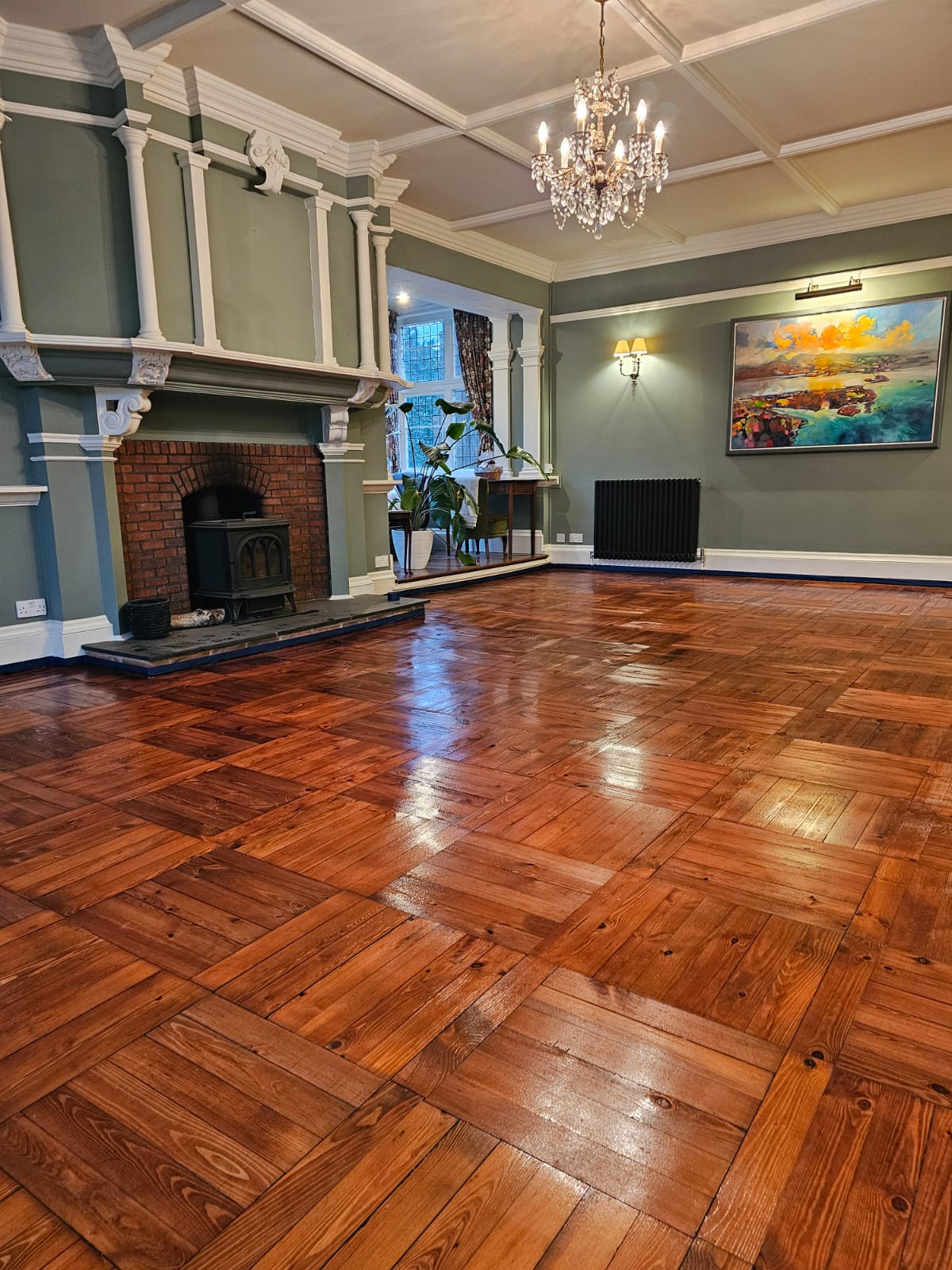
parquet wooden floor sanding
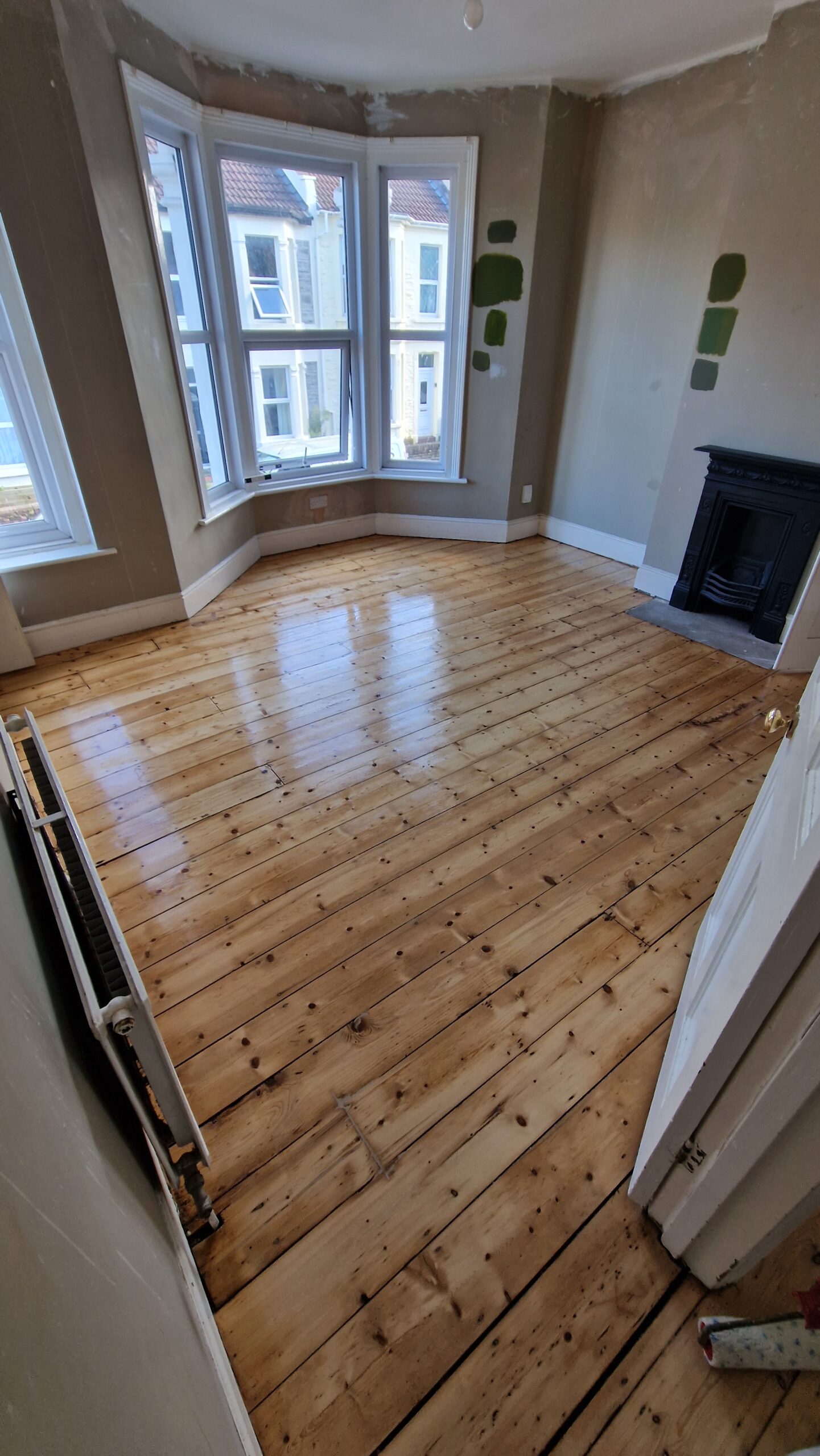
wooden floor sanding

Commercial Floor Sanding in Woolacombe: Holiday Parks, Clubhouses and Beach Cafés

The holiday parks around Woolacombe bring a different scale of work. Their reception buildings, bars, restaurants, entertainment rooms and function spaces often have large timber floors that take thousands of visitors over a summer, many in flip-flops and beach shoes carrying sand straight off the dunes. Most commercial floor sanding in Woolacombe’s parks is therefore booked for the weeks when the gates are shut, so a whole clubhouse can be stripped back and recoated with nobody on site but the maintenance team.

Lodges themselves vary. Higher-end lodges may have real timber, solid or engineered, which sands like a house floor. Static caravans and plenty of lodges use laminate or vinyl plank, and for those the only route is replacement. Telling the two apart is one of the first things looked at on a survey.

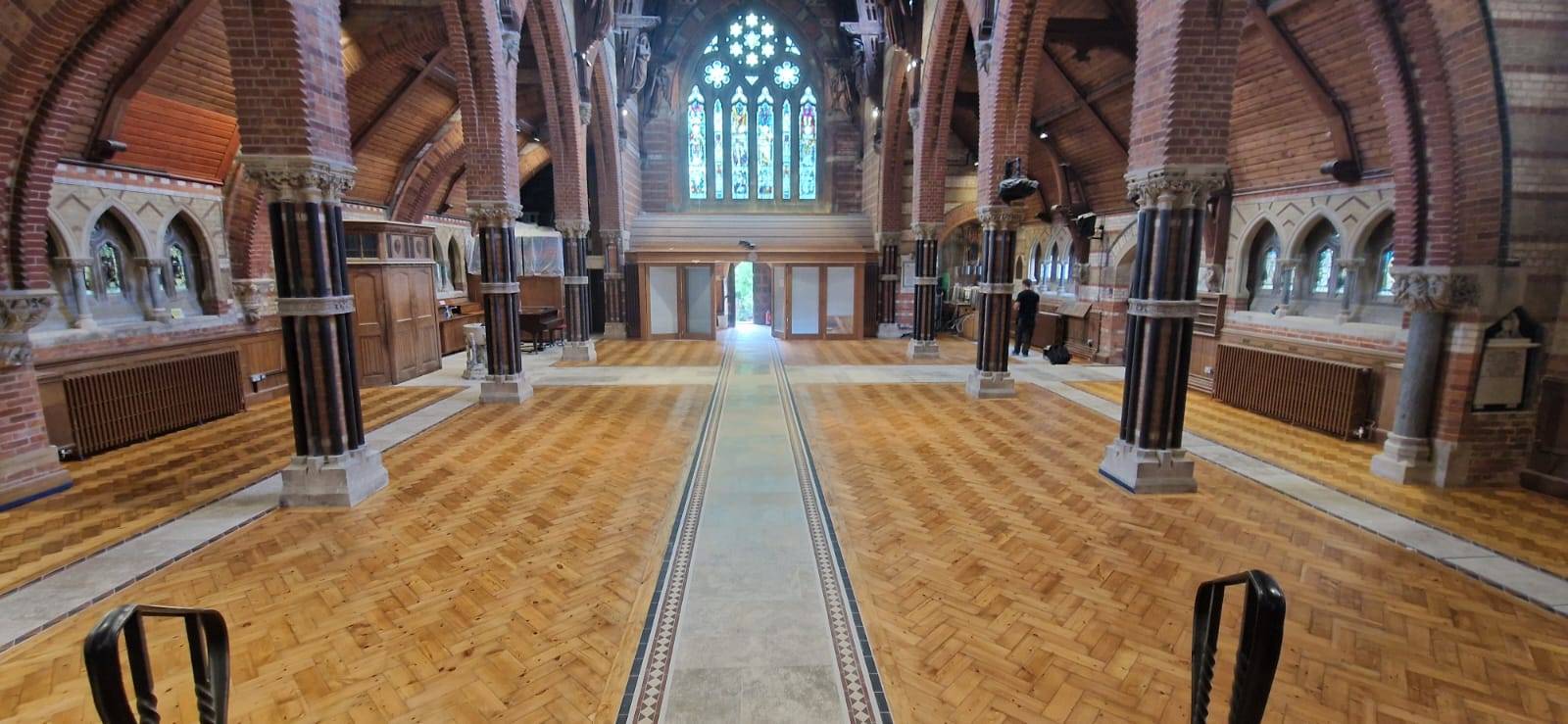
A clubhouse dance floor is a particular case. The finish has to allow dancers to turn without catching, yet grip well enough that someone in wet flip-flops does not slip near the bar. A sports or dance-grade lacquer is designed to sit in that range, and the floor’s sheen and its cleaning regime both affect the result. For larger parks with an indoor sports space, court lines can be set out again after sanding to the governing body’s specification, painted by our own team before the final coats go over them. Our pages on dance floor sanding and sports hall floors go into detail.

Beach cafés and bars along the seafront face the same sand problem on a smaller scale. A two-component lacquer, cured with a hardener mixed on site, is usually the right choice for a busy hospitality floor because it shrugs off spills, mopping and abrasion. Work can run overnight, with fast-curing coats, or on closed days, and dates can be secured early so they do not clash with a bank holiday or a surf event. Park operators usually have their own health and safety file, and a method statement for the job, our insurance paperwork and referees can all be supplied to go into it. For planning advice see our commercial floor sanding service, and for bars and food outlets specifically, sanding restaurant and bar floors.

Sheen, Slip and Sun Cream: Choosing a Finish People Walk on Barefoot

In a seaside holiday property, a large share of the people walking across the floor are barefoot or in damp flip-flops, and that brings safety into the choice of finish in a way it rarely does in an ordinary home. Many owners assume that a glossy floor is slippery and a matt one is not. That is only partly true, and it helps to understand why.

Sheen is a measure of how much light the surface reflects. Floor finishes are usually sold as gloss, semi-gloss, satin, matt and extra matt, from very reflective down to almost none. A matt or extra-matt lacquer contains fine particles that scatter light, which makes the floor look closer to bare wood and hides fine scratches and footprints, a real advantage in a let where nobody has time to buff out marks between guests. But sheen and slip resistance are separate properties. A matt finish is not automatically grippier, and some gloss products are formulated with good slip resistance. In general terms, slip resistance on floors in the UK is usually assessed with a pendulum test, which gives a figure for how much grip a surface offers under a rubber slider, both dry and wet; some manufacturers publish those figures, and it is worth asking for them on any finish proposed for a high-risk area.

What really makes a floor slippery is what is on top of it. Dry sand acts like a layer of tiny ball bearings under a bare foot. Water on a sealed floor reduces grip sharply. Sun cream is one that catches people out: the oils transfer from feet and hands to the boards and leave a greasy film that is surprisingly slick. Cleaning products that promise shine often leave a polish residue that builds up week by week. In a holiday let, a good cleaning routine with a pH-neutral cleaner and no shine-enhancing products does more for slip resistance than the choice of sheen.

For a typical Woolacombe let, a hard-wearing lacquer, either water-based or two-pack, at matt or satin, makes most sense, and where a hallway meets an outdoor shower a version with anti-slip particles is worth asking about. Oiled finishes feel pleasant underfoot and can be patched easily, but they need regular maintenance that a busy letting schedule may not allow. Wax is best avoided in a let altogether. Each of the options has its own page: lacquers and sealers, oils and hard wax oils and traditional wax. Owners refreshing a let’s colour scheme can see how a sample is trialled on the boards under changing a floor’s colour. Those wanting a traditional shine in a private home can read about polishing wood floors.

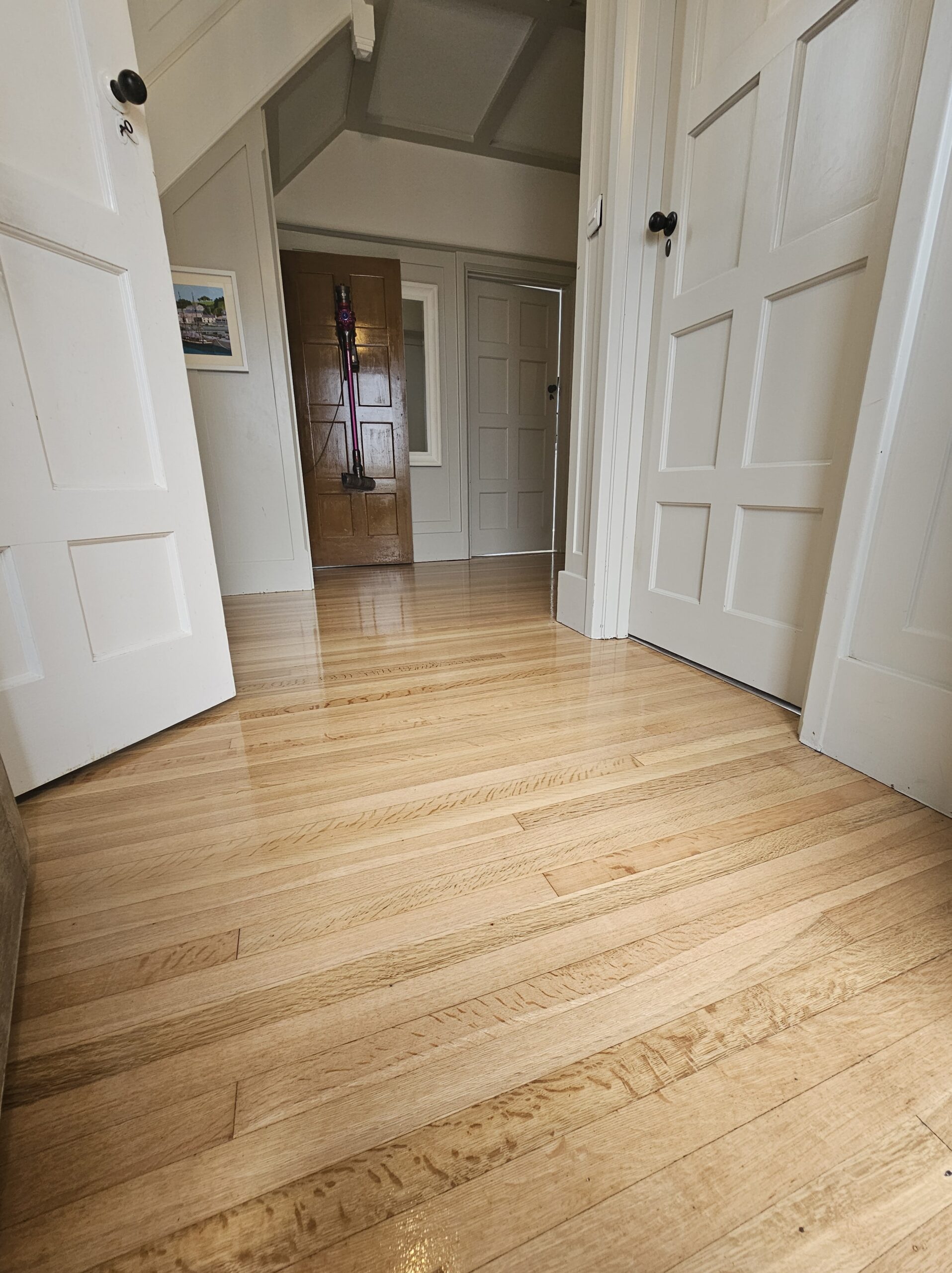
flooring sanding company
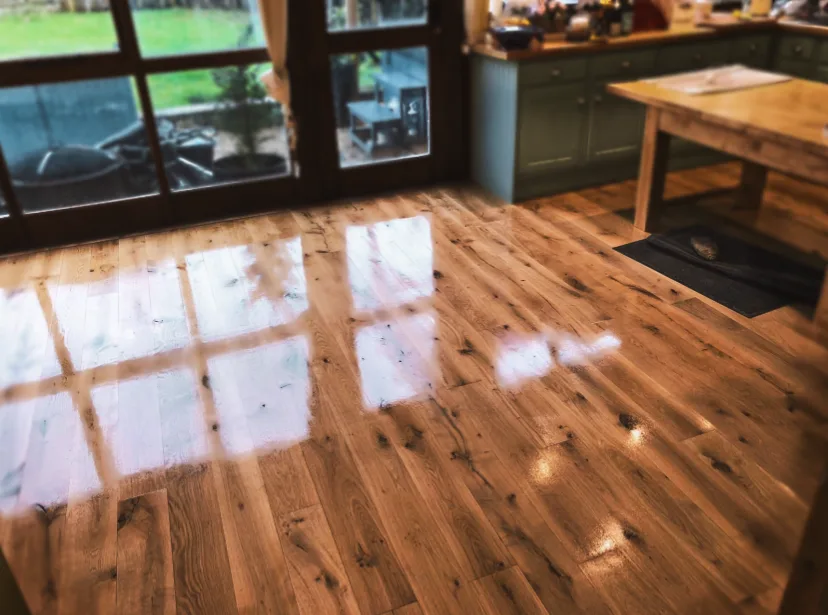
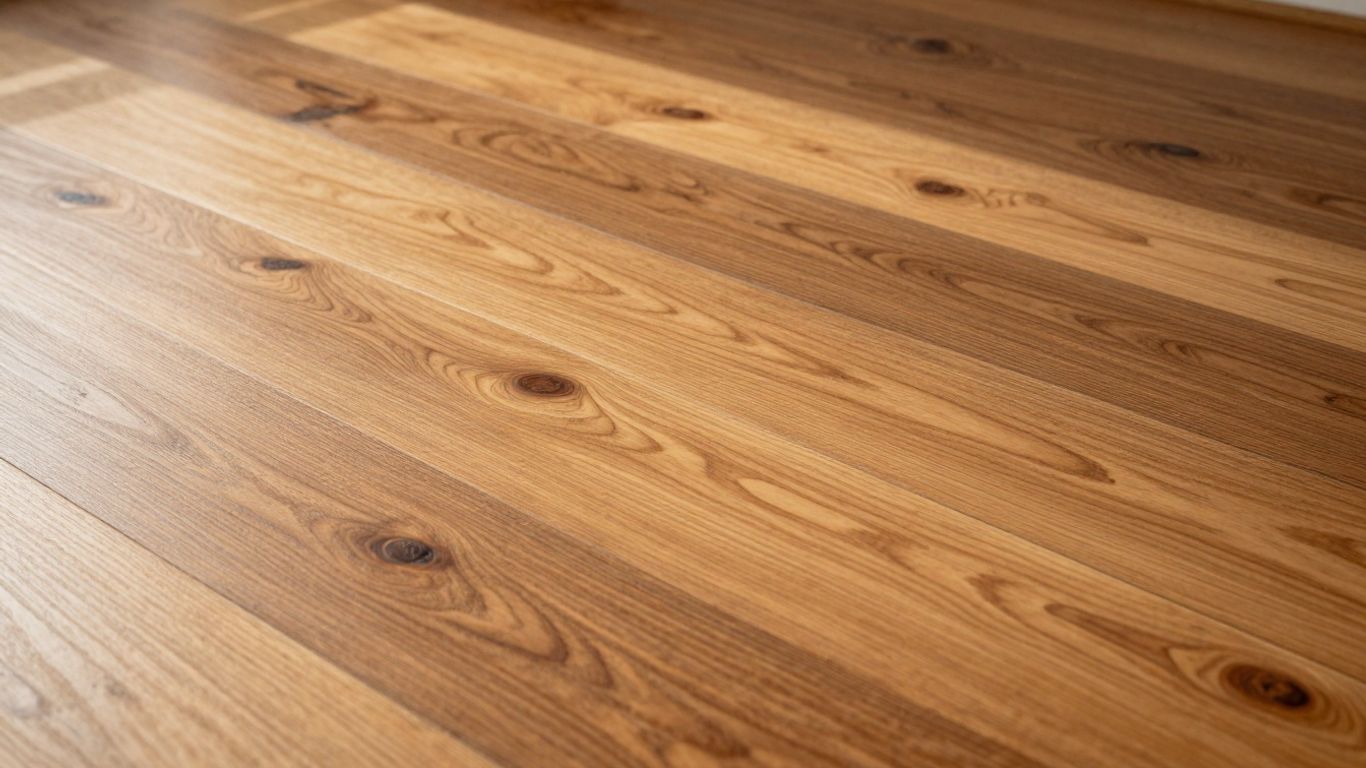
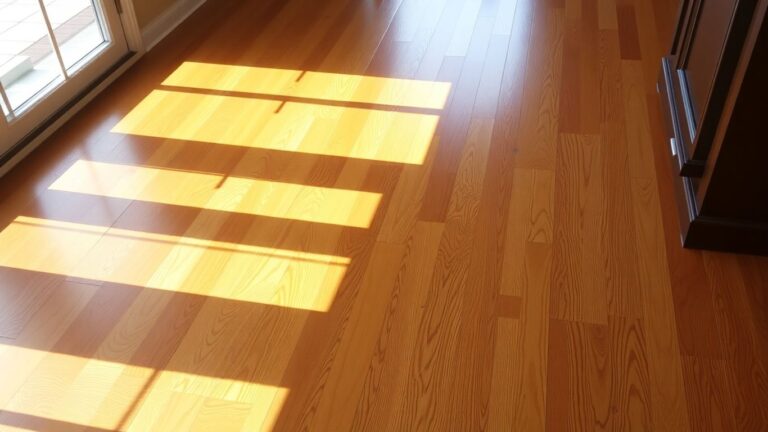
Sunlight across freshly lacquered wooden floorboards

Suitcase Wheels, Paddleboards and Dog Claws: Repairs Between Seasons

End-of-season damage in a let tends to follow a pattern. Suitcase wheels and the edges of hard luggage leave grooves along the hallway. Paddleboards and surfboards propped against a wall get knocked over and dent the boards where they land. Visitors’ dogs, however well behaved, scratch through the finish near doors and around the sofa. Sand trapped under a chair leg scores an arc in the kitchen. Most of that is surface damage, which a full sand removes, but deeper dents and gouges may remain unless enough timber is taken off, and that is not always wise. Our scratch and dent repair page explains how each type of mark is dealt with.

Water causes the deeper problems. A shower tray that has leaked for weeks unnoticed, a washing machine hose that failed between guests or wet towels left on the bedroom floor can soak boards until they cup, darken or rot. Where a board has gone soft, black or split, it is cut out and replaced. Our reclaimed timber stock means that a ruined board beside a leaky shower can be swapped for one that has already had decades to darken and settle, rather than a raw new plank that guests would spot from the doorway. The floorboard replacement page covers the method, and more serious structural problems are handled under wooden floor repairs.

Over a winter with the heating ticking over in an empty let, boards dry and the joints open; by July they have swollen shut again. In a let, open gaps collect sand and dirt that guests cannot clean out. Resin and sanding dust fill fine gaps; thin timber slivers glued along one edge suit wider ones, as described on our gap filling page. Creaking boards, which guests often mention in reviews, are usually caused by loose nails or boards rubbing at the tongues, and can be fixed by screwing the boards down into the joists; see squeaky floor repairs. The differences between the two main timbers are worth knowing: see restoring oak floors and restoring pine boards.

Parquet Hallways and Open-Tread Staircases in Woolacombe Houses

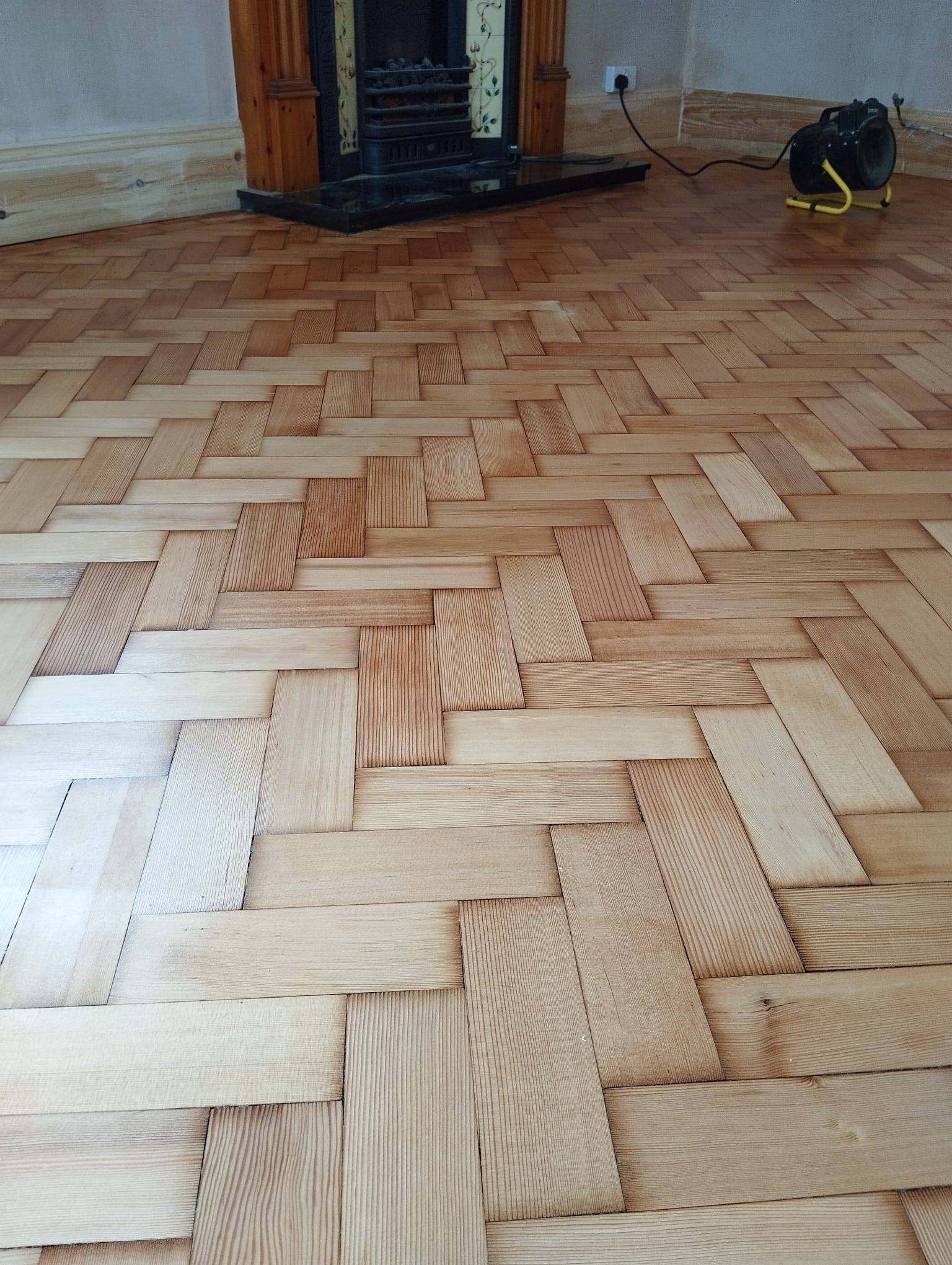
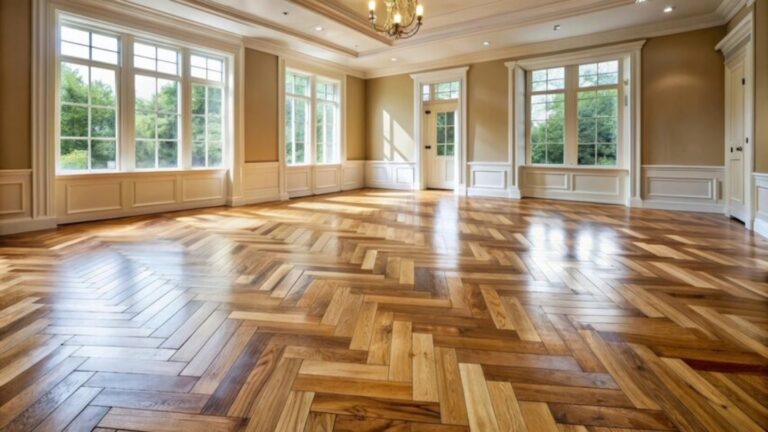
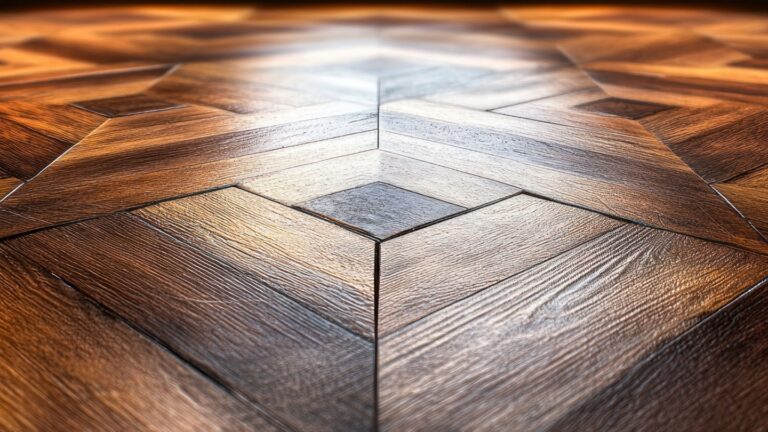
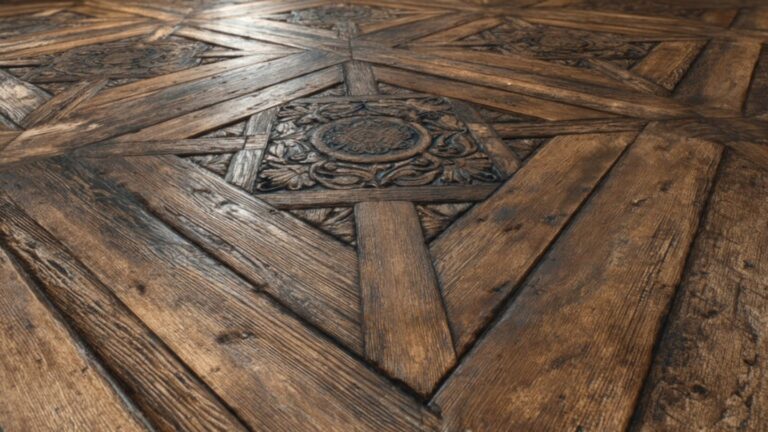
Parquet occasionally turns up in Woolacombe’s older houses and in some mid-century properties, often as a herringbone hallway that has been carpeted over for years. The usual problem is loose blocks, caused by the original adhesive, frequently bitumen, losing its bond with age. Before sanding, the loose blocks are located by tapping, lifted and re-stuck, and any missing ones are made good with matching timber. Sand is more of an issue in parquet than in boards, because of the large number of joints, so the floor needs cleaning very thoroughly before any machine goes near it. Parquet floor sanding is then done diagonally across the pattern and finished with a multi-disc machine. There is more on sanding woodblock and herringbone, and photographs of a block floor we sanded and sealed in Paignton.

Staircases in holiday homes take punishment too, because guests carry luggage up and down them on the first and last day of every stay, and children run up and down with sand on their feet in between. Contemporary beach houses and lodges often have open stairs without risers, where the underside of each tread is on show from below and the front edges get clipped by every suitcase on the way up. Older houses have conventional enclosed stairs, often with a worn central strip and painted edges from an old runner. Either way, stair sanding is done by hand-held machine and scraper, with the nosings shaped by hand. On stairs in a let, a slip-resistant lacquer is especially worth considering, and some owners choose to fit anti-slip nosing strips as well. See stair sanding for more.

Wood floor sanding company
Floor sanding taunton

Housekeeping Routines, Replacement Floors and Next Steps in Woolacombe

The cleaning team at a holiday let has a huge effect on how long a floor lasts, so it helps to give them clear guidance. Sand should be vacuumed or swept up before any mopping, because wet sand dragged by a mop scratches more than dry sand. Mops should be damp rather than wet, and the cleaner should be a pH-neutral product made for finished wood floors. Steam mops, bleach and shine-boosting products all shorten the life of the finish and some make the floor more slippery. Felt pads under chairs and tables, a coir mat outside the door and a washable one inside, and a dedicated place for wet kit all reduce wear.

After one or two summers the lanes through a busy let start to lose their sheen. Caught then, a lacquered floor needs only a light scuff and one new coat, a single day’s work that leaves any stain beneath untouched. This is often the most useful job a let owner can book in the quiet months, and it is described on our buffing and recoating page. Done regularly, it means a full sand is needed far less often. Where a family home might wait the best part of a decade for its next sand, a let with weekly changeovers behaves more like a café floor and is likely to need it in four or five years.

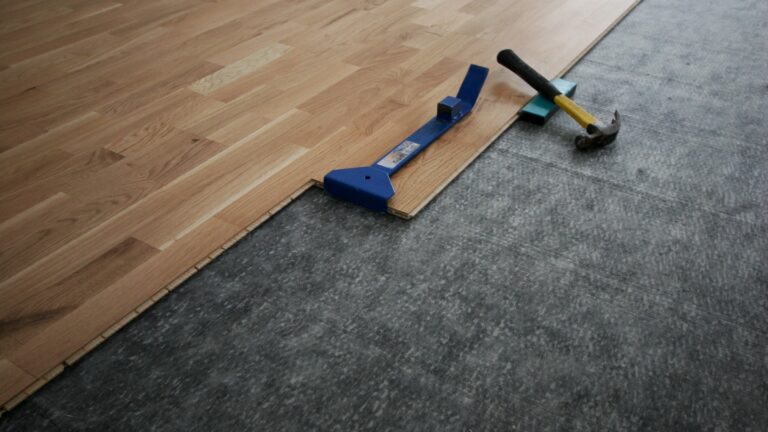
Where a floor is beyond restoring, or a let is being refurbished from scratch, we can supply and install solid or engineered timber flooring, or supply it for your own contractor. Ranges include Bona and Junkers; see wood floor installation.

Managing several lets? Send info@ryansrestoration.co.uk two photos per floor, one wide and one close on the damage, and label them by property so the survey visits can be grouped together. A free survey follows, generally about half an hour per property, where the timber thickness, moisture, ventilation and any damp or old repairs are checked. The quotation comes in writing, itemised, and stands unless the scope changes, which makes it straightforward to plan into the next off-season. For a chat about the off-season diary, phone 01823 674562; someone picks up through the working week, early morning to early evening, and a Saturday look at the property can be arranged; the website enquiry form reaches the same people. For neighbouring areas, see floor sanding in Ilfracombe, and for a domestic example, the East Anstey case study.

Woolacombe Floor Sanding Questions

No. A changeover gives a few hours, while sanding and finishing usually need two to three days for an ordinary property, plus time before furniture goes back. Most owners book the work in a gap of three or four free days in the off-season. Larger lets can be done in stages across separate gaps, split at a doorway or between floors.

Not automatically. Sheen is about reflected light; grip is about the formulation of the lacquer and whatever happens to be lying on it. Sand, water, sun cream and polish residue cause most slips. A matt finish does hide scratches and footprints better, and some lacquers have slip-resistant versions that suit hallways and areas near showers.

For most lets we would point towards a tough lacquer, quite often two-pack, at a matt or satin level. It resists water and sand well and can be refreshed with a maintenance coat between seasons. Oiled floors look lovely but need more regular attention, which a tight letting schedule may not allow, and wax is generally unsuitable.

It depends on the flooring. Solid timber and engineered boards with enough hardwood on top can be sanded and refinished. Laminate and vinyl, common in static caravans and some lodges, cannot be sanded because the wood effect is printed. We can check which you have on a survey and advise on refinishing or replacement.

By the next day housekeepers in stockinged feet can cross it; beds and tables return a couple of days beyond that. For a let, it is sensible to allow a little longer before guests arrive, both for the finish to harden and for any smell to clear, and to keep rugs off for a couple of weeks.

If the claw marks are only in the coating, a sand removes them easily, and a recoat may even be enough. Deeper scratches into the timber usually sand out on solid floors. With engineered planks, the depth of real oak on top decides how much of a gouge can safely be taken out. A tough lacquer afterwards helps resist future damage.

Yes, and the closed season is the ideal time. The floor is sanded back, and a lacquer suited to dancing is applied, balancing slide for turning with enough grip for safety. Any court or game markings can be set out again before the final coats. Dates are agreed well in advance to fit around the park’s own preparations.

Yes. Yes. Mortehoe, the surrounding hamlets and the parks on the approach roads all fall within the North Devon patch we cover routinely. If you are unsure about a particular address, include the postcode with your photographs.

Water-based lacquers have very little odour once dry, so they suit lets with short gaps. Some oil-based lacquers and oils take longer for the smell to fade. Allowing an extra day or two of airing, with windows open, generally clears it. If the gap before guests is tight, a water-based finish is the safer choice.