Floor Sanding Clifton, Bristol

Floor Sanding and Wood Floor Restoration in Clifton and Redland

QUICK QUOTATION

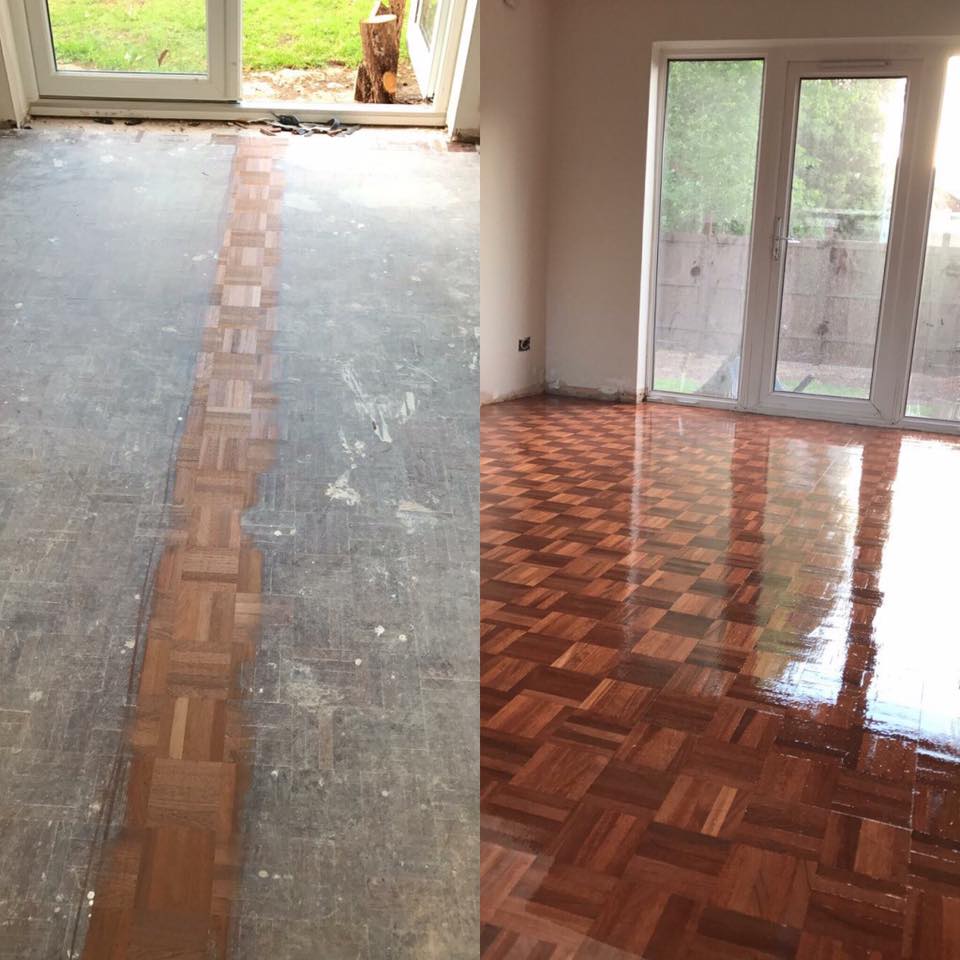
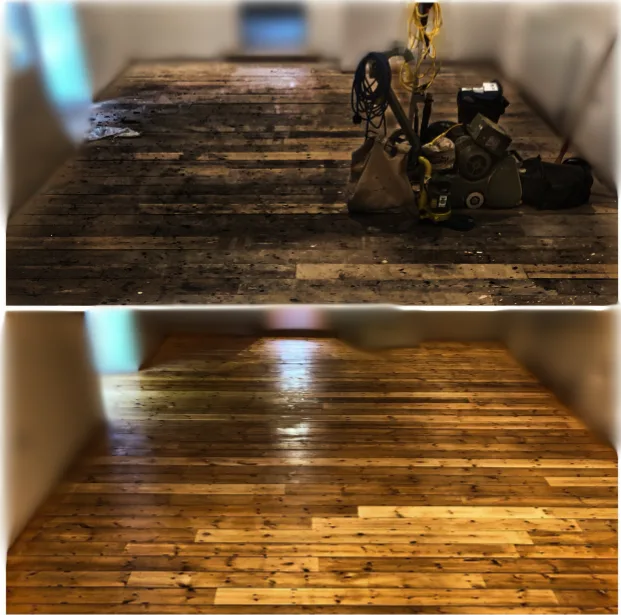
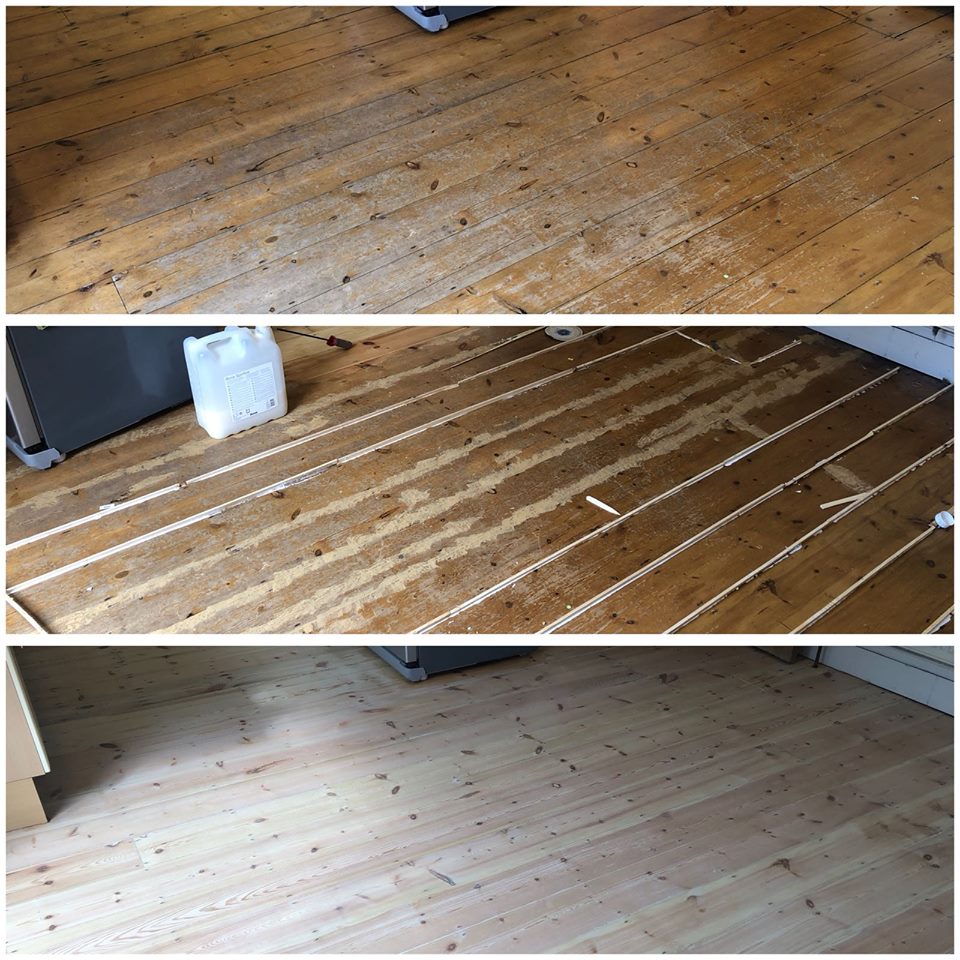
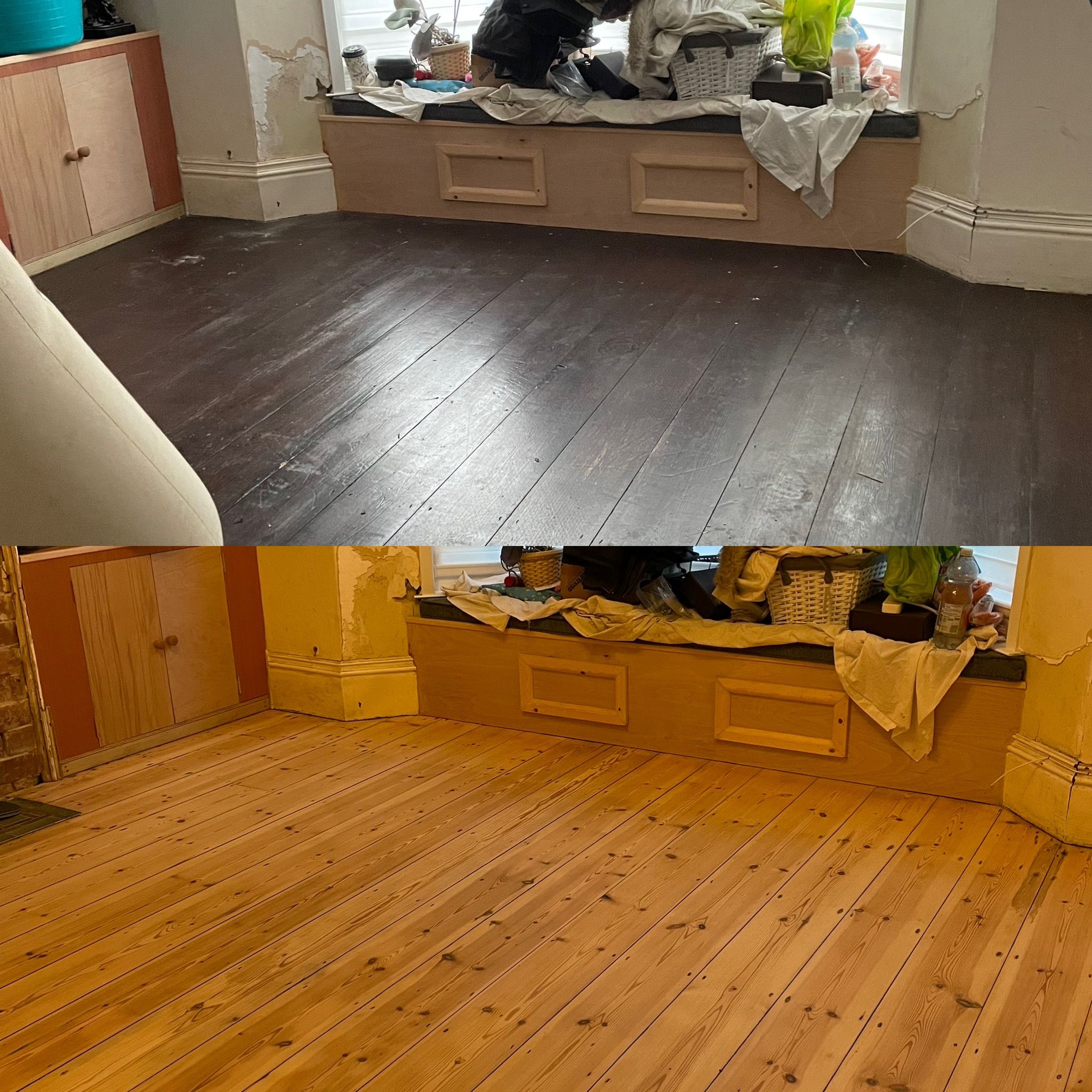
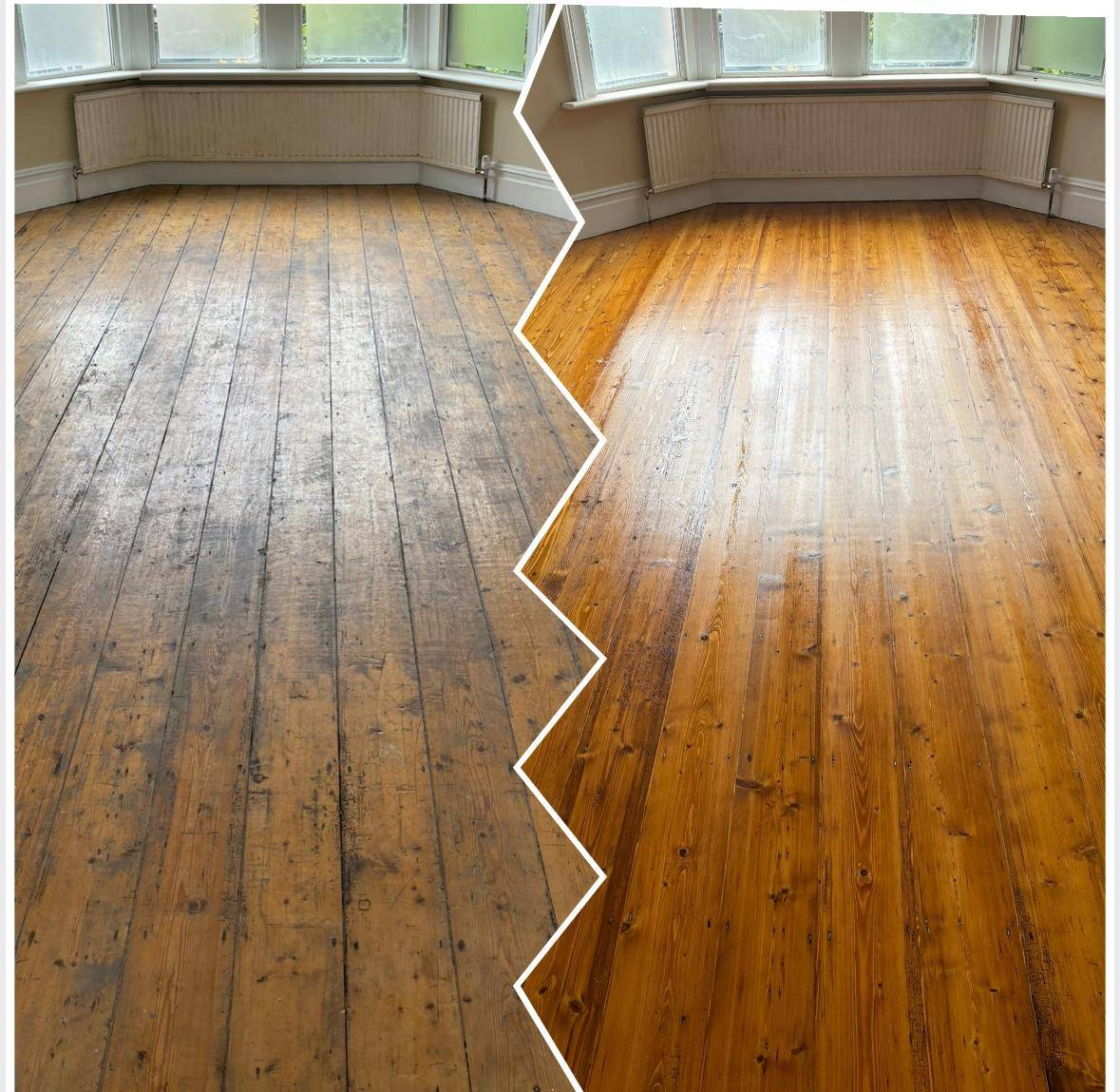
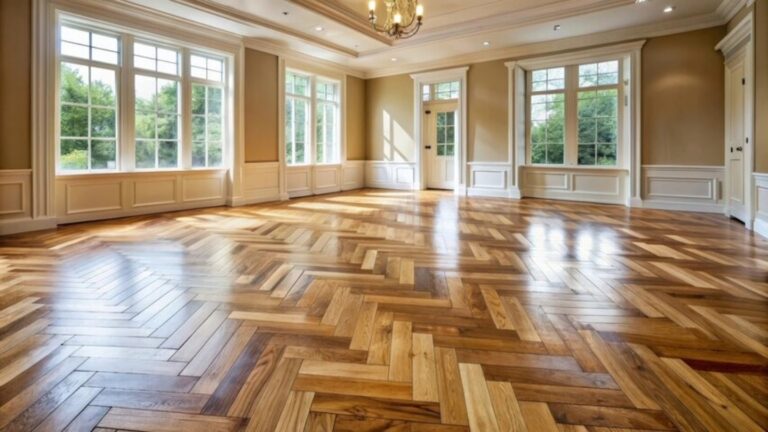
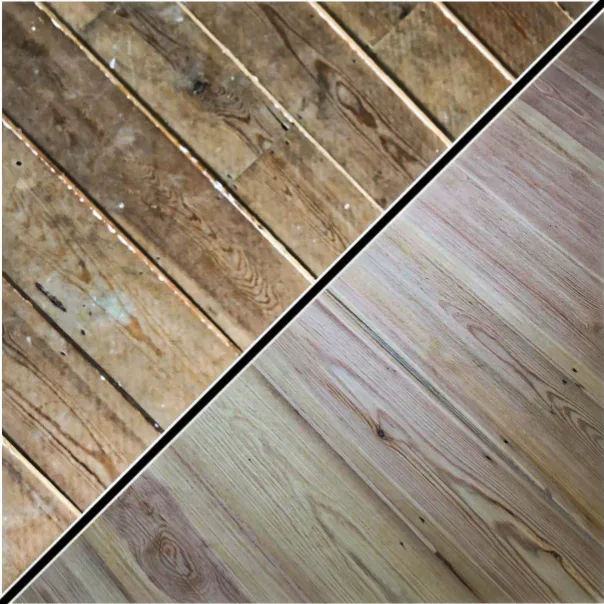
Floor sanding before and after

Floor Sanding in Clifton, Redland and Cotham

Clifton has the finest Georgian architecture in the west of England and some of the best floors we ever work on. Royal York Crescent, the Paragon, Cornwallis and Caledonia Place were built for merchants with money, and the timber that went into them reflects that.

Behind the crescents, Redland, Cotham and Kingsdown are largely Victorian: tall bay-fronted houses with pitch pine boards, often with an oak or mahogany border in the principal rooms, and a great many of them divided into flats during the twentieth century.

We work in Bristol constantly and we are forty minutes away, so Clifton surveys are usually within the week.

We cover Clifton, Clifton Village, Redland, Cotham, Kingsdown, Hotwells, Stoke Bishop, Sneyd Park, Westbury Park and Whiteladies Road, plus Bedminster, Southville and the rest of Bristol.

Georgian Crescents and Listed Building Consent

A very large proportion of Clifton is listed and almost all of it sits in a conservation area. Refinishing an existing floor is generally acceptable, but lifting boards, replacing timber, altering levels or changing the character of a historic surface can need listed building consent from Bristol City Council.

With buildings of this quality it is worth a call before anything starts, and we are happy to speak to your conservation officer. Consent is usually straightforward for sensible work.

Our approach to Georgian pine is minimum removal. Finer grits, more passes, and no attempt to level out two centuries of settlement. These boards are frequently thinner than they look, particularly in houses that were stripped and sanded during the fashion for bare boards in the eighties, and there is no putting the material back.

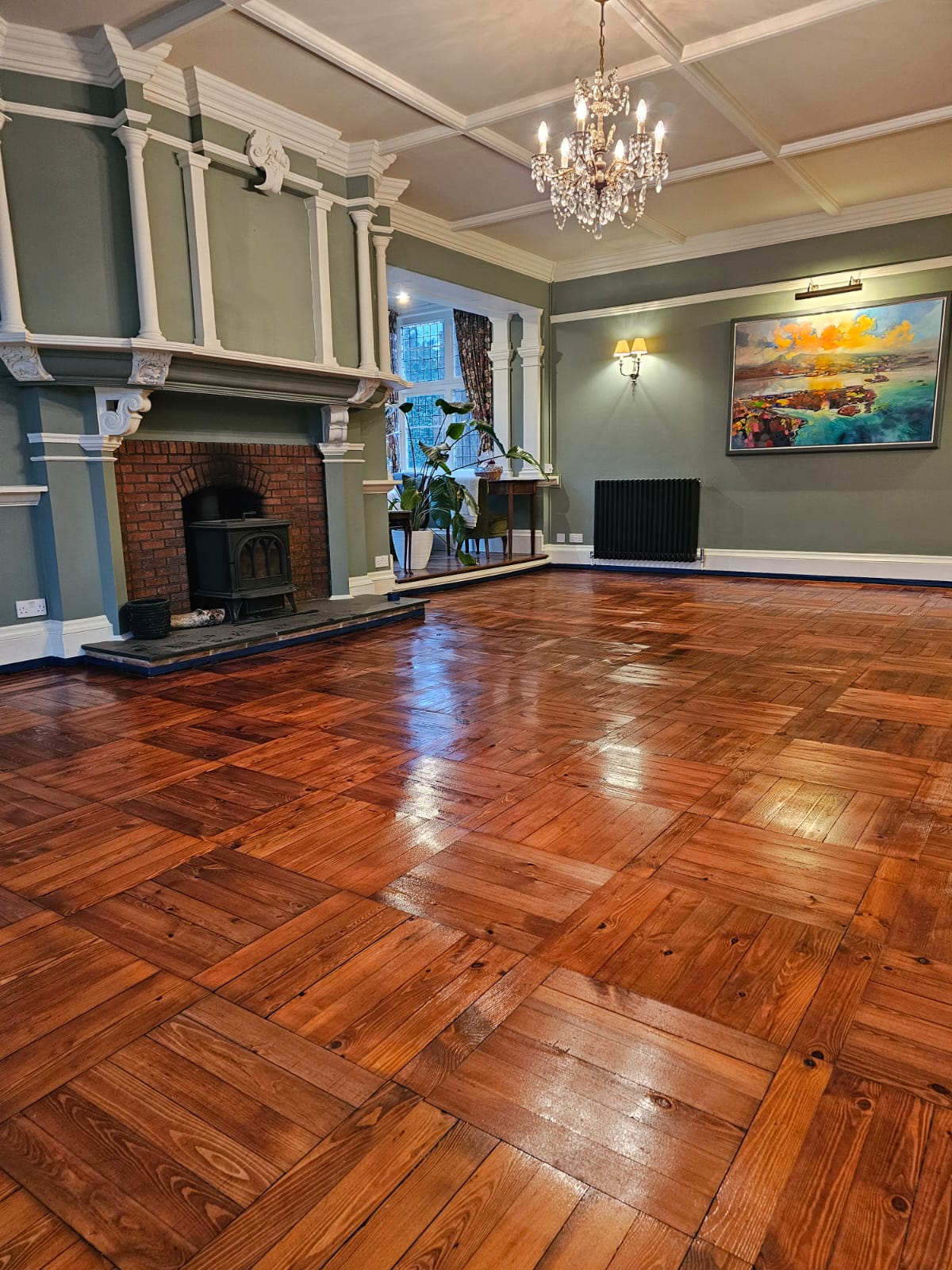
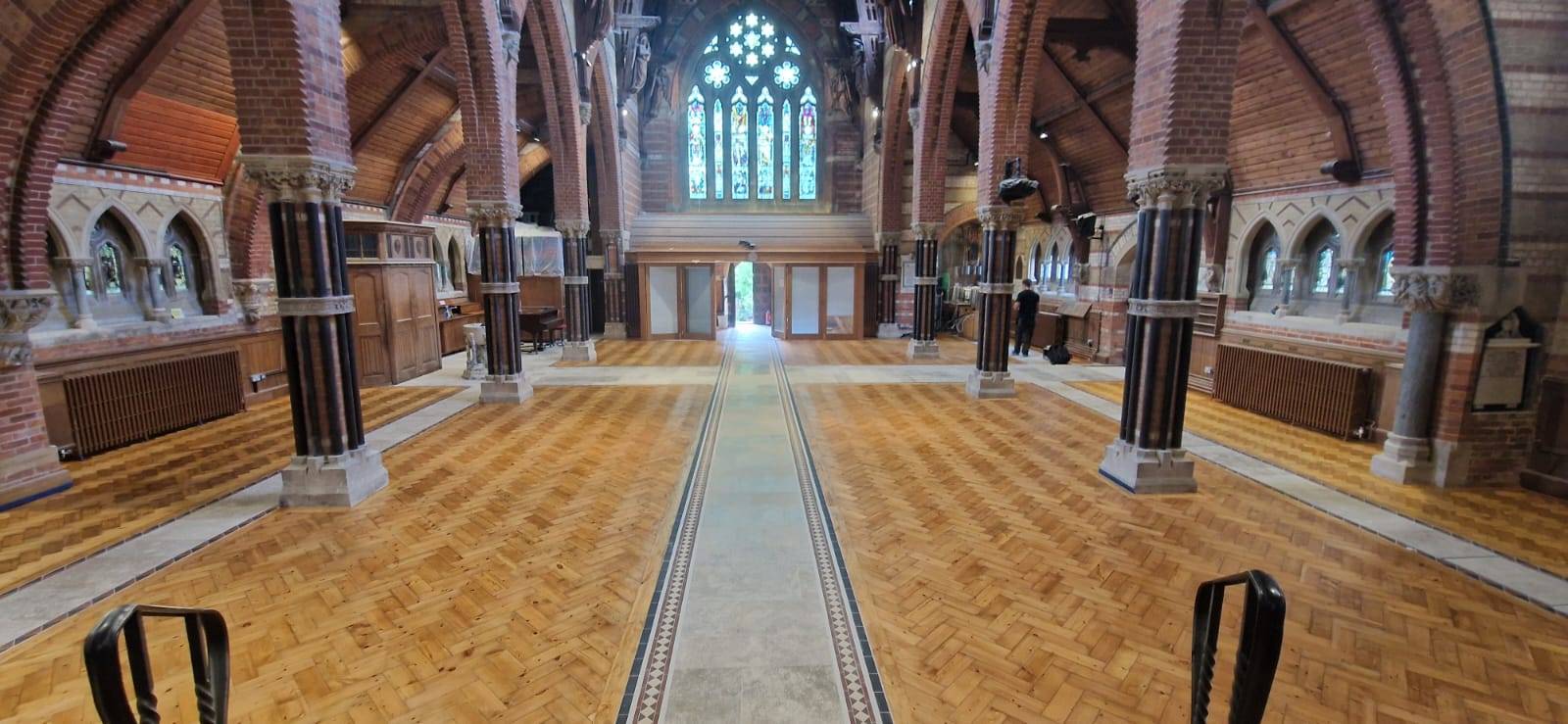
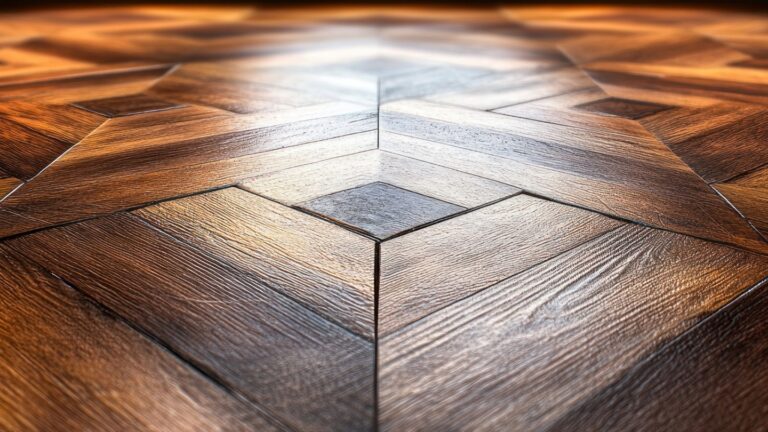
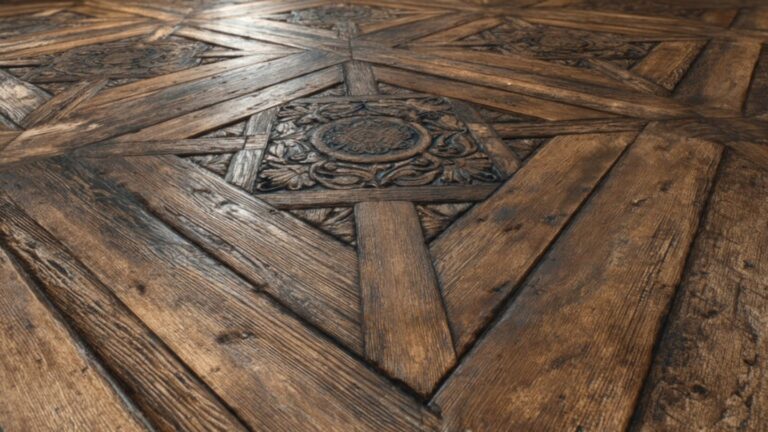
parquet wooden floor sanding
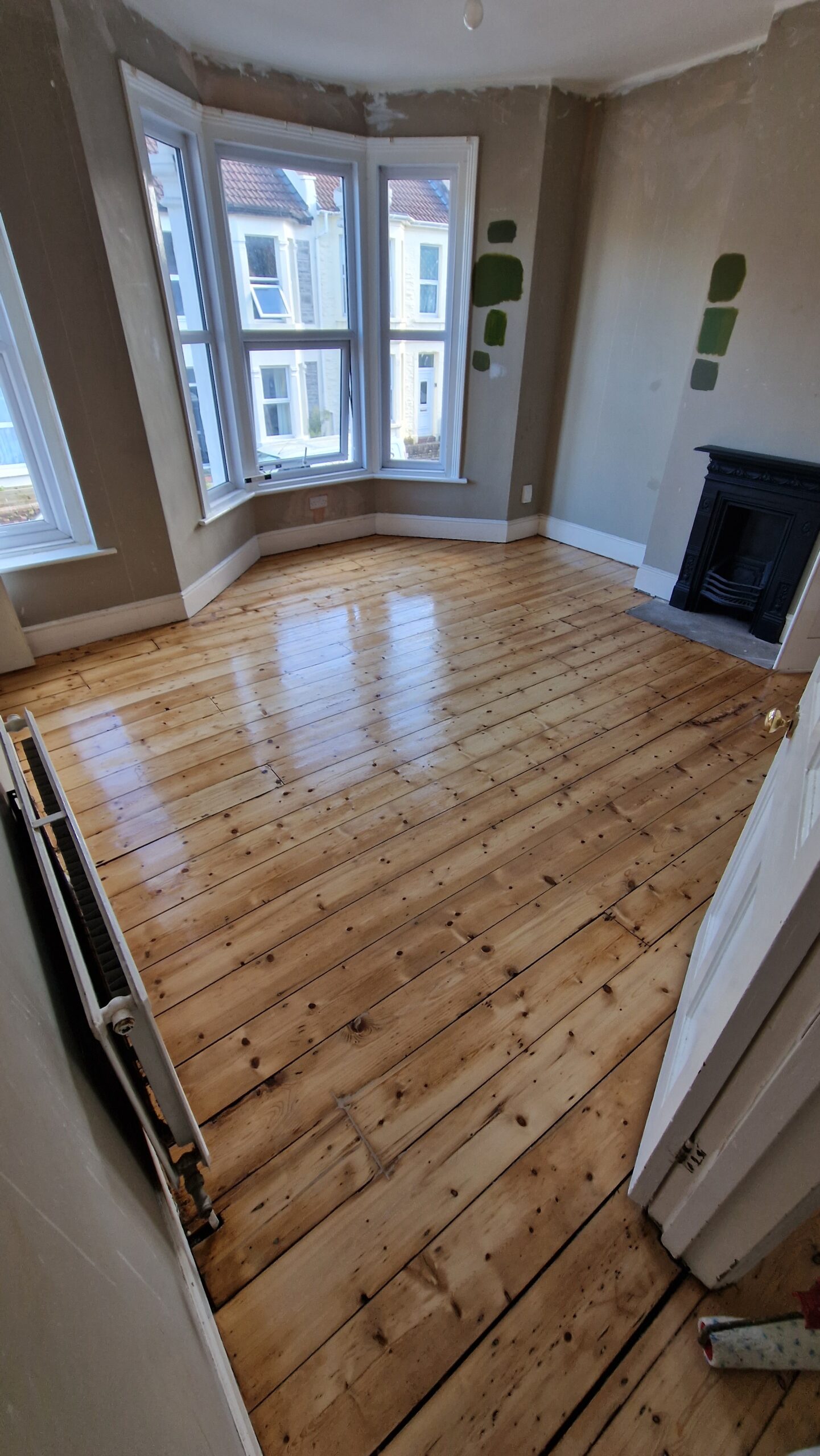
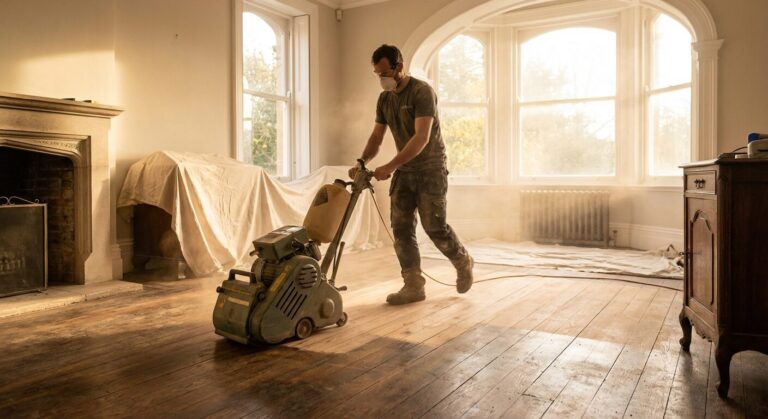
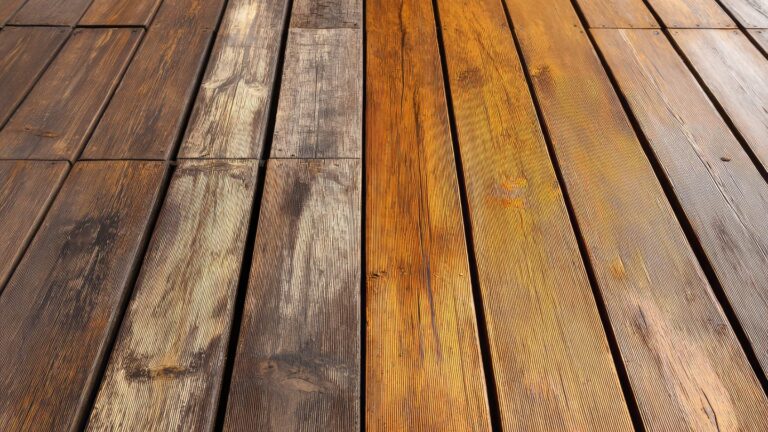
wooden floor sanding

Converted Flats, Leases and the Party Wall Act

A great deal of Clifton and Redland property has been divided into flats, and that brings two things worth checking before you book anything.

First, your lease. Many Clifton leases carry acoustic requirements about floor coverings, and some restrict hard flooring in certain rooms. It is far better to read it now than to hear from the freeholder later.

Second, the Party Wall etc. Act 1996. Sanding your own floor surface will not normally trigger it, but lifting boards or working on joists in a converted building can. We flag it at survey.

Conversions also leave physical marks: boards cut and patched where partitions went in, service runs chased across rooms, and levels that no longer match. We replace butchered boards with reclaimed timber matched for age and section and are honest about what can and cannot be evened out.

Victorian Pitch Pine and What It Needs

The Redland and Cotham houses are where the pitch pine is, and it is the material that makes these floors worth restoring. Denser and more resinous than ordinary softwood, it takes a deep honey colour under oil and wears extremely well once sealed properly.

It also has quirks. The resin can bleed under heat, so the sanding sequence matters, and old varnish or shellac sitting on top needs stripping back properly rather than being chewed off with a coarse belt.

What we normally find under the carpet is a sound floor with a dark ring where a rug sat for fifty years, gripper holes round the edges, and old bitumen or size from a previous covering. All of it comes off, and the floor underneath is nearly always better than people expect.

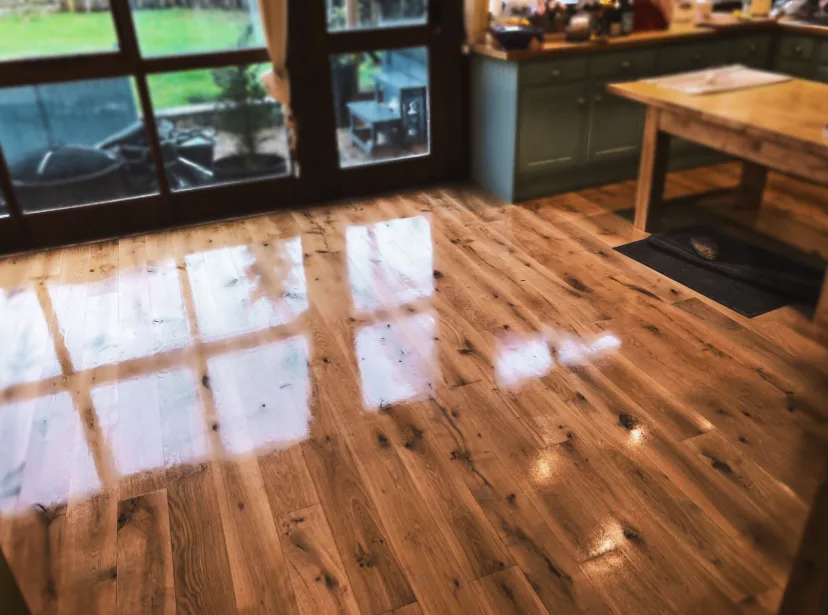
flooring sanding company

Dust, Access and Working in a Tall Terrace

Every machine we run is on industrial extraction, which captures the great majority of dust at the point it is created rather than letting it drift up the house.

In a five-storey Clifton terrace with an open stairwell and decorative plasterwork that matters enormously. Fine dust settles into cornices and ceiling roses and is very difficult to remove without causing damage.

Access is the other Clifton problem. Residents parking, narrow streets, and a lot of properties reached by steps or with the main rooms two floors up. Tell us at survey where we can park, whether you have a permit or bay we can use, and how many stairs are involved, and we will bring the right kit and enough people.

Commercial Floors in Clifton

Clifton Village and Whiteladies Road are dense with independent shops, restaurants, bars and galleries, and those floors take a hammering.

We work for restaurants, cafes, bars, pubs, hotels, shops and galleries across the area, plus churches, halls, schools, colleges, nurseries, gyms, dance studios and sports halls.

Hospitality and retail work is done overnight, on closed days or during quiet trading weeks with fast-cure sealers so you lose one session rather than several days. Sports halls and dance studios are sanded back, re-marked to the correct governing body specification for badminton, netball, basketball or five-a-side, and sealed with a proper sports system. School and college floors go into holiday windows booked a term or more ahead.

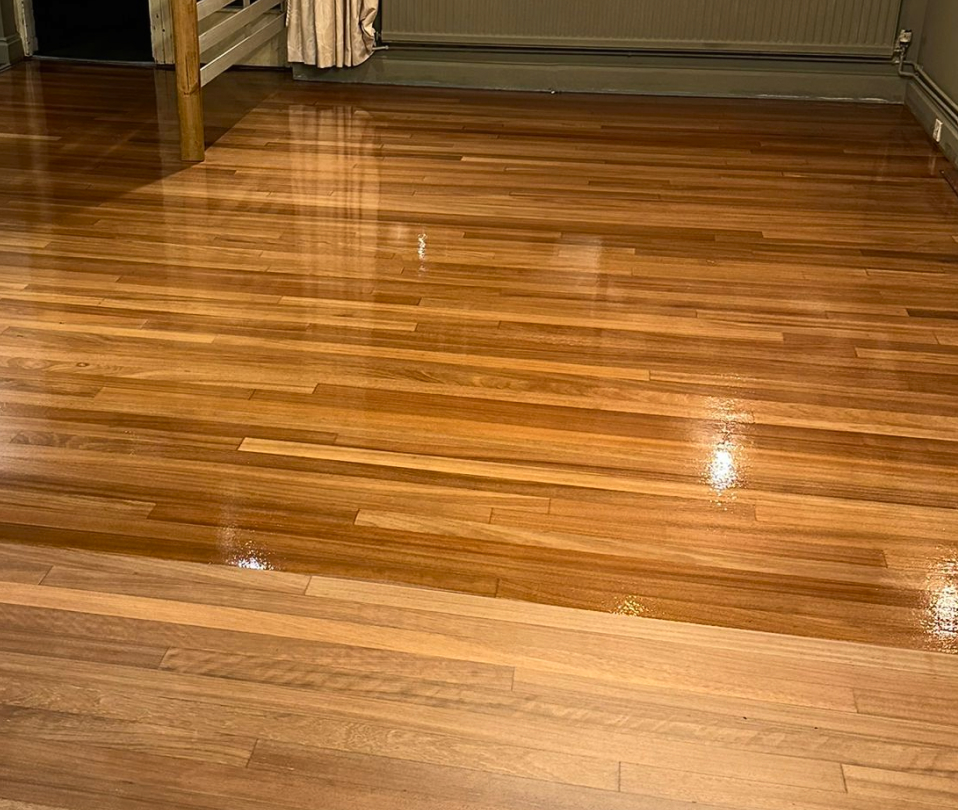
Wood floor sanding company
Floor sanding taunton

Finishes, Costs and Booking

Hardwax oil is what we fit most in Clifton houses. It penetrates the timber rather than sitting on it as a film, which suits a solid-walled Georgian building, it makes pitch pine grain sing, and a scuff in three years can be repaired in place rather than needing the whole room redone.

Where a floor takes real punishment, a family hallway, a let, a shop, a two-pack water-based lacquer is considerably harder, cures quickly and does not yellow with age.

Sanding and sealing generally runs twenty-five to forty pounds a square metre, parquet forty to sixty, stairs by the tread, and repairs quoted line by line. The survey is free and takes about half an hour.

Ring 01823 674562 or use the contact form, and send photographs of the room and the worst area if you can.

Nearby areas we also cover: Bedminster, Bradley Stoke, Cheltenham and Gloucester. There is a page for each, and the full list of towns is on our areas we cover page.

FAQ: Floor Sanding in Clifton

Clifton, Clifton Village, Redland, Cotham, Kingsdown, Hotwells, Stoke Bishop, Sneyd Park, Westbury Park and Whiteladies Road, plus Bedminster, Southville and the rest of Bristol.

Refinishing an existing floor is normally acceptable, but lifting, replacing or altering historic timber can need listed building consent from Bristol City Council. With so much of Clifton listed, always check first.

Two things. Your lease may carry acoustic requirements about floor coverings or restrict hard flooring, and the Party Wall etc. Act 1996 can apply where work affects a shared floor structure. We flag both at survey.

Often, but we measure first. Repeated sanding leaves less timber above the nail heads or the tongue than owners expect. If there is not enough left we say so and suggest a screen and recoat instead.

Generally twenty-five to forty pounds a square metre for sanding and sealing, and forty to sixty for parquet. Stairs are per tread and repairs quoted separately. Survey and quote are free.

Not if we know in advance. Tell us at survey whether there is a permit bay or loading window we can use and how many stairs are involved, and we plan the day around it.

We run industrial extraction which captures the great majority of dust at the machine. In a tall terrace with cornices and ceiling roses that matters a great deal.

Hardwax oil brings out a deep honey colour and can be spot-repaired. A clear two-pack lacquer keeps it lighter and is tougher. We put trial patches down so you can see both on your own boards.

A single room is about two days and a full floor of a terrace three to four. Oil wants a day before light use and a week before rugs. Lacquer is quicker.

Yes. Restaurants, cafes, bars, pubs, hotels, shops, galleries, churches, halls, schools, colleges, nurseries, gyms, dance studios and sports halls including line marking.

Ryan's Restoration
4.9
Based on 114 reviews
×
js_loader