Floor Sanding Gloucester

Wooden Floor Restoration Company Ryan’s Restoration Have Been Floor Sanding in Gloucester for Over 45 Years

QUICK QUOTATION

Parquet Flooring Restoration

Wood Floor Sanding in Gloucester

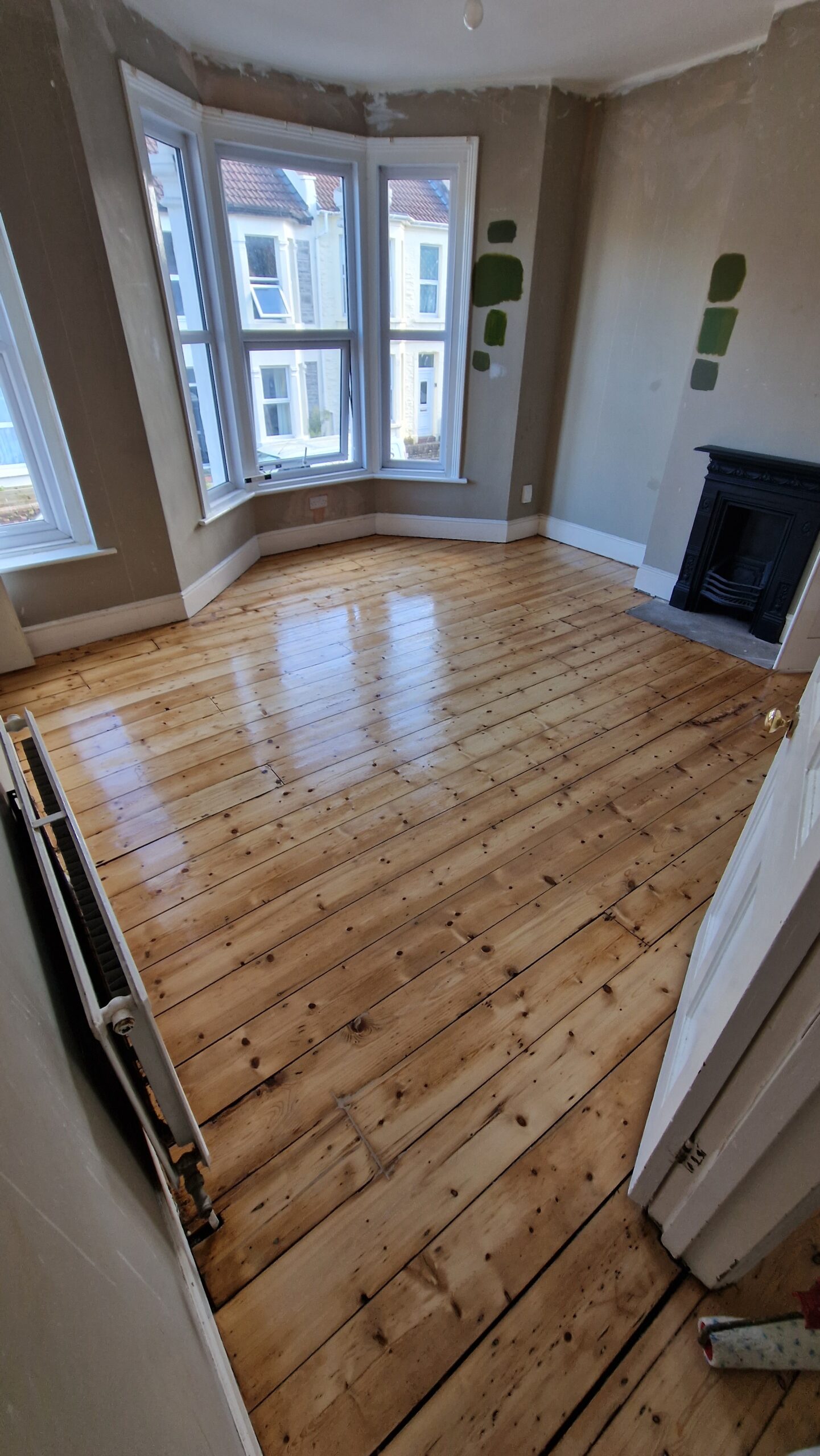
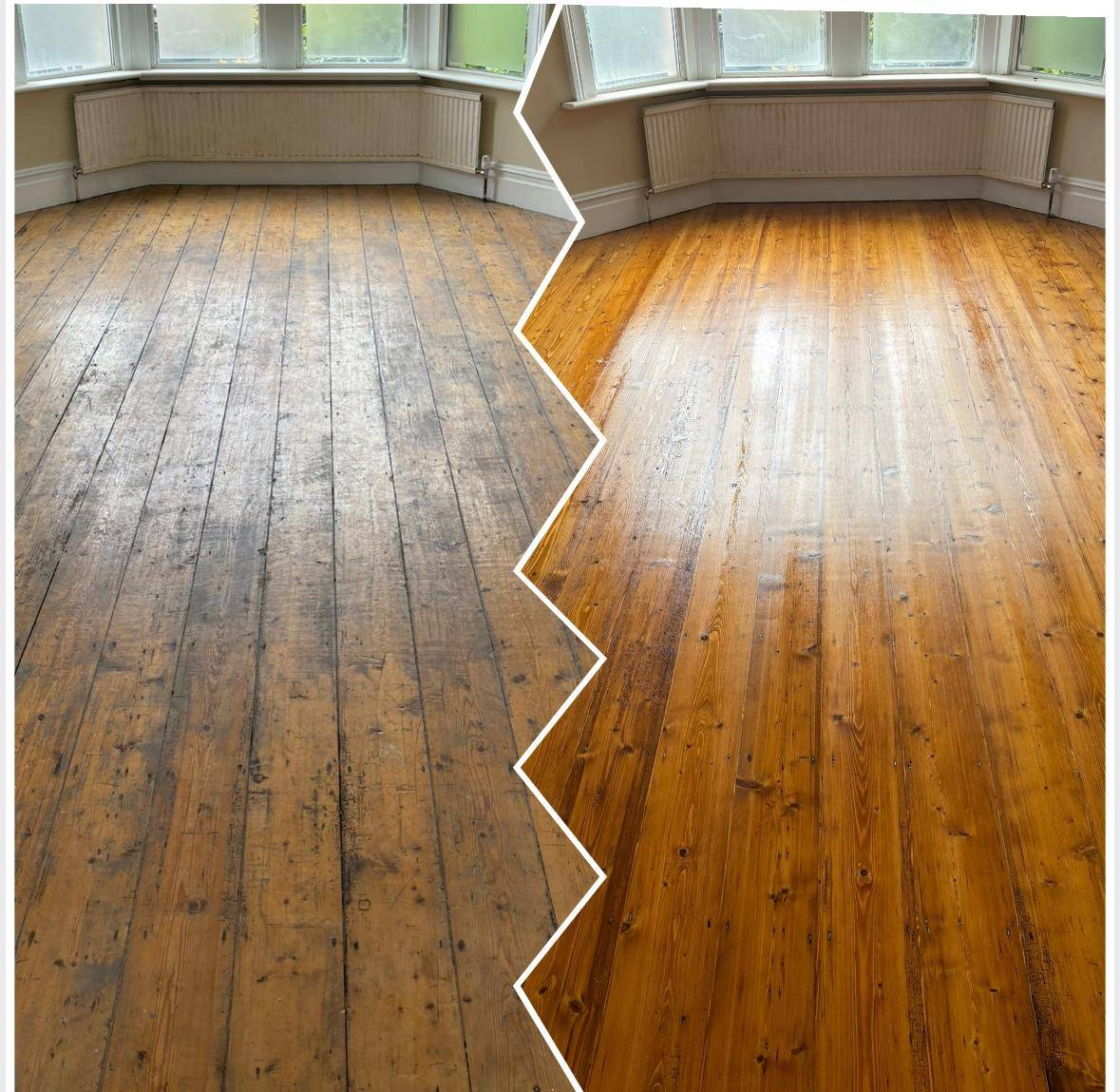
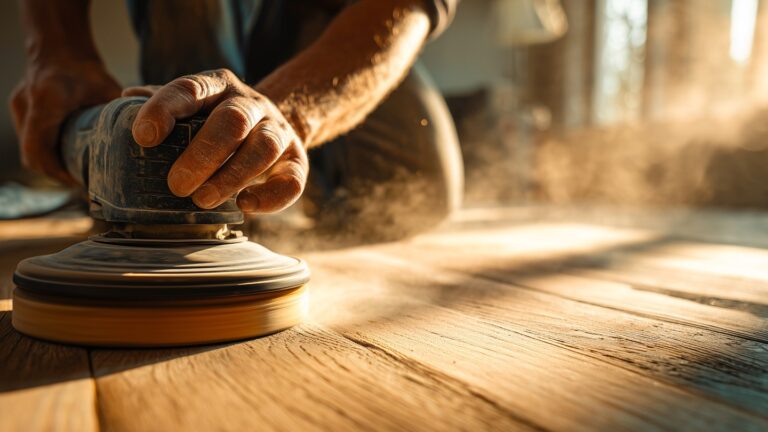
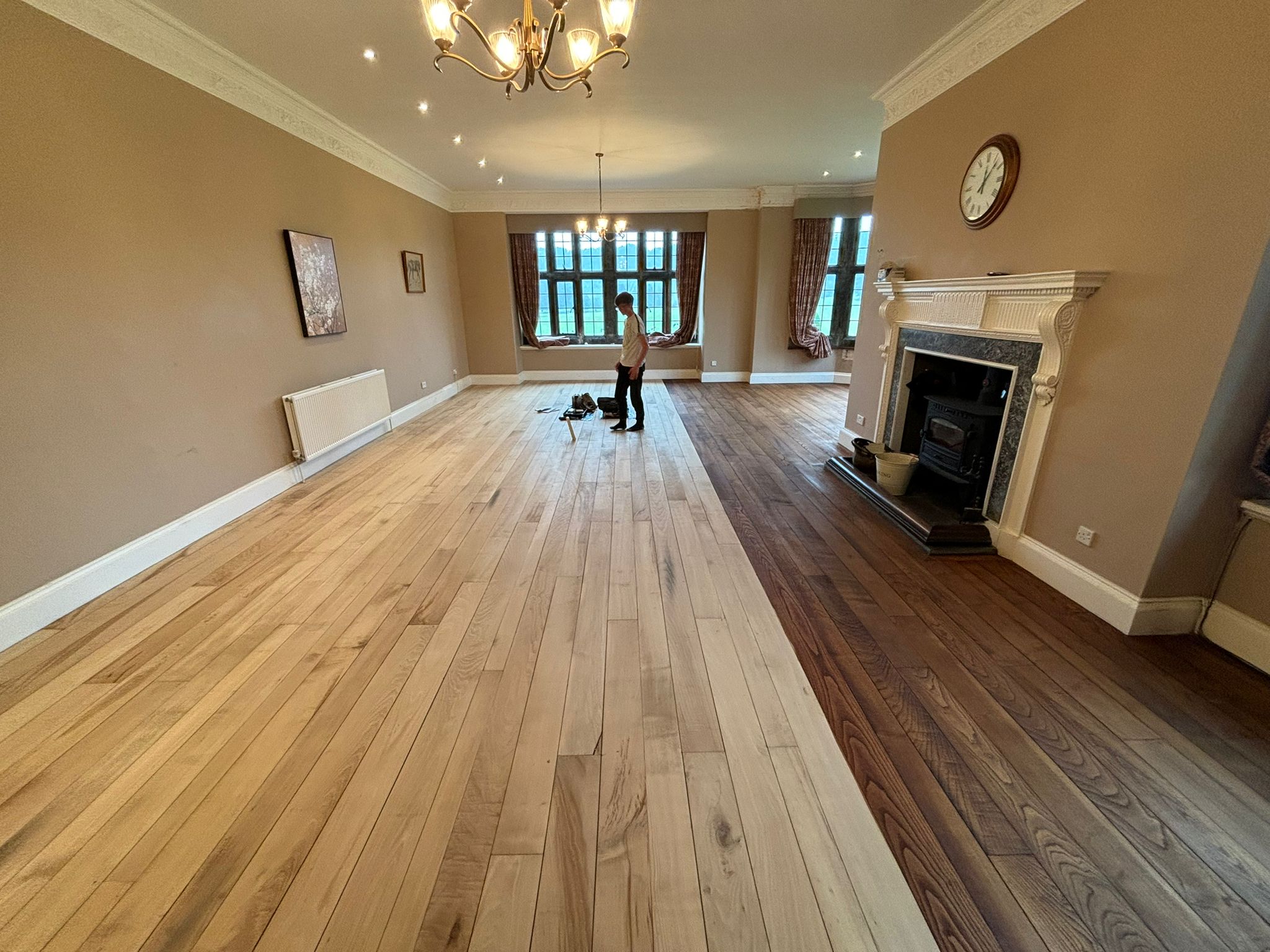
We sand and refinish every kind of timber floor in Gloucester homes — pine boards, oak strip, beech, maple and engineered flooring with a sandable wear layer. The wood floor sanding itself runs through a graded sequence of abrasives, coarse enough to lift old finish and damage, fine enough to leave the surface ready for its new coat, with edges and corners worked by machine and by hand.

Not every tired floor needs a full sand. Where the boards are sound and only the finish has dulled, we can restore wood floors without sanding, keying the old coat and laying new protection straight over it. The survey tells us which route is right, and it is free.

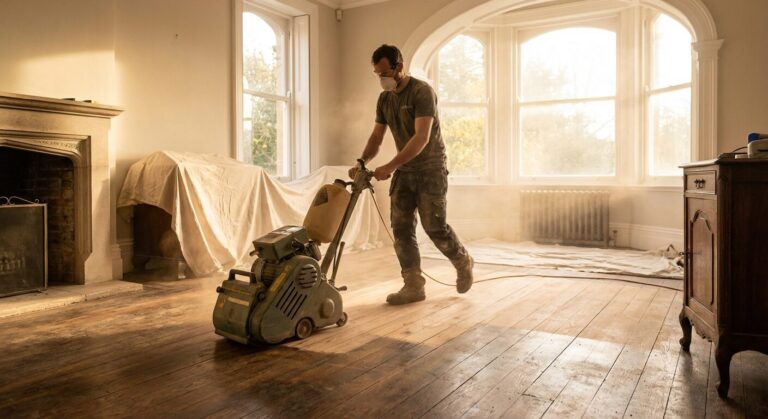
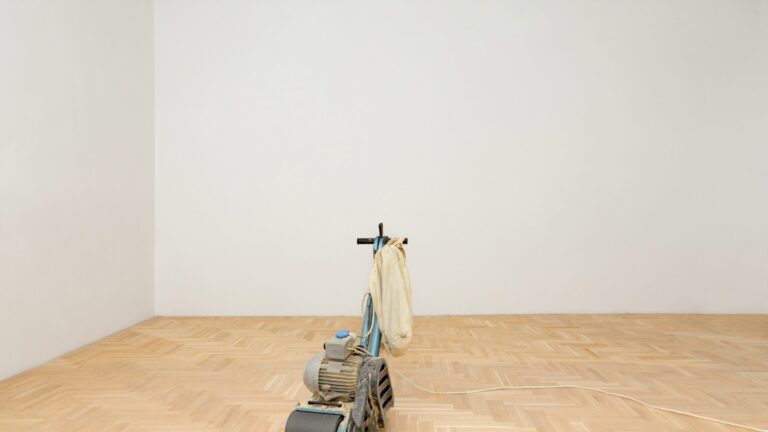
A full sand follows a set order of work. Protruding nail heads are driven below the surface before any machine starts, because a single nail can tear an abrasive belt and score the timber. Cupped or badly worn boards take their first cut at a slight angle to flatten the high edges, after which every pass runs along the grain. The big belt machine handles the open floor, a separate edging machine takes the borders, and awkward spots under pipework and inside cupboards are scraped and sanded by hand.

Most rooms follow the same rhythm over two to three days: repairs and coarse cuts first, finer grades and filling next, then the finish in successive coats with drying time between them. We vacuum thoroughly between grades so the finer papers polish the timber instead of dragging coarse grit across it.
Commercial Floor Sanding for Gloucester Businesses

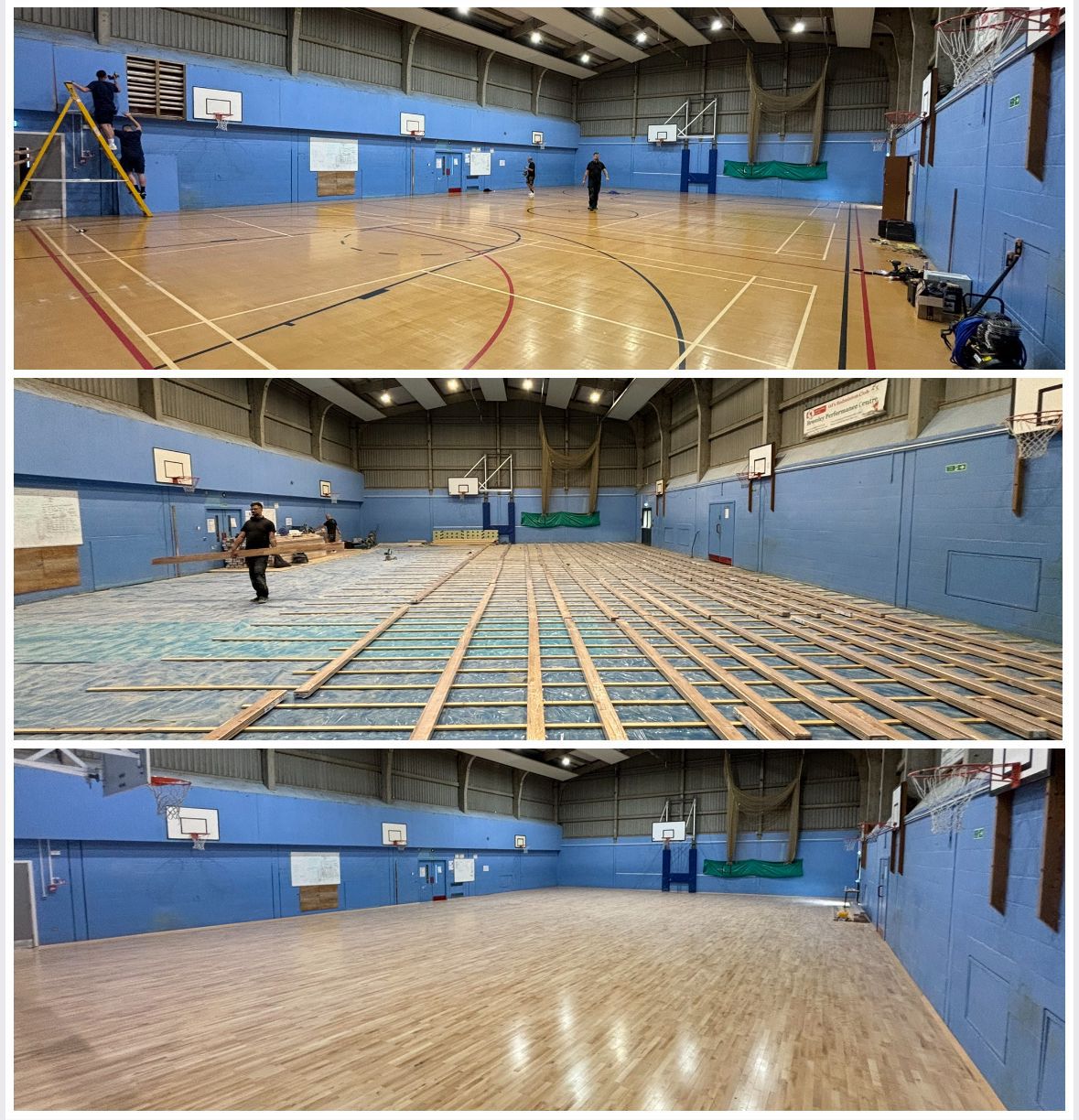
Gloucester shops, pubs, offices and venues use our commercial floor sanding service on an overnight and weekend basis, so trading carries on while the floor is renewed. Restaurant floors are done between last orders and morning prep, shop floors outside opening hours, and hotel public areas in phased stages so guests are never walking on wet finish.

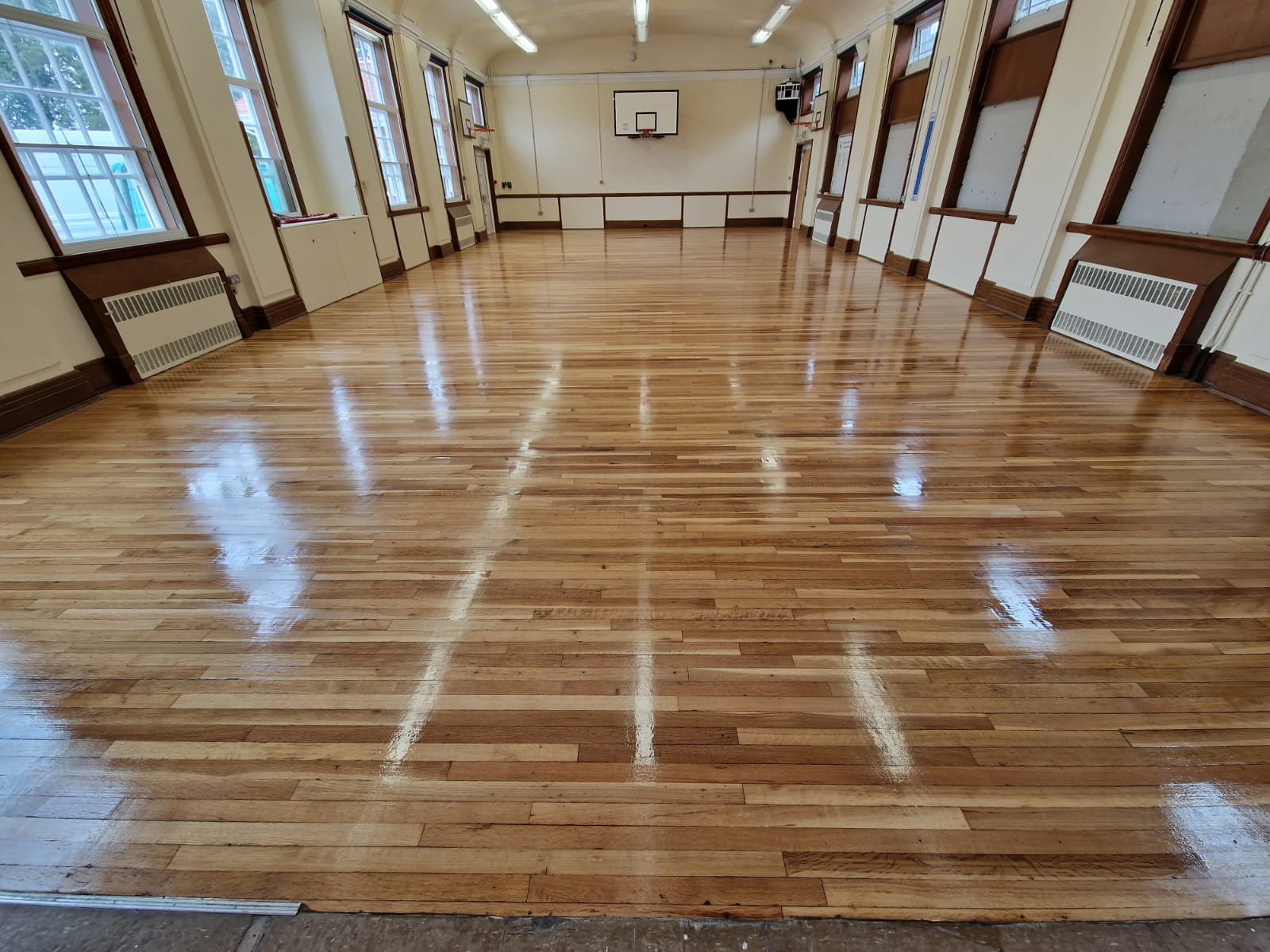
School halls and gym floors are re-marked with court and games lines to governing body specification, and every commercial job comes with method statements and insurance documentation up front.

Before a commercial contract starts we prepare a method statement and risk assessment specific to the site, covering access, power, dust control and how each phase will be handed back. Facilities teams and duty managers receive the documentation in advance, with our insurance certificates alongside it. On sports floors, court lines are painted between coats of seal so the markings sit locked beneath the final wearing surface rather than on top of it.

Office floors are usually turned around across a single weekend: furniture shifted on Friday evening, sanding on Saturday, sealing on Sunday, desks back before Monday morning. The sequence is agreed in writing beforehand so nothing about the handover is left to chance.

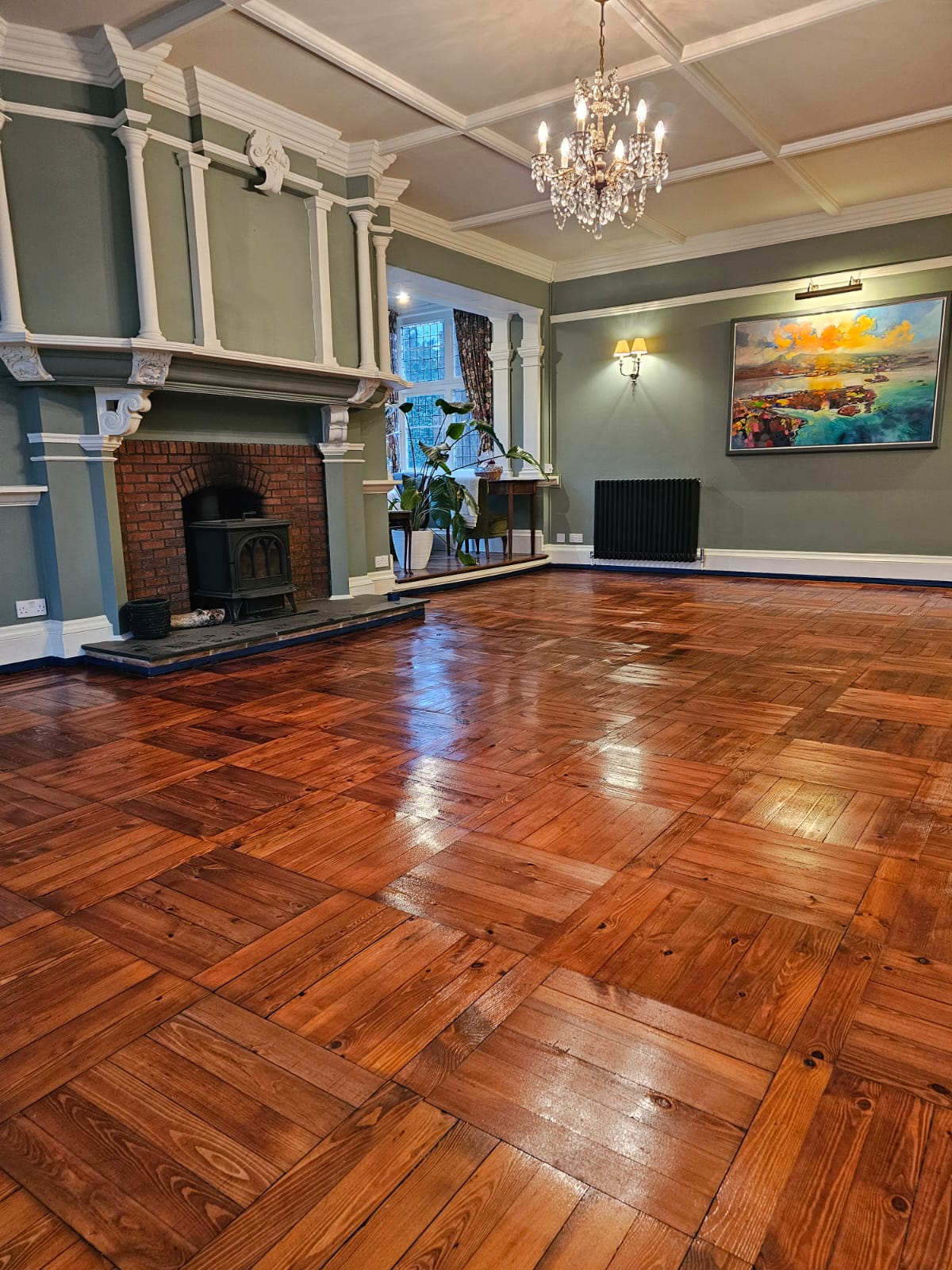
If your parquet floors are looking worn, scratched, or dull, professional restoration could be the perfect solution. At Ryan's Restoration, we specialise in restoring the natural beauty of parquet floors, using the latest techniques and high-quality finishes to achieve stunning results. Whether you need restoration for a single room or an entire property, our team has the skills and expertise to get the job done right. Contact us today to learn more about our parquet flooring restoration services and to schedule a consultation. We look forward to helping you transform your floors and enhance the beauty of your home.
Floor Sanding Experts

Floorboard Repairs and Replacement

A floor gets repaired before it gets sanded. Our wooden floor repairs deal with loose and lifting boards, damaged edges and the movement behind a squeaky floor, while targeted scratch repair sorts isolated damage without refinishing the whole room.

Boards past saving are swapped through our floorboard replacement service. Because we hold a stock of reclaimed timber, a replacement board in an older Gloucester property can be matched for species, width and patina rather than glaring as an obvious new strip.

Squeaks are traced before they are treated. We walk the floor, find where the movement actually happens — a board flexing over a void, a loose tongue, a fixing that has worked free of its joist — and cure the cause rather than the symptom, usually by re-fixing through to the joist so the board pulls down tight. Lifting a board or two along the way also lets us check the joists and the ventilation beneath a suspended floor, which is worth knowing before a new finish goes down.

Gap Filling for Draughty Boards

Gaps between old floorboards let heat out and draughts in, and they collect decades of grit. Our gap filling service closes them using slivers of matching timber glued into the larger gaps or a resin and sawdust mix worked into finer ones, chosen to move with the floor through the seasons. Done alongside sanding, it leaves boards warmer, quieter and noticeably tidier.

Timing matters with gap work. Boards shrink through the heating season and swell again in humid summers, so filling is planned once the floor has settled at its normal indoor moisture level; fill at the wrong moment and joints can open again or squeeze the filler out. On suspended ground floors we also make sure enough airflow remains beneath the boards, because the void below still needs to breathe once the draughts have been stopped at surface level.

Floor Sanding Essex
Parquet Flooring Restoration

Parquet and Block Floor Restoration

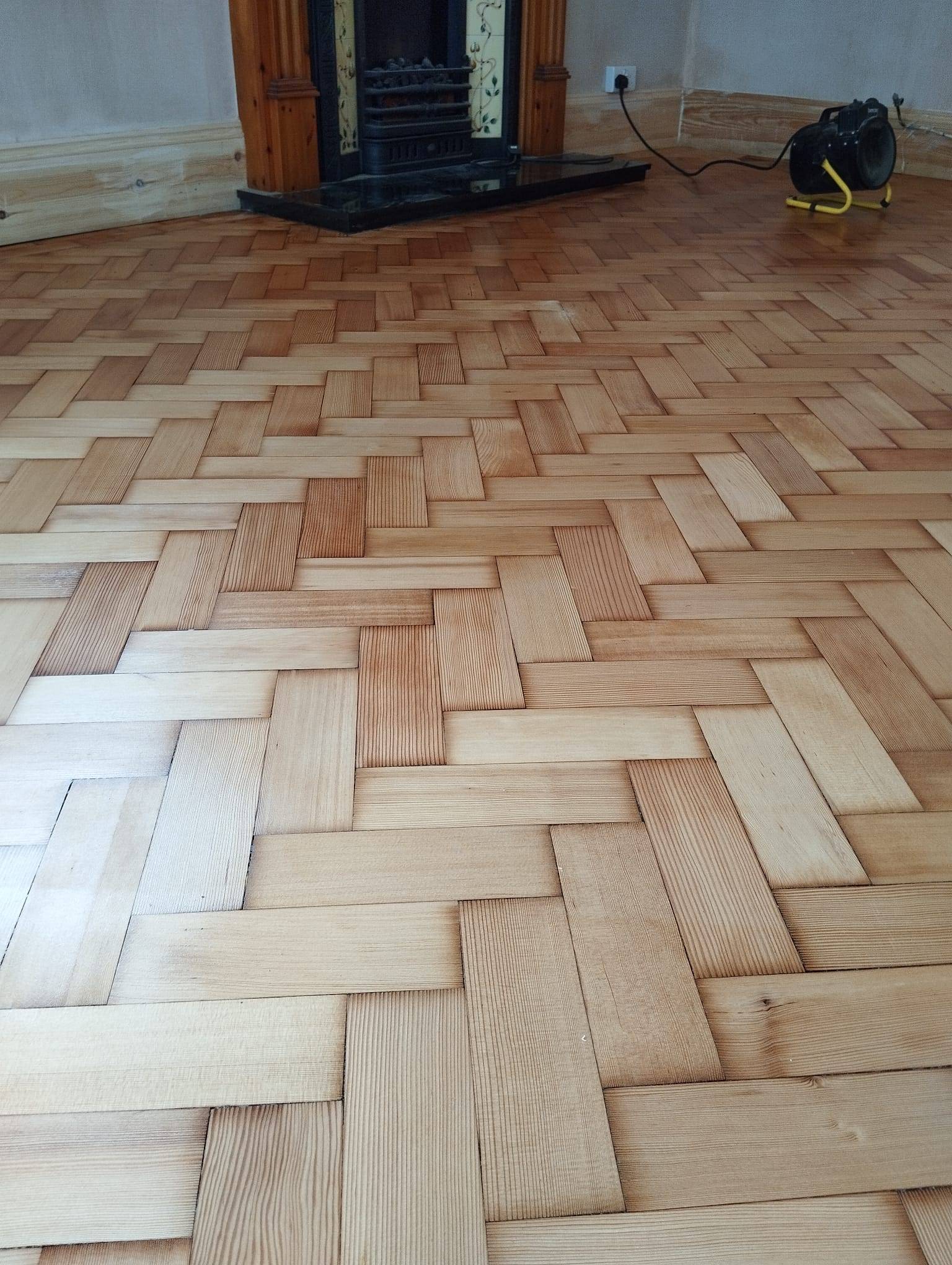
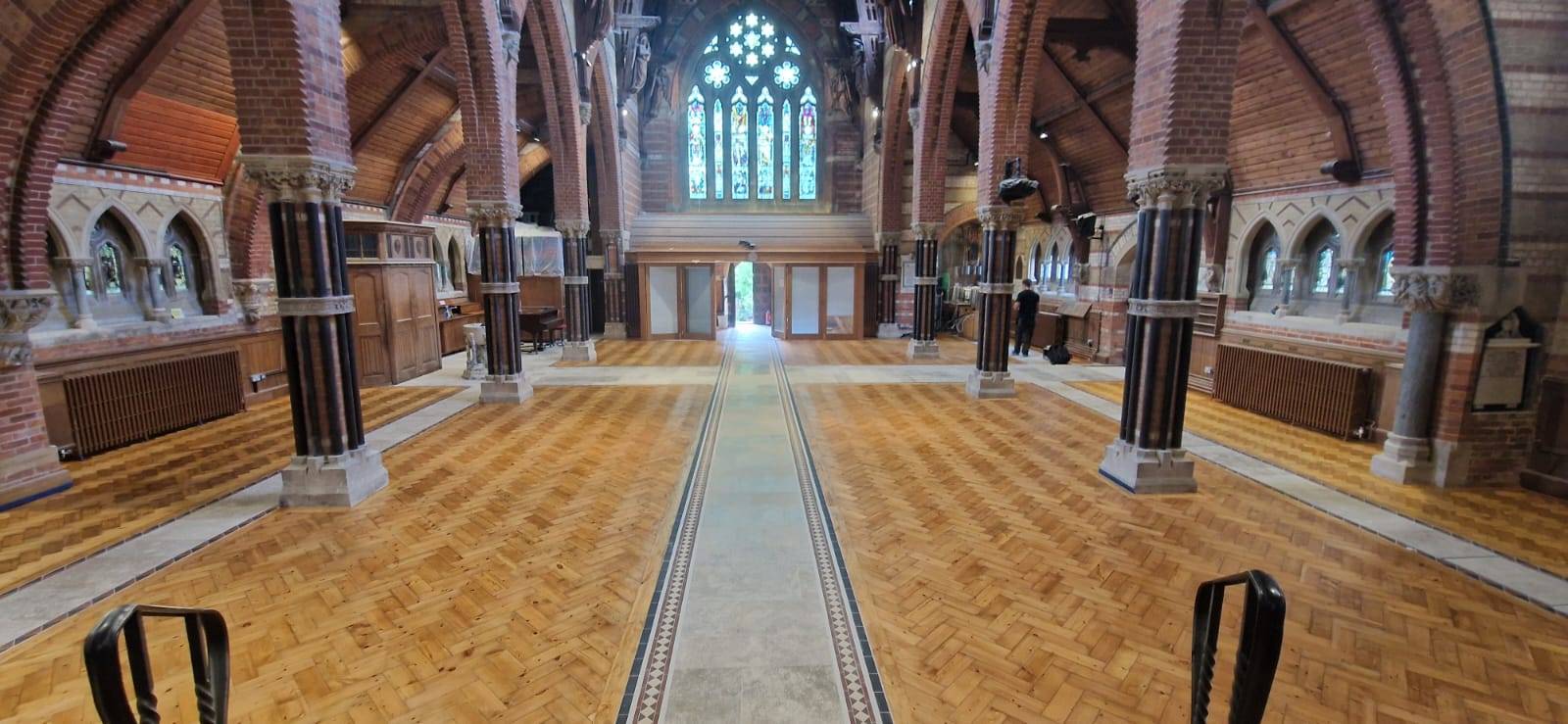
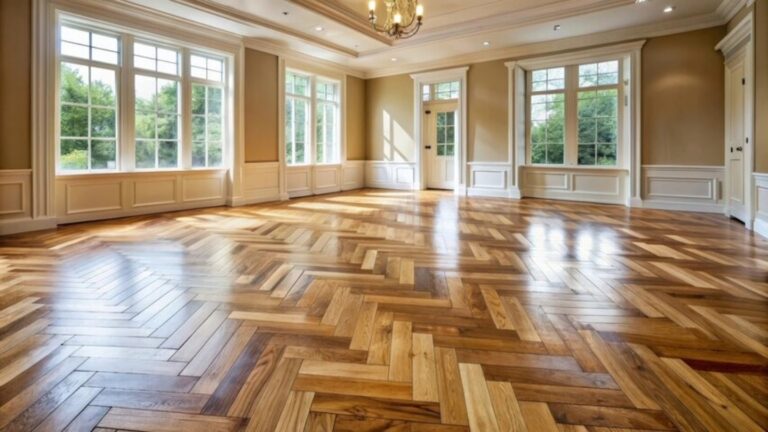
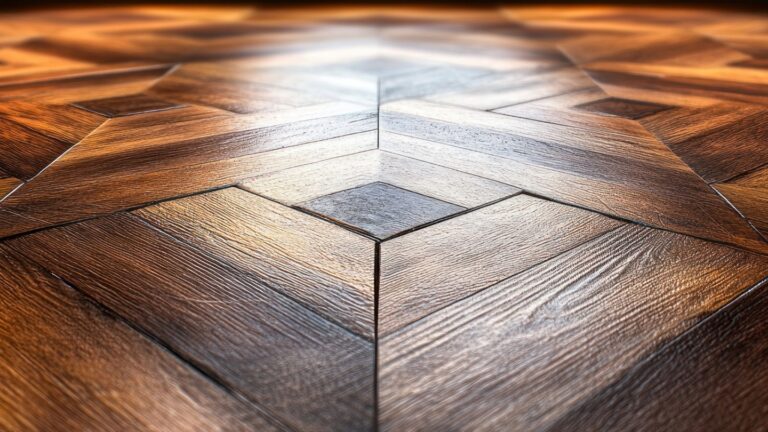
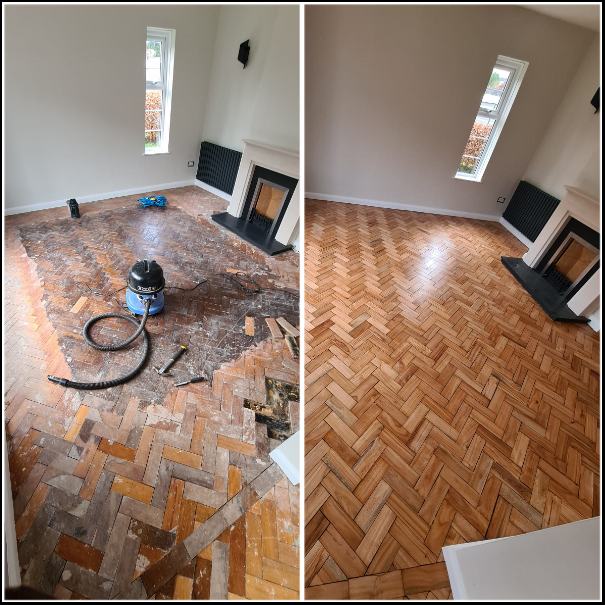
Herringbone and woodblock floors turn up in Gloucester schools, offices, church halls and mid-century houses, and most can be brought back however grey they look. Parquet floor sanding begins with the groundwork: lifting and re-bonding loose blocks, cleaning old bitumen off their backs, and piecing in missing blocks from our reclaimed stock. Only then is the pattern sanded flat and finished, so the geometry reads crisply again.

Blocks that have been lifted and re-bonded never sit at precisely the same height, so the first sanding passes are about flatting the field until the pattern reads as a single plane. From there the grades get finer and the direction of cut is managed so neither run of the herringbone shows scratching across its grain. Because block floors take wear differently from boards, we often suggest a satin or matt seal for them — it flatters the geometry and hides traffic patterns between maintenance coats.

Staining, Sealing, Oiling and Waxing

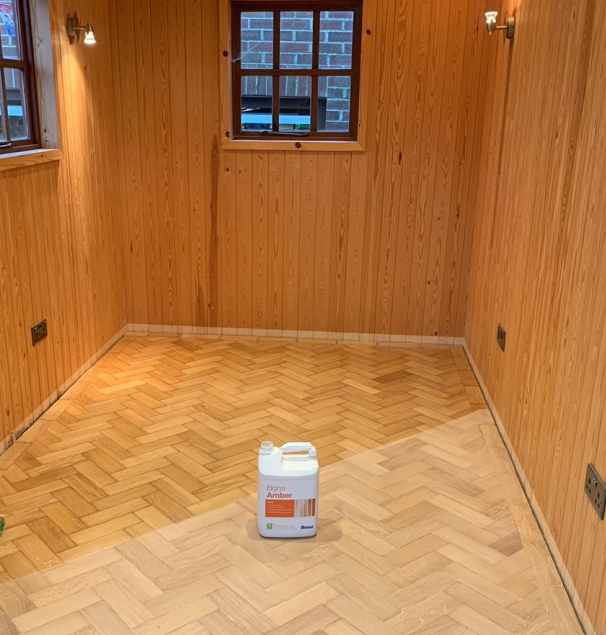
The finish is chosen to suit how the room is used. Sealing with lacquer gives the toughest surface for hallways and family kitchens; oiling keeps a natural, matt character and can be patch-repaired; waxing suits period interiors. If you want a different colour altogether, wood floor staining is trialled on your own boards first so there are no surprises.

Down the line, buffing and recoating or a polish keeps the finish alive without another sand, and stair sanding brings staircases up to match. We also fit new floors through our wooden floor installation service.

Species influences the finishing specification as much as taste does. Beech and maple are prone to side-bonding, where a film finish glues board edges together and later causes wide seasonal cracks, so those floors get a primer designed to prevent it. Sheen is the other decision: matt and satin disguise fine scratching and everyday dust far better than gloss, which is why most busy households choose one of them.

A finished floor stays healthy on a simple routine — felt pads under furniture, mats at external doors, a cleaner made for sealed timber rather than supermarket sprays, and a light buff and recoat when the surface starts to dull. Kept up, that routine defers the next full sand by many years.

Commercial Floor Sanding London
Floor Sanding Experts

Get a Floor Sanding Quote in Gloucester

Two photographs of your floor are enough for us to give an honest opinion of its condition and a fixed written quotation — and if it does not need sanding, we will say so. A free, no-obligation site survey is also available anywhere in Gloucester, where we check board thickness, moisture and finish options in person.

Call 01823 674562, email info@ryansrestoration.co.uk, or use the form on this page.

All services available in Gloucester: floor sanding, commercial sanding, repairs, board replacement, gap filling, parquet restoration, staining, sealing, oiling, waxing, stair sanding and installation.

Nearby areas we also cover: Tewkesbury, Cheltenham, Stroud and Gloucestershire. There is a page for each, and the full list of towns is on our areas we cover page.

FAQ: Floor Sanding in Gloucester

Everything a wooden floor might need: sanding, refinishing, repairs, floorboard replacement, gap filling, parquet restoration, staining and colour work, sealing, oiling, waxing, stair sanding, new installation and commercial contracts.

No. Overnight and weekend working is standard for us, and bigger floors are phased in sections, so shops keep their doors open and restaurants keep serving while the work goes through.

We repair wherever the timber allows and only replace what is genuinely gone. Replacements come from our reclaimed stock so they blend with the surrounding boards.

Almost always. We re-fix loose blocks, source matching replacements for missing ones, sand the pattern flat and refinish it — even floors hidden under carpet for decades usually come up well.

Yes. Stains can take boards darker, and some finishes lift them lighter. We test the shade on a corner of your own floor before committing to the whole room.

Engineered flooring, yes, when its top layer of real wood is deep enough — something we measure at survey. Laminate is a photographic layer over fibreboard, so sanding is not an option.

Very little escapes. Sealed extraction on the machines captures the overwhelming majority of dust at source, which is why we can work in occupied homes and open businesses.

Send two photographs by email for an honest opinion and a fixed written quotation, or ring 01823 674562 and we will book a free no-obligation survey.

Most single rooms take two to three days: repairs and coarse sanding first, fine sanding and filling next, then the finish applied in coats with drying time between each. Larger or more damaged floors take longer, and we confirm a timetable in the written quotation.

Squeaks come from movement — boards flexing over voids, loose tongues or fixings that have worked free. We trace where the movement happens and re-fix the boards down to the joists, which deals with the cause rather than masking the noise.