Floor Sanding Tewkesbury

Wood Floor Sanding and Restoration in Tewkesbury, Gloucestershire

QUICK QUOTATION

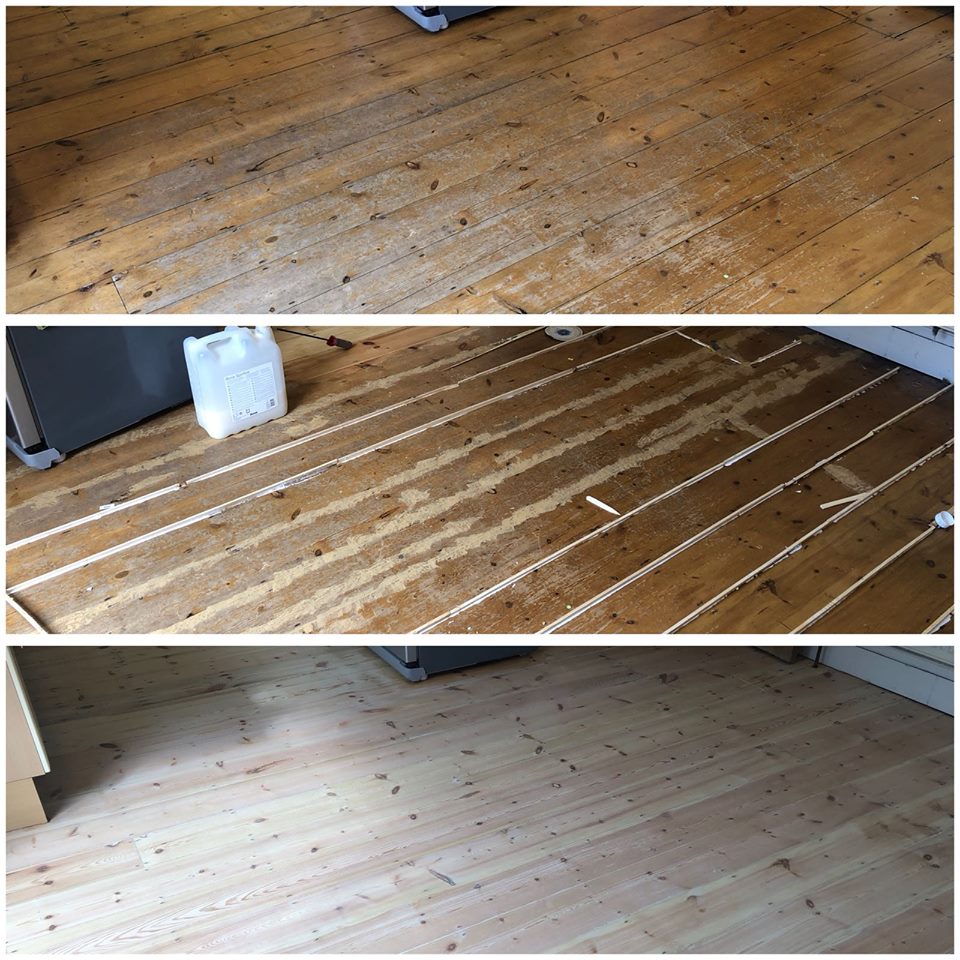
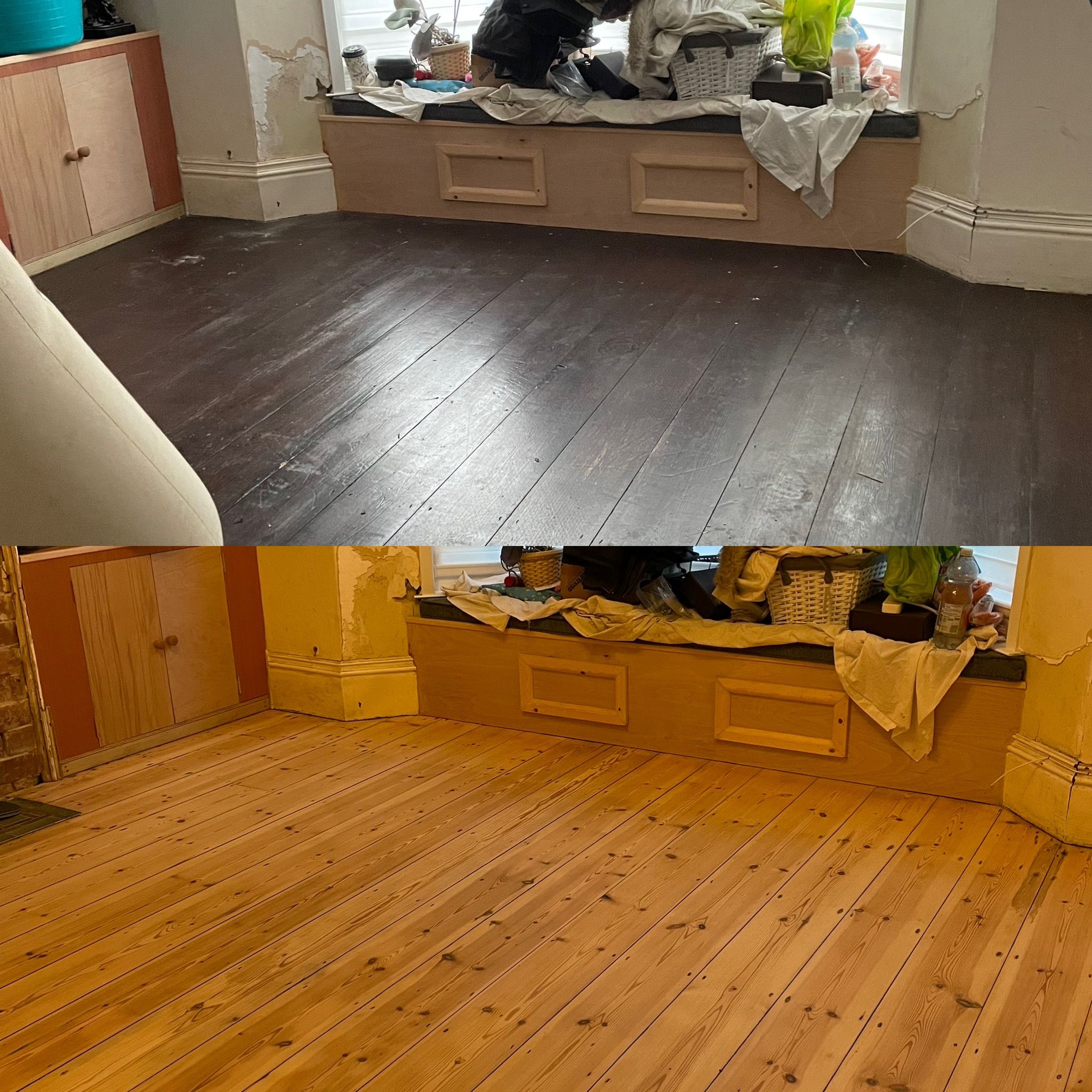
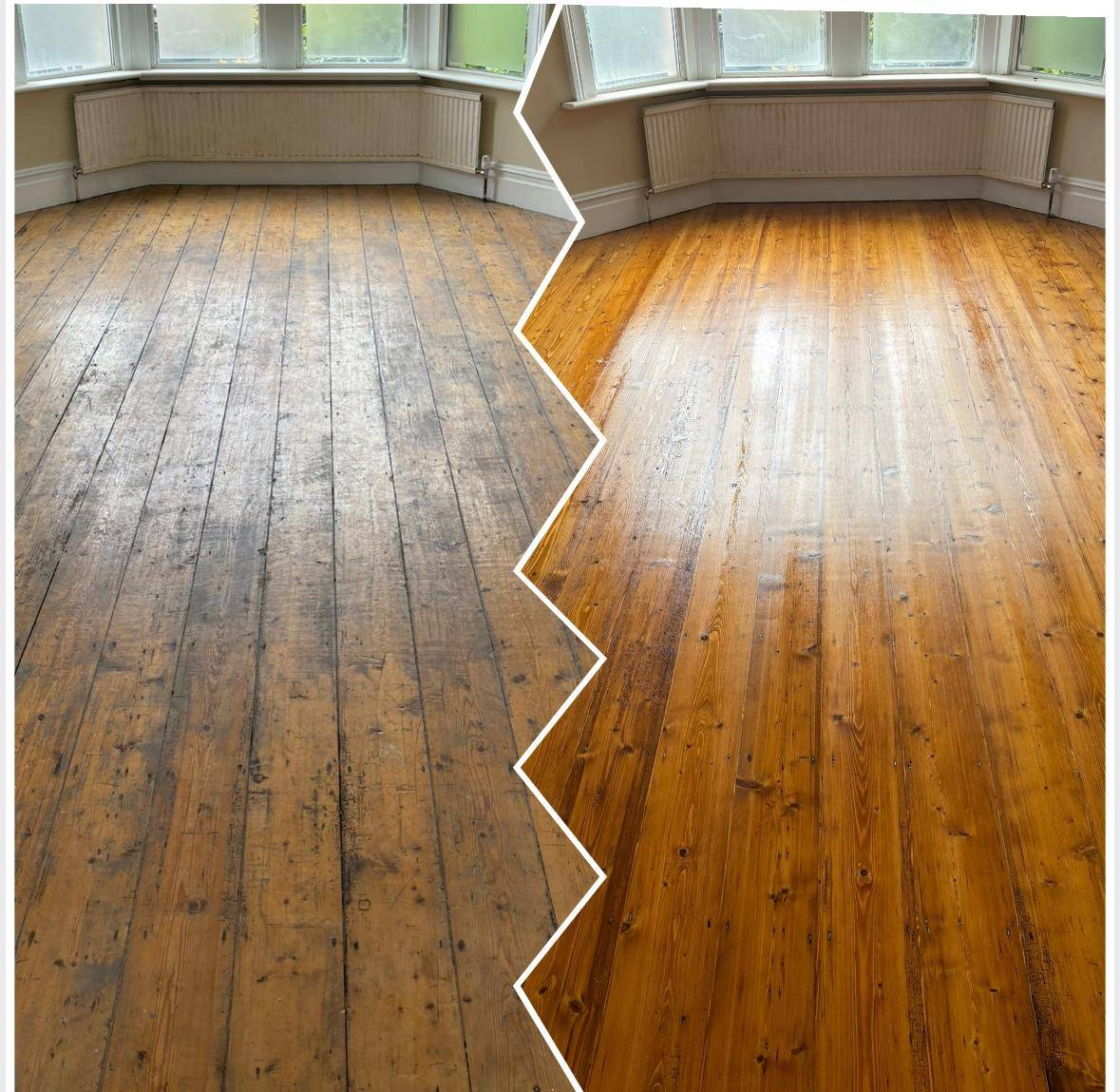
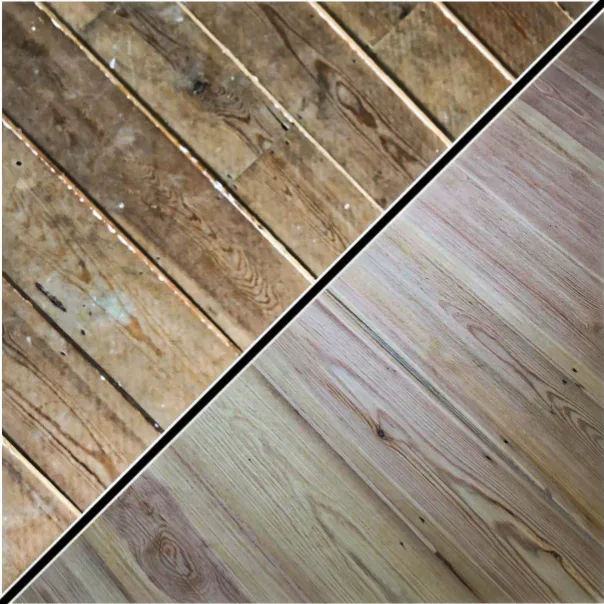
Floor sanding before and after

Floor Sanding in Tewkesbury

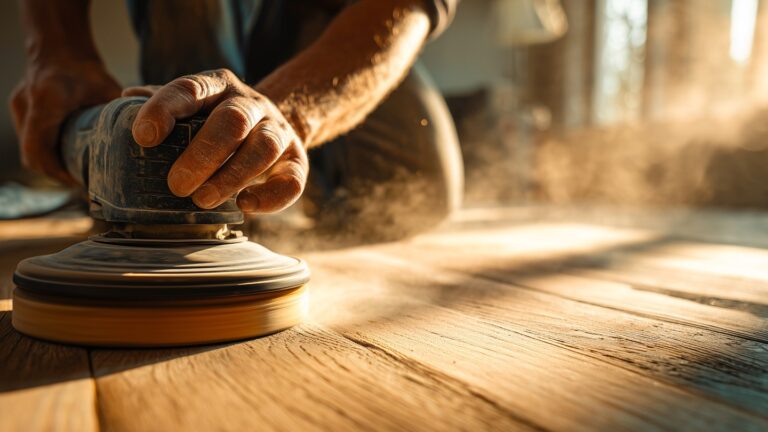
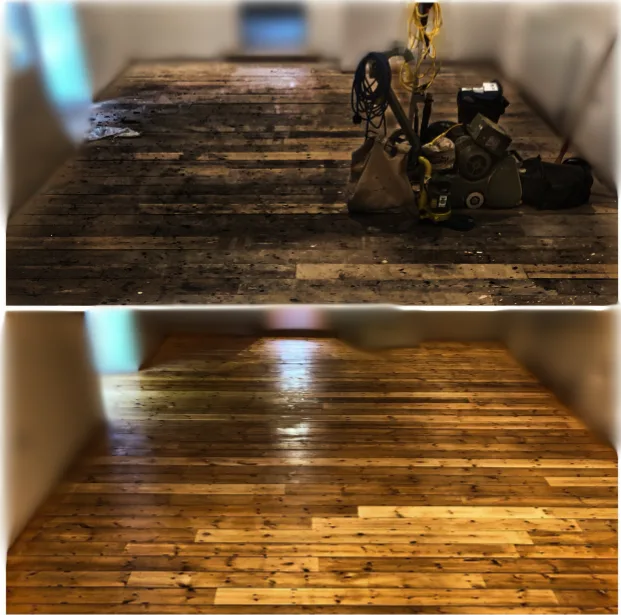
We carry out dust-free wood floor sanding across Tewkesbury and the surrounding villages on every floor the town presents — centuries-old elm and oak in the timber-framed buildings of the three main streets, Victorian pine around Priors Park, interwar oak strip and engineered boards on the newer estates. Assessment leads every job: board thickness, moisture readings — essential in a town with Tewkesbury’s relationship with water — then repairs, staged sanding through the grits and a finish specified for the room. Sealed extraction keeps the overwhelming majority of dust at the machine, and a fixed written quotation comes before any work.

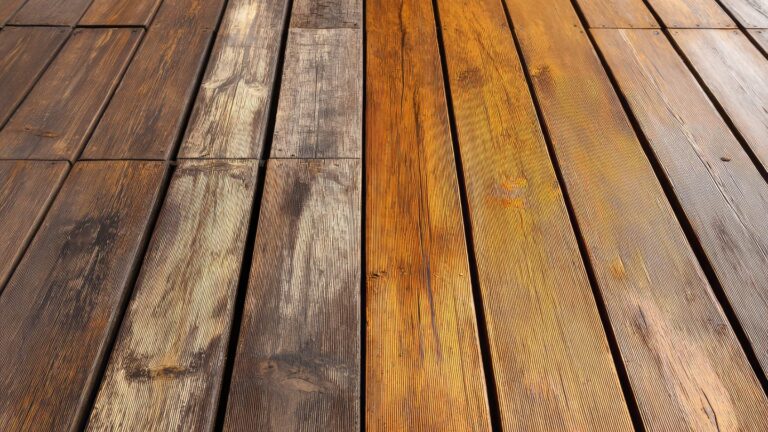
Even on floors that have never seen a flood, the town’s low-lying ground shapes the assessment. Readings are taken at the room’s edges as well as its centre, because moisture in these properties arrives from the perimeter — walls, thresholds, subfloor voids — and a single mid-room reading can pass a floor that is quietly wet where it meets the masonry. Past water events leave their own signature even after full drying: a gentle wash of cupping across a ground floor, filled gaps that have reopened, staining at board ends. The specification reads those signs and sets cutting depths accordingly, taking cupped crowns off evenly rather than chasing a dead-flat result that would thin the board edges.
Flood Recovery and Wood Floor Repairs

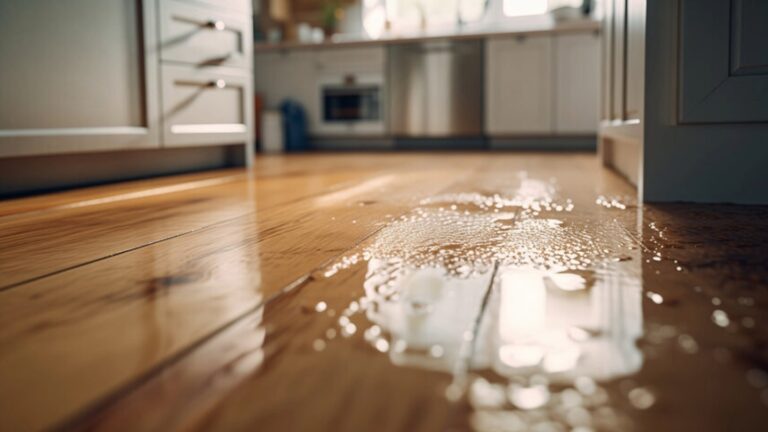
Water-damaged floors are a Tewkesbury speciality by necessity, and the service is disciplined: boards are dried and moisture-tested through both timber and subfloor before anything is promised, then repaired or resolved through floorboard replacement with reclaimed timber matched for species and width — replacing only what is genuinely beyond saving. Alongside flood work we handle squeak fixes, scratch repair and gap filling, and finishes that let timber breathe are specified where the building needs them.

The recovery sequence after standing water is deliberate and staged. First the floor is cleared of silt and washed down, because contamination left in gaps keeps feeding moisture back to the timber. Then drying: air movement and controlled dehumidification rather than blasting heat, which dries board surfaces fast enough to split them while their cores stay saturated. Readings are logged over repeat visits — boards, joists and the subfloor void separately — and nothing structural is decided until the numbers stop falling. Boards that looked hopeless in the first week frequently settle back remarkably; the swelling that alarmed the owner subsides as the moisture leaves, and what remains is a sanding job rather than a rebuild.

Only when the floor reaches equilibrium does machining begin. Sand too early and the boards shrink after the event, opening joints and hollowing the fresh surface; wait for the readings and the floor is cut once, flat, and stays that way. Replacement is reserved for genuine casualties — delaminated, sprung or rot-softened boards — and comes from reclaimed stock matched to the survivors, so the floor’s recovery does not advertise itself.

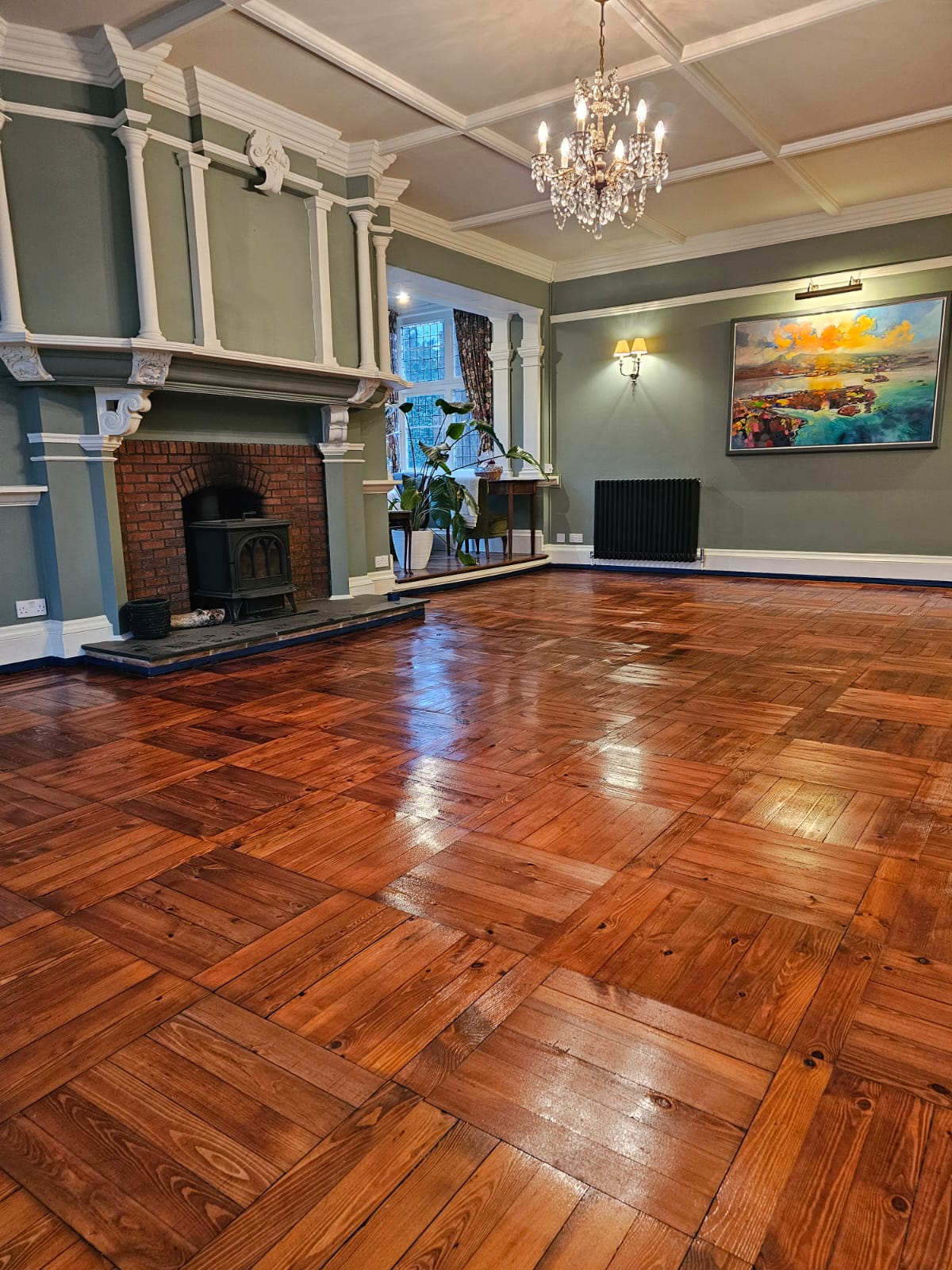
parquet wooden floor sanding
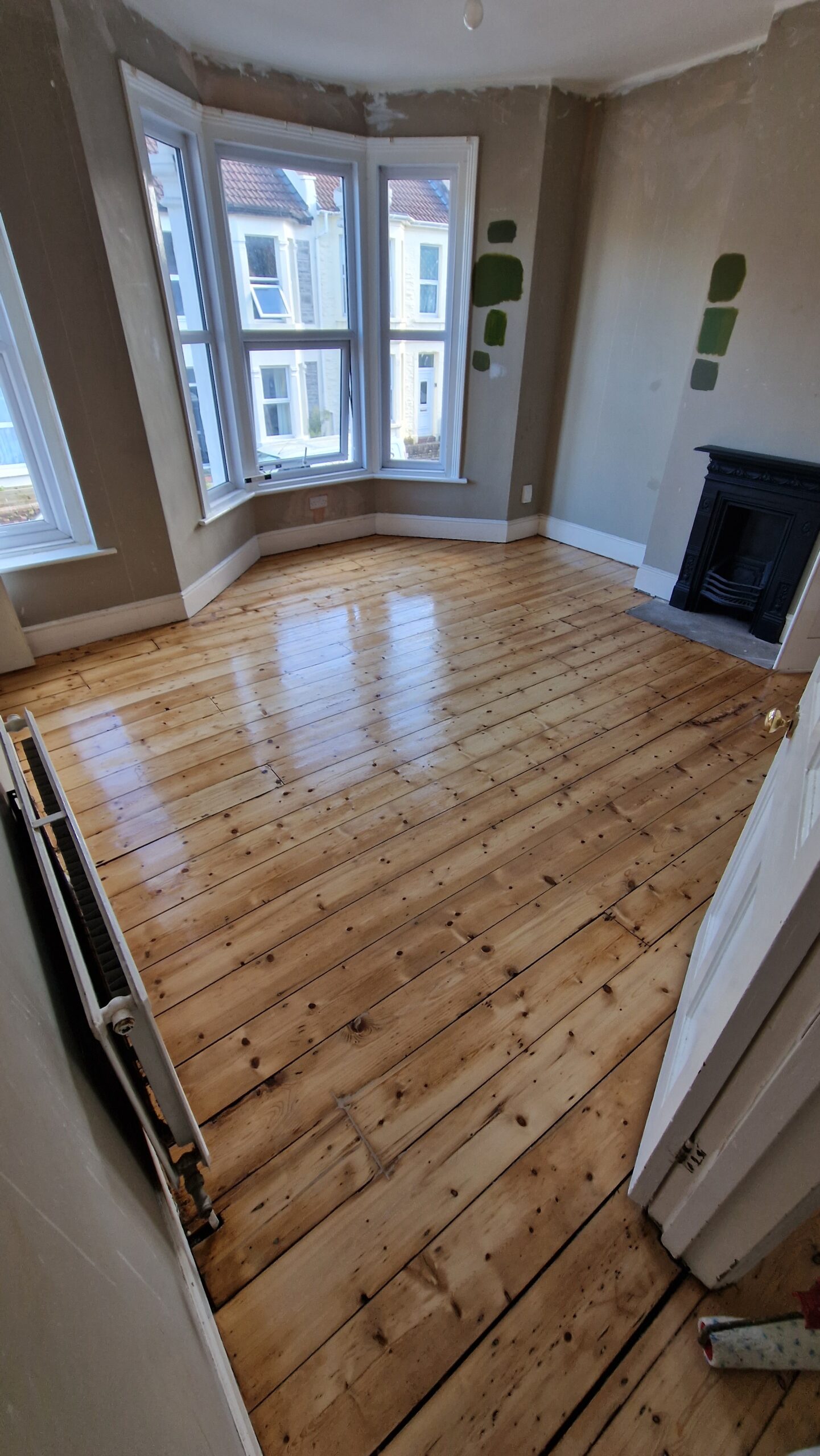
wooden floor sanding

Commercial Floor Sanding in Tewkesbury

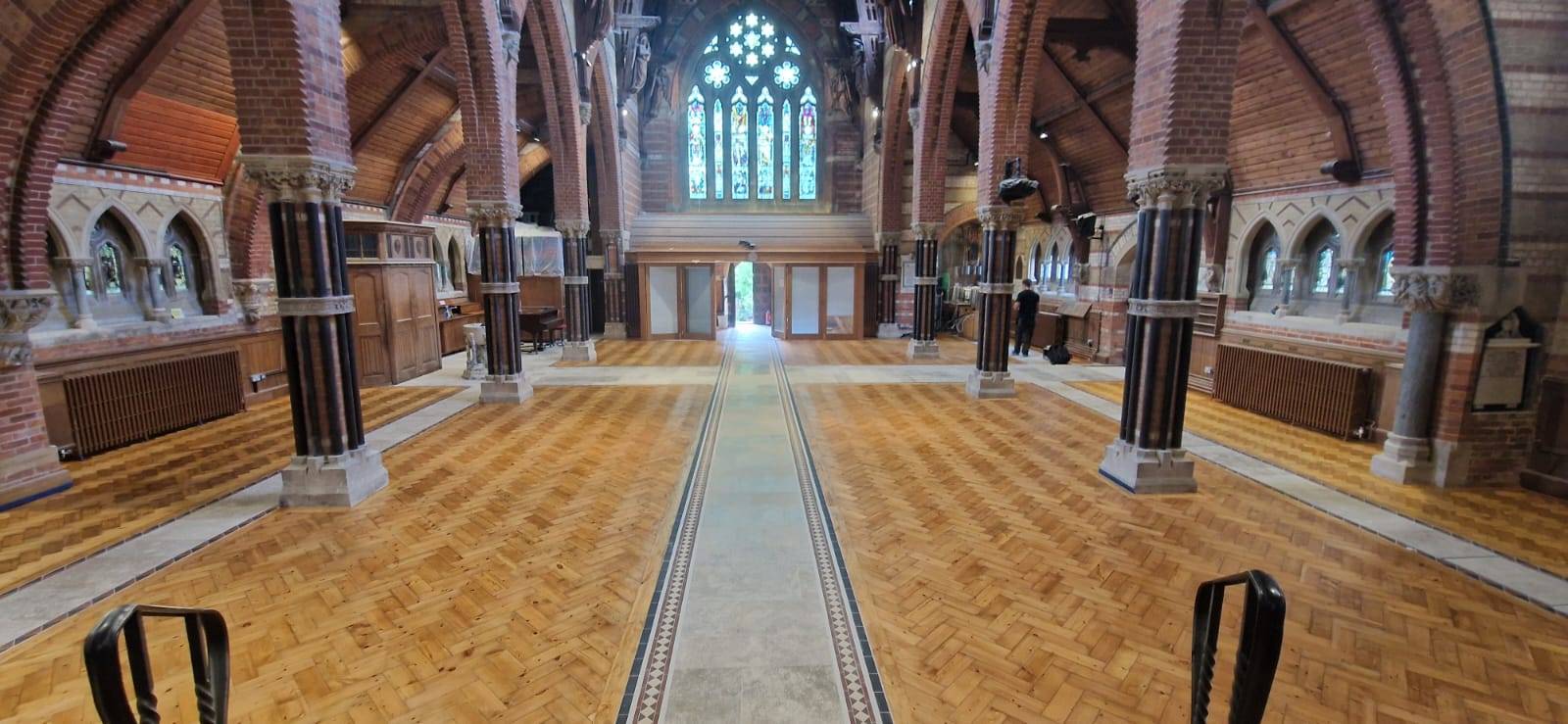
Commercial floor sanding keeps the town trading: its venerable pubs and inns, restaurants and cafes are sanded and sealed overnight or on closed days with fast-curing products — conservation-grade care on a commercial schedule — while shops phase behind barriers, offices turn over weekends, and school, church and village halls around the borough book into holidays with line marking to specification where courts need it. Method statements and insurance paperwork come as standard.

Ground-floor commercial premises near the rivers get a reinstatement-minded specification: seals chosen so a future wetting damages the finish rather than dooming the floor, coats built to allow local repair, and the programme documented so that if the worst recurs, the drying-and-refinish route is already mapped. Day to day the commercial service runs as it does everywhere — overnight and closed-day working with fast-curing products, phased zones behind barriers, written reopening stages — but in this town the paperwork thinks about water as standard.

Restoring Floors in Timber-Framed Buildings

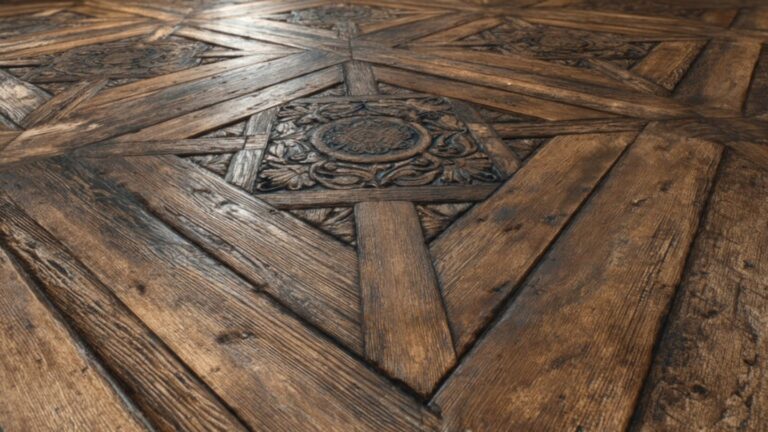
The medieval and Tudor buildings of Church Street, High Street and Barton Street call for restoration rather than renovation: minimal abrasion, repairs pieced in from reclaimed stock, waxes and oils that let five-hundred-year-old boards look their age, and undulations left where they are the building’s story. Listed status is near-universal on these streets — refinishing rarely needs consent, repairs sometimes do, and we handle that conversation at survey with reversible, documented specifications.

The floor structure in a timber-framed building is usually as historic as the boards, and the work protects both. Machine weights are checked against what the old joists and bridging can carry, boards are never re-fixed with modern fasteners driven into medieval timber where a traditional repair will serve, and anything discovered mid-job — earlier floor levels, smoke-blackened boards, carpenters’ marks — is left undisturbed and pointed out to the owner rather than sanded through. Specifications are written down in full, partly for conservation officers and partly because buildings like these deserve a record of what was done to them and why.

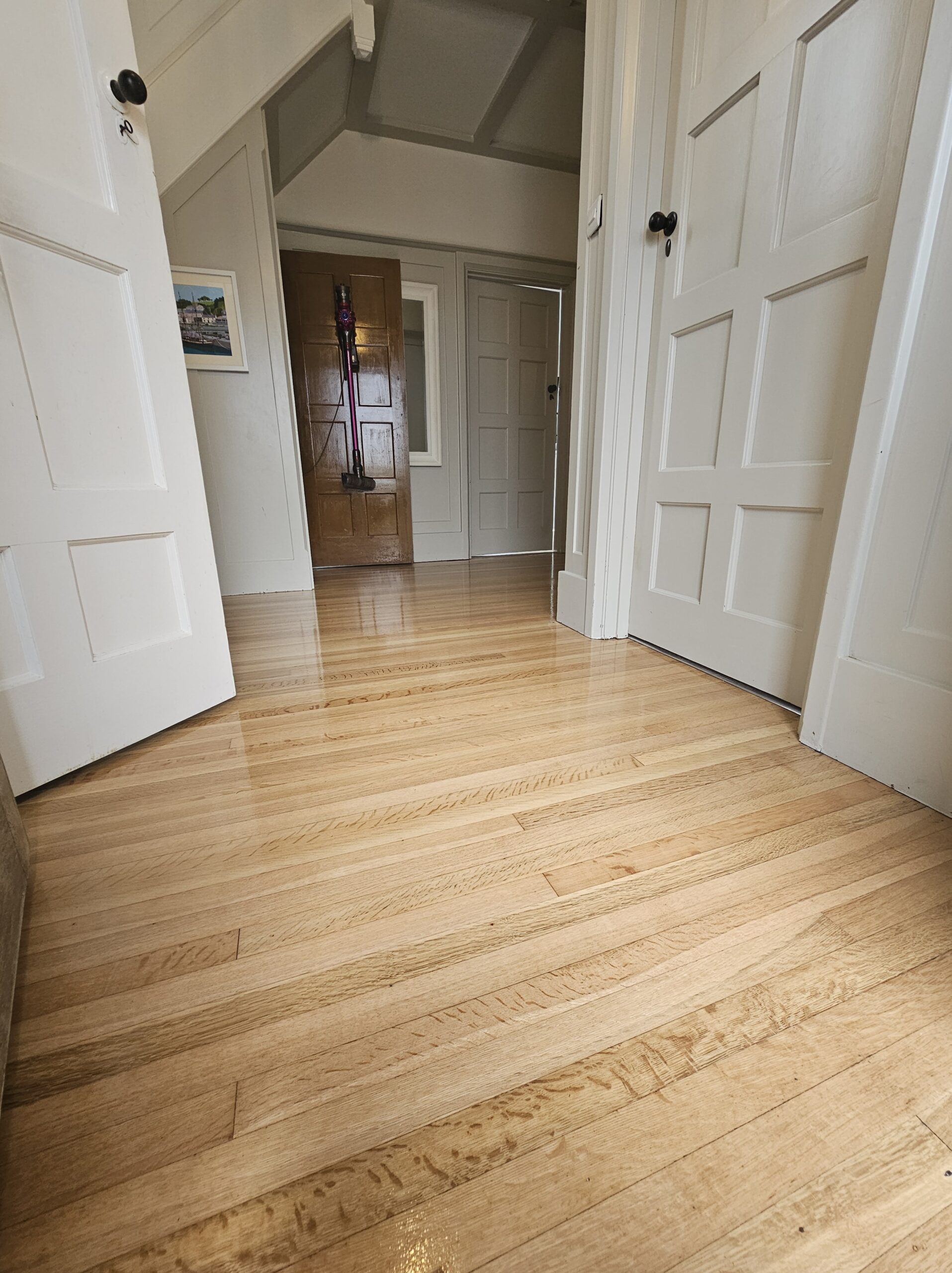
flooring sanding company
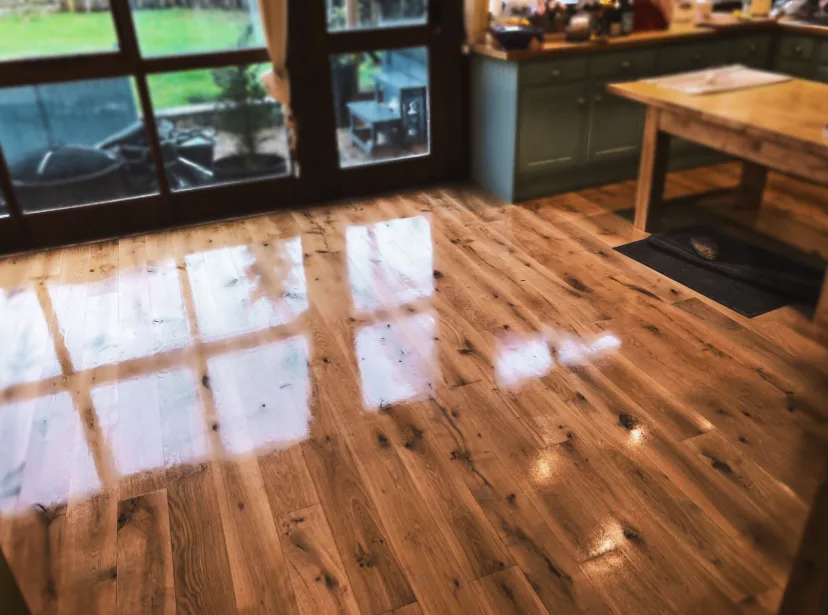
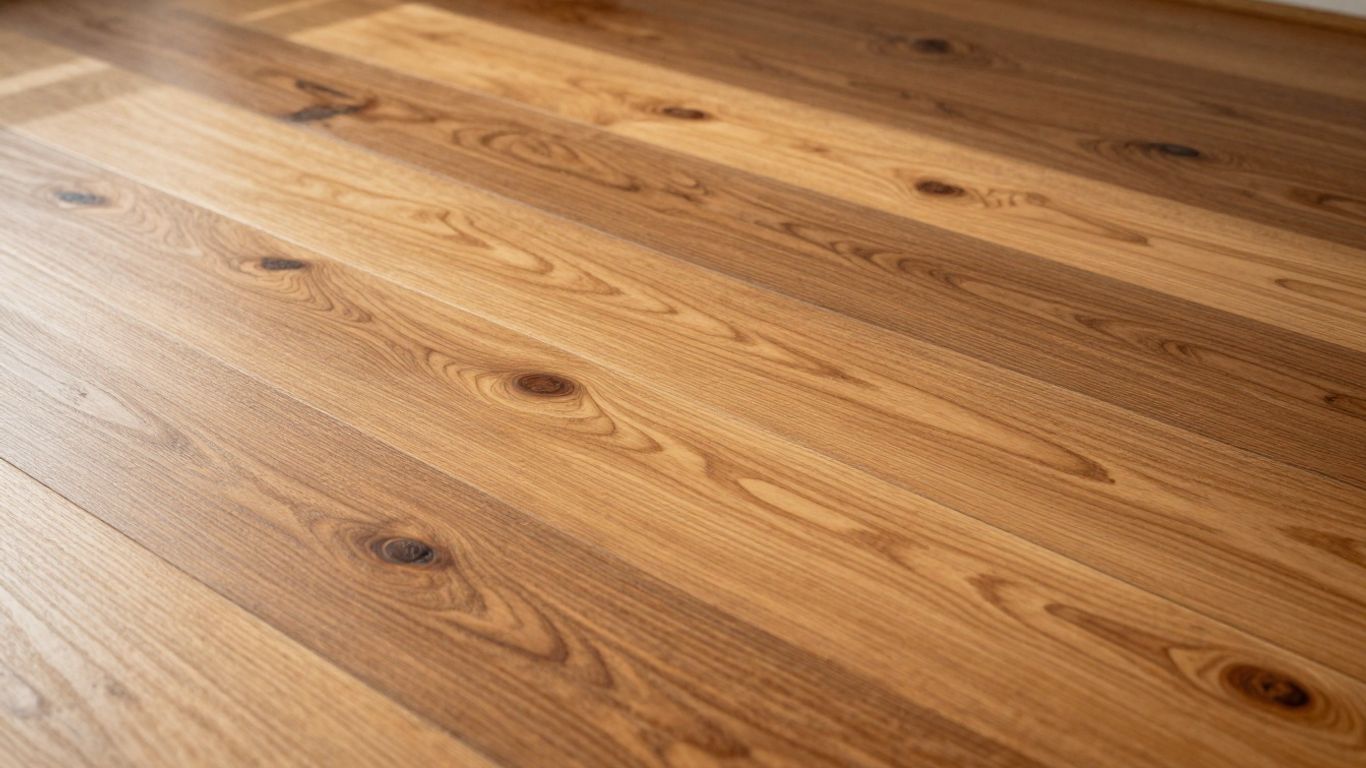
Sunlight across freshly lacquered wooden floorboards

Staining, Sealing, Parquet and Finishes

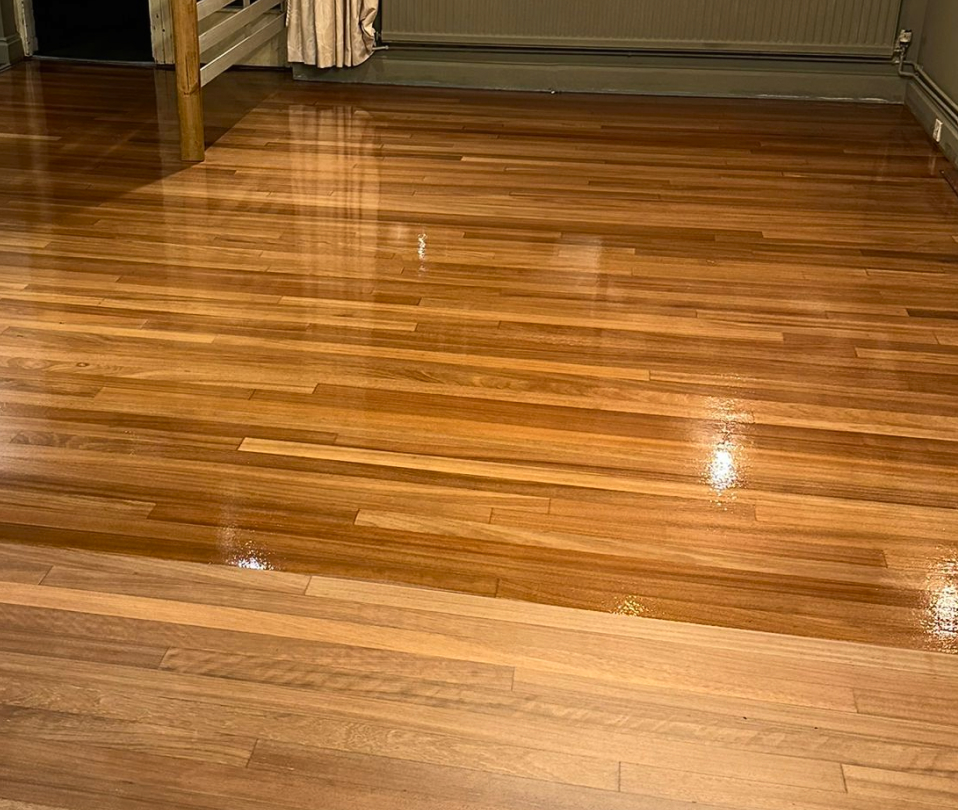
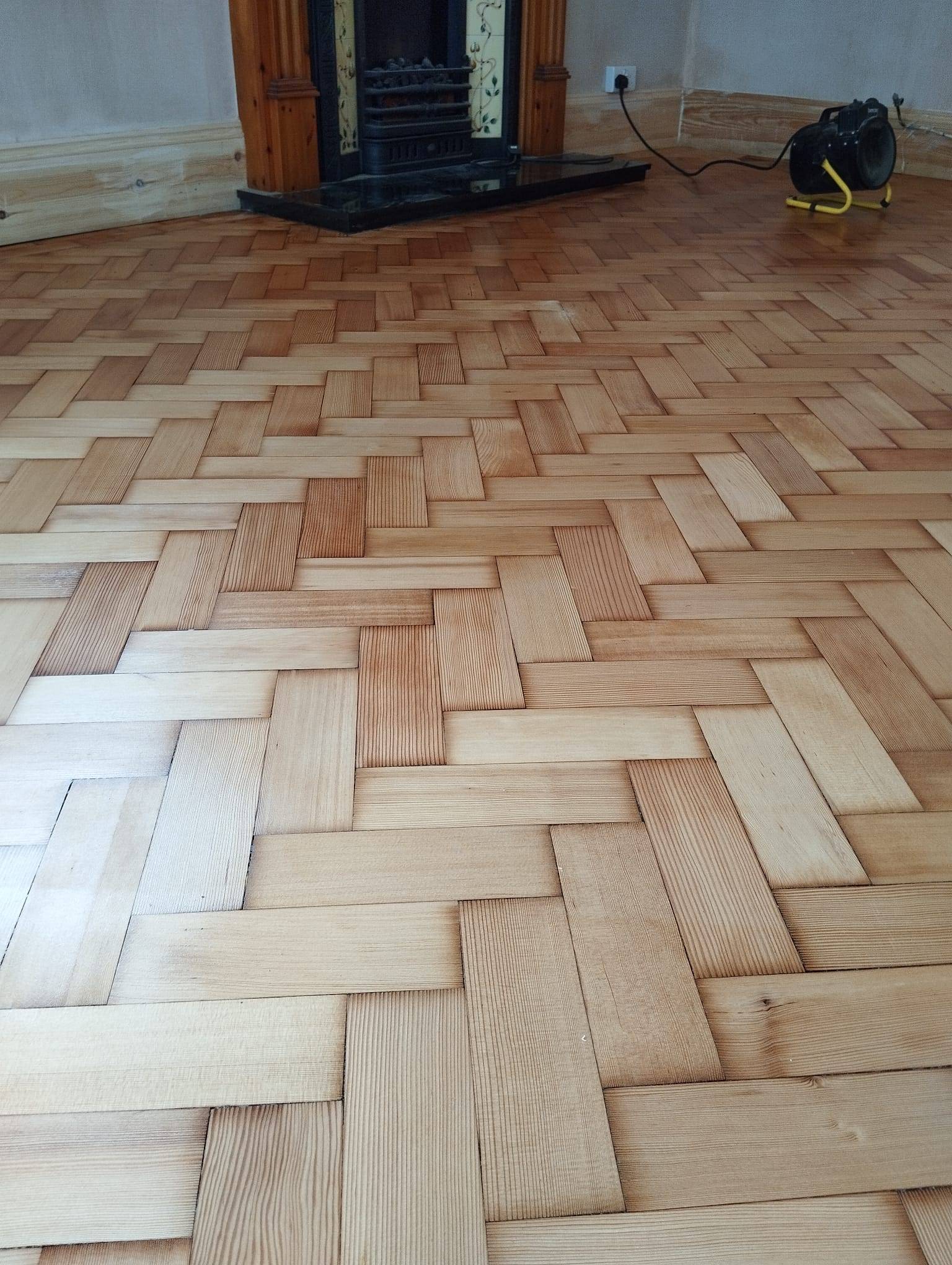
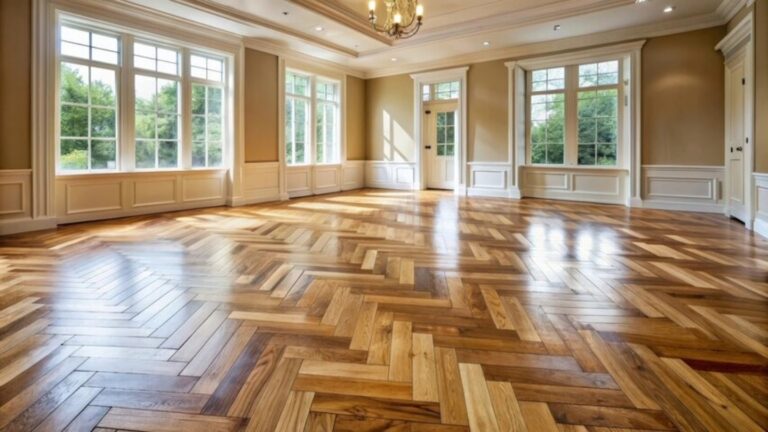
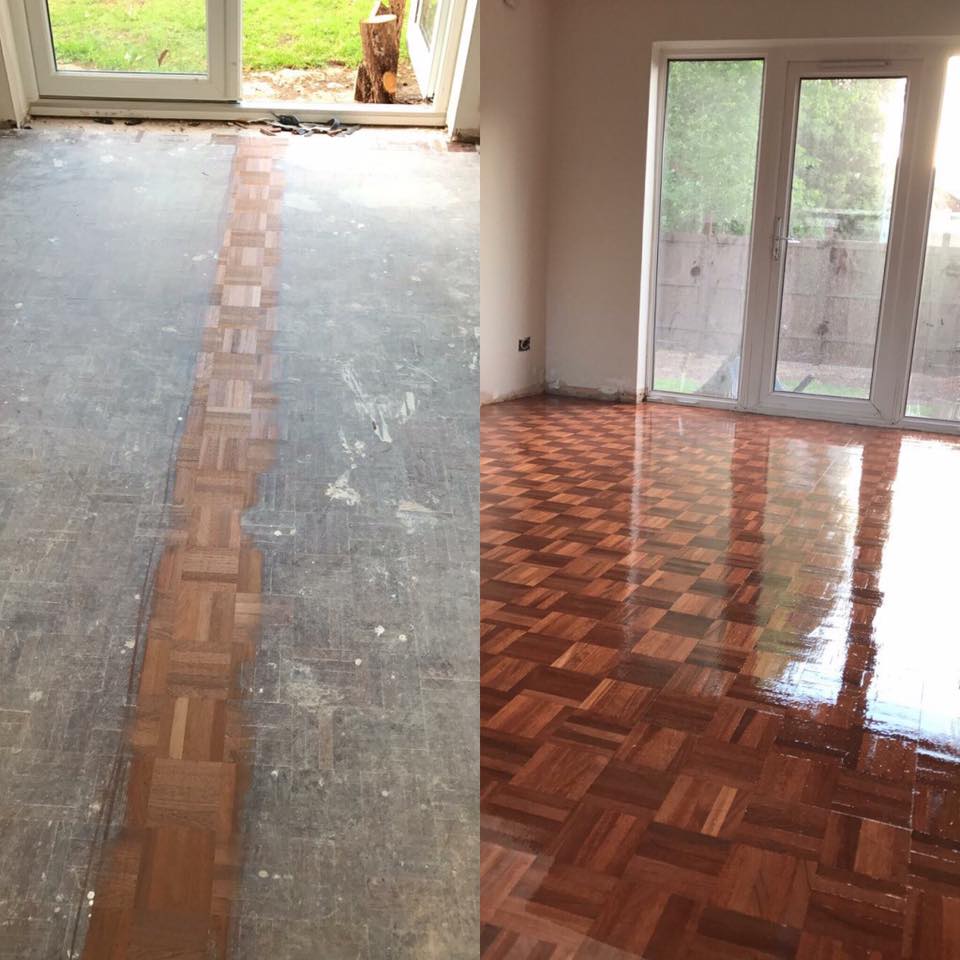
Finishing services cover wood floor staining — colour changes tested on your own boards first — hard-wearing lacquer seals for family floors, hard wax and natural oils, and traditional wax for period rooms. Parquet restoration handles the herringbone and block floors of the interwar streets — blocks re-laid, matched from reclaimed stock and sanded with the pattern before sealing.

Parquet has its own relationship with water: blocks are small, so a wetting makes them expand against each other and lift in tented ridges, and the old bitumen beneath rarely survives the soaking. The restoration lifts the tented areas, dries blocks and subfloor separately, then re-bonds on a modern moisture-tolerant adhesive — often leaving the floor better anchored than before the flood. On finishes generally, ground-floor rooms here favour products that fail gracefully: hard wax oils and repairable seals that can be locally renewed after a mishap, rather than a single glass-hard film whose only repair is total.

New Floors, Buffing and Maintenance

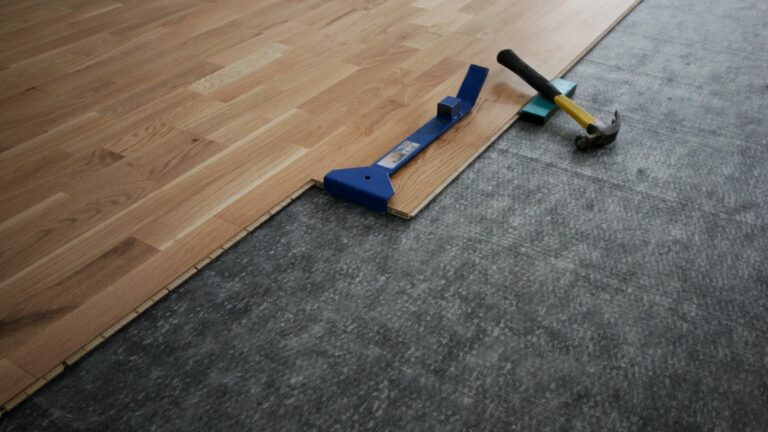
Where a floor is beyond honest rescue, our wooden floor installation service supplies and fits solid, engineered, reclaimed and parquet replacements, specified for subfloor conditions — including the damp-aware detailing low-lying Tewkesbury properties need. Sound floors are refreshed in a day with buffing and recoating, maintained with professional polishing, and every job ends with practical aftercare guidance and recoat timing.

New installations in the flood plain are detailed for the ground they sit on: moisture barriers and primers appropriate to the subfloor, engineered constructions specified where a solid board would move too much over a damp-prone base, fixing methods chosen so a future wetting does not turn into a full re-lay, and ventilation to underfloor voids kept clear rather than blocked by insulation retrofits. It is unglamorous detailing, invisible on completion day — and it is the difference between a floor that shrugs off the town’s wet winters and one that records every one of them.

Wood floor sanding company
Floor sanding taunton

Get a Floor Sanding Quote in Tewkesbury

Send two photographs — the room from the doorway and a close-up of the worst area — for an honest opinion and usually a fixed written quotation. Timber-framed buildings, flood-affected floors and commercial premises get a free, no-obligation site survey.

Call 01823 674562, email info@ryansrestoration.co.uk, or use the form on this page.

All services available in Tewkesbury: floor sanding, restoration, repairs, board replacement, gap filling, parquet, staining, waxing, installation, stairs and commercial floors.

Nearby areas we also cover: Cheltenham, Gloucester and the rest of Gloucestershire.

FAQ: Floor Sanding in Tewkesbury

The full range: dust-free sanding, restoration, flood recovery and repairs, board replacement, gap filling, parquet, staining and finishes, stair sanding, buffing, installation and commercial floor sanding.

Very often, once it has dried properly. We measure moisture through boards and subfloor before promising anything, and replace only what is genuinely beyond saving.

Weeks at least, sometimes months — the readings decide, not the calendar. Sealing damp boards is how finishes fail, so we wait until the timber is ready.

Yes, conservatively — minimal abrasion, pieced-in repairs, appropriate finishes and undulations kept. Consent questions are flagged at survey.

Yes — overnight and closed-day working with fast-curing seals means the town’s pubs and inns keep every service.

Yes — solid, engineered, reclaimed and parquet supplied and fitted, with damp-aware detailing for low-lying properties.

Sealed extraction captures the overwhelming majority of dust at the machine — vital in compact, connected old buildings full of furniture.

Start with two photographs for a fast opinion, or book a free survey with no obligation attached; a fixed written quotation comes before any job goes in the diary.