45 years’ experience  ·  Rated 4.9 on Google  ·  Family-run, from our workshop near Wellington

45 years’ experience · Rated 4.9 on Google · Family-run

Floor Sanding and Wood Floor Restoration in Bampton

Sanding, repairs and hard-wearing finishes for Bampton farmhouses, cottages and village premises, from a family-run team based near Wellington in Somerset.

QUICK QUOTATION

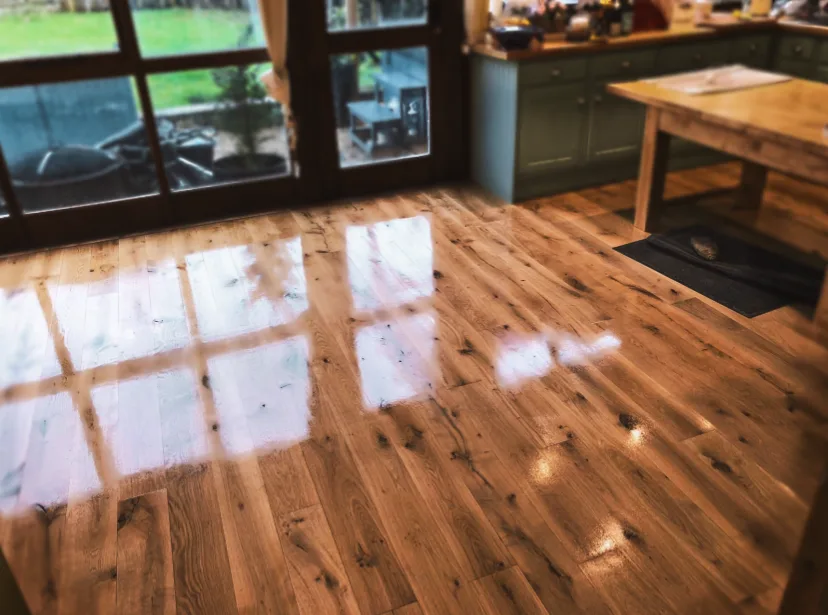
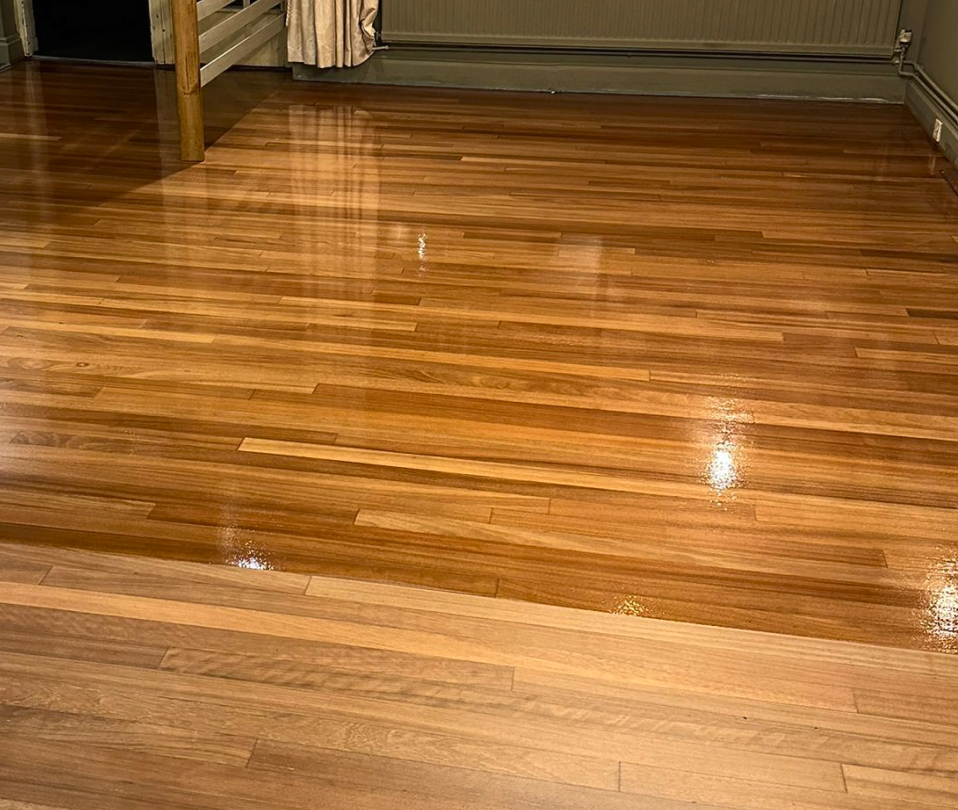
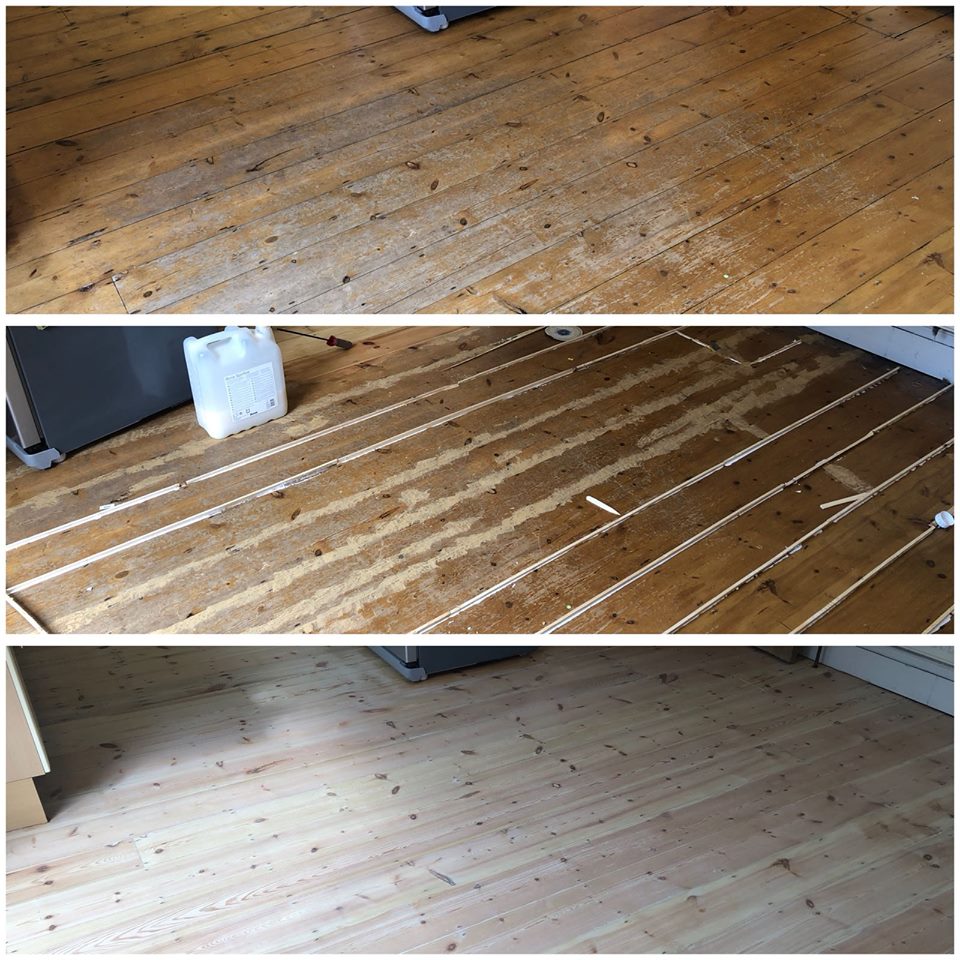
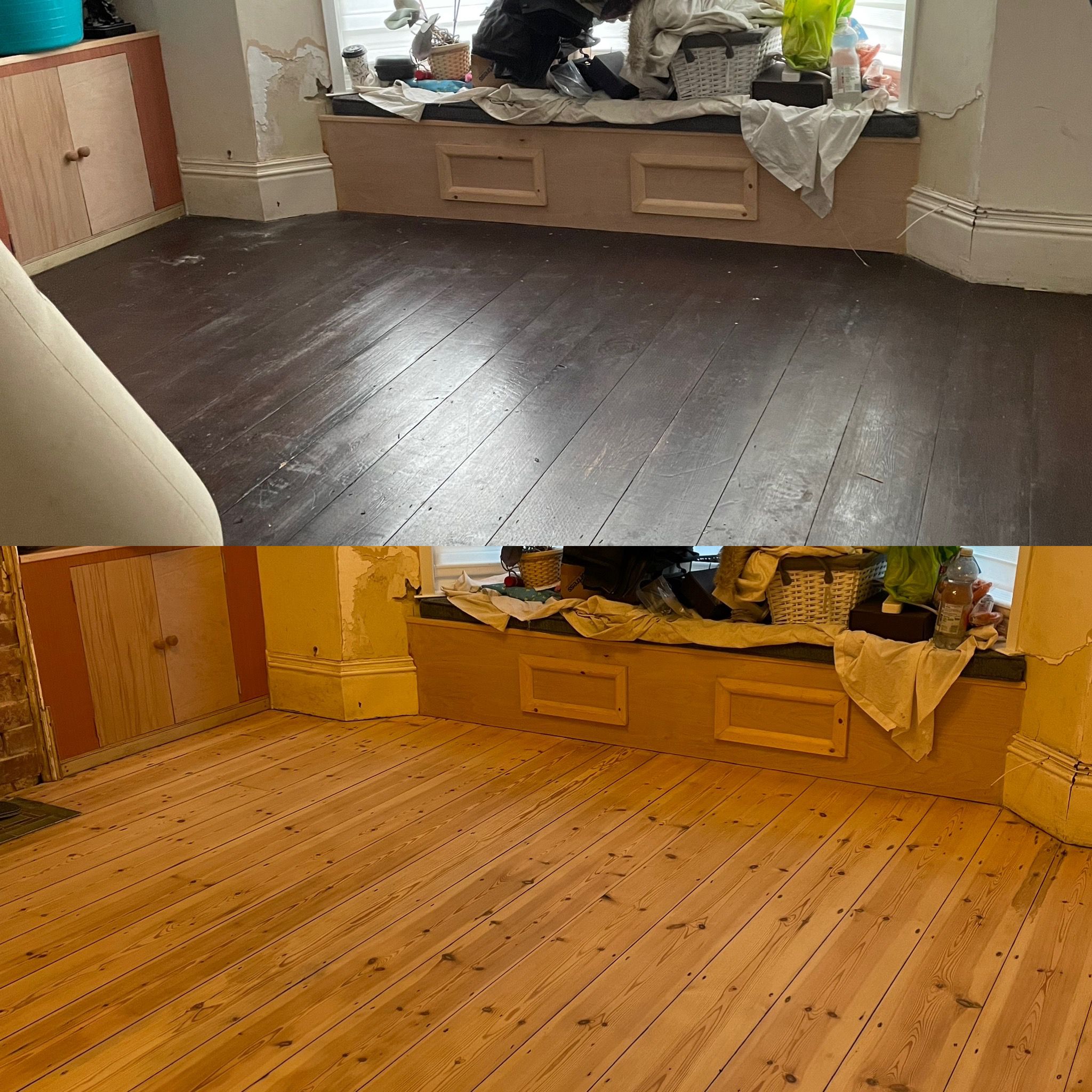
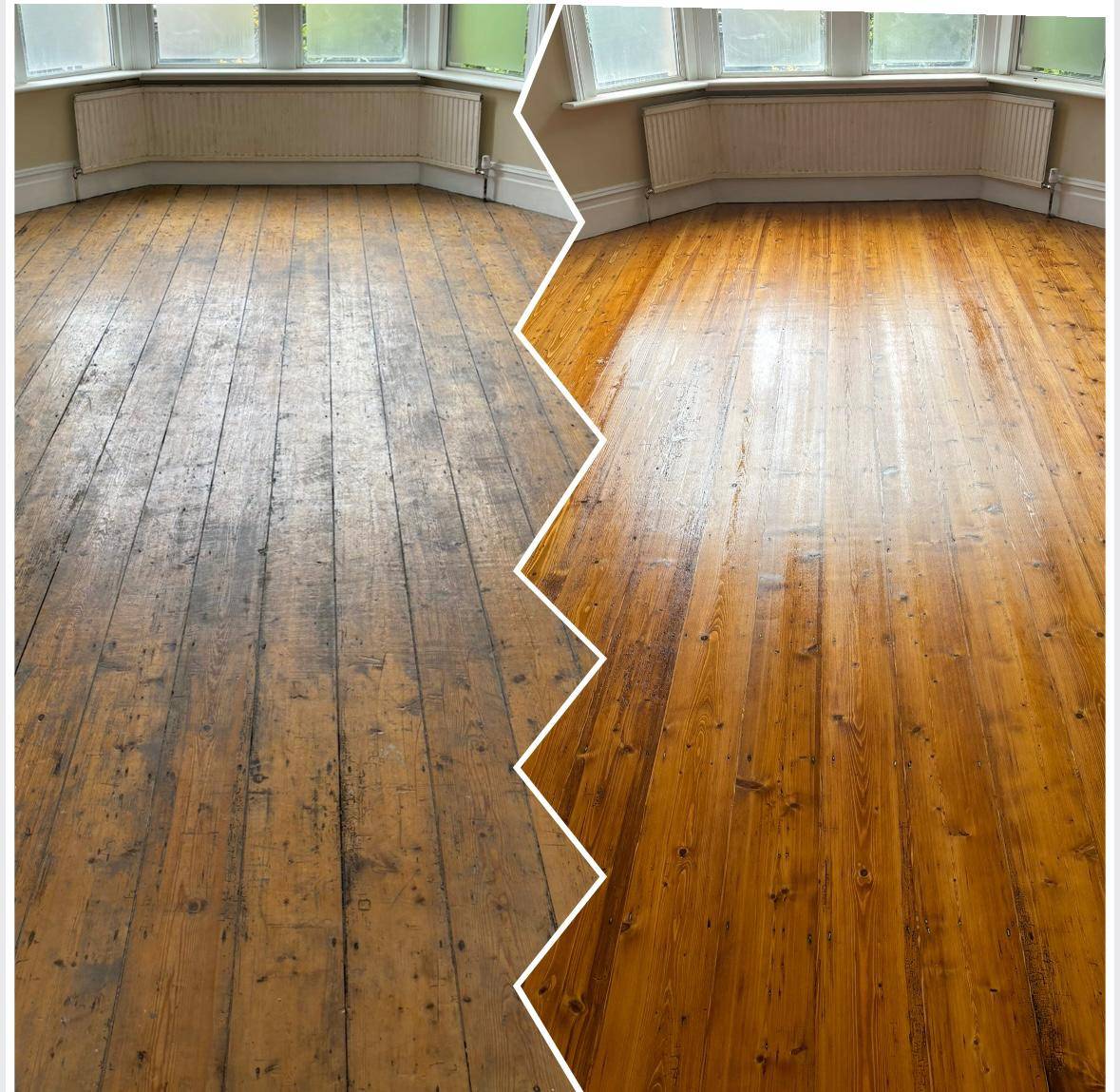
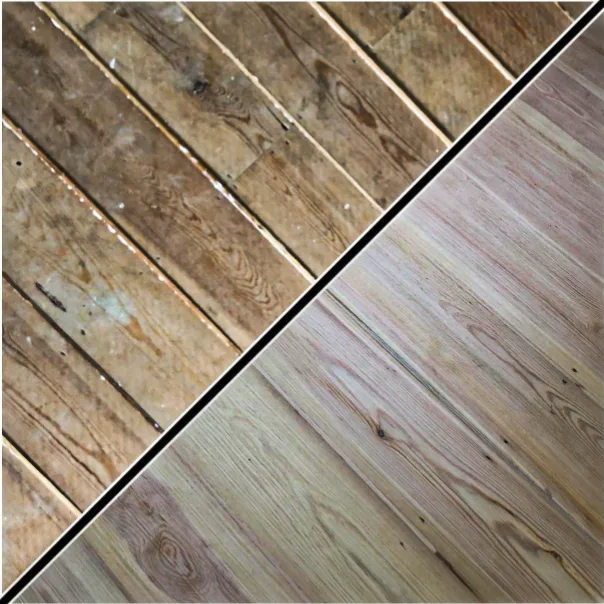
Floor sanding before and after

Floor Sanding in Bampton: Farmhouses, Cottages and Village Homes

Most of the floor sanding in Bampton that comes our way falls into two groups. One is the houses and cottages in the town itself, which tend to have softwood boards on at least one storey and have often been carpeted, uncovered, painted and carpeted again over the last hundred years. The other is the farmhouses spread through the surrounding valleys, where the boards are older, wider and far less predictable. Both start in the same place. Before a machine goes near the floor, we want to know what the timber is, how much thickness is left above the tongues or nail heads, and what has been brushed onto it over the years.

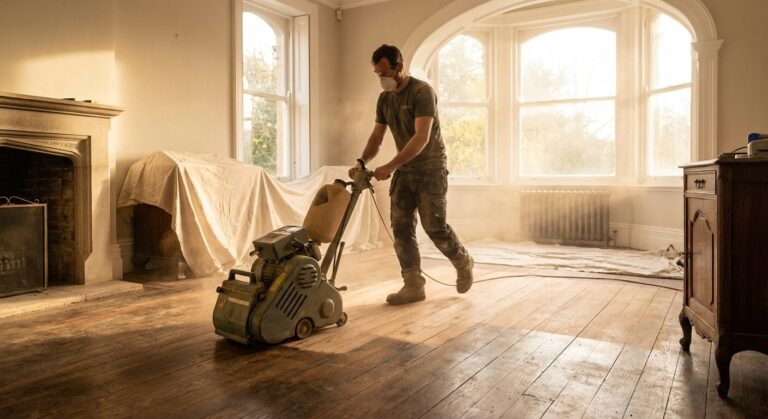
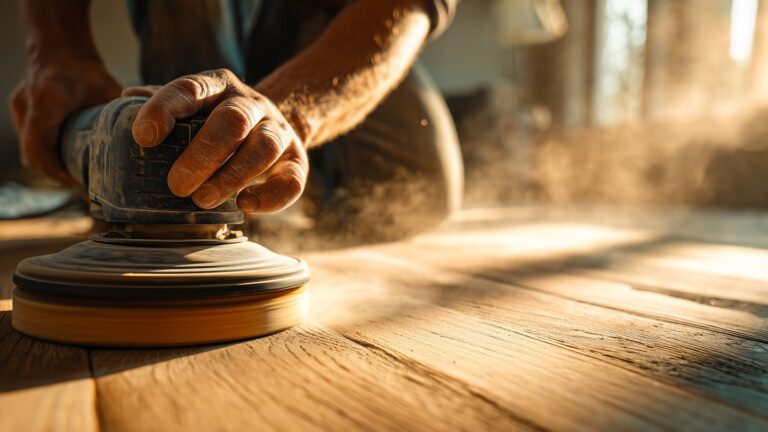
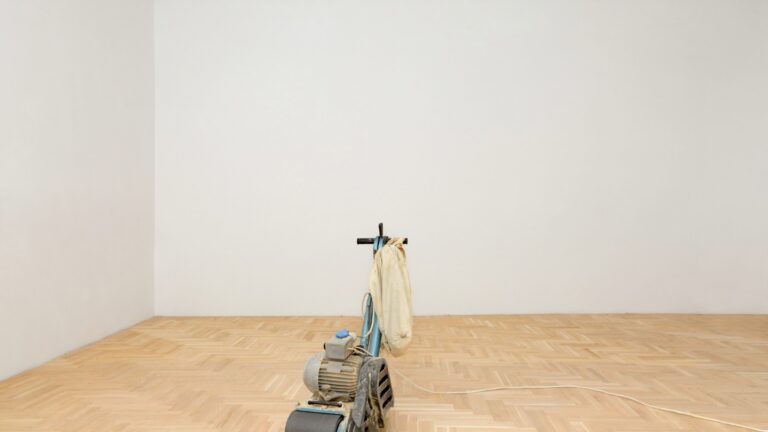
Bampton lies a few miles north of Tiverton, close to the Somerset border, so it sits comfortably inside the patch we work in regularly from our workshop at Higher Poole, near Wellington. The wood floor sanding service page describes the method in detail. In short, the old coating is cut back with a coarse abrasive, the surface is refined through finer grits until the scratch pattern from each pass has gone, and the margins along the skirting are brought down with edging machines so they match the open floor.

In a farmhouse kitchen that is still in use for every meal, dust is usually the first worry. Our sanders run with sealed extraction that draws dust away at the drum and the edging pad, so very little reaches the dresser, the larder shelves or the rail on the range. On our site the method appears as dust-free floor sanding. In a working kitchen a little fine powder can still find the plate rack, so clear the dresser of anything delicate first.

A cottage with two or three boarded rooms typically takes one to three days from the first cut to the final coat. A farmhouse where several rooms need repairs first can run longer, and we would sooner say so at the survey than discover it halfway through. The rest of our county coverage is gathered on the Devon floor sanding hub, and the Victorian terraces a few miles south have a page of their own on floor sanding in Tiverton.
Wide Farmhouse Boards Near Bampton: Cupping, Gaps and Repairs

Farmhouse floors rarely behave like a modern strip floor. In older West Country farmhouses, boards ten or twelve inches wide are not unusual, sometimes in elm rather than pine or oak, and many were nailed straight down to the joists with square edges and no tongue at all. Over a century or two they cup, twist and shrink, so the edges of each board stand proud of the middle and the gaps between them open up every winter once the heating goes on.

That shape matters for sanding. Run a large machine straight along a cupped floor and it bites hard on the raised edges while barely touching the hollows, which can leave thin spots near the nail lines and a floor that looks scrubbed rather than restored. On boards like these the usual approach is to make the first passes at an angle to the grain to knock down the ridges, then work along the length of the boards with finer grits, and to accept that a very old floor ought to look its age afterwards. Chasing a dead-level surface on that kind of timber takes away wood that cannot be put back.

Repairs come first. Loose boards are refixed, and the creak from a board rubbing its neighbour or riding up and down on a slack nail is dealt with through our squeaky floor repairs. A board that has split, or gone soft where generations of rain have been carried in from the yard, can be cut out and swapped through our floorboard replacement service. The new piece comes from old timber kept back at the workshop, so it has already had a century or so to darken. Wide farmhouse boards are the hardest to match, so a repair here may mean borrowing a board from somewhere unseen, such as under a fitted cupboard, and putting the reclaimed piece there instead.

Gaps call for judgement. Where they are wide and stable, thin slivers of timber glued into the gap give a lasting result, and the choice between slivers and resin filler is set out under gap filling. Where a floor still moves a good deal through the seasons, it is often better to leave the gaps open than to fill them and watch the filler crack by spring. Other wooden floor repairs, such as patching around old pipe runs or a hearth that has been moved, can be handled in the same visit.

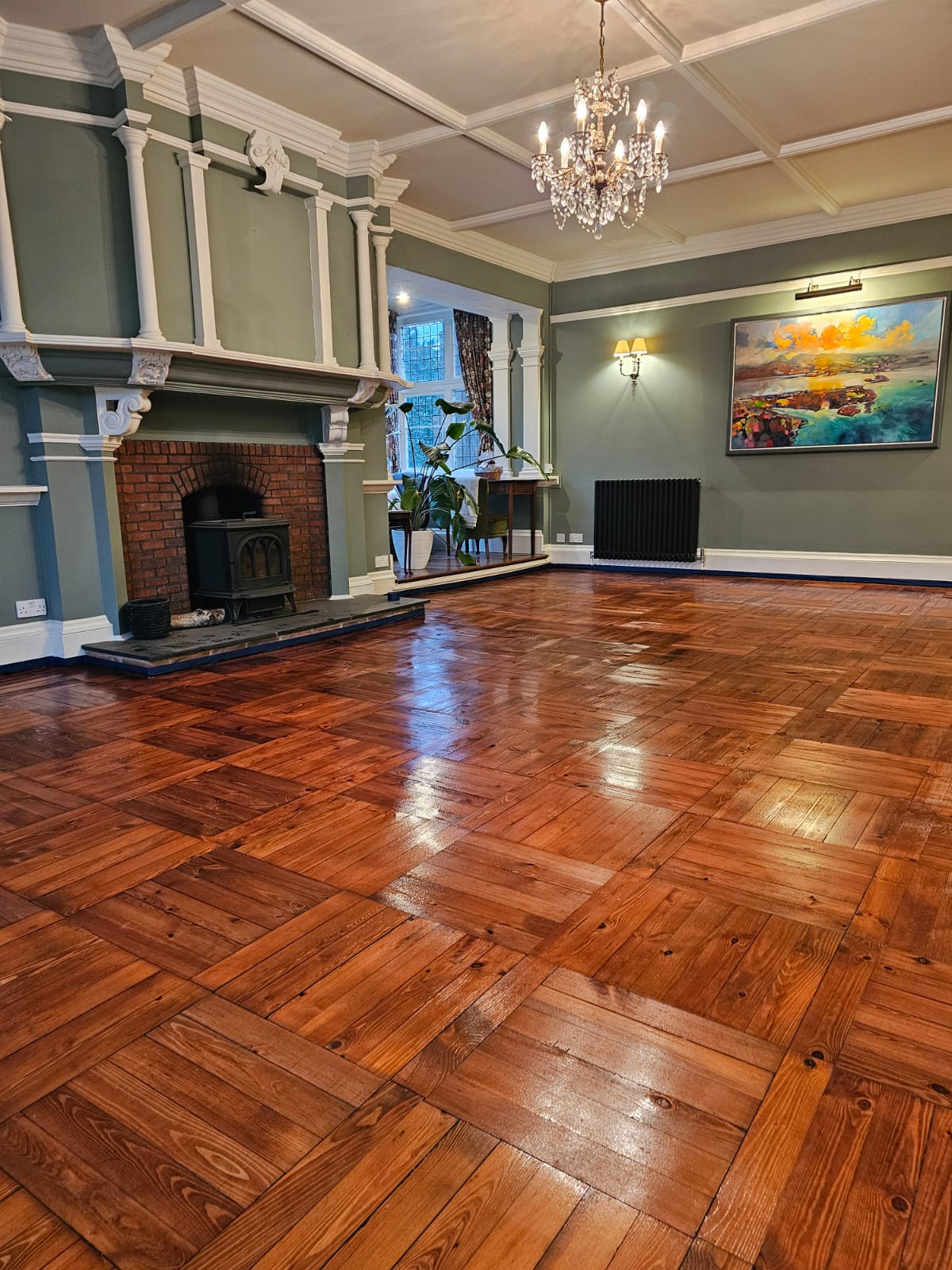
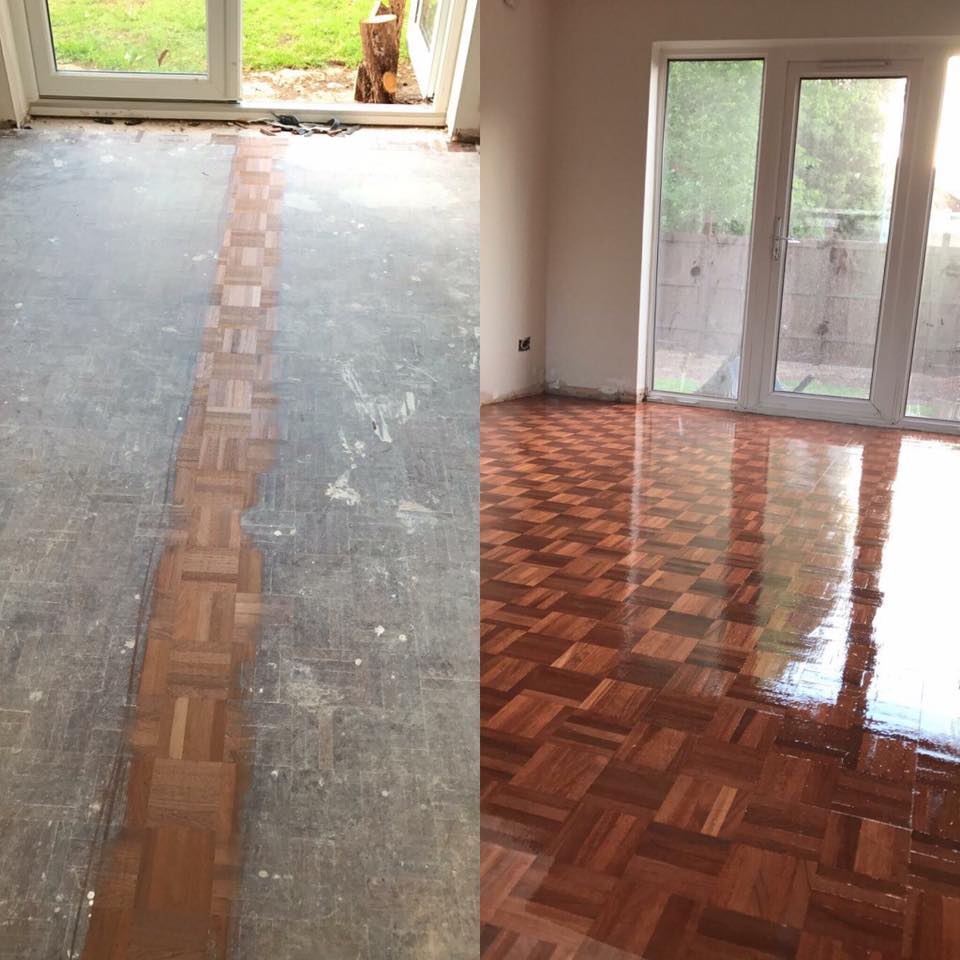
parquet wooden floor sanding
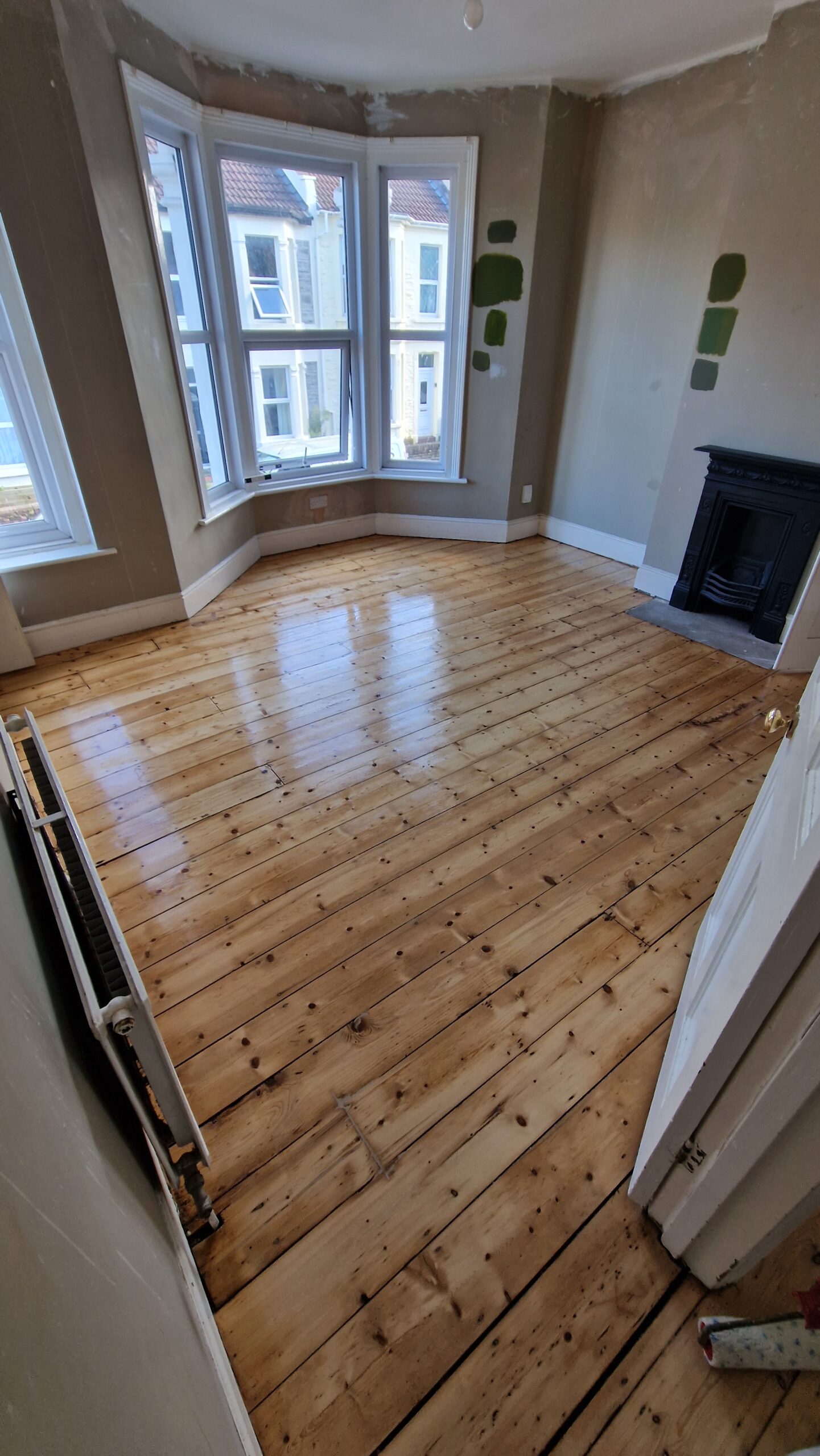
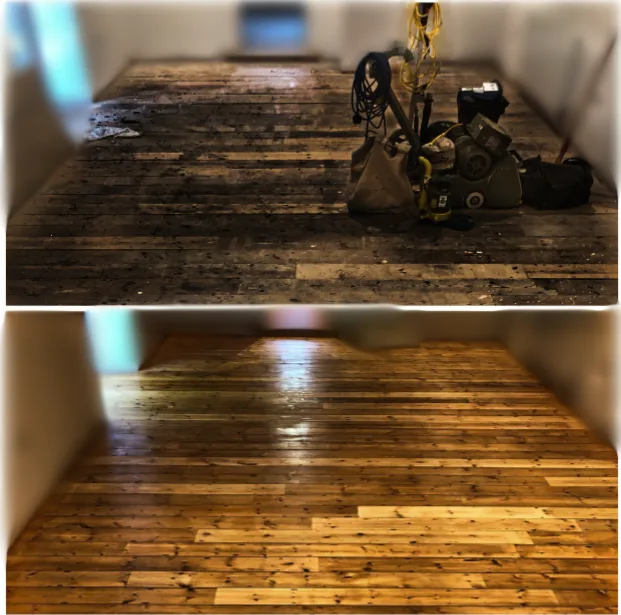
wooden floor sanding

Wood Floor Restoration in Bampton Homes With Dogs and Muddy Boots

A floor by a back door in the country takes a different kind of punishment from one in a town flat. Grit from yards and lanes comes in on boots and paws, and every step grinds it into the finish like fine sandpaper. Add a couple of working dogs whose claws skid on the turn into the kitchen, a water bowl that gets knocked over twice a day and a wood burner shedding ash, and you have a floor that dulls in a clear path from door to sink within a year or two of being refinished.

A lot of the wood floor restoration in Bampton starts from a floor in exactly that state. The finish has worn through in the traffic lanes, bare timber has gone grey where water sat on it, and claw marks have broken through to the wood beneath. Proper wood floor restoration means sanding back below the damage, repairing what needs repairing, and then choosing a finish that suits the same household for the next decade rather than one that only looks right in a showroom.

Not every mark needs the full process. Fine scratches in a lacquer that is otherwise sound can sometimes be blended out locally, and our scratch repair work is aimed at exactly that kind of damage. Deep gouges from a dropped tool or a dog crate dragged across the room usually mean sanding the whole area, because a patch sanded on its own tends to show up as a paler rectangle.

The timber changes the plan as well. Oak shrugs off knocks better than pine and can usually be sanded several times over its life, which makes oak floor restoration on an older house a long-term proposition. Softwood dents more easily under claws and boot heels, so pine floor restoration in a dog household often leans towards a finish that can be patched instead of one that has to be stripped back entirely once it wears.

For a sense of the rural work we take on, our East Anstey floor sanding and sealing project, not far from Bampton, involved getting an even sanded surface across rooms in different condition before sealing. Simple habits help any finish here: a deep barrier mat inside and outside the back door, claws kept short, and water bowls on a tray rather than straight on the boards.

Why Oiled Finishes Suit So Many Bampton Floors

Lacquer and oil fail in different ways, and in a busy rural house that difference often decides the matter. A lacquer is a film that sits on top of the wood. It is tough and easy to mop, but once a claw or a stone under a boot heel cuts through it, the scratch shows white and dirt works in underneath. Repairing it properly means abrading the whole floor and recoating, because fresh lacquer laid over a small patch seldom blends in.

An oil soaks into the timber rather than sitting on it. Natural oils and hard wax oil harden within the top fibres of the wood, so a scratch tends to read as a darker line rather than a white one, and a worn area can be cleaned, lightly abraded and re-oiled on its own without the edges showing. In a hallway that sees boots and dogs every day, that ability to patch is often worth more than the extra hardness of a lacquer. The trade-off is that an oiled floor wants an occasional maintenance coat, and it should be cleaned with a product made for oiled wood rather than a general-purpose floor cleaner. Products and drying times are covered on the wood floor oiling page.

Hard wax oil sits between the two. Most of it soaks in, a thin waxy layer stays on top, and that layer shrugs off a spilt mug of tea for longer than plain oil would, while worn spots can still be touched in. Traditional floor waxing still has a place on old elm and oak, especially in a farmhouse parlour that sees little traffic, giving a soft, low sheen that suits old timber, though wax copes poorly with standing water and is rarely right beside a back door.

Where lacquer genuinely is the better choice, perhaps in a holiday cottage cleaned between every booking by people who will never re-oil anything, there are water-based and oil-based lacquers, or a two-component lacquer where wear will be heavy, all described under floor sealing. Colour can go underneath any of these. We test stains on your own boards before committing, since elm and old pine take colour quite differently from a sample board, and the options are under floor staining. A soft sheen over a cured finish is a job for floor polishing.

One practical warning for anyone maintaining an oiled floor themselves: rags soaked in drying oil can heat up as they cure, so lay them flat outdoors to dry or soak them in water before disposal, rather than balling them up in a bin.

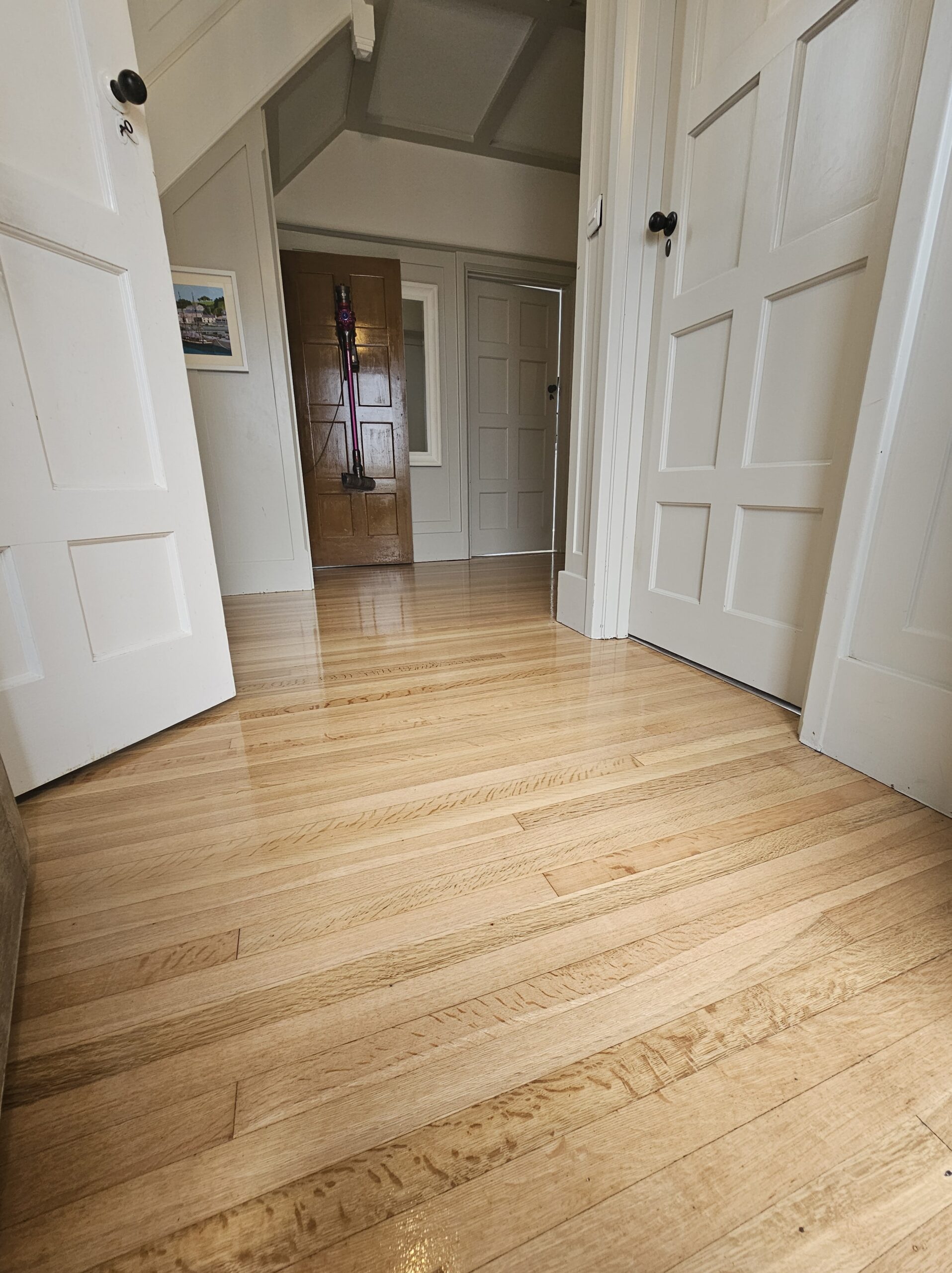
flooring sanding company
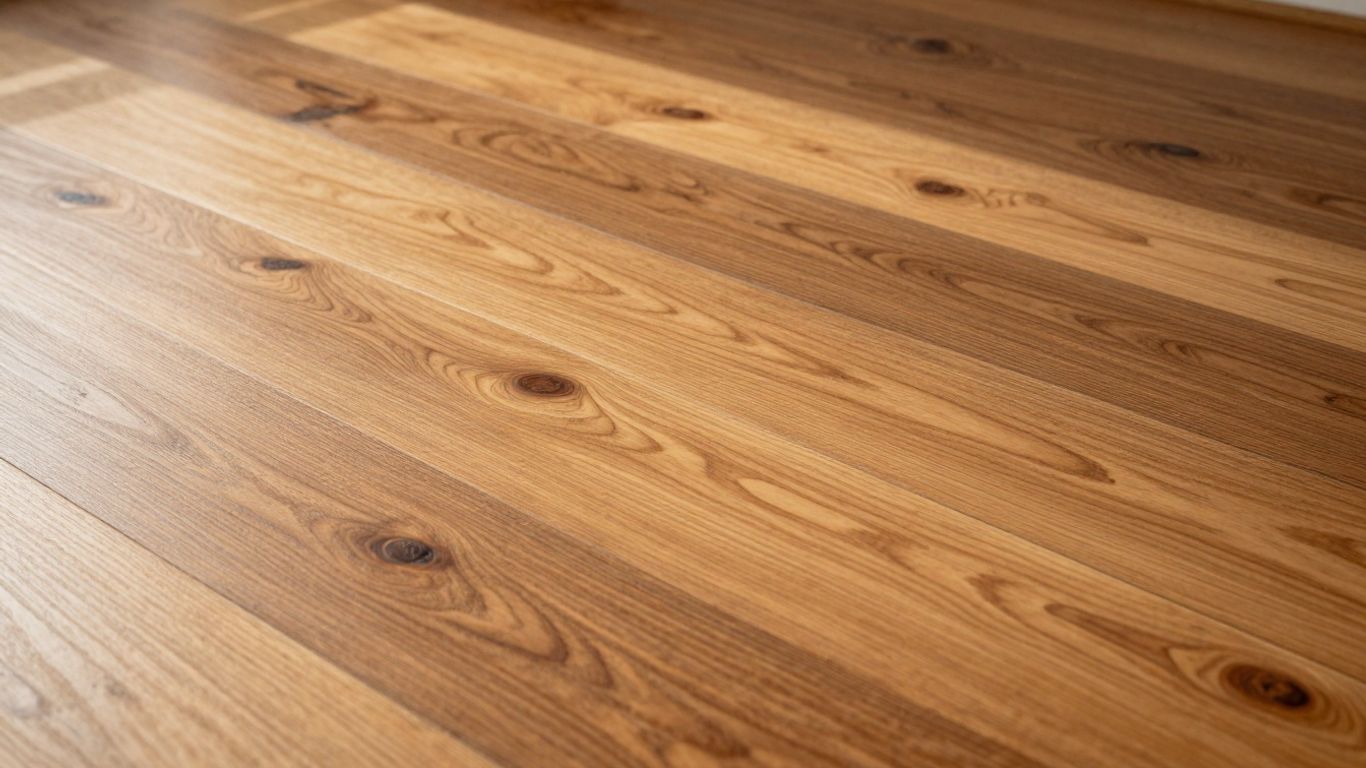
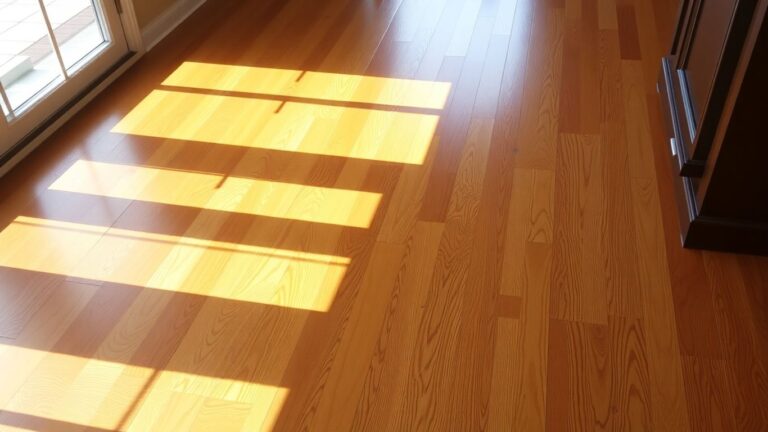
Sunlight across freshly lacquered wooden floorboards

Commercial Floor Sanding in Bampton and Nearby Villages

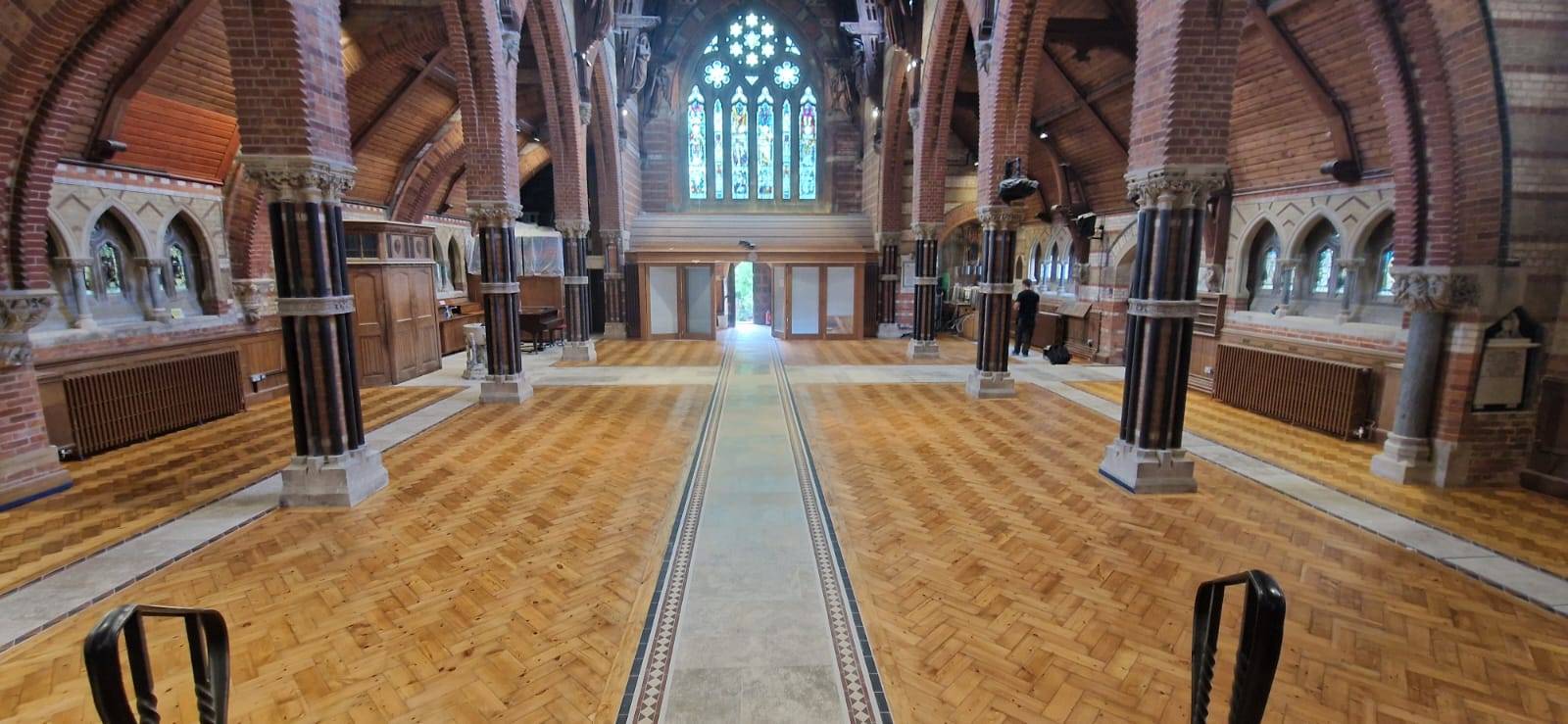
Commercial floor sanding in Bampton usually means smaller premises rather than big halls: a pub bar and dining room, a village hall, a guest house, a shop with a boarded floor, or a group of holiday cottages that all need doing in the gap between bookings. The craft is the same as on a domestic floor, but the timing, the finish and the paperwork change.

Pubs and restaurants show this most clearly. A bar floor takes spilt drink, chair legs scraping all evening and grit from the car park, and it cannot simply shut for a week. We work overnight or on the days a business is closed, using fast-curing finishes so light traffic can return sooner than a standard domestic coating would allow. For pub and restaurant floor sanding, a two-component lacquer is usually the right call, because it stands up to spilt drink and cleaning chemicals far better than a single-pack product.

Guest houses and holiday lets need phasing. Rather than closing the whole building, rooms can be done in batches so some stay available to guests, with the dates agreed far enough ahead to block them out of the bookings calendar. The approach for larger buildings is set out under hotel and guest house floor sanding.

Village halls often double as spaces for dance and exercise classes, so grip matters as much as appearance. A finish that is too glossy is a hazard for a keep-fit class, while one that is too grippy makes it hard for dancers to turn on the ball of the foot. Getting that balance right is the point of our dance floor sanding work. Small shops with timber floors fall under shop floor sanding, where the usual aim is to finish between closing on a Saturday and opening again after the weekend.

A bar or hall floor will normally need sanding again roughly twice as often as one in a house, around every four or five years, so it pays to plan the next round when the first is done. Method statements, copies of our insurance certificates and references are available to any landlord, business owner or hall committee that asks. The wider picture is on our commercial wood floor sanding page.

Steep Cottage Stairs and Parquet Rooms Around Bampton

Many older cottages around Bampton have tight, steep staircases, often boxed in between two walls with winders at the top, and plenty have spent decades under a fitted carpet held down by gripper strips and staples. Bringing a stair like that back to bare wood is largely hand work. A large sander is no use on a tread barely deeper than a boot, so the treads, risers and nosings are taken back with small detail sanders and scrapers, and the old tack and staple holes are either filled or left as part of the stair’s history.

Our stair sanding service covers everything from a plain softwood cottage stair to a hardwood flight with turned balusters and a moulded handrail. Stairs often warrant a slightly different finish from the floors they join, because the nosings take a heel strike on every step down. On a steep stair a matt or satin finish with a little grip is safer underfoot than a high gloss. If you would like to keep a carpet runner down the middle, only the exposed borders need sanding and finishing, which leaves less to do and keeps the stair quieter.

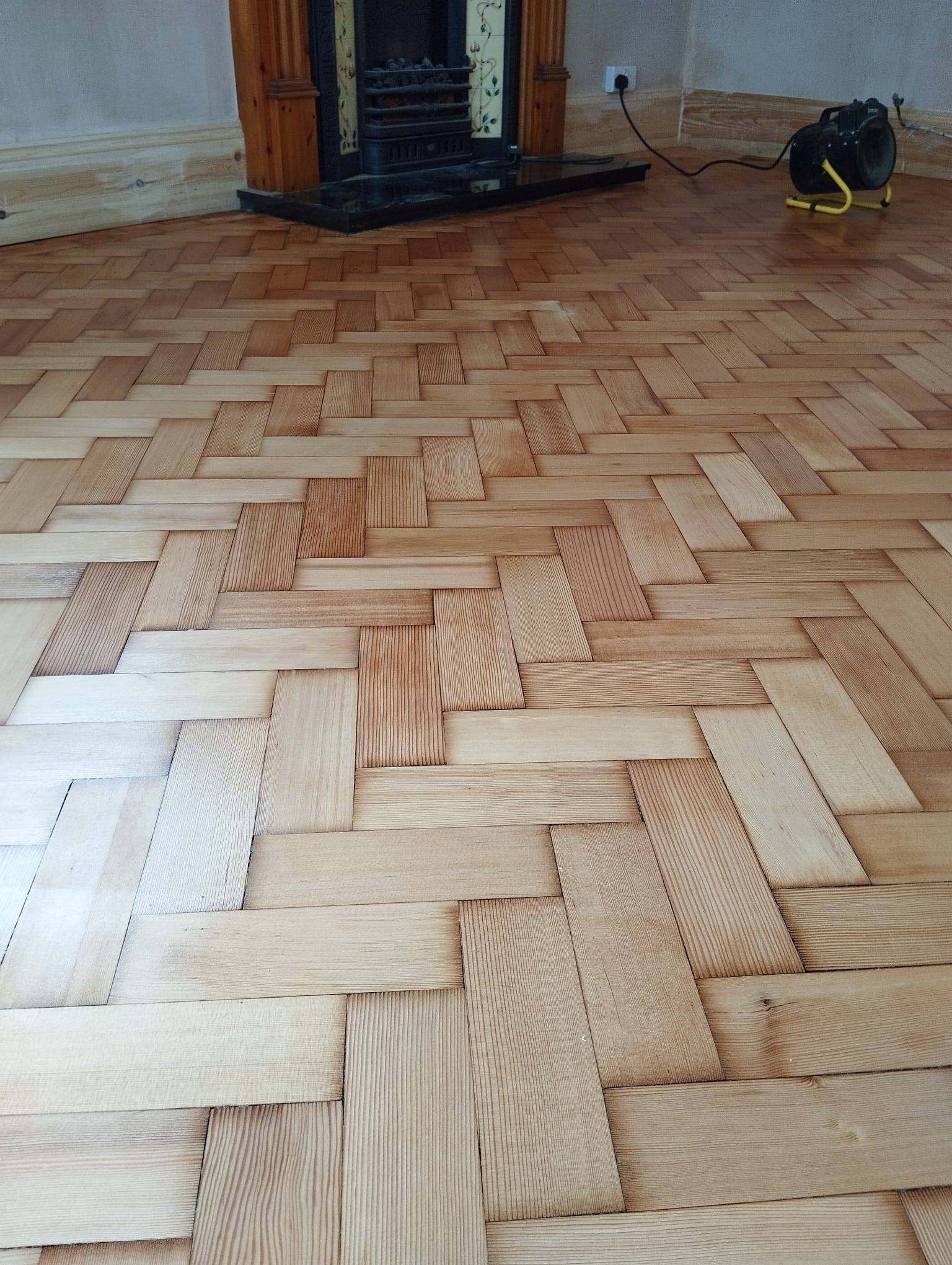
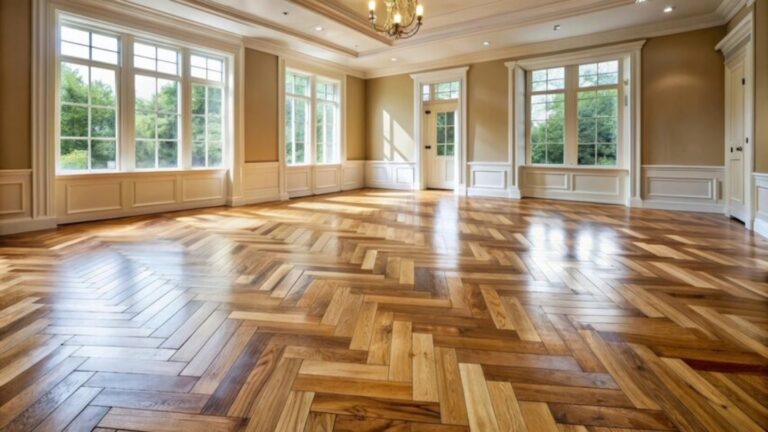
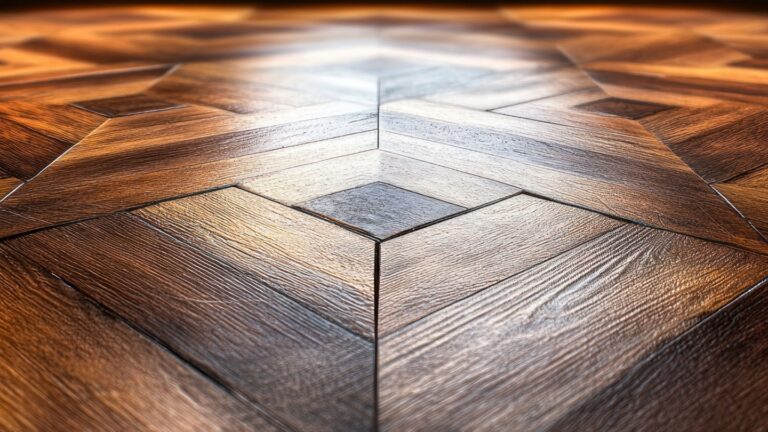
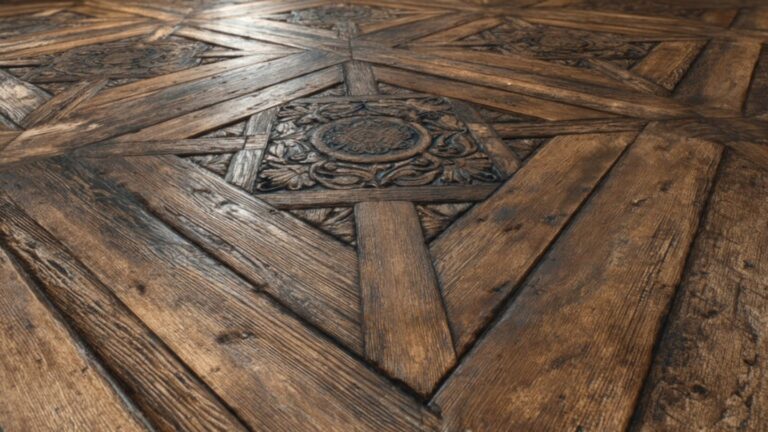
Parquet is less common in farmhouses but does turn up in mid-twentieth-century extensions and bungalows in and around the villages. Block floors behave differently from boards because the grain runs in several directions, so sanding has to avoid cross-grain scratches that show through the finish. Herringbone parquet in particular needs a careful sequence of passes. Loose blocks have to be lifted, cleaned off and stuck back down before any sanding starts, because a block that rocks under the machine will chip at its corners or sand unevenly. All of that falls under our parquet floor sanding service.

The best results on both come from treating stairs and parquet as small projects of their own within the job, each with its own repairs and its own finish choice, rather than as an afterthought once the main rooms are done.

Wood floor sanding company
Floor sanding taunton

Upkeep, New Floors and Getting a Quotation in Bampton

The first few days after finishing decide a lot. Stockinged feet can go on the new surface once it has had roughly a day. The dog bed, the kitchen table and the rugs should wait until it has had two or three days, because a finish that feels dry to a fingertip is still soft enough for a table leg to dent. In a farmhouse where a dog cannot be kept off for long, it helps to time the work for when the dog can stay with family or be kept to one end of the house.

Over the years, a lacquered floor that has gone dull but not worn through can often be revived without full sanding. In that case the surface can be scuffed with a buffing machine and given one new coat, which is the buff and recoat option, and the original sanding then lasts years longer. An oiled floor gets a maintenance coat instead. At home a full re-sand is typically needed every eight to ten years, sooner in a muddy boot room.

Where a boarded floor is too far gone, or a new boot room needs flooring from scratch, our wooden floor installation service can fit the whole thing or simply deliver boards to your builder. For new boards we regularly turn to the Junkers and Bona ranges.

The quickest start is a pair of pictures. Stand in the doorway for one that takes in the whole room, then crouch down and photograph the most worn board, which in a farmhouse is nearly always the one inside the back door. Phone 01823 674562 between 8am and 6pm Monday to Friday (Saturdays can be arranged), send the pictures to info@ryansrestoration.co.uk, or use our enquiry form. Once we have seen them, a free survey takes roughly half an hour on site. During it we measure the wood above the tongues, put a moisture meter on the boards, look at the airbricks and the void under suspended floors, and note any damp patches or earlier repairs. The written quotation that follows itemises each stage, from repairs to final coat, and it stands unless the work itself changes.

Floor Sanding Questions From Bampton

Usually, yes, with care. Elm has wild, interlocking grain that tears if it is cut too aggressively, and old elm boards are often thinner in places than they look from above. Thickness is checked at the survey, the coarse sanding is kept to a minimum, and the final passes use fine grits so the figure shows without leaving torn patches or dished areas.

For most working households a hard wax oil or natural oil makes sense, because worn patches and claw marks can be repaired locally without redoing the whole floor. A two-component lacquer is harder, but a scratch through it shows white and the fix is a full recoat. Good matting and short claws make as much difference as the finish itself.

That depends on traffic. A sitting room might need nothing for several years, while a farmhouse kitchen or boot room may benefit from a maintenance coat once a year or so. The sign to watch for is timber looking dry or greyish in the busiest path. Topping up at that point is far less work than sanding the whole floor later.

Sanding a small area on its own normally leaves a visible difference in colour and sheen, because the rest of the floor has aged under its finish. On an oiled floor a local repair can blend in well. On lacquer, the usual answer is to sand the whole room, or at least run the work to a natural break such as a doorway or threshold.

Often they can, provided enough timber remains. Paint clogs abrasives quickly, so it takes longer to remove than varnish, and very old paint may contain lead, which calls for careful handling and good extraction. The survey shows whether the boards have enough life left to sand, or whether reclaimed replacements would be the better route for part of the room.

Yes. Bampton is part of the area we work in regularly from our base near Wellington, so a single room, a staircase or a hallway is a normal job for us. A larger farmhouse can also be worked through room by room if parts of the house need to stay in use while the floors are done.

Far less than most people expect. Extraction is sealed and pulls dust straight off the drum and edger into the collector, so the worktops and the fruit bowl stay largely clear. It is not completely dust-free, so moving ornaments, covering open shelves and keeping internal doors shut all help, and the kitchen can usually be back in use once the finish has cured.

Usually the finish choice changes. A let cottage is cleaned by different people between bookings and rarely gets re-oiled, so a hard-wearing lacquer, sometimes a two-component one, is often more practical there. Timing matters too: the work can be booked into a gap between guests, with dates agreed well ahead so they can be blocked out.

Start by emailing info@ryansrestoration.co.uk with a doorway shot of the room and a close photo of the most worn boards, or ring 01823 674562 Monday to Friday. If the job suits us, a free survey of around half an hour follows, then a written quotation itemising each stage of the work, which stands unless the scope changes.