Oak Floor Restoration

Specialist oak floor restoration — boards, parquet and stairs, sanded, repaired and finished properly.

QUICK QUOTATION

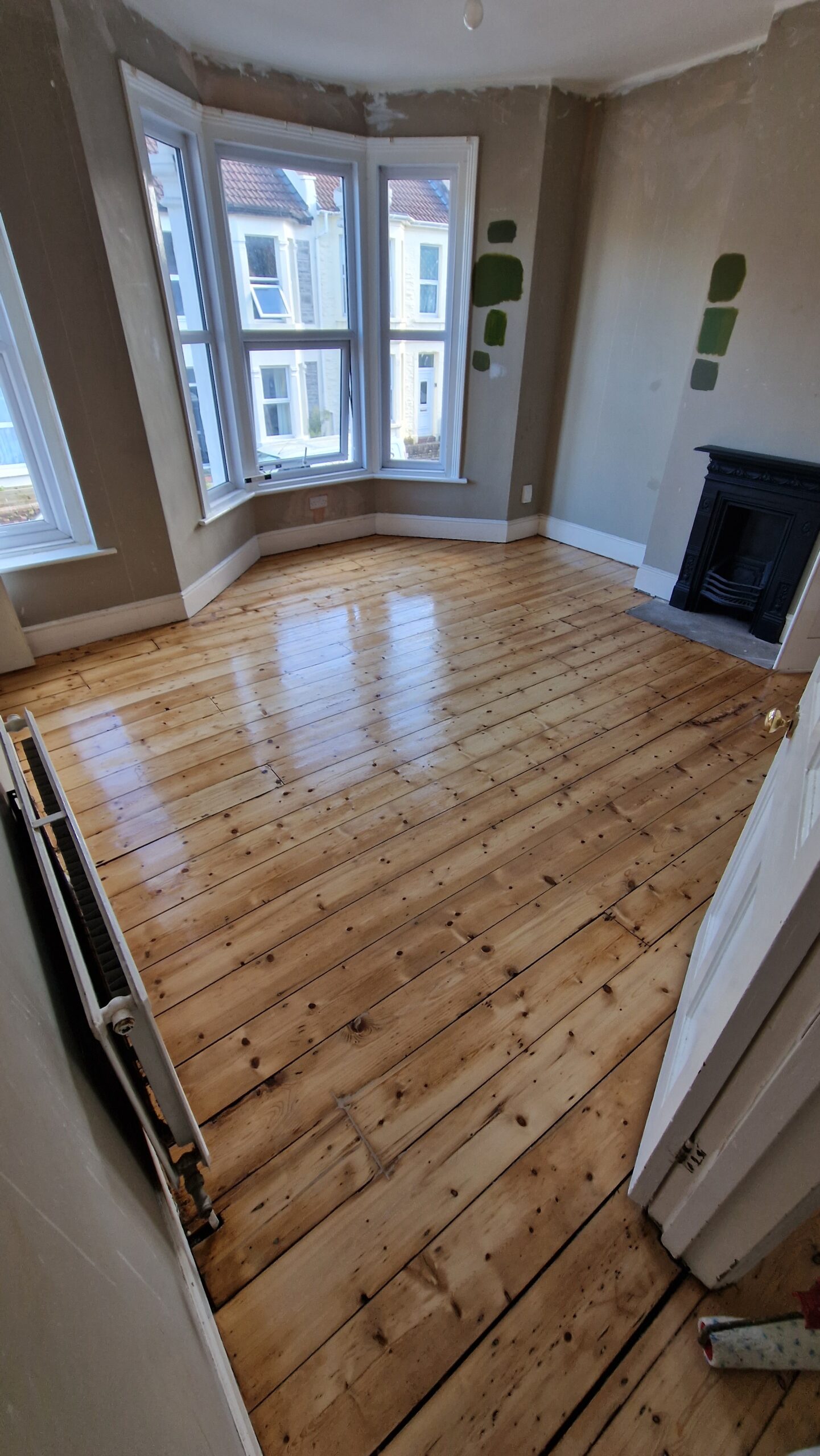
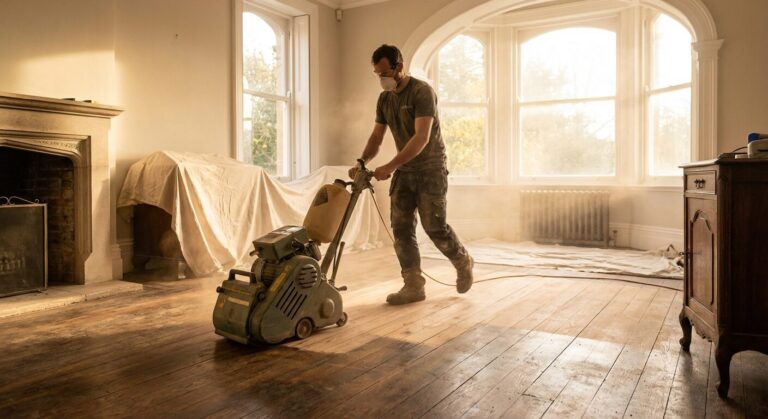
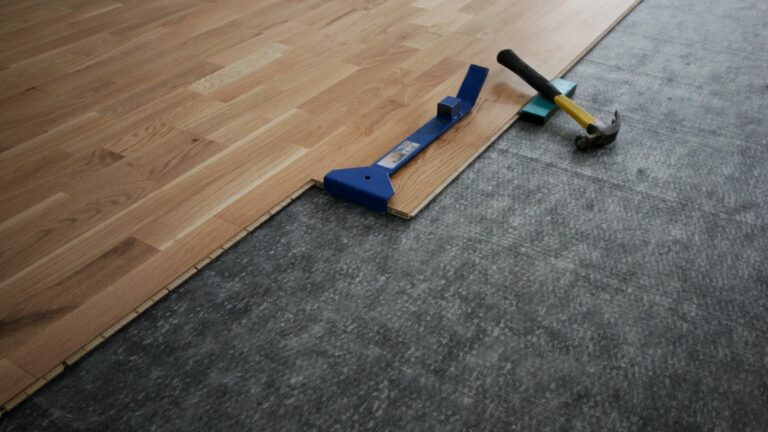
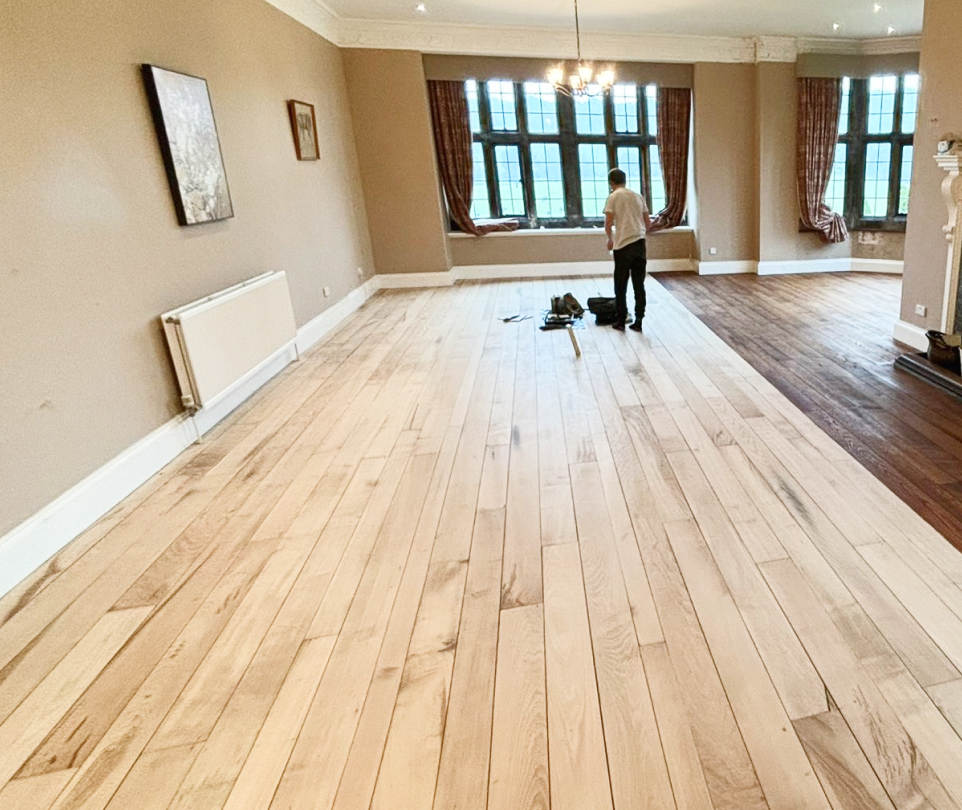
Newly sanded floorboards in a bay-windowed room mid-restoration

Why Oak Behaves Differently Under the Machine

Oak is the aristocrat of British floors and it behaves like one: dense, slow to cut, and intolerant of shortcuts. It blunts abrasives twice as fast as pine, it shows every skipped grit the moment a seal goes on, and its heavy grain telegraphs any unevenness in the sanding. That density is also the good news — an oak floor holds detail and takes finish more evenly than any softwood, and a properly restored one will outlast everybody reading this page.

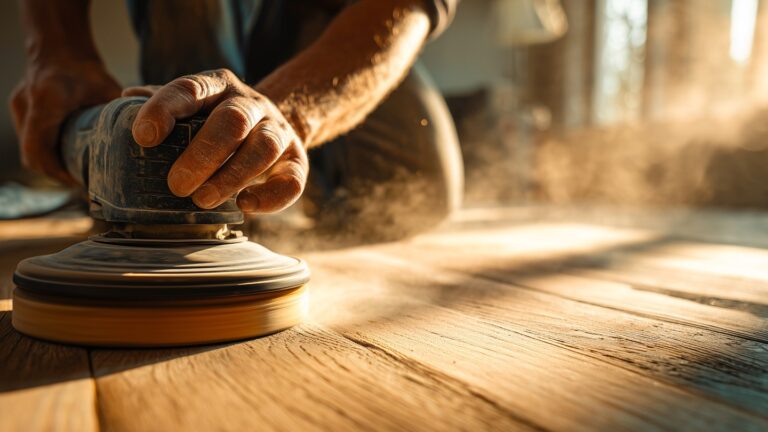
Our oak work spans plank floors in period houses, strip oak from the twenties and thirties, and oak parquet by the hall-full. The sequence is always measured rather than hurried: coarse enough to cut through the old finish, patient enough through the middle grits, fine enough at the end that the grain reads like furniture.
Black Marks, Iron Stains and What Can Be Saved

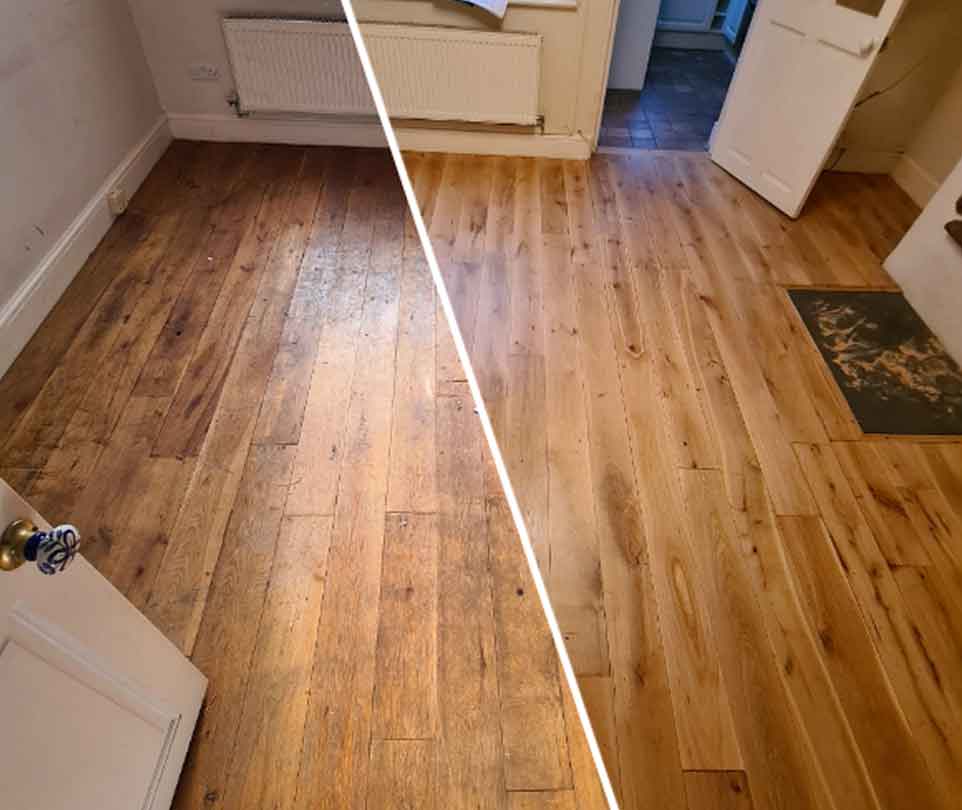
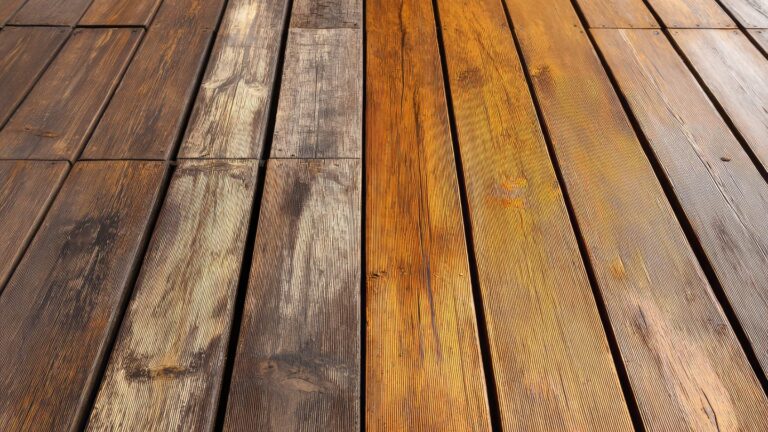
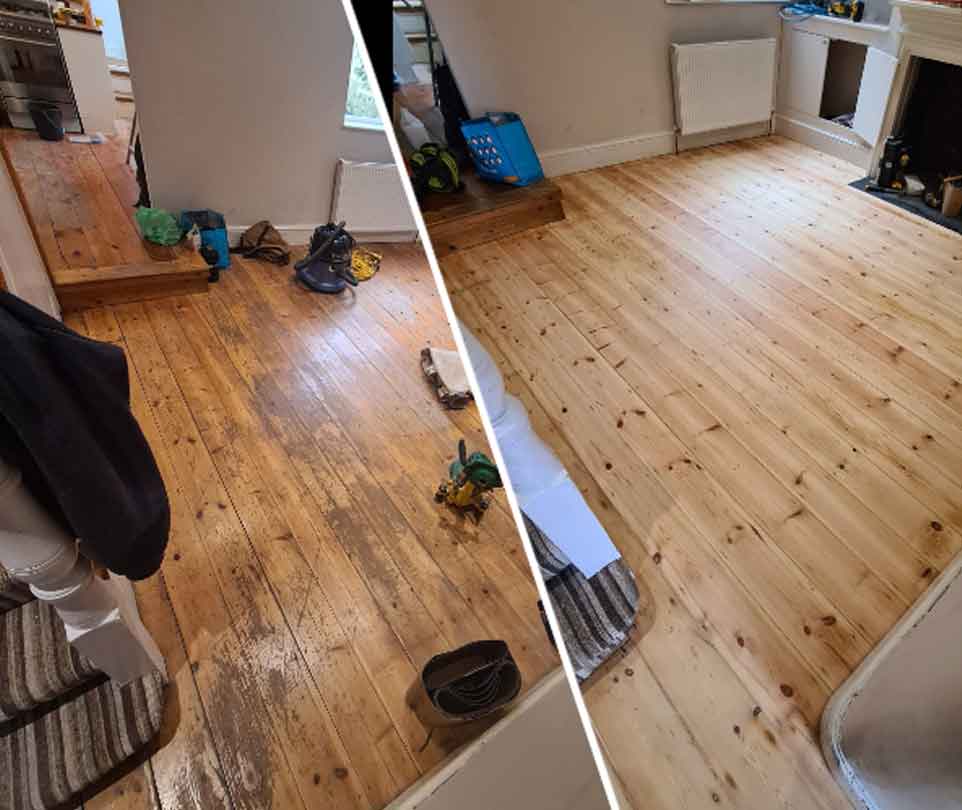
The classic oak complaint is the black stain: dark rings and blotches where water met the tannin in the timber, often around old plant pots, radiator leaks or nail heads. Sanding alone rarely shifts them, because the reaction runs deeper than a sander should ever go. The answer is chemistry, not force — the marks are treated with a specialist stain remover that reverses the tannin reaction, then the area is blended into the surrounding floor before finishing.

It works more often than people expect, and we will always say honestly when a mark is too deep and a board is better replaced. What we will not do is grind an oak floor thin chasing a stain — the timber is worth more than the blemish, and thinning a board to fix a cosmetic problem is bad restoration however satisfying the before-and-after looks.

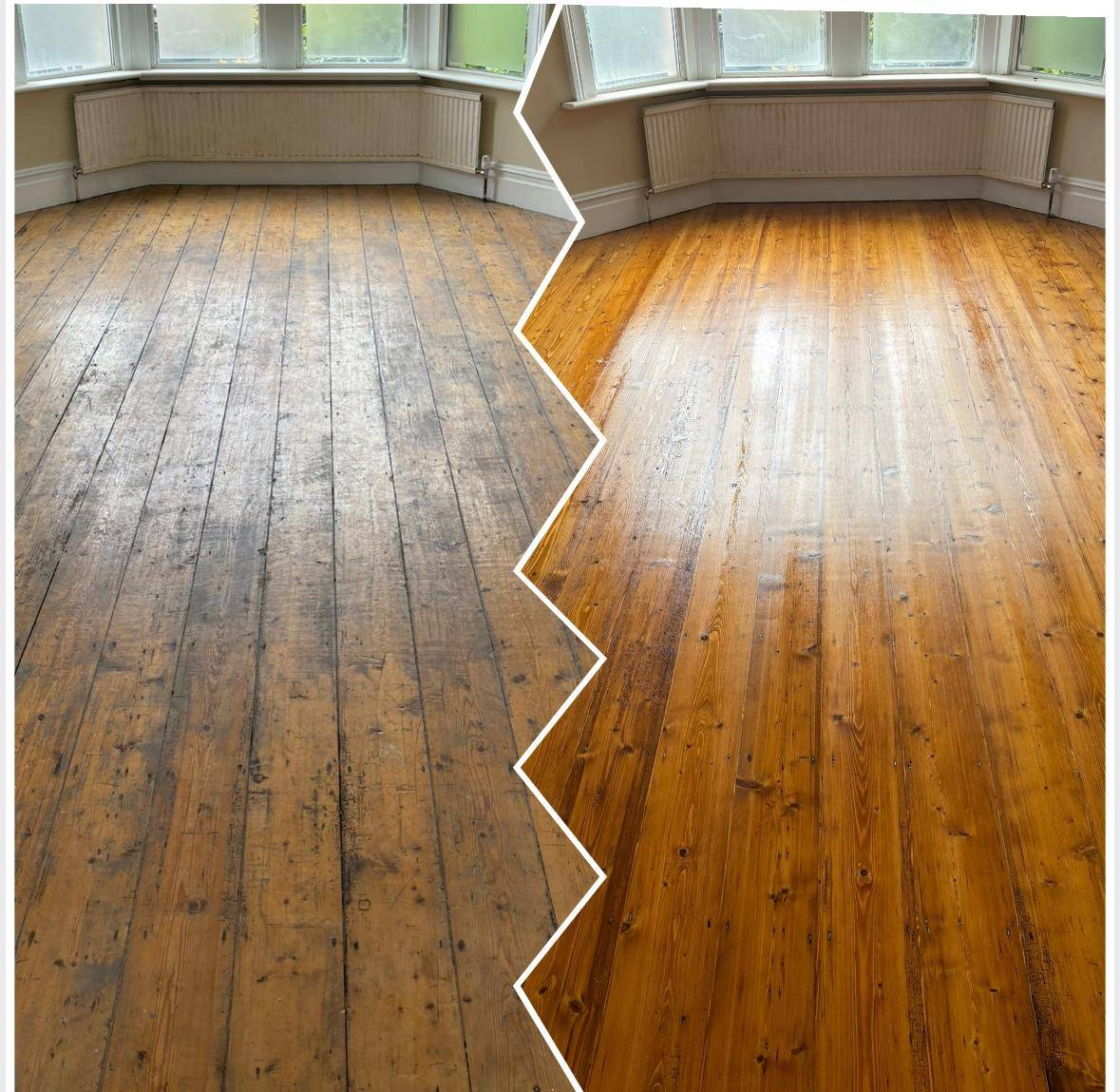
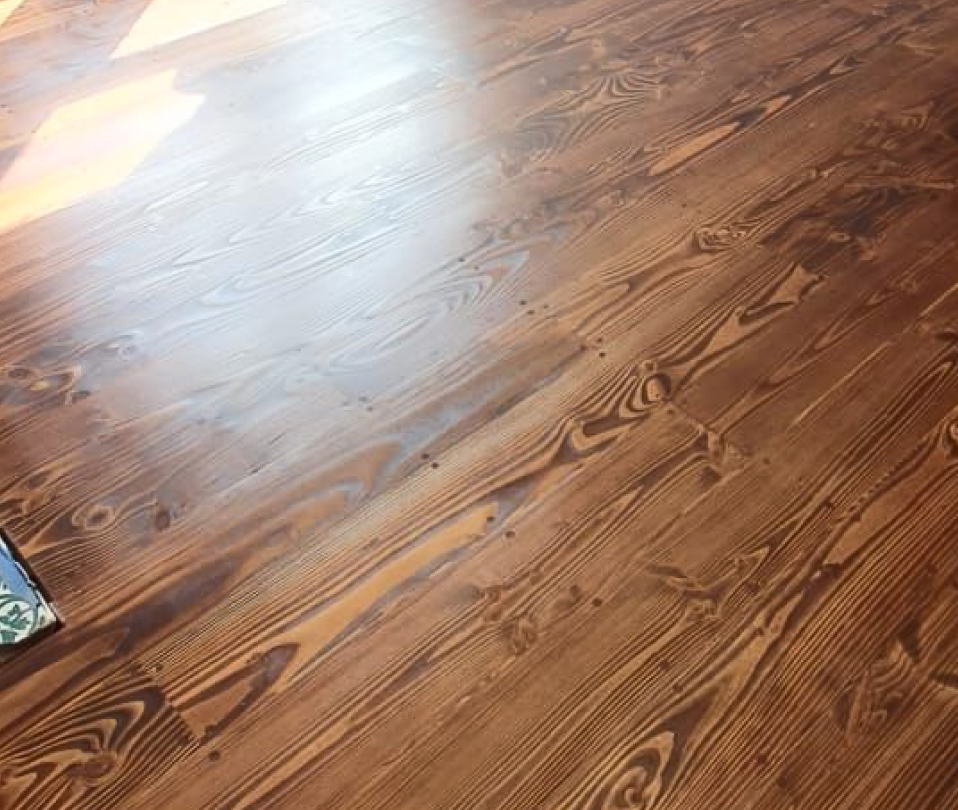
Dark-stained wooden floorboards after sealing
Wood floor waxing

Repairs and Board Matching in Oak

Oak repairs demand better matching than softwood because the grain pattern is so visible. A replacement board of the wrong cut — plain-sawn where the floor is quarter-sawn, or a modern kiln-dried board against slow-grown old timber — shouts at you from across the room once the finish is on. We match from reclaimed oak stock by width, cut and colour, and where a floor has character marks we choose boards with equivalent history rather than sterile new timber.

Loose blocks and boards are refixed, damaged tongues repaired, and gaps in plank oak filled with slivers cut from matching stock. The aim of every repair is the same: that in a year, nobody — including you — can remember exactly which boards were replaced. The floorboard replacement page covers the repair side in more depth.

Finishes That Flatter Oak

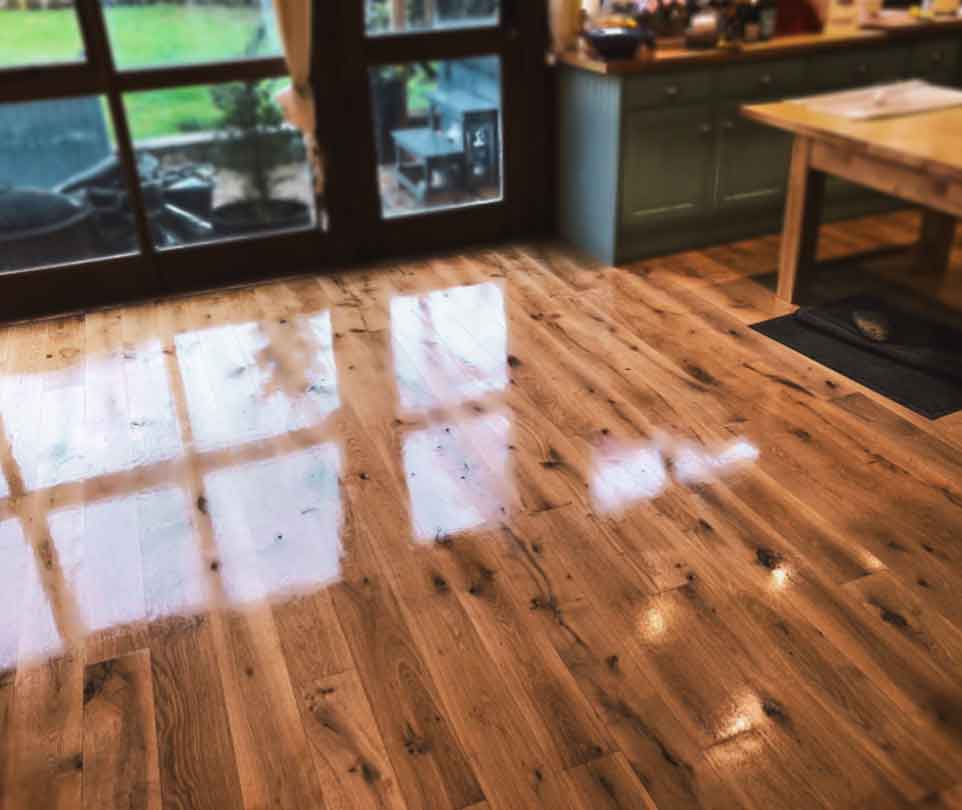
Oak gives you more finishing options than any other floor. Hardwax oil is the modern default — it deepens the grain, keeps the surface matt and repairable, and suits both period and contemporary rooms. Water-based lacquers keep oak pale and Scandinavian, and they are the hardest-wearing choice for busy family spaces. And oak is the timber where colour work really sings: limewashed and white-oiled finishes sit beautifully in its open grain, and darker stains take evenly where pine would go patchy.

Fuming, liming and tinted oils all behave differently on different boards, so we never choose from a chart. Trial patches go on your own floor, in your own light, and the decision gets made standing on the actual timber — the ten-minute step that prevents the ten-year regret.

Wood floor waxing
Wood floor waxing

Oak Parquet, Herringbone and Blocks

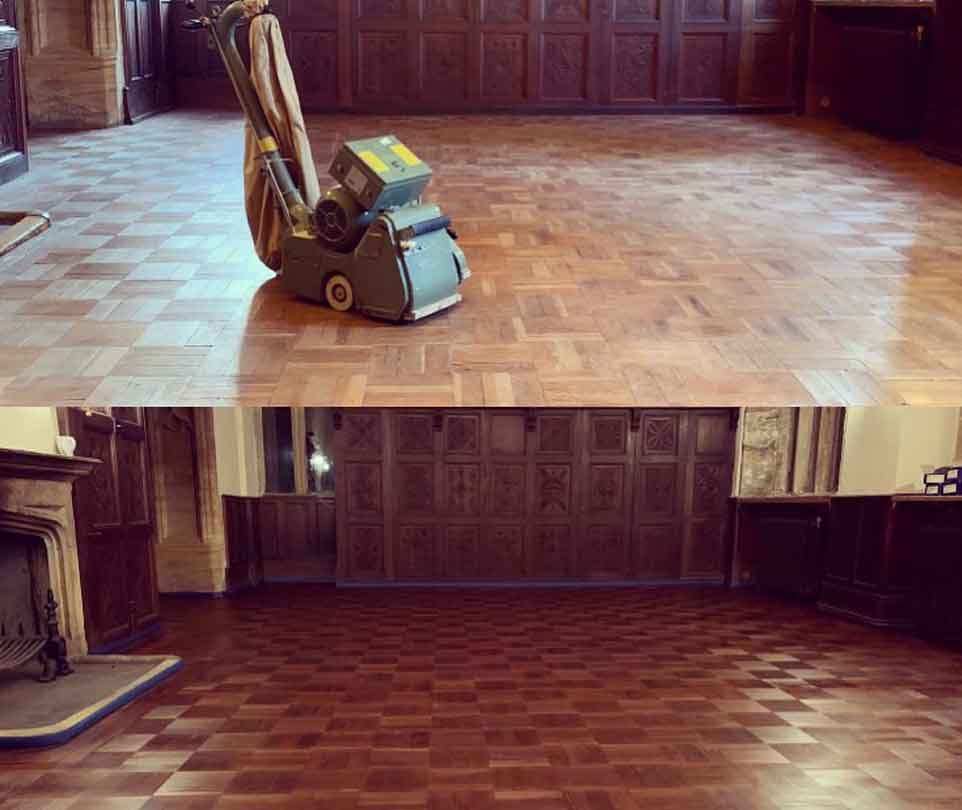
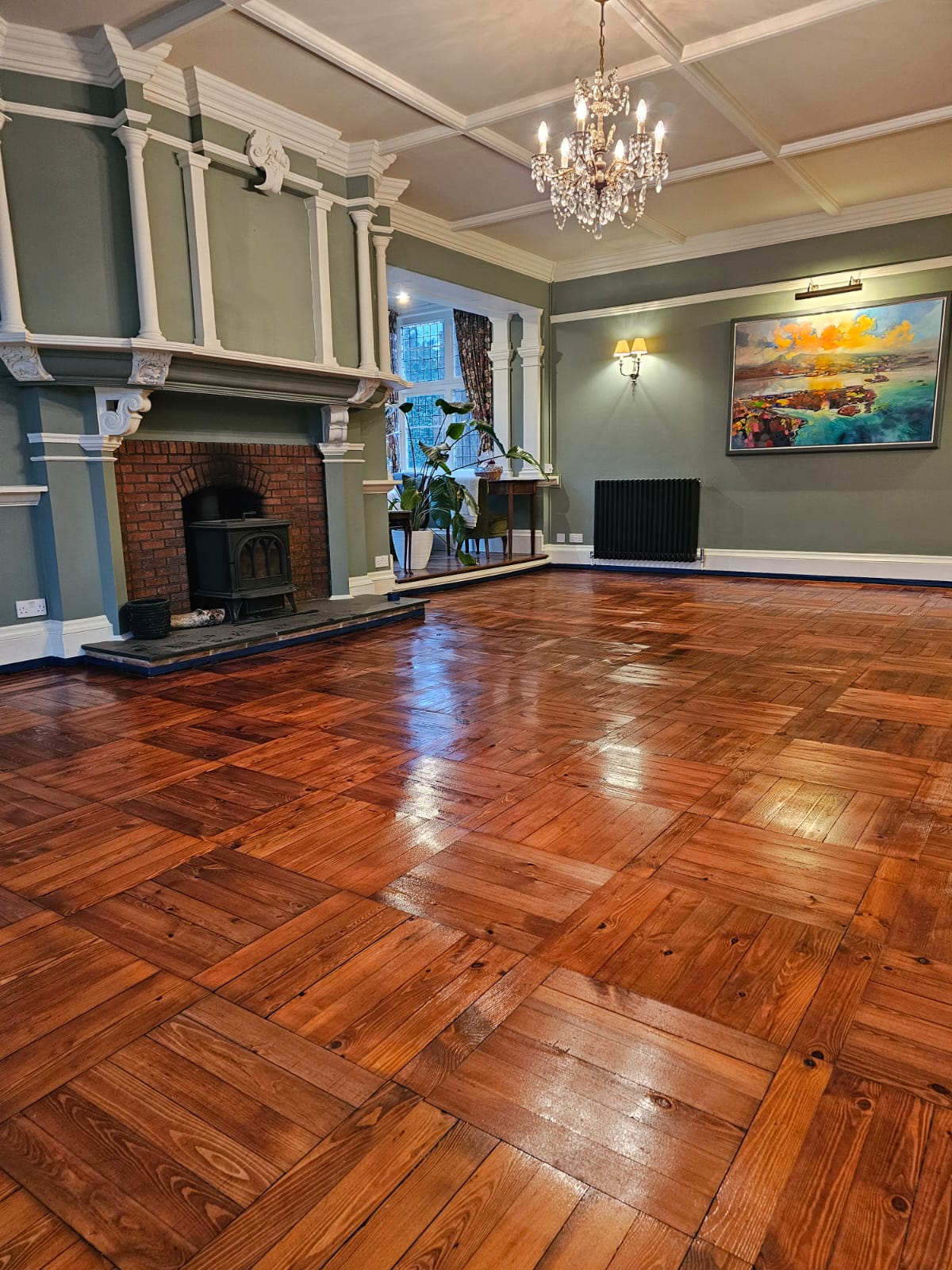
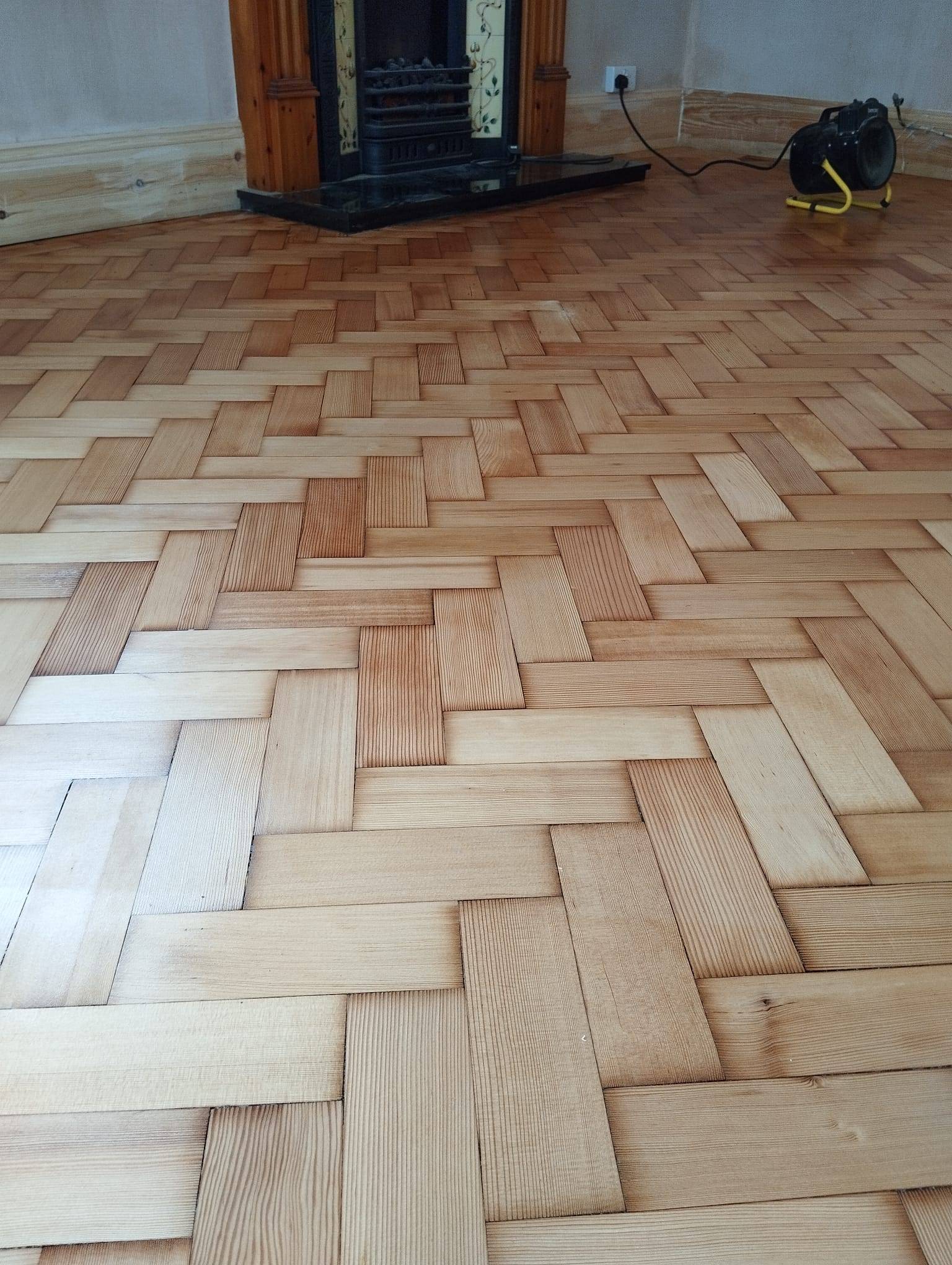
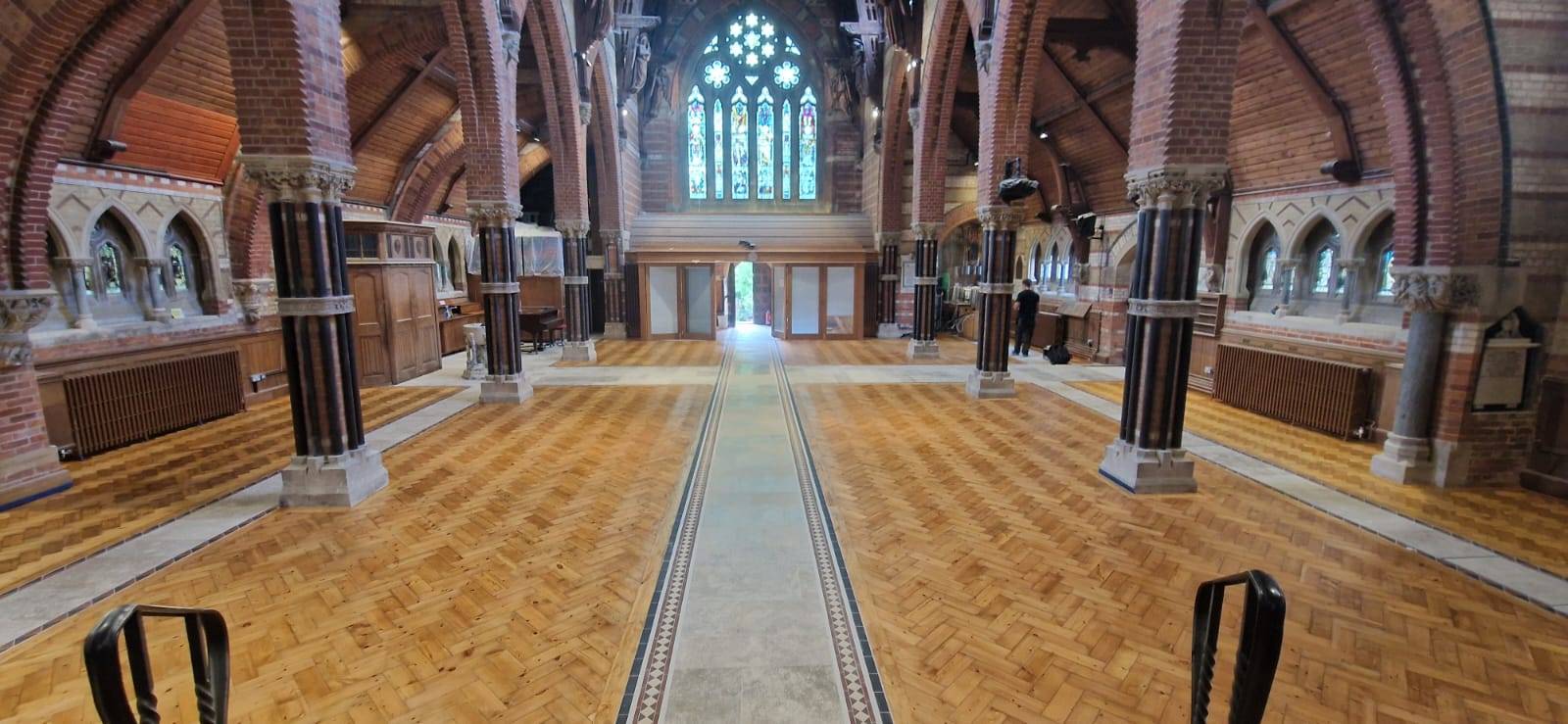
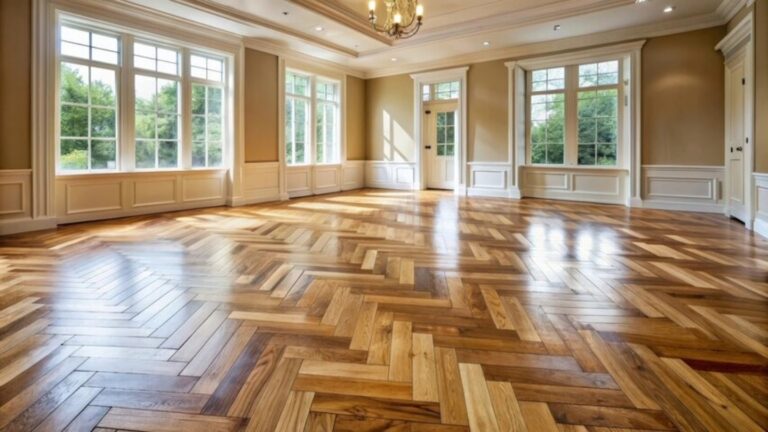
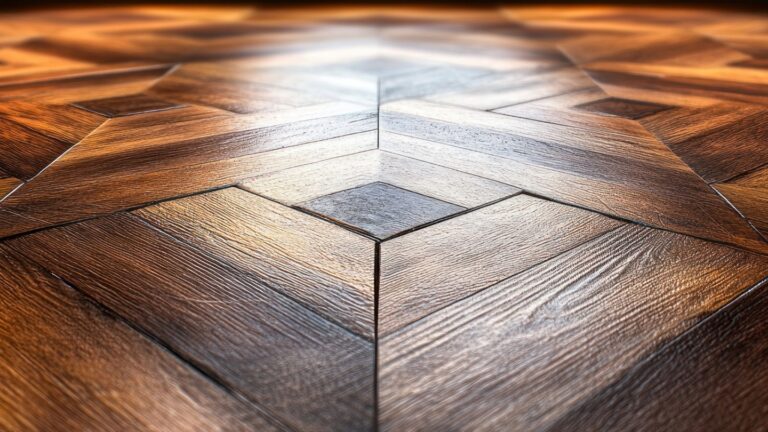
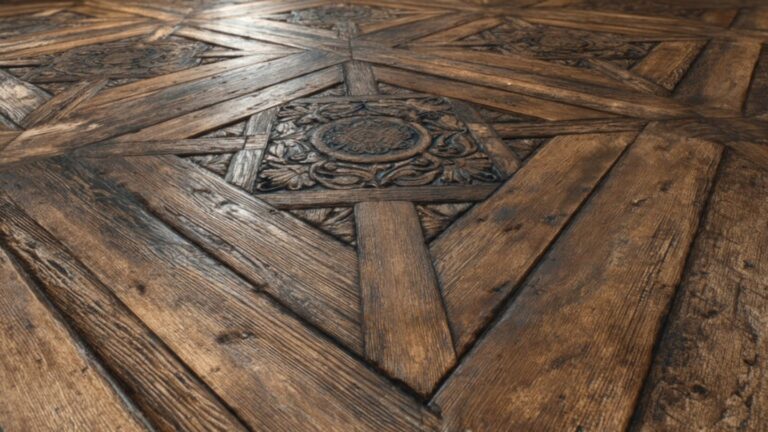
A large share of the oak we restore is not planks but blocks: herringbone and basketweave parquet laid between the twenties and the sixties, in houses, schools and church halls. Oak parquet has its own rules — grain running in two directions, bitumen beds that dry out and let blocks lift, and patterns that must be sanded dead flat to look right. We lift and re-bond loose blocks, piece in missing ones from reclaimed oak, and sand with machines that flatten the field rather than follow its waves.

The full method — including why parquet costs more per metre and why it is worth it — is on the parquet floor sanding page, and our wood floor restoration page sets out how block and plank work sit within a whole-house job.

Caring for a Restored Oak Floor

A restored oak floor asks very little. Grit is the only real enemy — it is the abrasive that dulls any finish — so doormats and the occasional vacuum do more good than any product. Oiled oak wants a wash with the soap made for its oil and a maintenance re-oil when traffic lanes start to matt down, typically every couple of years in a family house. Lacquered oak wants even less: dry dust, damp mop, and a screen and recoat when the sheen finally tires, years down the line.

What oak does not want is steam mops, silicone polishes or wet washing — the three habits that shorten a floor’s life more than any amount of honest wear. Every job leaves with a one-page care note for its exact finish, which is shorter than this paragraph and worth keeping.

Wood floor waxing
Wood floor waxing

Get an Oak Floor Restoration Quote

Oak restoration is priced like everything else we do: a free survey first, then a fixed written price with sanding, stain treatment, repairs and finishing itemised so you can see each line. Photographs are usually enough for a same-day steer — one of the whole floor, one close-up of the worst board, to 01823 674562.

We restore oak floors across the south west and beyond — Taunton, Bristol, Exeter, Bath and everywhere on the areas we cover page. Domestic floor sanding or commercial floor sanding in oak, the survey costs nothing and the advice is straight.

FAQ: Oak Floor Restoration

Almost always. Solid oak is dense enough to be sanded many times, and even floors that look black with age usually clean up beautifully. The exceptions are boards sanded paper-thin by repeated machine hire or rot that has gone structural — we check both at the survey and tell you honestly.

Usually, yes. Black marks are a tannin reaction, not dirt, so they are treated chemically rather than sanded out. Deep marks sometimes leave a shadow, and occasionally a board is better replaced — we will tell you which before quoting.

A solid oak board can typically take six to eight careful sandings over its life — more than a century of use. Engineered oak depends on its wear layer: 4mm or more is sandable, less wants a screen and recoat instead. We measure before we promise.

For most homes, hardwax oil: matt, natural-looking and repairable patch by patch. For maximum durability in busy or commercial spaces, a two-pack water-based lacquer. Oak also takes limewashed and stained looks better than any other timber — trial patches on your own boards decide it.

Yes — from reclaimed oak stock, matched by width, cut and colour. Modern kiln-dried oak rarely blends into a period floor, which is why we keep reclaimed timber rather than patching from a merchant’s rack.

A great deal of it — herringbone and block floors are half our oak work. Loose blocks are re-bonded, missing ones pieced in from reclaimed stock, and the field sanded flat across the pattern. See the parquet floor sanding page for the full method.

Every floor is priced individually from a free survey — condition, repairs, gap filling and the finish all move the number, so a blanket rate would mislead. Send two photographs and we will give you a same-day estimate, then a fixed written quote that does not change unless the job does.

Not with our machines — sealed extraction captures the dust at the point of cutting. Oak actually produces finer dust than softwood, which makes proper extraction more important, not less. Expect a wipe-down afterwards, not a fortnight of grey film.