Floor Sanding Bath

Floor Sanding and Wood Floor Restoration in Bath

QUICK QUOTATION

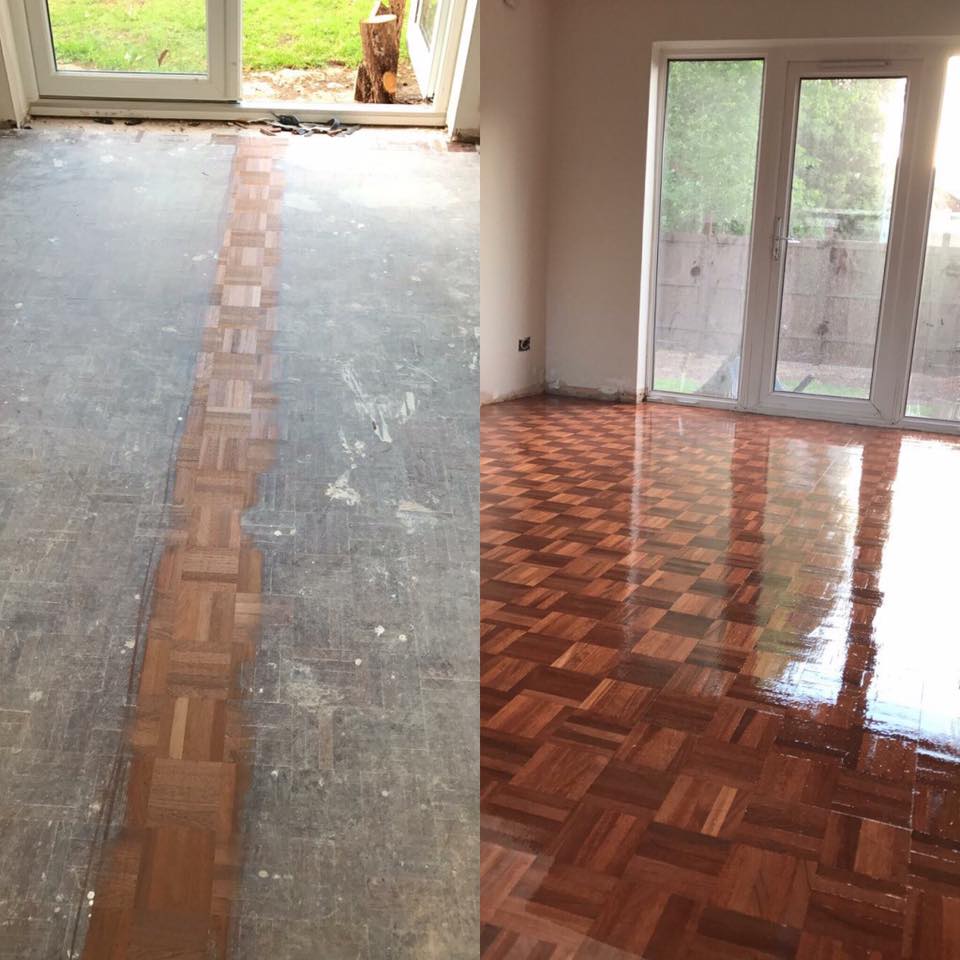
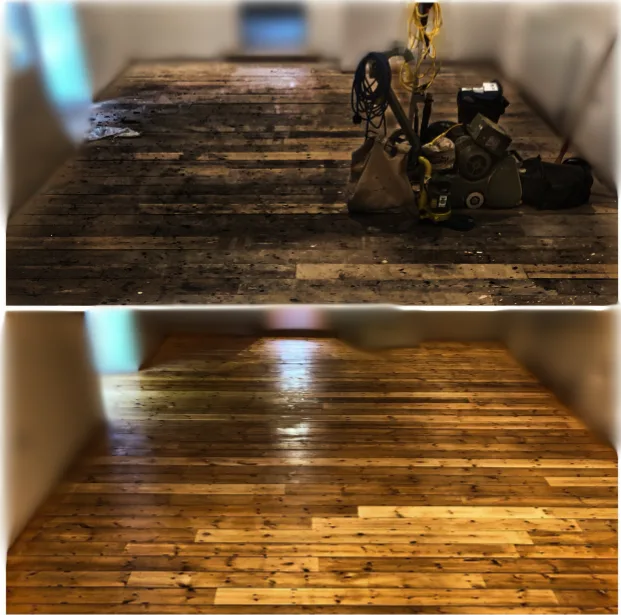
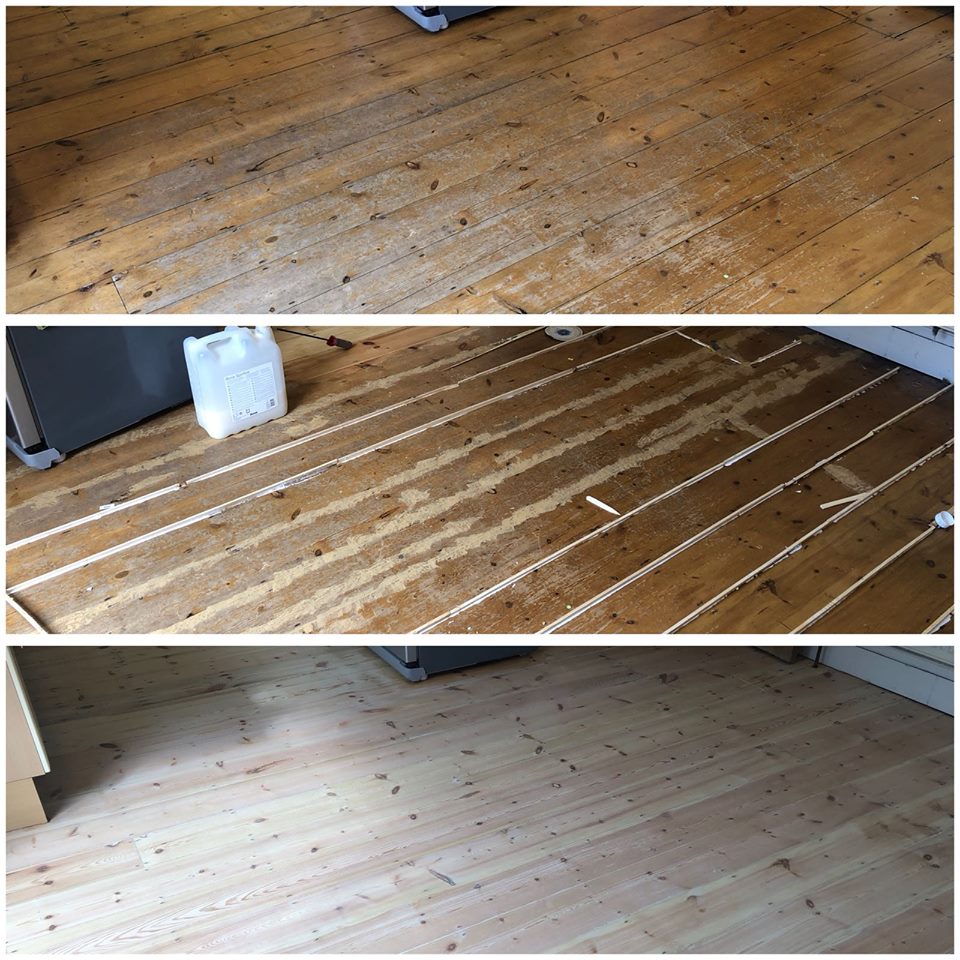
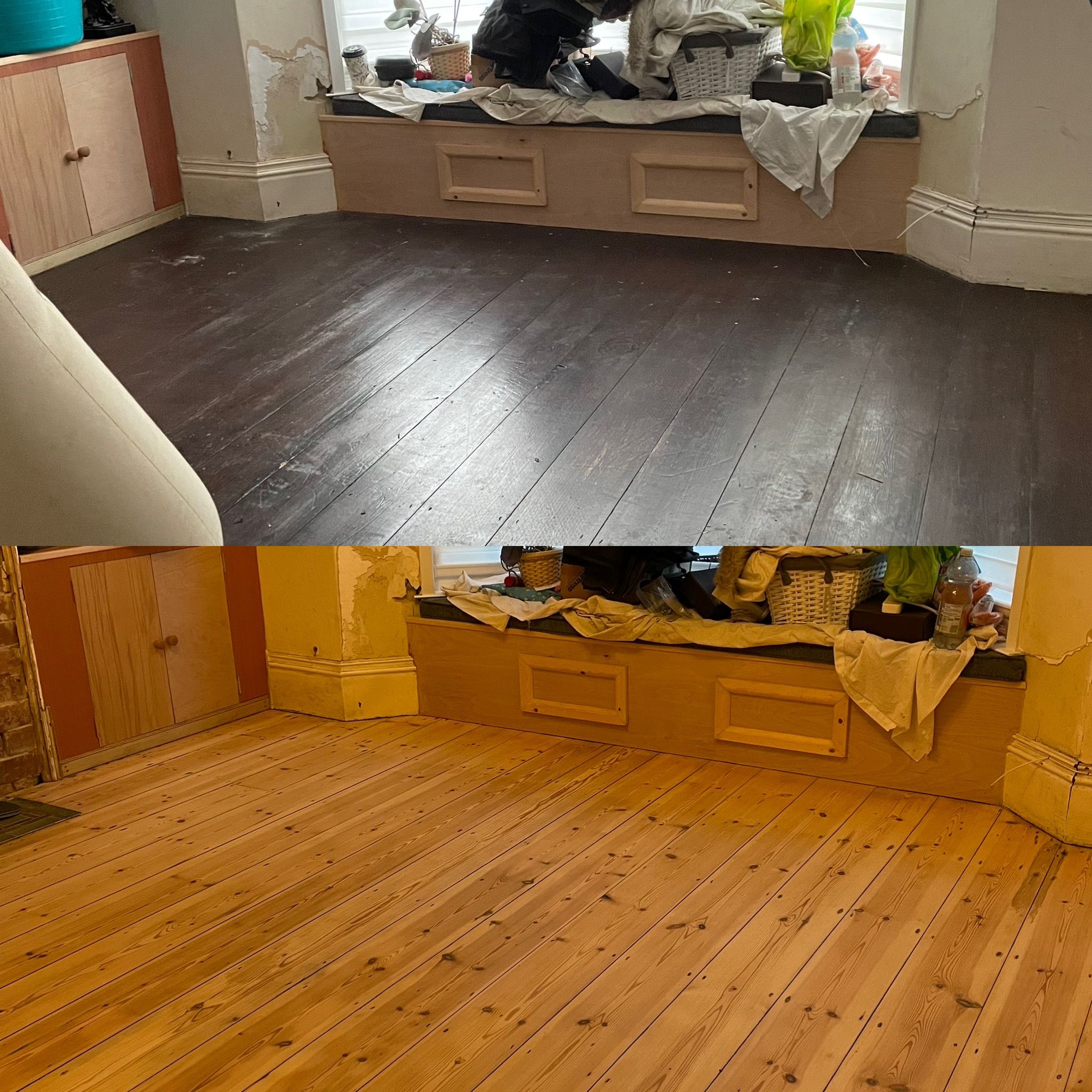
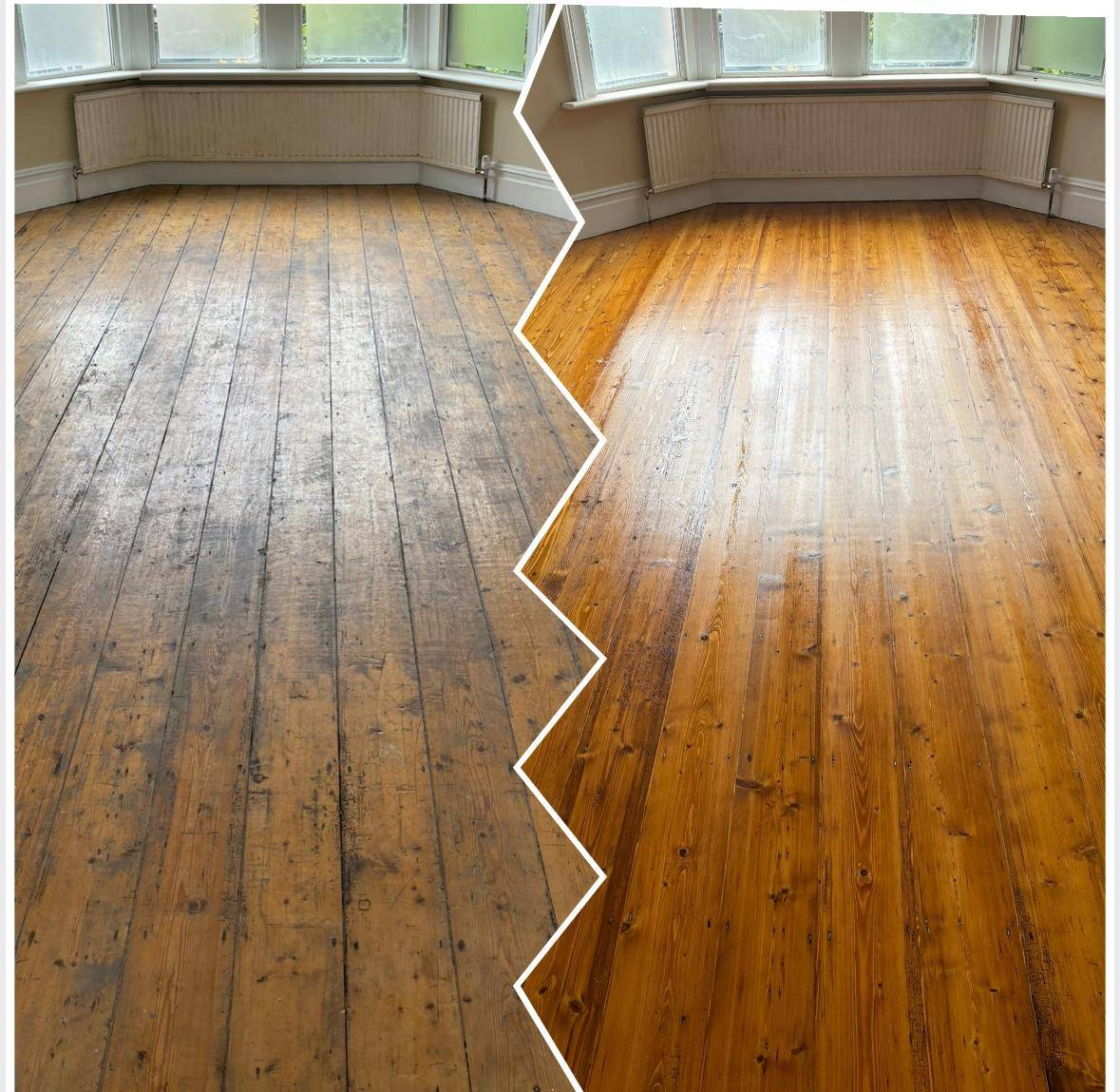
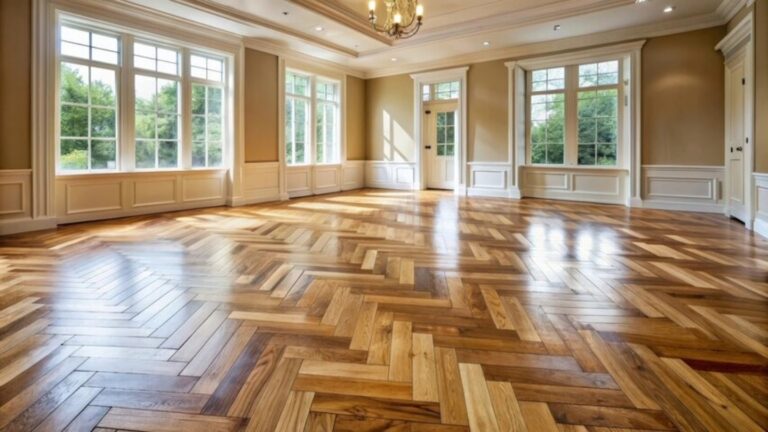
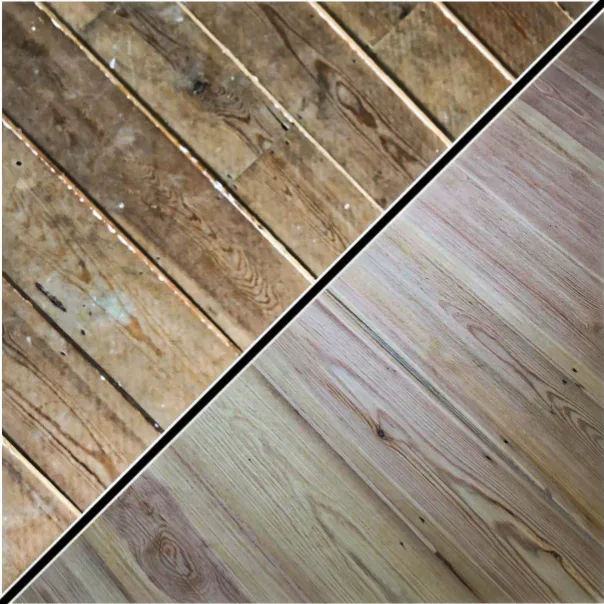
Floor sanding before and after

Floor Sanding Across Bath

Bath is forty minutes from our workshop and it is the most consistently demanding city we work in, because so much of it is protected. The whole city is a UNESCO World Heritage Site and there are more listed buildings here than in almost any comparable place in Britain.

We cover the city and its surrounds: Bathwick, Widcombe, Lansdown, Larkhall, Weston, Combe Down, Oldfield Park, Twerton, Bear Flat, Newbridge and Batheaston, plus Bradford-on-Avon, Corsham, Keynsham, Midsomer Norton and Radstock.

Quotes are free and usually within the week. On Bath property we would far rather come and look than price from a photograph, because how much timber remains in a two-hundred-year-old board decides everything we can safely do.

Georgian Boards and How Little to Take Off

The Georgian terraces and crescents have the finest domestic floors we work on anywhere — wide, straight-grained pine cut from mature timber, laid over deep joists between about 1730 and 1800.

The problem is arithmetic. A solid board has perhaps five or six full sands in its whole life. A Bath Georgian floor has already had two hundred and fifty years of wear, scrubbing and almost certainly one or two previous sandings. There is frequently less thickness left than the owner expects.

So we measure before we commit, lifting a board at the edge of the room where we can to see what we are actually working with. Where a floor has had its last sand, the honest recommendation is a screen and recoat — lightly abrading the existing finish and laying a fresh coat over it, which removes no timber at all and costs around a third as much.

Where sanding is right, we start at the finest grit that will lift the damage and hand-work the edges. A Georgian floor is meant to look its age, and over-sanding strips out colour depth that took two centuries to develop and that no finish will put back.

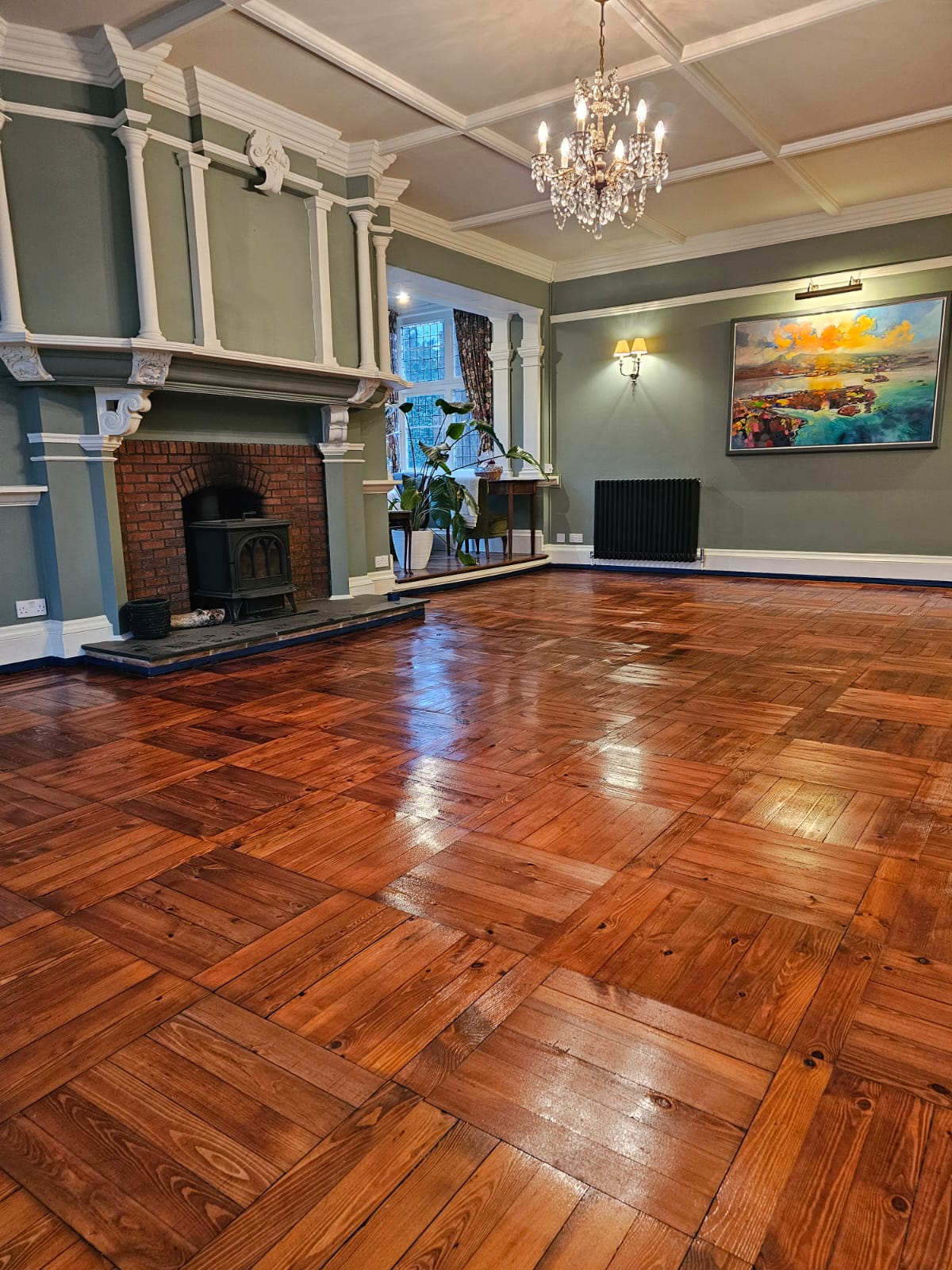
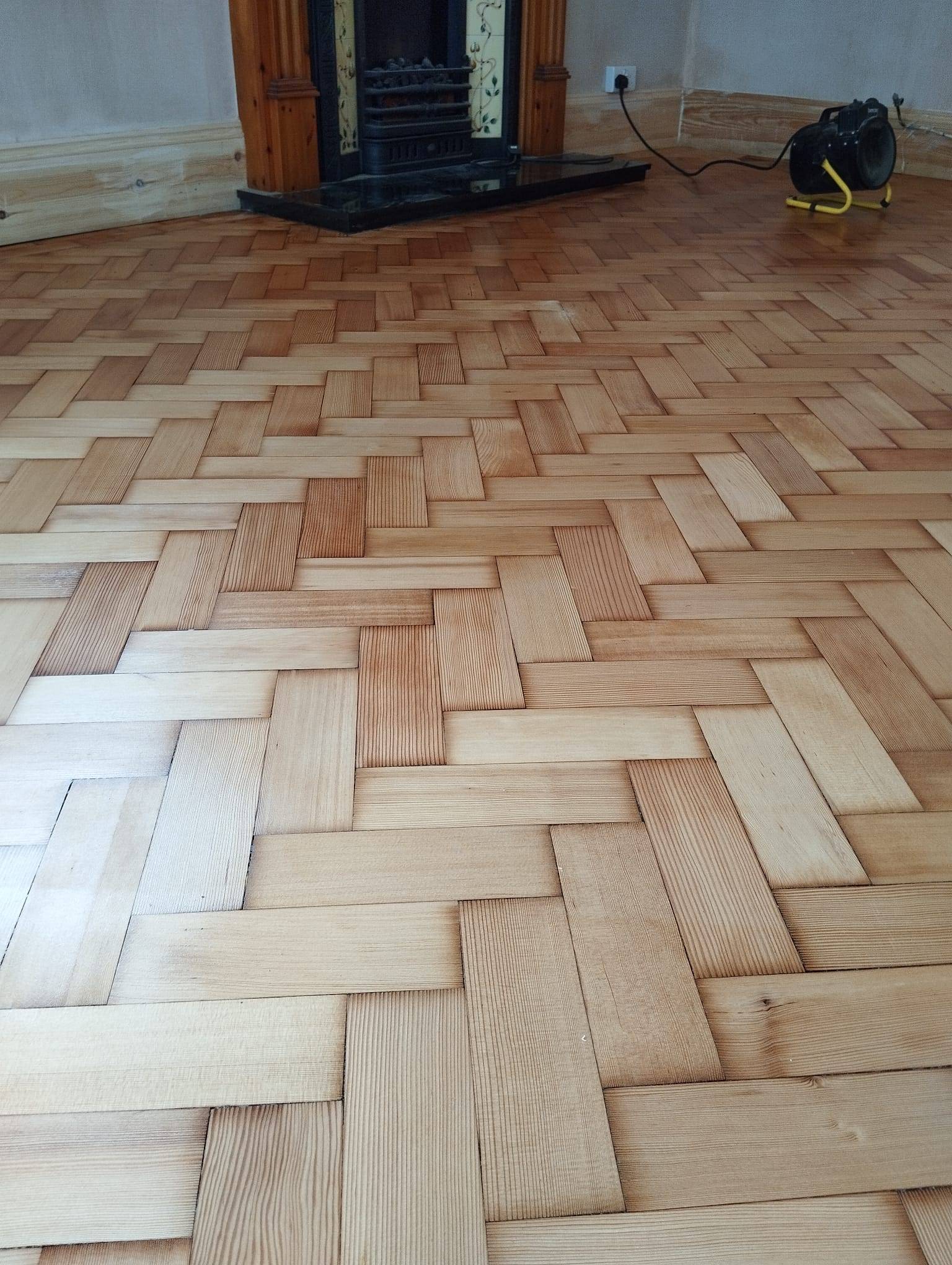
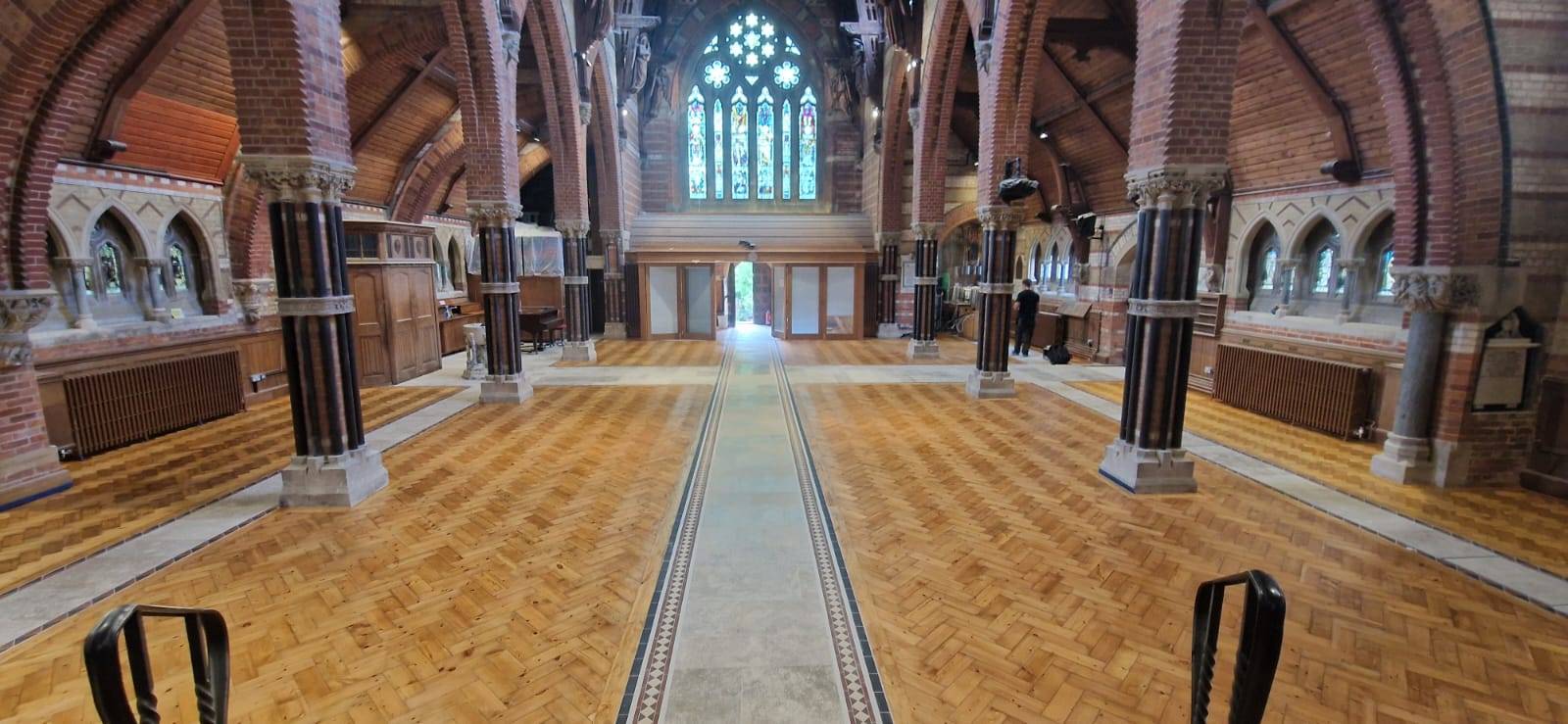
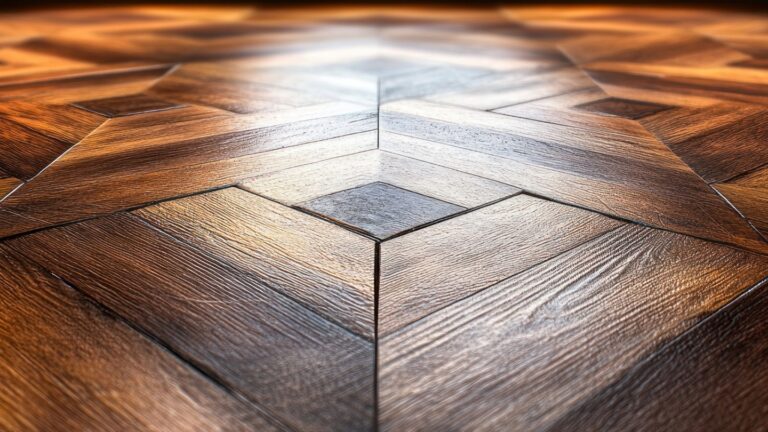
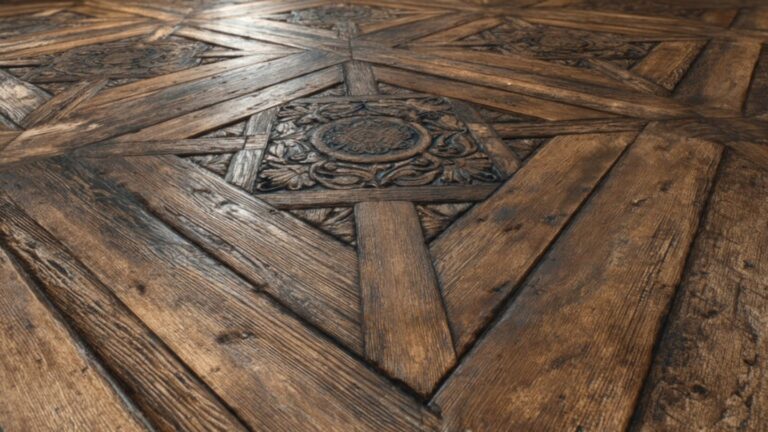
parquet wooden floor sanding
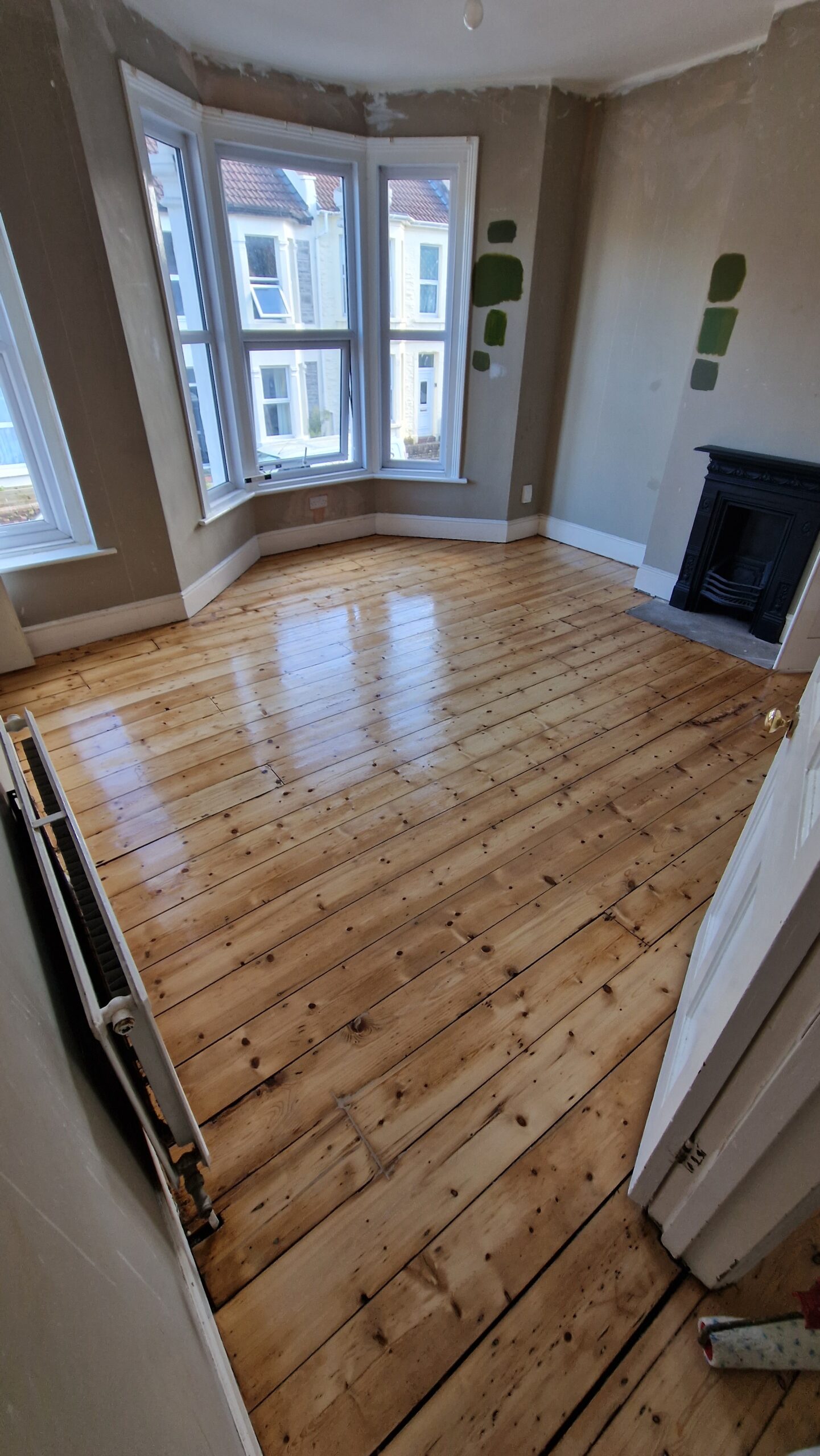
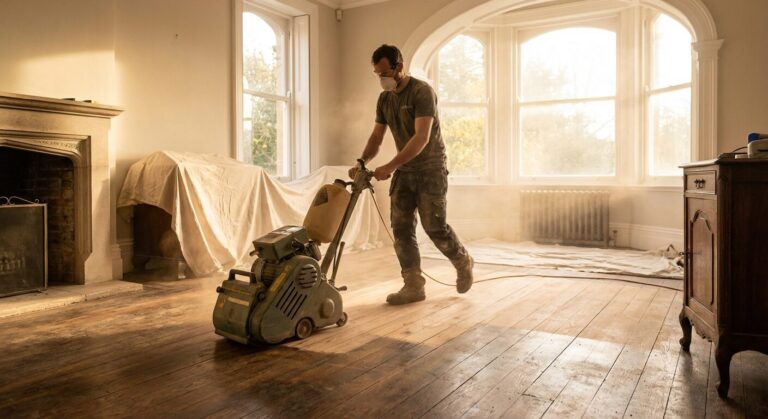
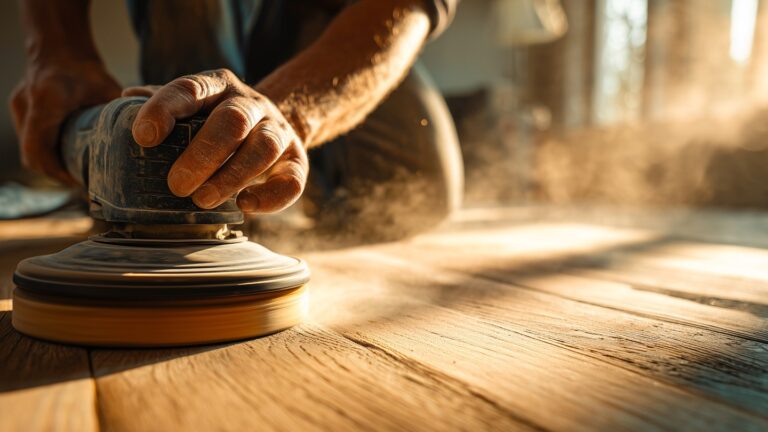
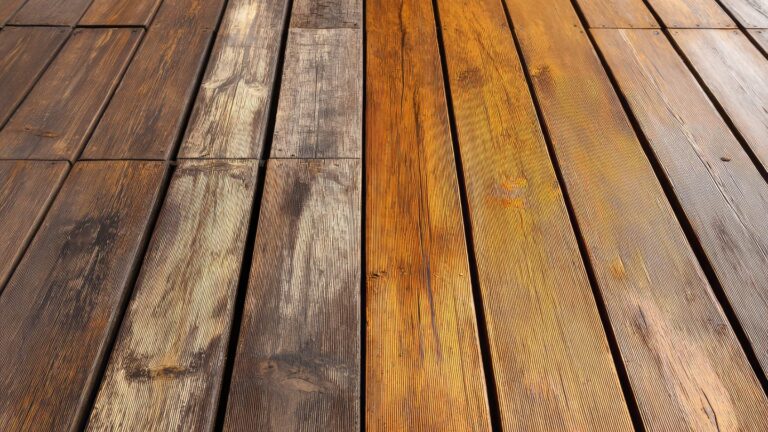
wooden floor sanding

Listed Buildings and Conservation Consent

Bath has an exceptional concentration of listed buildings and the whole city sits within a World Heritage Site, so it is worth knowing exactly where the line falls before booking any work.

Sanding and refinishing an existing floor rarely requires listed building consent. Replacing boards, altering the floor structure or changing the material generally does — and carrying out unauthorised works to a listed building is a criminal offence rather than an administrative slip.

We work to that reality rather than around it. Where there is any doubt we produce a written method statement setting out grits, finishes and precisely what will and will not be removed, which you can put to the conservation officer before we start. It adds a fortnight at the front of a job and has never yet cost a customer the work.

Guidance on listed building consent is published by Historic England, and Bath and North East Somerset Council can confirm the status of your property.

Bath Stone, Steep Ground and Damp

Bath stone is a soft, porous oolitic limestone. It is beautiful and it moves moisture readily, which matters underfoot more than most people realise — damp travels laterally through the wall into the joist ends rather than rising through the middle of the room.

Add the topography. Bath is built into steep valley sides, so a great many houses have earth against one wall at ground-floor level with little or no ventilated void on the uphill side. Basement and lower-ground rooms are especially prone.

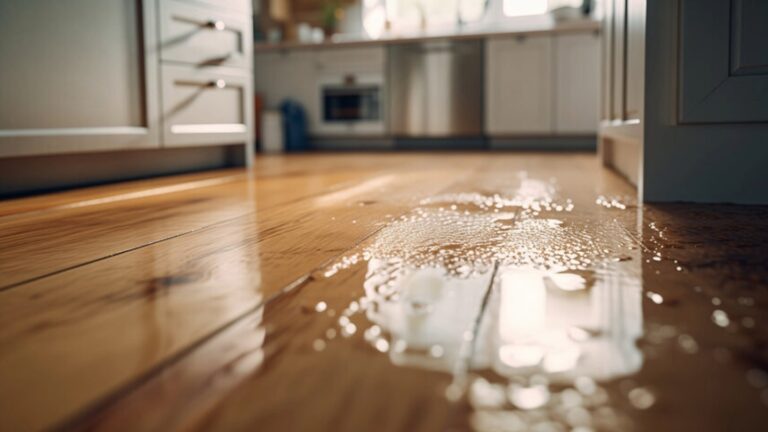
The visible symptom is cupping — boards curving up at the edges so the floor reads as shallow ridges. Sanding a cupped floor flat while it is still wet ruins it: the boards flatten as they dry and end up thin down the middle, which on a Georgian floor with little thickness left is unrecoverable.

We take moisture readings and check the joist bearings before quoting. If the readings are high the honest advice is to clear the airbricks and call us back in a couple of months.

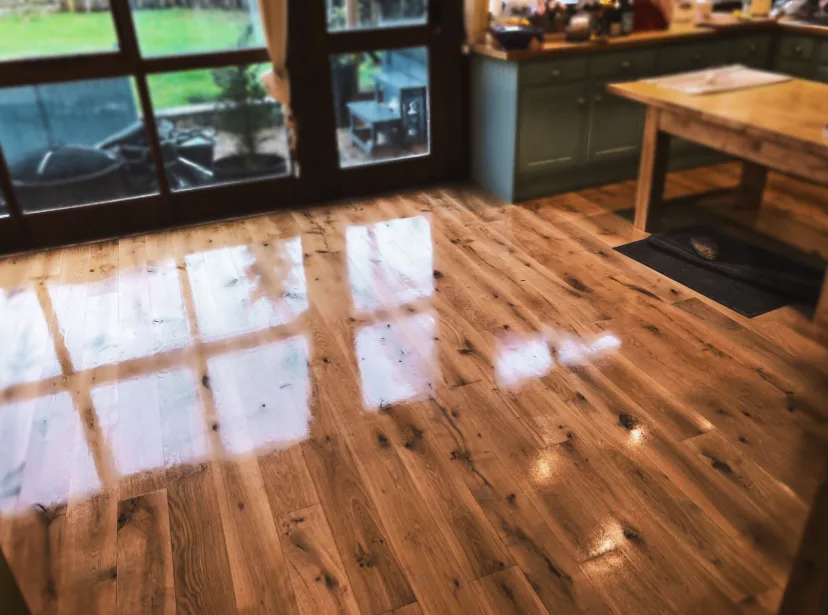
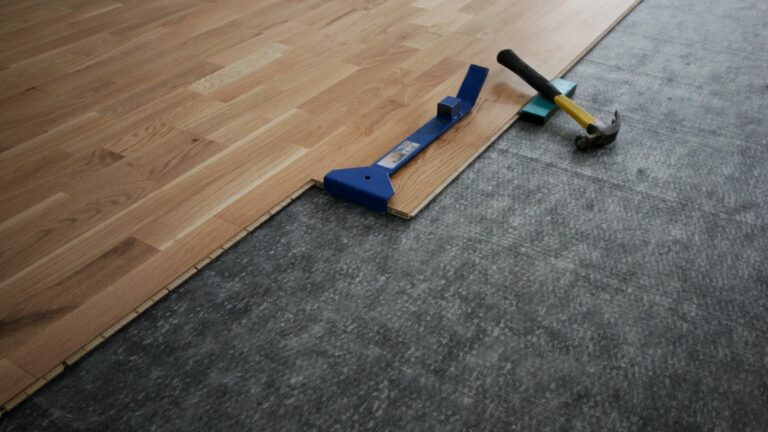
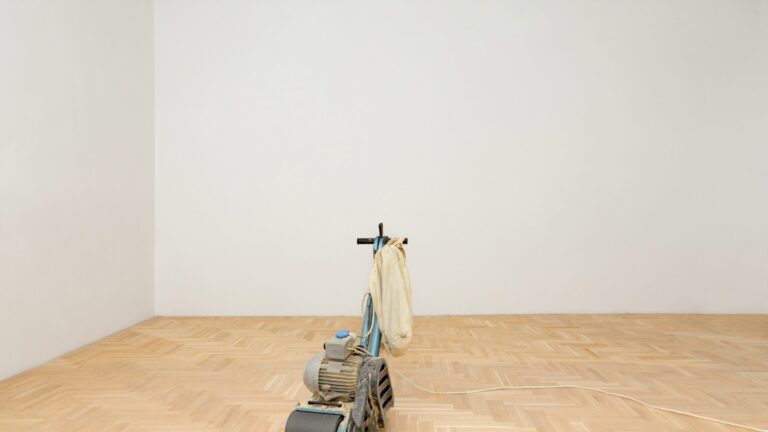
flooring sanding company

Holiday Lets, HMOs and Student Housing

Bath has an unusual mix of short-let holiday accommodation, student housing around Oldfield Park and Twerton, and a large professional rental market, and each wants something different from a floor.

Holiday lets are governed by the changeover calendar. Water-based lacquers take foot traffic within a day where oils want considerably longer, so for tight turnarounds the lacquer is the sensible choice and we phase room by room so the let stays usable.

Student and HMO property wants durability above all. A commercial-grade lacquer takes far more punishment than an oil and recoats quickly between tenancies. If you are licensing an HMO, Part E of the Building Regulations sets sound insulation standards between dwellings and floor treatment forms part of meeting them — we provide written specifications for licensing applications.

In converted flats, check the lease before going back to bare boards. Many require carpet or a specified acoustic performance on upper floors.

Why Bath Customers Choose Us

Forty-five years of restoring wood floors, a great deal of it in listed and Georgian property. The skill in Bath is knowing when to stop, and being willing to tell somebody their floor should not be sanded again.

Sealed dust extraction on every job as standard, included rather than added on. Fixed written prices agreed before we start. Furniture moved by us, the property protected, all waste taken away.

Fully insured, comfortable working alongside conservation officers and architects, 4.9 stars from 114 Google reviews, and happy to give you Bath addresses to go and look at.

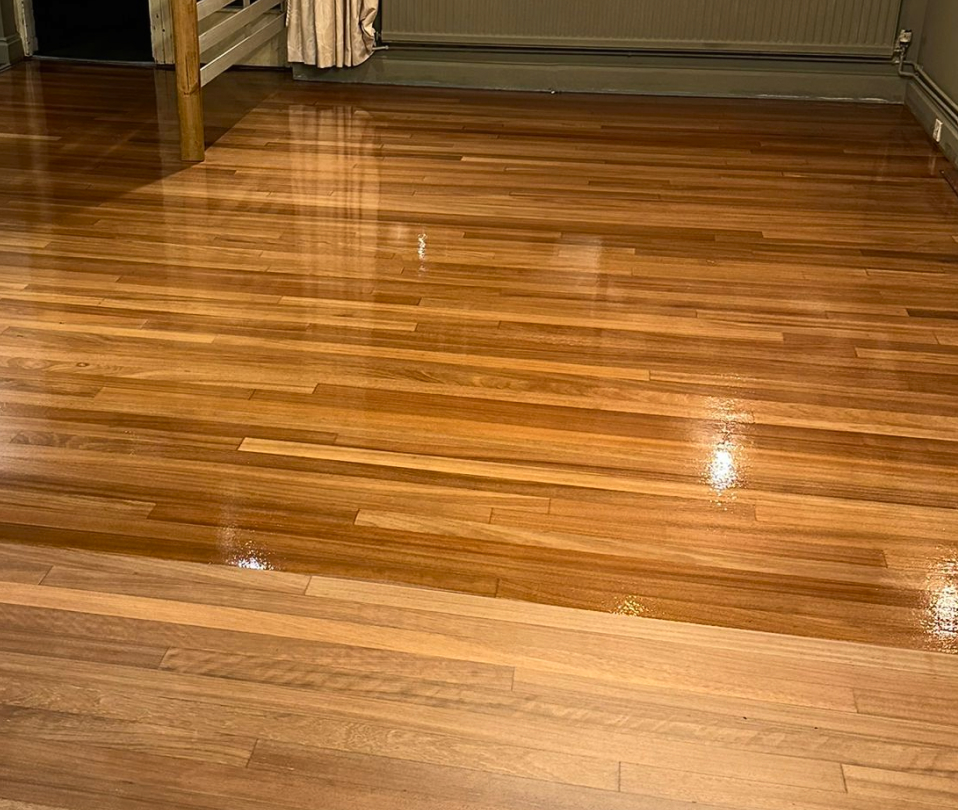
Wood floor sanding company
Floor sanding taunton

Book a Free Bath Floor Survey

Tell us whereabouts in Bath you are and whether the property is listed, because that shapes everything we would propose. Photographs help, but for Georgian property we will want to see the floor properly.

Surveys are free, usually within the week, and carry no obligation. We will tell you honestly if the right answer is a clean and recoat rather than a sand.

Call 01823 674562, email info@ryansrestoration.co.uk, or use the form on this page.

In and around Bath we do: restoration, parquet and block floors, lacquering, waxing, gap filling and pubs and restaurants.

If you want the detail: Ultimate Guide: Choose the Right Floor Sanding Company, or 7 Common Wood Floor Problems Solved Expertly.

Nearby areas we also cover: Bedminster, Bradley Stoke, Cheltenham and Clifton. There is a page for each, and the full list of towns is on our areas we cover page.

FAQ: Floor Sanding in Bath

Bathwick, Widcombe, Lansdown, Larkhall, Weston, Combe Down, Oldfield Park, Twerton, Bear Flat, Newbridge and Batheaston, plus Bradford-on-Avon, Corsham, Keynsham, Midsomer Norton and Radstock.

Sanding and refinishing an existing floor rarely needs consent. Replacing boards, altering the structure or changing materials usually does, and unauthorised work to a listed building is a criminal offence. We provide a written method statement for your conservation officer where needed.

A solid board has perhaps five or six full sands in its whole life, and a Bath Georgian floor has already had two hundred and fifty years of wear plus probably one or two previous sandings. We measure remaining thickness before committing.

We recommend a screen and recoat instead — lightly abrading the existing finish so a fresh coat bonds, then applying it. It removes no timber, takes about a day and costs roughly a third of a full sand.

Subfloor moisture. Bath is built into steep valley sides so many houses have earth against one wall with little ventilated void, and Bath stone moves damp laterally into the joist ends. The floor must dry and flatten before sanding.

We would rather it did not. Over-sanding strips out colour depth that took two centuries to develop and no finish will put it back. We take the damage off and leave the character.

Yes. Water-based lacquers take foot traffic within a day, so tell us your booking windows and we will phase the work room by room so the let stays usable.

A commercial-grade lacquer rather than an oil. It takes more punishment, recoats quickly between tenancies and needs less maintenance than an oiled floor.

Yes. Part E of the Building Regulations sets sound insulation standards between dwellings and floor treatment forms part of meeting them. We provide written specifications for licensing applications.

It depends on size, condition and finish. Listed and Georgian work takes longer because of the lighter approach required, and that is built into a fixed written price rather than added later.

Ryan's Restoration
4.9
Based on 114 reviews
×
js_loader