45 years’ experience  ·  Rated 4.9 on Google  ·  Family-run, from our workshop near Wellington

45 years’ experience · Rated 4.9 on Google · Family-run

Floor Sanding and Wood Floor Restoration in Portsmouth

Victorian terrace boards, draughty gaps, rented houses and bar floors in Portsmouth and Southsea, sanded and sealed by a Somerset family firm.

QUICK QUOTATION

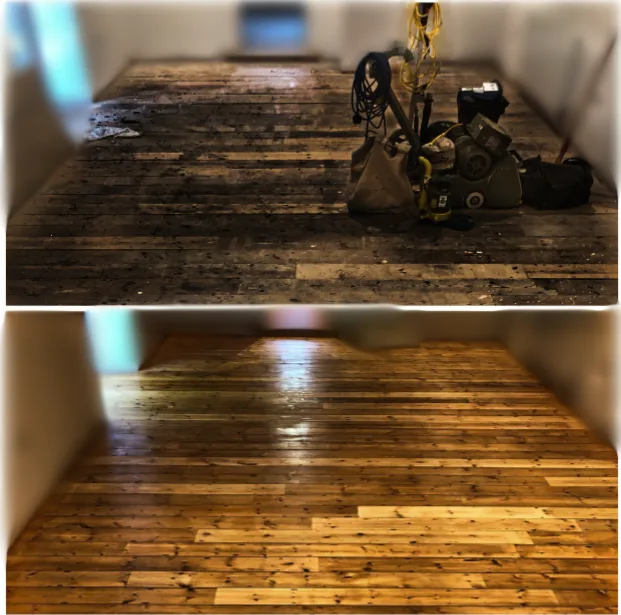
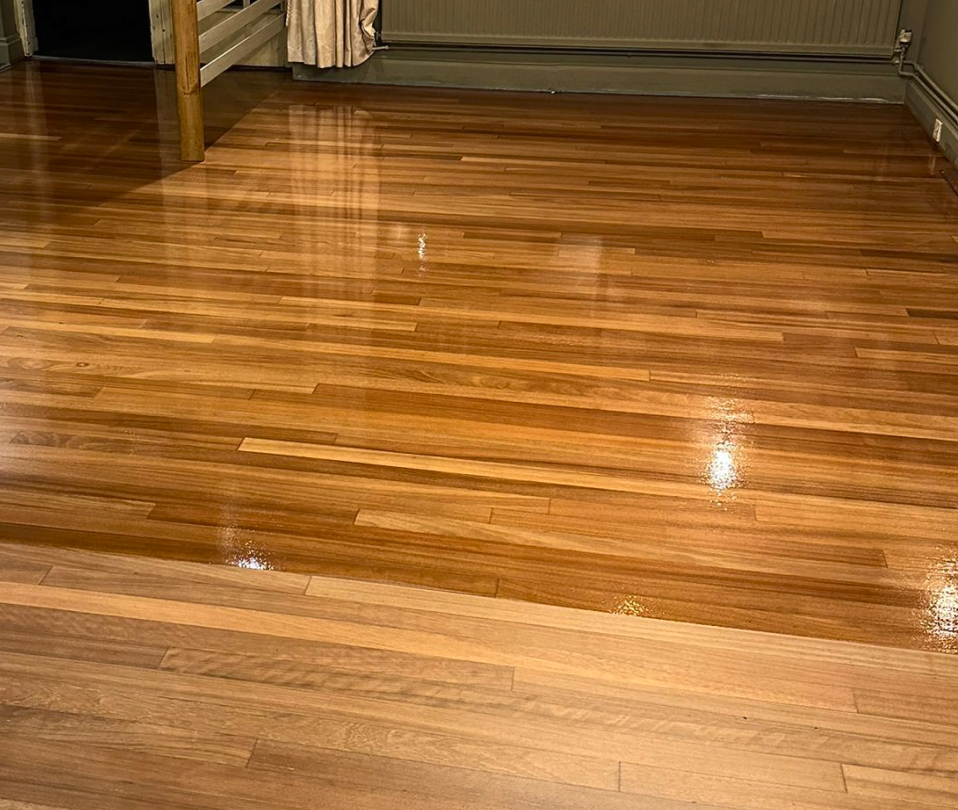
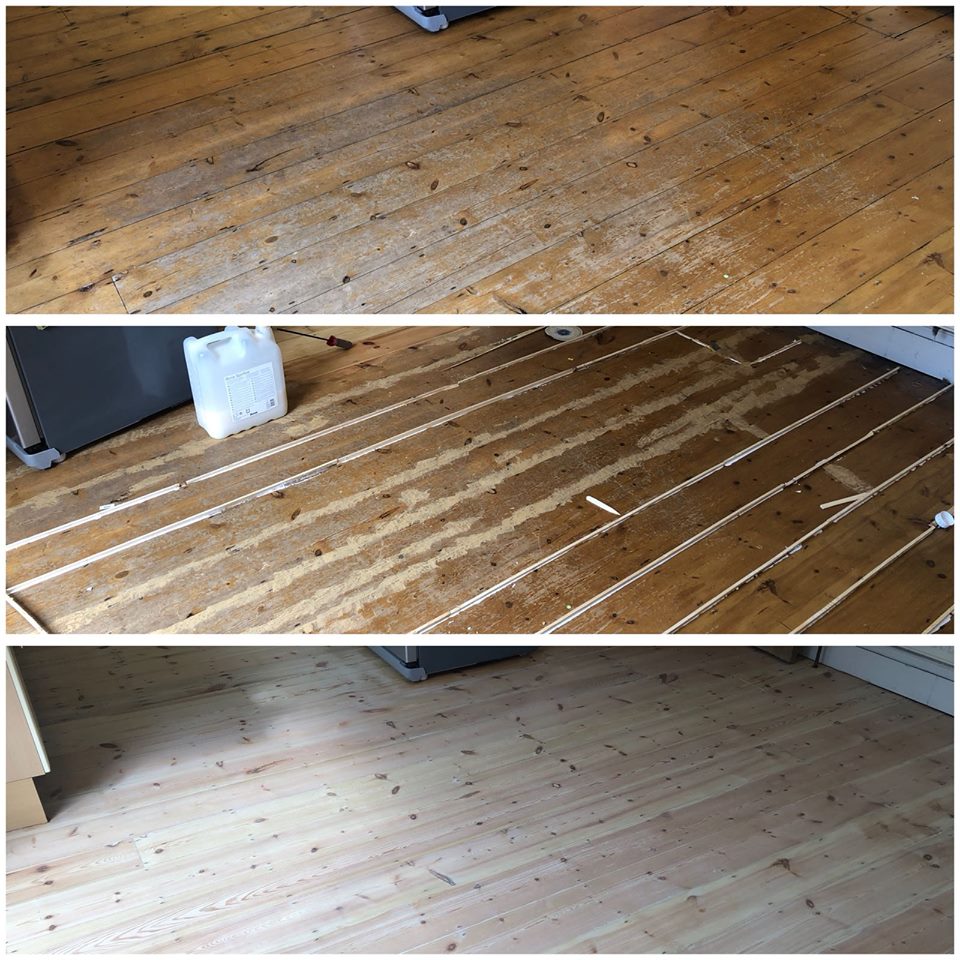
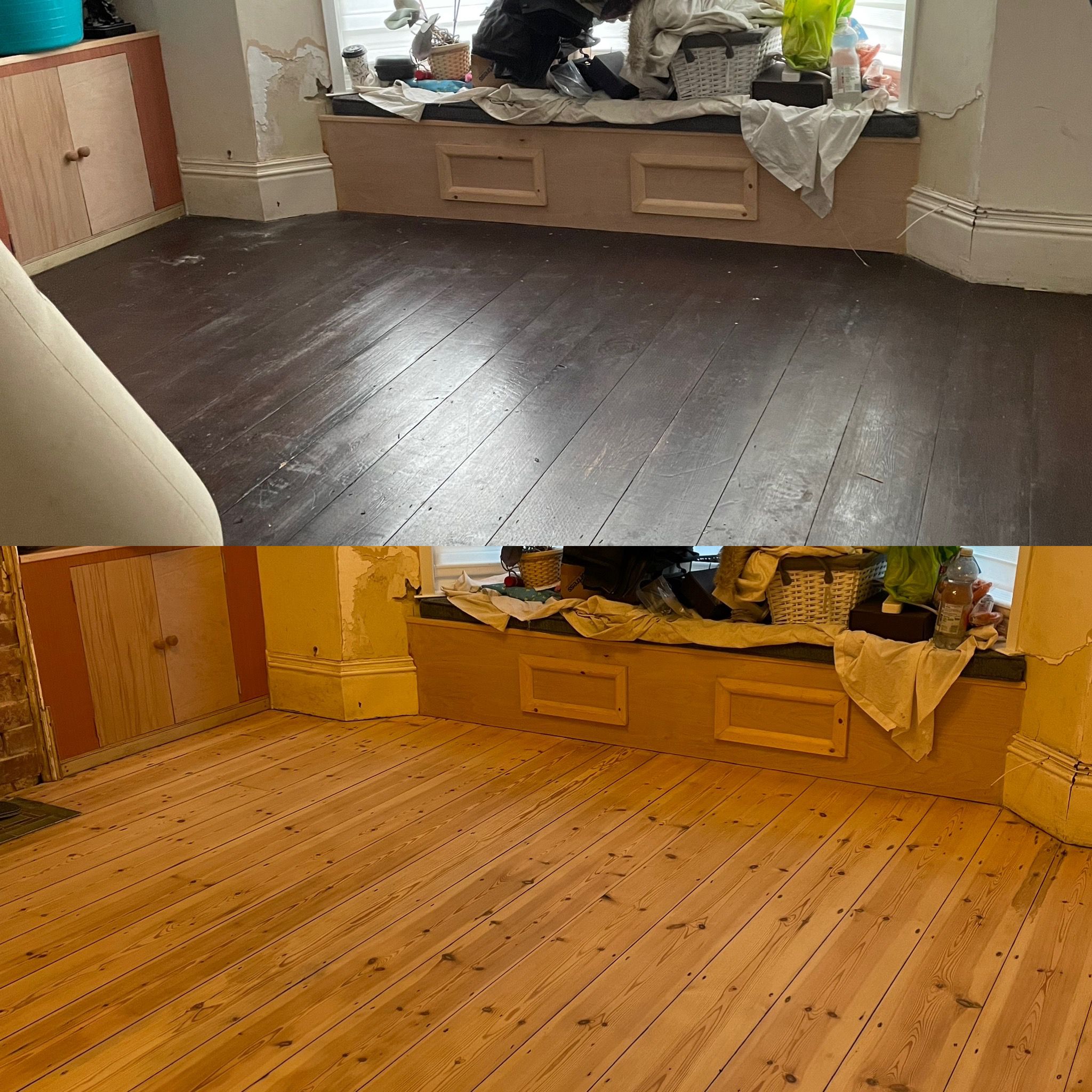
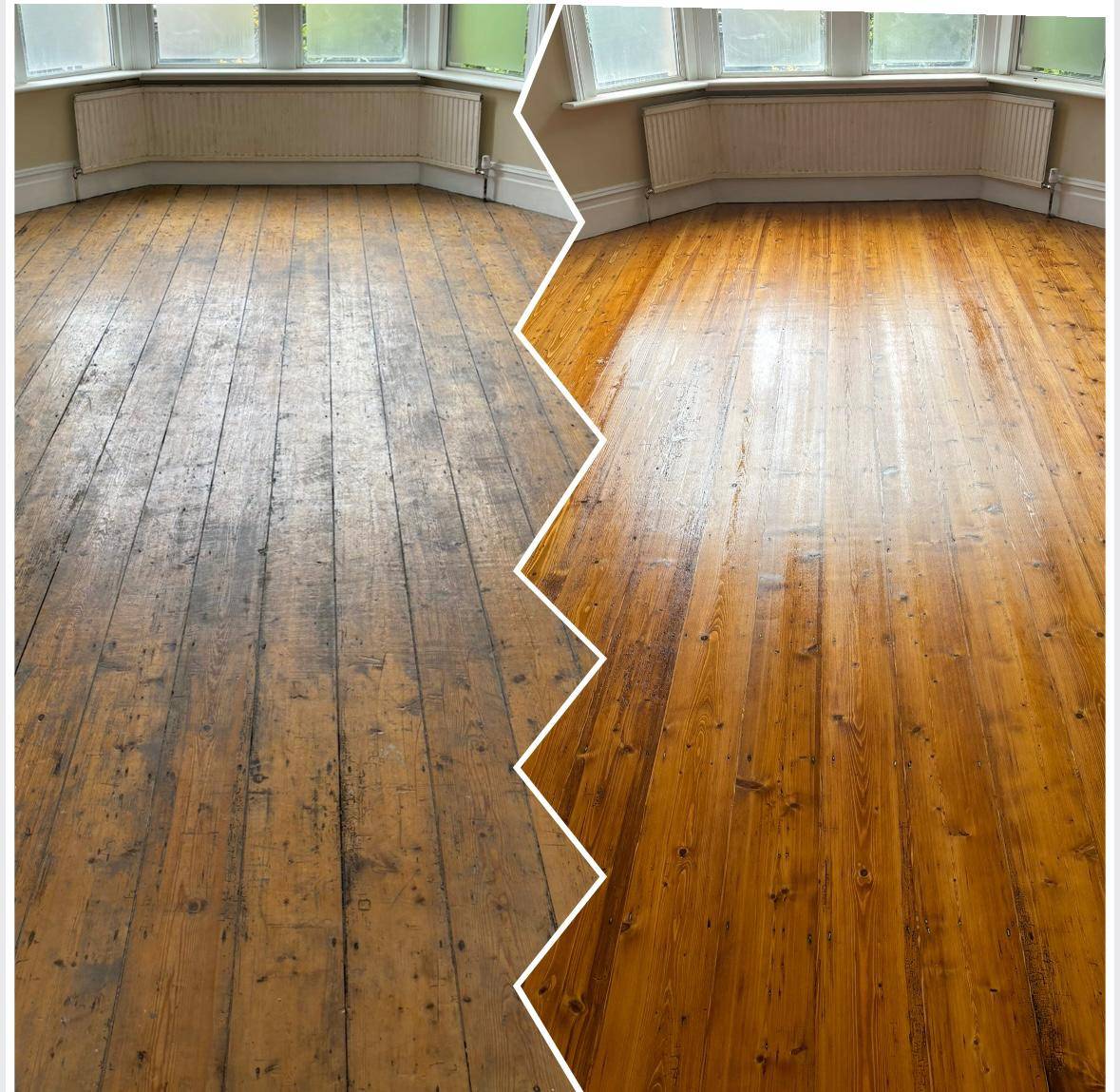
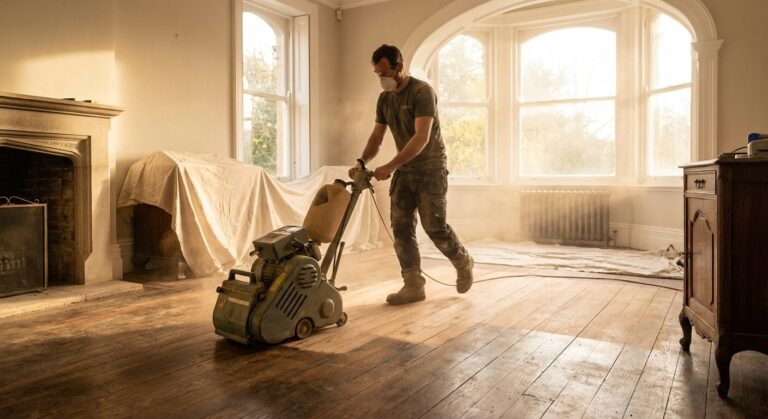
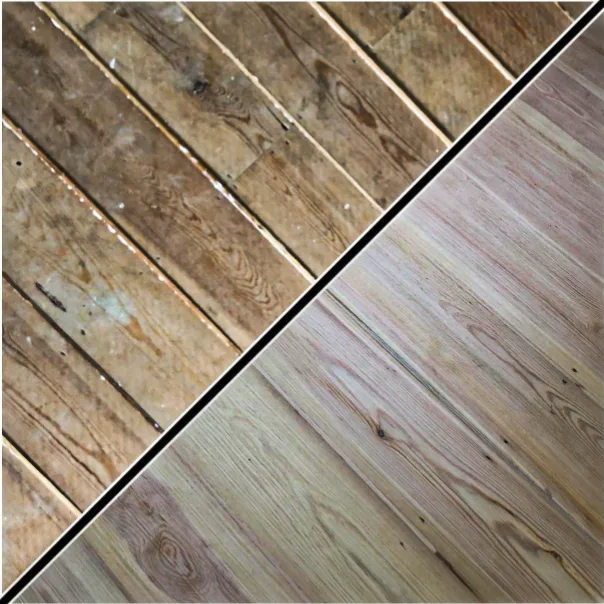
Floor sanding before and after

Floor Sanding in Portsmouth, and Why We Make the Trip

Portsmouth is not on our doorstep. We are a Somerset family firm, and from our base outside Wellington the drive to the Solent takes most of a morning, traffic permitting. We come for work that is big enough to plan a journey around: the whole ground floor and stairs of a terrace, a run of rooms in a house of multiple occupation between tenancies, or a bar, restaurant or hotel floor that has to be sanded and sealed while the doors are shut. A single bedroom on its own is better handled by someone local, and we will point you that way rather than stretch a booking.

For the jobs that do suit us, floor sanding in Portsmouth looks quite specific, because the city’s housing is so uniform. Portsea Island has the highest population density of any UK city outside London, and much of that density comes from street after street of Victorian terraces. Fratton, for example, is made up mostly of terraced houses from that period, and large parts of Southsea are much the same. Inside those houses you almost always find softwood boards on timber joists, with a ventilated void beneath, and the same set of problems repeated from one house to the next: gaps, draughts, loose boards, old coverings and a century of patch repairs.

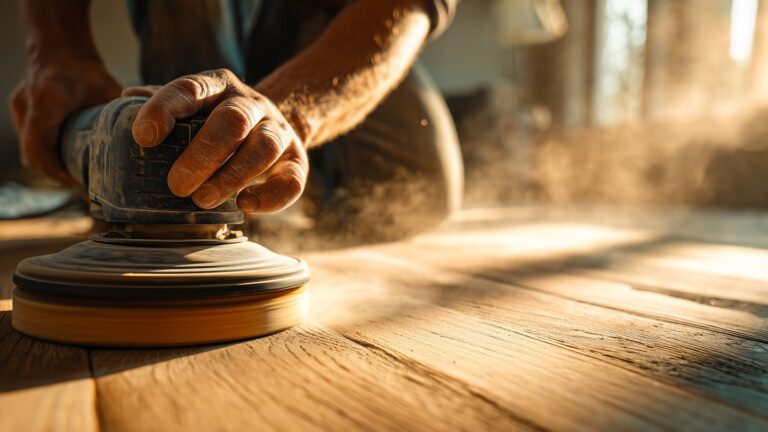
That consistency is useful. It means the questions in a Portsmouth terrace are usually the same ones, and the answers are well tested. How thick is the pine, how many times has it been sanded already, and is the void underneath still breathing? Our wood floor sanding page explains the process step by step. In outline, the floor is repaired first, then cut back with progressively finer abrasives, then finished.

On dust, each sander we bring runs into its own sealed collection unit, so the debris goes into a bag at the machine instead of settling over a terrace front room. This is what sits behind the phrase dust-free floor sanding on our website. It is a large improvement on older methods, though a few motes can still escape, and in a small terrace with the stairs open to the hall, keeping internal doors closed helps a lot.

For the rest of the county, see our Hampshire floor sanding overview.
Gaps, Draughts and Cold Floors in Portsmouth Terraces

If one problem defines the boards in a Portsmouth terrace, it is gaps. Ask anyone who has lifted the carpet in a Southsea front room in January: you can feel the air coming up between the boards. Below most of these floors is a void ventilated by airbricks in the front and rear walls, and on a windy island that void is rarely still. Every gap between two boards becomes a small draught.

The gaps open for several reasons. Softwood shrinks as it dries, and a century of open fires followed by central heating has dried these boards well beyond the moisture content they had when they were laid. Boards also move across their width with the seasons, swelling in damp autumn weather and tightening in summer, so a gap that is a hairline in August can be three or four millimetres in February. Previous owners sometimes made it worse by lifting boards for wiring and relaying them loosely.

Gap filling in a terrace is done one of two ways. For the wider gaps, which are typical on these floors, we glue thin tapered lengths of pine into each gap, bonded to one board only, and then plane and sand them flush. Because the strip is fixed to just one side, it travels with that board as the floor moves through the year, and the floor stays sealed instead of cracking open again. For narrow, stable gaps, a resin-based filler mixed with fine dust from the same floor gives a near-invisible line. In practice many floors get a mix: strips where the gaps are wide, resin where they are tight.

There is one important caution. The airbricks are there for a reason. The void below a suspended floor needs air moving through it to stay dry, and blocking airbricks to cure a draught is a common route to damp joists, rot and woodworm. Filling the gaps between the boards deals with the draught from inside the room while leaving the ventilation beneath untouched, which is exactly the balance you want. During the survey we check that the airbricks outside are clear and not buried under a raised path or a garden bed, since that is a frequent cause of damp in terraced streets.

Once the gaps are sealed, sanded and finished, most people notice the difference in warmth almost immediately, and the floor no longer collects grit along every joint.

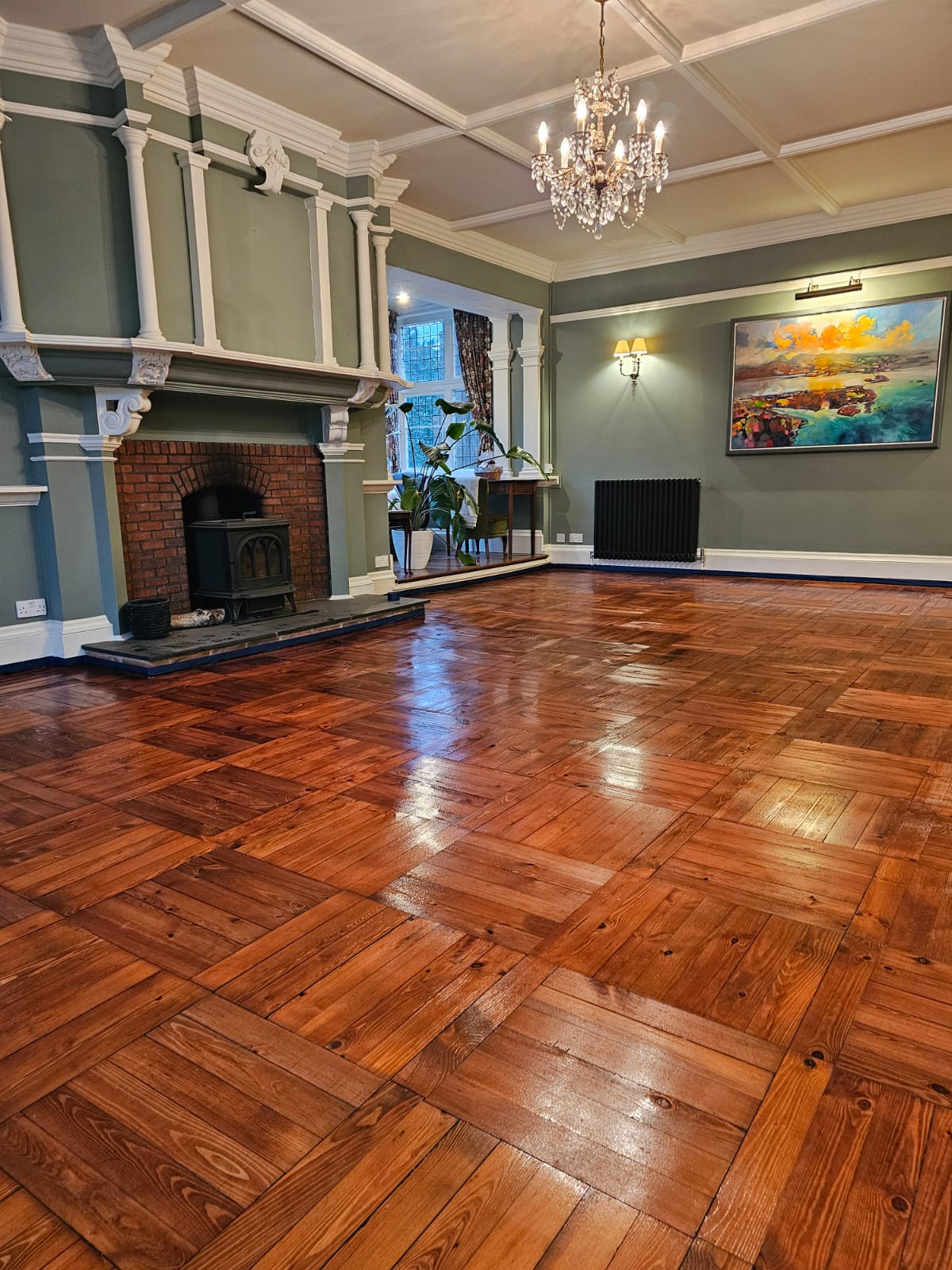
parquet wooden floor sanding
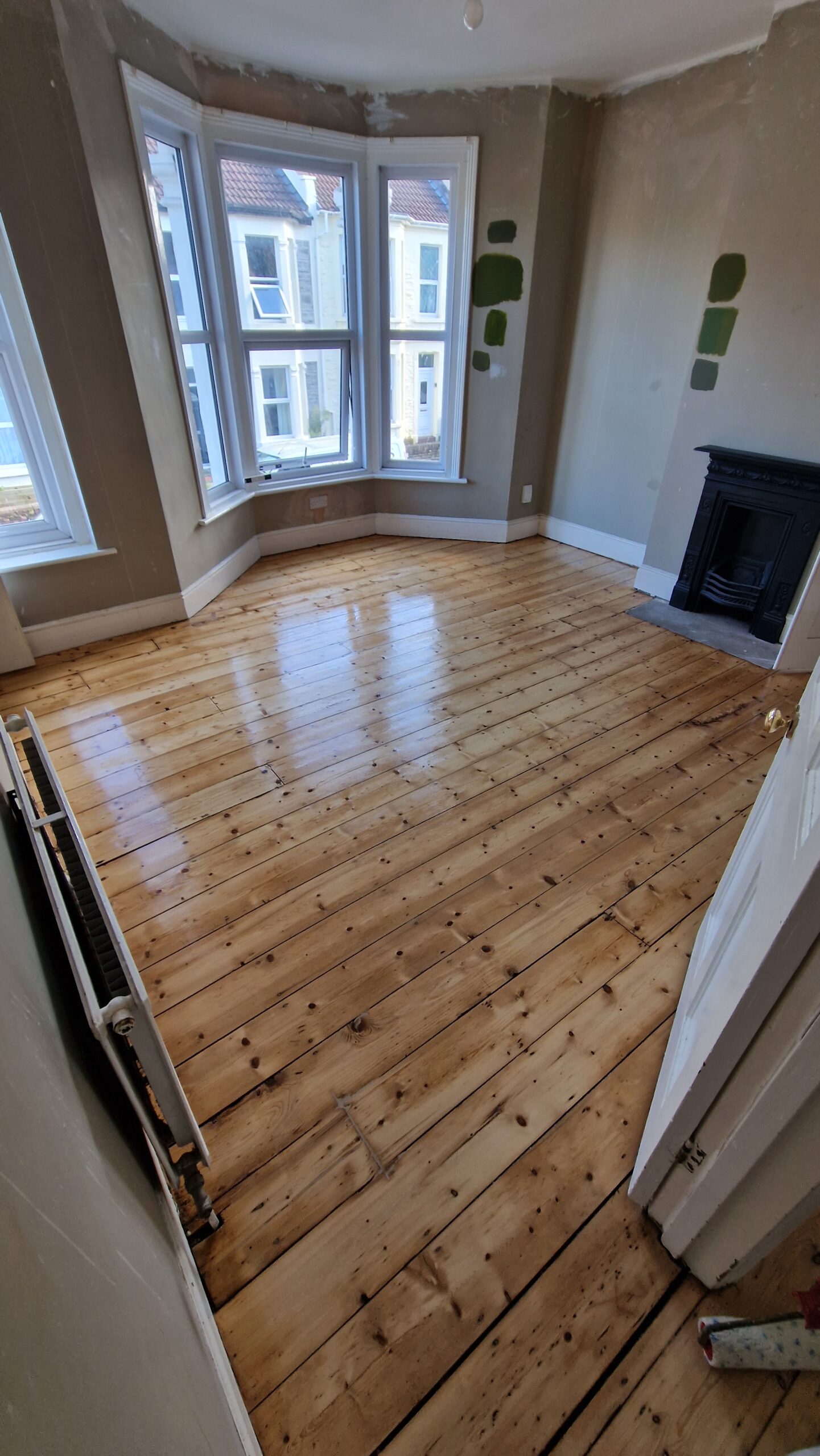
wooden floor sanding

Wood Floor Restoration in Portsmouth: Joists, Patches and Old Coverings

Gap filling is usually one part of a broader job. Wood floor restoration in Portsmouth terraces tends to involve a predictable list of repairs, and they all need to be done before the sanding machine goes down.

Start with the coverings. Many floors have had lino, then carpet, then laminate, and each one left something behind: bitumen-backed underlay stuck in patches, gripper rods round the walls, hundreds of staples, and in the hall a layer of hardboard. All of it has to come off. Old nail heads are punched below the surface, because a proud nail will tear an abrasive sheet and score the board.

Then there is the timber itself. Boards in these houses have been lifted many times for gas, water, electrics and then central heating. Some were relaid with a couple of nails and now rock underfoot. Some were replaced with whatever was available, which is why you often find a modern, narrower board in the middle of a run of old imperial pine. Floorboard replacement using reclaimed timber, matched as closely as we can to the originals in width, thickness and colour, means the repair fades into the floor instead of standing out. Our pine floor restoration page goes further into what old softwood can and cannot take.

Loose boards are also the main source of noise. A creak usually means a board moving against a nail or against its neighbour. Squeaky wood floor repair involves securing the board firmly to the joist, normally with screws, set below the surface and plugged if they would be visible. Where a joist has been notched too deeply for pipes, it may need strengthening first.

Damp is the last thing to check. In a low-lying city, and with airbricks often blocked by later paving, some suspended floors suffer from moisture rising into the void. Signs include soft board ends near external walls, a musty smell, and the small round exit holes of woodworm. Moisture readings during the survey help us decide whether the floor can be restored as it is or needs more serious work first. For localised damage, our wooden floor repairs cover cutting out and replacing affected sections. Taken together, this is what wood floor restoration means on a Portsmouth terrace: solid, quiet, draught-free boards first, then the finish.

Commercial Floor Sanding in Portsmouth: Bars, Restaurants, Hotels and Lettings

Portsmouth has a busy hospitality trade and a large rental sector, and both rely on timber floors that take heavy punishment. Commercial floor sanding in Portsmouth for us usually means one of three kinds of premises.

Bars and pubs come first. A bar floor sees spilled beer and soft drinks every night, sugar that turns sticky, ice dropped and left to melt, and furniture dragged around for live music or sport. The finish wears through in front of the bar and at the doors long before anywhere else, and once the timber is exposed it soaks up liquid and goes grey or black. Our commercial floor sanding for licensed premises is planned around closing time. A floor can typically be sanded and given a fast-curing, two-component lacquer between last orders and the next opening, or over a day or two of planned closure for a larger area. The new finish needs to be hard, resistant to spills and cleaning chemicals, and not slippery when wet.

Restaurants and cafes have similar issues, plus grease near the kitchen door. Restaurant floor sanding removes grease-soaked finish completely before the new lacquer goes down, as lacquer will not bond properly over contamination. Hotels and guest houses have the extra constraint of guests in residence. Along the seafront, a guest house cannot simply shut for a week, so hotel floor sanding is split into stages: two bedrooms while they are unbooked, then the landing, then the breakfast room on a quiet weekday.

Then there is rented housing, much of it terraced houses let to students or young professionals. Landlords and letting agents in Portsmouth often want timber floors because they are easier to keep clean between tenancies than carpet. In a student let, the window is often the few weeks of July and August when one group has moved out and the next has not yet arrived. We plan those jobs early. The finish for a let is chosen for durability first: a hard-wearing lacquer that will cope with a year of student life and can be refreshed rather than fully resanded at the next changeover.

For multi-unit landlords and commercial clients who need paperwork, a method statement, insurance details and references are available before the work is booked. The shop floor sanding page covers retail premises too.

flooring sanding company
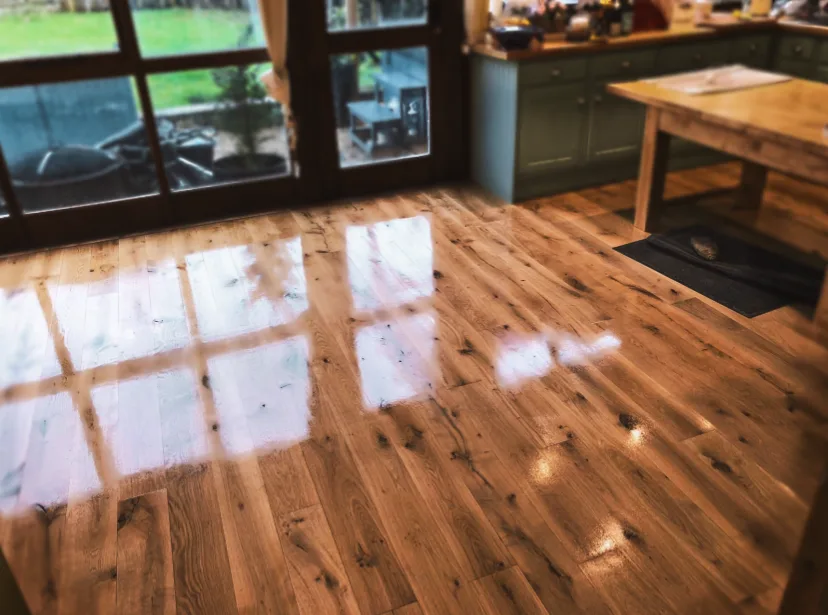
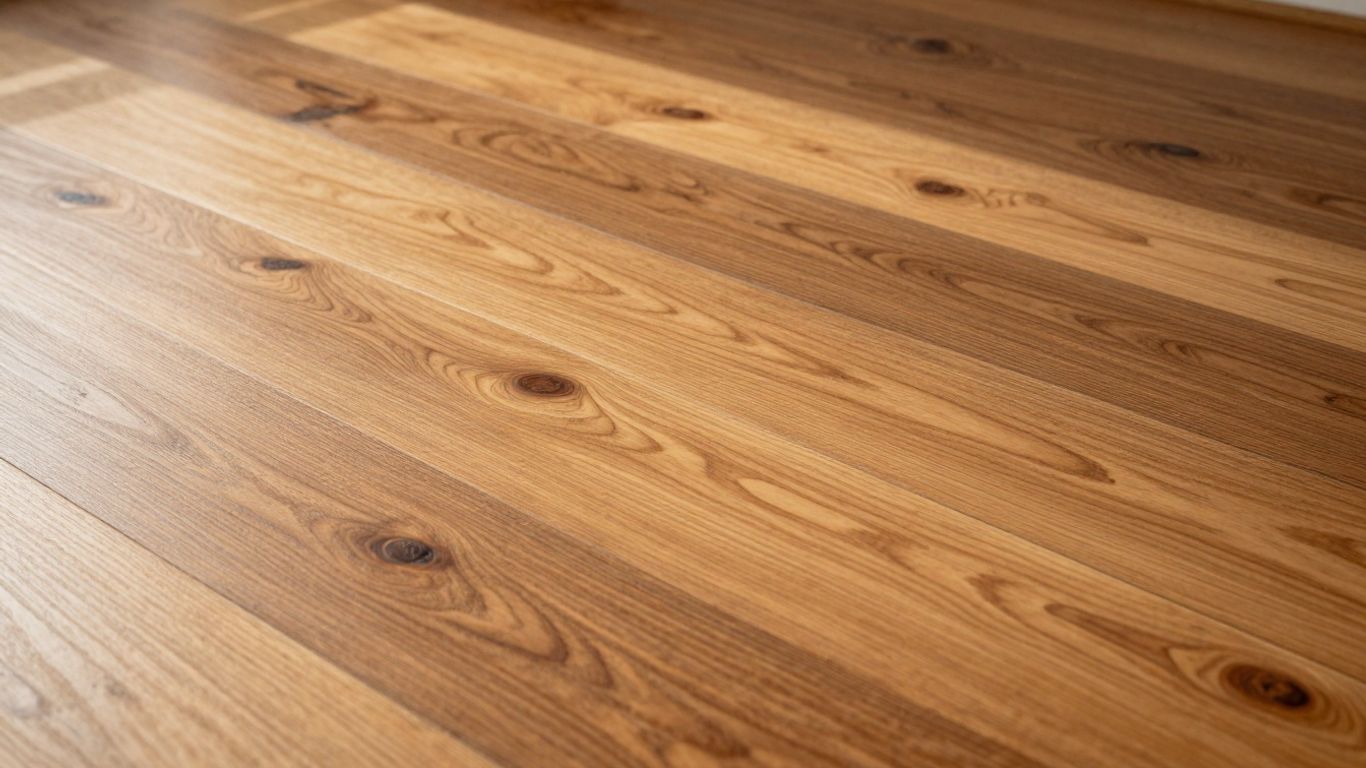
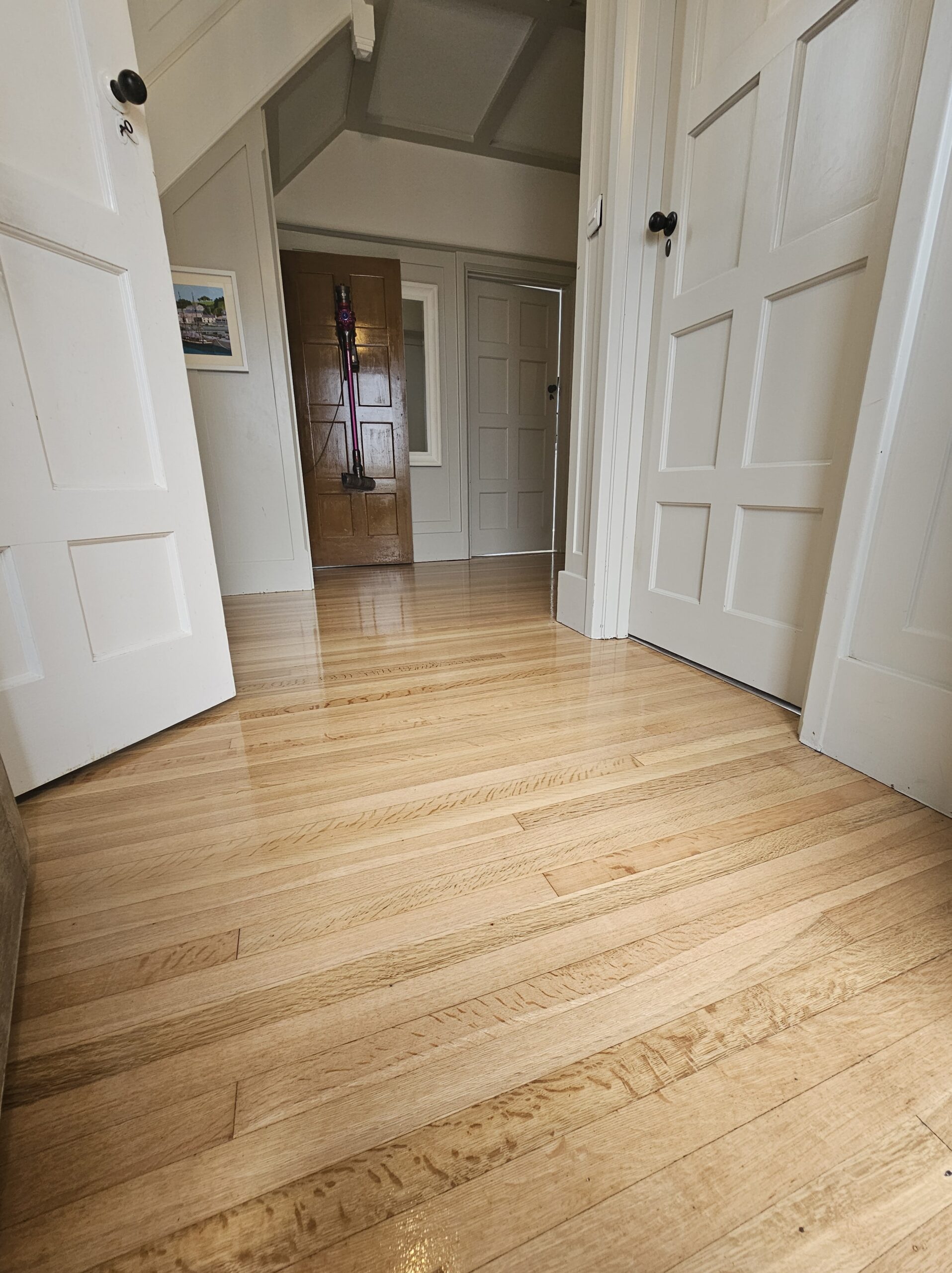
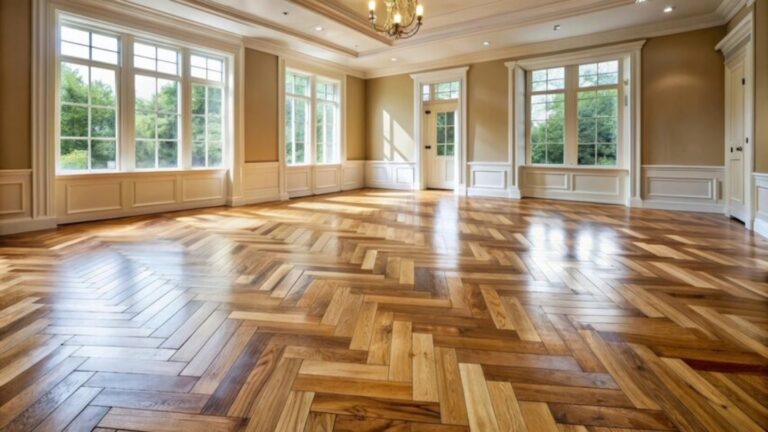
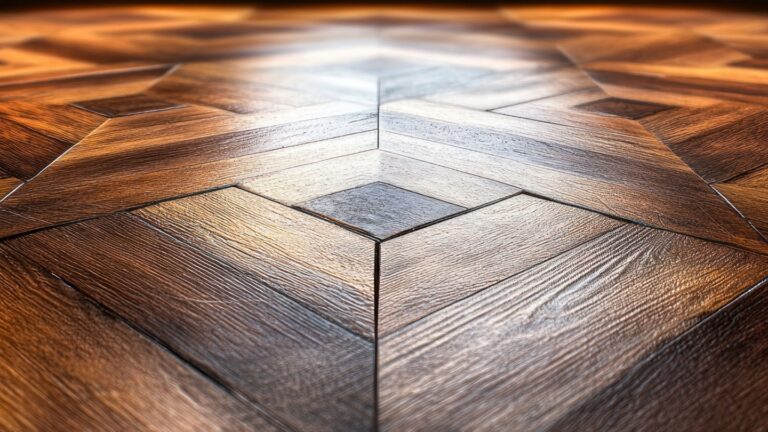
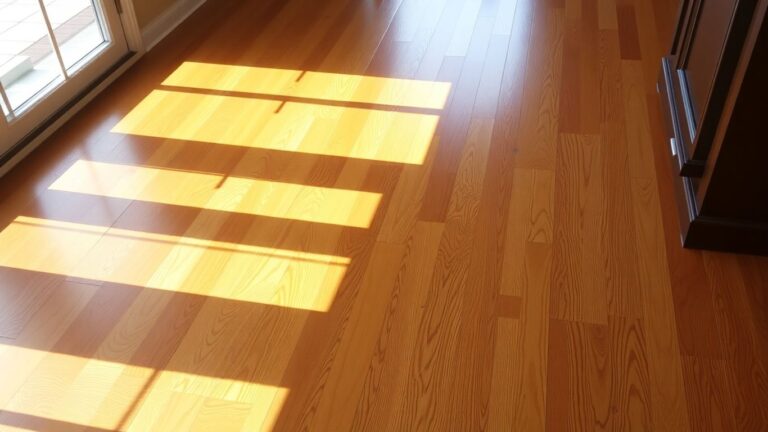
Sunlight across freshly lacquered wooden floorboards

Steep Stairs and the Occasional Parquet Hall

The staircase in a Portsmouth terrace is often the hardest-working timber in the house and the least loved. It rises steeply from the hall, usually straight, with treads that have been painted, carpeted, stripped and carpeted again. Stair sanding takes each tread and riser in turn, using small machines and hand scrapers, because there is simply no room for a large sander. Nosings are kept rounded. Old paint is removed from the treads but often kept on the risers and strings, with a neat line between the two, which is a look that suits Victorian stairs well. Where previous carpet fitters have left hundreds of tack holes along the front of each tread, these can be filled before finishing. Banisters and newel posts can be stripped too, though heavily painted spindles are sometimes better simply repainted.

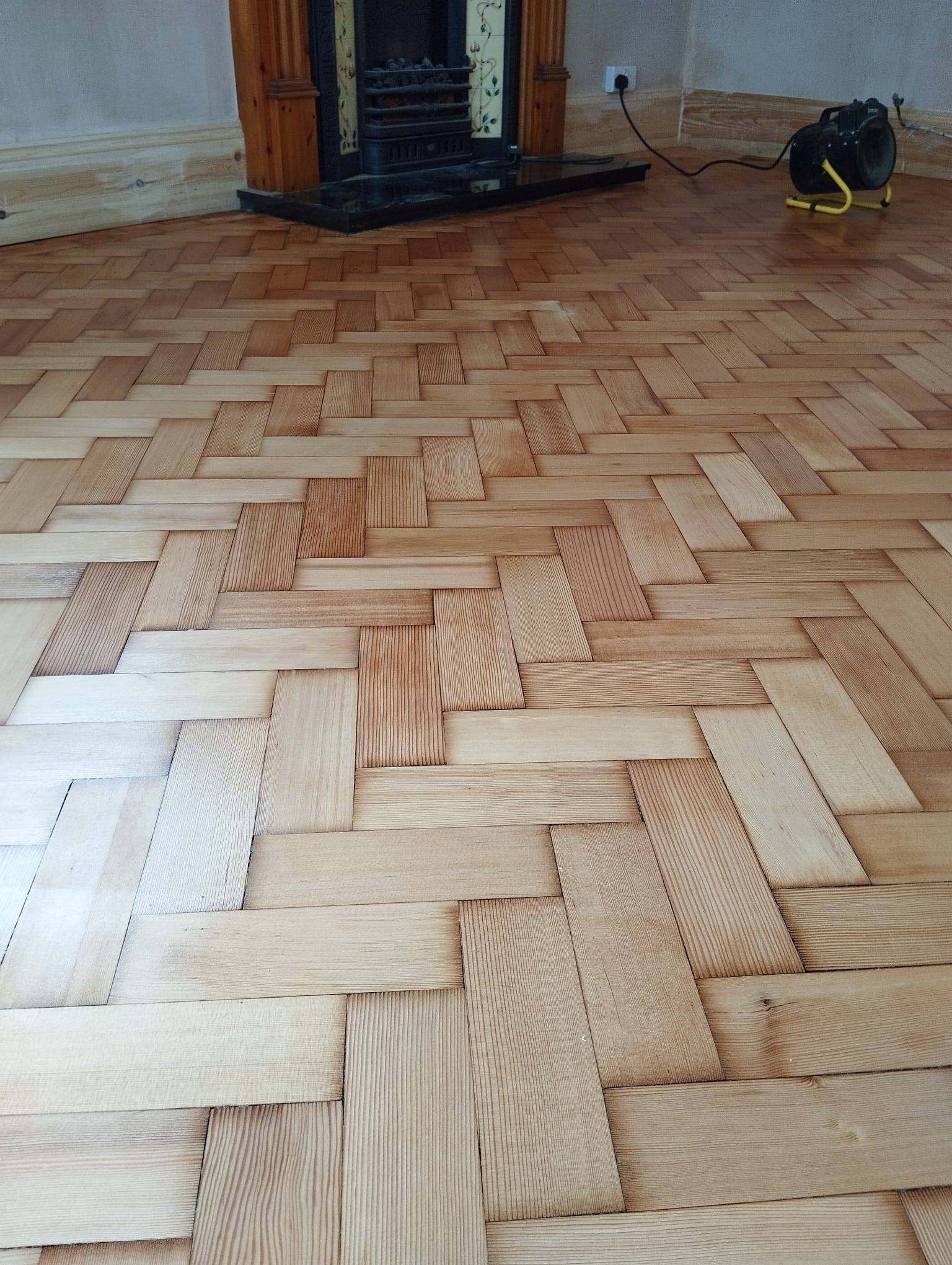
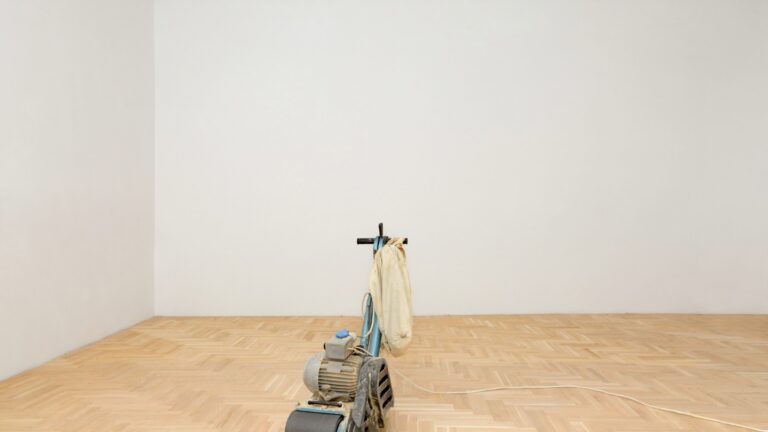
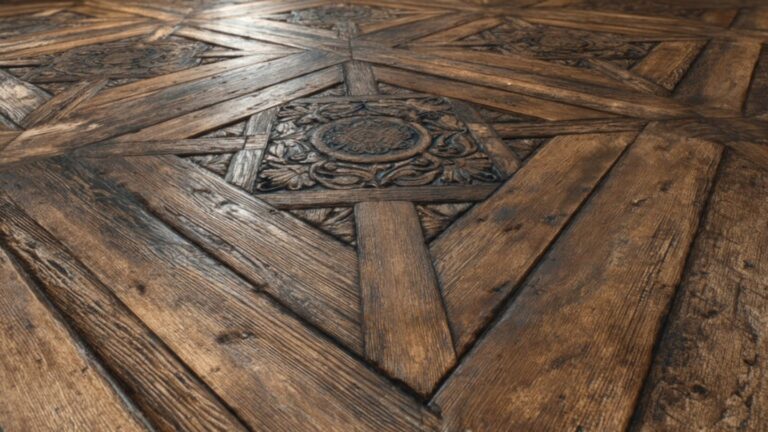
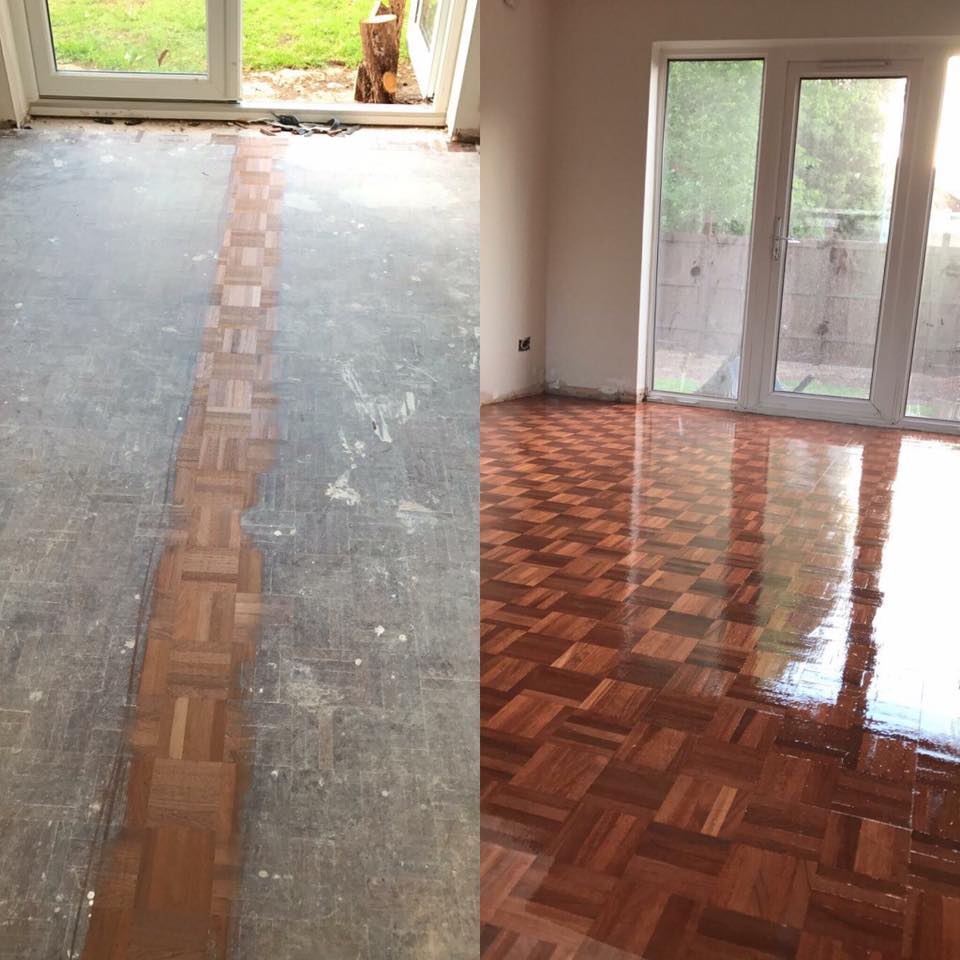
Parquet is less common in the terraces but appears in larger Edwardian houses, in purpose-built flats from the interwar years, and in many church halls and public buildings across Hampshire. Woodblock laid in hot bitumen tends to fail in the same way everywhere: the adhesive dries, blocks loosen, and they begin to click and shift underfoot. Parquet floor sanding starts by finding every loose block, lifting it, cleaning off the old bitumen and refixing it on a suitable modern adhesive. Any empty spaces left by lost blocks are filled using reclaimed blocks of a similar species and size. Sanding then works across the pattern before finishing with it, so the herringbone or basket weave comes up flat and even.

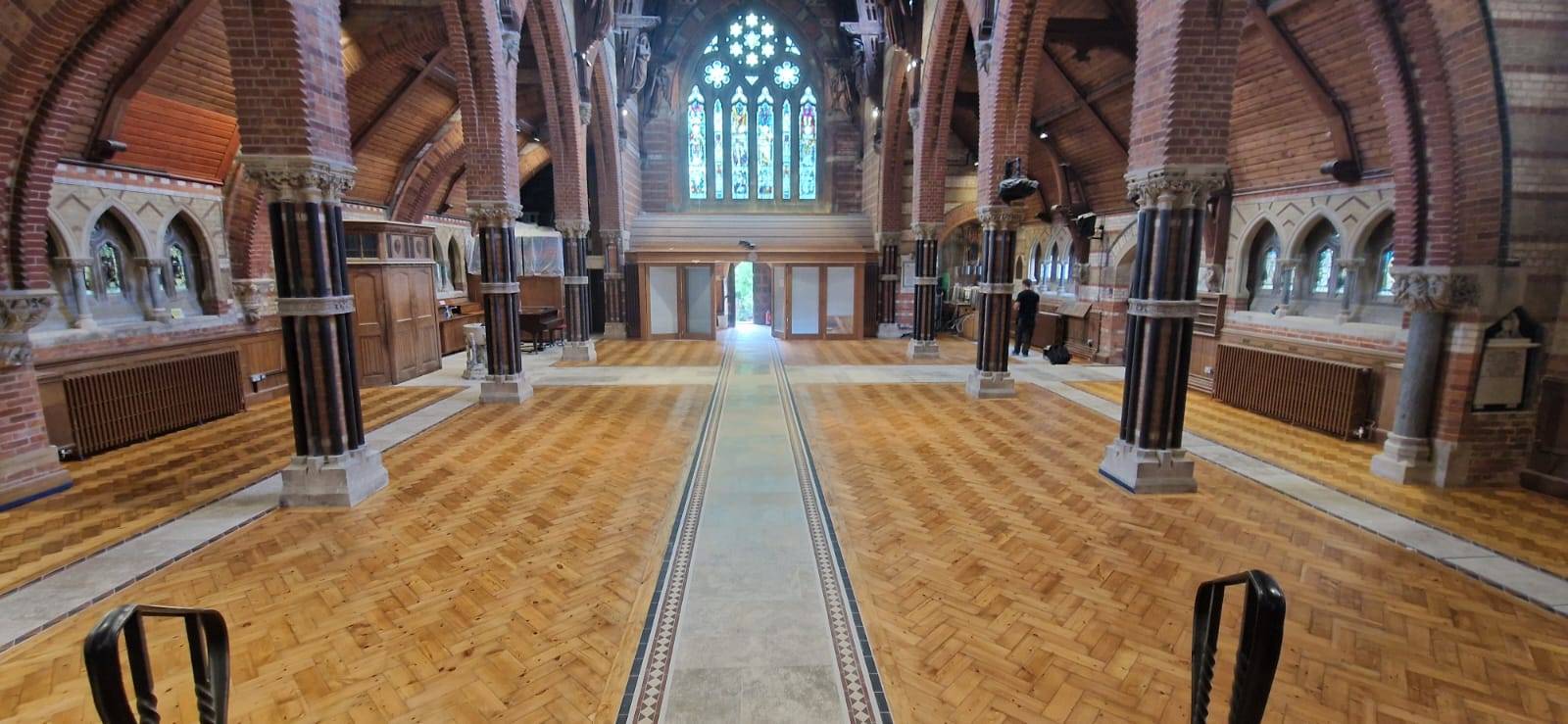
Where a parquet floor has failed over a large area, it may need lifting entirely. That was the approach at our Lyndhurst church parquet project in the New Forest, where the original blocks were taken up and recorded, the subfloor was rescreeded level, and the parquet was relaid, sanded, stained and sealed. It is a more involved job than most homes need, but it shows that old herringbone parquet can be saved even when the bedding beneath it has given up.

Floors in schools and halls are covered under school floor sanding, where work is timed for the holidays.

Finishes That Cope With Sand, Students and Spilled Drinks

With the boards repaired and sanded, the choice of finish decides how the floor will look and how well it stands up to life in Portsmouth, which for many floors includes beach sand, wet coats and a lot of foot traffic.

For most terrace floors, lacquer is the practical choice. Wood floor sealing with a water-based lacquer keeps pine pale and slightly cool in tone, close to its natural sanded colour. An oil-based lacquer brings out a deeper honey colour, which many people prefer on Victorian pine. In hallways, kitchens and rented properties, a two-component lacquer gives the toughest surface we offer for homes and is far more resistant to scratches, heels and grit.

Oils give a different look and feel. Wood floor oiling works differently: hard wax oil or a natural oil sinks into the pine and dries to a soft, low lustre, with nothing sitting on top to peel or chip. If the kitchen doorway wears first, that strip alone can be cleaned down and given another coat. It suits owner-occupied homes better than lets, where tenants may not maintain it. Some owners of period houses still ask for wood floor waxing; it gives a lovely soft glow but spots if a wet umbrella is propped against it, and it needs re-waxing more than the others.

Colour is the other decision. Pine can be stained darker, but its uneven density means it takes colour patchily if the stain is not chosen and applied carefully. Wood floor staining samples are always tried on the actual boards, in an area that will be hidden by furniture, before a colour is agreed. Grey and very dark stains are popular but show sand and dust more than mid-tones do, which is worth considering a few streets from the beach.

Finally, sheen. A matt or satin finish hides scuffs and is less slippery than gloss, which matters on stairs and in bars. After the final coat, wood floor polishing evens out the sheen across the room.

Wood floor sanding company
Floor sanding taunton

Seaside Grit, Upkeep and Getting a Portsmouth Floor Quoted

Sand from the beach and grit from the street are the biggest threats to a newly finished floor in a coastal city. They work like fine sandpaper underfoot, wearing through even a hard lacquer in the walkways. A good-sized mat inside the front door, and sweeping or vacuuming every few days, will add years to the finish. Washing day should mean a mop wrung almost dry, dipped in a solution intended for lacquered or oiled timber. Steam cleaners do harm, and felt pads under the kitchen chairs save a lot of fine scratches.

For the first day after finishing, the floor should only be walked on in socks. Beds, sofas and bookcases return after 48 to 72 hours. Rugs should stay rolled up for about seven days so the coating underneath is not starved of air while it hardens.

Over time, the finish in the main walkways will dull. That does not mean starting again. With wood floor buffing, the existing coating is scuffed with a fine pad and a new layer of lacquer goes on top, so the boards themselves lose nothing. An owner-occupied terrace will generally need going back to bare wood once every eight to ten years. A bar, restaurant or busy let will need one sooner, typically every four to five years, with buffing and recoating in between.

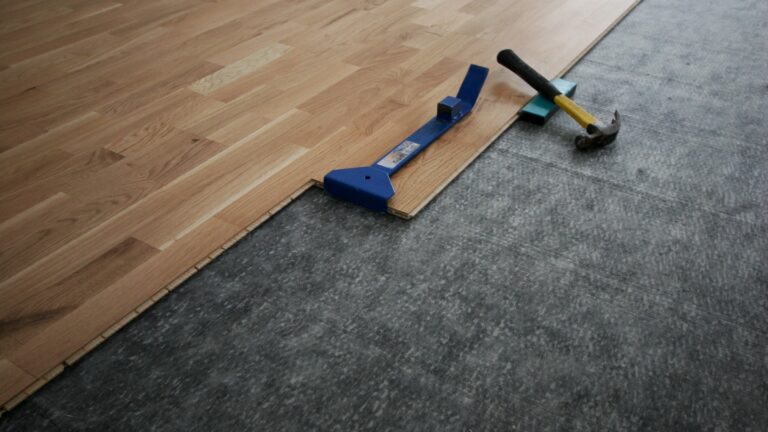
Occasionally a Southsea floor has been so heavily patched that starting again is the honest advice, or a rear extension has a concrete slab with nothing to restore. For those, we can bring in new wood flooring and fit it ourselves, or drop the boards off for a builder you already use. We source from manufacturers including Junkers and Bona.

Begin with your phone. One shot should show the room from the door; the second should be close in on whatever bothers you, such as the widest gap by the bay window or the bare patch at the foot of the stairs. Email them to info@ryansrestoration.co.uk, or send them through our enquiry form. Because we are travelling from Somerset, those pictures help us judge whether the job is a good fit before anyone sets off. Where it is, we book a free visit lasting around half an hour. We will measure what timber is left, read moisture in the boards and joists, check the airbricks and look for damp and old patching. Expect a written breakdown afterwards in which gap filling, board swaps, stair work and sealing each have their own line; that total holds unless you add or remove work. Phone calls are taken from 8am until 6pm through the working week on 01823 674562; Saturdays can be agreed for Portsmouth jobs if that suits you better. If you are further inland, our page on floor sanding in Winchester may also help.

Portsmouth Floor Sanding Questions

Portsmouth is outside our regular area, as we are based near Wellington in Somerset. What brings us east is substantial work, say every floor of a terrace plus its stairs, a pub, a seafront guest house, or a landlord with a handful of houses needing attention. For one small room, a local firm is likely to be quicker to arrange, and we will tell you if we think that is the better option.

In most cases, yes. Victorian pine boards were usually laid thick enough to allow several sandings in their lifetime. Problems arise where boards have been sanded heavily before, have woodworm or rot, or have been patched with modern timber. The survey identifies these, and damaged boards can be replaced with reclaimed pine to match the rest of the floor.

It makes a significant difference. Most floor draughts in a terrace come up through gaps between boards from the ventilated void below. Filling those gaps with timber strips or resin blocks the draught from inside the room while leaving the airbricks and ventilation underneath working as they should, which is important for keeping the joists dry.

Yes, provided the dates are booked in advance. Changeover periods are short, especially in summer, so it helps to contact us early. For lets, we usually recommend a durable two-component lacquer that will cope with heavy use and can be refreshed at the next changeover with a buff and recoat rather than a full resand.

Usually, yes. Many bar floors can be sanded and sealed overnight or over one planned closure, using fast-curing lacquers that allow foot traffic within hours. The finish is chosen to resist spills and cleaning products and to remain slip-resistant when wet. Larger floors can be done in sections over consecutive nights.

Mainly in terms of grit. Sand from the beach and street is abrasive, so a harder-wearing lacquer and a good doormat are worth considering. Salt air itself is not usually a problem for a properly sealed indoor floor, though damp in the void below should always be checked, particularly where airbricks have been covered by later paving or garden beds.

Yes. Each tread is stripped and sanded individually, with nosings kept rounded. Many people choose to keep the risers and strings painted for a traditional look, with a clean line between paint and timber. If old paint may contain lead, which is possible in older houses, it should be tested first and handled with appropriate precautions.

Yes. We can supply and fit new solid or engineered wood floors, or supply the timber for another fitter to lay. The brands on offer include Junkers and Bona. This is often the answer where an existing floor is beyond repair, or where a room has a concrete or chipboard floor with no timber worth restoring.

The quickest start is two phone pictures, one wide and one detailed, sent to info@ryansrestoration.co.uk. Alternatively, call the office on 01823 674562. Those pictures let us offer some first thoughts and decide whether a free survey visit makes sense. After the visit, a written quotation broken into its parts follows, and it stays fixed unless the scope of the work changes.