45 years’ experience  ·  Rated 4.9 on Google  ·  Family-run, from our workshop near Wellington

45 years’ experience · Rated 4.9 on Google · Family-run

Floor Sanding and Wood Floor Restoration in Winchester

Careful sanding and repair of period boards, church and hall parquet and school floors in Winchester, from a family workshop in Somerset.

QUICK QUOTATION

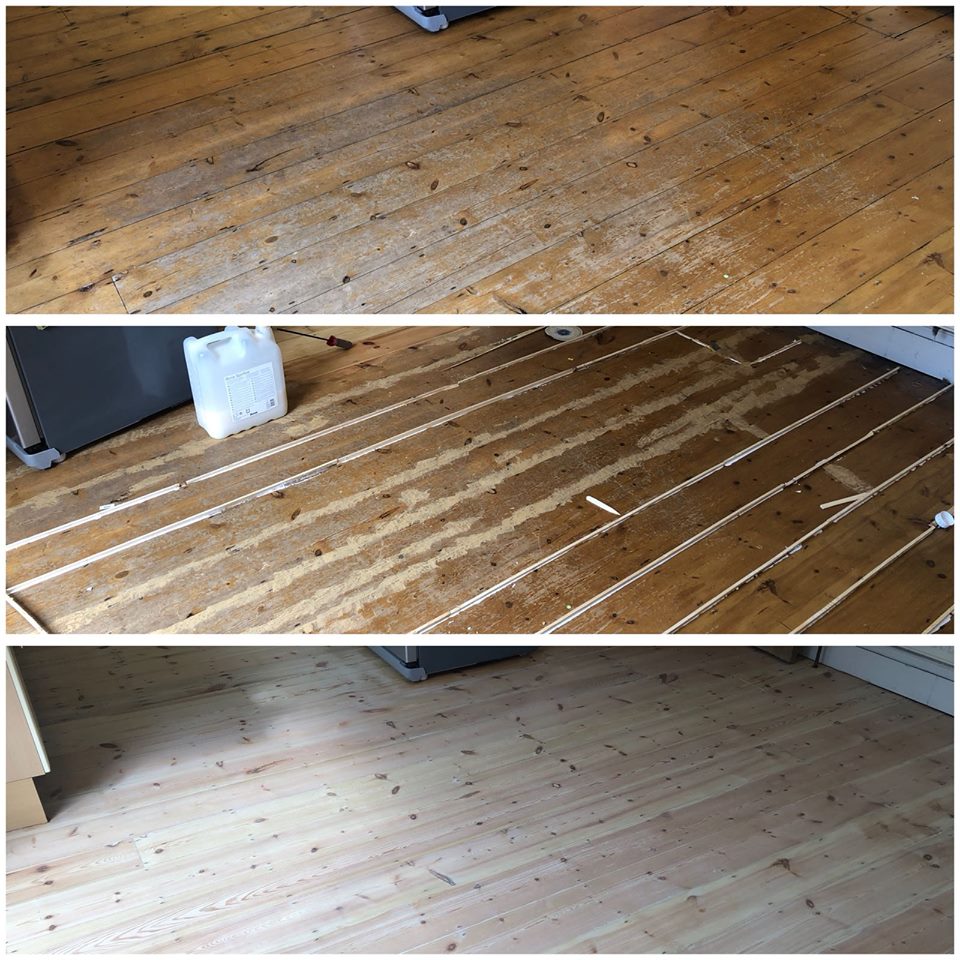
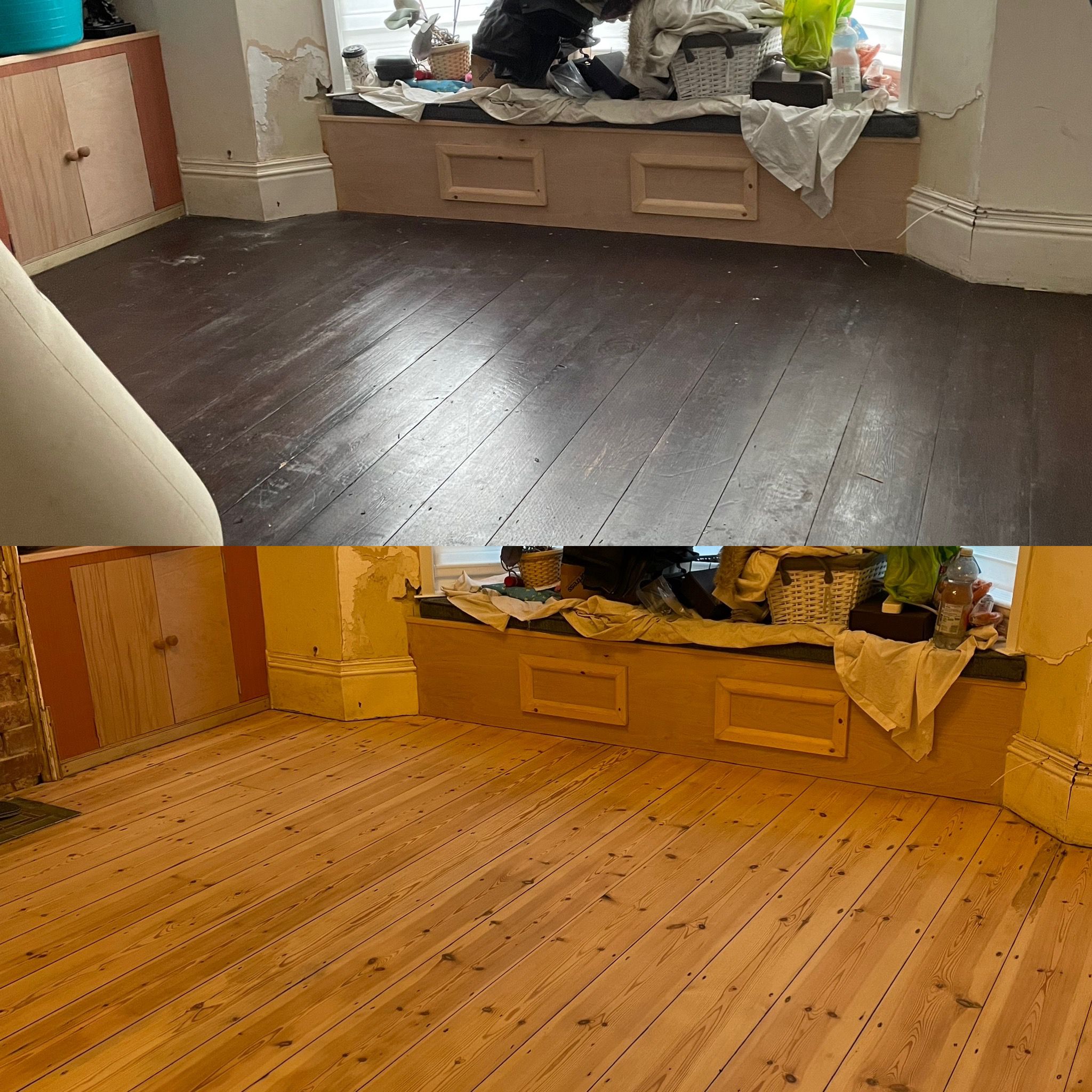
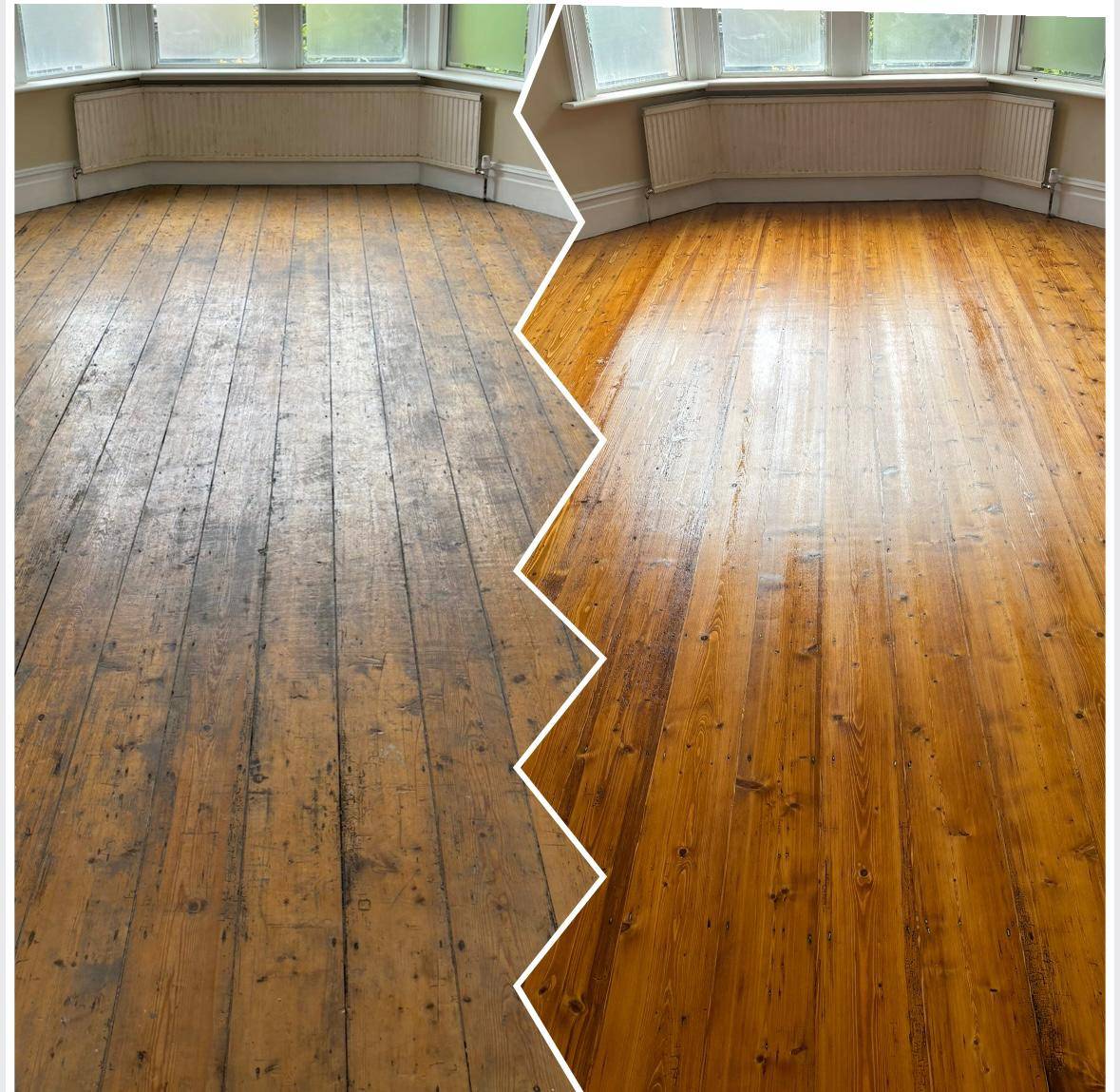
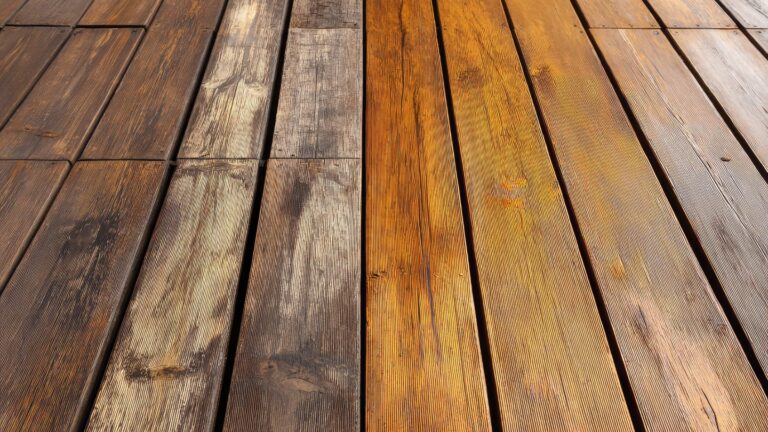
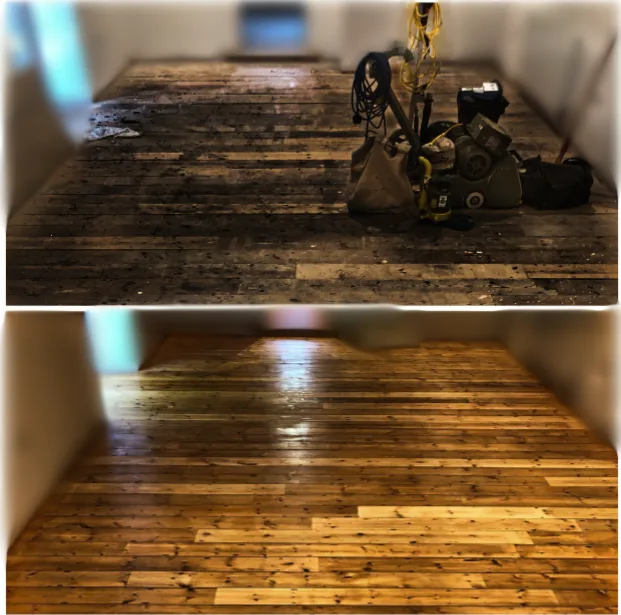
Floor sanding before and after

Floor Sanding in Winchester Where the Floor Is Older Than the House Deeds

A quick word on distance first. We are a family firm, and our tools, timber store and finishing stock all live in Somerset, a short way out of Wellington. Winchester is not somewhere we pass through every week, and we say so plainly. When we do drive over, it is for work with enough substance to justify the miles: several rooms of period boards, a parquet hall in a church or community building, a school floor in the summer break, or a restaurant or office that needs sanding and sealing while it is shut. If your job is one small bedroom, a sander who lives within the city will almost certainly be the more sensible call.

What makes floor sanding in Winchester different from most towns we visit is age. The city has a large conservation area and several hundred listed buildings, and houses from many different centuries stand within a few streets of each other. Plenty of the floors inside them have carried feet since before Victoria. A few were sanded hard in the past by people who saw a dull surface and wanted it new. Others have barely been touched. Either way, the first decision is not which grit to start with but how much of this floor can safely be taken away, and whether it should be.

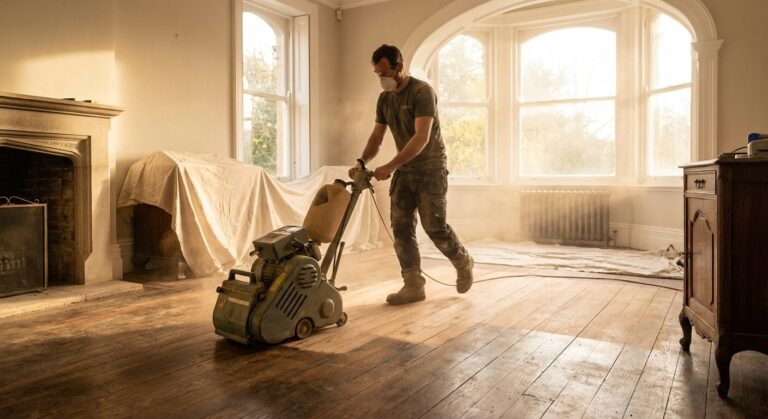
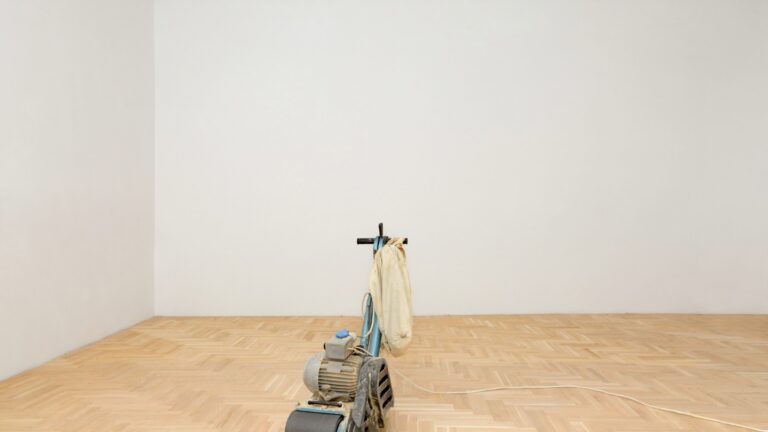
Our general wood floor sanding method is the starting point, adjusted for each room. On old boards that usually means a lighter approach than a modern house would get, with more hand work and more checking as we go. The sanders feed into sealed extractors that draw dust off at the drum, which matters in a house full of antique furniture and plaster cornices. That is the sense in which we describe our dust-free floor sanding: a very clean process, not an airtight one, so we still ask for anything precious to be moved or sheeted.

For a picture of the wider county, including Southampton and the New Forest, the floor sanding in Hampshire overview is the place to look.
Minimal Intervention: Wood Floor Restoration in Winchester's Period Homes

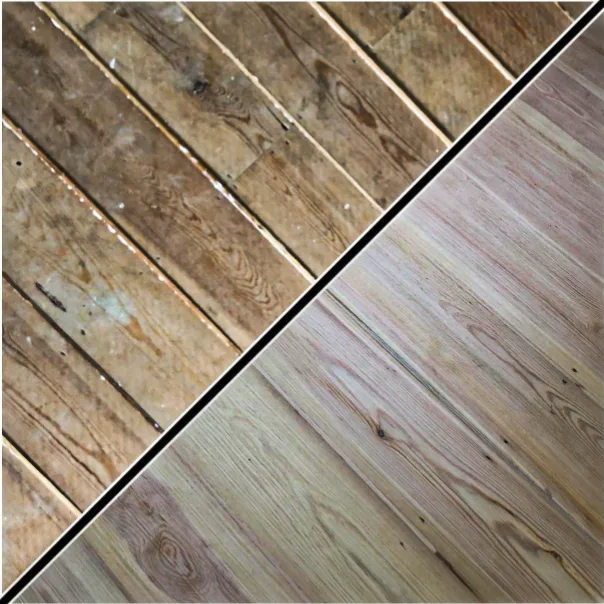
The phrase used by conservation professionals is minimal intervention, and it sums up how wood floor restoration in Winchester’s older houses ought to be approached. Do what the floor needs to stay sound and usable, keep as much original material as possible, and avoid making the boards look newer than they are.

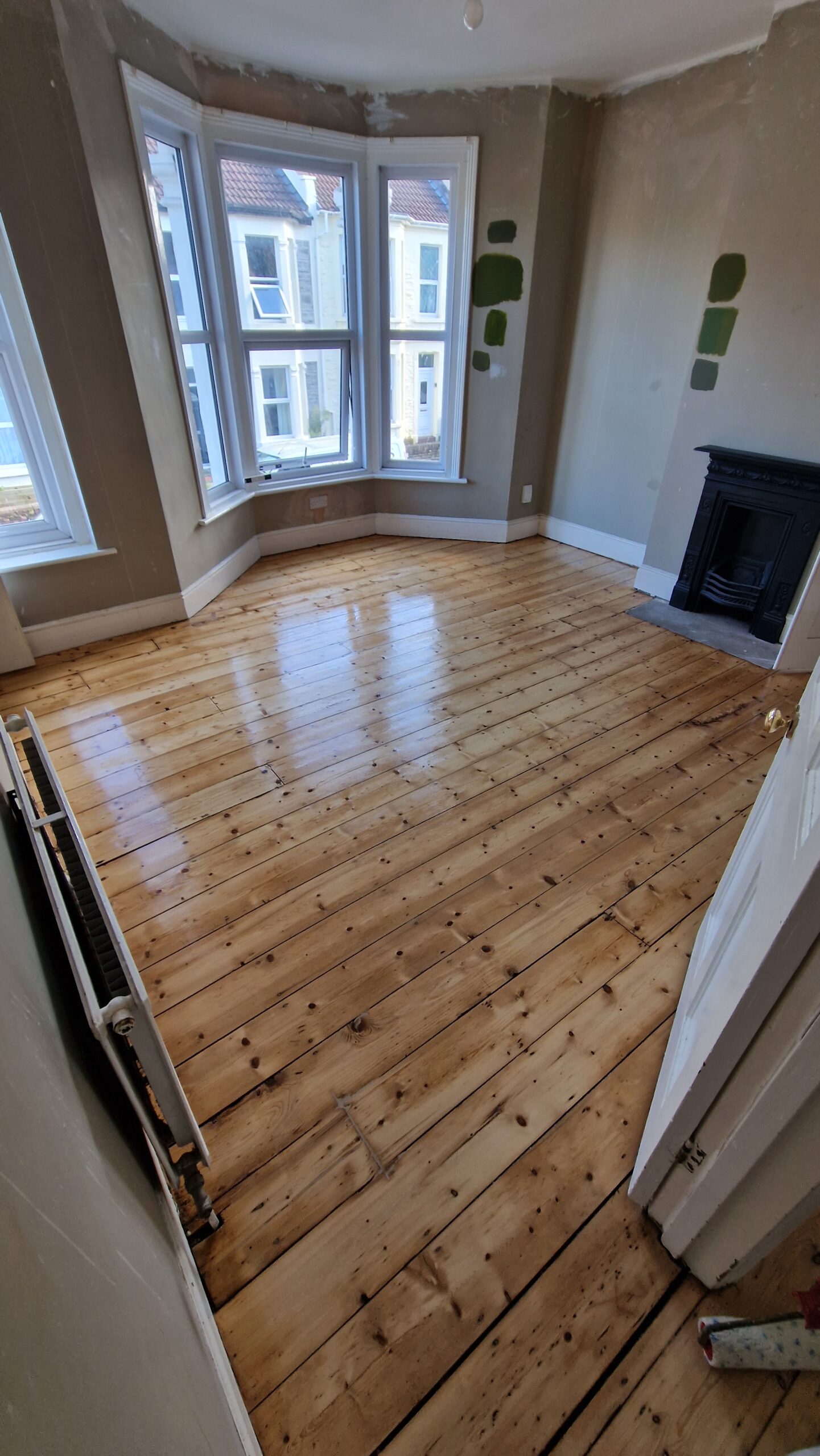
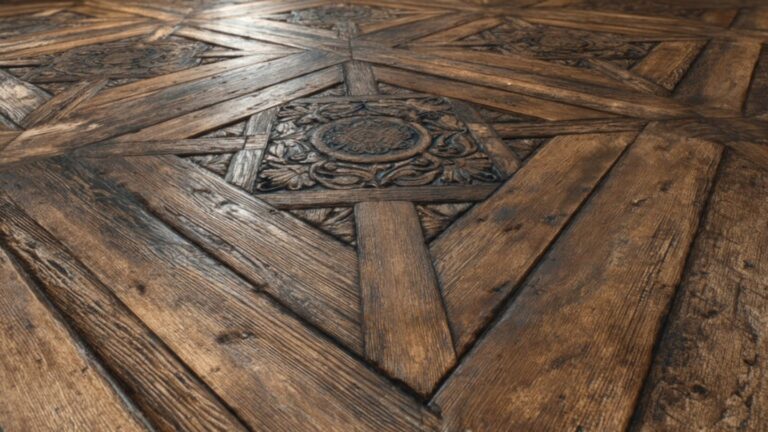
In practice that changes almost every step. Old wide boards, whether pine, elm or oak, are rarely flat. They have cupped slightly over generations, worn hollow in front of fireplaces and doorways, and been fixed with hand-forged or cut nails at irregular spacing. Sanding them dead flat would take off a great deal of timber and erase exactly the character that makes them worth keeping. Instead, the aim is often to clean the surface rather than level it: a fine grit run gently along the grain, hand scraping in the hollows, and acceptance that some undulation will remain. Where previous owners have already sanded a floor thin, the tongue may be close to the surface, and we measure carefully before agreeing what can be done.

Repairs follow the same logic. A split board is usually better glued and pinned than replaced. Where a board is too far gone, floorboard replacement uses old timber from our reclaimed stock, chosen for similar width, grain and age so it does not jump out as new. Patches made by earlier generations, such as a short length let in where a hearth was moved, can be part of the floor’s story and are often left alone. Our pine floor restoration and oak floor restoration pages explain how the two species behave differently under the machine.

If your house is listed, the work may need listed building consent, and that is a question for the council’s conservation officer rather than for us. Our part is to set the proposal out on paper: how deep the sanding will go, which boards are to be pieced in and how, and what product goes on at the end. A conservation officer can then judge a defined scheme rather than a vague intention. The overall aim of wood floor restoration on a floor like this is that it should look cared for, not replaced.

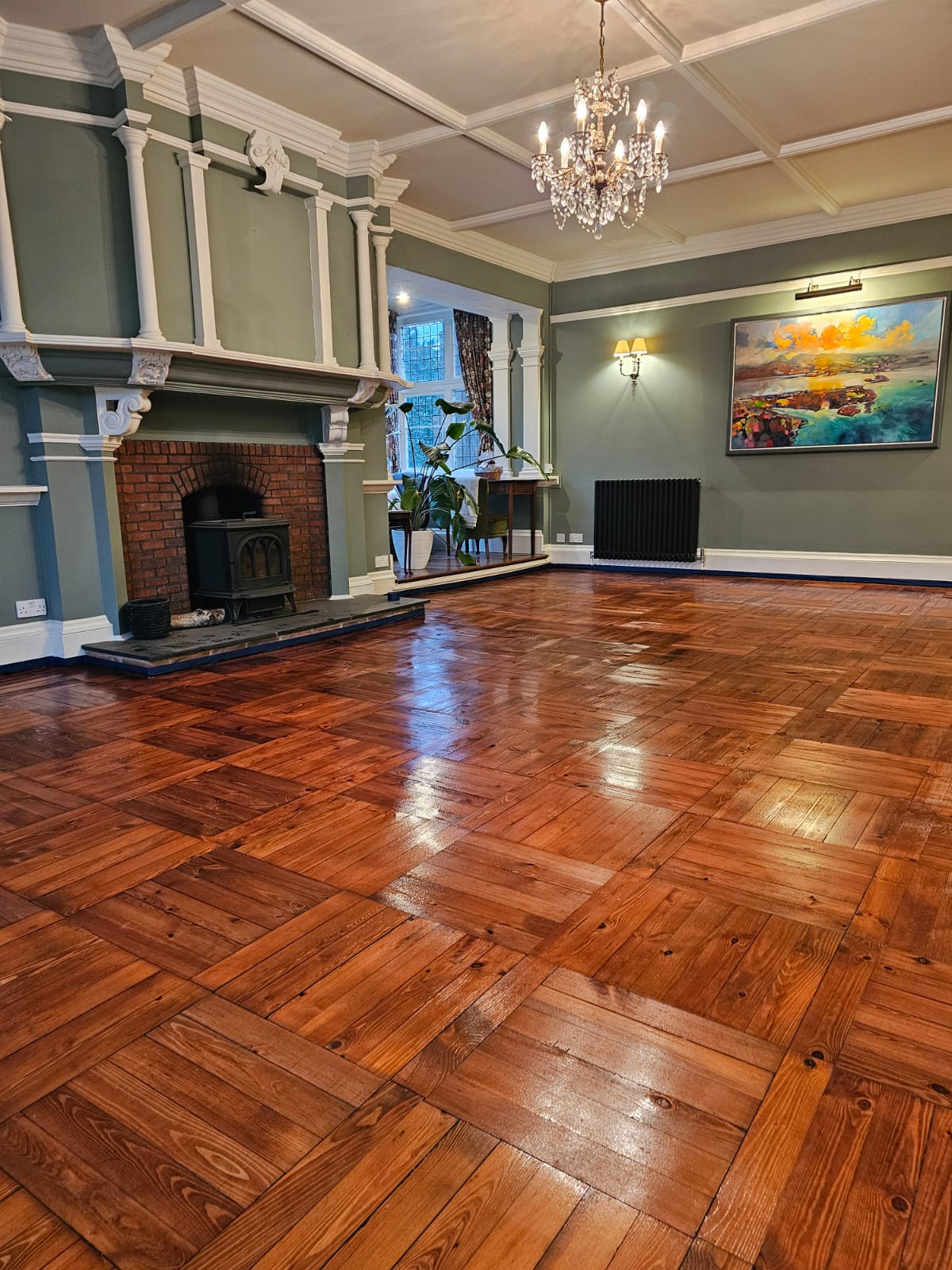
parquet wooden floor sanding
wooden floor sanding

Church and Hall Parquet in and Around Winchester

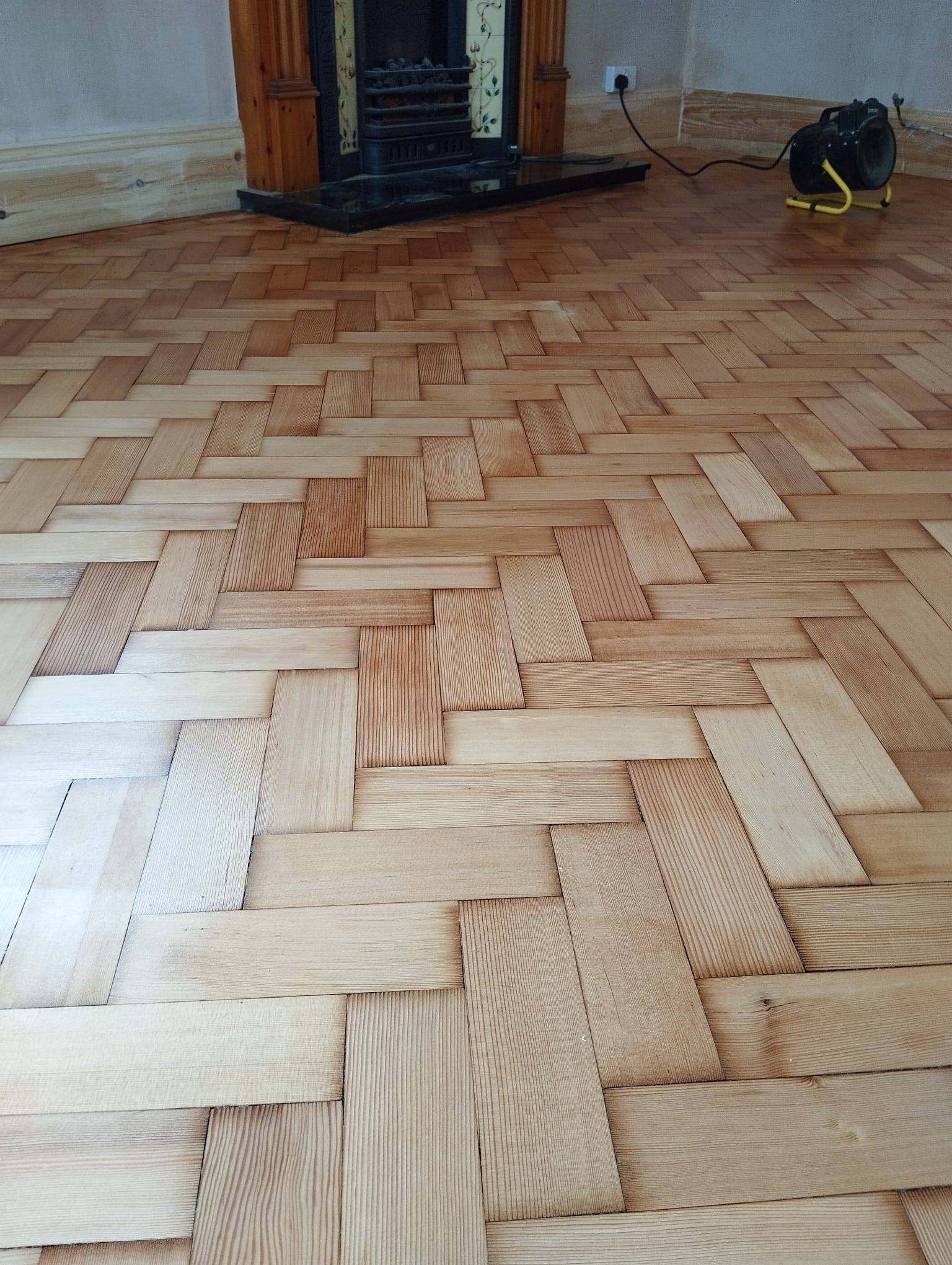
Winchester and the villages around it have a great many churches, chapels and halls, and plenty of them are floored in woodblock parquet. It is a durable floor, but it has a weakness that shows up sooner or later in nearly every old building. The blocks were usually laid in hot bitumen over a screed, and as decades pass that bitumen dries, turns brittle and stops holding. Blocks begin to rock and click. One comes out near the door, then a few more near the radiators, and before long a whole area of herringbone parquet is moving.

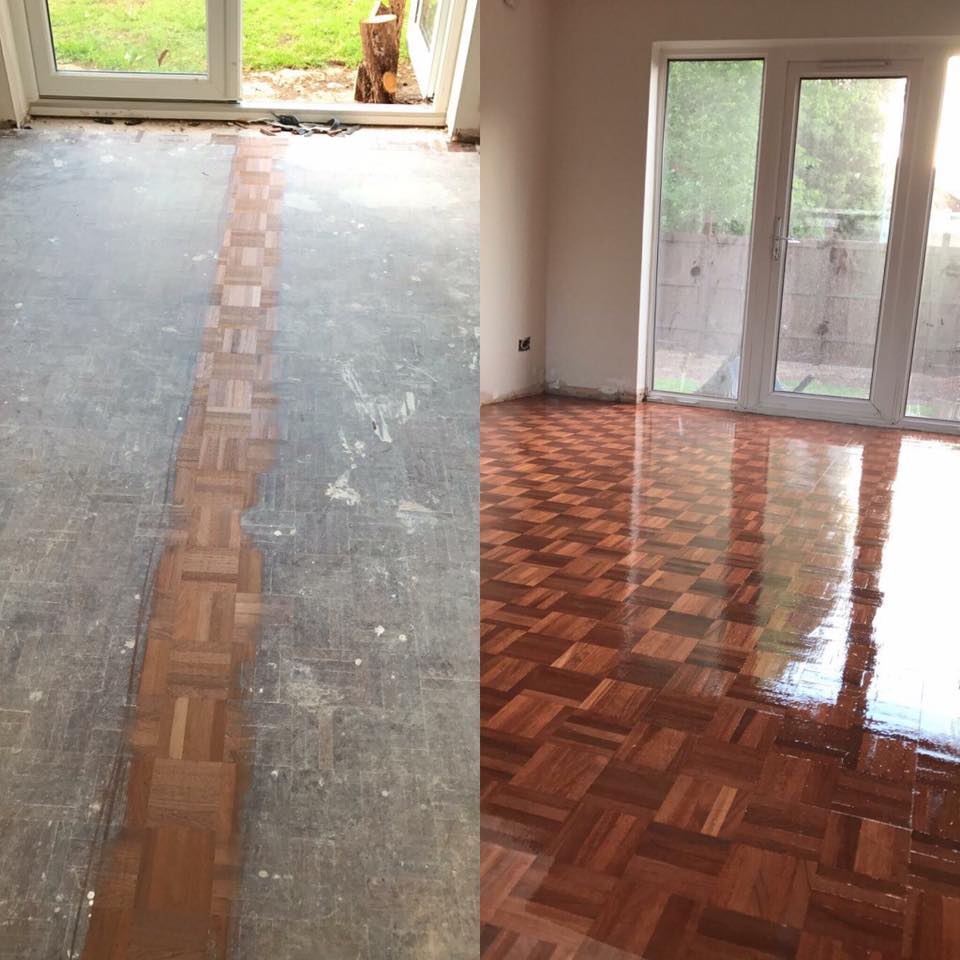
There are two ways to deal with it, depending on how far the failure has spread. Where only some blocks are loose, parquet floor sanding begins with a careful tap test across the entire floor to map every hollow-sounding block. Every block on that map comes out. Its underside is chiselled clean of black crust, the screed beneath gets the same treatment, and the block goes back on a flexible adhesive formulated to sit over traces of old bitumen. Holes left by blocks lost to past repairs, heating pipes or simple wear are made up with old blocks from our reclaimed store. Only when the whole floor is silent underfoot does the machine go down, cutting diagonally across the herringbone at first and then working with the pattern as the grit becomes finer.

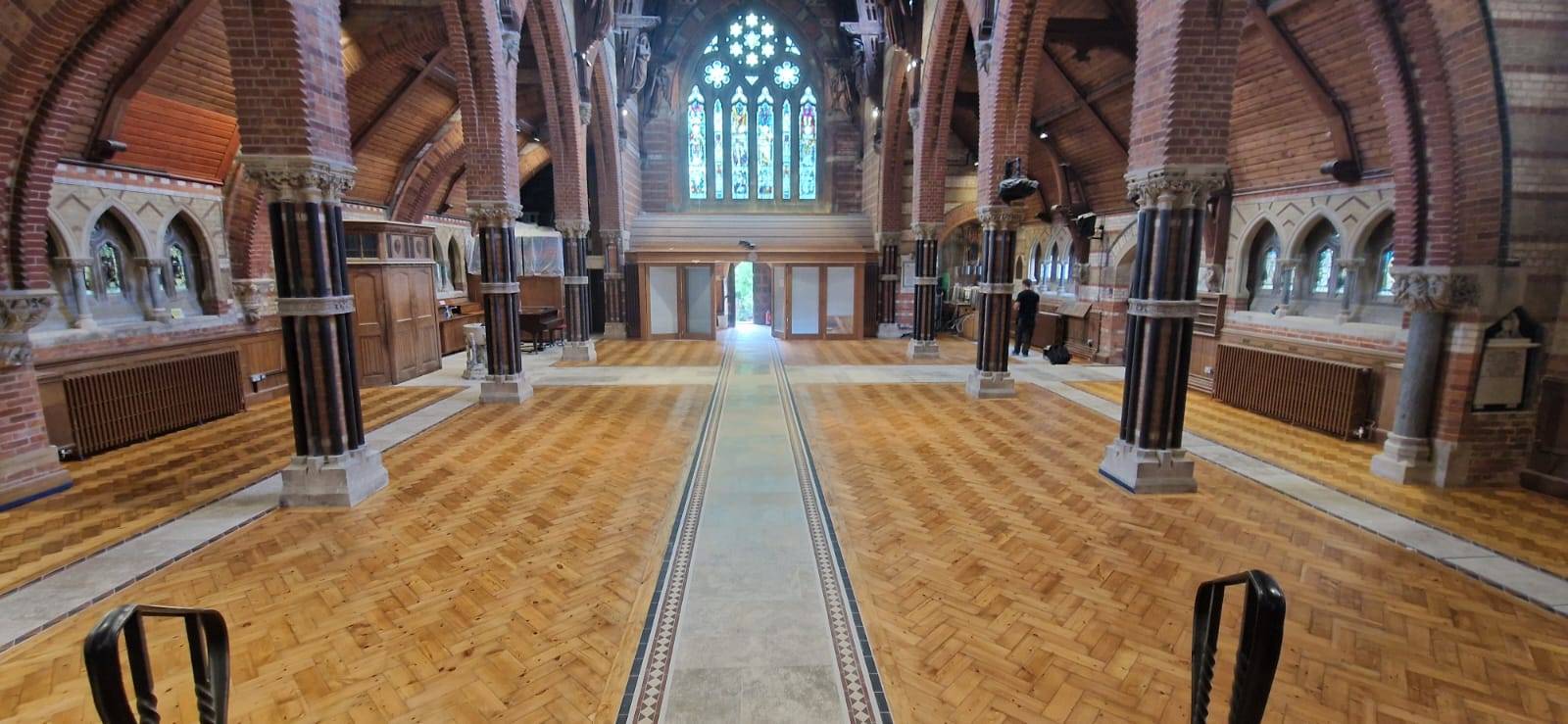
Where the failure is widespread, or the screed itself is uneven or breaking up, patching will not hold. That was the situation at the parquet restoration we carried out at a Lyndhurst church, down in the New Forest. In that building every block was lifted and recorded so it could return to its place, new screed brought the base level, and the old parquet went back before it was sanded, stained to sit well with the interior, and sealed for congregational wear. Keeping the original blocks rather than buying new ones preserved the character of the building, and the work had to be organised around church activities so that disruption was kept to a minimum.

The same planning applies to village and community halls, which are often booked most evenings and weekends. Fast-curing finishes help, but the main thing is agreeing dates early with whoever manages the bookings.

Commercial Floor Sanding in Winchester: School Halls, Offices and Restaurants

Commercial floor sanding in Winchester covers a wider range of buildings than most people expect. There are offices in converted townhouses and modern blocks, restaurants and cafes in the historic centre, independent shops with old timber floors, hotels, and a substantial number of schools. Our commercial floor sanding work in the city is planned around one thing: when the building is empty.

School halls are the largest single category. A hall floor is usually used for assemblies, PE, lunches and performances, often on the same day. Chair legs, dropped trays and trainers all take their toll, and the court lines painted on the floor wear away where pupils run. School floor sanding is booked into the holidays, normally the summer, and dates are fixed well ahead because every contractor wants the same weeks. Where the hall is used for sport, our own team repaints the lines to the layout set by the relevant governing body, and the sports hall floor sanding page goes into more detail. Slip resistance matters as much as durability, so the lacquer is chosen with both in mind.

For a dining room in the centre, the sanding usually happens after the last cover or on the one day of the week the doors stay locked. A restaurant floor collects grease near the kitchen, wine and coffee spills between tables, and deep scratches where chairs are pushed back. Restaurant floor sanding removes contaminated finish completely, since new lacquer will not bond to grease, and a fast-curing coat lets tables go back within hours. Shops in older buildings often have original boards that have been varnished many times over; shop floor sanding can strip those back, though the same respect for old timber applies as in a house. Offices are usually the simplest: a weekend is generally enough.

Bursars, churchwardens and estates teams usually want to see how a contractor intends to work before they sign anything. A governing body or parochial church council can have our method statement, insurance paperwork and references in hand before the diary is fixed.

flooring sanding company
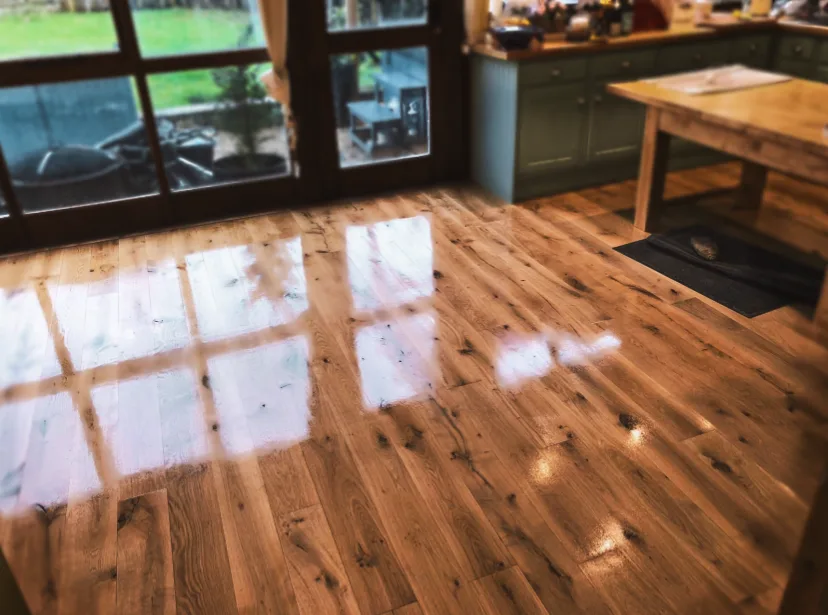
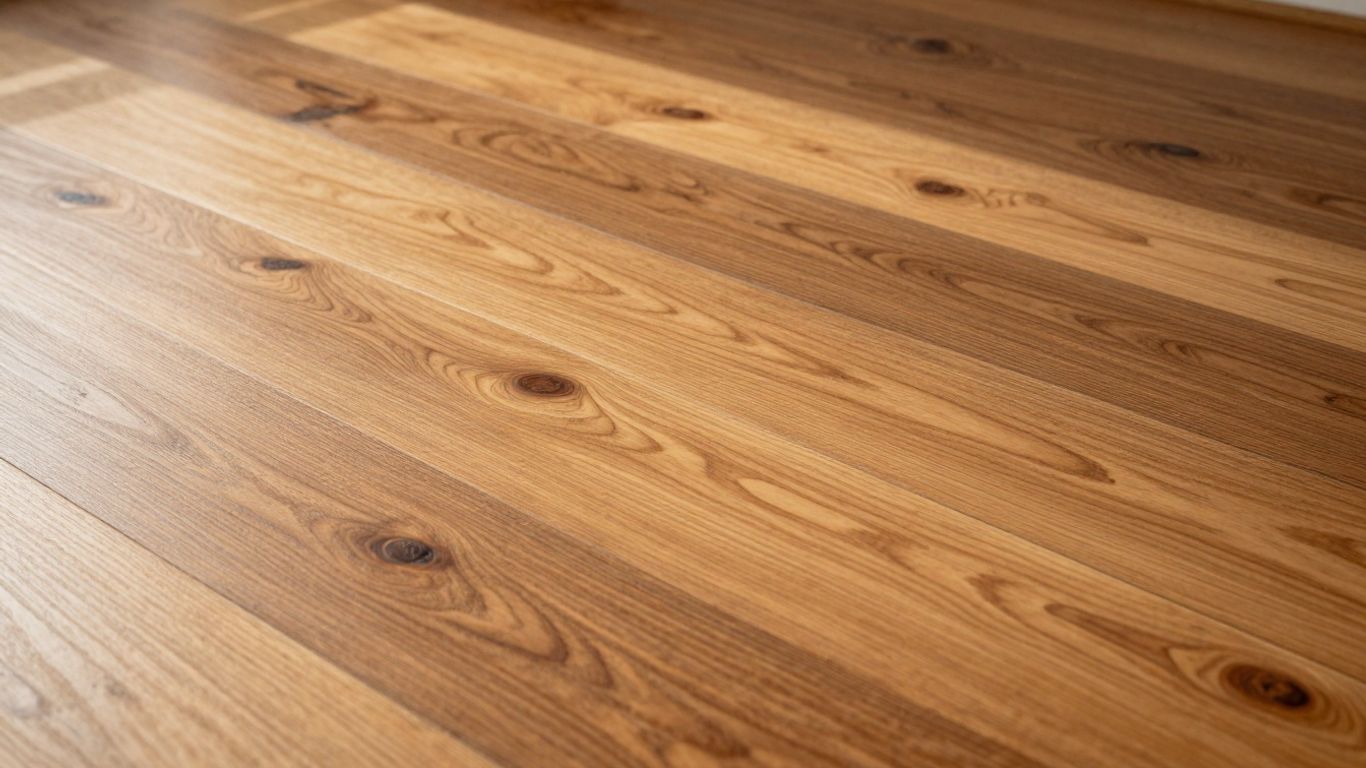
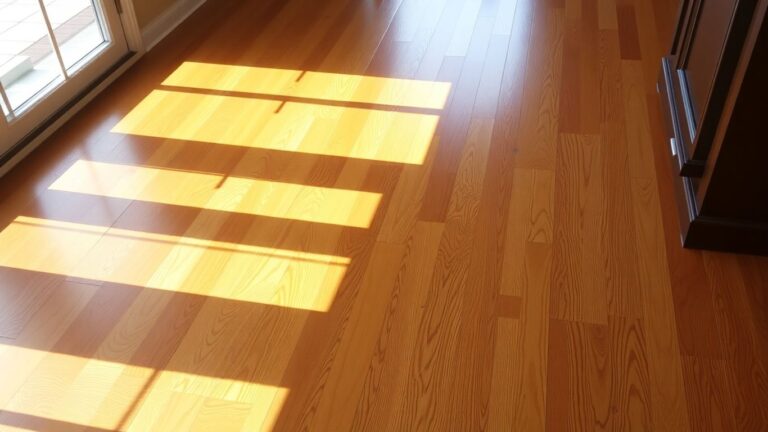
Sunlight across freshly lacquered wooden floorboards

Creaks, Worm Holes and Worn Treads

Old floors make noises. In a Georgian or Victorian house, a creak usually means a board has worked loose from its joist, and the reason is often the original cut nails, which grip less firmly once the timber around them has shrunk. Squeaky floor repair in a period house is done discreetly. The loose boards are pulled down to the joist with fixings driven just below the face, and on a show floor each hole is capped with a tiny plug of timber cut to match. In some rooms it is better to leave a gentle creak than to drive dozens of new fixings through historic boards, and we will tell you if that is our view.

Woodworm is common in old softwood and sometimes in oak sapwood. Small round exit holes on their own are usually historic and not a sign of active infestation, but fresh, pale dust beneath them in spring or early summer suggests otherwise. Badly affected boards may crumble at the edges when sanded, and need replacing. Wet rot is a more serious concern, normally found near external walls where ventilation is poor or a gutter has been leaking. Moisture readings during the survey help identify these areas. Where rot or worm has taken hold of only part of a board, wooden floor repairs can splice in a sound piece between joists instead of losing the whole length.

Gaps between old boards are a feature of most period houses. Some owners like them as part of the character, others want the draughts stopped. For wide gaps between Georgian boards, gap filling with tapered pine or oak strips works best, each strip glued to a single neighbour so it rides with the seasons; resin is reserved for fine cracks that barely move. Deep scratches, burns and gouges can be treated with scratch repair rather than heavy sanding, which helps where the boards have little thickness left.

Staircases in Winchester’s older houses are often the most attractive timber in the building, and the most worn. Treads dip in the centre from two centuries of feet, and nosings are rounded off. Stair sanding on a period stair is mostly hand work, with the aim of cleaning and protecting the wear rather than flattening it.

Finishes That Respect an Old Floor

The finish on a period floor should look as though it belongs there. A glossy plastic surface on two-hundred-year-old boards can look out of place, so in many Winchester houses we recommend a lower sheen and a more natural finish than we would for a new build.

Oil and wax are the traditional choices. Wood floor waxing gives a soft, deep sheen that suits old oak and pine and can be rebuffed and topped up as needed. It does take more care: water marks it, and it needs regular maintenance. For an owner who likes the look of wax but not the upkeep, wood floor oiling is the obvious middle ground. Hard wax oil copes better with a spilled glass of wine, and a scuffed area by the fireside chair can be refreshed in an afternoon. Both allow the timber to look and feel like timber.

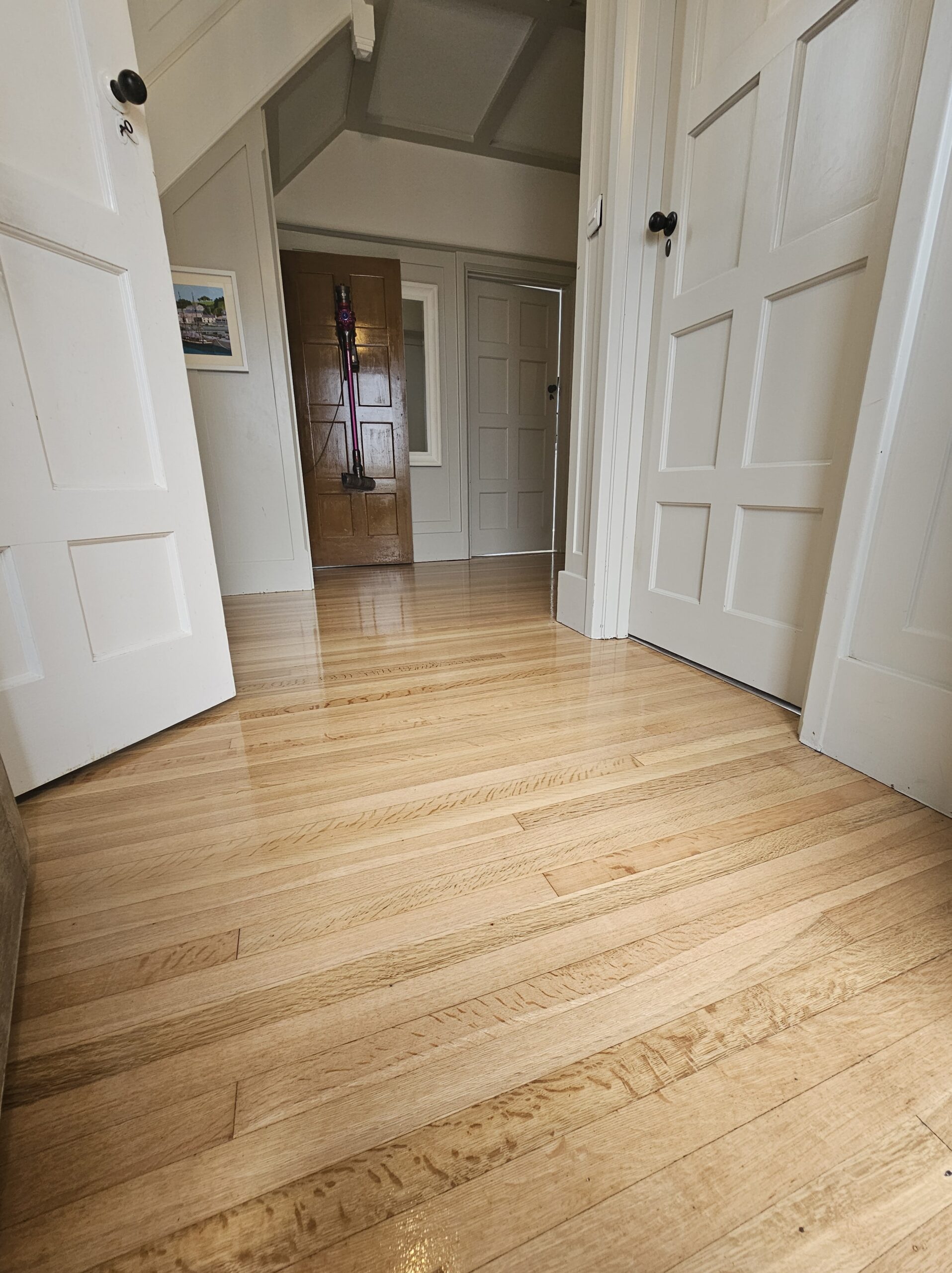
Lacquer still has its place, particularly in busy kitchens, hallways and rental properties. Wood floor sealing with a water-based matt lacquer is almost invisible on the surface and keeps the colour of the timber close to its sanded state. An oil-based lacquer gives more warmth. For commercial floors and school halls, two-component lacquers provide the hardest surface.

Colour matching is a common request in old houses, where a new board needs to blend with its neighbours or a sanded floor has come up paler than the owner expected. With old timber, colour is hard to predict, so wood floor staining samples go down in a corner that the bookcase will later hide. The Lyndhurst parquet received a stain chosen specifically to suit the church interior, which shows how much a well-judged colour can contribute. Once the final coat has cured, wood floor polishing brings up an even sheen from wall to wall.

On period boards, wood floor refinishing is as much about matching the mood of the room as about protecting the timber, so do not rush the decision.

Wood floor sanding company
Floor sanding taunton

After the Last Coat: Upkeep, New Boards and a Winchester Visit

The first week is when a new finish is most vulnerable. Pad about in socks for the first day or so, hold back the dresser and dining table for two or three days, and keep the Persian rug rolled for about a week, since a finish covered too early cures more slowly. With a waxed or oiled floor, the first few weeks matter, and a light buff after the first month helps the surface settle.

For everyday care, keep grit off the floor with regular vacuuming, put mats inside the external doors, and fit felt pads under chairs. Avoid steam mops and harsh detergents, which damage most finishes. A lacquered floor that has dulled in the walkways can often be revived with wood floor buffing, a light abrade and fresh coat, rather than a full resand. A lived-in house normally runs eight to ten years between full sandings, whereas a school hall or dining room open to the public is due again after four or five.

Some rooms cannot be saved, and some never had a timber floor. Wooden floor installation covers both cases: we can supply and fit a new floor, or supply the timber for someone else to fit. For new floors we draw on manufacturers such as Junkers and Bona.

Because the drive from Somerset is a long one, we like to see the floor before anyone loads a van. A wide view across the room, plus one taken low down at the loose parquet or split board you are worried about, is all we need at first. Our inbox, info@ryansrestoration.co.uk, takes them happily, as does our website enquiry form. If the pictures suggest a good fit, the next step is a free visit of roughly half an hour in which we gauge how much timber remains, take moisture readings, look at ventilation and damp, and note any earlier patching. Our written quotation then lists every element separately and holds firm unless the work you want alters. If you would rather speak to someone, our Somerset office picks up 01823 674562 from eight in the morning until six in the evening on weekdays, and a Saturday survey can be arranged. For jobs in the north of the county, see floor sanding in Basingstoke.

Winchester Floor Sanding Questions

Not as a matter of routine. Home for us is near Wellington in Somerset, so Winchester sits outside the area we cover every week. It is worth our while for bigger domestic jobs, such as a house full of old boards or a parquet hall, and for schools, churches, offices and restaurants. One small room is usually better given to someone nearer.

Yes, if the work is done lightly. Rather than sanding old boards completely flat, the aim is often to clean the surface and keep some of the undulation and wear that give the floor its age. Thickness is measured first, and hand scraping is used in hollows. Where boards have already been sanded thin, a gentle clean and refinish may be all that is advisable.

That is not ours to decide; the conservation team at the council will look at the listing and at what you are planning. It is sensible to ask before any work is booked. We can provide a written description of what we propose, covering sanding, repairs and the finish, so the officer has a clear specification to consider. We do not apply for consent on your behalf.

Usually, yes. Rocking blocks come up, lose their brittle bitumen and go back on fresh adhesive, while gaps are filled with old blocks from our store. If failure is widespread or the subfloor is breaking up, the floor may need lifting and relaying, as at the Lyndhurst church, where the original parquet was put back on a new screed.

Yes. Hall floors are scheduled into the school holidays, most often the long summer break, and the dates are pinned down months ahead. The timber is sanded and sealed with a hard-wearing, slip-conscious lacquer, then our own team repaints the court markings to the governing body’s layout. Paperwork for the bursar can be sent before the booking is confirmed.

Many owners of older houses choose wax, natural oil or hard wax oil, which give a lower, more natural sheen than lacquer. Wax needs the most upkeep. Hard wax oil resists spills better and can be touched in locally. A matt water-based lacquer is a good option in busy rooms. Samples help, and we discuss the choice during the survey.

Small round holes are a sign of woodworm, but most are old and no longer active. If you see little piles of light-coloured powder below the holes between April and August, beetles may still be emerging, and a specialist should look at it before any sanding. Boards weakened by heavy infestation may need replacing. We check during the survey and will tell you what we find.

Yes. Period staircases are mostly worked by hand, cleaning and refinishing the treads while keeping the gentle dip worn into them over generations. Nosings keep their rounded profile. Painted strings and risers can be protected with a clean line, or stripped if you prefer. Spindles and handrails can also be included.

Email info@ryansrestoration.co.uk with a picture from the door and another of the worst area. You are also welcome to phone 01823 674562. If the job looks right for us, a free survey is arranged, and the itemised quote that follows only changes if the scope does.