Floor Sanding in Colchester, From Medieval Frames to Student Houses
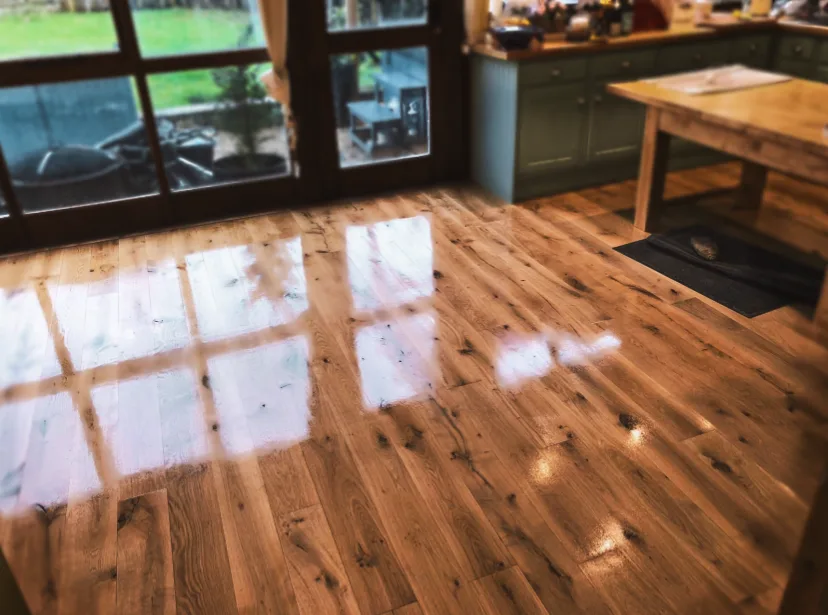
Colchester has some of the oldest occupied houses we are ever asked to look at, and some of the hardest-used. A few streets can separate a jettied house with broad, wavy oak boards from a Victorian terrace with six student bedrooms, and those two floors have almost nothing in common apart from being made of wood. Floor sanding in Colchester means handling each of them on its own terms, and the right method for one would be the wrong method for the other.
We should be clear about distance first. Our family firm keeps its tools and reclaimed boards in a workshop at Higher Poole, close to Wellington on the Somerset side of the Blackdowns. Colchester is not somewhere we work week in, week out. The trips we make into north Essex are for projects with enough substance to justify them: a period house with several rooms of original timber, a landlord with more than one property to turn round in a single summer, or commercial premises such as a pub, café or shop whose floor needs doing overnight. If your floor is one of those, it is worth a conversation.
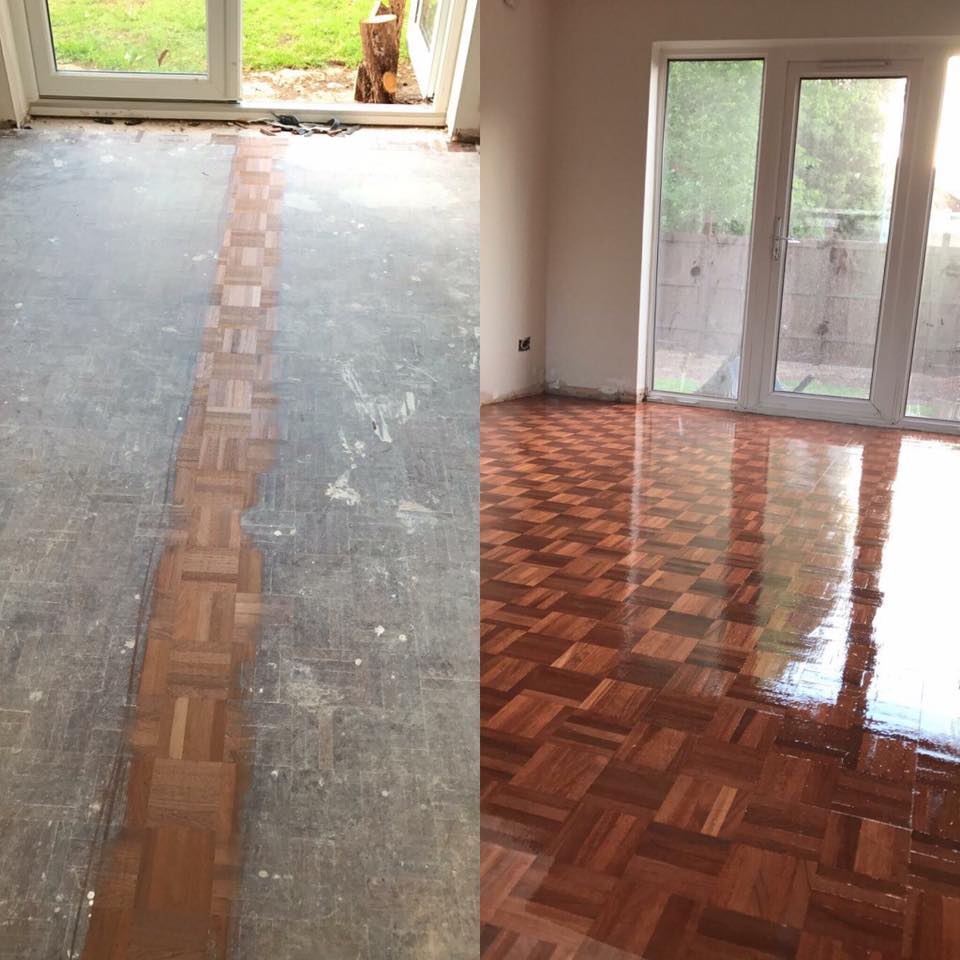
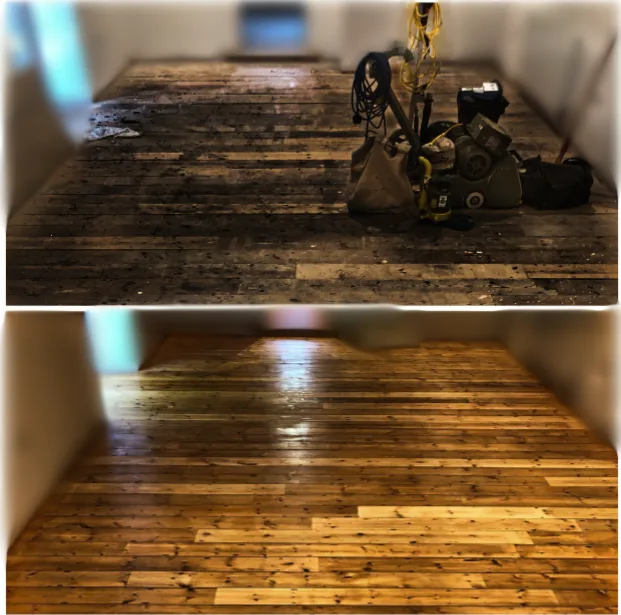
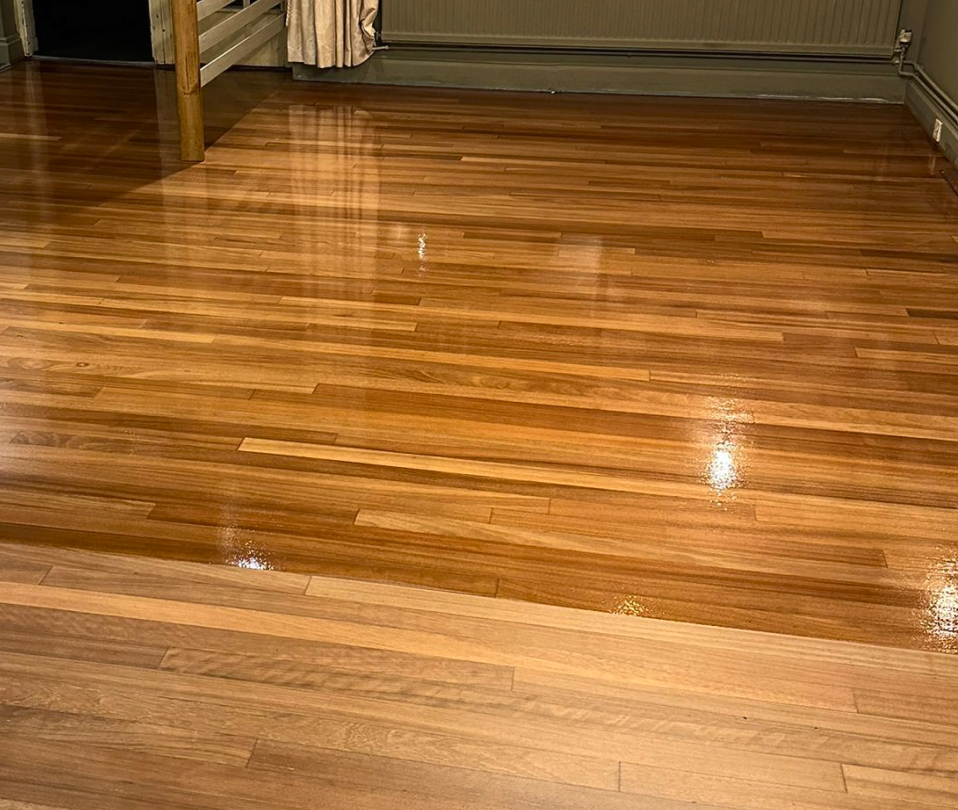
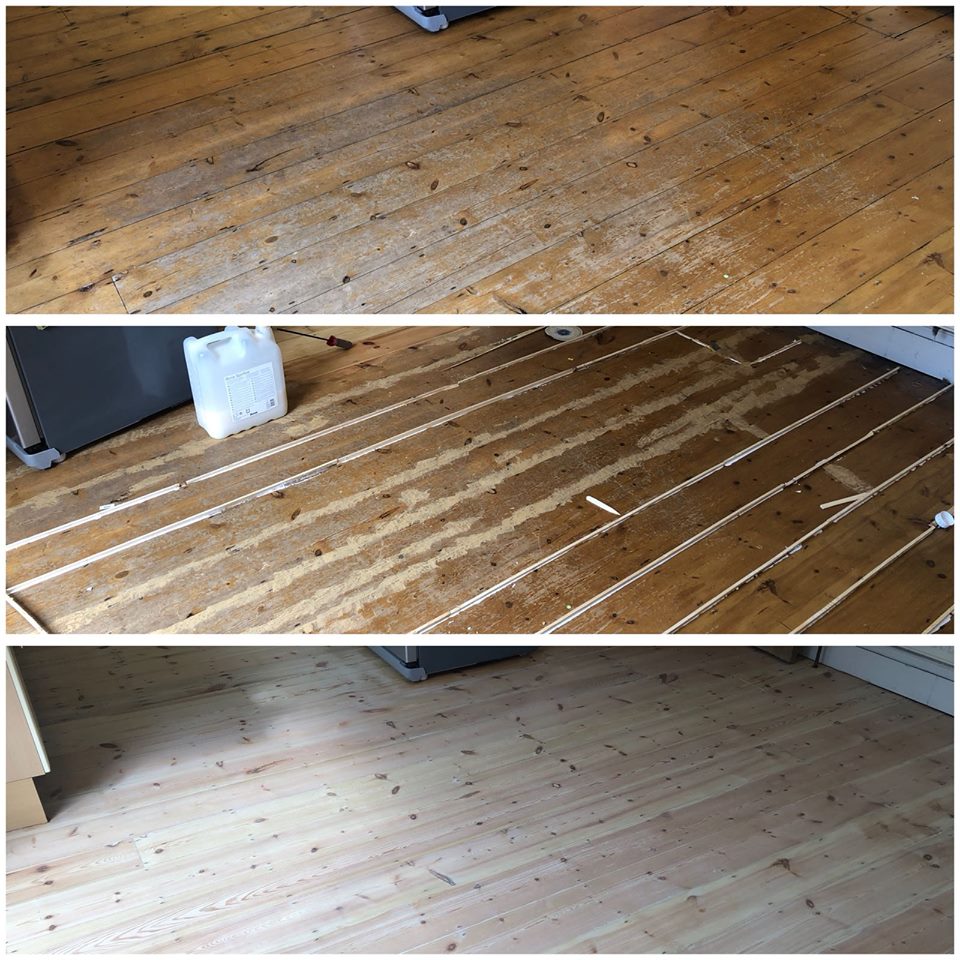
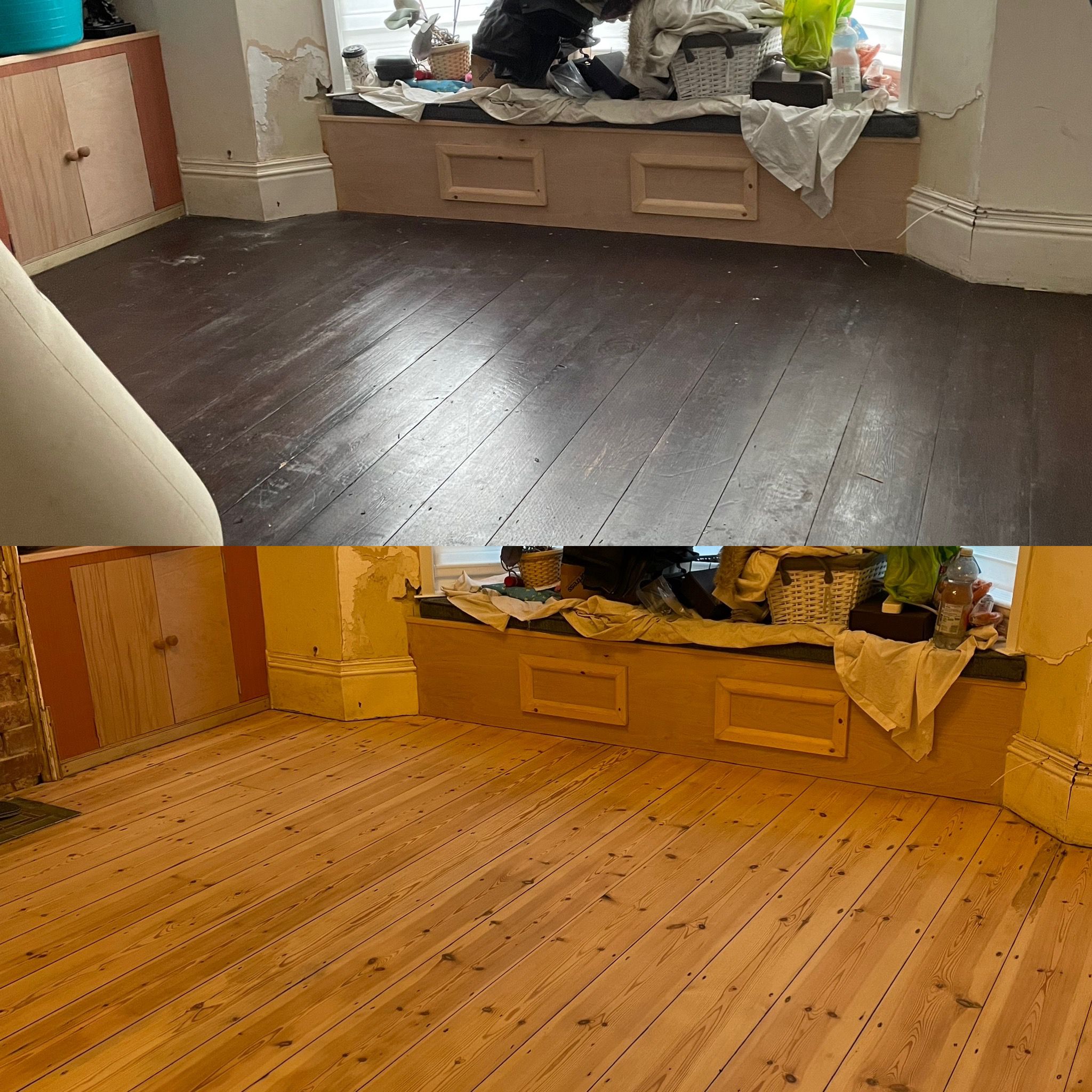
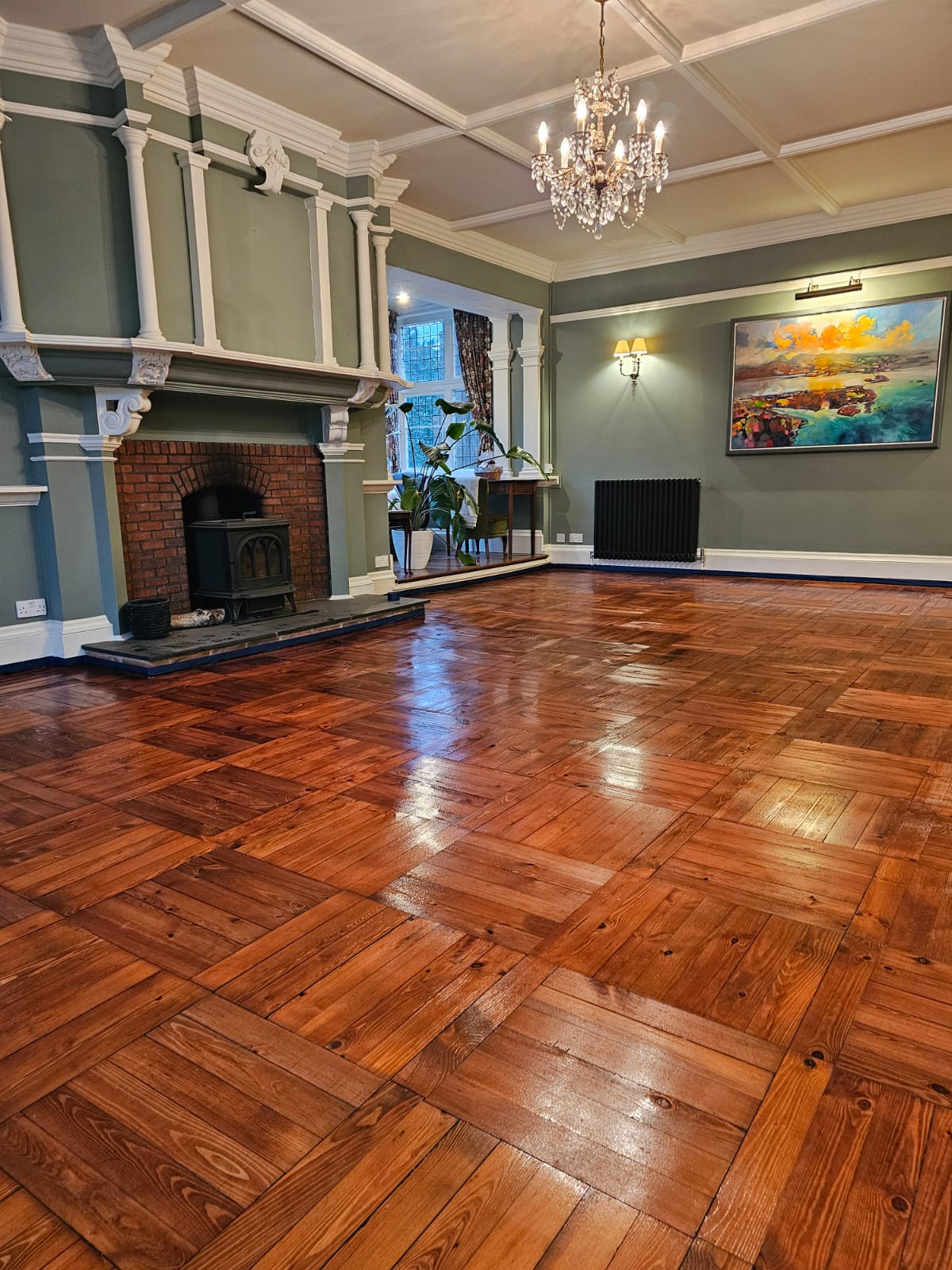
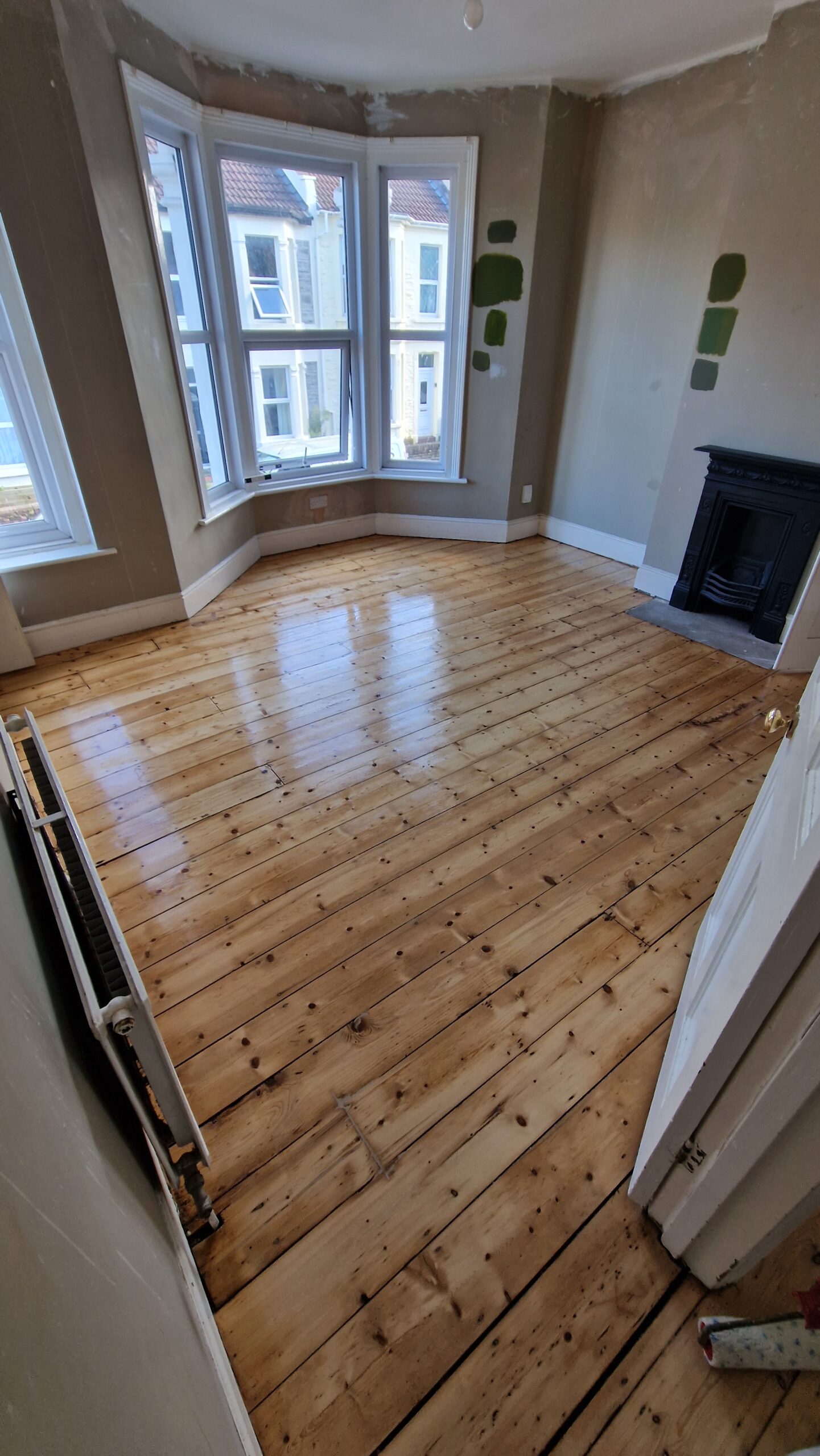
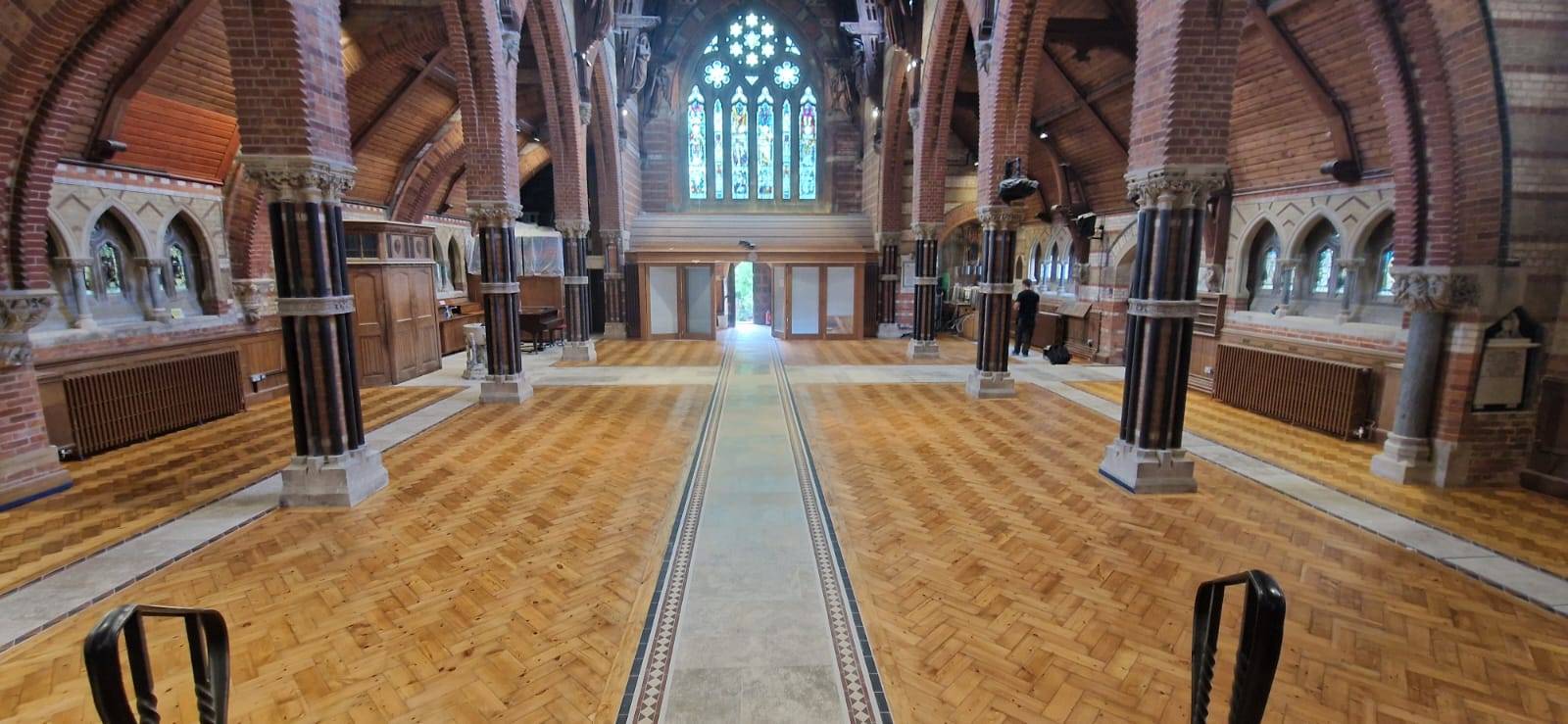
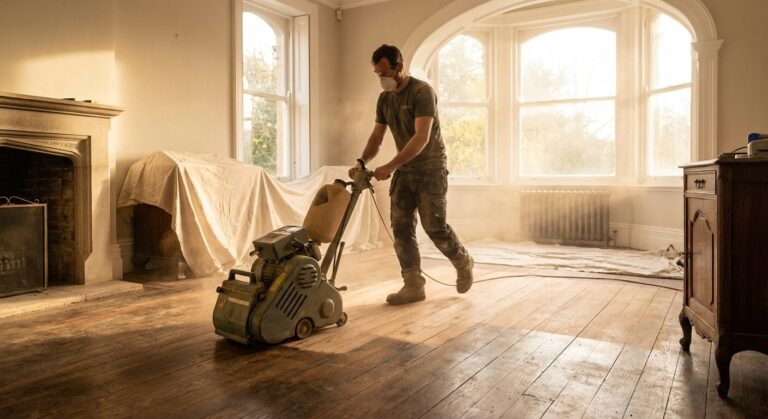
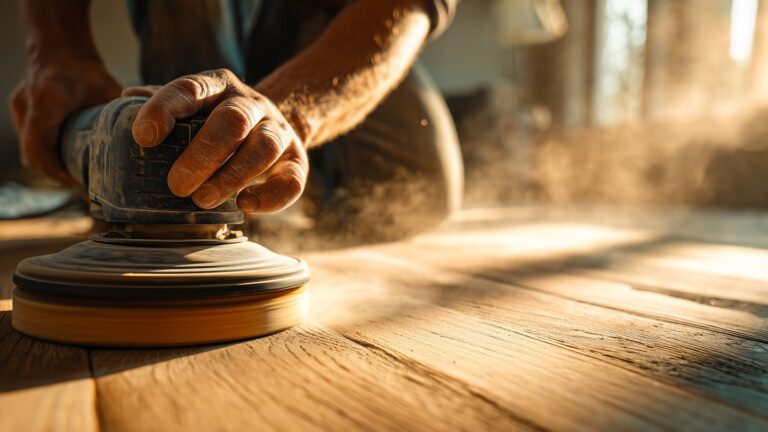
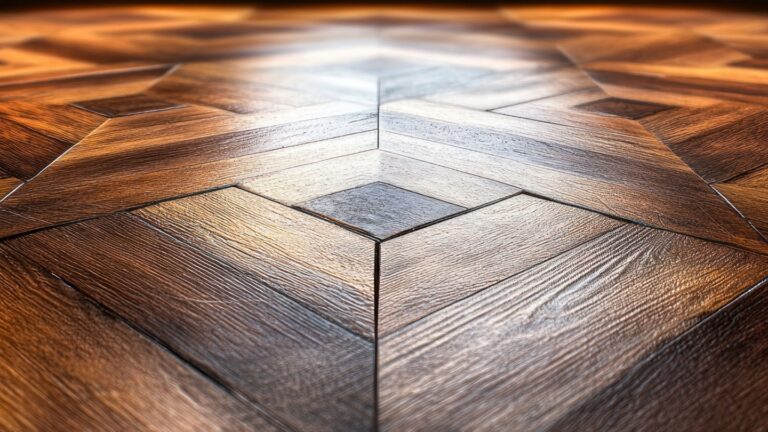
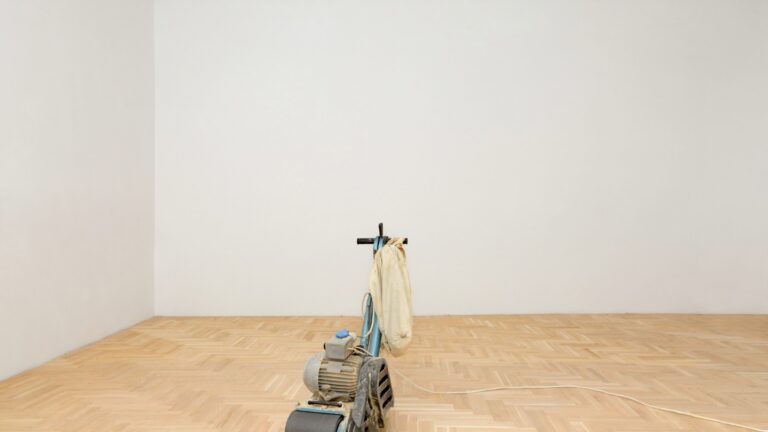
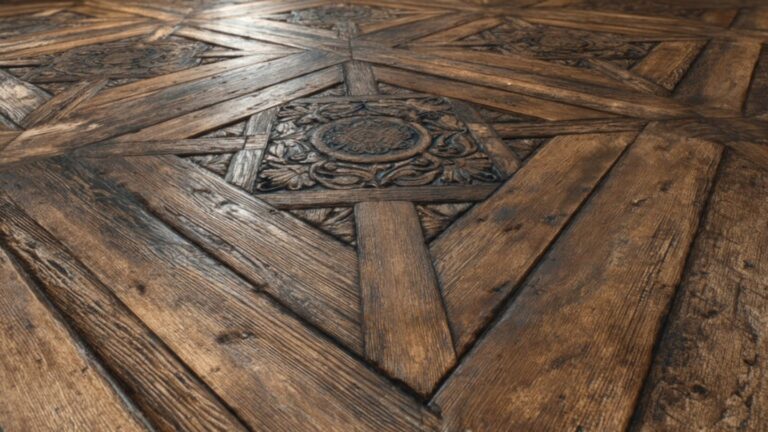
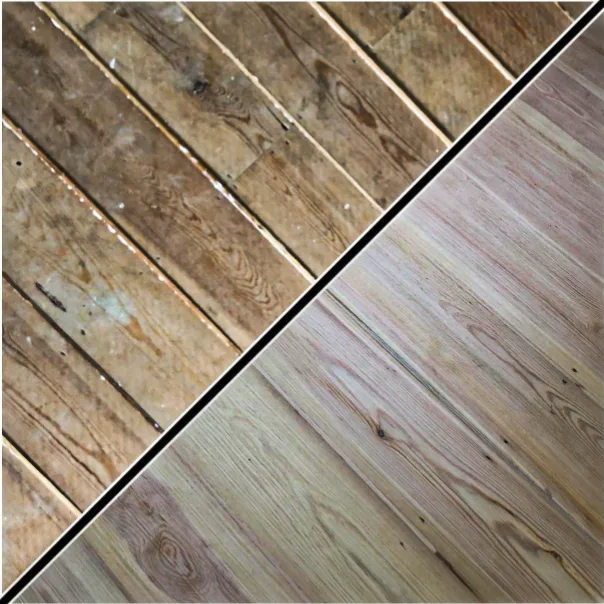
On a historic floor, the most useful thing a floor sander can do is often to take off less. Old oak and elm boards carry the shape of centuries of use, with hollows at thresholds and a colour that new timber cannot copy, and a heavy belt sander set to make everything flat will remove that in an afternoon. On a student house, the opposite applies: the aim is a tough, uniform surface that hides scuffs and can be refreshed quickly when the next tenants leave. Our wood floor sanding work covers both, and the survey is where we decide which approach a particular floor needs.
The sections below deal with the conservative end first, including woodworm and the question of how much to remove, then with rented houses, commercial floors and finishes. For the other Essex towns we travel to, see our page on floor sanding throughout Essex.