45 years’ experience  ·  Rated 4.9 on Google  ·  Family-run, from our workshop near Wellington

45 years’ experience · Rated 4.9 on Google · Family-run

Floor Sanding and Wood Floor Restoration in Hitchin

Period boards in Hitchin sanded, coloured and sealed, and restaurant floors refinished overnight, by a family firm that travels up from Somerset for the right projects.

QUICK QUOTATION

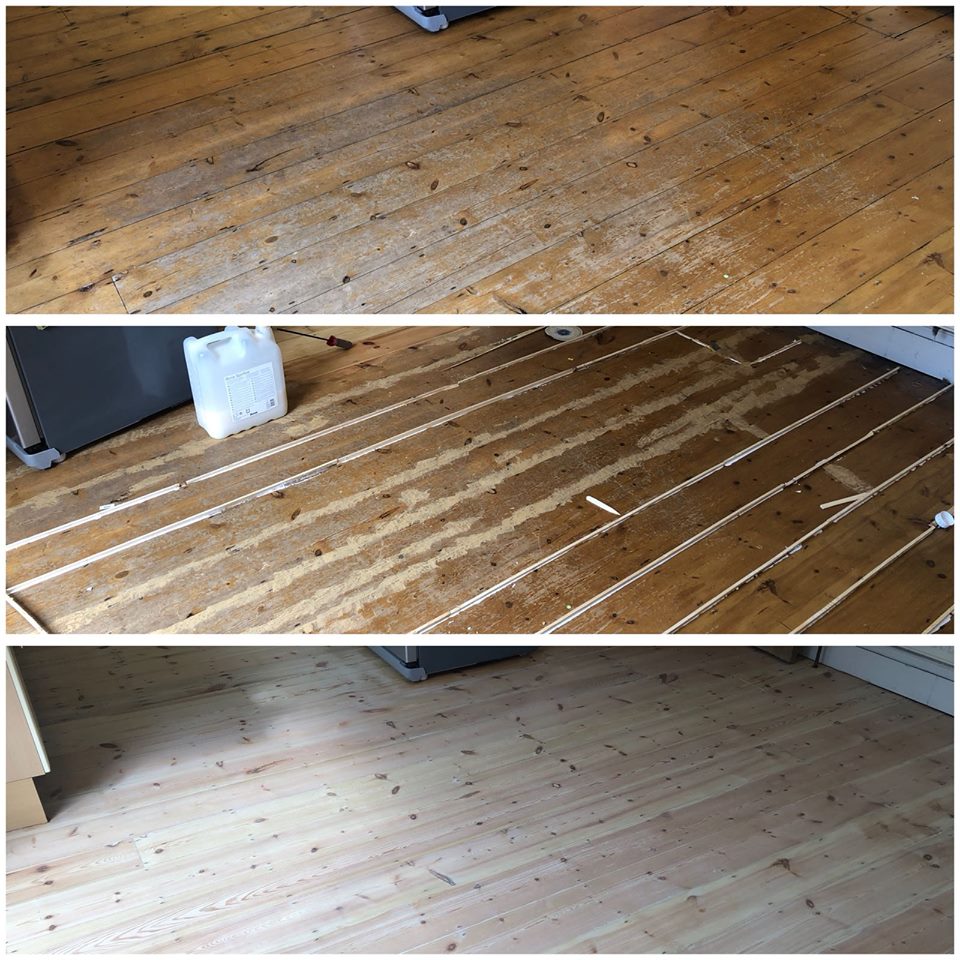
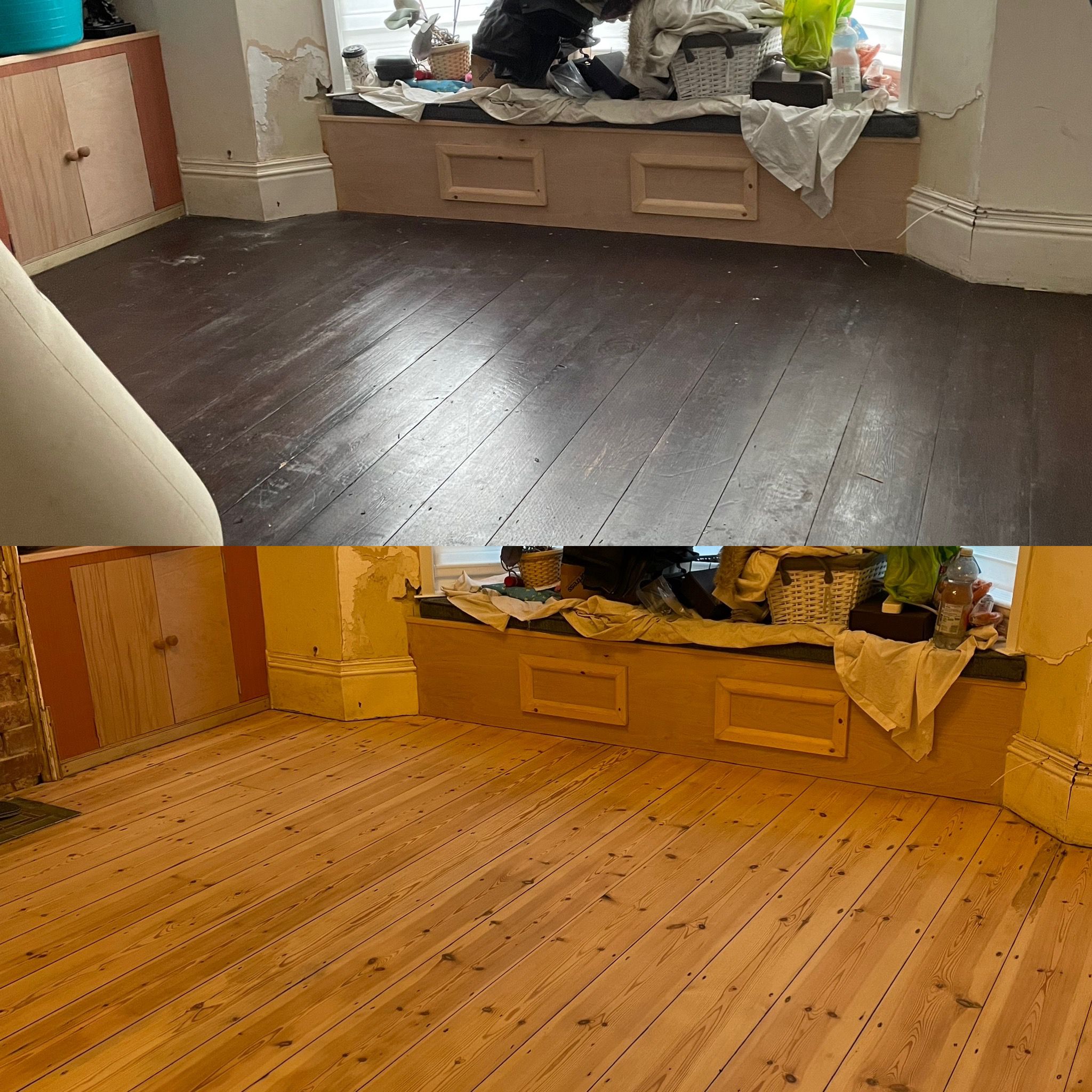
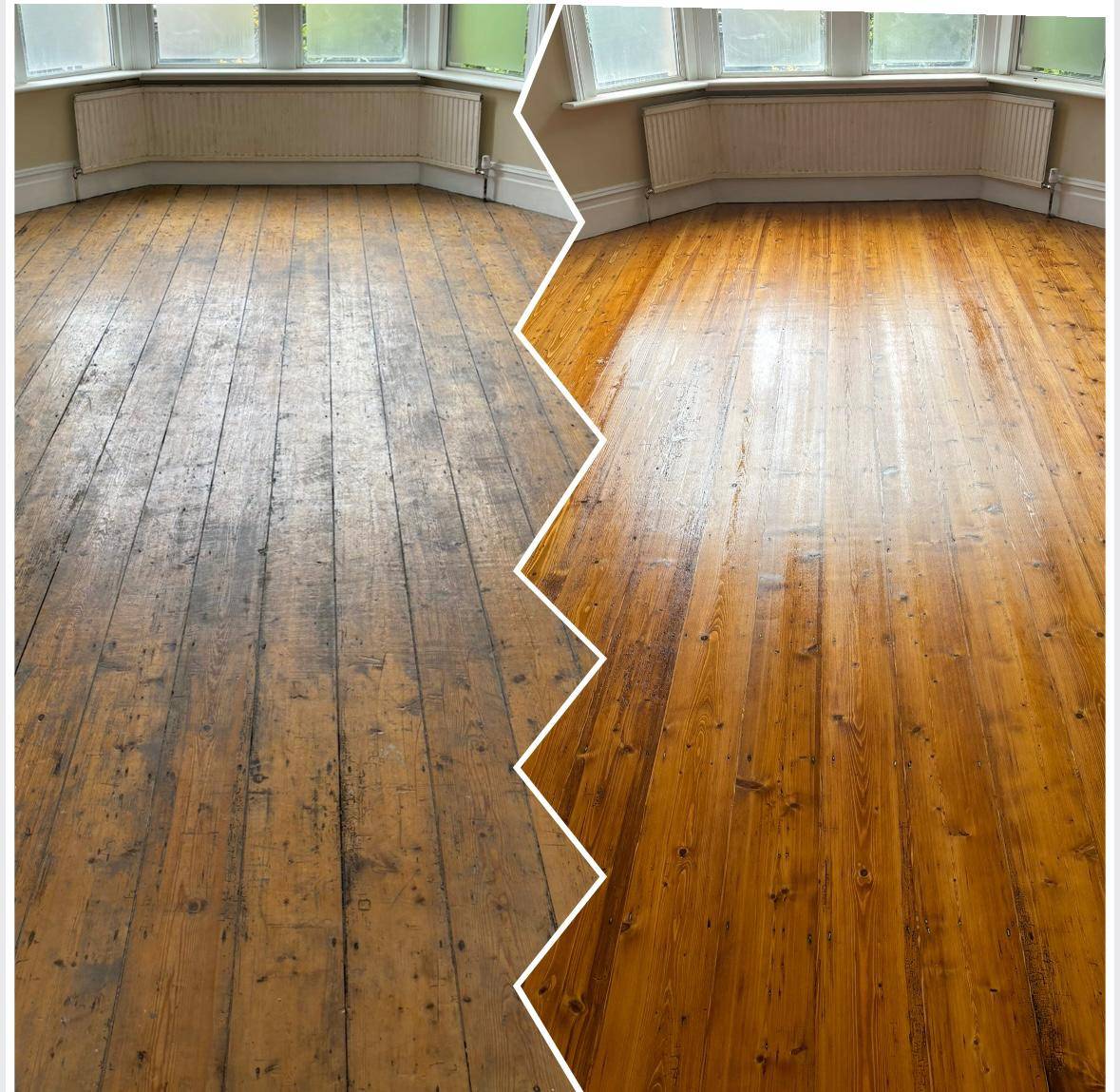
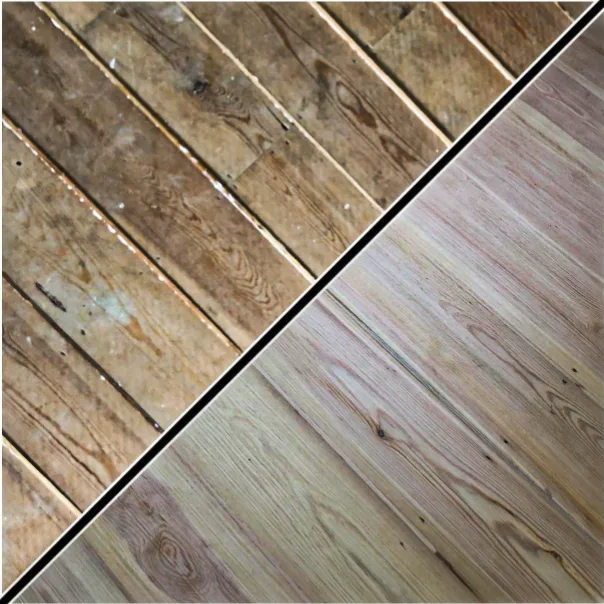
Floor sanding before and after

Floor Sanding in Hitchin, Planned from Our Somerset Base

Our family firm works out of a workshop at Higher Poole, a short way from Wellington in Somerset, which puts Hitchin a long motorway run from home. Hitchin is well beyond our everyday patch, and it is better to say that plainly at the start. We make the drive into north Hertfordshire for work that warrants it: a whole ground floor of old pine, a house full of herringbone, or a restaurant, hotel or shop that needs its floor renewed without shutting the doors for a week. For a single box room, a firm based nearer to you is probably the more sensible call.

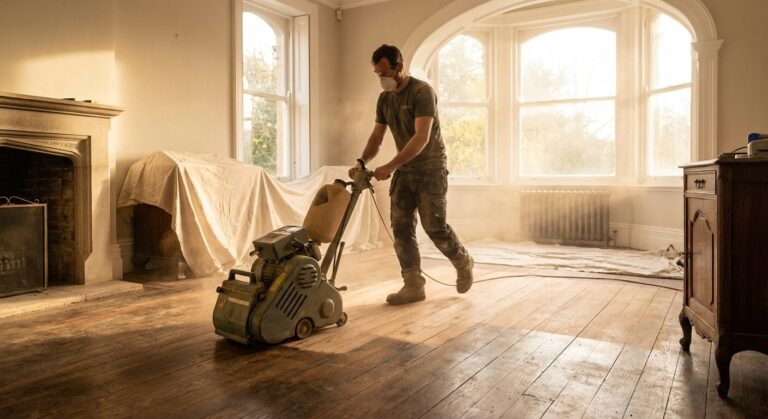
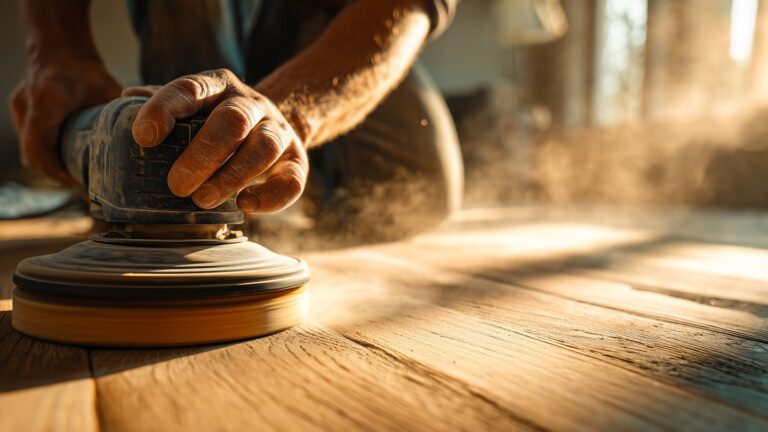
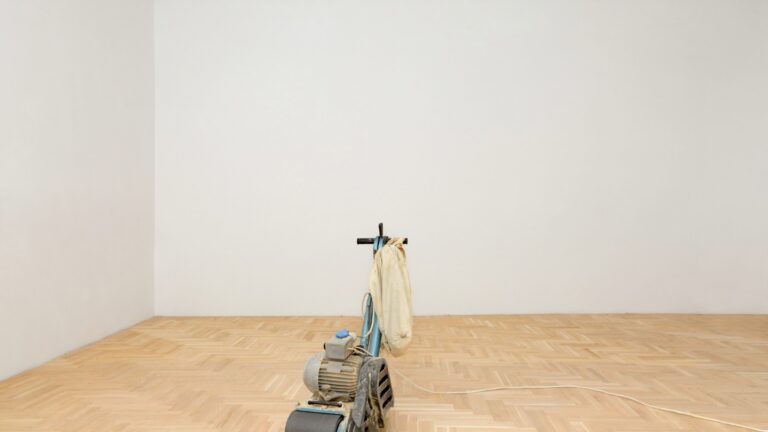
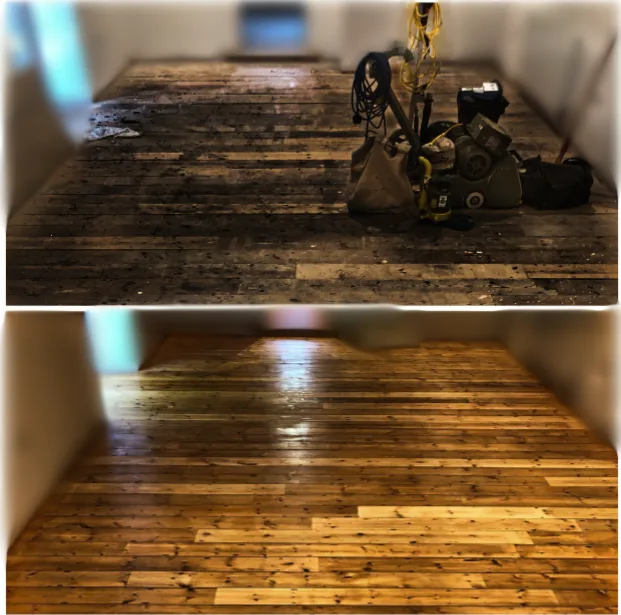
The job sounds simple when you describe it. The old coating, the dirt ground into it and the shallow damage are cut away, leaving clean timber ready for a new finish. Doing it well is a matter of sequence. A big belt or drum machine works the open floor, starting on an abrasive coarse enough to break through the old seal and then stepping up a grade at a time, because each finer paper is only there to erase the scratch pattern of the one before. Skip a grade and those scratches survive, invisible on bare wood and glaringly obvious once the first coat of lacquer catches the light. A rotary edger follows round the skirting. Tight corners, the strip behind a cast iron radiator and the boards around a hearth are finished with a scraper and detail sander. Last of all, a multi-head or orbital machine blends the edges into the field so the floor reads as one surface rather than a middle and a frame. Our wood floor sanding service sets out that sequence machine by machine.

Dust is the other worry, and in a tall Hitchin townhouse with a narrow stair it travels upwards fast. Our sanders are hooked up to sealed extraction units, which pull dust off the abrasive and into a closed container instead of a cloth bag hanging off the machine. That deals with the great bulk of it. Nobody can honestly promise floor sanding with zero dust, and a faint film on a picture rail is still possible, but extraction-led, low-dust sanding keeps the rest of the house liveable while the work goes on. The other towns we travel to in the county are listed on our Hertfordshire floor sanding page.
Wood Floor Restoration in Hitchin's Older Town-Centre Houses

A good part of the old centre of Hitchin lies within a conservation area, and the houses there cover a long span of building: Georgian and Victorian frontages, a number of much older timber-framed buildings, and Victorian and Edwardian streets running outwards from the middle. The floors inside them have had a long, busy life.

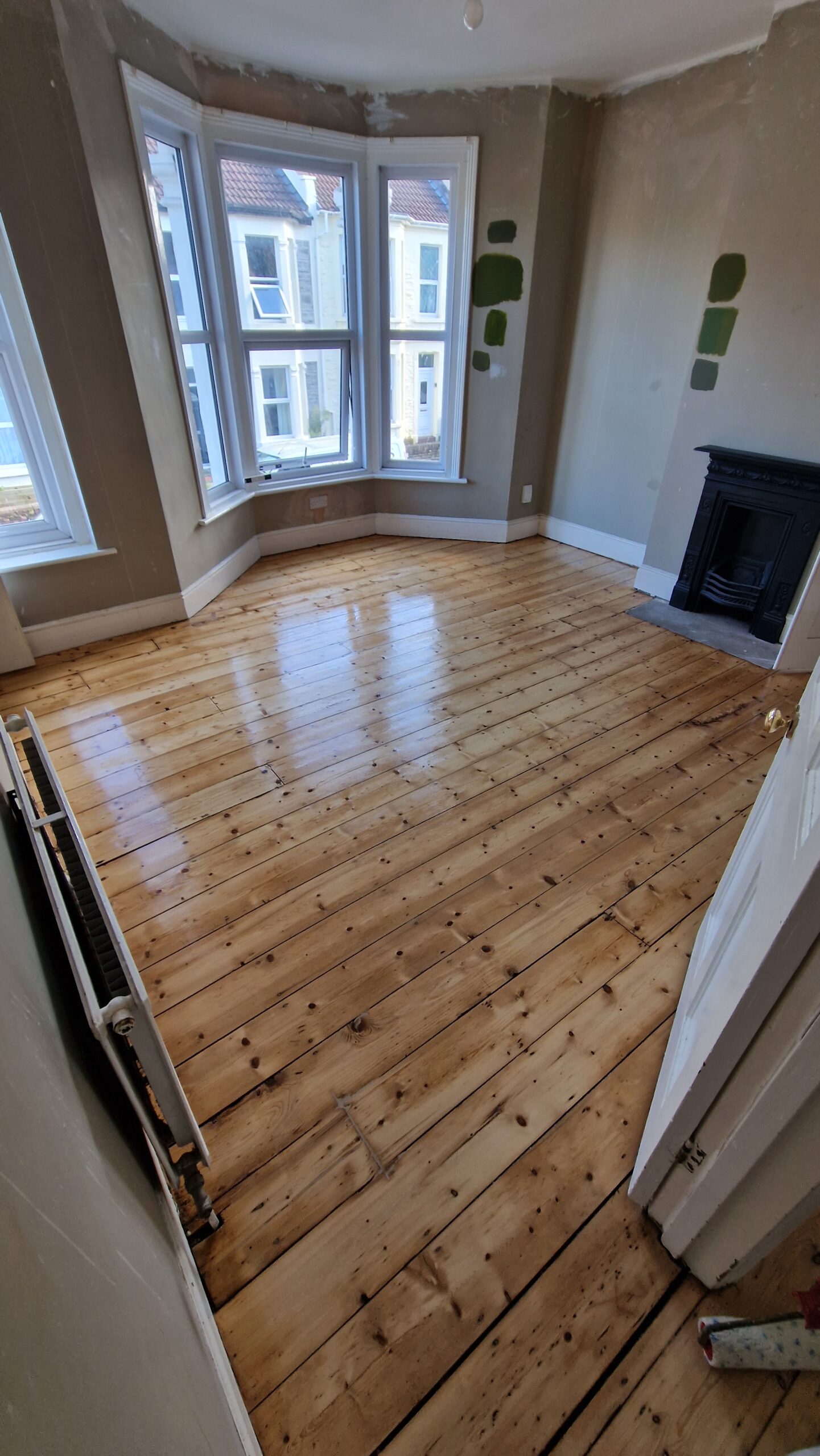
Wood floor restoration in Hitchin’s older streets is seldom a matter of sanding everything flat and starting afresh. Expect pine or deal for the most part, often in widths no merchant stocks today, with the occasional oak or elm floor surviving in the earliest rooms. They have worn into shallow hollows at thresholds and in front of fireplaces. Plumbers and electricians have cut traps in them and patched them with whatever was lying about. Over the decades they have been covered in linoleum, then hardboard, then carpet, and each layer leaves its own trace: bitumen smears, rows of panel pins, gripper rods nailed round the edge, and the dark stained border that once framed a rug.

The first question is how much timber there is to play with. The free survey covers board thickness, moisture readings, ventilation and airbricks, signs of damp and any earlier repairs, and on old floors that thickness check decides everything. A board that has already been sanded twice may have little left above its tongue or its fixings. In that case a lighter cut that keeps some of the age in the surface is the right answer, rather than chasing every dip to a dead-level finish. Most pine floor restoration in houses of this age comes down to that judgement, and the same restraint applies to oak floor restoration in older rooms. The wider thinking behind it sits under restoring tired and worn timber floors.

Painted borders need care. Paint applied to floors before the late 1970s can contain lead, so it should be tested before anyone dry-sands it. If the house is listed, changes to historic fabric may need consent. That application is the owner’s to make, but we can write the specification down clearly for the conservation officer so everyone knows exactly what is proposed before a machine is switched on.

parquet wooden floor sanding
wooden floor sanding

Getting Colour Right: Staining and Sealing Old Pine and Oak

Colour is where most of the questions come from in period houses, and pine is the awkward timber. Every growth ring has a band of soft, pale earlywood and a band of harder, darker latewood. Stain soaks into the soft band far faster than the hard one, so on a strongly figured board the result can look striped or blotchy, worst of all on boards sawn near the heart where resin collects. Oak is far more forgiving. Its open grain takes pigment evenly, which is why a mid-brown looks calm on oak and the very same tin can look restless on pine. Pre-conditioning the pine, or settling on a lighter tone, softens that contrast.

The final grit changes things as well. A floor finished on a very fine abrasive has a closed, almost burnished surface that takes less colour; one finished a step coarser drinks more of it in. For that reason we test stains on your own boards once they are sanded, and the patches are judged dry, in the light of the room they belong to. A swatch in a brochure tells you almost nothing about how Victorian pine will take a colour. Shades people often ask for, from limed pale to near-black, are discussed under staining floorboards to a chosen shade.

The topcoat moves the colour too. Oil-based lacquers and most natural oils give pine a warm amber cast that deepens with the years; water-based lacquers keep pale boards much closer to their raw shade. The tannin in oak sometimes reacts with certain water-borne products and turn faintly grey or green, and iron from steel wool or old nails leaves black marks in it, which is why a compatible primer matters on oak.

Then comes the finish itself. Sealing with lacquer puts a hard film on the surface, available as water-based, oil-based or a two-component product for heavy wear. Natural oil and hard wax oil finishes soak in instead and can be patched locally when a chair leg scuffs them. Traditional wax gives the softest sheen of all but asks for more upkeep, and floor polishing keeps a sound finish looking fresh between bigger jobs. In an old house with a mix of pine downstairs and oak in one room, it is perfectly reasonable to use different finishes in different rooms.

Commercial Floor Sanding in Hitchin: Restaurants Refinished Overnight

Hitchin’s centre has a dense mix of restaurants, cafés and bars, and in that trade a closed evening is lost takings. Commercial floor sanding in Hitchin for a restaurant therefore runs to the kitchen’s timetable rather than ours. The usual pattern is to start once the last tables have cleared. Chairs and tables come out or are stacked at one end, the bar is sheeted, and sanding begins in the late evening. Extraction matters even more here than in a home, because dust in a kitchen or on stacked glassware becomes a problem for the morning team. Fast-curing lacquers allow coats to go down through the night with enough drying time between them, and a larger dining room may be split over two or three nights, or done across the days the restaurant normally closes. We fix those nights with the manager weeks ahead and keep to them, so front of house knows exactly which evenings to stop taking tables.

Restaurant floors carry their own particular damage. Grease walked out from the kitchen pass soaks into bare timber and stops new lacquer bonding, so heavily contaminated strips near the kitchen door need deeper sanding and thorough degreasing, and occasionally a board is too far gone and has to be swapped out. Red wine, coffee and harsh cleaning chemicals leave darker blooms wherever they have got through worn lacquer. A two-component lacquer, far tougher than a standard single-pack product, is the usual choice for that kind of punishment, and a matt or satin sheen helps with slip when the floor is wet.

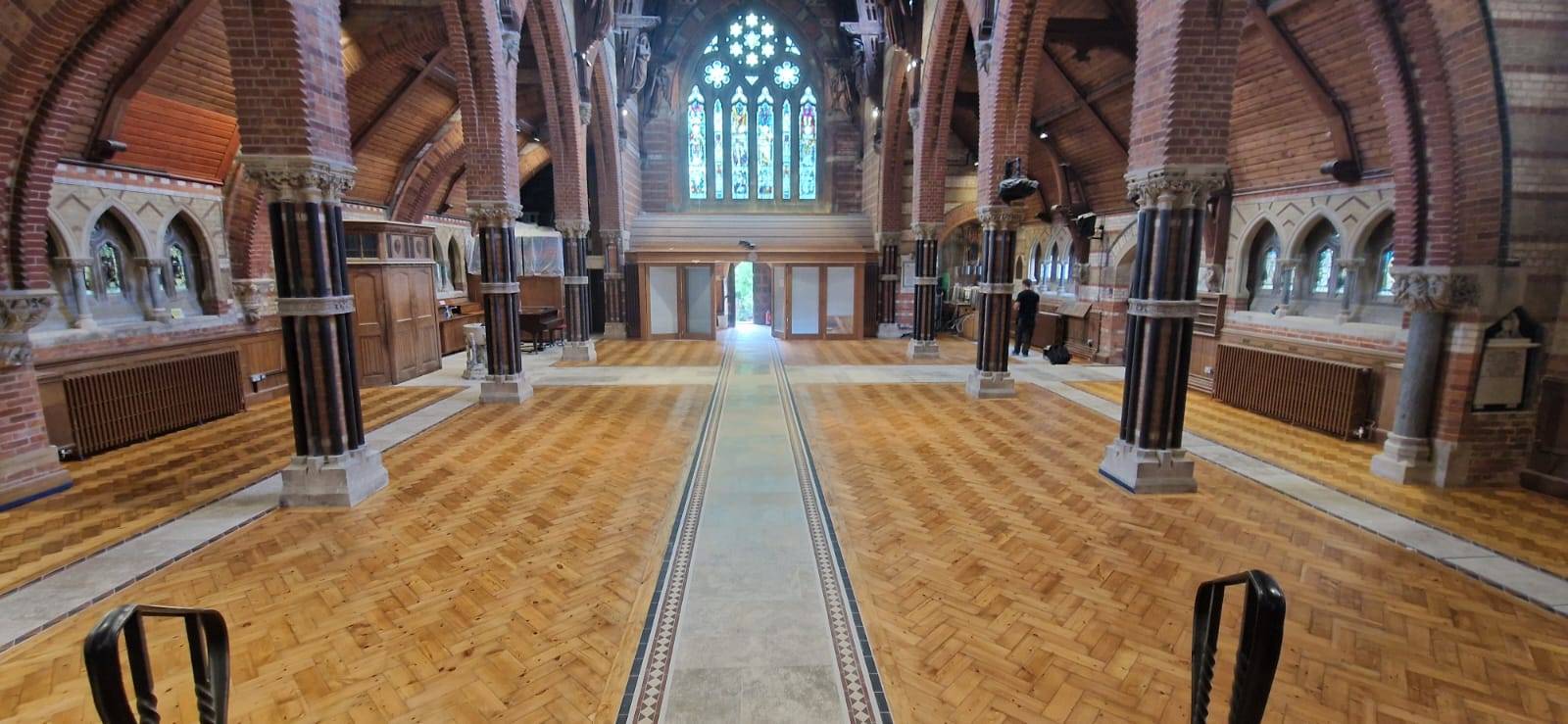
Commercial floors wear faster, and a busy dining room rarely lasts much beyond half a decade before it needs a full sand with buffing and a fresh coat in between, rather than the decade a home floor might go. If the freeholder or a managing agent wants paperwork before signing off, ask and we will send a method statement, our insurance certificate and references. The broader approach is under commercial floor sanding, and there are separate notes on restaurant and bar floors, hotel and guest house floors and refinishing shop floors around opening hours.

flooring sanding company
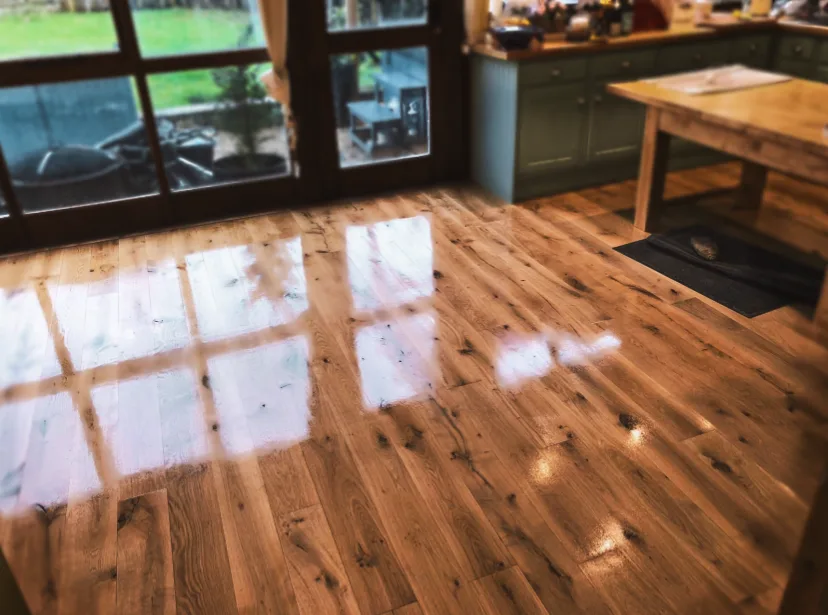
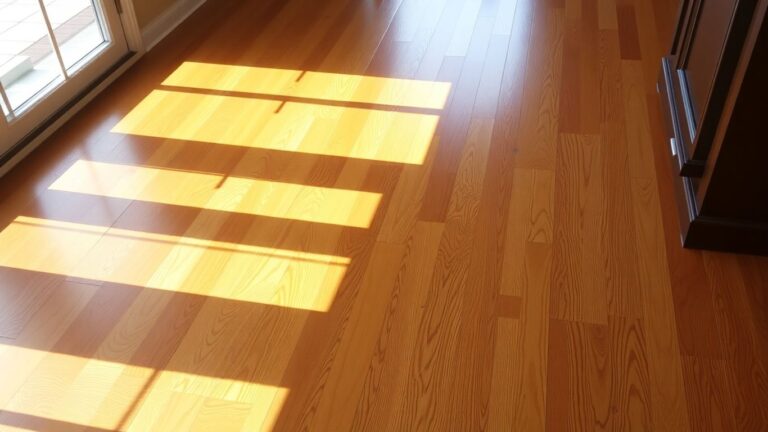
Sunlight across freshly lacquered wooden floorboards

Draughty Gaps, Creaking Joists and Boards Past Saving

Gaps between boards are the commonest complaint in older Hitchin houses. On a suspended timber floor with airbricks doing their job, cold air comes straight up through them in winter. For slim gaps, sanding dust collected off that very floor is stirred into a resin binder and knifed in, which tints the filler towards the boards either side. Anything wider takes a tapered strip of pine, glued to one neighbour and left free of the other, then planed down level; that free side is what stops winter shrinkage ripping the strip loose. Central heating dries boards out over winter and they swell again in a damp summer, so no filler stays perfect forever, but a well-chosen method survives years of that movement. Gap filling between floorboards has its own page with the two methods compared.

Creaks usually come from cut nails that have loosened as the joists dried out, or from one board rubbing against its neighbour. Once pipes and cables have been located, screwing the board down into the joist normally silences it. Silencing a creaking hall or landing is quick to add while the room is already cleared.

Where a board is split, rotten beside a hearth or pocked with old woodworm holes, floorboard replacement is the answer. A seven-inch pine board in a Victorian front room wants a seven-inch pine board of the same depth beside it, ideally one that has already had a century to settle, and that is the reason we keep reclaimed timber at the workshop. A modern metric board would sit proud or low, and the step would show for the life of the floor.

Surface scratches from a dog’s claws or a dragged chair often sit in the finish rather than the wood and vanish with the sanding. Deeper gouges may need targeted scratch repair or a little filler. The full range is gathered under wooden floor repairs, and on most period floors some combination of these jobs comes before the first pass of the sander.

Hitchin Parquet, Herringbone Halls and Narrow Cottage Stairs

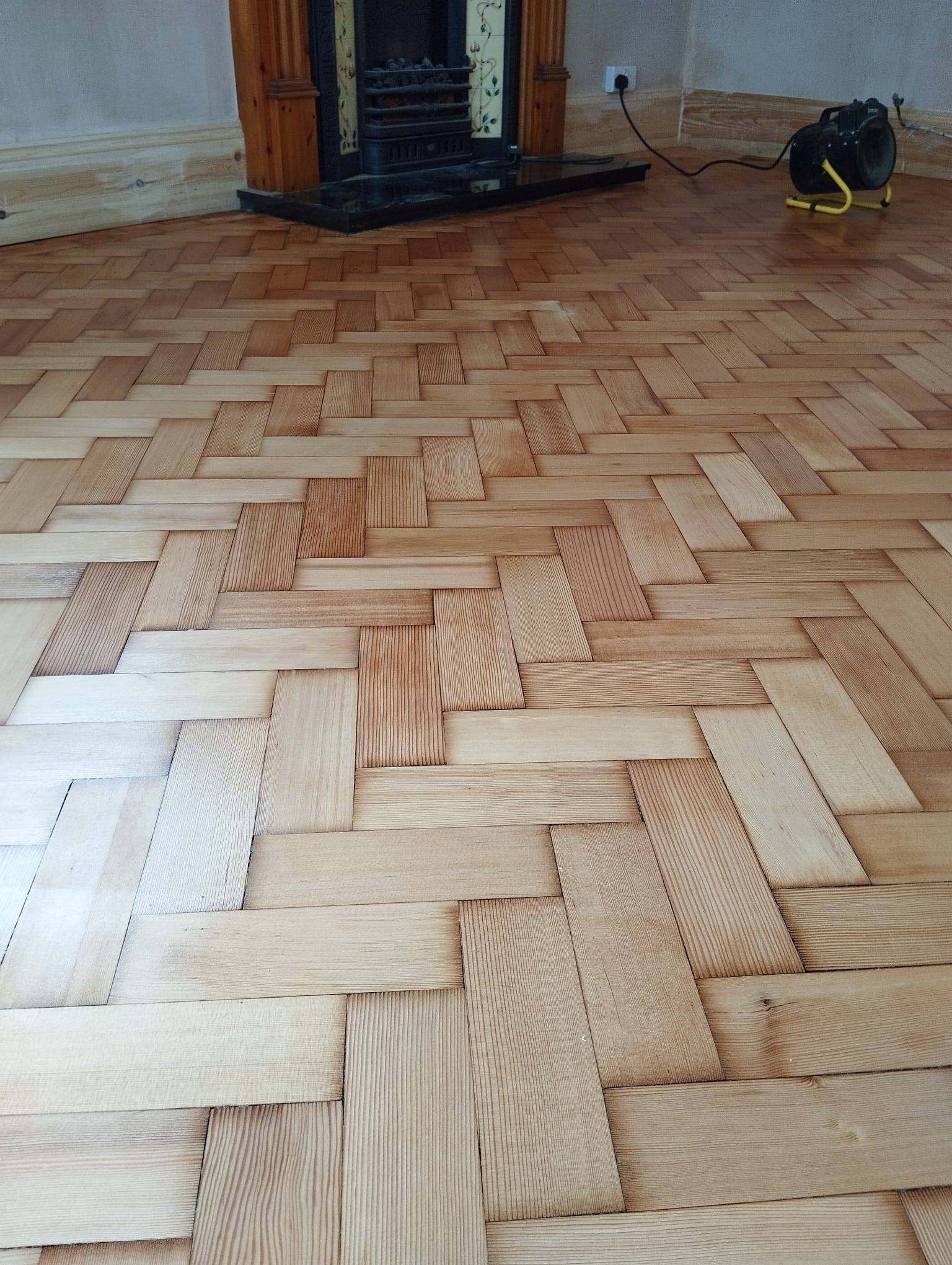
Houses built between the wars on the edges of many Hertfordshire towns often had woodblock in the hall and front room, and plenty of it is still hiding under carpet. Herringbone parquet laid on concrete was usually stuck down with hot bitumen. After eighty or ninety years that adhesive turns brittle, blocks begin to rattle underfoot, and a few go missing whenever a radiator pipe gets rerouted. Any block that rocks is lifted, its tar-black underside scraped clean, and rebedded in a flexible modern adhesive first; a sander passing over a rattling block tends to flick it out across the room. Holes left by lost blocks are filled from salvaged parquet of matching timber and dimensions where the workshop has it.

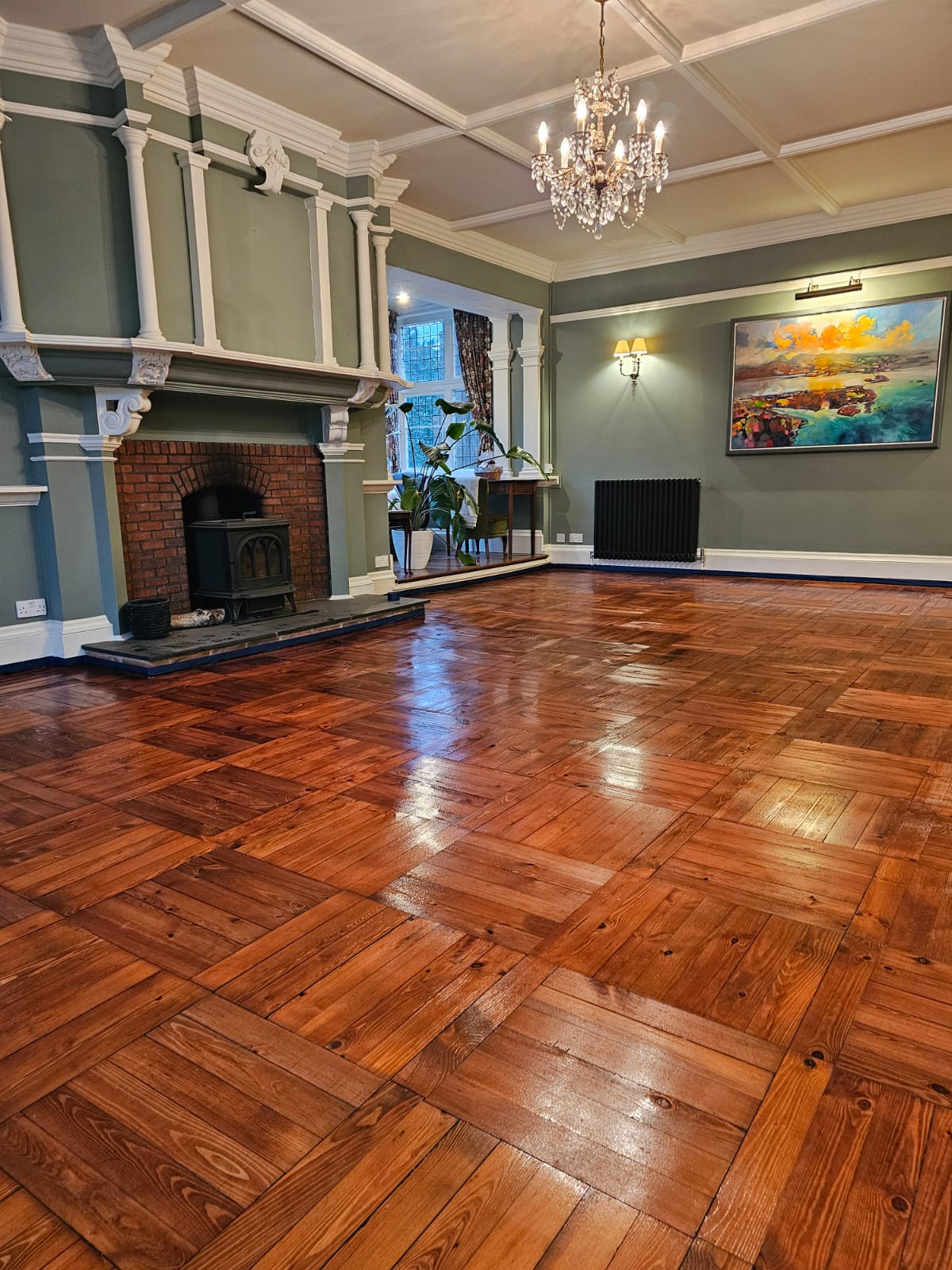
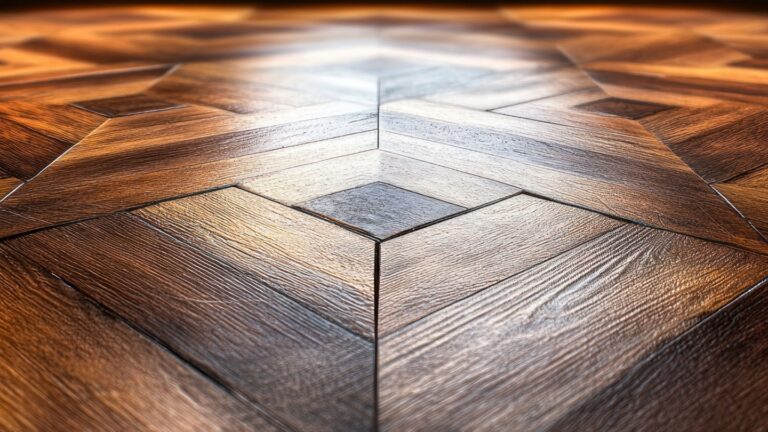
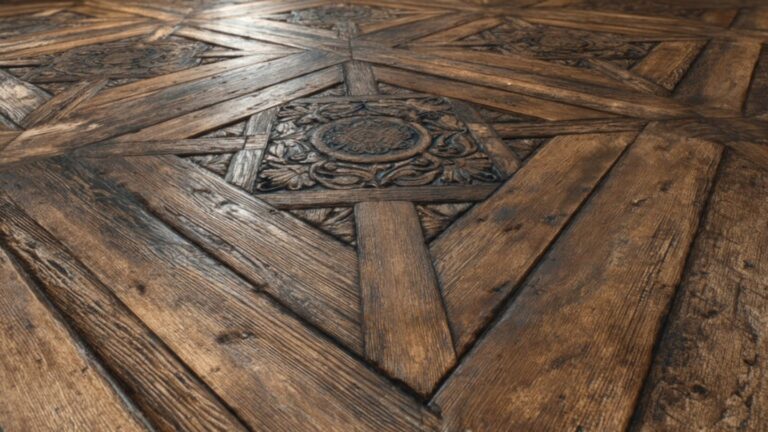
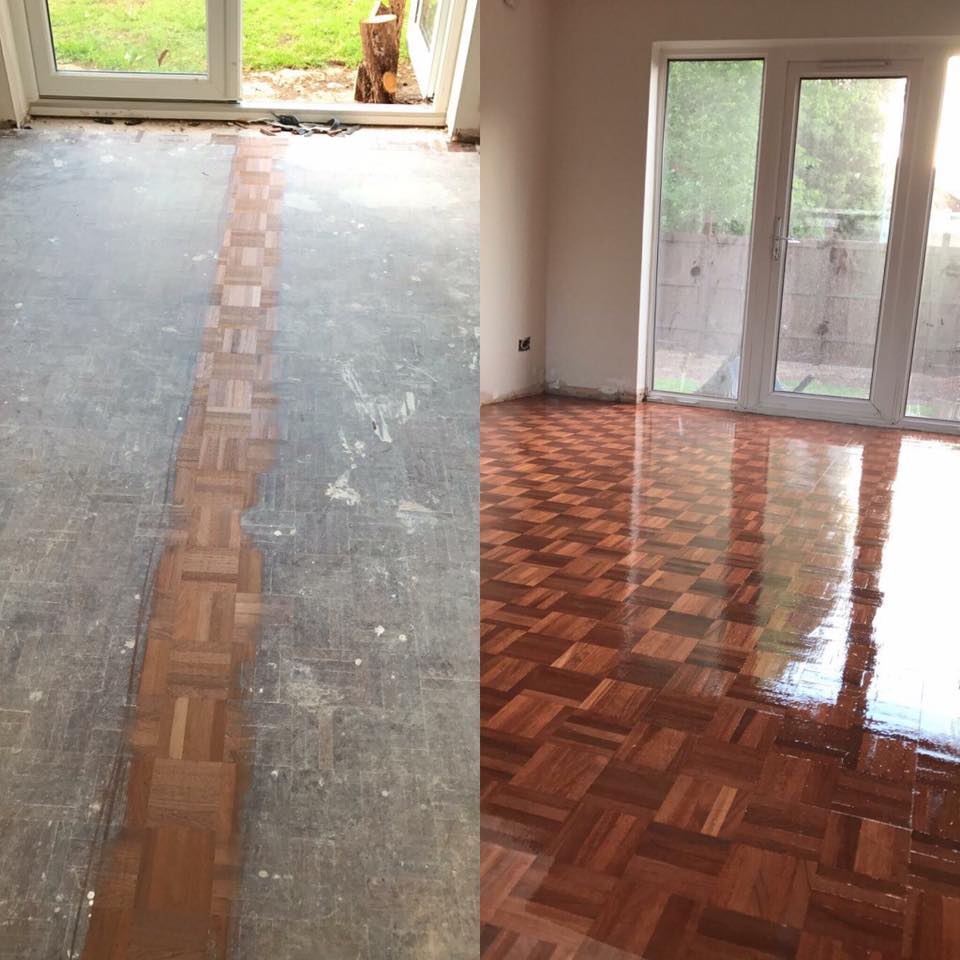
Sanding parquet is slower than sanding boards. Herringbone sets each block at right angles to the next, so a machine pushed in one direction scores half the floor across its grain. The floor is cut first on the diagonal, then refined in finer passes, finishing with an orbital or multi-head machine that leaves no direction at all. Parquet floor sanding is a large part of our work, and a house with several rooms of block flooring is exactly the kind of project that justifies the journey.

Staircases in older Hitchin cottages and townhouses are a different challenge. Many are steep, some turn on winders, and the treads are often worn into a dip in the middle. None of that suits a big machine, so the work is done with small sanders, scrapers and a good deal of hand sanding, especially along the nosings where the profile has to stay crisp. Carpet runners leave tack holes and staples down every tread, and each one has to be pulled before sanding. Painted strings and spindles bring back the lead question raised earlier, and they are best tested before work begins. Stair sanding and refinishing is usually tackled alongside a larger job in the house rather than as a trip on its own.

Wood floor sanding company
Floor sanding taunton

Looking After the Floor, Fitting New Boards and Arranging a Visit

The new finish needs time to harden. In a Hitchin townhouse with one staircase, plan the route: socks only on the new floor for the first day or so, and the sofa and dresser stay elsewhere until day two or three. Lacquer keeps curing for a while after that, so heavy pieces should be lifted into place rather than slid. Felt pads under chair and table legs make the biggest single difference to how long the floor looks new. Clean with a damp, well-wrung mop and a pH-neutral wood floor cleaner. Leave the steam mop in the cupboard, since hot vapour forced into board joints softens lacquer and swells the edges.

A well-kept home floor typically needs a full resand only every eight to ten years. In between, a light abrade and fresh coat can revive a dulled surface without touching the wood beneath, which is the job described under floor buffing and recoating.

Now and again the boards are simply too thin or too damaged to sand once more, or the carpet turns out to have been laid straight onto screed. That is when wooden floor installation comes into the picture. We can supply and fit, or supply only for your own fitter, and Junkers solid hardwood and Bona products are among what we can offer. New timber needs to acclimatise in the room before it is laid, and the subfloor has to be dry and flat.

Begin with two snaps on your phone, a wide view across the room and a close look at its most battered boards. That is usually enough for first advice and to tell whether the project suits a trip from Somerset. When it does, we book a free half-hour look at the floor and then send a written quotation broken down line by line, which stays fixed so long as the work described in it stays the same. The office line, 01823 674562, is answered from 8am to 6pm on weekdays, Saturdays by appointment; pictures can go to info@ryansrestoration.co.uk, and the online enquiry form works just as well for a Hitchin address.

Hitchin Floor Sanding Questions Answered

Yes, for the right job. Our base is near Wellington, so a trip to Hitchin makes sense for whole-house projects, several rooms of parquet, or commercial premises such as restaurants and hotels. For one small room we would usually suggest a local firm instead. We make similar trips to neighbouring towns too, including for floor sanding in Harpenden.

It can bring the colour close, but pine never quite becomes oak. Its grain pattern, and the way its soft bands absorb more pigment than the hard ones, give it a different character. A test patch on your own sanded boards shows honestly what is achievable, and a shade slightly lighter than you first imagined usually looks more convincing across a whole room.

Sanding starts after the last service, with the furniture moved and the bar and kitchen doorways sheeted. Fast-curing lacquer coats follow through the night. A small dining room can sometimes be finished in one session; larger ones are split across several nights or across your usual closed days. Dates are booked well ahead, so reservations and staff rotas can be planned around them.

Usually, yes, although old floor paint may contain lead, so it should be tested before any sanding. If lead is present the work needs extra precautions. Paint also sinks into the open gaps and into the grain itself, so the border may need a slightly deeper cut than the rest of the floor to bring it back to clean timber.

Conservation area controls are mainly concerned with the outside of buildings, so sanding an internal floor is rarely affected. A listed building is different, because altering historic fabric can need consent. The owner applies for any consent, and we can supply a plain written specification of the sanding, repairs and finish for the officer to review.

A typical home takes one to three days, depending on size, the repairs needed and the finish chosen. Once the last coat is down, walking on it in socks is fine after about 24 hours, and furniture can usually return after 48 to 72 hours. Oils and lacquers differ slightly in drying time, so the finish you pick makes a small difference.

In most cases it can. We hold reclaimed timber for exactly this kind of repair, and the older imperial-width boards are what most period repairs call for, so a replacement can sit flush and take colour much like its neighbours. Very old elm or oak is harder to find and an exact match is not always possible, but the aim is a repair you have to hunt for.

Start with a wide picture taken from the door and a tight one of the most worn boards. Email them to info@ryansrestoration.co.uk with your postcode and a rough idea of how many rooms are involved, and the reply will cover first advice and whether a survey visit makes sense for your project.