45 years’ experience  ·  Rated 4.9 on Google  ·  Family-run, from our workshop near Wellington

45 years’ experience · Rated 4.9 on Google · Family-run

Floor Sanding and Wood Floor Restoration in Hertford

Careful sanding, repairs and refinishing for period homes, riverside properties and commercial premises in Hertford, planned in detail before we travel.

QUICK QUOTATION

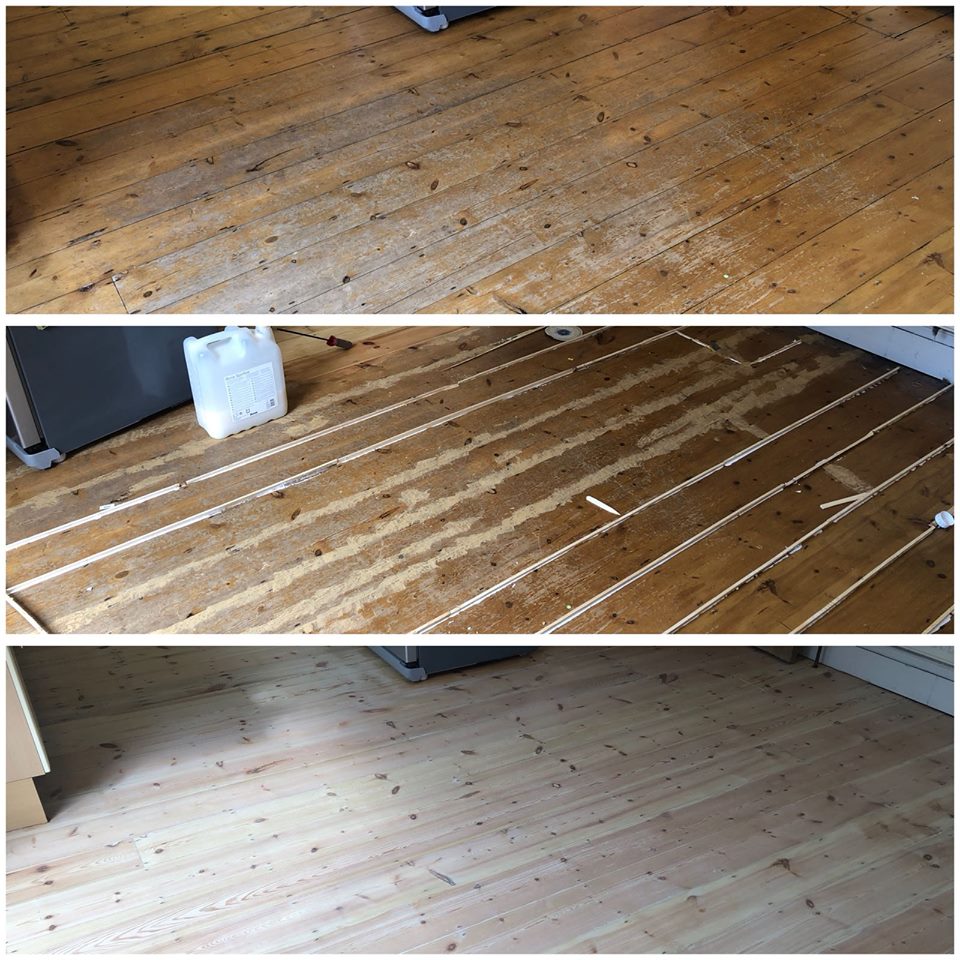
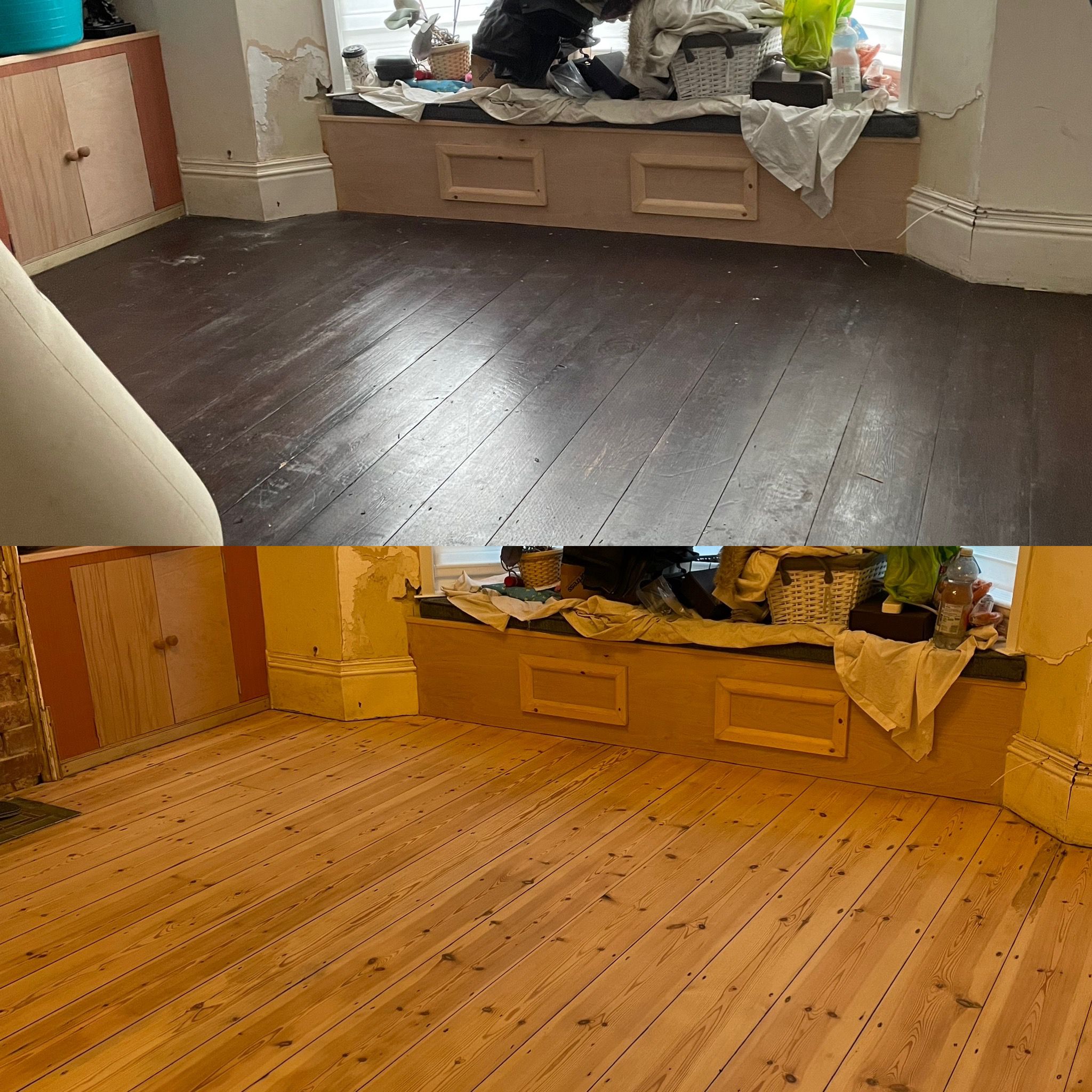
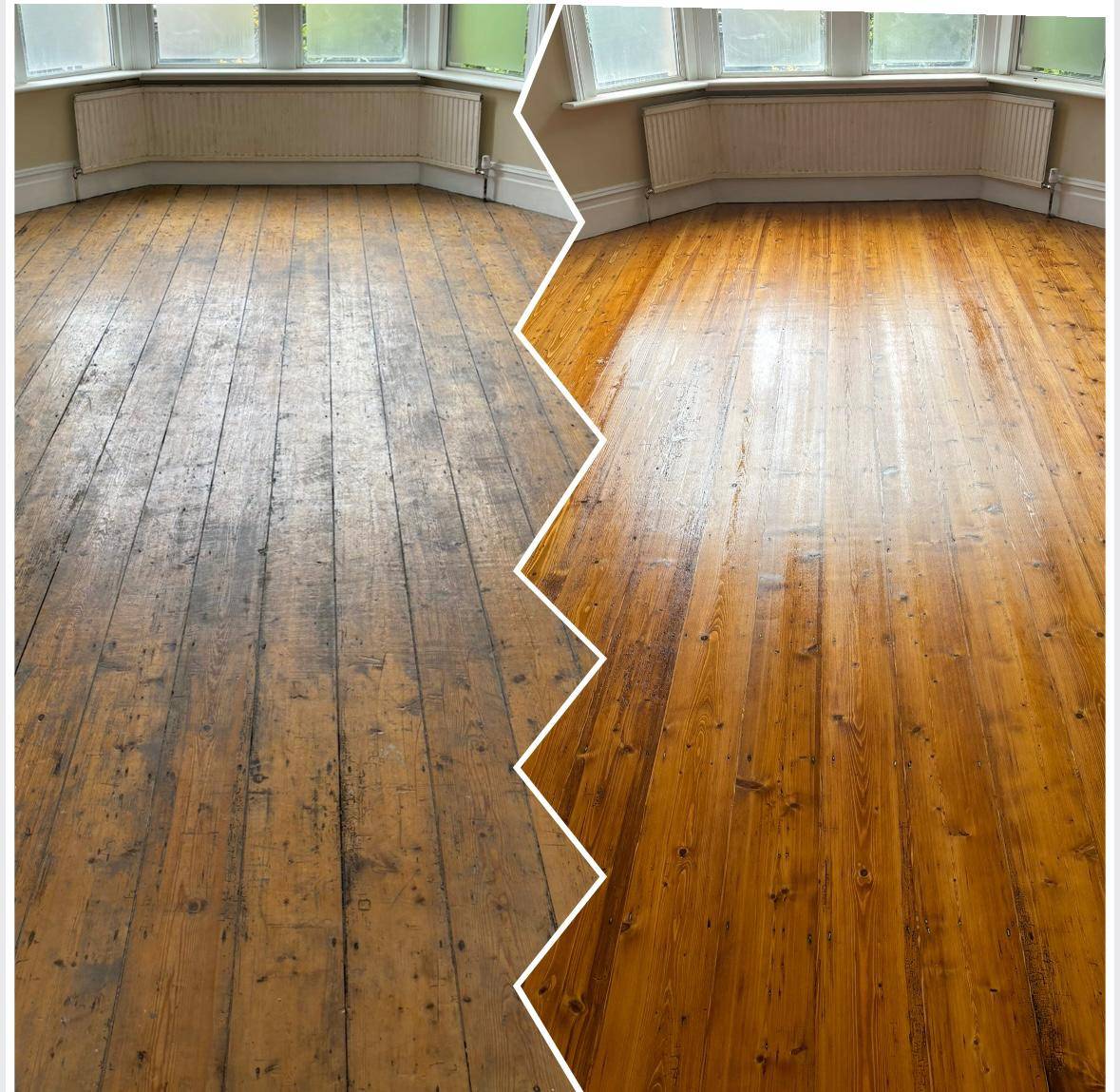
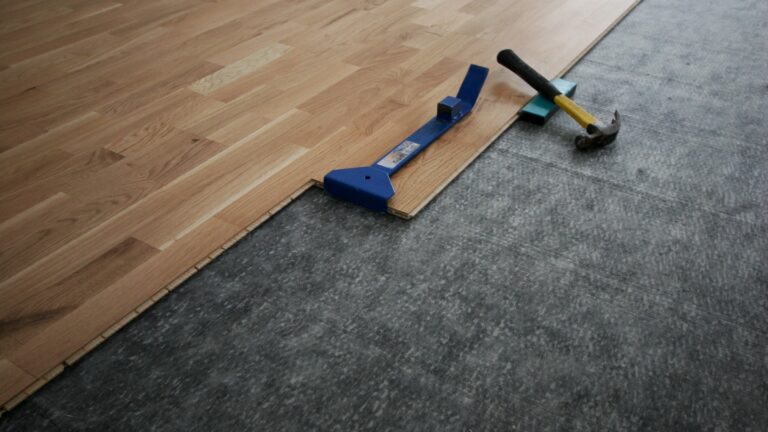
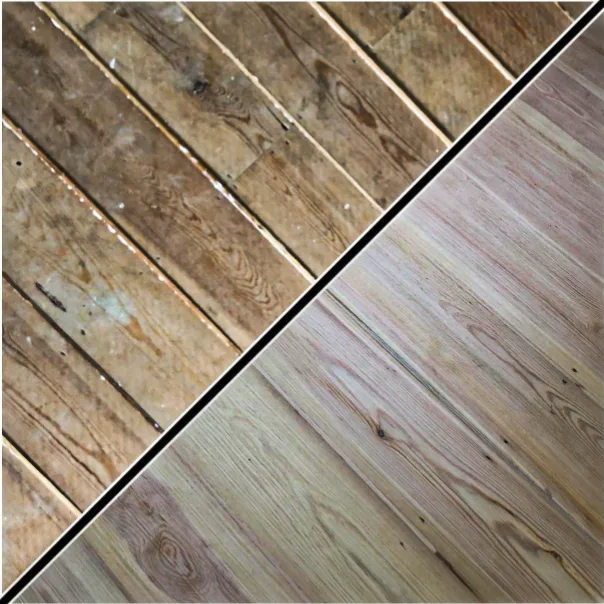
Floor sanding before and after

Floor Sanding in Hertford, Planned Before We Travel

Ryan’s Restoration is a family-run floor sanding business with its workshop at Higher Poole, near Wellington in Somerset. Hertford sits well outside our usual working patch, so we will be straight about how it works: we travel to the town for larger domestic projects and for commercial floors, and we plan those jobs in more detail than we would a floor down the road. Very little is left to chance once the van has made the journey.

The planning starts with two photographs. A wide shot of the room from the doorway, and a closer one of whichever patch bothers you. With that pair in front of us we can generally judge whether the boards look sound, whether the existing coating is a lacquer, an oil or decades of polish, and whether sanding is the right answer at all. If it is, a free survey follows. It takes about half an hour, and in that time we measure how much timber is left above the tongue or fixings, take moisture readings and look at the subfloor ventilation and any earlier repairs.

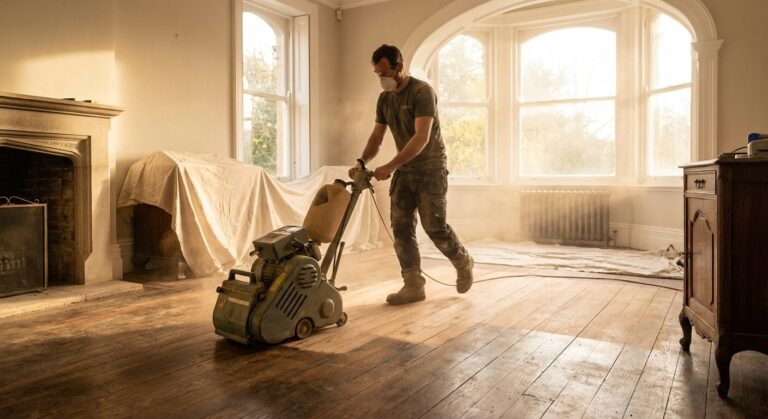
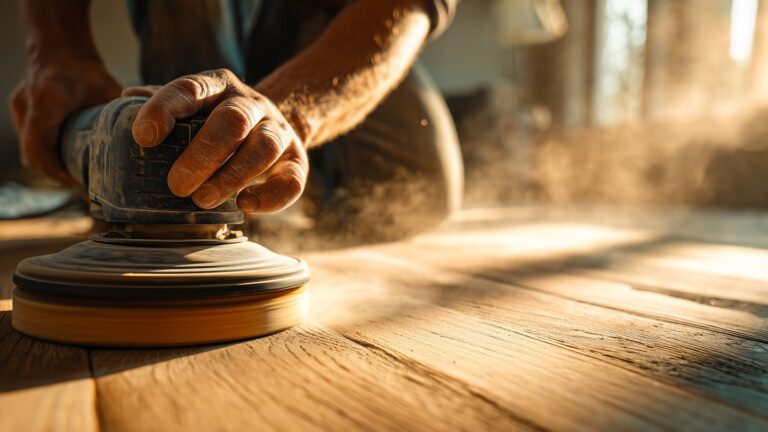
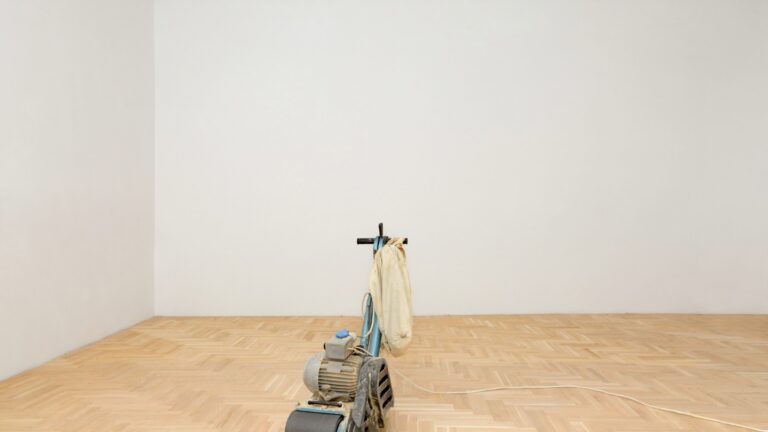
On the day, floor sanding in Hertford follows the sequence we use everywhere. A coarse abrasive cuts through the old coating and flattens cupped or uneven boards. Finer grits follow, each one removing the marks of the last, until the surface will accept a coating without blotches. The edges and awkward corners, around hearths, door frames and pipework, are handled with an edger and then scraped and hand-sanded. Our wood floor sanding page goes through each stage in more depth.

Every sander we run is connected to sealed extraction. We describe the work as dust-free floor sanding because the vast majority of the dust goes straight into the collection bags, though no system on the market catches absolutely everything and we would rather you heard that from us now. A typical house floor takes between one and three days from bare boards to a dry finish.
Wood Floor Restoration in Hertford's Older and Riverside Properties

Four rivers meet in Hertford: the Lea, the Beane, the Mimram and the Rib. That matters to anyone with a suspended timber floor on the ground storey, because ground moisture and poor underfloor airflow lie behind a large share of the problems we are asked to fix. Boards that have cupped across their width, joists that feel soft at the wall ends and finishes that turn grey or lift in patches are all signs worth investigating before anything is sanded.

That is why the moisture readings at the survey are taken at the room edges as well as the middle, and why we check whether airbricks are open or have been buried by raised paths, extensions or new render. Sanding a damp floor flat only for it to move again a season later helps nobody. Where the readings are high we will tell you, explain the likely cause and suggest the order of work: sort out the moisture and ventilation first, let the timber settle, then restore.

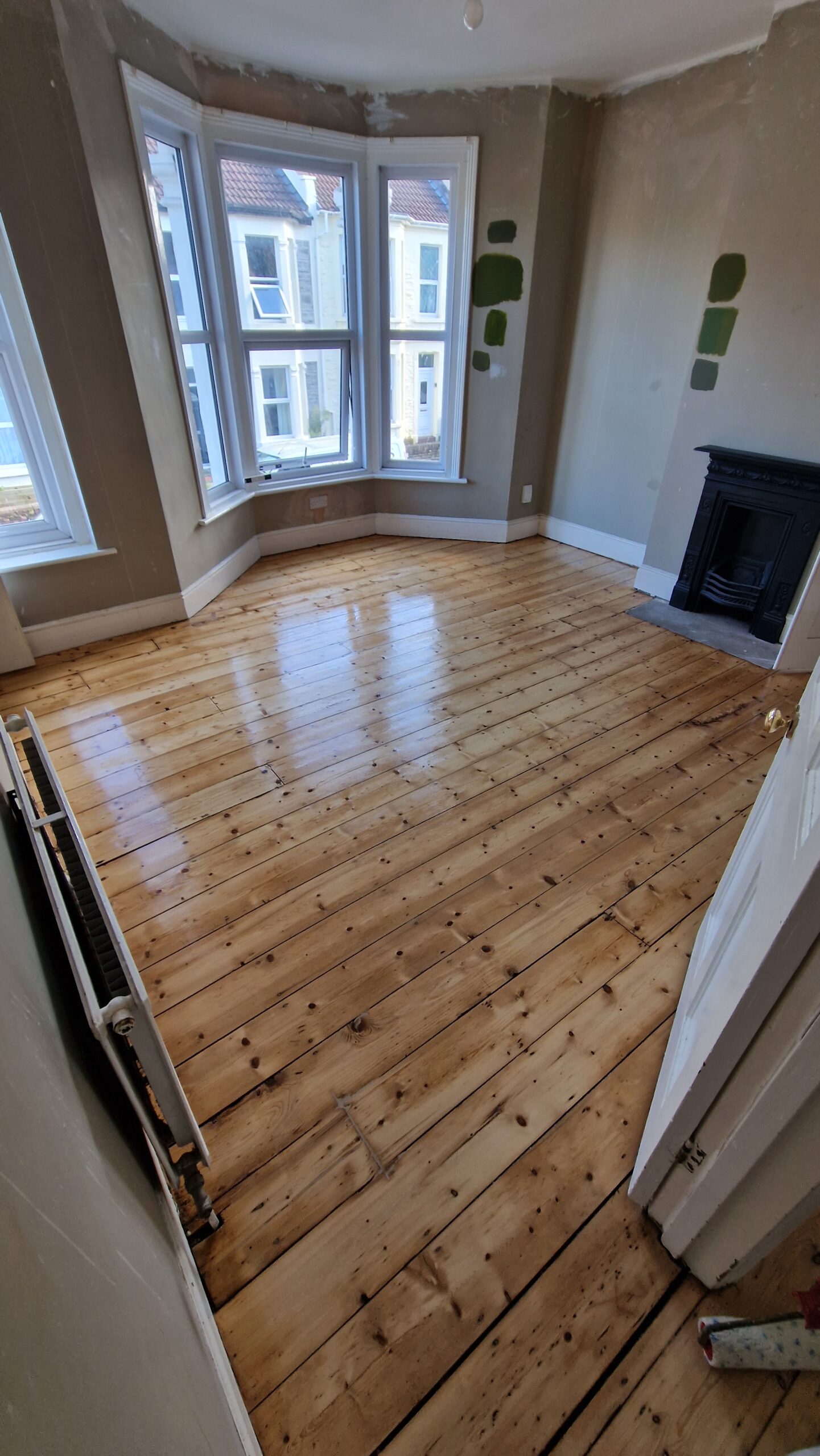
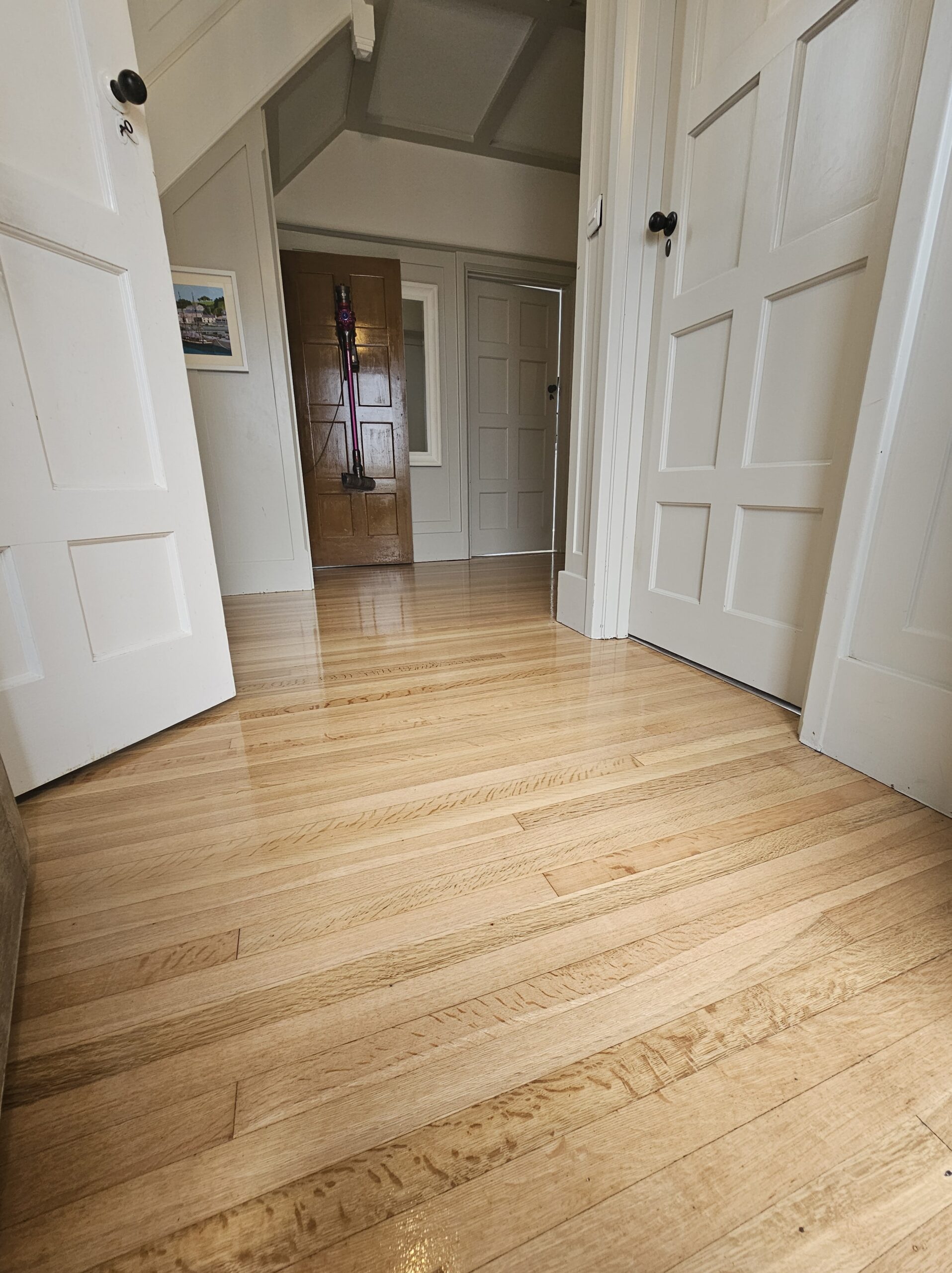
Much of the town centre is a conservation area, and period houses commonly have softwood boards that were never meant to be on show, with hardwood in some of the better rooms. Pine floor restoration tends to involve more filling and board replacement, while oak floor restoration is usually about removing as little timber as possible and keeping the character of a floor that has worn honestly over many years.

For listed buildings, including those along Fore Street, the question of consent belongs to the council’s conservation officer rather than to us. What we can do is write the specification down clearly: how much will be sanded, which boards will be replaced and with what, and which finish will go on. Our wider wood floor restoration service covers everything from a single tired room to a whole ground floor.

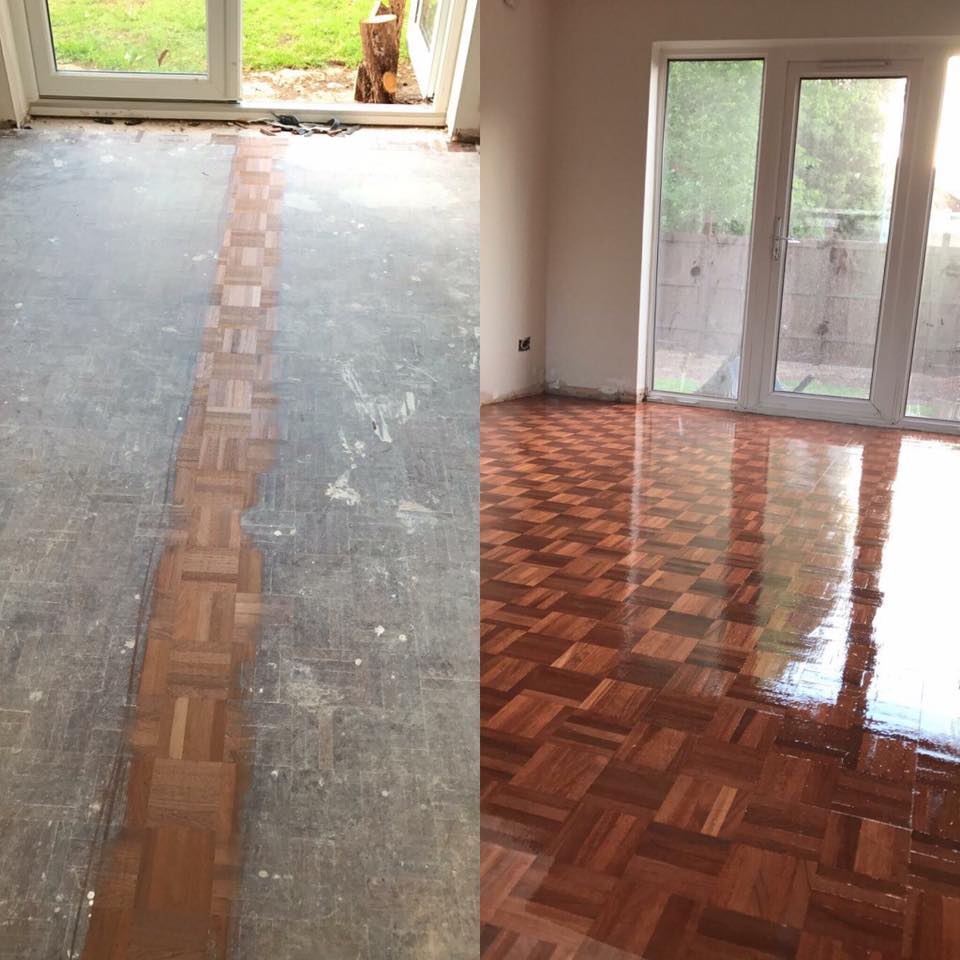
parquet wooden floor sanding
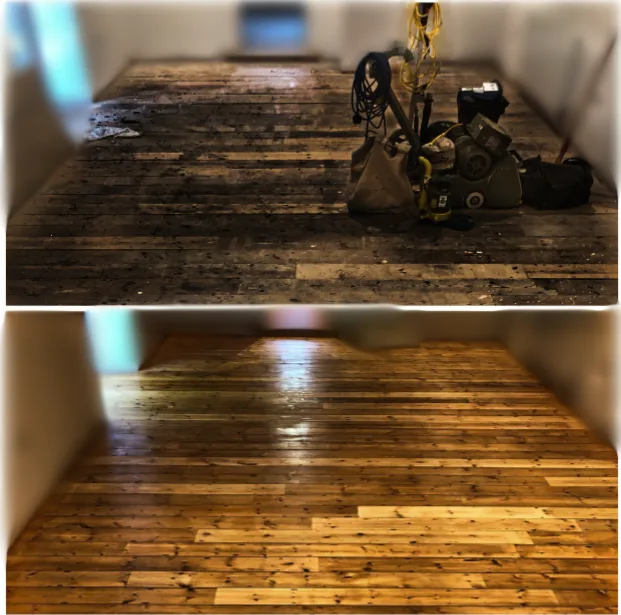
wooden floor sanding

Repairs to Boards, Gaps and Creaking Floors

Repairs come before sanding, never after. A loose board will chatter under the machine, a split board will snag the abrasive, and a patch of rot will simply carry on under a new coat of lacquer. So the first morning on many jobs is spent on wooden floor repairs: refixing loose boards, cutting out damaged sections and making good around old pipe runs and cable traps.

When a board has to come out completely, we match its replacement from our reclaimed timber stock, choosing by species, width and thickness so that once the floor is sanded and finished the repair sits in rather than standing out. Our floorboard replacement page explains how the boards are selected and fitted. Older houses often have boards of slightly different widths in the same room, and we try to keep that pattern rather than tidy it away.

Creaks usually come from boards rubbing against each other or riding up and down on their nails. Refixing with screws into the joist, packing where needed and checking for missing noggins will normally quieten them. The detail is on our squeaky wood floor repair page.

Gaps between boards are a judgement call. Narrow ones are closed with a resin binder stirred into sanding dust collected from the same boards, so the filler takes on the floor’s own tone. For wider joints we glue in thin slivers of timber along one edge. Some owners prefer to leave them open for the look of an old floor, and that is a perfectly reasonable choice. There is more on each option under gap filling. Deep gouges, claw marks and dents from furniture are either taken out during sanding or treated with local wood floor scratch repair when the rest of the floor does not justify sanding.

Lacquers, Oils, Wax and Stains Compared

The finish decides how the floor looks for the next decade and how much looking after it needs. The range runs from lacquers, water-based or oil-based with a matt, satin or gloss sheen, through natural oils and hard wax oil to traditional wax, and the timber can be stained first.

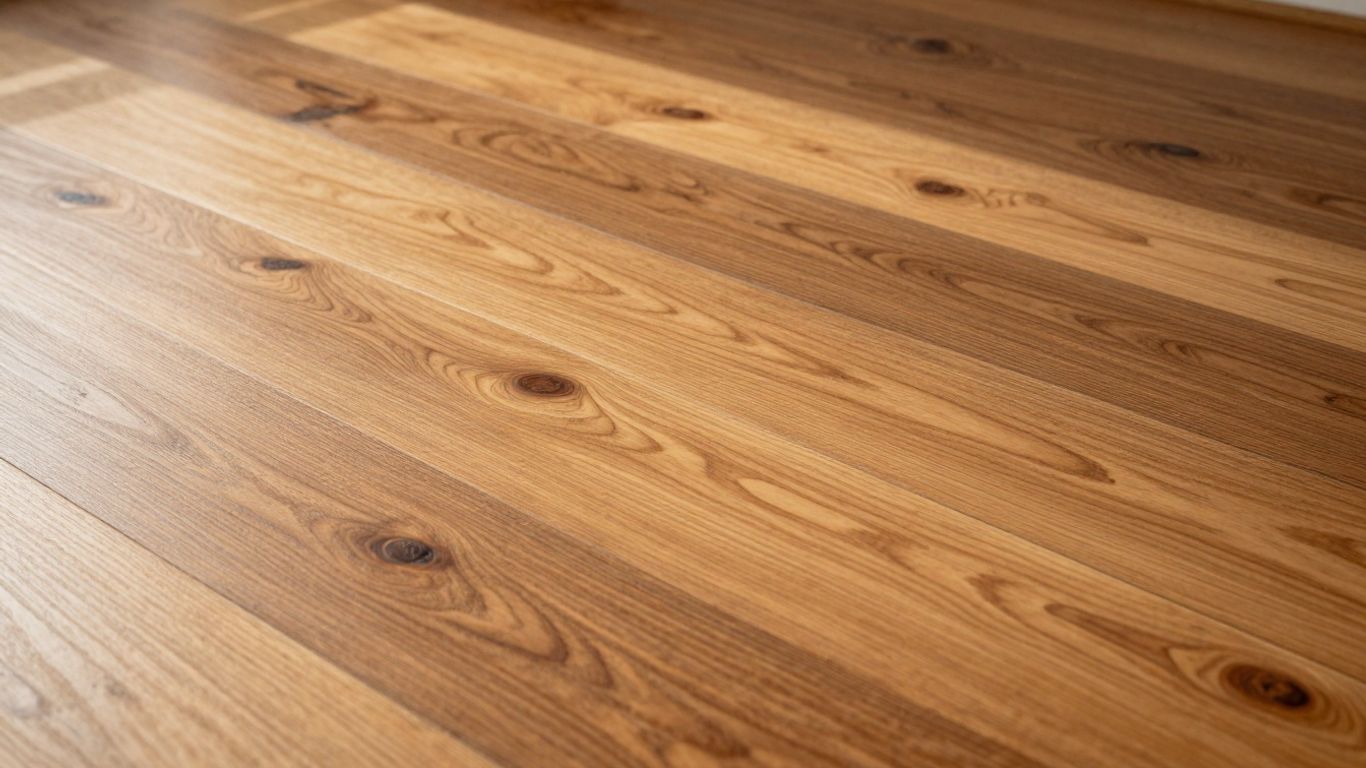
A lacquer cures into a tough clear layer over the timber. It is the most hard-wearing choice for kitchens, hallways and family rooms, and a modern water-based product barely changes the colour of pale oak. Oil-based lacquer warms the tone, which many people like on pine. Both types are compared on the wood floor sealing page.

Oil works differently, penetrating the fibres rather than building a layer. The floor looks and feels more like natural wood, and worn patches can be revived locally without sanding the whole room again. Hard wax oil adds a little more surface protection while keeping that low sheen. If that appeals, read about wood floor oiling.

Paste wax produces the mellow sheen many people picture in an old house. It needs regular attention and does not cope well with spills, so we tend to suggest it for bedrooms and formal rooms rather than busy ones. Wood floor waxing sets out the routine involved.

Colour is the other decision. Stains are tested on your own boards, in a corner or on an offcut, because the same stain reads differently on oak, pine and reclaimed timber. You see the sample dry before we commit to the room. Find out more about wood floor staining.

flooring sanding company
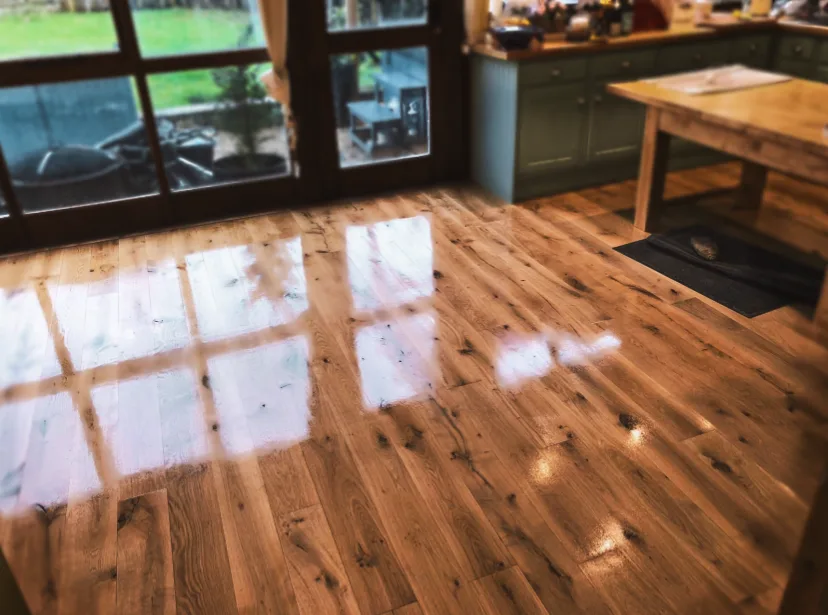
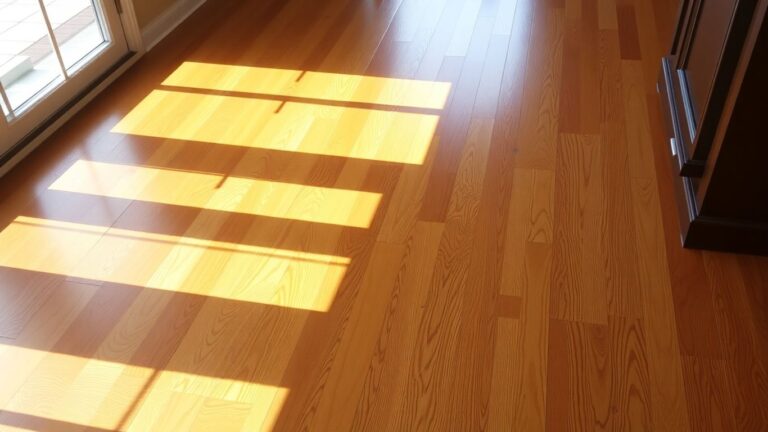
Sunlight across freshly lacquered wooden floorboards

Commercial Floor Sanding in Hertford

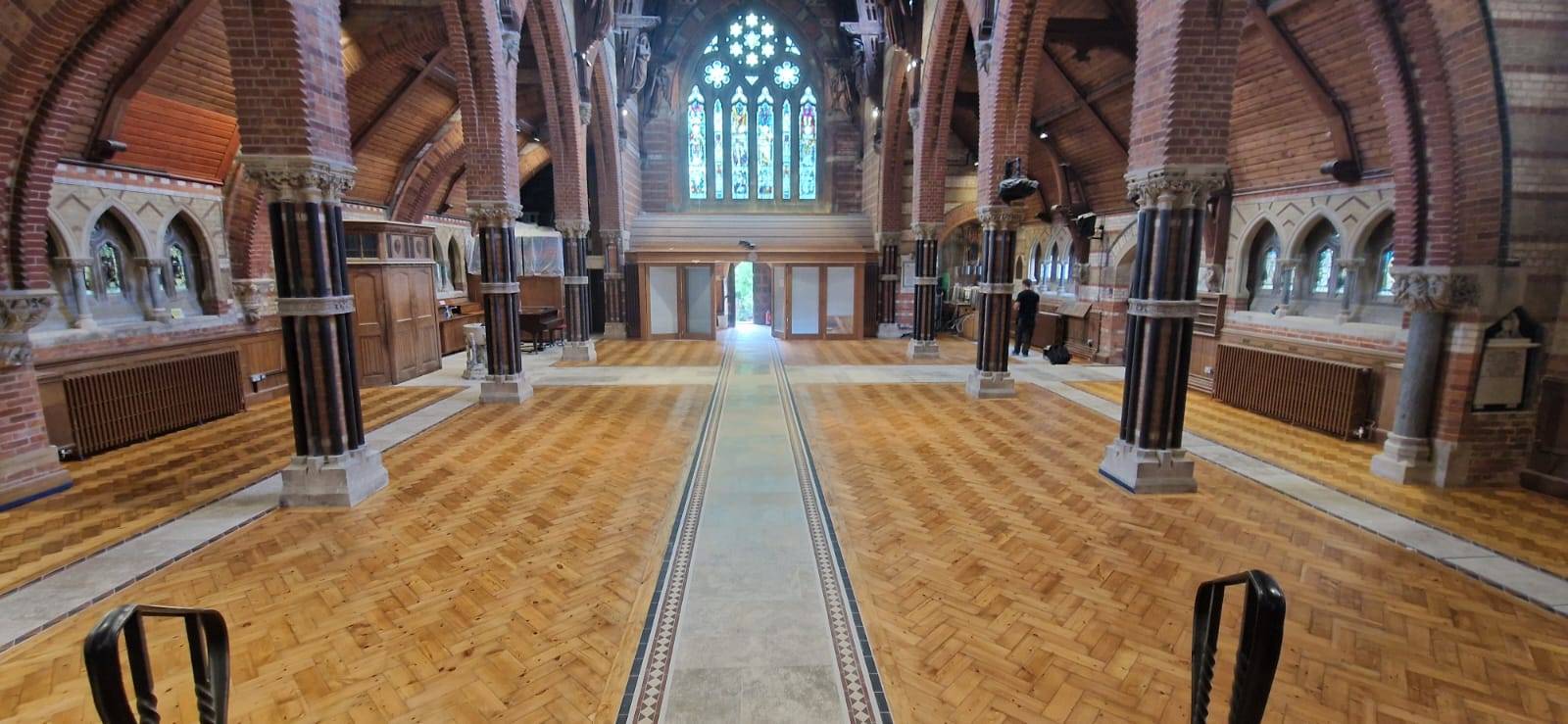
For us, the long drive to Hertford is easiest to justify on commercial floor sanding. Larger floor areas, fixed dates and work that has to fit around opening hours are exactly the kind of job we plan for. The list of premises is long: bars and dining rooms, hotel lounges, cafes and shops, then church halls and village halls, college and school floors, dance studios, gyms and full-size sports halls. Each calls for a different approach.

Hospitality floors take a beating from chair legs, grit carried in from the street and spilt drinks. For bars and dining rooms we usually suggest a fast-curing lacquer and work overnight or across a closed day, so the room is back in use with the least disruption. Our restaurant floor sanding page covers how we phase work in sections. Retail units are handled in a similar way, and shop floor sanding sets out the sequence.

Schools and colleges are generally done in the holidays, with dates held well in advance. Halls and gyms often need line marking afterwards, and the line marking for sports halls is our own work too, set out to governing body specification without a second contractor. School floor sanding explains how we fit around term dates.

Facilities managers usually want paperwork before anything else. We can send method statements, insurance certificates and references before any date is fixed. Footfall in a business wears a finish much quicker than family life does, so plan on resanding a commercial floor roughly every four to five years and keep it going between times with buffing and recoating. The main commercial floor sanding page lists the full range of premises we cover.

Parquet Blocks, Herringbone Patterns and Stairs

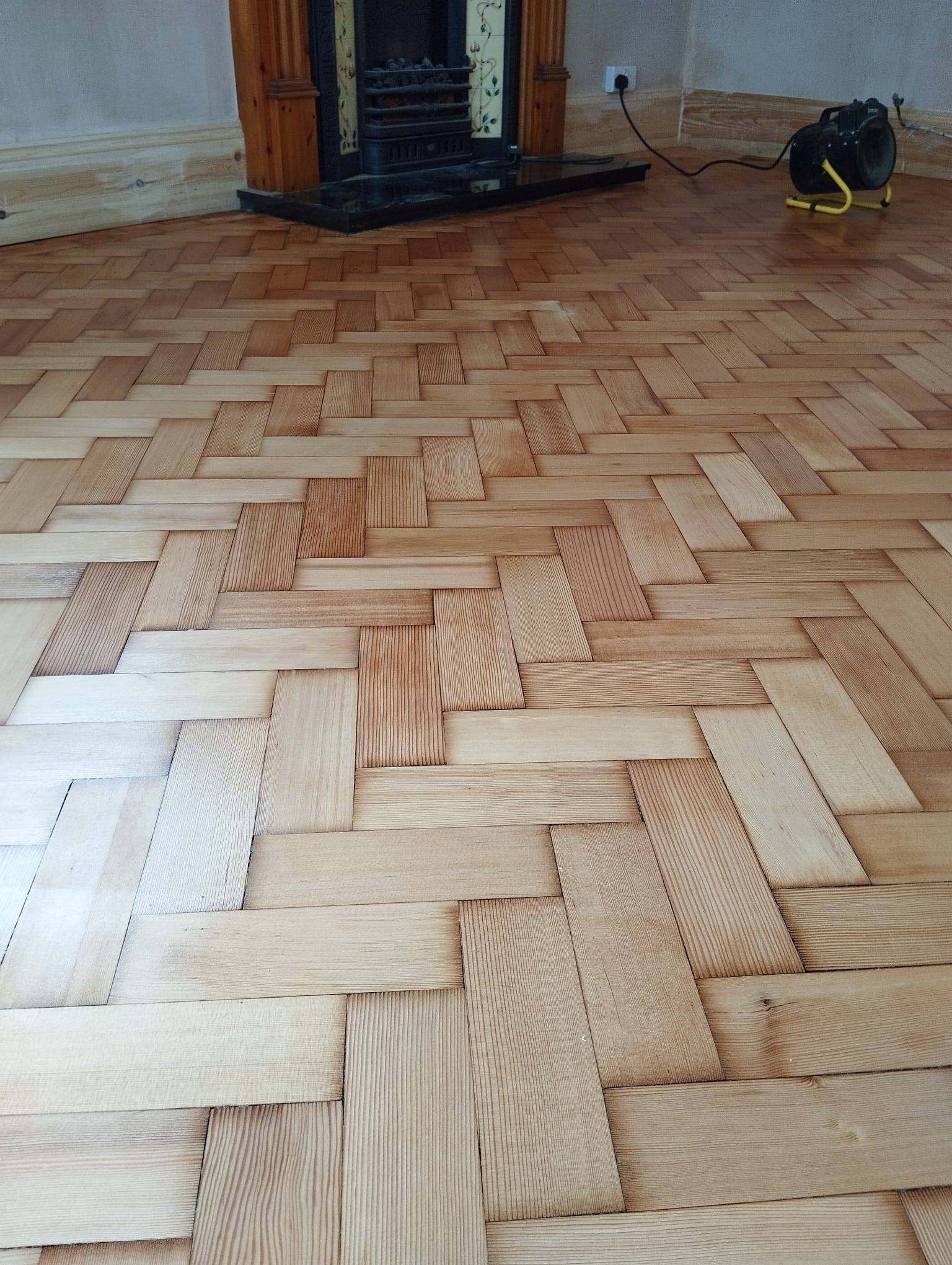
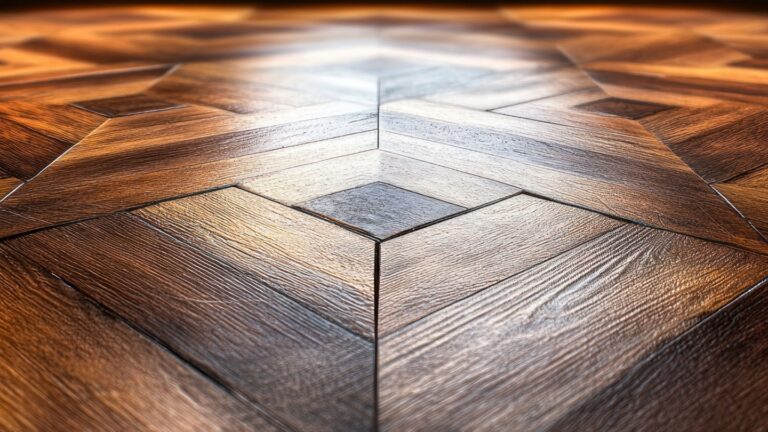
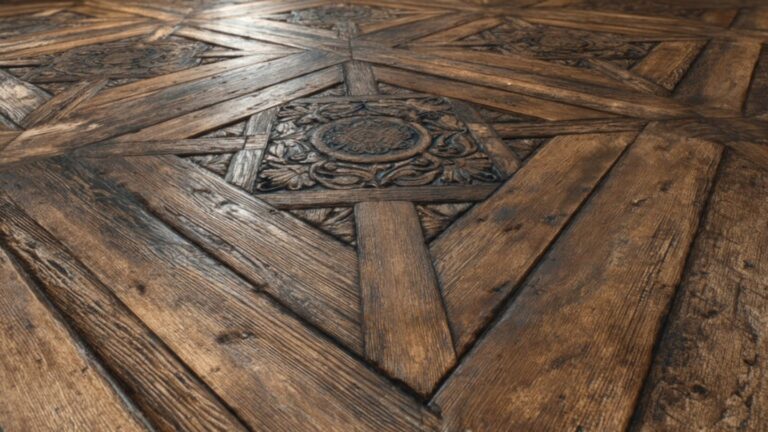
Parquet behaves differently from boards. Each block is a separate piece of timber, so wear, lifting and adhesive failure show up block by block. Before sanding a parquet floor we tap across the whole area to find hollow-sounding blocks, lift any that have come loose, clean off the old bitumen or adhesive and re-bed them. Missing blocks are replaced from reclaimed stock matched for species and thickness.

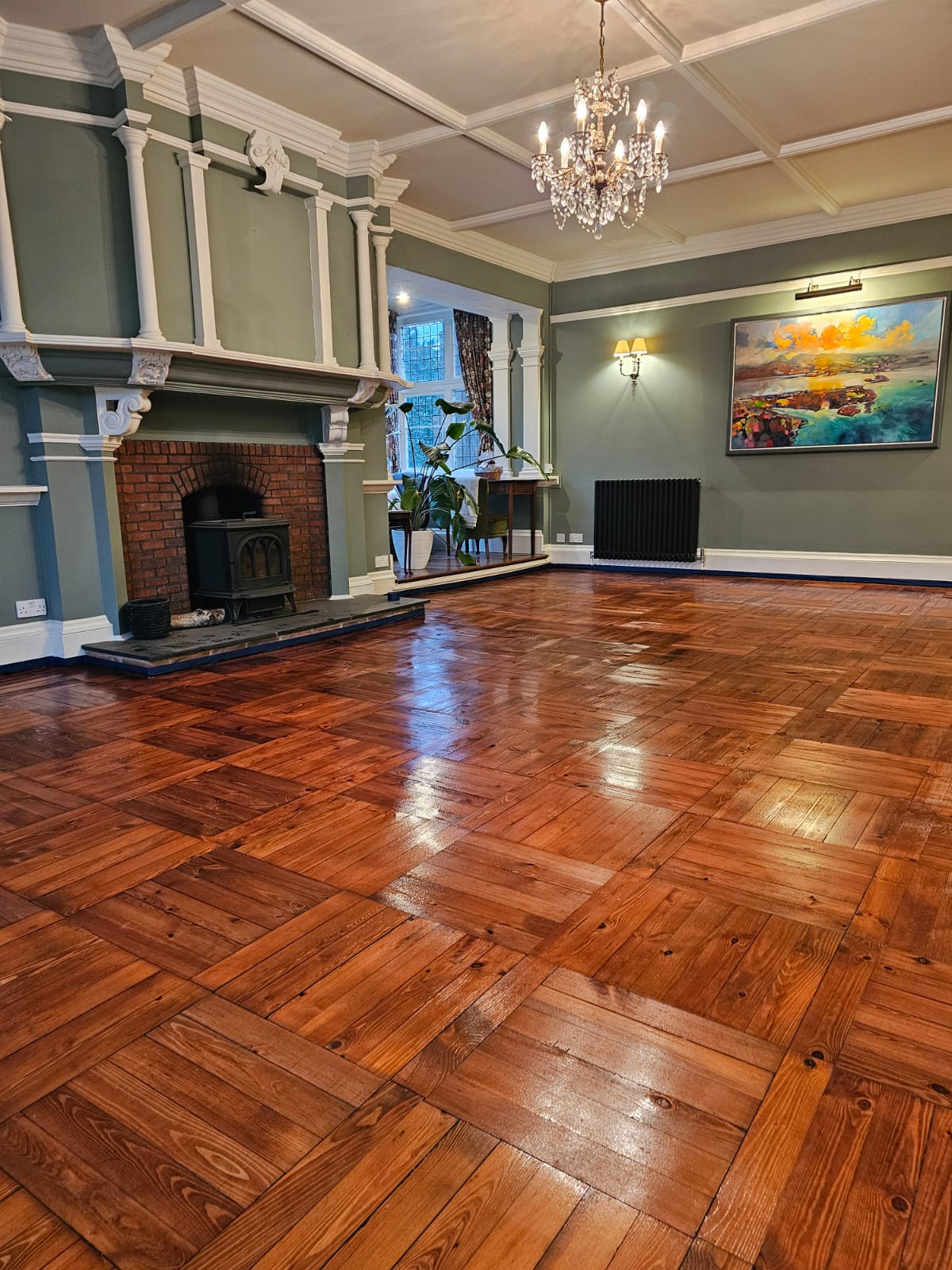
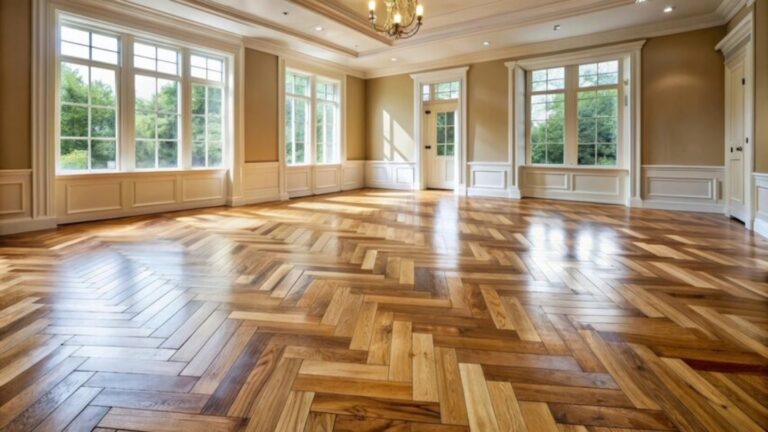
The sanding itself has to cope with grain running in two directions in a herringbone or basketweave layout, which means passes at an angle and a careful final pass to avoid swirl marks that only appear once the finish is on. Our parquet floor sanding page shows the process for herringbone parquet and other patterns.

Staircases are almost entirely hand and detail work. Treads, risers, nosings and the strings at each side are out of reach of the big drum sander, so the work is done with compact detail sanders, scrapers and abrasive paper. Painted strings and carpet gripper holes add time. Because a staircase is often the only way upstairs, we finish it in stages so it stays usable throughout. Stair sanding covers what to expect.

Wood floor sanding company
Floor sanding taunton

Aftercare, New Floors and Booking a Survey in Hertford

Walking on the floor in socks is fine roughly 24 hours after the final coat. Give it 48 to 72 hours before furniture returns, lifted rather than dragged, with felt pads under the legs. Keep rugs rolled up for a while longer, as a finish goes on curing for some days after it feels dry to the touch.

In a home, a floor sanded and finished properly should not need a full resand for eight to ten years. Before that point, a lacquered floor can often be refreshed with a light abrade and a fresh topcoat, which is what wood floor buffing (screen and recoat) involves. Oiled floors are kept up with a fresh coat of oil on the worn areas.

Sometimes a floor is past saving, or there was never a wooden floor there in the first place. New boards can be fitted by our own team, or delivered for your builder to lay, and we work with products from makers including Junkers and Bona. The wooden floor installation page has more on the options.

To start, email or upload a pair of pictures, one taken from the doorway and one of the most worn boards. Initial advice comes back by reply, and if the job suits we book a free survey. The quotation that follows is written and itemised, and we hold to it unless the agreed work changes. The quote form here takes photographs, or you can reach us through our contact page. For the rest of the county, see floor sanding across Hertfordshire, or the page on floor sanding in Bishops Stortford.

Questions About Floor Sanding in Hertford

Not for the right job. Our workshop is near Wellington in Somerset, so the Hertford work we take on is the bigger domestic kind, such as a whole ground floor or several rooms, plus commercial floors. For one small room the journey may be hard to justify, and we will say so plainly. Your photographs usually settle the question.

Possibly, but not until we know why. Some Hertford ground floors sit over damp ground near the rivers, and blocked airbricks make matters worse. At the survey we take moisture readings and check the ventilation beneath the floor. If the timber is too wet, we explain the cause and the order of work, so the floor is restored once it has dried and settled.

It depends on how much wood remains above the tongue or the nail heads. Solid boards that have never been machined can usually take several sandings, while a floor that was sanded hard in the past may only have one more left in it. A depth check at the survey tells us what is there, and the grit sequence is chosen to keep timber loss low.

Very little should. Our machines run with sealed extraction that draws dust into collection bags as the sanding happens, and we close off doorways to the rest of the house. We still recommend clearing ornaments and soft furnishings, since even the best extraction lets a little escape, but you should not find a layer of dust settling on every surface afterwards.

Usually, yes. Samples go down on your own boards first, since one stain may come out warm on oak yet uneven on pine, and different again on reclaimed boards. Show us the floor you want to match and we will prepare samples side by side so you can compare them in daylight.

That is how most hospitality work is planned. Overnight shifts and closed-day working are both possible. Where trade has to continue, the floor is split into sections, and fast-curing lacquers let each part reopen quickly. We fix the dates with you weeks ahead and keep them, and method statements and insurance certificates are available for your records.

Clear the room of furniture, rugs and anything else on the floor, and take down long curtains if they touch the boards. We will need a power supply and somewhere to park close to the door. If something heavy cannot be moved, tell us beforehand so we can plan around it or work the room in two halves.

Start with two pictures: a wide shot taken from the doorway and a close shot of the most damaged patch, sent by email or the form. Our initial advice comes back by reply, and a free half-hour survey is booked if the job suits. The written quotation then breaks the work down line by line and holds unless the scope changes.