45 years’ experience  ·  Rated 4.9 on Google  ·  Family-run, from our workshop near Wellington

45 years’ experience · Rated 4.9 on Google · Family-run

Floor Sanding and Wood Floor Restoration in Blandford Forum

Careful, minimal-intervention floor sanding for Blandford Forum’s Georgian houses and shops, with colour matched by testing stains on the boards themselves.

QUICK QUOTATION

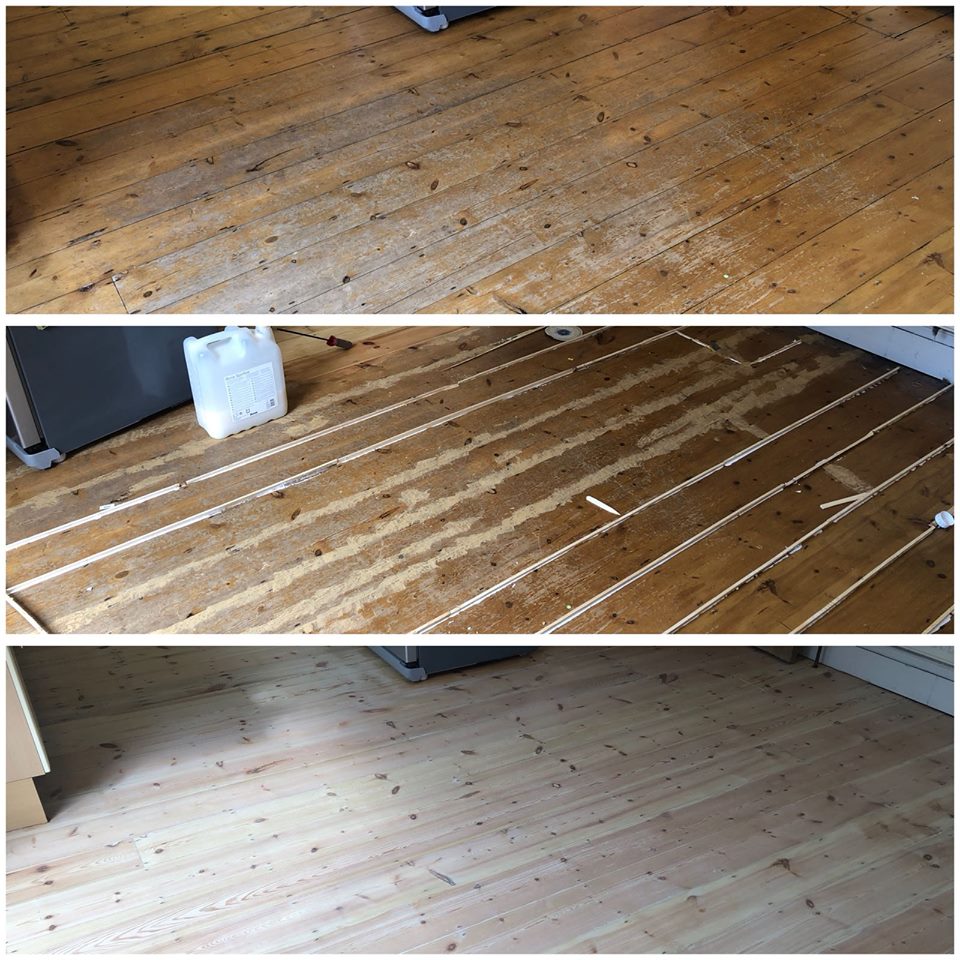
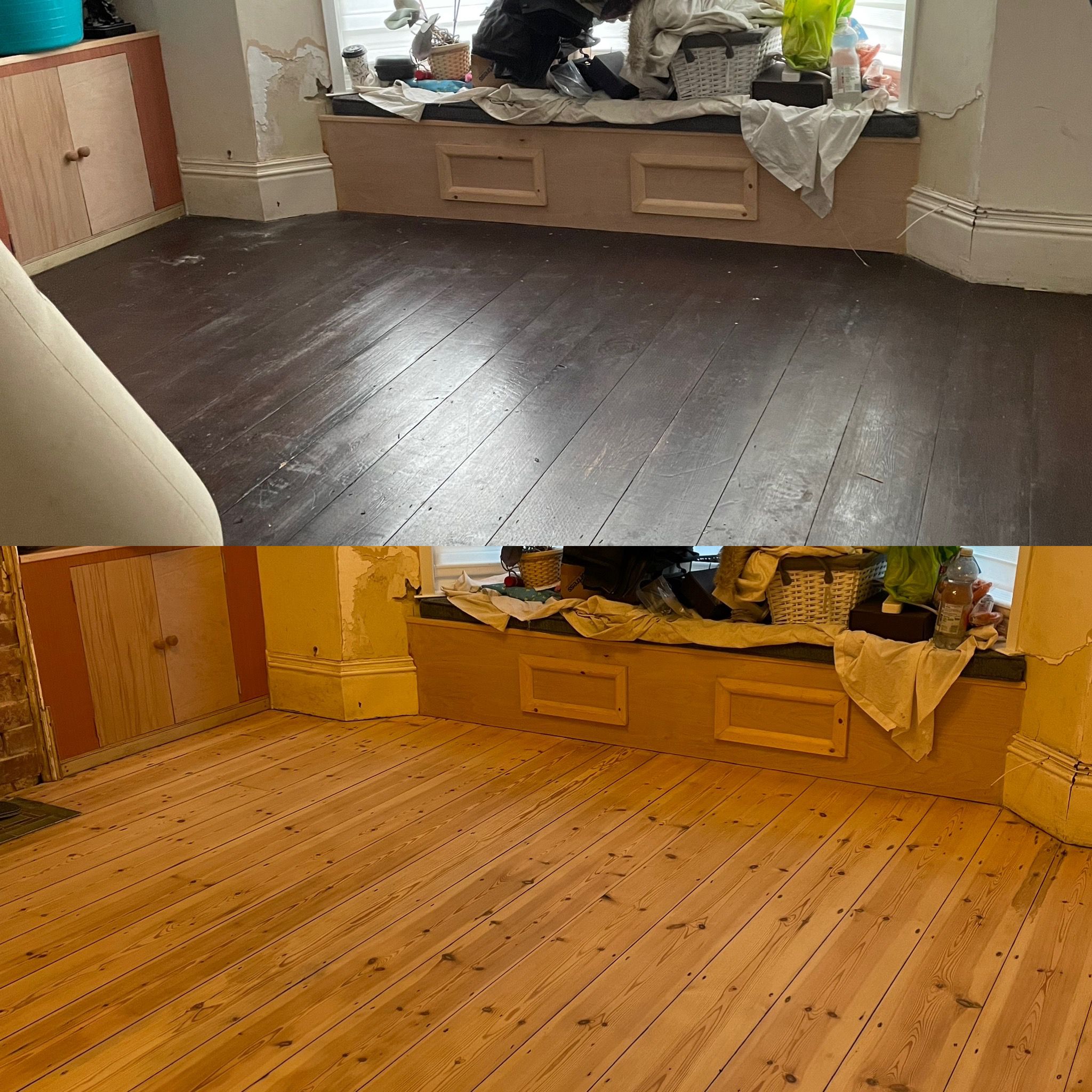
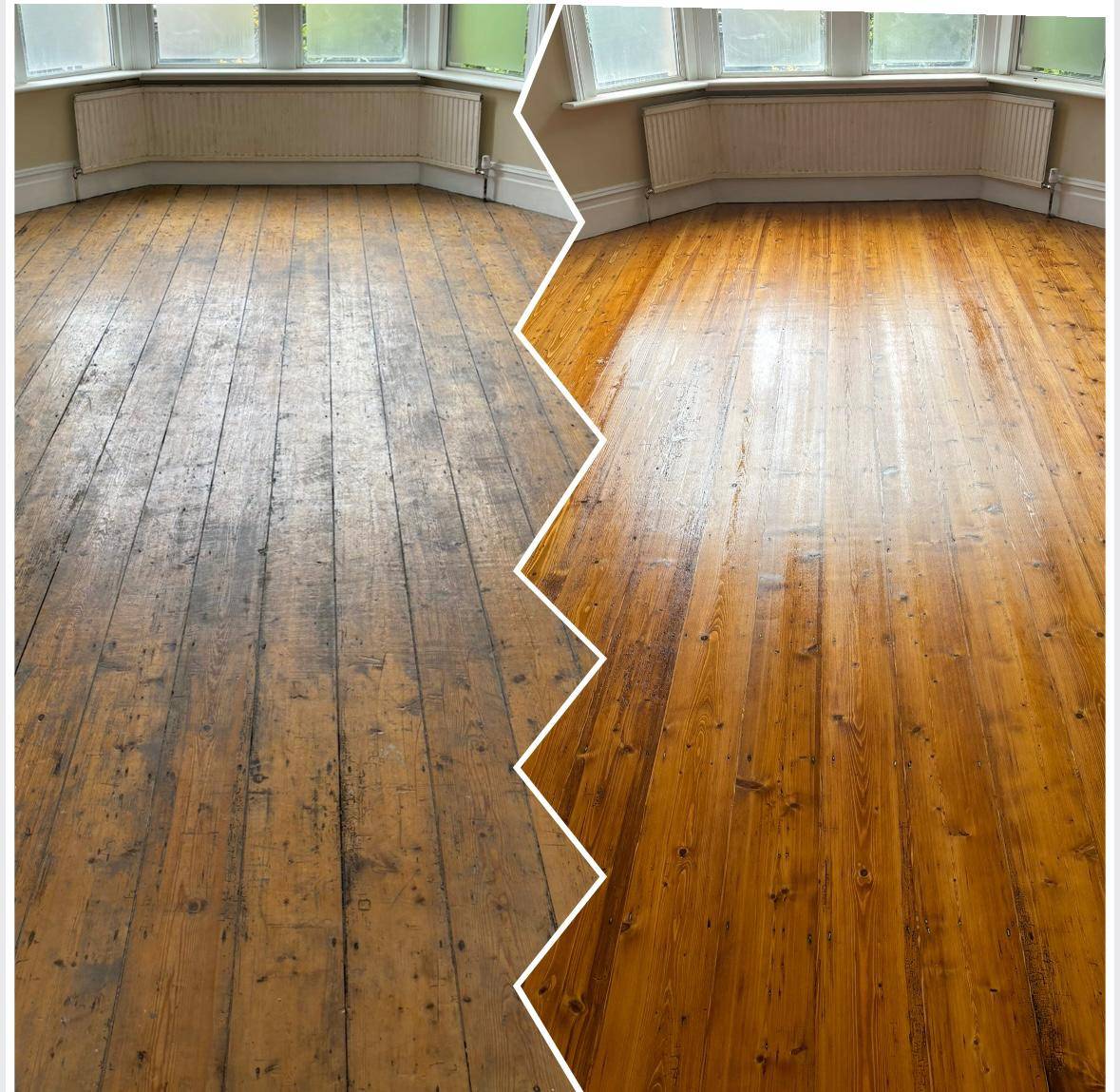
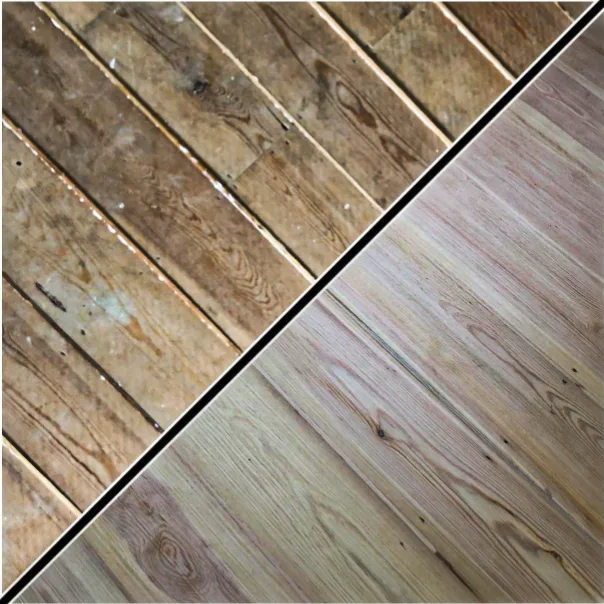
Floor sanding before and after

Floor Sanding in Blandford Forum's Georgian Town Centre

Blandford Forum is unusual among Dorset market towns because so much of its centre went up within a single decade. A fire on 4 June 1731 destroyed most of the town, and it was rebuilt over the following ten years in brick and tile, largely to designs by the local architects John and William Bastard. That rebuilt centre has survived remarkably whole. So when someone around the market place calls about a floor, the odds are good it was laid in the 1730s or soon after, often as broad deal boards on the upper storeys and occasionally oak in the best rooms, with skirtings, doors and a staircase of the same date. That shapes how floor sanding in Blandford Forum ought to be approached. The priority is keeping as much original timber, surface and character as possible, not making an old floor look new.

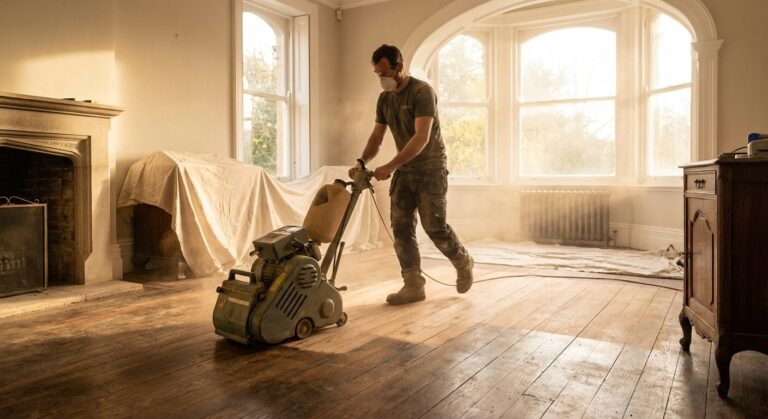
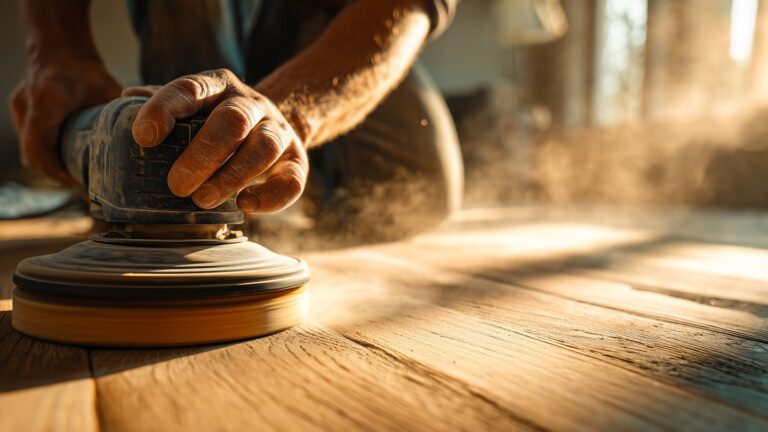
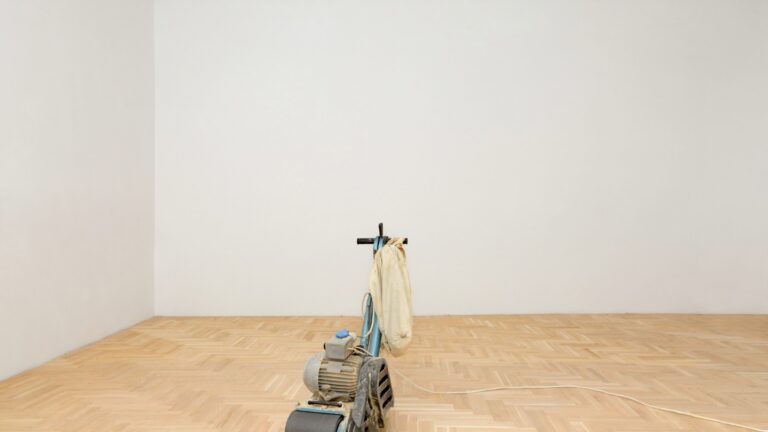
The practical work is the same as elsewhere: sanding machines with sealed extraction, an edger for the margins, hand scraping for corners and around old fireplaces and hearths. The difference is in the restraint. Fewer passes, finer grits where they will do, and a willingness to stop short of perfectly flat. Our floor sanding service explains the standard process, and dust-free floor sanding describes how the extraction keeps dust off cornicing, panelling and furniture, although no system is entirely without dust.

The town is firmly within our regular area. We are a family-run firm working from Higher Poole near Wellington, Somerset, and travel across Dorset often. For towns further afield, see the Dorset floor sanding overview; down towards Poole Harbour there is also floor sanding in Wareham. If you send a photo of the room and a second, closer one of the boards to the office, we can say what the floor is likely to need before anyone visits.
Minimal Intervention: Keeping Nearly Three Centuries of Surface

Old boards carry information that a sander removes for good. The colour that has built up over centuries, the shallow wear where doors have opened and people have stood, the slightly undulating surface of hand-sawn or adzed timber: all of it is part of why an early floor looks the way it does. Take a heavy drum sander to it with coarse grit, and in an hour you can have a floor that is flat, bright and indistinguishable from new softwood. For many owners of Georgian houses, that is precisely the wrong result.

Minimal intervention means doing the least work necessary to get the floor sound, clean and protected. Sometimes that means not sanding at all. A floor with a sound but grimy wax or shellac finish may simply need cleaning with an appropriate product, the old wax cut back by hand, and a fresh coat of wax applied and buffed. Where sanding is needed, it can be done with a lighter machine and fine abrasives, taking off old varnish and grime but stopping before the patina is gone. Uneven boards can be left slightly uneven, rather than ground flat by stripping away millimetres of timber that can never be put back.

Repairs follow the same thinking. A split board is glued and pinned rather than replaced; a missing section is pieced in with old timber of similar age and grain rather than a whole new board; holes from old pipework are plugged with matched wood. Original cut nails are left in place where they are sound. If a board must be replaced, we use reclaimed timber from our stock, chosen for colour and width, and where possible the original board is kept for re-use elsewhere in the house.

For owners of listed buildings in Blandford, it is worth talking to the conservation officer before any significant floor work. Applying for consent is the owner’s job, not ours. Our part is to describe on paper precisely which boards would be touched, how deeply, and with which repair method and finish, so the officer has something concrete to respond to. That makes conversations with the council more straightforward. The wood floor restoration page explains our approach in more detail.

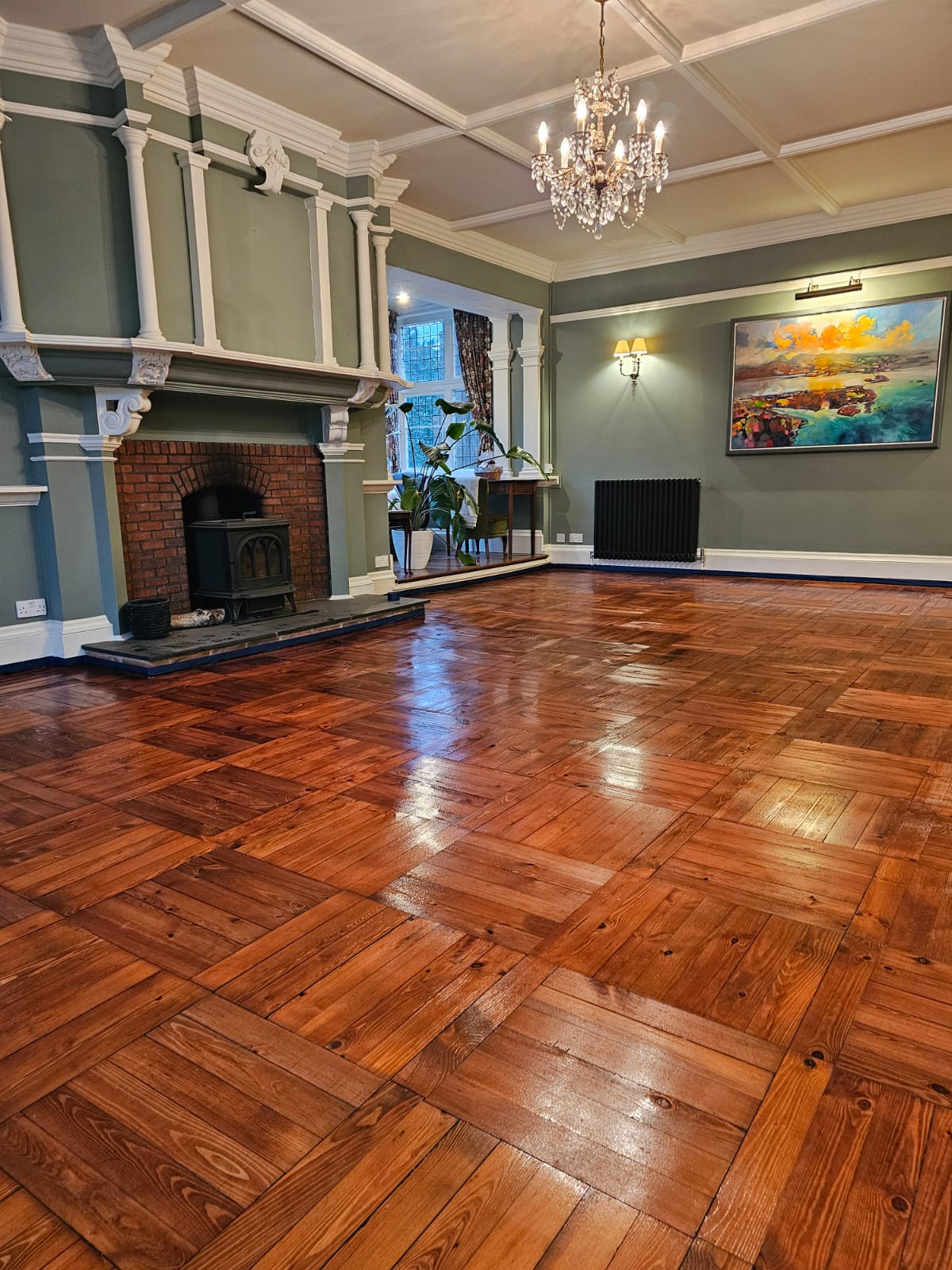
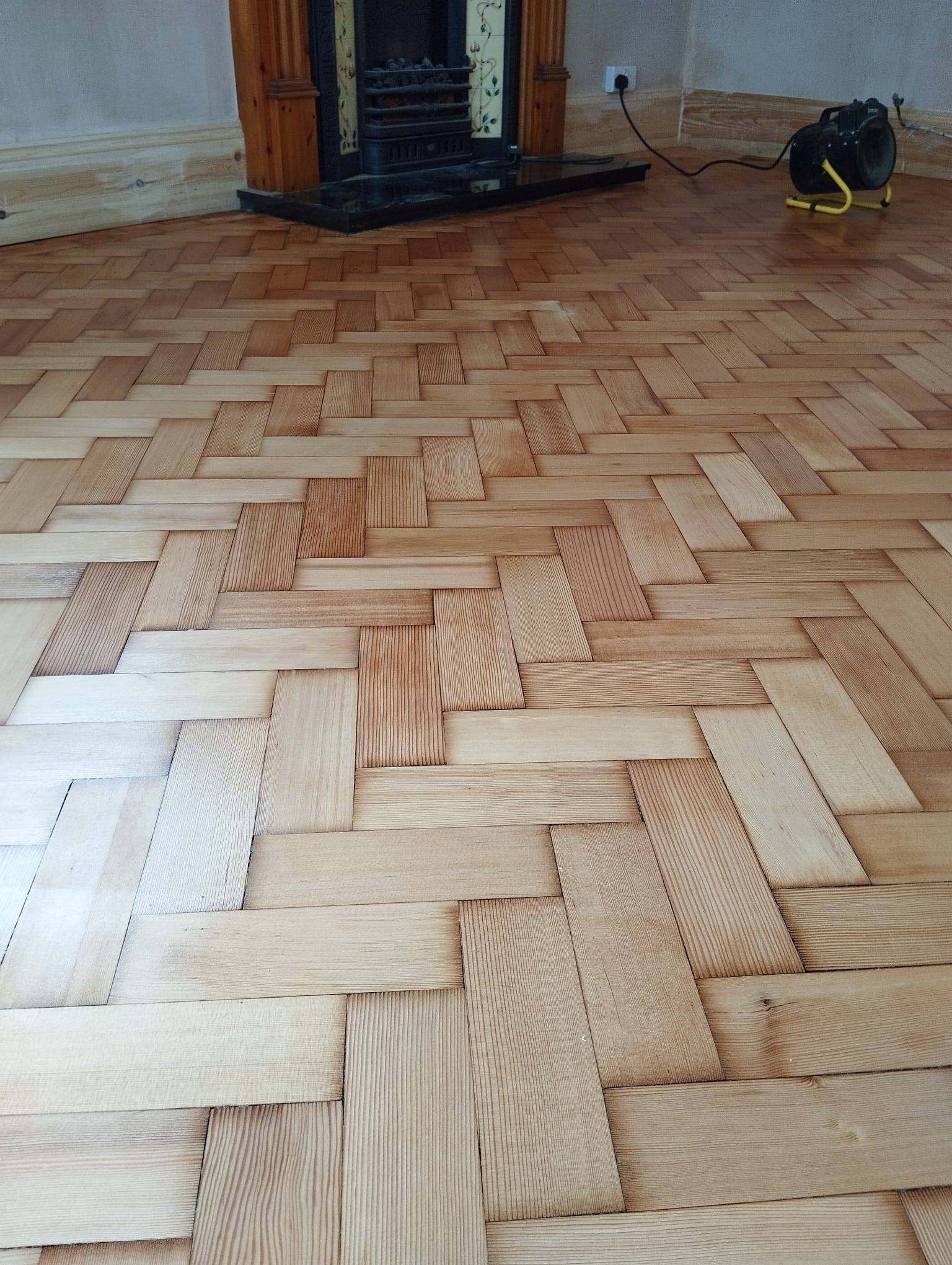
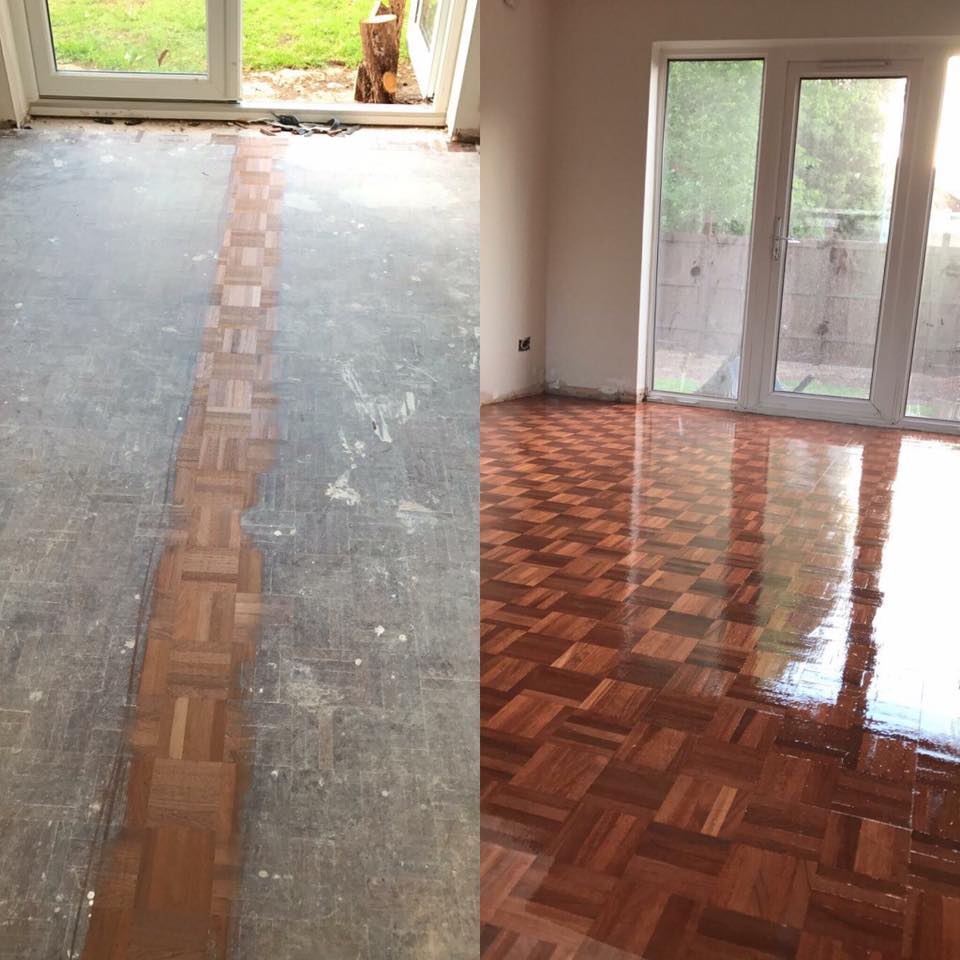
parquet wooden floor sanding
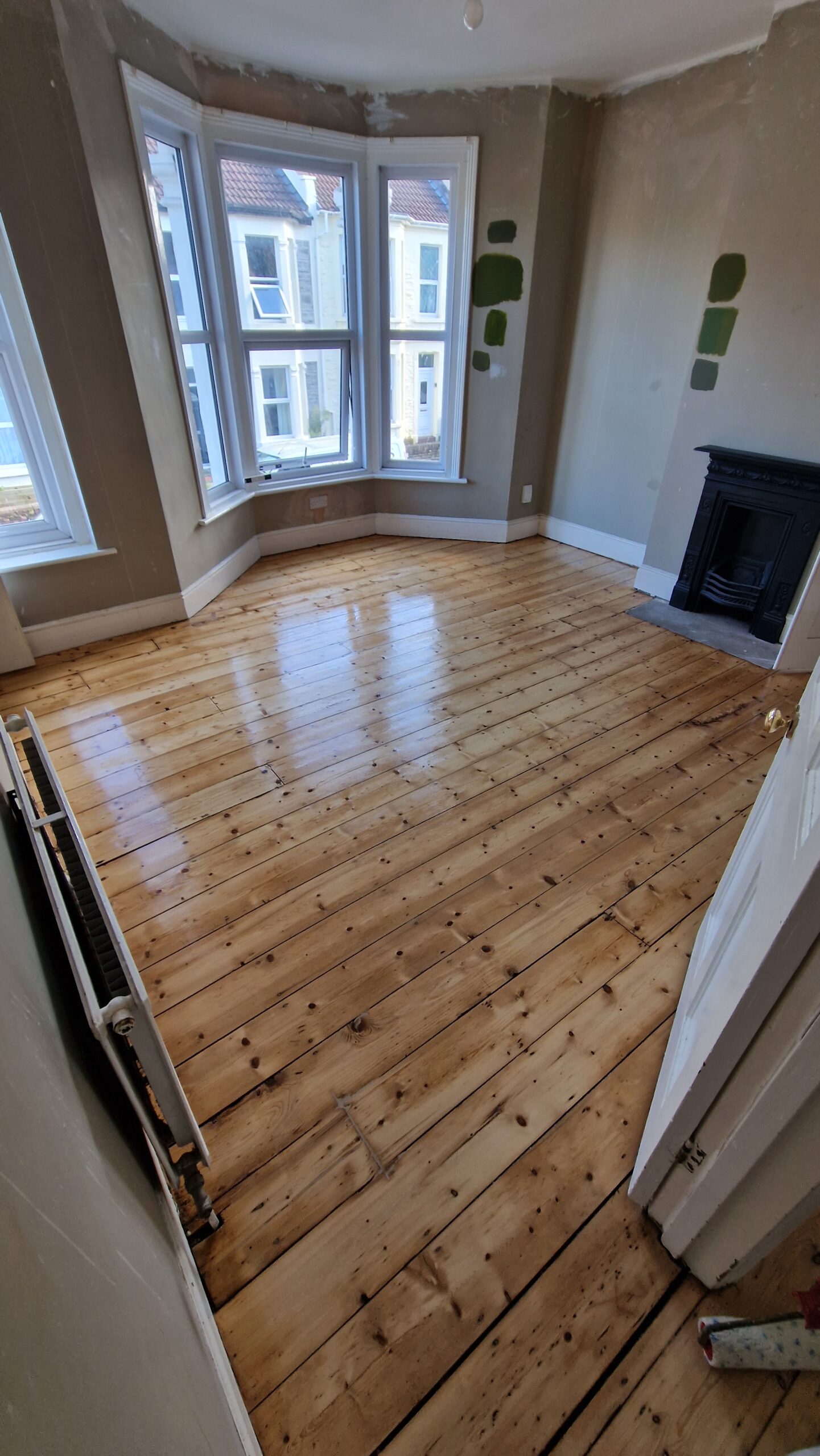
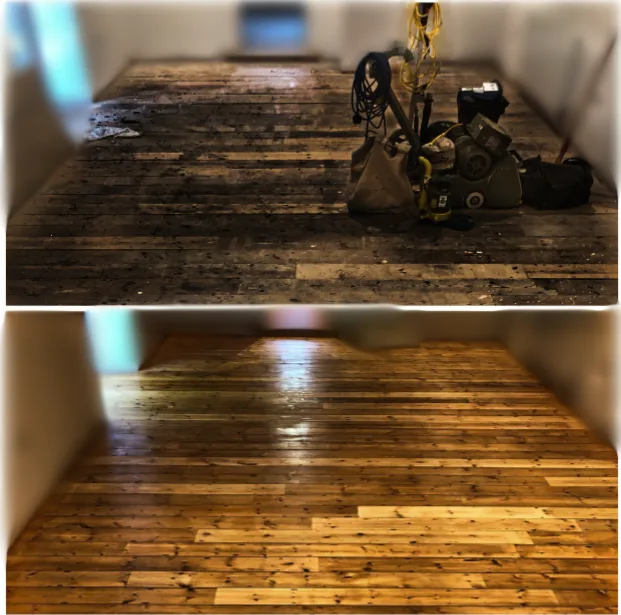
wooden floor sanding

Staining Old Boards to Match Without Losing the Grain

Colour is often the hardest part of working on an old floor. Sanding cuts back through the aged surface to fresh timber, which is usually much paler than the boards around it, and a newly sanded room next to a hall that has been left alone can look startlingly different. Patch repairs in old timber show the same contrast. Staining is the tool for closing that gap, but it is easy to get wrong.

Pine and other softwoods take stain unevenly. Each growth ring has a soft, open earlywood band and a denser latewood band, and stain soaks into the soft part far more readily. Without care, the result is a stripey, blotchy floor where the grain pattern is exaggerated and the overall colour too dark. Oak is more predictable, but it varies between boards and between quarter-sawn and plain-sawn timber, and the fresh surface takes colour differently from wood that has had a century of exposure to light.

The only reliable approach is to test on the floor itself. Small patches of stain are applied to an inconspicuous area, such as a board under where a sideboard will stand or a corner by the door, then finished with the intended topcoat. The colour of stain in the tin bears little relation to how it looks on old pine under a lacquer or oil. Several trials may be needed, sometimes with the stain diluted or a different product. In some cases a conditioner or a first coat of thinned finish helps the softwood take colour more evenly. The wood floor staining page describes the options.

Often the best result on an old floor comes not from a strong stain but from a warm oil or oil-based lacquer that deepens the tone without masking the grain. That is a gentler intervention and easier to repair later. Natural oils are covered on our floor oiling page. For those who want a traditional look, a wax finish, covered on the floor waxing page, has the softest sheen of all, and a polished wax floor, described under wood floor polishing, suits Georgian interiors particularly well. Lacquers are the alternative where wear is heavy, and wood floor sealing explains the choices from water-based to two-component.

Wood Floor Restoration in Blandford Forum: Oak, Pine and Parquet

Wood floor restoration in Blandford Forum covers far more than the Georgian houses in the centre. The town has Victorian and Edwardian terraces, interwar houses with oak strip or parquet floors, and modern estates with engineered oak. Each needs a different hand.

Old softwood boards in the town centre are typically wide and may be thinner than they look from above, especially if they have been sanded before or were planed only on the top face when laid. A survey checks the remaining thickness and the fixings, which may be original cut nails. Pine floor restoration covers what can be done with softwood that has had a long life.

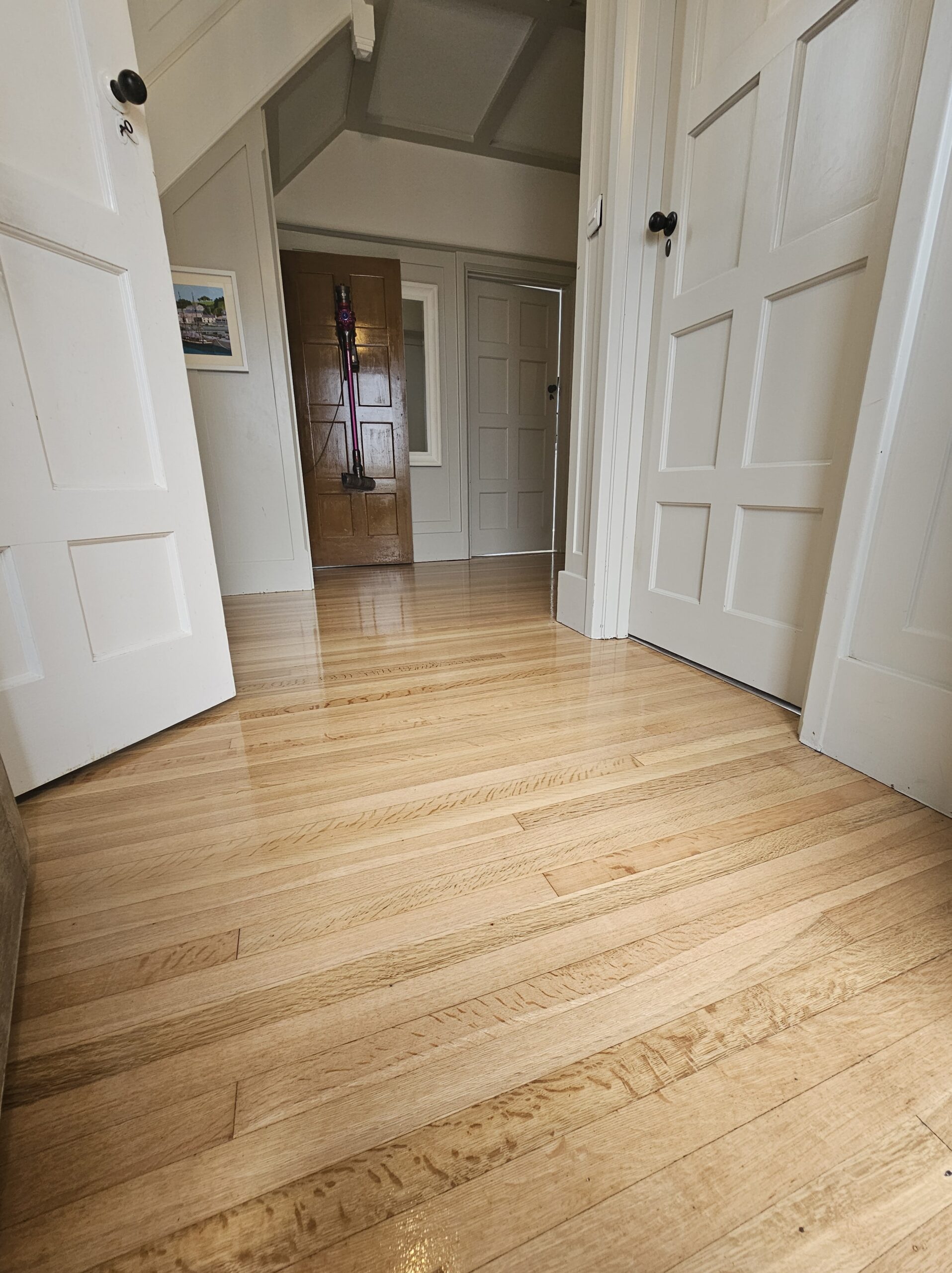
Oak floors are generally more forgiving and can often take a full sand even when badly marked. Dark spots where water has reacted with the oak’s tannin, rings from plant pots and grey areas from wear can usually be reduced, although black staining sometimes goes deeper than any sanding will reach. Oak floor restoration explains what can be achieved.

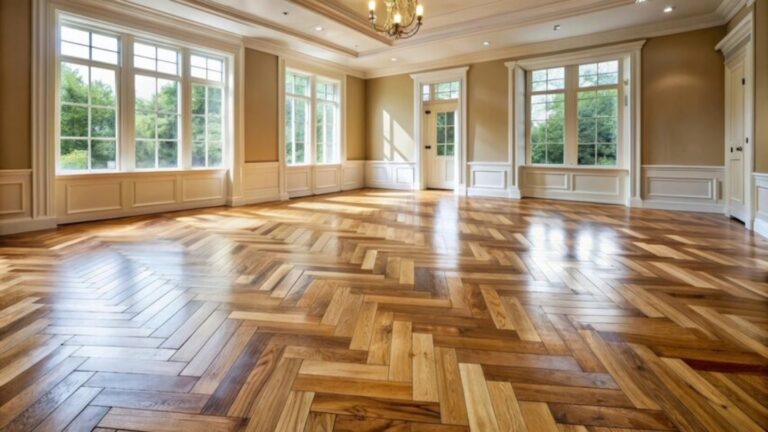
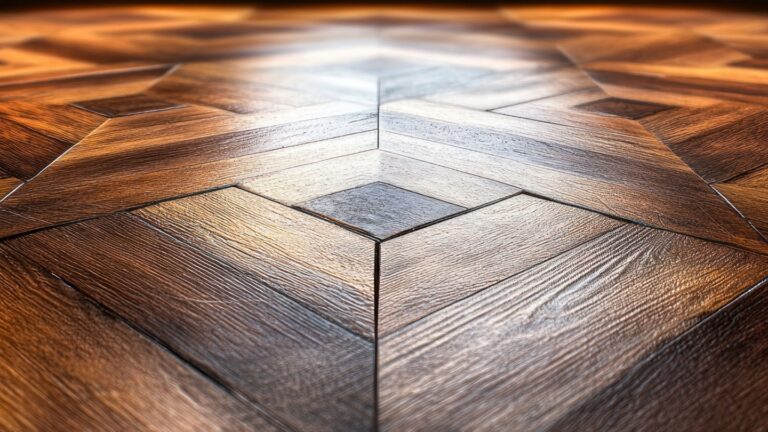
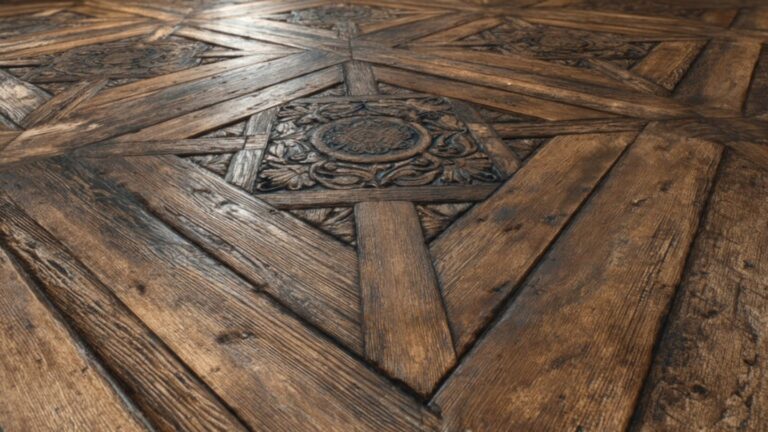
Parquet floors in Blandford tend to come from the twentieth century, usually herringbone or basketweave in oak, laid on bitumen. Blocks come loose over time and need re-fixing before sanding, and any missing ones can be replaced from reclaimed stock. With blocks pointing two ways at once, no single sanding direction follows the grain everywhere, so the opening passes go corner to corner and a planetary or orbital machine polishes out the swirl. Parquet floor sanding goes through the process for herringbone parquet in detail.

Georgian staircases need particular care. Many are original, with fine balusters, carved brackets and handrails worn smooth by generations of hands. Treads are often oak or pine with a dished centre. Treads on a stair like that are taken back gently, mostly by hand, preserving the moulded nosing and some of the softening that centuries of feet have produced. Painted strings are best left untouched, since early paint layers can contain lead and should not be sanded casually. Our stair sanding page explains the approach.

flooring sanding company
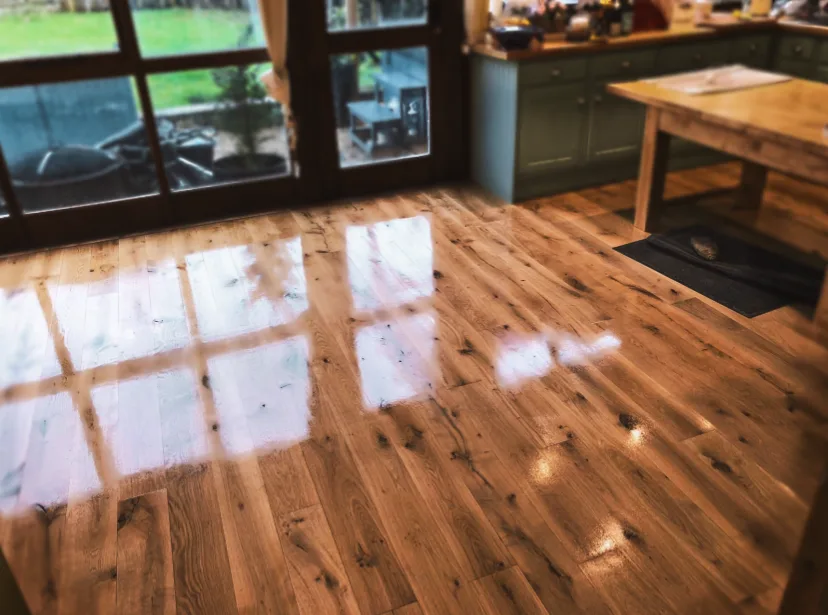
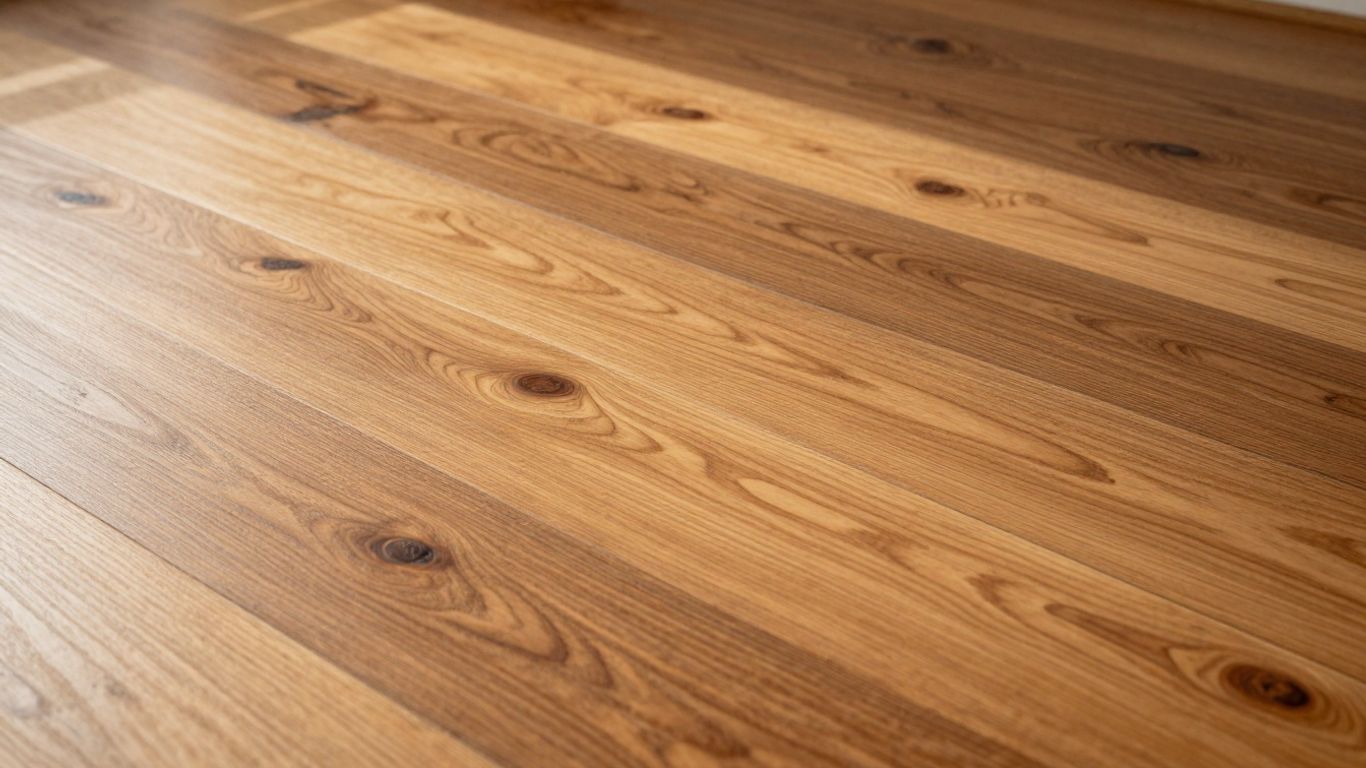
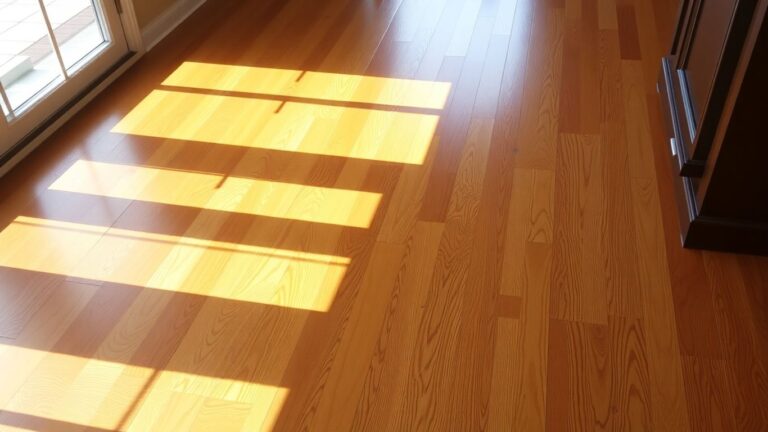
Sunlight across freshly lacquered wooden floorboards

Board Repairs, Gaps and Creaks in Older Blandford Houses

In a house of this age, almost every floor has been lifted at some point for gas pipes, electric cables, central heating or plumbing. That leaves short boards, mismatched patches and sometimes plywood or hardboard where a board was not refitted. Wooden floor repairs restore the floor to a sound state before any finishing. Loose boards are refixed, split ones glued and pinned, and badly damaged sections cut back and pieced in.

Matching old boards is a skill. Georgian floors may use widths of ten or twelve inches or more, and thicknesses that do not match any modern product. We keep reclaimed timber of various ages and sizes at the workshop for this, and choose replacements by width, thickness, species and colour. The floorboard replacement page explains how they are fitted.

Gaps are a feature of old floors. Boards shrink over centuries, and on the ground floor they let draughts through from the void below. They also collect dirt that sanding reveals. On a floor of this age, our preference is either to leave the gaps alone or to glue in fine timber slips, which flex with the boards and could be taken out again by a future restorer; hard resin offers neither advantage. The gap filling page compares the methods.

Creaks and squeaks are less of a conservation concern but still annoying. They come from loose nails, worn tongues or joists that have shifted. Where possible, boards are refixed with discreet screws or new nails rather than lifting large areas. Squeaky floor repair explains how. Light scratches that do not justify a full sand can sometimes be dealt with locally, and wood floor scratch repair shows when a spot repair is enough.

Commercial Floor Sanding in Blandford Forum: Shops, Pubs and Offices

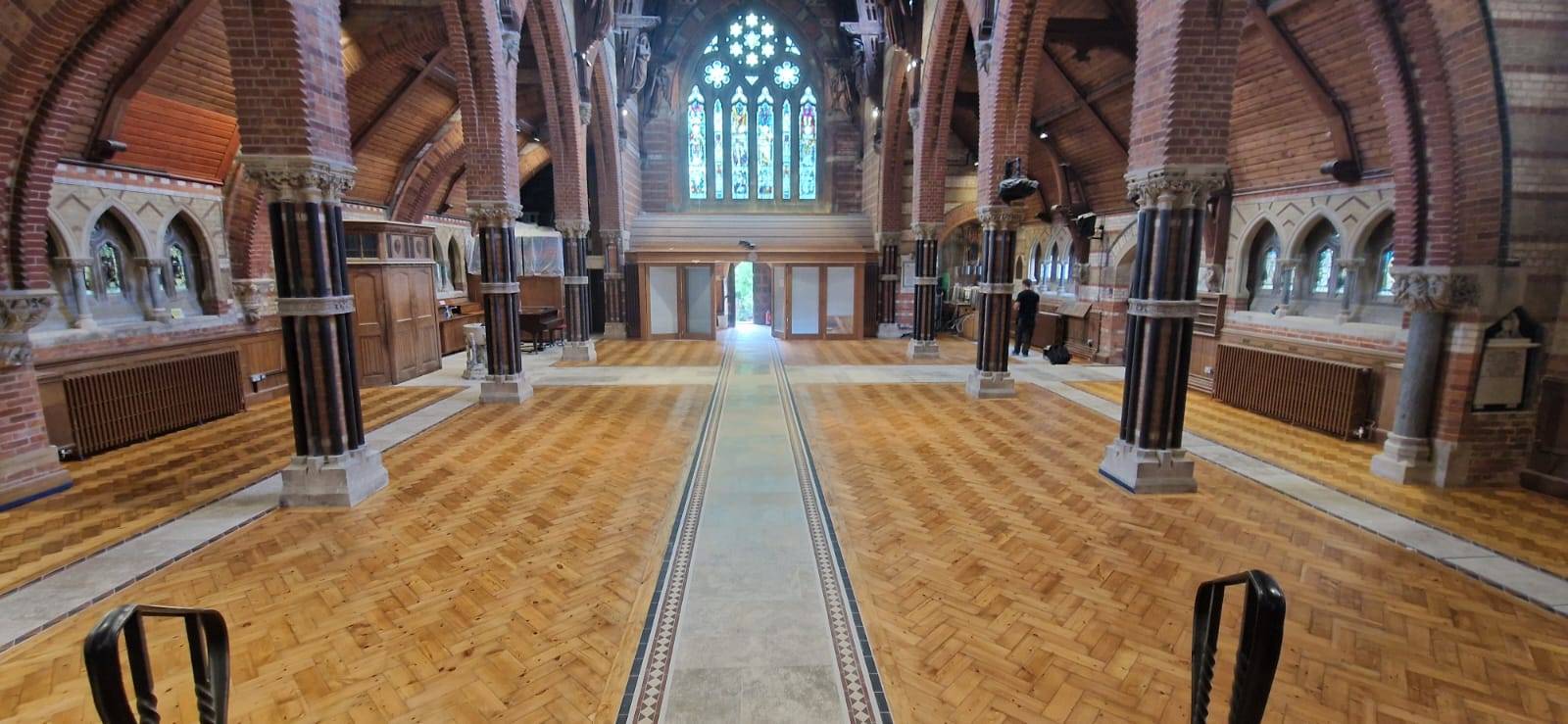
Commercial floor sanding in Blandford Forum often takes place inside historic buildings. Shops on the market place, pubs and hotels, restaurants, offices and community halls may all have old timber floors, and the work needs to balance the demands of a busy business against the character of the building. Our commercial floor sanding service plans for both.

Timing is everything. Retail units are usually sanded between closing one evening and opening the next morning, dining rooms on the night of the week they are shut, and offices from Friday evening to Monday. Fast-curing finishes allow the premises to reopen on time, and dates are agreed in advance and kept. For shops, the concern is grit from the street and the steady wear from the door to the counter, which shop floor sanding covers. For pubs and restaurants, spills and furniture movement call for a two-component lacquer, as explained on the restaurant floor sanding page. Hotels and guest houses can be done room by room, so the business stays open, which hotel floor sanding covers.

In a historic commercial building, the same principle of minimal intervention applies where appropriate. A heavily used pub floor needs a tough finish, but the boards can still be sanded gently and stained to suit the room rather than ground flat. Where there is a conservation interest, a written specification can be drawn up to share with the conservation officer.

For managers, landlords and insurers, we can supply method statements, insurance certificates and references. Expect to bring a busy shop or bar floor back to bare wood about twice as often as a house, so every four or five years.

Wood floor sanding company
Floor sanding taunton

Caring for an Old Floor Afterwards, Fitting New Ones and Booking a Visit

Most homes take one to three days. Old floors needing extensive repair can take longer. After the final coat, socks can be worn on the floor after about a day; furniture goes back after two to three days. Rugs should wait a little longer.

Grit is the main enemy of an old restored floor, so brush or vacuum it frequently. Wash with a neutral pH cleaner on a mop wrung almost dry, put felt under chair feet, and keep steam cleaners well away from historic timber. Waxed floors need occasional rewaxing; oiled floors need maintenance oil; lacquered floors can be refreshed with buffing and recoating before they wear through. Looked after like that, a family room will usually last eight to ten years between sandings, and a quiet first-floor drawing room in a Georgian house often outlasts that comfortably.

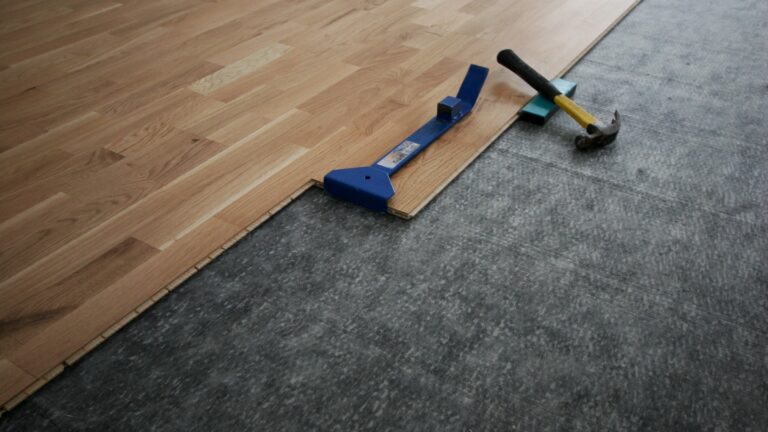
Not every room in an older house has timber worth keeping; a later kitchen extension, for example, may have a concrete slab. Such rooms can be given a new timber floor, Junkers and Bona being two of the ranges available, which we either fit ourselves or deliver for your builder. See wooden floor installation.

With old boards, pictures tell us a great deal. Email info@ryansrestoration.co.uk a view across the room together with a close-up of the surface, or speak to the office on 01823 674562, which is staffed Monday to Friday from 8am to 6pm, with Saturday visits by arrangement. A free survey of roughly thirty minutes follows, looking at how much timber is left, moisture levels, airflow beneath, any damp and past patching. You then receive the work broken down in writing, and those figures stand unless the plan changes. You can also use our contact page.

Blandford Forum Floor Sanding FAQs

Yes, and on most early floors that is the right brief. It starts with cleaning to see what is really there, then the lightest sanding that will do the job, using fine abrasives and stopping while the aged colour survives. Repairs are pieced in rather than whole boards swapped, and a wax or oil finish keeps the soft, mellow look old timber should have.

No, that application has to come from the owner. What we can do is set out in writing exactly how the floor would be treated: which areas are sanded and with what grit, how repairs are made, and which finish goes on. Having that written down tends to make the conversation with the council a good deal simpler.

Often it can, but only by trial on the boards themselves. Small squares are laid out somewhere discreet, each one sealed with the topcoat you have chosen, and adjusted until one sits comfortably beside the untouched floor. Sometimes a warm oil alone gets closer to an aged tone than any dye, and it is a gentler thing to put on historic timber.

Each growth ring in pine has a soft, spongy band and a hard, resinous one. The soft band soaks up dye much faster, so the figure becomes exaggerated and the colour patchy. Diluting the stain, using a conditioner first or switching to a tinted oil all reduce that effect, and test patches show which works on your particular boards.

When a board really is beyond saving, a replacement comes from our reclaimed stock, picked to sit as close as possible to its neighbours in width, depth and tone. On an early floor, though, swapping is the last resort. Splits can be glued, short damaged lengths pieced in with old timber, and the original board kept wherever it can still do its job.

Very little should. The sanders and edgers all draw through sealed extraction, which catches the vast majority of what they produce. A trace of fine dust can still settle, so delicate ornaments, paintings and anything with open shelving are best moved or covered, while cornices, panelling and shutters are normally left untouched and simply wiped down afterwards.

Usually, yes. A market place shop can often be done between closing time and the next morning, and a pub across a quiet weekday after last orders. Quick-curing finishes keep the gap short, and the date is fixed well beforehand. For a bar or dining room, a two-pack lacquer stands up to spills and chair legs far better than a domestic finish.

Ring 01823 674562 during weekday office hours, or email a couple of photographs to info@ryansrestoration.co.uk, ideally a wide view and a close-up showing the boards and any old finish. A short free visit is booked next, and once we have measured and checked the floor, a written itemised quotation is sent to you.