45 years’ experience  ·  Rated 4.9 on Google  ·  Family-run, from our workshop near Wellington

45 years’ experience · Rated 4.9 on Google · Family-run

Floor Sanding and Wood Floor Restoration in Dorset

Sanding, repairs and finishing for Dorset homes, hotels, schools and halls, from the Purbeck coast to the Blackmore Vale and Christchurch.

QUICK QUOTATION

Floor Sanding Taunton

Floor Sanding in Dorset: One County, Many Kinds of Floor

Dorset shares a long border with Somerset, and the road from Higher Poole, by Wellington, reaches Sherborne, Bridport or Blandford well before mid-morning. Floor sanding in Dorset takes us from thatched cottages in the west to Edwardian villas in Christchurch, and from limestone farmhouses to school halls and seafront hotels. The county is compact on the map, yet its buildings change character every few miles, and that is why the first look at each floor matters so much.

We keep separate pages for the Dorset towns that generate the most enquiries. In the west, near the Devon border, there is floor sanding in Lyme Regis and floor sanding in Bridport. In the north, floor sanding in Sherborne, floor sanding in Shaftesbury and floor sanding in Sturminster Newton. On the south coast, floor sanding in Weymouth, floor sanding on Portland and floor sanding in Swanage, with floor sanding in Wareham close by. Towards the east are floor sanding in Blandford Forum, floor sanding in Wimborne and floor sanding in Christchurch. The villages scattered between them are every bit as much part of our patch.

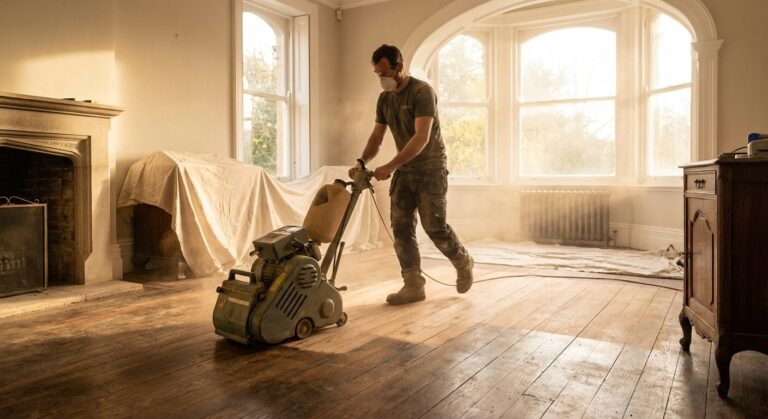
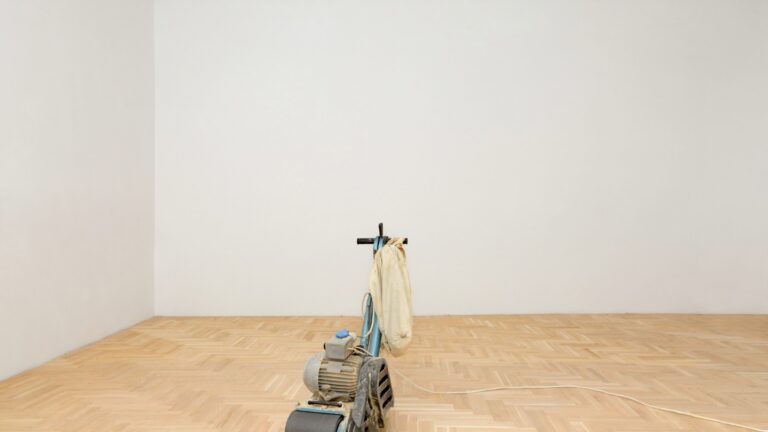
The method does not change from town to town, only the emphasis. The room is emptied and walked over slowly, feeling for proud nail heads, carpet staples, boards that rock and old screws. Structural mending comes before any sanding, since a loose board under a drum machine is how gouges happen. The cutting then steps down from a coarse paper to a fine one along the grain, the perimeter is taken back with a rotary edger, and the last few inches in corners and under radiators are scraped by hand. A floor that has seen the sanders before, or one with thin boards, gets a much shorter coarse stage. Hoses from each machine run to a sealed collector, which is the principle behind dust-free floor sanding, and the detail on machines and grit choice sits under wood floor sanding.

Looking for a particular town? See floor sanding in Bournemouth, floor sanding in Poole, and our pages for Dorchester and Weymouth.
From Purbeck Stone to Blackmore Vale Clay: Reading a Dorset Building Before Sanding

Few English counties pack in as many building stones as Dorset. Purbeck limestone gives the Isle of Purbeck its grey walls and stone-slab roofs. Portland stone comes from the quarries on Portland itself. Warmer, honey-coloured limestones appear in the west and north-west of the county, around Sherborne and the villages towards the Somerset border. On the flat clay of the Blackmore Vale, drained by the Stour, brick and older timber-framed or cob cottages are more common than dressed stone, while the heathland sands and gravels of the east carry much of the county’s Victorian, inter-war and modern housing around Bournemouth and Poole. For wood floor restoration in Dorset, each of those landscapes suggests a different list of things to look for when the carpet comes up.

In the stone villages of Purbeck and the west, thick solid walls and houses altered over centuries often mean broad old boards upstairs and a mix of flagstones and later suspended timber floors at ground level. Those upper boards may be elm or oak, sometimes remarkably wide, and they want lighter machines and a restrained approach so the surface keeps its age. Listed status puts consent in the owner’s hands; our part is a short written specification the conservation officer can read, covering the boards to keep, the mending method and the proposed oil or wax. Restoring old oak of this kind is covered under oak floor restoration.

The Blackmore Vale tells a wetter story. Clay holds water through the winter months, and older houses on it often have suspended floors that rely on a draught of air beneath them. Where that air has been cut off by raised paths, a later porch or vents choked with soil, the evidence appears along outside walls: darkened board edges, a give underfoot near the skirting, and sometimes the small round holes left by woodworm in damp timber. In a Vale farmhouse the meter and a torch at the vents come out before anyone mentions finishes. Timber that has gone soft is cut back to sound joists and new lengths let in from our reclaimed stock, as explained under floorboard replacement.

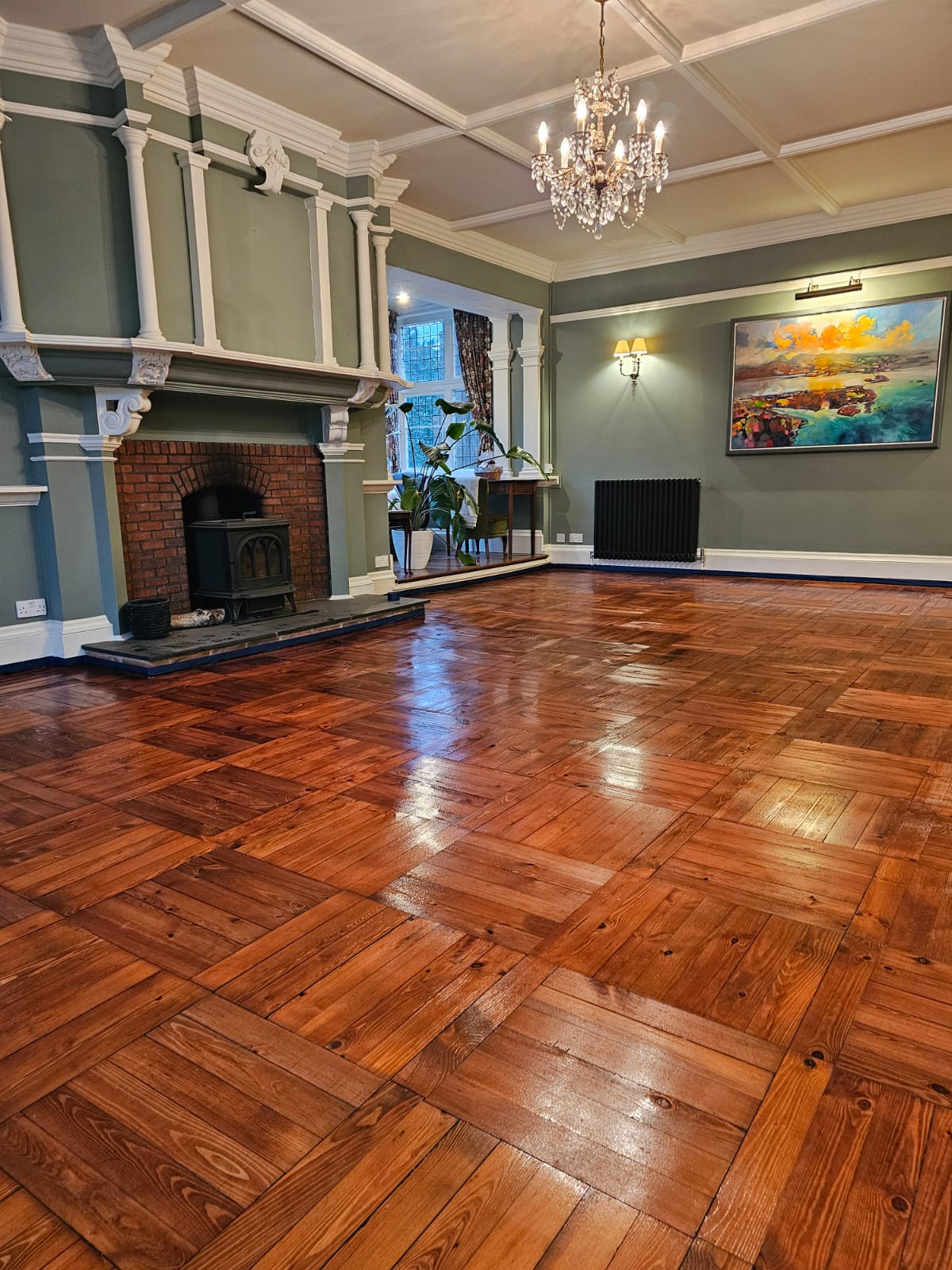
The eastern towns bring their own mix: Victorian and Edwardian pine, woodblock halls in 1930s houses, and engineered boards in newer estates. Pine floor restoration there tends to turn on gap work, old fixings and choosing a finish that will cope with a busy household. All of these threads come together under wood floor restoration, but the order of priorities shifts with the building.

Floor sanding south east London
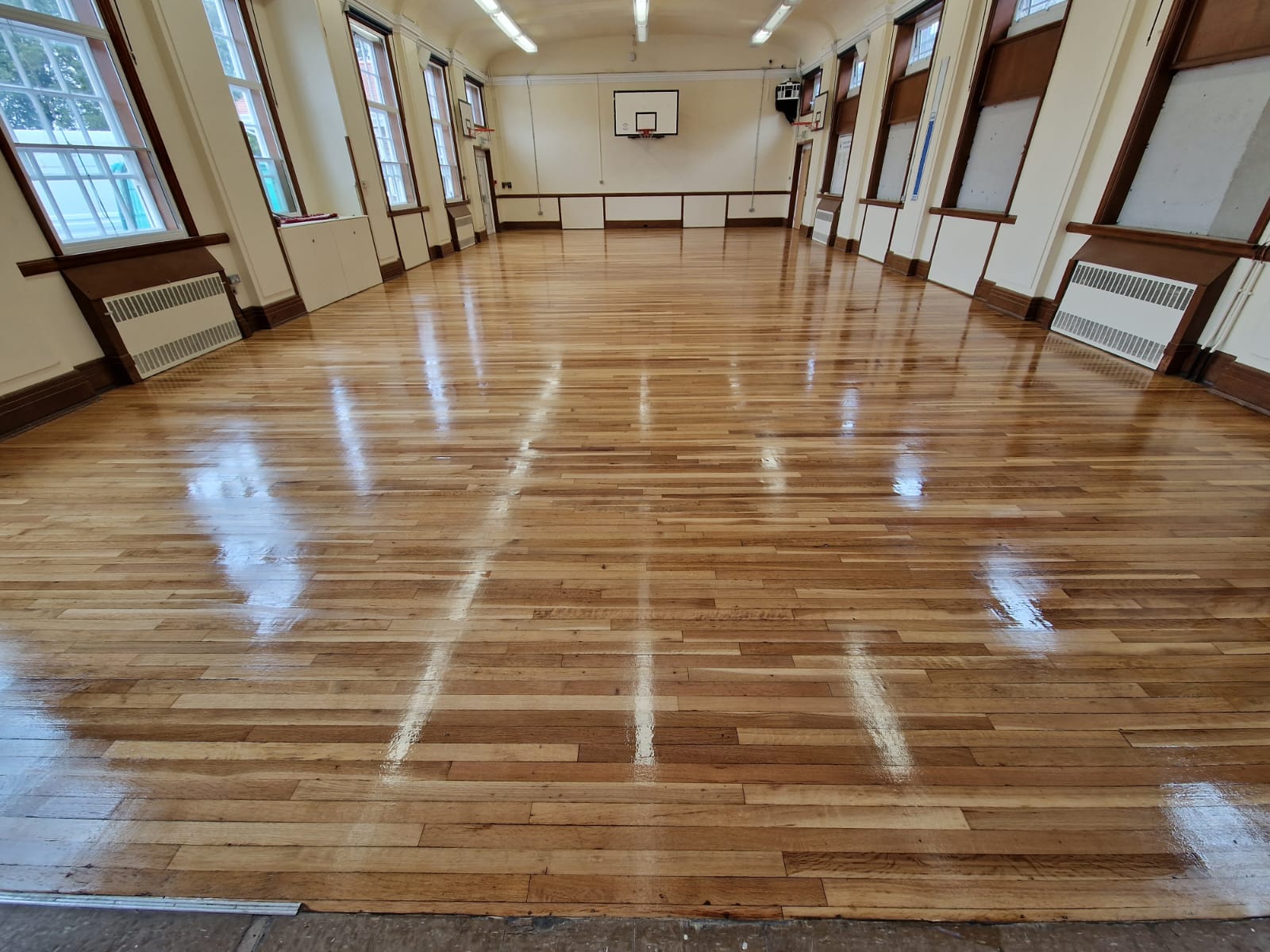
Commercial Hall Floor Refurbishment

Commercial Floor Sanding in Dorset: Hotels, Guest Houses, Schools and Halls

Two kinds of premises account for much of our commercial floor sanding in Dorset: places where people stay, and places where children learn. The coast from Lyme Regis to Swanage and on to Christchurch has a long run of hotels, guest houses, inns with rooms and holiday parks. Inland and along the coast alike there are state and independent schools with halls, gyms and dining rooms floored in boards or woodblock.

Hotels seldom want to close, and they rarely need to. A common plan takes a handful of bedrooms off the booking system together, sands and coats them, and hands them back before the next arrivals, then moves along the corridor to the next group. Lounges, landings and the breakfast room are better done overnight or on the slackest midweek nights. A fast-curing two-component lacquer lets each area return to use quickly, and keeping the sheen at satin stops luggage wheels and scuffs from showing so readily. How the phasing is worked out is described under hotel floor sanding, and bars and dining rooms that are sanded between the end of evening service and the next morning are covered under restaurant floor sanding.

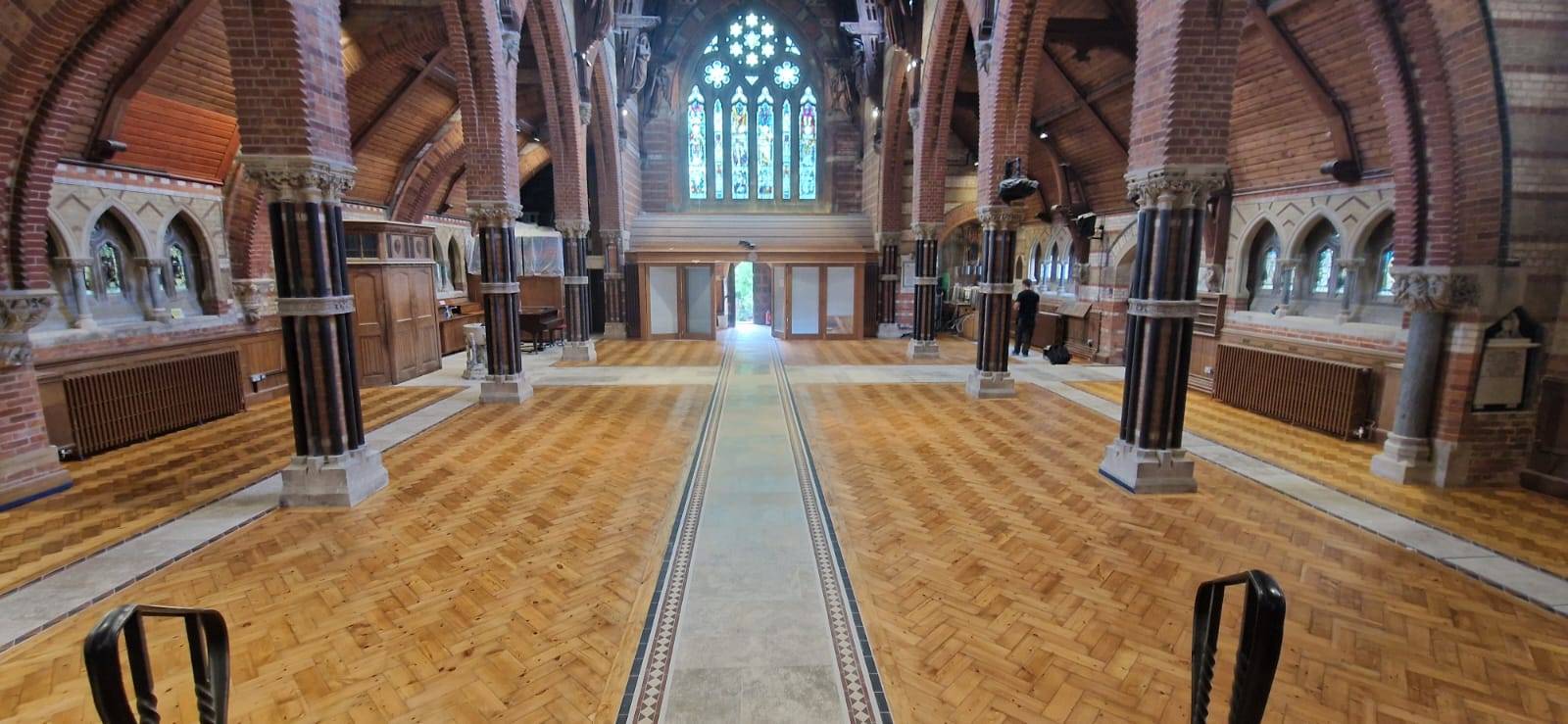
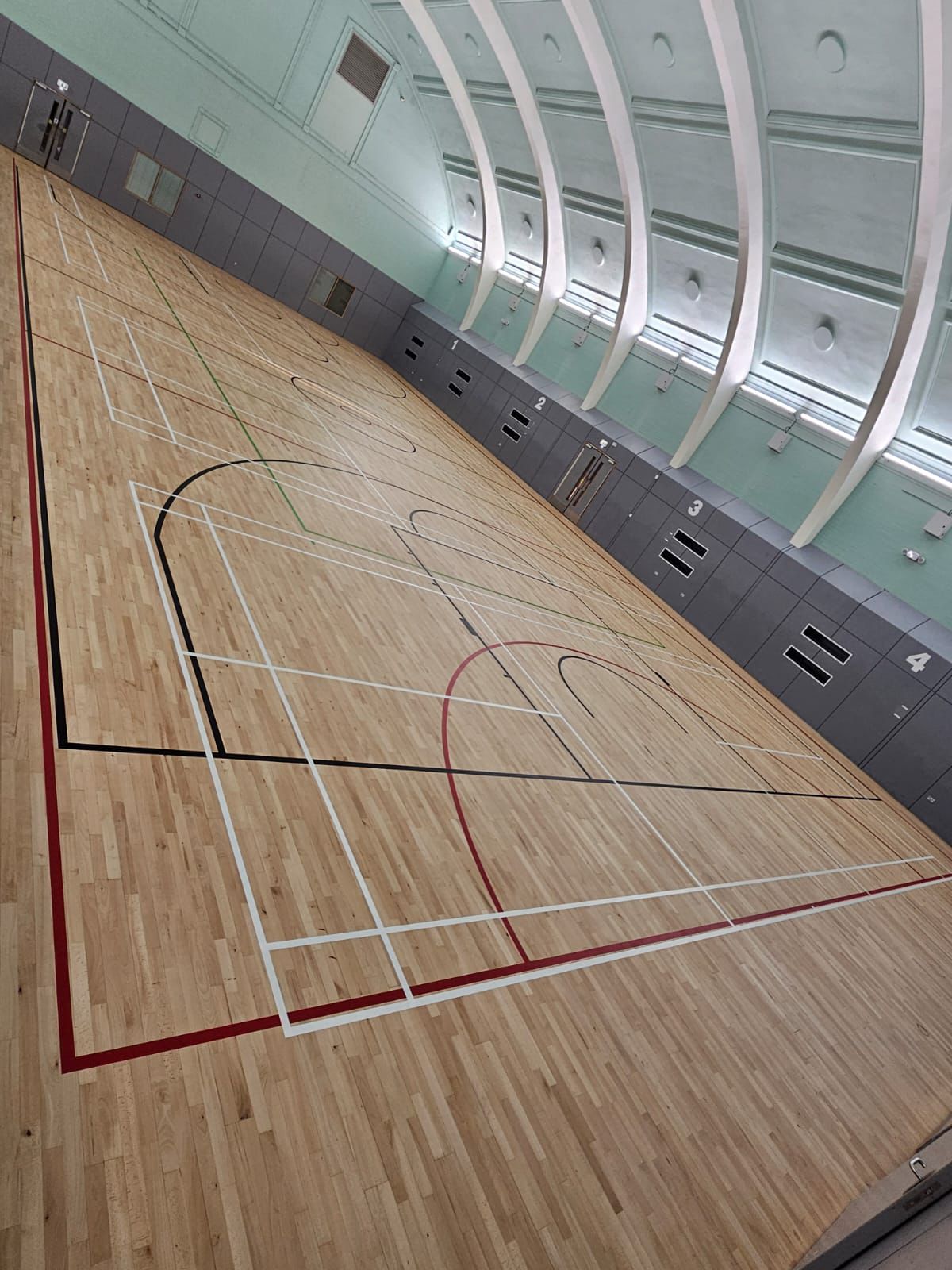
Schools nearly always choose the summer break, with the date pinned down months earlier so the hall is cured and ready on the first morning of term. Many halls carry markings for badminton, netball or basketball, and those are repainted by our own team to the dimensions each sport’s governing body publishes; school floor sanding explains the sequence. Larger sports halls hosting league fixtures need closer attention to both markings and grip, as set out under sports hall floor sanding, and gyms where dropped weights and rubber soles leave their mark are covered under gym floor sanding.

High street shops generally prefer an evening start or a Sunday, with a tough lacquer in the aisles; see shop floor sanding. Dance and yoga studios worry more about grip than wear, which is the subject of dance floor sanding. Where a governing body or hotel group asks for a paper trail, we provide a method statement, insurance cover details and referees in advance. Planning, phasing and finishes for non-domestic floors are all on the commercial floor sanding page.

Loose Woodblock, Worn Stair Treads and Split Boards in Dorset Houses

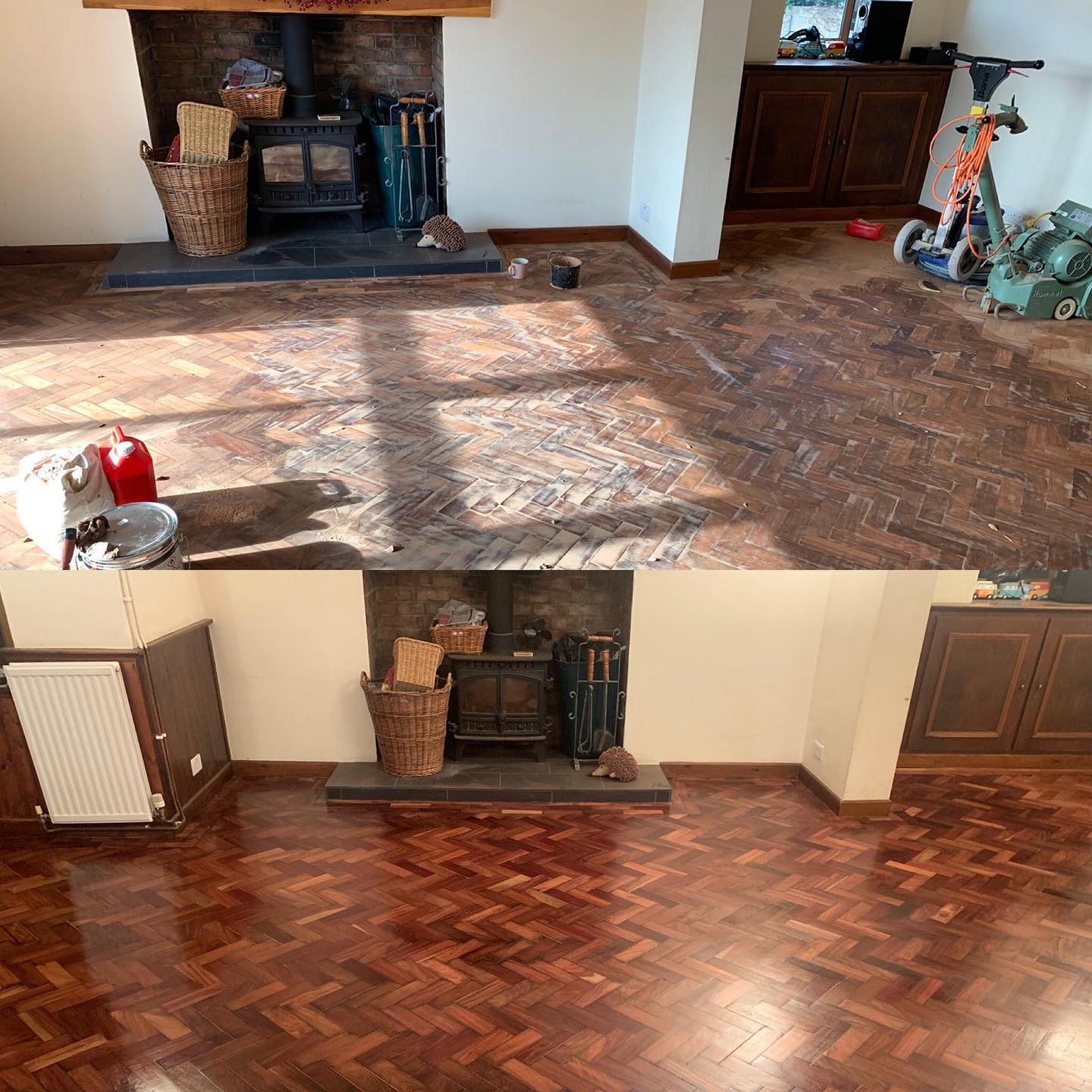
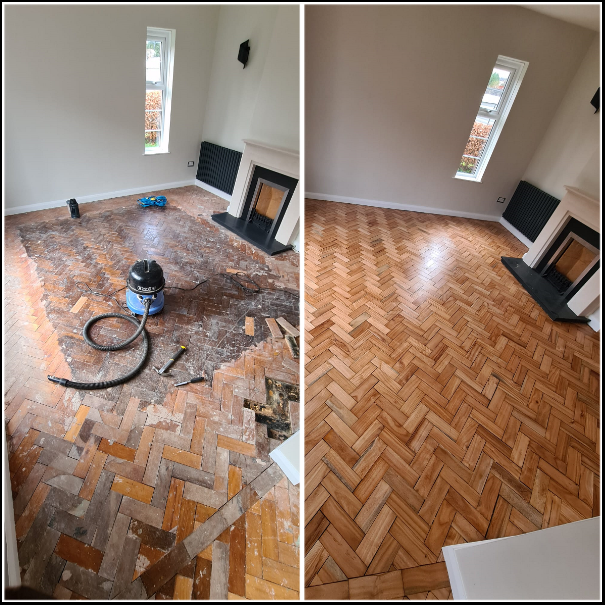
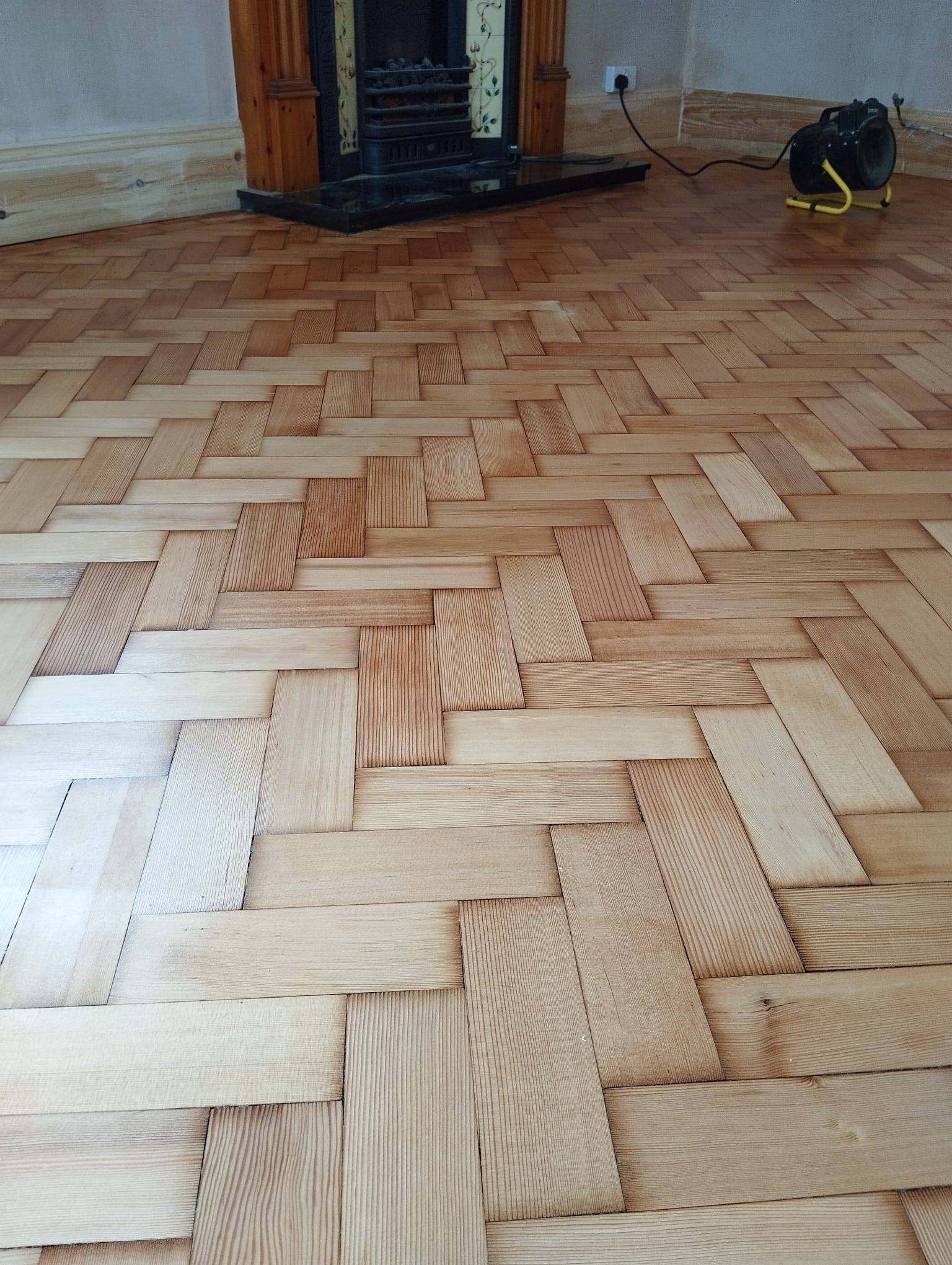
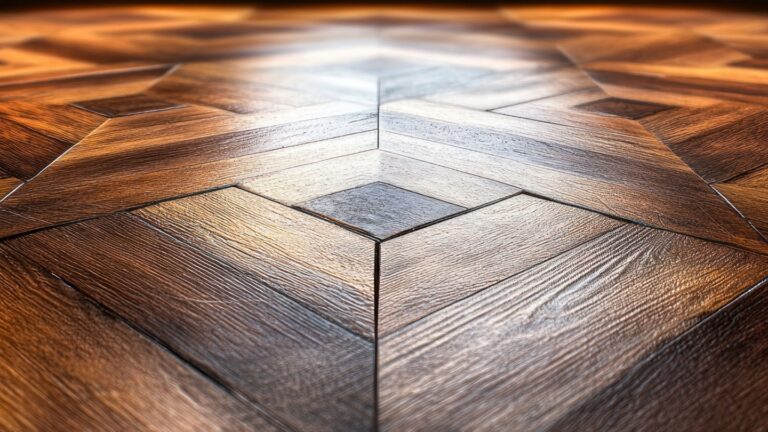
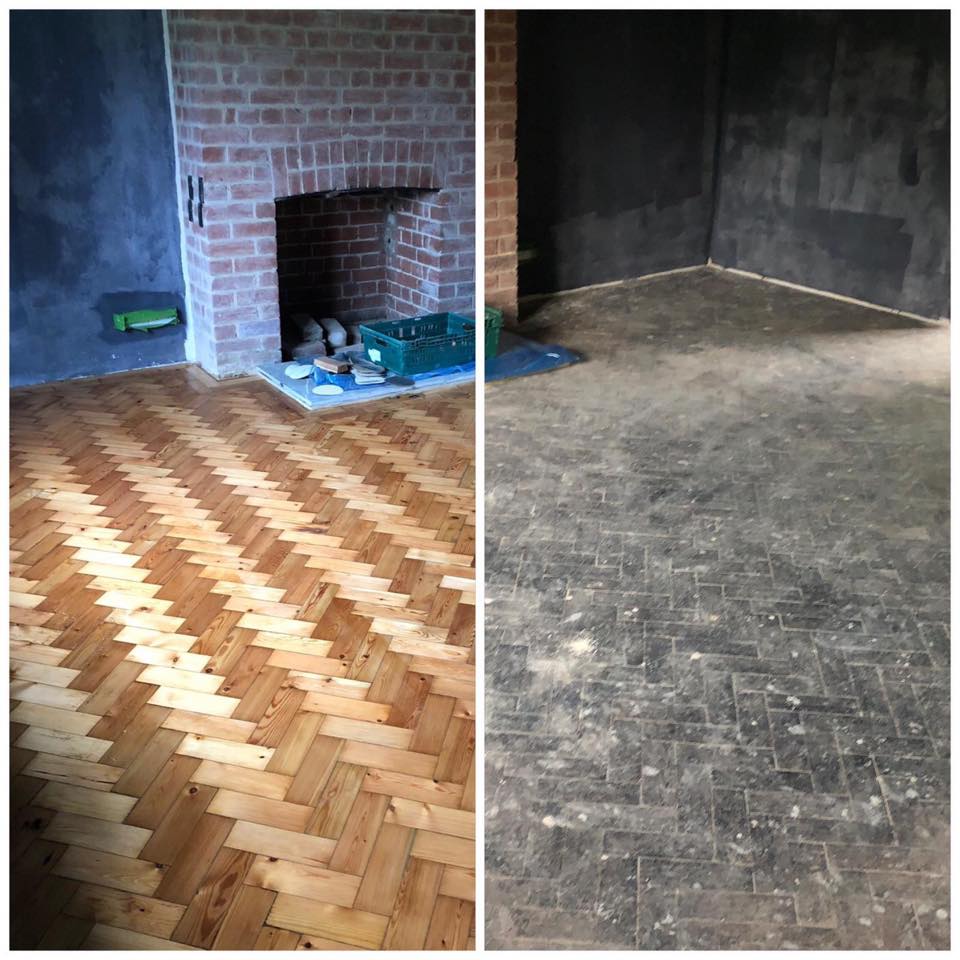
Woodblock turns up all over Dorset, in the hallways of inter-war semis, in school halls and in the lounges of older hotels. Nearly all of it was bedded in bitumen, and that black adhesive turns brittle over the decades until blocks rattle or sound hollow when tapped with a knuckle. Each loose block is prised out, the old tar is pared from its base, and it goes back on a bed of flexible adhesive; only once the whole floor is solid does sanding begin. Where a radiator was moved or a doorway altered and blocks went missing, salvaged ones of a similar wood fill the holes. In herringbone, alternate blocks point opposite ways, so opening passes go diagonally and only the last, finest one runs with the room; the reasoning is under parquet floor sanding.

Many Dorset cottage stairs climb steeply between two walls, their treads hollowed by centuries of feet and edged with paint where a carpet runner used to stop. A full-size sander will not fit, so each tread is worked with compact machines and cabinet scrapers, keeping the worn, rounded lip on every step. Old paint is taken off with care, because coatings applied before the 1960s may contain lead. Stair sanding can take in the strings, spindles, newel posts and handrail too.

The repairs that crop up most often are familiar: boards split where central heating pipes were threaded through, short offcuts left by electricians, scorch marks in front of old fireplaces, softness by outside doors, and gaps opening between pine boards in well-heated rooms. The full list is covered under wooden floor repairs. Most creaks are a board rising and falling on an old cut nail, silenced by screwing it firmly into the joist, as described under squeaky floor repair. Generous gaps take a tapered timber slip glued along one edge so it can move with the seasons, while fine joints suit a resin paste bound with the floor’s own dust; the choice is set out under gap filling. A dent from a dropped cast-iron pan, or a gouge too deep to sand out without thinning the whole floor, can be dealt with locally by filling or a small inlay, as explained under scratch and dent repair.

Floor Sanding Essex
parquet floor restoration near me

Sheen, Slip and Natural Oils: Choosing a Finish for Dorset Floors That Work Hard

The finish is where hotels, schools and old houses part company most clearly. A hotel corridor needs a surface that shrugs off suitcase wheels and room-service trolleys and still looks presentable after a busy August. A school hall needs grip for children in plimsolls and a surface that holds court lines. A seventeenth-century farmhouse in west Dorset may need something that barely looks like a finish at all.

For the hard-working floors, lacquer is the usual answer. Water-based lacquers keep timber pale and dry quickly with little odour, which helps in a hotel where guests are sleeping two doors along. Oil-modified lacquers deepen the colour towards amber. Two-component lacquers, mixed with a hardener just before application, cure to the toughest film and suit hotel corridors, school halls and shop aisles. Sheen matters as much as the product. Gloss looks striking on day one but shows every scratch and can feel slippery underfoot when a floor is damp from wet shoes, so satin or matt is usually the sensible choice in public areas, and some products allow an anti-slip additive in the final coat near entrances. The options are compared under wood floor sealing.

Old oak and elm in period houses are a different matter. Oils, hard wax oil included, are drawn into the fibres rather than lying on top, so the boards still feel like timber underfoot and a tired spot by the hearth can be re-oiled on its own. Elm in particular, with its wild interlocking grain and tendency to move, often looks happier under oil than lacquer. The products are covered under wood floor oiling. Traditional paste wax gives the softest sheen of all for a quiet bedroom or sitting room, but it needs regular rewaxing and does not like water, as wood floor waxing explains.

Colour is the last decision. Stains can darken, lighten or grey a floor, but every species takes them differently, and pine in particular can turn blotchy. Trial patches are laid on a corner of your own sanded floor and coated with the chosen finish before you decide, because the topcoat changes the shade; the palette is on our wood floor staining page. Sometimes the right finish is the one already there: an intact lacquer that has simply gone dull may only need cleaning and a polish.

Looking After the Floor, New Installations and Making a First Enquiry in Dorset

The first week after coating decides a lot about how the finish wears. For twenty-four hours, shoes stay off. Wardrobes and dining tables return from day two or three. Rugs are better left off for about a week, as the coating beneath is still hardening. After that the routine is undemanding. Glides on the chair legs, a coarse mat at each outside door, a soft brush most days and occasionally a mop wrung nearly dry with a cleaner made for sealed wood. Steam cleaners are the one tool to keep away entirely. In Weymouth, Swanage and the other seaside towns, sand on shoes is the main enemy, so sweeping little and often pays off.

When the main walkways start to lose their sheen but the coating is still intact, a deep machine clean and a fresh maintenance coat can delay sanding for years; floor buffing describes how. Treated that way, the boards in a Dorset home generally last eight to ten years between sandings; a hotel landing or a hall with daily assemblies, more like four or five.

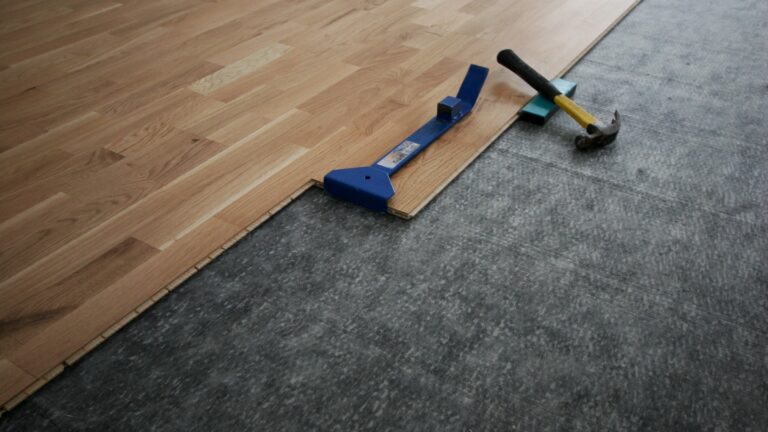
Now and then the old boards cannot be saved, and many converted Dorset barns have nothing but concrete to start from. For those our team can lay new solid or engineered timber, or simply deliver the boards to your builder, choosing from manufacturers such as Junkers and Bona. Timber delivered to site should be stacked in the room it is going into for a while so it adjusts to the air there, and the base beneath must be dry and flat. Our wooden floor installation page has more.

Start with your phone. One shot from the doorway showing all of the floor, one crouched low over the most worn boards. Let us know the town or village. Those two images usually tell us whether sanding is realistic. For larger work we visit free of charge for around thirty minutes, using a moisture meter, measuring how much timber is left, and looking at ventilation, damp and old repairs. The quotation that follows is in writing, broken into its parts, and holds unless the job itself changes. Our enquiry page accepts photographs, and so does info@ryansrestoration.co.uk. If you would sooner talk, ring 01823 674562 during the working week; Saturday surveys are possible by arrangement.

Parquet Flooring Restoration

Dorset Floor Sanding Questions

All of it. Dorset borders our home county, so it is regular ground for us, from Lyme Regis and Bridport out west, up through Sherborne, Shaftesbury and the Vale, along the coast via Weymouth, Portland and Swanage, and across to Wimborne and Christchurch. If your village sits between the towns with their own pages, it is just as much part of our area.

Yes, with care. Elm is a lively timber that moves with moisture and often has wild, interlocking grain, so it is sanded with lighter machines and finer abrasives, removing no more than necessary. Oil or wax finishes usually suit it better than heavy lacquer. Loose or split boards can be repaired with reclaimed elm where it is available.

We do. Consent is a matter for the owner, but we are happy to put the intended treatment in writing for the conservation officer, so it is clear how much original timber stays, how damaged boards are mended and what the floor is finished with. Historic floors generally get a gentle approach that keeps their worn character rather than making them look new.

Yes. The work is phased, with a few bedrooms out of use at once and public areas done overnight or on quiet days. Fast-curing lacquer means each section is back in service quickly. Paperwork such as a method statement and insurance certificate can be sent beforehand, and it pays to fix dates well before the summer rush.

Mostly during the summer holidays, though shorter breaks can work for smaller halls. Dates are agreed well in advance so the floor is finished and cured by the start of term. Court lines for badminton, netball and other sports are repainted by our own team to the specification set by each sport’s governing body.

It can. Salt tracked indoors attracts damp from the air, and beach sand acts like fine sandpaper under shoes. Mats at the entrances, frequent sweeping and good ventilation all help. On floors near the seafront, a tough lacquer or hard wax oil holds up best, and a maintenance coat may be due sooner than it would be in an inland market town.

Often, yes. A single bedroom or lounge can sometimes be completed in a short gap between guests, provided the coating has time to harden before suitcases and furniture come back in. A whole cottage is far better tackled over a run of unbooked weeks, usually in winter. Owners who live elsewhere can arrange access through a key holder or agent.

Yes. New solid or engineered floors can be fitted by us or delivered for a builder to lay, drawing on manufacturers that include Junkers and Bona. Boards need time in the building to adjust before fitting, and the base must be dry and level. We can also suggest products suited to kitchens, extensions and rooms with underfloor heating.

Two pictures are enough to start: the room in full and its worst corner, plus the name of your village or town. If sanding looks sensible, a free survey follows and then an itemised written quotation, which does not change unless the work does. The enquiry page, the info@ryansrestoration.co.uk inbox and the workshop line on 01823 674562 all reach us.