Floor Sanding in Christchurch, From the Quay to the Cliff-Top Roads
Christchurch sits where the Stour and the Avon run out into the harbour, and a good part of the town lives within a short walk of salt water. That location shapes almost every floor we look at here. Houses near Mudeford and the harbour edge, the older streets around the Priory, the long rows of bungalows and semis spreading out towards Highcliffe: each has its own building stock, but they share one thing, which is that the sea gets into the floor one way or another. Sand comes in on shoes and paws, damp air hangs about in the winter, and big south-facing windows let strong light across the boards for much of the year.
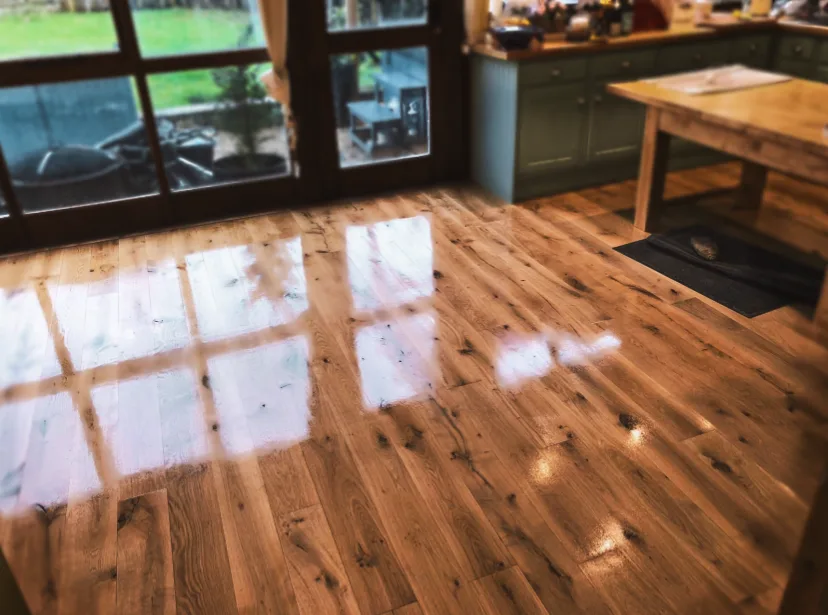
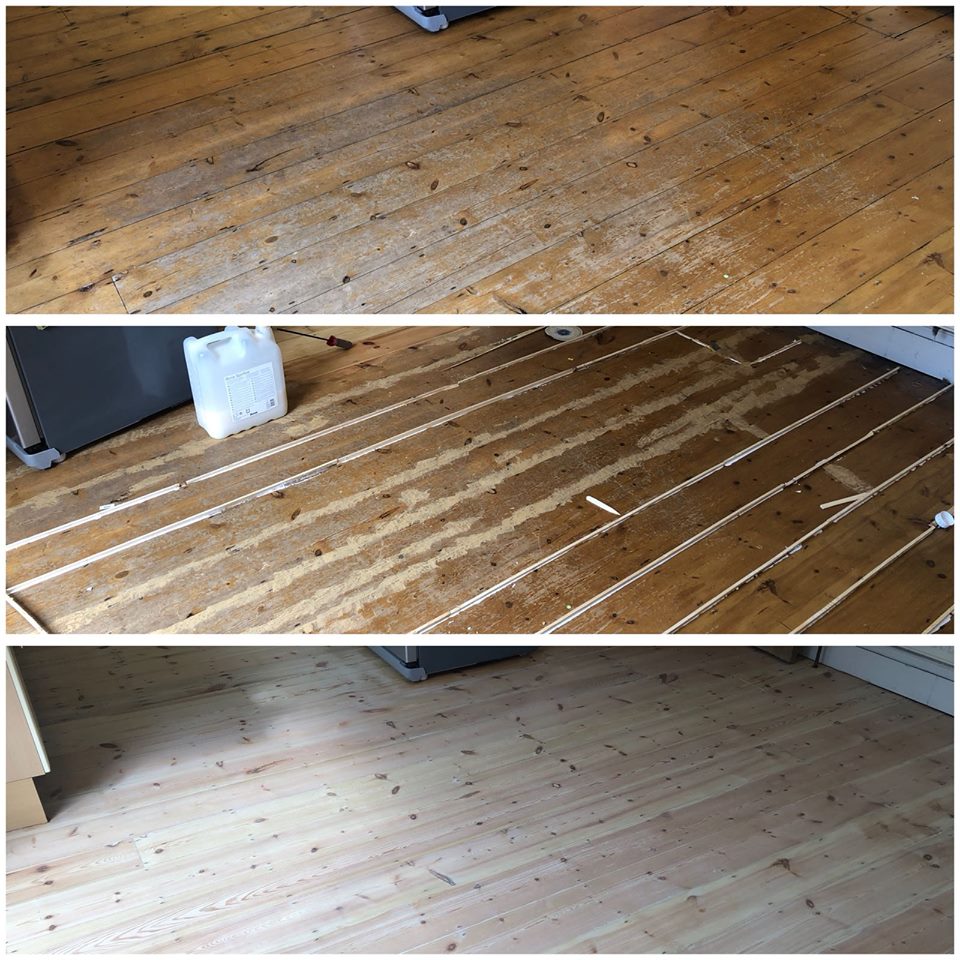
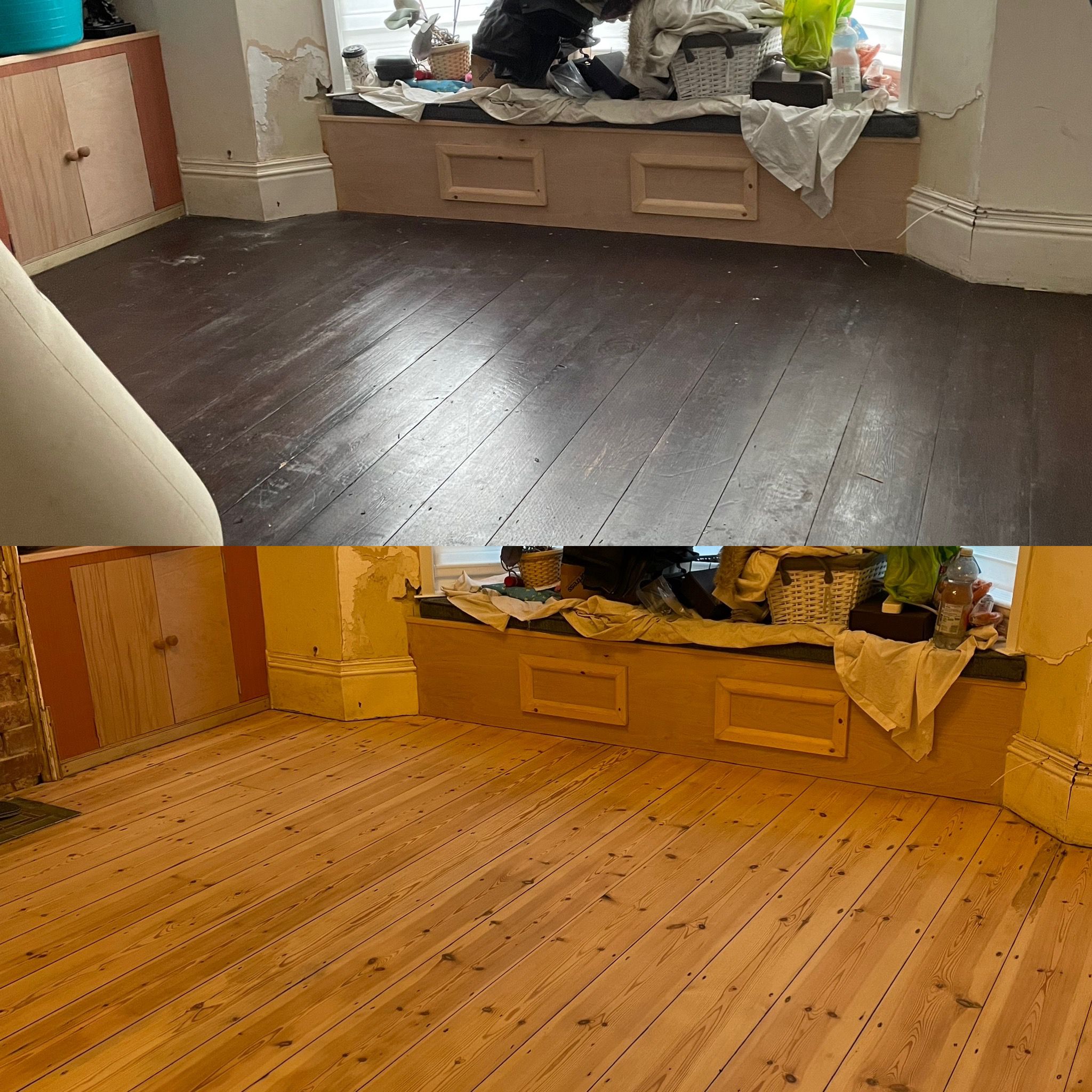
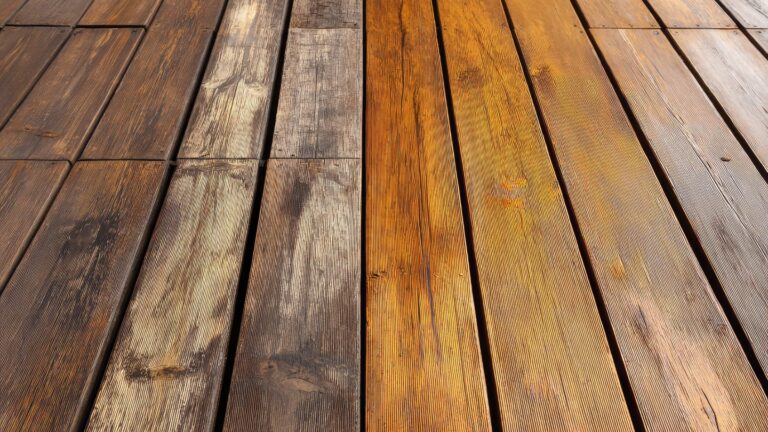
So before any floor sanding in Christchurch begins, the first job is reading the damage the coast has left behind. Is the finish worn grey in a lane from the back door, where beach sand has acted like abrasive paper for years? Are there black marks round the nail heads on an oak floor, where iron fixings have rusted in moist air and stained the tannin-rich wood? Has a suspended floor near the river meadows picked up damp from a poorly ventilated void? Those are the details that decide how the job is run, which grits are used and what goes back on top.
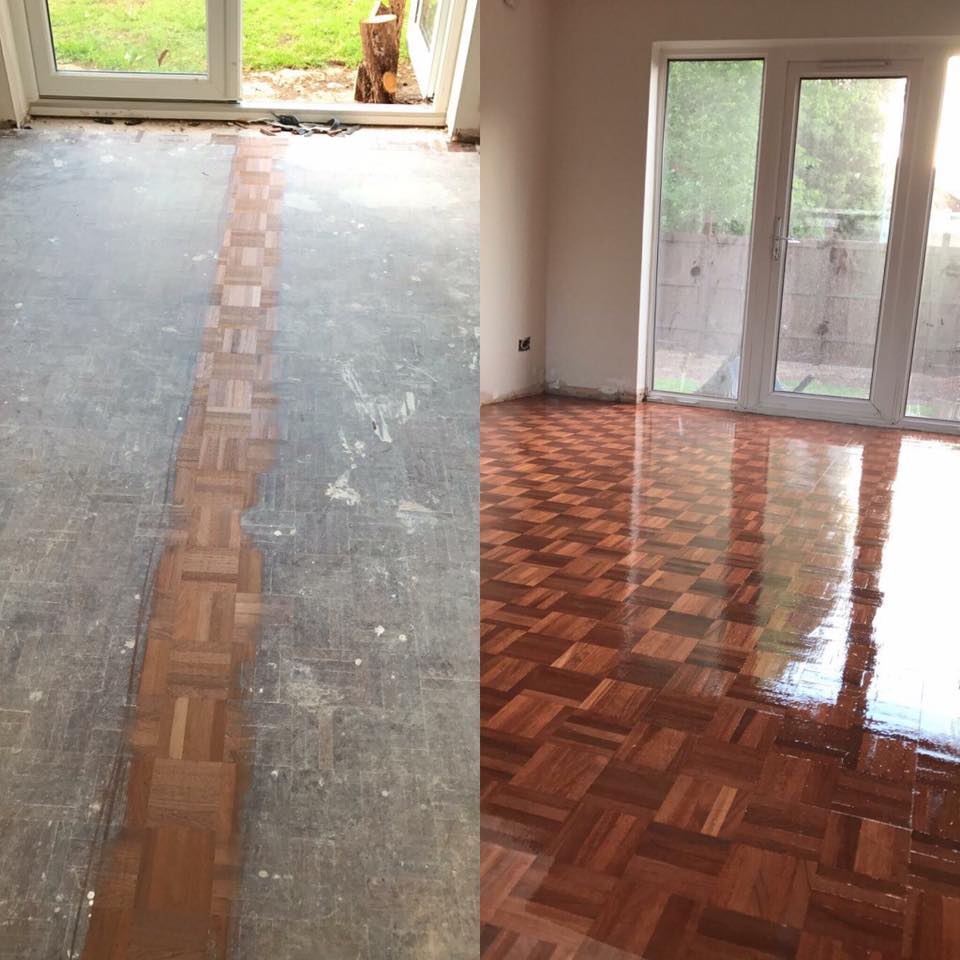
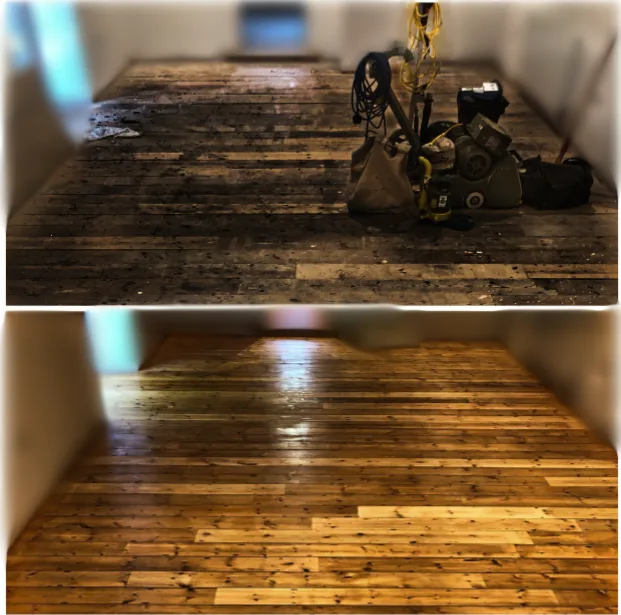
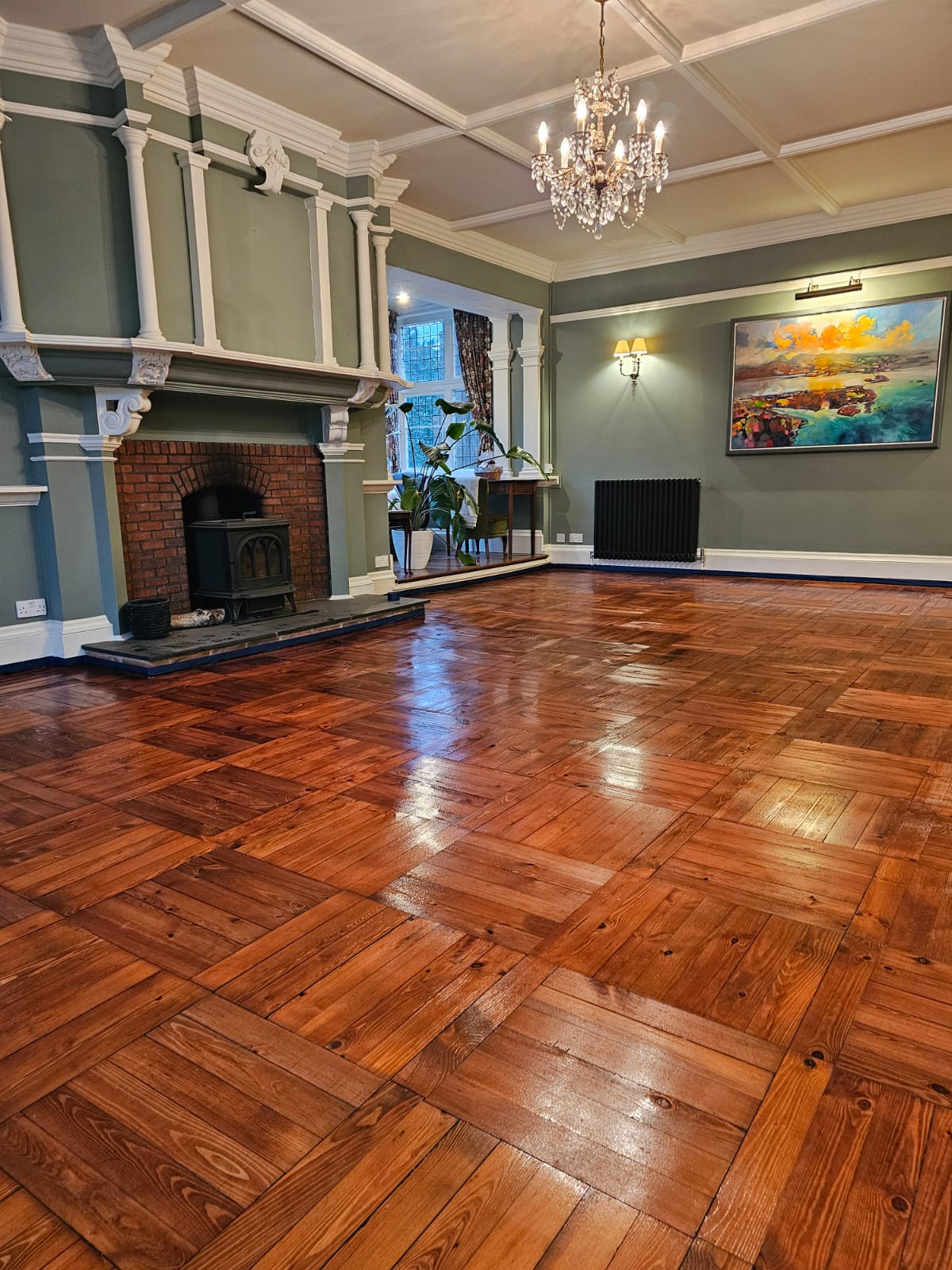
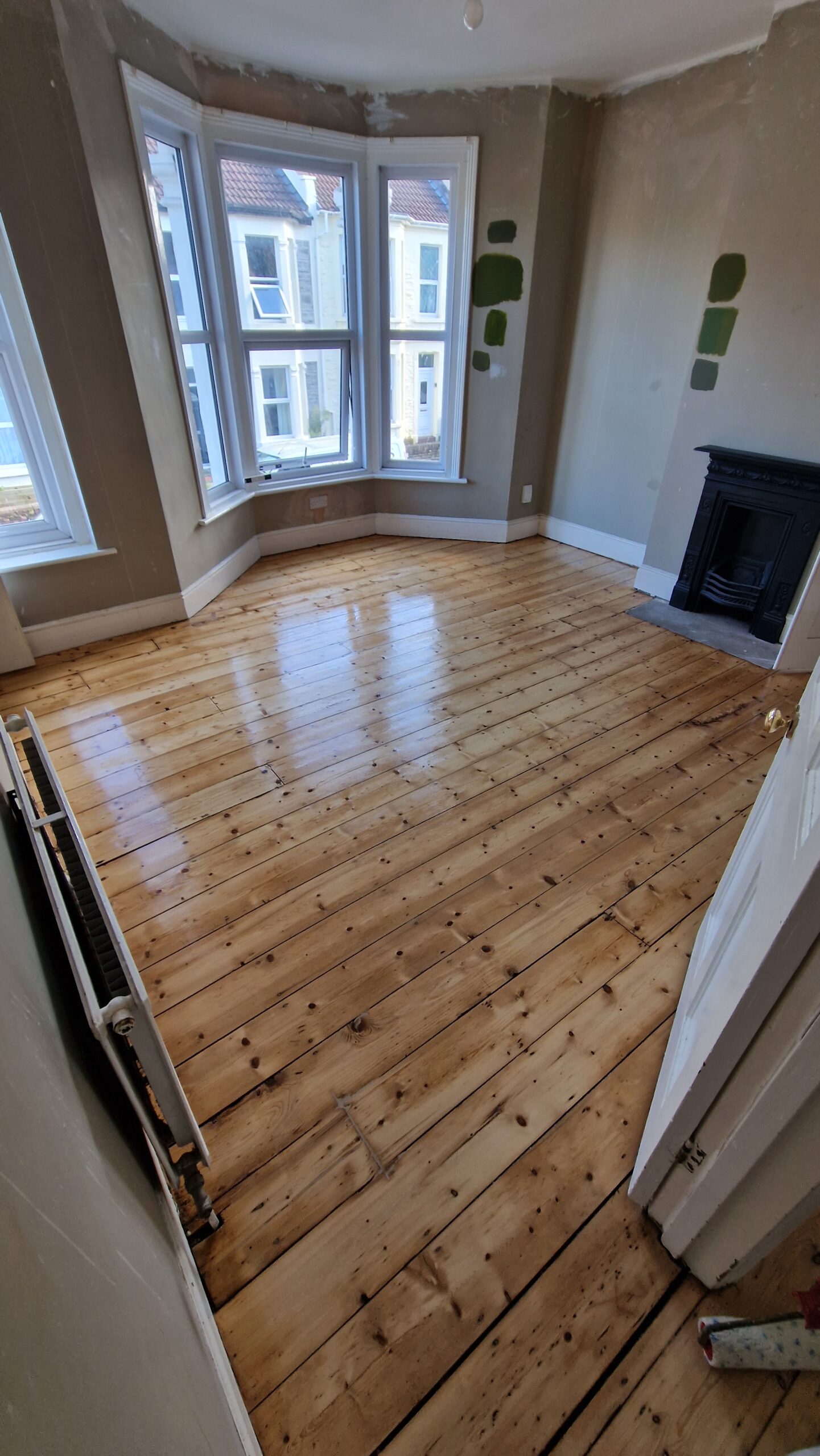
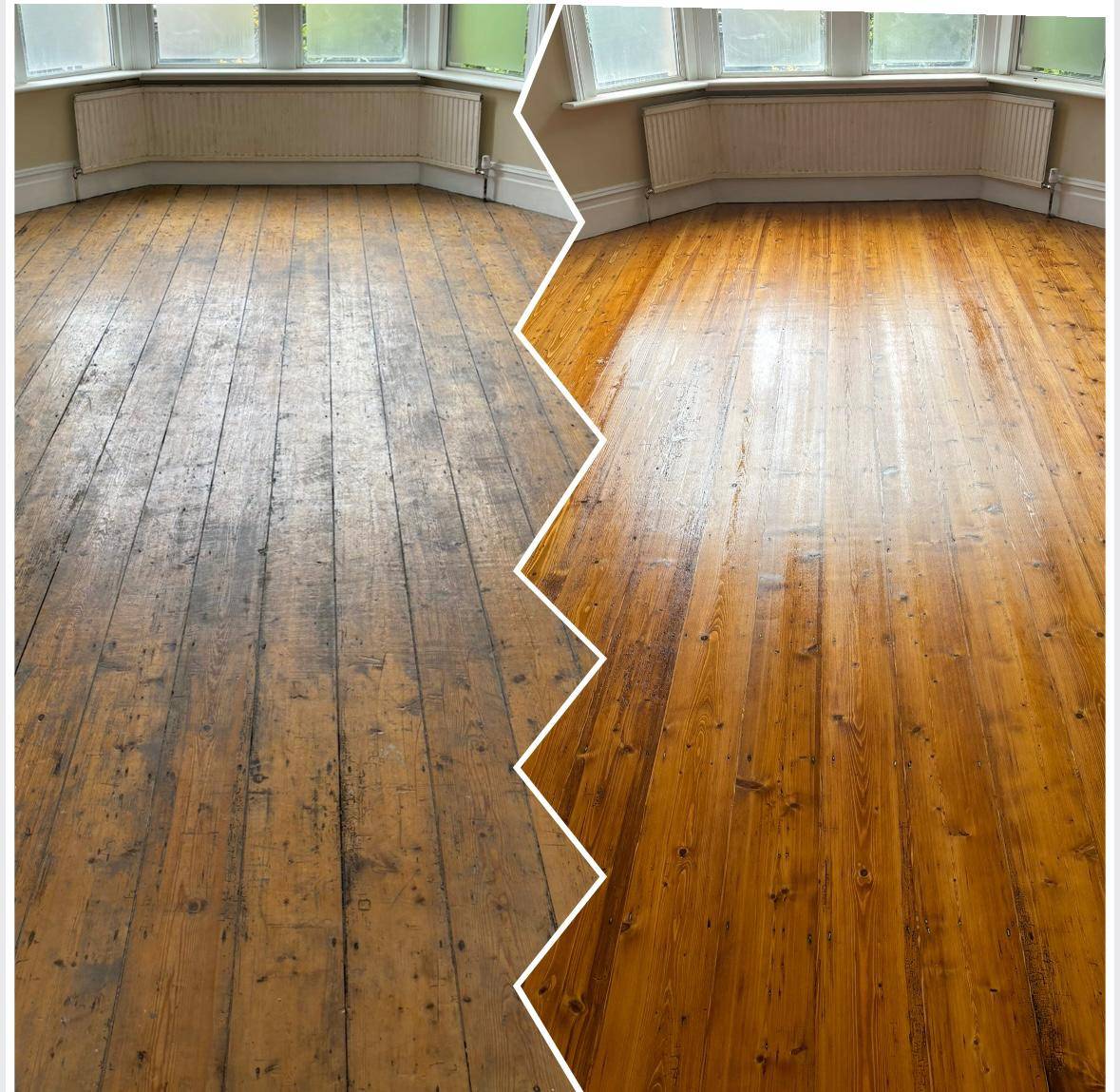
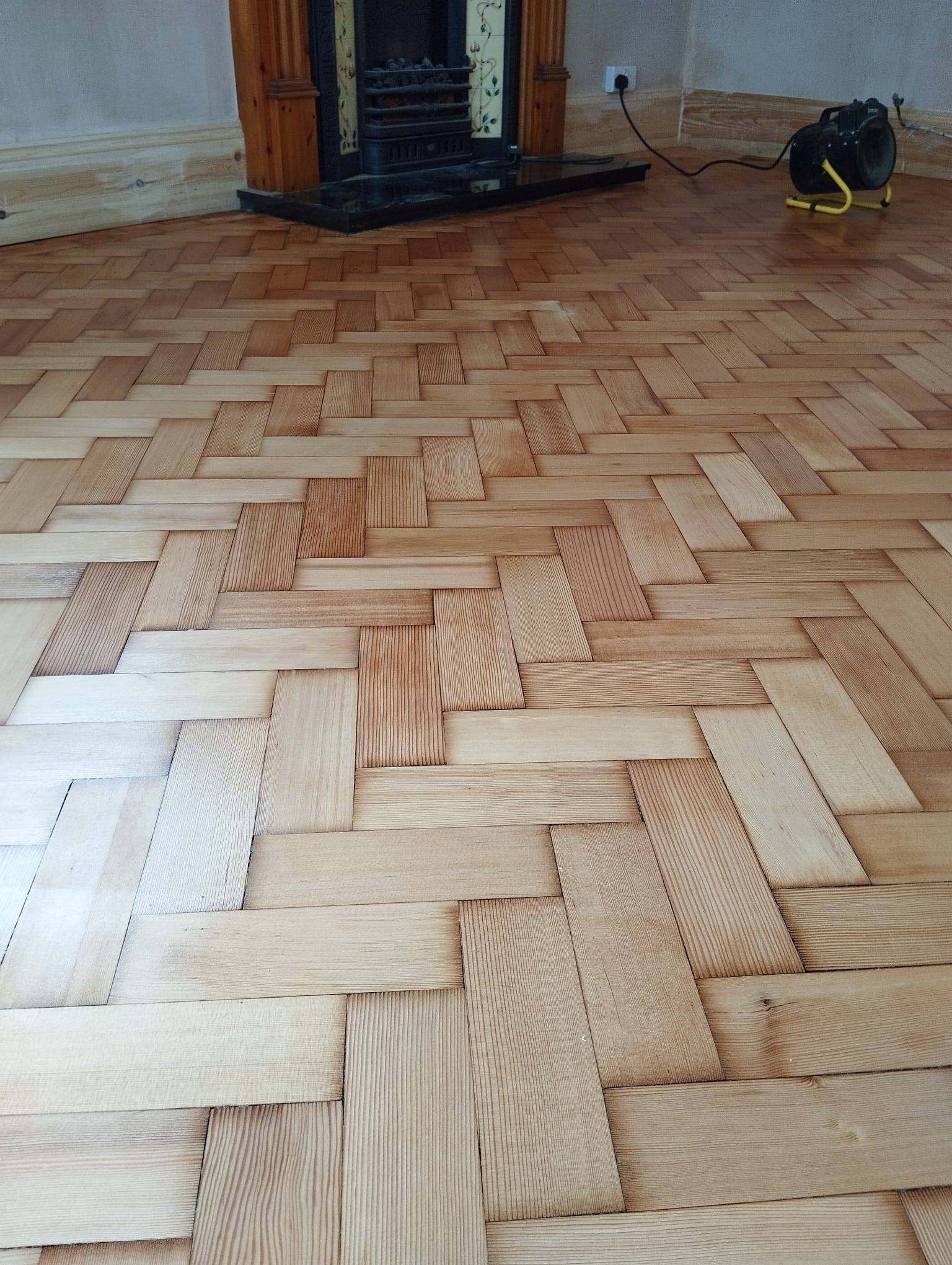
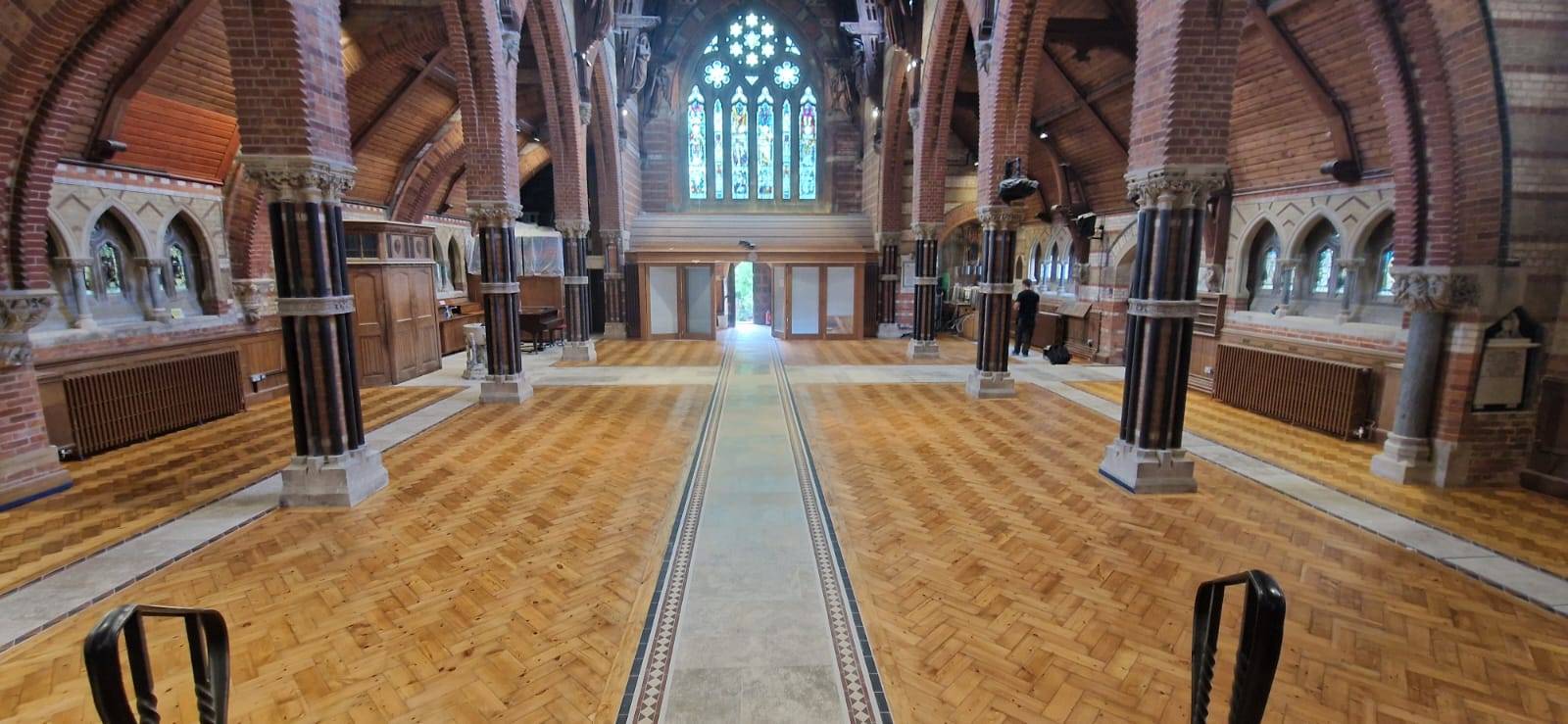
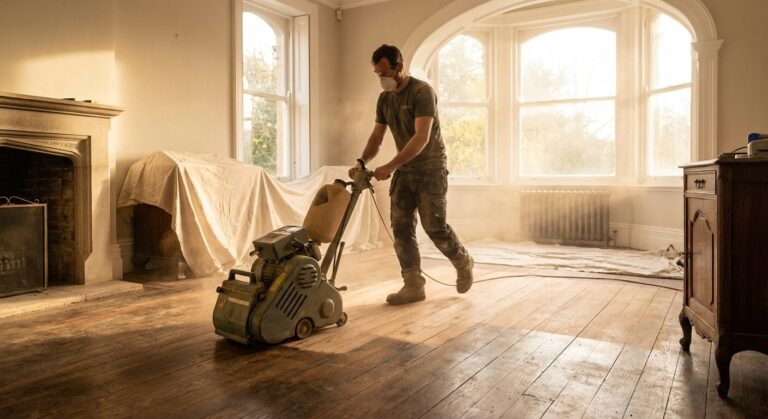
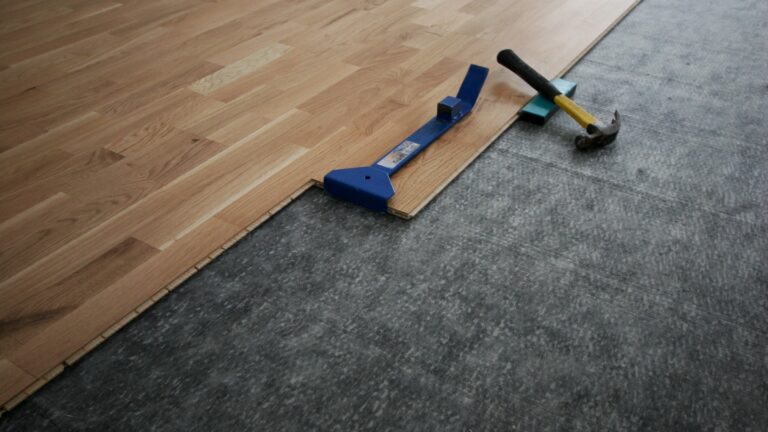
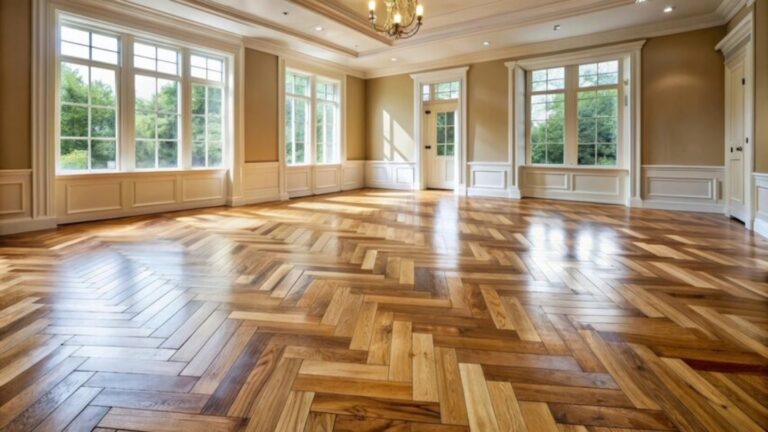
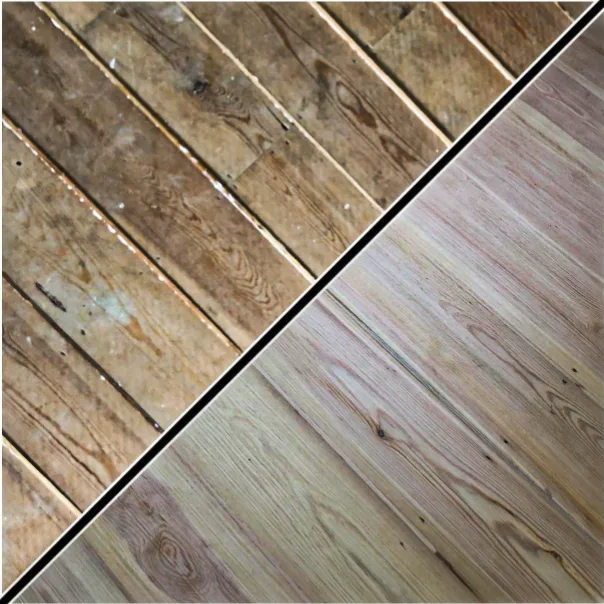
The floors themselves cover the full range. Victorian and Edwardian houses in the older parts of town usually have pine boards on joists. Interwar and post-war homes may have woodblock under carpet, and plenty of newer houses and flats have engineered oak laid in the last twenty years. Sanding a wooden floor in any of them follows the same principle of working from the coarsest grit the floor needs down to the finest, but how hard the first cut is pushed depends on the timber, how thick it is and how many sandings it has already had.
Christchurch falls inside the patch we cover regularly in east Dorset, and the Dorset floor sanding page shows the other towns on that circuit, including floor sanding in Ferndown a few miles inland.