Floor Sanding Ferndown

Floor Sanding and Wood Floor Restoration in Ferndown and West Moors

QUICK QUOTATION

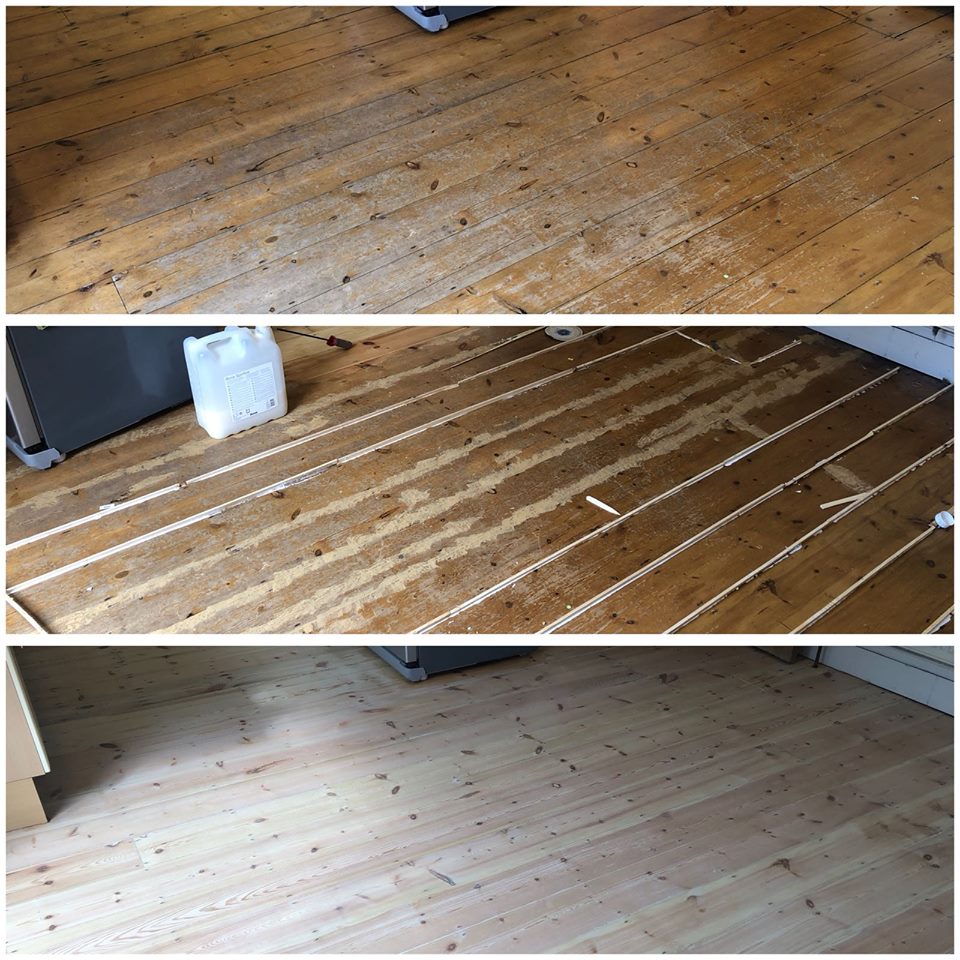
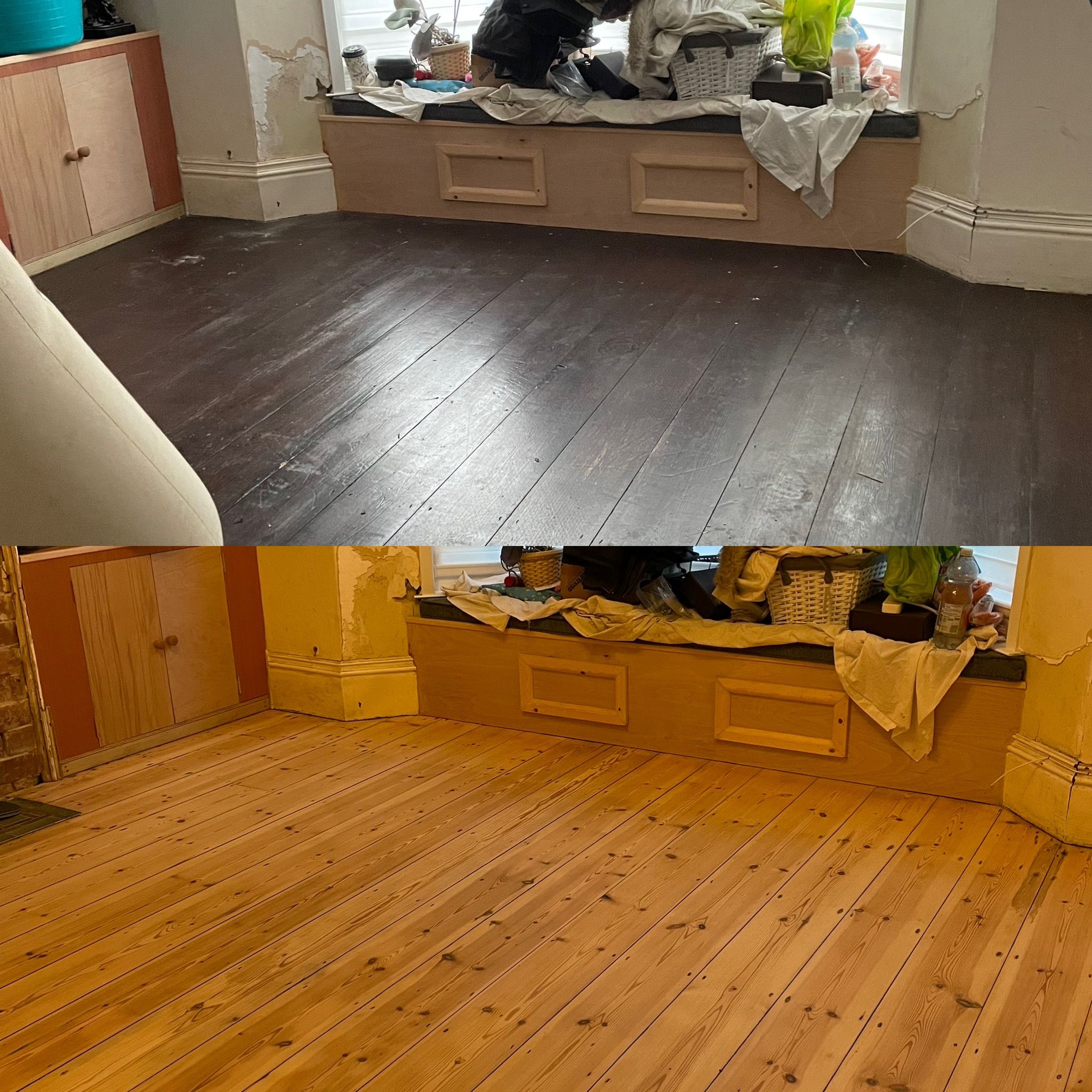
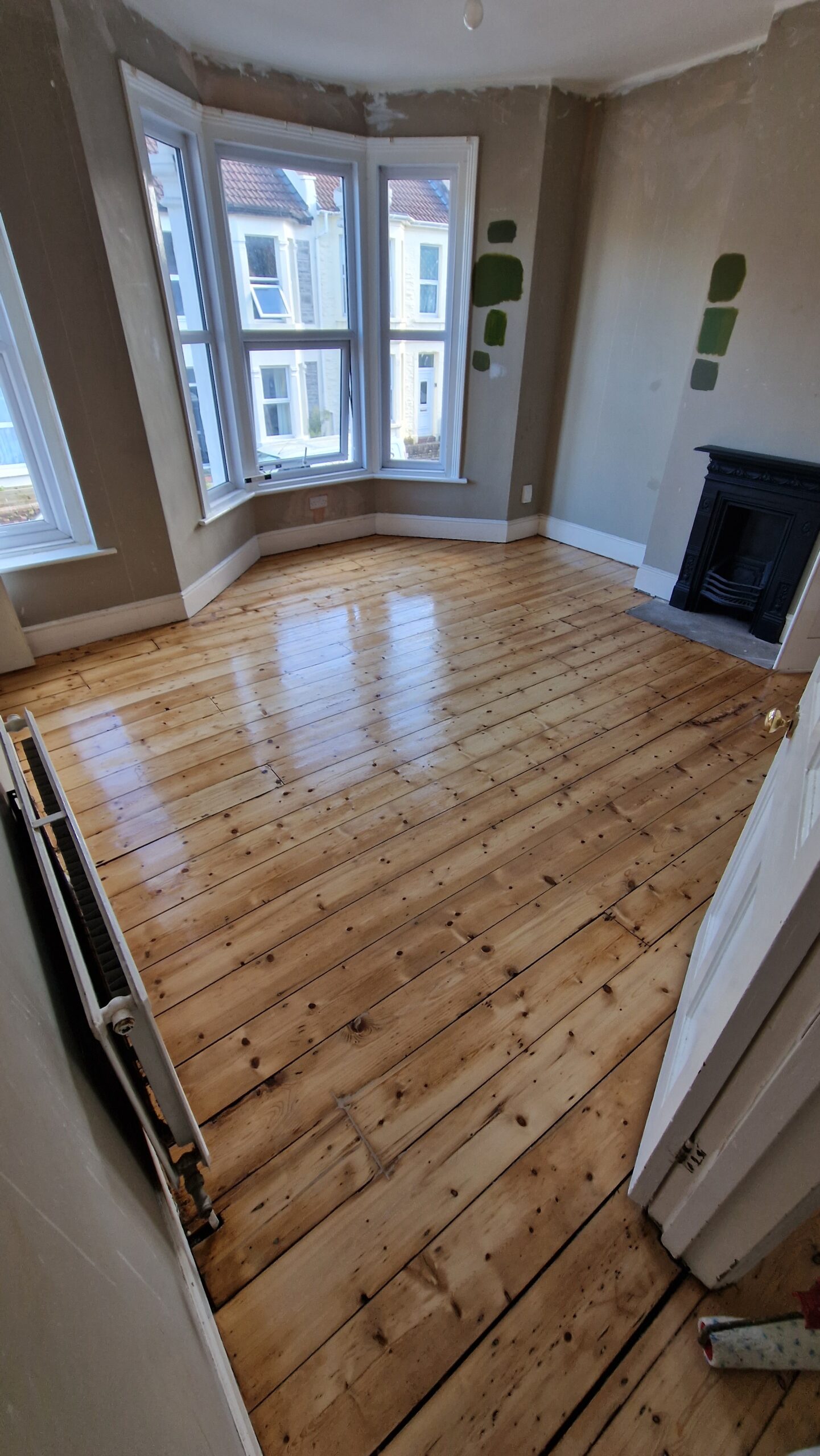
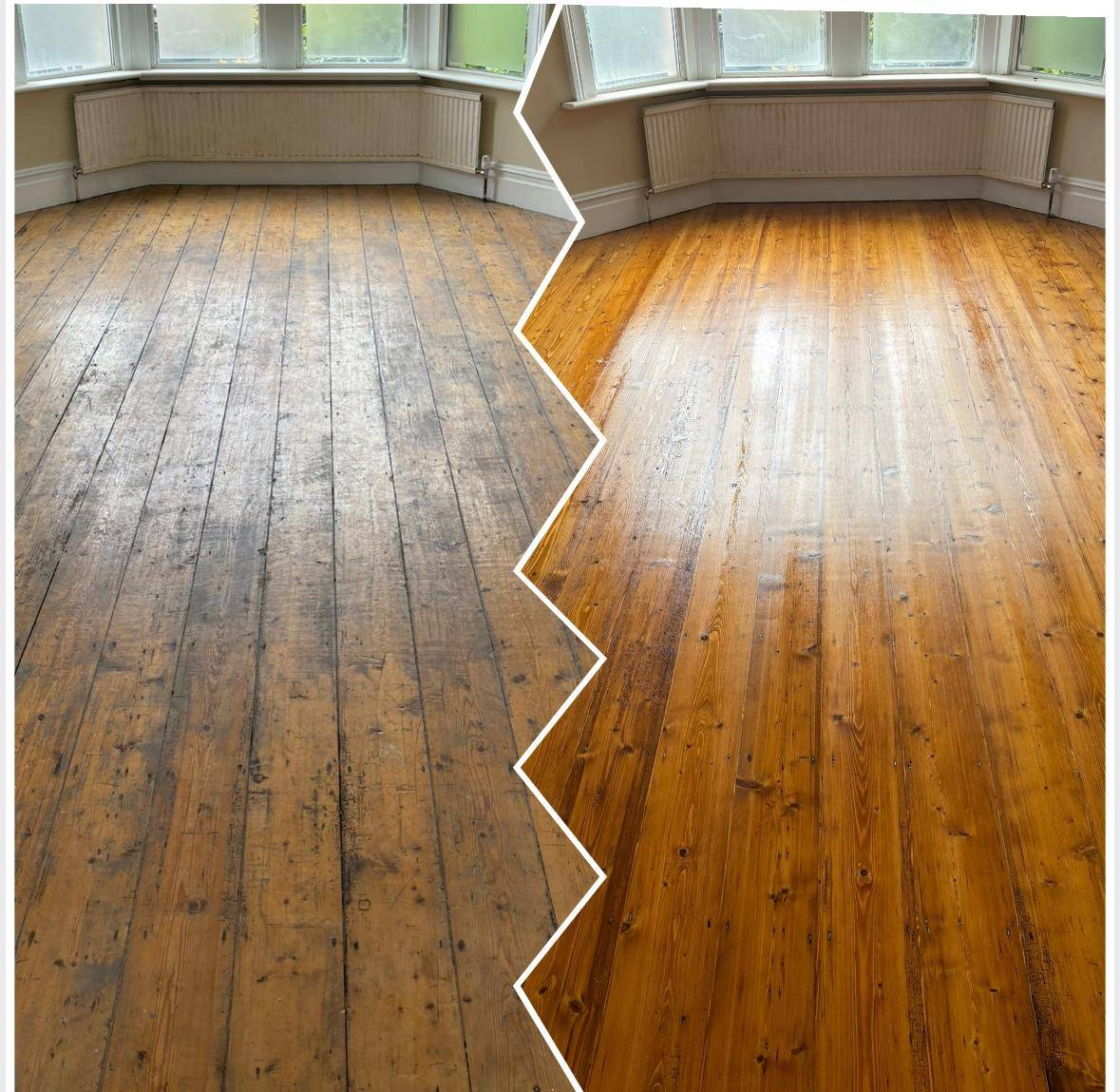
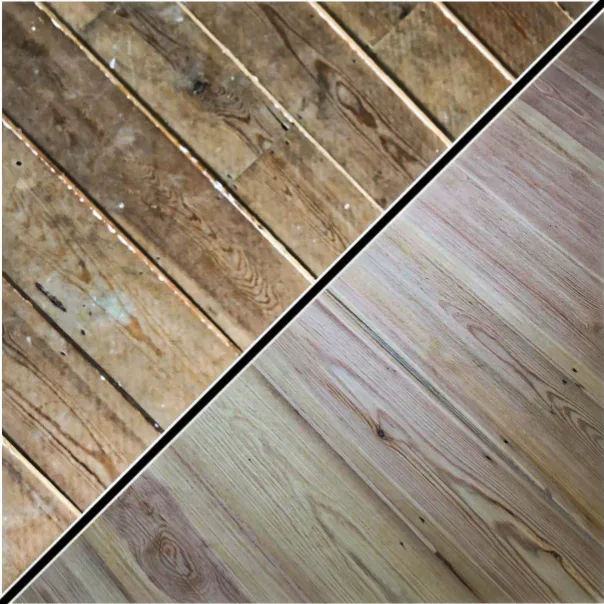
Floor sanding before and after

Floor Sanding in Ferndown and West Moors

Ferndown grew out of heathland in the twentieth century and it is a very different proposition from the old Dorset market towns. Interwar and post-war housing on generous plots, a large amount of nineteen-sixties and seventies development, and modern estates continuing to fill in.

For floors that means two things dominate. The interwar houses very often have block parquet under the carpet, oak or pitch pine in herringbone, and it is nearly always worth restoring. The later housing brings chipboard, which cannot be sanded at all, and engineered flooring whose remaining wear layer decides everything.

We cover Ferndown, West Moors, West Parley, Longham, Stapehill, Hampreston, Three Legged Cross, Verwood, Colehill and St Leonards, plus Wimborne, Bournemouth and Ringwood.

Interwar Parquet Under the Carpet

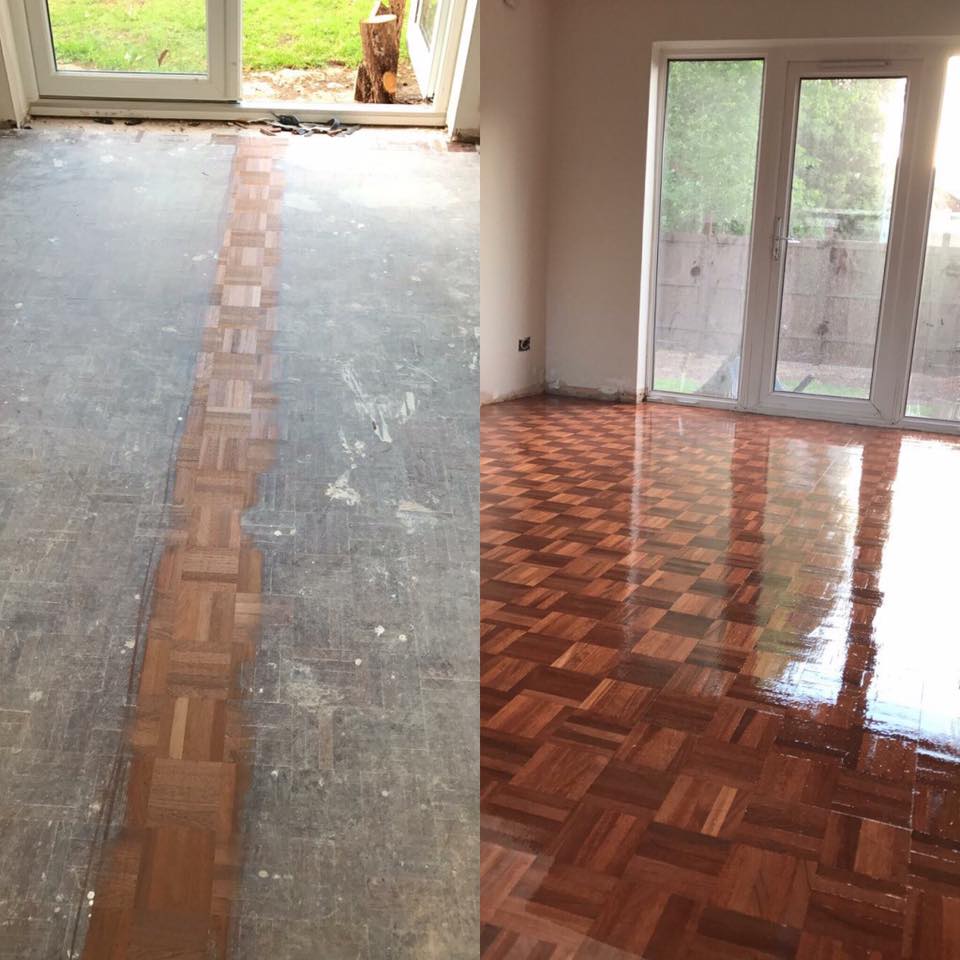
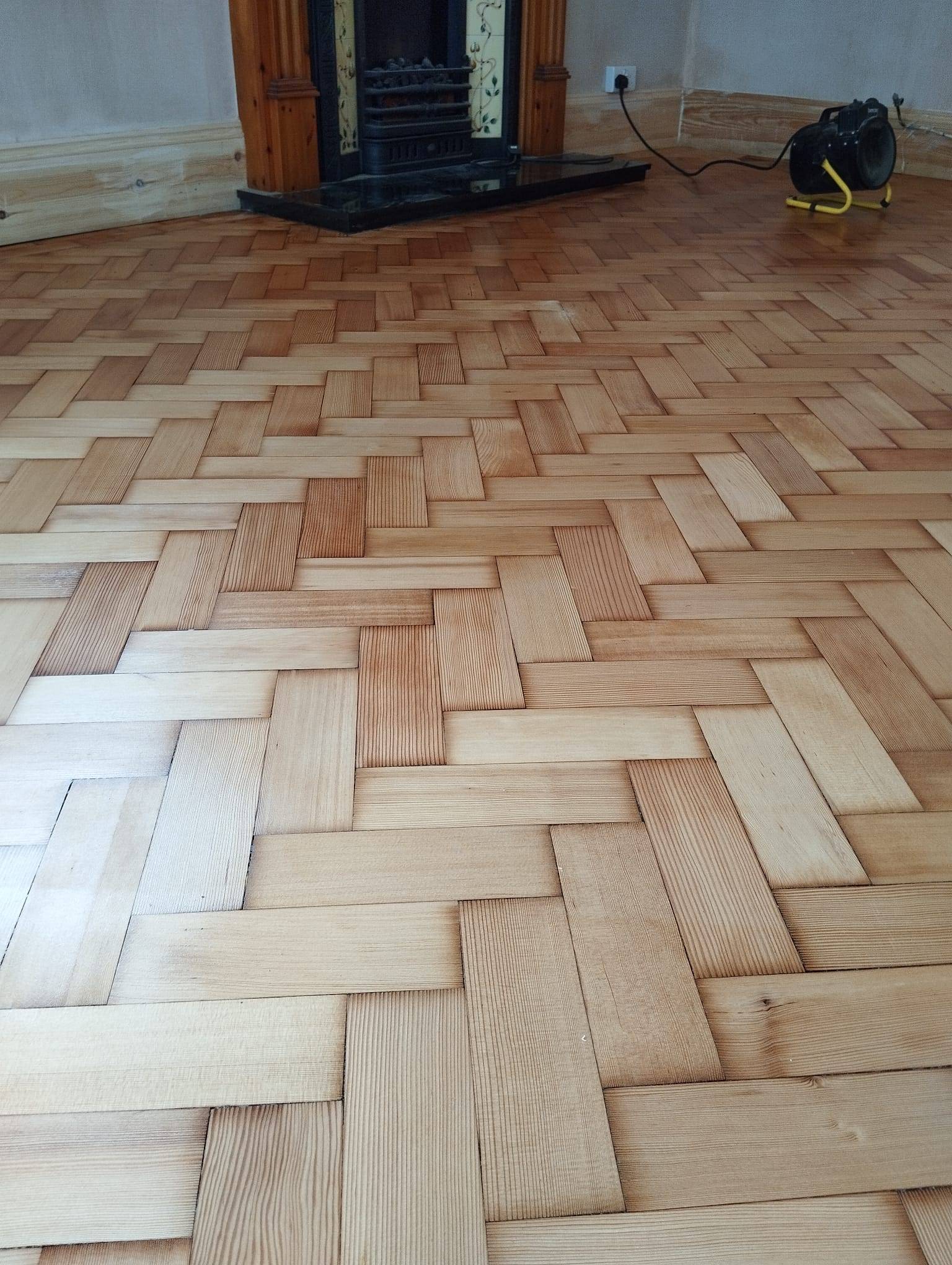
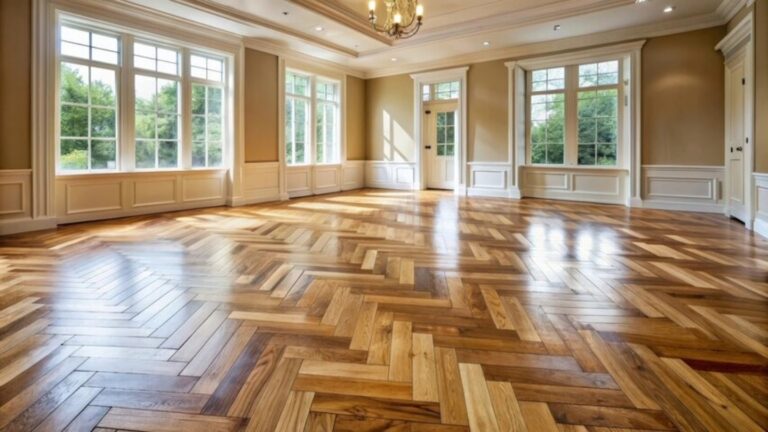
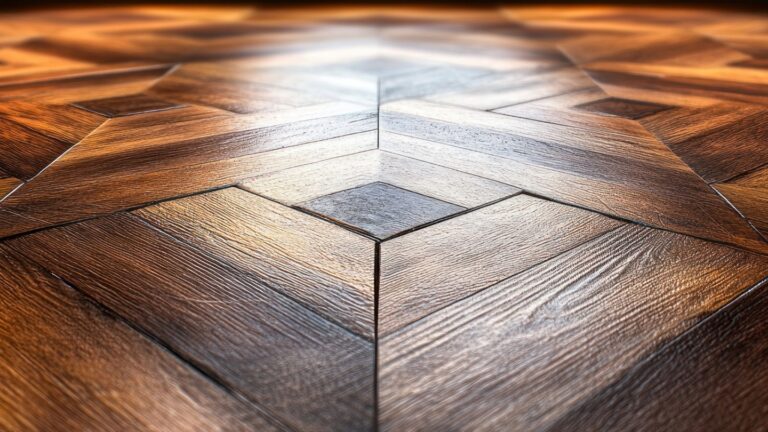
If you have a nineteen-thirties house in Ferndown or West Parley there is a good chance you are standing on parquet. It was standard specification then, usually oak or pitch pine blocks in herringbone, and it was usually carpeted over within forty years.

Lifting the carpet is the easy part. Gripper nails driven through the blocks, bitumen adhesive gone brittle, and a scatter of loose or missing pieces are what we normally find. All of it is repairable.

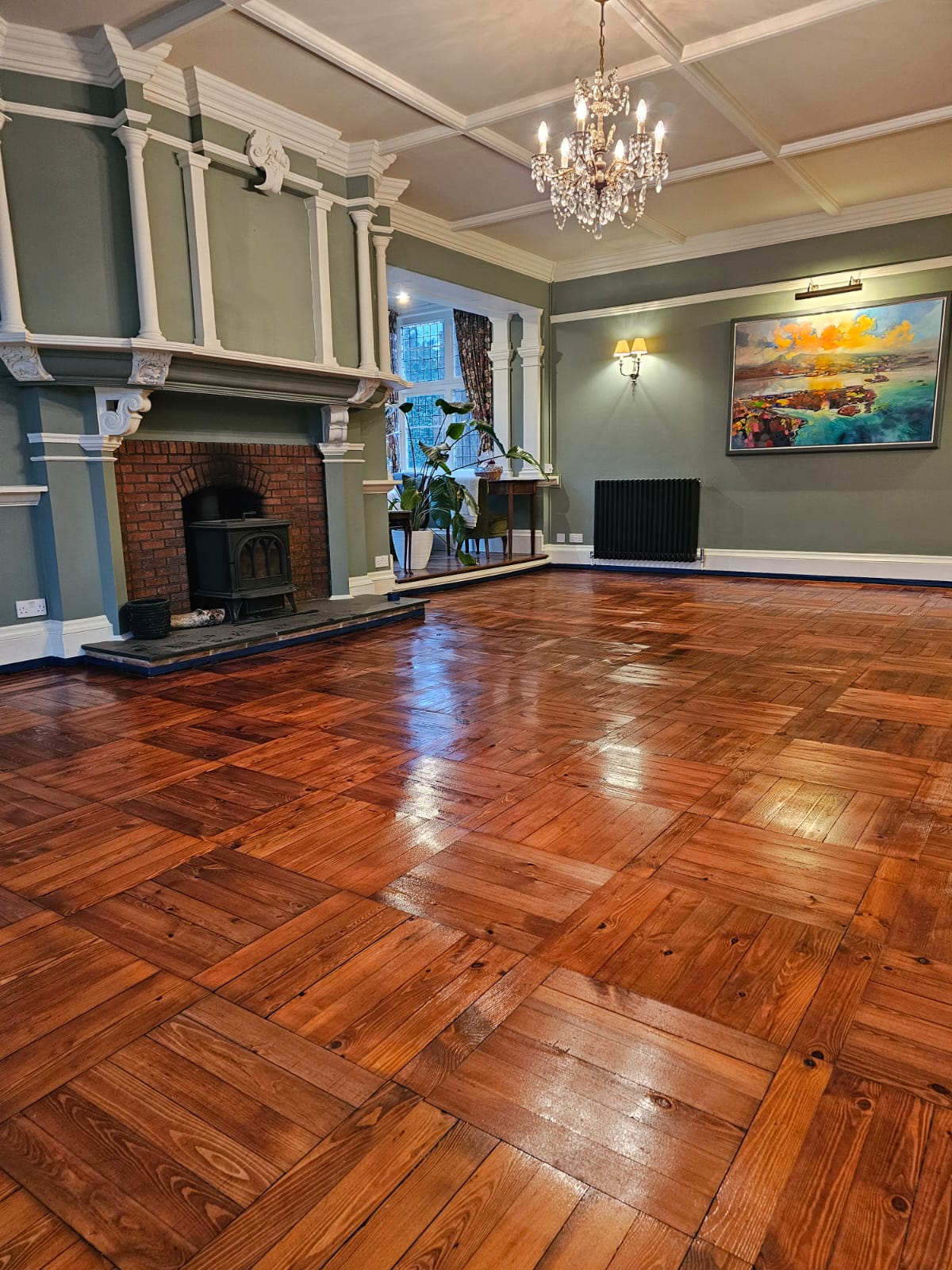
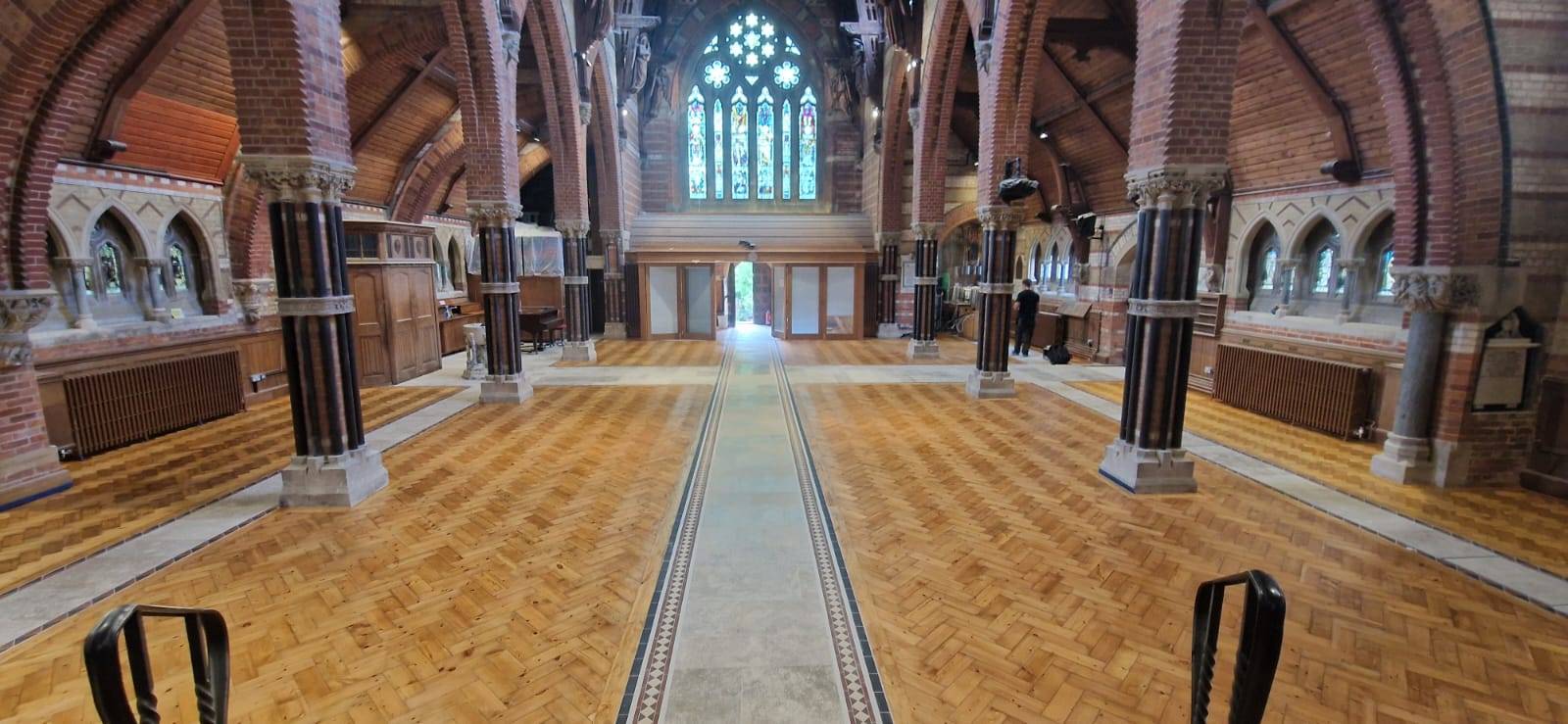
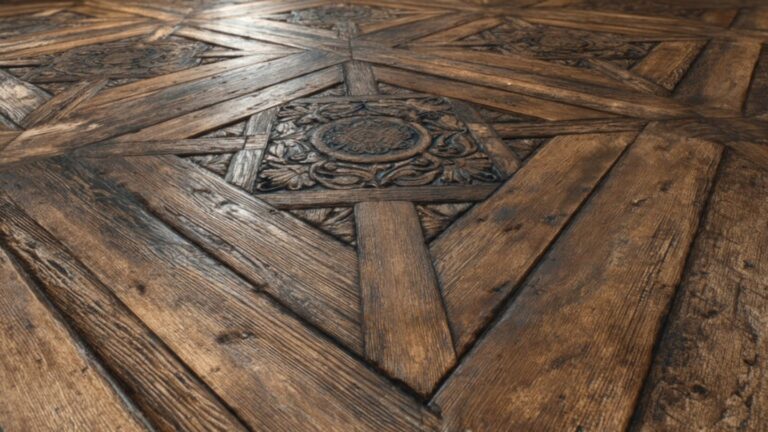
We re-lay loose blocks, source replacements to match the species and size, sand across the pattern rather than along it, and finish it properly. A restored parquet floor is the single biggest improvement most houses of this era can make, and it costs less than replacing it with anything comparable.

parquet wooden floor sanding
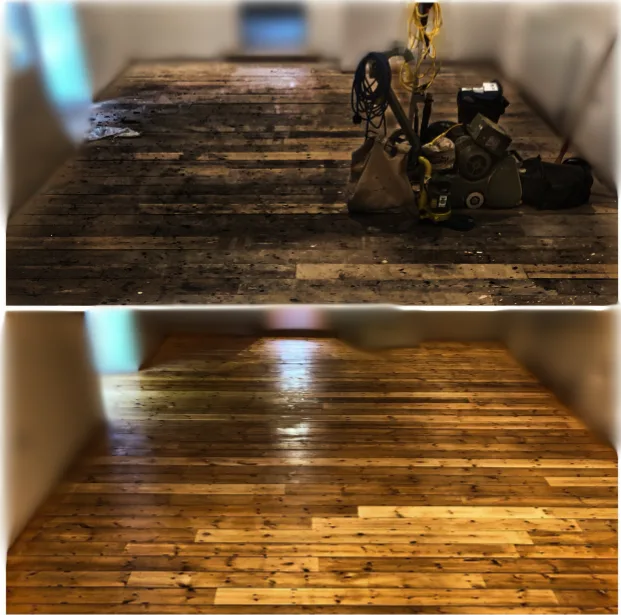
wooden floor sanding

What Can and Cannot Be Sanded

In the later Ferndown housing this is the question that matters, so we will answer it plainly.

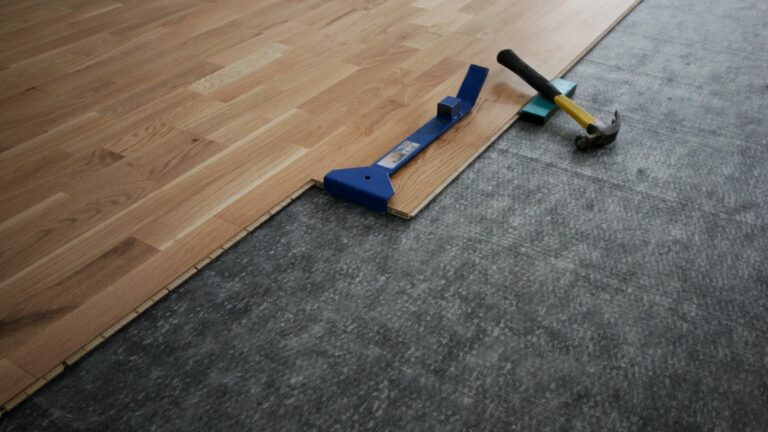
Solid timber boards can be sanded several times over their life. Block parquet can be sanded and repaired almost indefinitely. Engineered flooring has a wear layer, typically two to six millimetres when new, and a full sand takes about one millimetre, so it depends on how much is left and whether anyone has done it before. Chipboard flooring, standard in a lot of sixties and seventies housing, cannot be sanded at all.

We check by lifting a threshold strip or looking at a cut edge, which takes minutes. If the answer is no we say so at the survey and it costs you nothing. Where there is not enough wear layer, a screen and recoat is often exactly what the floor needs.

Sandy Heath Ground and Moisture

Ferndown sits on sandy heath soil, which drains far better than the clay you find further inland, so the classic waterlogged sub-floor is less common here than in, say, Wareham or Blandford.

What we do see is movement driven by heating rather than ground water. Modern houses run warm and dry in winter, which shrinks timber and opens gaps, then the reverse happens in a damp summer. Underfloor heating makes it more pronounced still.

It is manageable, but the finish and the gap-filling approach both need to allow for it. We take readings at survey and will tell you if a floor is moving enough that gap filling would simply pop out again within a year.

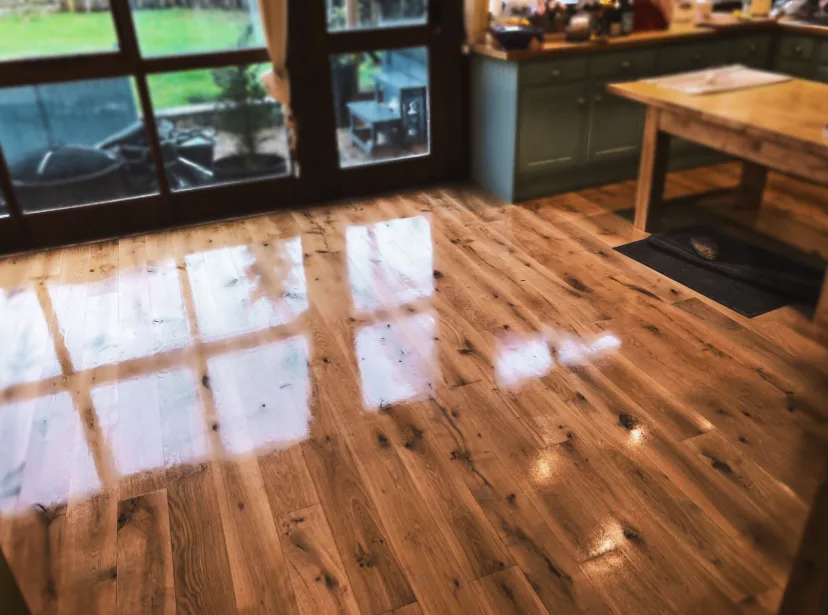
flooring sanding company

Dust-Free Sanding

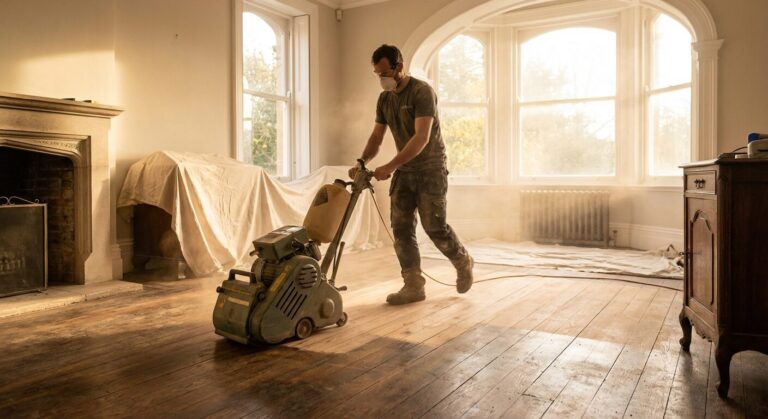
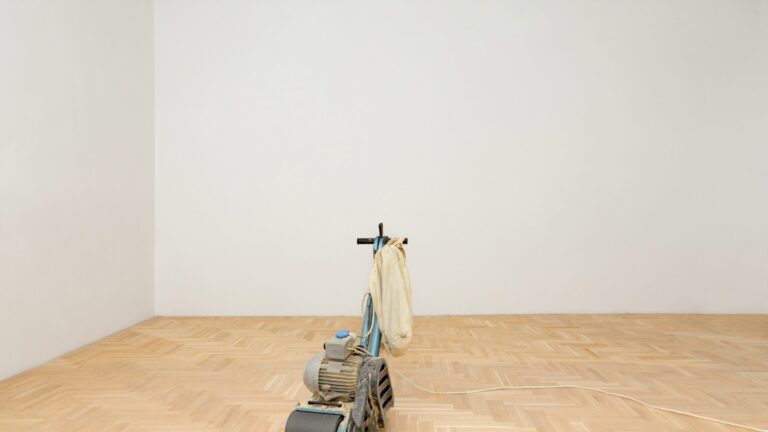
Extraction on our machines is industrial rather than the cloth bag you get with hire kit, which takes the bulk of the dust at source instead of letting it circulate.

Modern Ferndown houses are well sealed and warm, which is lovely to live in and terrible for airborne dust, because it has nowhere to go. Good extraction matters more here than in a draughty old cottage, not less.

Doorways get sheeted, anything left in the room gets covered, and we tidy as we go rather than at the end. Most people stay in the house throughout.

Commercial Floors Around Ferndown

We work for pubs, restaurants, cafes, hotels and shops across east Dorset, plus church and village halls, schools, colleges, nurseries, gyms, dance studios and sports halls.

Sports halls and dance floors are sanded back to clean timber, re-marked to the correct governing body specification for badminton, netball, basketball or five-a-side, then sealed with a proper sports system that keeps its grip rather than turning glassy.

Village halls we normally complete inside a single closed week. Pubs and restaurants are done overnight or on closed days with fast-cure sealers. School and college floors go into holiday windows booked a term or more ahead, because those weeks are fixed and they fill early.

Wood floor sanding company
Floor sanding taunton

Finishes, Costs and Booking

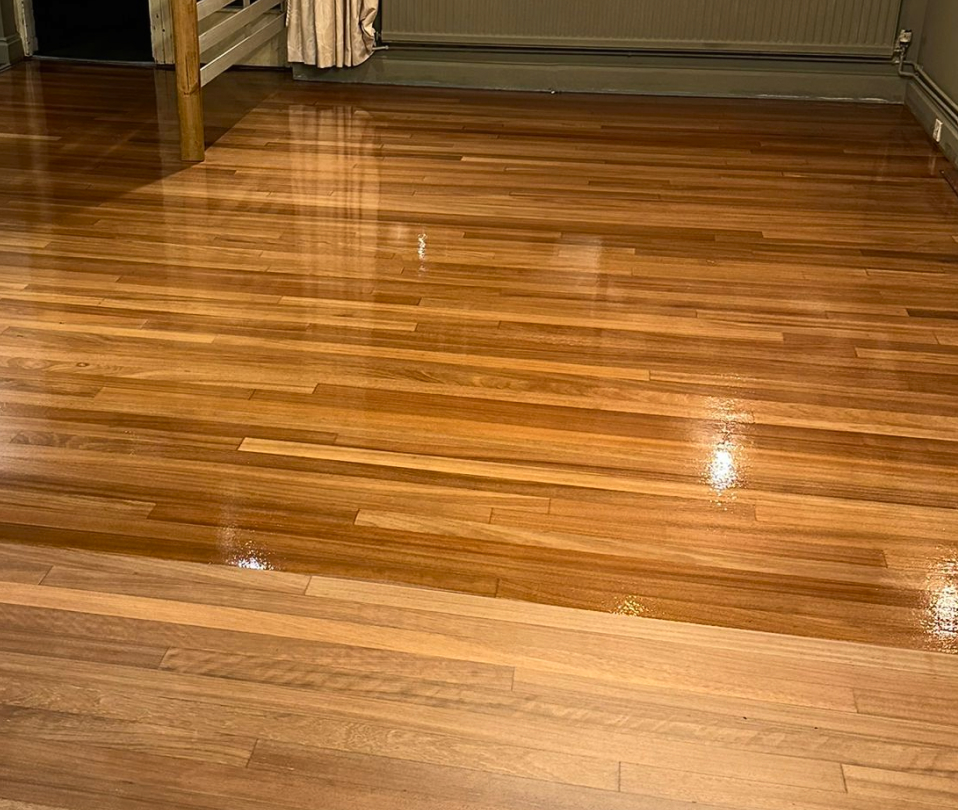
On parquet we almost always recommend hardwax oil, because it brings out the grain in old oak and pitch pine in a way lacquer flattens, and a scuffed area can be repaired without redoing the whole floor. For busy halls, rentals and shops, and over underfloor heating, a two-pack water-based lacquer is harder and copes better with movement.

Sanding and sealing generally runs twenty-five to forty pounds a square metre, parquet forty to sixty, a screen and recoat considerably less, stairs by the tread, and repairs quoted line by line.

The survey is free and takes about half an hour. Ring 01823 674562 or use the contact form.

Nearby areas we also cover: Bournemouth, Verwood, Wareham and Wimborne. There is a page for each, and the full list of towns is on our areas we cover page.

FAQ: Floor Sanding in Ferndown

Ferndown, West Moors, West Parley, Longham, Stapehill, Hampreston, Three Legged Cross, Verwood, Colehill and St Leonards, plus Wimborne, Bournemouth and Ringwood.

Almost always. Gripper holes, brittle bitumen and a few missing blocks are normal and repairable. Restoring costs less than laying an equivalent new floor and the timber is usually better.

No. Chipboard flooring, standard in a lot of sixties and seventies housing, cannot be sanded. We will tell you at the survey and it costs you nothing.

Sometimes. It depends how much wear layer is left, typically two to six millimetres when new against about one removed by a full sand. We check a cut edge or threshold before quoting.

Generally twenty-five to forty pounds a square metre for sanding and sealing, forty to sixty for parquet, and less for a screen and recoat. Survey and quote are free.

Usually not. Warm dry winter heating shrinks timber and gaps open, then close again in summer. If they never close it points to a humidity problem worth looking at before gap filling.

It increases seasonal movement, so gaps open and close more. We usually recommend lacquer over oil on heated floors and take the movement into account when advising on gap filling.

We run industrial extraction which captures the great majority of dust at the machine. Not literally zero, but nothing like a hired drum sander.

A single room is around two days, a full downstairs three to four, parquet longer, and a screen and recoat often a single day.

Yes. Pubs, restaurants, cafes, hotels, shops, village and church halls, schools, colleges, nurseries, gyms, dance studios and sports halls including line marking.

Ryan's Restoration
4.9
Based on 114 reviews
×
js_loader