Floor Sanding in Wimborne Minster
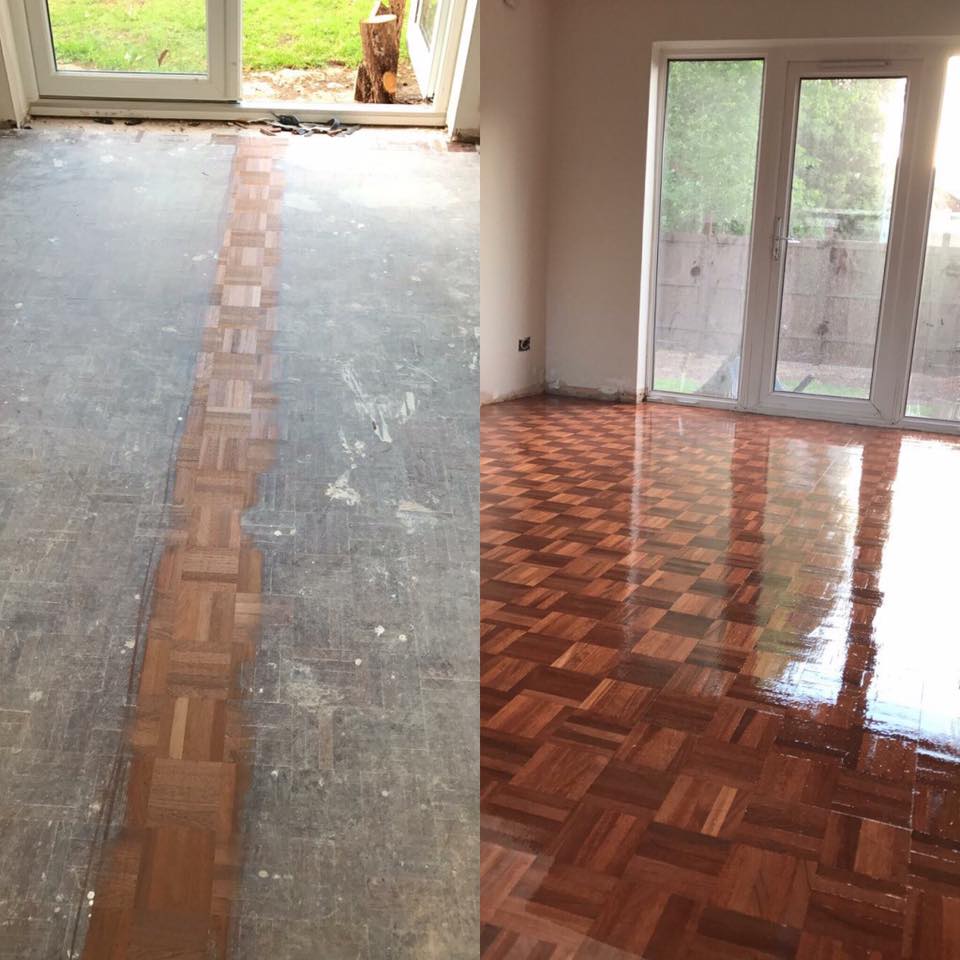
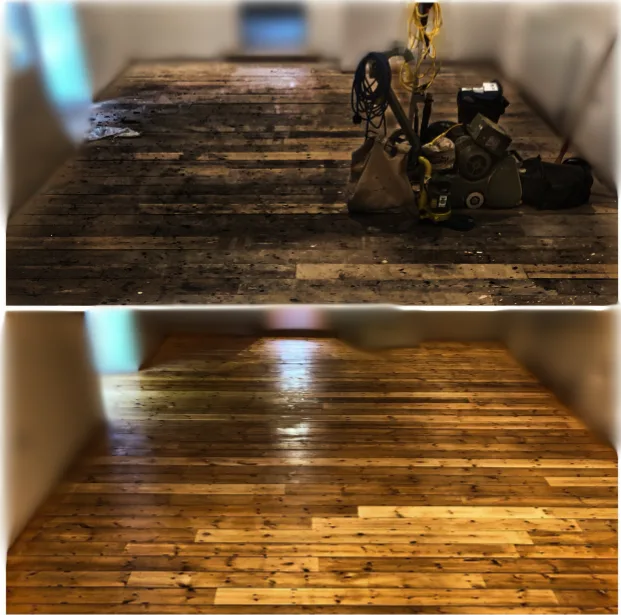
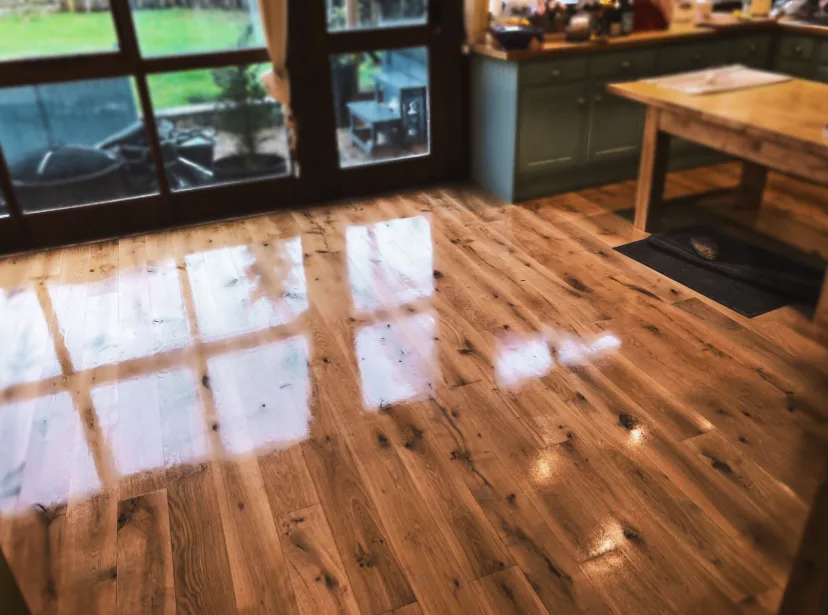
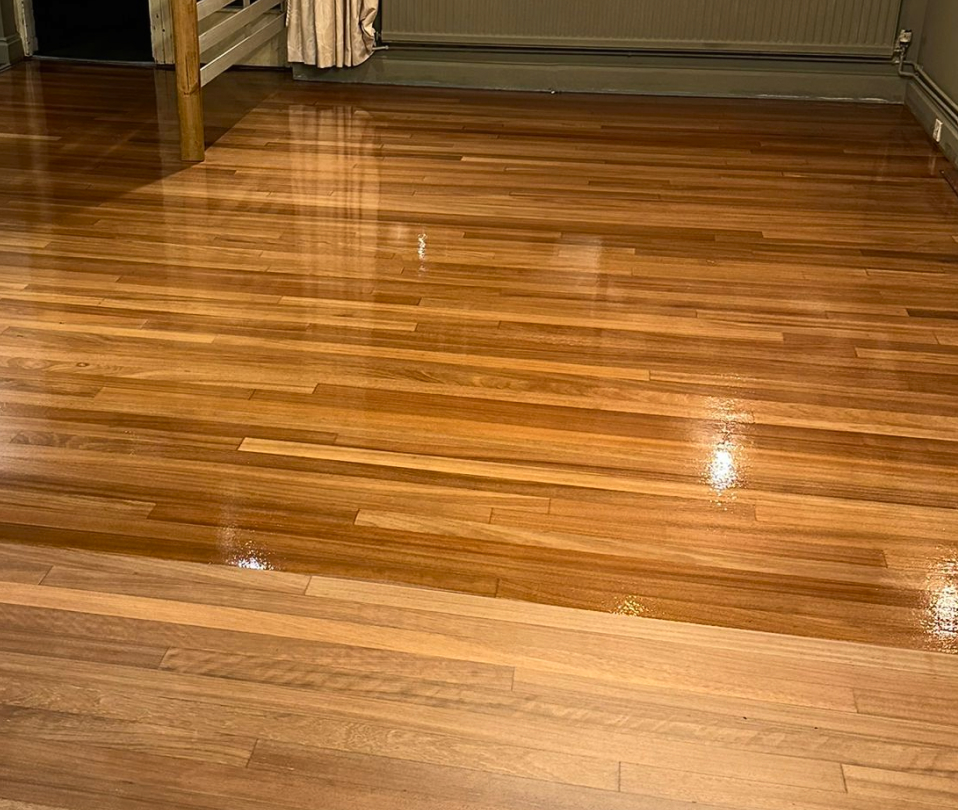
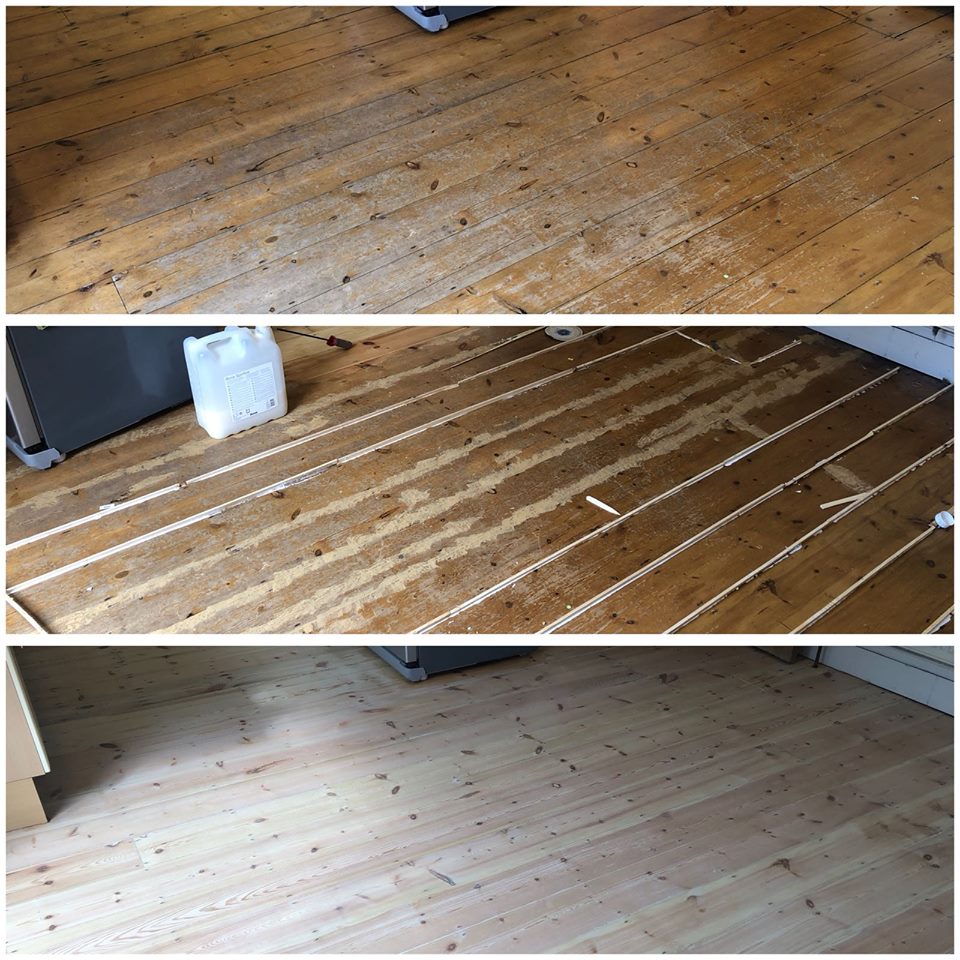
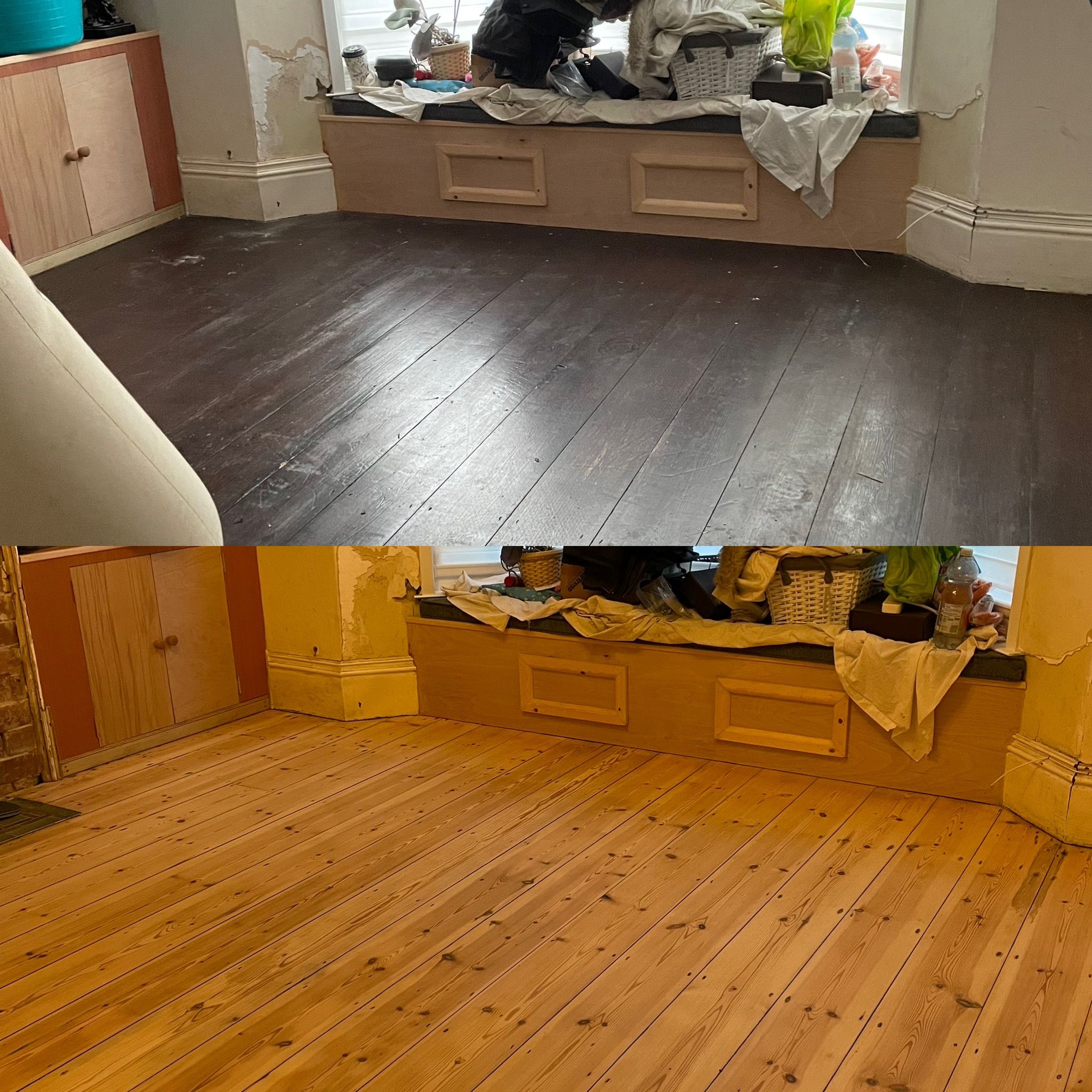
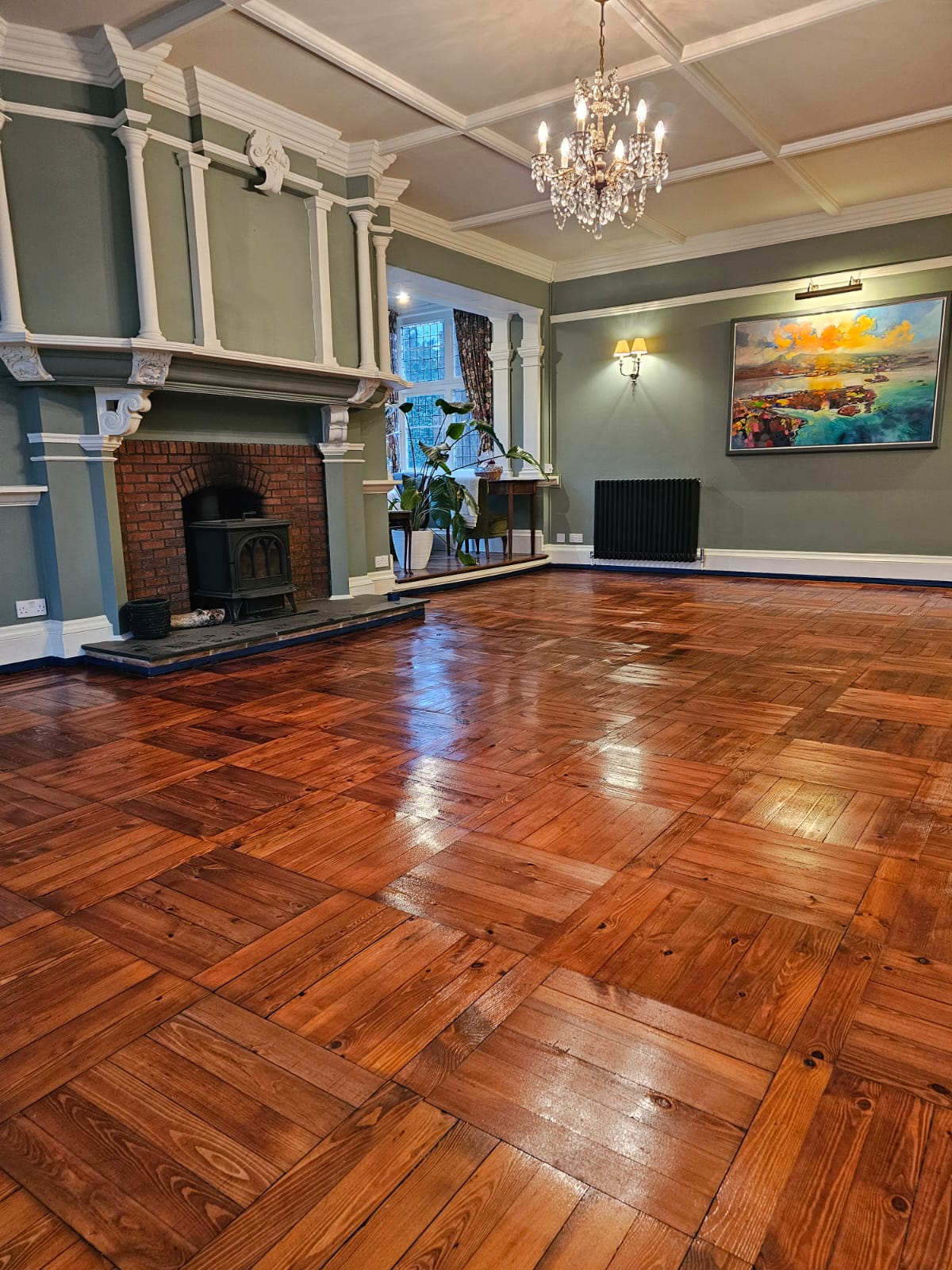
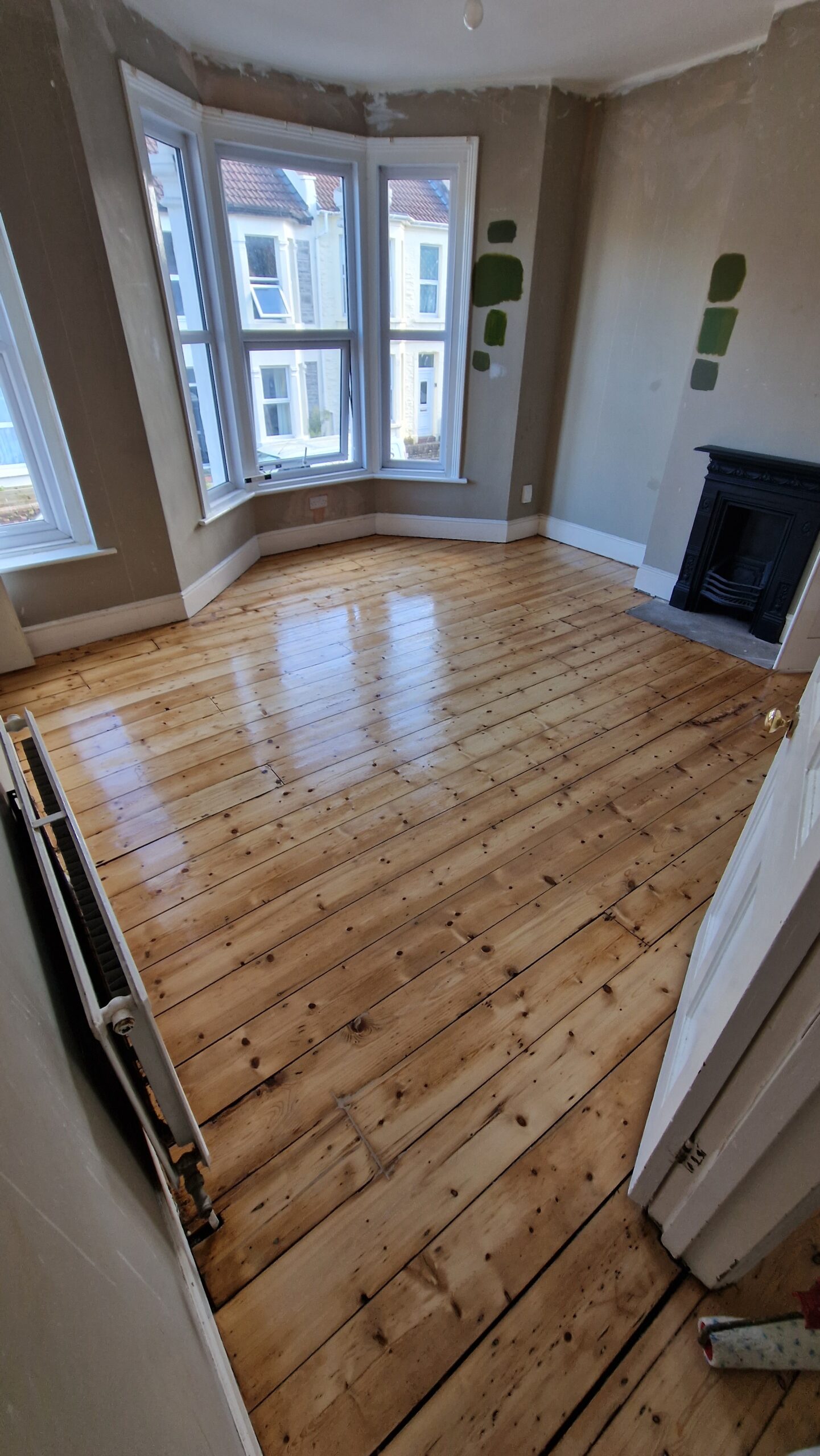
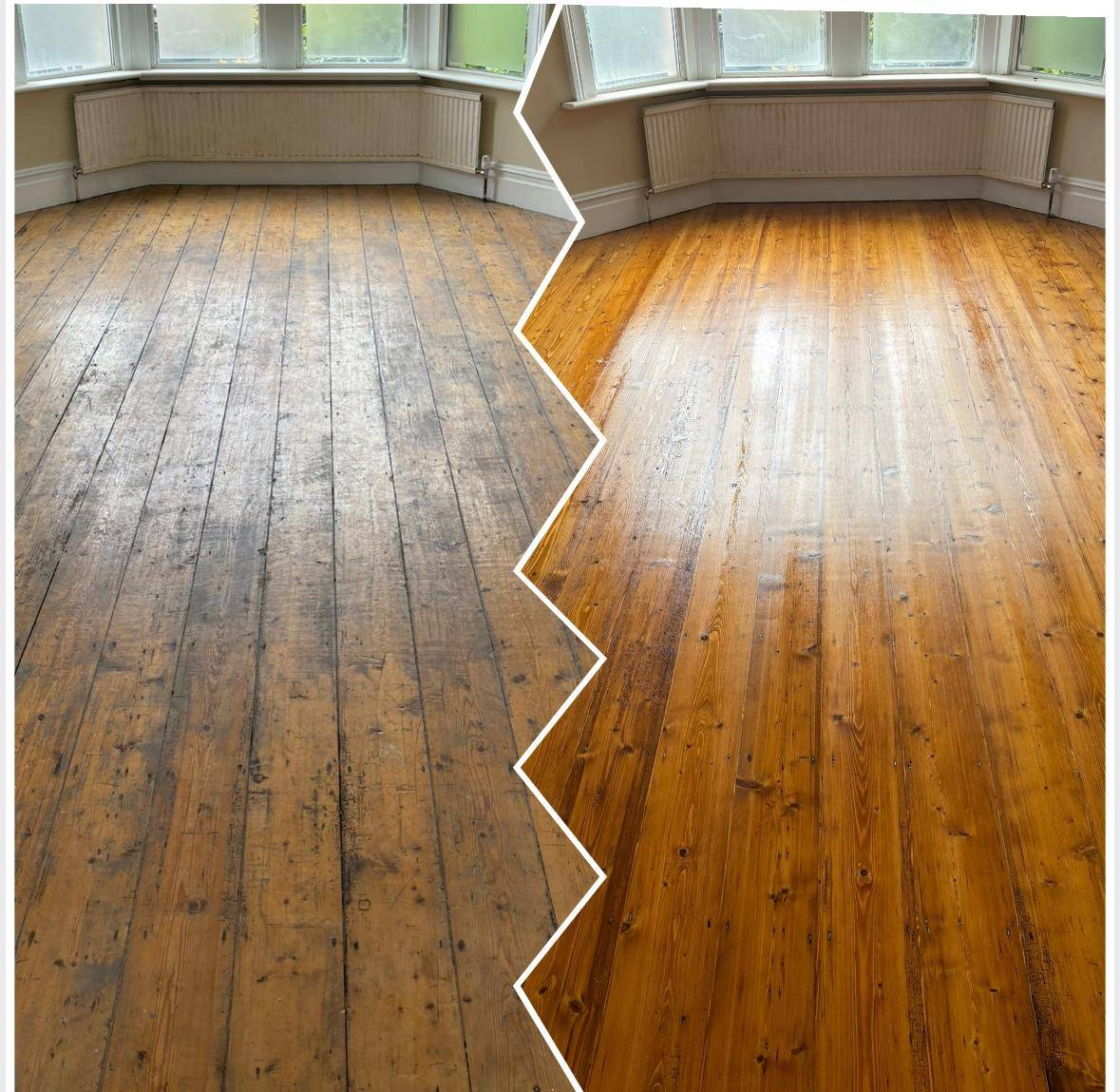
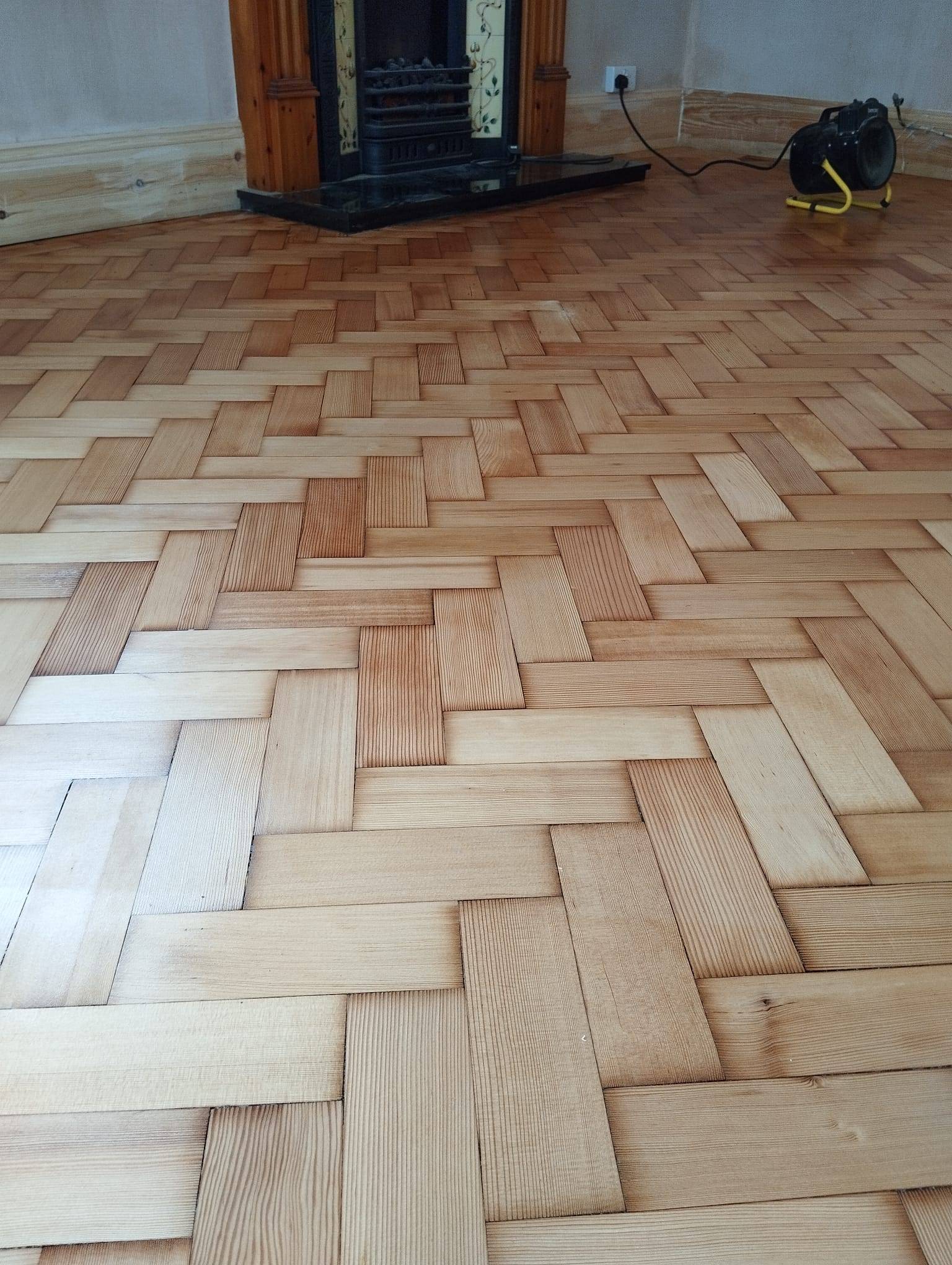
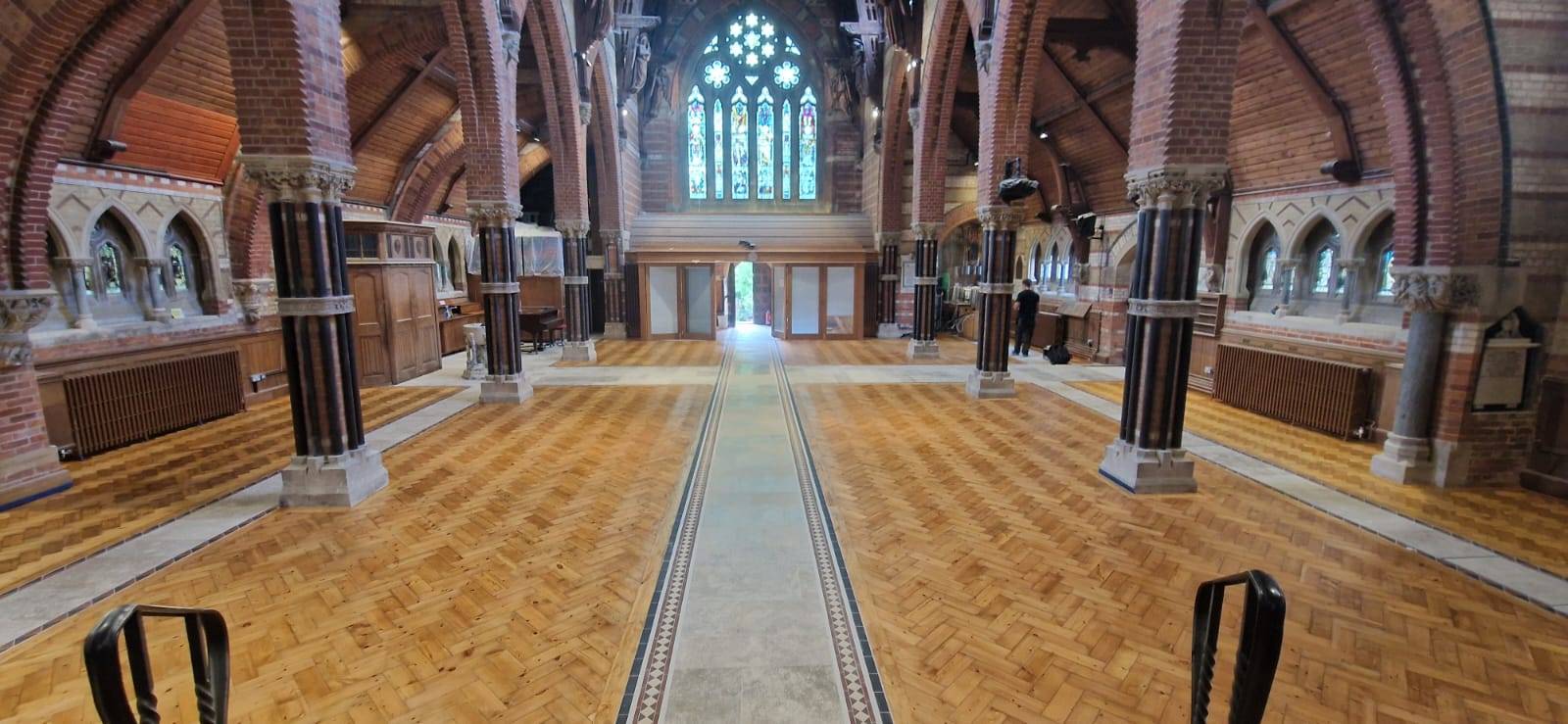
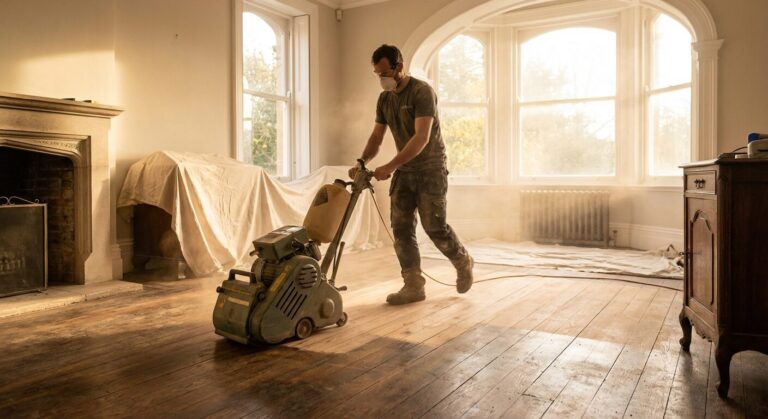
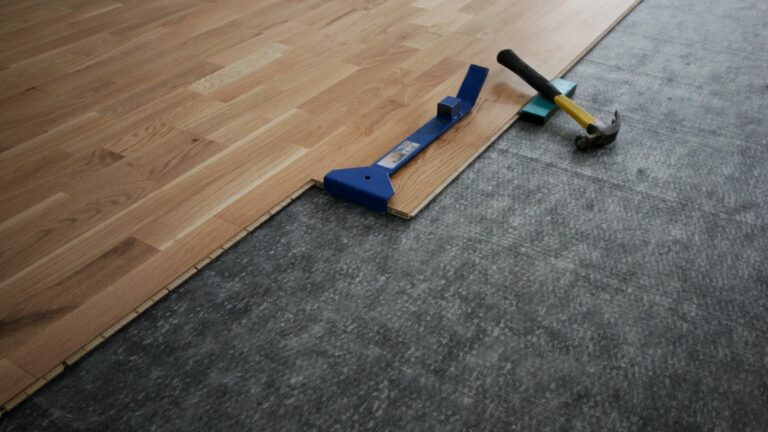
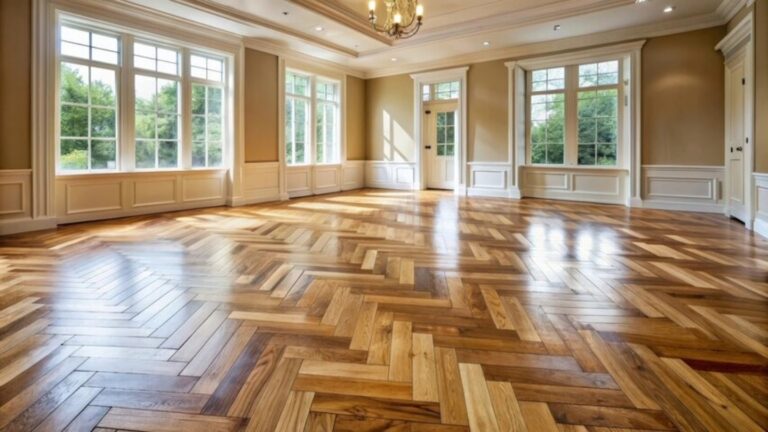
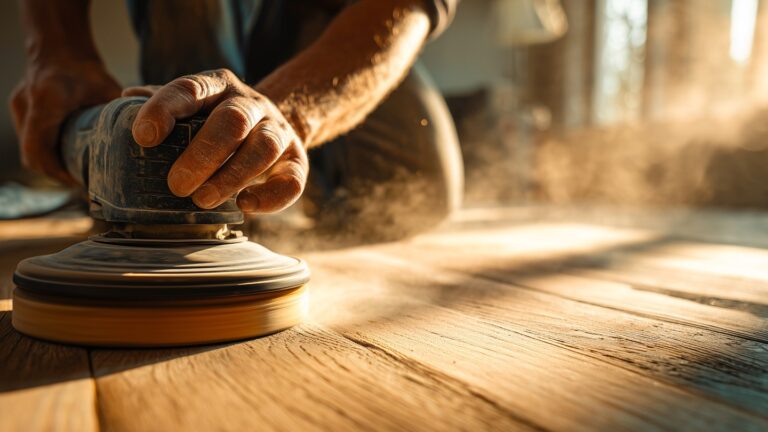
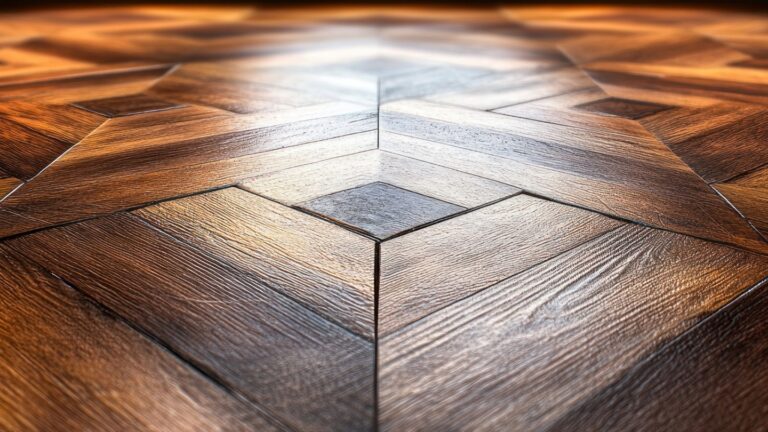
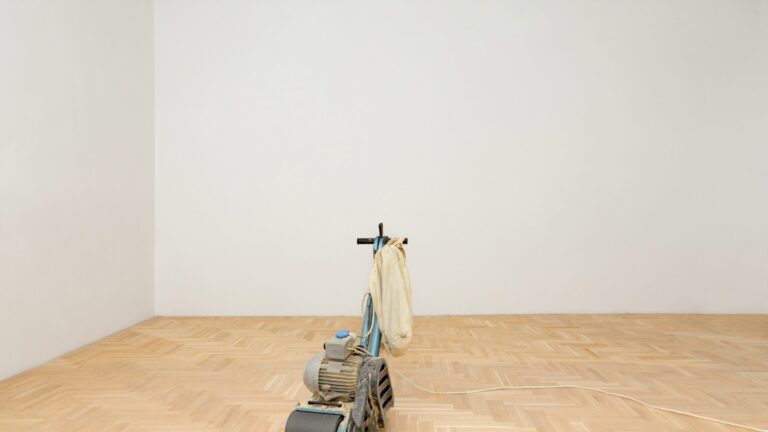
Wimborne keeps us busy with every kind of wood floor sanding: wide elm and early pine in the listed buildings around the Square, Victorian boards, interwar parquet in Colehill and Merley, and modern engineered oak towards Canford Bottom. As a family-run firm with more than 45 years’ experience, we match the method to the timber — fine grits and patient passes on old elm, a fuller programme on younger floors.
On historic boards our rule is minimum removal, and where a floor would be better served by restoration without sanding or a light buff and recoat, that is what we will recommend.
Minimum removal is a practical discipline, not a slogan. We start with the finest grit that will still cut through the old surface, take trial passes in a corner before committing to the room, and stop machine work the moment the boards are clean and level. Done this way a full restoration removes around a millimetre of timber — which means an old floor has several sands left in it if each one is treated with that respect.
In listed buildings we also think about what goes back on. Boards that have always breathed can be sealed with finishes that continue to let them, and we are used to owners — and conservation officers — preferring a floor that looks cared for rather than newly fitted. Keeping a little honest wear in a centuries-old surface is often the right decision, and we will say so when it is.