Floor Sanding Dorchester

Floor Sanding and Wood Floor Restoration in Dorchester

QUICK QUOTATION

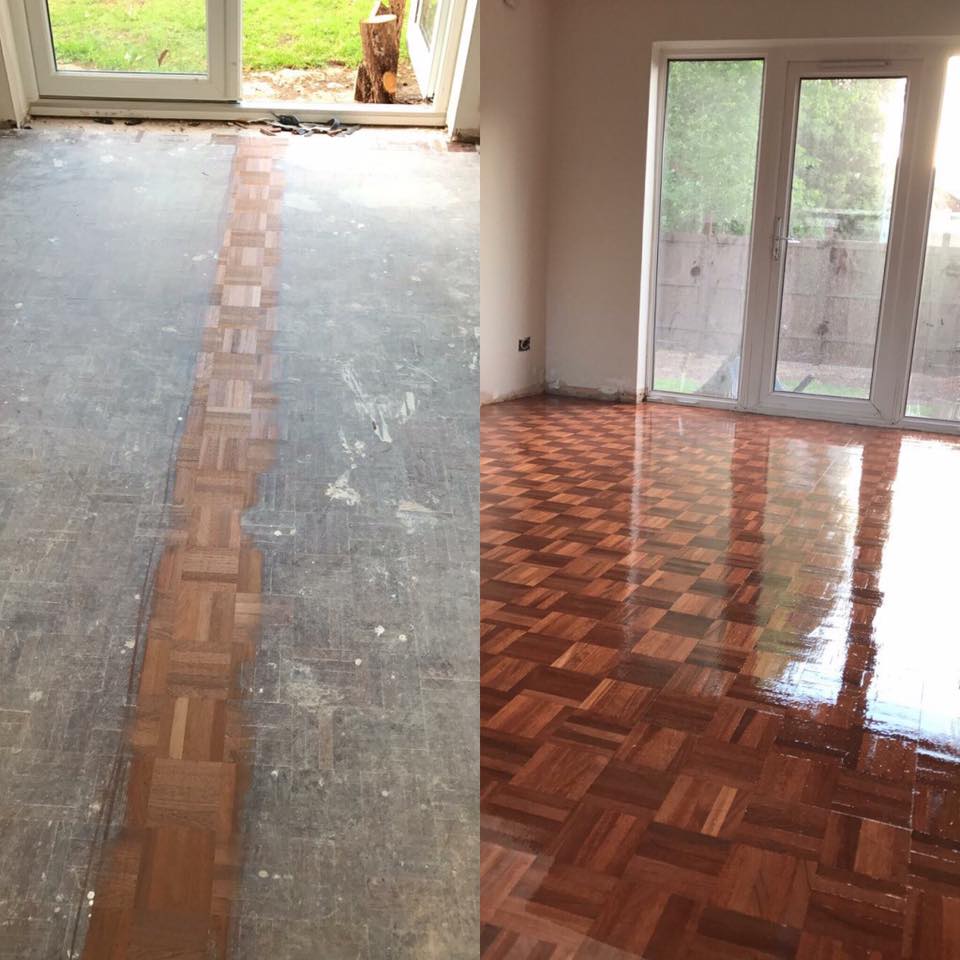
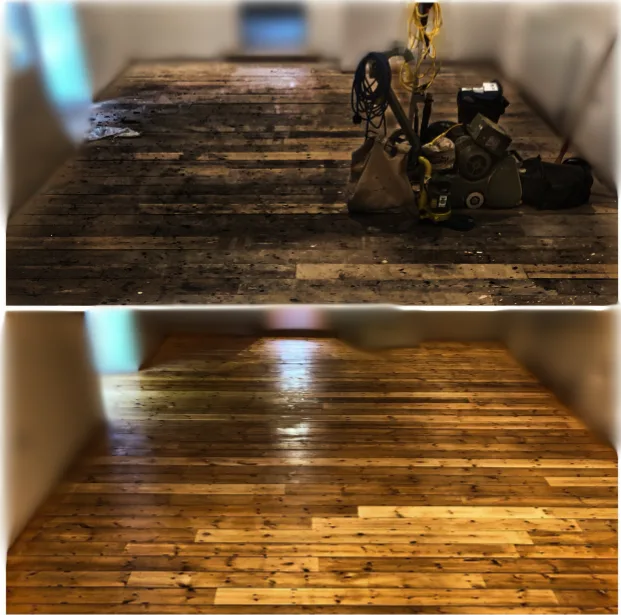
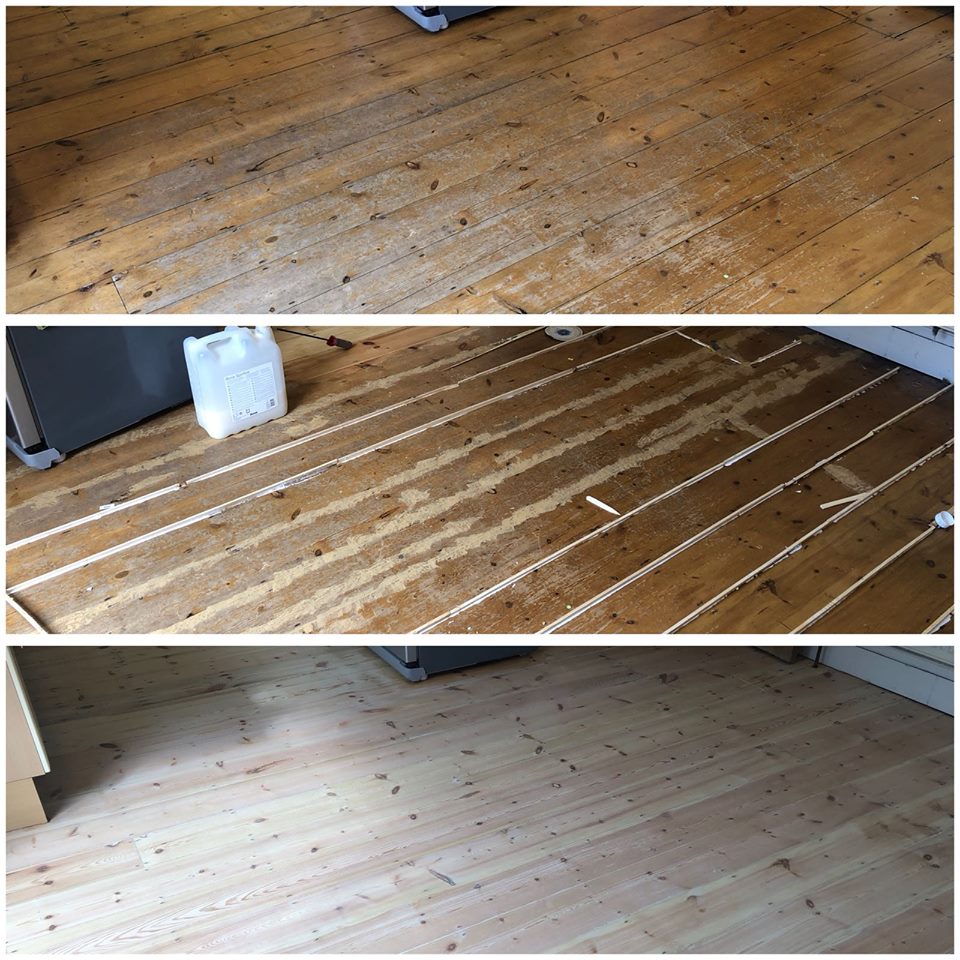
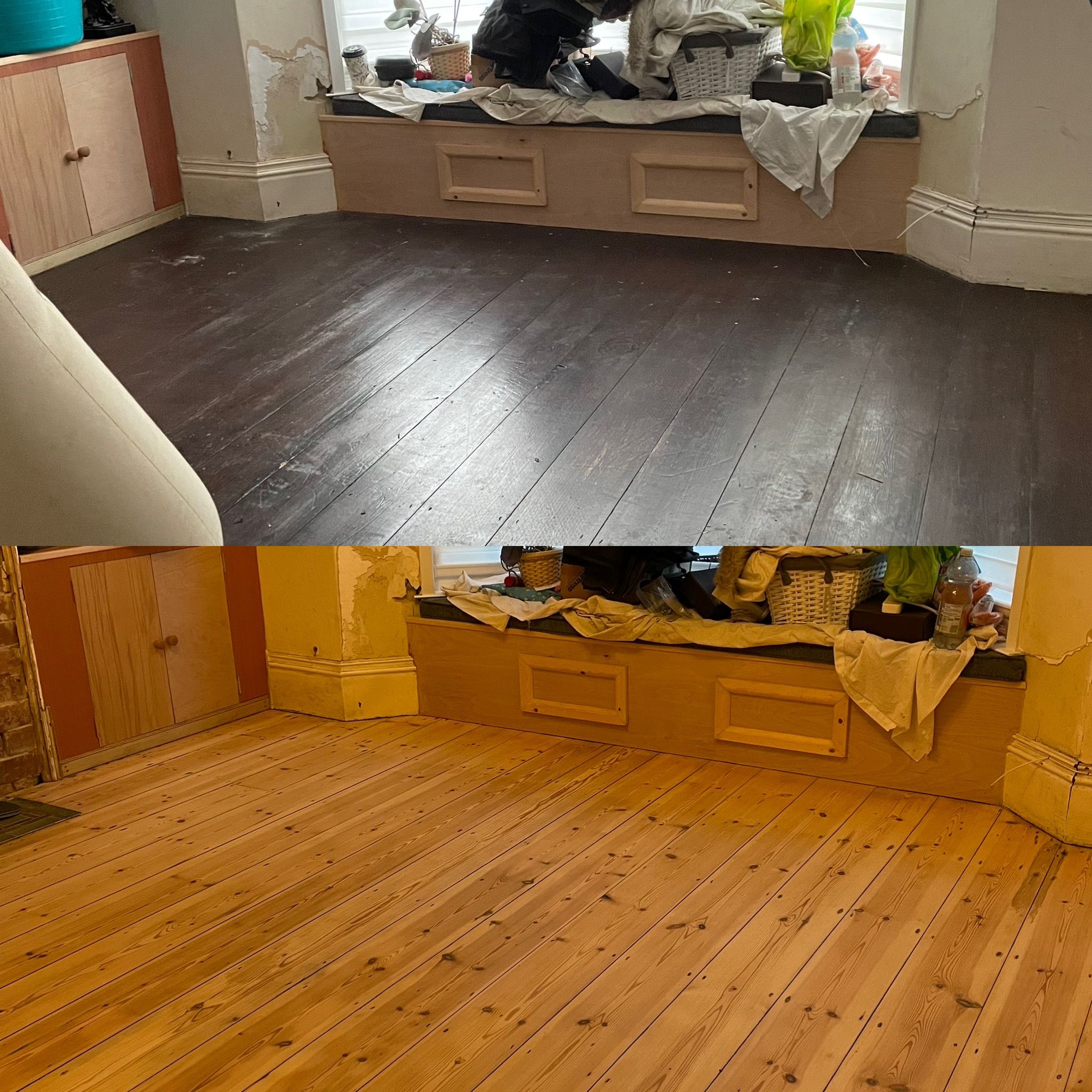
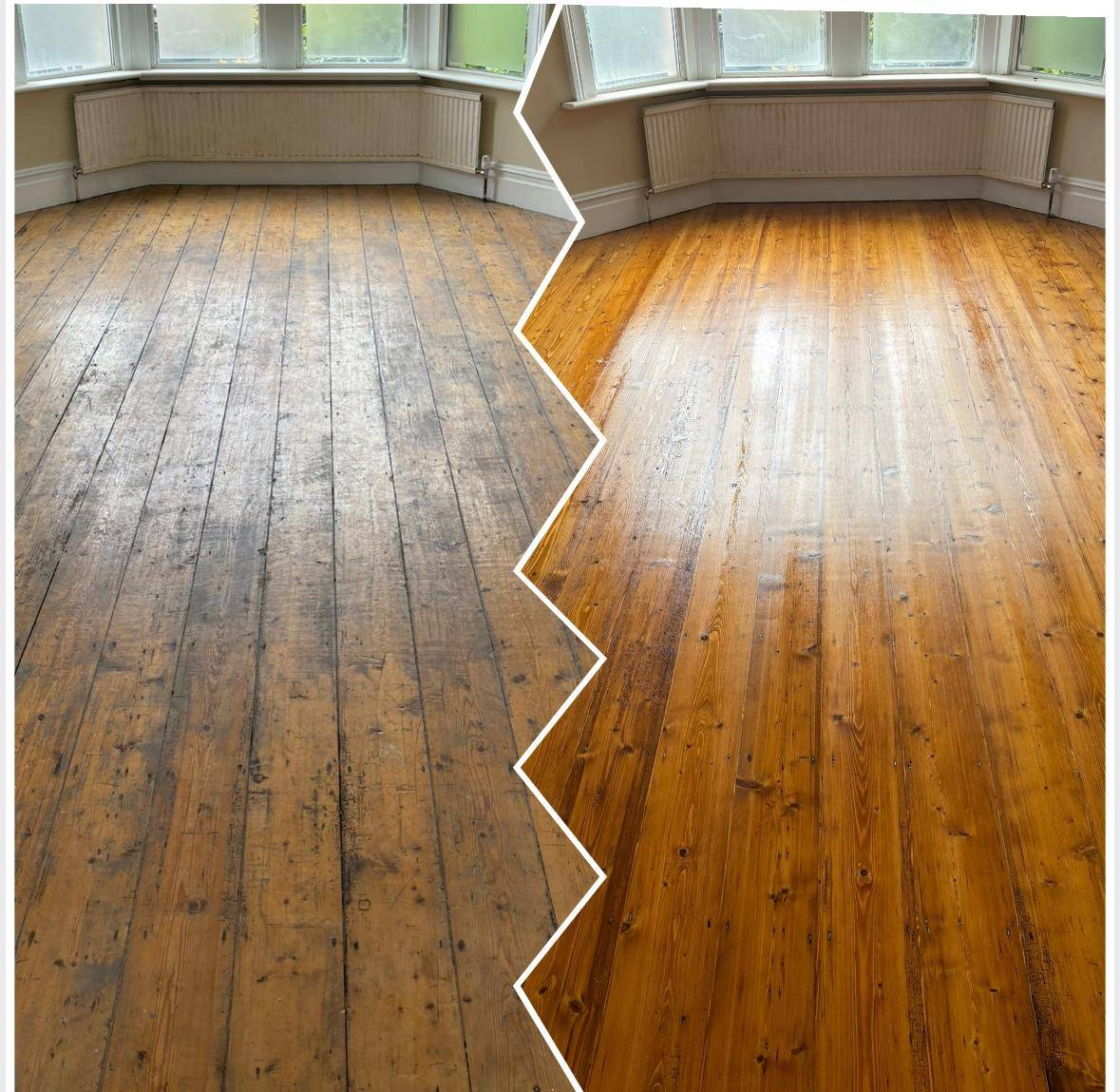
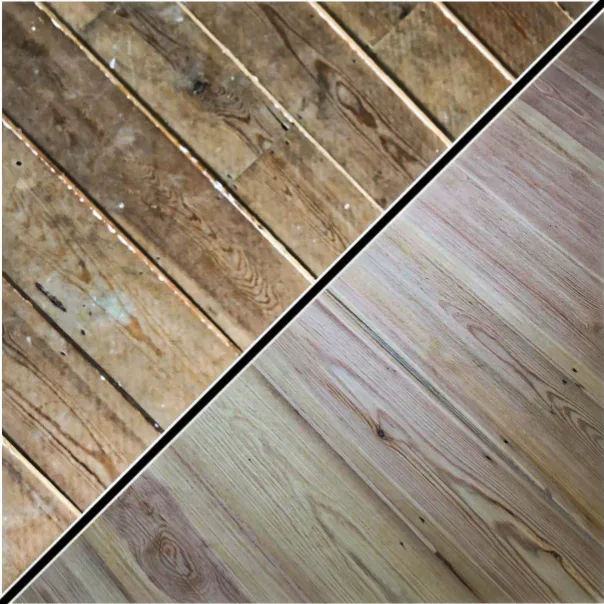
Floor sanding before and after

Floor Sanding Across Dorchester and West Dorset

Dorchester is a small county town with an unusually long history — Roman Durnovaria beneath, a Georgian core above, and Poundbury bolted onto the western edge in the last thirty years. Each brings a different sort of floor.

We cover Dorchester, Poundbury, Fordington, Charminster, Puddletown, Cerne Abbas, Maiden Newton, Piddlehinton and Broadmayne, plus Weymouth, Bridport, Sherborne, Blandford and Wareham.

Quotes are free. On the older High Street property we would rather come and look than price from a description, because how much timber remains in a board decides what we can safely do.

Georgian High Street, Cottages and Poundbury

The Georgian and early Victorian buildings along High West Street and High East Street have the best floors in town — well-cut boards over deep joists, though most have had a sanding or two across two centuries and want measuring before anything starts.

The cottages in Fordington and the surrounding villages are a different job. Wide elm and oak over hand-cut joists, frequently with cob or rubble-stone walls, little ventilated void beneath and centuries of repair. They get the lightest treatment we can manage and a careful look at the joist bearings first, because rot there is common in cob property.

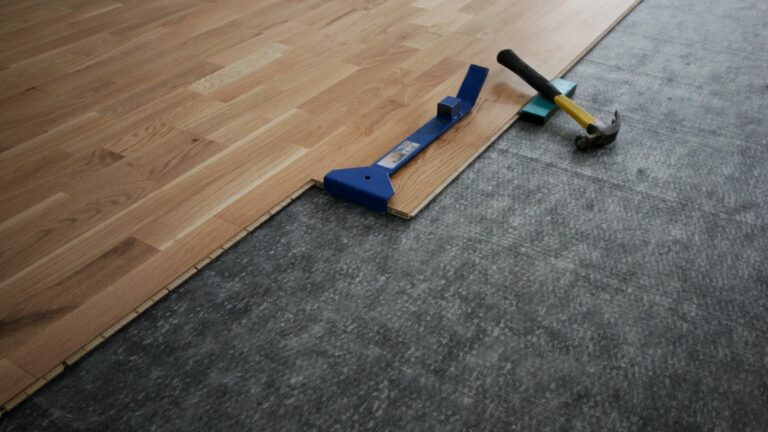
Poundbury is newer and mostly engineered board rather than solid. Engineered flooring has a thin wear layer over ply and will usually take only one careful sand — sometimes none at all. We check what you actually have before touching it, because getting that wrong is expensive and irreversible.

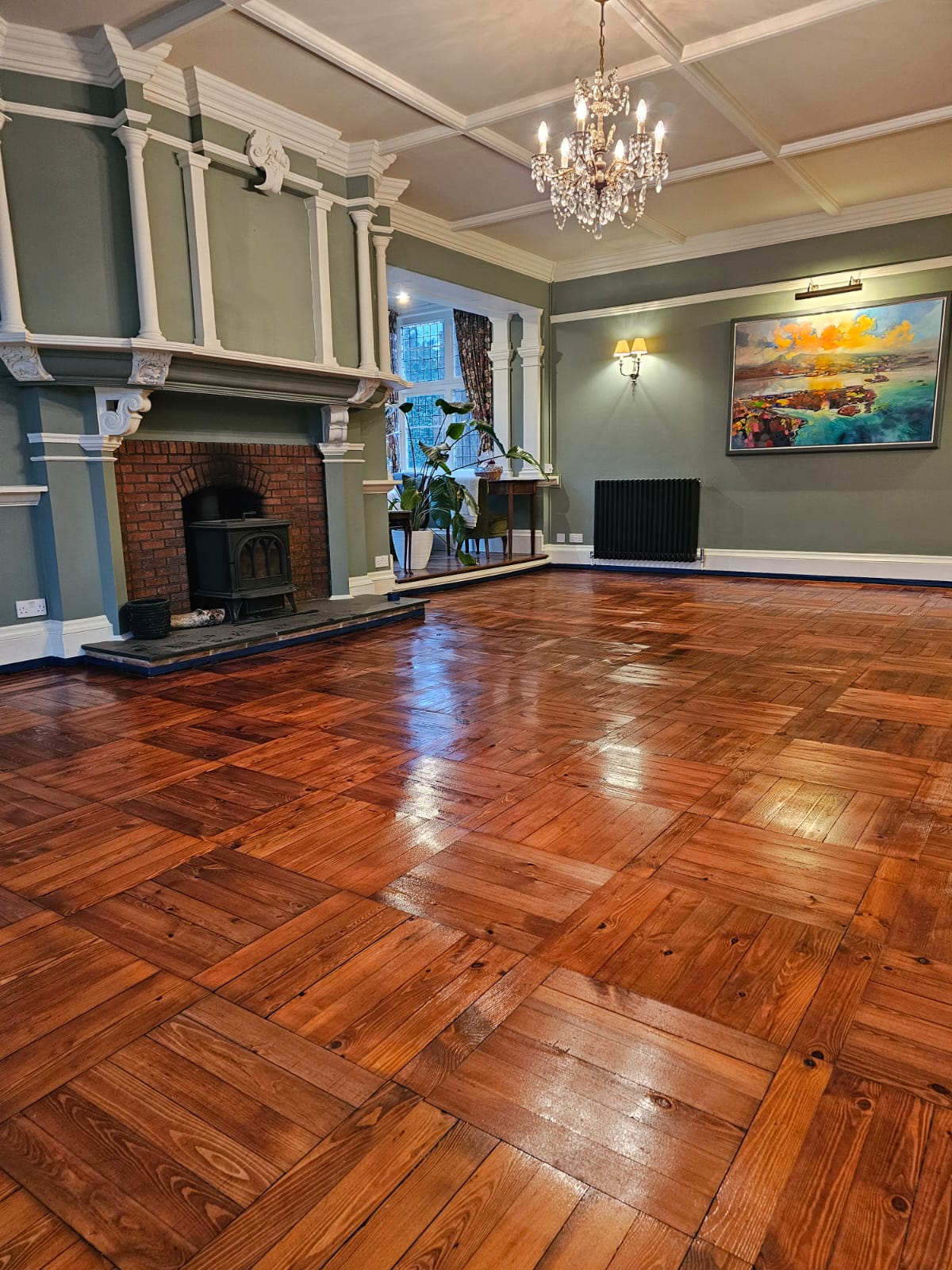
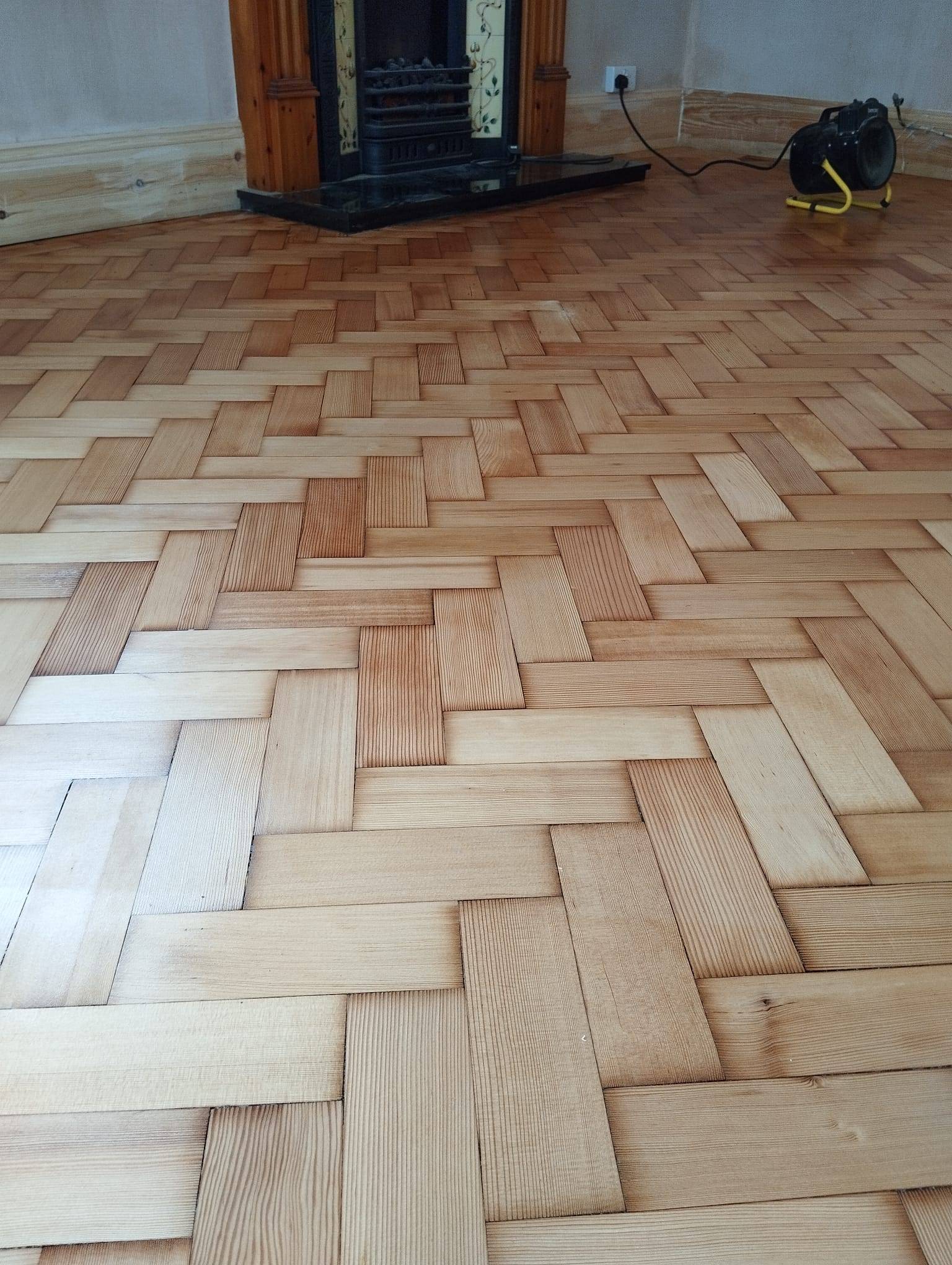
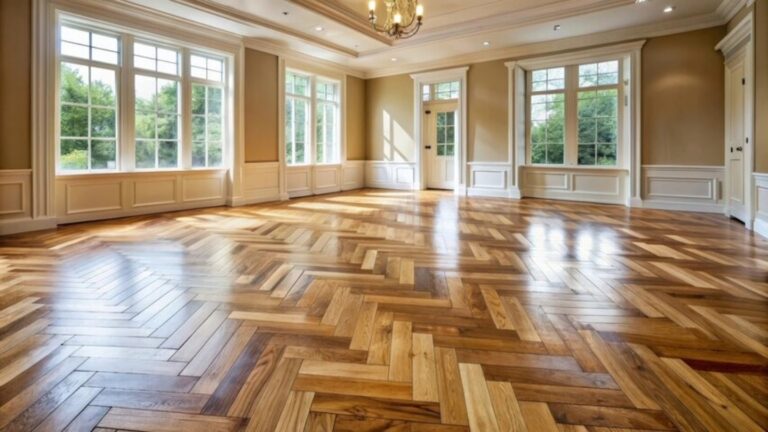
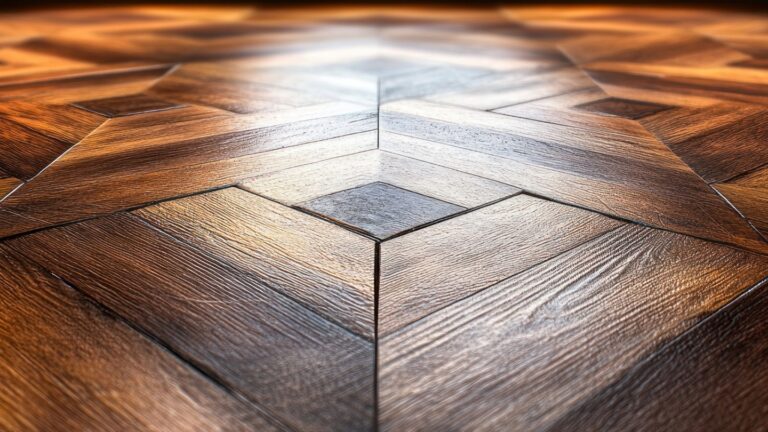
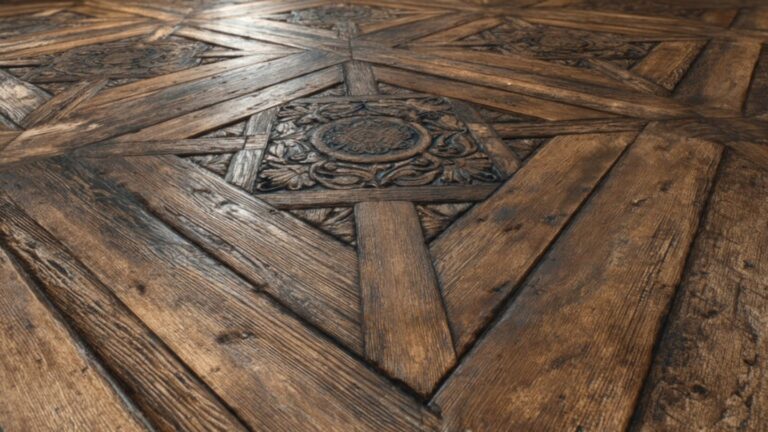
parquet wooden floor sanding
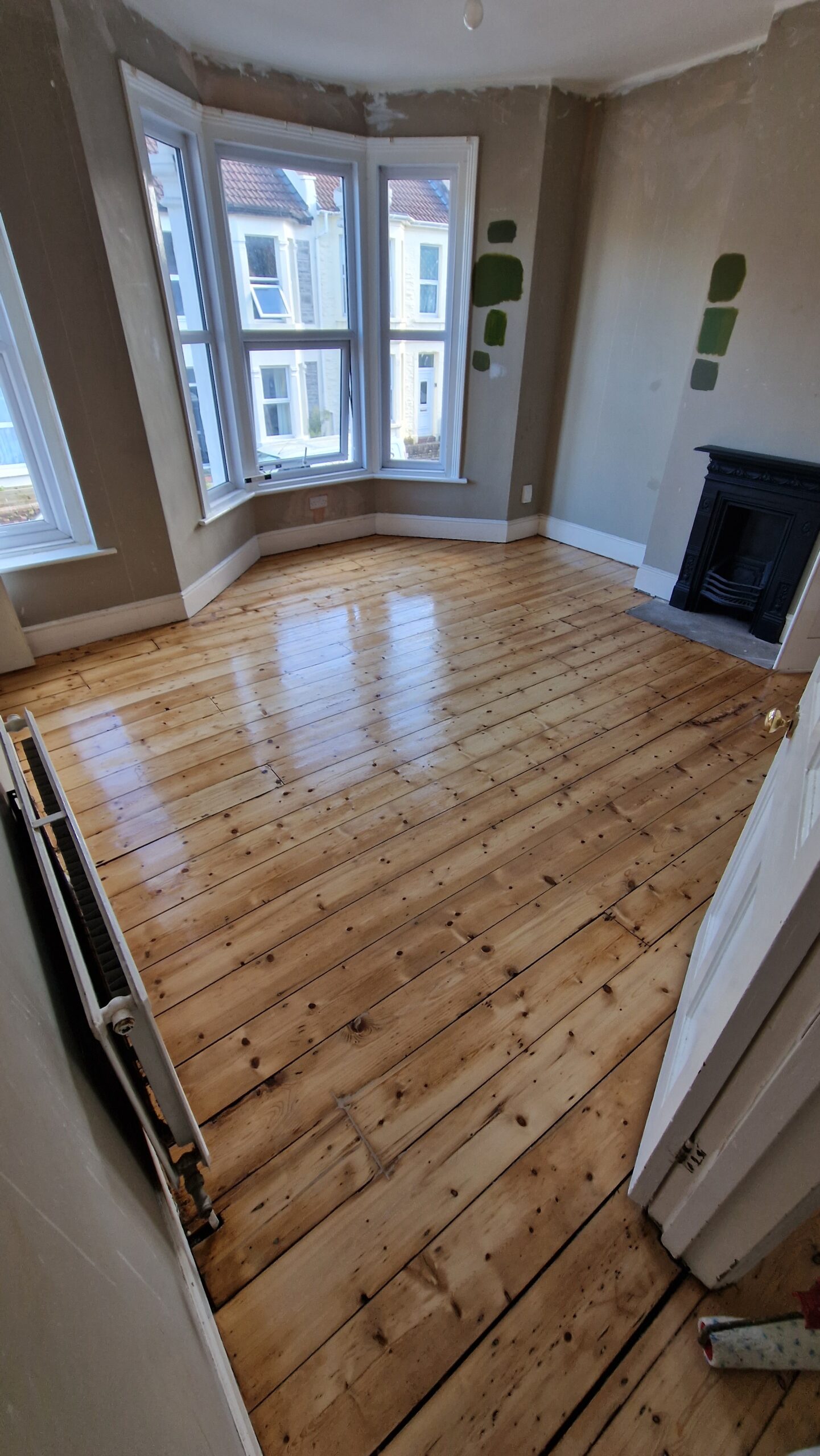
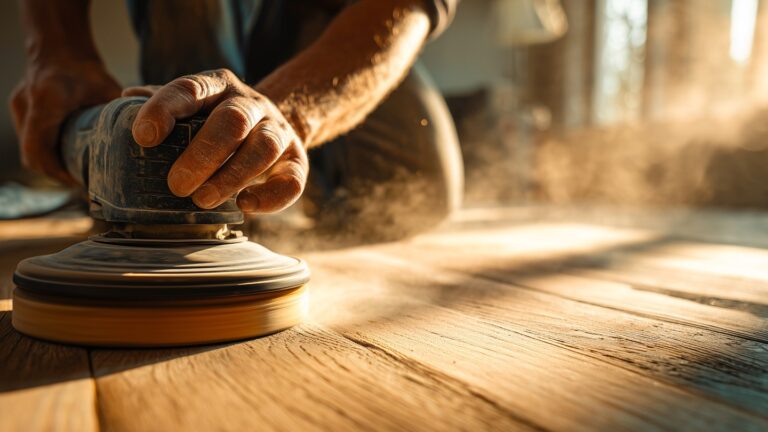
wooden floor sanding

Chalk Downland, the Frome and Water Meadows

Dorchester sits on chalk with the Frome running along its northern edge and old water meadows either side. That combination produces two quite separate effects on floors.

The chalk gives very hard water, which leaves pale mineral rings around sinks, back doors and radiators, and builds a fine limescale film on floors that are regularly mopped. That film scatters light so the floor looks tired well before the finish has actually worn — and a clean and machine buff usually restores it for around a third of what sanding costs.

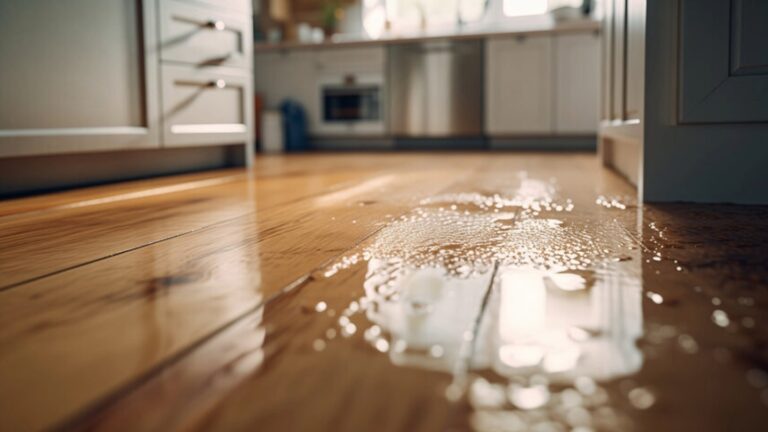
The low ground near the Frome is the opposite problem: raised subfloor humidity, cupped boards and occasionally rot at the joist ends. Cupping is boards curving upward at the edges so the floor reads as shallow ridges underfoot. Sanding one flat while it is still wet leaves every board thin down the middle once it dries, so we take moisture readings before quoting.

Listed Property and Conservation Areas

Central Dorchester is a conservation area with a good number of listed buildings, and in a listed property the original floorboards are usually part of what is protected.

Sanding and refinishing an existing floor rarely needs listed building consent. Replacing boards, altering the structure or changing the material generally does, and unauthorised work to a listed building is a criminal matter rather than a paperwork one.

Where there is any doubt we put our proposed method in writing — grits, finishes and exactly what comes off — so you can hand it to the conservation officer before anything starts.

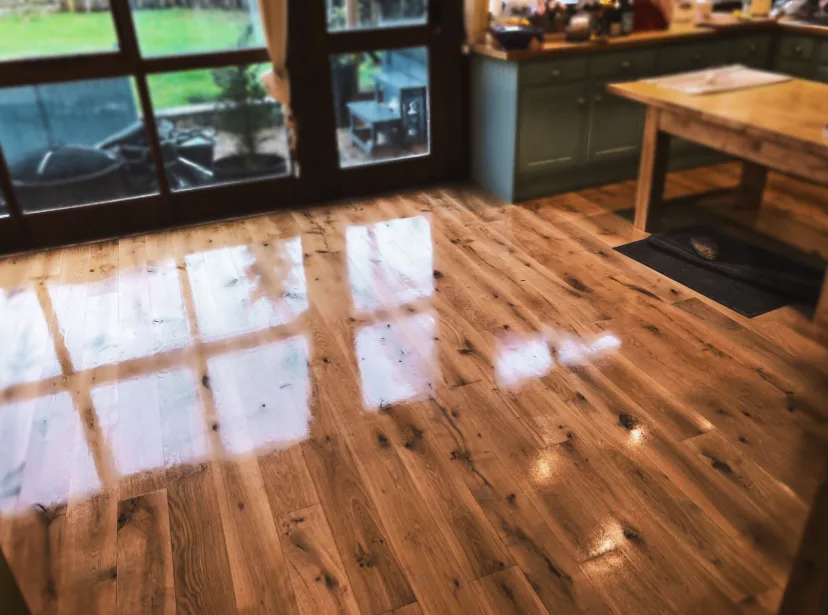
flooring sanding company

Commercial Work in the County Town

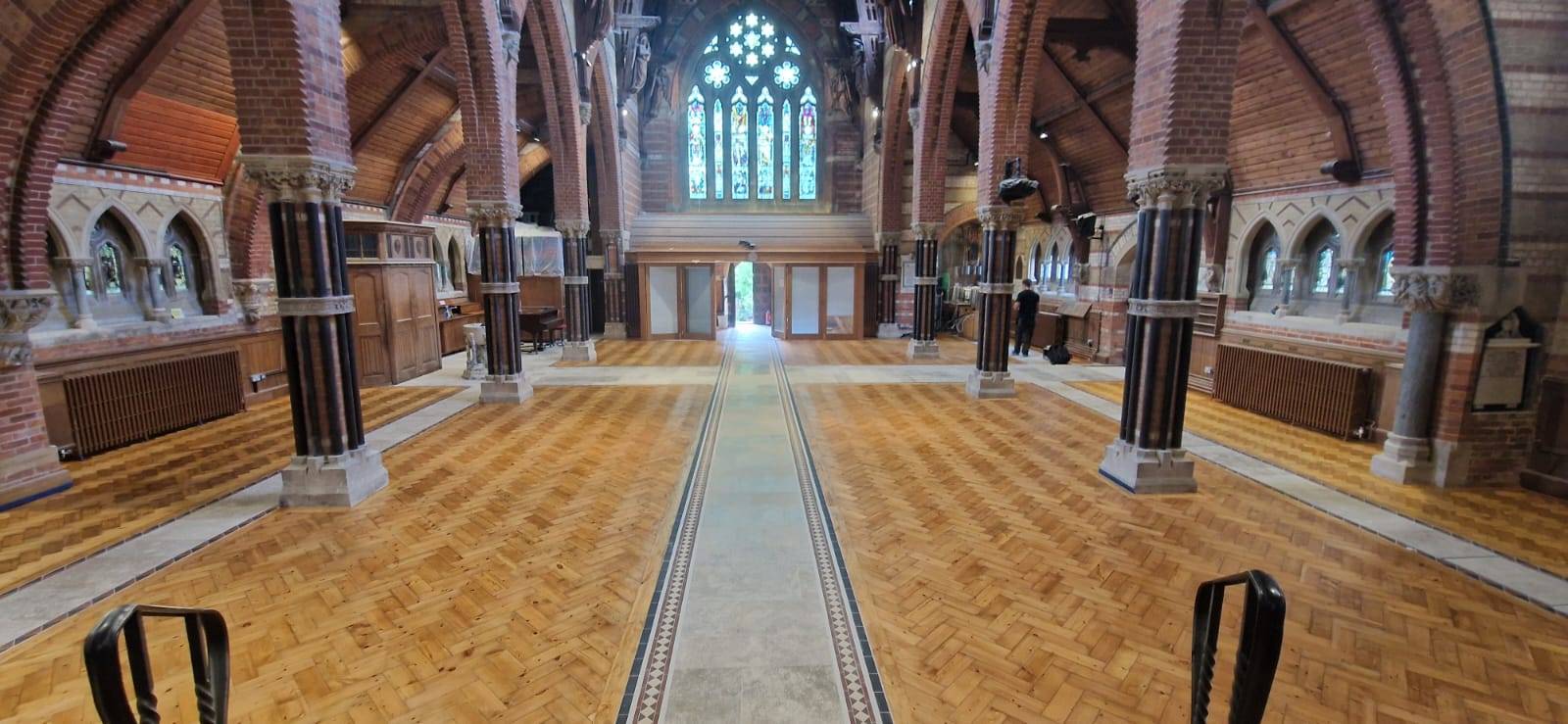
As the county town Dorchester has a concentration of the commercial work we do well: pubs and restaurants along the High Street, village halls in the surrounding parishes, church floors, school halls and offices.

These jobs are governed by the calendar more than the technique. Pubs want us in and out before the weekend, schools want the holidays, village halls want the gap between bookings. We work evenings and weekends where that helps, and full dust extraction means neighbouring areas can usually stay in use while we work.

For heavy-traffic commercial floors we generally specify a commercial-grade lacquer rather than an oil, and where slip resistance matters — kitchens, entrances, sports use — we select the finish accordingly rather than treating it like a domestic floor with a bigger machine.

Why Dorchester Customers Choose Us

Forty-five years of restoring wood floors, with west Dorset comfortably within reach from our Somerset workshop. That means we can survey properly rather than pricing blind, and travel does not load your quote the way it would from further afield.

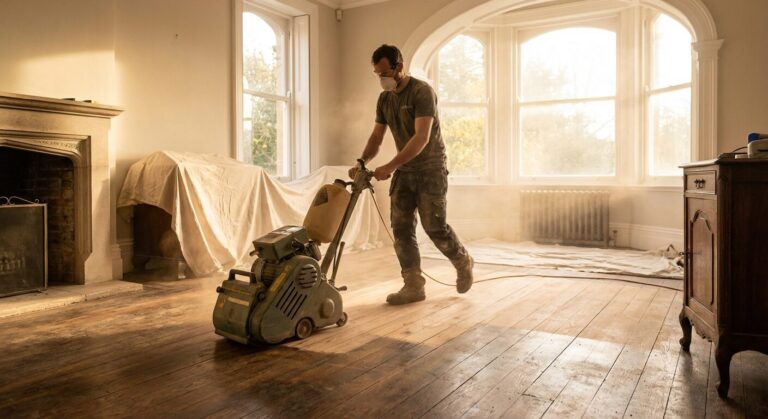
Sealed dust extraction on every job as standard. Fixed written prices agreed before we start. Furniture moved by us, the property protected, all waste taken away with us.

Fully insured, comfortable with listed and period property, 4.9 stars from 114 Google reviews.

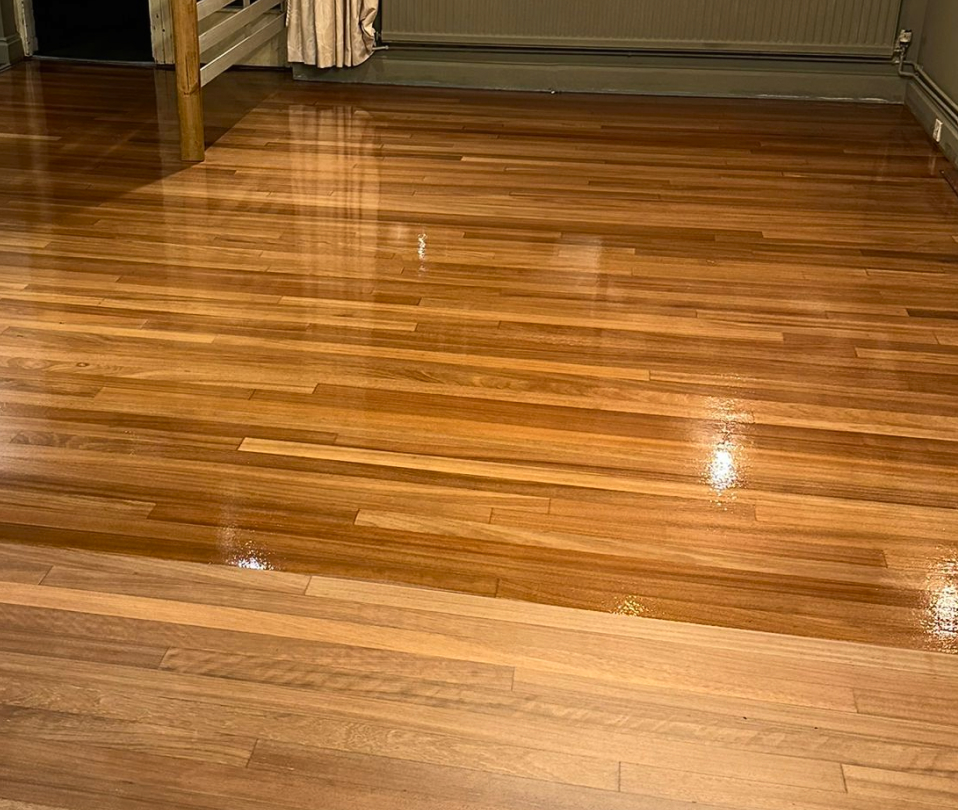
Floor sanding taunton

Book a Free Dorchester Floor Survey

Send photographs of the room from the doorway and close-ups of the worst areas with rough measurements. If you are in Poundbury or a newer property, mention it — engineered board needs a different answer to solid timber.

Surveys are free and carry no obligation, and we will tell you honestly if a clean and recoat would serve you better than a sand.

Call 01823 674562, email info@ryansrestoration.co.uk, or use the form on this page.

FAQ: Floor Sanding in Dorchester

Dorchester, Poundbury, Fordington, Charminster, Puddletown, Cerne Abbas, Maiden Newton, Piddlehinton and Broadmayne, plus Weymouth, Bridport, Sherborne, Blandford and Wareham.

It depends what you have. Much of Poundbury is engineered board, which has a thin wear layer over ply and will usually take only one careful sand, sometimes none. We check before touching it because getting that wrong cannot be undone.

Hard chalk water. Mopping with tap water leaves a fine limescale film that scatters light, so the floor looks tired long before the finish has worn. A clean and machine buff usually restores it at about a third of the cost of sanding.

Subfloor moisture, common on the low ground near the Frome and the old water meadows. The boards curve up at the edges as they take up damp from beneath. They must dry and flatten before the floor is sanded.

Yes, carefully. Cob property usually has wide elm or oak with little thickness left, and cob walls move damp into the joist ends rather than up through the room. We check the joist bearings for rot before sanding.

Sanding and refinishing an existing floor rarely needs it. Replacing boards or altering the structure usually does, and unauthorised work to a listed building is a criminal offence. We provide a written method statement for your conservation officer.

Regularly, across Dorchester and the surrounding parishes. We work to your calendar — evenings and weekends where it helps — and dust extraction means neighbouring areas usually stay usable.

Usually a commercial-grade lacquer rather than an oil, because it takes far more punishment. Where slip resistance matters, in kitchens, entrances or sports use, we select the finish for that specifically.

It depends on size, condition, timber and finish. We give a fixed written price after surveying, broken down by element so you can see what each part costs.

On every job as standard and at no extra charge. Sealed extraction captures the dust at the machine so you can stay in the property while we work.

Ryan's Restoration
4.9
Based on 114 reviews
×
js_loader