Floor Sanding in Portland's Stone-Built Homes
The island is an exposed place to keep a timber floor. Wind-driven rain, salt spray and long spells of damp weather all reach the houses here more directly than they would inland, and many of the older homes in the villages are stone-built cottages and terraces with solid walls and suspended timber floors at ground level. That combination gives floor sanding in Portland a particular starting point: before anything else, we want to know how wet the boards are and how well the space beneath them breathes.
The reason is simple. A sanding machine will make a damp floor look clean for a while, but timber that sits above a poorly ventilated void stays swollen, and a finish laid over swollen boards can cloud, lift or crack as they later dry and shrink. Boards that are too wet also sand badly; the fibres tear instead of cutting cleanly, leaving a furry surface that drinks in the first coat unevenly.
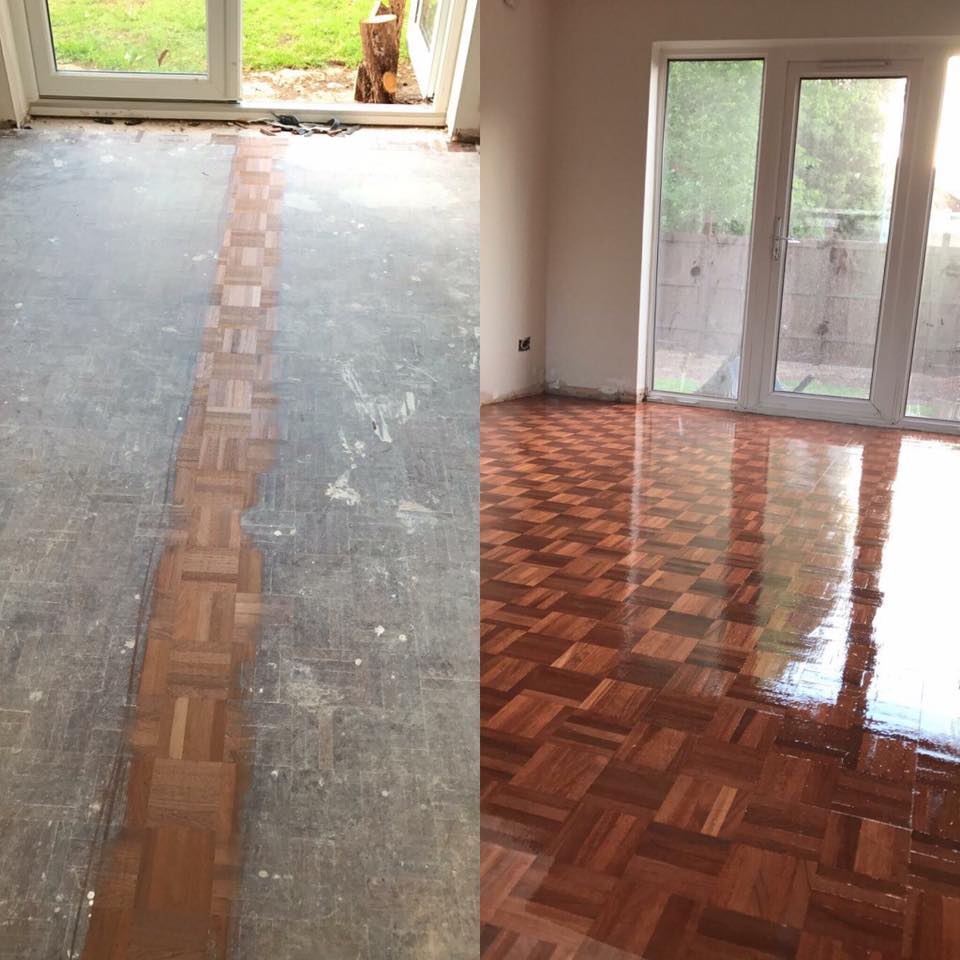
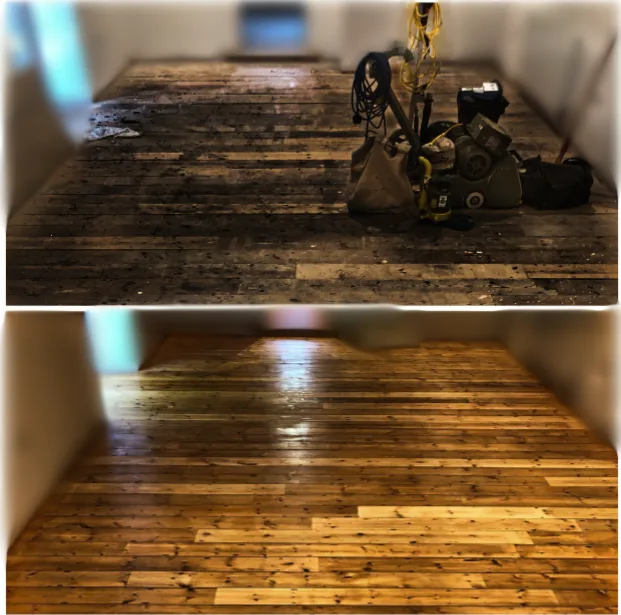
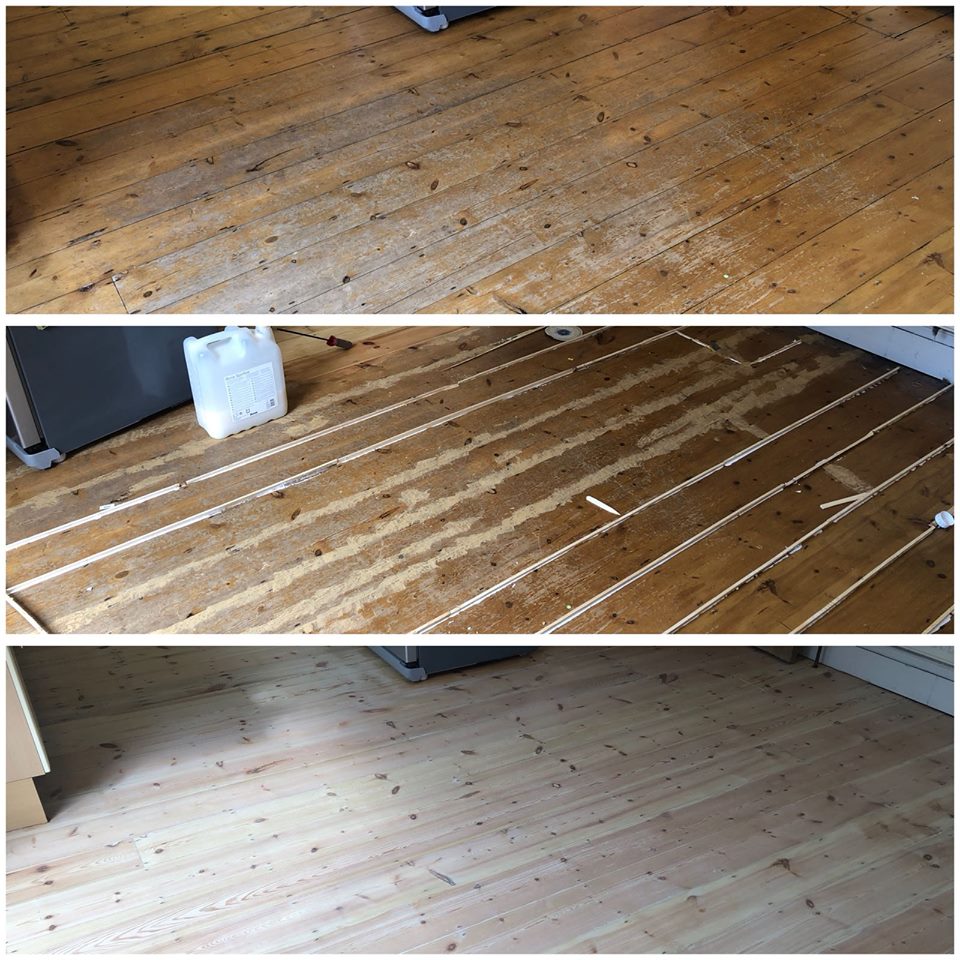
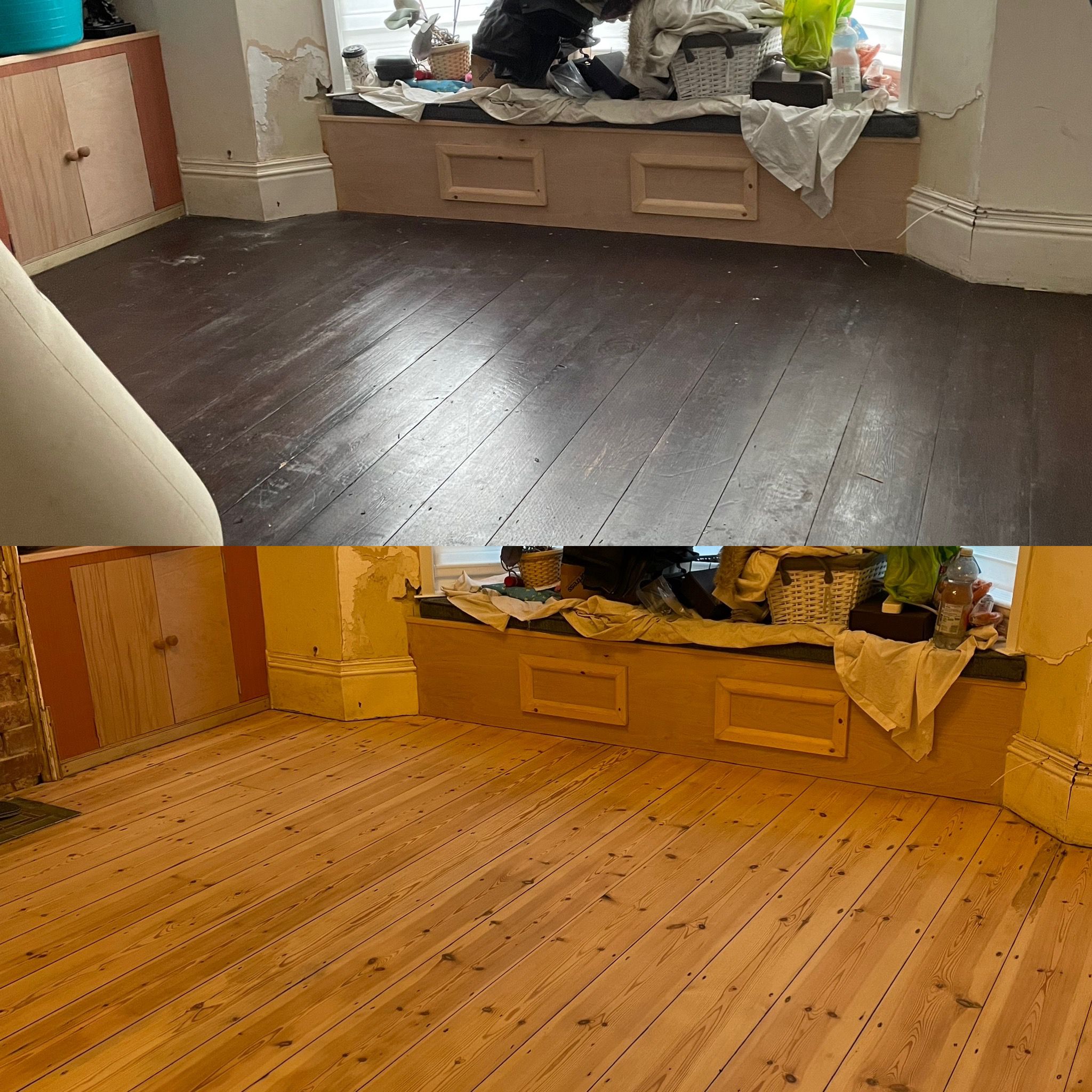
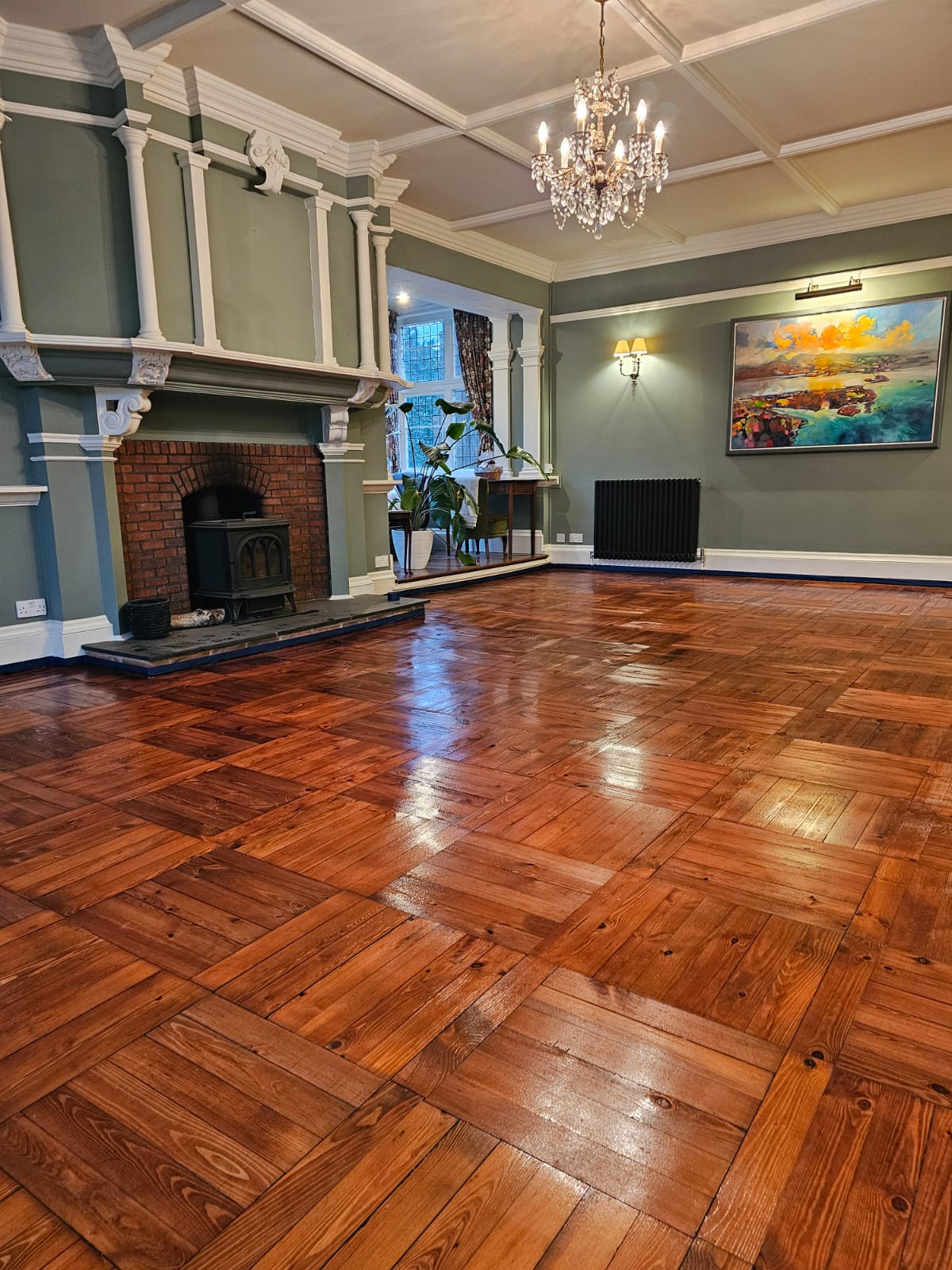
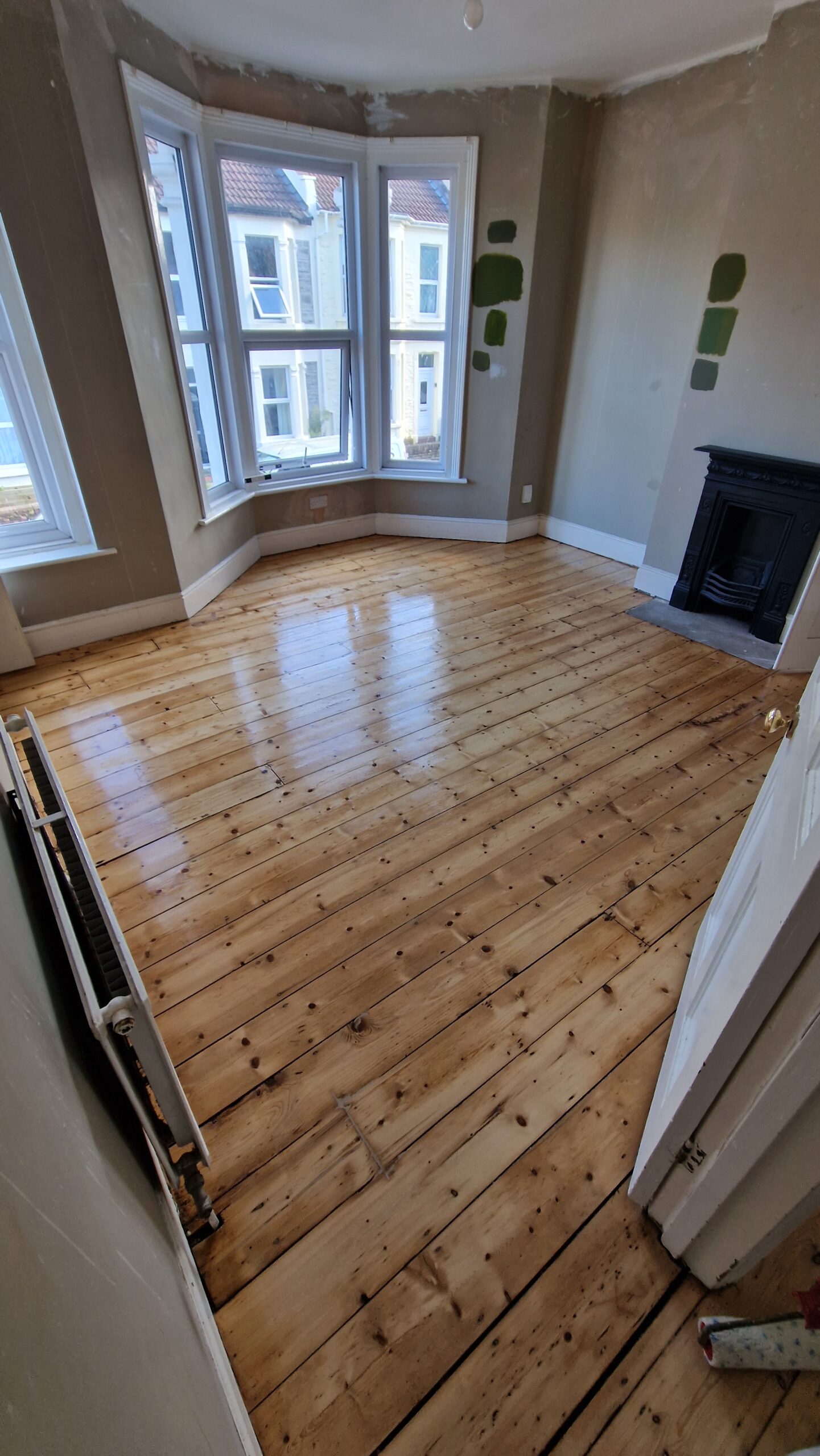
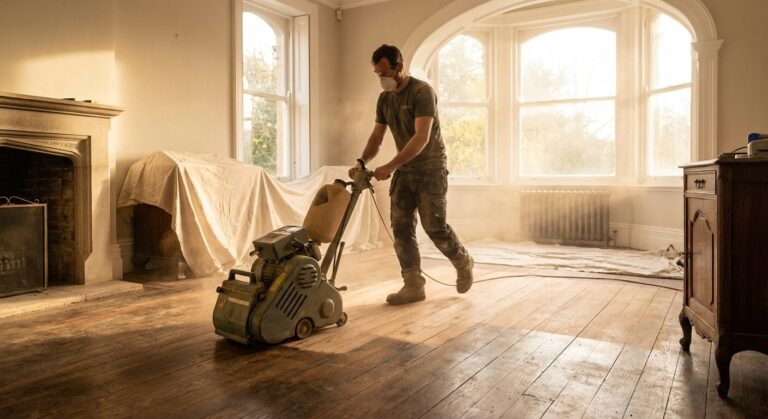
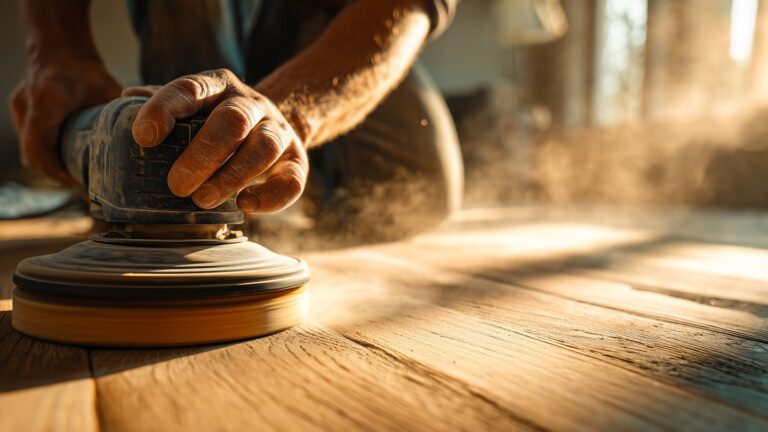
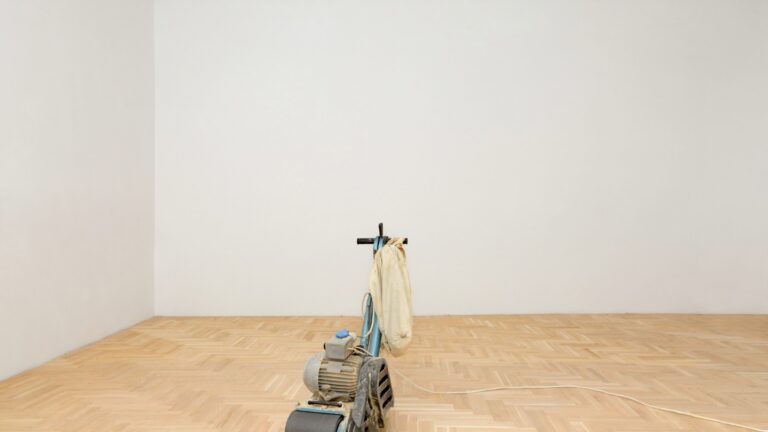
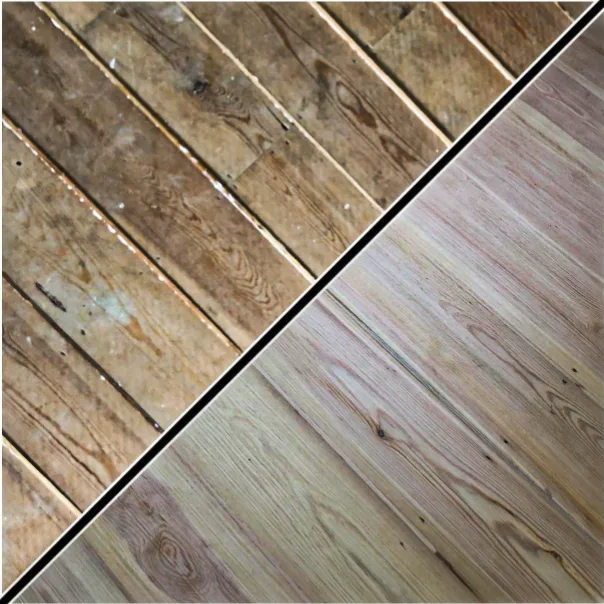
So every job starts with a moisture meter. Readings are taken across the room, close to the outside walls and in the middle, and compared with what would be normal for a heated house. If the numbers are high, the cause is looked for before the sanding is planned. Only once the floor is sound and dry enough does the actual wood floor sanding begin, working through a sequence of grits to level the boards, remove old coatings and leave a surface ready to take a finish evenly.
Dust matters in small cottages where the front door opens into the main room and the stairs rise straight from it. The sanders are paired with sealed extraction that pulls the particles away from the abrasive as they are created, which is why we describe the process as dust-free floor sanding. It keeps the house habitable while the work goes on.
The island is part of our usual Dorset round; the firm is family-run, long established, and drives over from its yard near Wellington in Somerset. For a single cottage room or a run of boards through a terrace, floor sanding in Portland follows the same principle: deal with what is under the floor, then make the surface right.