Floor Sanding Poole

Floor Sanding and Wood Floor Restoration in Poole

QUICK QUOTATION

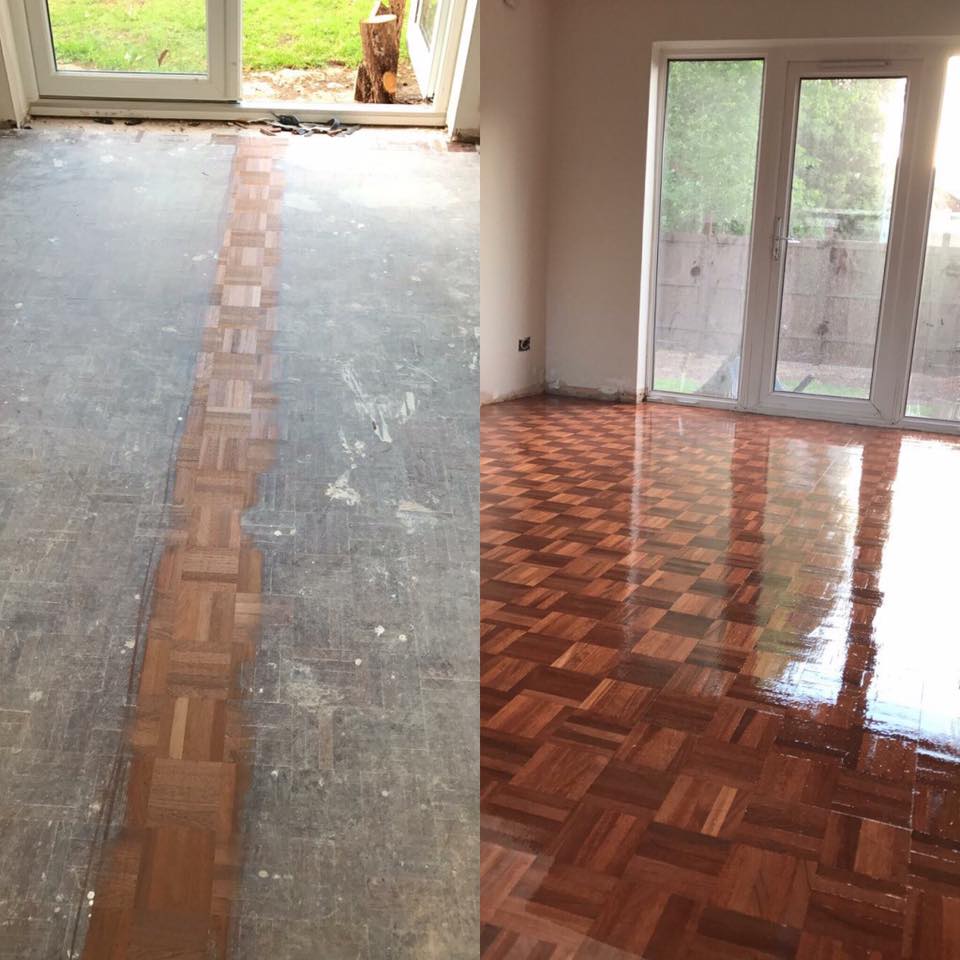
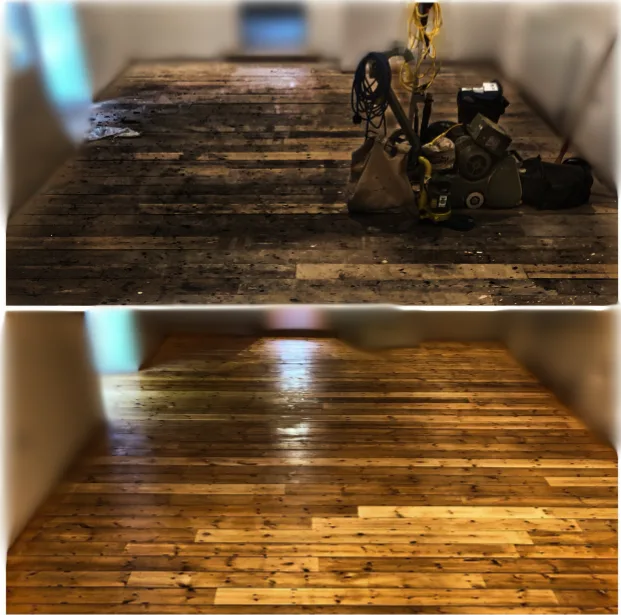
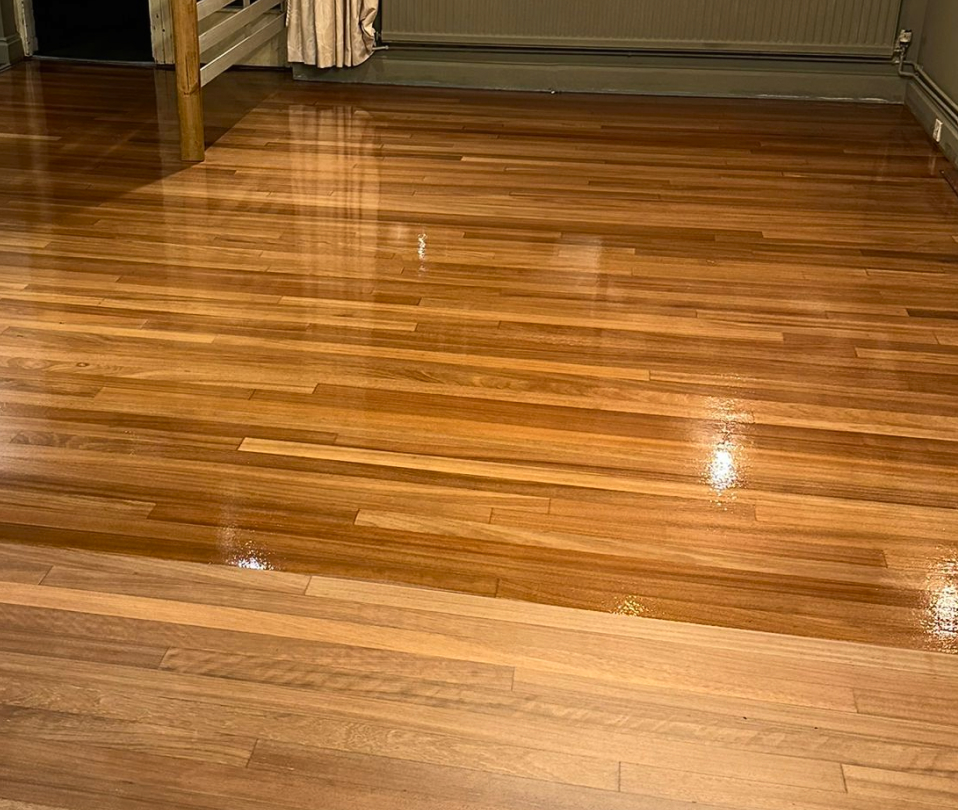
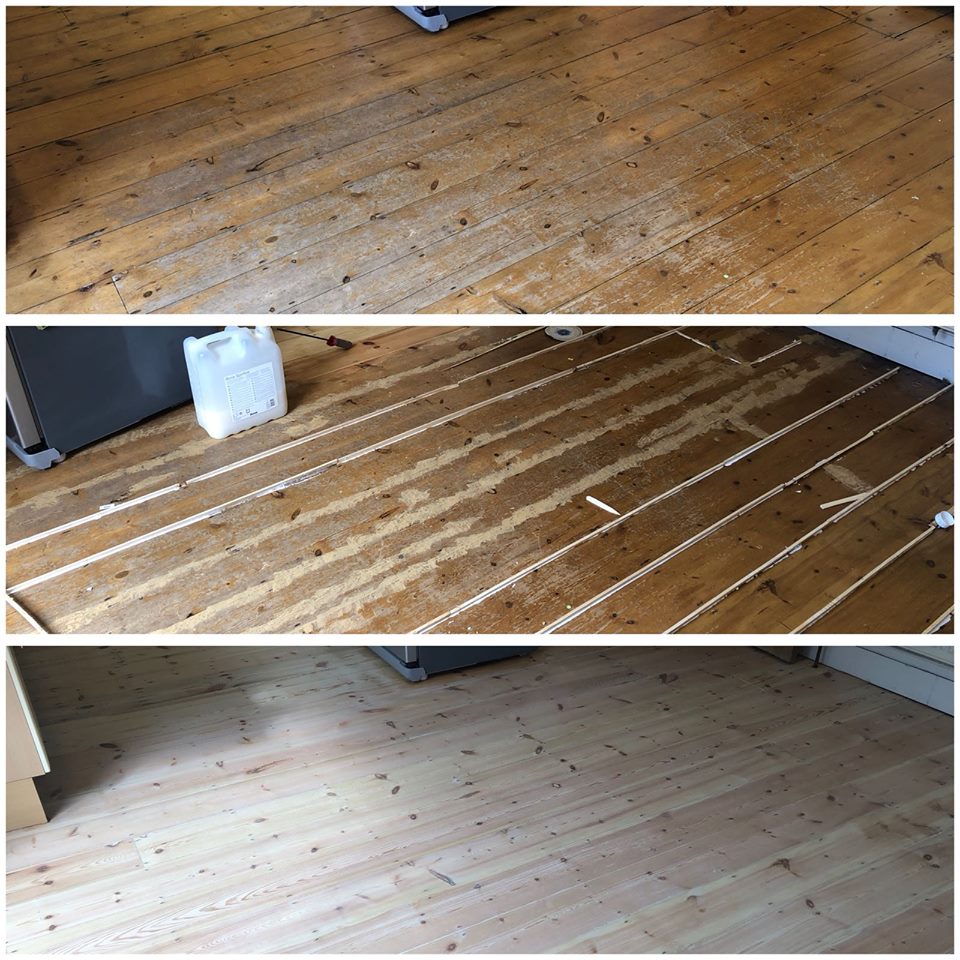
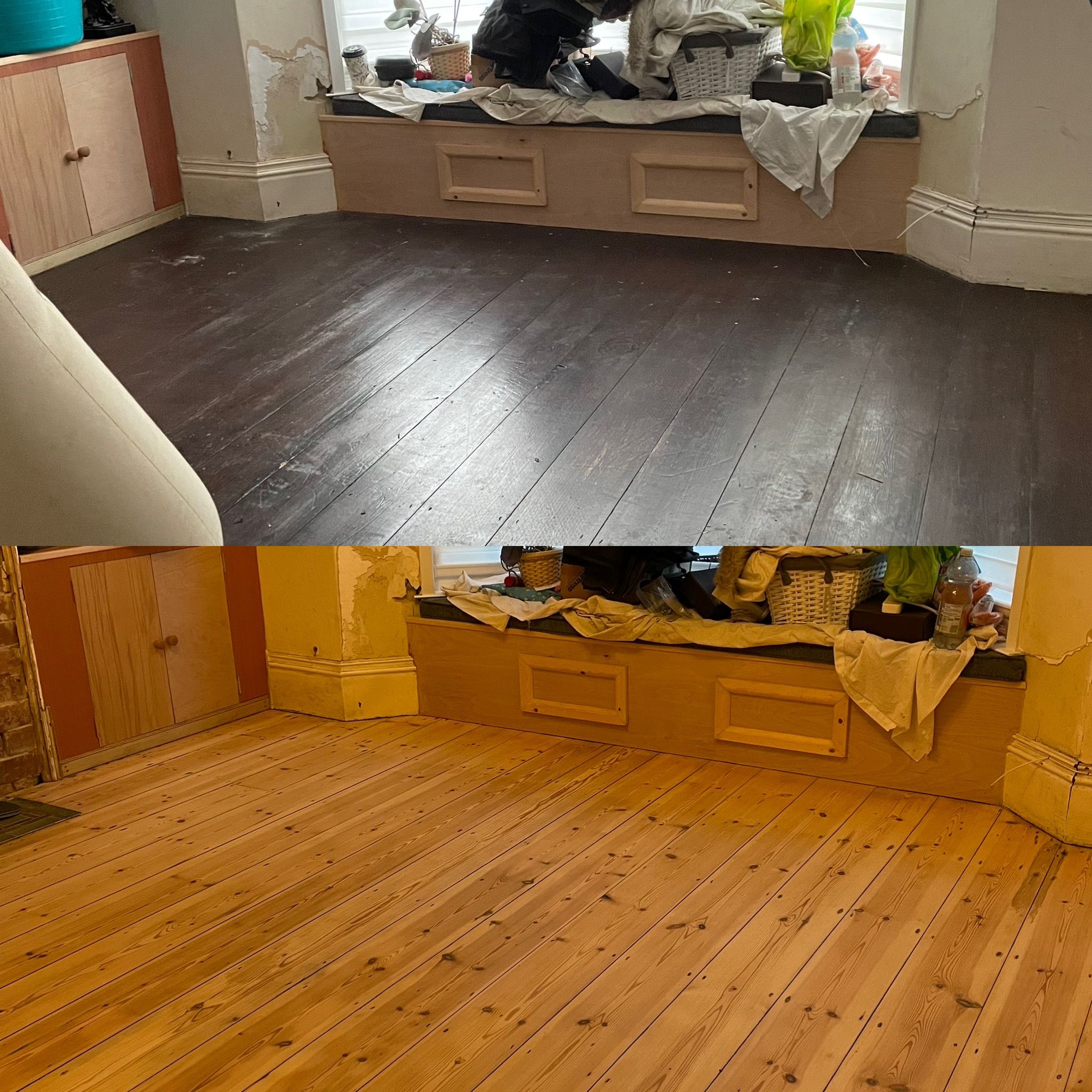
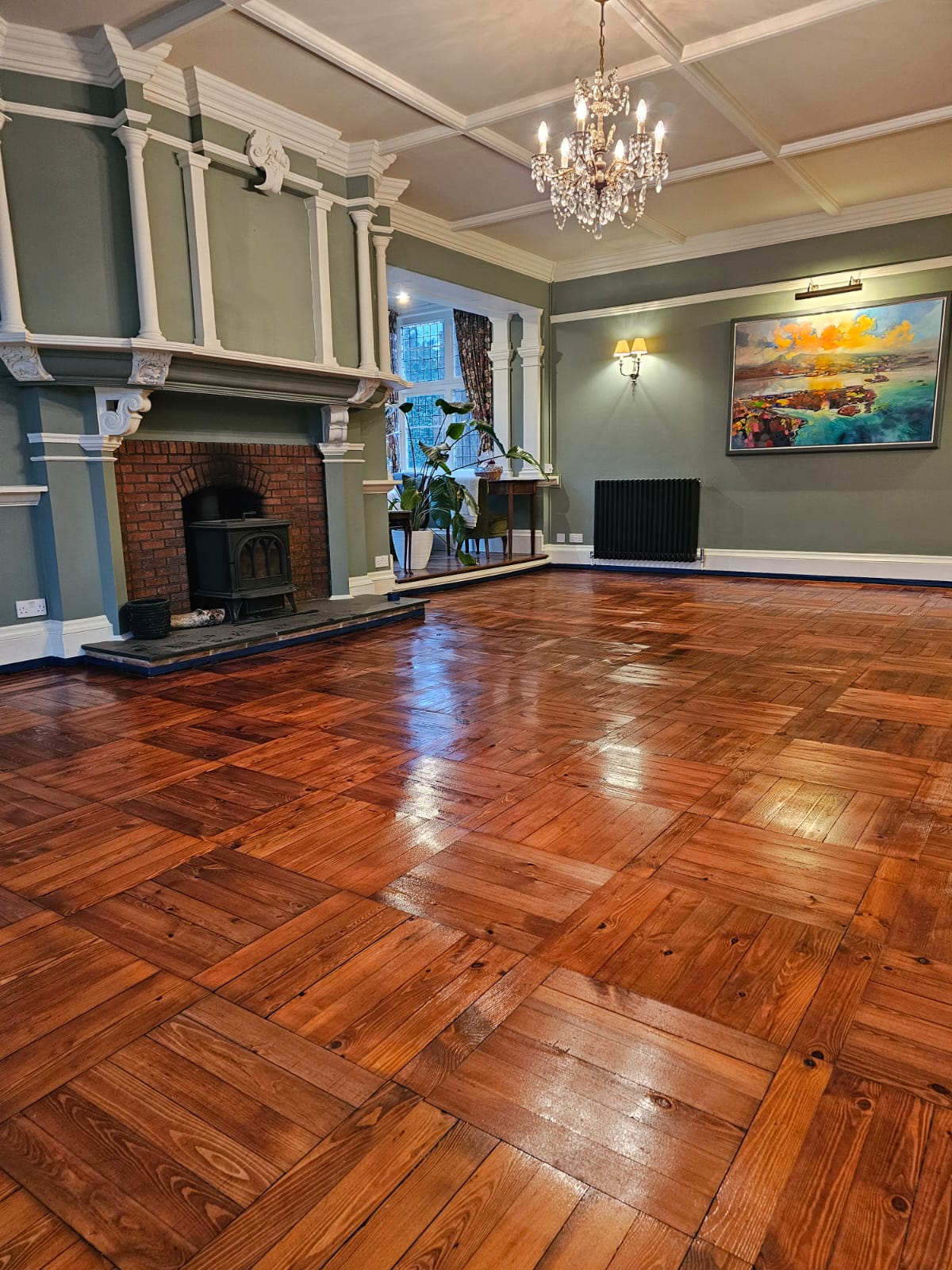
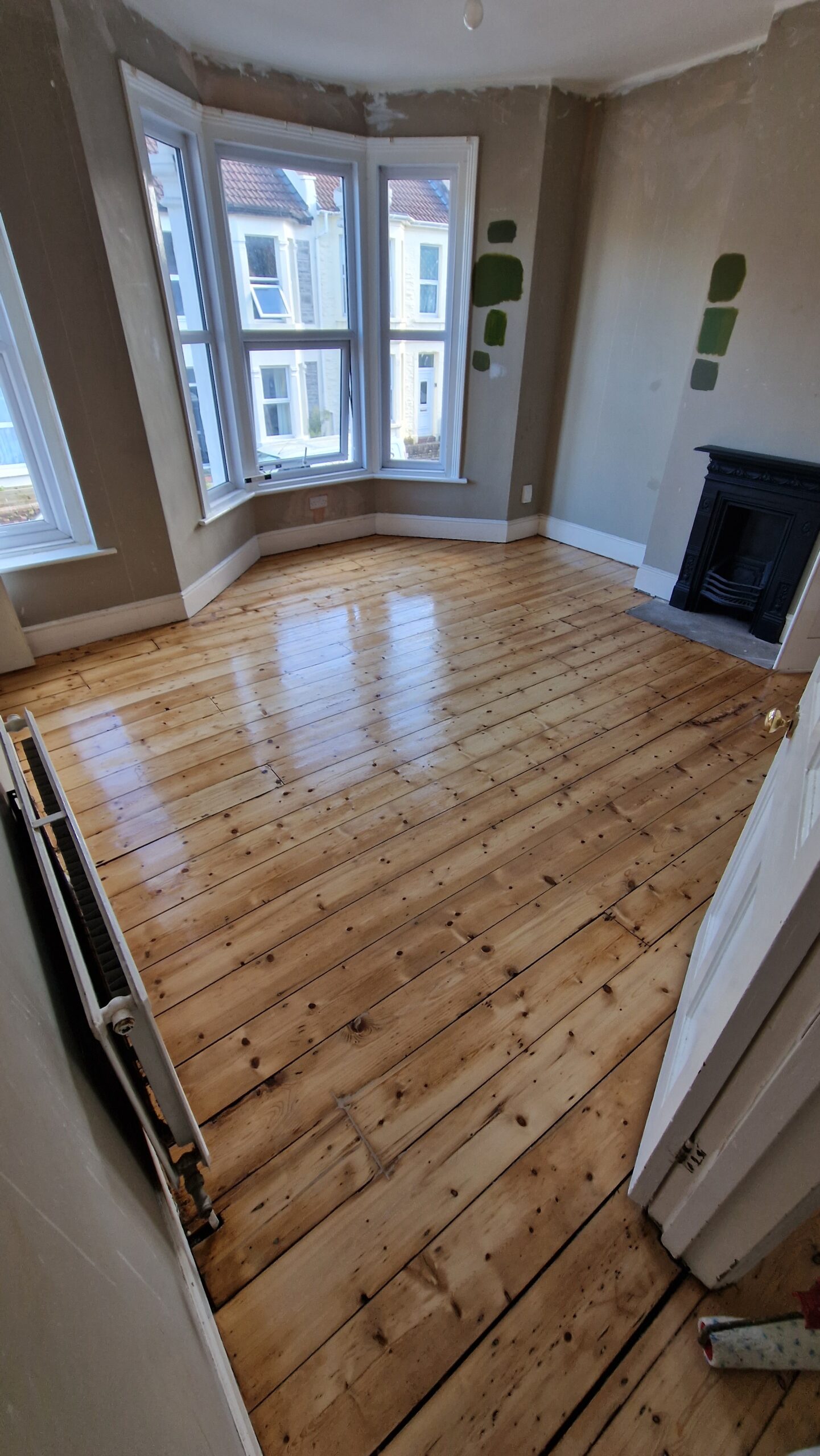
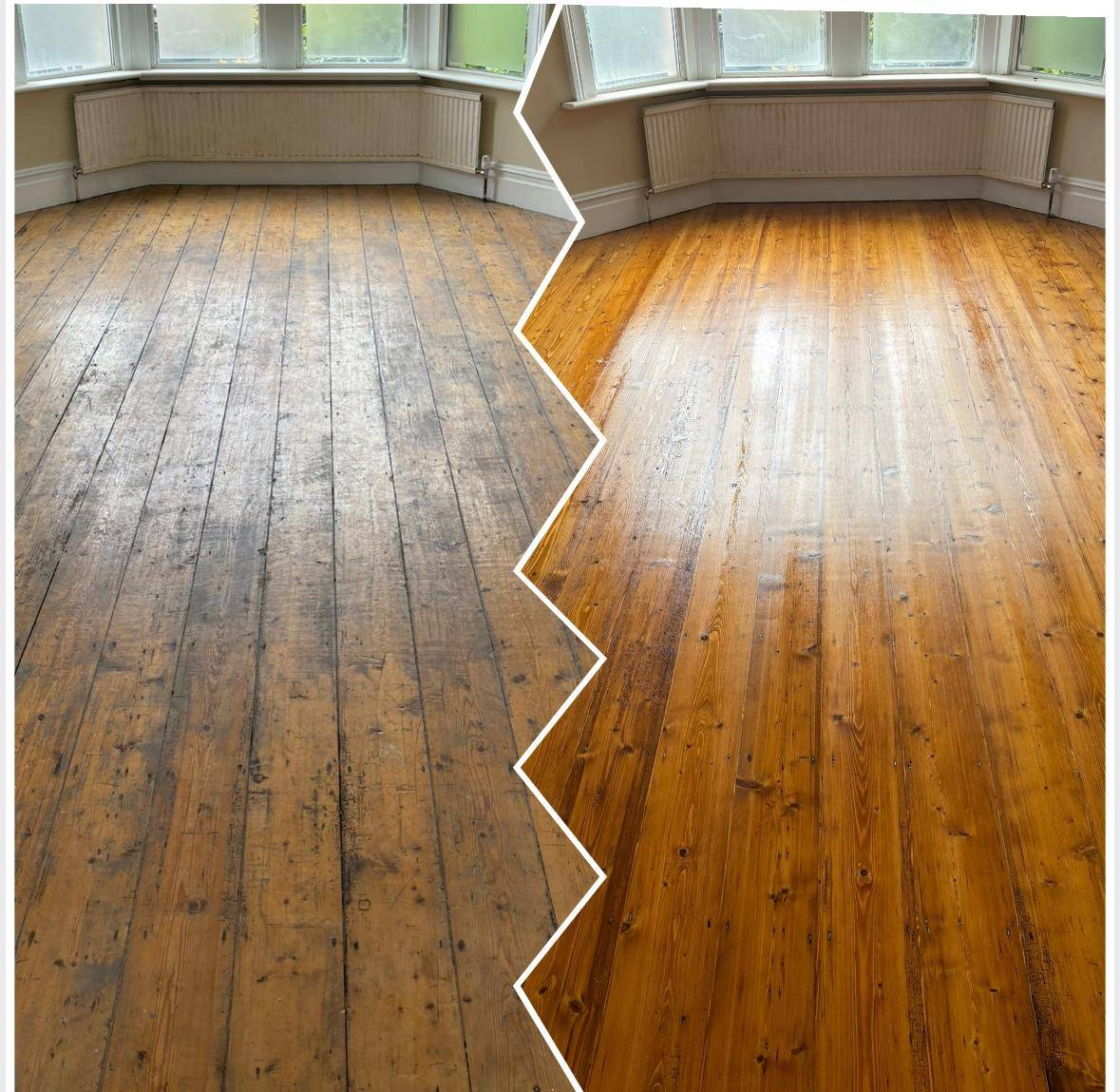
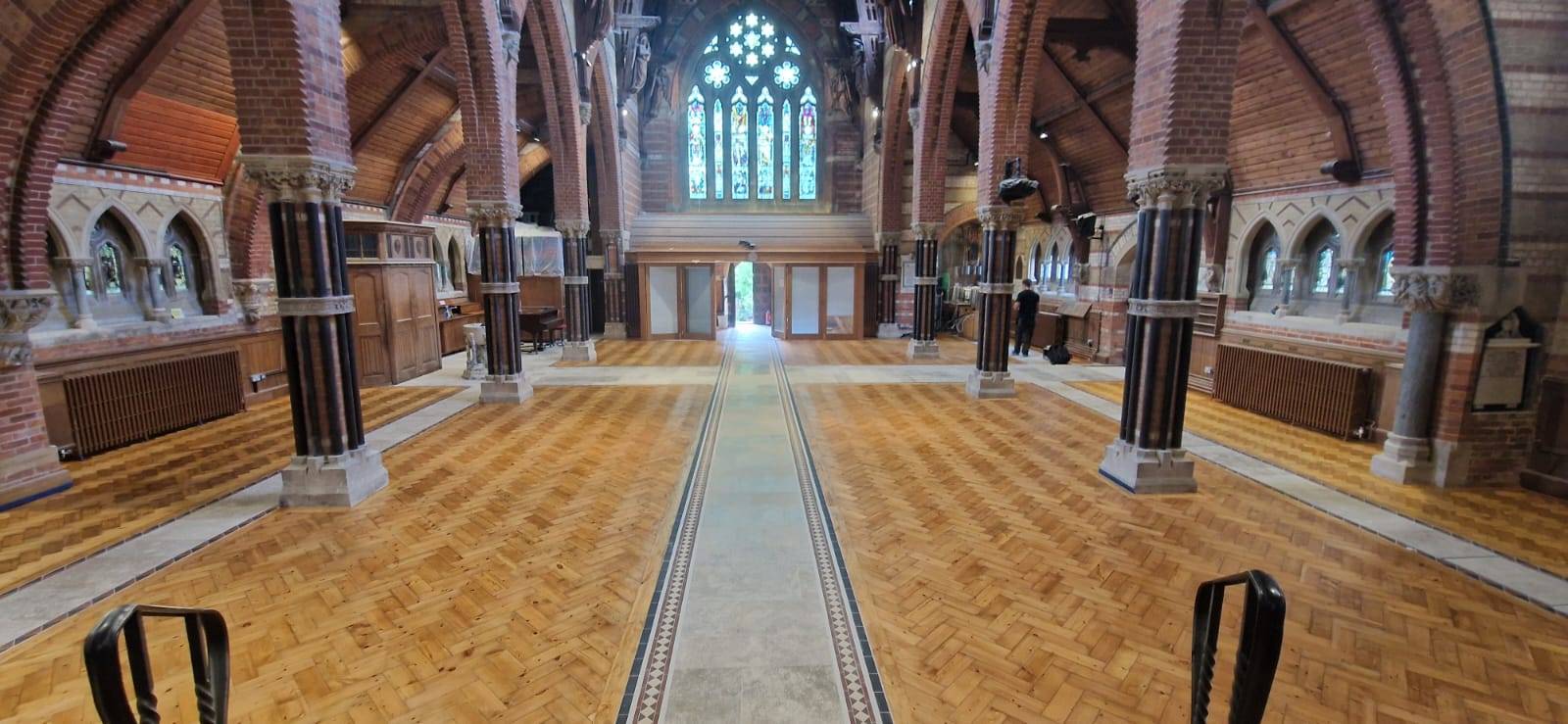
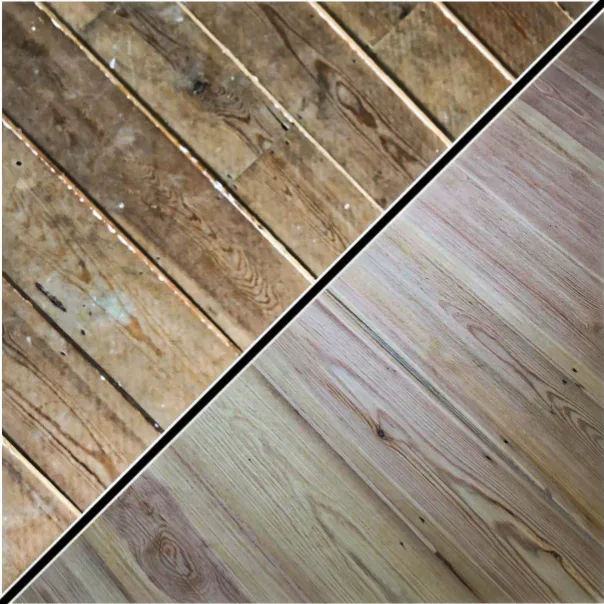
Floor sanding before and after

Floor Sanding Across Poole and the Harbour

Poole is far older than its neighbour Bournemouth, and it shows in the floors. The Old Town around the quay has genuinely Georgian property built on maritime trade, while the suburbs that grew later bring Victorian villas and interwar housing.

We cover Poole Old Town, Parkstone, Branksome, Canford Cliffs, Sandbanks, Lilliput, Broadstone, Hamworthy, Upton, Creekmoor and Oakdale, plus Wimborne, Wareham and Corfe Mullen.

Quotes are free and carry no obligation. On the Old Town property we would rather come and look than price from a photograph, because Georgian boards have usually been sanded before and how much remains decides what we can safely do.

Georgian Quay, Victorian Parkstone, Modern Sandbanks

Three quite different jobs sit within a couple of miles of each other here.

The Old Town Georgian houses have the oldest floors — wide, well-cut boards over deep joists, frequently in conservation areas and often listed. Many have had a sanding or two across two centuries, so we measure remaining thickness before committing, and where a floor has had its last sand we recommend a screen and recoat instead.

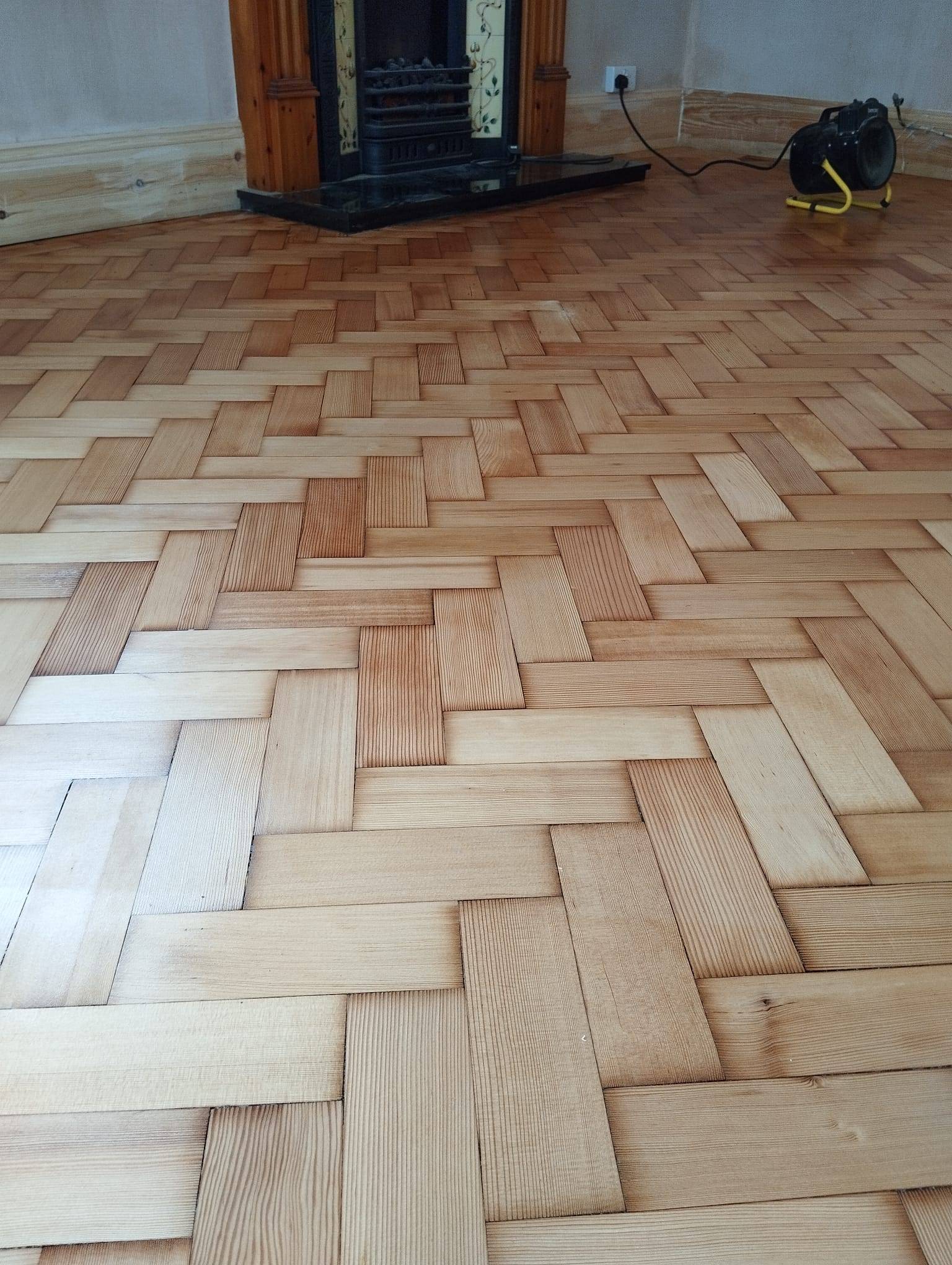
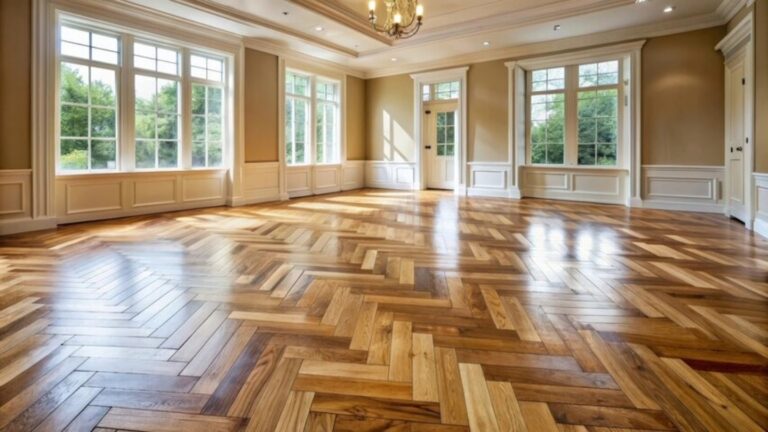
Parkstone, Branksome and Lilliput bring solid Victorian and Edwardian villas with generous baltic redwood and pitch pine, usually in good order once the carpet and its tack holes have gone. Some of the larger houses hide oak parquet in the hall and reception rooms.

Then Sandbanks and Canford Cliffs, where a great deal of the stock is newer, higher value and often engineered board rather than solid. Engineered flooring has a thin wear layer and will usually only take one careful sand, sometimes none — we check before touching it, because getting that wrong is expensive.

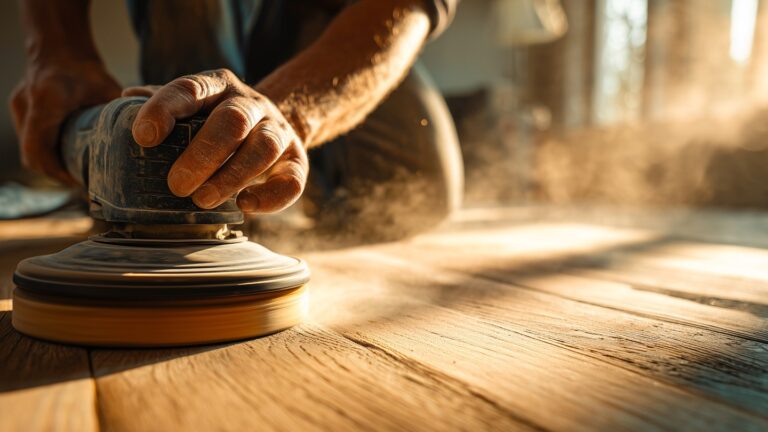
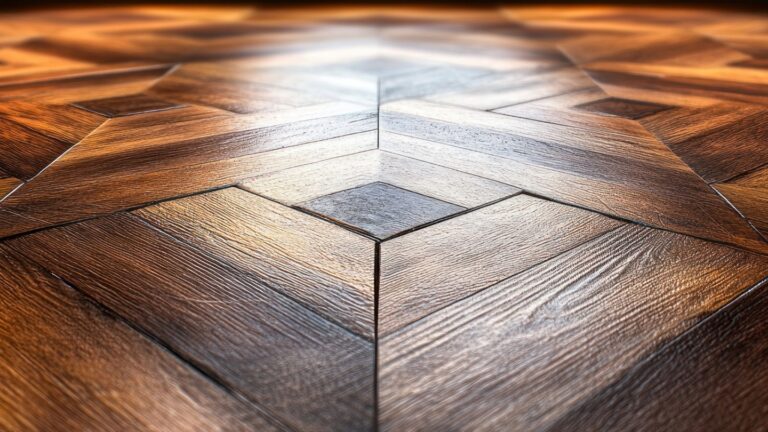
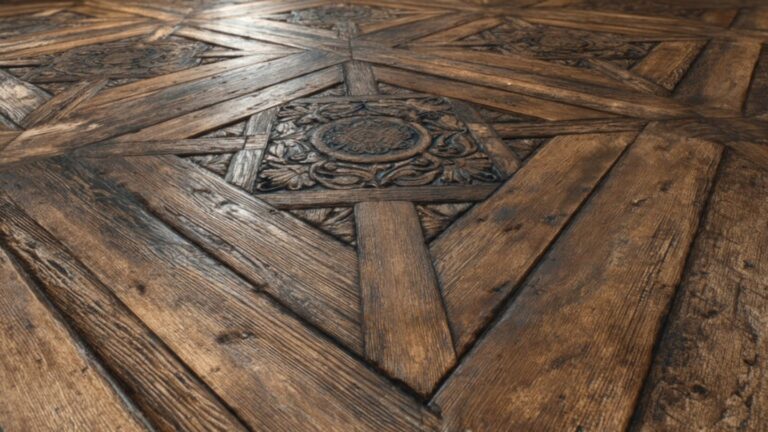
parquet wooden floor sanding
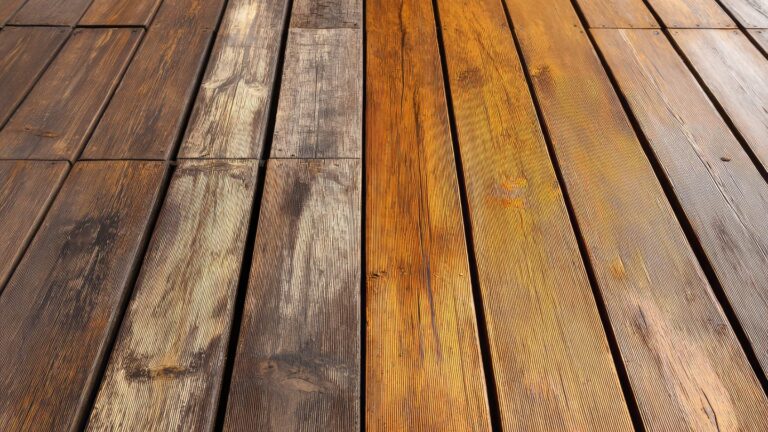
wooden floor sanding

Harbour Humidity and Salt Air

Poole Harbour is the reason floors here behave differently to those a few miles inland. It is one of the largest natural harbours in the world, and the water keeps humidity high year-round while the wind carries salt inland. Salt is hygroscopic — it holds moisture against surfaces rather than letting it evaporate.

Timber notices. Boards cup, gaps that would close in a dry summer stay open, and rigid film finishes crack at the joints as the floor moves beneath them. Waterfront property at Sandbanks, Lilliput and Hamworthy sees this most.

Two practical consequences. We take moisture readings before sanding rather than assuming a floor is ready, because sanding a cupped floor flat while it is wet leaves every board thin down the middle once it dries. And in waterfront property we generally recommend hard wax oil over lacquer, because it breathes with the timber and can be repaired in patches rather than stripped and redone.

Listed Property and Conservation Areas

The Old Town and the streets around the quay form a conservation area with a good number of listed buildings, and in a listed property the original floorboards are usually part of what is protected.

Sanding and refinishing an existing floor rarely needs listed building consent. Replacing boards, altering the structure or changing the material generally does, and unauthorised work to a listed building is a criminal matter rather than an administrative one.

We are used to this. Where there is doubt we put our proposed method in writing so you can put it to the conservation officer before anything starts.

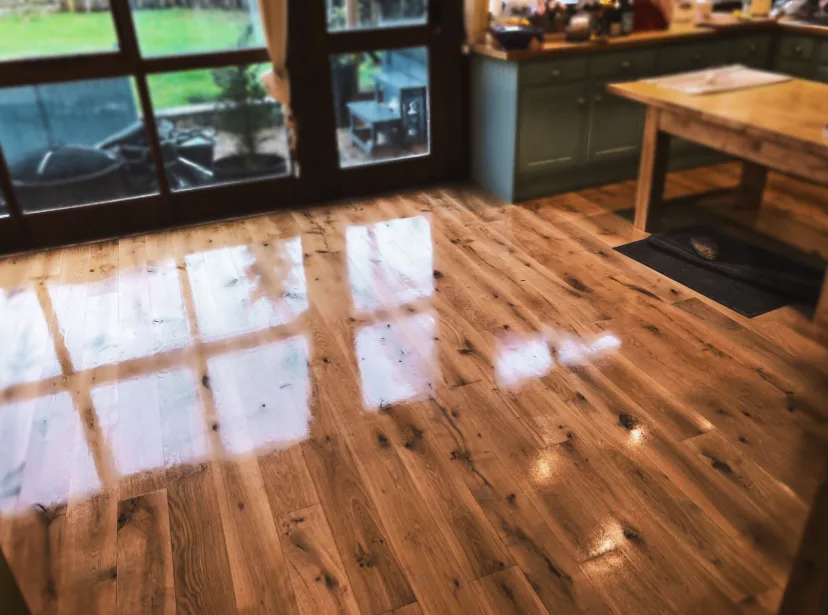
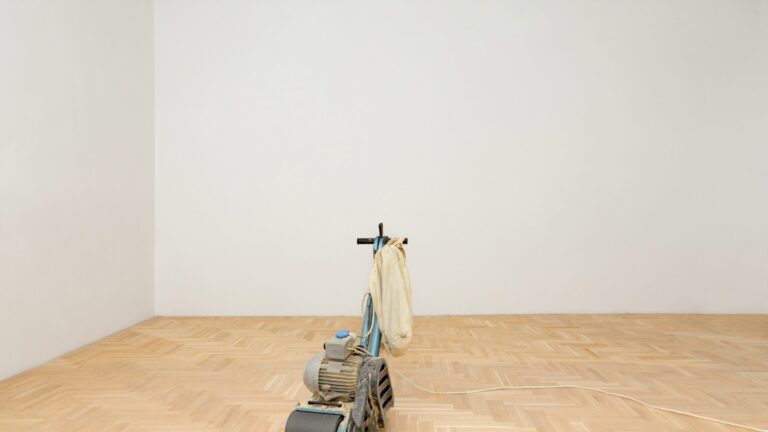
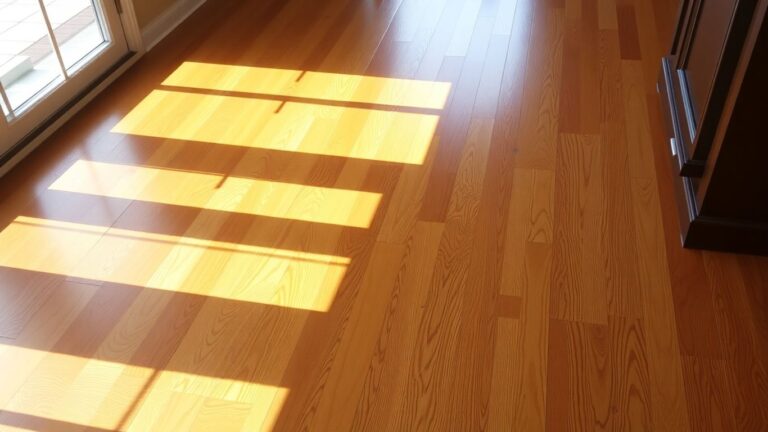
flooring sanding company

Holiday Lets and Second Homes

A significant share of the waterfront property here is let out or used seasonally, and that changes the practicalities rather than the technique.

The constraint is the booking calendar. Water-based lacquers are touch dry in hours and take foot traffic within a day, where a traditional oil wants considerably longer, so for tight turnarounds the lacquer is the sensible choice. We can also phase a property room by room so the let stays usable.

Worth knowing: a property standing empty and unheated over winter is harder on a floor than one lived in, because the house swings between damp and dry with nothing moderating it. A breathable oil finish copes with that far better than a rigid lacquer.

Why Poole Customers Choose Us

Forty-five years of restoring wood floors, a good part of it in coastal property. That experience mostly shows up as realistic advice about what will last in a harbourside house rather than what looks best on handover day.

Sealed dust extraction on every job as standard. Fixed written prices agreed before we start. Furniture moved by us, the property protected, all waste taken away with us.

Fully insured, comfortable with listed and high-value property, 4.9 stars from 114 Google reviews.

Floor sanding taunton

Book a Free Poole Floor Survey

Send photographs of the room from the doorway and close-ups of the worst areas with rough measurements. If the floor feels ridged underfoot, say so — that is cupping and it changes the advice entirely.

If you think your floor may be engineered rather than solid, mention that too, because it changes what can safely be done.

Call 01823 674562, email info@ryansrestoration.co.uk, or use the form on this page.

FAQ: Floor Sanding in Poole

Poole Old Town, Parkstone, Branksome, Canford Cliffs, Sandbanks, Lilliput, Broadstone, Hamworthy, Upton, Creekmoor and Oakdale, plus Wimborne, Wareham and Corfe Mullen.

Yes. Poole Harbour keeps humidity high year-round and salt carried inland holds moisture against surfaces rather than letting it evaporate. Boards cup, gaps stay open and rigid finishes crack at the joints.

Usually a hard wax oil. It breathes with the timber, flexes as boards move and can be repaired in patches. For holiday lets on tight turnarounds a water-based lacquer is often more practical because it dries far faster.

Sometimes once, carefully, and sometimes not at all. Engineered boards have a thin wear layer over ply, and taking too much off ruins them. We check what you have before touching it — common in the newer Sandbanks and Canford Cliffs property.

A solid board typically has five or six full sands in its whole life, and Old Town floors have usually had one or two already across two centuries. We measure remaining thickness before committing and will recommend a recoat if it has had its last.

Yes. Original boards are usually part of what the listing protects, so we take a minimum-intervention approach and can put our method in writing for the conservation officer where consent is needed.

Not until they have dried and flattened. Sanding a wet cupped floor leaves every board thin down the middle once it settles, and that cannot be reversed. We take moisture readings before quoting.

Yes. Water-based lacquers take foot traffic within a day, so tell us your changeover windows and we will phase the job around them.

It depends on size, condition, timber and finish. Listed and Georgian work often takes longer because of the lighter approach required. We give a fixed written price after surveying.

On every job as standard and at no extra charge. Sealed extraction captures the dust at the machine so you can stay in the property while we work.

Ryan's Restoration
4.9
Based on 114 reviews
×
js_loader