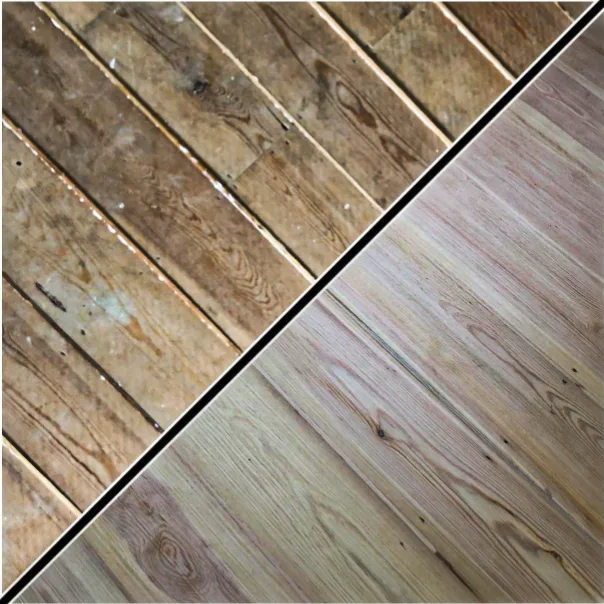
Floor Sanding in Bodmin, from Terraced Houses to Civic Halls
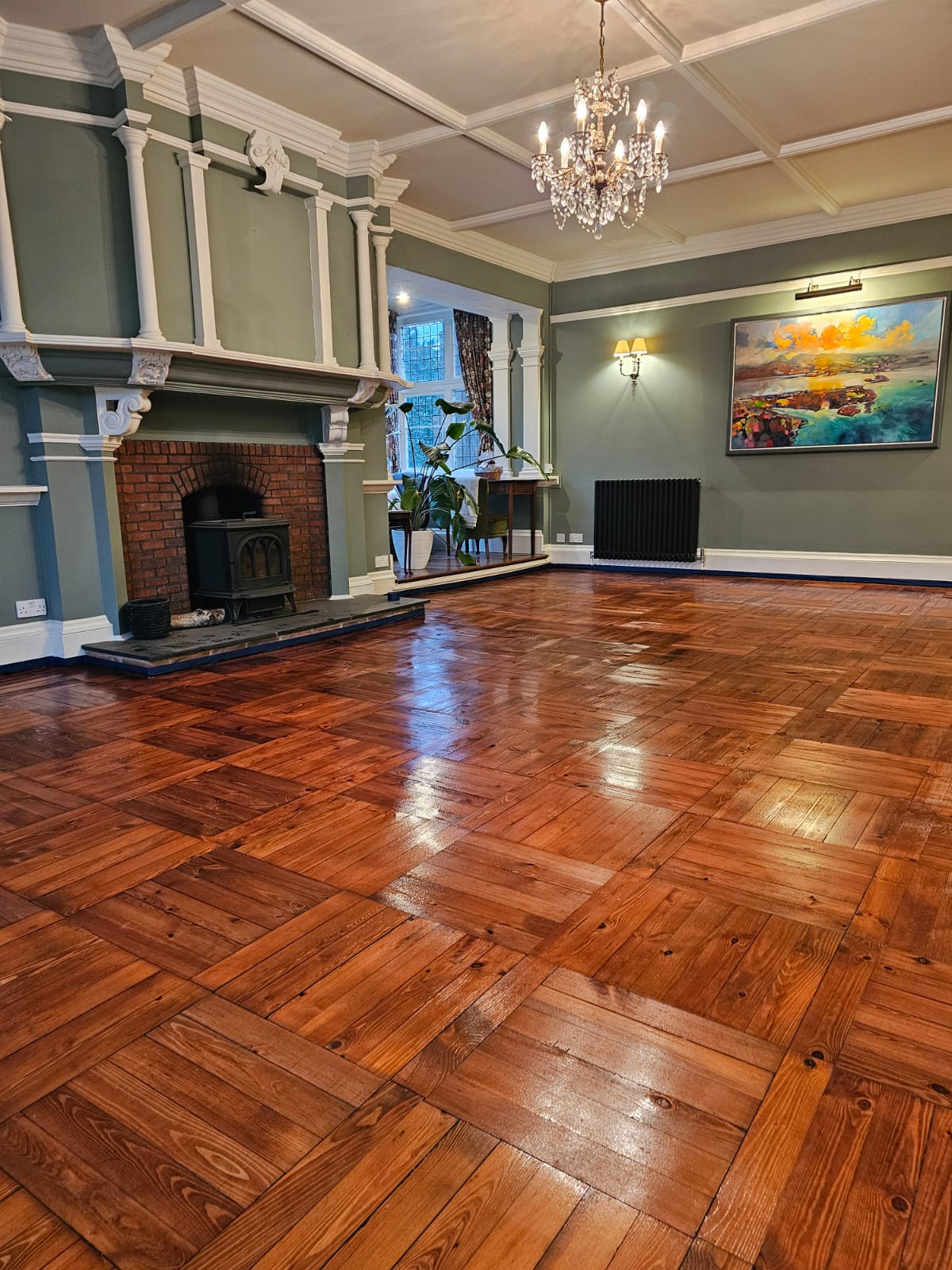
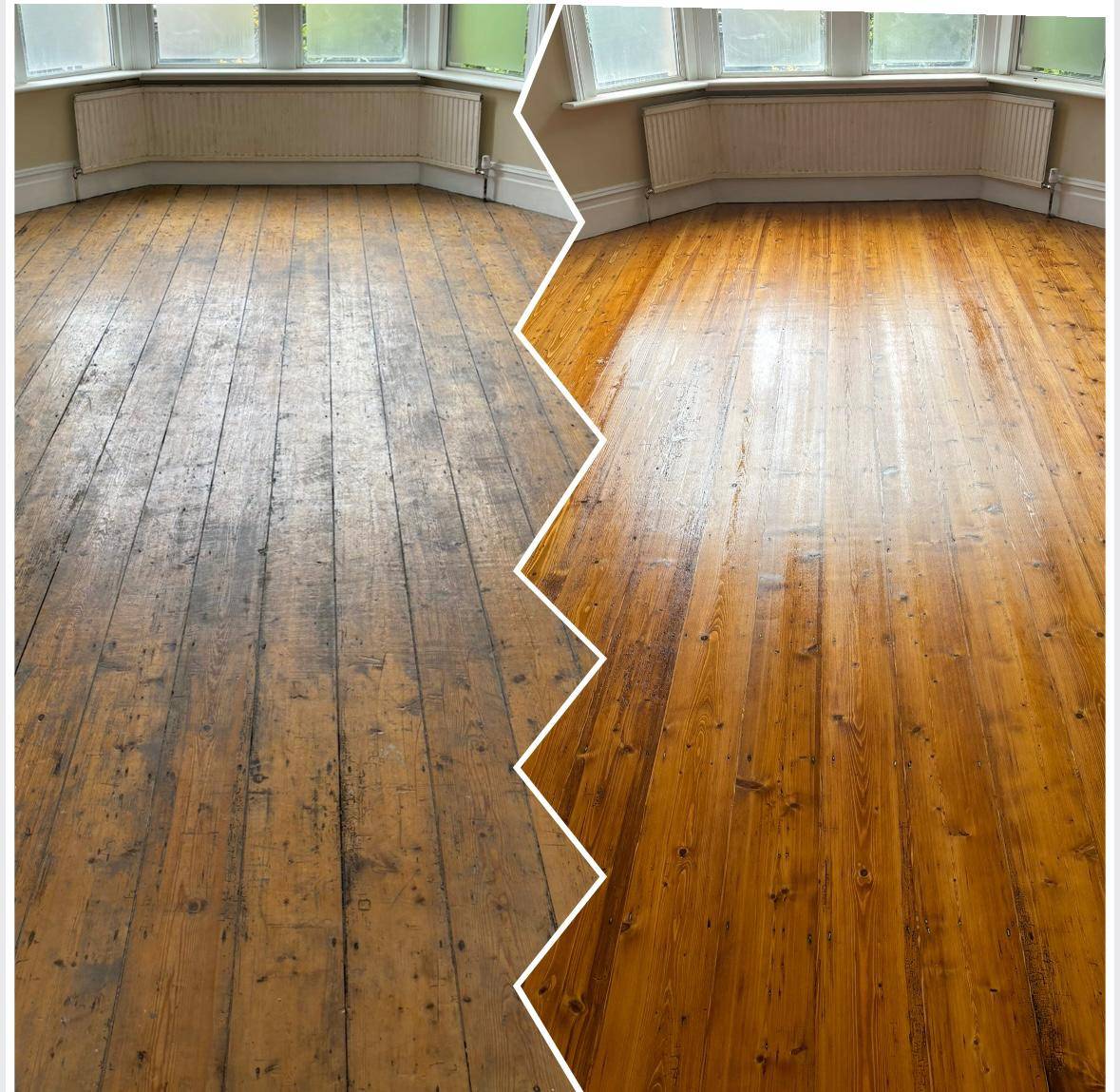
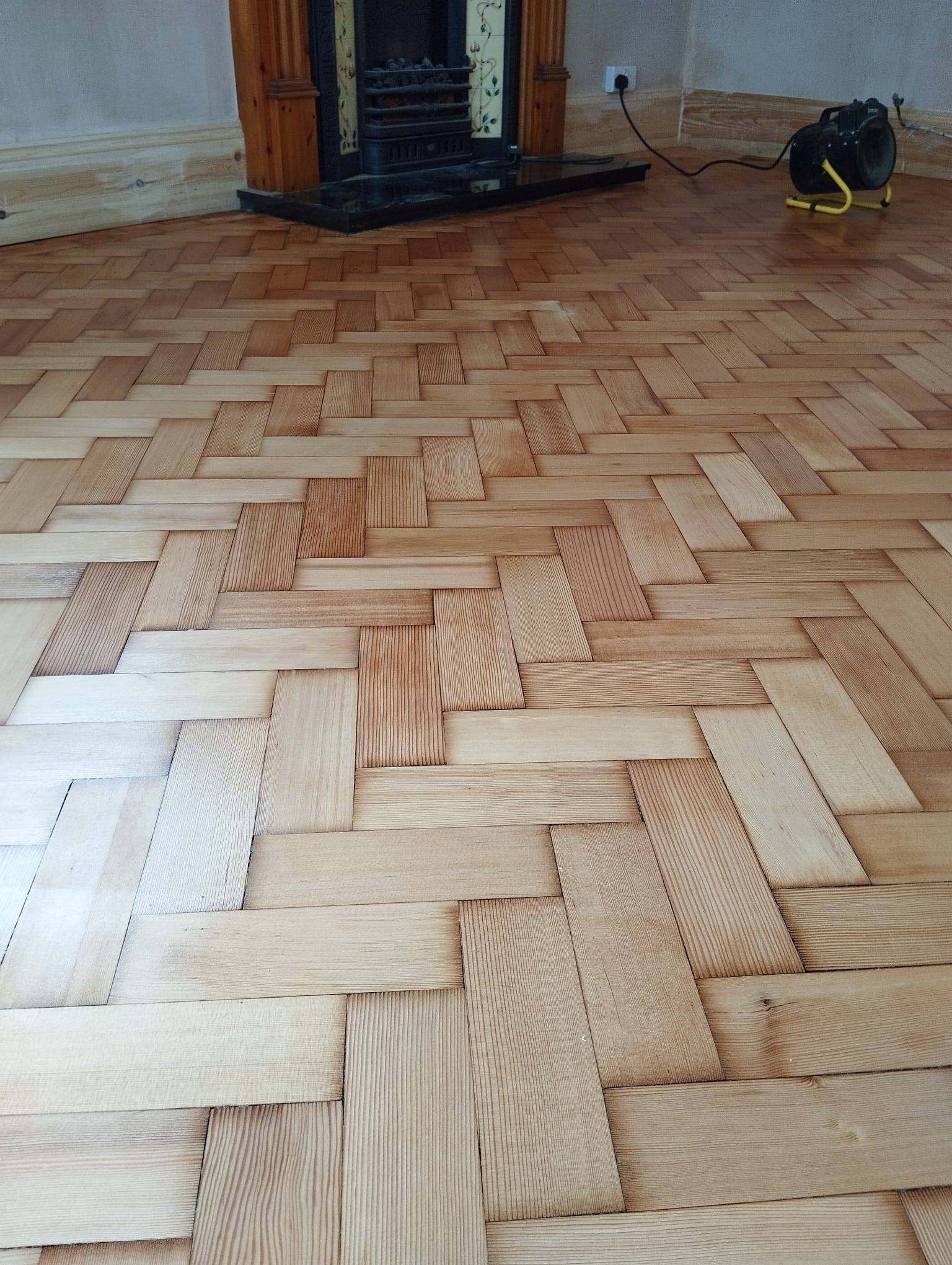
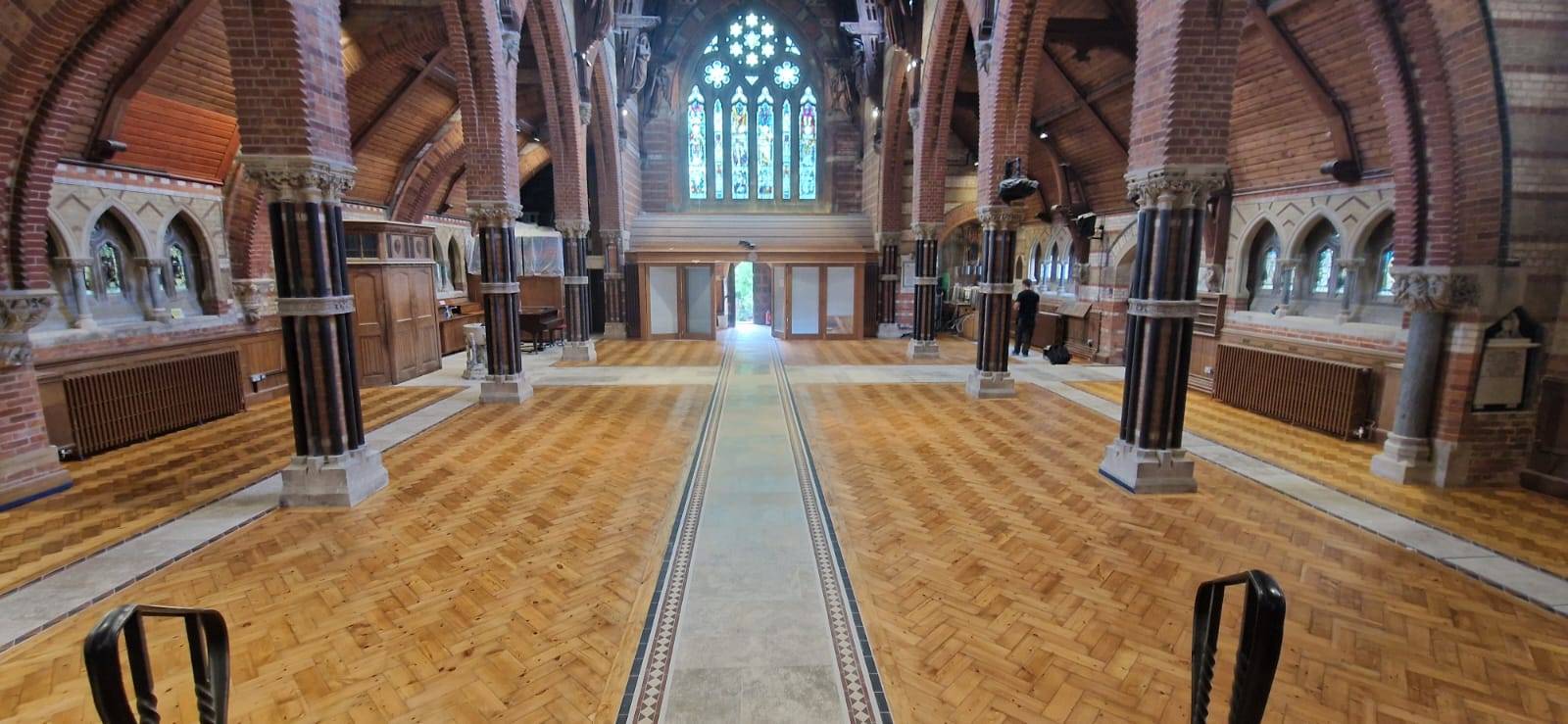
Bodmin is an unusual town for a floor sander. On one street there might be a Victorian terrace with pine boards that have sat under carpet since the 1970s, and a short walk away a hall, chapel or office with a woodblock floor that has carried several generations of feet. The town spent centuries as a place of courts, county business and public institutions, and that history left it with more large timber floors than its size would suggest. Those floors behave very differently from a bedroom. Our floor sanding in Bodmin covers both ends of that range, and every job opens with the same three questions: what is the timber, how much of it is left, and what has been done to it before?
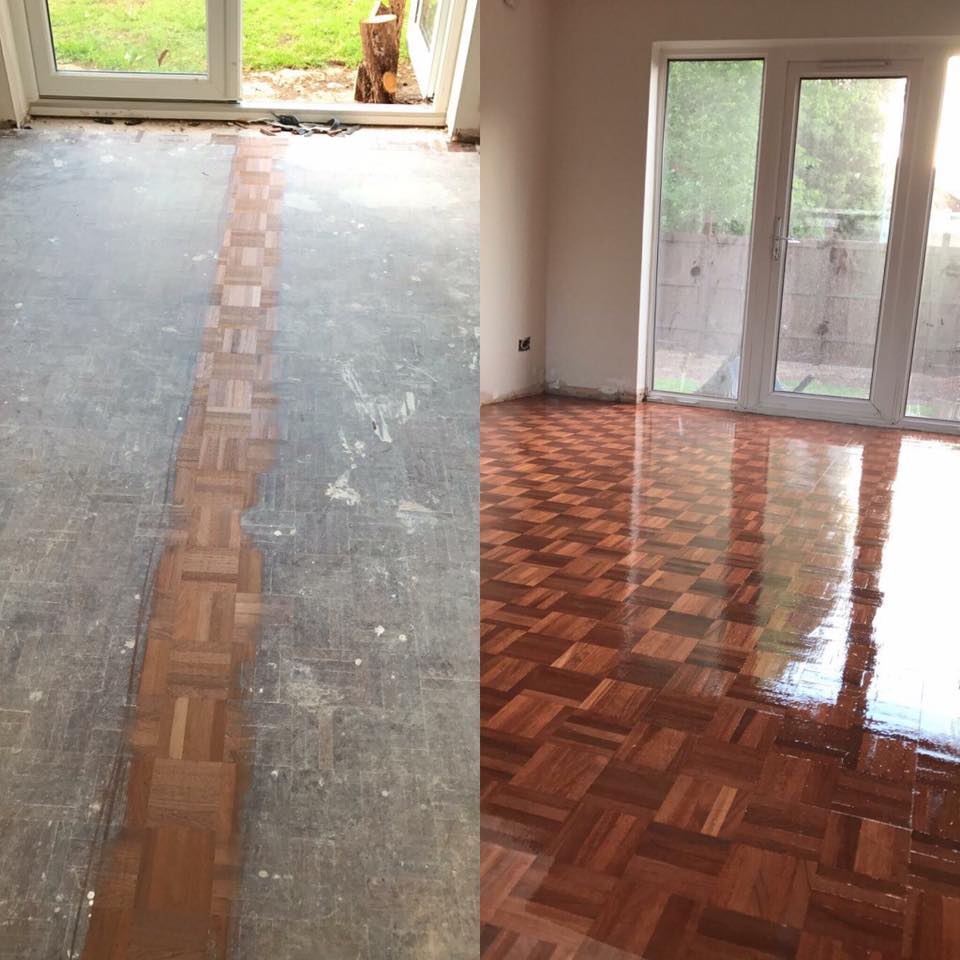
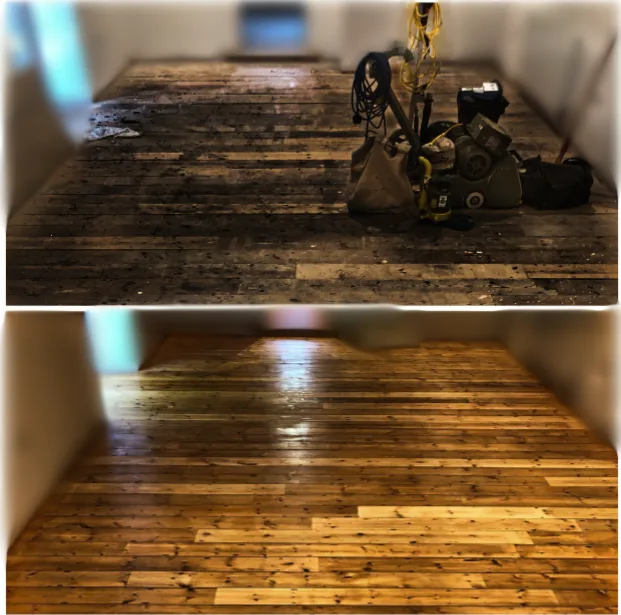
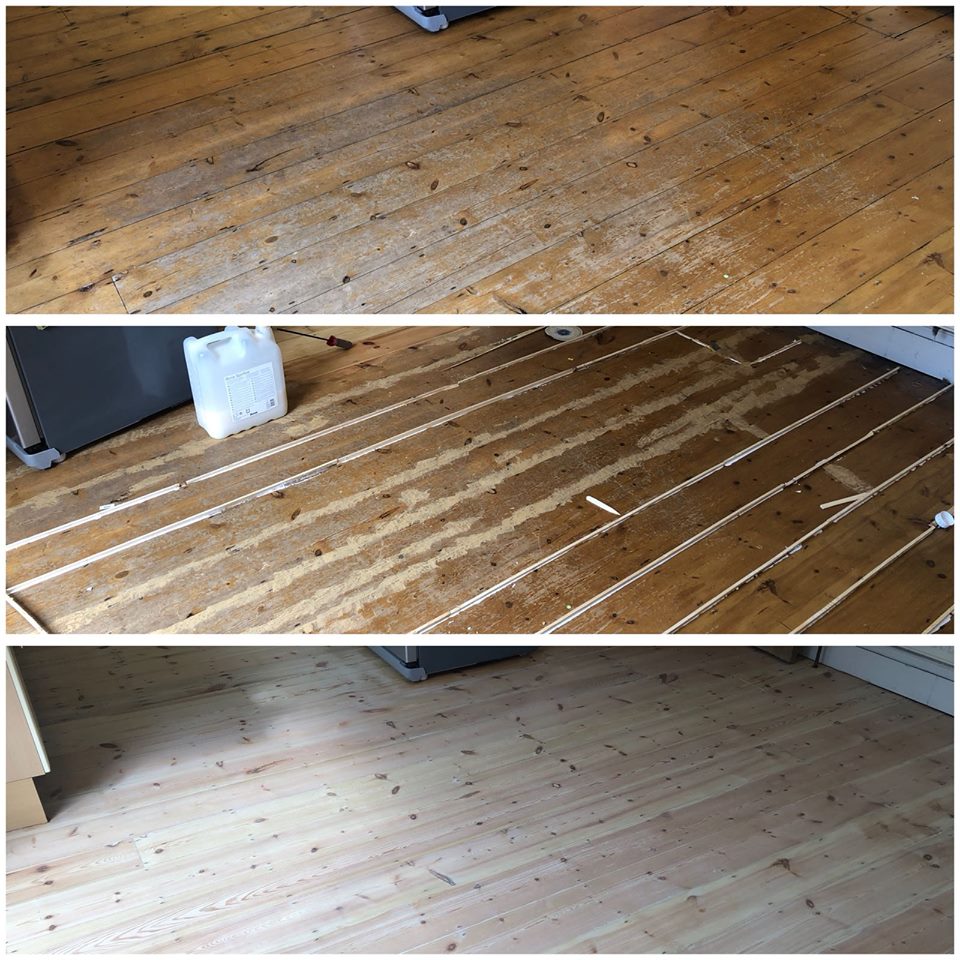
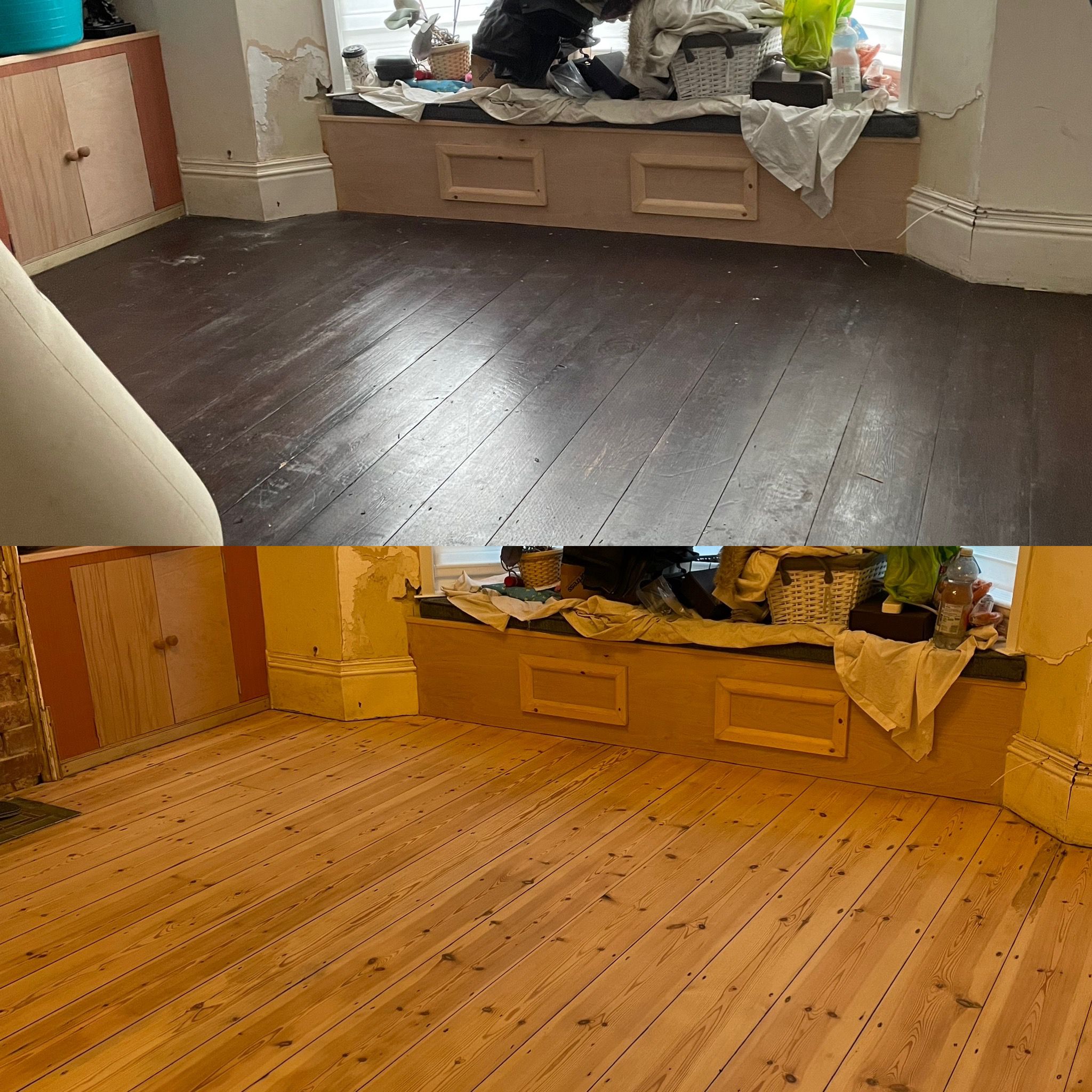
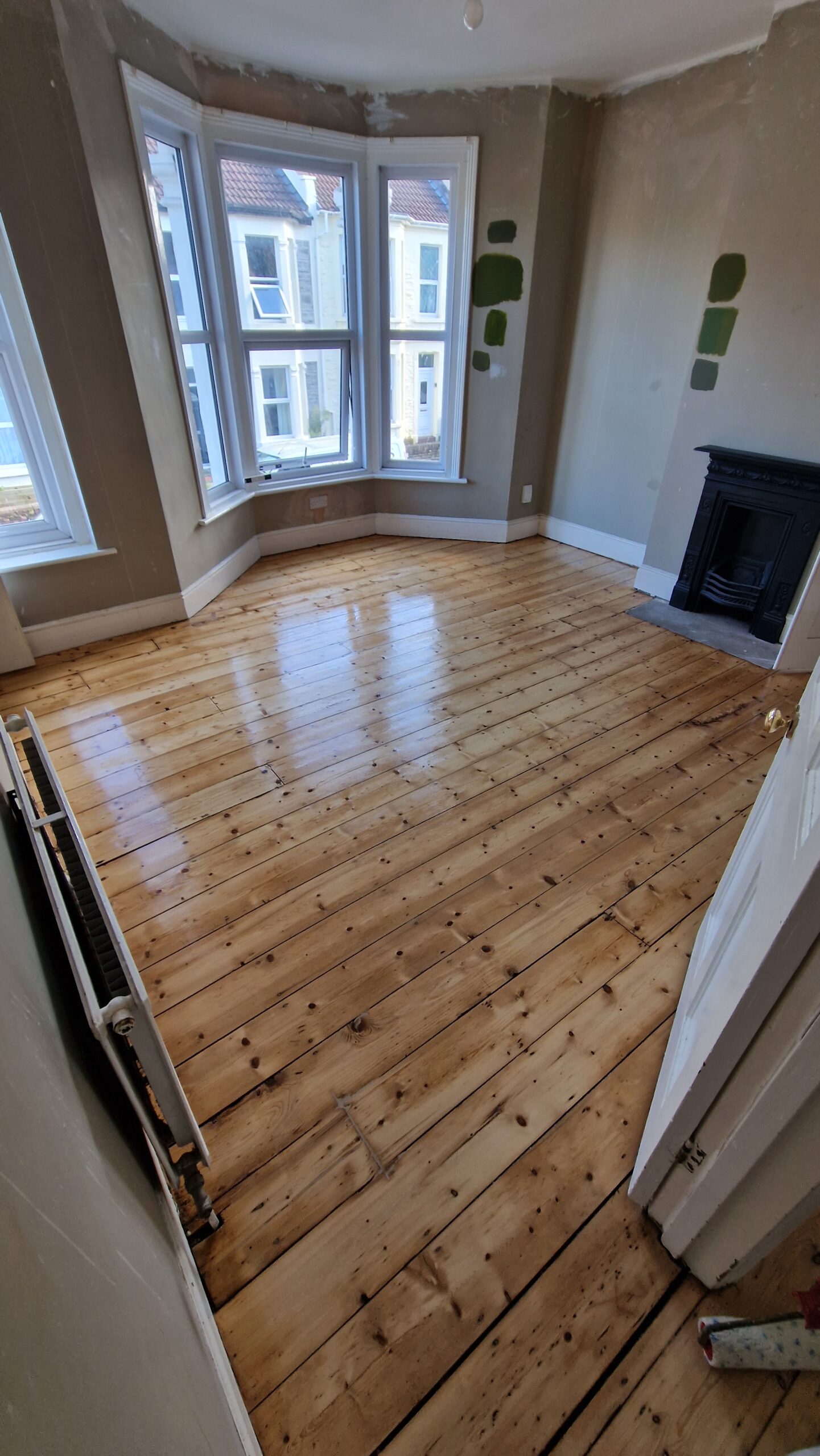
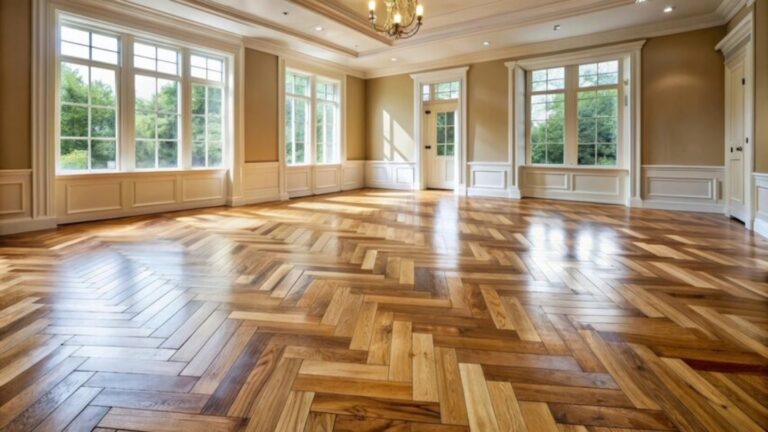
Sanding a wooden floor properly is mostly about reading the surface before a machine goes anywhere near it. Pine boards in a terraced house tend to be cupped, held with cut nails that have crept proud, and patched where gas pipes and cables were run. A hall floor is more likely to be maple strip, beech or oak block, buried under years of sealer and sometimes crossed by painted court lines. The choice of machine, the grit sequence and the amount of timber that can safely come off all depend on those details.
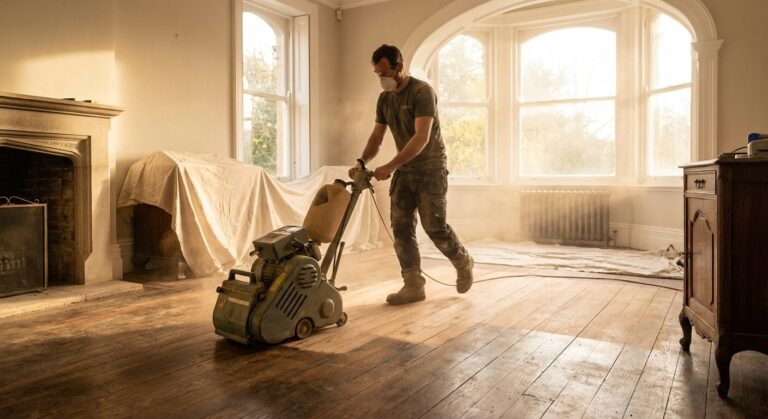
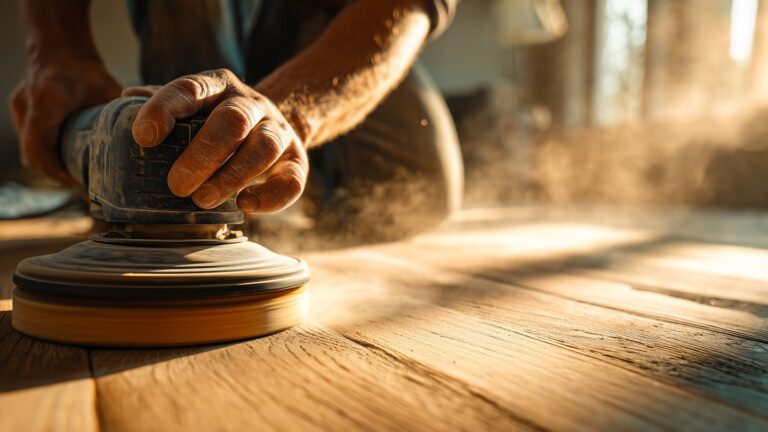
On a domestic floor the coarse first pass flattens the boards and strips the old coating, the middle passes chase out the scratches the first one left, and the last pass leaves a surface fine enough to take a finish evenly. Edges are worked with a smaller machine, and the awkward spots, such as round radiator pipes and under the lip of a hearth, are scraped by hand.
Occupied houses and working buildings need the mess kept down. Every sander we use is hosed into a sealed extraction unit. That is what lets dust-free floor sanding work in a Bodmin semi with tea being made in the kitchen, or on one floor of an office while the accounts team carry on upstairs. No sanding is literally free of dust, but the contrast with an old open-bag sander is enormous.