Floor Sanding Cornwall

Floor Sanding and Wood Floor Restoration Across Cornwall

QUICK QUOTATION

Floor Sanding Taunton

Floor Sanding in Cornwall

We sand and refinish wooden floors throughout Cornwall, from Launceston and Bude down to Penzance and the Lizard, taking in Truro, Falmouth, Newquay, St Ives, Bodmin, Camborne, Redruth, St Austell, Helston, Padstow, Wadebridge, Looe and Fowey along the way. Because the county is a long drive from our Wellington workshop, Cornish jobs are grouped into multi-day runs, so it is always worth asking when we are next in your area.

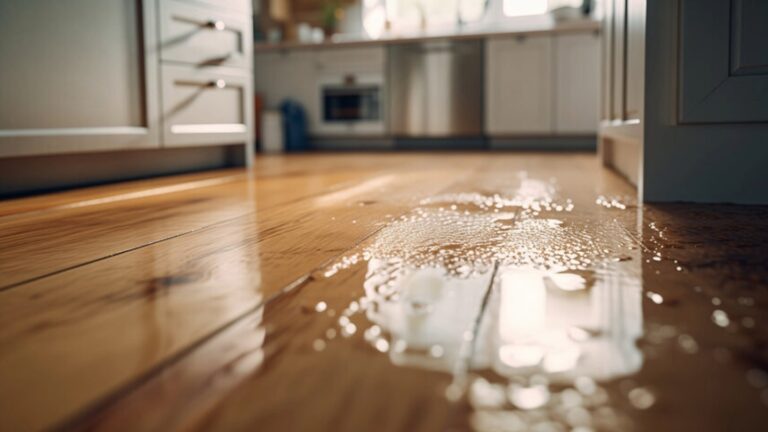
Our wood floor sanding service runs on sealed dust extraction that captures the overwhelming majority of dust at source, and every job starts with a moisture reading — coastal humidity keeps Cornish timber wetter than inland floors, and sanding a damp board flat stores up trouble for later. Pine, oak, elm and pitch pine boards are all sanded back, flattened and refinished to a standard we put in writing before work starts.

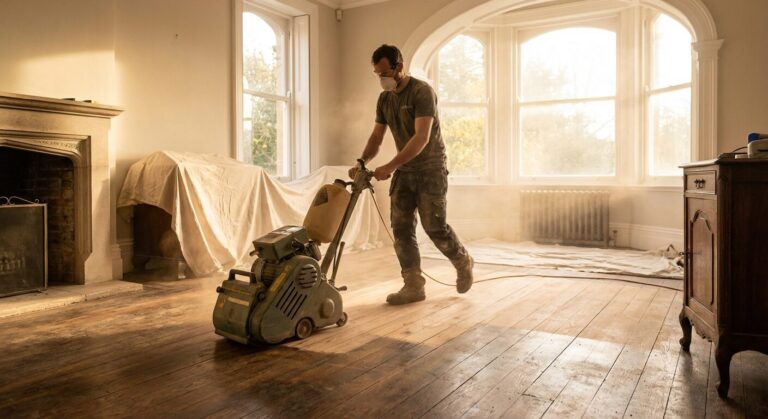
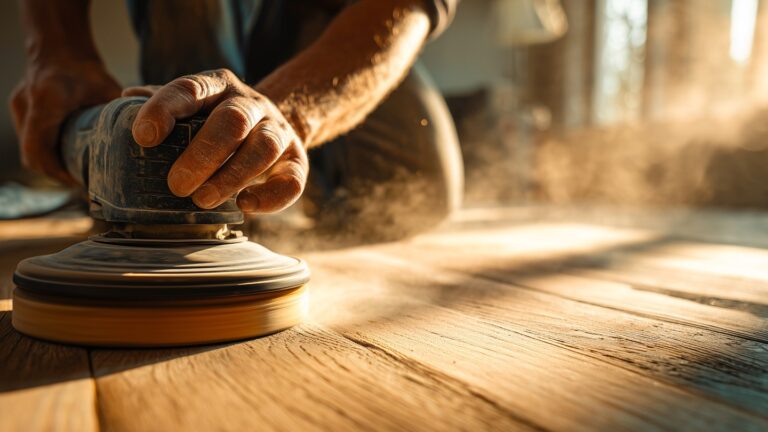
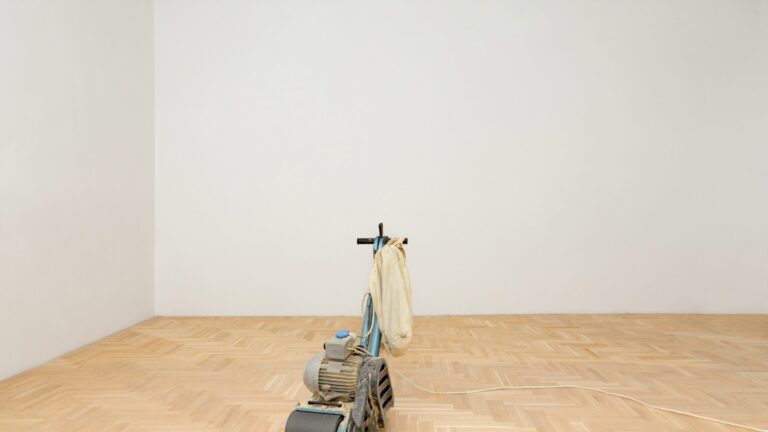
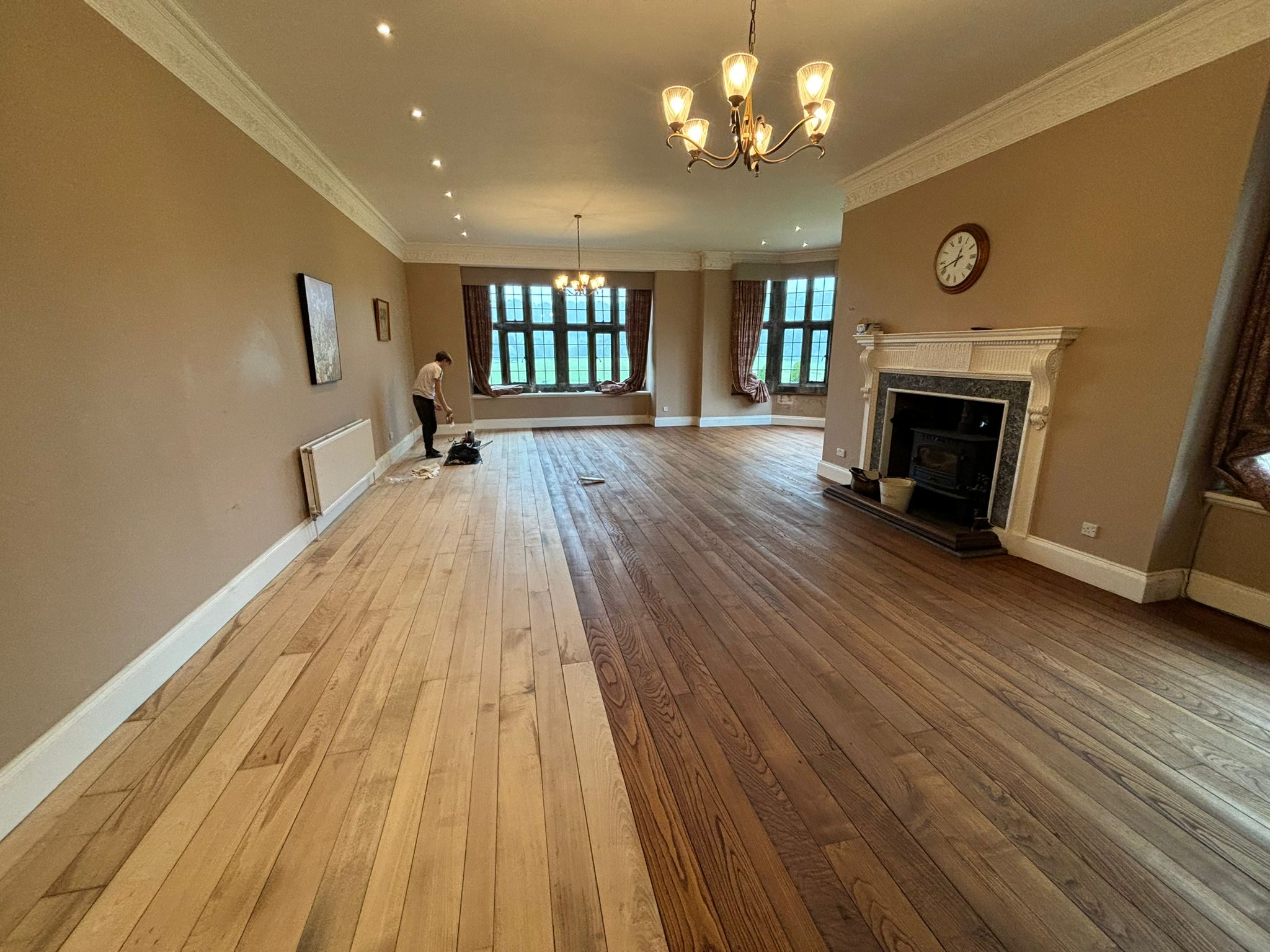
A full restoration works through a staged grit sequence rather than a single heavy pass. Coarse abrasives around 24 or 36 grit strip the old finish and level cupped boards, medium grits remove the scratch pattern left by the cut before, and a fine final pass at 100 or 120 grit closes the grain ready for sealing. The belt machine handles the open floor, a separate edger works the perimeter, and corners, thresholds and the strips under radiators are finished by hand so nothing is left ringed or half-done. Between passes the floor is vacuumed and tacked, and any proud nail heads are punched below the surface to protect both the abrasive and the drum.

On a typical Cornish run the first day covers the coarse and medium cuts, filling and the fine cut follow, and sealing begins once a fresh moisture reading confirms the boards are ready to take it. Larger houses and multi-room lets are sequenced room by room so the household always has somewhere to stand.
Commercial Floor Sanding in Cornwall

Pubs, cafes, galleries and village halls across Cornwall use our commercial floor sanding service, and nearly all of it happens outside trading hours. Overnight and weekend working is standard, so a restaurant floor can be sanded and sealed between Sunday close and Tuesday lunch without losing a single cover.

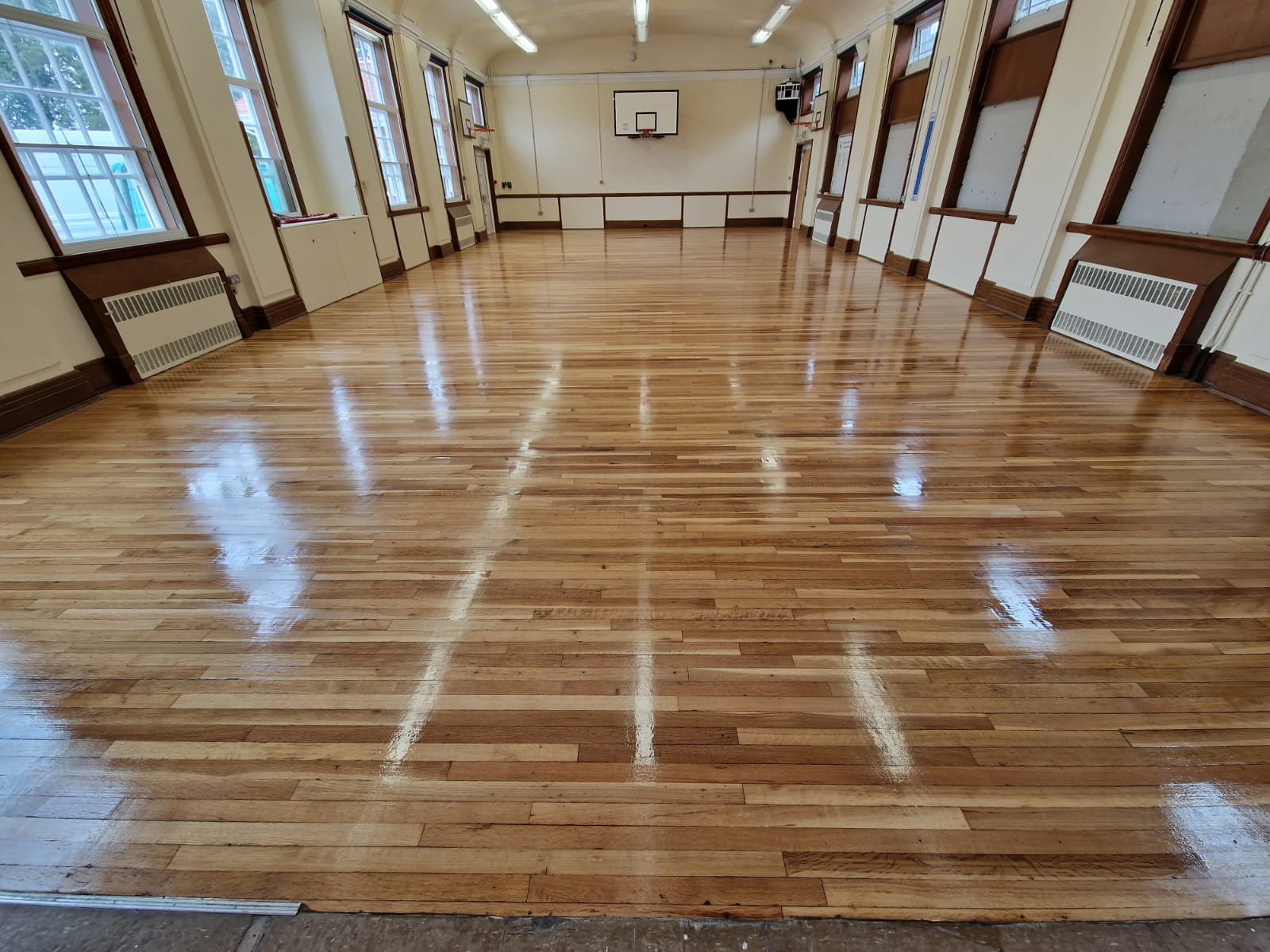
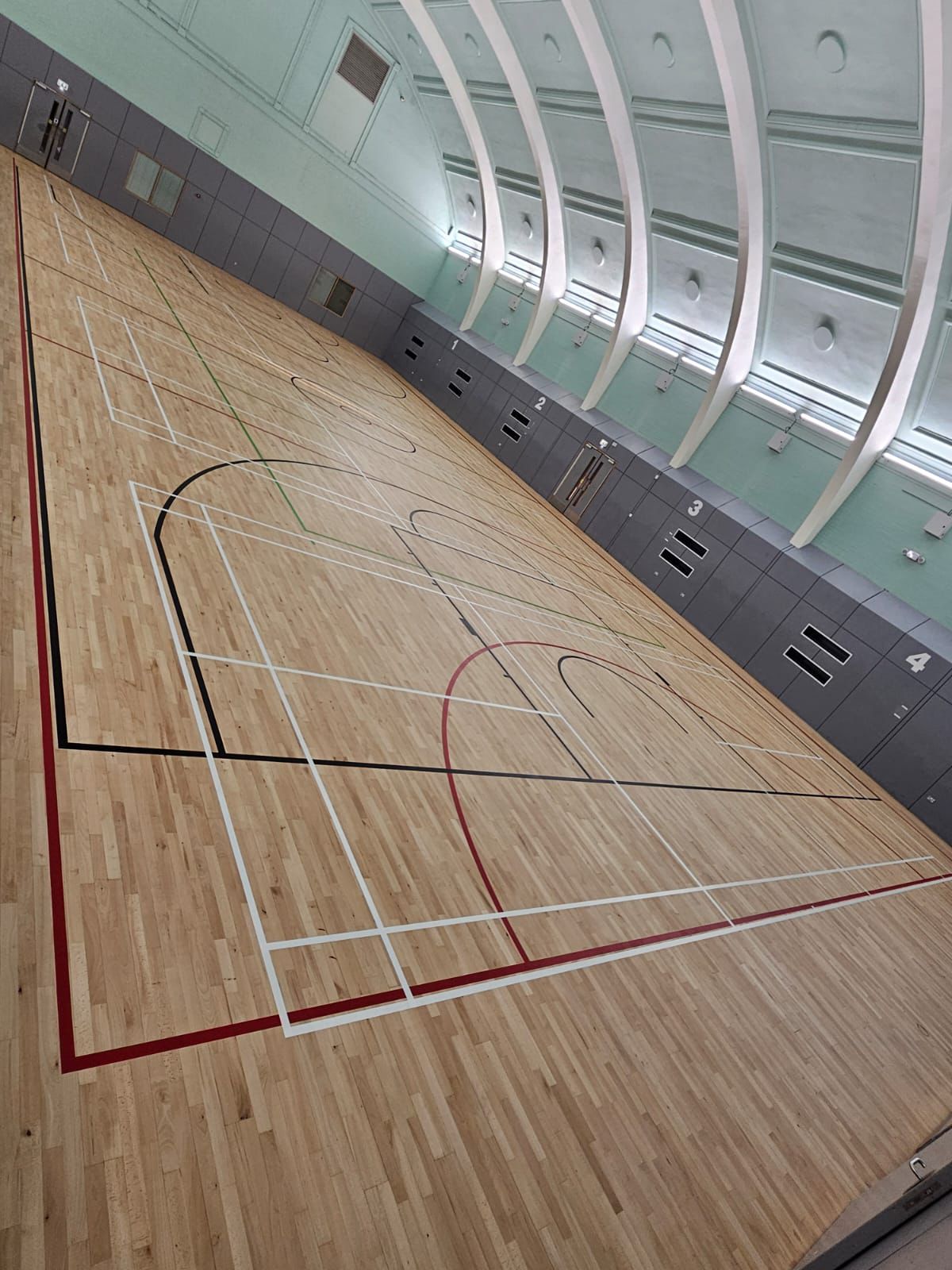
We also handle school halls, hotel floors and shop floors, with line marking to governing body specification where sports courts need reinstating. Method statements and insurance documentation are supplied before we arrive on site.

Before any commercial job we issue a method statement and risk assessment covering machinery, extraction, finish odour and cure times — paperwork most facilities managers need on file before work can be authorised. Phased working is common: one bar or dining area is closed, sanded and sealed while the rest of the building trades on, then the barrier moves. For food-service floors we specify seals with appropriate slip resistance, and sports courts are re-marked to governing body dimensions after sealing rather than painted over the top of it.

Cure time is the detail that catches operators out. A newly sealed floor may take careful foot traffic within hours, yet furniture, mats and wet cleaning must wait until the seal has fully hardened — a window we build into the programme so nobody scuffs a soft finish on reopening morning.

Floor sanding south east London
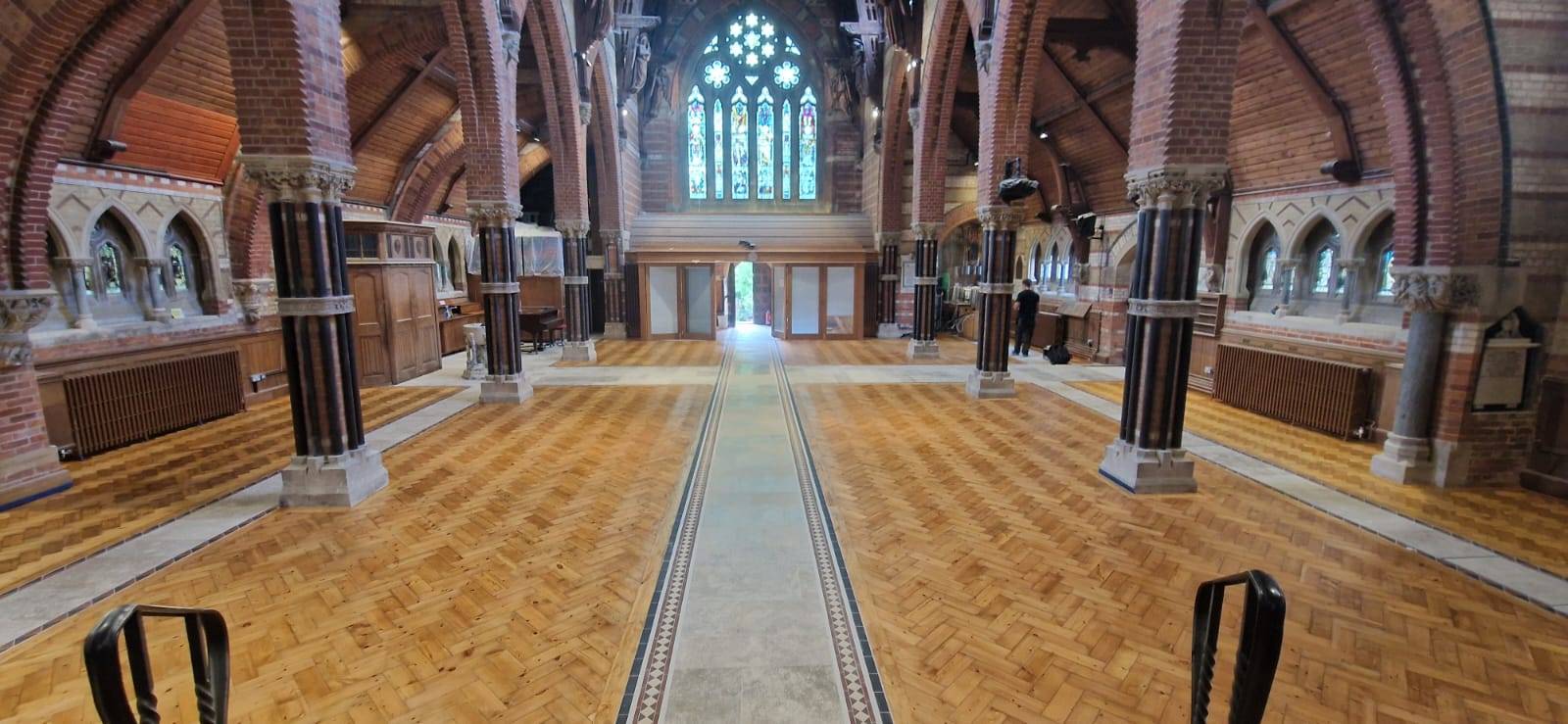
Commercial Hall Floor Refurbishment

Wood Floor Repairs and Floorboard Replacement

Not every floor needs a full sand. Our wood floor repair service deals with rot, woodworm damage and split or lifting boards, and floorboard replacement draws on our own stock of reclaimed timber so a new board sits quietly among century-old neighbours. That matters in Cornish cottages, where wide elm and pitch pine boards are usually too characterful to swap for modern softwood.

We also sort the smaller irritations: squeaking boards secured, scratches blended out, and gap filling to close draughty boards — a genuine comfort upgrade in a granite cottage with a lively crawl space underneath.

Matching a replacement board is more exacting than it sounds. We match on four counts — species, width, thickness and surface patina — which is why holding our own reclaimed stock matters: a genuinely old pine board with tight growth rings settles in where fresh softwood never quite does. Gaps are judged case by case too. Wide, consistent gaps suit the sliver method, where tapered strips of matching timber are glued in and planed flush, while fine seasonal movement gaps in a floor already booked for sanding are better closed with a resin bound with dust from the sanding itself.

In coastal cottages we take moisture readings before committing repairs or seal, because timber that reads high will move again once the heating comes on. And we will say plainly when a board is past saving, or when a squeak is actually coming from the joist below rather than the board — knowing the limits of repair is part of the job.

Parquet Floor Restoration

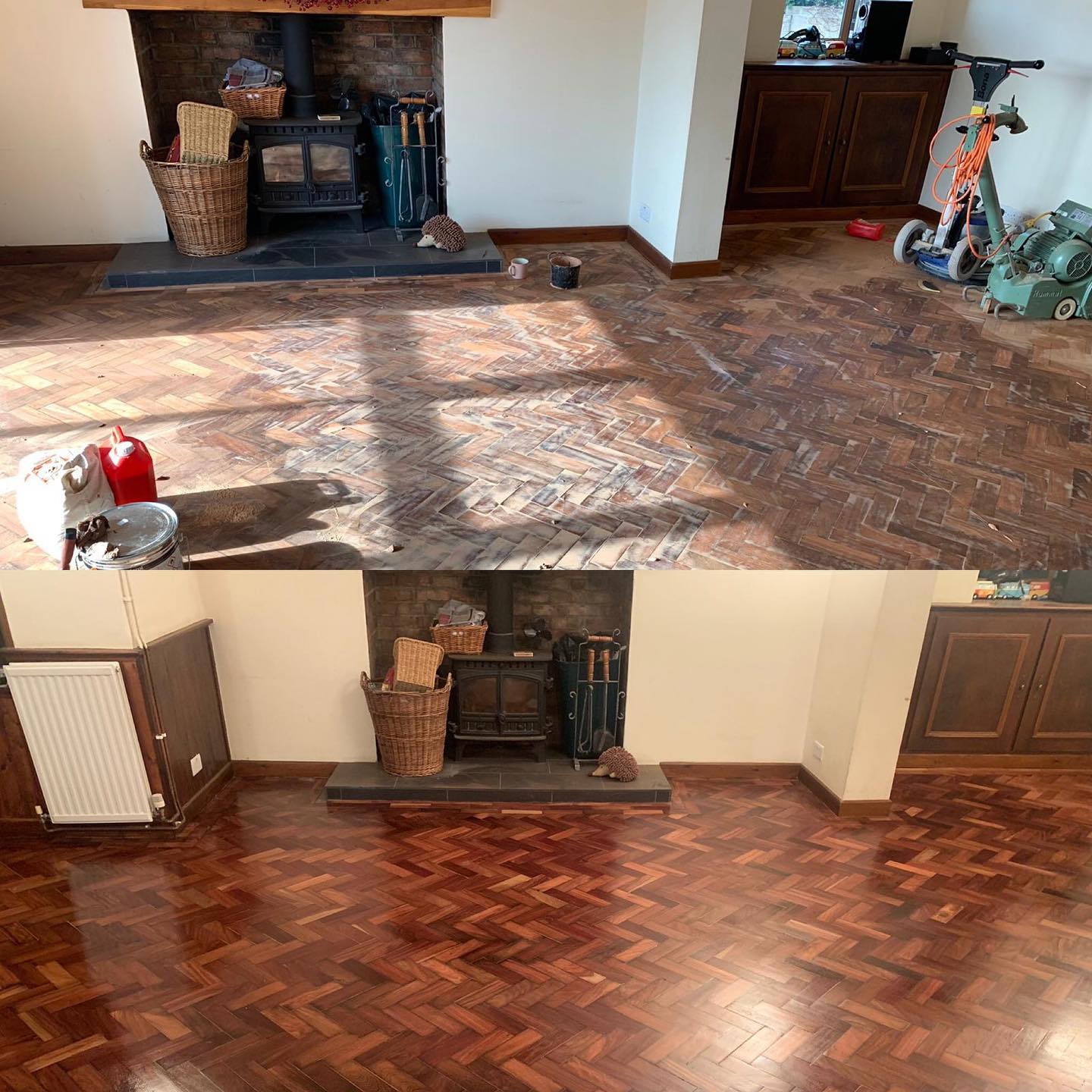
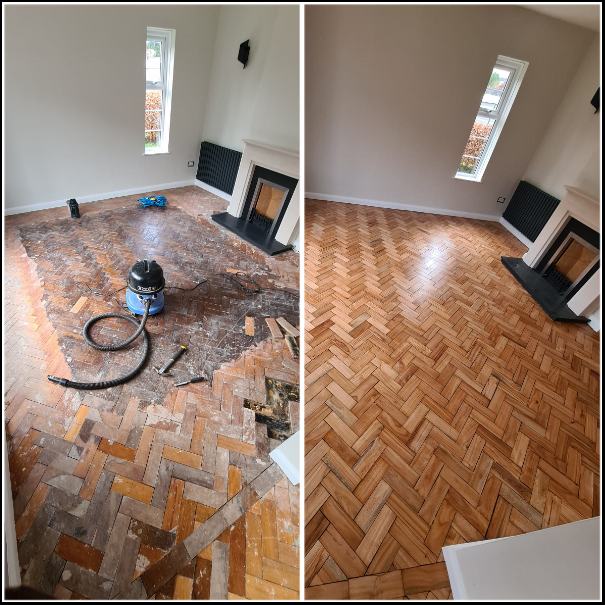
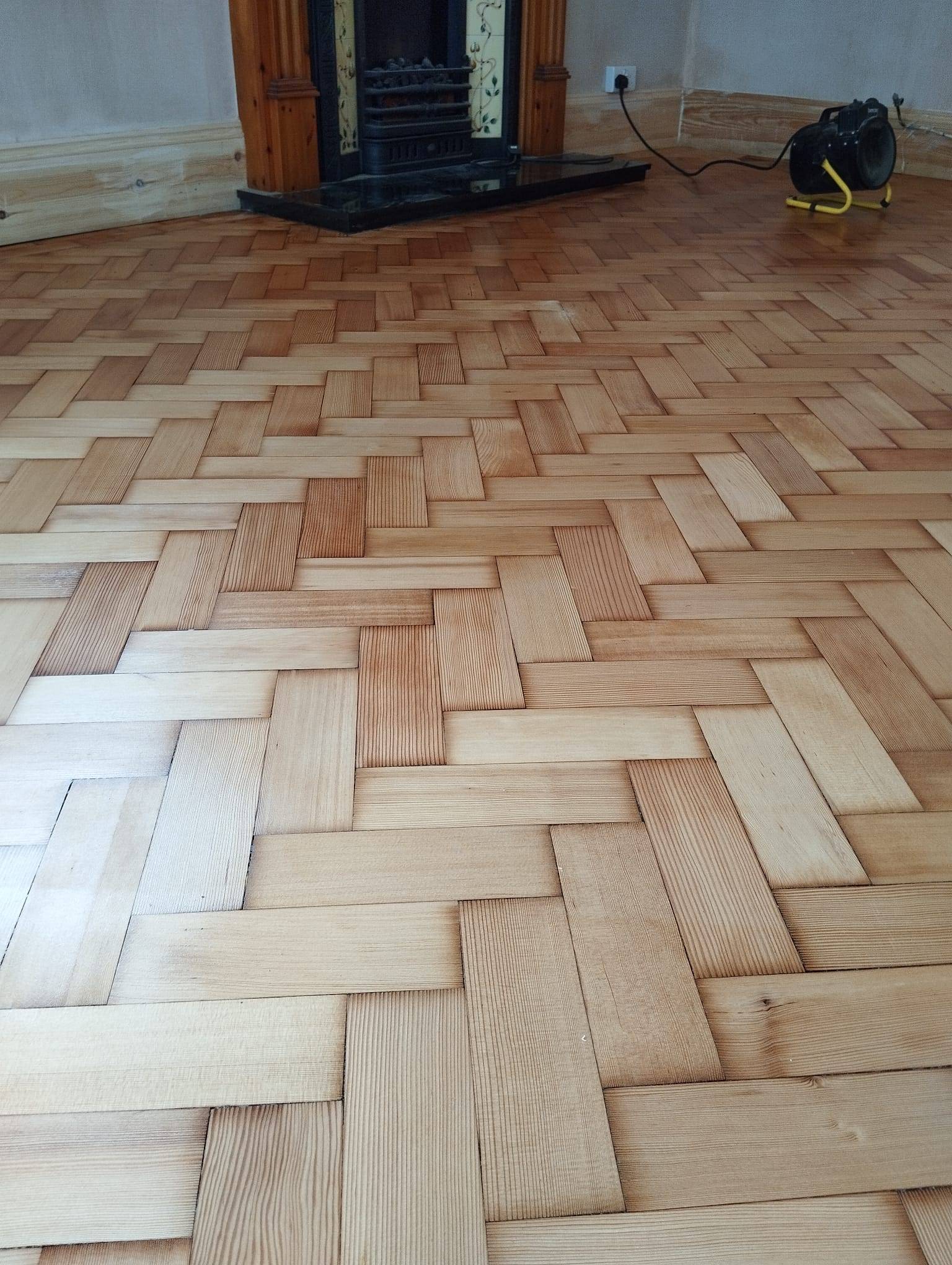
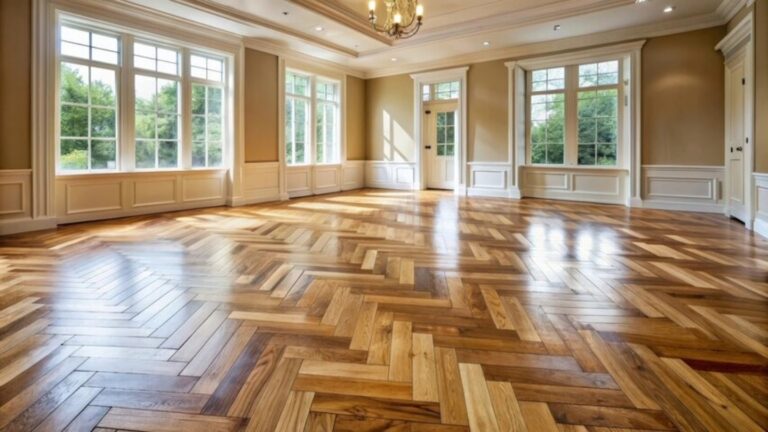
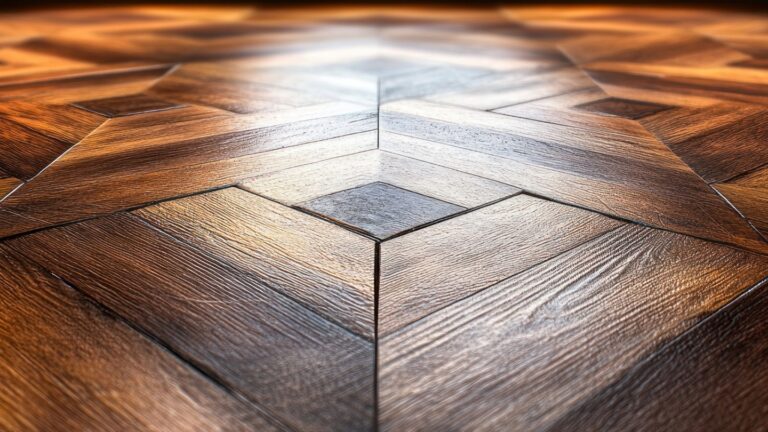
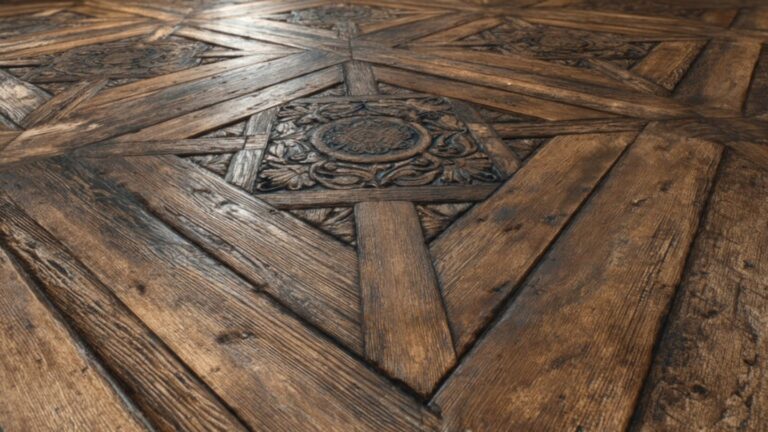
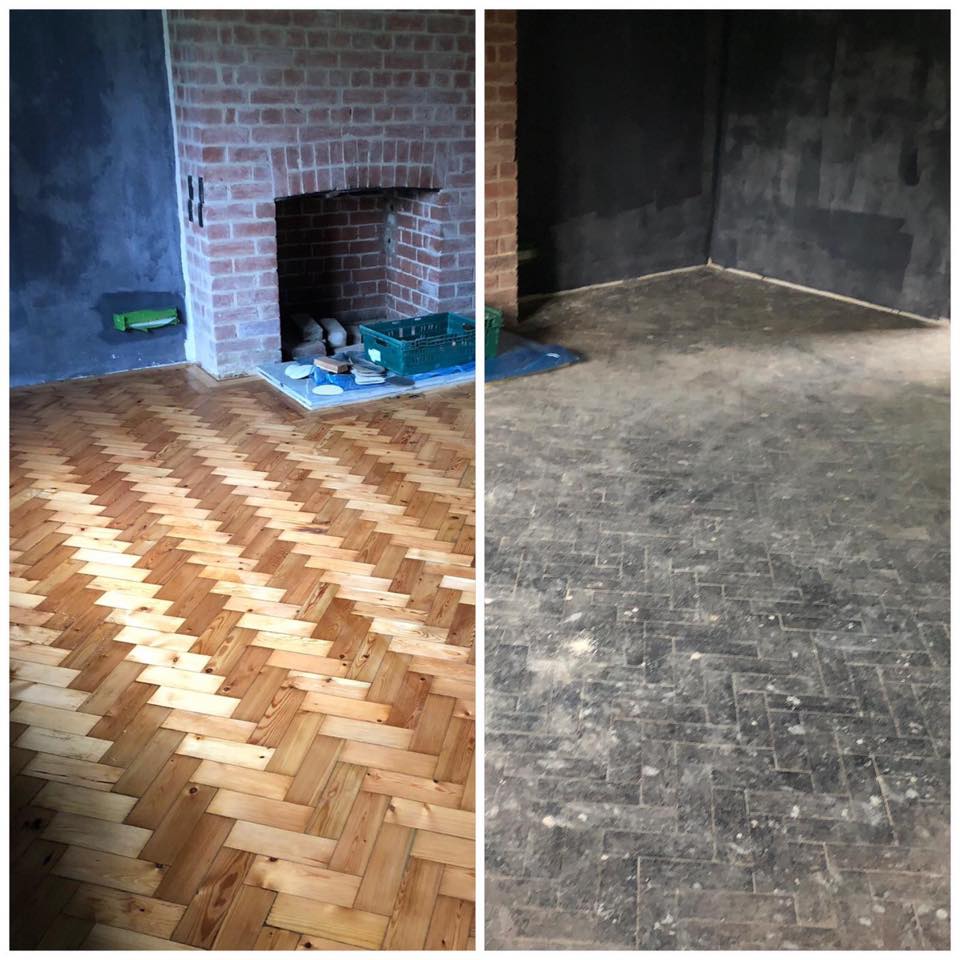
Parquet floor restoration covers herringbone, basketweave and brick-bond floors in oak, pine and less common timbers. Loose blocks are lifted, cleaned of old bitumen and re-bonded, missing blocks are matched from reclaimed stock, and the whole floor is sanded flat and refinished as one surface.

Cornwall holds a surprising amount of parquet in chapels, schoolrooms and mid-century houses, often hiding under carpet. If you have uncovered some, send a photograph — most of it restores beautifully.

Sanding parquet differs from sanding boards because the grain runs in two directions at once. We cut at an angle across the pattern with the coarser grits, then finish along the light of the room with the fine passes so no cross-grain scratching shows once the seal goes down. Old bitumen is removed in stages rather than smeared into the surface, and before the final cut the whole floor is filled with a resin and fine-dust mix that closes the joints between blocks.

Floor Sanding Essex
parquet floor restoration near me

Staining, Sealing, Oiling and Waxing

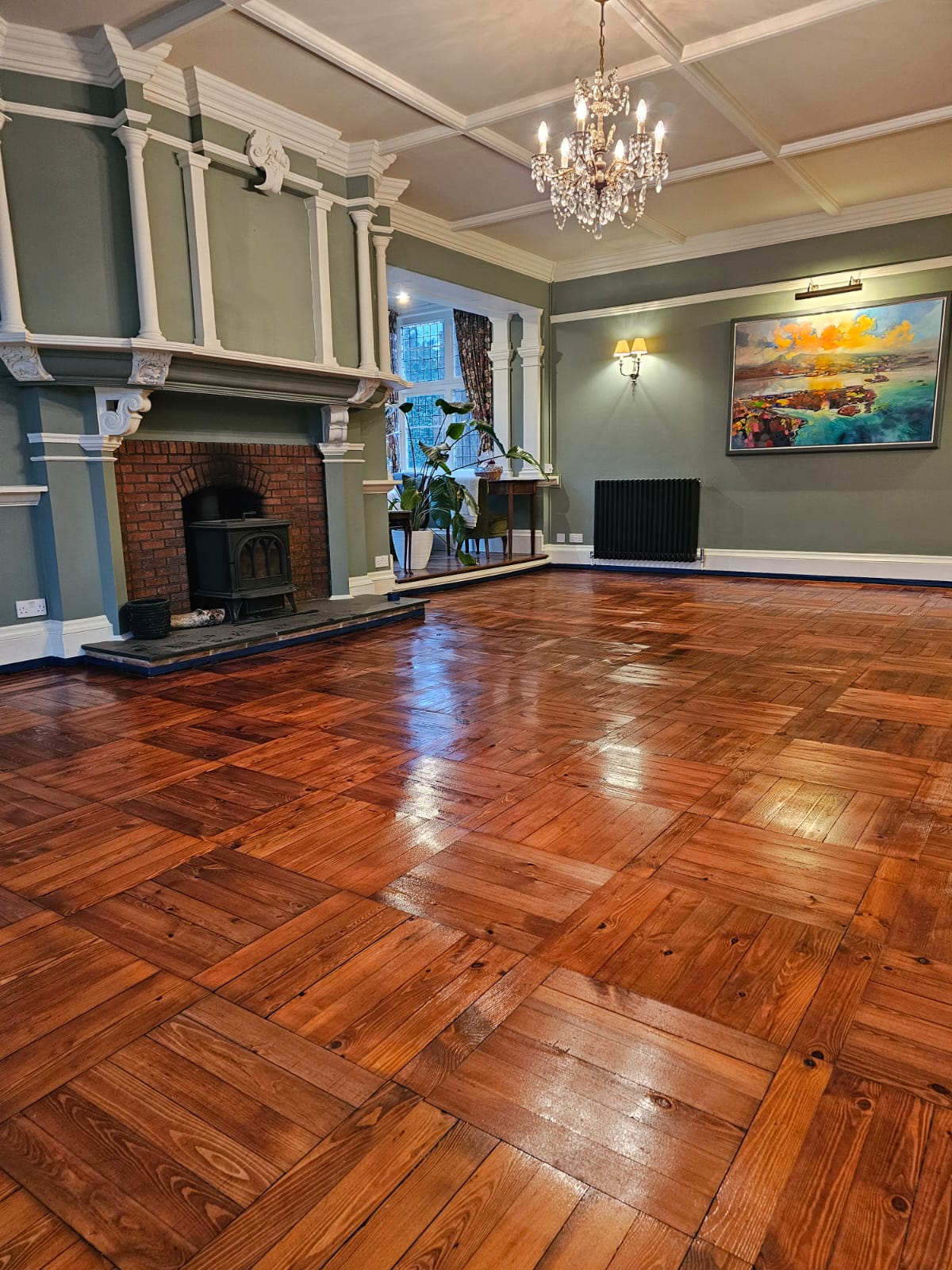
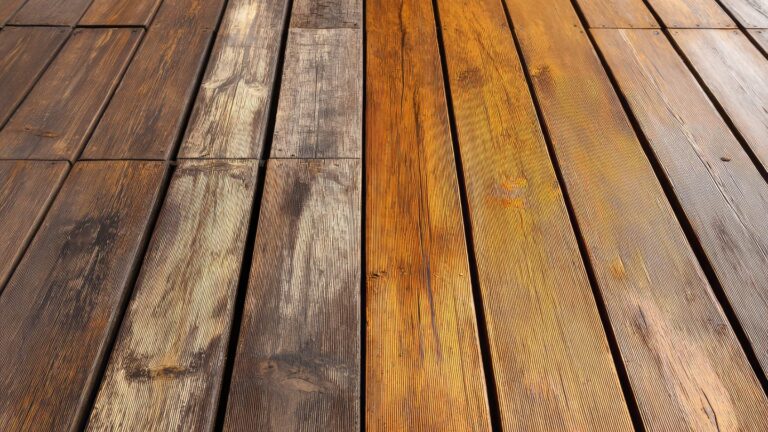
Choosing the finish is where a Cornish floor differs most from an inland one. In coastal properties we often recommend hard wax oil, which lets the timber breathe and can be patch-repaired, while water-based lacquer sealing suits holiday lets that must take foot traffic within a day. Traditional waxing is still right for some period interiors.

Floor staining can take a floor several shades lighter or darker, and once the finish is down, periodic buffing and recoating is usually all it needs to stay looking fresh. Where a full sand is unnecessary we will say so and refresh the existing surface instead.

Sheen deserves as much thought as colour. Matt and satin finishes disguise fine scratching and the sand that gets carried in from the beach far better than gloss, so we rarely specify a high shine for a coastal hallway. Water-based lacquers stay pale and dry quickly; oil-based versions warm the timber towards honey but need longer between coats. Hard wax oil sits between the two, and a maintenance coat every year or so in busy rooms keeps that floor renewable more or less indefinitely.

Every stain is tested on your own boards before the floor is coloured, because the same tin reads differently on oak, pine and elm. In old cob and granite buildings we keep to breathable finishes that let the fabric of the house move moisture the way it always has.

Get a Floor Sanding Quote in Cornwall

Two photographs are usually enough for an honest opinion — one of the room from the doorway, one close-up of the worst area. We will tell you straight whether the floor is worth restoring, then follow up with a fixed written quotation that does not move once agreed. A free, no-obligation site survey is available for larger properties, halls and multi-room holiday lets anywhere in the county.

Call 01823 674562, email info@ryansrestoration.co.uk, or use the form on this page.

All services available in Cornwall: floor sanding, commercial floor sanding, wood floor repairs, floorboard replacement, gap filling, parquet restoration, staining, oiling, stair sanding and new floor installation.

Nearby areas we also cover: Bodmin, Bude, Camborne, Falmouth, Fowey and Helston. There is a page for each, and the full list of towns is on our areas we cover page.

Once the work is done, keeping the floor right is straightforward: felt pads under furniture legs, a doormat long enough to shed grit before it reaches the timber, and a barely damp mop with a cleaner made for your particular finish. Every customer leaves with aftercare guidance matched to the seal or oil actually used, and a periodic screen and recoat will keep the surface ahead of wear for years.

Parquet Flooring Restoration

FAQ: Floor Sanding in Cornwall

The full range: sanding and refinishing, board repairs and replacement, gap filling, parquet restoration, staining, sealing, oiling, waxing, stair sanding, buffing and recoating, and new wooden floor installation. Every job is carried out by our own family-run team with more than 45 years of experience.

In most cases, yes. We schedule commercial work overnight or across a weekend and use fast-curing finishes, so trade carries on around the job rather than stopping for it.

Certainly. Rotten, split or woodworm-damaged boards can be replaced individually using reclaimed timber from our own stock, and the repair is blended so it does not shout for attention.

Yes. Herringbone and block floors are lifted where loose, cleaned of old adhesive, re-bonded, sanded flat and refinished. Missing blocks are matched from reclaimed stock.

It can. After sanding back to bare timber we apply stains or tinted oils to take the floor lighter, darker or towards a different tone entirely, always testing sample patches on your actual boards first.

Our machines run with sealed extraction that captures the overwhelming majority of dust at source. A little fine residue is unavoidable, but rooms are left clean rather than coated.

This is a large part of our Cornish workload. Tell us your booking gaps and we will plan the job to fit, using finishes that take foot traffic within a day so the next guests walk in on a finished floor.

Send two photographs by email or through the form for an honest opinion and a fixed written quotation, or ask for a free no-obligation survey. Because Cornish jobs are grouped into multi-day runs, mentioning your town helps us suggest the earliest date.