Floor Sanding in Redruth's Mining-Era Terraces
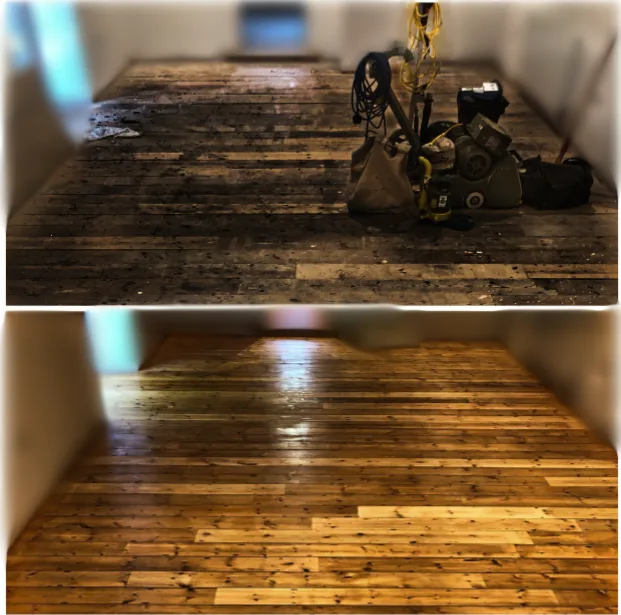
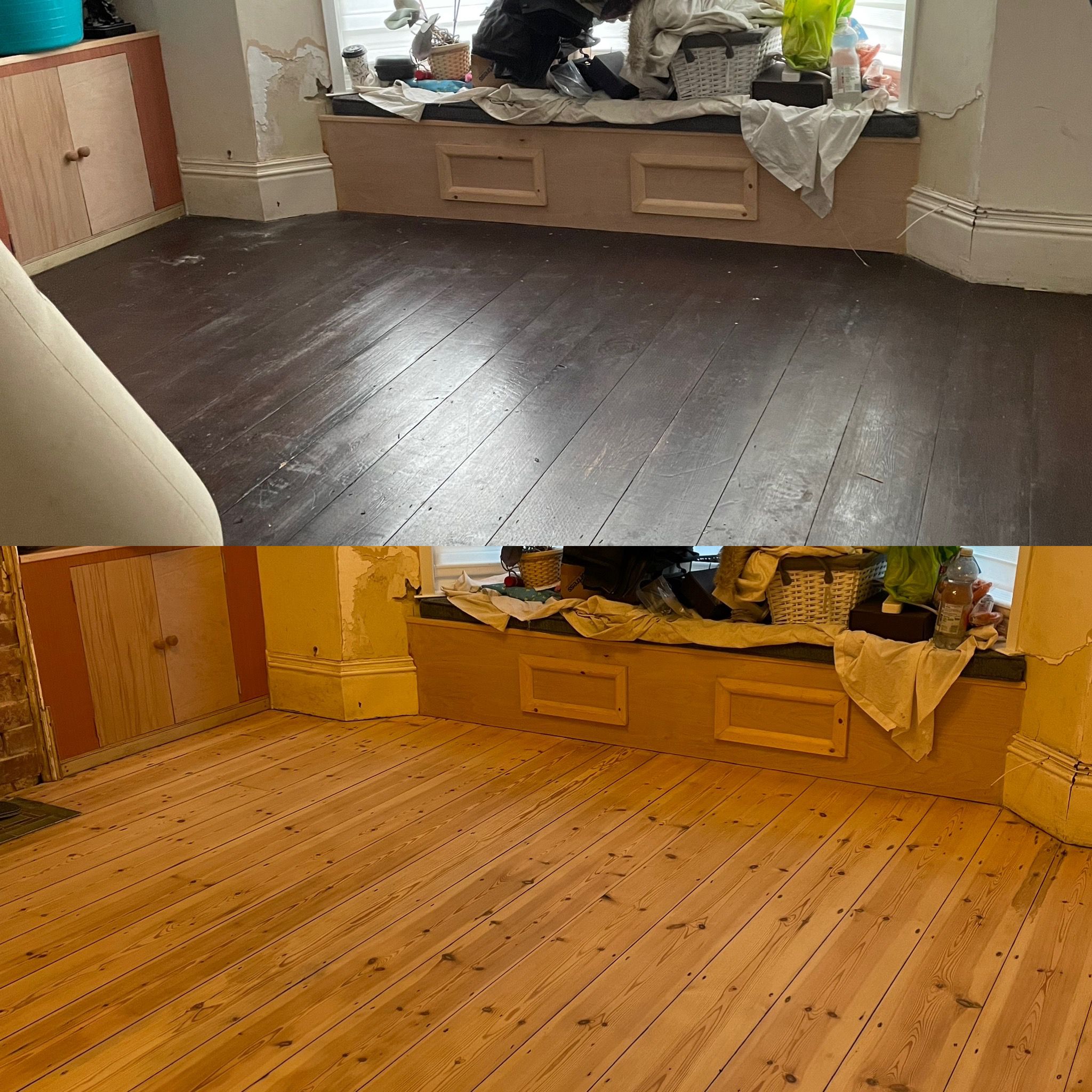
Redruth sits inside the Camborne and Redruth district of the Cornish Mining World Heritage Site, and a great deal of its housing went up while the mines around it were working. For a floor sander, that history is visible the moment the carpet comes up. Lift the carpet in a miner’s-row parlour and you tend to find the same picture: a band of dark brown round the walls, a pale oblong in the centre where a rug or lino square lived, and short lengths of mismatched board marking every gas, water and wiring job since about 1900.
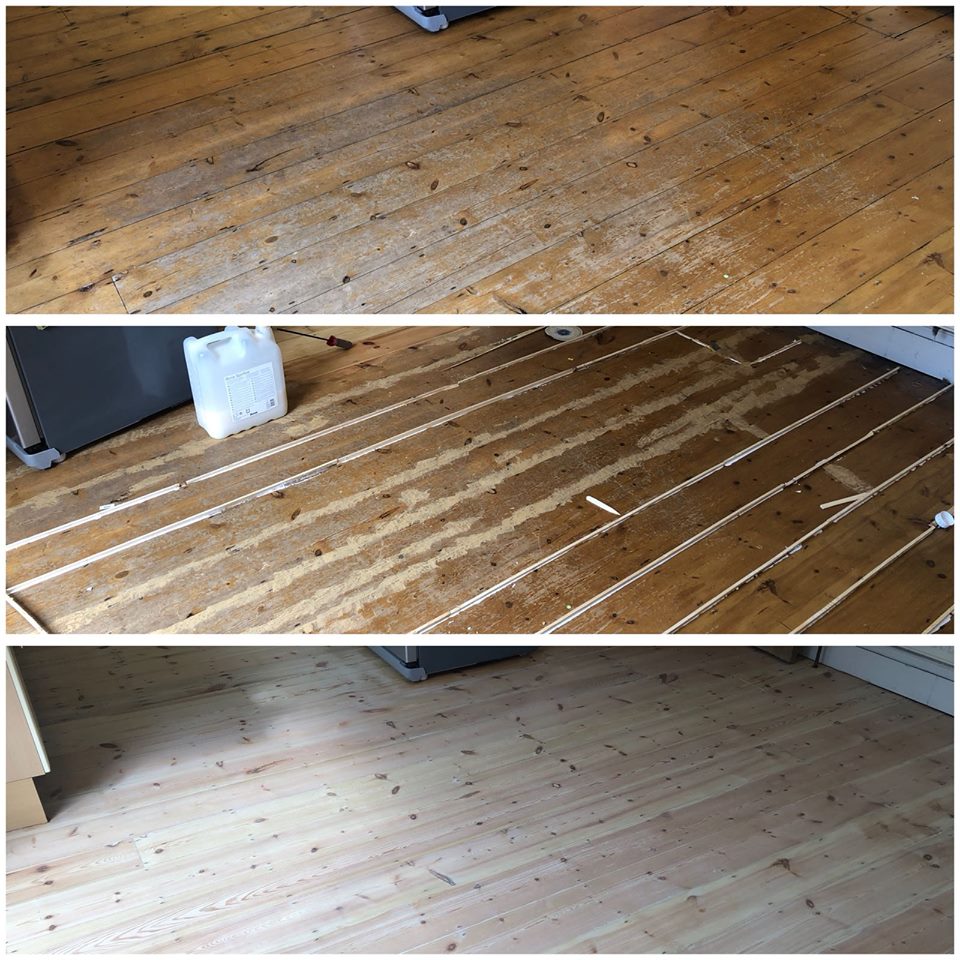
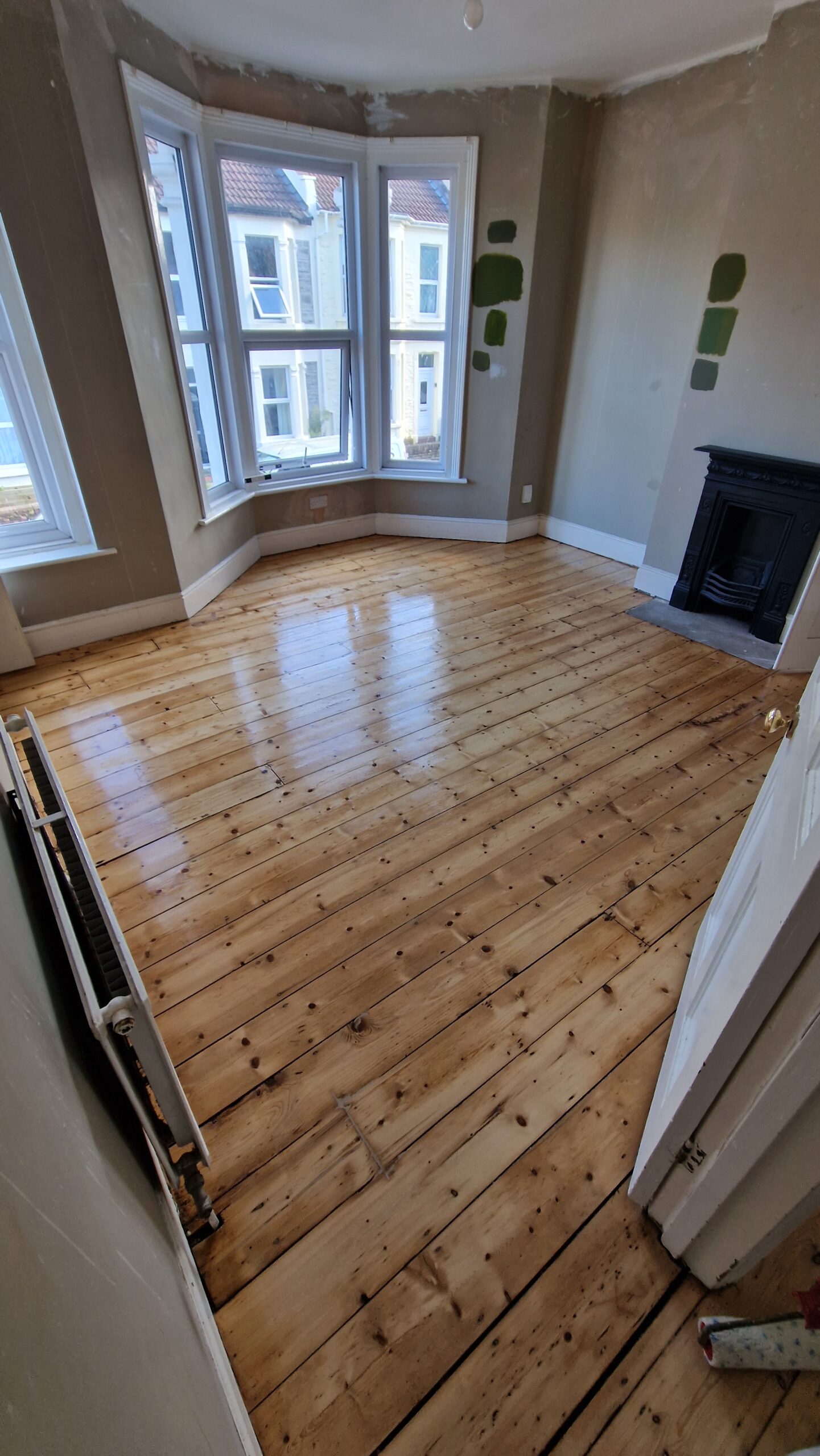
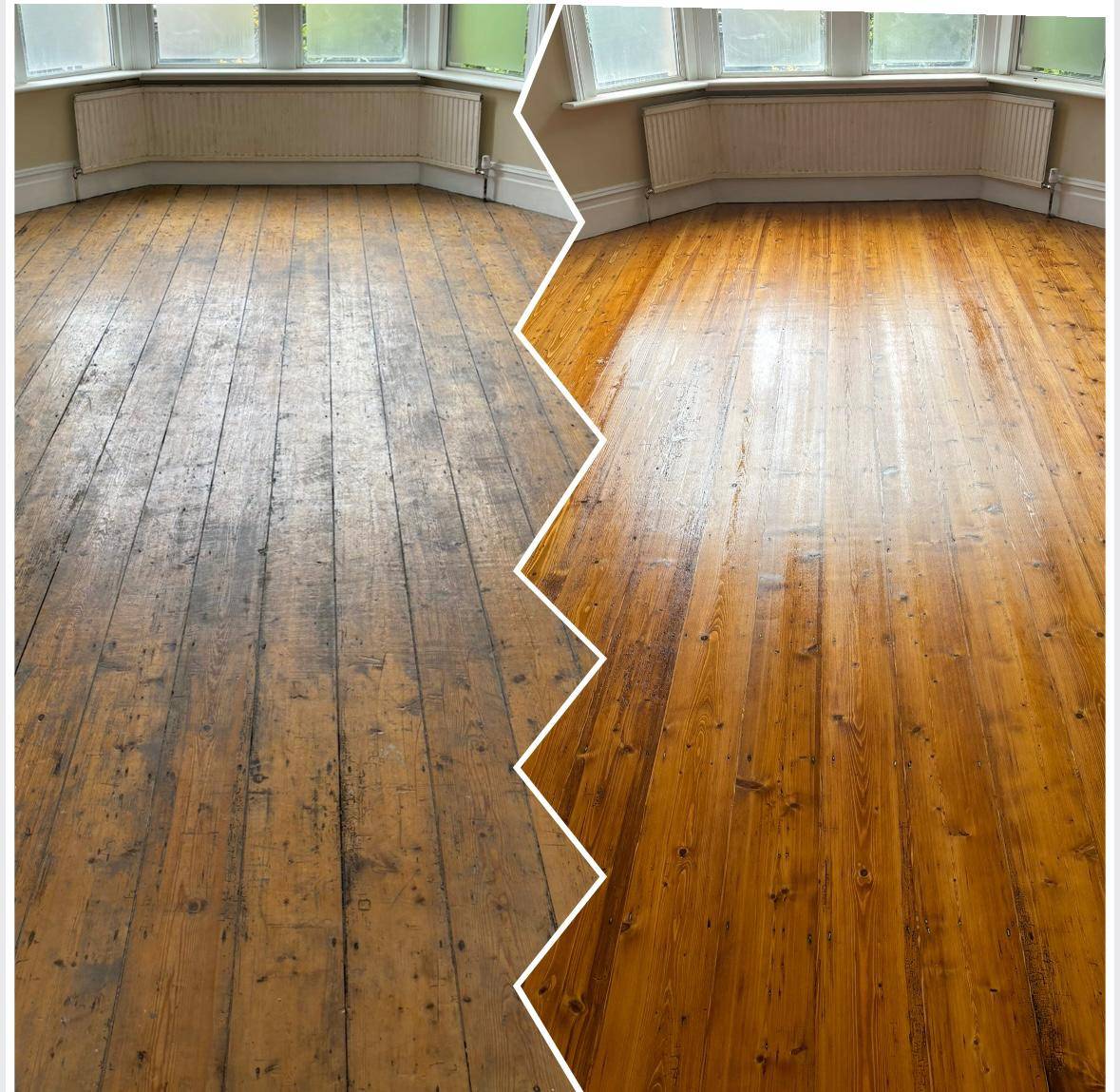
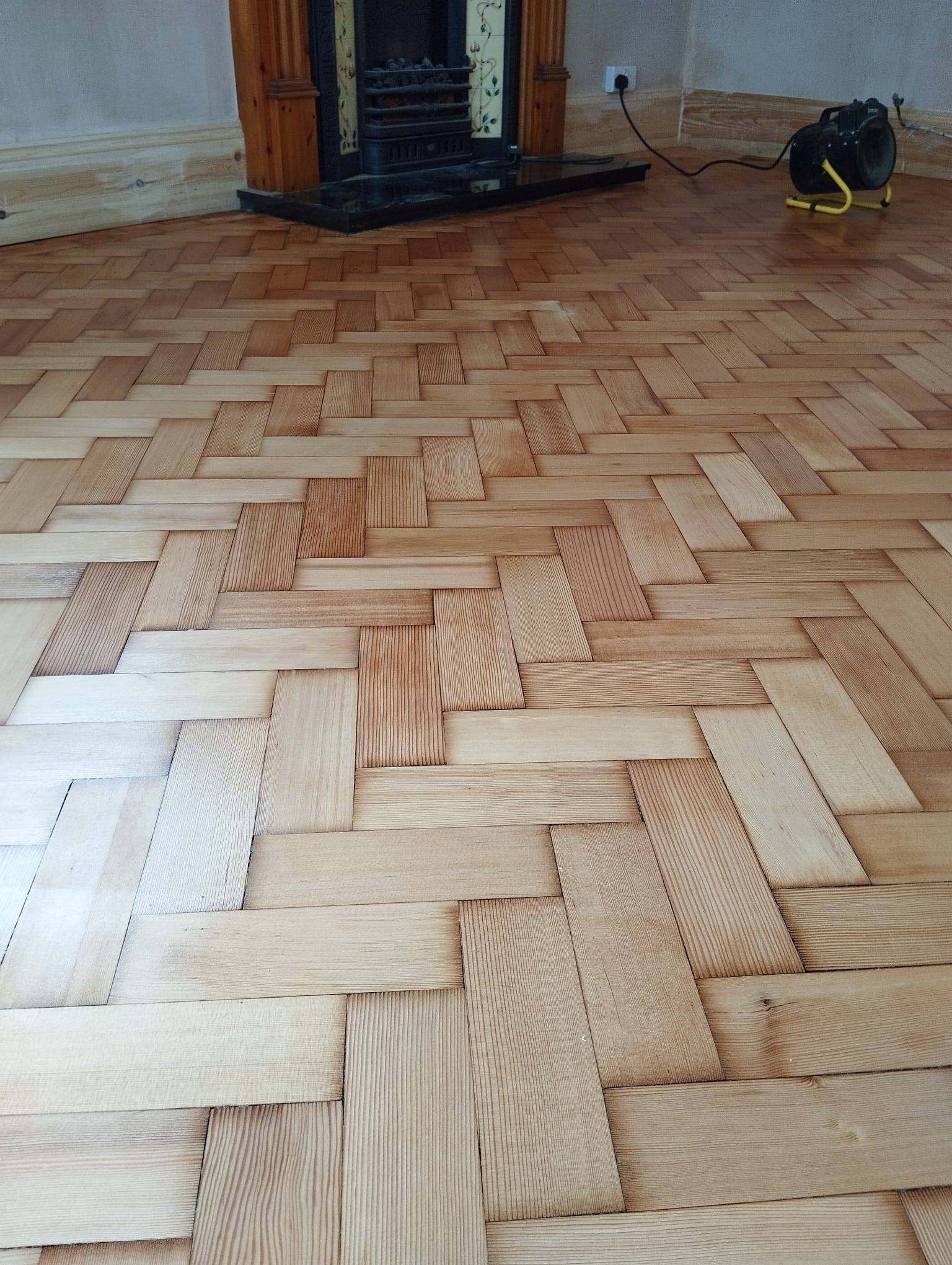
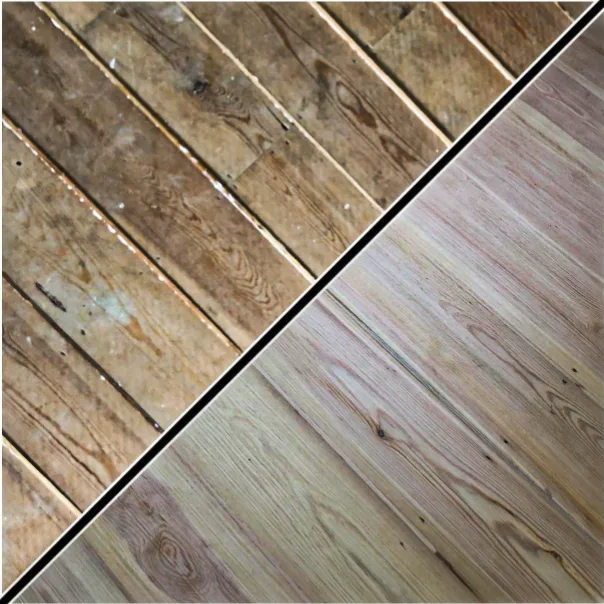
Floor sanding in Redruth homes like these is rarely just a matter of running a machine over clean pine. That dark border is a coating with its own problems, which we come to in the next section. The boards themselves are frequently a mixture of the original pitch pine or deal and later patches in whatever was to hand. Joints between them have opened over a century of coal fires, central heating and damp Cornish winters, and cold air comes straight up through them from the void underneath.
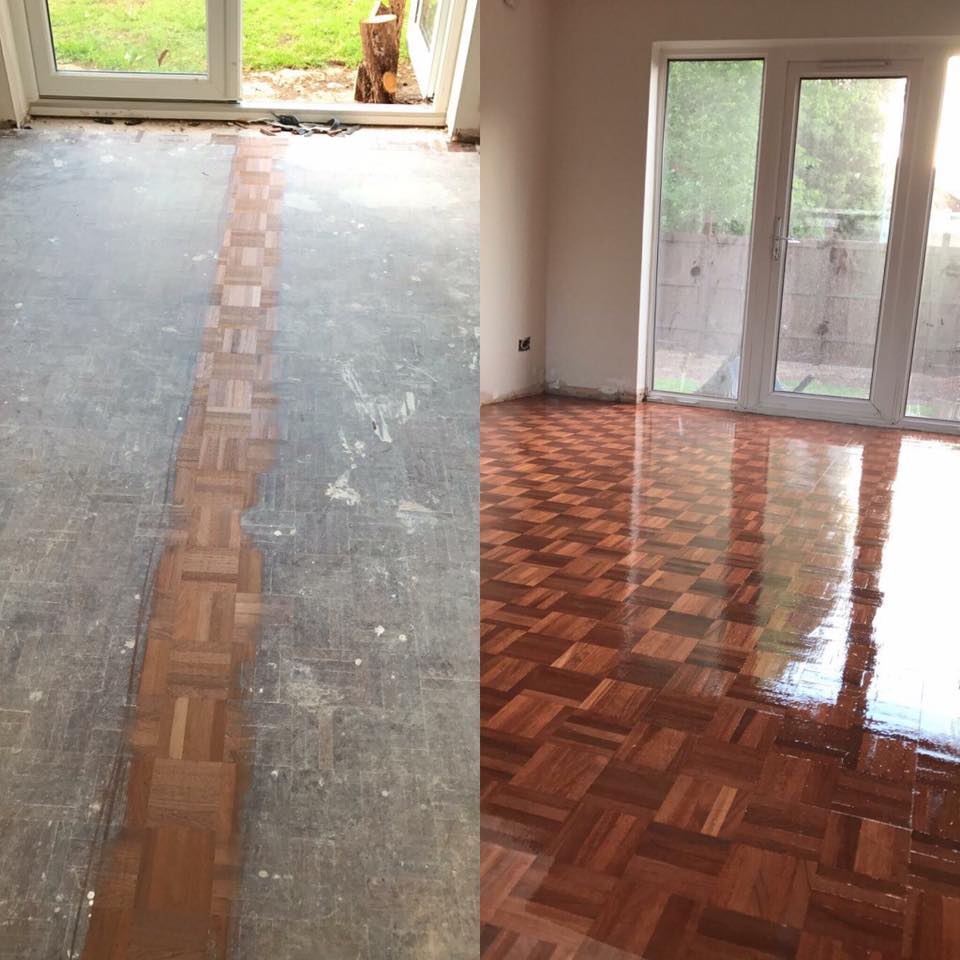
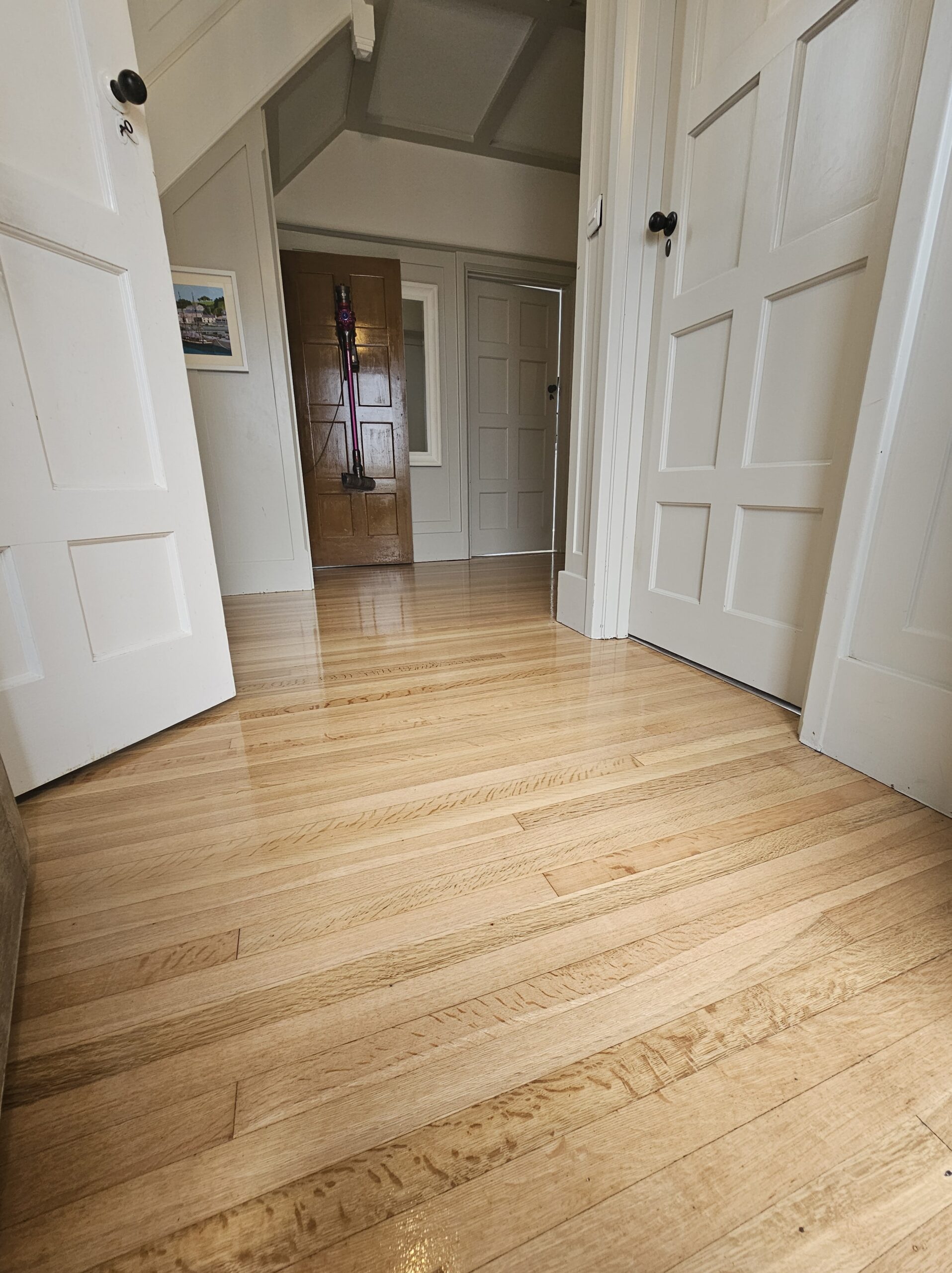
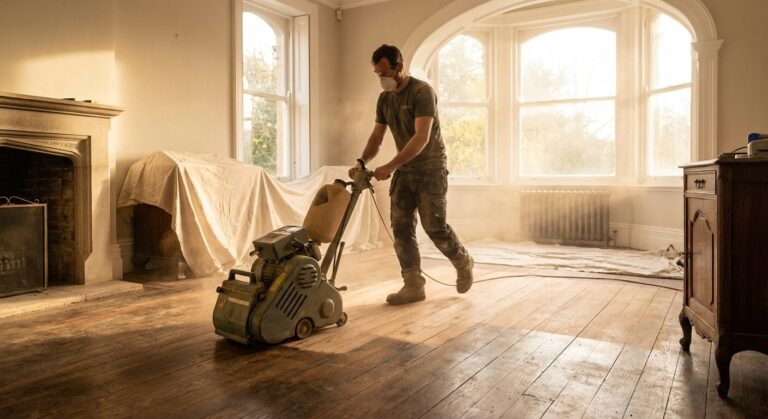
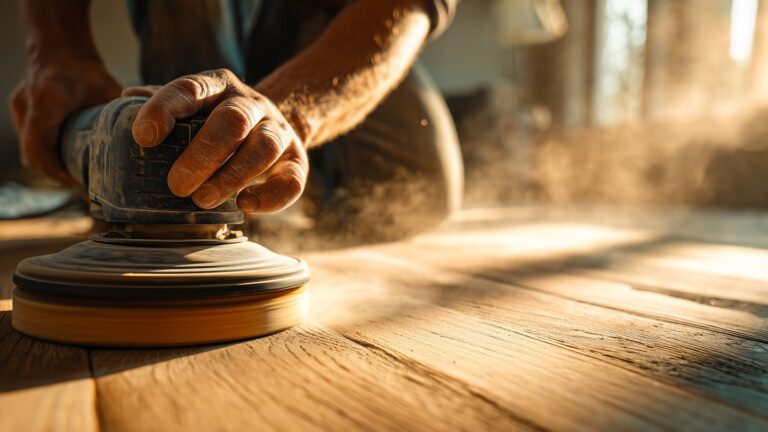
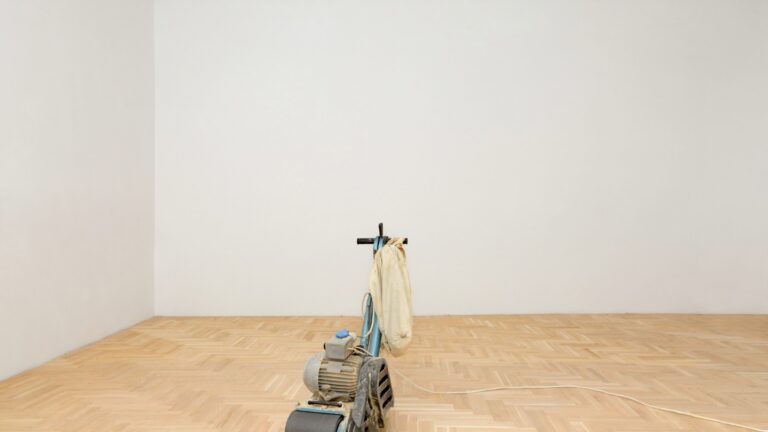
Before any of that is tackled, the floor is cleared. Carpet grippers are levered off, staples and tacks pulled, and old nails punched down so their heads sit below the surface. Then the work runs through a sequence of abrasives, starting coarse enough to cut through coatings and level cupped edges and finishing fine enough to leave a smooth surface that will take a finish evenly. The edges, which is where the painted border lives, are handled by a smaller edging machine and then by hand scraper. The wood floor sanding page sets out that process in full.
The free survey comes first, and on a Redruth terrace it is where the big decisions get made: how to deal with the border, whether the gaps need filling, how much timber the boards have left, and whether the void below is dry and ventilated. Allow about half an hour, and expect us to lift a corner of carpet and ask about the age of any painted areas.