Floor Sanding St Ives

Floor Sanding and Wood Floor Restoration in St Ives, Cornwall

QUICK QUOTATION

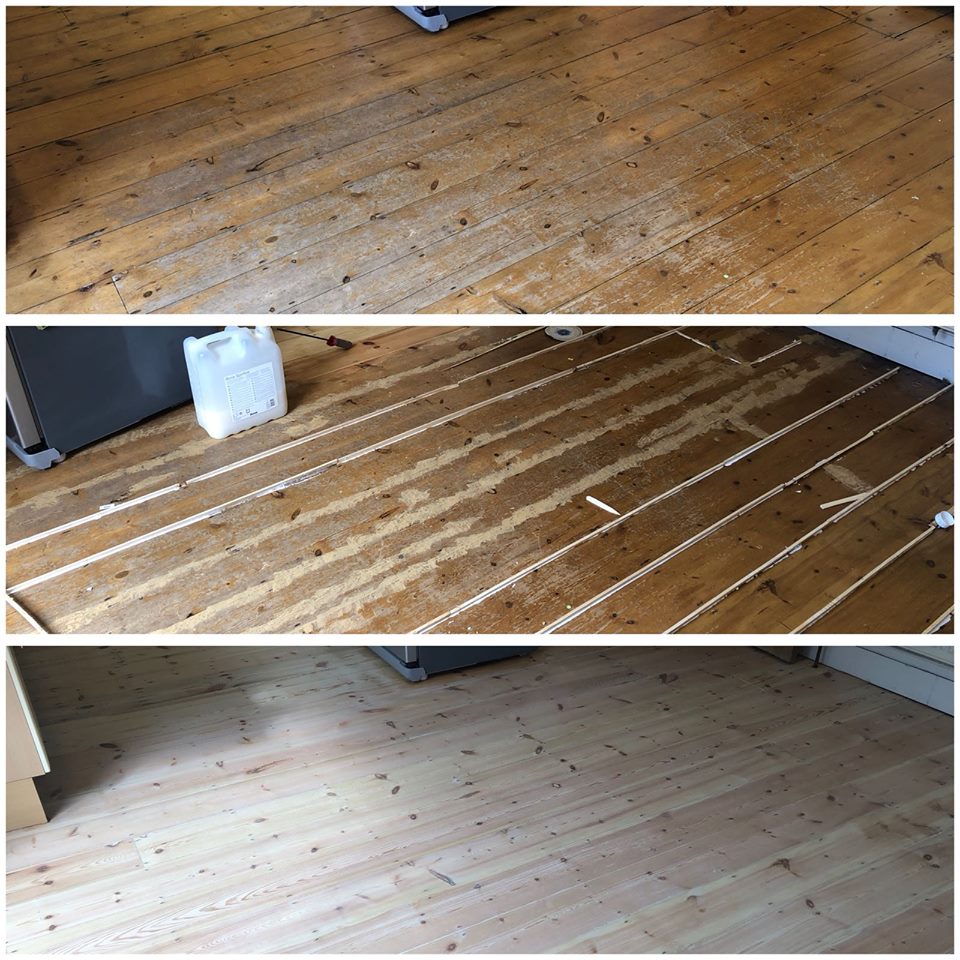
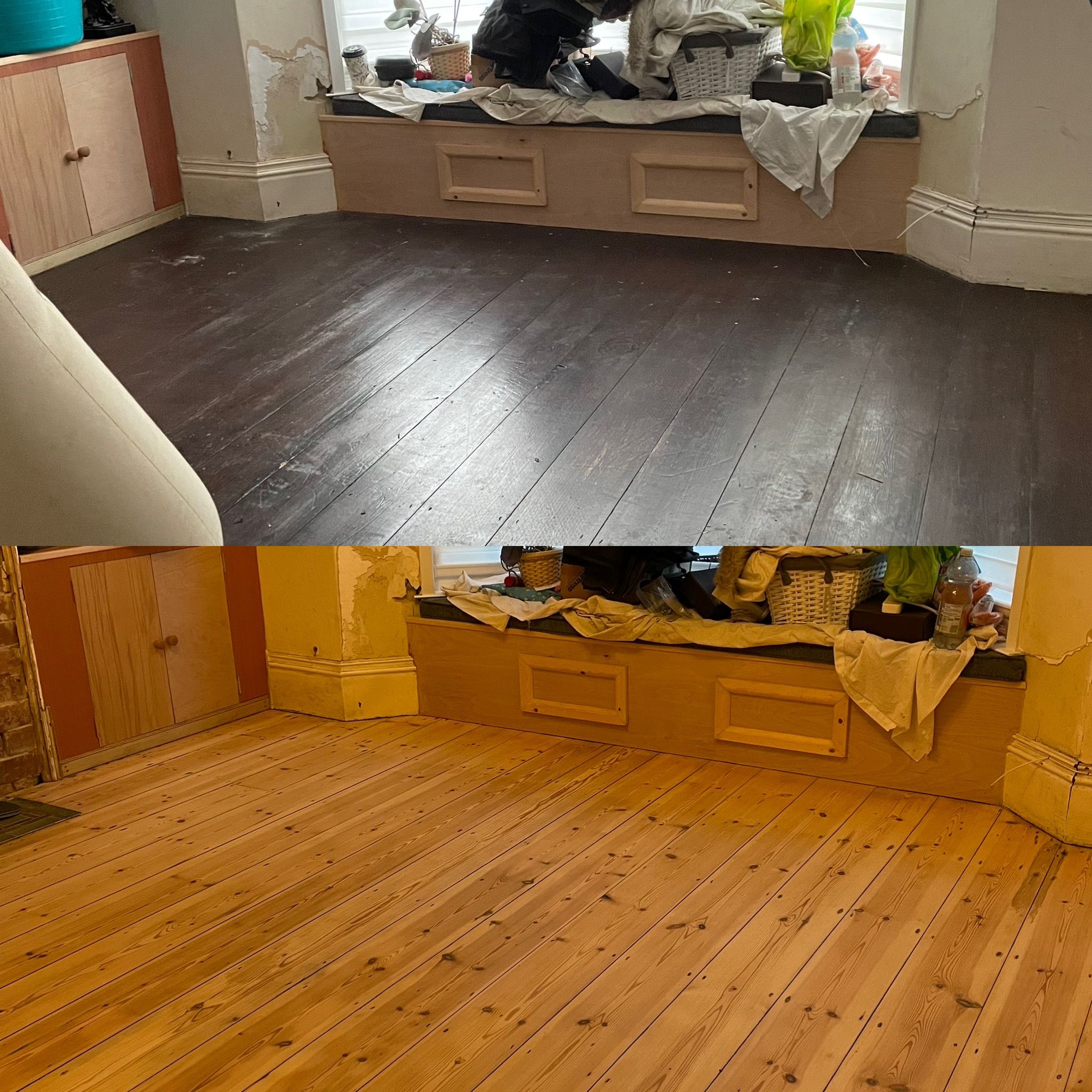
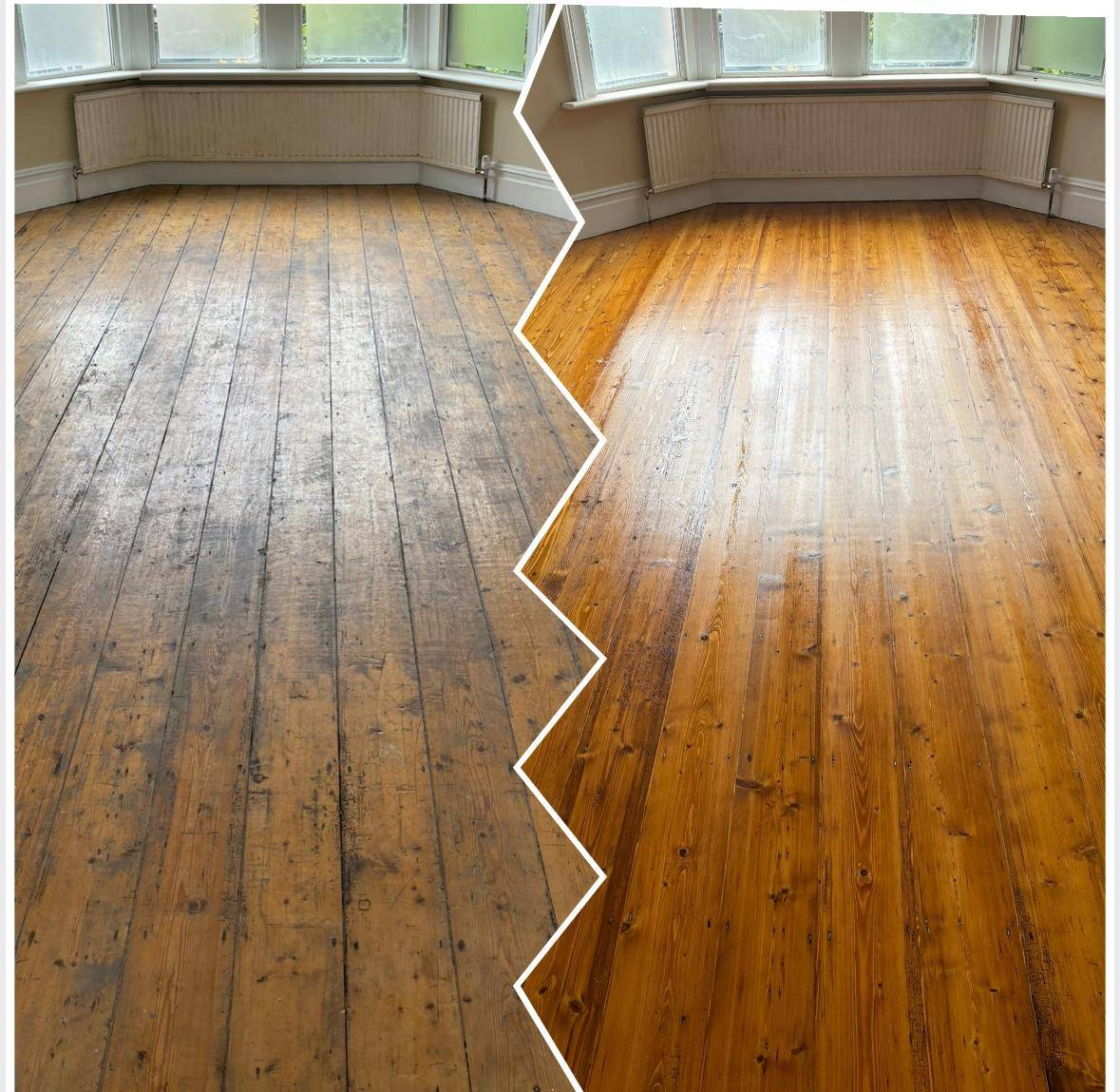
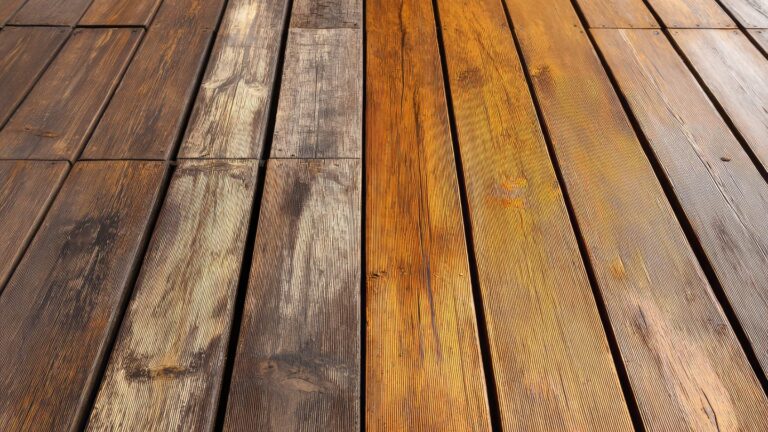
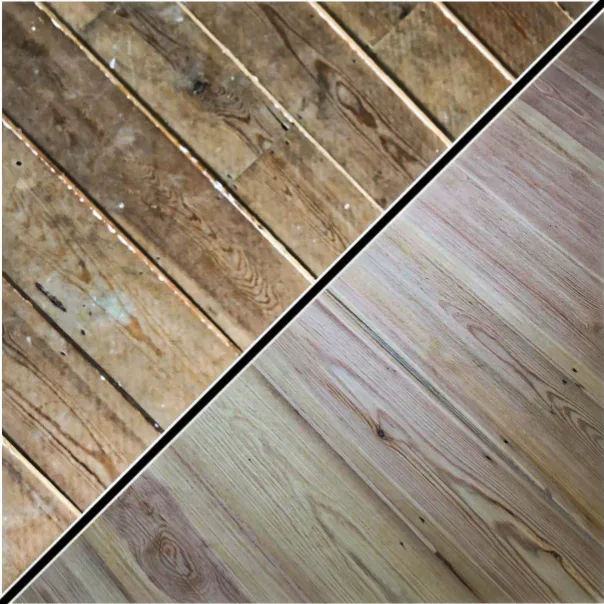
Floor sanding before and after

Floor Sanding in St Ives

We provide wood floor sanding throughout St Ives, Carbis Bay, Lelant, Zennor, Halsetown and Nancledra, from four-pace Downalong cottage rooms to Edwardian houses up the hill. Cottage boards down by the harbour are often thin after two centuries of wear, so we measure remaining timber before quoting and sand with finer grits and more passes rather than one aggressive cut.

Surrounded by sea on three sides, St Ives floors carry more moisture than inland ones — we take readings first — and beach sand tracked in from Porthmeor and Porthminster is exactly why a freshly sanded floor here gets a finish specified for abrasion.

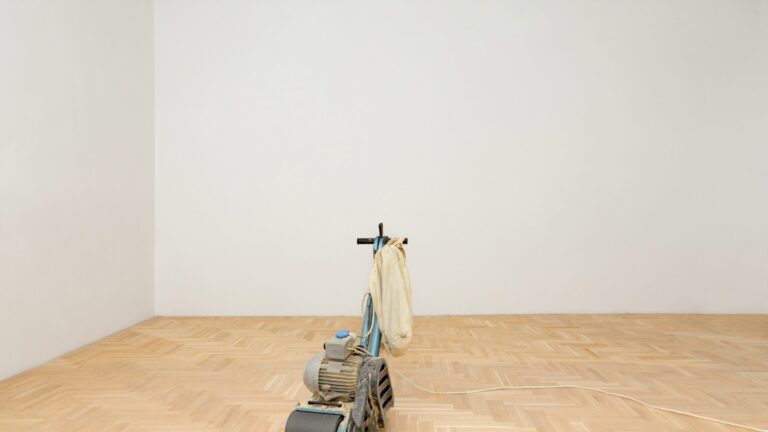
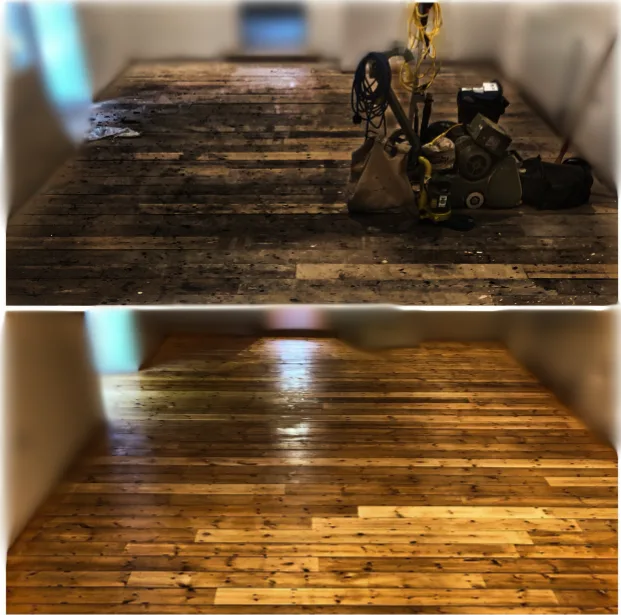
Four-pace rooms change the toolkit. A full-size belt machine barely gets a run-up in a harbour cottage, so small rooms are worked with the edger and orbital machines doing most of the labour — slower per square metre, but far more controllable on boards with little thickness to spare. Where the belt machine does fit, it takes the centre and the smaller machines feather their work into it so no boundary line shows. On genuinely thin floors we sometimes skip the coarse grits altogether and accept a floor that is clean and sealed rather than perfectly level; timber, once removed, does not come back.
Commercial Floor Sanding in St Ives

Galleries, cafes, pubs, guest houses and shops keep this town moving, and our commercial floor sanding fits around their hours — overnight, closed days or shoulder-season weeks, with fast-curing seals so a restaurant loses a service rather than a week and a shop or gallery reopens spotless.

Hotels are phased floor by floor, schools take holiday slots, sports floors are line-marked to governing body specification, and method statements with insurance documentation arrive before we do.

Galleries and food businesses share a constraint the trade often ignores: what is in the room matters as much as the floor. Sealed extraction keeps airborne dust off hung work and displayed stock, and we specify low-odour water-based seals where a space cannot be fully ventilated overnight — nobody wants a private view, or a breakfast service, that smells of solvent. Handover includes a wipe-down of ledges and sills, so the space is presentable rather than technically finished.

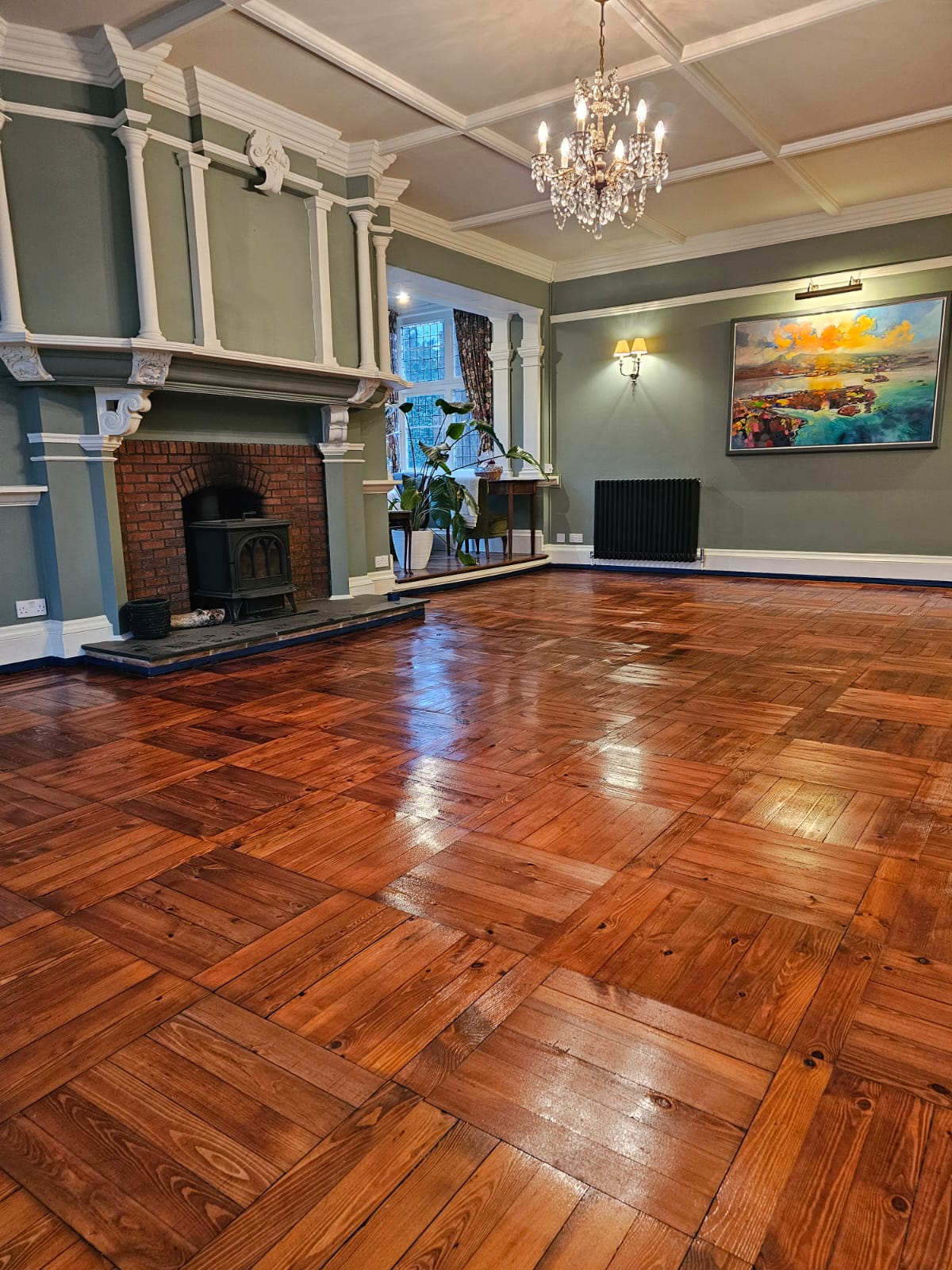
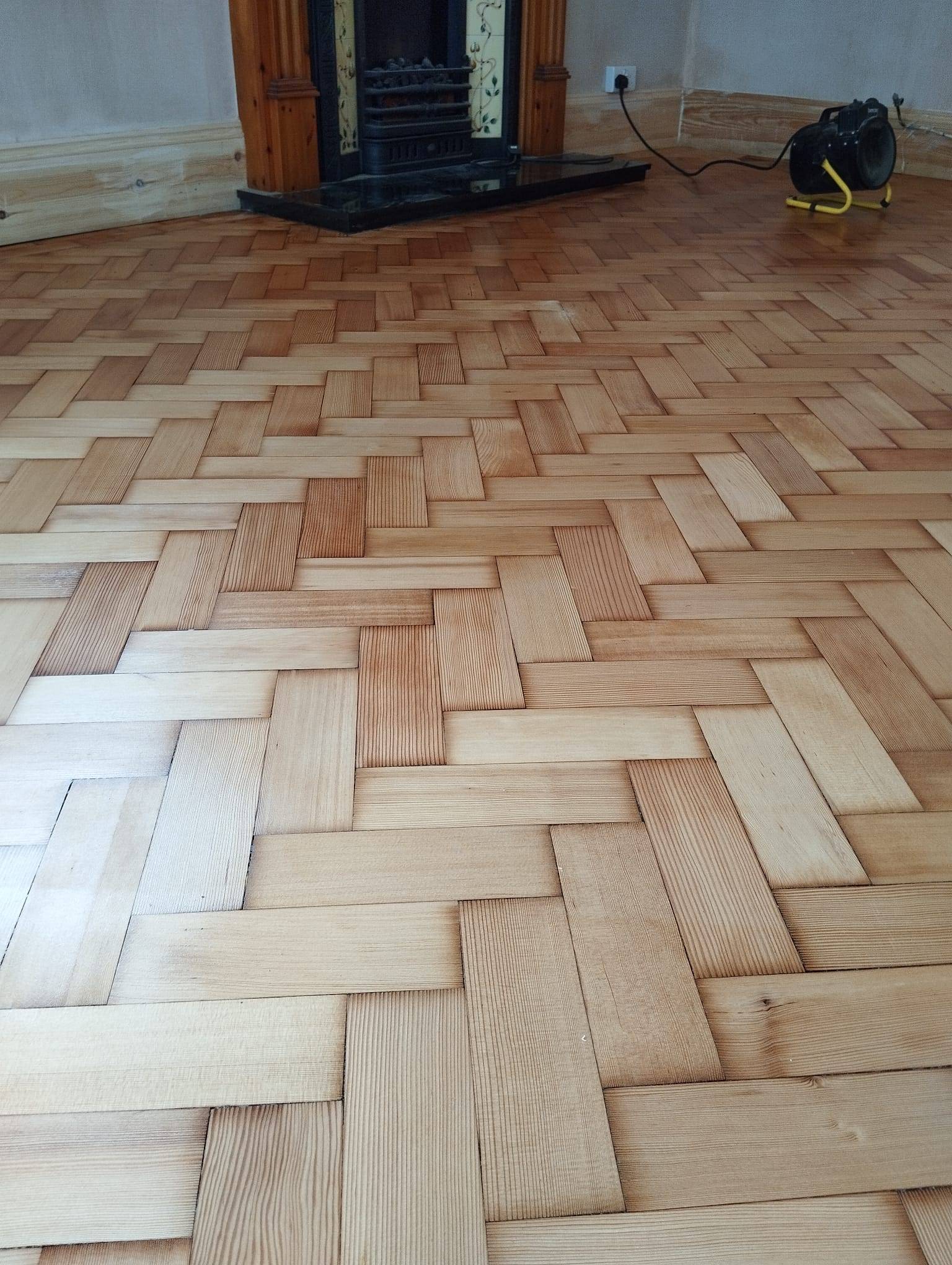
parquet wooden floor sanding
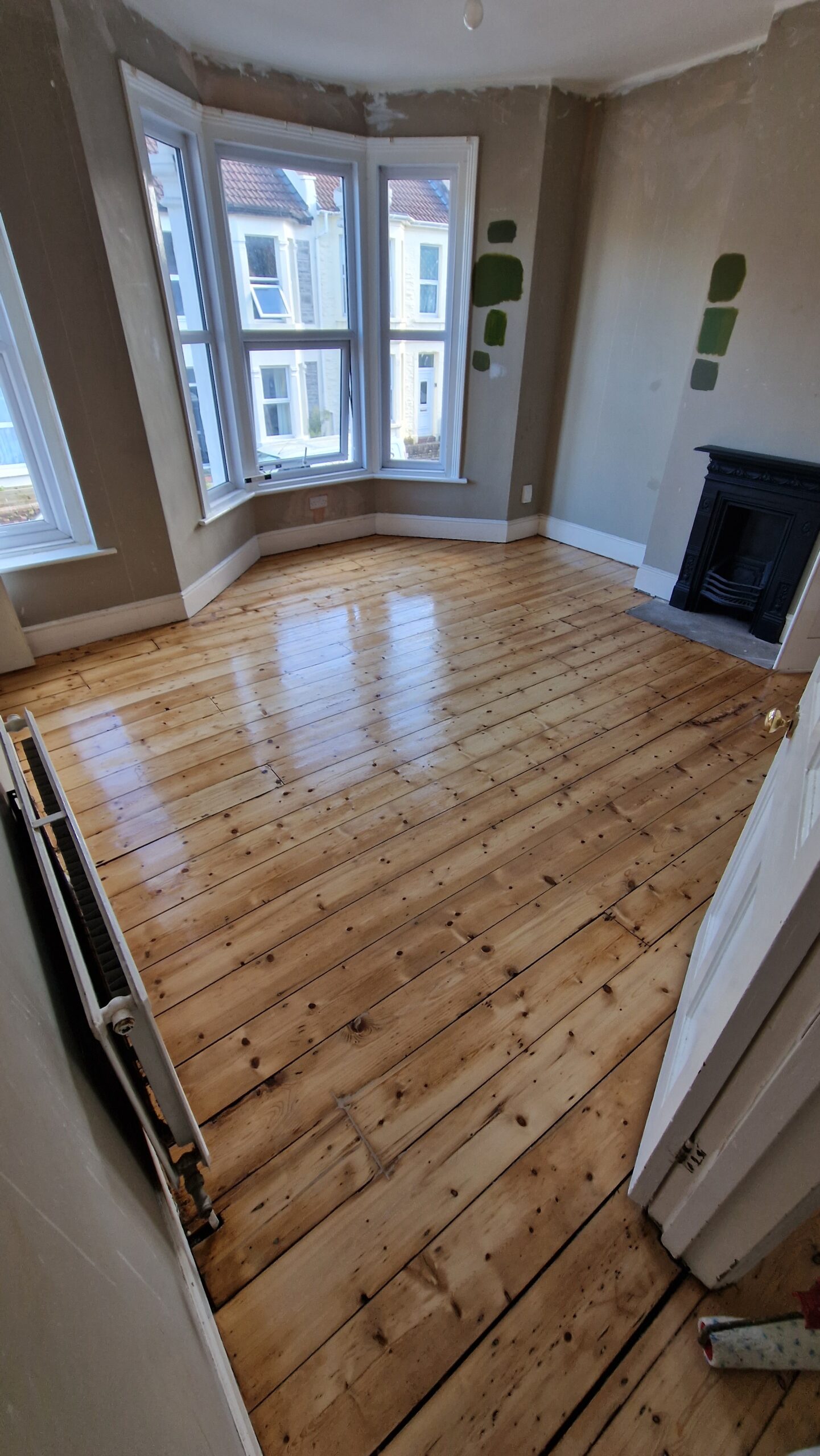
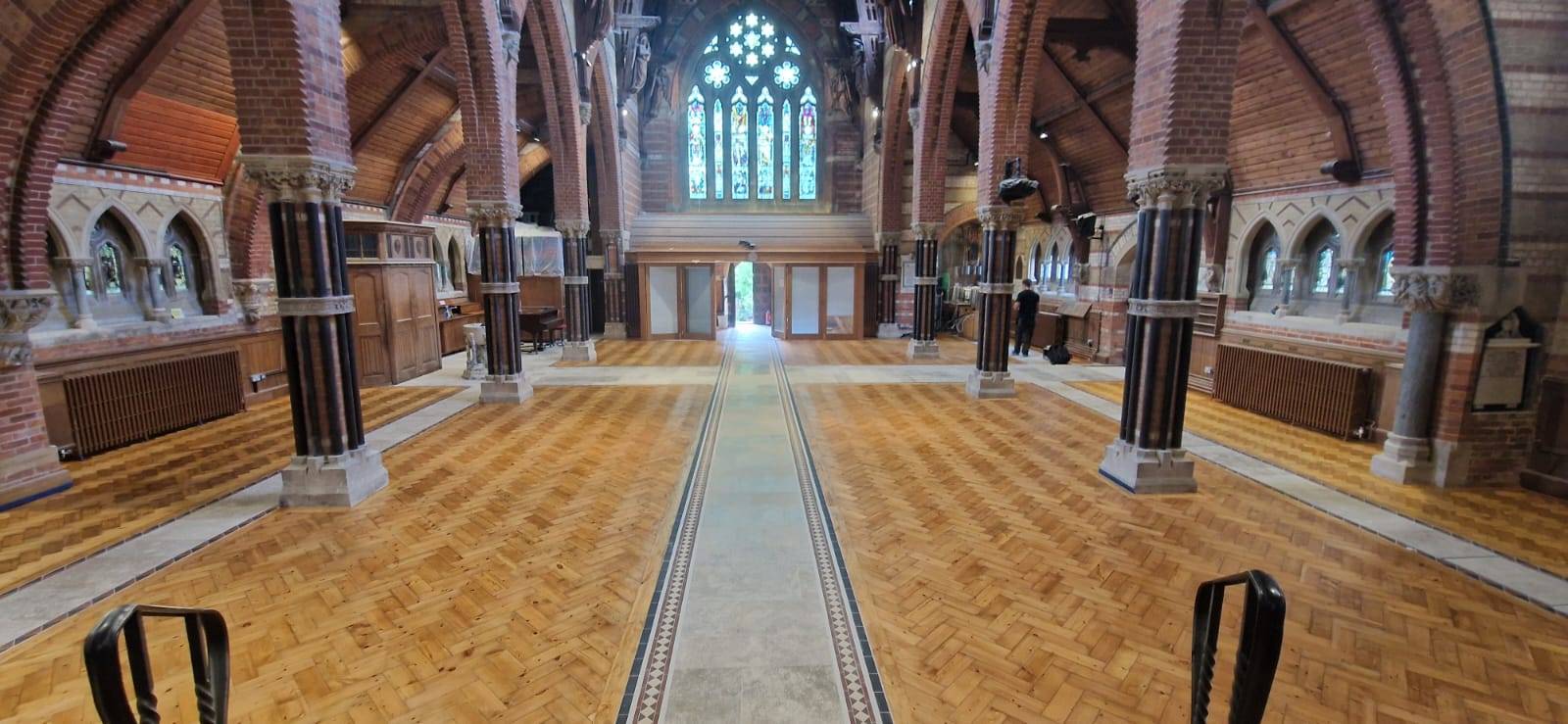
wooden floor sanding

Repairs, Squeaks and Replacement Boards

Salt air and hard use mean St Ives floors often need mending first. Wooden floor repairs handle cupped, split and worm-affected boards; floorboard replacement uses reclaimed timber from our stock so a new board in an old cottage floor looks like it grew there. In listed Downalong property we keep intervention minimal and put the method in writing where consent applies.

The small jobs matter too: squeaky boards silenced properly, scratch repair where sand has chewed the finish by the door, and gap filling against harbour-front draughts.

Cupped boards — edges risen, centres hollow — are a moisture story before they are a sanding one. The board has been wetter on its underside than its face, usually from a poorly ventilated void, and simply grinding the cupping flat while that imbalance persists guarantees it returns as crowning. So we check readings top and bottom, look at the airflow under the floor, and only flatten once the cause is controlled. It is a slower answer than most, and the only one that stays flat.

Parquet Floor Restoration

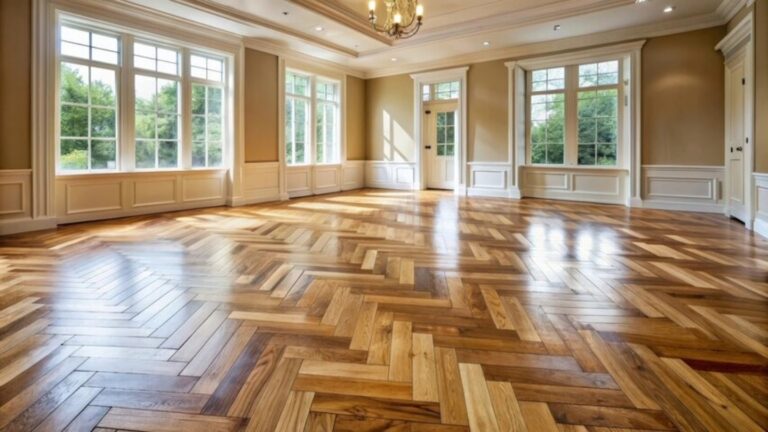
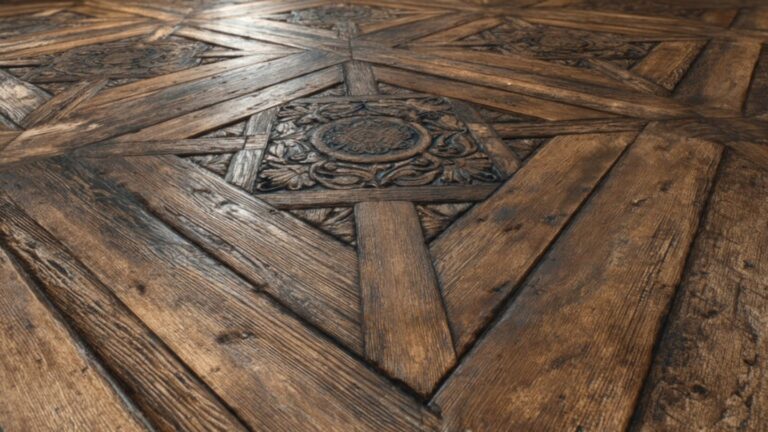
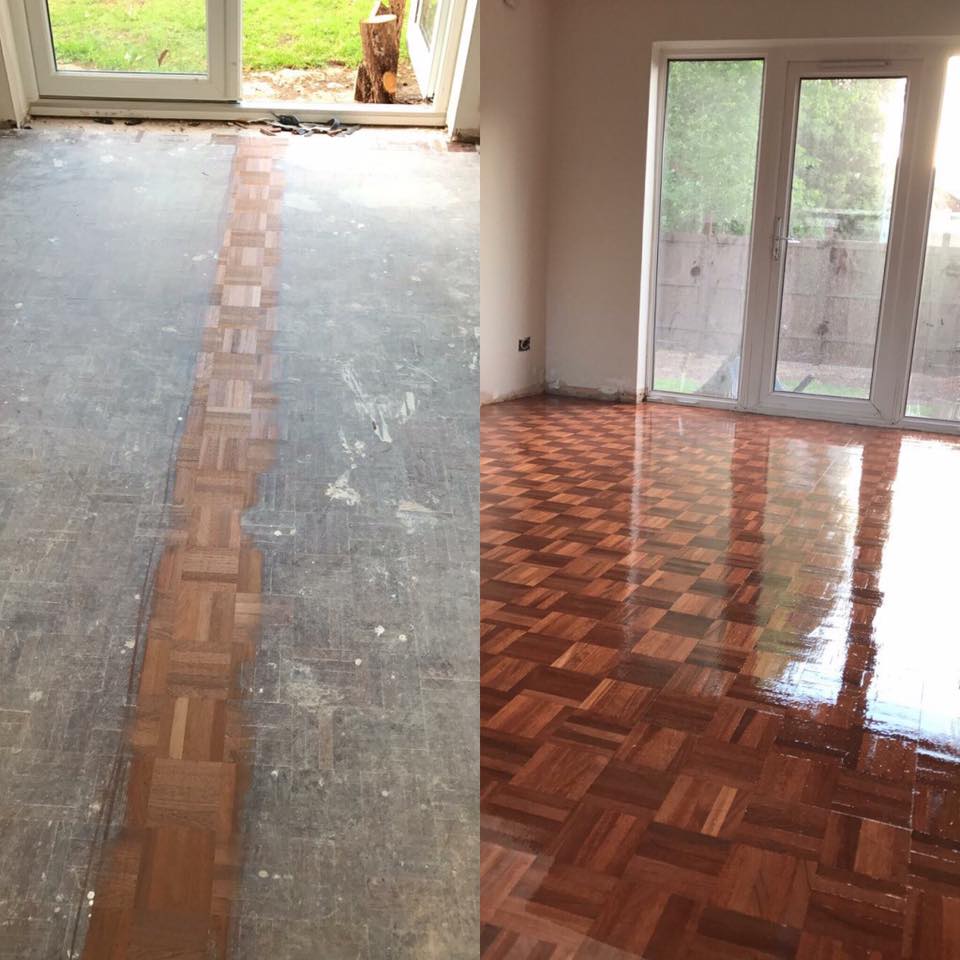
Parquet restoration in west Cornwall means hall and schoolroom floors, hotel lounges and the occasional artist’s studio. We re-fix loose blocks, clear the old bitumen, match losses from reclaimed block stock and then sand the whole pattern flat before sealing, keeping the joints sharp rather than rounding them over.

Even parquet that has spent decades under carpet and glue almost always comes back — photographs let us confirm it quickly.

Keeping those joints sharp is a matter of machine discipline: the floor is cut with flat plates rather than aggressive drums at the finishing stage, edges are never chamfered by a tilted edger, and the joint fill — resin carrying the floor’s own fine dust — is levelled in the same fine pass that closes the block faces. A herringbone floor finished this way shows its geometry in crisp lines rather than soft, rounded shadows.

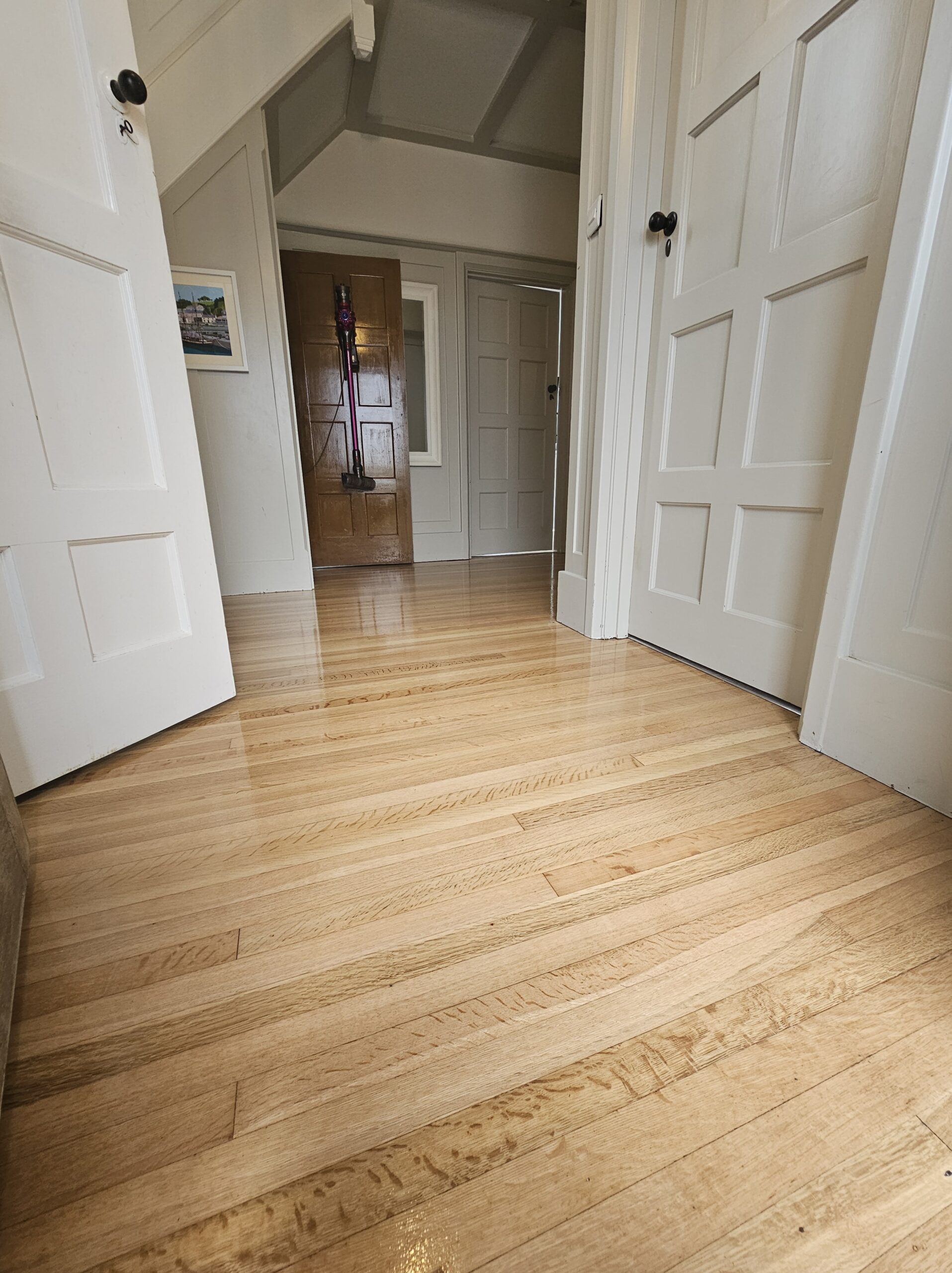
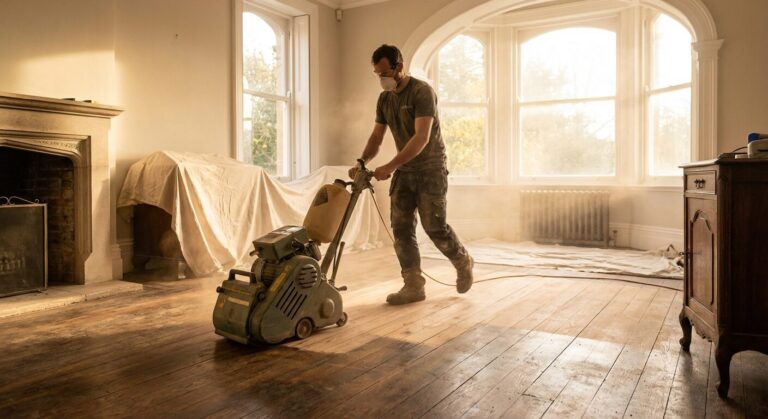
flooring sanding company
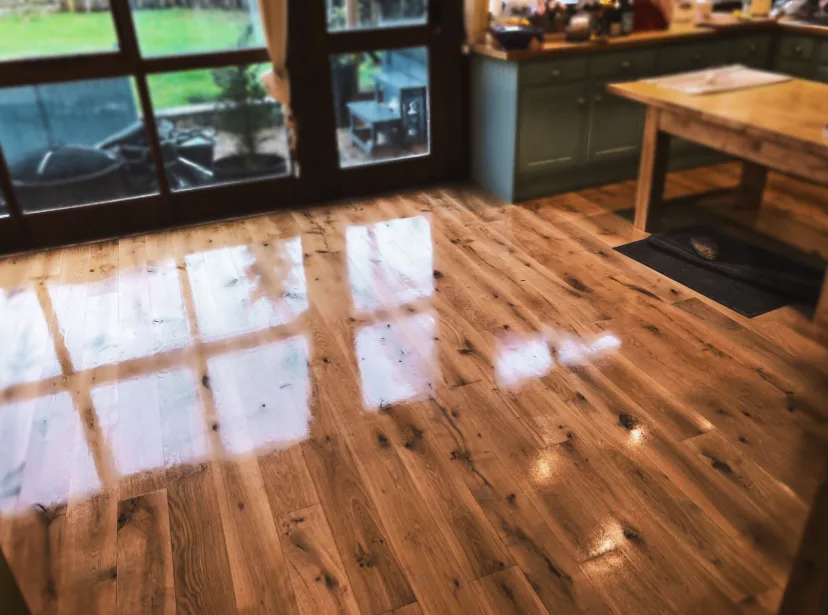
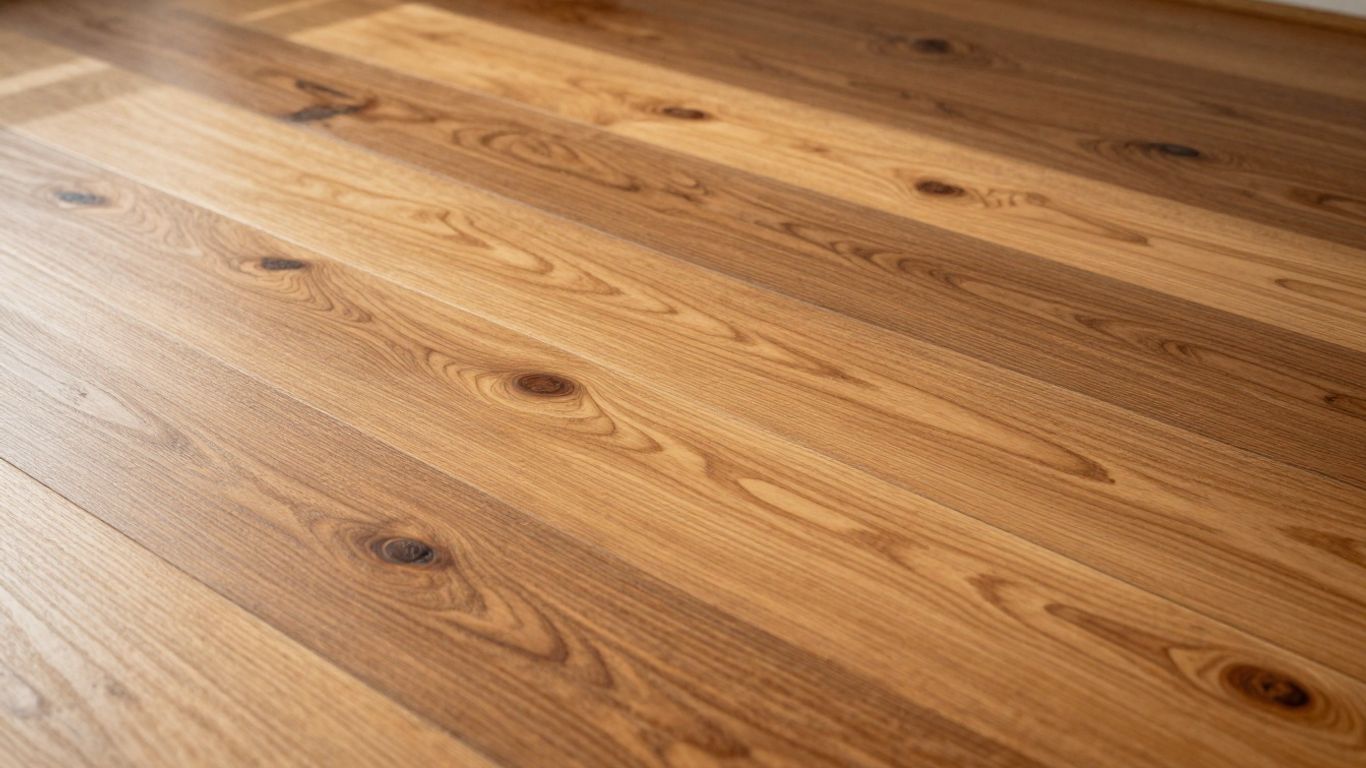
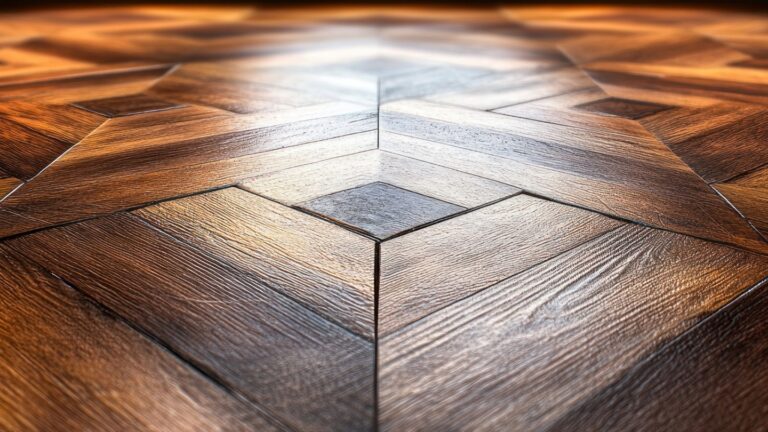
Sunlight across freshly lacquered wooden floorboards

Sealing, Oiling, Staining and Waxing

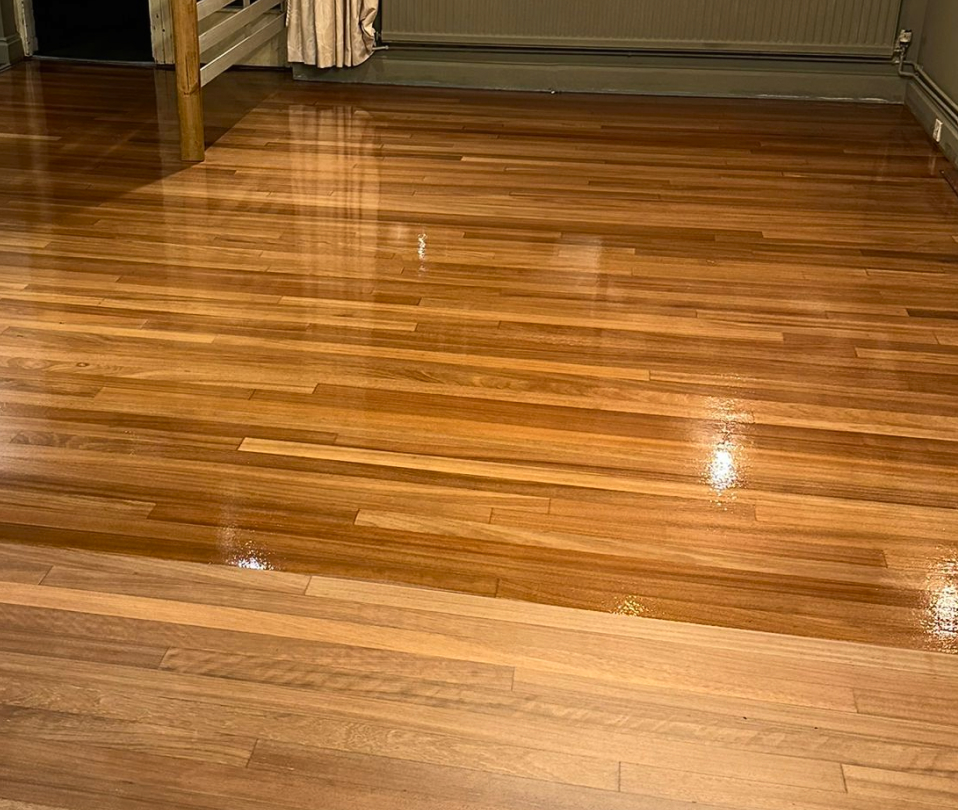
Finish choice does the heavy lifting in a seaside town. Holiday lets and busy family homes get durable water-based lacquer that shrugs off sand; quieter period rooms suit breathable hard wax oil that can be patched invisibly; wax remains right for the oldest interiors.

Staining can lift a floor towards pale gallery-white tones or take it darker, always trialled on your own boards, because old pine takes colour unevenly.

Stain trials here follow a strict little routine: two or three candidate shades on the actual floor, each carried through to a coat of the intended seal — because the finish shifts the colour again — then viewed in morning and afternoon light before anyone decides. The strong coastal light that draws painters to this town is exactly why a shade picked indoors from a chart so often disappoints; on the boards, under the seal, in the room’s own light is the only test that counts.

Buffing, Recoating and Lighter Options

Not every tired floor needs the full treatment. A buff and recoat — a light abrade of the existing finish plus a fresh topcoat — removes no timber, takes a day, and is often the right call for thin cottage boards that cannot spare another sand. Dull but sound floors can also be revived without sanding or brought back to sheen with polishing.

For lets, a recoat slotted into a November or February changeover keeps the floor ahead of each season’s sand.

Mechanically, a recoat is simple and exacting: the existing seal is abraded with a fine mesh screen under a rotary machine — enough to key the surface, nowhere near enough to touch timber — the dust is vacuumed and tacked off, and a fresh coat is laid over the keyed base. Skipping the keying is why amateur topcoats peel in sheets. Done properly, the cycle can repeat for decades, which is precisely what thin-boarded cottage floors need.

Wood floor sanding company
Floor sanding taunton

Get a Floor Sanding Quote in St Ives

Email two photographs — the room from the doorway and the worst area up close — for an honest opinion and a fixed written quotation before anyone makes the long drive west. Free no-obligation surveys are grouped into our multi-day west Cornwall runs, and holiday-let owners who live away can leave keys and coordination with their managing agent.

Call 01823 674562, email info@ryansrestoration.co.uk, or use the form on this page.

All services available in St Ives: floor sanding, commercial floors, repairs, board replacement, gap filling, parquet restoration, sealing, staining, buffing, polishing and stair sanding.

Nearby areas we also cover: Hayle, Marazion, Penzance and Bude. There is a page for each, and the full list of towns is on our areas we cover page.

Useful extras to mention when you write: parking and access (a Downalong job with no vehicle access changes how we plan kit), which floor of the building the room is on, and any dates the property must be back in service. Those three details, plus the photographs, let us quote accurately first time.

FAQ: Floor Sanding in St Ives

Floor sanding, refinishing, repairs, floorboard replacement, gap filling, parquet restoration, staining, sealing, oiling, waxing, polishing, buffing and recoating, and stair sanding — across homes, lets, galleries and hospitality premises.

Yes. We compress the job into nights or closed days, seal with quick-curing products, and hand the space back presentable for customers — no week-long closure, no dust film on the stock.

Usually. We measure what timber remains, repair or replace only what is truly gone using reclaimed stock, and where a floor cannot spare a full sand we recoat instead of cutting into it.

We do — parquet work is grouped into our west Cornwall runs like everything else. Loose blocks, missing pieces and blackened finishes are all standard fare.

Depends on the wear layer. We measure it and give a straight answer: many engineered floors take one or two light sands, and if yours will not, a buff and recoat usually gets a similar visual result.

Yes — sealed extraction captures the overwhelming majority of dust at source, doorways are sheeted, and we clean as we go. Lets are typically guest-ready straight after the finish cures.

We treat the window as fixed and plan backwards from it: extra hands to compress the sanding, rapid-cure seals, and written confirmation of what fits in the gap before you accept the booking dates.

Two photographs and rough room sizes. You get an honest opinion, then a fixed written quotation; a free no-obligation survey follows on our next run west if the job needs one.