45 years’ experience  ·  Rated 4.9 on Google  ·  Family-run, from our workshop near Wellington

45 years’ experience · Rated 4.9 on Google · Family-run

Floor Sanding and Wood Floor Restoration in Penzance

Sanding, staining and repair for Penzance town houses, hotels and homes, with colour trialled on your own boards and old timber kept wherever it can be.

QUICK QUOTATION

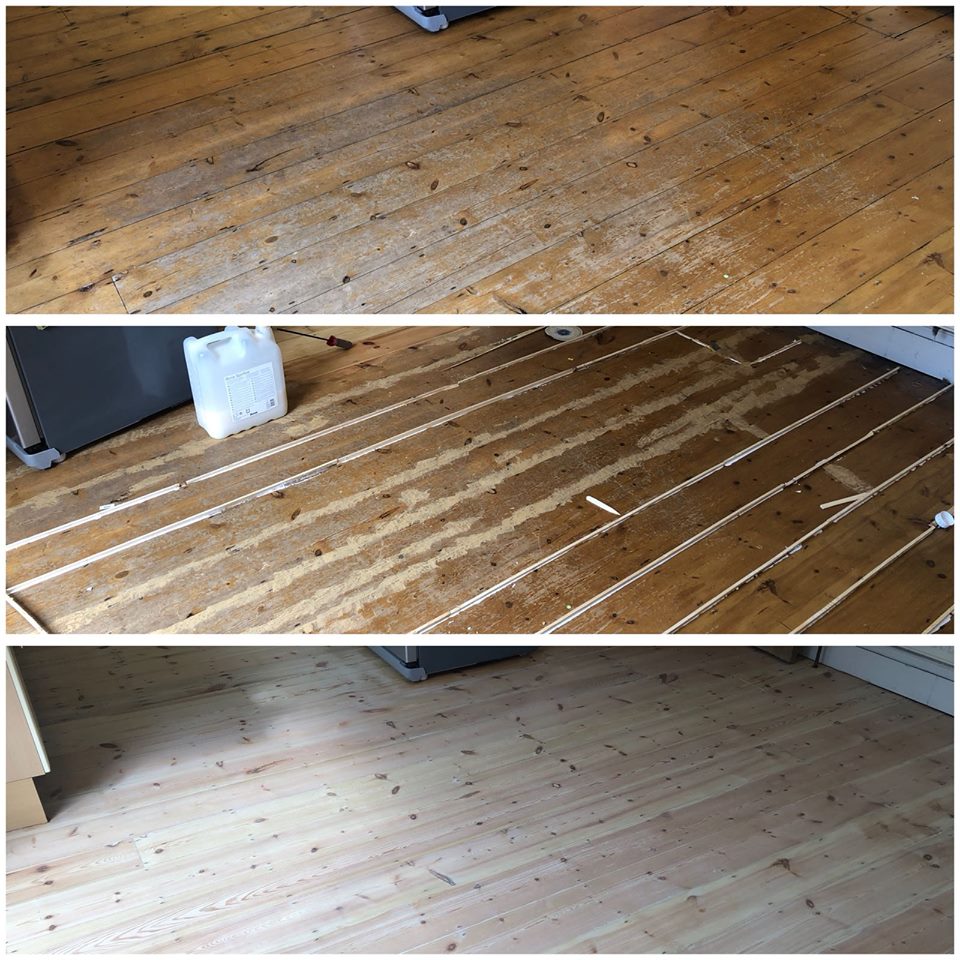
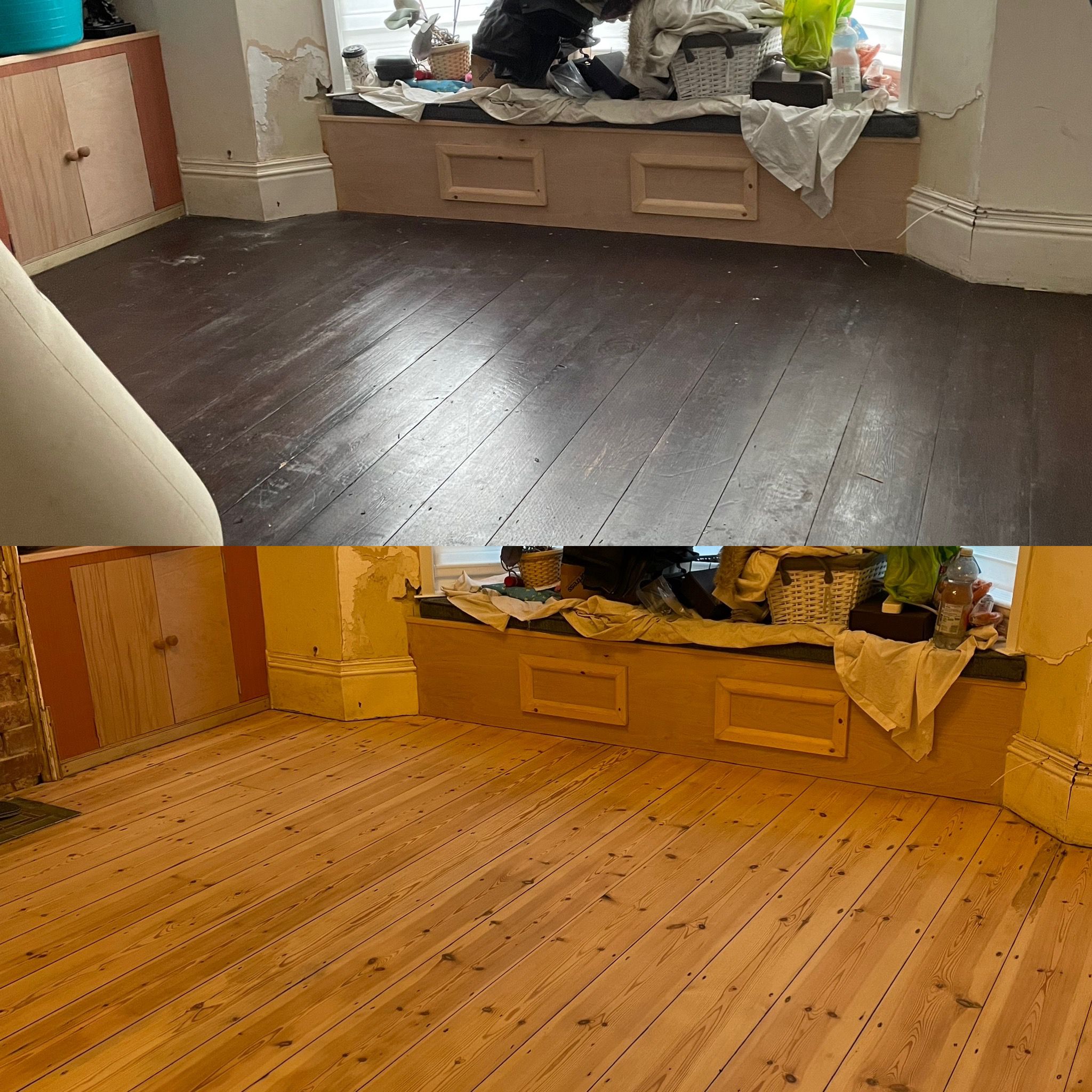
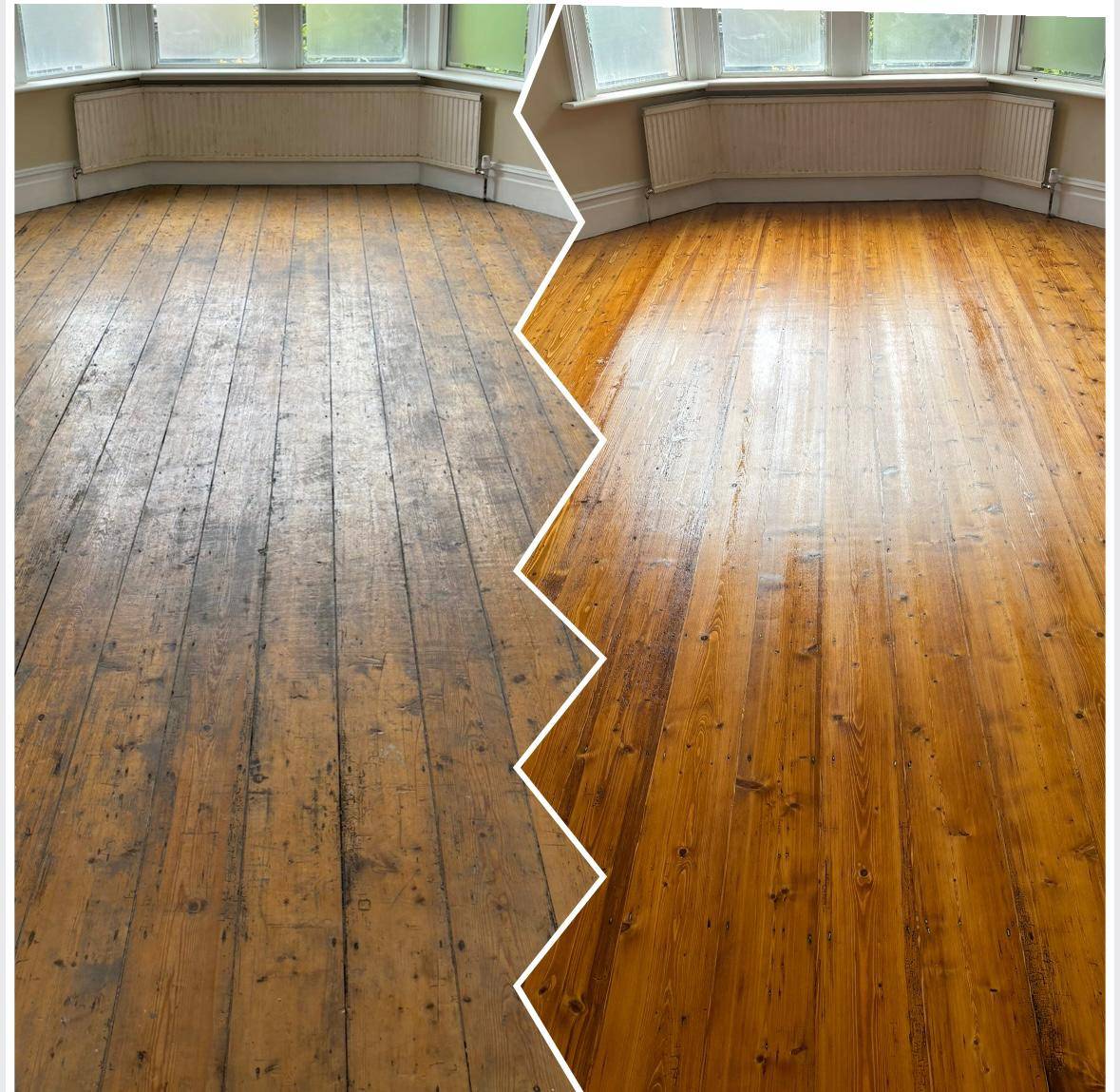
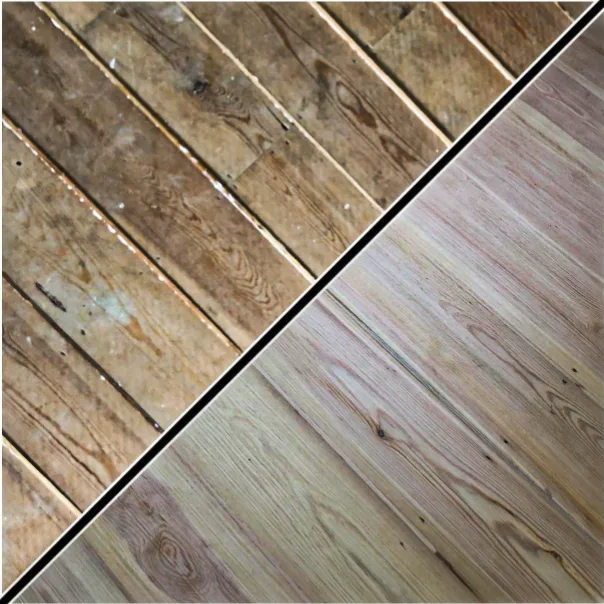
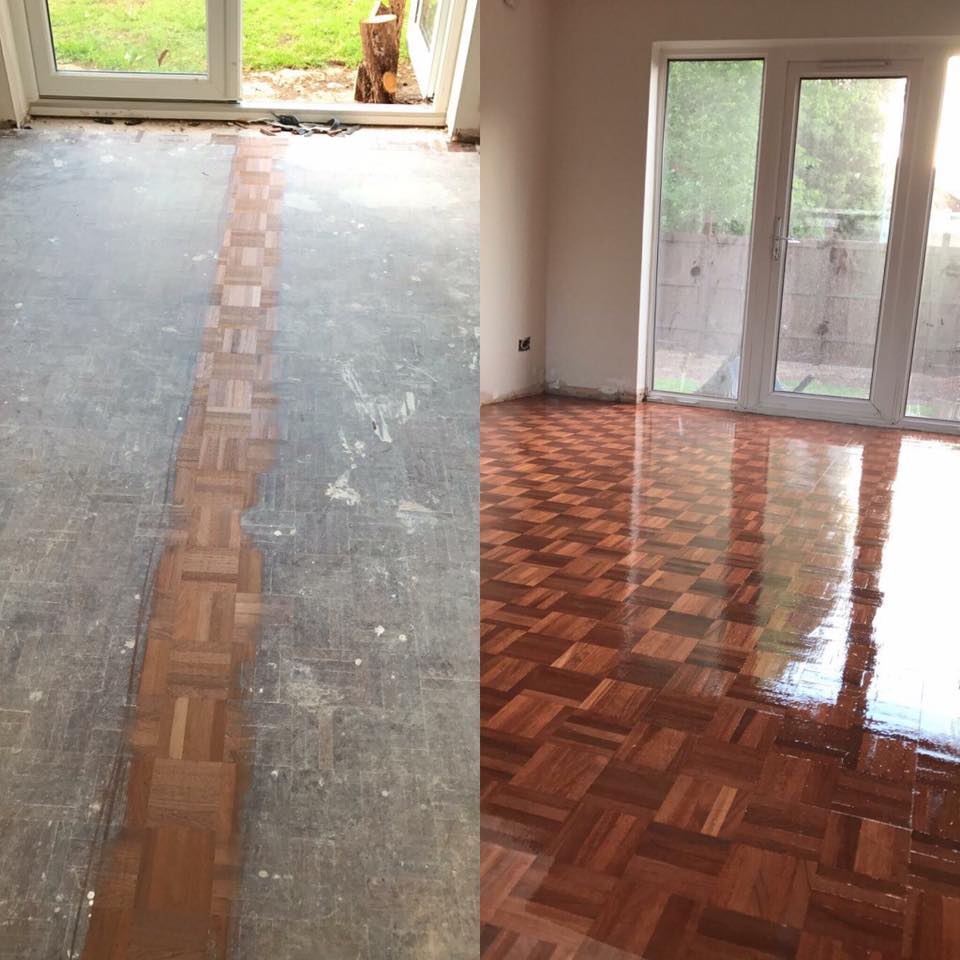
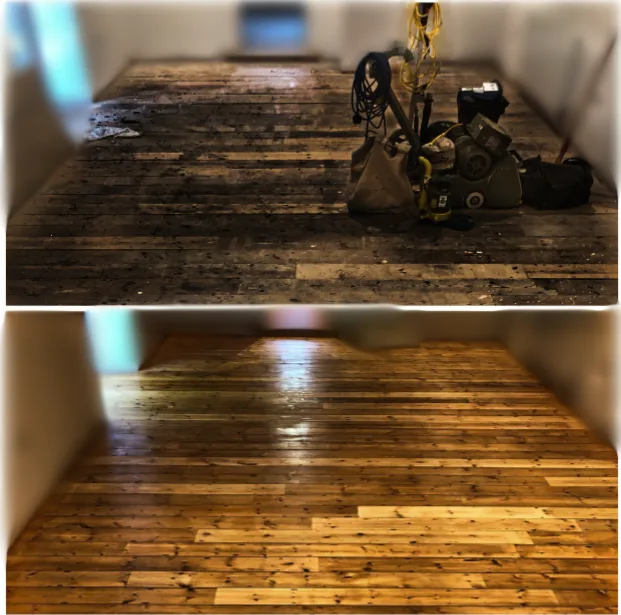
Floor sanding before and after

Floor Sanding in Penzance's Georgian and Regency Town Houses

Walk up Chapel Street or along Regent Terrace and the age of the housing is obvious. Chapel Street was largely built up by merchants in the eighteenth and early nineteenth centuries, and the terrace dates from the early 1800s, with several houses there on the statutory list at Grade II. Behind those fronts the floors are mostly what you would expect from the period: long softwood boards, often wider than anything sold today, face-nailed onto joists, with deep skirtings, an occasional stone-flagged basement and a tall stair rising through three storeys.

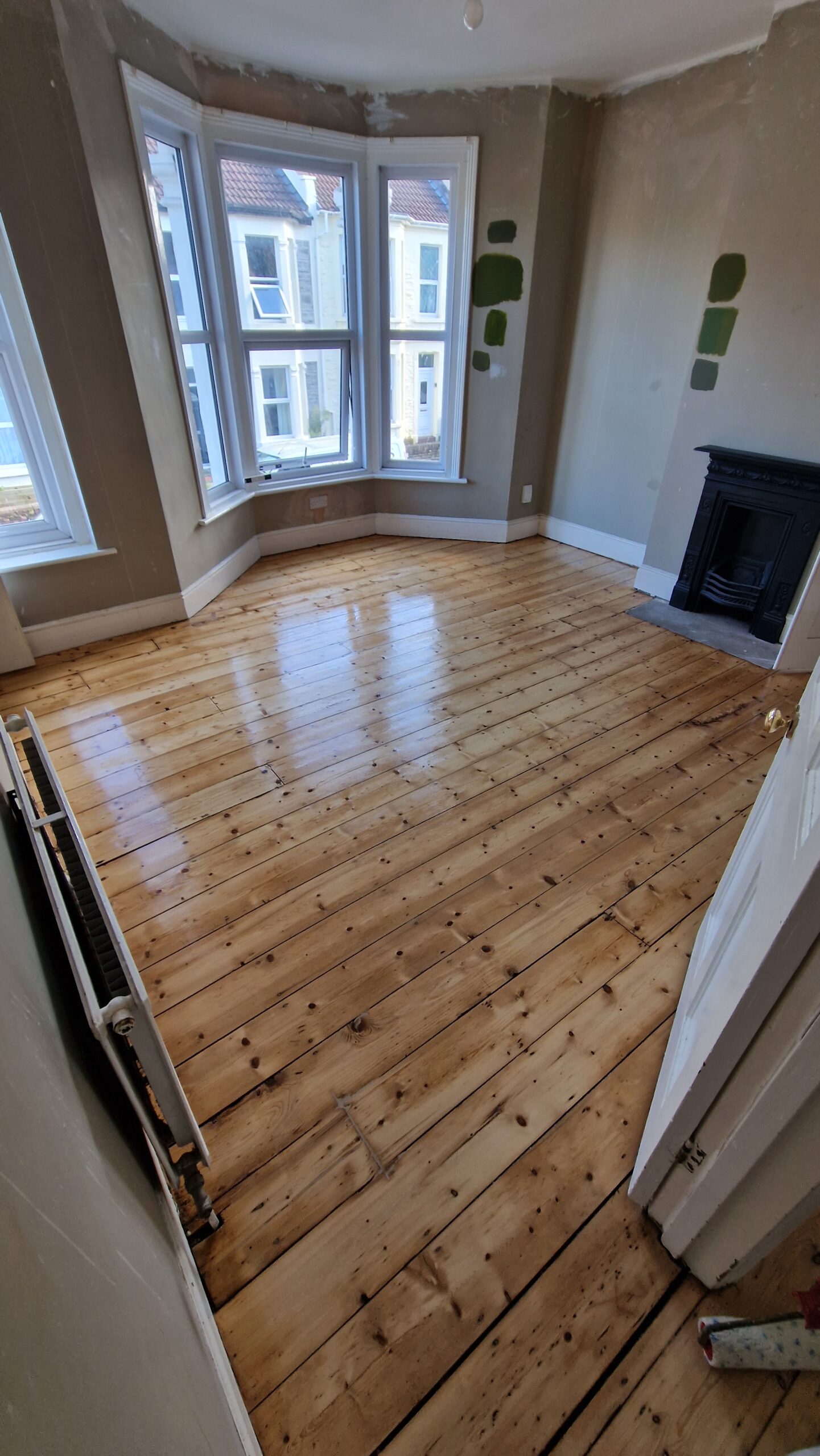
Floor sanding in Penzance houses of this kind is less about brute removal and more about judgement. Two hundred years of use leaves a surface that is not flat. Boards have worn hollow in front of hearths and doorways, nail heads stand slightly proud where the timber around them has shrunk, and earlier owners have usually had a go with stain, varnish, paint or all three. A machine set too aggressively will flatten every dip and take a lot of timber with it. Set more gently and run with the grain, a drum or belt sander will clean the boards back to bright wood while leaving the gentle undulation that makes an old floor look old.

Nail heads come first. Any that would catch the abrasive are punched below the surface before the machine starts, both to save the sanding belt and to stop sparks and torn timber. Old carpet tacks and the staples left from underlay are pulled out by hand, which in a big Georgian drawing room can take longer than the first cut.

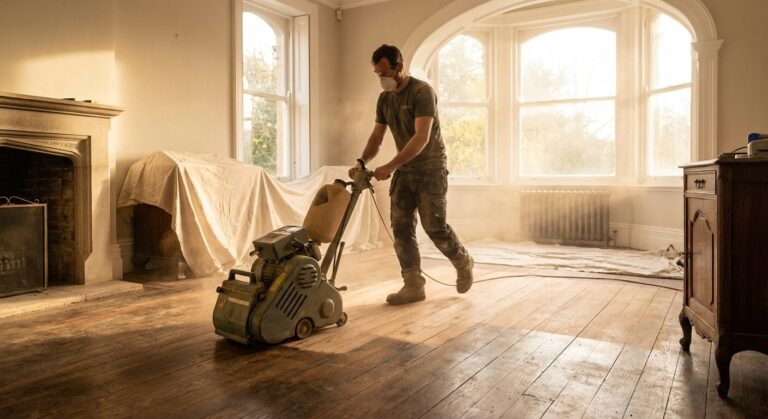
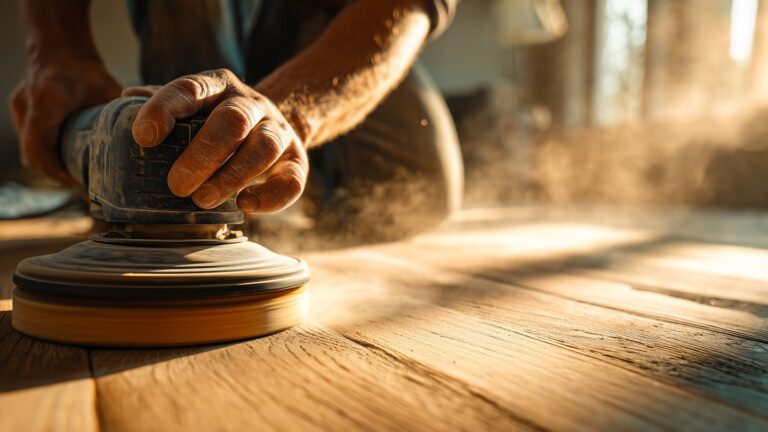
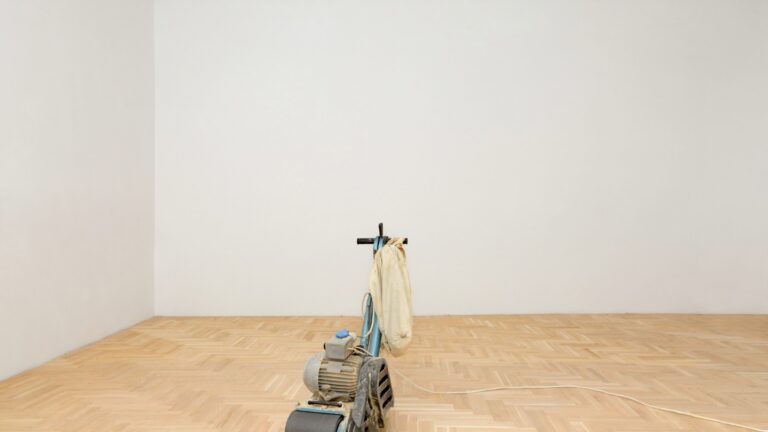
The wood floor sanding sequence then runs from coarse to fine. Edges are worked separately along the skirtings and into window bays, and the whole floor is blended with a fine mesh pass before any finish. Dust is drawn off by a sealed extraction system connected to each machine, which in a house full of plasterwork cornices is worth having; the details are on our low-dust floor sanding page. Penzance sits inside our regular Cornish territory and is one of the towns listed under our floor sanding in Cornwall service, with the family-run team based near Wellington in Somerset.
Staining Pine and Oak: How Colour Behaves on Penzance Floors

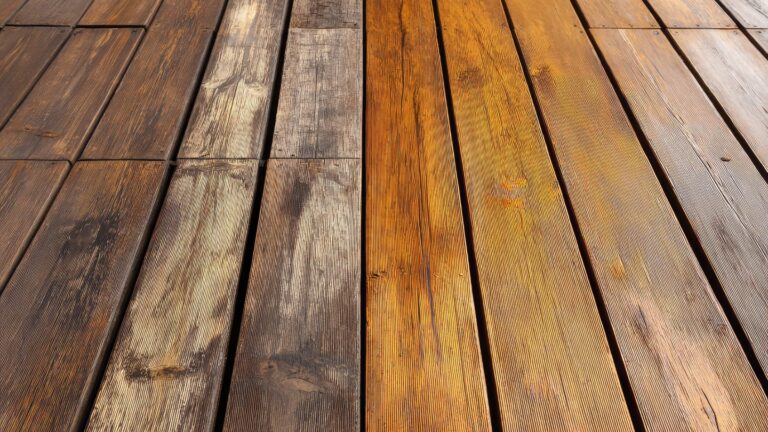
More owners in Penzance ask about changing the colour of a floor than about any other single thing. Some want the orange pine of a 1980s varnish job turned into a calmer, mid-brown period tone. Others want the reverse: a dark, almost black Victorian stain taken off so the wood reads pale and Scandinavian against white walls. Both are possible. Neither is as simple as picking a tin from a chart, because timber does not take colour evenly.

Pine is the awkward one. Each annual ring has a soft, open band of early growth and a denser, darker band of late growth. Stain floods into the soft bands and barely touches the hard ones, so a mid-brown on pine often comes out stripy, with the grain exaggerated far more than on the sample card. Knots and areas of resin hardly take stain at all and show up as pale islands. End grain at the board ends soaks up colour and goes noticeably darker. On older boards, previous repairs may be a different species altogether, and a patch that was barely visible bare can stand out once coloured.

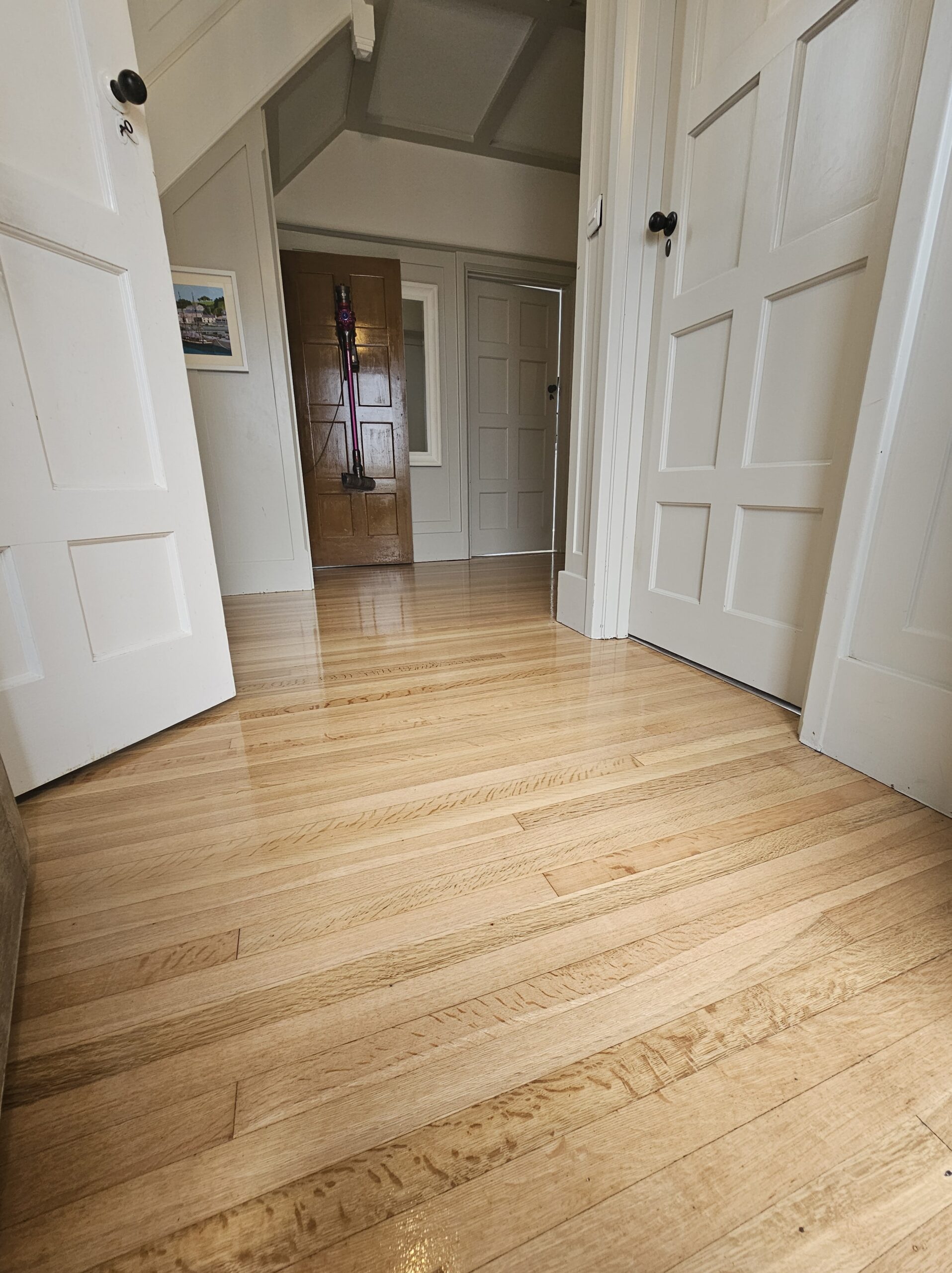
Oak behaves better but brings its own chemistry. It is rich in tannin, and some stains and reactive finishes darken it more than expected, particularly where there has been water or iron contact. The ray figure in quarter-sawn oak can also take colour differently from the rest of the board, giving a flecked look that some people love and others do not.

For all these reasons the colour should be tried on the customer’s own boards after sanding, ideally in a corner and on a board that includes some knots or a repair. Seeing a sample under the room’s own light, in the morning and again later in the day, avoids an unhappy surprise across forty square metres. Our wood floor staining page goes through the options.

The stain is only half of it. What goes on top changes the final tone. An oil-based lacquer adds warmth and yellows slightly with age; a water-based lacquer stays cooler and keeps a pale floor pale, and lacquer sealing is the hardest-wearing route. If you would rather colour and protect in a single step, a hard wax oil with pigment already in it does both, and floor oiling describes the tints. In a Regency drawing room with tall sash windows, wax finishes give the kind of soft glow the room was built to show. Sheen is a separate choice, and our floor polishing page explains how matt, satin and gloss look on different timbers.

parquet wooden floor sanding
wooden floor sanding

Commercial Floor Sanding in Penzance Hotels and Guest Houses

Penzance has a good number of hotels and guest houses, some in the same period buildings that line Chapel Street and the seafront. Their floors take a beating from luggage wheels, breakfast-room chairs and guests walking in from the promenade, and the work has to be done without closing the business.

The usual answer is phasing. A hotel or guest house floor is rarely done in one go. Bedrooms are taken a few at a time, so that rooms come out of service on a rolling basis, often in the quieter months. The reception, bar or breakfast room might be done overnight, using a fast-curing lacquer so it is ready for the morning, while corridors are tackled in sections with a clear route left for guests. Planning commercial floor sanding in Penzance around a hotel’s booking calendar starts weeks ahead, and the agreed nights then stay in our diary.

For these spaces, the finish choice leans heavily towards a two-component lacquer, which resists suitcase scuffs, heel marks and spilt drinks far better than a standard product. Sheen matters too: a satin or matt finish hides the scratches and grit that a busy front hall picks up, and it is less slippery when guests come in wet.

Other commercial premises in the town are mostly restaurants, cafes, pubs and shops. Commercial floor sanding in these places is normally done outside trading hours, overnight or on the day the business is closed. Spilt beer and scraping stools decide the finish on restaurant and bar floors, whereas on retail floors the damage gathers along one line from entrance to counter. Where a landlord or managing agent needs documentation, a method statement, insurance certificate and references are available before the work starts. A hotel corridor usually wants sanding right back after four or five seasons, with a recoat in a quiet month halfway through.

Wood Floor Restoration for Listed and Older Penzance Properties

A fair number of Penzance houses are listed, and many more are in the conservation area. Sanding is still possible in such a house; it simply has to be gentler. Conservation thinking puts it simply: change as little as you need to, mend boards before you swap them, and pick finishes a builder of the 1820s would recognise in spirit.

In practice that means a lighter sand, aiming to clean and refresh the surface rather than make it perfectly flat. It means repairing a split board by gluing and pinning it, rather than replacing it, and where replacement is unavoidable, using reclaimed timber of similar age, width and species. It often means a traditional finish, such as oil or wax, rather than a high-build modern lacquer. Some owners prefer an oil-based finish for the warmth it gives old pine, while others go for a water-based lacquer in a very matt sheen so the floor still looks unvarnished.

Whether listed building consent is needed is for the owner to settle with Cornwall Council. What can be offered is a written specification of the proposed work, covering method, materials and finish, that the owner can pass to the conservation officer if needed. Wood floor restoration in Penzance on a listed house is often slower and more careful, but the result keeps the character that makes these houses special.

Older floors also have hazards. Paint around the edges of rooms, where carpets or rugs once stopped short, may contain lead, which rules out a dry abrasive; chemical strippers or wet scraping are safer. Woodworm exit holes are common in old softwood, and while scattered old holes are usually harmless, fresh dust or soft, crumbling timber needs attention before sanding. Restoring an old wood floor covers this wider picture, while our pages on pine floor restoration and oak floor restoration go into the specifics of each timber.

flooring sanding company
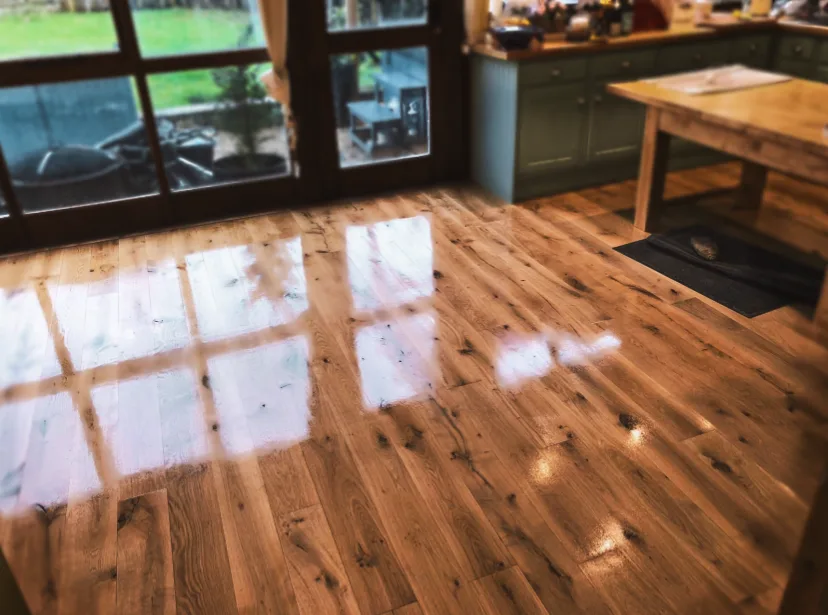
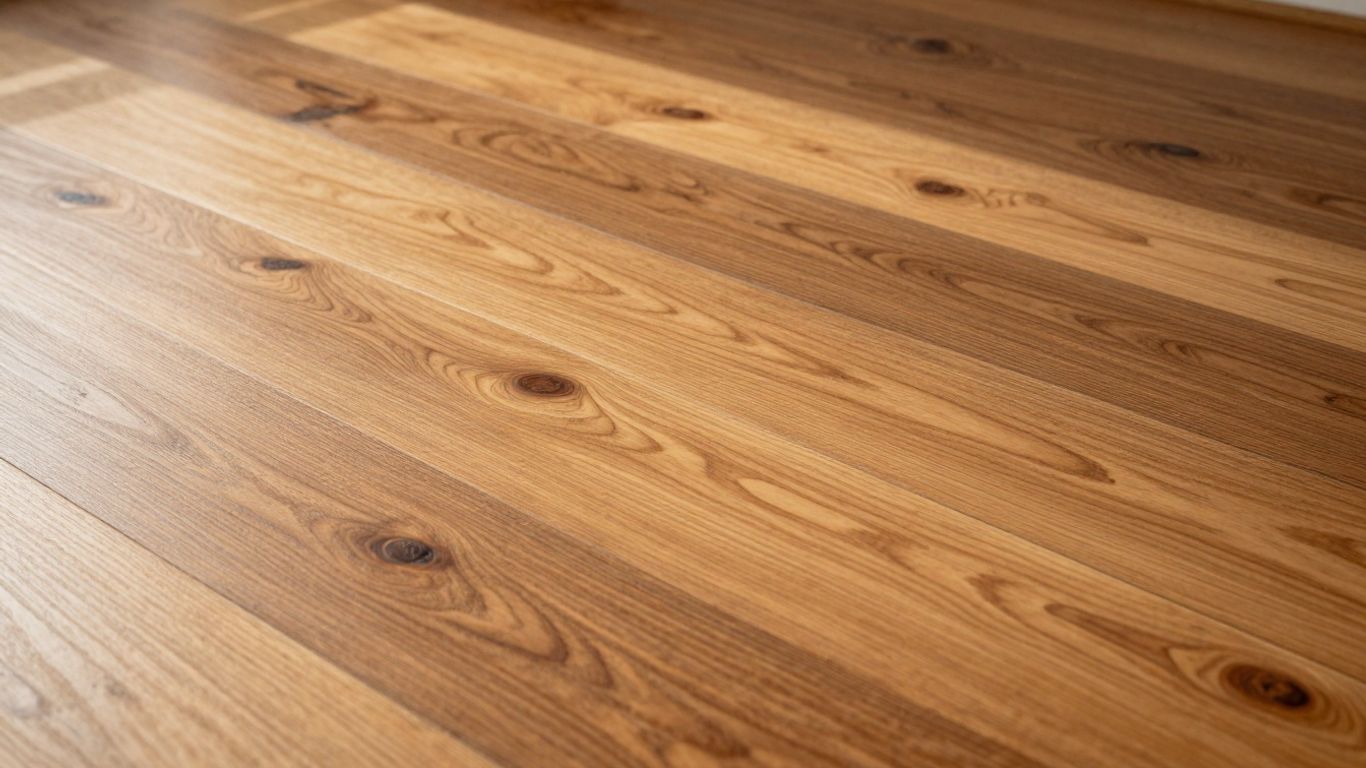
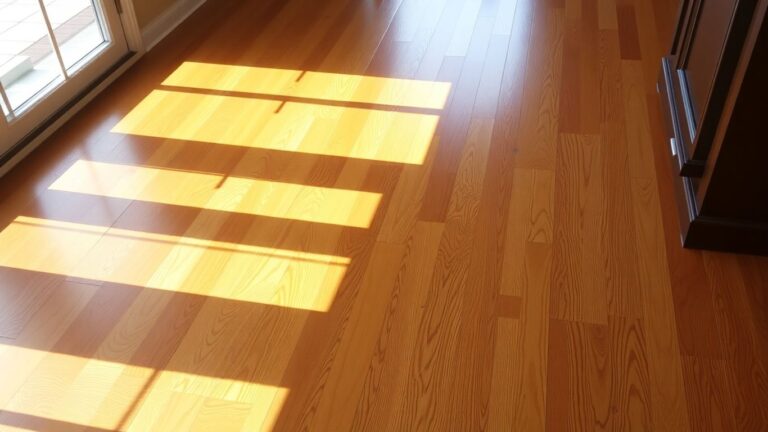
Sunlight across freshly lacquered wooden floorboards

Splits, Loose Boards and Draughts Between the Joists

Repairs come before the sanding machine. Once a finish has been applied, going back to fix a loose board means disturbing it, so it pays to sort everything first.

In older Penzance houses, the usual list includes boards that were lifted for wiring, central heating or plumbing and never refixed properly; ends split by nails driven too close; patches of old repair in a different timber; and areas where the floor was cut for a hearth or stove. Our wooden floor repairs cover refixing, splicing and filling, with the aim of keeping original boards wherever they can be saved.

Where a board is beyond saving, replacement is the answer, and the challenge is to find a board that matches. A Georgian board might be nine or ten inches wide; the metric stock on a merchant’s rack is slimmer, thinner and grown in a hurry, with coarse rings. They stand out even after staining. Reclaimed stock is far closer in colour, grain and dimension. Floorboard replacement with salvaged Georgian-era pine is how a repair in a Chapel Street hall stops looking like a repair.

Creaking is common in houses with timber upper floors, and in a tall town house it carries through every storey. The noise is normally a board shifting a fraction on an old cut nail, chafing against its neighbour’s edge. Screwing it down to the joist, or adding a fixing beside the old nail, usually stops it. Silencing squeaky boards is quick work.

Gaps are the last item. Hairline joints between wide Georgian boards take a resin paste coloured with the floor’s own dust. Where a basement or void sends cold air up through finger-wide cracks, slim pine fillets glued along one edge and shaved flush are the more durable fix. The right filling method for gaps depends on the width of the gap, the movement of the floor through the seasons, and how much draught is coming through.

Herringbone Blocks and Tall Staircases in Town Houses

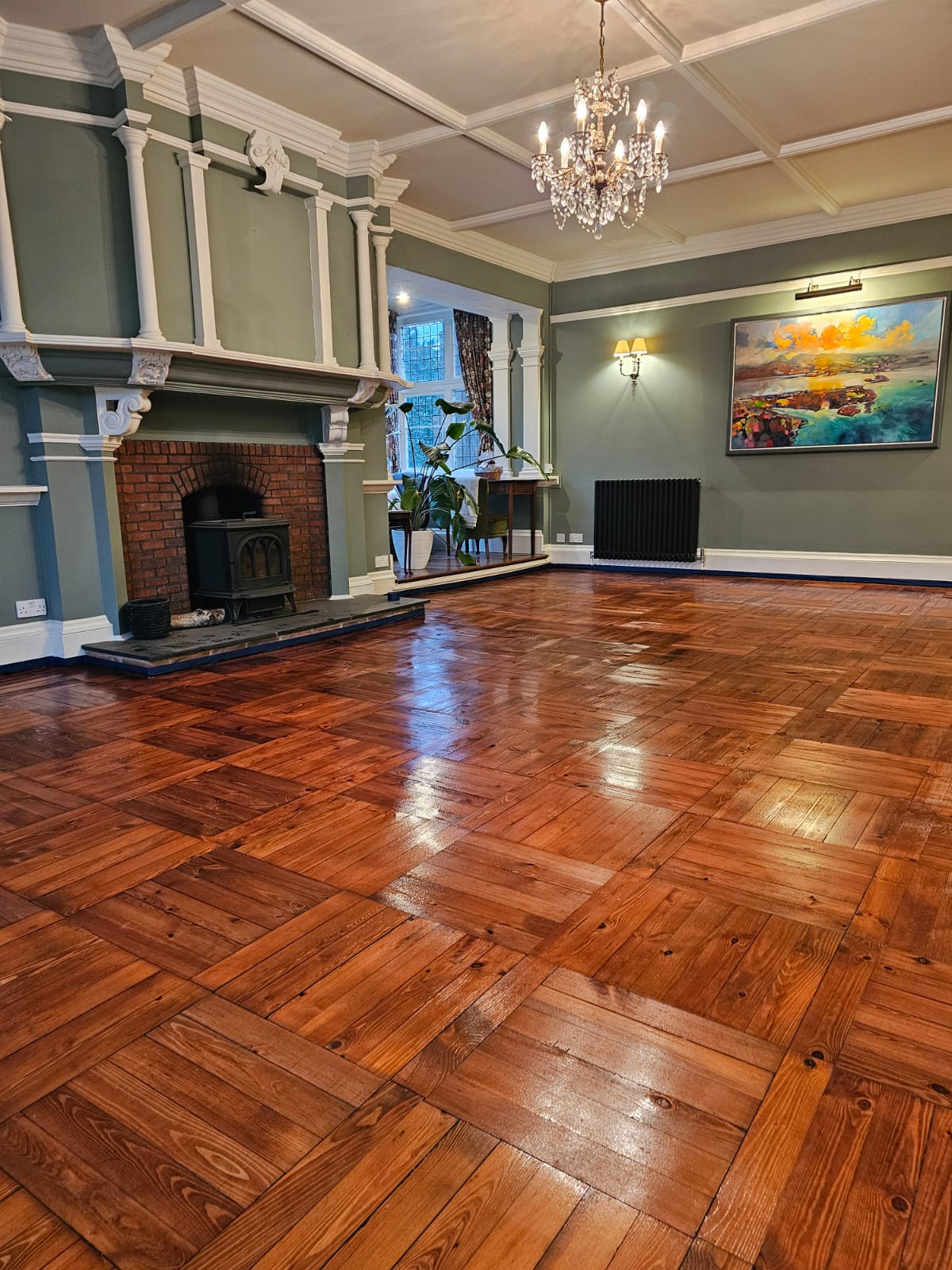
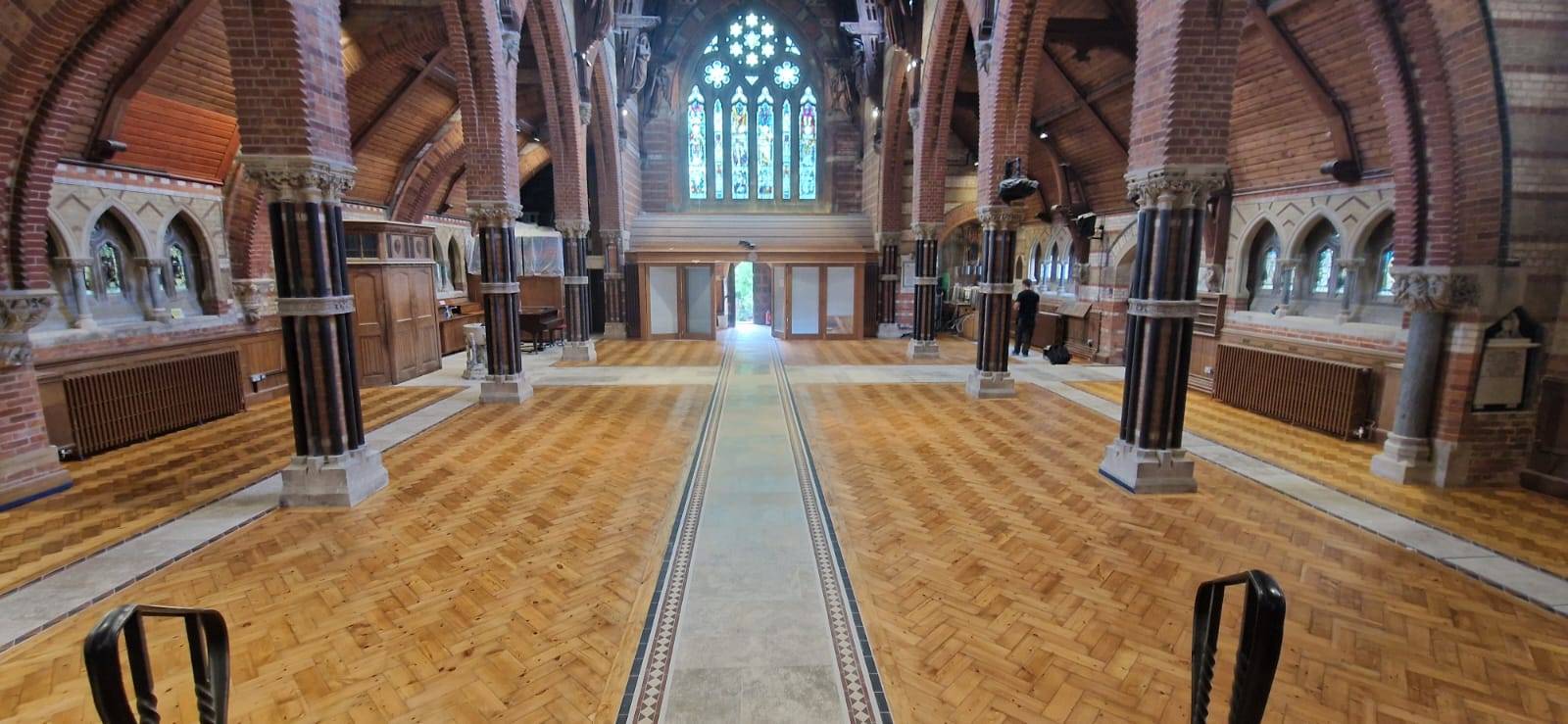
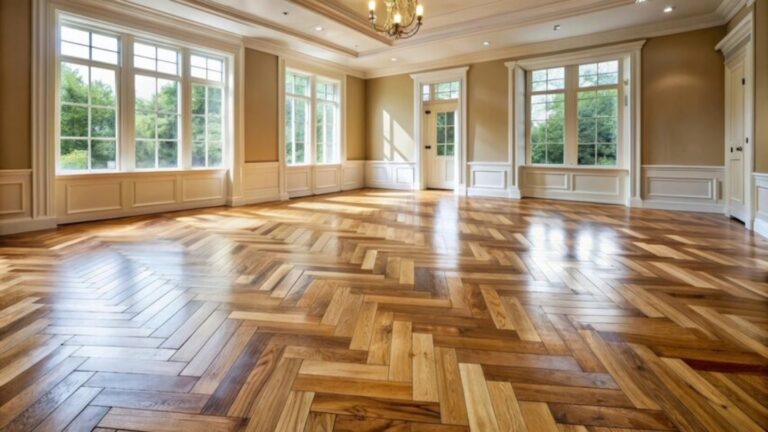
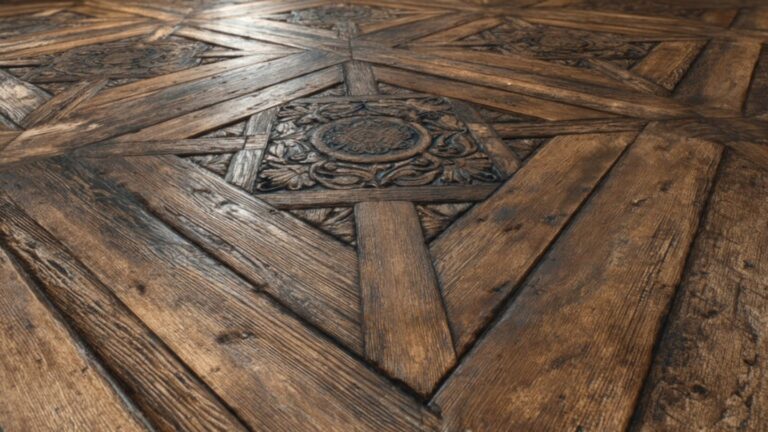
Parquet in Penzance tends to turn up in larger houses and in public and commercial buildings from the twentieth century. Herringbone parquet is the most common, followed by basket weave and plain block patterns. Most of it was laid in hot bitumen, which over decades dries out and lets blocks loosen.

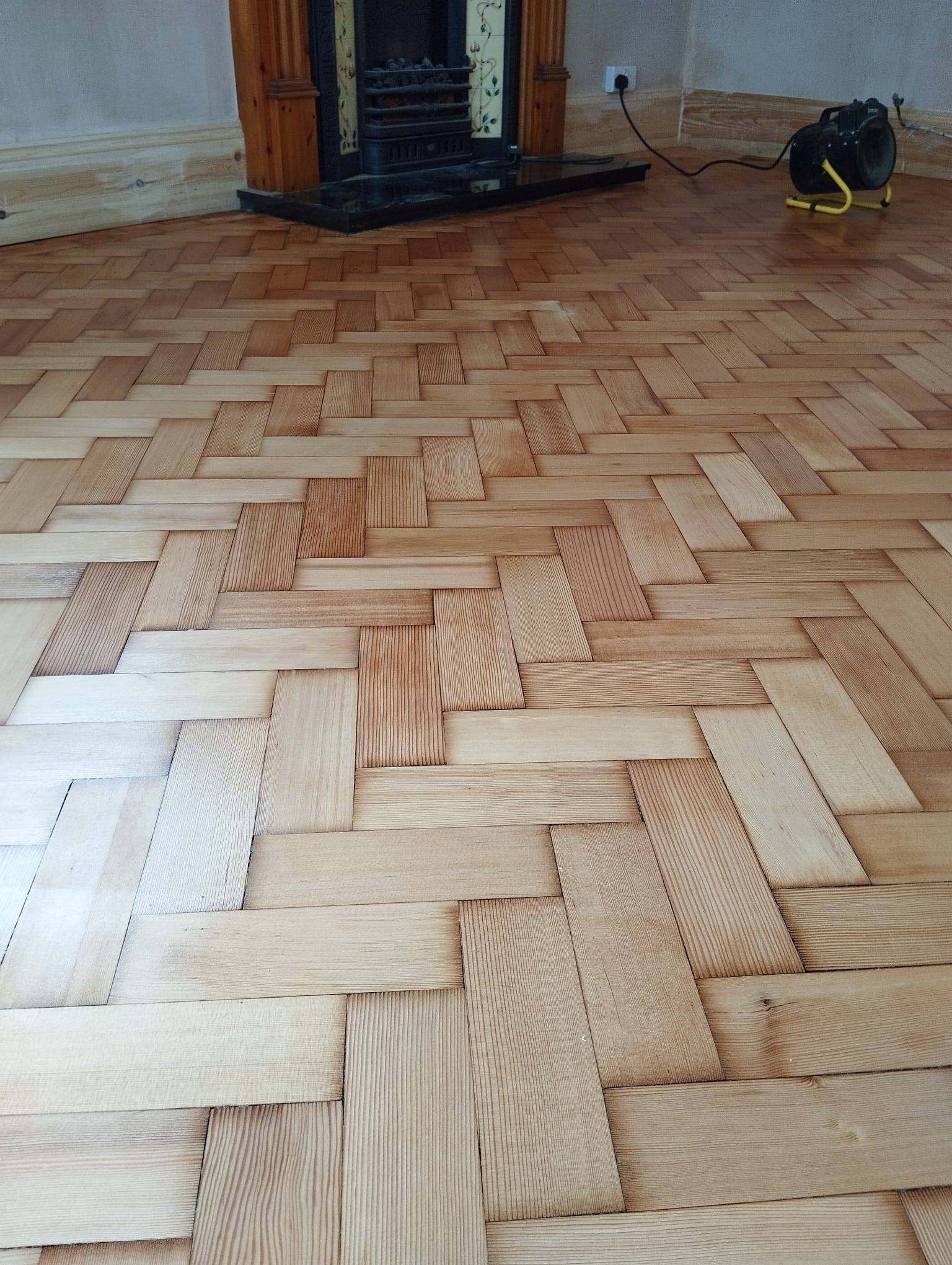
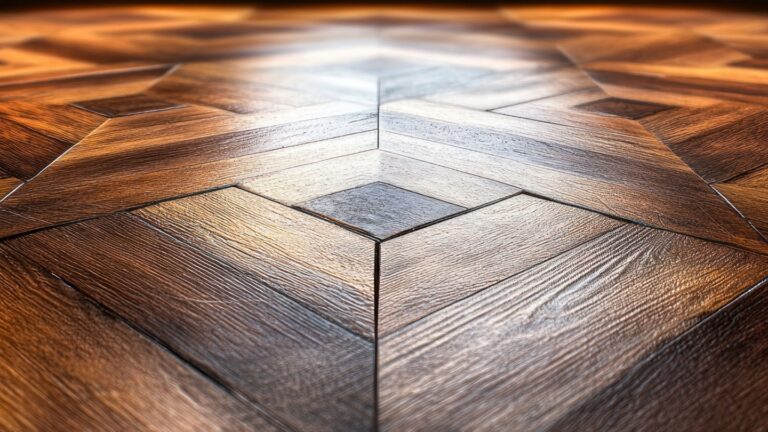
Parquet floor sanding calls for patience. Because the grain direction changes from block to block, the machine is usually run on the diagonal for the first cuts and the scratches progressively refined. Every block that clicks underfoot is prised up, scraped clean of perished bitumen and bedded again in fresh flexible adhesive first. Missing blocks can sometimes be replaced from reclaimed stock. A clear or lightly toned finish shows off the pattern best, while very dark stains tend to flatten it.

Town houses also mean stairs, often three or four flights rising through the building, sometimes with a fine handrail and turned spindles. Stair sanding in a three-storey house is mostly hand and detail work, done tread by tread and riser by riser. The nosings need care, as they take the most wear and are easily rounded off by over-sanding. Many owners keep painted strings and balusters with sanded treads; others want the whole flight stripped. Old paint in a period house should be assumed to contain lead and treated accordingly. On a tall stair, a satin or matt finish is safer than gloss.

Wood floor sanding company
Floor sanding taunton

After the Last Coat: Care, Recoats, New Floors and Quotes in Penzance

A new finish in a Penzance town house needs patience after the final coat. Stockinged feet are usually fine within twenty-four hours, while a piano or a laden dresser is happier staying in the next room for forty-eight to seventy-two. Rugs are best left a little longer. Stick felt under every chair foot, and for routine cleaning use a barely damp mop with a neutral-pH wood cleaner. Steam mops should be avoided.

In time, the finish will wear in the busy areas. Buffing and recoating restores the surface without sanding back to bare wood and extends the life of the floor considerably. That kind of wood floor refinishing pushes back the day a house needs sanding again, typically eight to ten years out. Small areas of damage can sometimes be handled through scratch and dent repair.

Now and then the boards in a town house are simply worn through. Then wooden floor installation comes in, either fully fitted or delivered for your own joiner, drawing on Junkers, Bona and other ranges.

Begin with two photos on your phone. Stand at the door for one; kneel by the most tired boards for the other. From these, initial advice can be given. A free half-hour visit can follow, checking how thick the boards still are, what the moisture meter says, how the void breathes, and what earlier owners have patched. A written, itemised quotation follows, which stands unless the scope changes. Most homes take one to three days.

Our phone line, 01823 674562, is open eight till six on weekdays, and Saturdays can be agreed. Alternatively write to info@ryansrestoration.co.uk or go through the enquiry form.

Penzance Floor Questions

Pine takes stain unevenly, so the risk of blotchiness is real. The answer is to sand thoroughly, test several options on the customer’s own boards, and look at them in the room’s own light before choosing. A pre-stain conditioner or a tinted oil can give a more even result than a strong stain.

Usually, with a careful approach. Light sanding, repairs rather than replacement, and suitable finishes are the norm. Consent itself rests with you and the council, though we can put the proposed method and materials in writing for the conservation officer to read.

Yes, by phasing the work. Bedrooms are taken a few at a time, public areas are done overnight with fast-curing finishes, and corridors are handled in sections. The calendar is fixed weeks ahead and we stick to it, so reservations can be juggled around the closed rooms.

Yes. Sanding removes the old stain and varnish, revealing the natural timber. From there a water-based lacquer keeps the floor pale. Some timbers, especially old pine, will always have a warm tone, so a white-tinted finish may be suggested if a very pale Scandinavian look is wanted.

The margins where carpets once stopped short were often painted, and in a Georgian or Regency house that paint may well contain lead. Dry abrasion is therefore off the table, and the borders are taken back with a chemical stripper or by wet scraping. Painted borders are noted at the survey so the safer method can be agreed before work starts.

Yes. Penzance is one of our regular towns, and the same trips cover the Mount’s Bay shore, including floor sanding in Marazion. Because we come down from Somerset, giving a few weeks’ notice makes scheduling easier.

Usually, yes. Rocking blocks come up, the dried bitumen is scraped away, and each is glued back before the sander goes over it. Missing blocks can often be replaced from reclaimed stock. If damp from below caused the problem, that needs sorting first or the blocks will loosen again.

Photograph the floor twice, wide from the doorway and close over the worst stain or split, and email or upload both. That allows initial advice. Where those look promising we book a free thirty-minute survey, then post or email an itemised written quotation.