45 years’ experience  ·  Rated 4.9 on Google  ·  Family-run, from our workshop near Wellington

45 years’ experience · Rated 4.9 on Google · Family-run

Floor Sanding and Wood Floor Restoration in Looe

Floor sanding, damp-aware repairs and phased guest house work for Looe’s fishing cottages, harbour homes and hospitality businesses.

QUICK QUOTATION

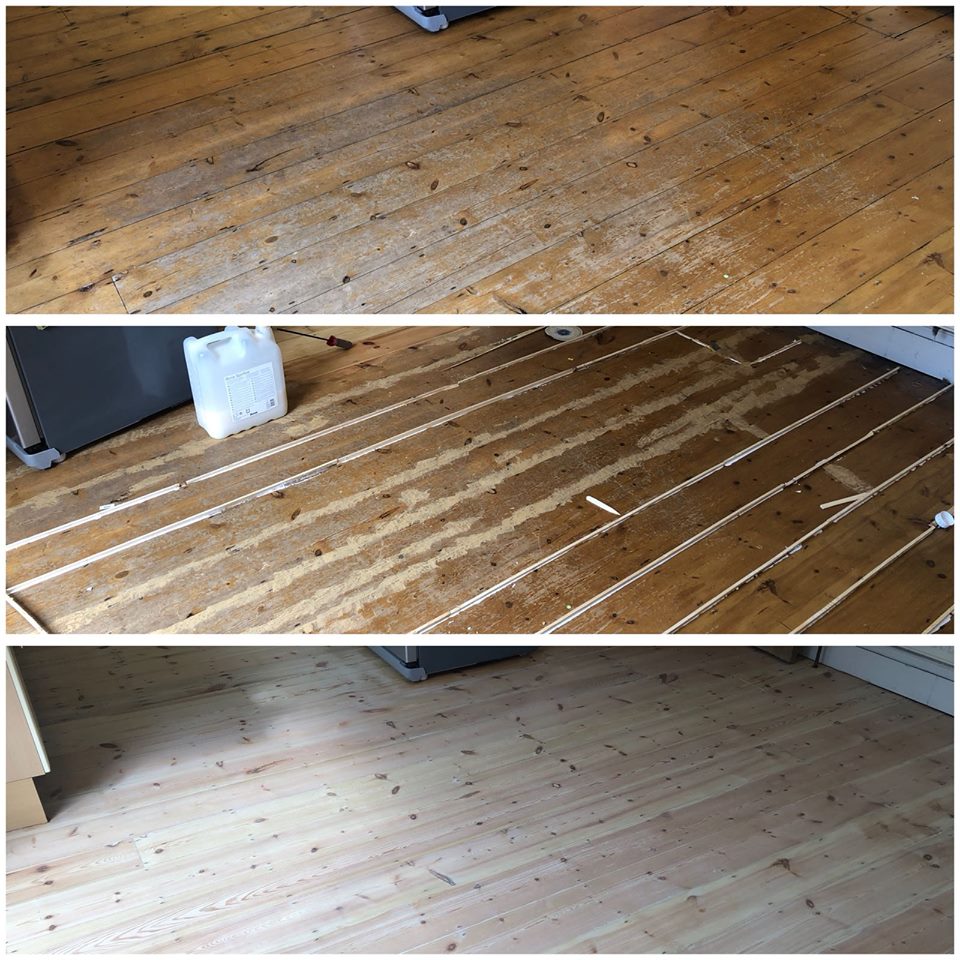
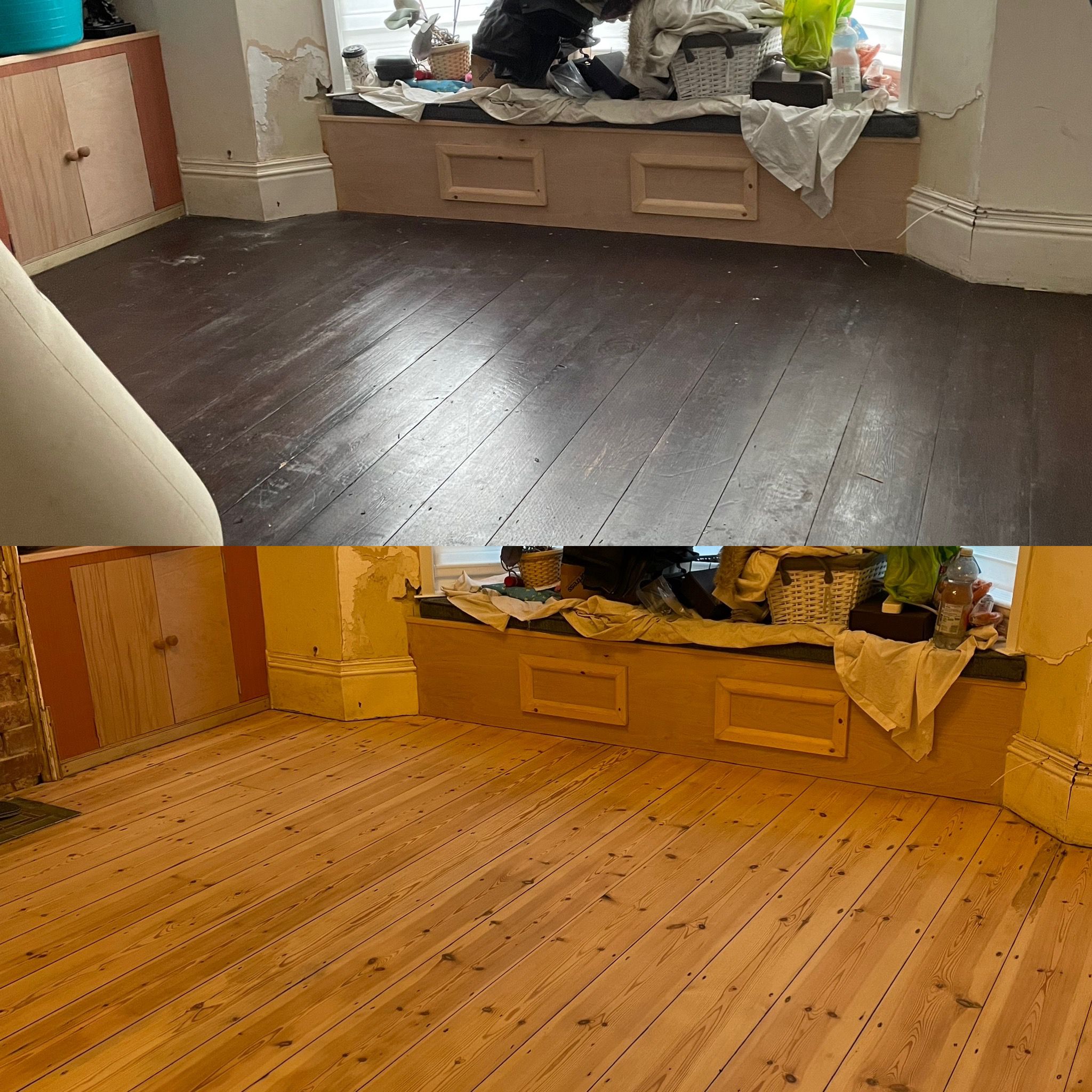
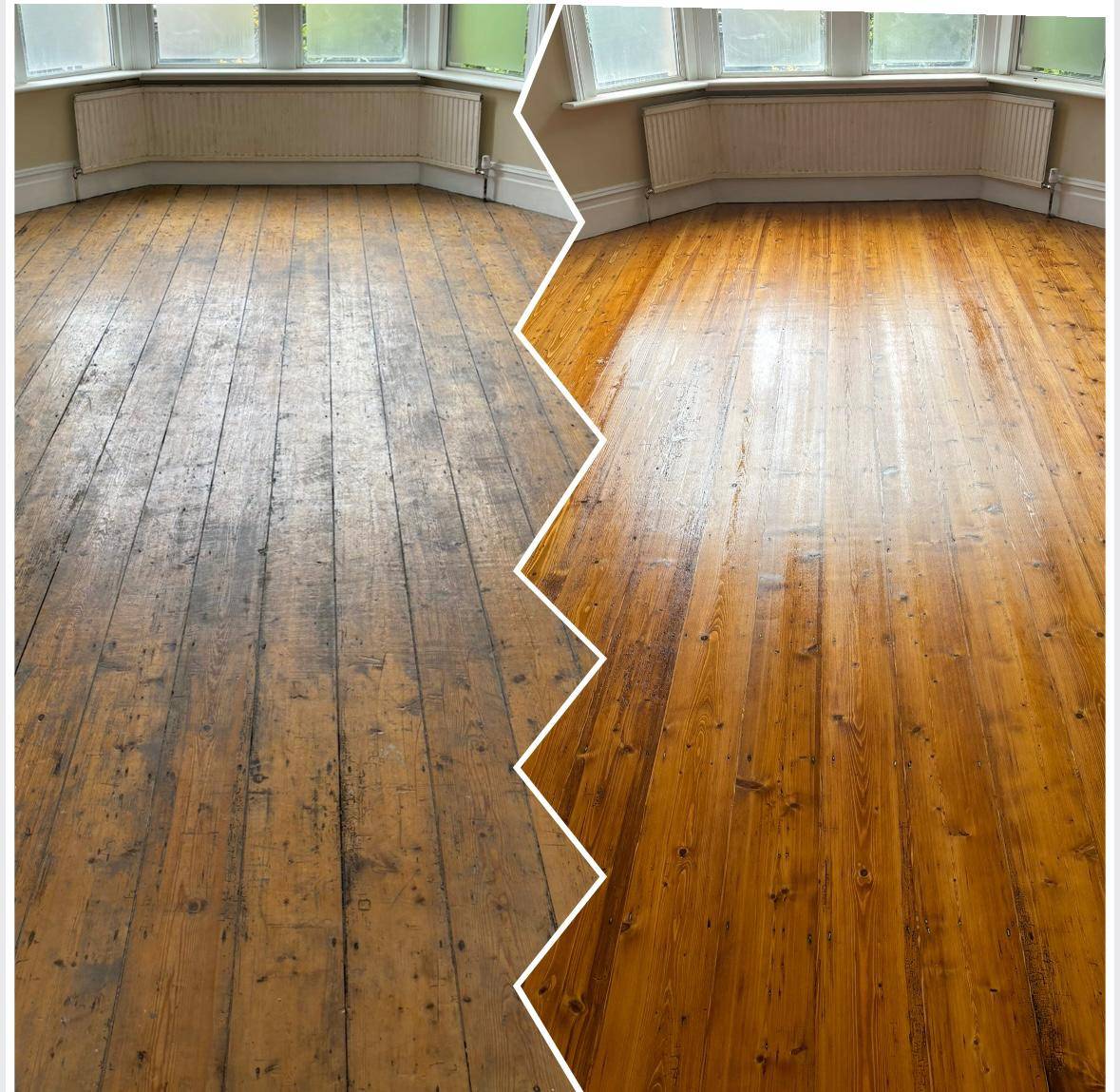
Floor sanding before and after

Floor Sanding in Looe's Fishing Cottages and Harbour Houses

The older parts of East and West Looe are made up of small cottages squeezed between the hillside and the river, many of them built for fishing families and now lived in, let out or run as guest houses. Their floors are modest by design. Expect narrow pine or deal boards upstairs, a ground floor that may be suspended timber, solid stone or a later concrete slab with boards laid over battens, and rooms so small that a large drum sander barely fits through the door, let alone turns round.

That scale changes how floor sanding in Looe is done. In a sitting room three metres across, a big machine spends more time turning than cutting, so smaller sanders do more of the work and the edging machine covers a larger share of the floor than it would in a spacious house. Corners behind doors, under window seats and around old cast-iron grates are finished by hand with a scraper. It is slower, but on narrow boards that were never perfectly flat it gives a far more even result than forcing a heavy drum over the bumps.

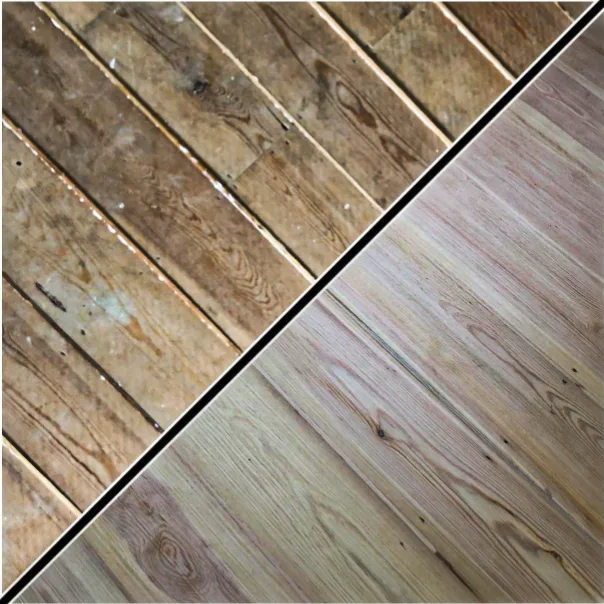
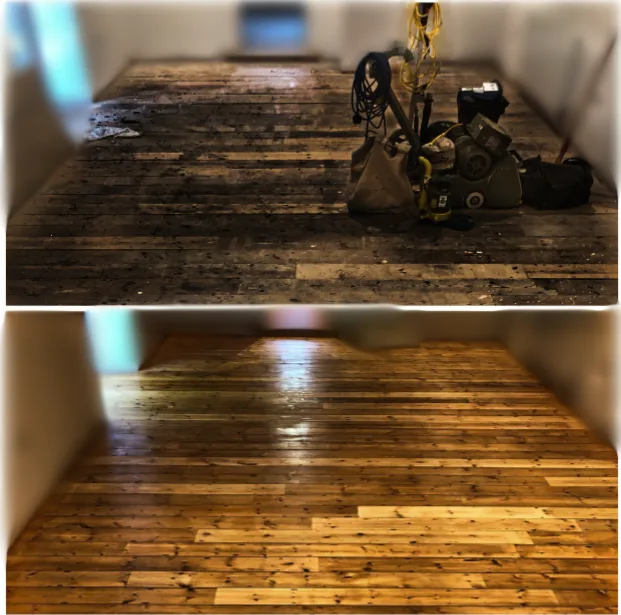
The boards themselves tell you a good deal before the first pass. Pale streaks along the edges usually mean the floor was painted round a carpet square at some point. Ridges of black around the nail heads point to old iron nails rusting in moist air. A slight hollow worn in front of the hearth or the back door shows where generations of feet have taken the timber down. Sanding these wooden floors means deciding how far to chase those marks, because thin old boards cannot give up much timber, and a sander who flattens every dip may leave little for the next owner.

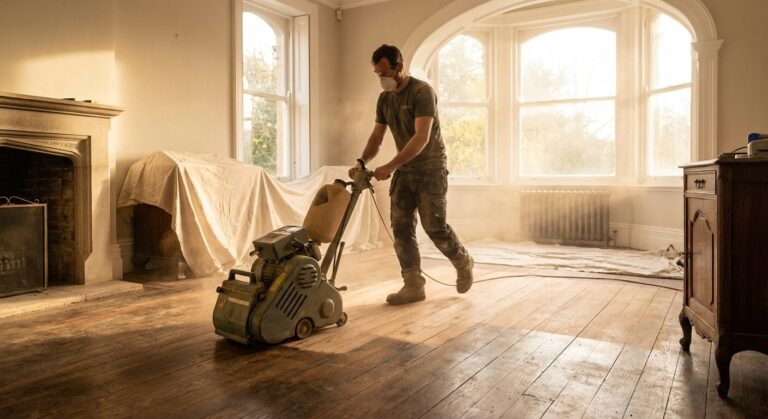
Small cottages fill with dust quickly, and many Looe owners stay in residence or keep part of the house running for guests. With dust-free floor sanding each machine is hosed to a sealed collector, which captures most of the powder at the drum. It is not a promise of zero dust, but in a two-up, two-down it is the difference between wiping a few shelves and washing every curtain in the house.
Damp Ground Floors: What Has to Happen Before Wood Floor Restoration in Looe

Looe sits where a river meets the sea, and the lower streets near the water have a long history of tidal flooding. Even in houses that have never had water through the door, the ground beneath can stay wet for much of the year, and the thick stone walls of older cottages hold moisture and release it slowly. All of which makes damp the first thing to rule out before any wood floor restoration in Looe goes ahead on a ground floor.

There are three common set-ups, each with its own risk. Where the ground floor is suspended, the gap under it needs a through-draught. Once a raised pavement or a cement render smothers the vents in the front wall, the void turns clammy and the joists and boards above start to curl. A floor of boards on battens over concrete can trap moisture between slab and timber if there was never a proper membrane under the screed. And where floorboards have been laid straight onto a damp stone or earth base, decay along the underside may be far worse than the top face suggests.

The signs are fairly consistent. Boards that are higher at the edges than the middle, a sour smell when the carpet comes up, white salt bloom on nearby plaster, soft timber beside the walls, and fungus or black staining on the underside of a lifted board. A moisture meter on the survey puts numbers on what the eye suspects, and readings taken in several places show whether the problem is general or confined to one wall.

Sanding a floor that is still damp is wasted work. The boards will move as they dry, gaps will open, and a cupped floor sanded flat while wet can crown in the opposite direction within a season. The better order is to deal with the cause first, which might mean clearing airbricks, lowering ground levels outside or letting a building dry after work to the walls, and only then to sand. That waiting time can feel frustrating, but it is what makes restoring a wooden floor last.

Upstairs floors rarely have the same trouble, so in a cottage where the ground floor needs drying out, the bedrooms and landing can often be done first.

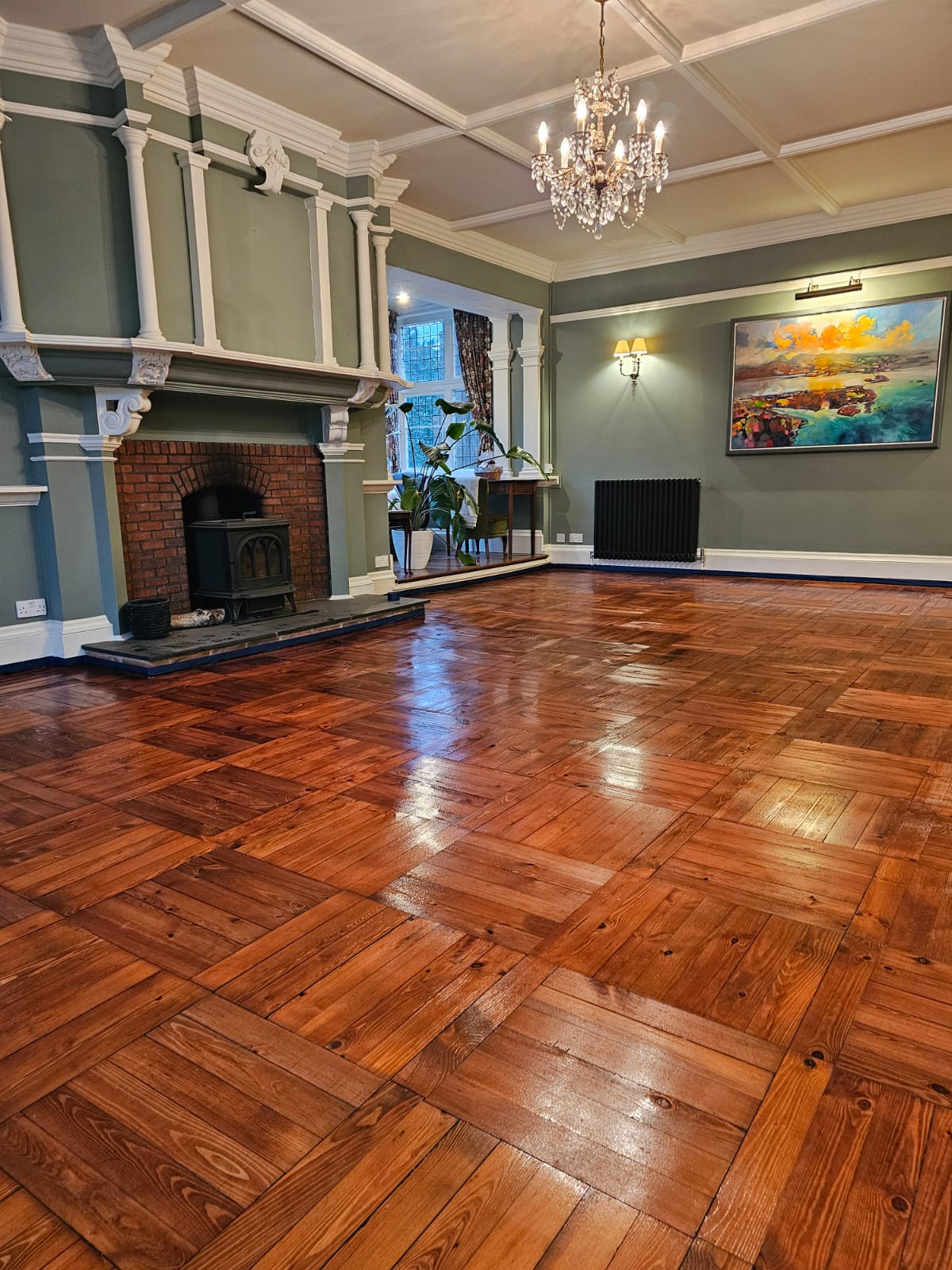
parquet wooden floor sanding
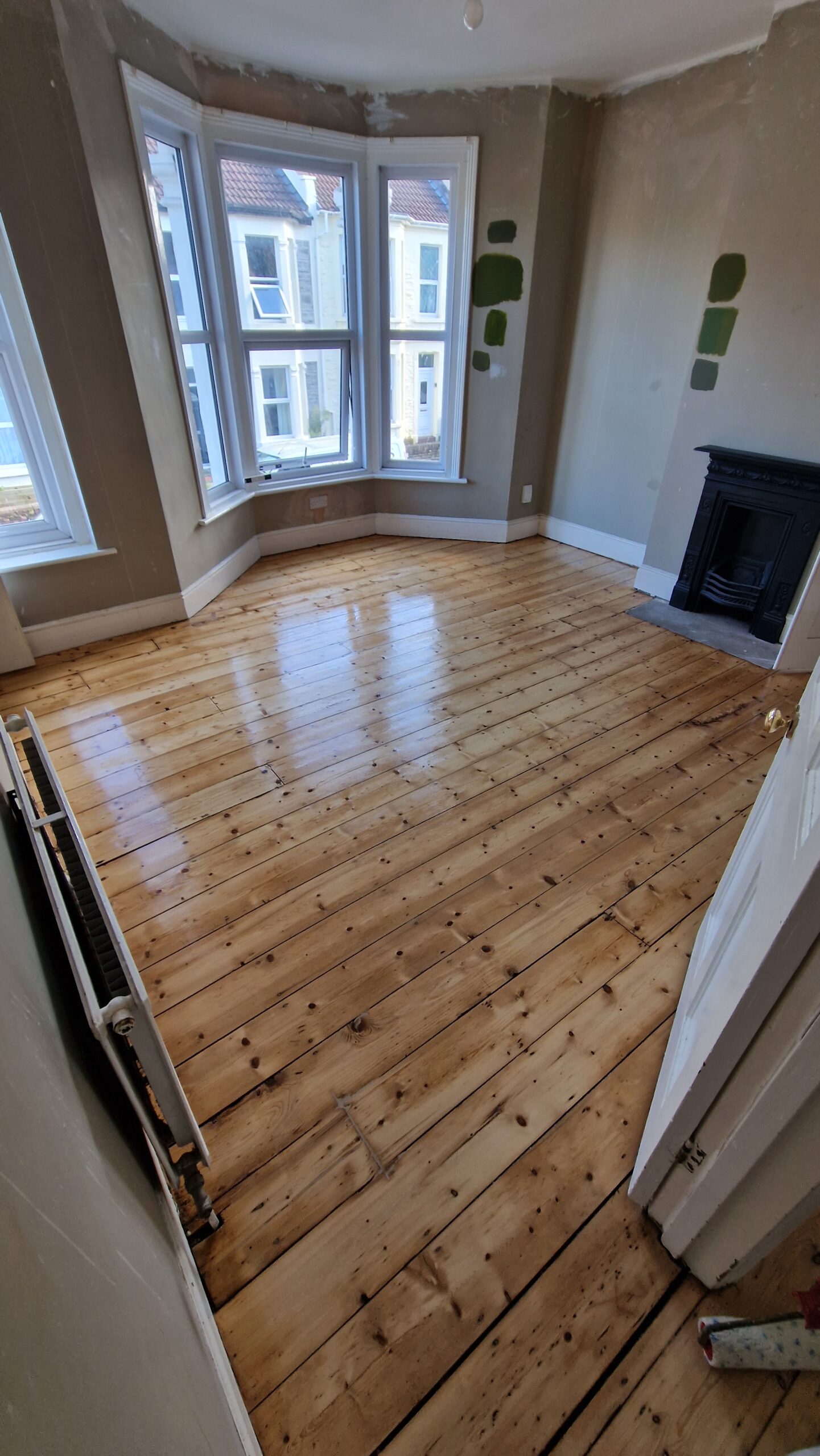
wooden floor sanding

Commercial Floor Sanding in Looe Guest Houses and Small Hotels: Working Room by Room

Looe has a large number of guest houses, B&Bs and small hotels, many in tall terraced buildings with a breakfast room on the ground floor and bedrooms stacked up narrow staircases. Their floors carry suitcases, wet coats and housekeeping trolleys through a long season, and the owners rarely want to close the whole building. Most commercial floor sanding in Looe, then, comes down to the order in which rooms are released, sanded and handed back.

Out of season is the obvious window, but even then many guest houses keep a few rooms let. The usual approach is to work in blocks. Bedrooms on one floor are taken out of the booking system together, sanded and finished, and returned to use once the finish will take furniture; then the next floor follows. Landings cause the most head-scratching, since a corridor of occupied bedrooms and the escape route down the stairs cannot simply be roped off for two days. They are done in halves along their length, so one side is always walkable, or overnight when nobody needs to pass.

The breakfast room is a different problem. It is used every morning and empty most of the day, so it can be sanded after breakfast service and coated in stages, with a fast-curing lacquer chosen so tables can be laid again by the following morning or, on a larger floor, after a two-night sequence. In an occupied building the smell of the finish matters too, and water-based lacquers with low odour are normally the sensible choice.

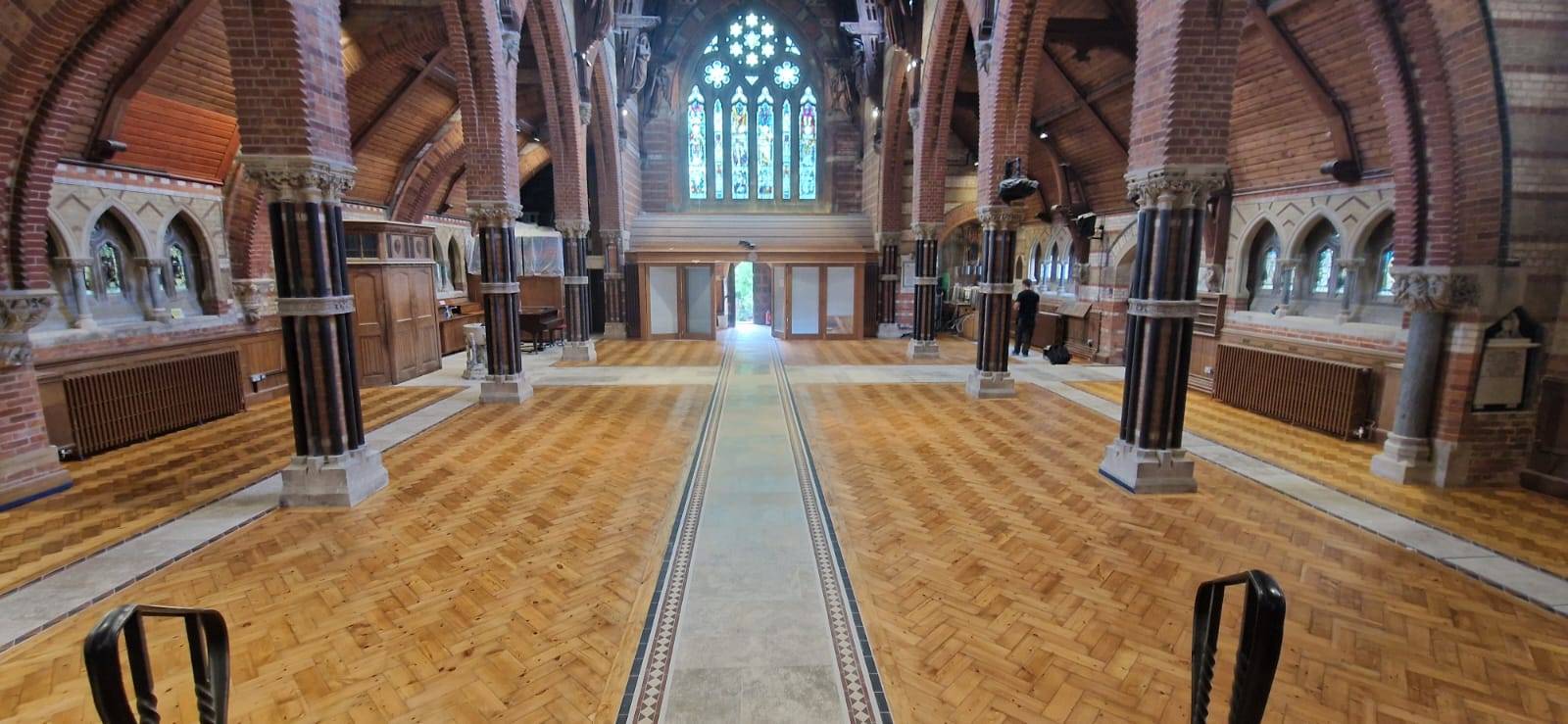
Our commercial floor sanding and hotel floor sanding work follows this kind of plan, with dates fixed well before the season starts so they can be blocked out of the booking calendar. Harbour-side pubs, restaurants and cafés can be handled in the same overnight pattern through our restaurant floor sanding service, and the gift shops and galleries along the quay through shop floor sanding. When an owner or their insurer asks to see how the work will be managed, a method statement and our insurance certificate can be sent, along with referees.

Woodworm, Rot and Tired Boards: Repairs in Old Looe Cottages

Damp timber is attractive to wood-boring beetles, and old cottages near water often show the evidence. Small round exit holes, a millimetre or two across, are the mark of the common furniture beetle. Holes on their own are not proof of a live problem; many are decades old. Fresh, pale, gritty dust beneath the holes and clean, sharp edges suggest recent activity, while dark, dirty holes with no dust are usually historic. Where activity is suspected, specialist advice and dealing with the damp come before any sanding, because the beetle prefers moist wood.

Boards that have been badly tunnelled lose their strength, and pressing a screwdriver into the surface tells you a lot: sound timber resists, while riddled timber crumbles. Those boards are cut out and renewed. Floorboard replacement in a fishing cottage means finding old timber that matches thin, narrow boards often laid in imperial sizes, and our stock of reclaimed boards is where those replacements come from. Rot is similar: soft, brown, cracked timber along a wall or under a leaking window is cut back to sound wood.

The rest of the wooden floor repairs list is familiar to anyone who has lifted a cottage carpet: broken tongues, boards cut short for pipes, gaps at the skirting where the floor has shrunk, and the board near the stairs that squeaks every time someone goes up. Quieting creaky boards is especially worth doing in a guest house, where a noisy landing at night soon turns up in reviews.

Gaps between narrow boards are usually small and even. Gap filling with resin and fine dust from the same floor works well here; wider joints are better closed with timber slivers. A damp-prone cottage floor that moves through the year should not be packed too tight. A few deep scratches or a burn mark do not always need a full sand, and repairing isolated scratches can sometimes be done locally. For floors of old pine, which is what most Looe cottages have, pine floor restoration usually combines several of these repairs before sanding.

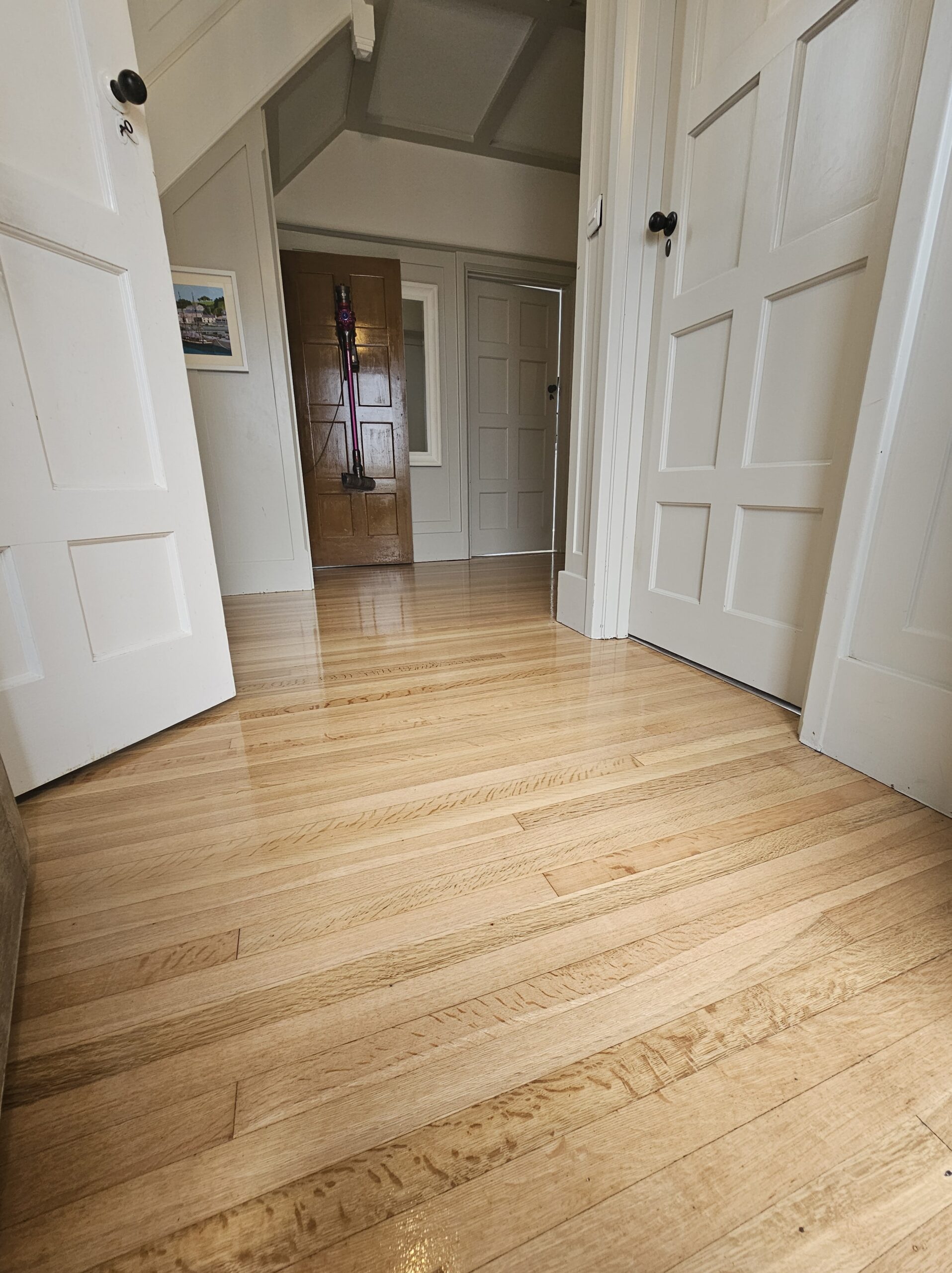
flooring sanding company
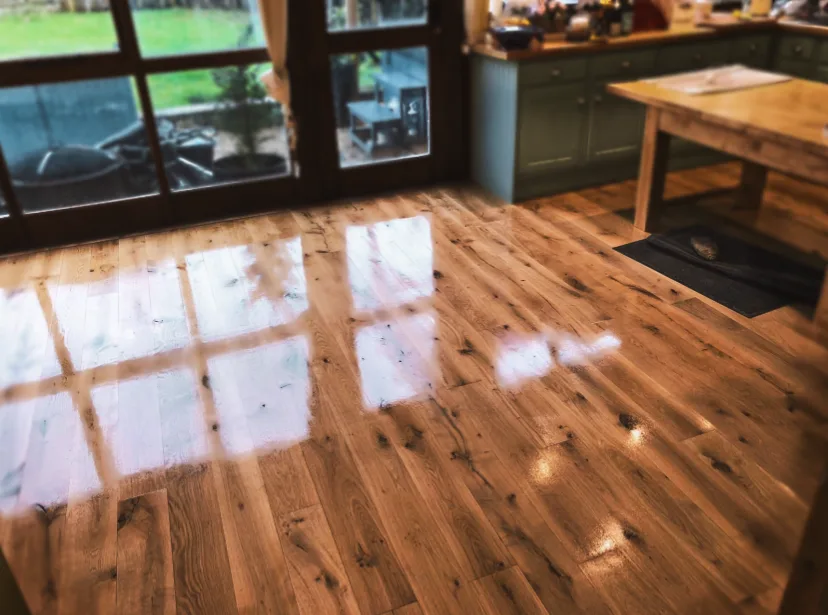
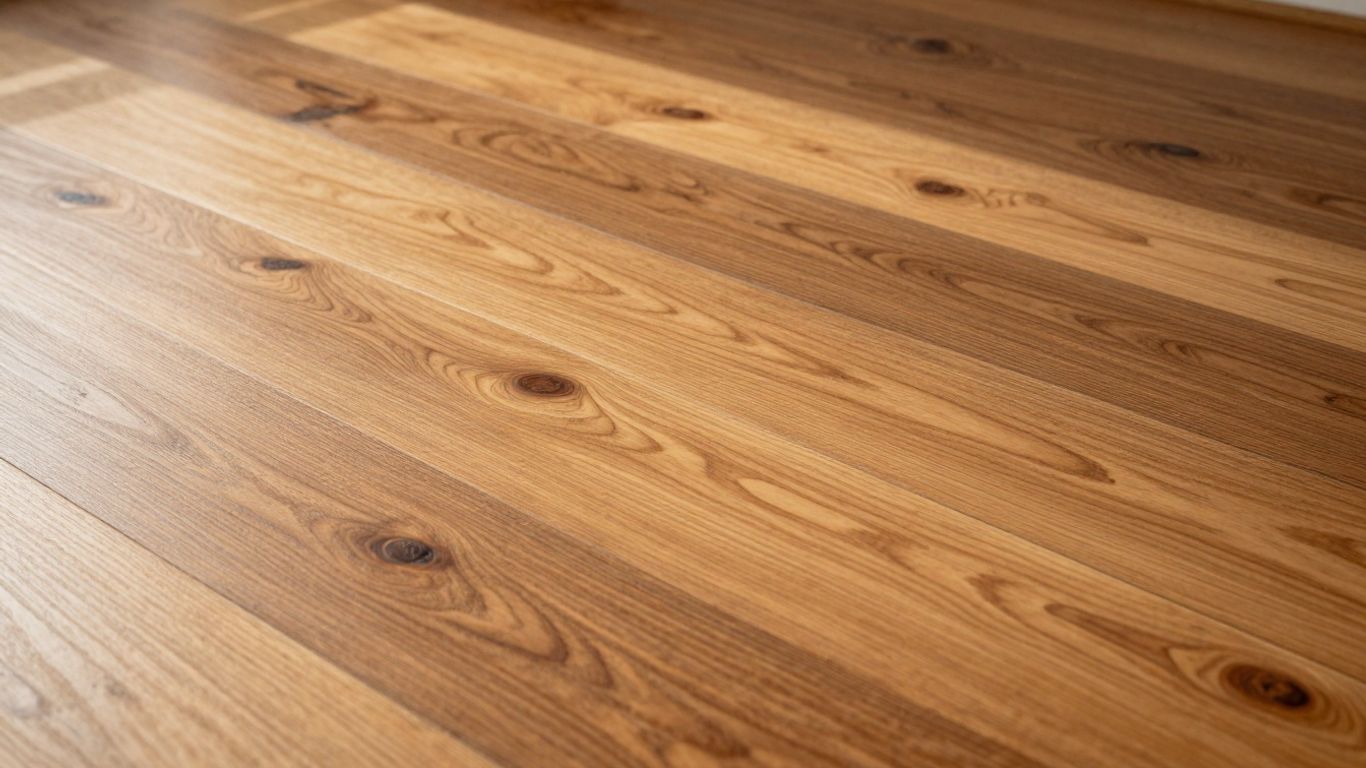
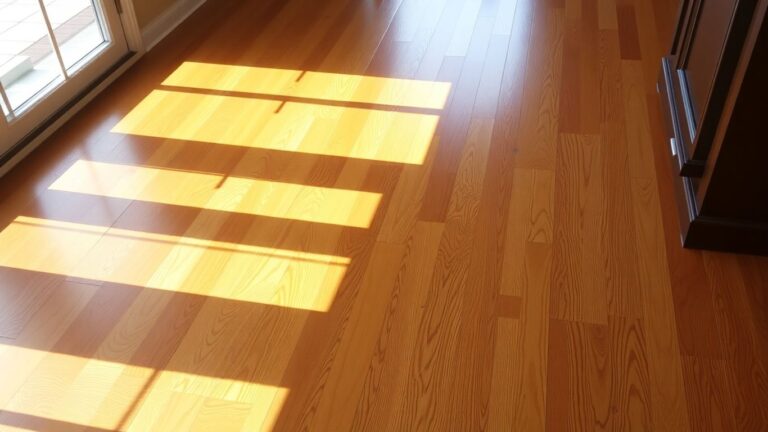
Sunlight across freshly lacquered wooden floorboards

Narrow Cottage Stairs, Guest House Landings and Parquet Halls

Cottage stairs in Looe are often steep and turning, squeezed into a corner of the building, and those in guest houses take far more traffic than a family stair would. Treads wear hollow in the middle, nosings get chipped by luggage, and the painted margins left by old runners need attention.

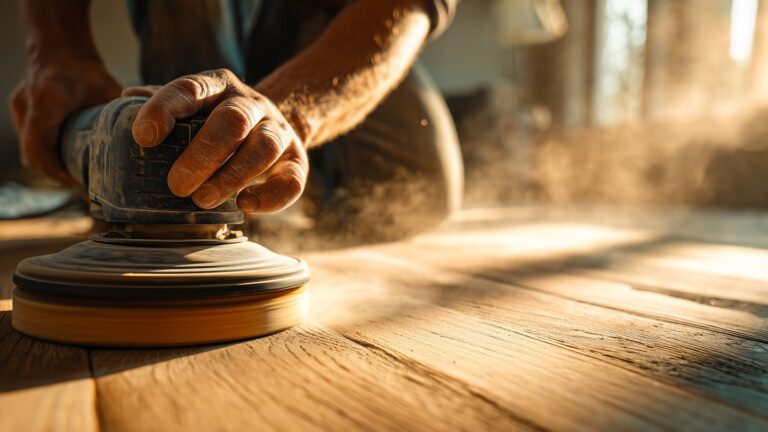
Stair sanding here is close work. Each tread is sanded separately with compact machines and finished by hand, nosings are rounded back to their proper shape, and risers and strings are cleaned up or repainted. On a flight this old the paint could well be lead-based, which is why it is tested before any abrasive touches it. Through our stair sanding service the whole flight can be refinished, and a satin or matt sheen is the safer choice where guests come down in socks or slippers.

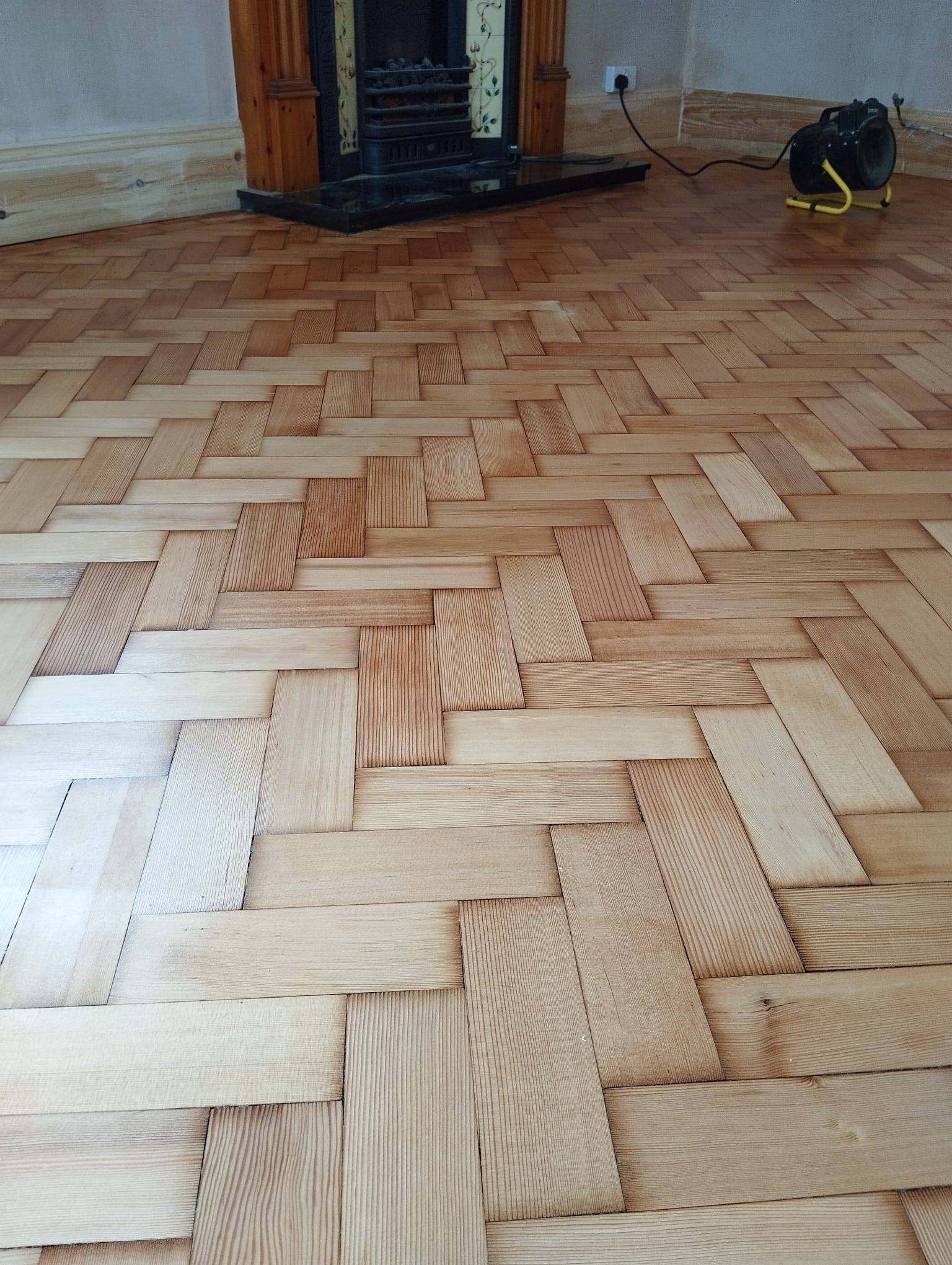
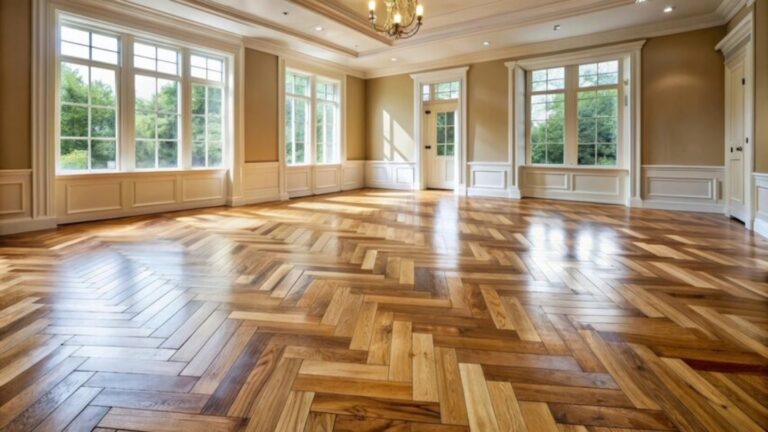
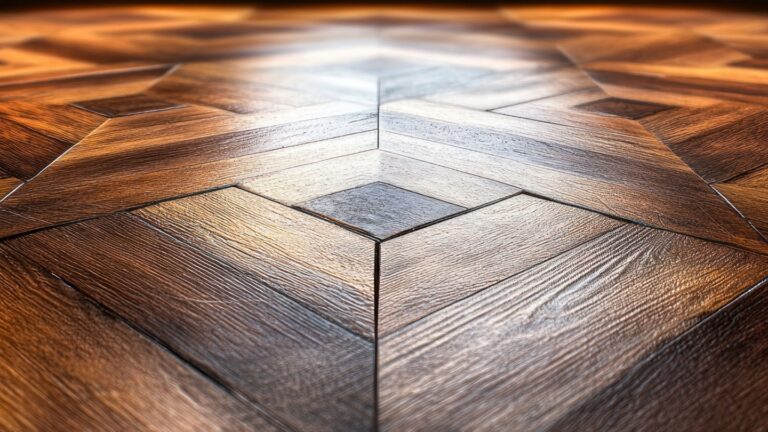
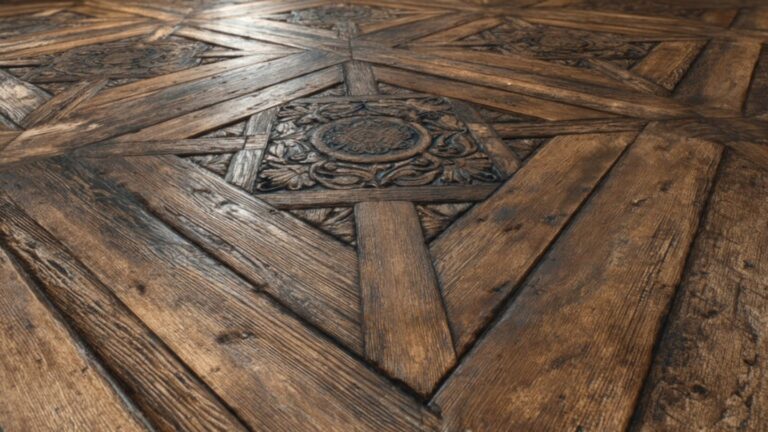
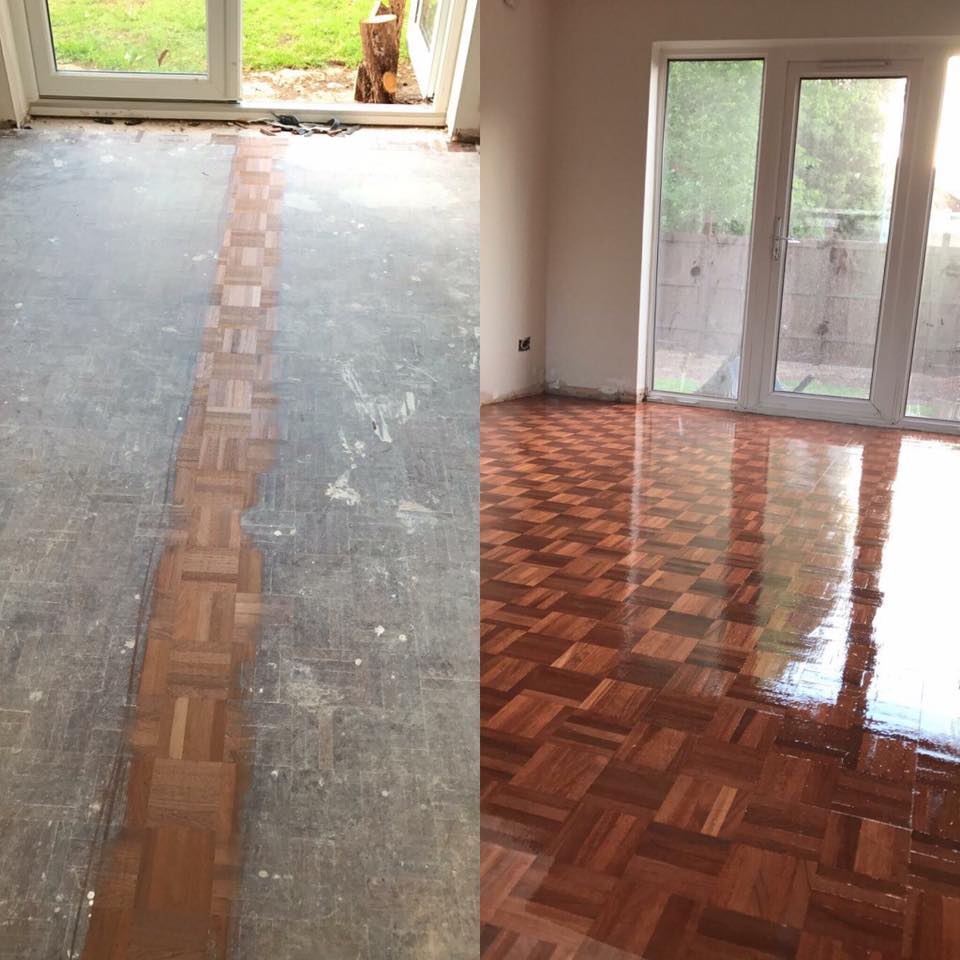
Parquet is less common in Looe’s oldest cottages, but it turns up in later houses, in some guest house entrance halls and in larger hotels. Old woodblock laid in bitumen can loosen where the screed has been damp, and loose blocks need lifting, cleaning and re-bonding with a compatible adhesive before any sanding begins. Herringbone parquet is sanded at angles to the pattern and finished with a fine pass that removes cross-grain marks. Our parquet floor sanding page describes the process.

Oak floors in Looe hotels and larger houses often have water marks near windows and doors, and dark staining around old iron fixings. Oak floor restoration lifts much of that, though the deepest black marks may need individual boards replacing.

Finishes That Survive Wet Dogs, Swimmers and Housekeeping Trolleys

The finish on a Looe floor has more to cope with than most. Dogs come in from the beach with wet paws and sand in their coats; swimmers drip their way across hallways; guest house corridors take trolleys loaded with clean linen several times a day. That points to tough, water-resistant finishes and away from anything that marks easily.

Lacquer is the default for most guest houses and lets. Water-based versions dry quickly with little smell, which is useful when part of the building is occupied, and they keep the timber light. Two-component lacquer, with its hardener mixed on site, gives the toughest film for corridors and breakfast rooms. The wood floor sealing options are compared in detail on that page.

For owner-occupied cottages, oil or hard wax oil gives a softer, more natural look and can be patched in the walkways without redoing the room; wood floor oiling explains the maintenance involved. Wax looks lovely in a quiet bedroom but is a poor fit for a house where dogs and swimmers come straight in, and traditional waxing is best kept to rooms that stay dry.

Colour is a matter of taste, but darker floors hide sand and wear, while pale floors show less dust. Wood floor staining is always tested on the owner’s boards first. A high-gloss polished finish looks striking in a hotel reception, but it shows every mark and is too slippery for stairs.

Wood floor sanding company
Floor sanding taunton

Changeover Care, Fitting New Boards and Arranging a Visit in Looe

In a guest house the finishing date and the first booking date need to be a sensible distance apart. Guests in socks or slippers can use a corridor the day after its last coat, but a double bed, a wardrobe and a luggage rack should stay out of a bedroom for two to three days, and they should be carried back, not shunted across the boards. The phase plan agreed at the start allows for that, so a room is never sold for a night when its floor is still soft.

Once the rooms are back in use, the enemies are the same ones the town lives with: sand and water. A bristle mat on the doorstep and a washable mat inside each entrance stop most of the beach coming upstairs. Ask the housekeeping team to swap the stiff broom for a soft vacuum head and to keep the bucket weak and the mop almost dry. Bleach and ammonia eat into lacquer, and a steam mop pushes hot vapour straight into the joints of a cottage floor that is already fighting the river damp. Felt pads under every chair and bed leg, renewed when they wear, prevent most of the scratches that guest houses complain about. Before the corridor finish wears through, a buff and new coat of lacquer restores it without taking off any wood. In a private cottage a full resand is usually eight to ten years away; in a guest house busy from Easter to October it is nearer four or five.

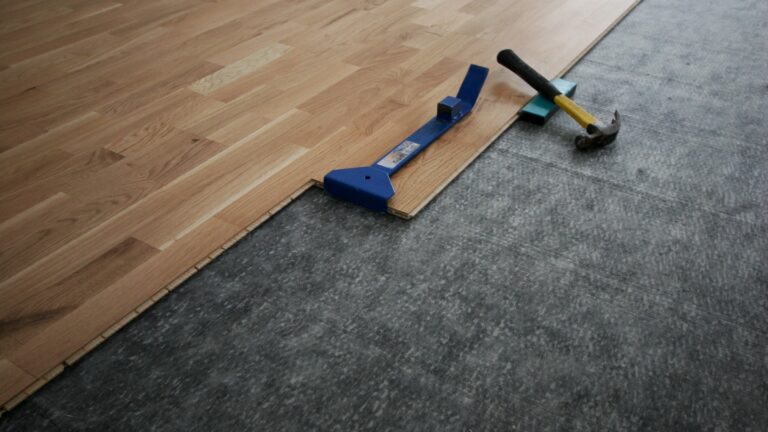
Sometimes a ground floor has decayed beyond repair or was only ever concrete. In those rooms we can lay a new floor or supply the boards for another fitter, and our wooden flooring supply and fit service draws on Junkers, Bona and similar ranges. On a damp-prone site, the choice of board and the preparation of the base matter as much as the timber itself.

Floor sanding in Looe, on both sides of the river, is a regular part of our south-east Cornwall work. Begin with two pictures sent to info@ryansrestoration.co.uk: the whole bedroom or breakfast room as seen from its door, and a close-up of the most worn boards. From those we can usually say whether a survey is worthwhile. That survey is free, lasts about half an hour and checks how much timber is left, moisture levels in several spots, the state of the airbricks, any damp and the quality of old repairs. A written quotation follows with each element itemised, and it stays fixed unless the work changes. Guest house owners who prefer to talk dates through can call 01823 674562 during the working week (Saturday visits by arrangement) or post details via our enquiry page. Our wider Cornwall floor sanding coverage also takes in floor sanding in Liskeard a short drive inland.

Looe Floor Sanding Questions

In most cases. We close one storey of bedrooms at a time, split the landings lengthways so a walkway always stays open, and tackle the breakfast room in the gap between the last plate cleared and the next morning’s first pot of tea. Agreeing dates before the season starts makes it much easier to plan bookings round the work.

Not until the reason is known. A musty smell often points to damp under a suspended floor or trapped moisture beneath boards on battens. A meter on the boards during the survey will settle the question. If it needs to dry, the upstairs rooms can be done first and the ground floor left until readings have come down.

Possibly, though many holes are decades old. Fresh, pale, powdery dust under the holes and sharp clean edges suggest recent activity, while dark holes with no dust usually do not. Boards weakened by tunnelling are replaced with reclaimed timber, and any active infestation and the damp that encourages it should be dealt with before sanding.

A hard-wearing lacquer is usually the best answer, with two-component lacquer in the hallway and kitchen where wet paws and sand hit hardest. It resists water far better than wax and needs less upkeep than oil. A satin or matt sheen hides claw marks better than gloss, and keeping claws trimmed helps more than anything.

Yes. Each tread is sanded on its own with compact machines and finished by hand into the corners, and the nosings are rounded back to shape. Any old paint on the strings or margins is tested for lead before sanding. We usually recommend satin or matt on a steep stair so it is not slippery in socks.

A one-room job in a Looe fisherman’s cottage is often finished in a day; add the stairs, a landing and some board replacement and it stretches to two or three. You can pad about in socks the next day and put the room back together on the second or third. Owners often stay elsewhere for a night or two simply because the rooms are so small.

Yes. Hospitality floors are usually sanded overnight or out of season, in stages, so the business can keep serving. A quick-hardening lacquer means chairs are back under the tables by opening time, and it shrugs off spilt beer and nightly mopping. Dates are fixed well ahead so they can be planned around busy weekends and events.

A wide shot and a close shot of the floor, sent to info@ryansrestoration.co.uk, is all it takes; telephoning 01823 674562 is equally fine. An early opinion comes back by return, and a free thirty-minute survey is then booked. The itemised quotation that follows sets out every part of the job on paper before you decide.