Floor Sanding Liskeard

Floor Sanding and Wood Floor Restoration in Liskeard, Cornwall

QUICK QUOTATION

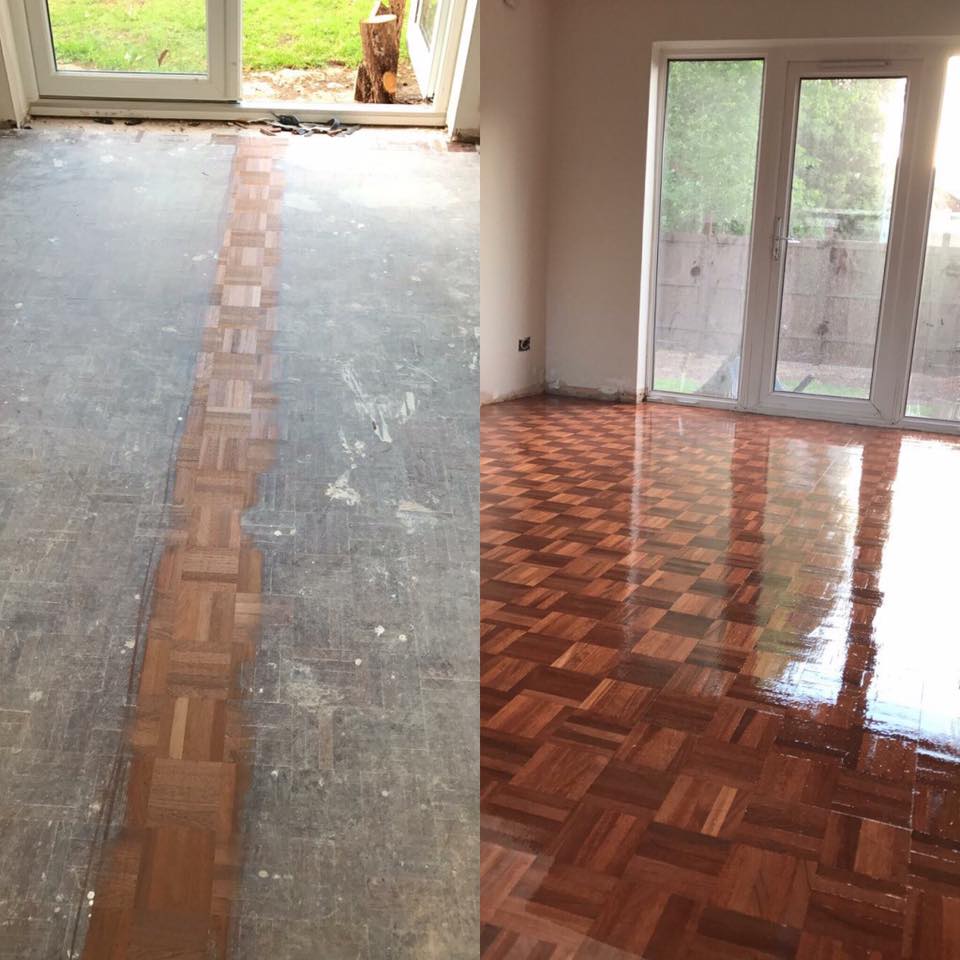
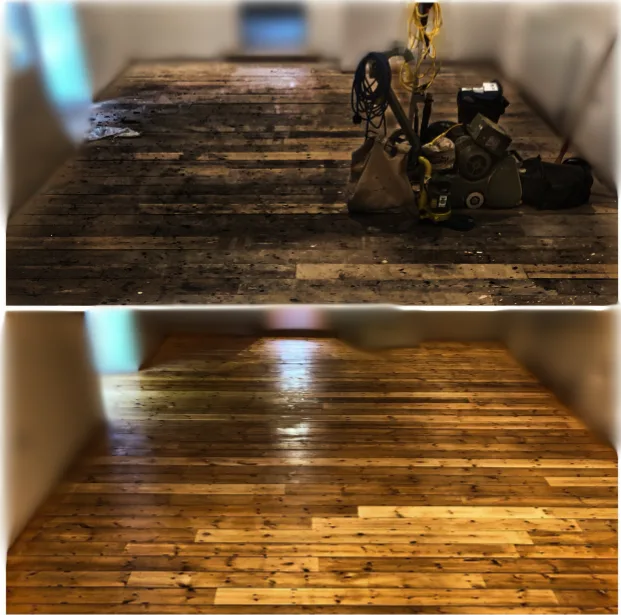
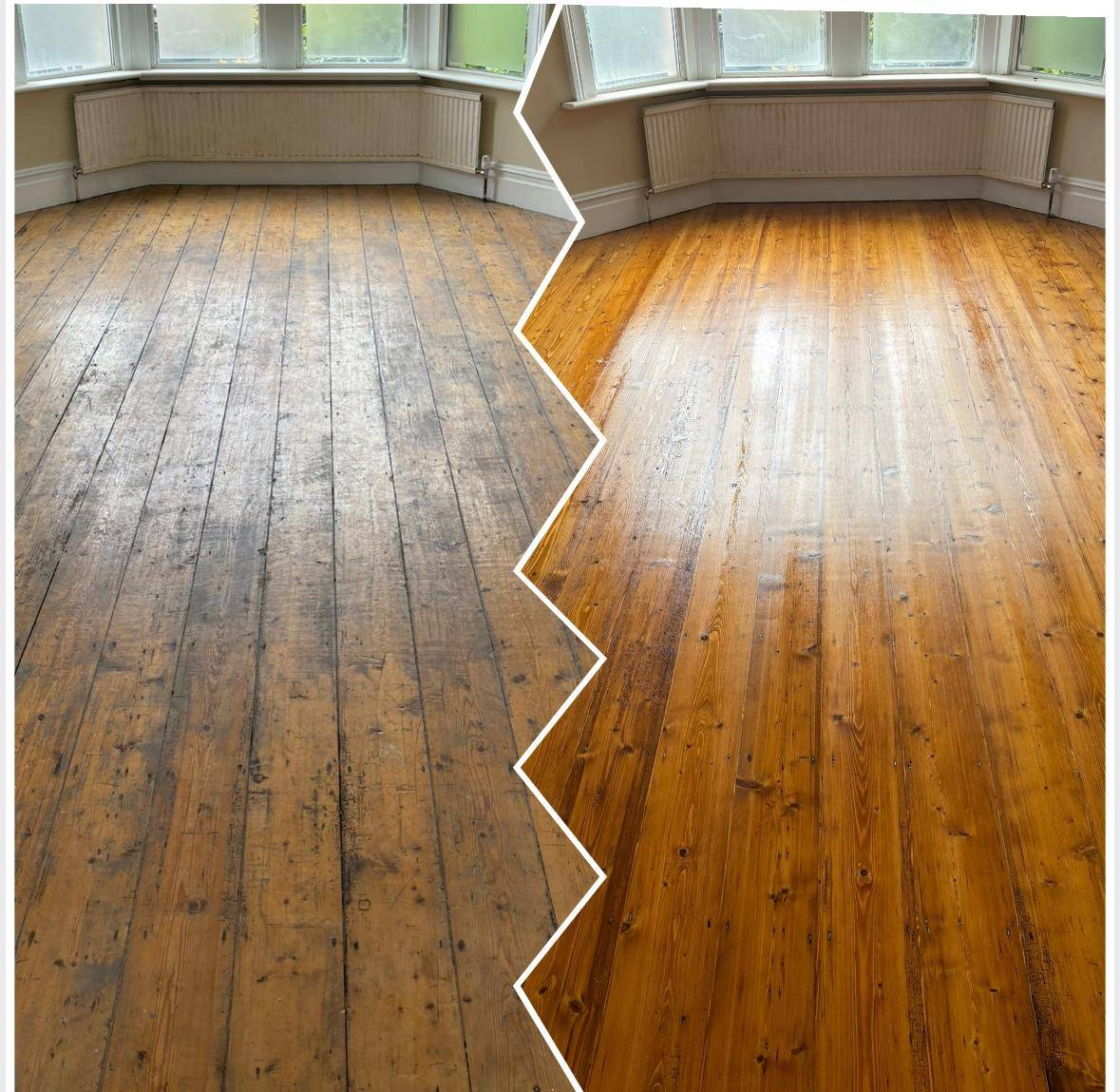
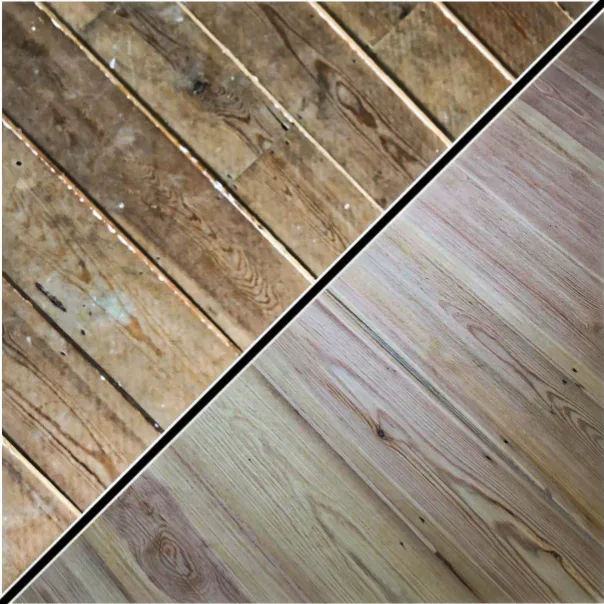
Floor sanding before and after

Floor Sanding in Liskeard and South East Cornwall

Liskeard grew rich on copper from the Caradon mines and the Victorian building boom left the town with better architecture than most Cornish market towns. Confident villas on Dean Street and Greenbank, a fine Guildhall and Public Hall, chapels on several corners, and terraces spreading out from the centre.

Those Victorian buildings hold excellent floors. Pitch pine and pine boards, well laid over sound joists, usually carpeted over sometime in the twentieth century rather than worn out. In the larger villas you often find an oak border in the principal reception room.

We cover Liskeard, Dobwalls, Menheniot, St Cleer, Darite, Pensilva, St Neot, Duloe, Herodsfoot and Merrymeet, plus Looe, Saltash, Callington and Bodmin.

Victorian Villas and Chapel Floors

The mining-boom villas are the backbone of what we do here. Pitch pine boards, dense and resinous, that take a deep honey colour under oil and wear extremely well once properly sealed.

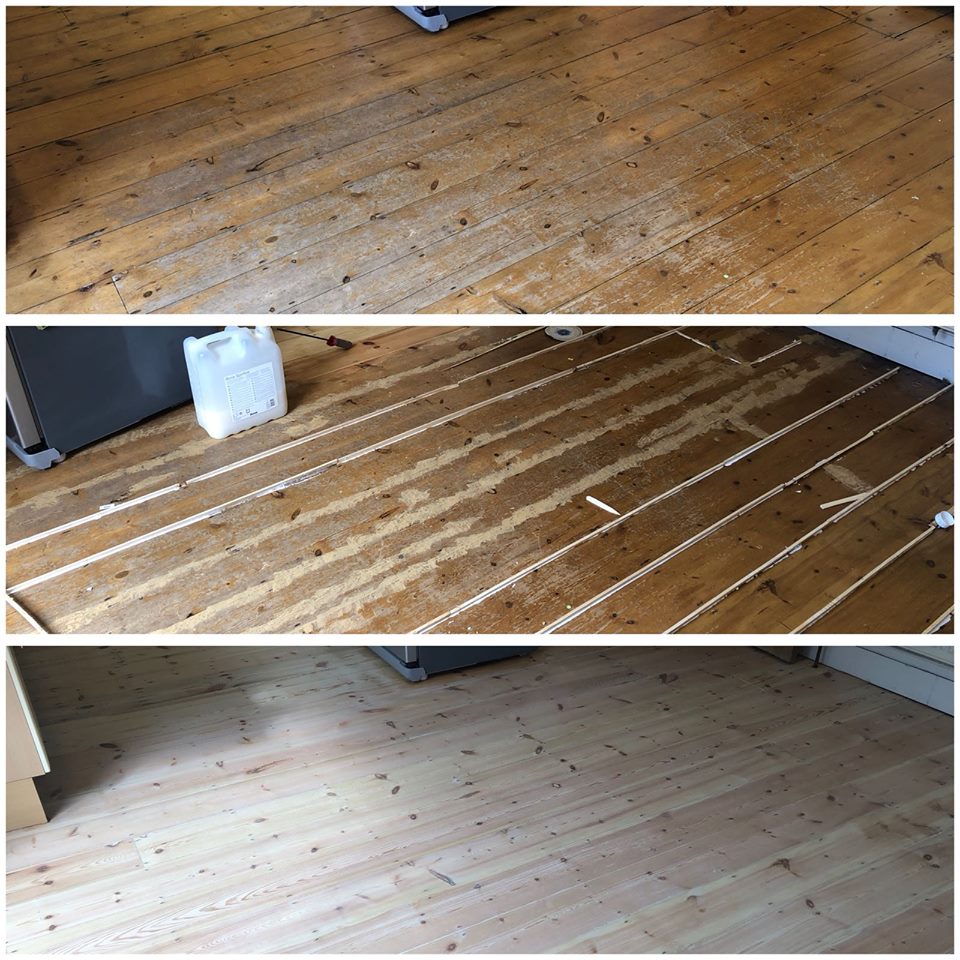
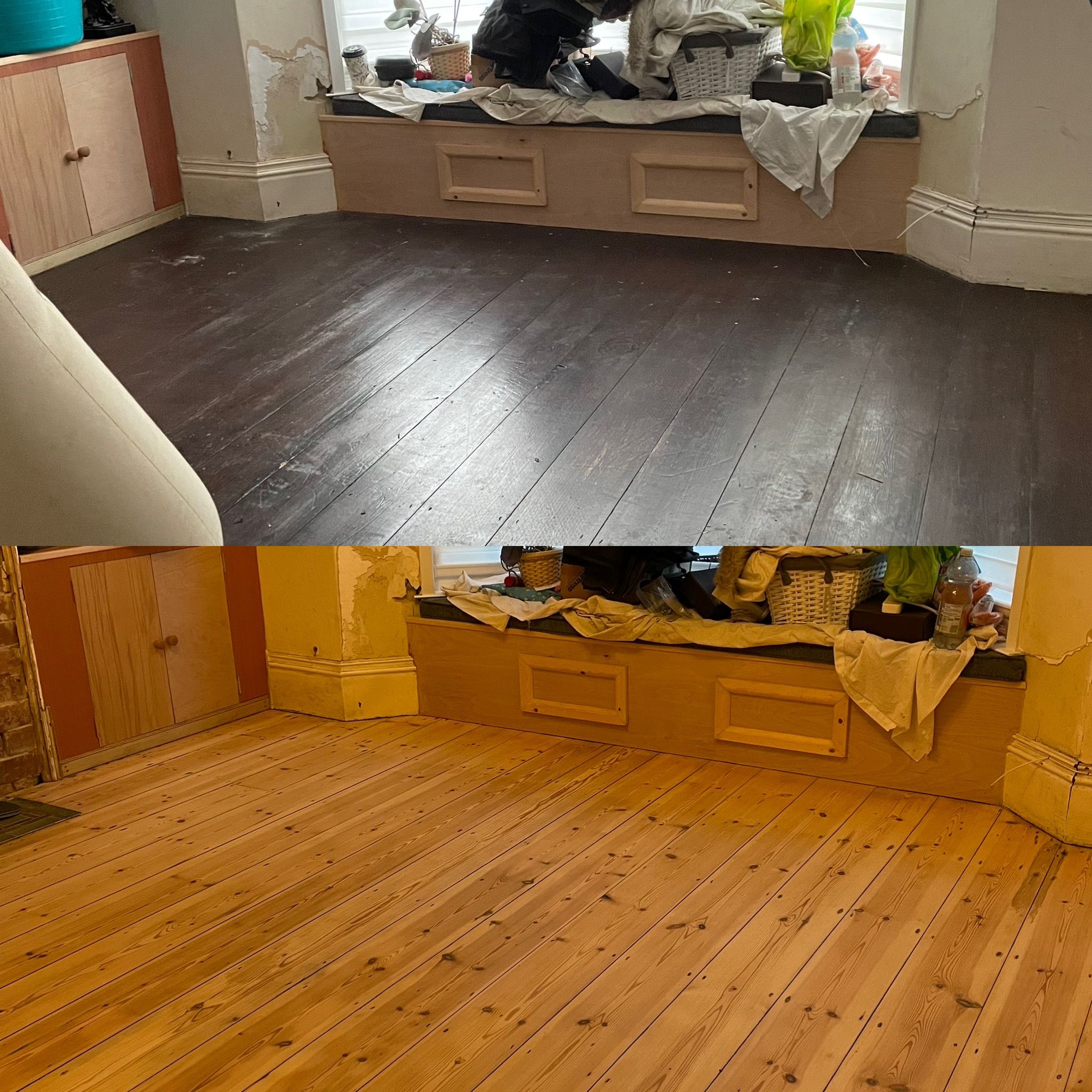
What we find under the carpet is gripper nail holes round the perimeter, staple holes across the middle, a darker rectangle where a rug sat for decades, and paint from a long-ago decorating job. Occasionally boards lifted for plumbing and refitted badly.

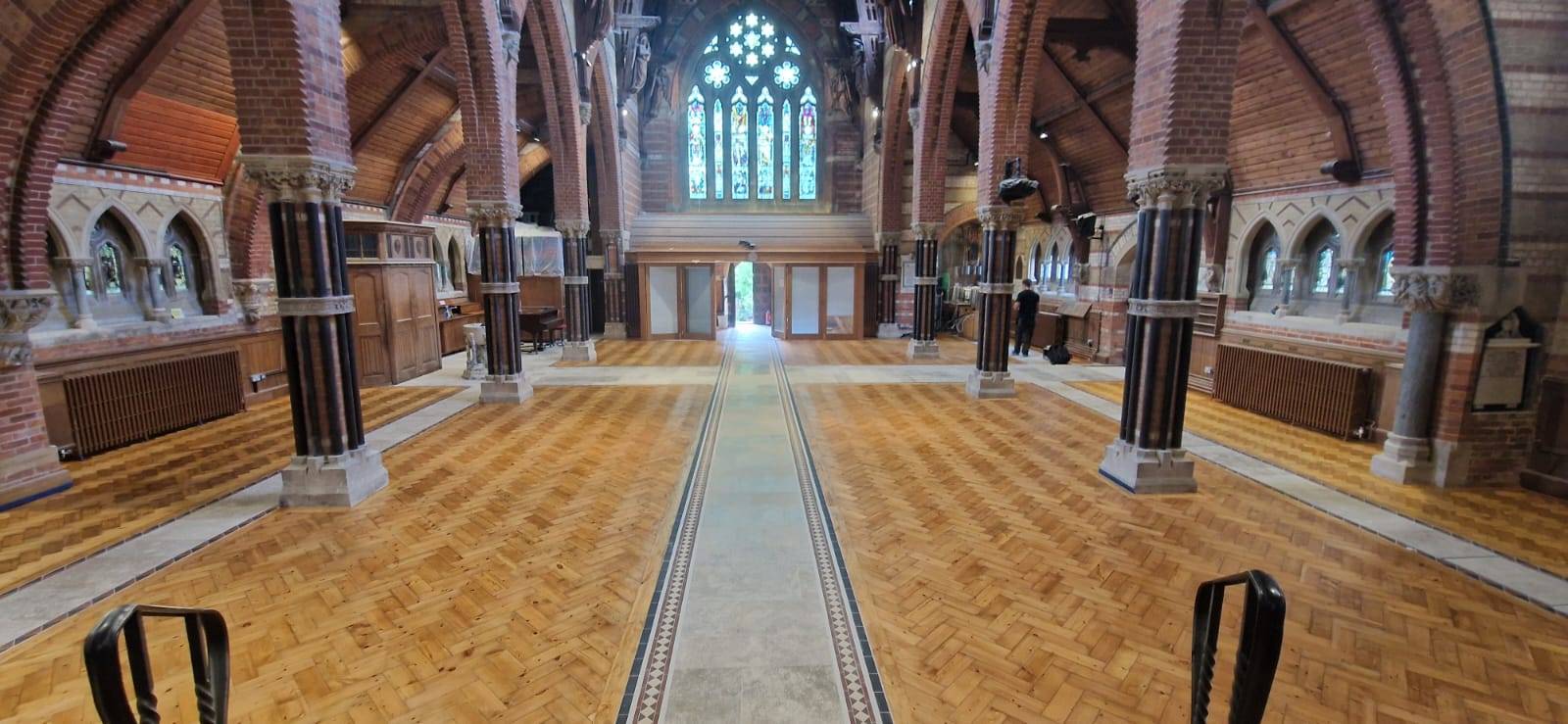
Chapel and public hall floors are a Liskeard speciality by necessity, and they restore beautifully. Original pitch pine, usually with bolt marks and colour changes where fixed pews or seating stood. We are honest before we start about what will disappear in the sanding and what will remain visible.

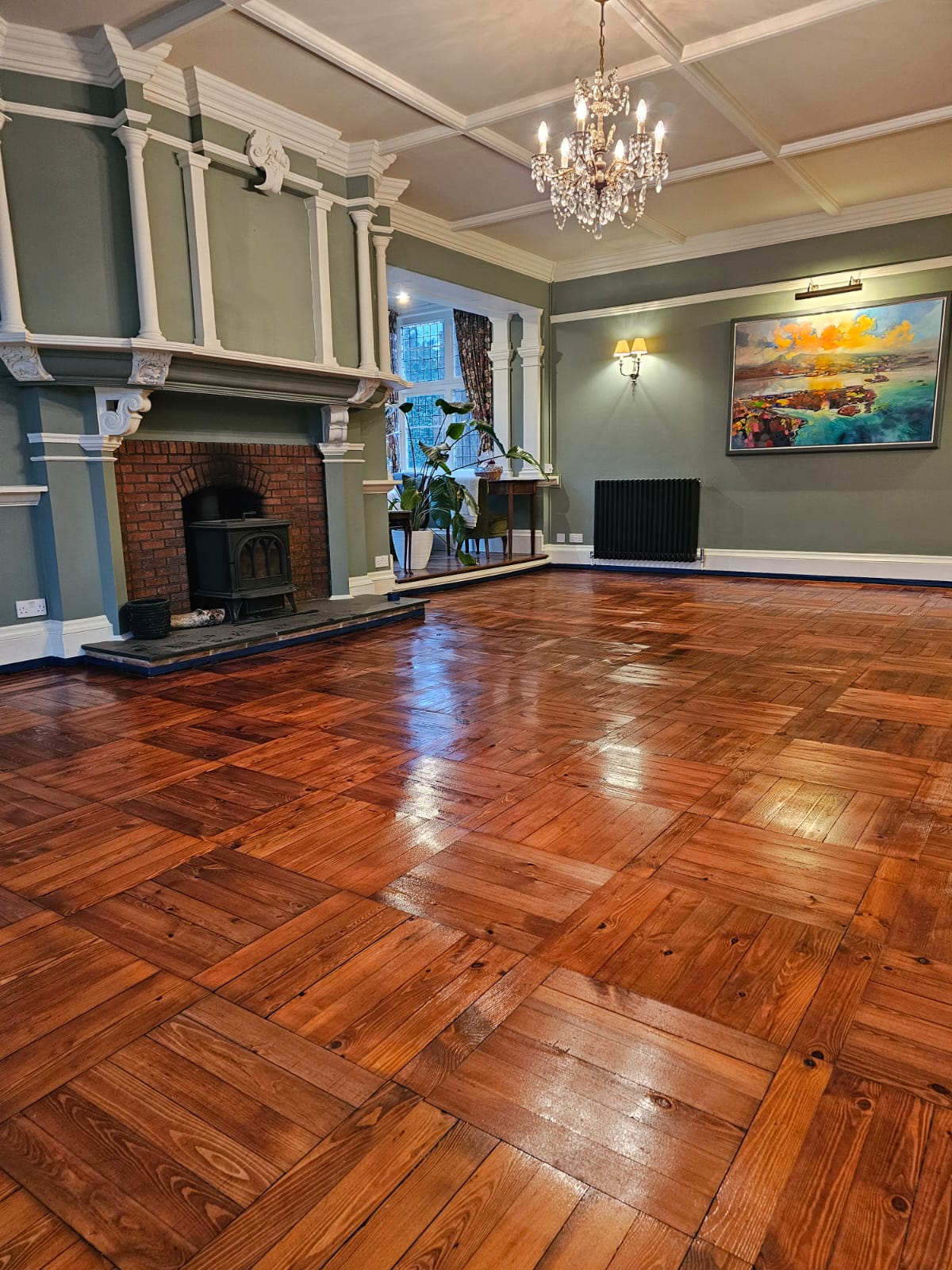
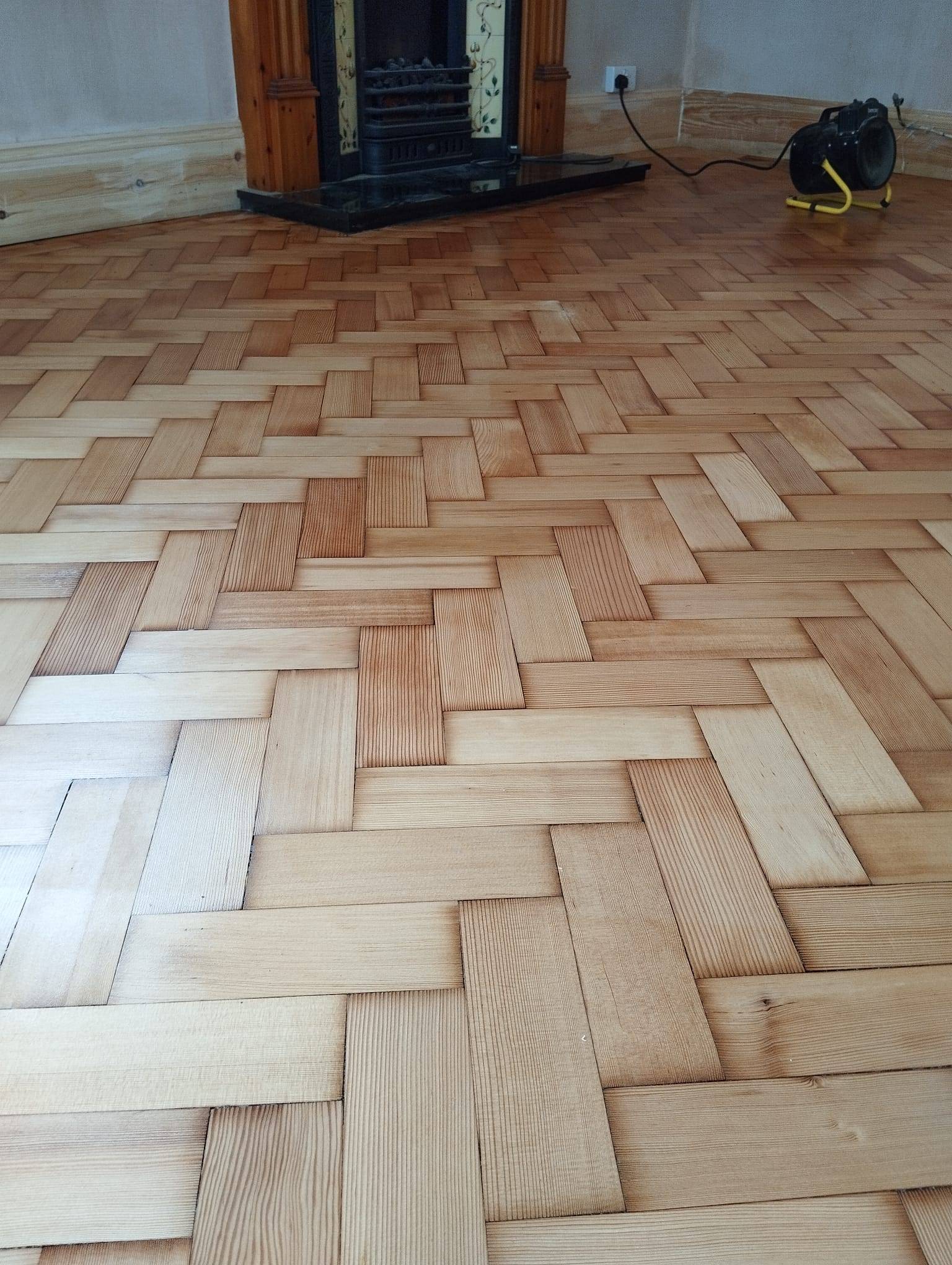
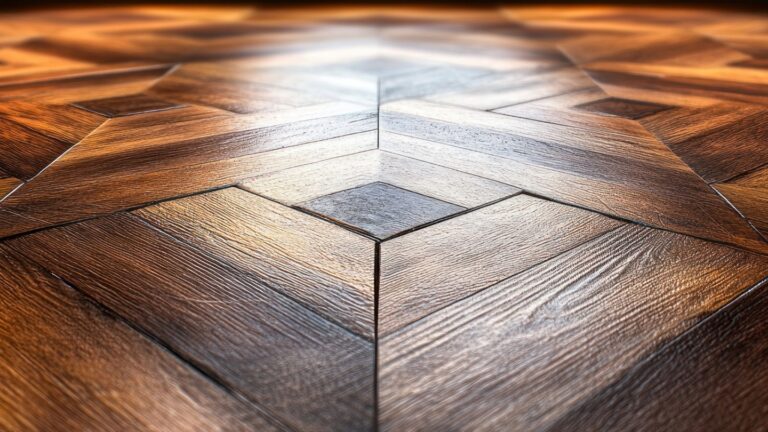
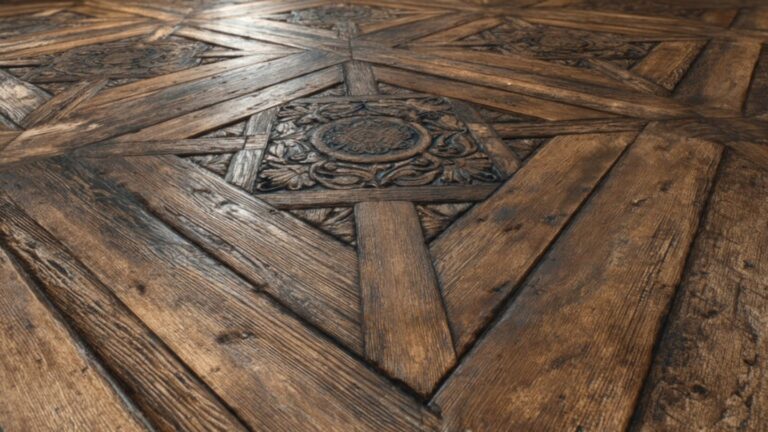
parquet wooden floor sanding
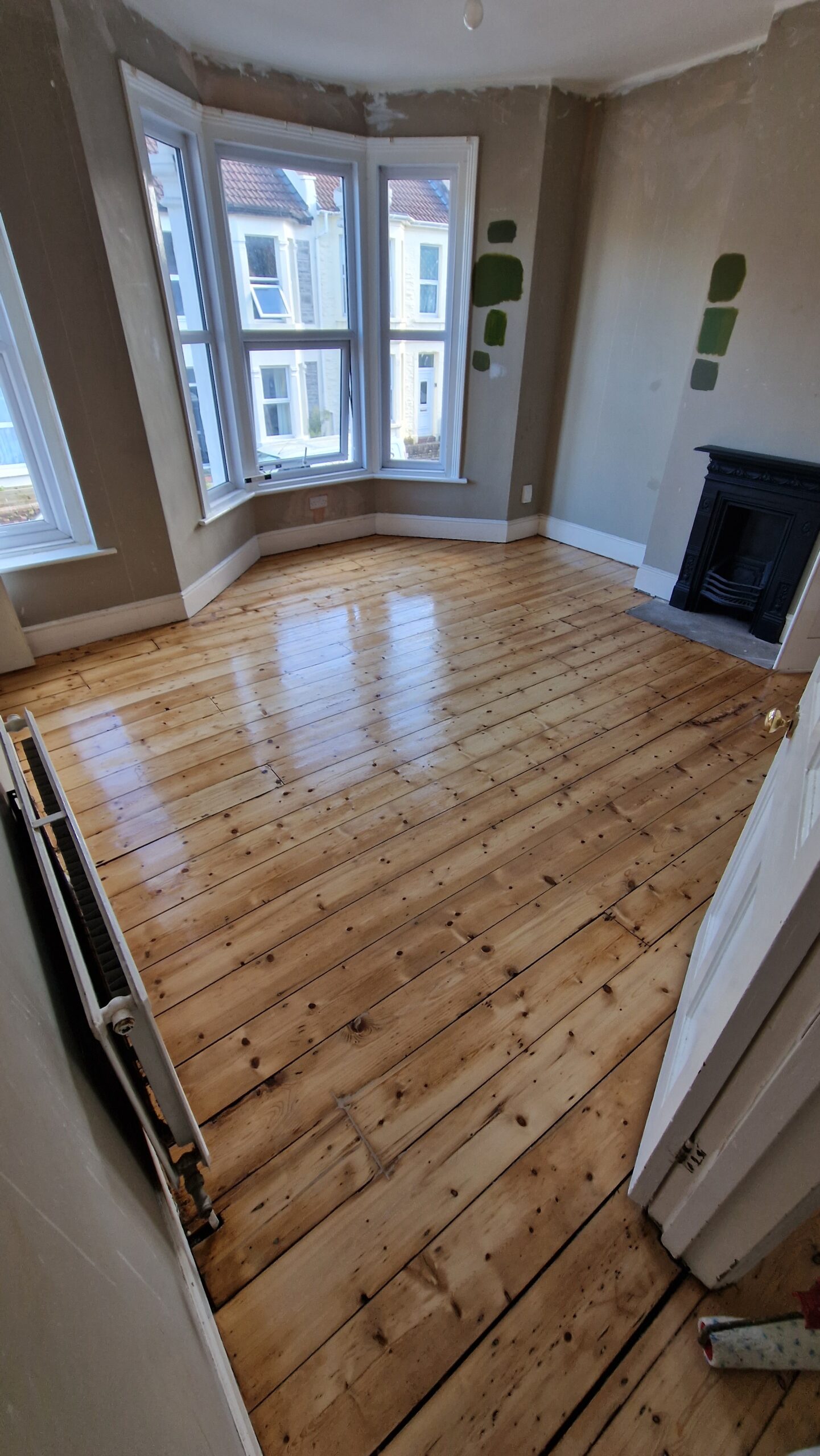
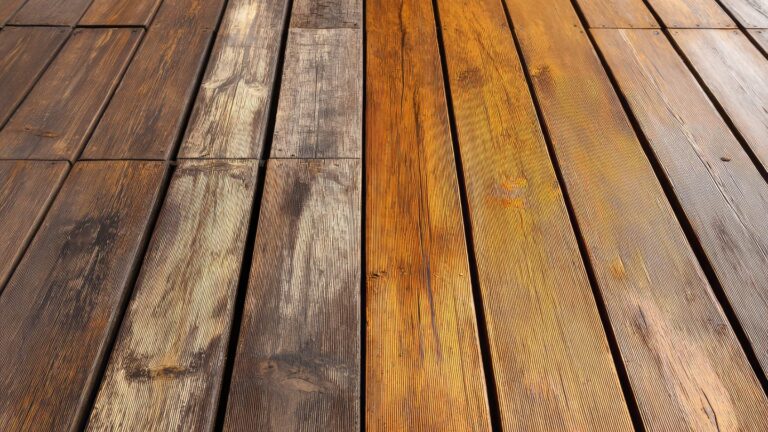
wooden floor sanding

Granite Ground, Rainfall and Damp

Liskeard sits on granite between the moor and the coast, in a genuinely wet part of the country. Sub-floor damp is a regular finding, particularly in the older property and anywhere the ground has been disturbed by mining.

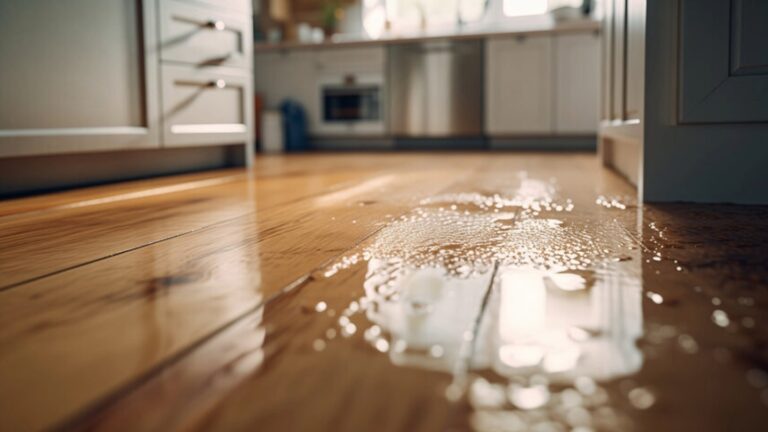
The symptoms are consistent: cupped boards near external walls, blown or milky finishes in the same band, and occasionally soft timber where a joist end bears into wet masonry.

The cause is almost always ventilation rather than a leak. Airbricks blocked by planting, rendered over or buried by a raised path, or a void concreted at some point in the last fifty years.

We take moisture readings before quoting and we will not sand a wet floor, because it will cup again and the finish will fail within a season. We tell you what needs fixing and come back when the readings are right.

Dust-Free Sanding

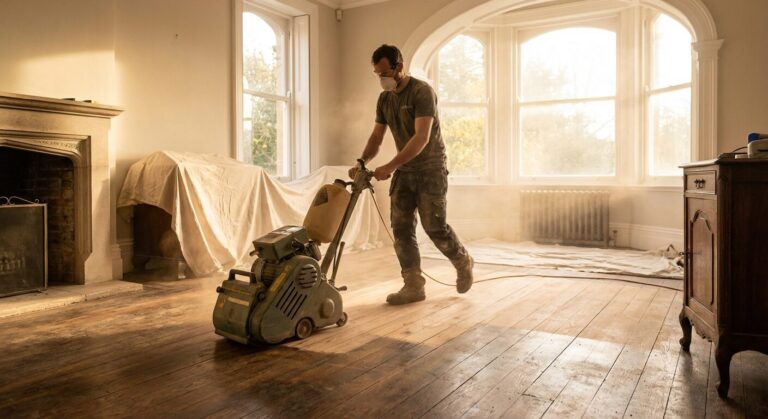
Our machines run to industrial extraction rather than the small cloth bags fitted to hire equipment, which captures the overwhelming majority of dust as it is created.

In a tall Victorian villa with an open stairwell that matters, because dust generated on the ground floor otherwise finds its way to the top landing and stays there.

We sheet doorways, protect what stays in the room and clean as we go. Almost everyone stays in the house while we work, and we plan the room order so there is always somewhere usable and a clear route through.

flooring sanding company

Commercial Floors Around Liskeard

We work for pubs, restaurants, cafes, hotels and shops in the town, plus chapels, churches, public and village halls, schools, colleges, nurseries, gyms, dance studios and sports halls across south east Cornwall.

Sports halls and dance floors are sanded back to clean timber, re-marked to the correct governing body specification for badminton, netball, basketball or five-a-side, then sealed with a proper sports system that holds grip rather than turning glassy.

Village and church halls we normally complete inside a single closed week. Pubs and restaurants are done overnight or on closed days with fast-cure sealers so you lose one service rather than several. School and college floors go into holiday windows booked a term or more ahead.

Finishes and Colour

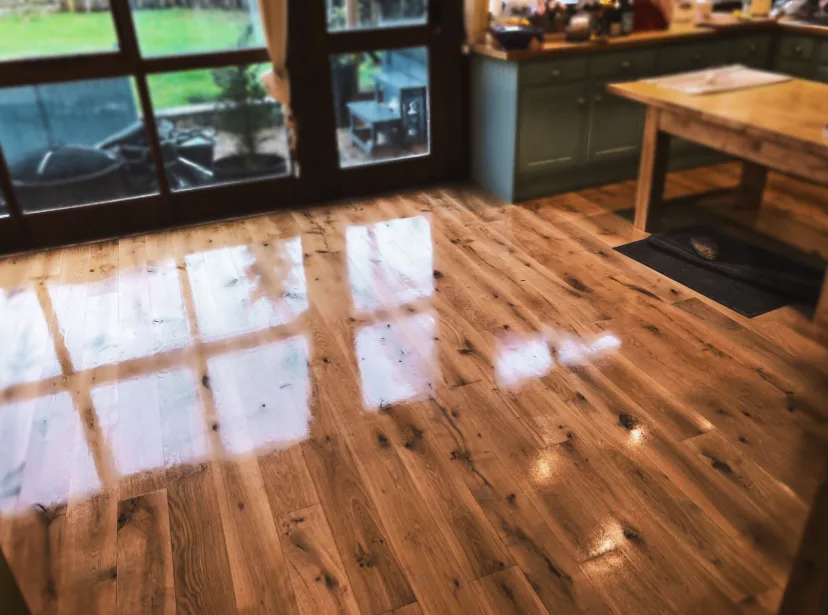
Hardwax oil is what we fit most in Liskeard houses. It penetrates the timber rather than forming a plastic film, keeps the grain visible, and a scuff in three years can be repaired in place rather than requiring a whole room to be redone.

Where a floor takes heavy traffic, a family hallway, a rental, a shop or a hall, a two-pack water-based lacquer is harder, cures faster and does not yellow with age.

Pitch pine changes character enormously between finishes, from pale honey under a clear lacquer to a deep amber under oil. We lay trial patches on your own boards and leave them a full day so you can judge the colour in your own light rather than from a sample card.

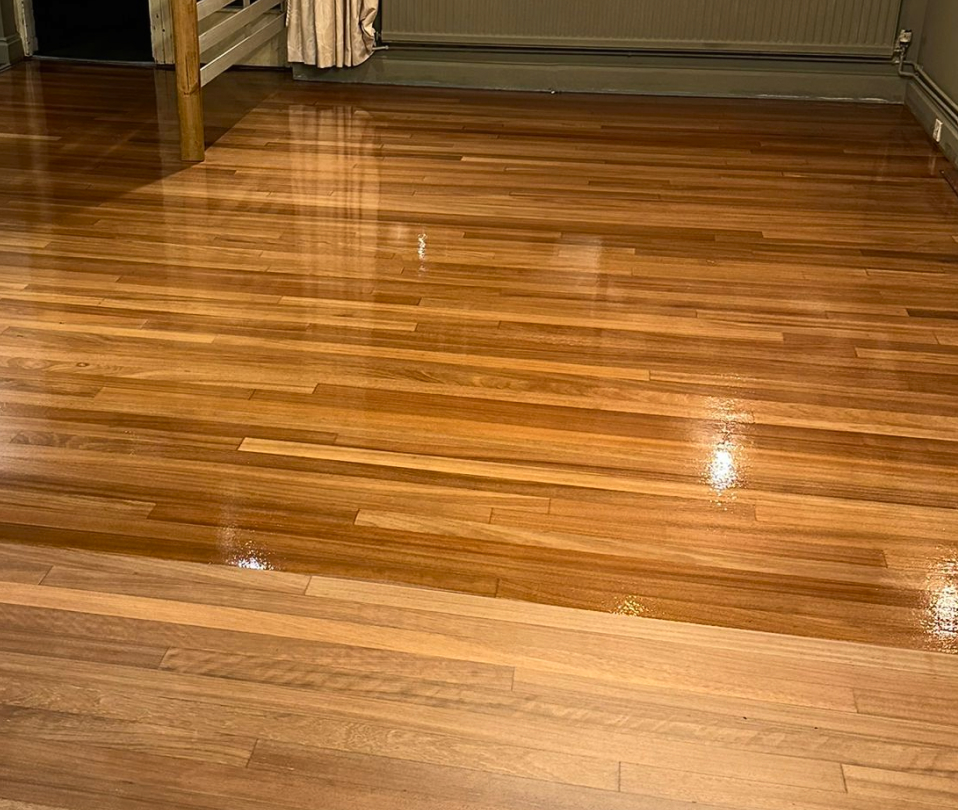
Wood floor sanding company
Floor sanding taunton

Costs, Timings and Booking

Sanding and sealing in Liskeard generally runs twenty-five to forty pounds a square metre. Parquet is forty to sixty because it is slower and normally needs block repairs. Stairs are priced per tread, and gap filling, board replacement and repairs are quoted line by line.

The survey is free and takes about half an hour. We measure the remaining timber, take moisture readings, check ventilation and tell you honestly what the floor needs, including when the answer is that it does not need doing yet.

Ring 01823 674562 or use the contact form. A wide photograph of the room and a close one of the worst area usually let us give you a realistic range before anyone travels.

Nearby areas we also cover: Bodmin, Callington, Saltash and Bude. There is a page for each, and the full list of towns is on our areas we cover page.

FAQ: Floor Sanding in Liskeard

Liskeard, Dobwalls, Menheniot, St Cleer, Darite, Pensilva, St Neot, Duloe, Herodsfoot and Merrymeet, plus Looe, Saltash, Callington and Bodmin.

Generally twenty-five to forty pounds a square metre for sanding and sealing, and forty to sixty for parquet. Stairs are per tread and repairs quoted separately. Survey and quote are free.

Usually pitch pine boards in good order, sometimes with an oak border in the principal reception room. Expect gripper and staple holes and a darker rectangle where a rug sat.

Yes, and they usually come up beautifully. Bolt marks and colour differences where fixed seating stood will not always vanish entirely, and we tell you honestly what to expect first.

Almost always moisture from a sub-floor void that has stopped breathing, usually because airbricks were blocked, rendered over or buried by a raised path.

We use industrial extraction which captures the great majority of dust at the machine. Not literally zero, but nothing like a hired drum sander.

A single room is around two days and a full downstairs three to four. Oil wants a day before light use and a week before rugs. Lacquer is quicker.

Hardwax oil brings out a deep honey colour and can be spot-repaired. A clear two-pack lacquer keeps it lighter and is tougher. We put trial patches down so you can see both.

Yes. In Victorian property we generally recommend timber slivers rather than resin, because the boards still move seasonally and slivers move with them.

Yes. Pubs, restaurants, cafes, hotels, shops, chapels, churches, public and village halls, schools, colleges, nurseries, gyms, dance studios and sports halls including line marking.

Ryan's Restoration
4.9
Based on 114 reviews
×
js_loader