45 years’ experience  ·  Rated 4.9 on Google  ·  Family-run, from our workshop near Wellington

45 years’ experience · Rated 4.9 on Google · Family-run

Floor Sanding and Wood Floor Restoration in Padstow

Padstow restaurant floors sanded between last orders and breakfast, hotel rooms phased around bookings, and harbour cottages restored with care.

QUICK QUOTATION

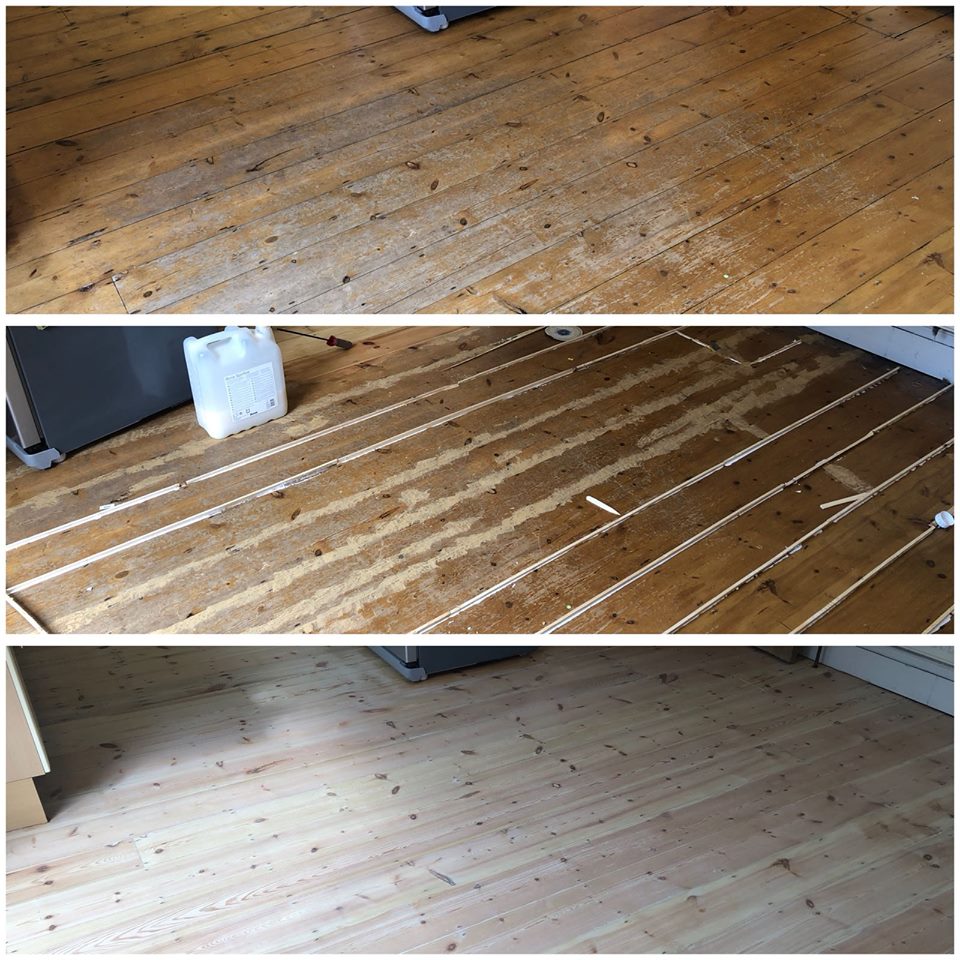
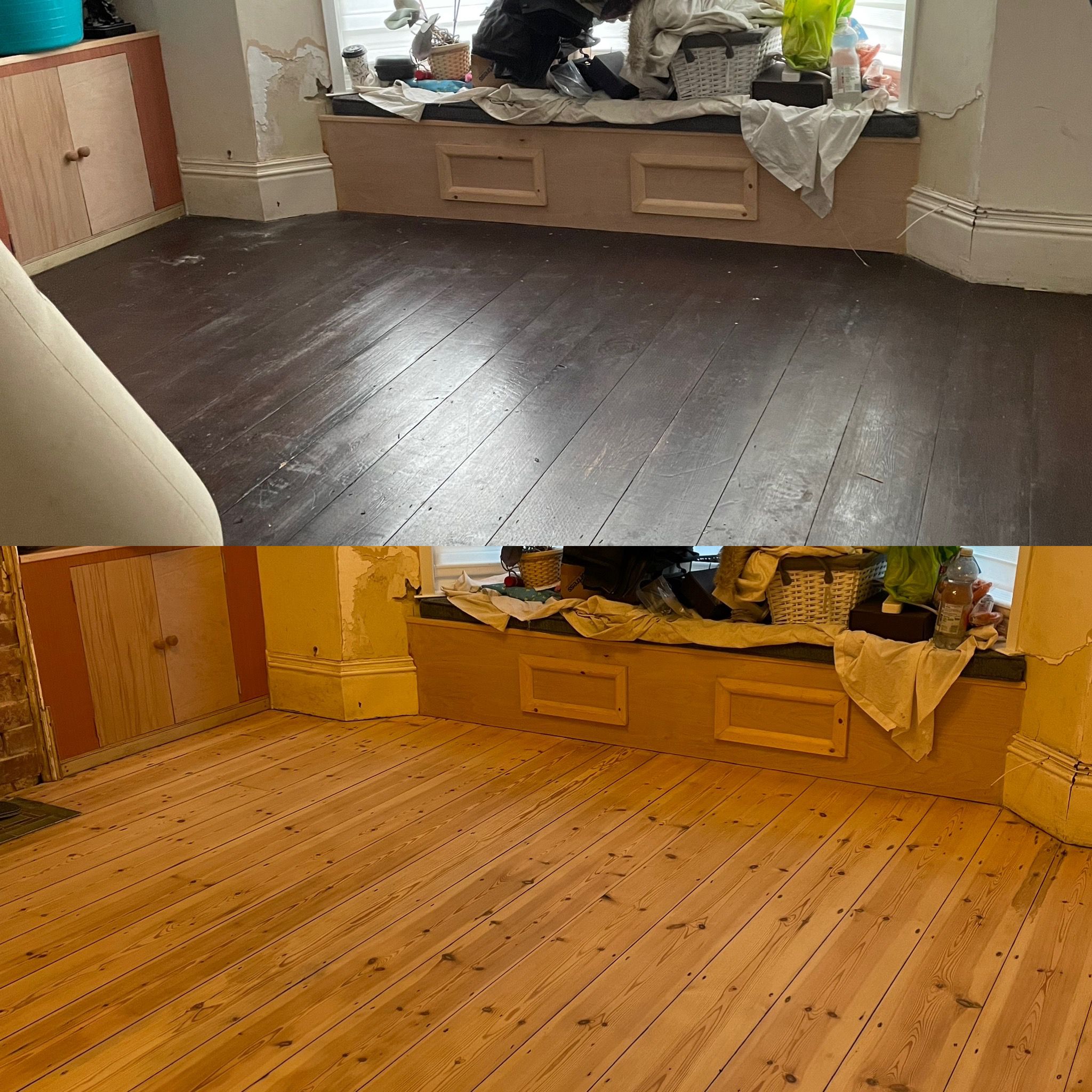
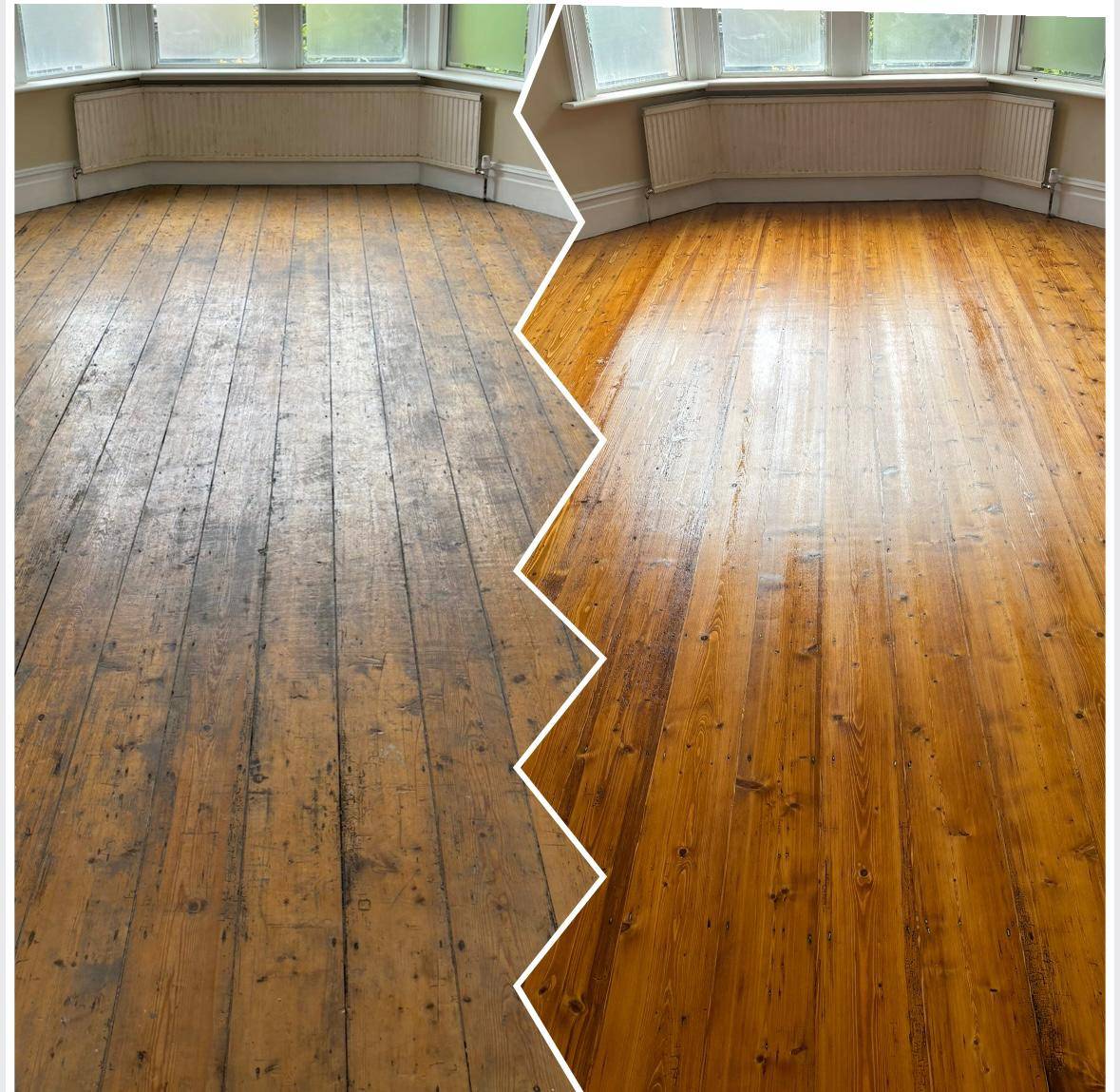
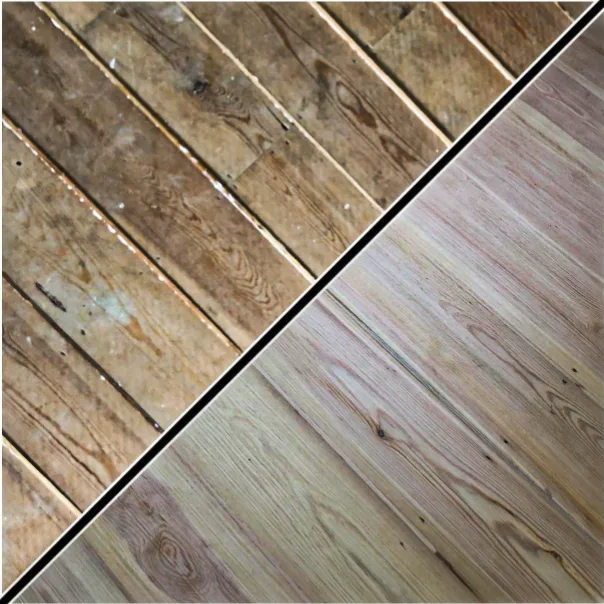
Floor sanding before and after

Floor Sanding in Padstow: Working Around a Town That Never Really Closes

Padstow lives on food and visitors. Through the season, dining rooms are full from lunch until late, guest rooms turn over every few days and the narrow lanes around the harbour are busy from breakfast onwards. Floors in that kind of town take a battering, and the owners of those floors rarely have a convenient week to hand them over. Most of what we do here is planned around that problem: how to get a floor sanded, repaired and finished without a business losing its trade.

Homes are part of the picture too. The older streets behind the quay are lined with stone and slate cottages, many of them now second homes or holiday lets, with pine boards upstairs and a mix of timber, slate and concrete downstairs. Larger Victorian and Edwardian houses up the hill have wider rooms and more generous joinery. A good share of those floors have been carpeted and recarpeted for decades and are waiting to be uncovered.

Whatever the building, sanding a wood floor properly follows the same logic. It starts with understanding the timber: species, thickness, fixings, any movement, any damp. The free survey covers that in about half an hour. In a restaurant the visit also maps the room in practical terms: where the bar and kitchen pass sit, which furniture is fixed, where the extraction hoses can run without crossing a fire exit, and which door the team can use at two in the morning.

For floor sanding in Padstow the sanders run through sealed extraction. In a dining room that matters twice over, because dust settling on glassware, banquettes and the kitchen pass means extra cleaning before service. The system collects nearly all of it, though not every particle, so it pays to close and tape the kitchen door while the machines are running. Low-dust floor sanding explains how the extraction works and what is still worth covering.

After that, it is a question of timing. Restaurants are usually sanded overnight. Hotels and guest houses are usually done in phases. Cottages and lets are often fitted around booking calendars. The sections below go through each.
Commercial Floor Sanding in Padstow: Overnight Work in Restaurants and Bars

The most common request we get from restaurant owners is simple: can the floor be done without losing a service? In most cases it can, but it takes careful planning, and the night itself runs to a tight timetable.

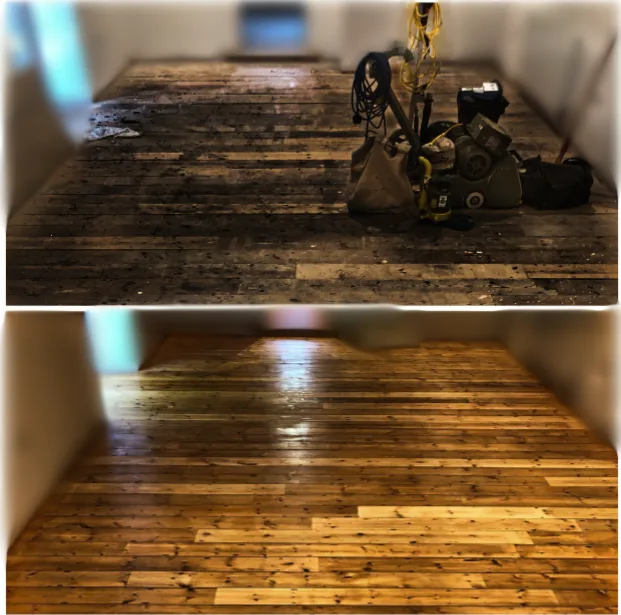
A typical overnight job starts once the last table has gone and the kitchen is cleaned down. Chairs and loose tables are cleared to a side room or stacked out of the way, and fixed seating is masked. The sanding begins with the coarse grit to take off the old, stained finish and level the worn lanes between the kitchen and the tables, followed by finer grits until the surface is smooth and even. Edges, the bar foot and around fixed banquettes are done with an edger and by hand. The floor is vacuumed, wiped and inspected under a raking light for any scratches left behind.

Then the finish goes on, and this is where the choice of product decides everything. A fast-curing two-component lacquer can be recoated within a few hours and is hard enough to walk on carefully by morning. Two or three coats are usually possible in one night if the room is warm and well ventilated. Tables can go back in time for lunch, ideally with fresh felt pads under every leg, and the floor continues to harden over the following days.

Our commercial floor sanding covers a range of premises, but for commercial floor sanding in Padstow most work is in food and hospitality. Restaurant floors face spilt wine and oil, constant mopping with strong cleaners and the scrape of chairs hundreds of times a night. Restaurant and bar floor sanding goes into the finishes that hold up to that, including grip near the kitchen door where floors are most likely to be wet.

Larger rooms may need two nights, and the work can be split so one half of the room is ready for service while the other is done the next night. Shops and galleries follow a similar approach after closing; see sanding shop floors.

The winter months are when most owners prefer to have the work done, and dates are agreed and held well in advance. A commercial floor will usually need a full sand again in four or five years. Hotel groups and restaurant landlords tend to want a method statement and proof of insurance before a contractor arrives at night, and both, together with references, can be sent ahead.

parquet wooden floor sanding
wooden floor sanding

Hotel and Guest House Floors: Phasing the Work Around Bookings

Hotels, inns and guest houses are a different planning problem. There is rarely a moment when the whole building is empty, and closing it for a week is seldom an option. The answer is phasing: dividing the work into blocks that can be done while the rest of the building carries on.

The usual approach is to work room by room or floor by floor. Two or three bedrooms are taken out of the booking system for a few days, sanded, repaired and finished, then returned once the finish has cured enough for furniture. The next group follows. With good planning, the hotel loses only a handful of room nights at any one time. Hotel floor sanding gives more detail on how this is organised.

Corridors and landings are the tricky part, because guests need them to reach their rooms. They are usually done overnight in sections, with a walkway left open, or on a quieter night when only a few rooms are occupied. Fast-curing finishes are essential. A broad main stair can be split down its length, with guests climbing the left-hand side while the right is coated, then swapping over.

Public rooms, such as a breakfast room, lounge or bar, follow the restaurant approach: overnight or on a quiet day. In smaller guest houses, the owners often prefer to do the whole building in the winter closure, if there is one.

Noise is part of the plan. Sanding machines are loud, so the schedule keeps the loudest work away from occupied rooms at night, and quieter tasks such as finishing coats and hand work are done when guests are nearby. Reception gets the timetable in advance, so a note can go into each guest’s welcome pack.

Finish choice matters too. Guest rooms take suitcases, wet towels and occasionally spilled drinks. For bedrooms, a hardened two-component coating at low sheen stands up to that treatment and keeps the scuffs left by wheeled cases from catching the eye. The lacquer families are compared further down this page.

Phasing also allows the owner to see the first rooms finished before committing to the rest. If the colour or sheen needs adjusting, it can be changed for later phases.

Wood Floor Restoration in Padstow Cottages and Holiday Homes

Away from the restaurants and hotels, much of the work in Padstow is in cottages and family homes, many of them let for part of the year. For wood floor restoration in Padstow, these older floors usually need repairs before they are sanded.

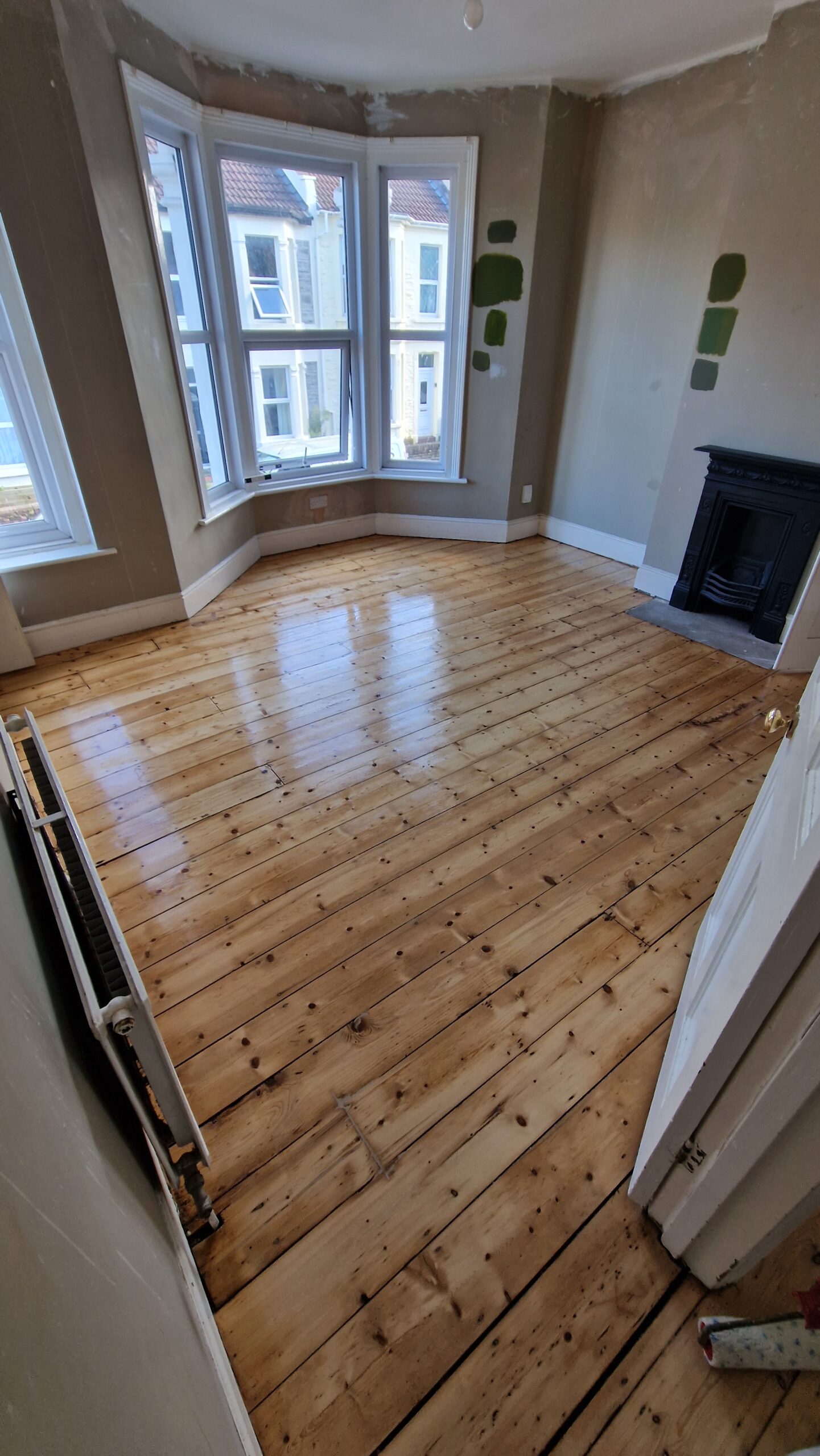
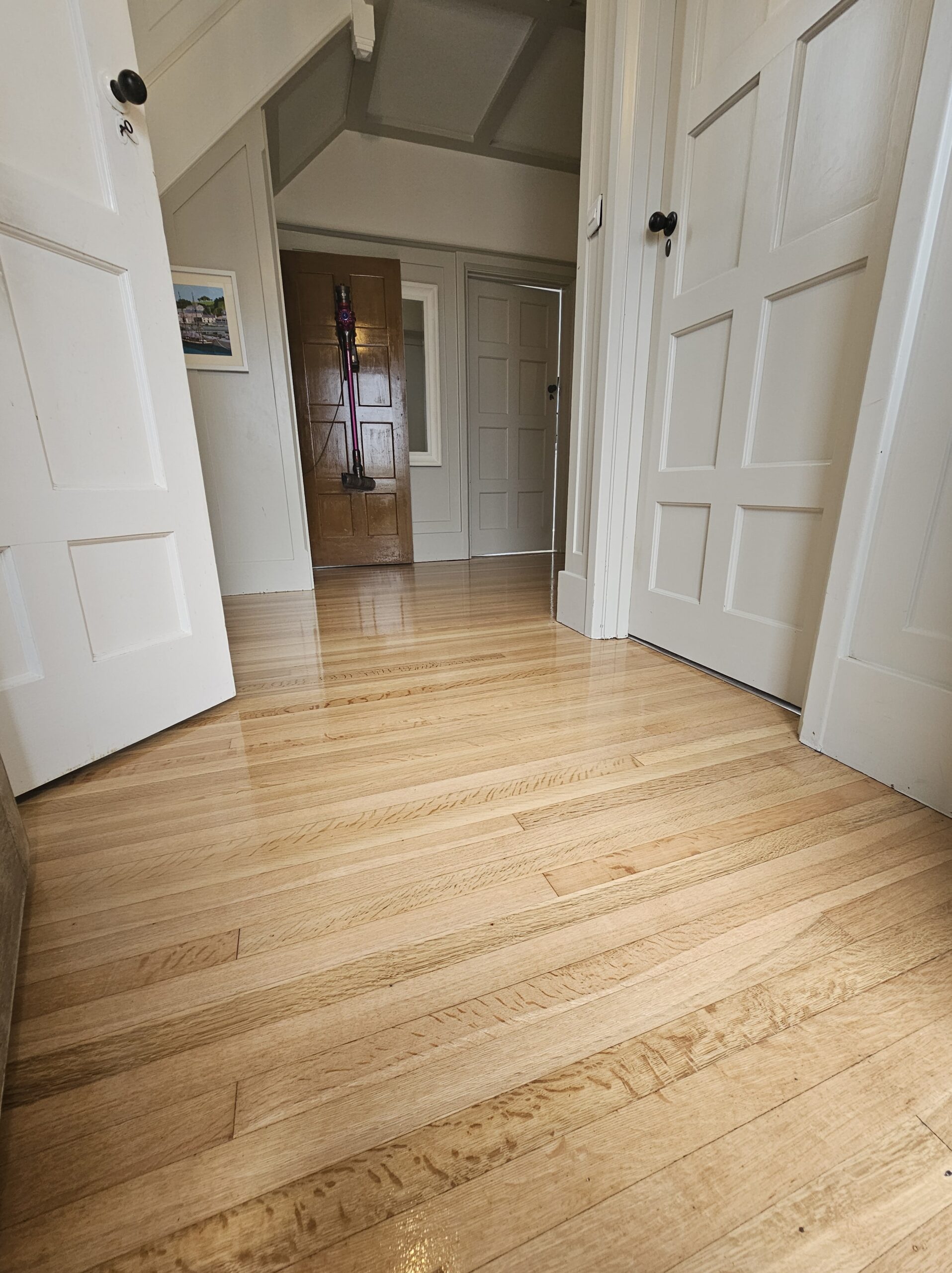
Pine is the most common floor in the older cottages. It has often been carpeted, painted around the edges or covered with hardboard, and it may have been patched with odd pieces of timber over the years. Pine floor restoration includes removing all of that, punching nails and dealing with any damaged boards. Oak is more common in larger houses and in floors laid during later renovations, and oak floor restoration generally focuses on colour, sheen and any localised damage.

Damaged or rotten boards are replaced with matching timber. Older cottages often have imperial board sizes, and reclaimed timber is the best way to match them. Floorboard replacement covers how each new board is fixed and blended. Loose and squeaky boards are screwed down to the joists before sanding, and squeaky floor repair explains the options.

Coastal houses see more moisture than inland ones, and boards move more through the year. Gaps open in winter and close in summer. Gap filling is usually best done with timber slivers in floors that move a lot, and resin filler in floors that are stable. Gouges from a dropped cast-iron doorstop or scorch marks by an old fireplace come under wood floor scratch repair, while a soft, rotten board end against a damp harbour-facing wall is a job for wooden floor repairs.

For holiday lets, the booking calendar sets the timetable. Most cottages need between one and three days on site, plus a short wait before the beds and sofas go back. That usually means working in a quieter part of the year or a longer gap between bookings. Wood floor restoration covers the whole process in more detail.

flooring sanding company
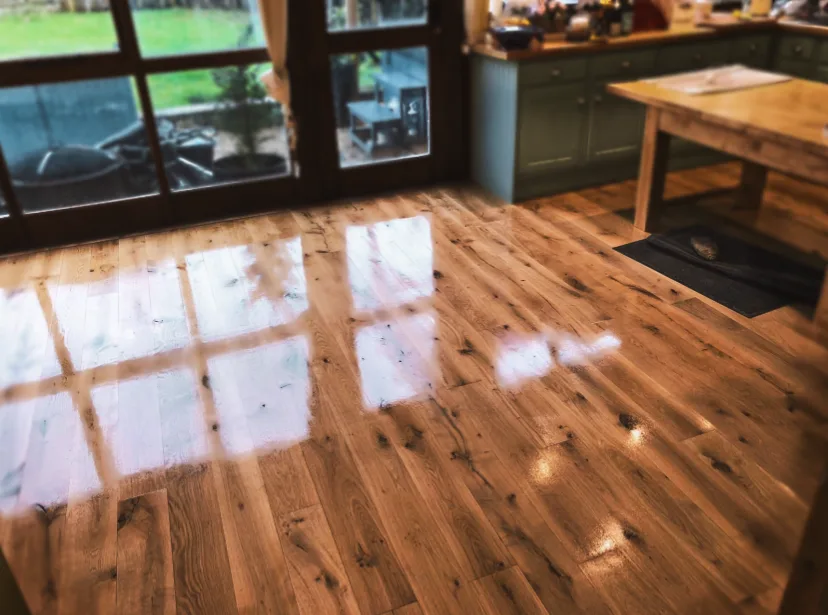
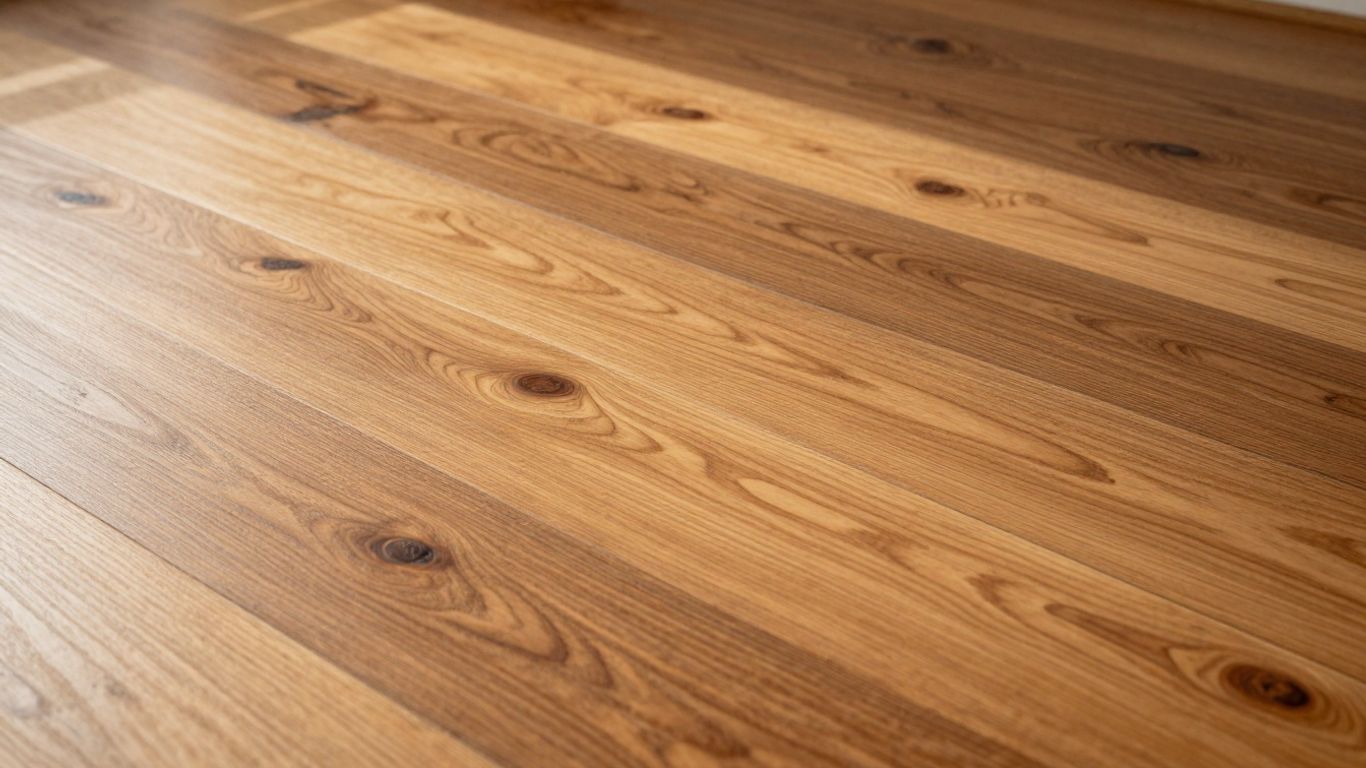
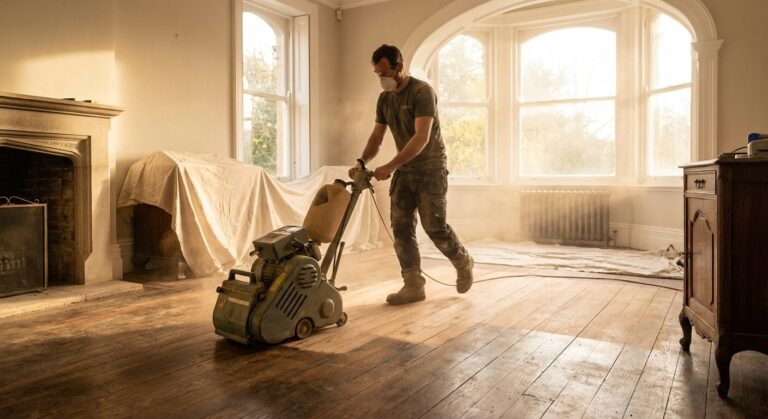
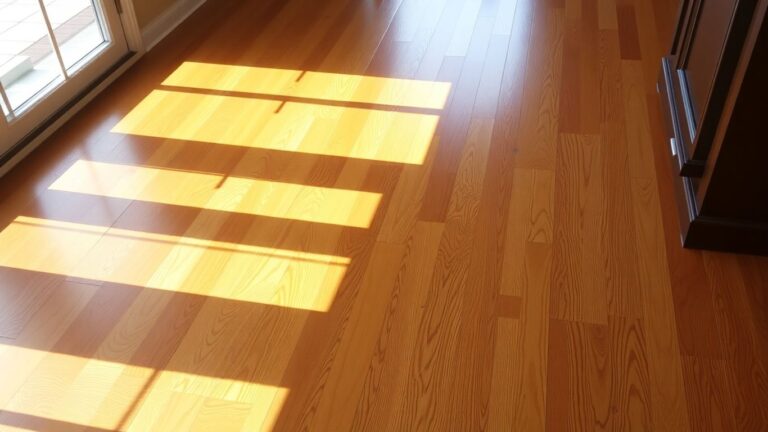
Sunlight across freshly lacquered wooden floorboards

Parquet Dining Rooms and Hotel Staircases

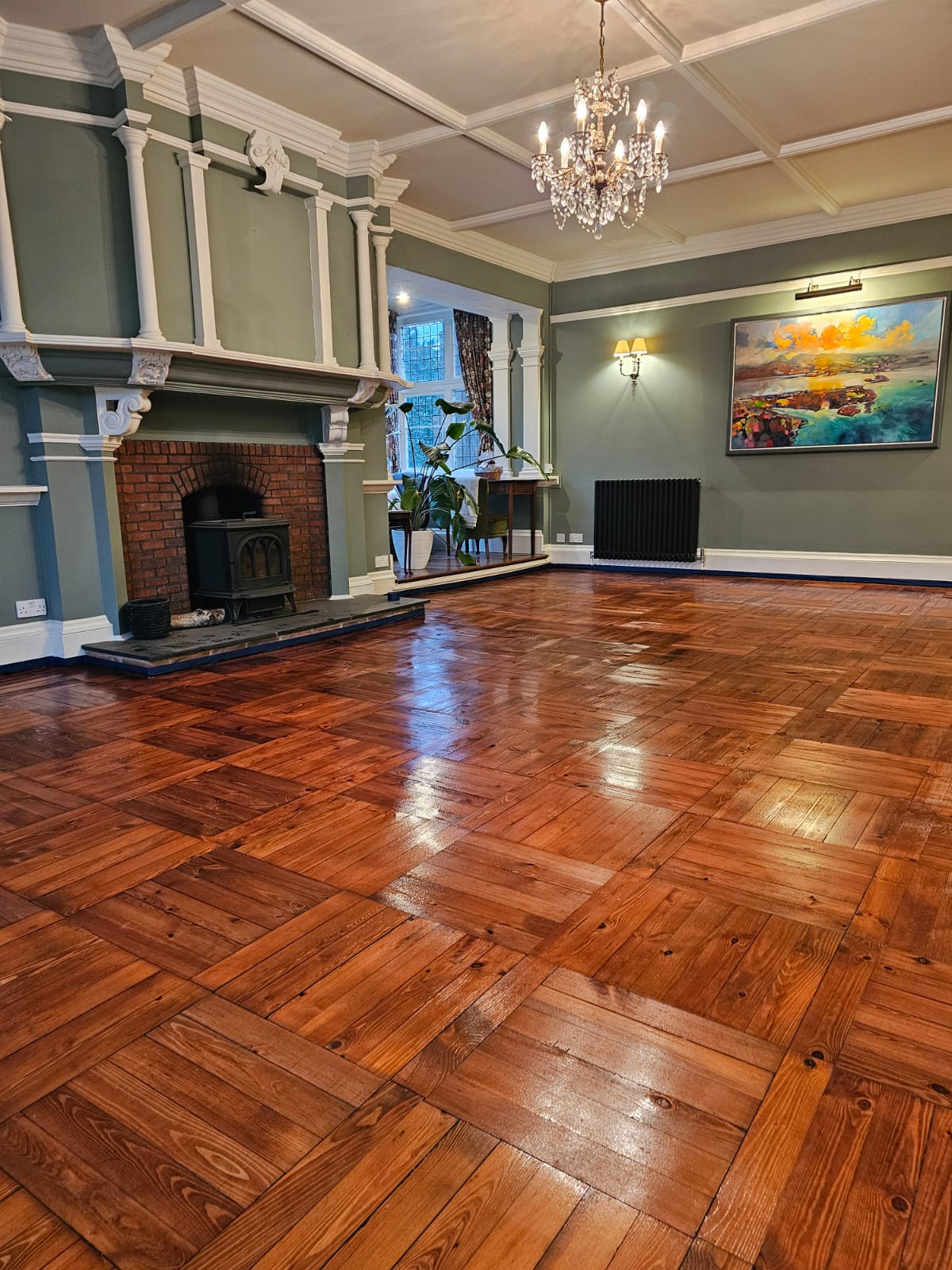
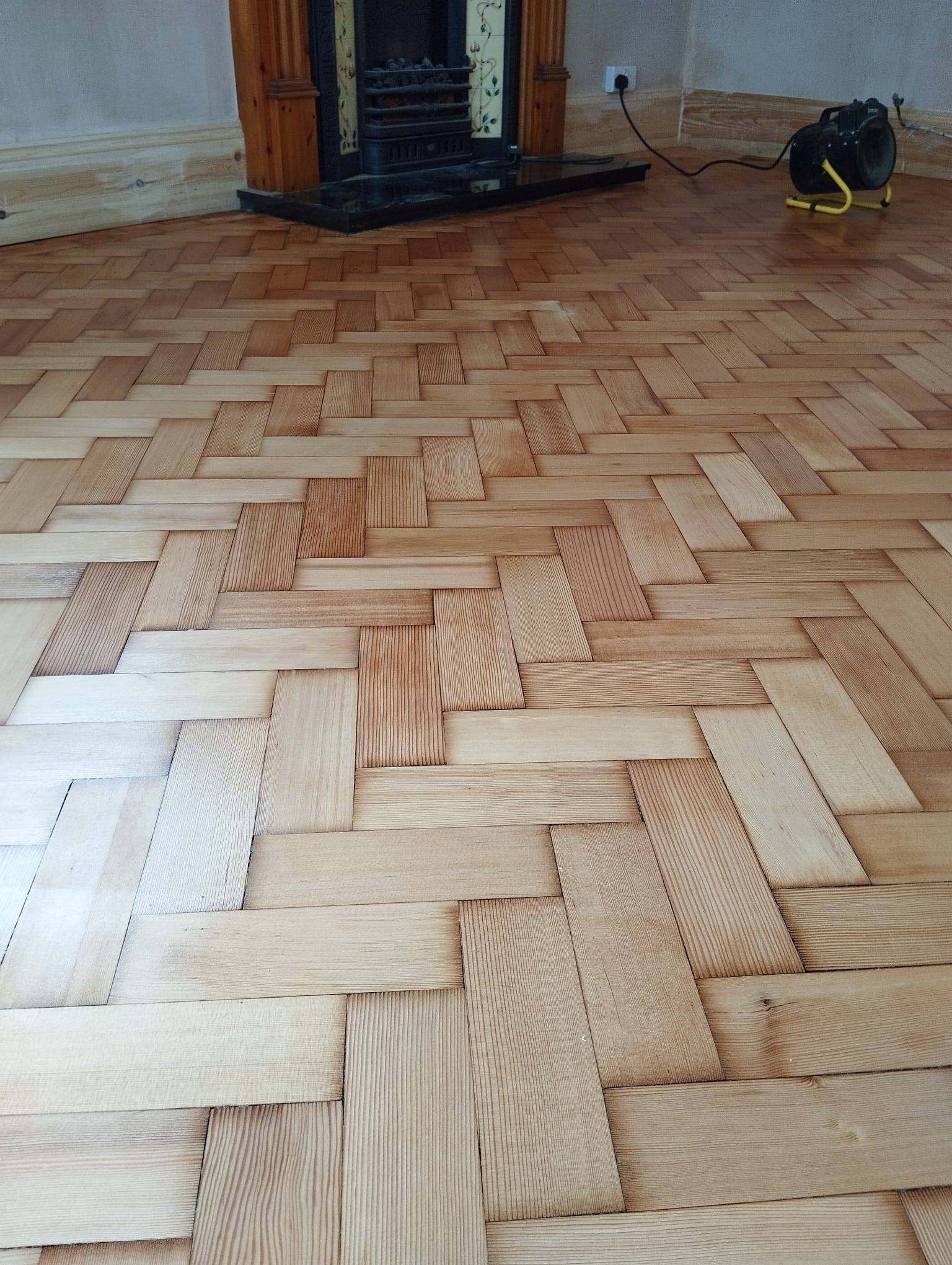
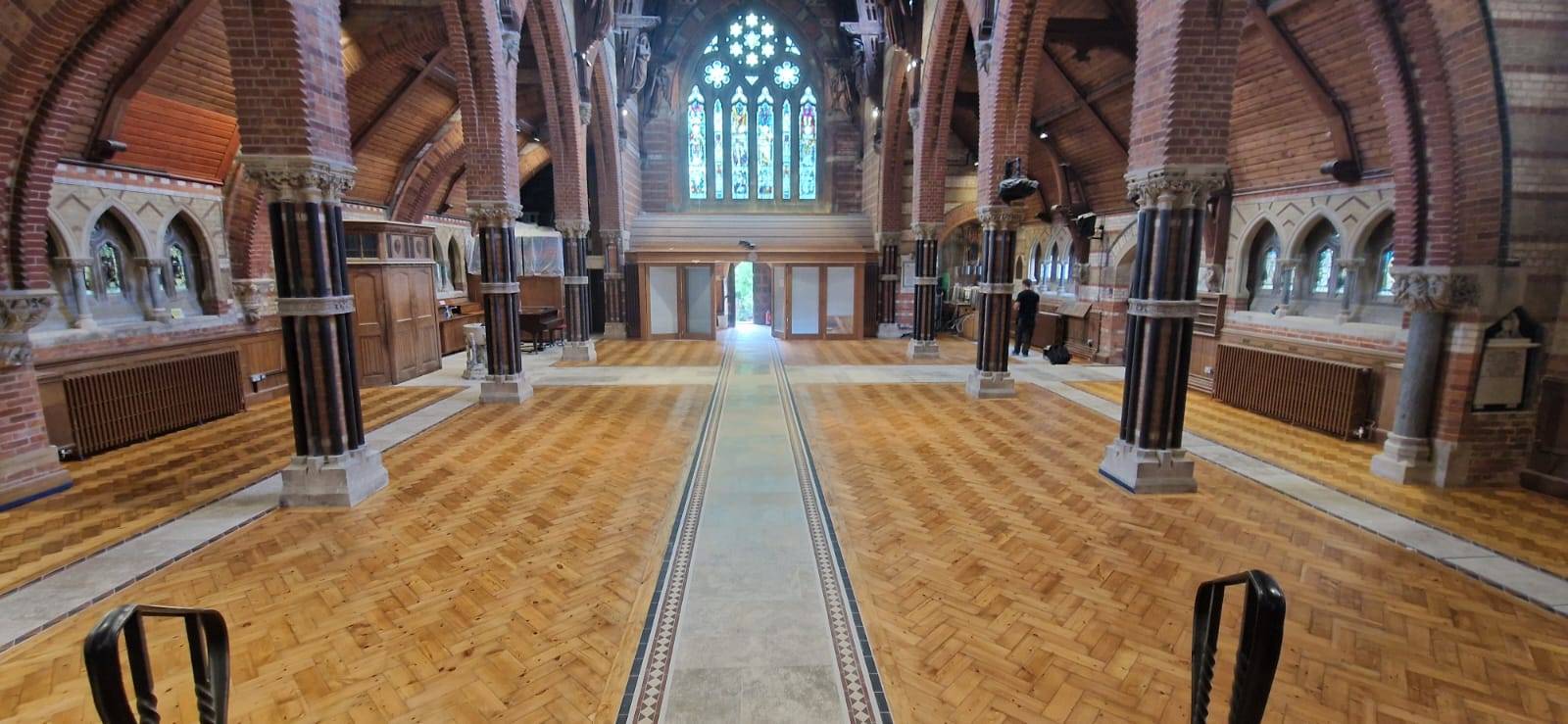
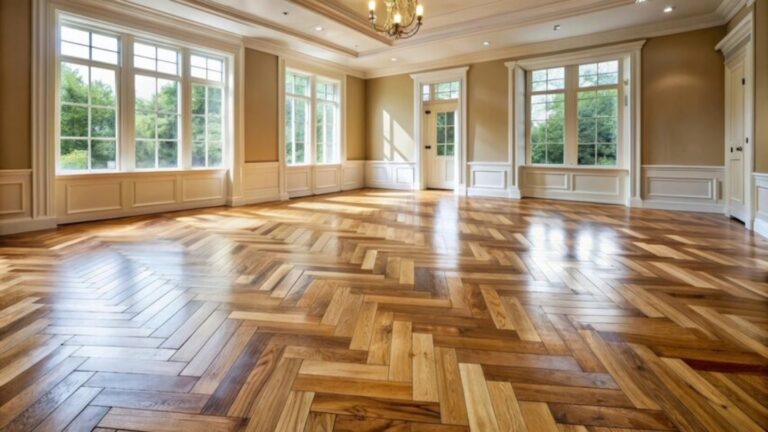
Woodblock floors in Padstow tend to belong to buildings with a past: an older hotel dining room, the lounge of a mid-century house up the hill, a restaurant that took over premises with a floor already in place. Under the tables it is usually herringbone parquet, which suits a dining room beautifully. It also takes punishment. Chairs are pushed back hundreds of times a night, servers walk the same line from the pass to the window tables, and the mop goes over it after every shift. Over time the bitumen beneath the blocks loses its grip, especially by doors and in corners where water from the mop collects.

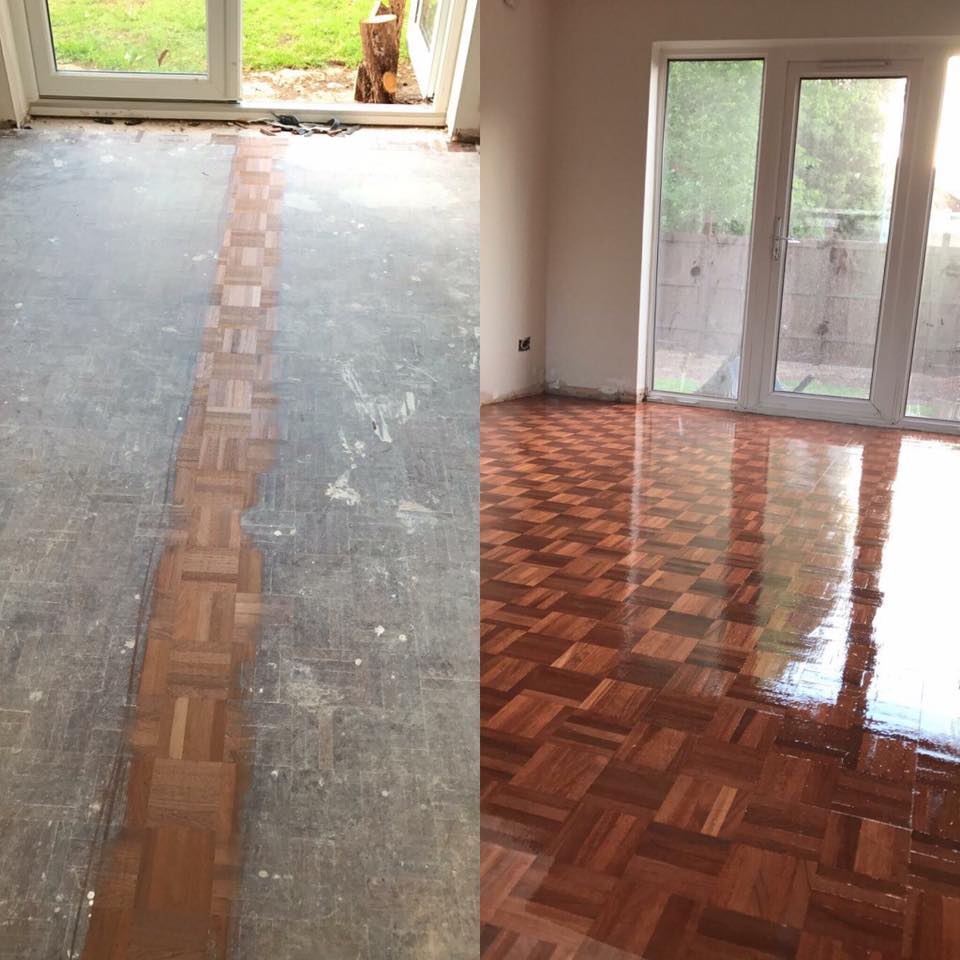
Before any sanding, the floor is tapped over block by block. A hollow note or a faint click means a block has come away. Those blocks come up one at a time; the crumbly tar is chipped off both block and subfloor, and each goes down again in fresh adhesive with a little give in it. Any that have split, or that a previous repair replaced with something unsuitable, are swapped for reclaimed blocks of the right species and size. The adhesive needs time to grab, so on a restaurant job this preparation is often done on one night and the sanding on the next.

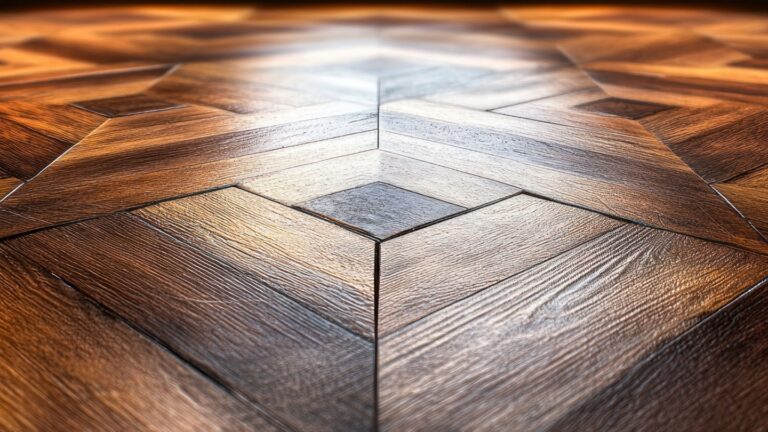
Sanding a pattern floor is slower than sanding boards because half the blocks always lie across the direction of travel. Early passes go diagonally across the herringbone; the final pass uses a multi-head sander whose discs spin in different directions and leave no straight scratch for the lacquer to highlight. Parquet floor sanding goes through that sequence.

Hotel staircases face a different kind of wear. Every guest arrives with luggage, and a hard-shell case bumped up twenty steps leaves its mark on every nosing. Small sanders and scrapers handle the treads, every nosing is shaped to match its neighbours, and painted handrails or spindles on an older hotel stair are tested for lead first. On a wide stair, one half can be done while guests use the other, then the sides swapped once the first has hardened. Stair sanding gives the detail.

A matt two-pack lacquer suits a hotel stair best: tough enough for wheels and heels, with a surface that feels secure under a guest coming down in socks.

Finishes for Kitchens, Dining Rooms and Seaside Homes

The finish is chosen after the survey, once the room, the timber and the way the space is used are all clear. In Padstow the choice usually falls into one of three camps.

For restaurants, bars and hotel public rooms, a two-component lacquer is almost always the answer. Once its hardener is mixed in, it cures into a film that resists wine, cooking oil, coffee and the strong detergents a commercial kitchen team uses at the end of the night. Fast-curing versions are what make overnight work possible at all. Choose a low sheen. Cutlery, trays and chair feet will mark any surface, and on a matt coat those marks melt into the background rather than flashing under the pendant lights. Close to the kitchen pass, where floors get wet, a product from a slip-resistant range is worth discussing. Wood floor sealing sets out the lacquer families.

For cottages and family homes, there is more room for preference. A one-pack water-based lacquer keeps oak pale and pine fresh, with little smell during application, which helps in a small cottage with the windows shut against the weather. An oil-based lacquer gives pine the honey colour many owners of older houses like. Hard wax oil and natural oils sink into the grain and leave a softer, more natural surface; their advantage in a let is that a worn patch by the door can be refreshed on its own. Wood floor oiling explains how they differ.

For quiet rooms with old boards, traditional wax still gives a lovely depth of colour, though it needs buffing and dislikes water. Waxing a wooden floor covers the routine.

Colour is the last decision. Pale, whitened finishes are popular in harbourside lets; deeper, warmer tones suit an older house or a restaurant with dark furniture. Any stain is tried first on a hidden area of your own floor. Wood floor staining explains why the same stain behaves differently on pine and oak.

Not every floor needs sanding at all. When the coat is whole but lacklustre, floor polishing or a quick abrade and topcoat, the gentlest wood floor refinishing there is, can revive a dining room overnight.

Wood floor sanding company
Floor sanding taunton

Aftercare, New Floors and Getting a Padstow Survey Booked

How soon the room can be used depends on whether it is a dining room or a home. After an overnight restaurant job, tables can go back for the next service, but the lacquer is still hardening for several days, so chairs need felt pads and the floor should be mopped lightly rather than soaked. A cottage is different: walk on it in socks next day, bring the beds and sofas back a couple of days after that, and leave the rugs rolled up for a week.

Sand is the main enemy of any floor near the harbour. It comes in on shoes, on dogs and in beach bags, and it scratches every type of finish. Generous mats inside each entrance trap most of it. In a restaurant, a long mat at the street door and another at the kitchen door are worth having. Night cleaners should vacuum first, then mop with a gentle wood cleaner instead of the kitchen degreaser, and the steam mop belongs on the tiled areas only.

In a family house the lacquer typically holds out for the better part of a decade. A restaurant floor needs it sooner. Either way, the moment the walkways look tired is the moment to call, because buffing and a maintenance coat at that stage restores the surface in a day and saves timber.

Some floors cannot be saved: boards worn too thin, engineered floors with no wear layer left, or a refit that calls for something new. Replacement boards can be laid by our own team or dropped off for the shopfitter handling a refurbishment; for a hotel refit, Junkers and Bona boards are two of the options. New wooden floor installation explains the options.

Restaurant and hotel managers often find it easiest to snap the dining room after close, plus one close-up of the worst lane, and upload both through the contact page or email info@ryansrestoration.co.uk. Calls to 01823 674562 are answered between 8am and 6pm, Monday to Friday. Saturday visits can be arranged. The business is family-run from near Wellington in Somerset, and the harbour towns of North Cornwall are a regular part of the working week. After the free visit you get each element of the job listed in writing, and the figure only changes if the job does. For a restaurant or hotel, that survey is also when dates are pencilled in.

For other Cornish towns, see floor sanding in Cornwall, or floor sanding in Wadebridge up the estuary.

Padstow Floor Sanding Questions

In most cases, yes. The work starts after the last tables have gone and uses fast-curing two-pack lacquer, so the floor can be walked on carefully by the morning. Larger rooms can be split across two nights. Tables go back with fresh felt pads, and the finish continues to harden over the following days.

By phasing. A few rooms at a time are taken out of use, sanded and finished, then returned before the next group is started. Corridors are done overnight in sections, leaving a walkway. Noisy work is kept away from occupied rooms at night. The plan, including which rooms go first and how many are out of use at once, is agreed in advance with the owner so bookings can be managed around it.

A two-pack lacquer is usually best because it resists wine, oil, cleaning chemicals and heavy traffic. Fast-curing versions allow overnight work. Near the kitchen pass and entrances, a slip-resistant finish can improve grip. Go for matt, which keeps the inevitable chair and tray marks discreet through a long season.

Often, if the gap is long enough. A cottage is normally finished within one to three days, after which beds, sofas and suitcases need to wait a little while longer. It is usually easier to plan the work in a quieter part of the year or a longer gap between bookings, so the finish has a little extra time to harden before the first guests arrive.

Usually. Rattling blocks are taken up, scraped free of their old tar bed and stuck down again with a modern adhesive. Where a block is missing altogether, a reclaimed one of the same species takes its place. The floor is then sanded diagonally to the pattern and finished. For a dining room, that is a couple of nights’ work rather than the disruption of a new floor.

Sanding machines are loud, which is why restaurants are done after closing and hotel work is phased to keep the noisiest tasks away from occupied rooms at night. Finishing coats and hand work are quieter and can be done when guests are nearby. With the schedule agreed in advance, owners can warn guests about the noisier evenings.

Plan on a full sand roughly every fourth or fifth winter for a busy dining room. A topcoat applied while the lanes are only dull, not bare, buys extra seasons. Homes usually go eight to ten years. Good mats at the street and kitchen doors and felt pads under every chair make a big difference to how long the floor lasts between full sands.

Ring on a weekday or email a couple of pictures of the room and its worst patch. A visit can be set for a quiet afternoon between services or whenever suits the household, and the quotation follows in writing. Padstow and the surrounding coast are part of our regular area, so arranging a visit is straightforward.