45 years’ experience  ·  Rated 4.9 on Google  ·  Family-run, from our workshop near Wellington

45 years’ experience · Rated 4.9 on Google · Family-run

Floor Sanding and Wood Floor Restoration in Wadebridge

Shop floors worn by trolleys and footfall, draughty gaps in Wadebridge town houses, and boards sanded and sealed to cope with both.

QUICK QUOTATION

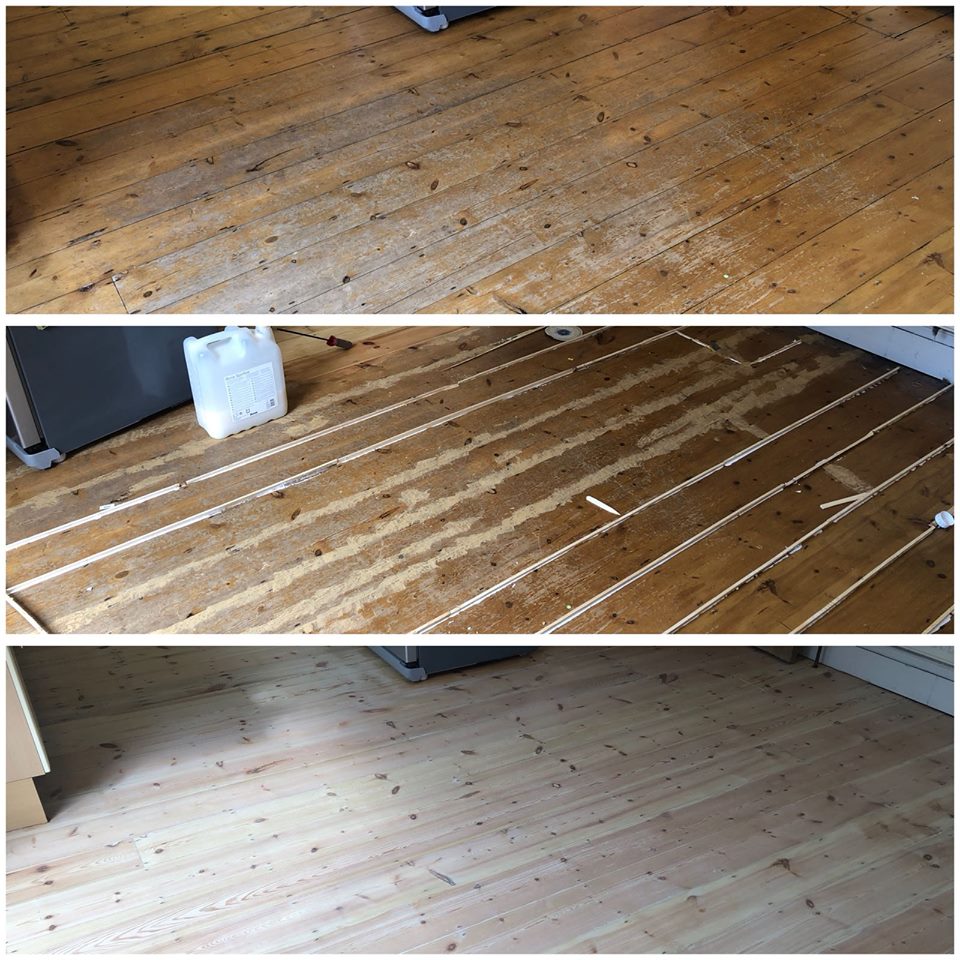
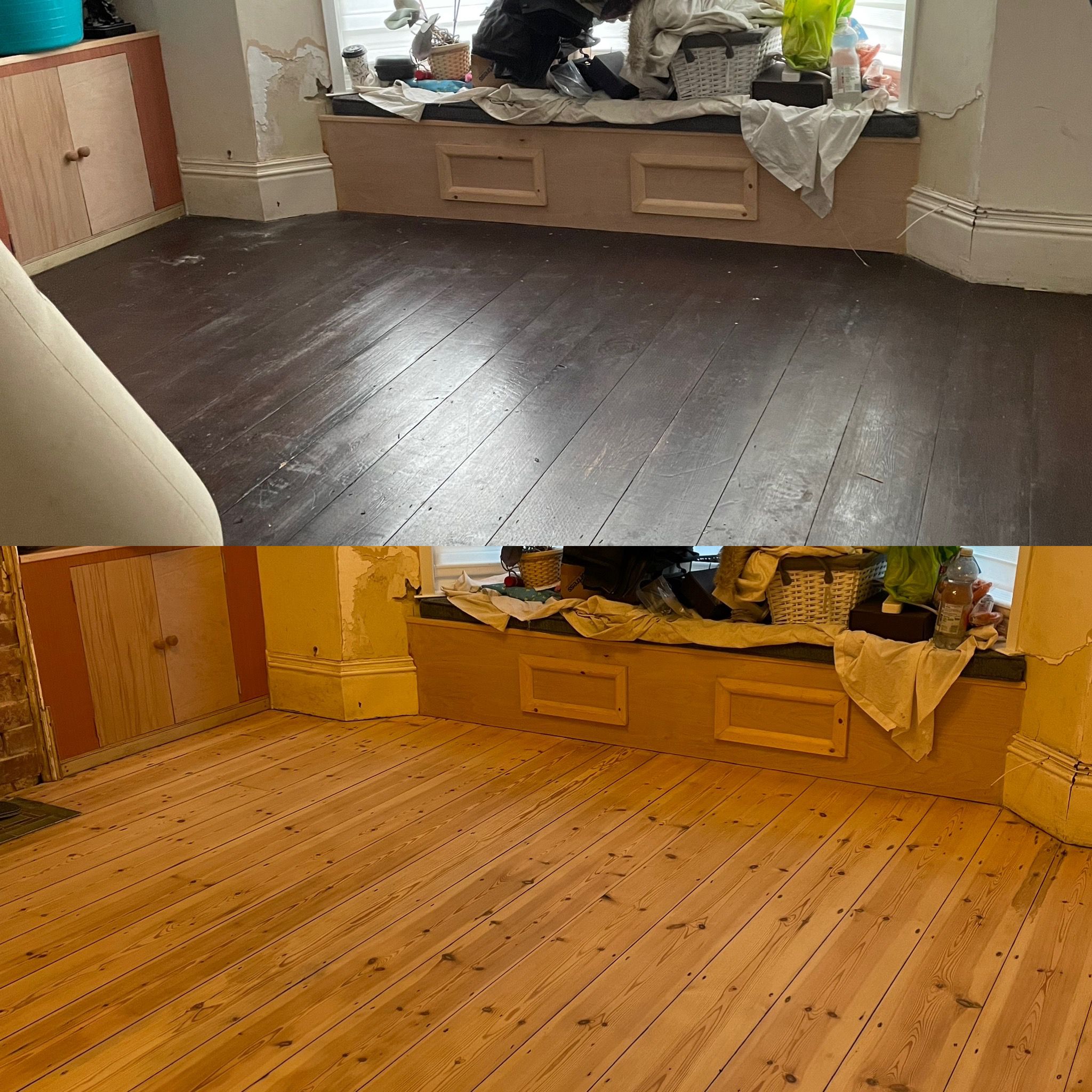
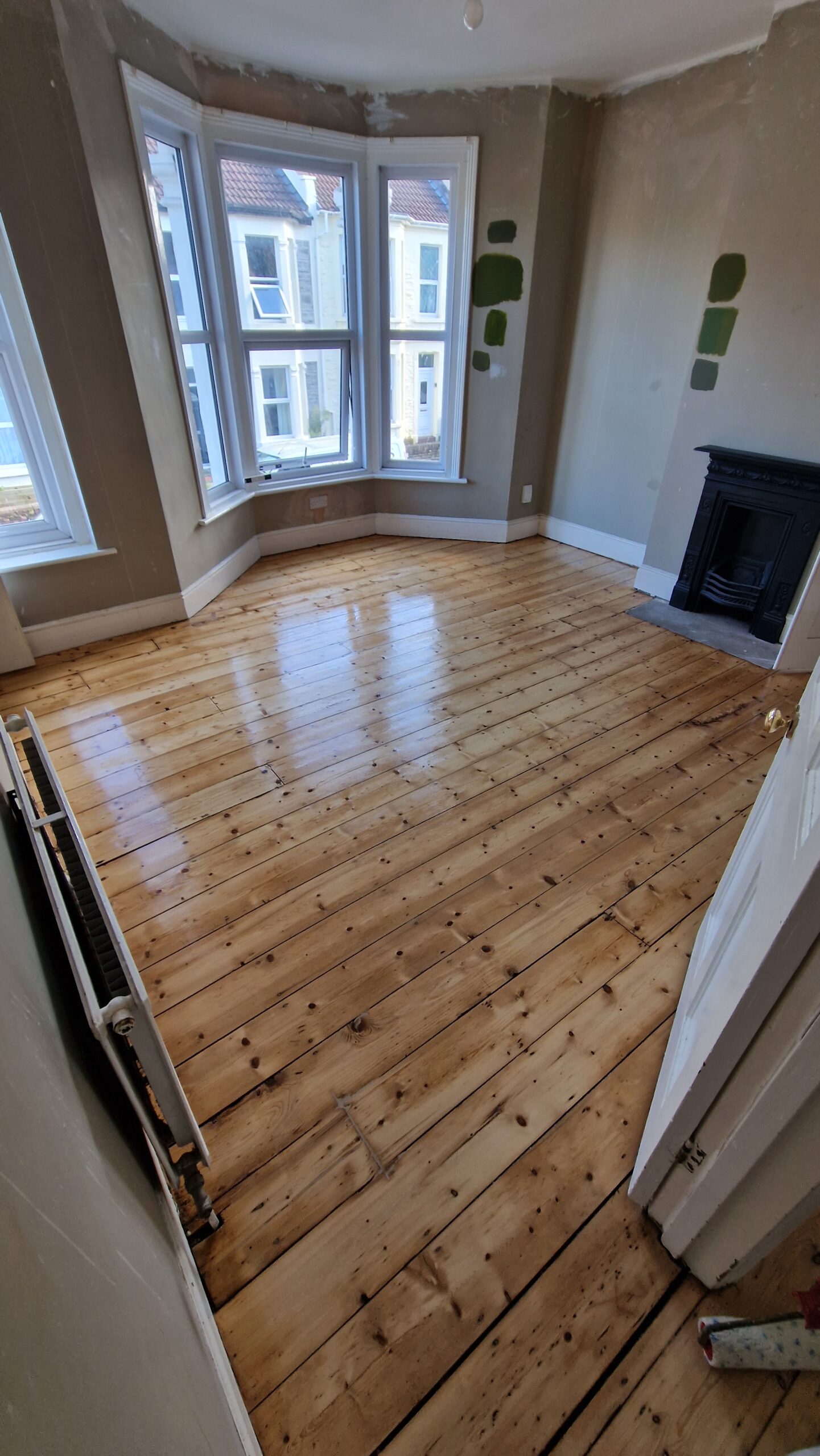
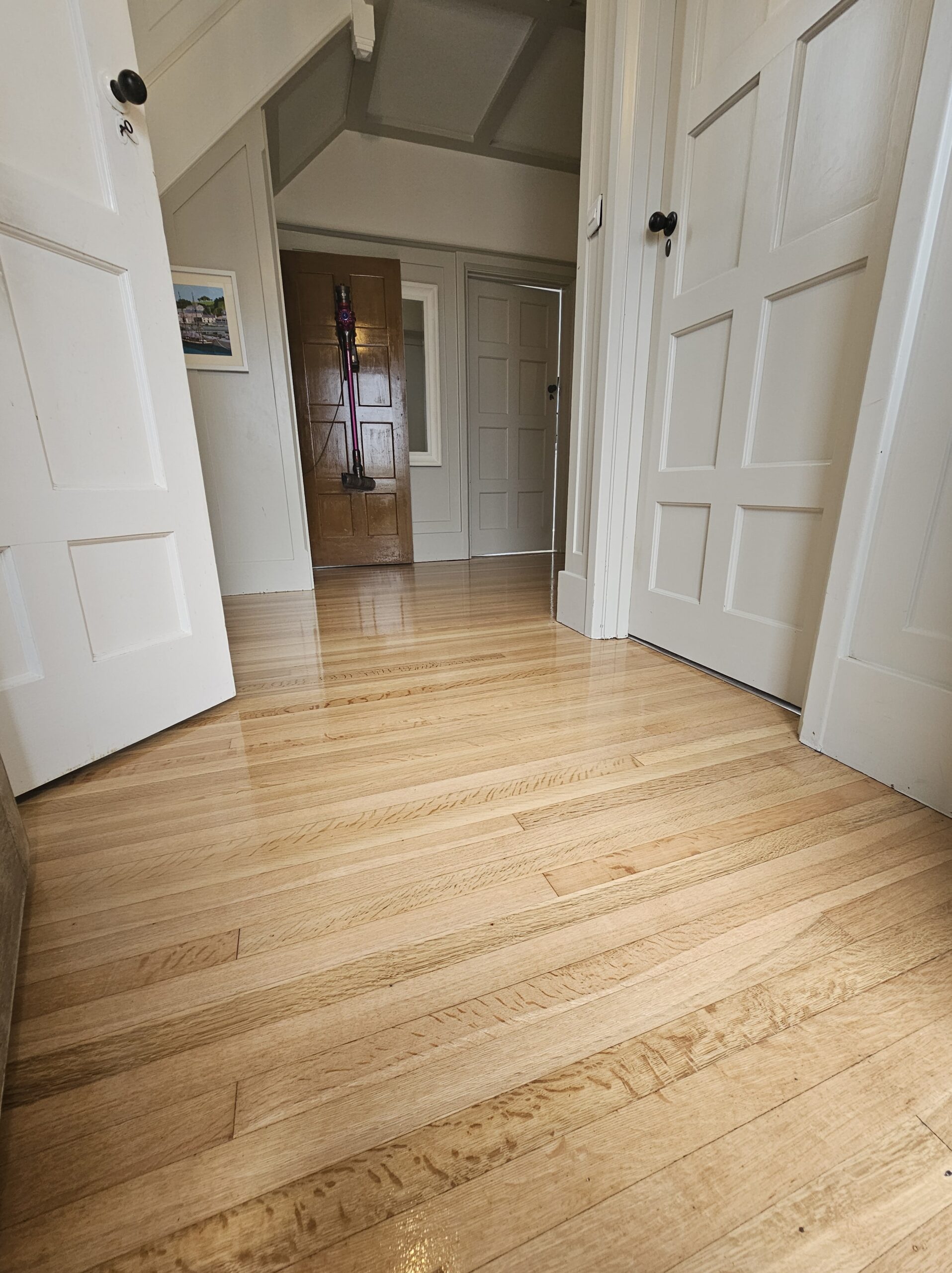
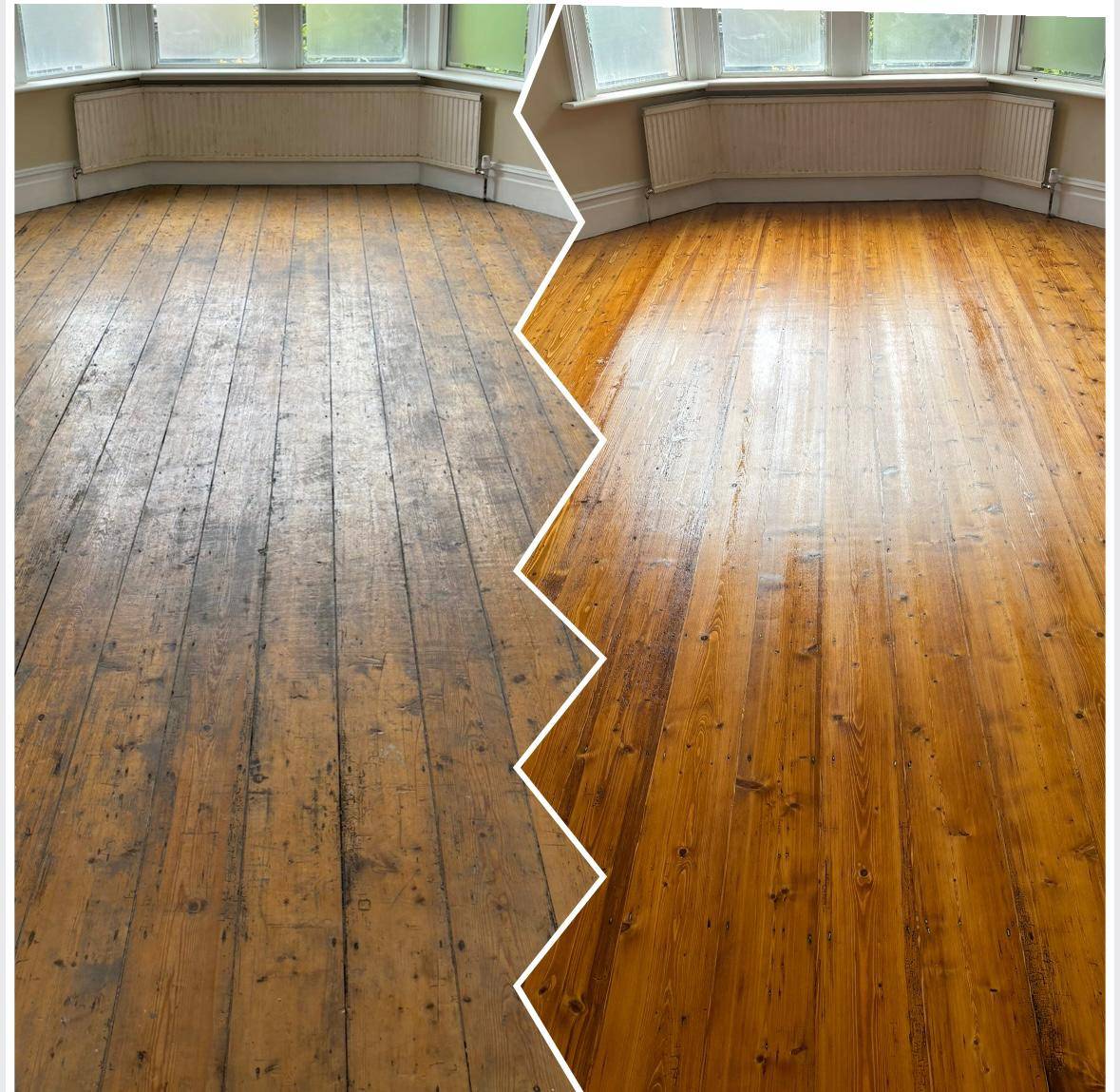
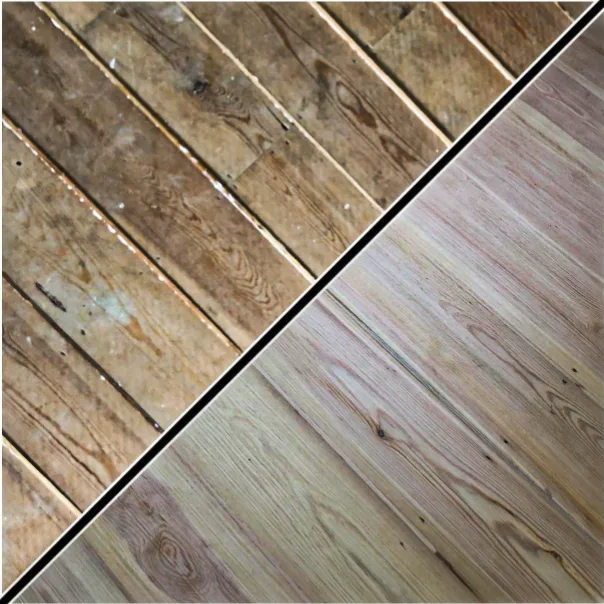
Floor sanding before and after

Floor Sanding in Wadebridge: Reading the Wear Before the Machine Goes Down

A worn floor is a record of how a room is used. Inside a Wadebridge terrace you might find the lacquer rubbed thin between the kettle and the back door, a matt arc beneath the office chair in the box room, and boards under the sideboard that still gleam. In a shop on Molesworth Street the same thing happens on a bigger scale: a grey fan spreading from the entrance, a polished lane to the counter and corners behind the shelving that still look new. Reading that pattern tells us how deep the damage goes and where the floor needs most attention.

That reading happens at the free survey, which takes around thirty minutes. Beyond the wear, we check what the boards are made of, how thick they are where an edge can be seen, how they are fixed, whether they move underfoot and what the moisture meter says near outside walls. The town has a mix: Victorian and Edwardian terraces with pine boards, older stone buildings in the centre with wider and more irregular timber, and newer homes with engineered boards or woodblock. Each needs its own sequence of grits and machines.

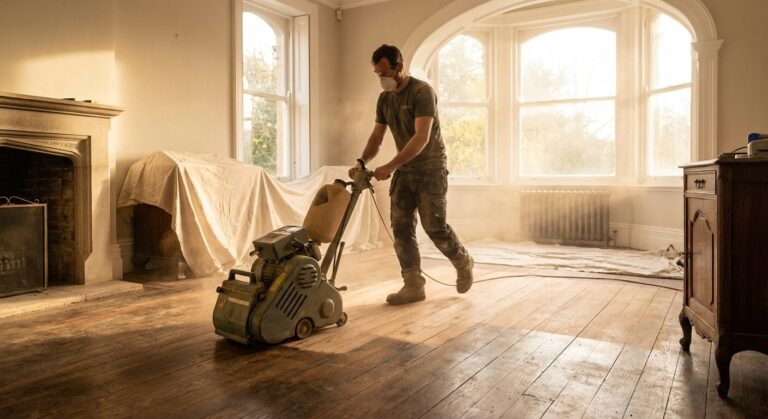
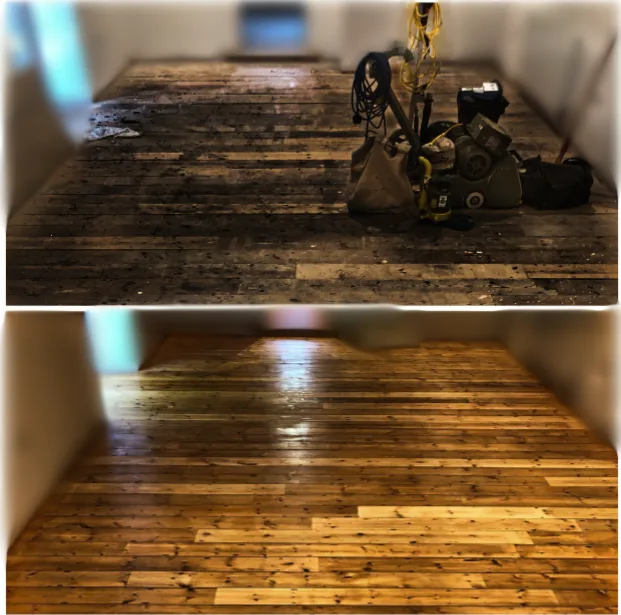
Our wood floor sanding service works from coarse to fine. The first pass removes the old finish and levels out wear and minor cupping; each pass after it takes out the scratches of the one before. Rush that sequence, or skip a grade, and the floor looks fine bare but shows swirls and lines the moment the lacquer goes on. Edges and corners are worked with an edger and then by hand so the border matches the centre.

For floor sanding in Wadebridge, both the main sander and the edger feed into sealed extraction. That captures the vast majority of the dust, though no system catches every particle, so it is worth covering electronics and anything delicate in the rooms around. Dust-controlled sanding explains what is realistic. In a shop, stock on open shelves near the work area is best boxed or sheeted the evening before.
Commercial Floor Sanding in Wadebridge: Footfall, Heels and Trolleys

A busy shop floor takes more wear in a month than a living room does in a year. Plenty of the town’s independent traders work out of older premises with timber floors laid long before anyone imagined card readers and delivery vans, and three things wear those floors down faster than anything else.

Grit is the first. Every customer brings some in, and on a wet day it comes in as a slurry. Under hundreds of feet it works like fine sandpaper, wearing a grey path from the door. A large barrier mat inside the entrance, long enough for several steps, traps most of it, and that one change probably does more for a shop floor than anything else.

Heels are the second. A stiletto concentrates a person’s weight onto a tiny point, and on a softwood floor it leaves dents. Lacquer cannot prevent that entirely, because the timber underneath gives way, but a hard two-pack finish spreads the load slightly and resists the scuffing that comes with it.

Trolleys, sack trucks and pallet trucks are the third. Deliveries are wheeled across the shop floor, and hard or worn wheels leave long scratches and ruts. Grit trapped in a wheel can drag a line right across the room. Soft polyurethane wheels and a quick sweep before deliveries help, as does a route protected with a runner.

Our commercial sanding work takes these factors into account when choosing the finish and planning the job. Work is usually done after closing, overnight or on a day you are normally shut, with fast-curing lacquer so the floor is usable the next morning. For commercial floor sanding in Wadebridge, larger shops can be done in two halves so trading continues. Shop floor sanding gives more detail on how fixtures are dealt with.

Cafés and restaurants face spills as well as foot traffic, and restaurant floor sanding covers the finishes that resist coffee, food and cleaning chemicals. Guest rooms and holiday accommodation in the town are usually done room by room; see hotel floor sanding.

With footfall like that, expect to sand back to timber again within four or five years. A maintenance recoat in between, done before the finish wears through, stretches that. Documentation such as method statements and insurance details is available for landlords who need it.

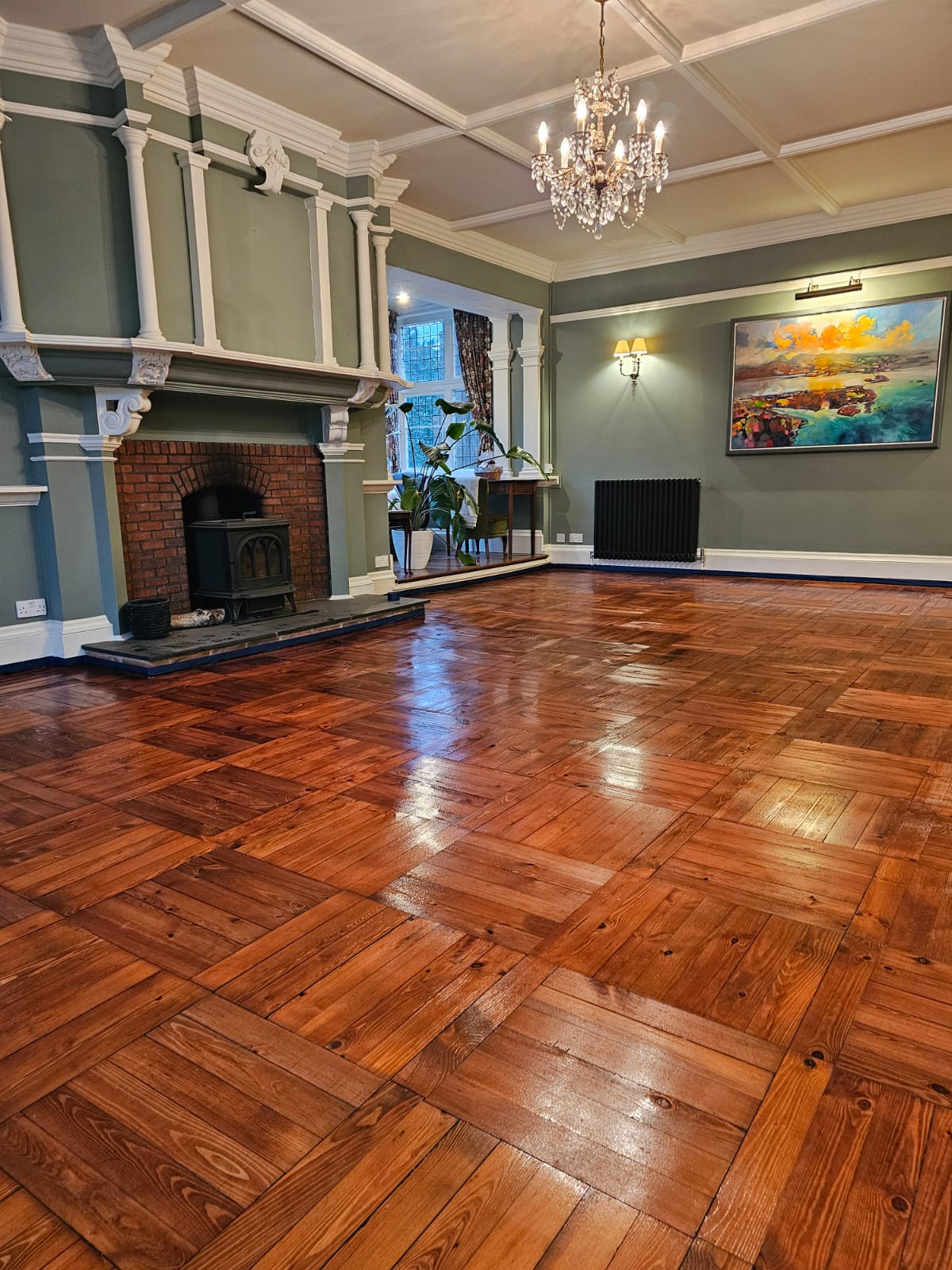
parquet wooden floor sanding
wooden floor sanding

Gaps Between Boards: Resin, Slivers or Leave Them Open

Few questions divide opinion like gaps. Some owners want every one filled; others like the look of an old floor with visible joints. The right answer depends on the gaps themselves, the room and how the floor moves through the year.

Boards shrink and swell with moisture. In winter, with the heating on, the air is dry and boards shrink, opening gaps. In summer, or in a damp spell, they swell and the gaps narrow. Near the Camel estuary, where damp air is common, that swing can be noticeable. A gap that looks huge in February may be half the size in August. So before filling, it is worth knowing which season you are looking at.

There are three main options.

Resin filler mixed with fine dust from the sanding is the quickest. It is trowelled into the gaps, allowed to harden and sanded flush. It suits narrow gaps of a millimetre or two in a stable floor. In a floor that moves a lot it eventually cracks along the joints and falls out, because the resin is stiffer than the timber either side.

Timber slivers are the traditional answer for wider gaps. Thin strips of matching wood, usually slightly tapered, are glued into each gap and planed or sanded flush. They are glued on one side only where possible, so the gap can still open slightly on the other side without cracking. They blend well once finished, and they move with the floor rather than fighting it. This takes longer but lasts much better in old floors.

Leaving the gaps open is sometimes right, particularly over a ventilated void where the floor needs to breathe, or in a floor of great character where filling would look wrong. A draught excluder strip under the skirting can deal with the worst draughts without filling the joints.

One thing to avoid is side-bonding. If the finish glues several boards together into a panel, the gaps open up in one place instead of spreading evenly, leaving a single wide crack. A primer designed to reduce side-bonding helps keep the movement spread across the floor.

Gap filling in wooden floors covers the methods in more detail. Fill in a month when the house is lived in normally, with the heating neither off nor on full, so the joints are caught somewhere near their middle width.

Wood Floor Restoration in Wadebridge Town Houses

Restoring an old floor is more than sanding it. Our wood floor restoration starts by looking at what the floor has been through and putting right the damage before the surface is refinished.

Wadebridge has a large stock of Victorian and early twentieth-century houses, most of them with pine boards. Pine is soft, and it marks easily from furniture, heels and pets, but it sands well and takes a good finish. In many houses the boards have been carpeted for decades, which protects the surface but leaves a ring of old varnish or paint around the edge of the room, gripper strips nailed into the perimeter and carpet tacks across doorways. All of those have to be removed before sanding. Pine floor restoration covers the process for these softwood floors.

Older buildings in the town centre sometimes have wider, older boards in pine or occasionally oak or elm. These may be thinner than they look, having been sanded or scraped before, and need a lighter approach. Oak floor restoration uses a careful grit sequence to preserve as much timber as possible.

Damaged boards are common in old floors. Cuts made for pipes and cables, burns from fires, rot near outside walls and splits along nail lines all need attention. Floorboard replacement uses reclaimed timber where possible, chosen to match the original in species, width and thickness, so the repair blends in once the floor is finished. Each new board is fixed to a joist rather than to a block screwed to its side.

Squeaks and loose boards are fixed before sanding, usually by screwing boards down to the joists with plugged screw holes. Fixing squeaky floorboards covers the options. Scratches, dents and gouges that are too deep for normal sanding are dealt with through wood floor scratch repair, and more serious structural issues through wooden floor repairs.

For wood floor restoration in Wadebridge, the best results usually come from tackling repairs and sanding in one visit, so everything is finished together.

flooring sanding company
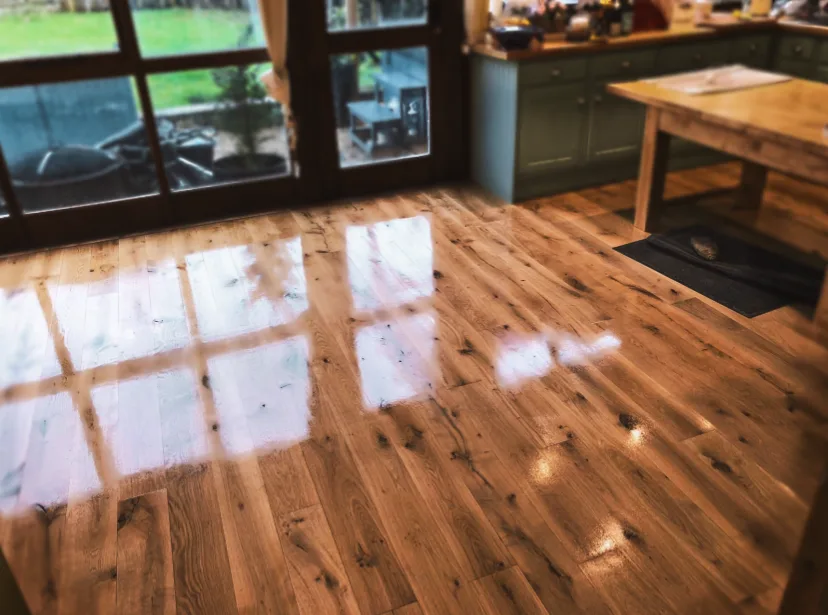
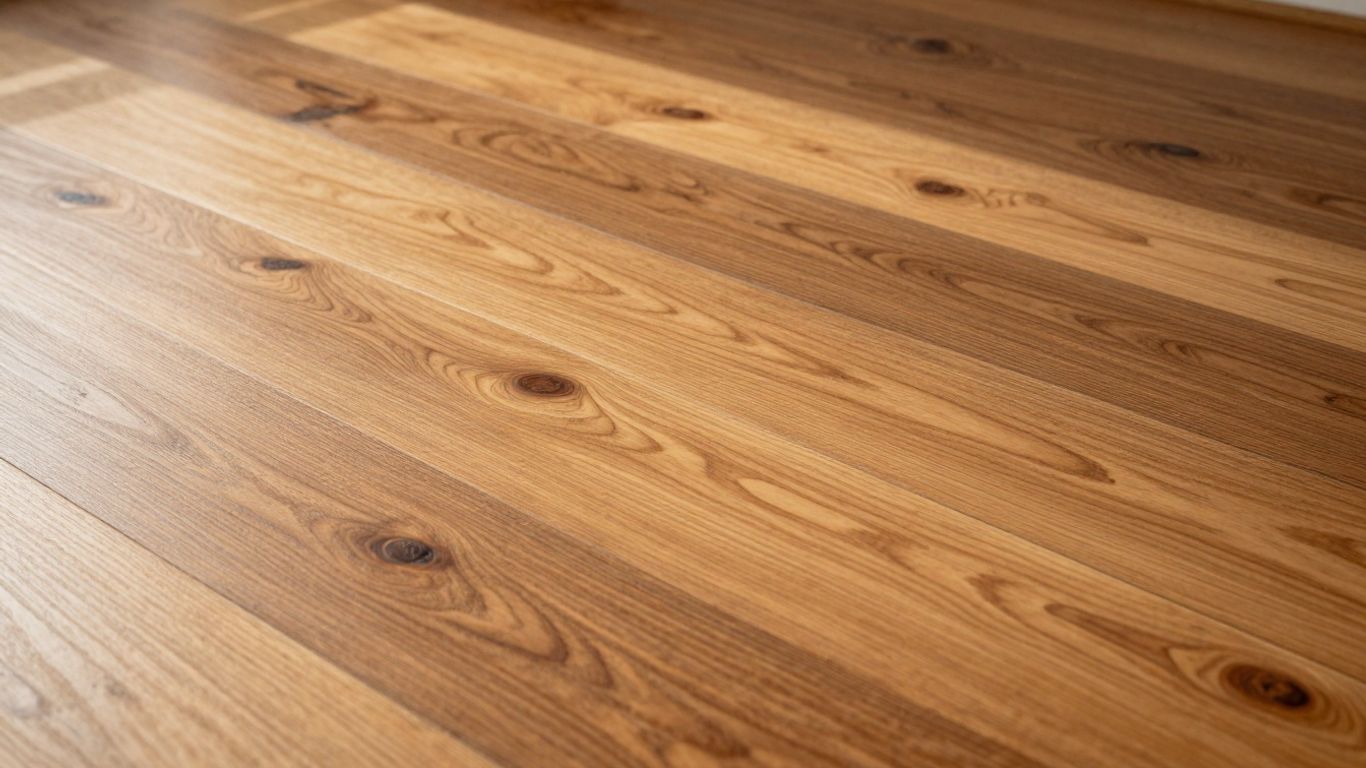
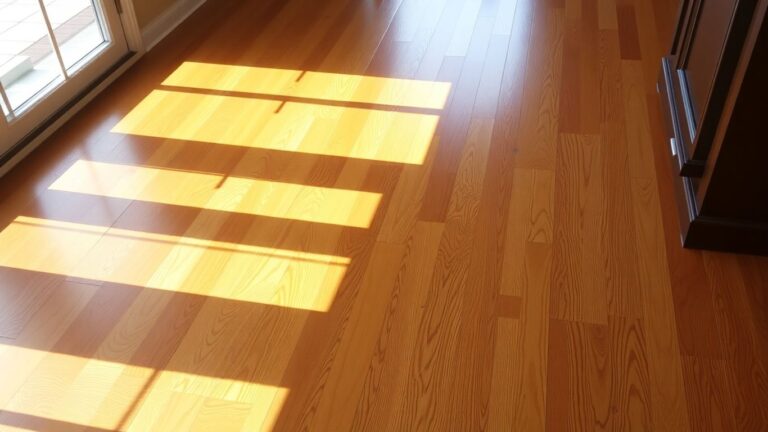
Sunlight across freshly lacquered wooden floorboards

Woodblock Patterns and Staircases

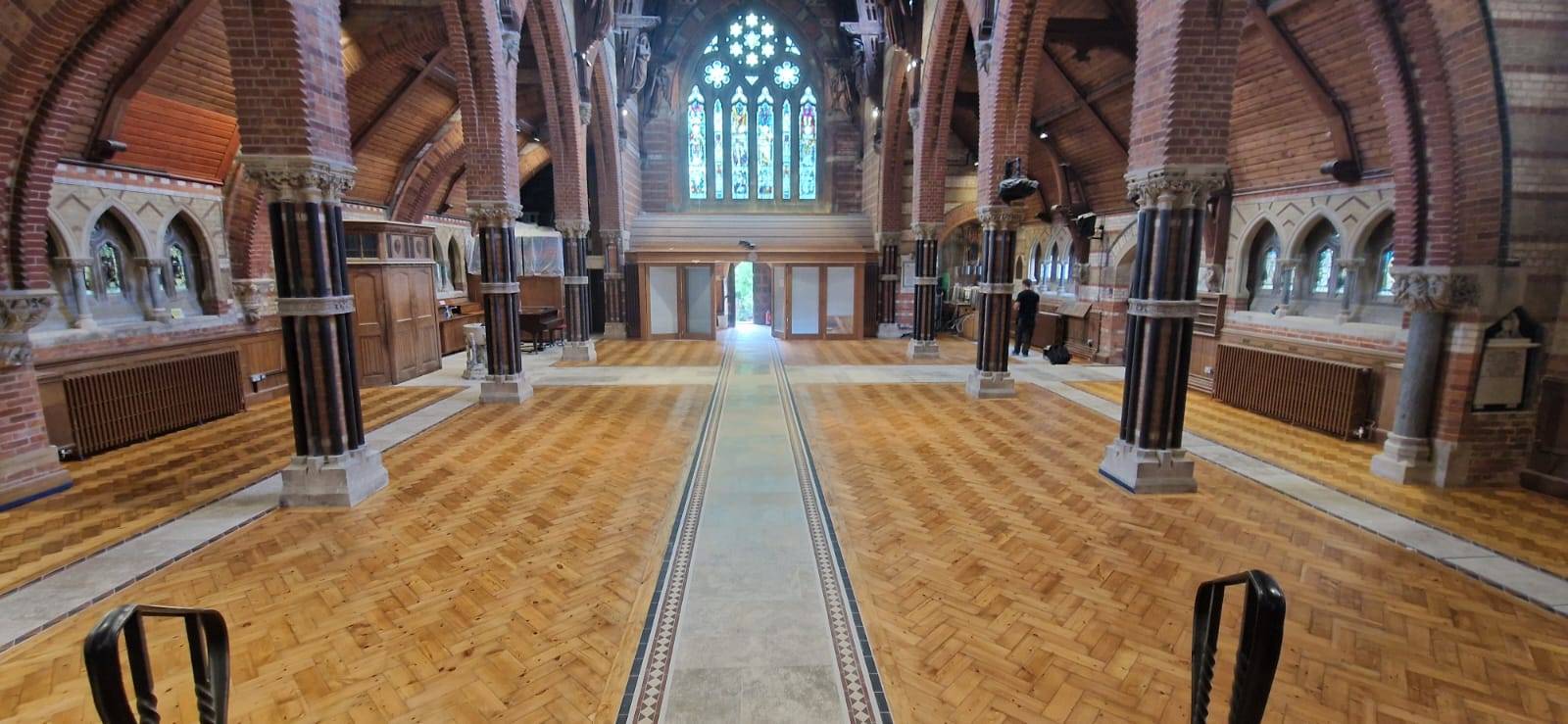
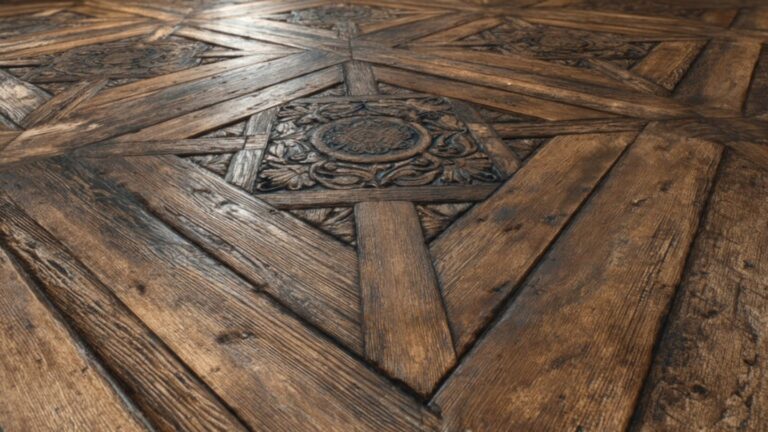
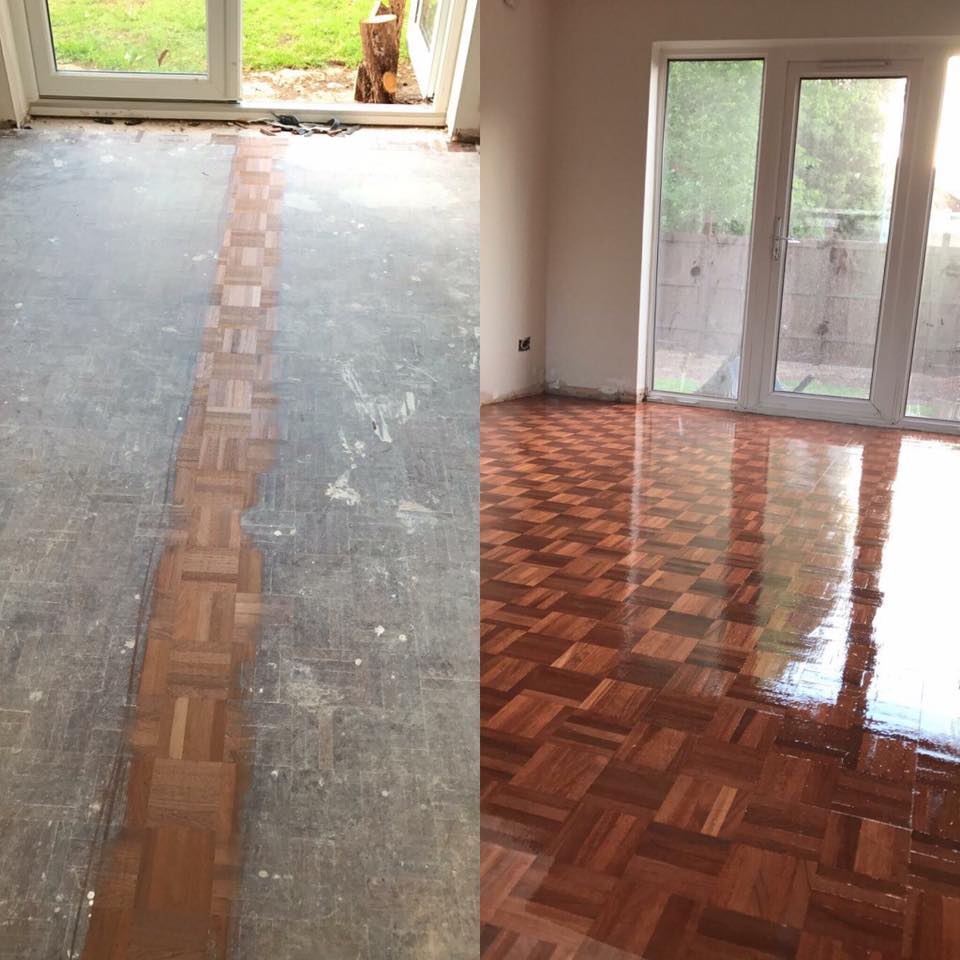
Woodblock turns up across Wadebridge in places people do not always expect: the hall of a 1930s semi, the back room of an older shop, a function room above a pub, sometimes under three layers of lino in a house that has changed hands several times. Herringbone parquet is the pattern most often uncovered, with basket weave and plain brick bond close behind. Almost all of it sits on a black bitumen adhesive, and near the estuary, where ground floors can stay damp through the winter, that adhesive is often the first thing to give up.

You can usually hear the trouble before you see it. A loose block clicks or rattles underfoot, and a hollow patch sounds different when tapped with a screwdriver handle. Every one of those is found and marked before sanding begins. The block is lifted, the old bitumen scraped off its back and off the screed beneath, and it is bedded down again in a flexible modern adhesive that will tolerate a little movement. Blocks that have split or gone missing are replaced from reclaimed stock picked for species and size, and left to set before any machine comes near.

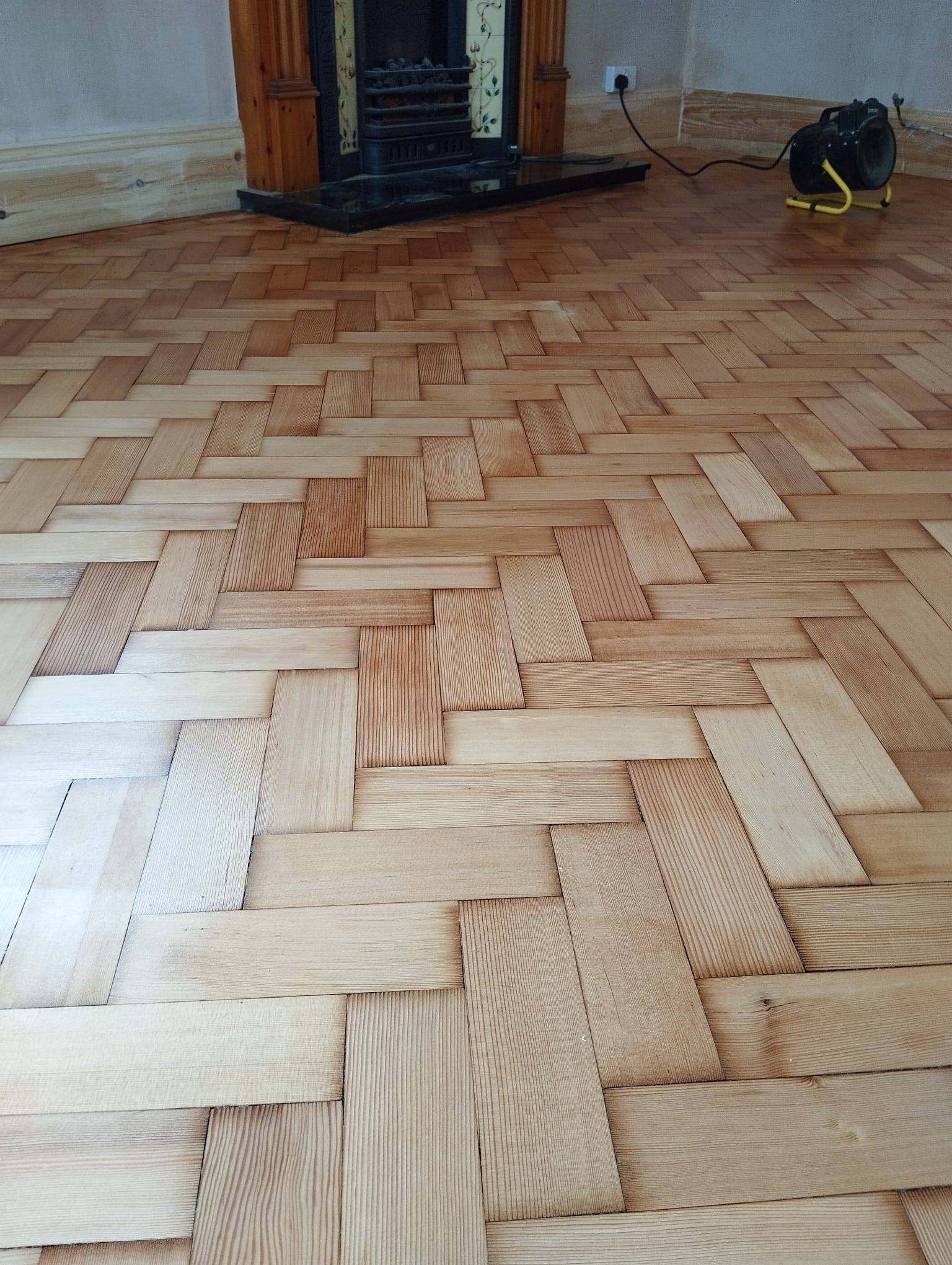
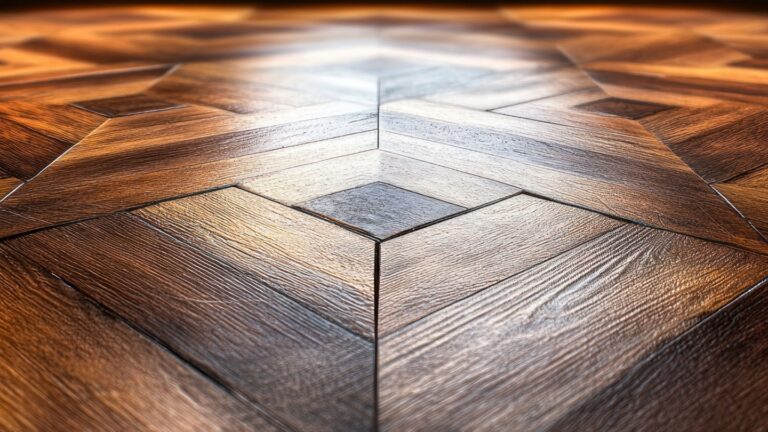
Then the sanding. With blocks pointing two ways at once, a drum run straight down the room would cut half the floor across its grain, so the early passes go diagonally and the last one is made with a multi-head machine that scrubs in small circles and leaves no direction at all. Each stage is set out under parquet floor sanding.

Stairs in Wadebridge range from wide Victorian flights with turned balusters to tight stairs in former shop premises that once led only to a storeroom. Either way, treads, risers and nosings are done largely by hand, with the nosings kept to a matching profile so the flight reads cleanly from the hall. Carpet gripper, staples and old adhesive come off first. Painted strings and spindles get a lead test before any stripping, because older paint can contain it. Stair sanding covers the method.

A shop stair to an upstairs showroom deserves the same finish as the shop floor: a two-pack lacquer at a low sheen, which stands up to traffic and gives a reasonable grip underfoot.

Finishes for Wadebridge Shops and Homes

After the sanding, the finish decides how the floor behaves for the next ten years, so it is worth choosing for the room rather than for the tin.

In a shop or café, the case for a two-component lacquer is hard to argue with. The hardener stirred in before application cures the coating into a much tougher film than a one-pack product, so it stands up to the grit, heels and wheels described further up this page. Ask for it in matt or satin. On a floor that sees hundreds of feet a day, fine scratches are inevitable, and a low sheen hides them where gloss would show every one. Wood floor sealing lays out the lacquer systems in more detail.

At home there is more choice. A one-pack water-based lacquer is fine for bedrooms and a quiet sitting room; it has little smell, dries fast and keeps oak and pine near their natural colour. Oil-based lacquer suits people who want pine to deepen to amber over time. In a kitchen, a hall or anywhere that takes muddy shoes, two-pack is worth having in a house as well.

Oils work differently. An oiled board feels like wood under bare feet, because the oil sits inside the grain instead of on it. For a gallery or a small shop, the useful part is that a scuffed lane by the till can be refreshed on a Sunday afternoon without touching the rest. Wood floor oiling goes into the differences between the types. Wax, the oldest finish of all, still suits a quiet front room with old boards, provided you are happy to buff it from time to time and keep water away; see floor waxing.

Colour comes last. A white-tinted finish keeps pale timber pale, and a stain can warm up or darken a floor that has been patched with newer boards. Every stain is brushed onto a hidden area of your own floor first, because the same colour looks very different on pine than on oak. Wood floor staining has examples of what to expect.

Not every floor needs going back to bare wood. A coating that is merely dull, with no bare timber showing, may only need floor polishing, or a scuff-sand and topcoat, the lighter kind of wood floor refinishing.

Wood floor sanding company
Floor sanding taunton

Looking After the Floor, New Installations and Arranging a Survey

By the following day you can cross the room in socks. Leave it another day or two before carrying furniture back, and keep rugs off for a week while the lacquer reaches full hardness. In a shop, that usually means the fixtures go back the morning after a night-time finish, with heavy display units moved on furniture sliders rather than dragged.

What happens next matters more than anything done on the day. The single most useful thing a shop can buy for its floor is a proper entrance mat: one long enough that customers take three or four steps on it before they reach the timber. At home, a mat each side of the front door does the same job. Sweep or vacuum often enough that grit never has time to build up, damp-mop with a cleaner sold for lacquered or oiled wood as appropriate, and keep steam mops off the boards. Felt pads under café chairs wear out surprisingly fast, so check them every few months and swap any that have gone thin or collected grit.

In a house, a lacquered floor generally has eight years or more in it, often closer to ten. Commercial floors are shorter, as covered above. Either way, the time to act is when the walkways first look dull, not when they have gone grey, because at that stage buffing and a maintenance coat puts things right without removing timber.

Occasionally a floor has nothing left to give: boards sanded thin by earlier contractors, an engineered floor with its wear layer gone, or a shop refit that needs a new surface. In those cases we can supply and lay new wood flooring, or supply it for your own fitter. Wooden floor installation explains both routes; the ranges on offer include Junkers and Bona.

Begin with two phone pictures, one showing the shop or room end to end and one of the most worn spot, sent through the contact page or to info@ryansrestoration.co.uk. Shopkeepers who prefer to talk it through can use 01823 674562, answered from 8am to 6pm on weekdays, with Saturday surveys by arrangement. The family team is based near Wellington in Somerset, and jobs around the Camel estuary come up often enough that Wadebridge is familiar ground. After a free look at the floor, an itemised written quotation follows, and it holds unless the scope of work alters.

For nearby towns, see our Cornwall floor sanding page or floor sanding in Padstow across the estuary.

Wadebridge Floor Sanding Questions

It depends on the gaps and the floor. Narrow gaps in a stable floor can be filled with resin mixed with sanding dust. Wider gaps in a floor that moves with the seasons are better filled with timber slivers. Over a ventilated void, or in a floor with lots of character, leaving them open is sometimes the right choice.

Because the boards keep moving. Resin is stiffer than the timber either side, so when boards shrink in winter the resin either cracks or pulls away. It works well in narrow gaps in floors that move very little. In floors with bigger seasonal movement, glued timber slivers are more durable, because they flex with the boards instead of fighting them.

Use soft polyurethane wheels, sweep before deliveries so grit is not dragged across the floor, and consider a protective runner along the delivery route. Finish-wise, two-pack in matt both shrugs off more of the scoring and disguises what does get through. Check the wheels on your sack truck now and then, as worn plastic tyres are often the real culprit.

Usually. Sanding starts once the shutters are down, or on your quiet day, and the quick-drying coating means staff can walk in at opening time. Larger shops can be done in halves so part of the floor is always available. The plan, including which fixtures need moving and where stock can go, is agreed at the survey.

Yes. Each rattling block comes up, the black residue is scraped from it and from the floor below, and it goes back in fresh adhesive. Missing blocks are replaced with matching timber. Once everything is solid, the floor is sanded diagonally to the pattern and finished. This is far easier than replacing the whole floor, and the original blocks usually look better than anything new once they are sanded and sealed.

Typically four or five years with heavy footfall, compared with eight to ten for a home. Regular maintenance recoats before the finish wears through can stretch that interval considerably. A good entrance mat makes a big difference to how quickly the floor wears, because most of the damage is done by grit carried in from the pavement.

Matt or satin is usually better. Gloss shows every fine scratch from grit, heels and wheels, while matt scatters light and hides them. Durability depends more on the type of lacquer than the sheen, so a two-pack matt lacquer gives both good looks and good wear in a shop, café or busy family hallway.

Phone in during the working week, or send a couple of photos of the floor through the website or by email. From there a free visit is arranged, after which the written breakdown arrives. Wadebridge, along with the villages up and down the Camel, is part of our regular working area, so there is no difficulty arranging a visit.