Floor Sanding Launceston

Floor Sanding and Wood Floor Restoration in Launceston, Cornwall

QUICK QUOTATION

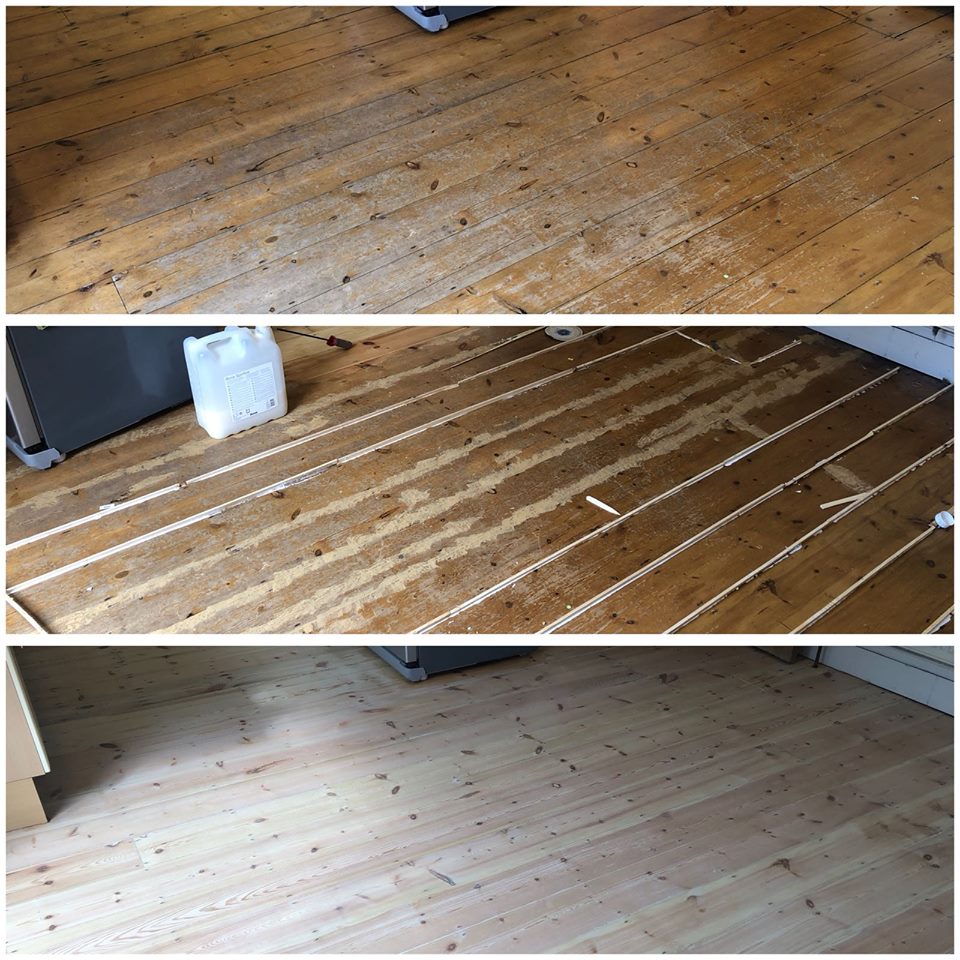
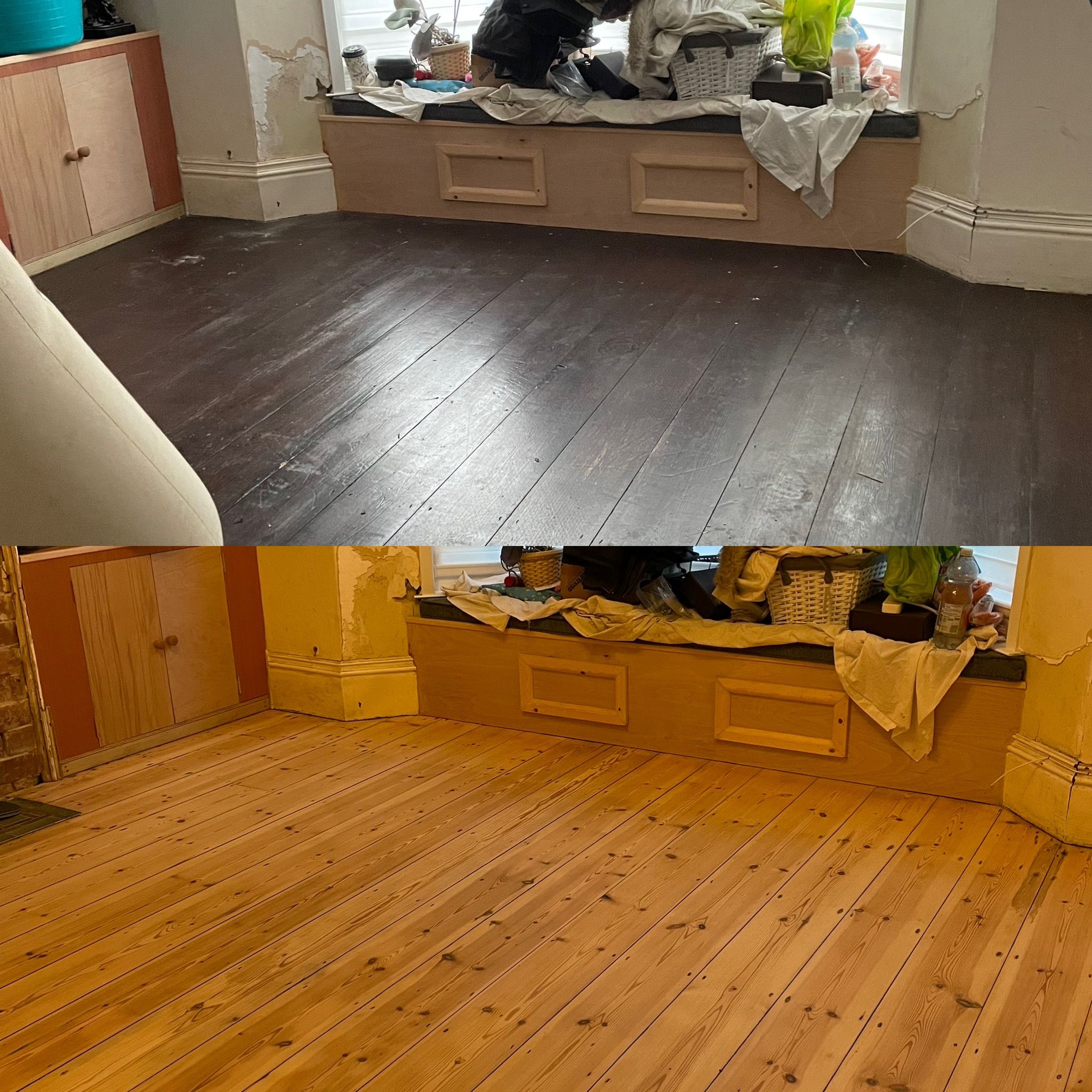
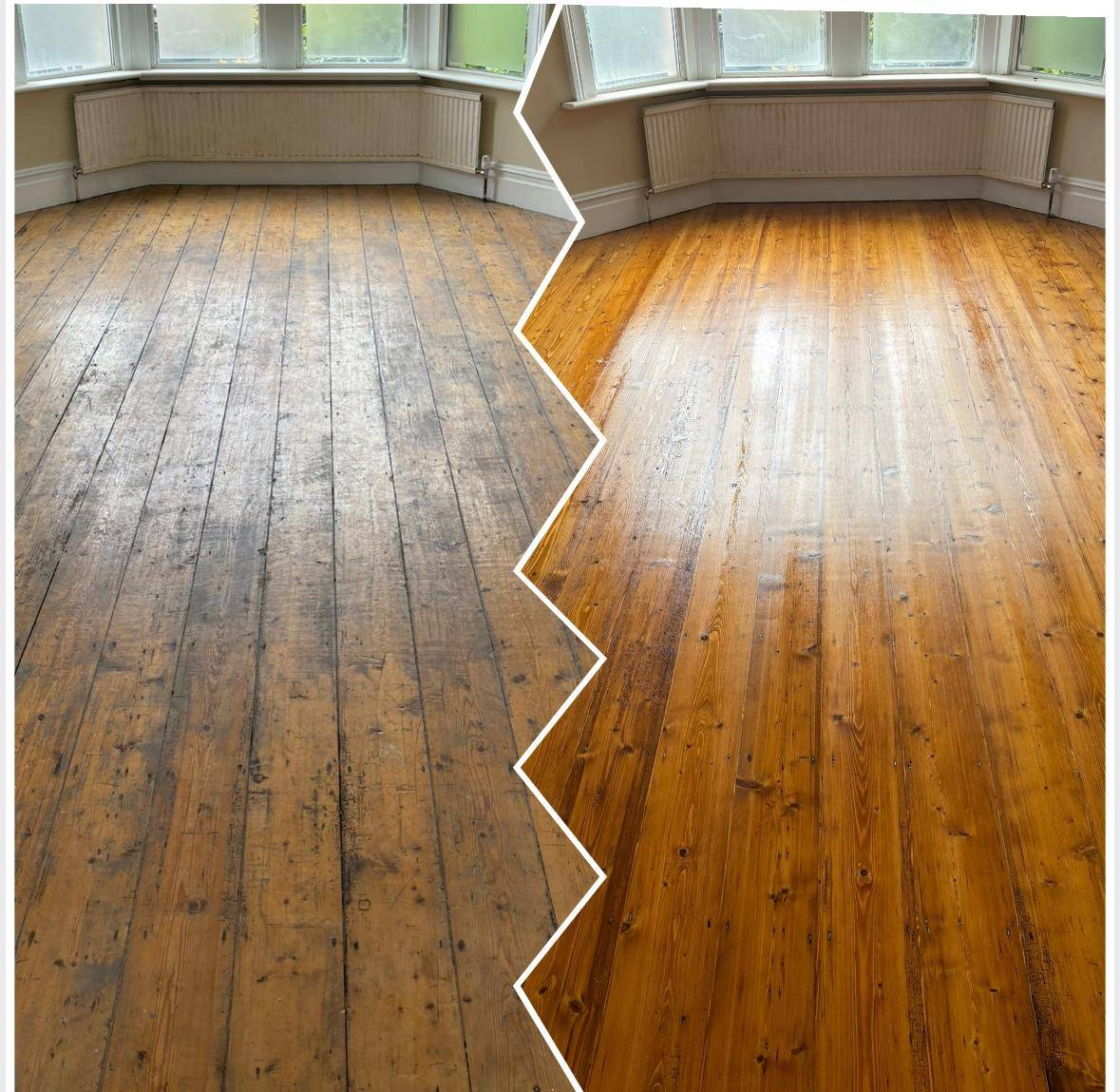
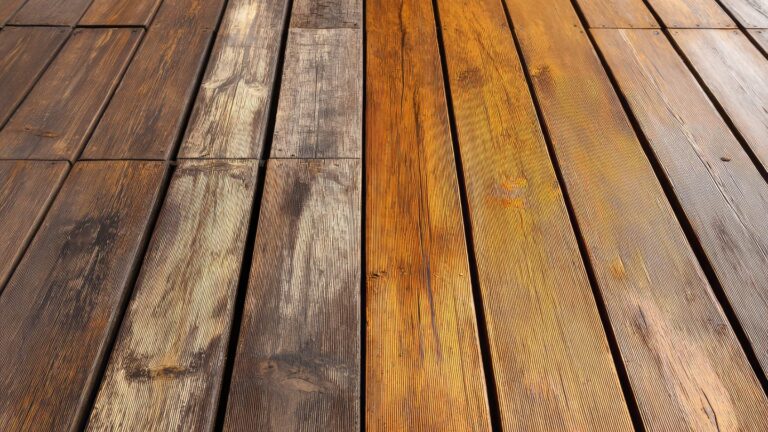
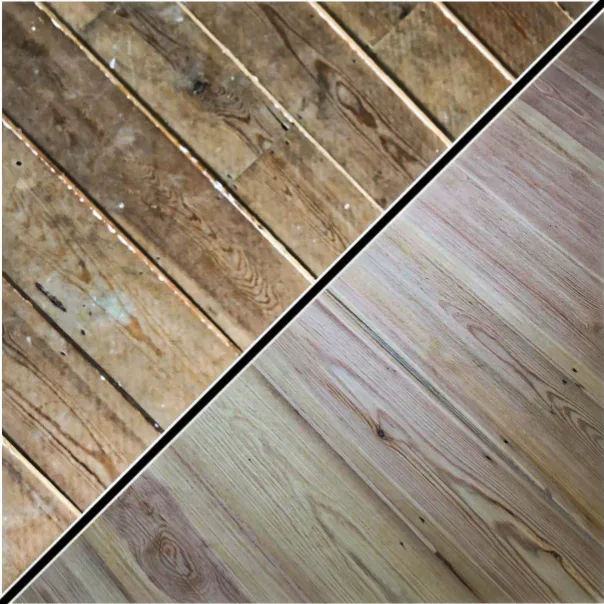
Floor sanding before and after

Floor Sanding in Launceston

Launceston sits just inside the Cornish border, which makes it one of the quickest towns on our Cornwall list to reach — surveys are usually possible within the week. Our wood floor sanding service covers the town plus St Stephen, Newport, South Petherwin, Lezant, Altarnun, Lifton and villages across the Tamar into Devon.

The centre holds a lot of listed and conservation-area property, and old elm and early pine boards call for restraint: we measure board thickness, start at finer grits than hire machines ever would, and take off the minimum the floor needs. Moisture readings come first too, since the Tamar valley keeps low-lying floors damper than their owners expect.

Conservation sanding is its own discipline. On a floor with three hundred years of surface history the aim is not a perfect blond plane but a clean, sound floor that still looks its age — so we keep the coarse belts in the van, work through gentler sequences, and leave undulations that belong to the building rather than grinding them out. Around hearthstones, thresholds and cross-passages the machines give way to scrapers and hand blocks entirely. The result keeps its patina and its value; over-sanding an early floor is the one mistake that cannot be undone.

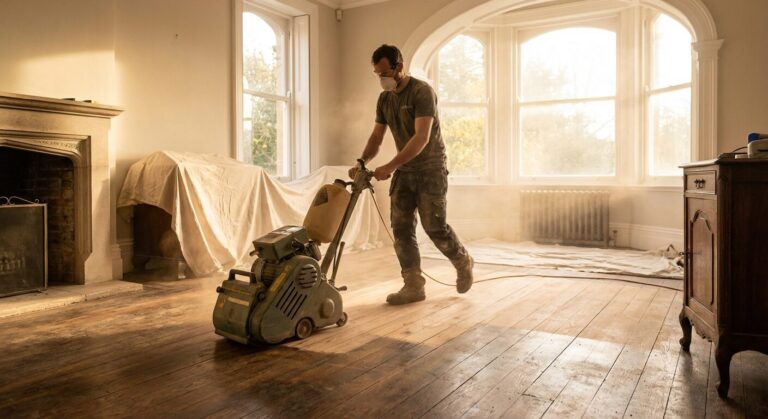
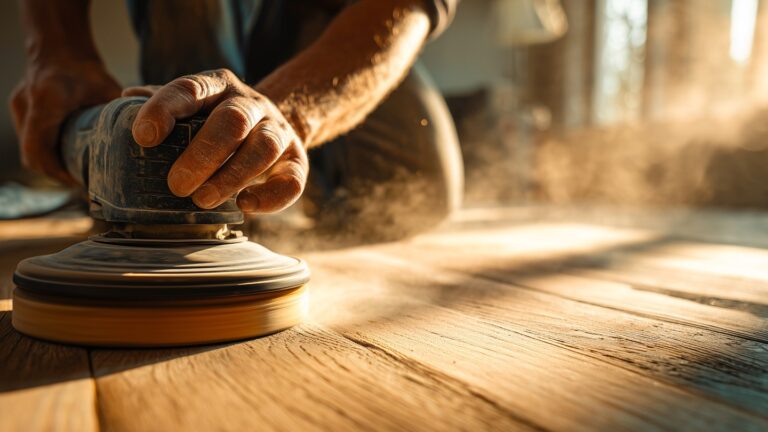
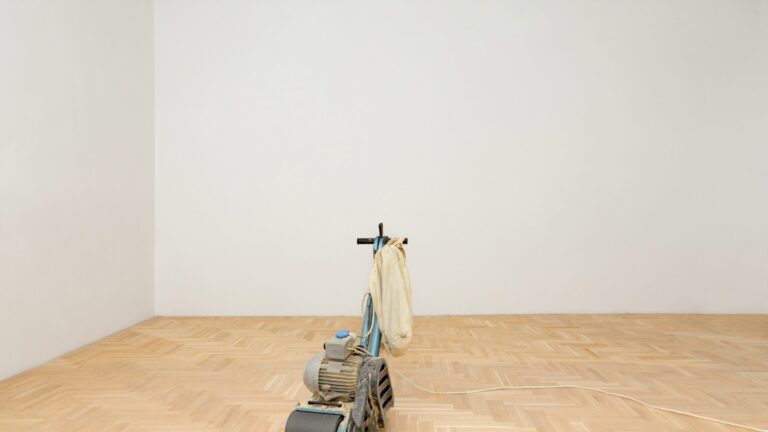
On ordinary floors the full sequence applies — coarse cut to level, middle grits to refine, fine pass to close the grain, with a vacuum between each so the surface stays unscratched — but the judgement about which floor is which is the part experience pays for.
Commercial Floor Sanding in Launceston

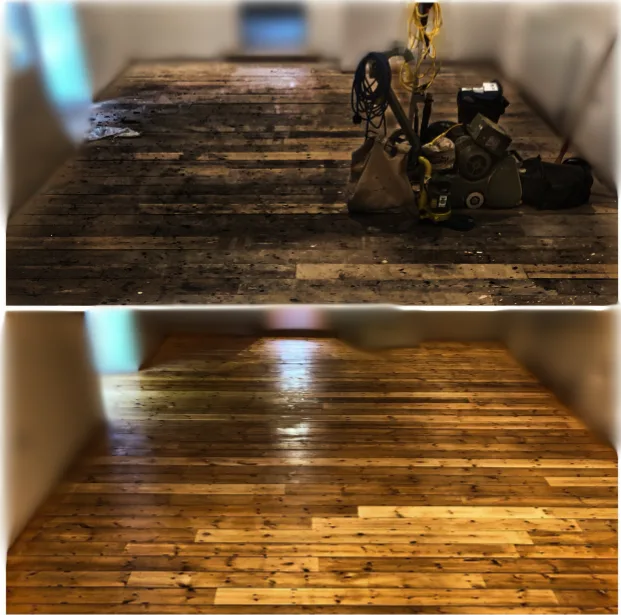
East Cornwall and west Devon businesses use our commercial floor sanding service for pubs, cafes, halls and shops, with the work compressed into nights, closed days or a quiet week so trading barely notices. Schools, colleges and nurseries are booked into holiday windows, and sports floors are re-marked to governing body specification before the final seal goes down.

Method statements and insurance documentation are standard paperwork on every commercial job, issued before we arrive.

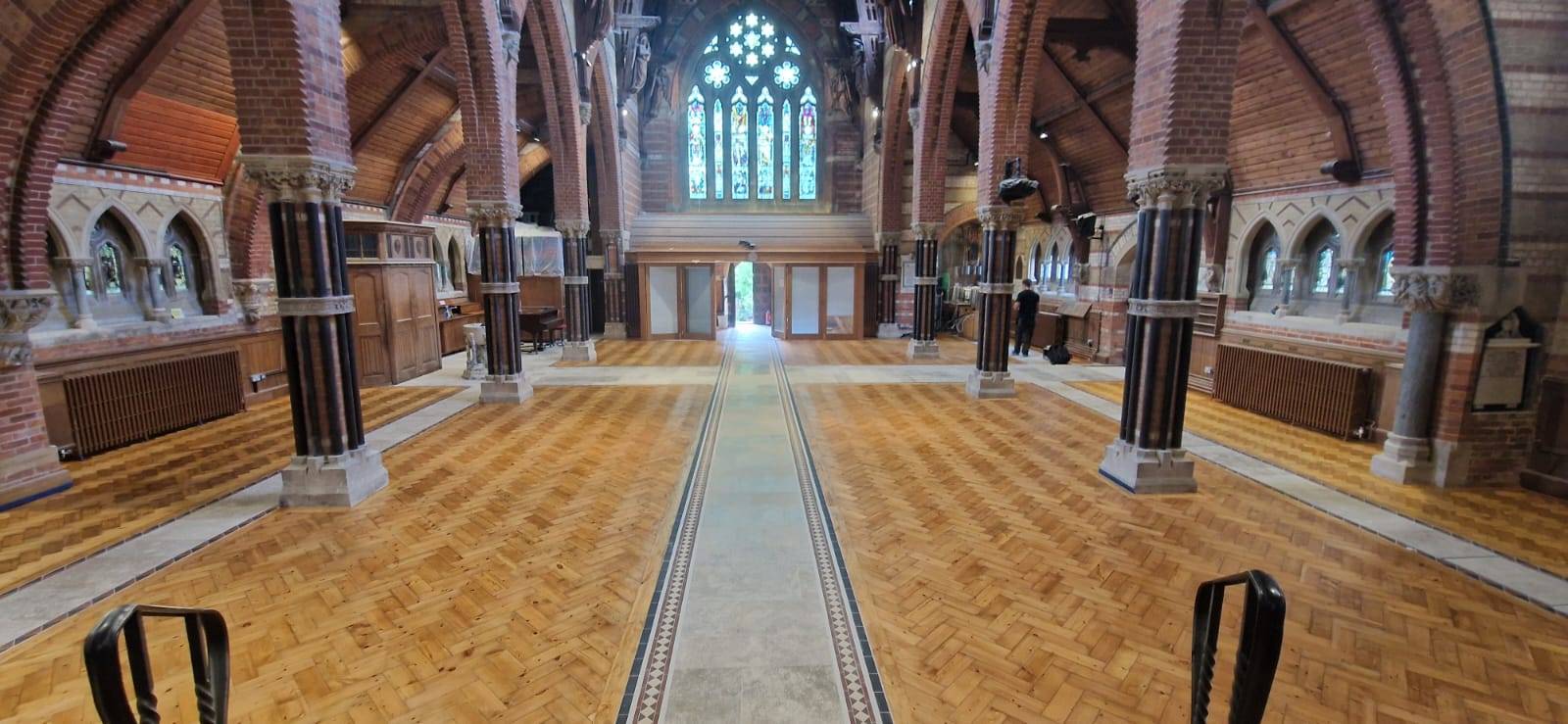
Working around fixed joinery is a regular feature of the pubs and halls this side of the county — built-in settles, bar fronts, stage edges and pew platforms all stay put while the floor around them is cut in cleanly by edger and hand. Fixtures are masked and sheeted, skirtings protected, and the junction between old fixed timber and freshly sanded floor is blended so the two read as one room rather than a before-and-after photograph.

The overnight jobs run to the clock: machines fall silent by the agreed hour, coats go down in sequence with their drying windows respected, and the floor is trade-ready when the doors open.

parquet wooden floor sanding
wooden floor sanding

Repairs, Board Replacement and Squeaks

Two centuries of patching leaves marks, and our wooden floor repairs service tidies them up properly: rot cut back to sound timber, worm damage assessed honestly, historic boards conserved rather than binned. Where replacement is unavoidable, floorboard replacement draws on our reclaimed timber stock so age and grain match — and on listed floors we put the method in writing for the conservation officer first.

Squeaks are fixed at the joist, and lone scratches and gouges can be repaired without refinishing the room.

Where only the end of a historic board has failed — rot at a doorway, crushing at a hearth — we splice rather than replace: the damaged end is cut back on a joist line, a matched reclaimed section is jointed on, and the original board keeps its place in the floor. It is slower than swapping the whole length, and worth it every time on boards that cannot be bought again. Each repair decision runs the same test: keep the maximum original timber consistent with a sound, flat, usable floor.

Gap Filling: Slivers or Resin

Draughty gaps between boards are almost universal in older Launceston houses. Our gap filling service uses two methods: timber slivers glued into the gaps, right for old floors whose boards still move with the seasons, and resin mixed with your floor’s own sanding dust, right for tighter, more stable modern boards.

Choosing correctly is the difference between a repair that lasts decades and one that cracks out by spring — we advise at survey, and the work is done as part of the main sand.

Timing matters as much as method. Resin filling happens mid-sequence — after the medium cut has produced clean dust for the mix, before the fine pass levels the filled joints — so the filler is sanded flush and sealed under the same coats as the boards. Sliver work happens earlier, with each strip glued, tapped home and planed off before the main sanding reaches it. Done in the right order, neither method leaves any trace but a quieter, warmer floor.

flooring sanding company
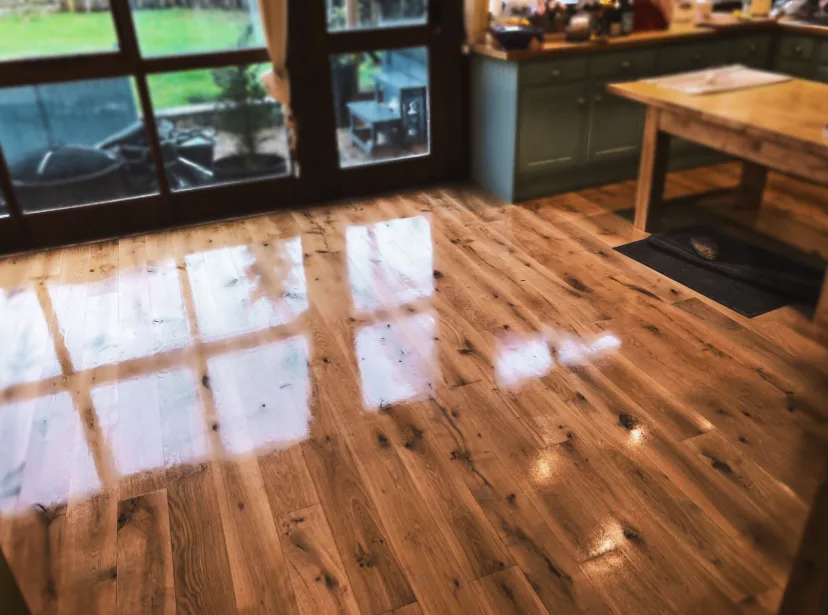
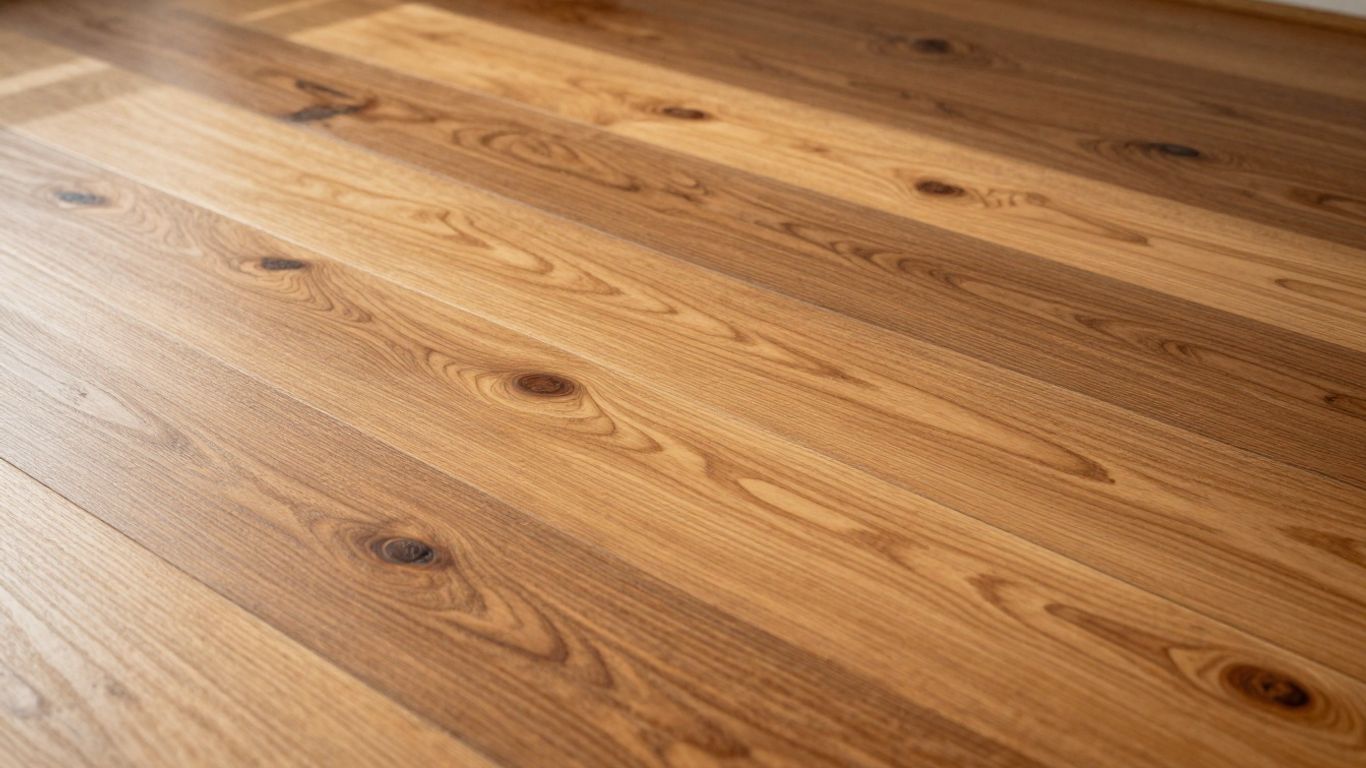
Sunlight across freshly lacquered wooden floorboards

Parquet Floor Sanding and Repair

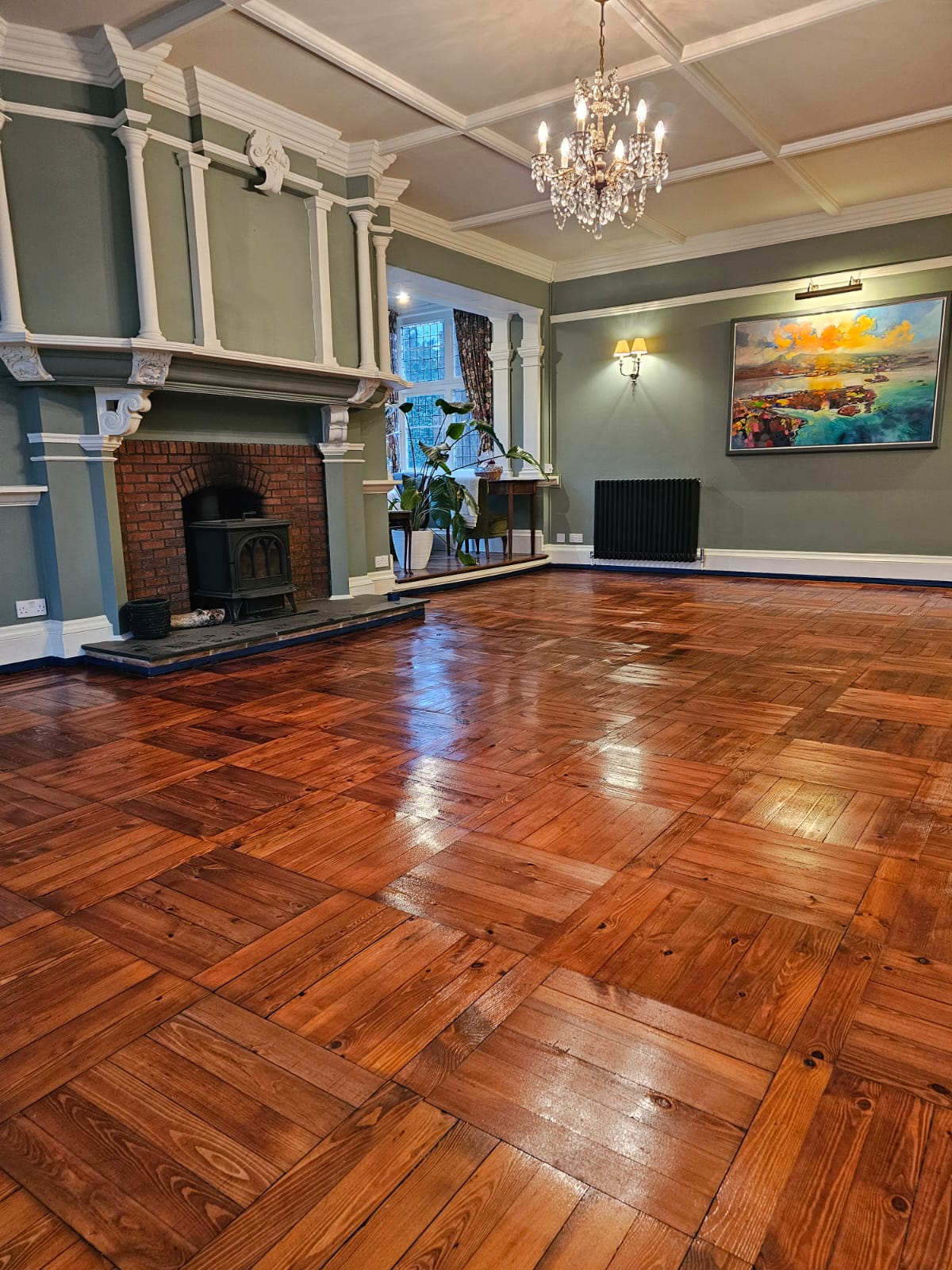
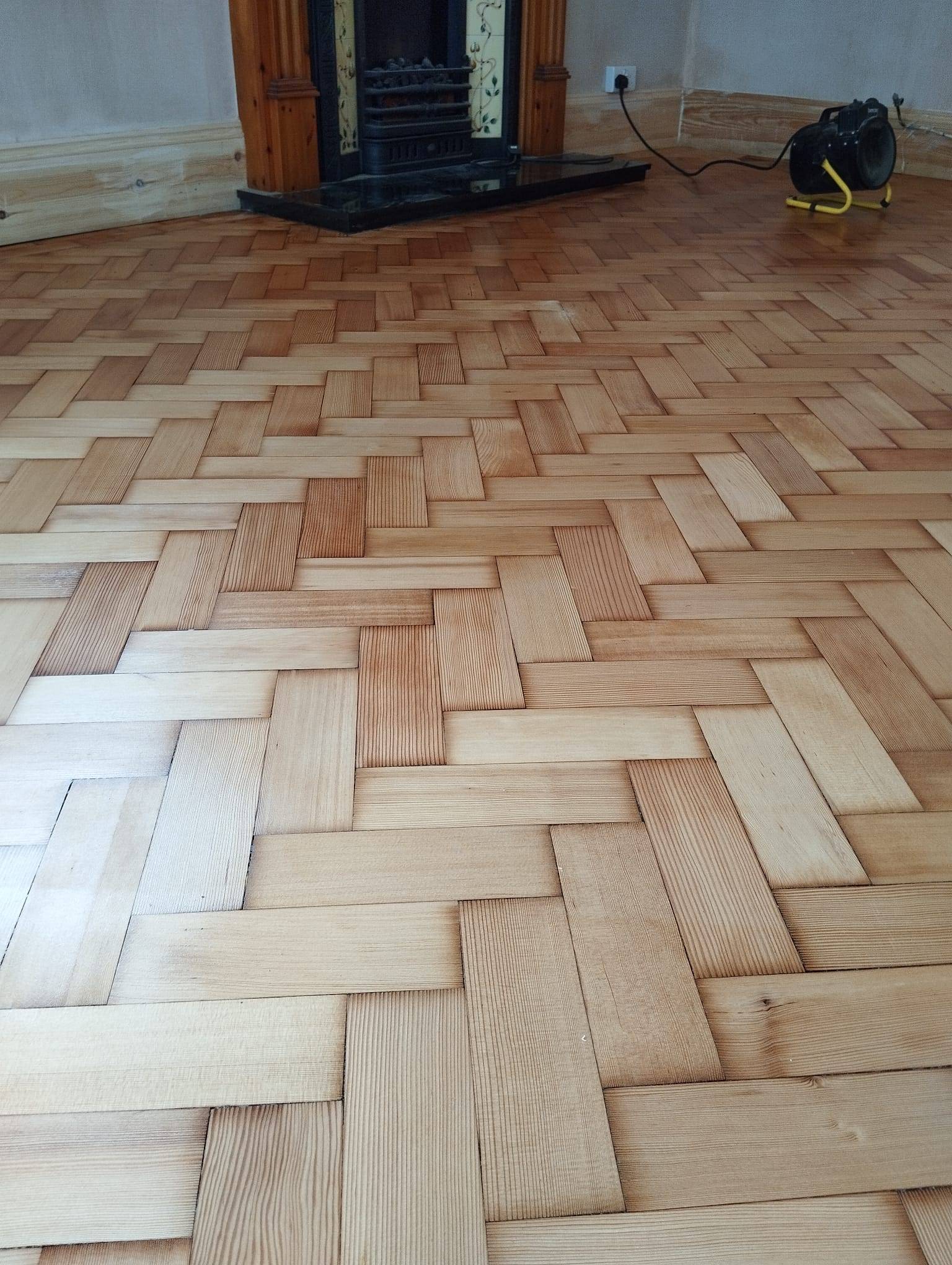
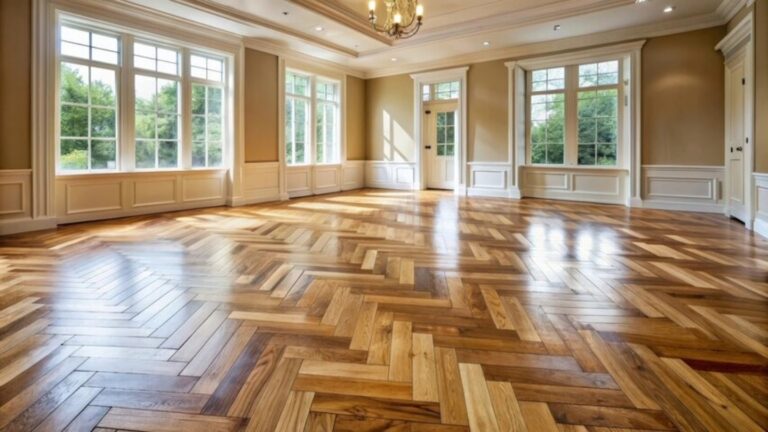
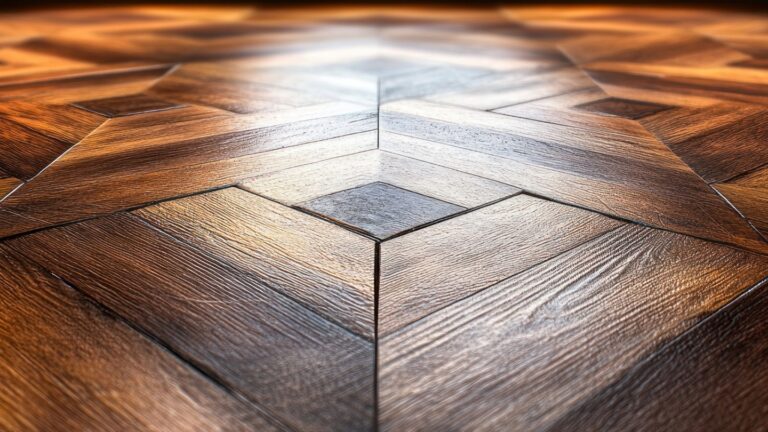
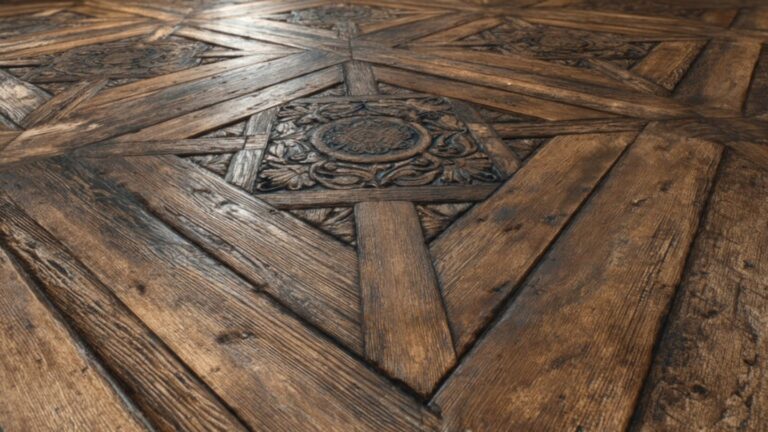
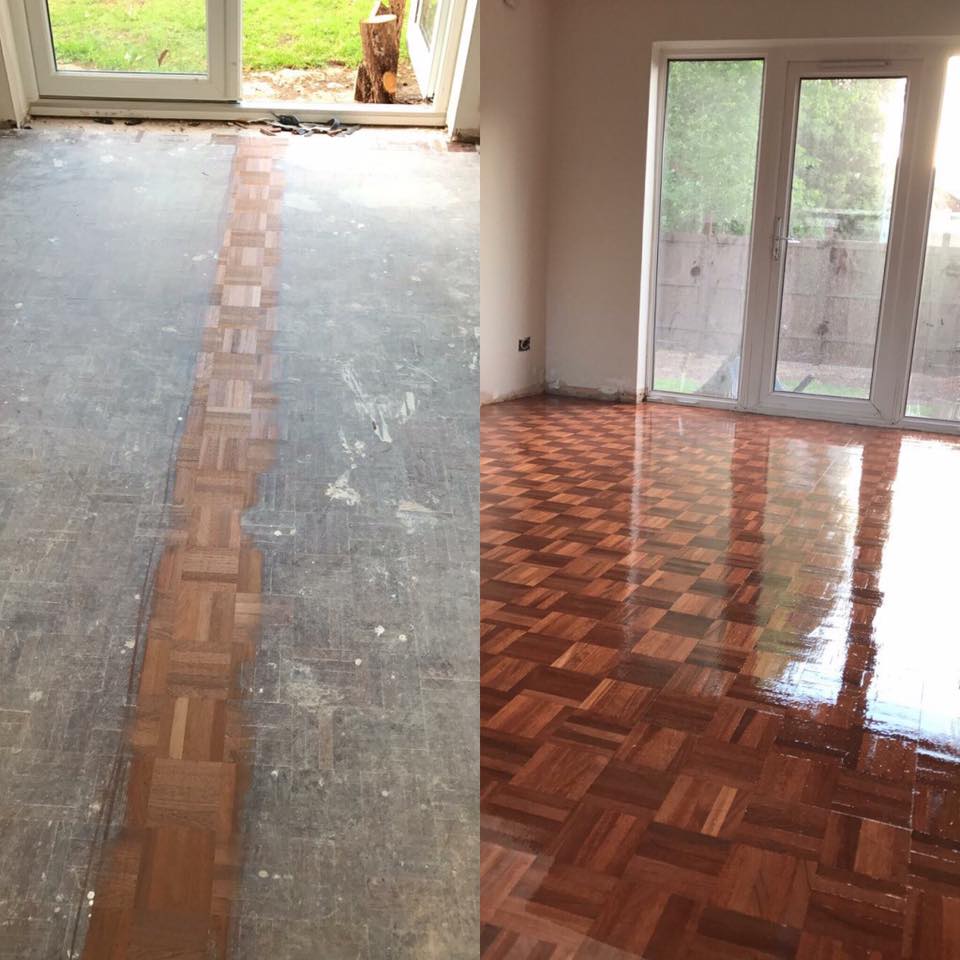
Block and herringbone floors around Launceston — in halls, former schools and 1930s houses — are restored through our parquet floor sanding service. We re-bond anything loose, dig out perished bitumen, let in matched blocks from reclaimed stock where pieces are missing, then sand the pattern flat and seal it so the joints read crisply again.

Water-marked and polish-blackened parquet nearly always cleans up; a photograph will tell us how much work is in it.

One honest caveat on water-marked parquet: sanding removes staining to the depth it can safely cut, and most grey watermarks go completely, but ink-dark marks that have soaked deep into end grain sometimes remain as ghosts. We say so before starting, and where a mark sits in a single block the cleanest fix is often to swap that block from reclaimed stock rather than chase the stain deeper than the floor can afford.

Oils, Lacquers, Stains and Waxes

Period Launceston rooms usually suit a breathable hard wax oil — it keeps elm and pine looking like timber and spot-repairs cleanly — while hallways, rentals and shops get tougher water-based lacquer. Waxing stays on the menu for the oldest interiors.

Old timber takes colour unevenly, so all staining is trialled on your own boards and left for you to live with for a day before we commit. Years later, a light buff and recoat renews the surface without another full sand.

In low-beamed rooms with small windows, sheen choice does real work: a matt or eggshell finish scatters what light there is softly across the boards, where a shiny surface throws hard reflections and makes every undulation of an old floor jump out. That is usually the deciding argument for matt in period houses. On timing, expect finishes to accept careful feet quickly but to keep hardening for days afterwards — the written aftercare we leave sets out when rugs, furniture and wet mopping can each return.

Wood floor sanding company
Floor sanding taunton

Get a Floor Sanding Quote in Launceston

A wide photograph of the room and a close one of the worst area gets you an honest opinion and a fixed written quotation — often the same day. Free no-obligation surveys are easy to arrange this side of the county, and listed-property owners are welcome to put our written method in front of their conservation officer before deciding.

Call 01823 674562, email info@ryansrestoration.co.uk, or use the form on this page.

All services available in Launceston: floor sanding, commercial sanding, floor repairs, board replacement, gap filling, parquet restoration, oiling, staining, sealing, stair sanding and new floor installation.

Nearby areas we also cover: Bude, Callington, Camborne and Camelford. There is a page for each, and the full list of towns is on our areas we cover page.

FAQ: Floor Sanding in Launceston

Sanding, refinishing, repairs, floorboard replacement, gap filling, parquet restoration, staining, sealing, oiling, waxing, stair sanding, buffing and new wooden floor installation — the whole trade under one family-run roof, with 45+ years behind it.

Yes — the sanding happens after last orders or on your closed day, the seal cures fast, and the bar opens on schedule. We have the paperwork side (method statements, insurance) ready before the first night.

Nearly always. Elm of that age is irreplaceable at any sensible effort, so we conserve it: gentle grits, hand work where machines are too much, and reclaimed timber let in only where a board is truly gone.

Yes. Lifted blocks are a bond failure, not a lost cause — we clean them, re-bond them, replace any missing pieces from reclaimed stock and sand the floor flat afterwards.

Sanding removes the old colour along with the finish, taking the floor back to bare timber. From there you can keep it natural or choose a new stain, tested on your own boards first.

Most engineered boards will stand at least one careful sand — it depends on the wear layer, which we measure before promising anything. If it will not take a sand, we say so and talk through alternatives.

No — sealed extraction captures the overwhelming majority of dust at the machine, and doorways are sheeted, which matters in townhouses with open stairwells. Most customers stay home throughout.

Photographs first for an honest opinion, then a fixed written quotation, with a free no-obligation survey where the job needs eyes on it. The written figure holds unless you change the scope.