Floor Sanding Brentwood

Floor Sanding and Wood Floor Restoration in Brentwood

QUICK QUOTATION

Floor Sanding Taunton

Floor Sanding in Brentwood

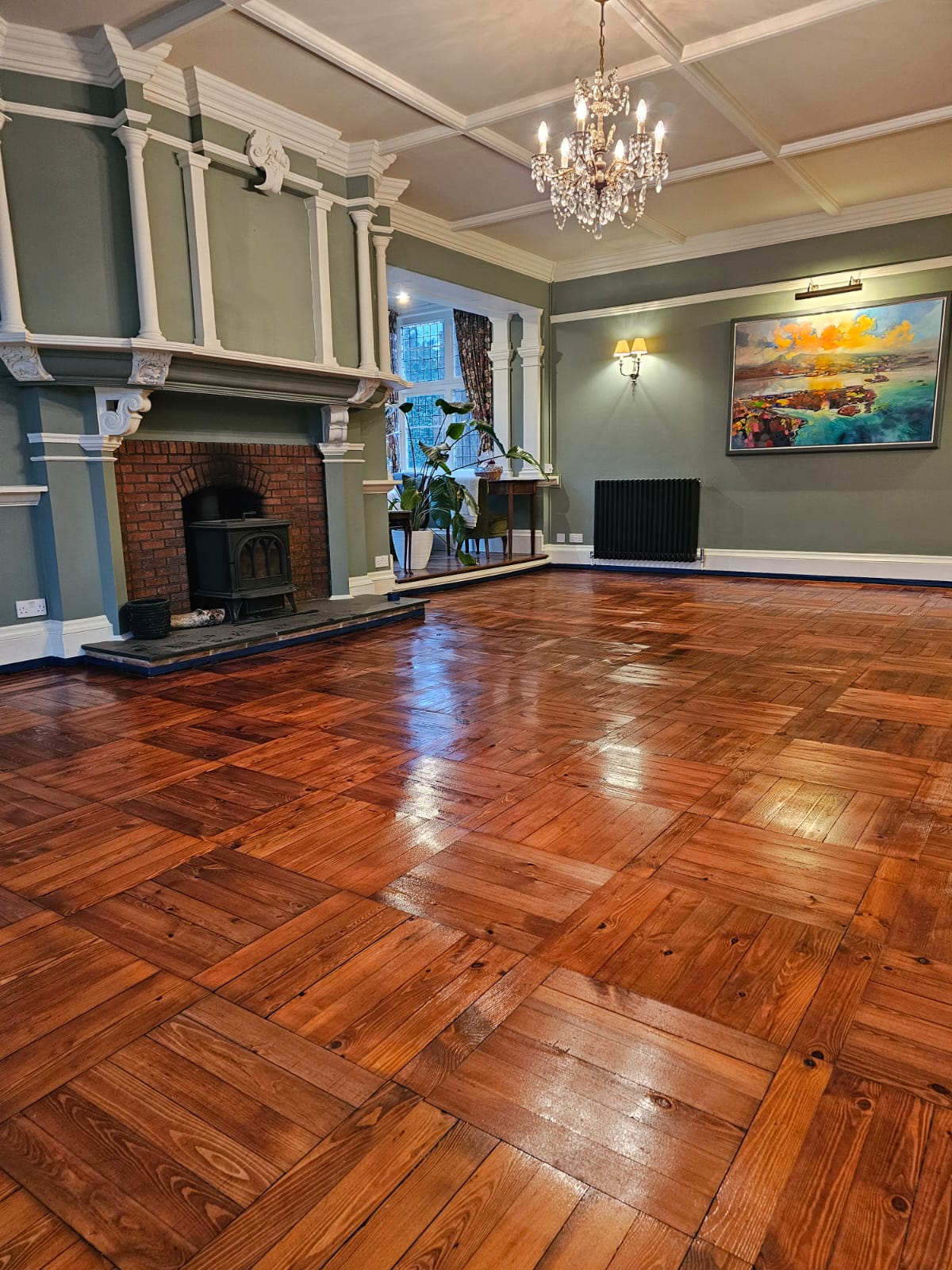
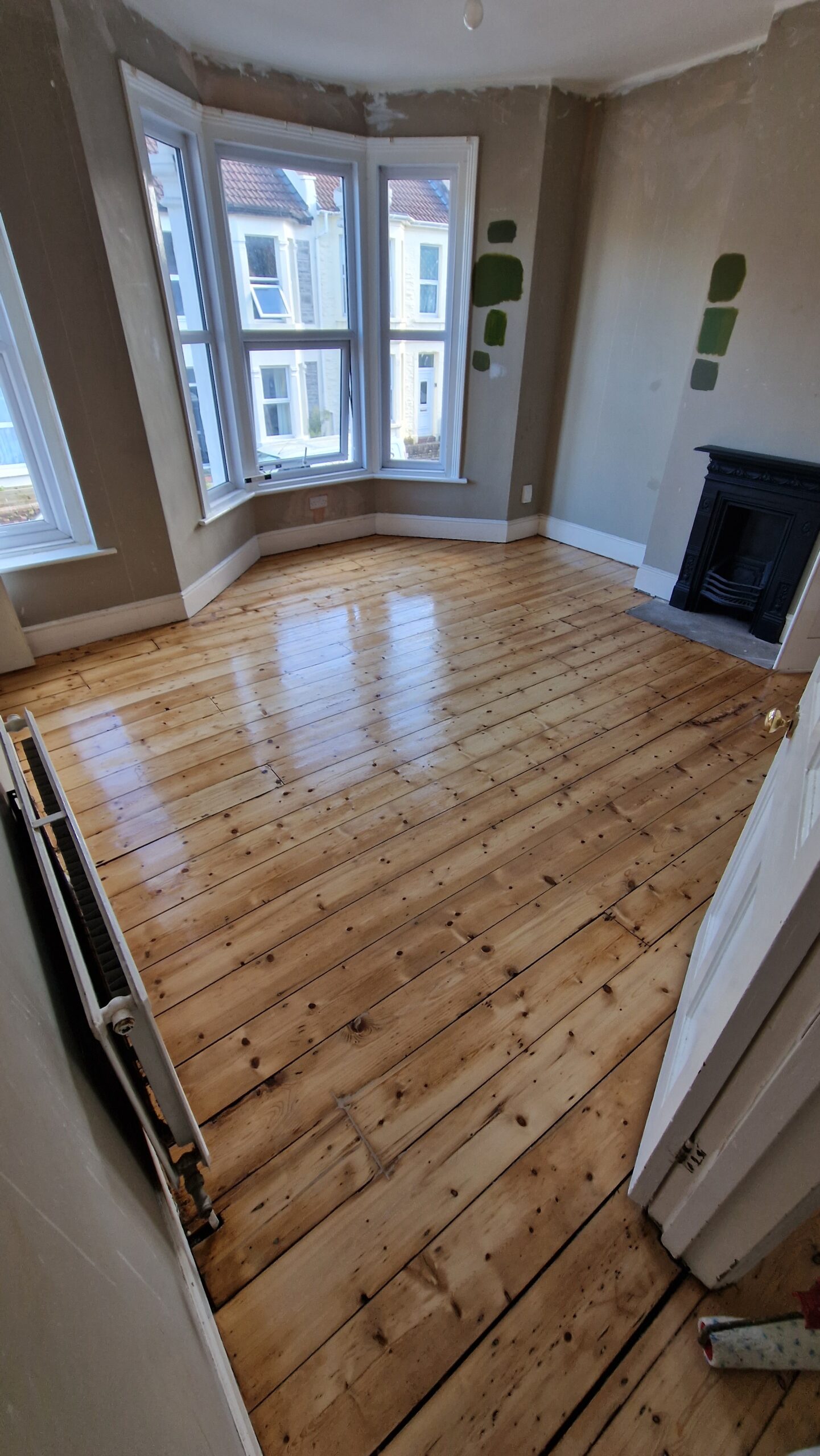
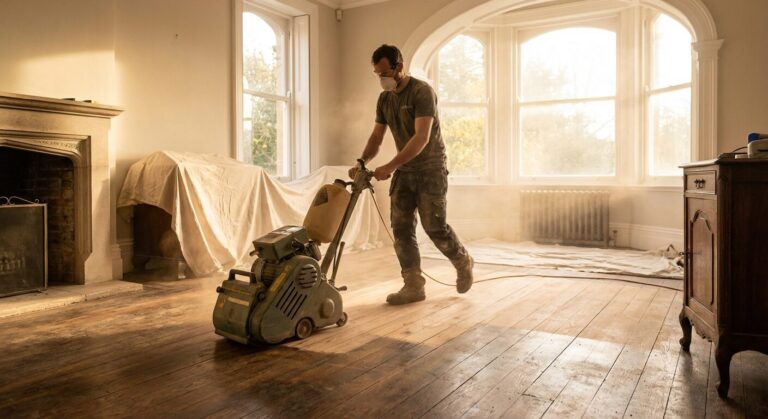
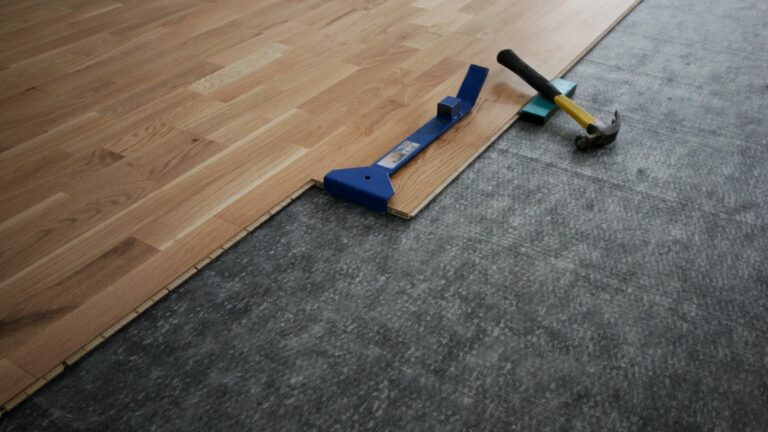
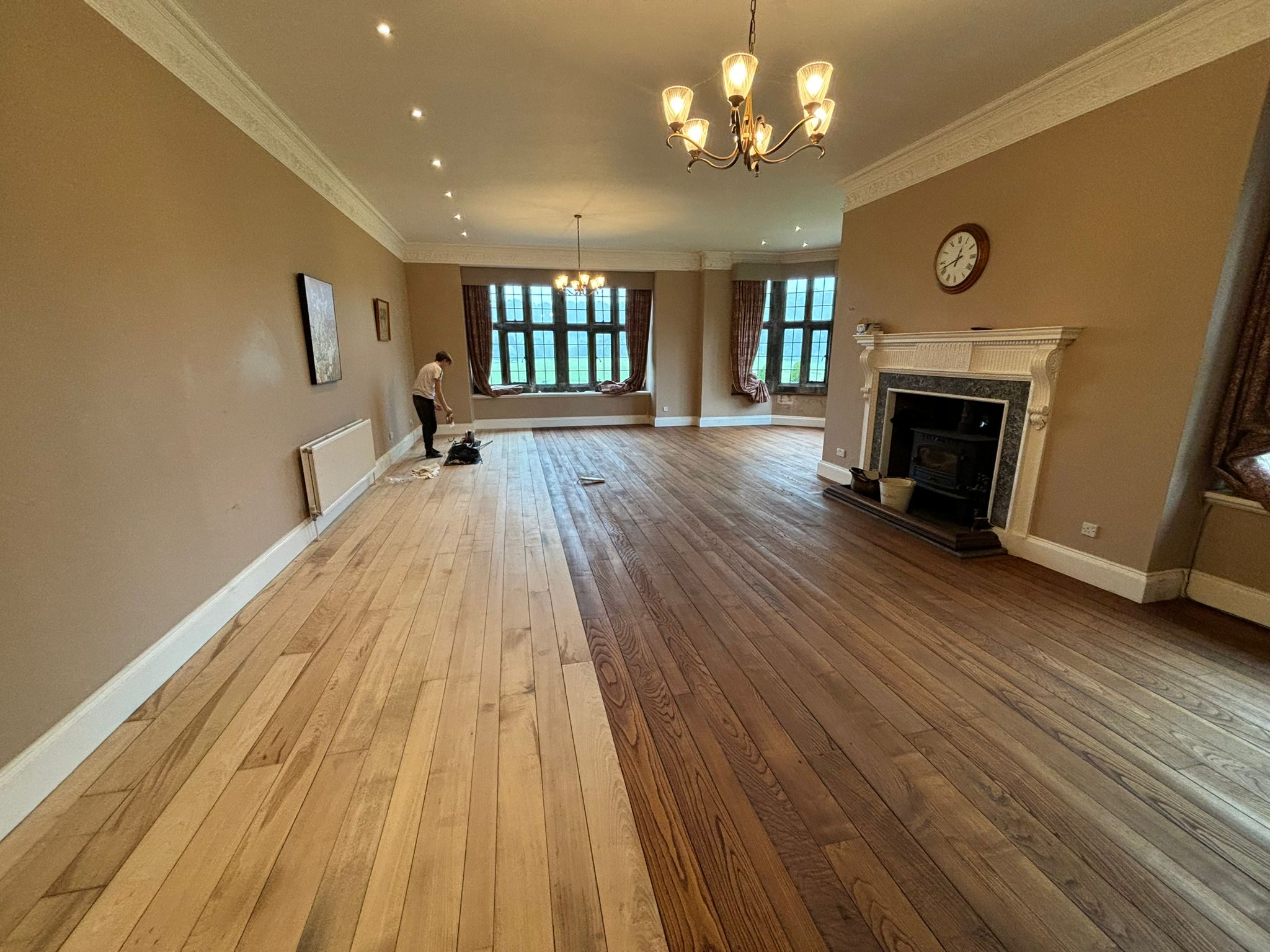
Brentwood, Shenfield, Hutton and Warley all sit on our regular Essex runs, and the wood floor sanding work here is pleasingly varied — pitch pine and baltic redwood boards in the Victorian streets near the town centre, oak strip and herringbone in the interwar avenues, engineered boards in newer builds.

We have been at this as a family firm for more than 45 years. Floors are assessed honestly — plenty need less work than owners fear — and every job is confirmed with a fixed written quotation before we book it into an eastern-counties week.

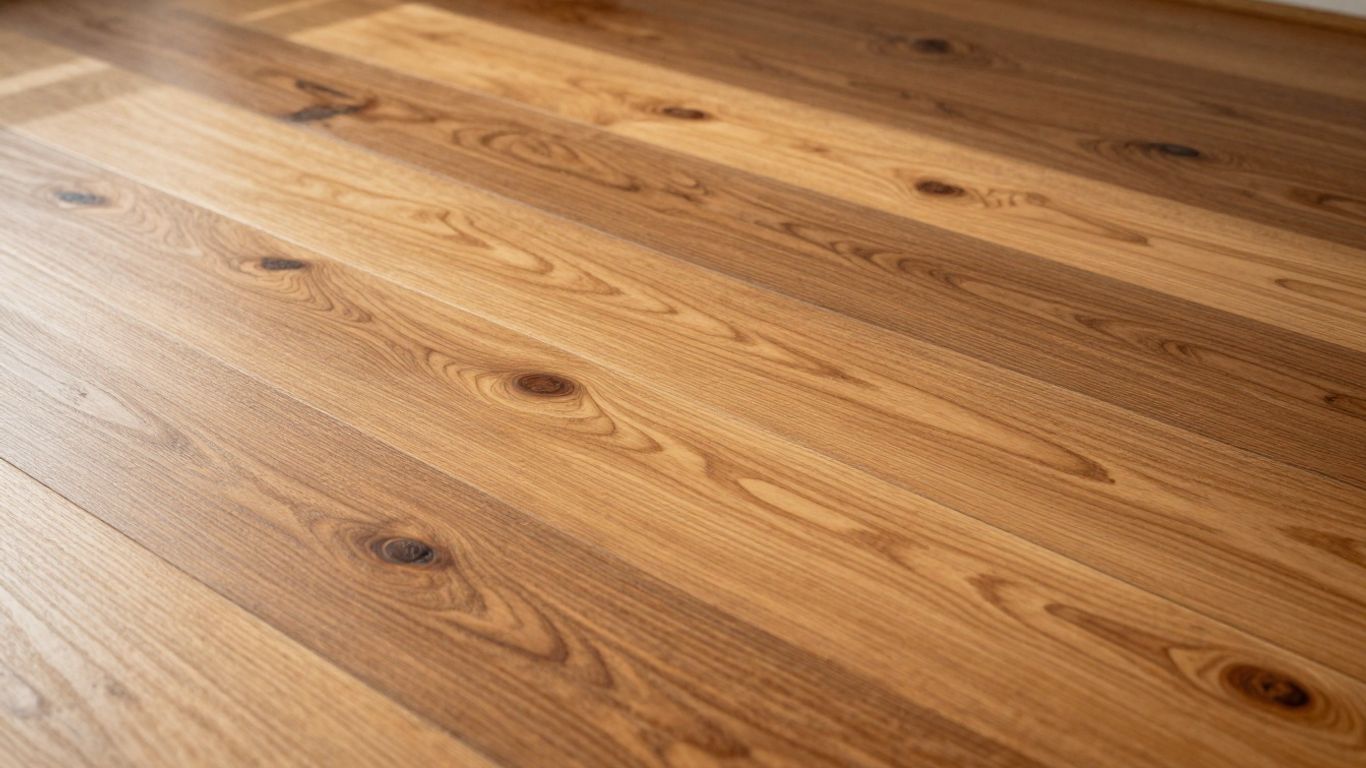
Engineered boards get a different discipline from solid timber. The first task is establishing the wear layer’s true thickness — a radiator pipe hole or an air vent usually lets us measure it directly rather than guess from a brochure — and that figure decides everything: how many grits, how coarse the first, and whether the floor should be machine-sanded at all or given a lighter abrade and recoat. When we do sand engineered oak we remove the bare minimum, favouring finer starting grits and finishing machines over aggressive cutting, because the veneer that is gone is gone. Solid boards forgive; engineered boards keep score.

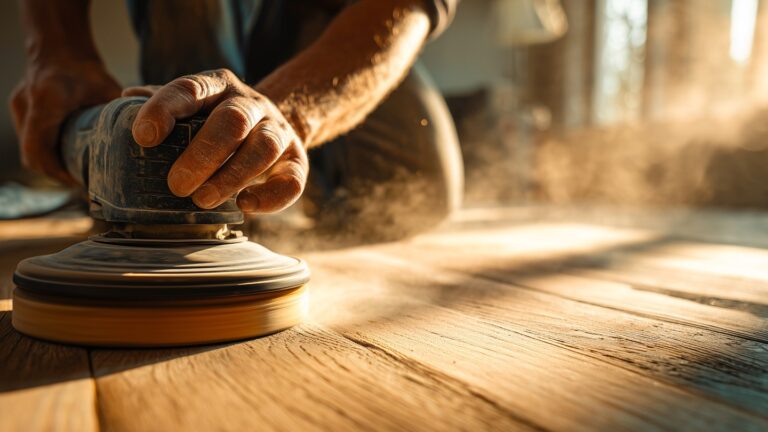
Pitch pine, at the other end of the spectrum, is solid to a fault but bleeds resin under a hot abrasive — so it gets sharp belts, steady speed and frequent changes to stop the surface glazing.
Commercial Floor Sanding in Brentwood

High Street shops, bars, restaurants and offices use our commercial floor sanding service because the sanding happens while they are closed: nights and weekends, with fast-curing seals down and hardened before opening time. Method statements and insurance documentation are provided as standard.

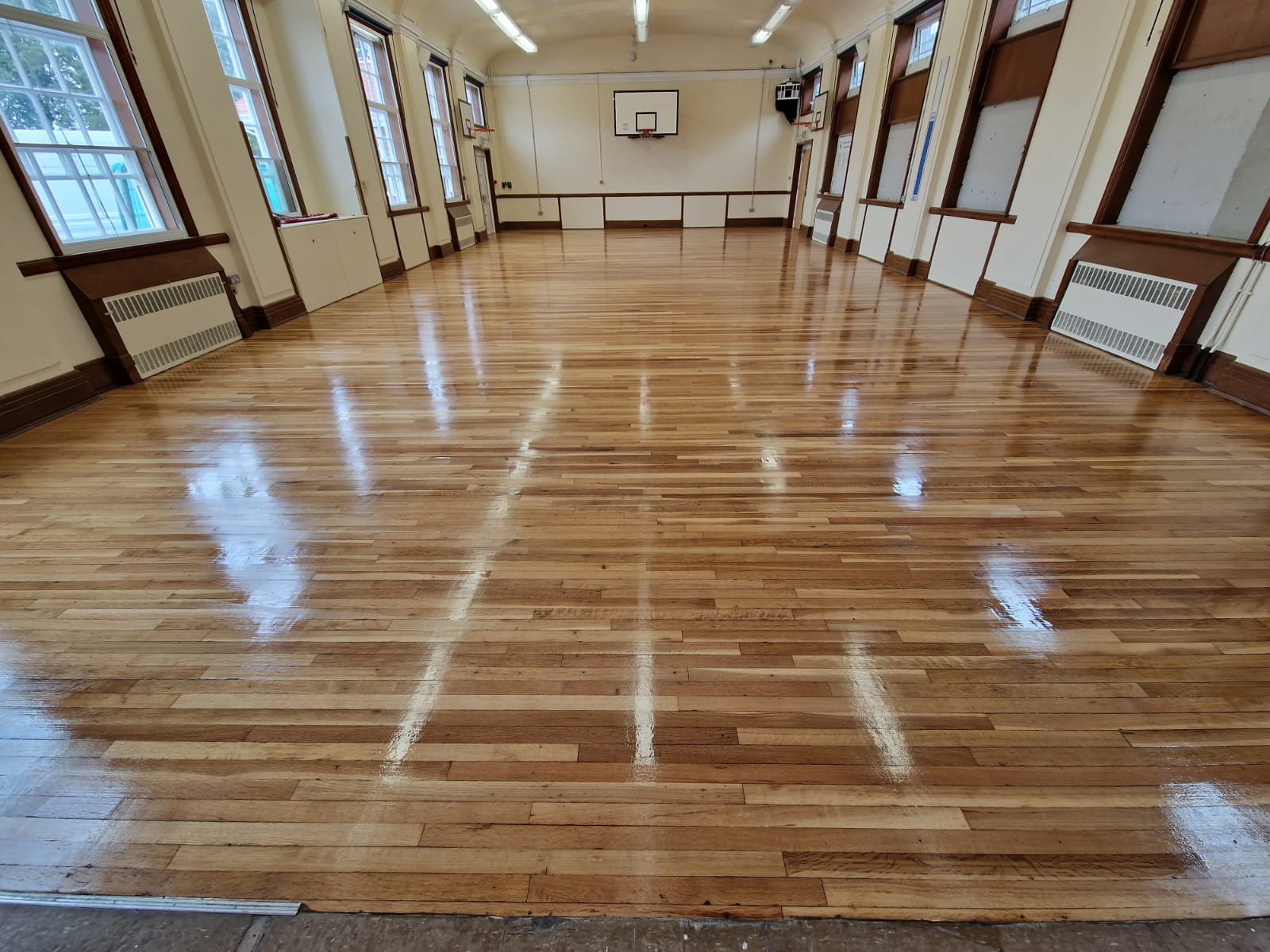
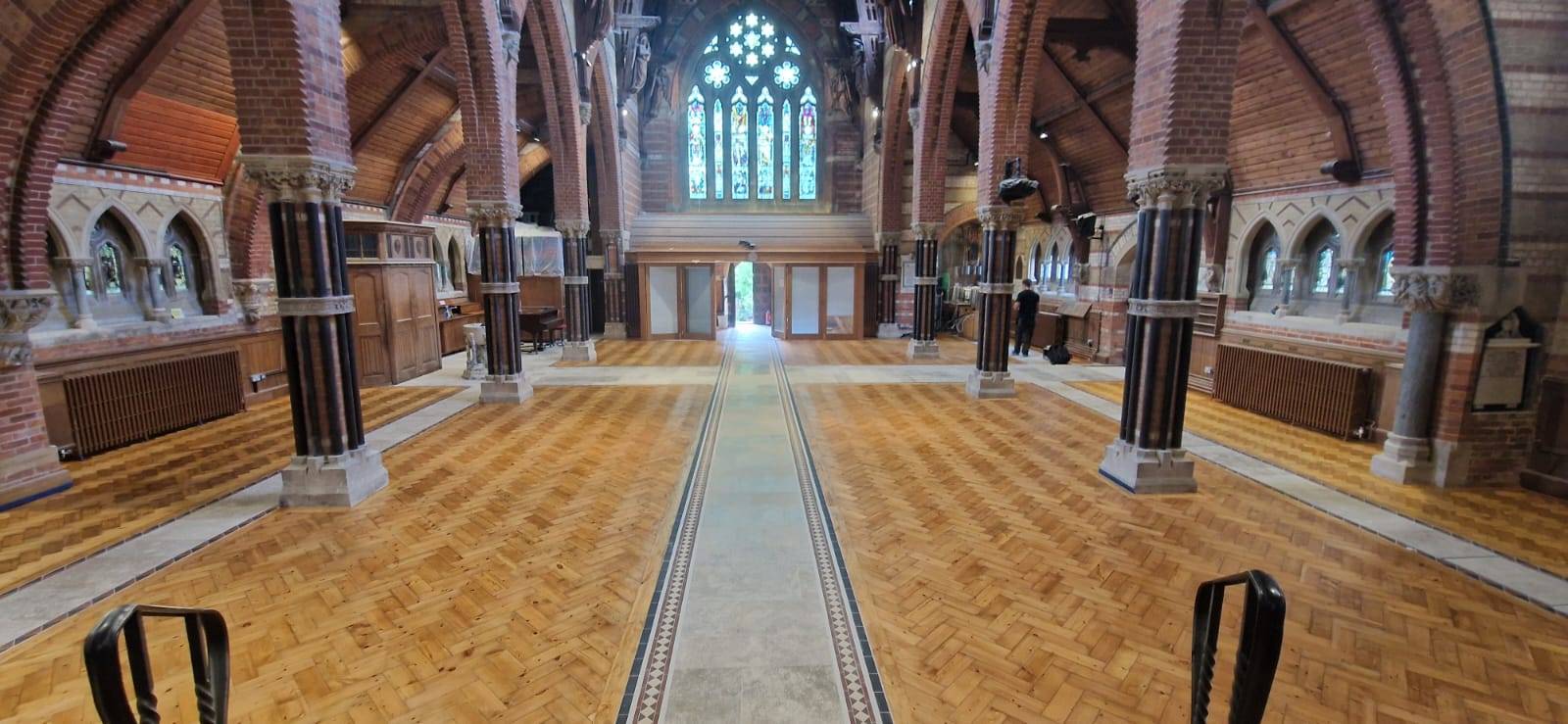
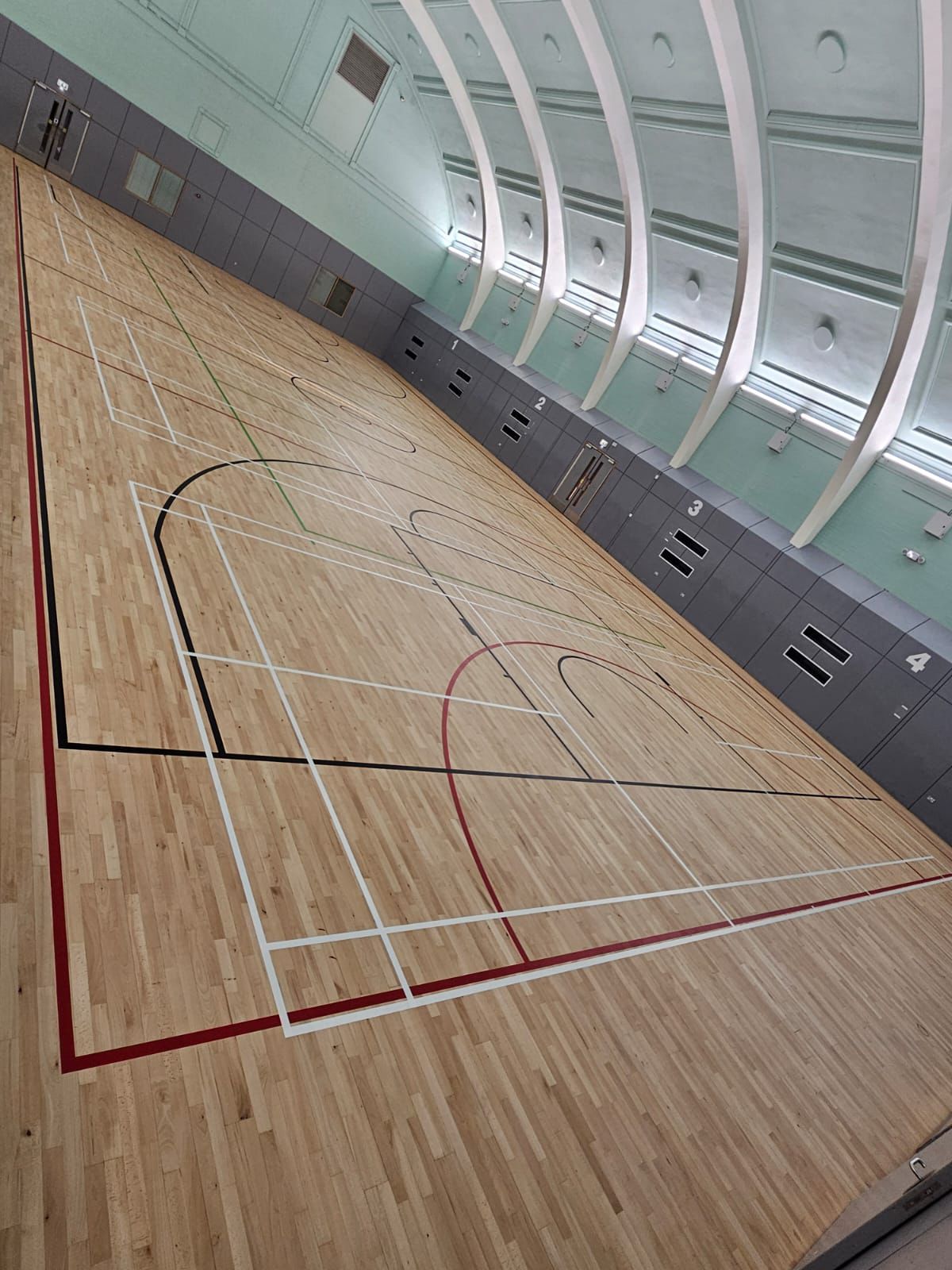
We also refurbish school and club halls — with court lines re-marked to governing body specification — plus restaurant and shop floors throughout the CM postcodes.

Every commercial job ends the same way: a walk-round with the manager or keyholder in the morning light, checking edges, thresholds and sheen consistency against the specification before we sign the floor over. You also get a one-page care note for staff — what the cleaners may use, when mats can go back down, how long to keep the wet-mopping off — because a brand-new finish is most vulnerable in its first fortnight and most damage we see on return visits happened in week one.

Floor sanding south east London
Commercial Hall Floor Refurbishment

Repairs, Squeaks and Gap Filling

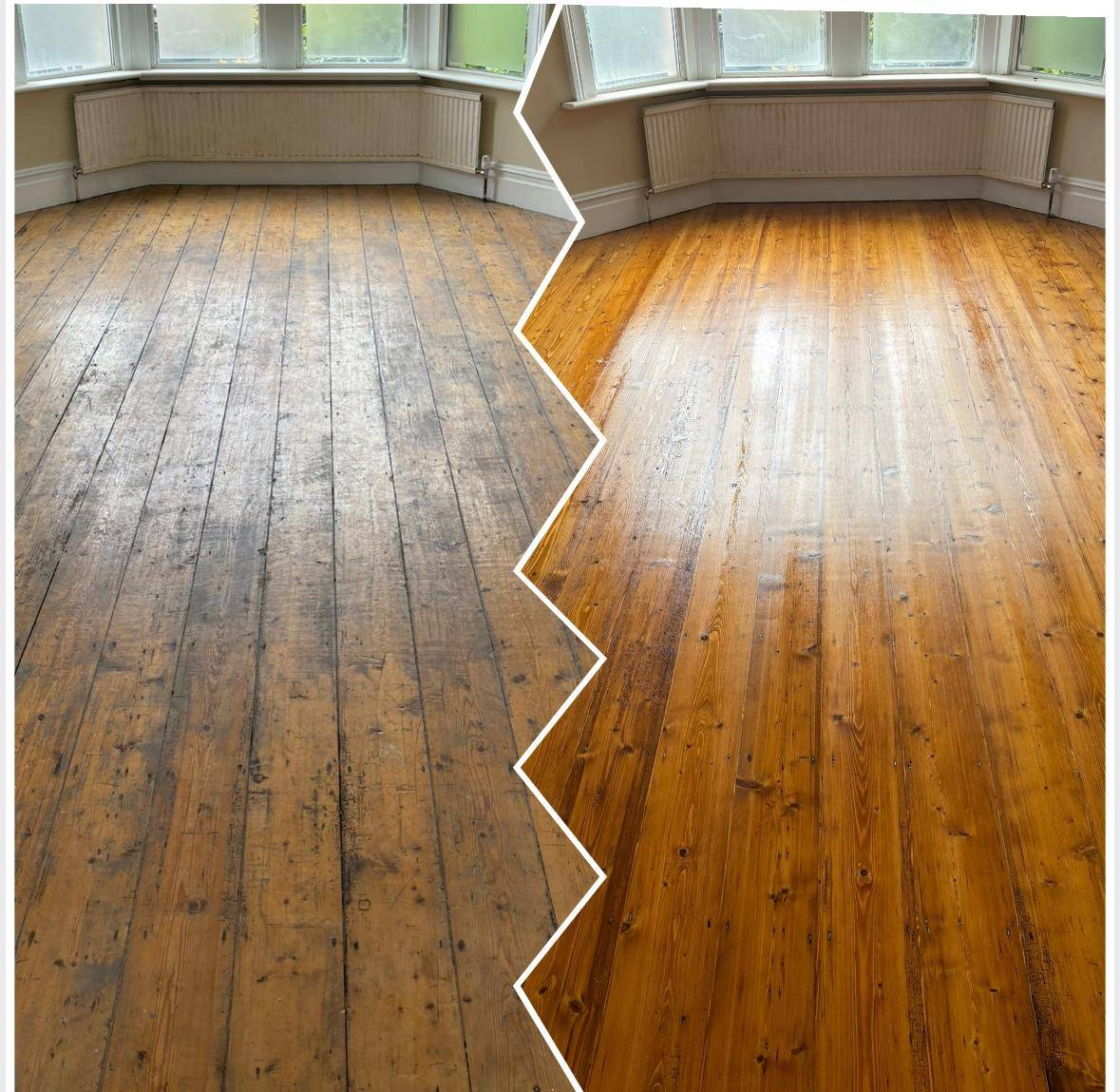
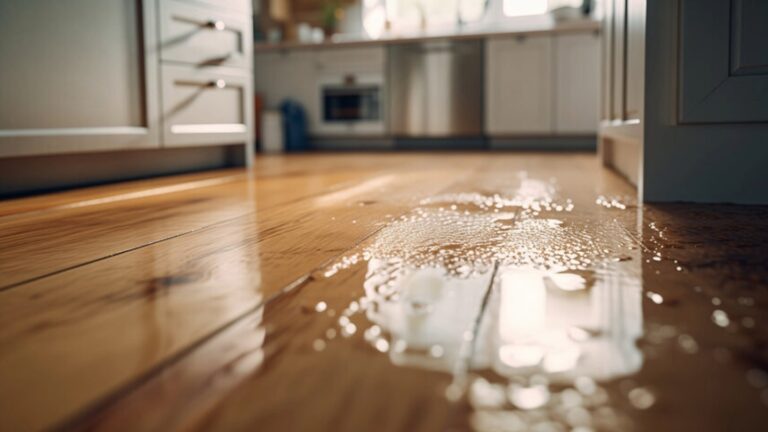
Structural honesty comes before cosmetics. Our wooden floor repairs service refixes loose boards, patches splits and burns, and swaps hopeless boards through floorboard replacement from our reclaimed pine stock so old floors keep their age. Water marks around radiators — common in this hard-water area — usually sand out or can be treated before finishing.

Squeak repair, scratch repair and gap filling for draughty joints round out the same visit.

Radiator pipework leaves its own trail through a floor: ragged oversized holes where pipes drop through boards, split ends where someone levered a board against a hot pipe, and crescents of grey staining at every joint that ever wept. During repairs we square up the ragged holes and fit neat timber collars, splice the split ends, and treat or replace the stained sections depending on how deep the mark runs. It is detail work, but pipes come through floors in the most visible places — bay windows and chimney breasts — so the effort shows.

Squeaks in the CM postcodes are mostly the clay’s doing: seasons of subtle movement back the nails out a fraction at a time until boards ride up and down on them. The fix is unglamorous and permanent — screws into the joist where nails have failed, heads sunk and hidden — and it is done before sanding so the refixed boards finish flush with the rest.

Parquet and Herringbone Restoration

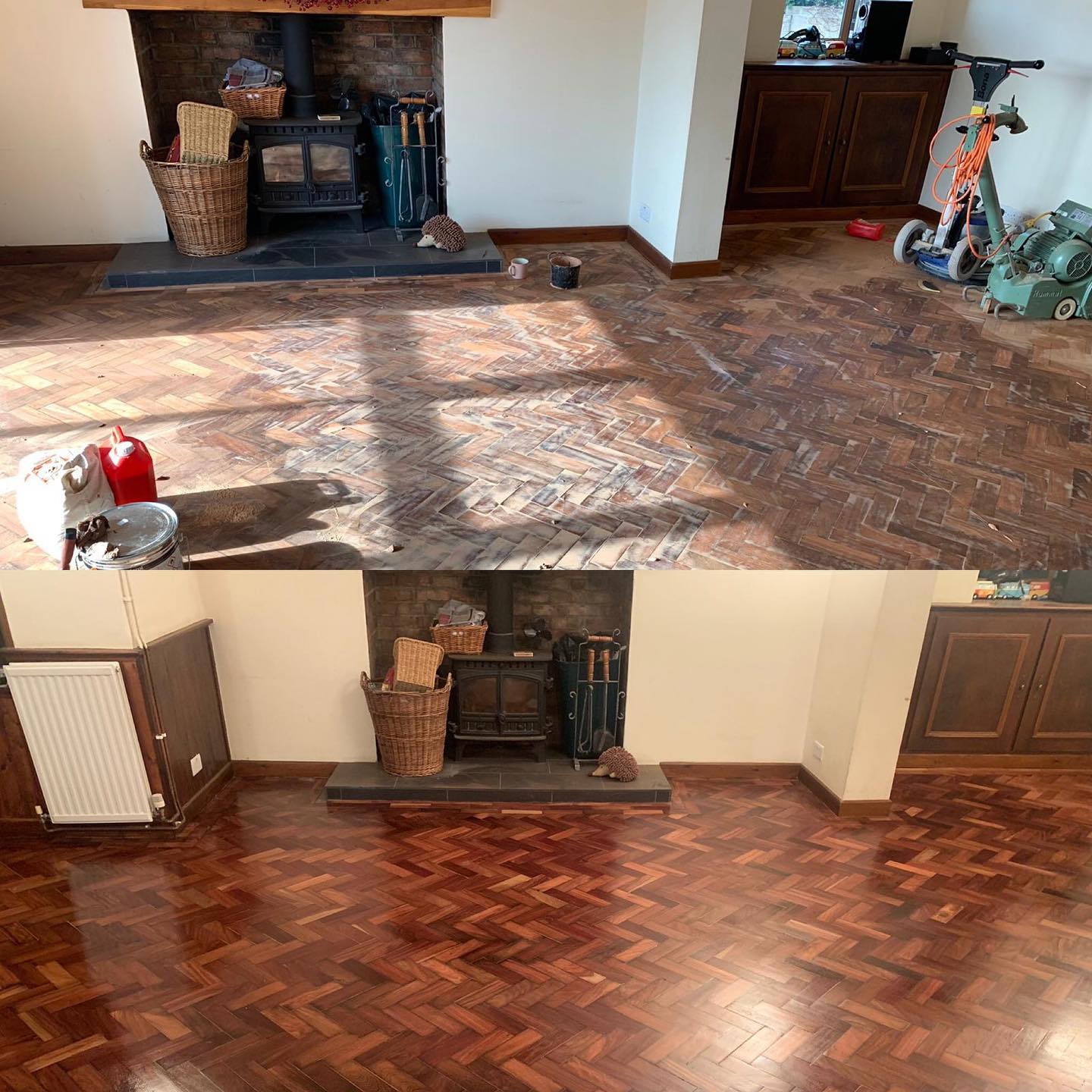
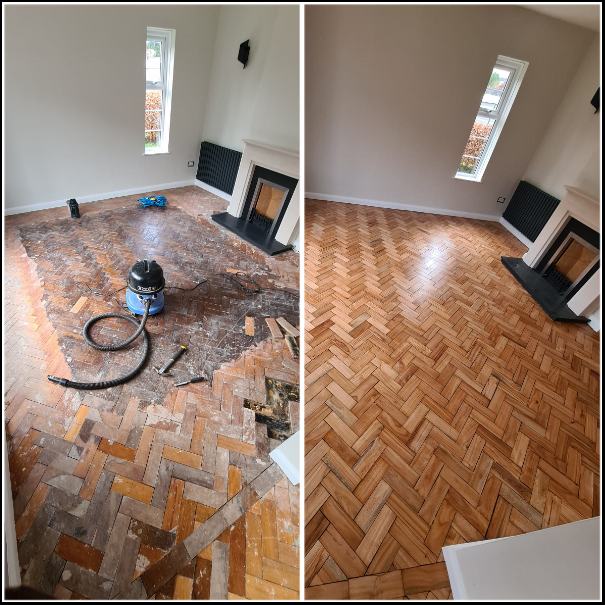
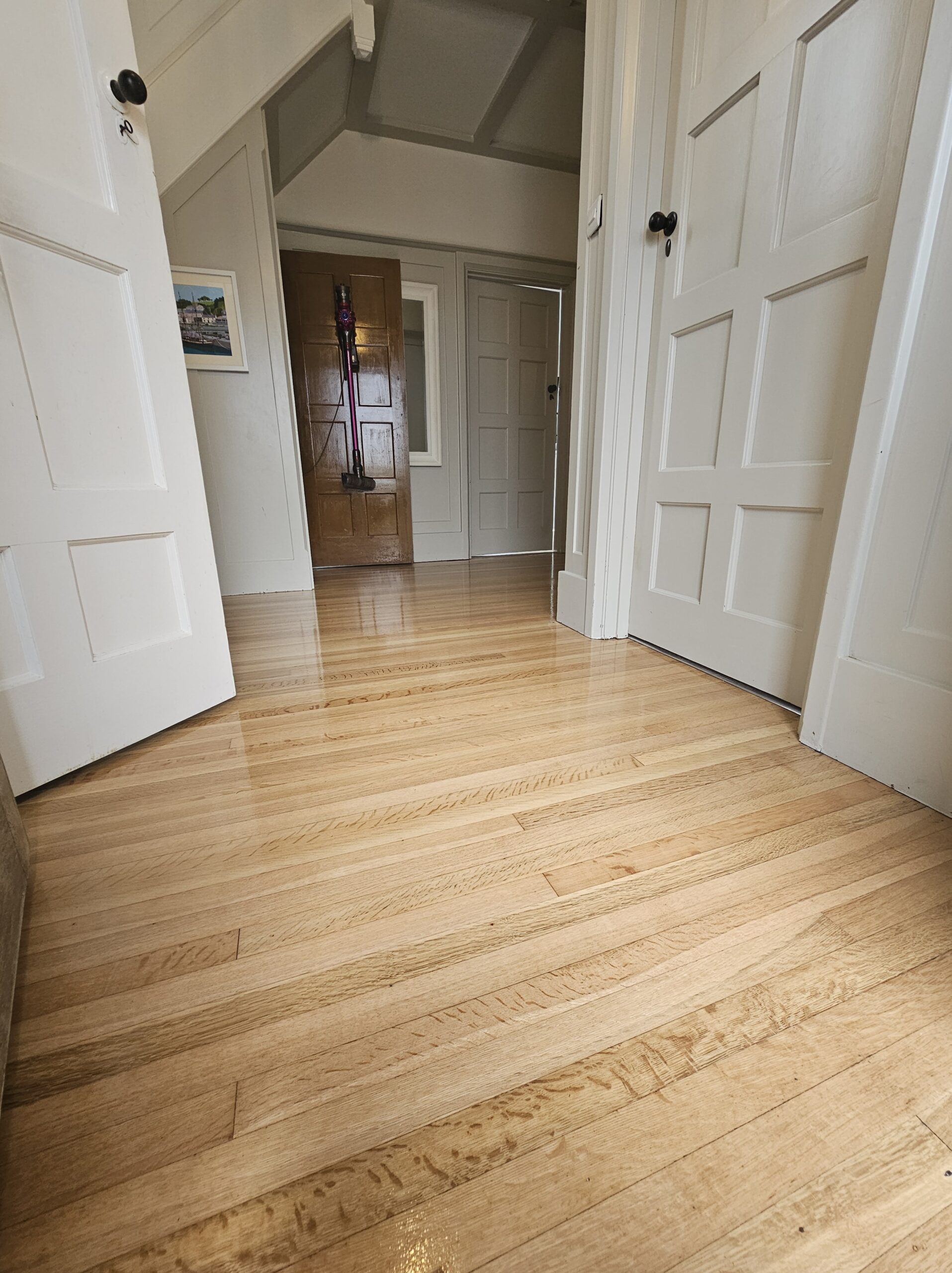
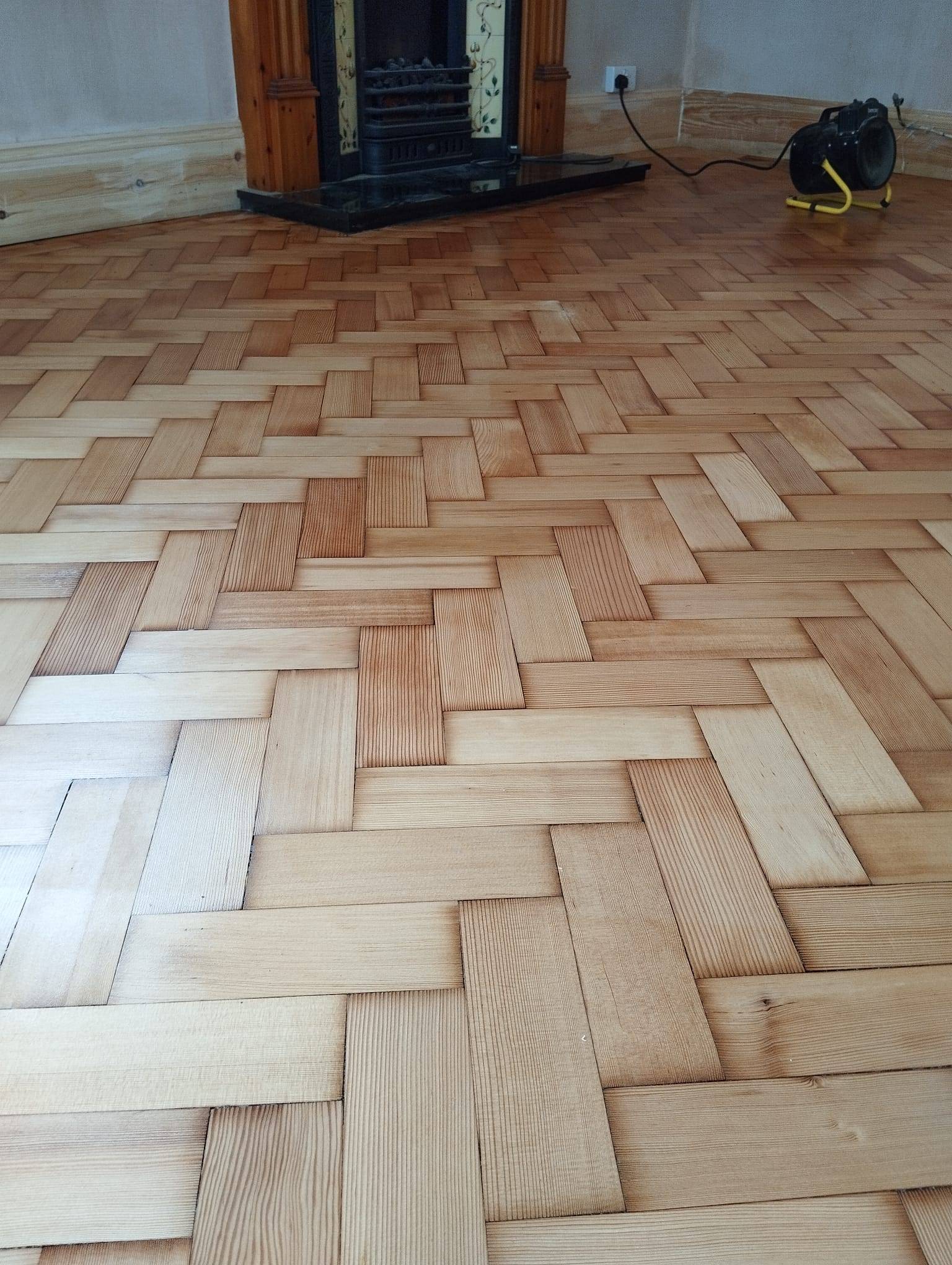
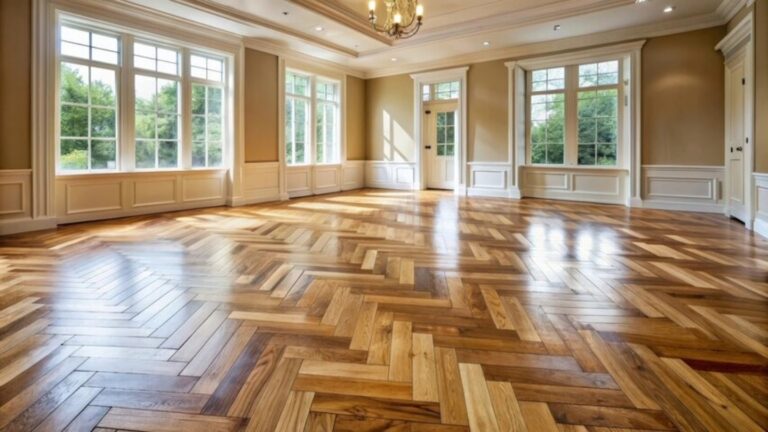
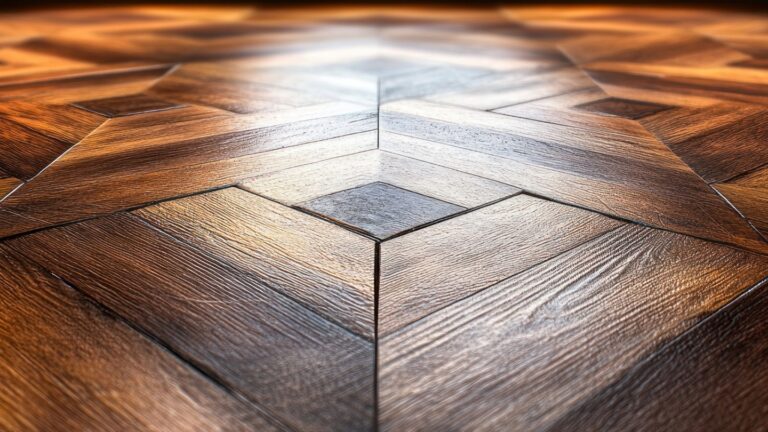
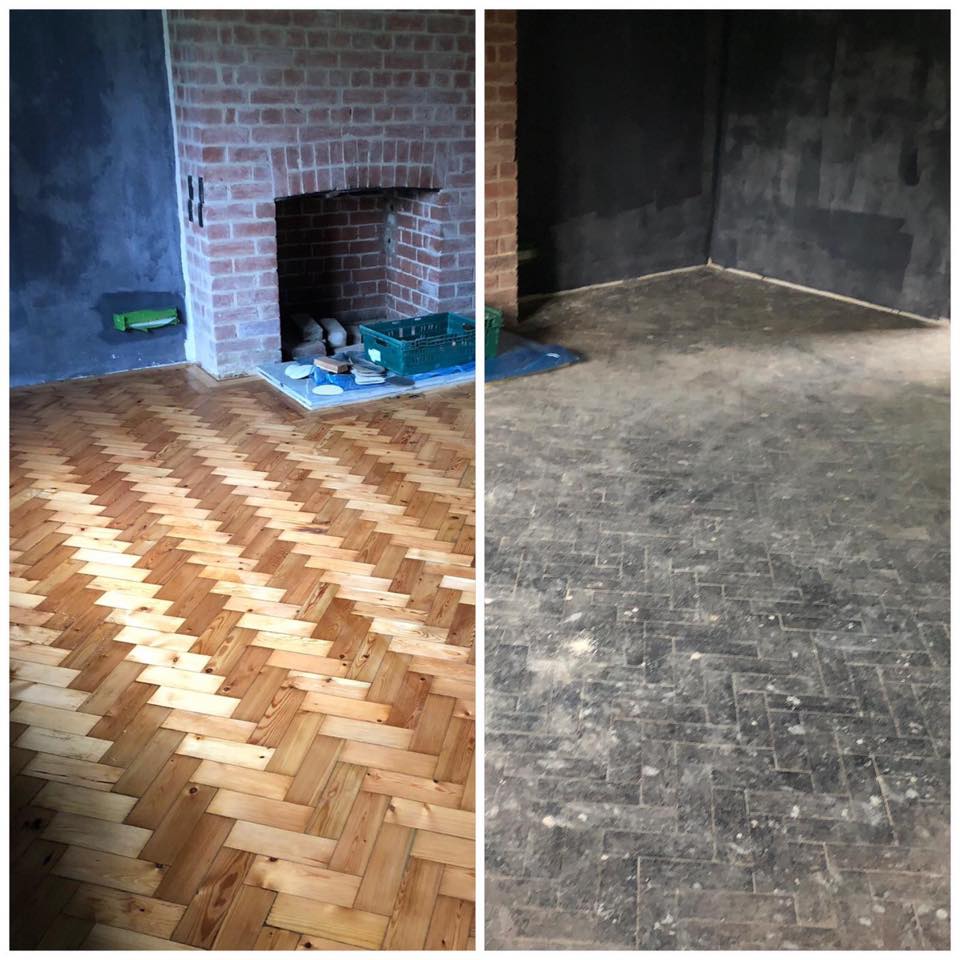
The interwar avenues around Brentwood and Shenfield hold a good stock of oak herringbone, and our parquet floor sanding service returns it to its best — loose blocks re-bonded, missing blocks cut to match, and the pattern machined dead flat before sealing.

Bitumen adhesive and darkened old finishes are part of nearly every parquet job and come away cleanly. If the blocks are already thin from earlier sanding, we will recommend a sand-free restoration rather than risk the floor.

A typical hall-and-front-room herringbone restoration runs like this: day one, lift and re-bond every loose block, cut and fit replacements, and leave the adhesive to grab overnight; day two, the levelling cuts and the first fine passes, followed by whole-floor filling; day three, final sanding, buffing to an even key, and the seal coats with drying time between. Three days sounds generous for two rooms until you watch how much of it is craft rather than machinery — and it is the unhurried stages, particularly the overnight adhesive cure, that make the difference ten years on.

Owners sometimes ask whether the borders — the single or double soldier courses running the room’s edge — can be kept crisp through a full sand. They can: borders are cut in by hand and with edge machines along their own grain direction, separately from the diagonal field passes, which is precisely the kind of slow detail that separates restoration from mere resurfacing.

Floor Sanding Essex
parquet floor restoration near me

Stains, Seals, Oils and Waxes

Finish selection is done on your own boards, not from a chart: staining to move the colour, resilient lacquer sealing for family traffic, hardwax oil for a natural surface that spot-repairs, and wax where a period room wants softness. In flats we add the practicalities — sociable working hours, specifications and insurance details for managing agents where the lease asks for them.

Long term, an occasional buff and recoat keeps the finish young without another full sand.

We hand every domestic job back with a simple traffic plan for the first days, because timing questions are the ones every family asks. In stocking feet the floor is usually fine within hours of the last coat; shoes and pets follow the next day; furniture returns on felt pads after a couple of days, slid on protection rather than dragged; and rugs stay off until full cure so the finish hardens evenly and the timber tones consistently beneath them. Exact timings depend on the product and the weather, so we write them down for your floor rather than quoting a leaflet.

Get a Floor Sanding Quote in Brentwood

Two photographs — doorway view and worst-area close-up — plus rough measurements will get you an honest opinion and a fixed written quotation. Prefer eyes on the floor? The site survey is free, carries no obligation, and slots into our next run through this corner of Essex.

Call 01823 674562, email info@ryansrestoration.co.uk, or use the form on this page.

All services available in Brentwood: sanding, parquet restoration, repairs, board replacement, gap filling, staining, sealing, oiling, stair sanding and installation.

Nearby areas we also cover: Chelmsford, Colchester, Essex and Kent. There is a page for each, and the full list of towns is on our areas we cover page.

If your floor is engineered, tell us when you get in touch and — if you can — include a photograph of a board end or a pipe hole where the layers are visible. Wear-layer depth changes the advice entirely, and knowing it early means the opinion you get back is the final one, not a provisional guess to be revised at the survey.

Parquet Flooring Restoration

FAQ: Floor Sanding in Brentwood

Sanding, parquet restoration, repairs, board replacement, gap filling, squeak and scratch repair, staining, sealing, oiling, waxing, stair sanding and new wooden floors.

Yes — we sand after closing and seal overnight, so the floor is hard and the doors open on schedule.

Rarely. Most water marking sands out completely, and deeper staining can usually be treated or the board replaced with matching reclaimed timber.

Worse than you would think and still be fine — loose, missing or bitumen-caked blocks are all recoverable. Only blocks sanded paper-thin need a gentler approach.

We can get close with the right stain, though pine’s grain always shows through. Samples on your own boards settle it before we commit.

Once or twice across its life if the wear layer allows — measured before we advise. Laminate is the exception and cannot be sanded.

Sealed extraction takes the overwhelming majority of dust at source, rooms are screened while we work, and each day ends with a tidy-down.

Send two photographs and rough sizes for an honest opinion and a fixed written quotation, or book the free no-obligation survey — 01823 674562 or the page form.

By measuring the wear layer directly — a pipe hole or vent usually exposes the veneer’s true thickness. That figure decides whether a careful sand, a light abrade-and-recoat, or neither is the right course.

Not until the finish has fully cured — typically around a week, product depending. Earlier than that they slow the hardening underneath and can leave a visible tone difference in the timber.