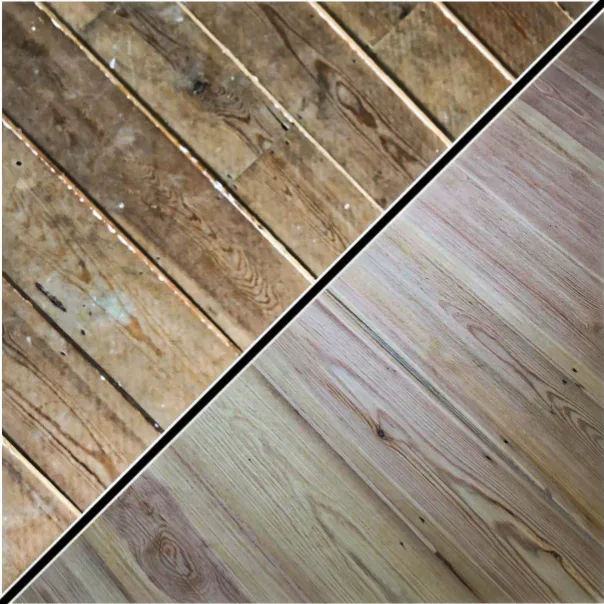
Floor Sanding in Colchester
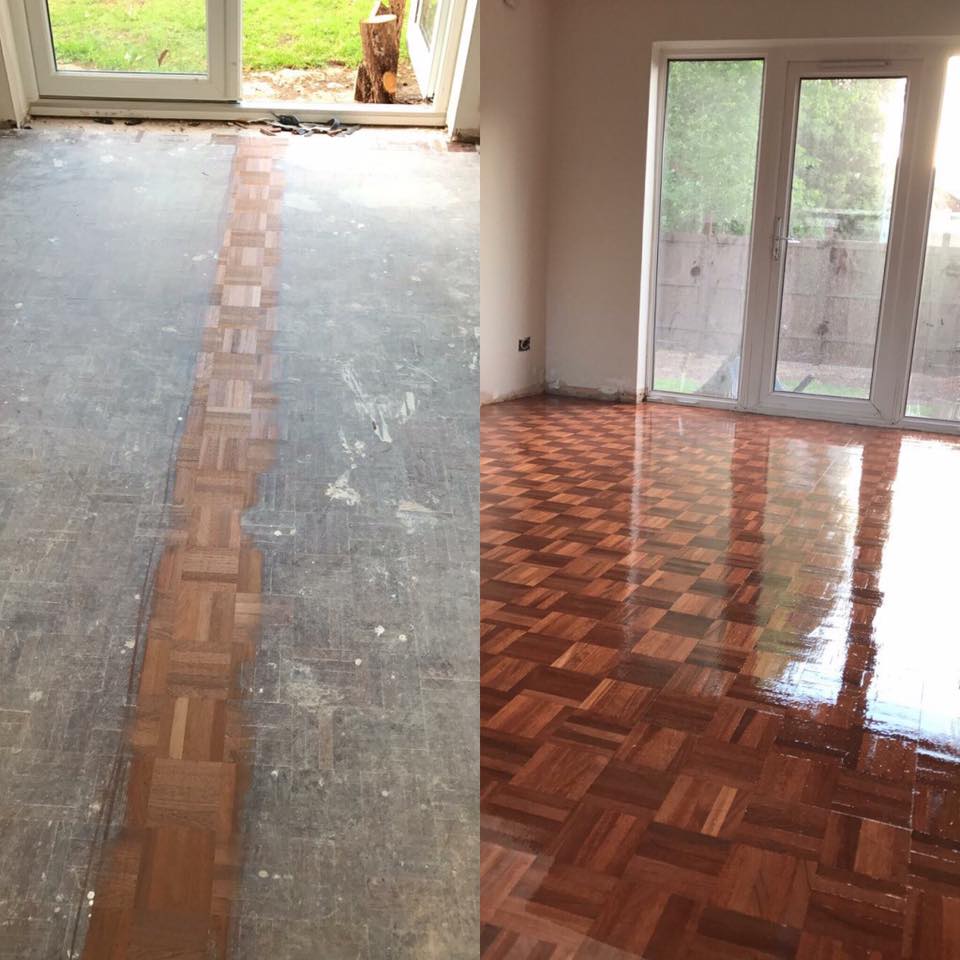
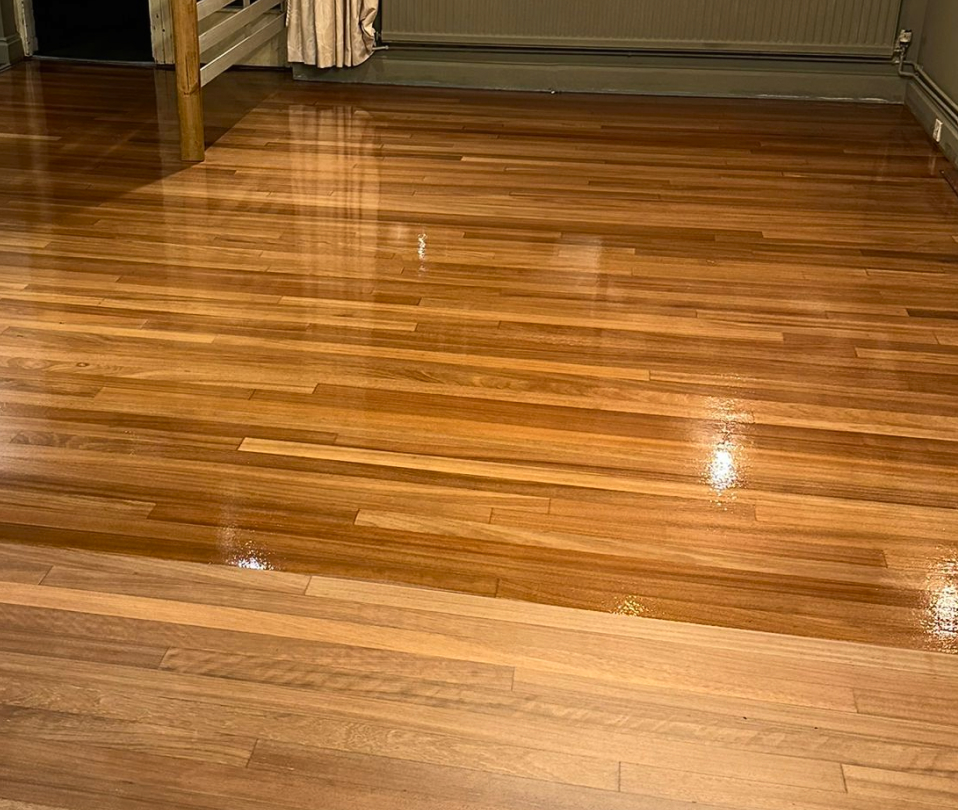
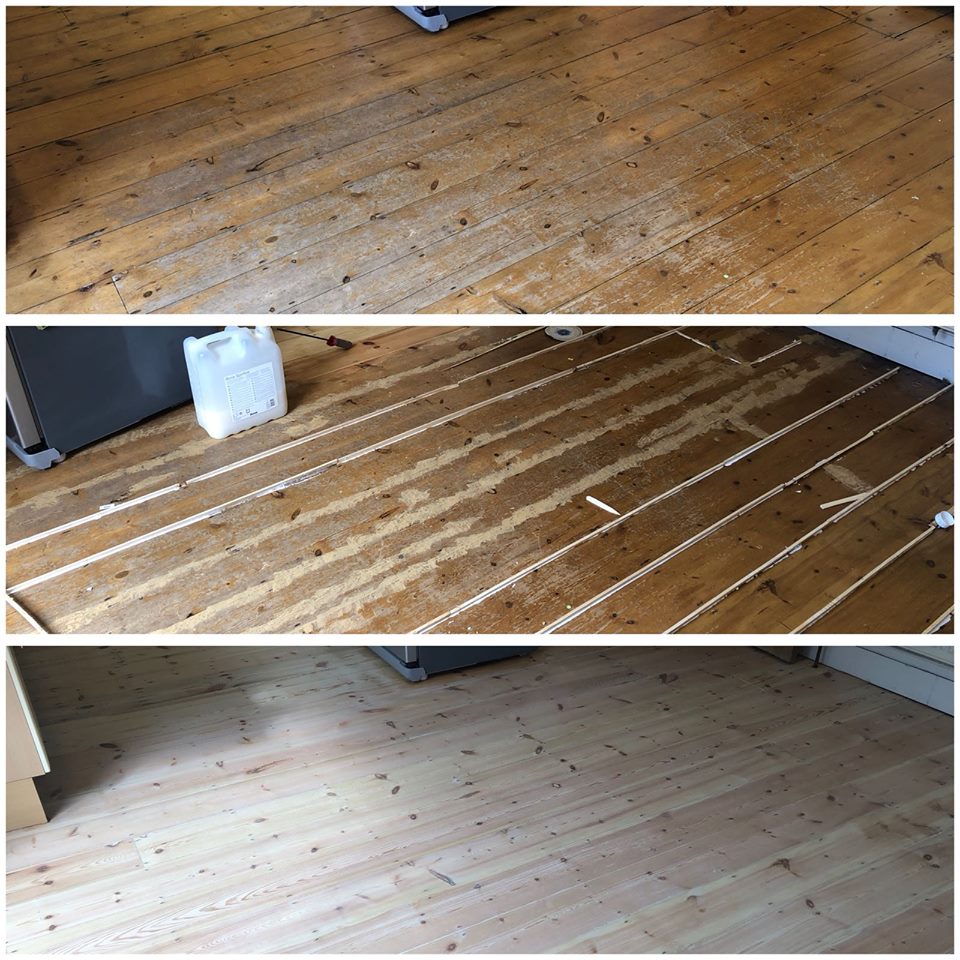
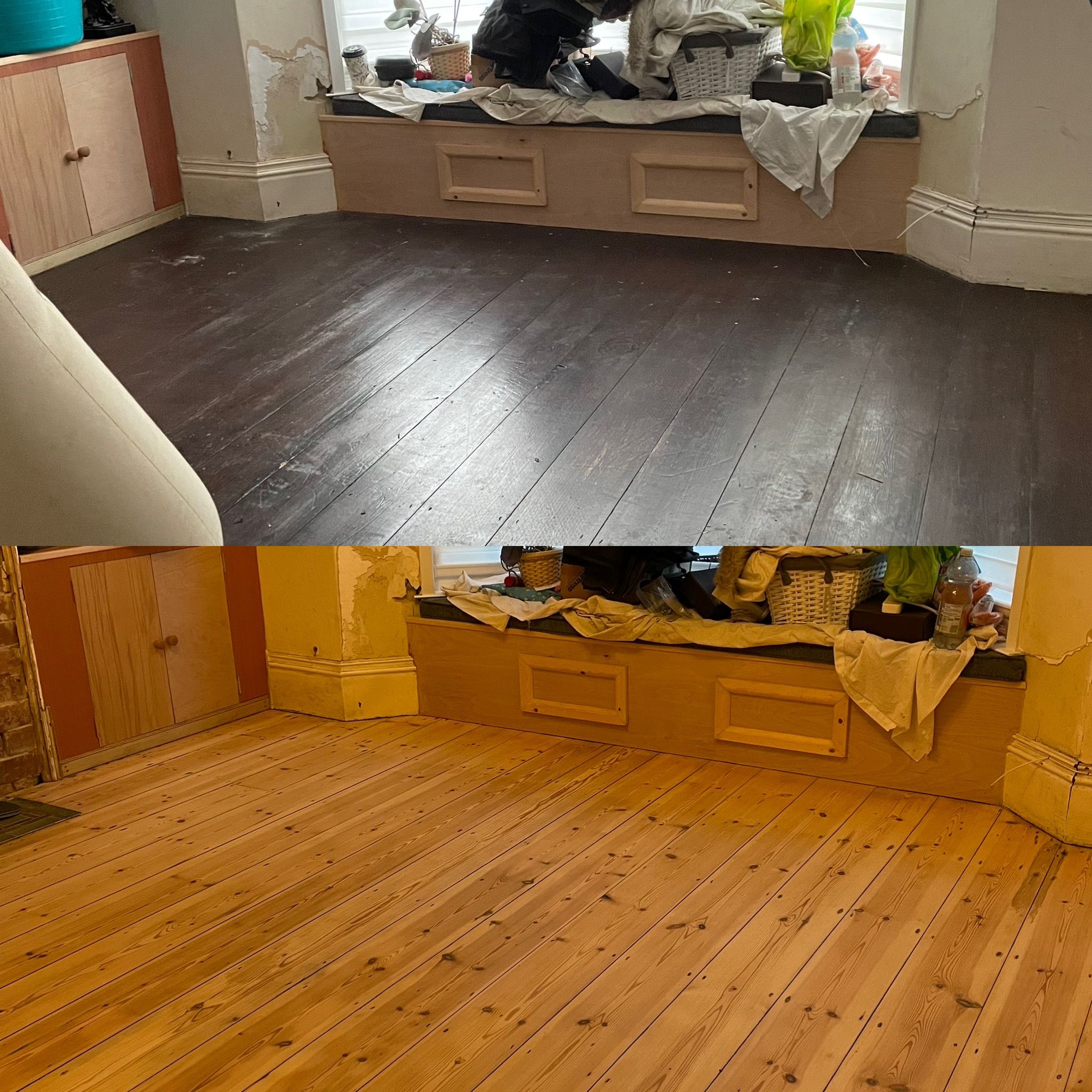
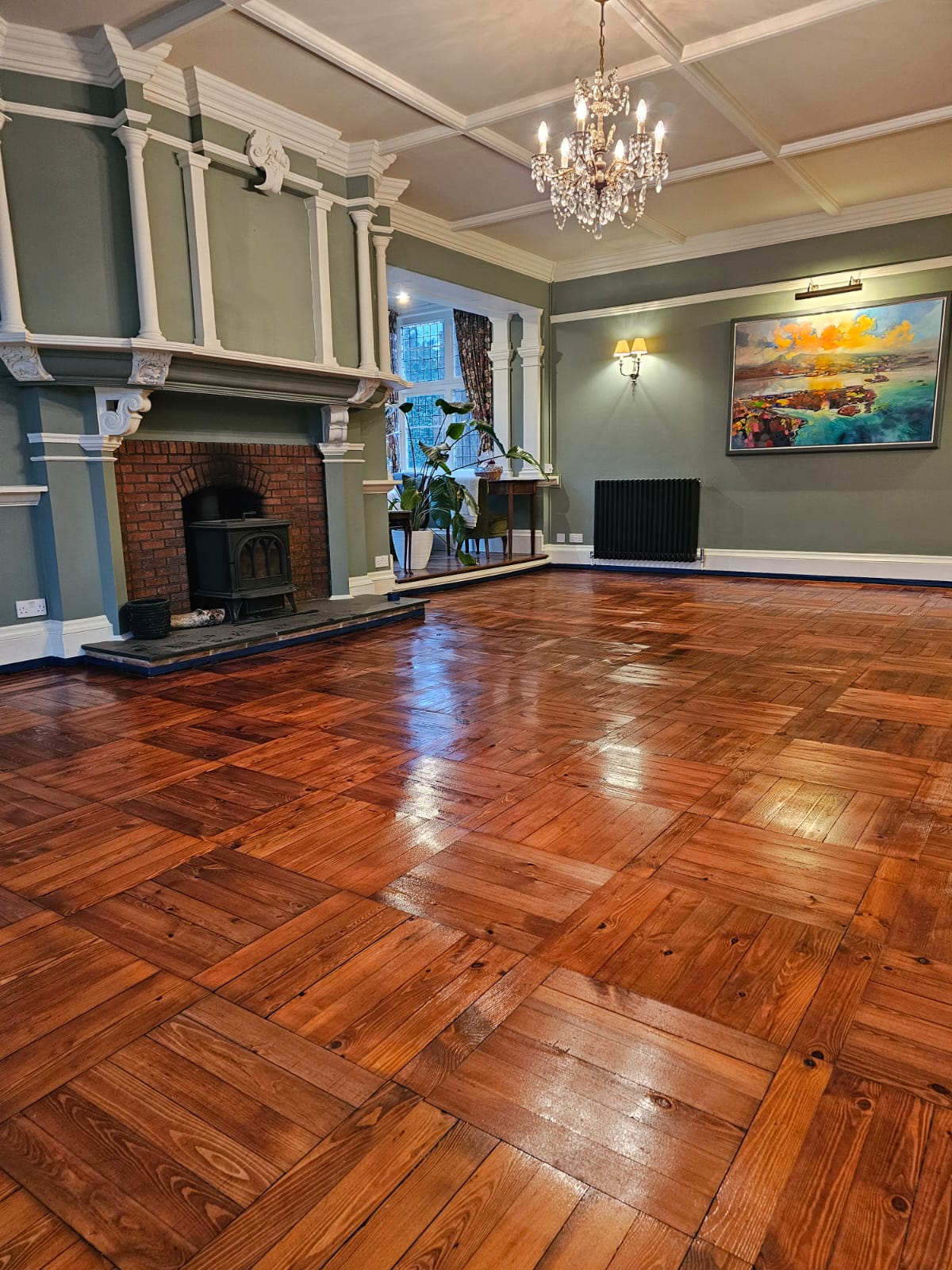
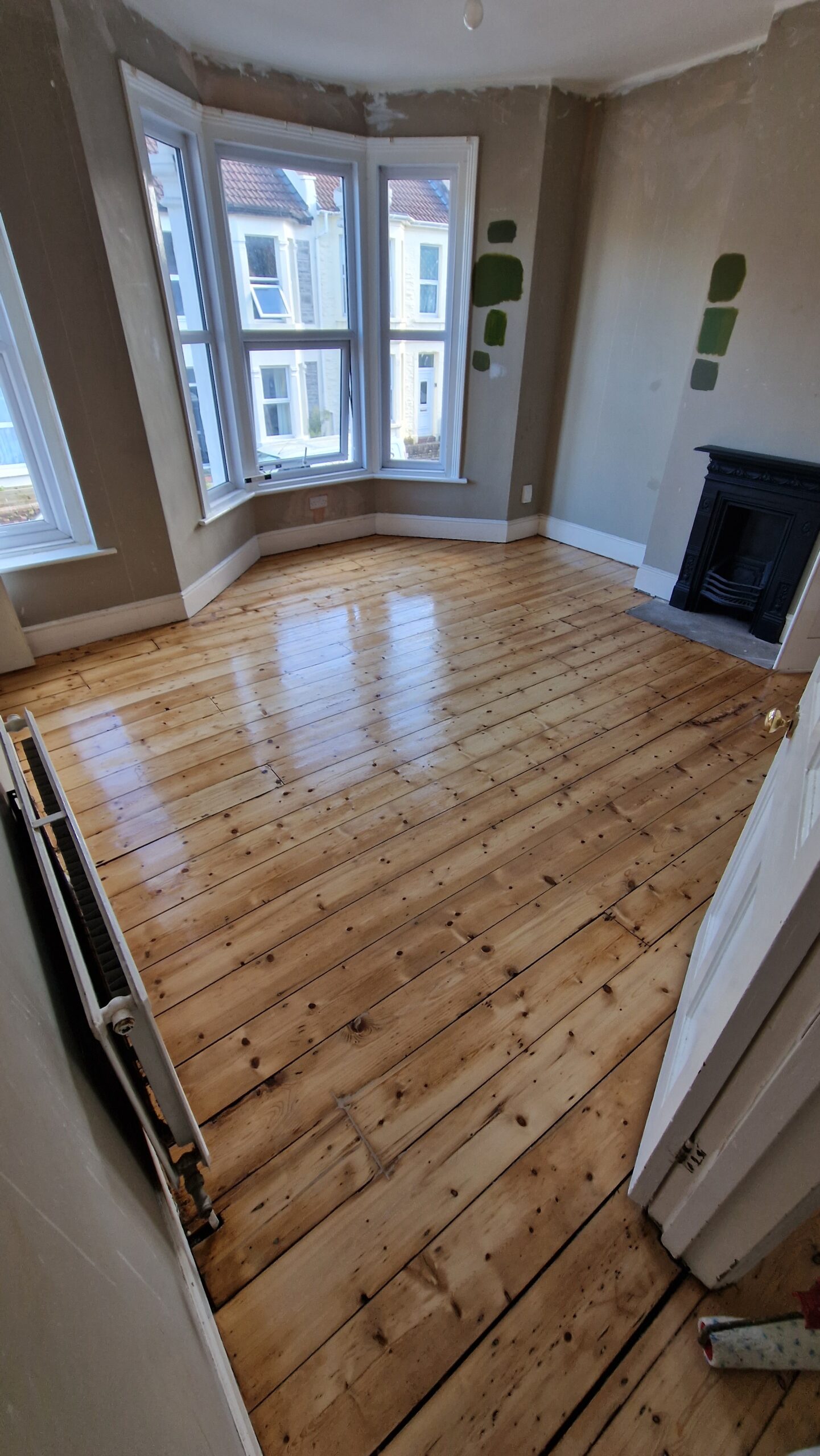
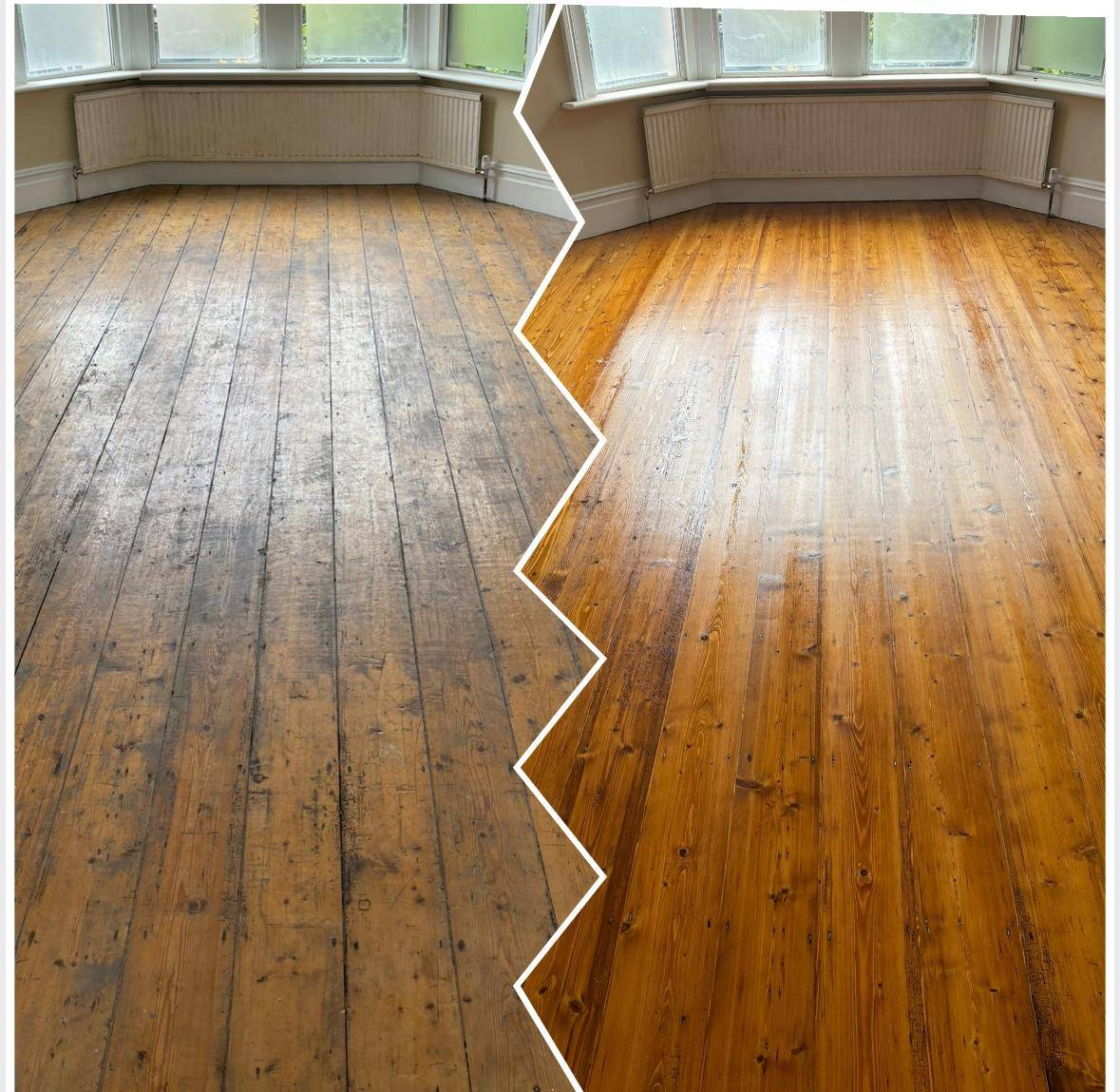
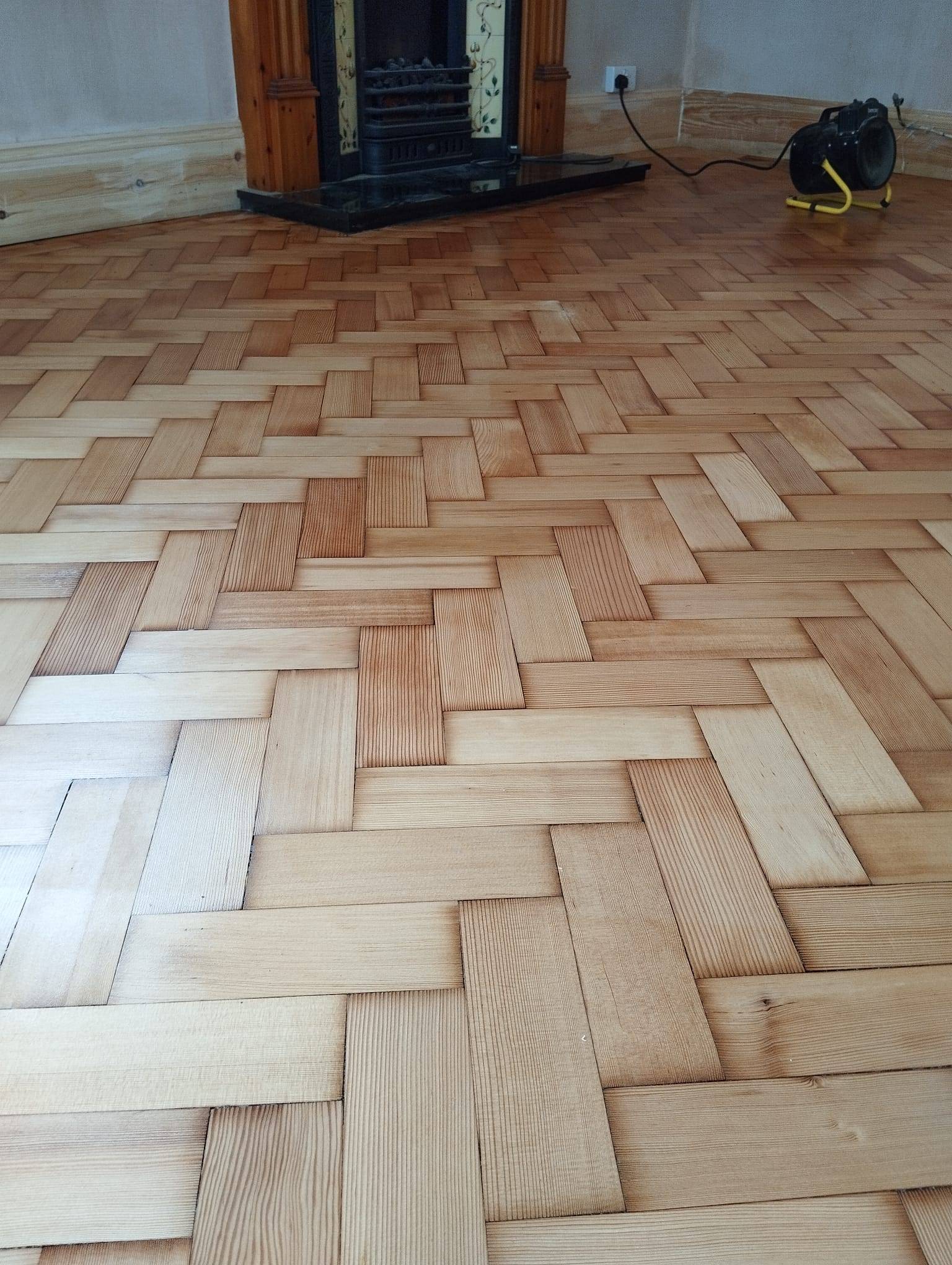
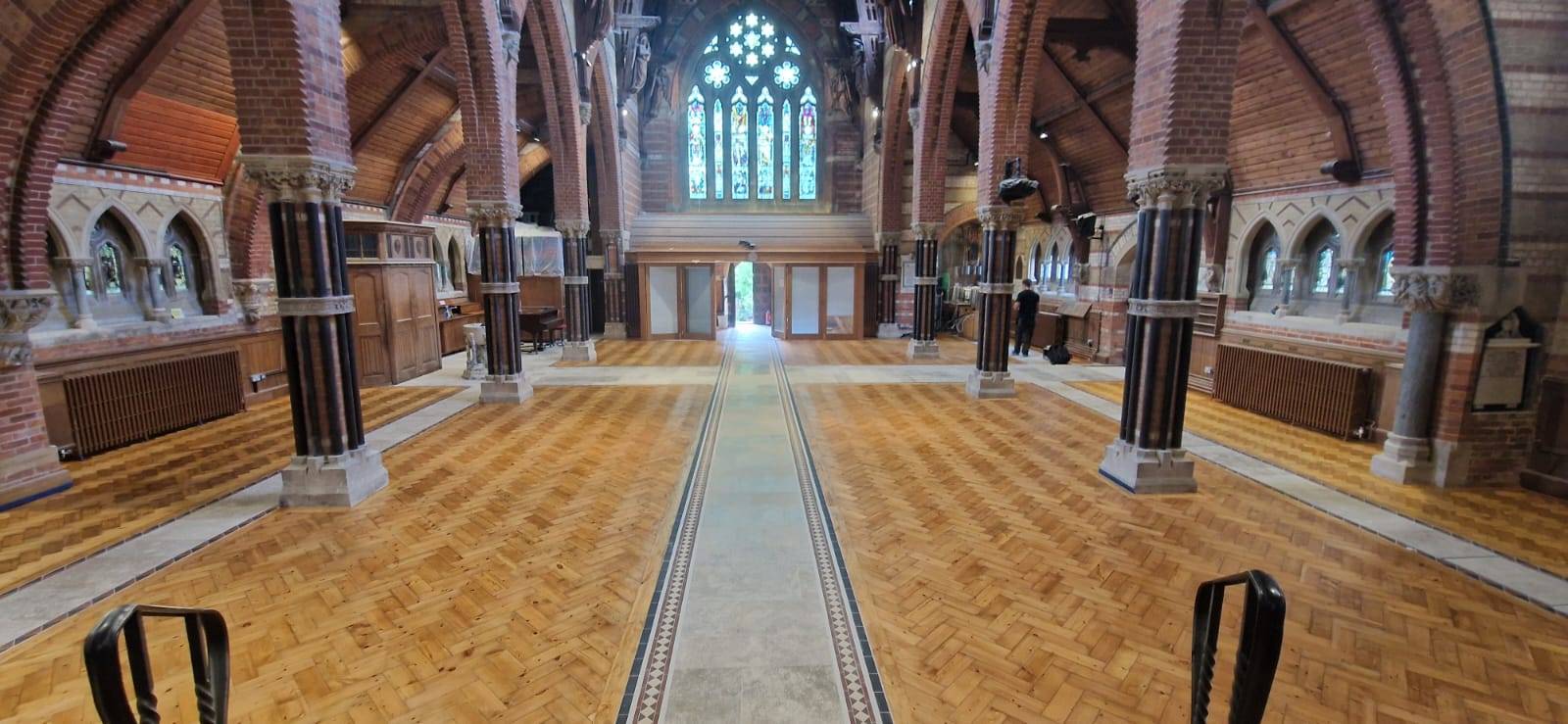
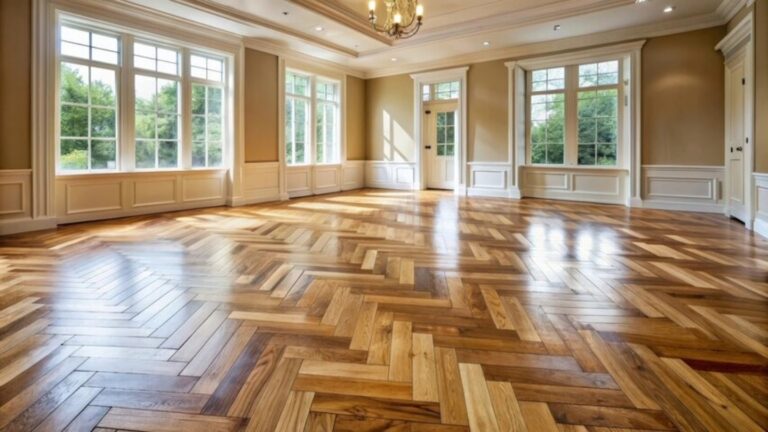
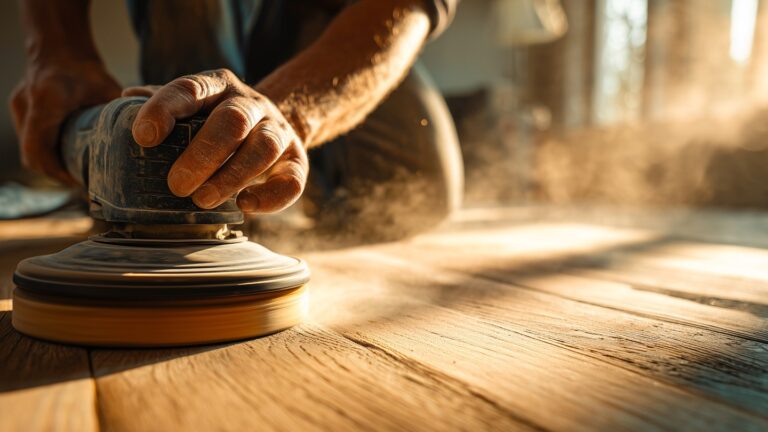
We carry out dust-free wood floor sanding throughout Colchester and north Essex on the full range of floors the town holds — centuries-old elm and oak in the Dutch Quarter, Victorian pine in the garrison terraces, maple and pitch pine in converted institutional buildings, herringbone parquet and modern engineered boards. Assessment and moisture readings come first, repairs second, then staged sanding through the grits and a finish specified for the room. Sealed extraction captures the overwhelming majority of dust at the machine, and every job starts from a fixed written quotation — never an estimate that grows.
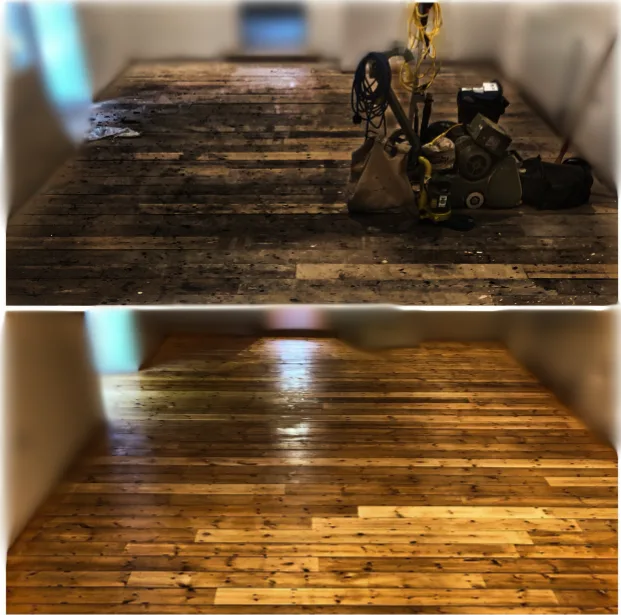
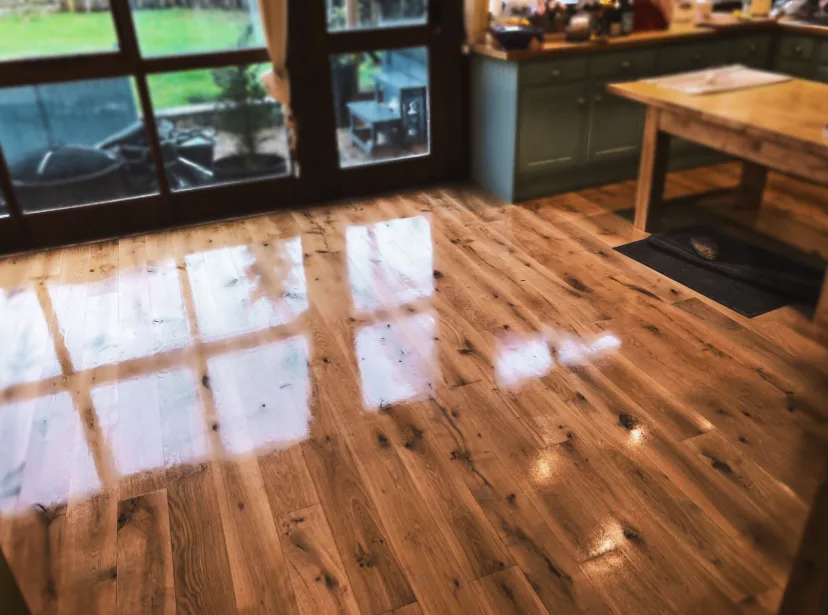
Species drives technique more than most owners expect. Pitch pine — everywhere in the town’s Victorian institutional buildings — is saturated with resin that softens under a hot abrasive and clogs the belt, so it is cut with sharp, frequently changed paper at a steady pace rather than forced. Old oak and elm in the Dutch Quarter go the other way: dense, brittle-surfaced and irreplaceable, so passes are shallow, machines lightly loaded and the final surface brought up by hand where the boards are at their thinnest. The same house can need three different approaches in three rooms, which is why the survey walks every floor rather than quoting by the square metre alone.
Moisture is read before the eye is trusted. A probe meter across each room establishes what the timber is actually holding, readings are compared room to room and against the season, and sanding is programmed only when the floor sits in equilibrium — timber machined wet shrinks afterwards and opens every joint the sanding just closed.