45 years’ experience  ·  Rated 4.9 on Google  ·  Family-run, from our workshop near Wellington

45 years’ experience · Rated 4.9 on Google · Family-run

Floor Sanding and Wood Floor Restoration in Honiton

Careful sanding, stain matching and gentle repairs for Honiton’s Georgian town houses, shop floors and newer homes, from a family-run Somerset firm.

QUICK QUOTATION

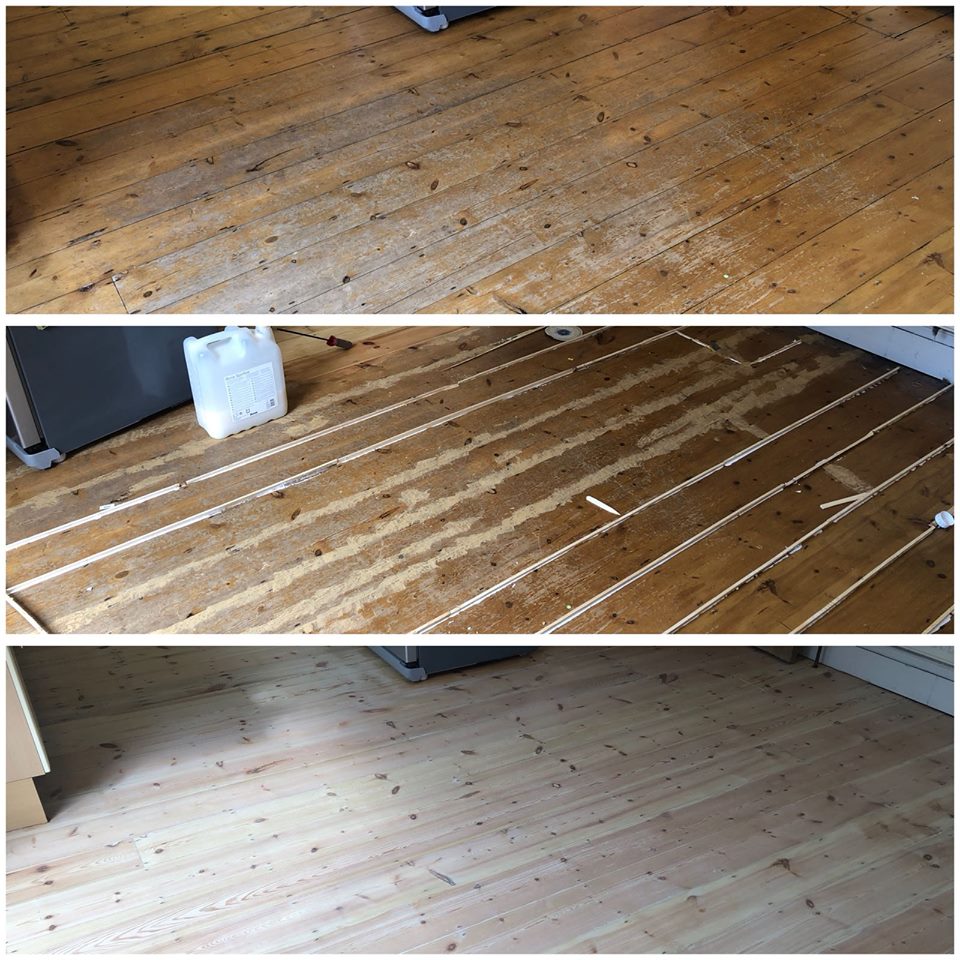
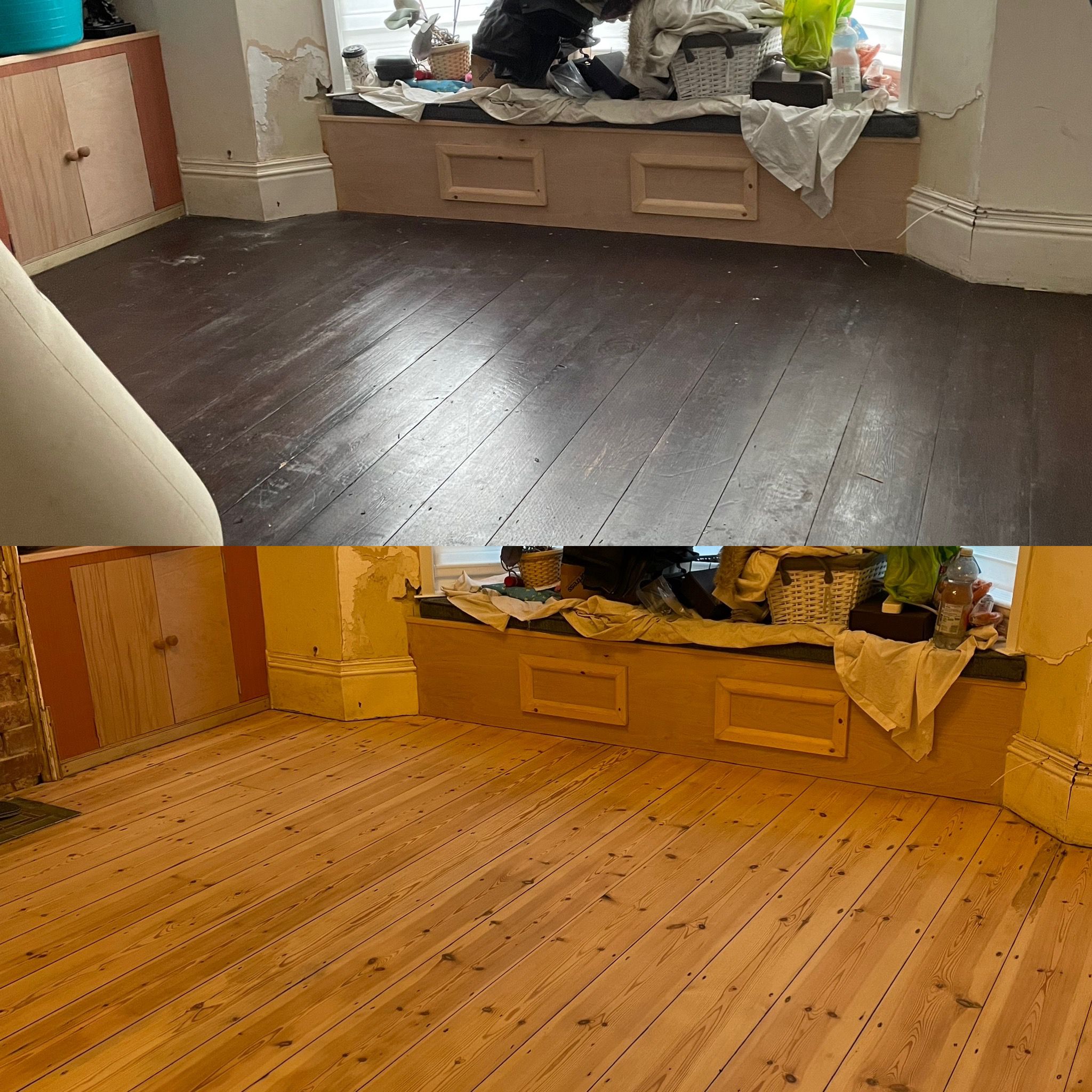
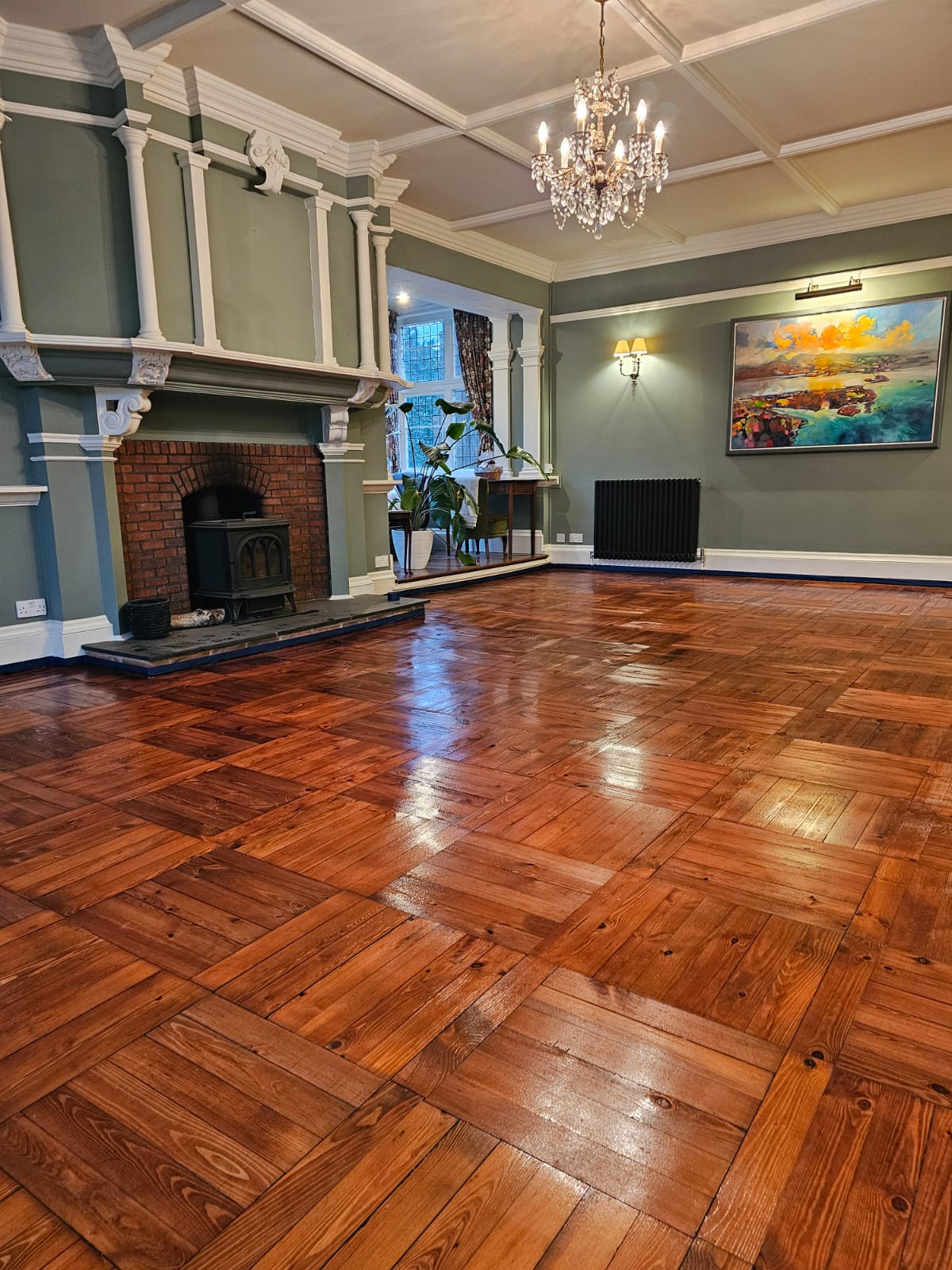
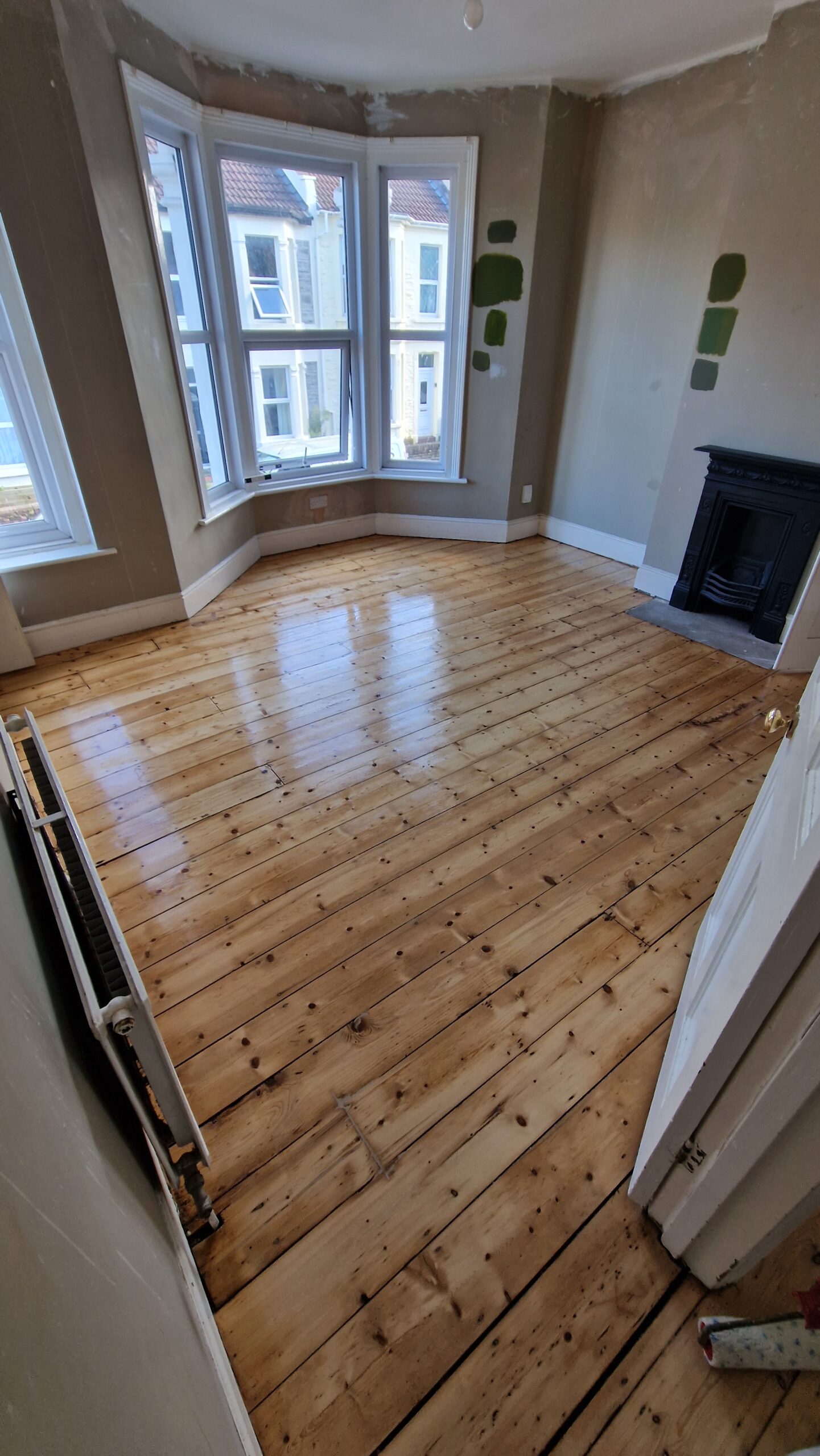
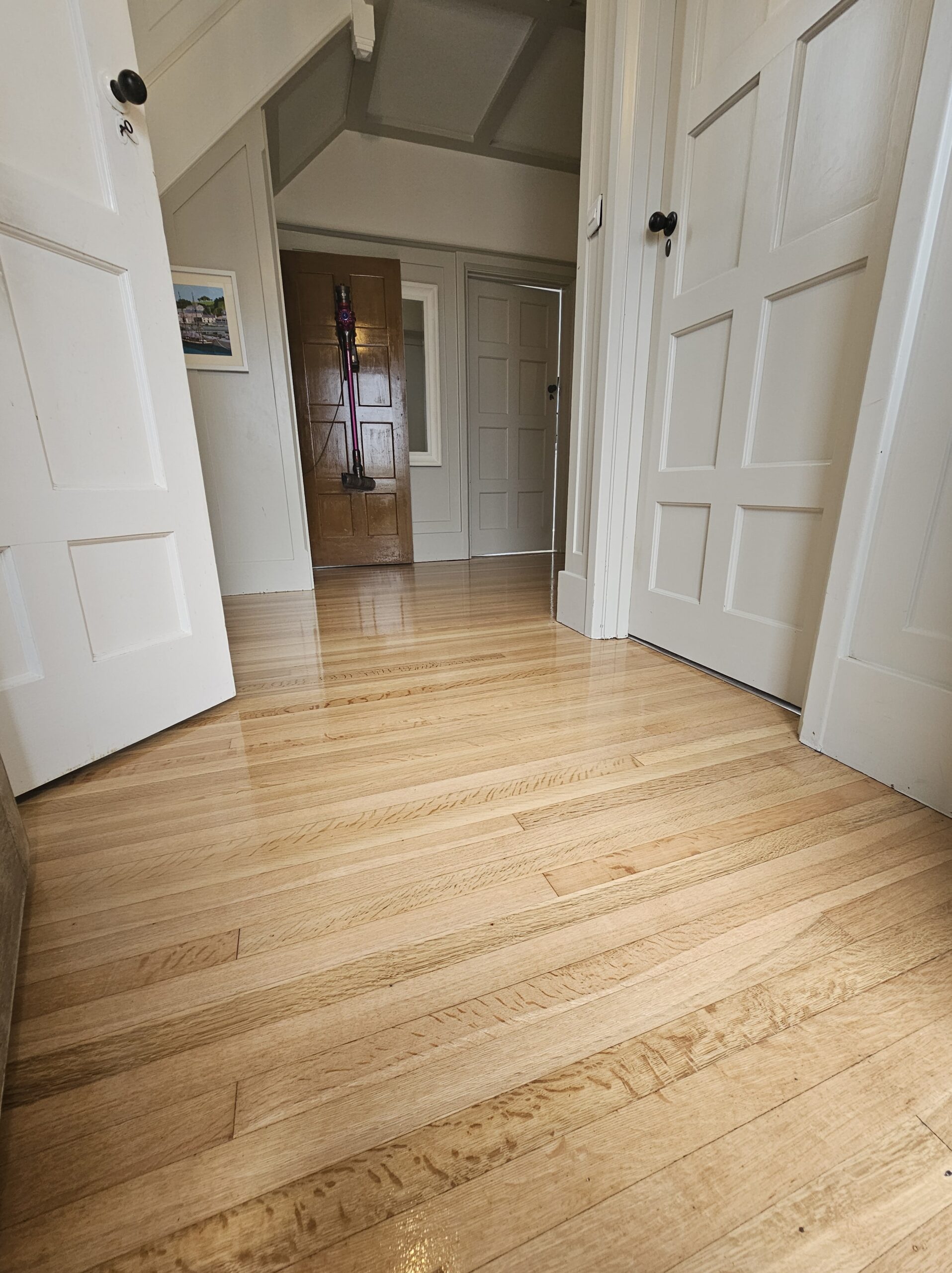
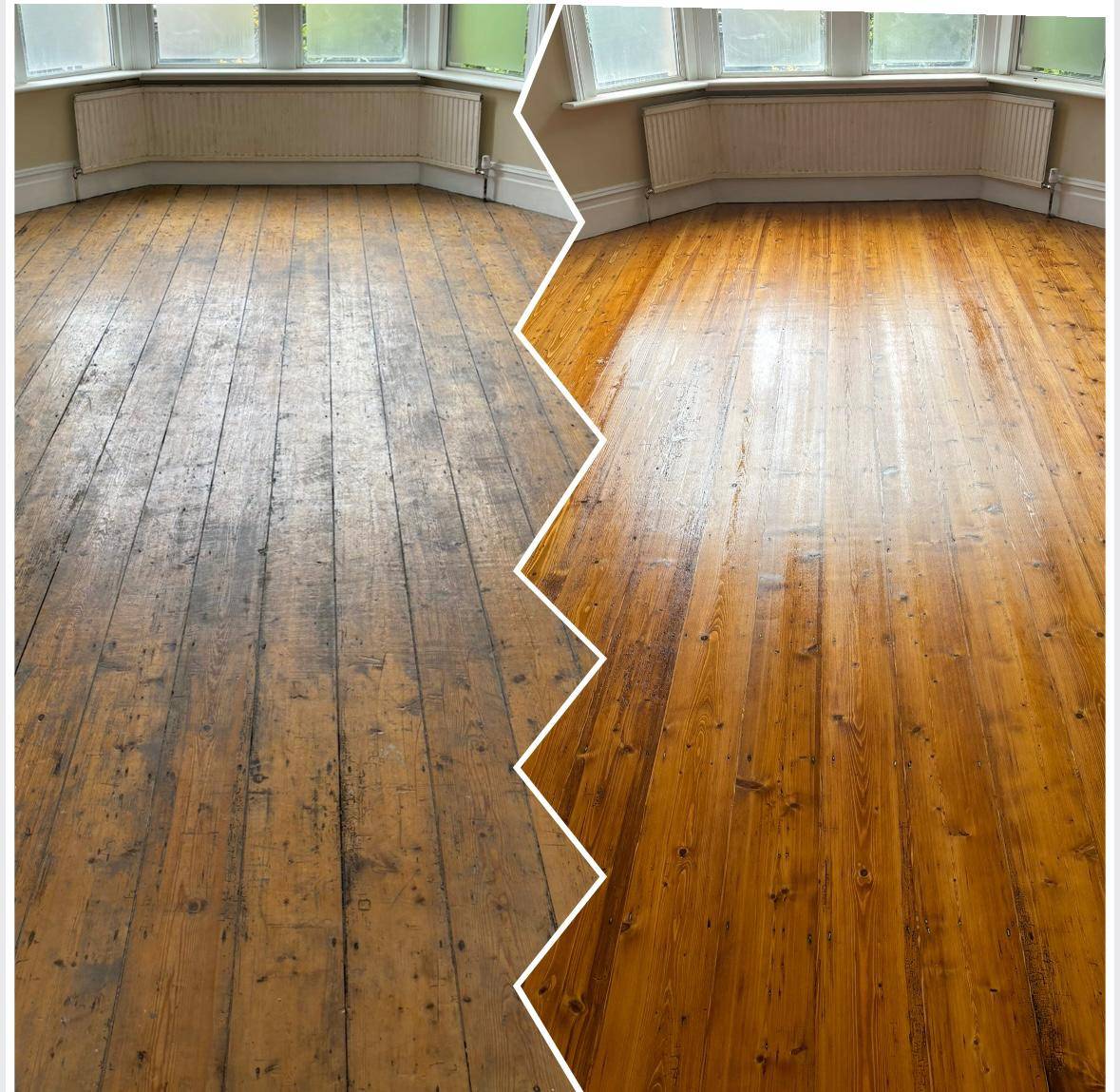
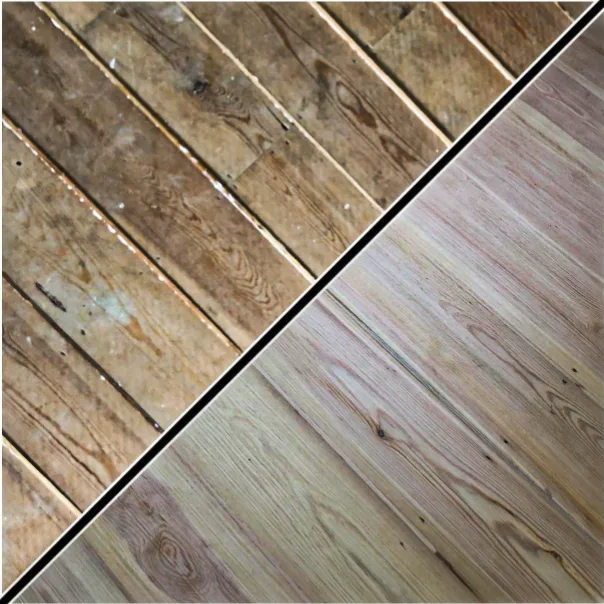
Floor sanding before and after

Floor Sanding in Honiton: Georgian Town Houses and Everything Since

Behind the sash windows and fanlights of the High Street there is a lot of old timber, and a good share of the floor sanding in Honiton we are asked about is up the stairs of those buildings. The town lost a large part of its centre to fires in 1747 and 1765, and the High Street was rebuilt over the decades that followed, which is why so many of its buildings date from the later eighteenth century onwards, with shops at street level and living space, offices or storerooms above. Behind and beyond the centre there are Victorian villas, interwar semis, post-war bungalows and newer estates, each with its own kind of floor.

The age of the building changes the brief more than anything else. In a newer house, the aim is usually a clean, even floor with a finish that will stand up to family life. In a town house of two hundred years or more, the boards have been walked on, patched, painted and polished for generations, and many owners want them to look cared for rather than new. That calls for a lighter hand: less timber removed, original repairs kept where they are sound, and a finish chosen as much for how it ages as for how hard it is.

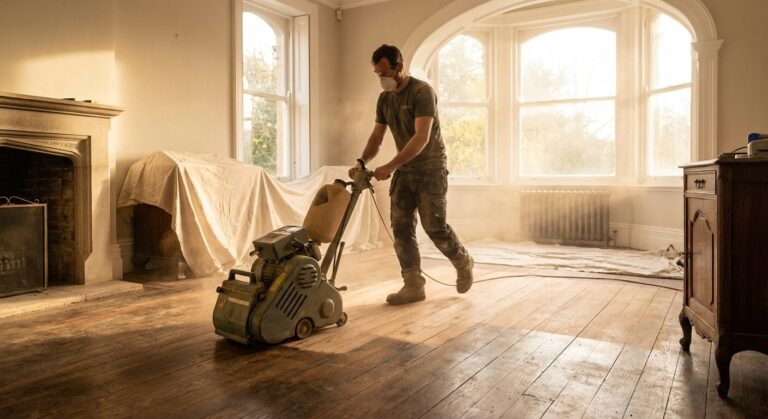
The mechanics are described on our wood floor sanding page. On old boards that usually means starting with a medium abrasive rather than the coarsest one, sanding along the grain wherever the floor allows, and stopping once the old coating and the worst of the grime have gone, rather than chasing every dip. Extraction runs throughout, with the dust drawn into sealed bags at the machine, which is what our dust-free sanding page describes. Fine powder still travels in a tall stairwell, so plaster mouldings, folding shutters and anything precious on a landing table are worth sheeting before the edger starts.

We are in the town regularly. Most single rooms take between one and three days, a little more when a lot of hand cleaning is involved. Other Devon towns are listed on our county floor sanding page, and owners with property further east can find the parquet and underfloor heating work we cover on our page about floor sanding in Axminster.
Wood Floor Restoration in Honiton: Taking Off as Little as Possible

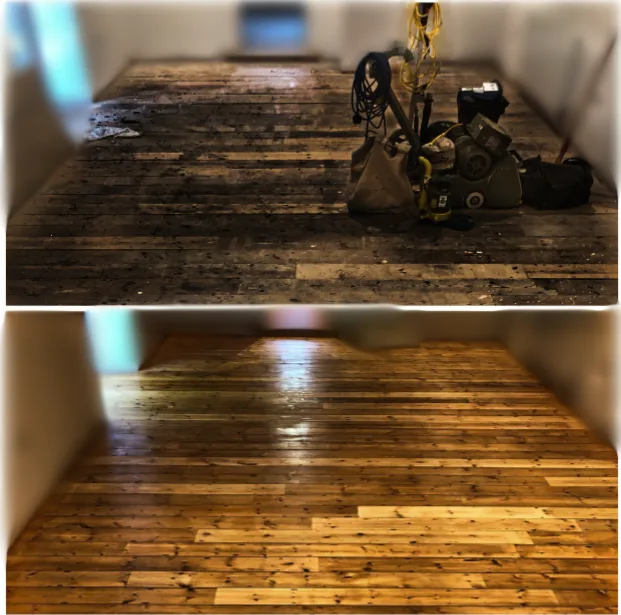
Every sanding removes timber that cannot be put back. On a modern floor that hardly matters, because there is plenty of it and it will be replaced long before it runs out. On boards that may already have been scraped, planed and sanded several times since they were laid, it matters a great deal. So when we plan wood floor restoration in Honiton for the older houses, the first sum is about what to leave, not what to remove: the least depth of cut that still gives you a floor you are pleased with.

Often the answer is less than people expect. If the problem is mainly a dirty, flaking or yellowed coating, a gentle sanding that stops at clean wood can be enough, leaving the gentle undulations of old boards, the wear hollows by doorways and the slight dishing between knots. Those details are part of what makes an old floor look old. Sanding them flat produces a floor that looks freshly laid, and once that is done it cannot be undone.

Some areas are best not machine sanded at all. Narrow margins around a fireplace, a run of boards that have worn very thin, or a section with old painted decoration can be cleaned by hand with scrapers and fine abrasives, then finished to blend with the rest. Old repairs are judged on their merits. A neat patch from a century ago that is sound and fixed down is part of the floor’s history and can stay. A crude modern repair in the wrong timber is a candidate for replacement.

For anyone dealing with a listed building, the conservation officer is likely to want to know exactly what is proposed. Securing consent is the owner’s job, not ours, though a typed schedule of the intended sanding depth, each repair and every product can be handed over for you to pass on. Reversible or easily maintained finishes such as wax and oil are often favoured in historic interiors, and we can discuss those alongside modern lacquers.

The timber shapes the approach as well. Oak, common in better rooms of older houses, is hard-wearing and darkens beautifully, and oak floor restoration on old boards often means preserving that colour as far as possible. Old pine and deal, more common upstairs and in service areas, is softer and more easily over-sanded, so pine floor restoration calls for particular restraint. For the complete sequence, from first inspection to final coat, see restoring wooden floors.

parquet wooden floor sanding
wooden floor sanding

Mending Old Boards in Honiton Without Losing Their Story

Repairs in an old building follow the same principle: change as little as necessary, and make what is changed fit in. A split board does not always need replacing. If it is sound either side of the split and fixed firmly, the crack can be glued, or a fine timber sliver let in, and the board kept. A board with a section of rot or beetle damage at one end can sometimes be cut back to a joist and spliced, with a new piece joined on, rather than replaced along its whole length. Our wooden floor repairs page explains the options.

Where a board is beyond saving, reclaimed timber is the only sensible replacement in a building of this age. New boards are the wrong size, the wrong grain and the wrong colour. Salvaged boards with similar width, thickness and grain are selected from our stock, and the replacement is placed so its joints fall over joists and do not line up with others. The process is described on our floorboard replacement page.

Gaps between old boards tell a story of seasonal movement, shrinkage and occasionally of boards lifted for pipes and cables. In a historic floor, wide gaps that let draughts through can be closed with timber slivers glued to one side only, so the boards can still move. Narrow gaps that open and close through the year are often best left alone. The pros and cons are covered under gap filling.

A certain amount of noise from two-hundred-year-old boards is just the building talking. Where a particular board is loose or rubs, refixing it with a discreet screw or replacing a failed nail usually cures it without disturbing the rest of the floor. Our creaking floor repair page goes into causes and remedies. Small dents, scratches and marks in an otherwise sound floor can sometimes be dealt with locally through scratch repair, which avoids sanding a whole room for a few blemishes, a useful option in a room where you want to keep the patina.

How Stain Behaves on Honiton's Old Oak and Pine

Stain is where most of the disappointments with floor colour begin, and older timber makes the subject more complicated. A colour chart shows how stain looks on fresh, evenly sanded new wood. An old floor is neither fresh nor even. It has absorbed polish, wax, spilt drinks and sunlight for generations, some boards have been replaced at different times, and a gentle sanding that preserves the surface also leaves some of that history in the wood. Stain will reveal all of it.

Pine is the more difficult of the two. Its soft spring growth absorbs much more stain than the harder bands between, so a dark stain on pine can turn stripy or blotchy. Knots and resin pockets resist stain and stay pale. A pre-stain conditioner or a sealer coat can even out absorption, and dye-based stains, which colour the fibres rather than lodging pigment in the open grain, often look cleaner on softwood than heavily pigmented ones. Oak is more forgiving. Its open grain takes pigment readily, which emphasises the figure, and the medullary rays in quarter-sawn boards stay paler, giving the characteristic flecked look.

Oak also contains tannin, which reacts with iron. That is the cause of the black stains you sometimes see around old nail heads or where a metal object sat on damp boards. It is also behind traditional fuming and ebonising, which darken oak through chemistry rather than pigment. Those effects are worth knowing about if you are trying to match an old, very dark oak floor.

Matching is the commonest stain request in older houses: a newly sanded floor in one room alongside an untouched one in the next, or replacement boards that must tone in with originals. Matching is done by building colour gradually, testing on your own boards in a hidden corner and checking the result in daylight and lamplight, because old houses with deep window reveals change colour dramatically through the day. Our floor staining page has more.

The finish over the stain shifts colour too. Oil-based products warm and deepen it; water-based lacquers stay closer to the stain as applied. The full range of lacquers is on our wood floor sealing page, the penetrating options under floor oiling, and the traditional choice for many historic rooms, a soft wax over a stained floor, under floor waxing. A gentle lustre over a cured finish can be built up through polishing.

flooring sanding company
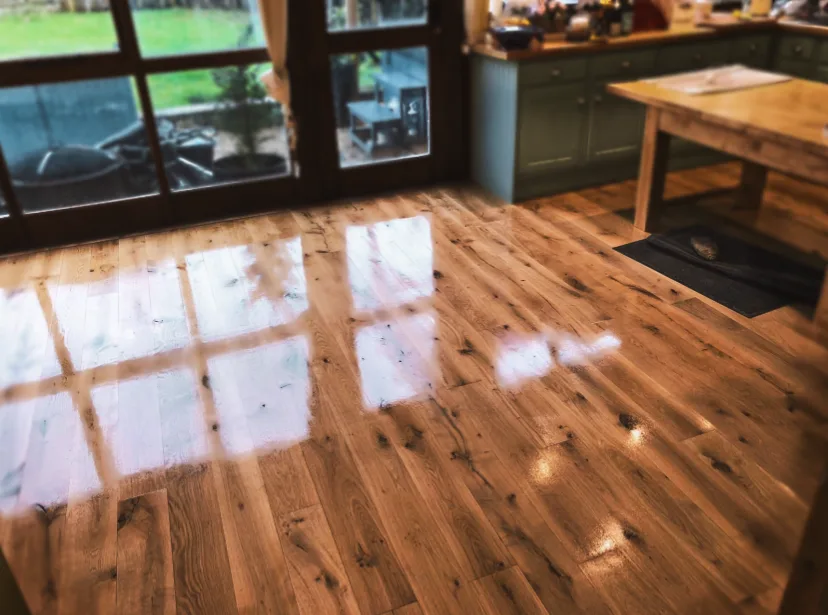
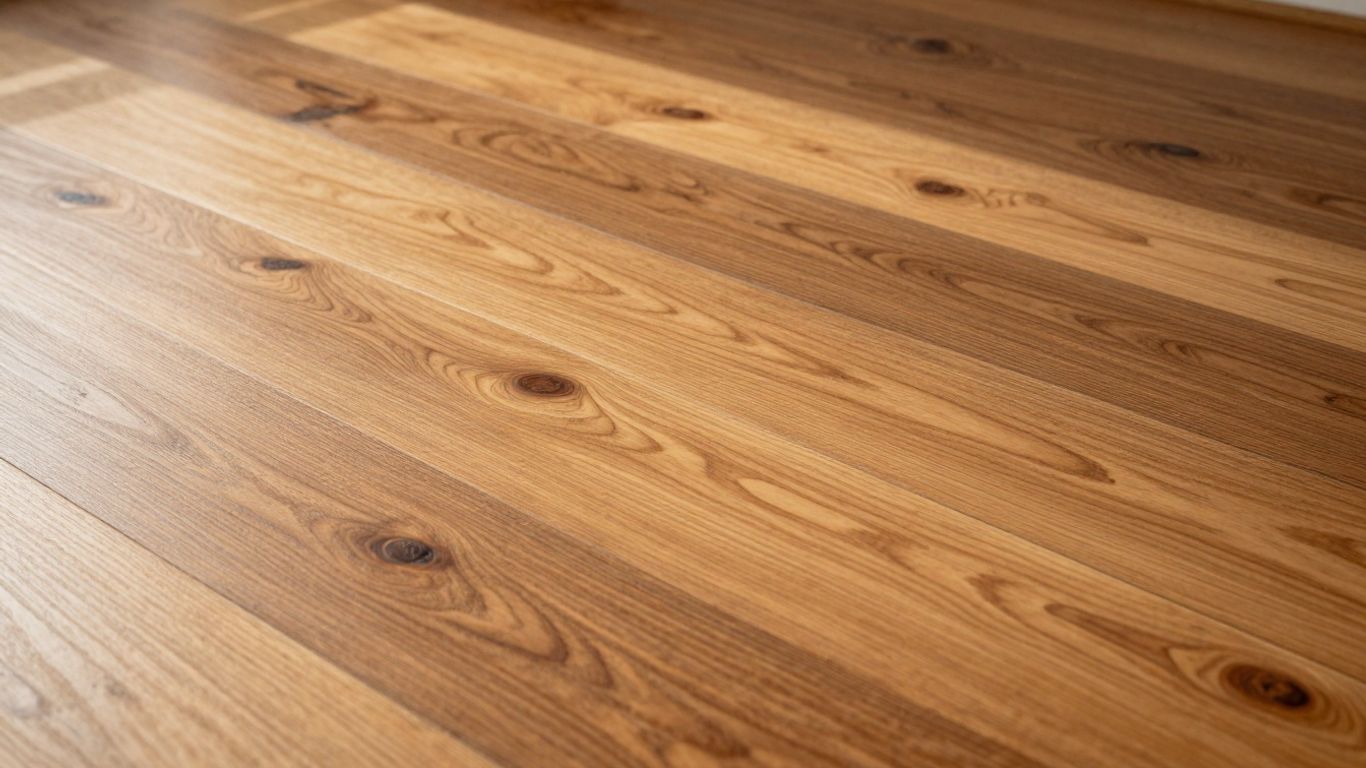
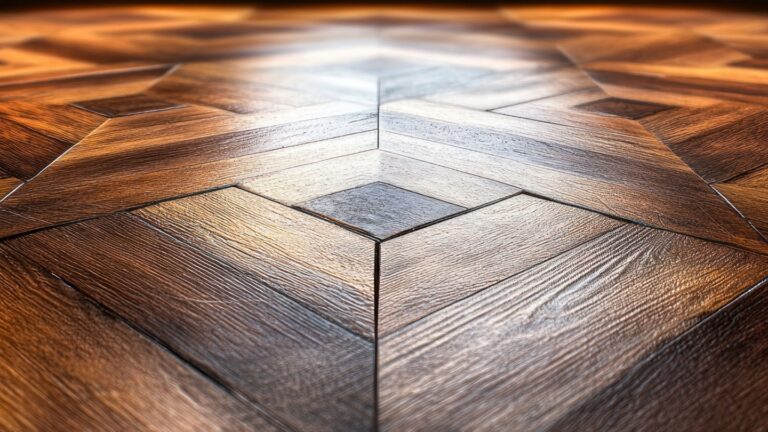
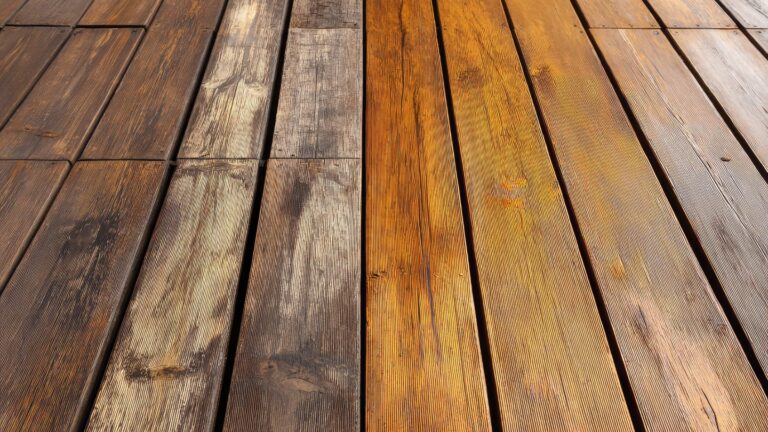
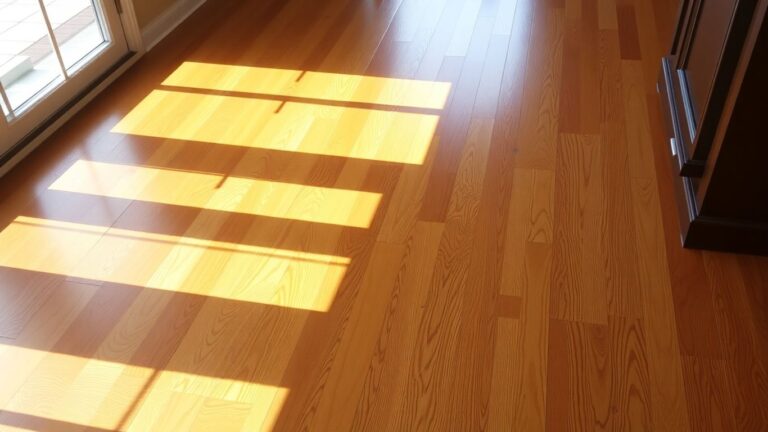
Sunlight across freshly lacquered wooden floorboards

Commercial Floor Sanding in Honiton: Shops and Dining Rooms in Old Buildings

Commercial floor sanding in Honiton tends to happen in older buildings: shops, galleries and showrooms at street level, cafés and restaurants, offices on the upper floors, and the occasional guest house. That brings the practical demands of a business floor together with the care an old building needs.

In a Georgian shop unit, the doorstep and the aisle to the till take a beating long before the corners do, as pavement grit is trodden along the same few routes every day. The floor may be old boards, later oak strip, or parquet laid when the shop was refitted at some point in the twentieth century. A finish has to cope with footfall and cleaning while suiting the character of the building. A two-component lacquer in a matt or satin sheen is the usual answer, because it resists scuffing and cleaning chemicals without looking plasticky. In a gallery or antiques showroom where heavy pieces are moved regularly, protecting the floor with felt-backed sliders when moving stock matters as much as the finish.

Restaurants and cafés add spills, dropped food and constant chair movement. For a dining room the machines arrive after the last covers or on the day the kitchen is shut, and coatings that harden quickly mean napkins and cutlery are back out within the week. Upper-floor offices can usually be done over a weekend. The approach for each is described on our pages for shop floor sanding and restaurant and café floor sanding.

A guest house can keep most of its letting rooms open by having two or three done at a stretch, an approach described in more detail under hotel floor sanding. Plan on a full resurface every four or five years in trade premises, roughly double the rate of a private house, and a light refresh at mid-point.

Old buildings bring their own complications: uneven floors, steps between rooms of different ages and stairs with limited access for machines. We will tell you at survey what is practical. Insurers and landlords sometimes ask for method statements, insurance certificates or references, which we can supply on request. Our commercial floor sanding page goes through larger contracts and scheduling.

Georgian Stairs, Worn Treads and Honiton's Block Floors

The staircase is often the most important piece of joinery in a Georgian or Regency town house, and it deserves more care than a quick sand. Treads may be oak or pine, often worn into gentle hollows by two centuries of feet, with moulded nosings, carved brackets on the open string and slender balusters supporting a polished handrail. Many have been painted along the edges where a runner once lay, or entirely, at some point in their life.

The instinct to sand each tread perfectly flat is the wrong one here. Worn hollows are a mark of age and often cannot be removed without thinning the tread dangerously. Instead, the old finish is cleaned off by hand with scrapers and fine abrasives, following the wear rather than fighting it, and painted borders are removed carefully, especially as old paints can contain lead. Our stair sanding page covers the full process, including handrails and balusters. A runner held by stair rods is a sensible choice on a well-used staircase, and the exposed edges can be finished to match the floors.

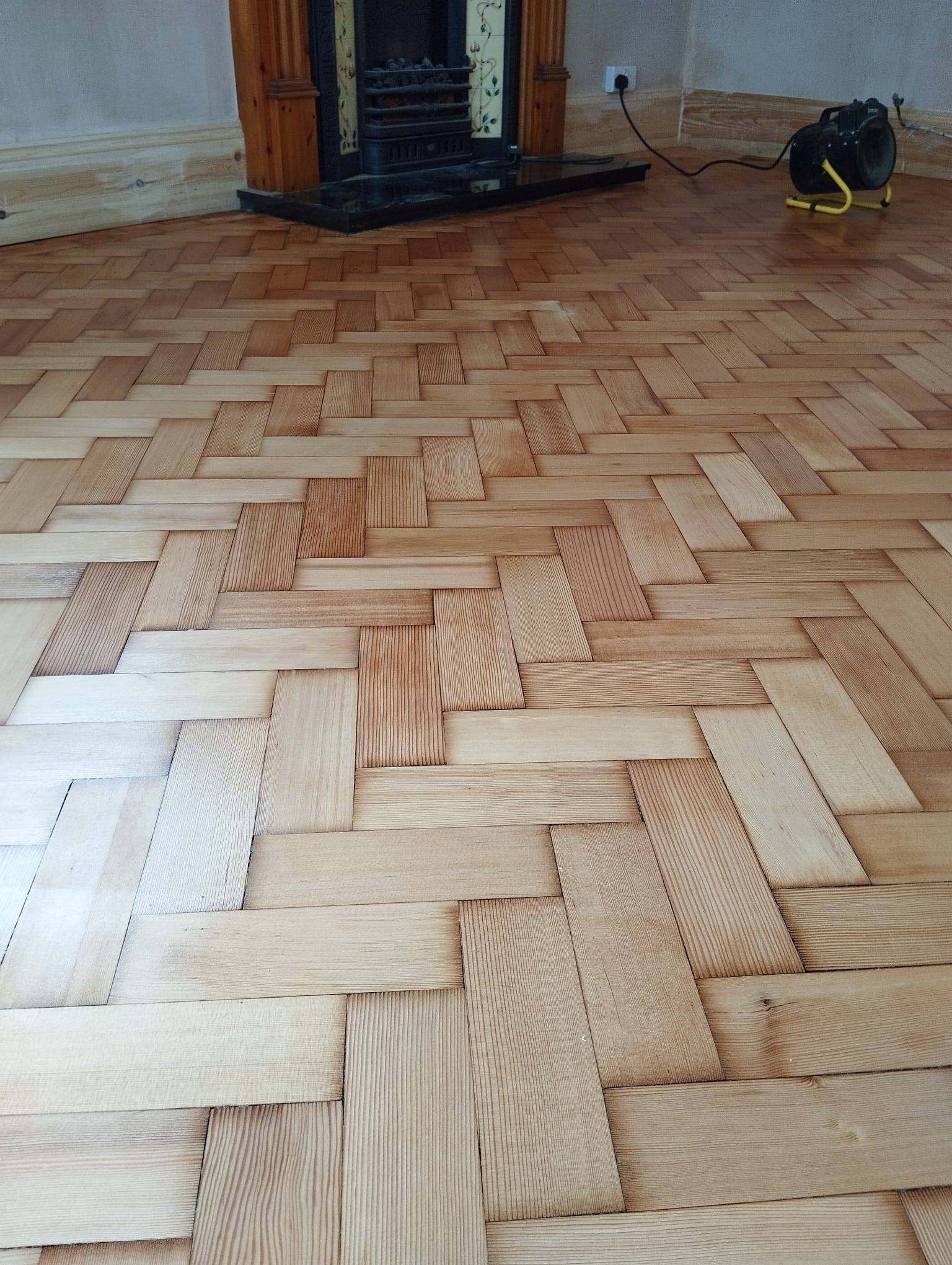
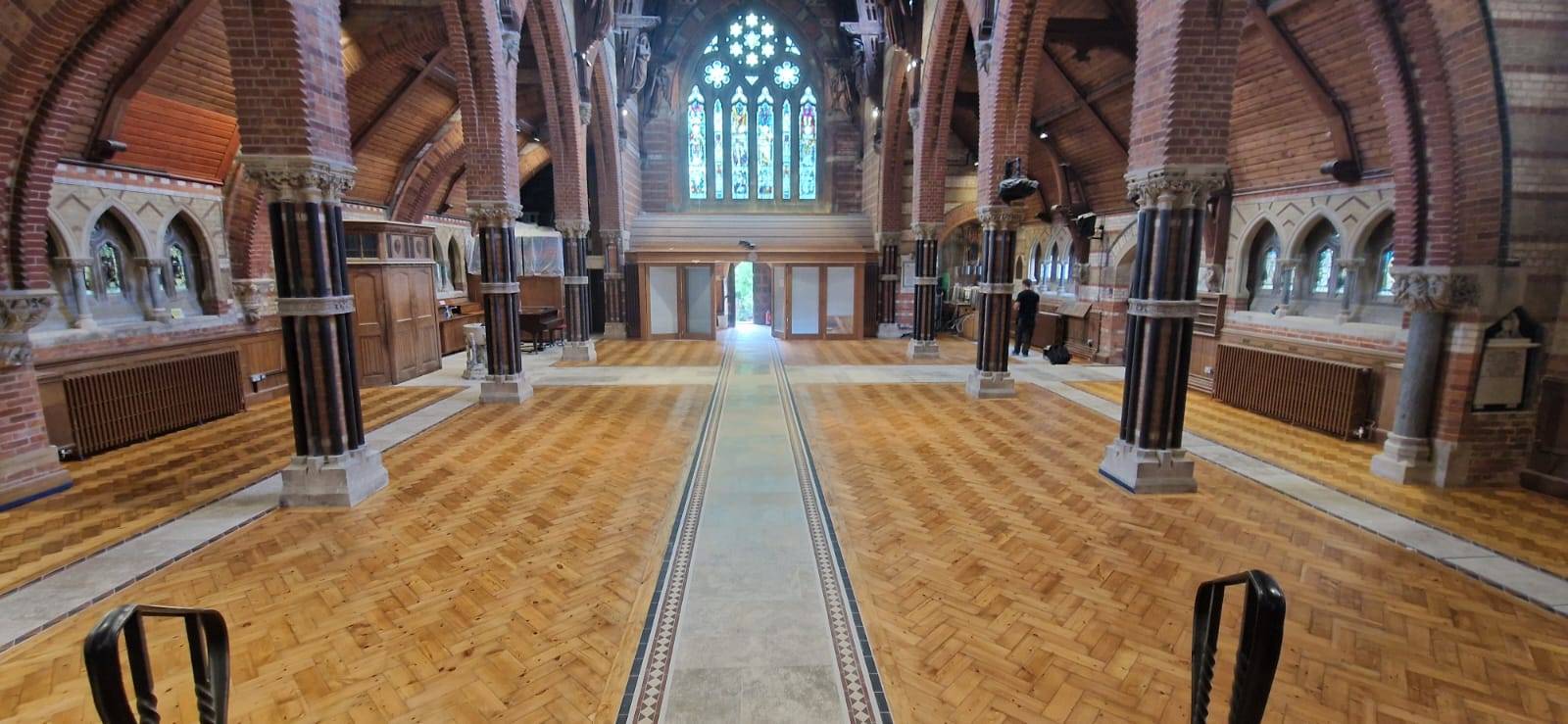
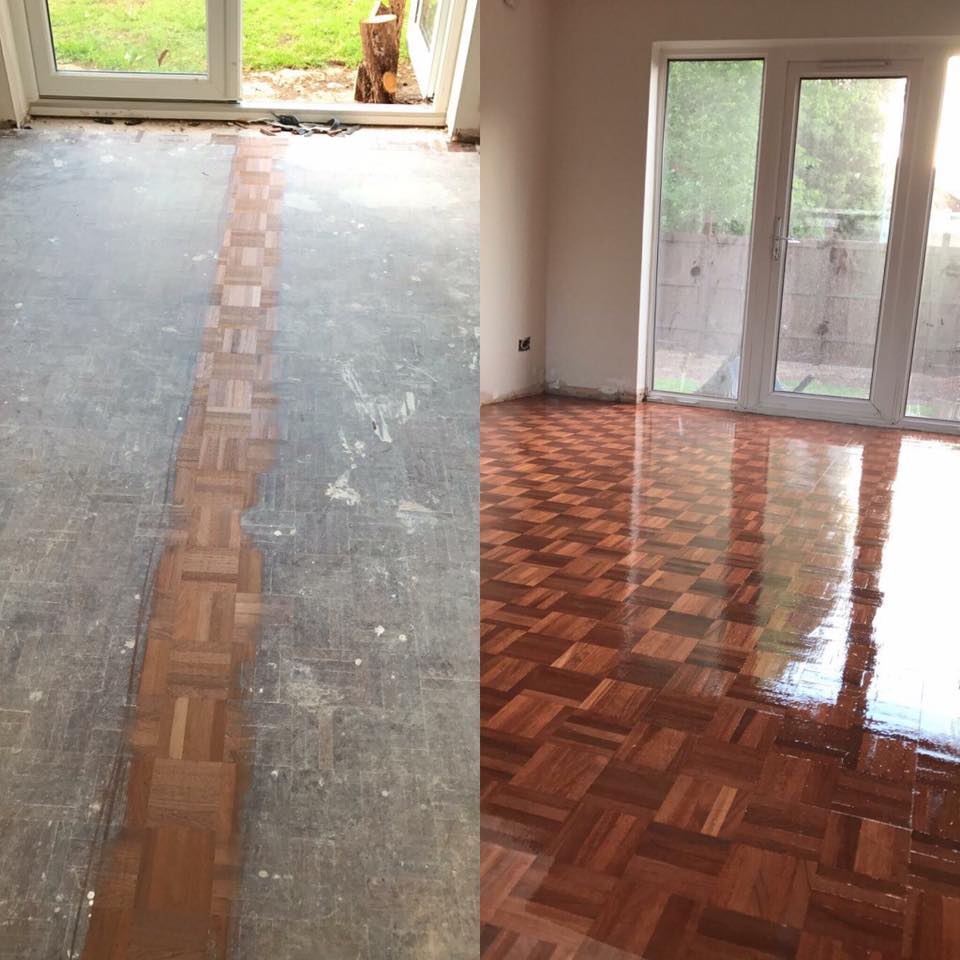
Parquet in Honiton is more often found in twentieth-century houses, shops and public buildings than in the oldest properties. It is usually oak or another hardwood laid in herringbone or basket weave, fixed to a screed with bitumen adhesive that becomes brittle with age. Any rocking blocks come up first, have the brittle black adhesive chipped off, and go back down on fresh glue; gaps where a block has vanished are filled with a salvaged one in the same wood. The sanding is planned to follow the pattern, so no block ends up with heavy cross-grain scratches. The technique has its own page under parquet floor sanding, and for a finished example from the same county, look at the Paignton parquet project.

Wood floor sanding company
Floor sanding taunton

Caring for a Restored Floor and Starting Your Honiton Enquiry

A finish needs time to harden before it faces daily life. Socks only for the first day. After that, wait another day or two before the bureau and the dining chairs return, and have two people carry the heavy pieces in. Rugs can wait a week. In an old house with uneven floors, felt pads on furniture legs are especially worth fitting, because a chair that rocks on an uneven board scuffs the same spot over and over.

Routine care is mostly about removing grit before it scratches. Brush or vacuum with a soft head, and mop occasionally with a well-wrung cloth and a cleaner made for your type of finish. Wax and oil finishes in historic rooms benefit from occasional maintenance with the same products. A lacquered floor that has lost its sheen but not worn through can usually be revived with a light buff and an extra coat, which takes far less timber off than a full sanding and is especially worthwhile on an old floor. In a home, full sanding is usually needed again after eight to ten years.

Occasionally a floor is simply finished. For those, and for garden rooms or extensions built onto older houses, we supply and fit wooden flooring, or just supply it to your builder, with Junkers and Bona among the makes on offer.

To begin, take a photograph of the whole room and one of a typical section of boards in good light. If colour matching is part of the job, add a photograph of the floor you want to match, taken in daylight. Those can be attached to a message through our contact form or sent to info@ryansrestoration.co.uk. The office answers 01823 674562 on weekdays from eight until six, and a Saturday call can be organised. If the floor suits us, we carry out a free survey lasting about half an hour, checking timber thickness, moisture, ventilation, damp and earlier repairs. A written quotation then follows with each item set out, and it does not change unless the scope of the work does.

Questions About Floor Sanding in Honiton

Yes. On older boards, the sanding can stop once the old coating and grime have gone, leaving gentle wear hollows, old repairs and the slight unevenness of hand-laid boards. Some areas can be cleaned by hand rather than by machine. Choosing a matt finish or a wax or oil also helps the floor keep the look of age rather than appearing freshly laid.

Consent has to come from you as owner. What we can do is write up the planned approach, listing repairs and finishes, as a document you can forward to the conservation officer. Many historic interiors favour gentle cleaning, minimal sanding and traditional finishes such as wax or oil, all of which we can discuss at survey.

Usually, yes, though it takes patience. The colour is built up gradually and tested on your own boards in a hidden spot, then checked in daylight and artificial light, since old houses change colour through the day. The finish over the stain affects the final shade too, so the full system is tested together before committing.

Pine has soft spring growth that absorbs far more stain than the harder bands between, and knots or resin pockets resist it. That produces stripes and blotches, especially with dark colours. A sealer or conditioner coat and the right type of stain can reduce the effect considerably. Testing on your own boards shows how the timber will behave before the whole floor is done.

Oak contains tannin, which reacts with iron in the presence of moisture and turns blue-black. Old cut nails, water from plant pots or a damp spell can all cause it. Light marks may sand out, but deeper staining often runs into the timber. Oxalic acid can sometimes lighten it, though results vary and some marks are best accepted as part of the floor’s history.

Often it can. Smaller premises can be sanded and finished on closed days or overnight, using quick-curing finishes so the floor takes traffic again quickly. Larger spaces can be phased. Uneven floors, steps and narrow access in older buildings are assessed at survey so the timetable is realistic, and dates are agreed with you well ahead.

It depends on use. Wax gives the most traditional look and suits rooms with light traffic, but needs regular care. Hard wax oil is more durable and can be patched locally. Lacquer is the most protective and easiest to clean, and matt versions look surprisingly natural. In a busy hallway lacquer often makes sense, while wax or oil can suit a drawing room.

Not usually. Hollows worn into old treads are part of the staircase’s age, and sanding them flat would thin the treads too much. Instead the old finish is removed by hand following the existing shape, and the treads are refinished. A runner held with stair rods protects them from further wear while showing off the edges.

Call 01823 674562 during the week. Pictures, a wide shot and a detail of the boards, can go to info@ryansrestoration.co.uk. Since we work in the town regularly, booking a free half-hour visit is easy, and the paperwork afterwards breaks the job down item by item.