Floor Sanding Newton Abbot

Floor Sanding and Wood Floor Restoration in Newton Abbot

QUICK QUOTATION

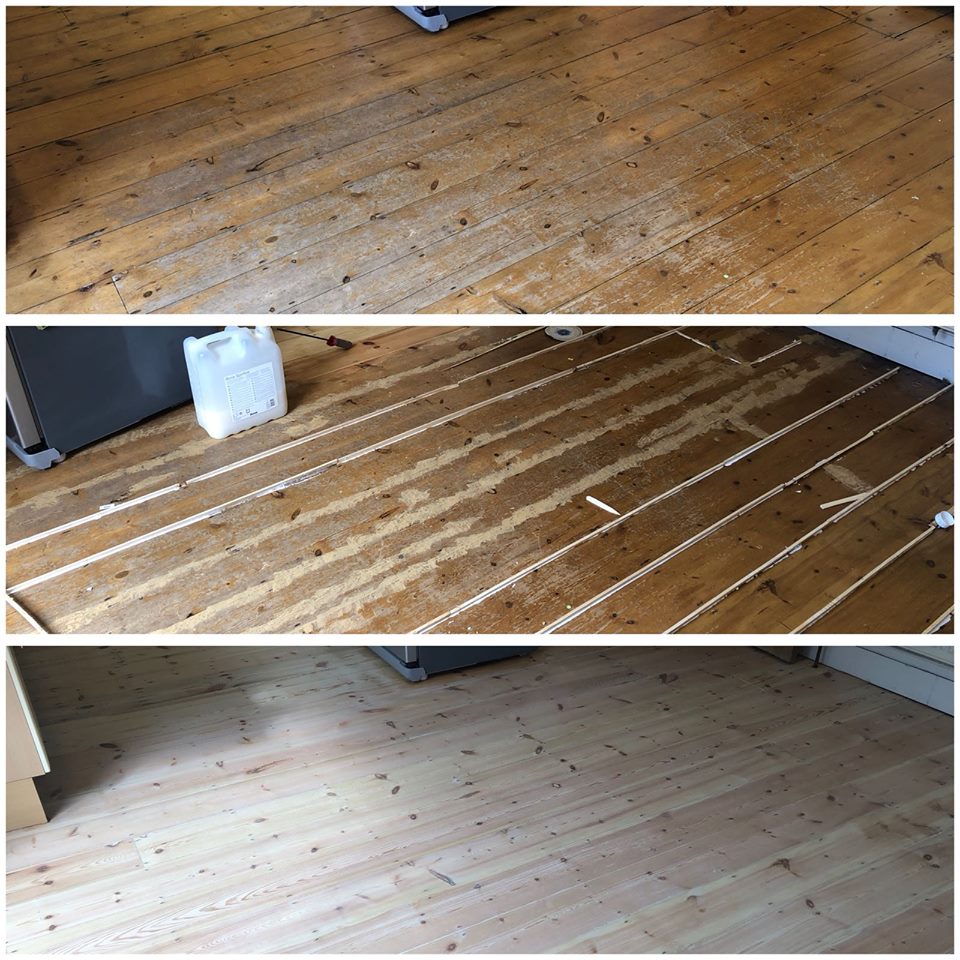
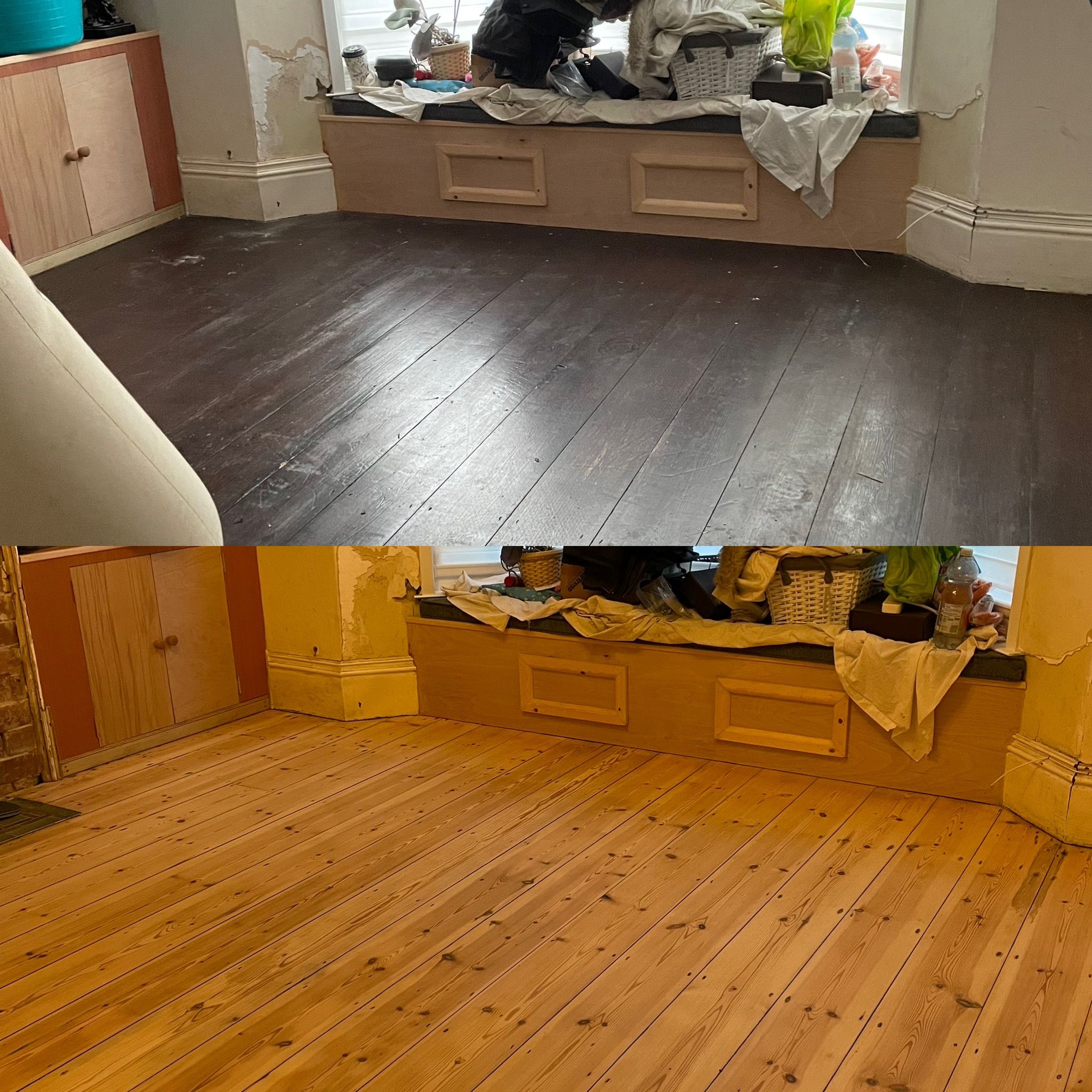
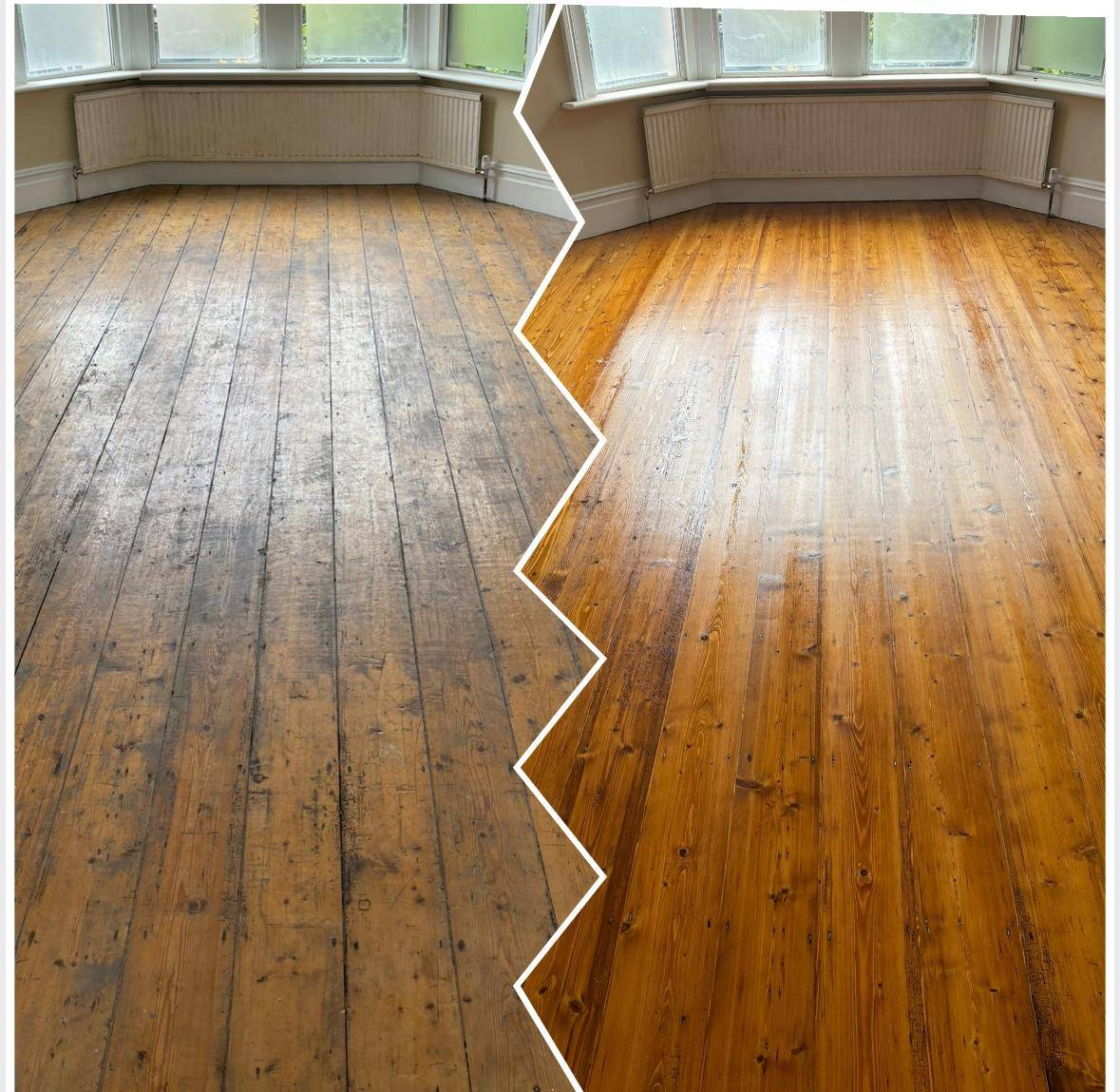
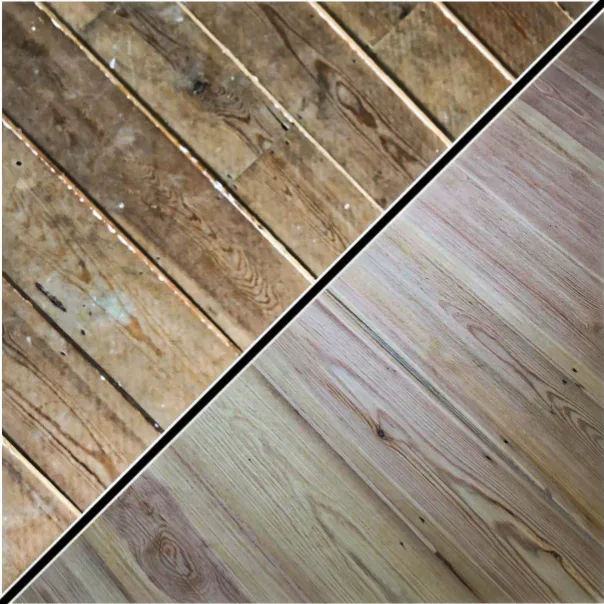
Floor sanding before and after

Floor Sanding in Newton Abbot

Our wood floor sanding service covers Newton Abbot, Kingsteignton and the Teign valley villages — redwood boards in the railway terraces, wider Georgian timber in the market town core, and elm and oak in the cottages towards the moor. Thinner terrace boards get measured before we commit: where a floor has already had its last full sand, we recommend a screen and recoat instead, or restoration without sanding, both of which remove no timber.

Dust-sealed extraction runs on every machine, capturing the overwhelming majority of dust at source.

In a lived-in family house the order of rooms is half the planning. We typically start upstairs while the household lives downstairs, then swap, leaving the hallway and landing until last because everything and everyone passes through them. Final coats are laid working towards the door so nobody is stranded on wet finish, and each room is handed back as its coating will take furniture rather than all at once at the end.

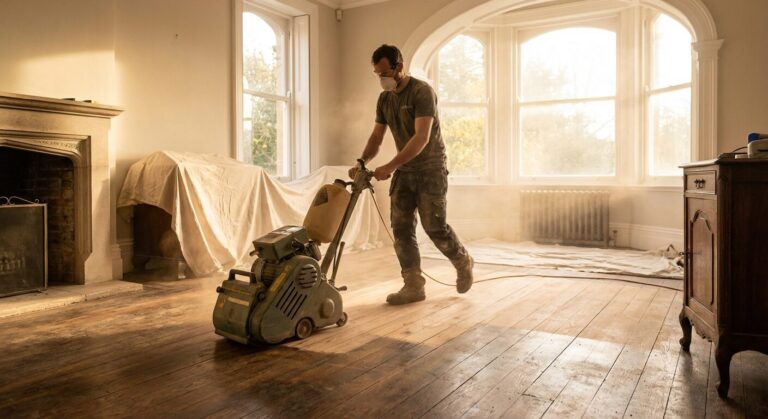
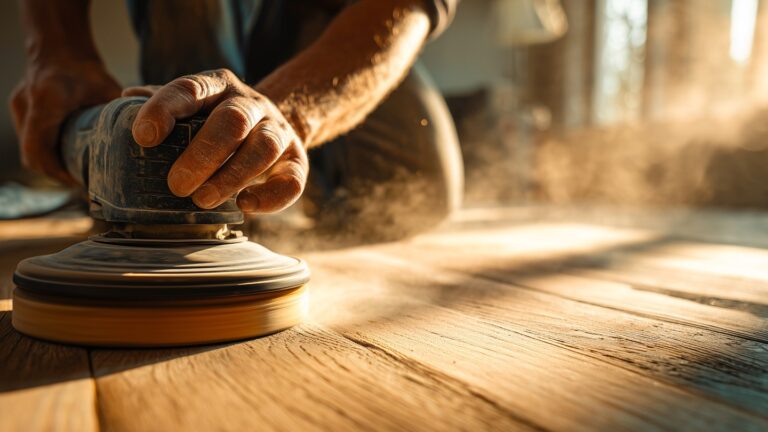
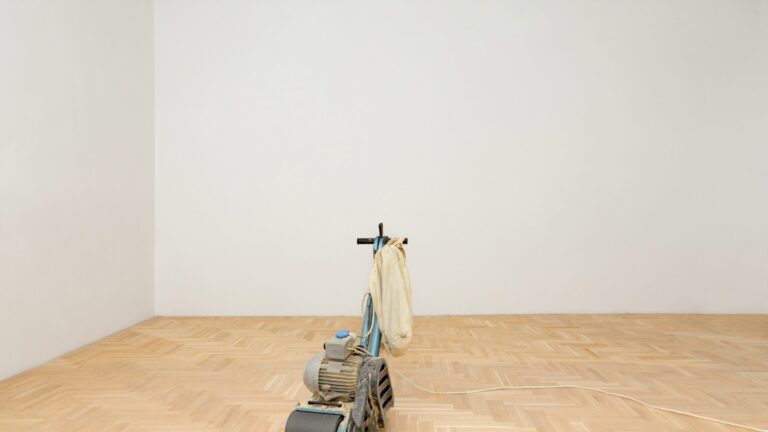
The machines themselves follow the same discipline everywhere: coarse cuts to strip and level, finer grits to refine, edges brought along at the same pace as the field, and a vacuum-clean between stages so nothing gritty rides under the next pass.
Commercial Floor Sanding in Newton Abbot

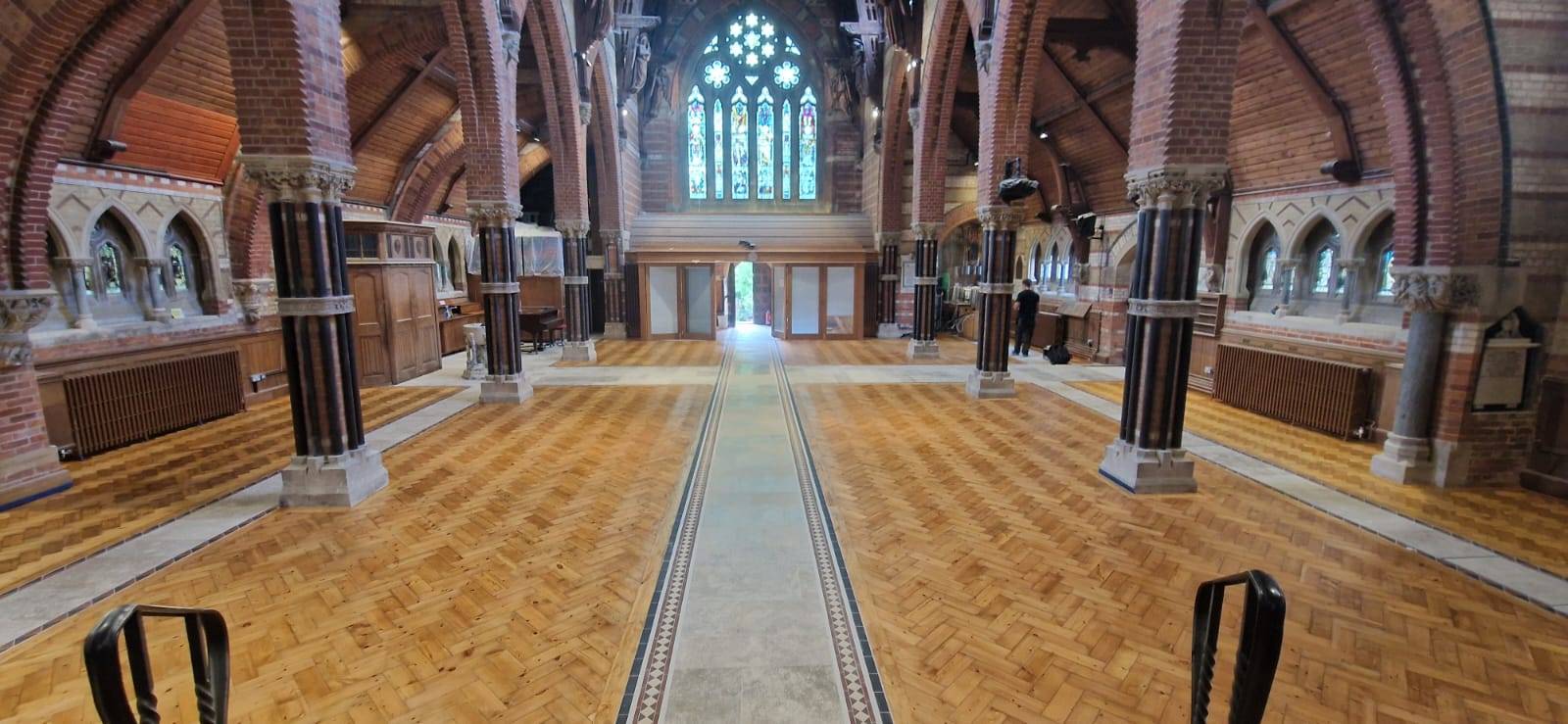
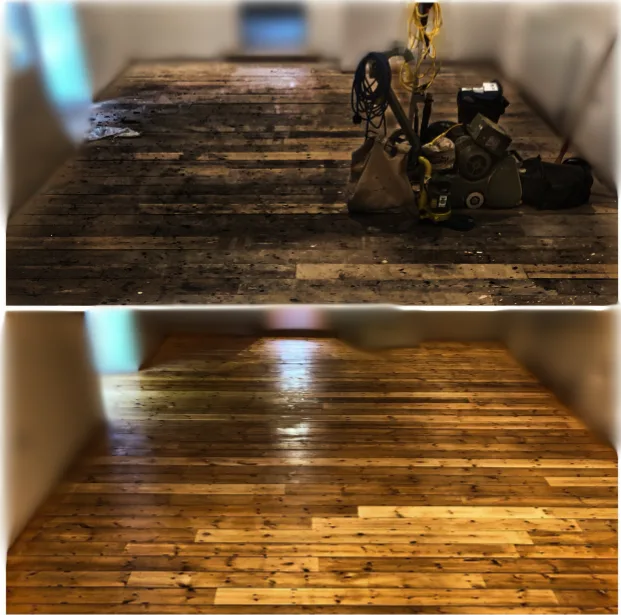
Market towns generate steady commercial floor sanding: pubs and restaurants, shops and offices, school and college halls, church and village halls across the parishes, and gyms and sports halls. Schools book into holidays, pubs get finished before the weekend, and evening and weekend shifts keep businesses trading. We supply method statements and insurance documentation, specify slip-resistant finishes where entrances and sports use demand them, and carry out line marking to governing body specification.

Pub floors bring their own chemistry. Years of spills drive tannin reactions deep into oak and leave black rings and shadows that no amount of surface cleaning shifts. Some of it sands out; genuinely deep staining sometimes will not, and we say so at the survey — the options then are localised board replacement, embracing the character, or a darker stain that unifies the floor. Guesswork is not part of the quote.

Once refinished, a trade floor is specified for its use: high-solids seals with real abrasion reserve, slip performance suited to a wet Friday night, and coat timings arranged so the cellar-to-bar routes are walkable for the next delivery.

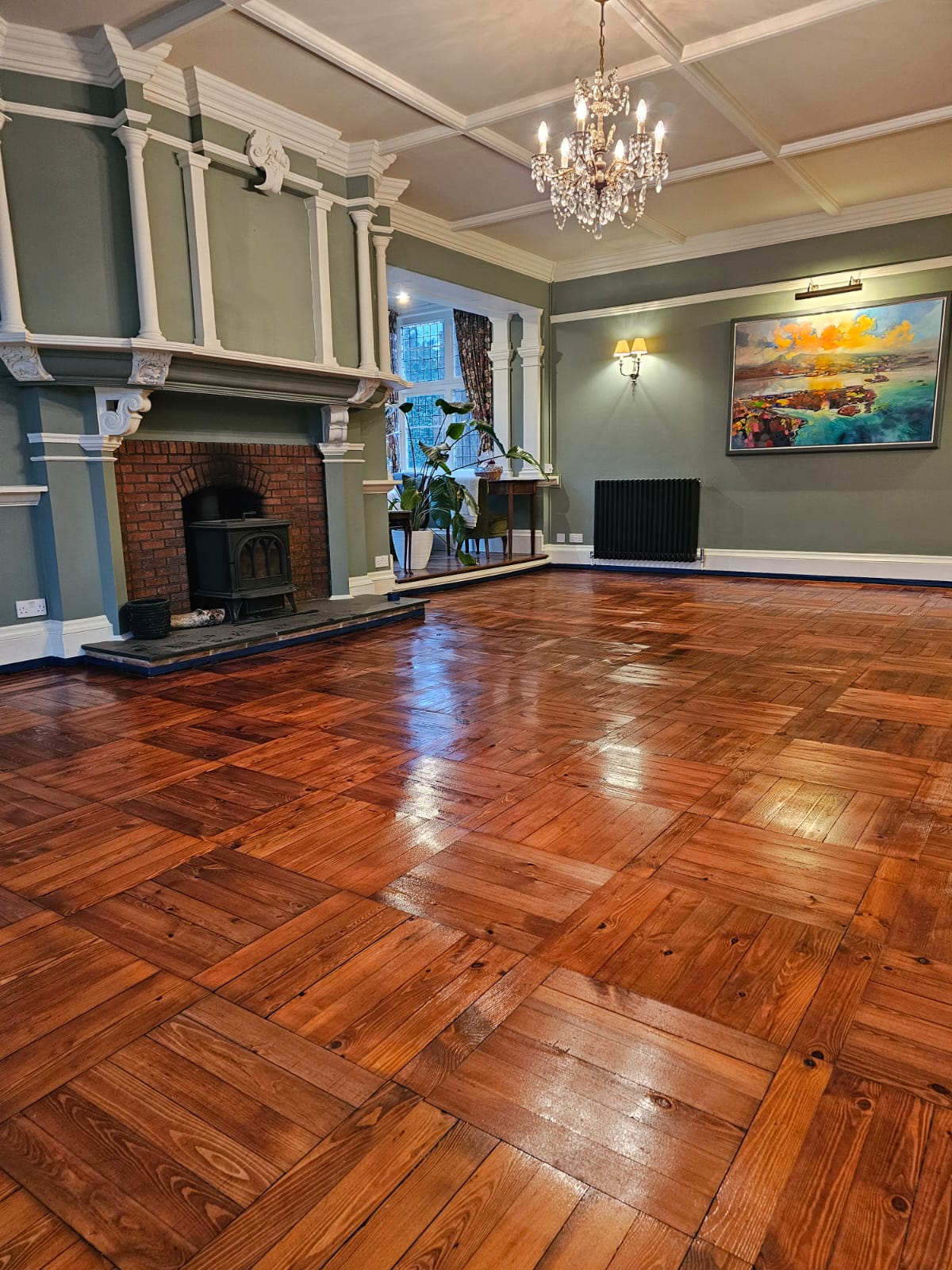
parquet wooden floor sanding
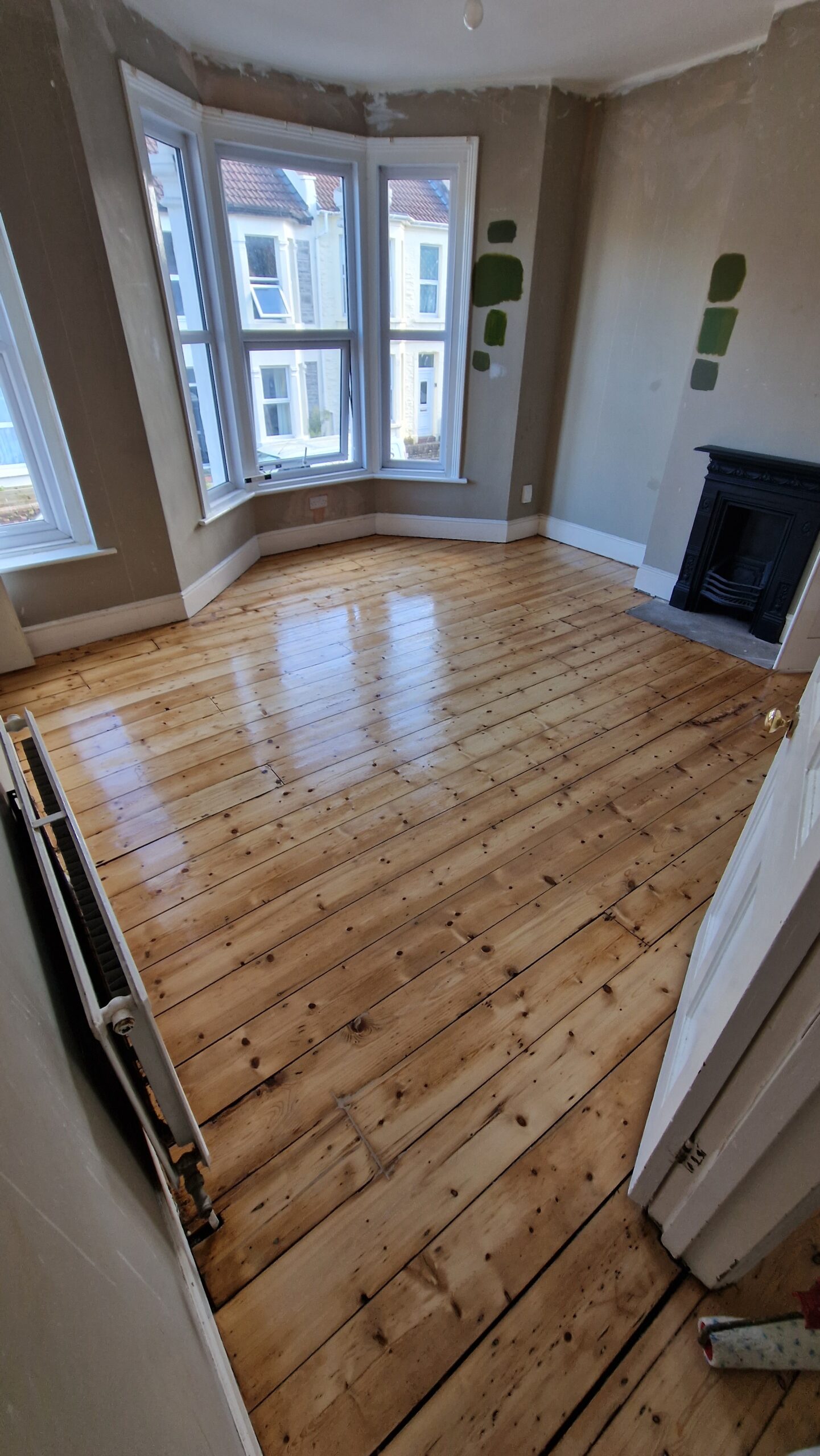
wooden floor sanding

Repairs, Squeaky Boards and Replacement

Our wooden floor repairs service handles the usual casualties of older housing stock: loose boards, squeaks traced and fixed at the joist, splits, burns and scratches. In moor-edge cottages we check the joist bearings before anything else, because rot there is common and far easier to deal with when found early.

Where boards have failed, floorboard replacement uses reclaimed timber from our stock — elm, oak or pine of the right age and section — so repairs vanish into the floor after sanding.

Whether damage will sand out is mostly a question of depth. A sanding pass removes around a millimetre, so surface scratches, grey weathering and most water marks disappear easily, while burns, gouges and stains that have travelled deep into the grain survive anything reasonable. For those we either cut out and piece in matching timber or, where the mark has history worth keeping, simply seal over it — plenty of customers choose to keep an old floor’s story. What we never do is chase a deep mark with the machine, because a hollow sanded into one spot shows forever.

Gap Filling on Clay Ground

Newton Abbot sits on ball clay, which swells and shrinks with the seasons, so gaps between boards here open and close more than in most towns. That shapes our gap filling advice: tapered timber slivers, fitted and sanded flush, move with the boards and stay put, while resin filler on a lively floor tends to crack free within a couple of winters. On stable modern floors resin remains a perfectly good option, and we will tell you plainly which your floor needs.

Timing helps too. Gaps are at their widest at the end of the heating season and tightest in late summer, so slivers fitted when boards sit near their average width get squeezed least at either extreme. Where a floor moves a great deal we sometimes recommend living with the smallest gaps and filling only the worst runs — an honest halfway house that keeps the draughts down without fighting the building.

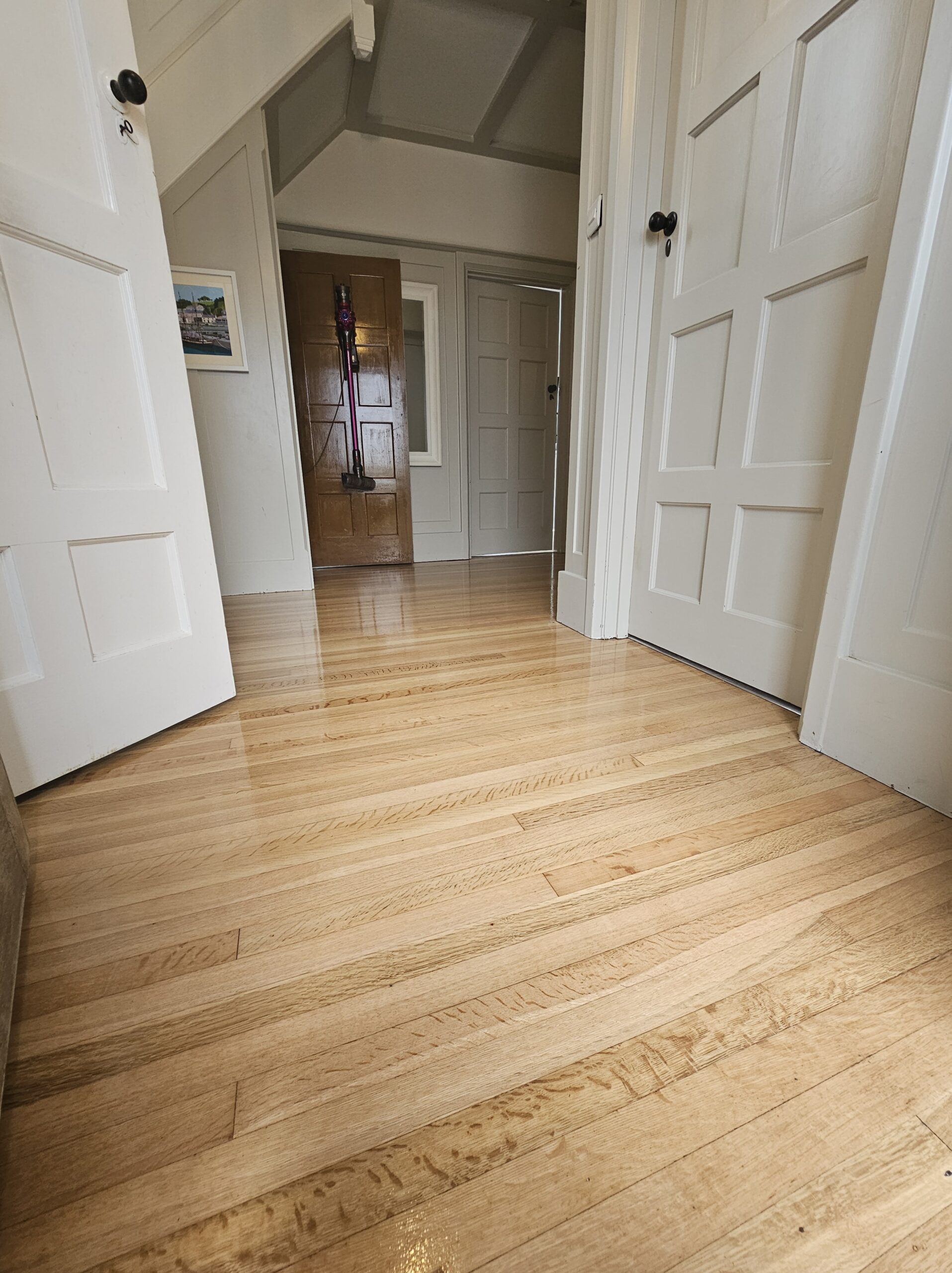
flooring sanding company
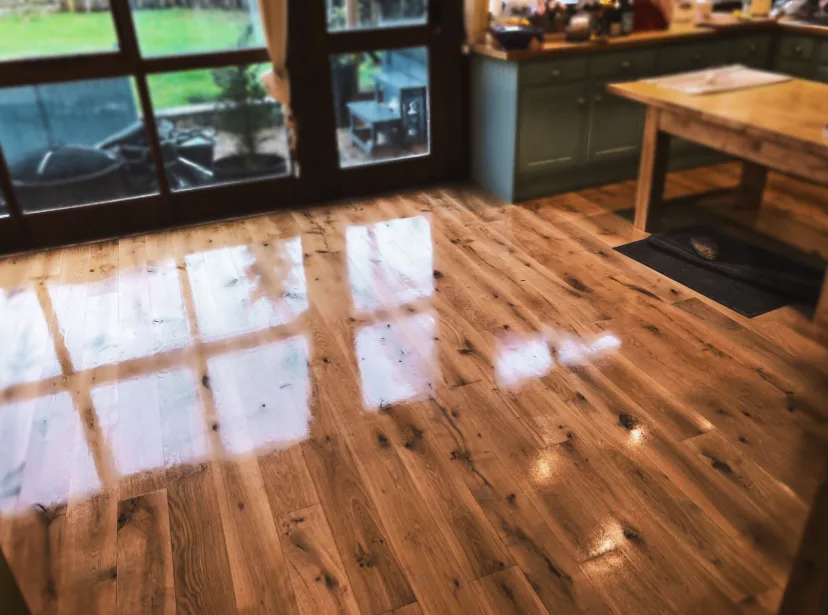
Sunlight across freshly lacquered wooden floorboards

Parquet Floor Sanding

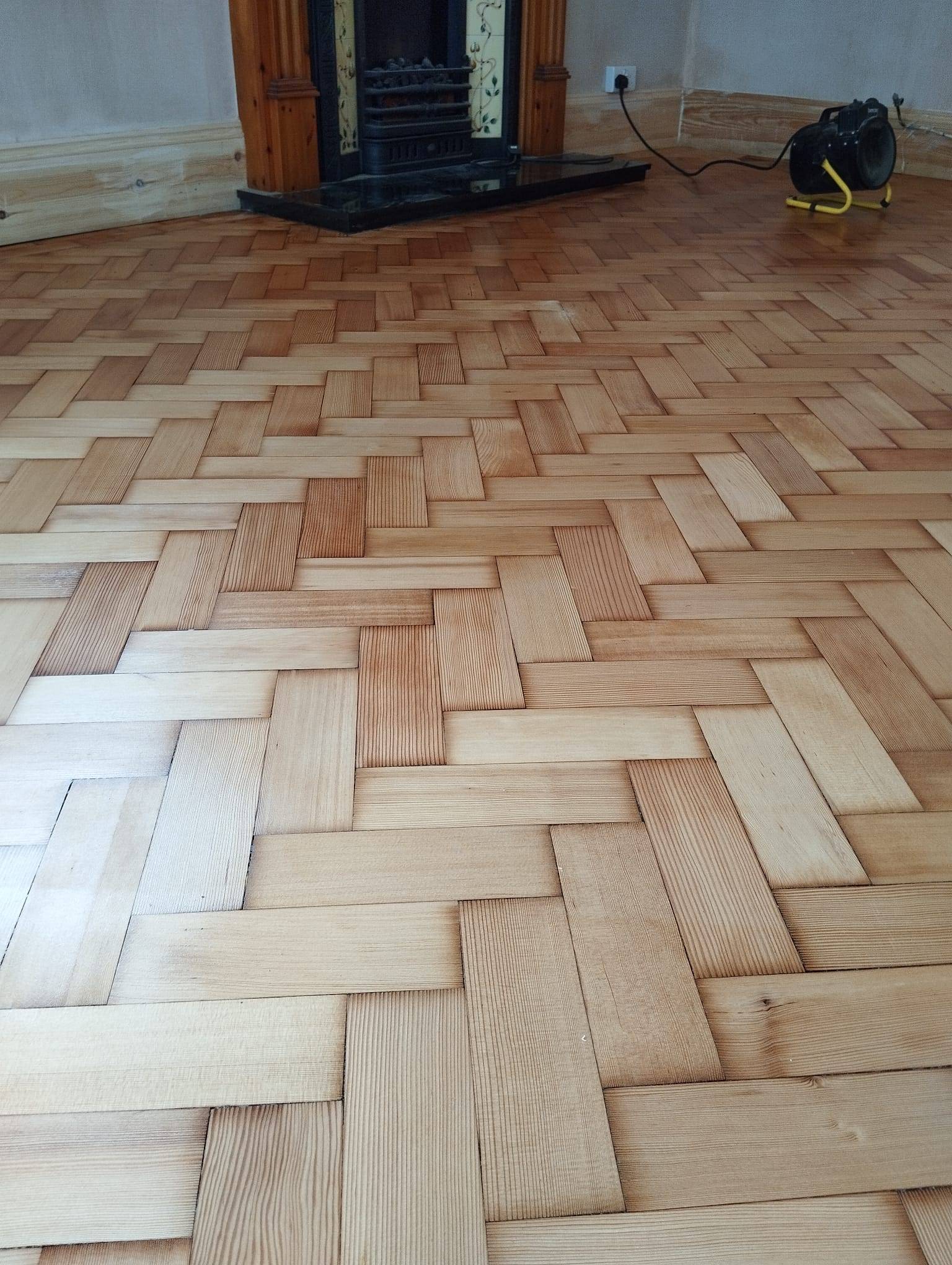
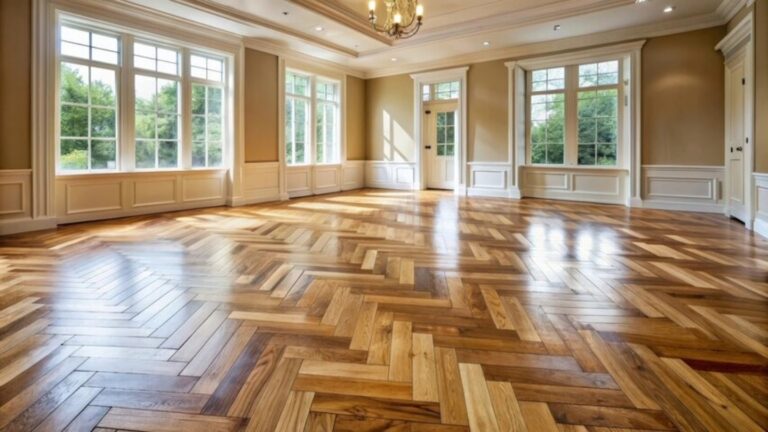
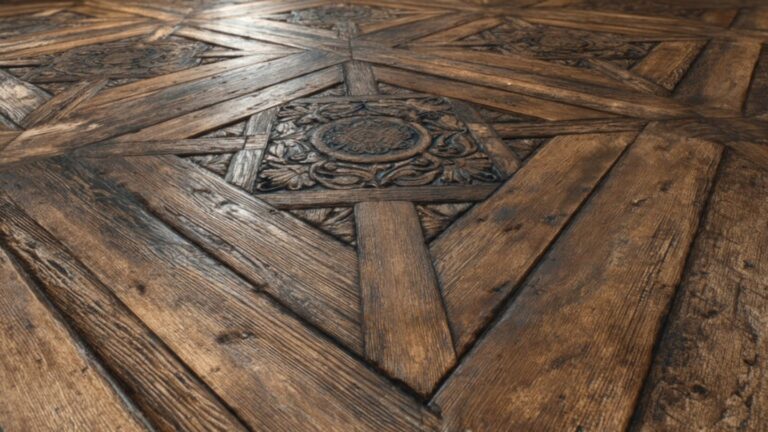
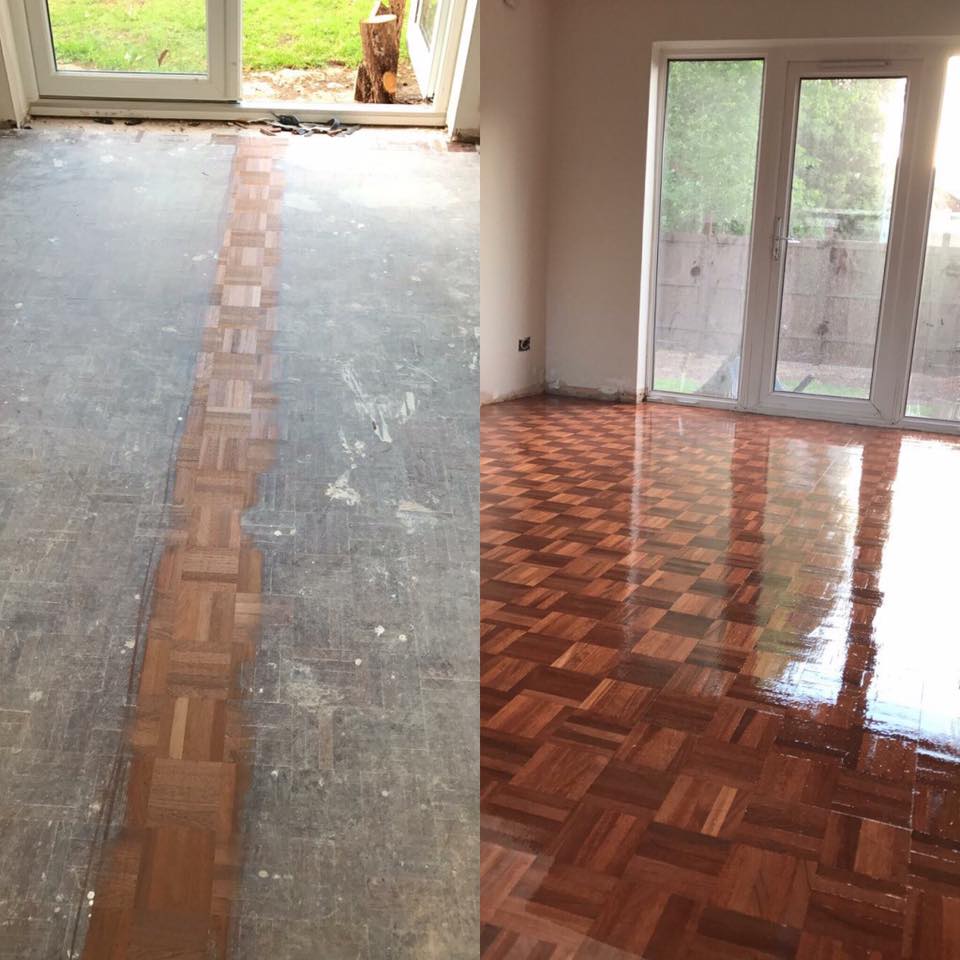
Schools, halls and mid-century houses around Newton Abbot hold a good amount of parquet. Our parquet floor sanding service starts with the blocks — loose ones lifted, cleaned of bitumen and re-bonded, missing ones matched from reclaimed stock — then sands across the pattern in several directions to bring herringbone and basketweave floors up flat before sealing. Old block floors that look tired under decades of polish build-up usually restore beautifully.

Decades of proprietary floor polish create a specific problem: the wax build-up melts under a hot abrasive and clogs ordinary paper within seconds. So heavily polished parquet is stripped differently — open-coat coarse abrasives run cooler and slower, cleared frequently, until the machine reaches actual timber. Only then does the normal grit sequence begin. It adds time at the start of the job but it is the difference between sanding a floor and smearing softened wax across it.

Staining, Sealing, Oiling and Waxing

Finish choice follows the building and its traffic. Our floor sealing service applies hard-wearing lacquers for family homes, rentals and commercial floors; oiling gives a natural, patch-repairable surface suited to period rooms and moorland cottages; waxing keeps the traditional look in older buildings; and staining shifts the colour, always sampled on your own boards first. We also sand staircases tread by tread, fit new wooden floors, and freshen finished floors with polishing between recoats.

Room by room, the oil-or-lacquer question usually answers itself. Kitchens and utility spaces argue for a full lacquer system — a continuous film that holds standing water long enough for you to reach a cloth. Bedrooms and studies, with their gentle traffic, suit oils that feel closer to bare timber and mend invisibly if a castor or heel marks them. Living rooms fall either way, and hallways depend on what gets walked in. We talk this through at survey with your household’s actual habits in mind rather than applying one house rule everywhere.

Whatever is chosen, we finish the job with the drying and curing times for that exact product in writing — when socks are fine, when furniture returns, when the first proper mop is safe — because most damage to new finishes happens in the first week through simple misunderstanding.

Wood floor sanding company
Floor sanding taunton

Get a Floor Sanding Quote in Newton Abbot

Two photographs — one of the room from the doorway, one close-up of the worst area — will get you an honest opinion and a fixed written quotation. A free, no-obligation site survey is available across Newton Abbot and the Teign valley, usually within the week.

Call 01823 674562, email info@ryansrestoration.co.uk, or use the form on this page.

All services available in Newton Abbot: floor sanding, commercial sanding, floor repairs, board replacement, gap filling, parquet sanding, sealing, oiling, staining, stair sanding and floor installation.

Nearby areas we also cover: Ashburton, Bovey Tracey, Buckfastleigh, Chudleigh, Dawlish and Paignton. There is a page for each, and the full list of towns is on our areas we cover page.

FAQ: Floor Sanding in Newton Abbot

Floor sanding, commercial work, repairs and board replacement, gap filling, parquet restoration, staining, sealing, oiling, waxing, stair sanding, screen and recoat, polishing and new floor installation.

Yes, with planning. Evening, weekend and phased working means most premises never fully close, and fast-curing lacquers bring the floor back into service within a day.

Sometimes. We measure the remaining thickness first; if a floor has had its last full sand, a screen and recoat refreshes the finish without removing any more timber.

Nearly always. Decades of polish build-up, loose blocks and the odd missing piece are all routine — blocks are re-bonded or replaced, then the pattern sanded flat and sealed.

Yes. Stains under the seal darken or re-tone the timber, and we trial shades on your own boards in your own light before committing to the room.

Engineered boards usually manage one or two sands depending on the wear layer, which we measure. Laminate cannot be sanded under any circumstances.

Sealed extraction on every machine takes the overwhelming majority of dust at source, so the house stays clean enough to live in while the work goes on.

Photograph the floor twice — wide and close — and send it over for an honest opinion and a fixed written quotation, or call 01823 674562 for a free no-obligation survey.

Shallow marks go easily, but each pass removes only about a millimetre, so damage that has penetrated the grain often stays. Where it will not sand out we piece in matching timber, unify the floor with a darker stain, or seal it in as character — your choice, made before work starts.

All the time. Rooms are sequenced so you always have somewhere to live, hallways go last, and each floor is handed back as soon as its finish will take furniture.