45 years’ experience  ·  Rated 4.9 on Google  ·  Family-run, from our workshop near Wellington

45 years’ experience · Rated 4.9 on Google · Family-run

Floor Sanding and Wood Floor Restoration in Porlock

Sanding, repairs and tough finishes for cottages, guest houses, holiday lets and tea rooms in Porlock, Porlock Weir and the Exmoor coast.

QUICK QUOTATION

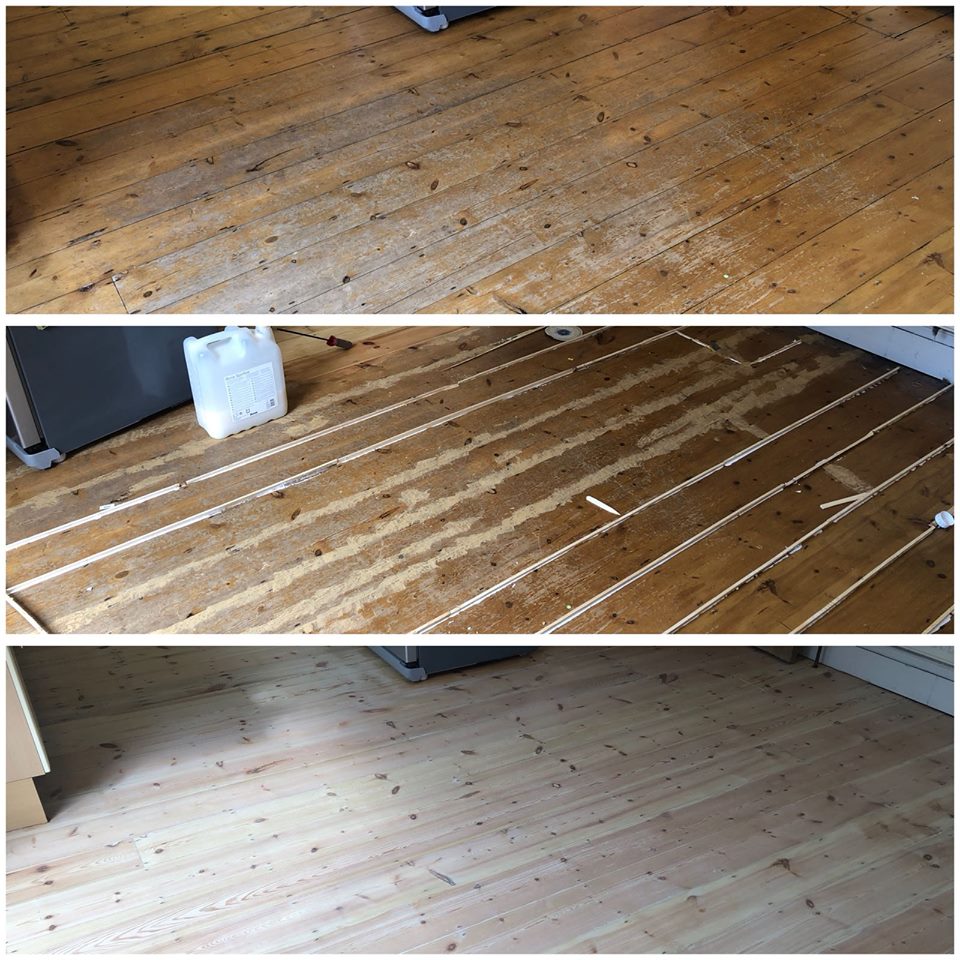
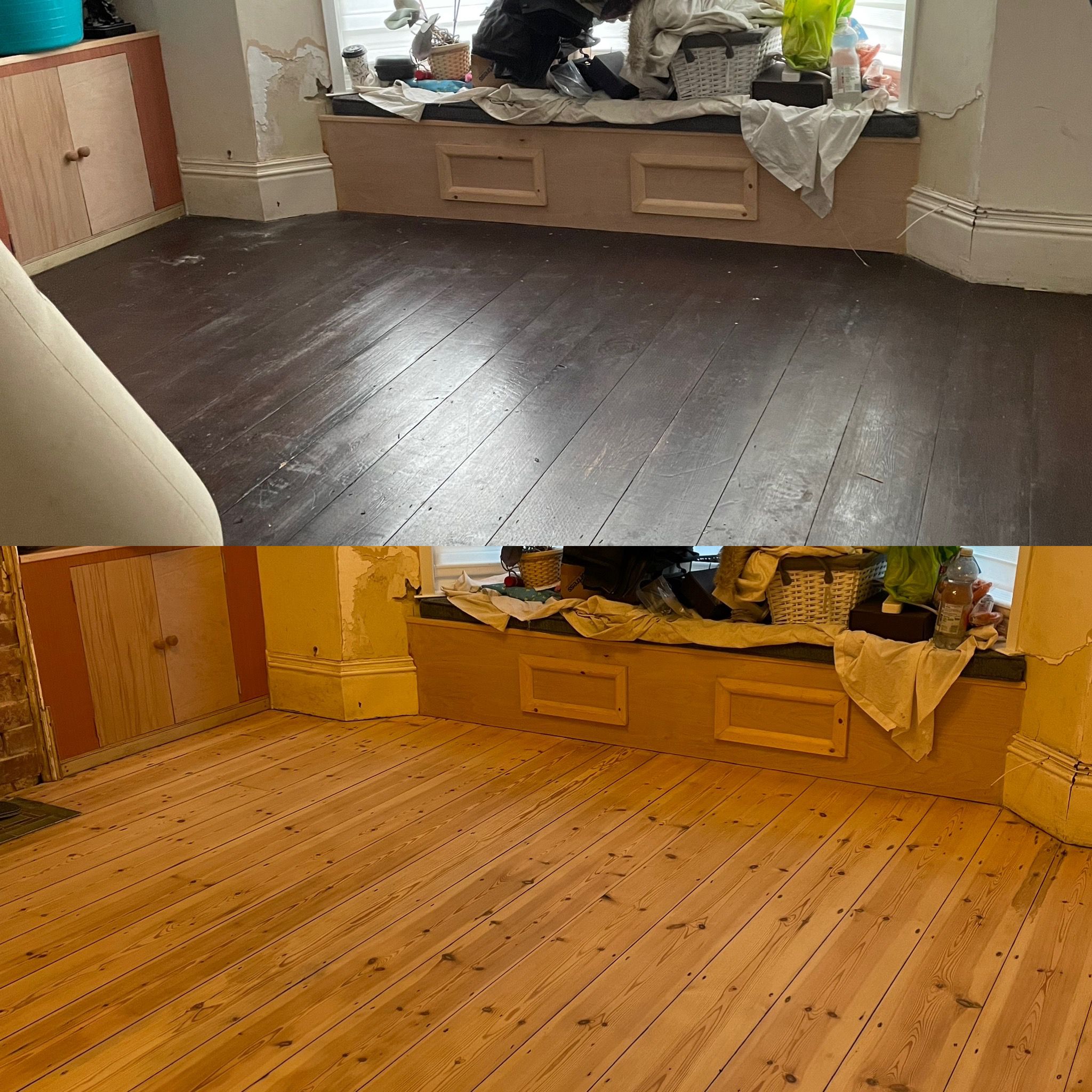
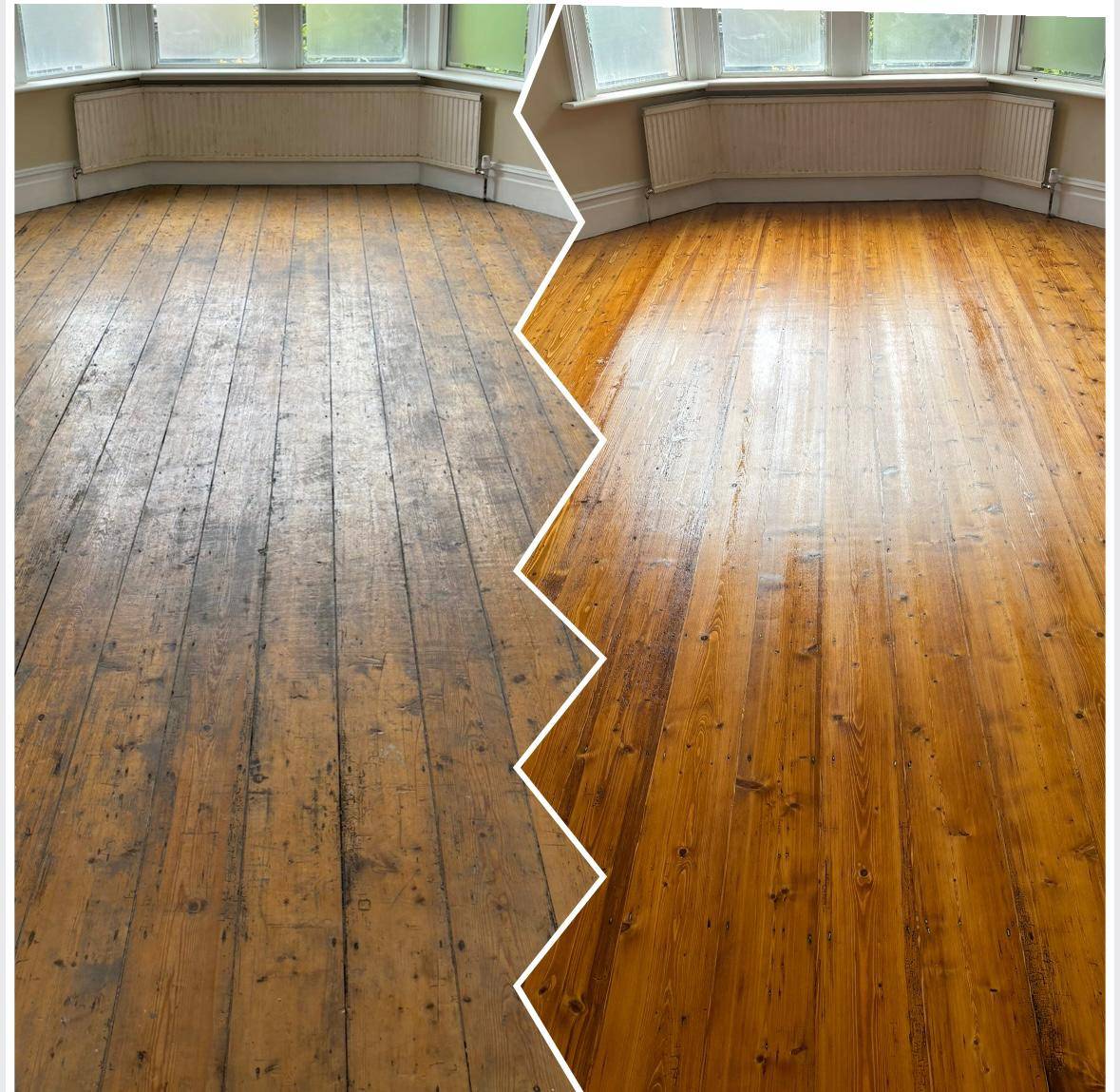
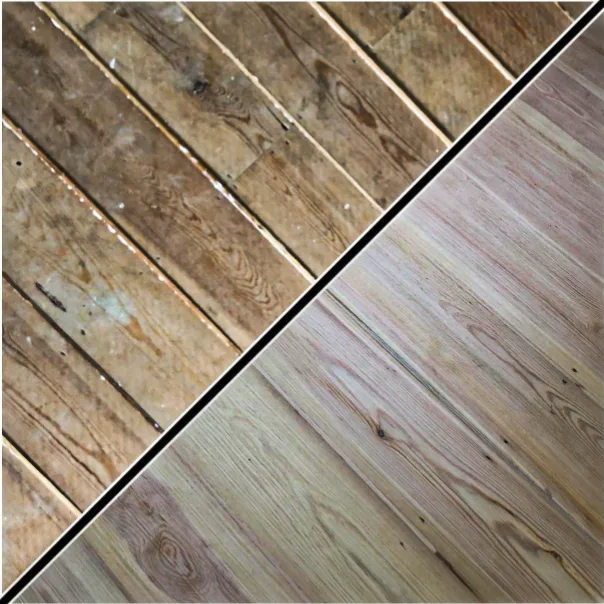
Floor sanding before and after

Floor Sanding in Porlock and Porlock Weir

A coastal floor lives a different life from one in a town terrace. Fine sand comes in on boots and paws, gets ground into the finish and slowly dulls it from the doorway inwards. Salt air and the damp that comes with a west-facing coast make boards swell in winter and shrink back in summer. Floor sanding in Porlock has to deal with both, and that starts with a proper look at the boards before any machine is unloaded.

On the survey visit we check the board depth, read the moisture along the seaward walls and inland ones alike, and confirm that air can still move freely beneath the floor. Many older Porlock properties have solid stone walls and suspended timber ground floors, and a blocked airbrick can do more harm to boards than years of footfall.

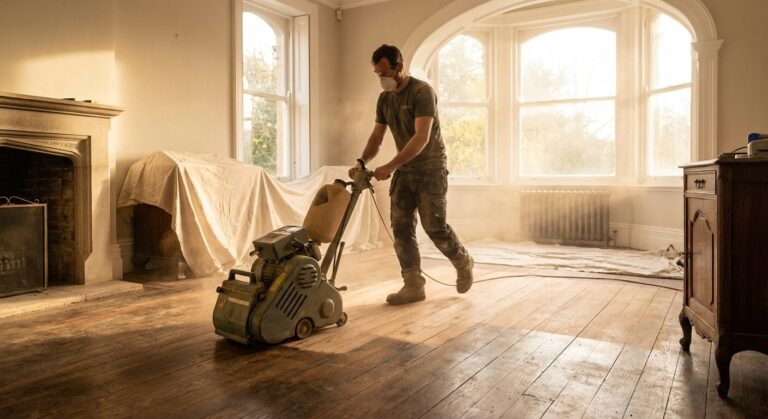
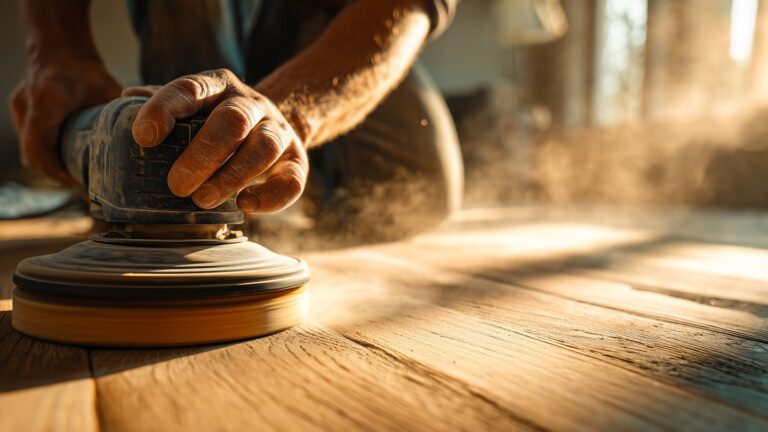
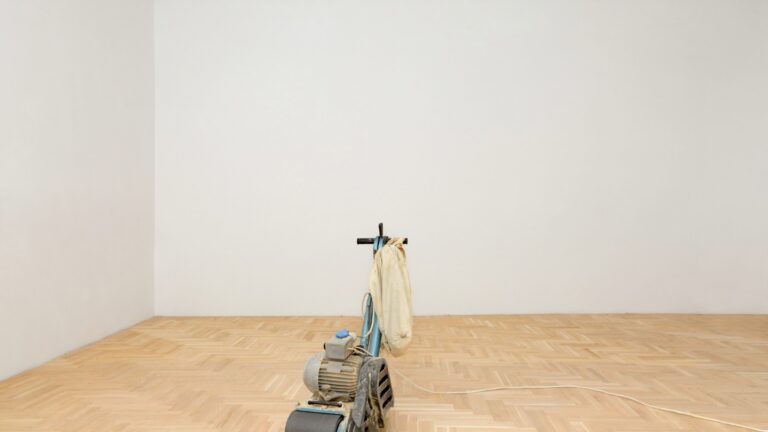
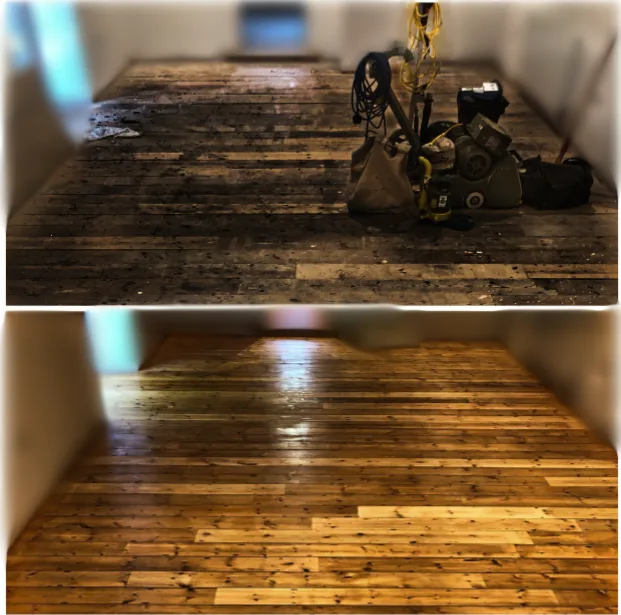
The sanding itself is staged. A coarse belt takes off the worn coating and any cupping, then each finer grit erases the scratch pattern of the last. Edges and the awkward spaces around hearths and built-in cupboards are worked with an edging sander and by hand. Every stage of our wood floor sanding runs through sealed extraction, which is why we describe it as dust-free floor sanding; the bulk of the dust ends up in the collector, not on your furniture, although we still close off doorways to be safe. A typical house takes between one and three days.
Commercial Floor Sanding in Porlock for Hotels, Tea Rooms and Holiday Lets

Much of Porlock earns its living from visitors, which means floors in hotels, guest houses, pubs, tea rooms and self-catering cottages. Commercial floor sanding in Porlock is about timing as much as technique. Nobody wants a sanding crew in the middle of August, so most of this work is booked for the quieter months, and dates can be held well ahead to fit between your last guests of one season and the first of the next.

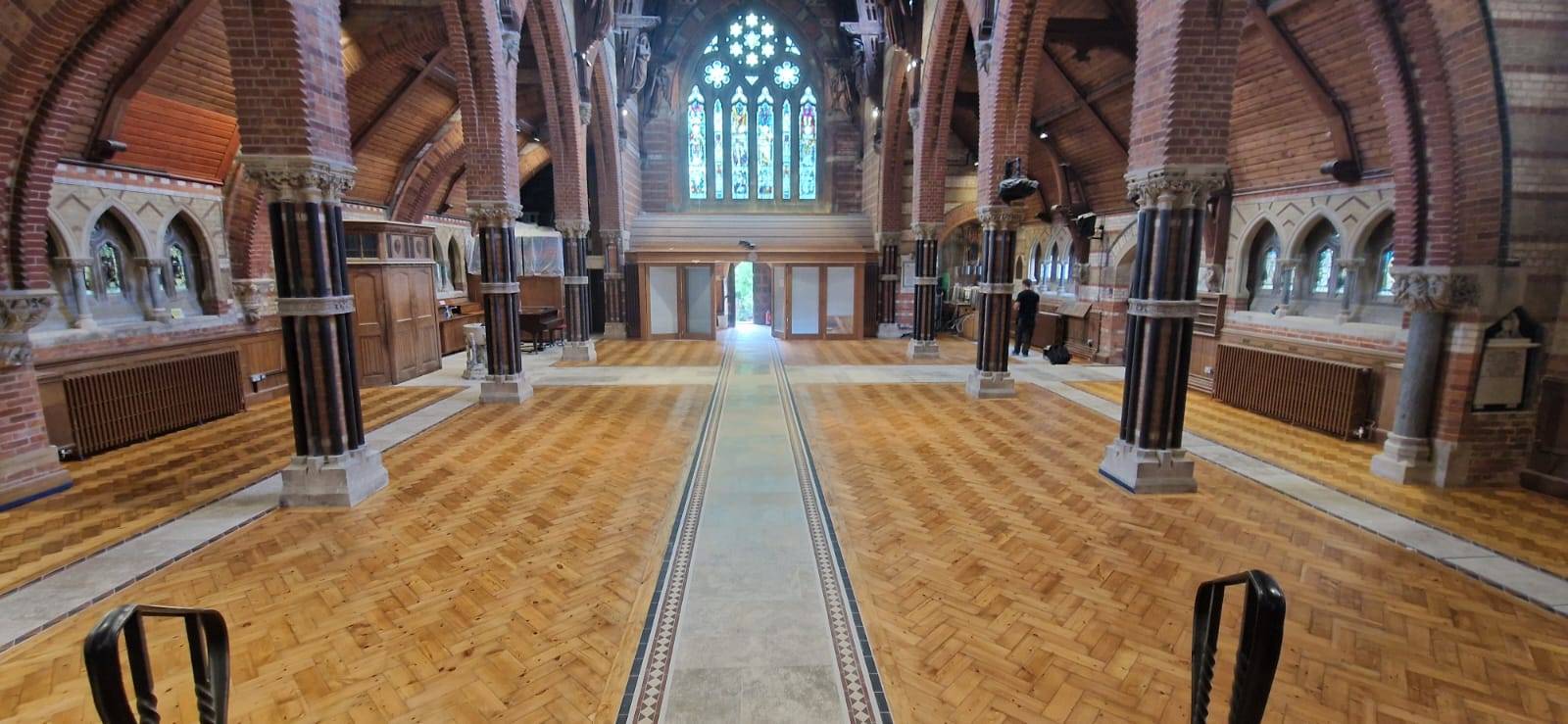
When a room has to be ready quickly, we use fast-curing finishes and can work overnight or on changeover days. A guest house can be done a few rooms at a time while the rest stays open; our hotel floor sanding page explains how that phasing works. Tea rooms and pub dining rooms need a finish that copes with chairs scraping and daily mopping, which is the focus of our restaurant floor sanding service. Village and church halls used for classes and events can be sanded and resealed between bookings.

Holiday lets are a slightly different case. They are domestic floors that take commercial levels of wear, with a new set of guests every week. A hard-wearing lacquer, plus a light recoat between full sands, keeps them looking right in the listing photographs. Bigger contracts are explained on our commercial floor sanding page. Hotel owners and letting agents who need paperwork before booking can ask for our method statement, a copy of our insurance and contact details for referees.

parquet wooden floor sanding
wooden floor sanding

Wood Floor Restoration in Porlock's Cottages

Wood floor restoration in Porlock often means old cottage floors that have never been flat and were never meant to be. Boards have worn into gentle hollows in front of fireplaces and along the routes people walk, and the rooms themselves are often low, small and full of awkward corners. The aim is a floor that looks cared for, not one that has been planed into something new.

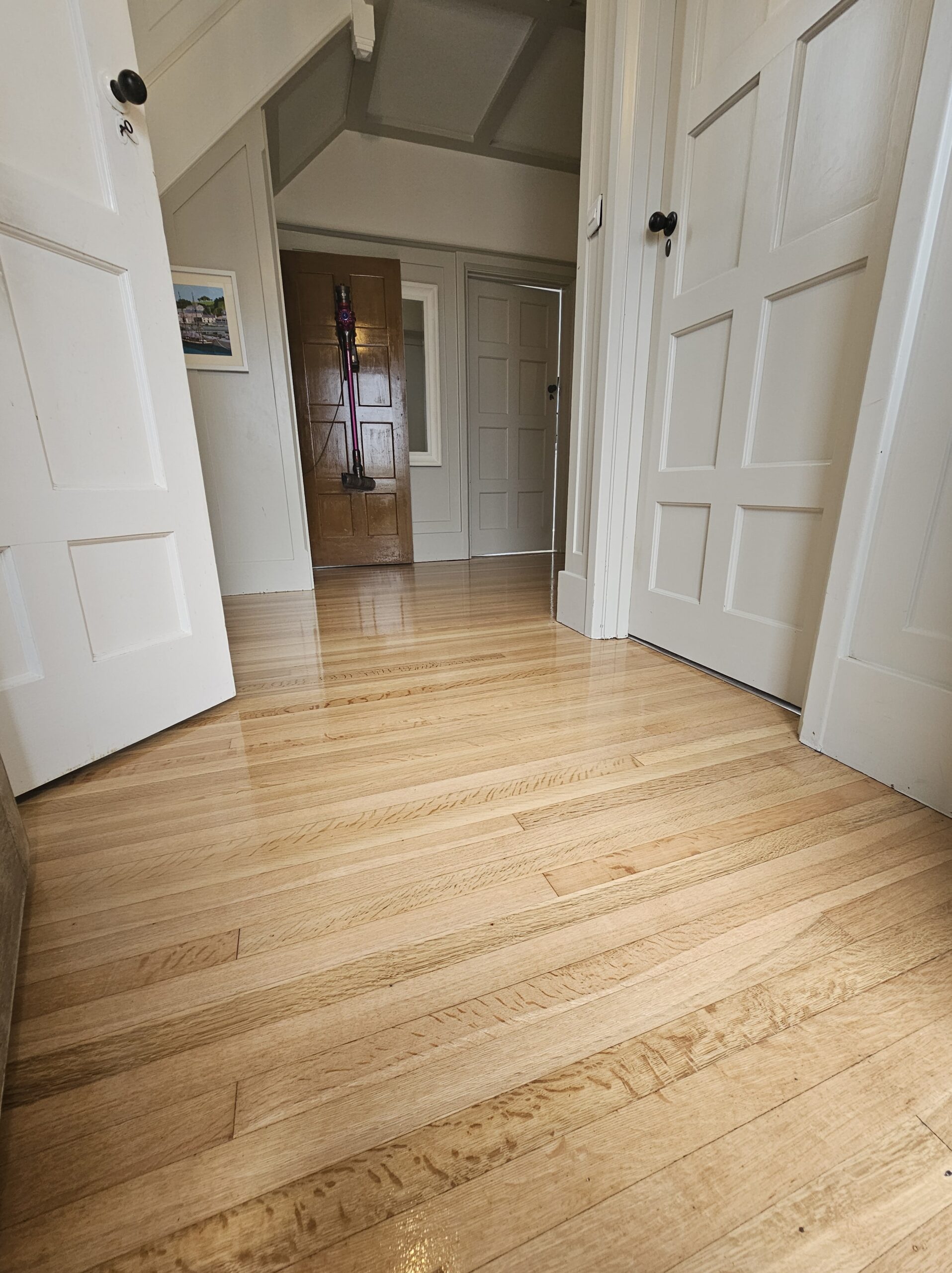
So we keep the abrasion as light as the floor allows, follow the existing undulations instead of chasing a dead-level surface, and leave the marks of age that belong there. Where boards are oak, careful oak floor restoration brings back the grain and colour with very little timber removed. Oak responds especially well to oil, which deepens the figure without adding a glossy skin.

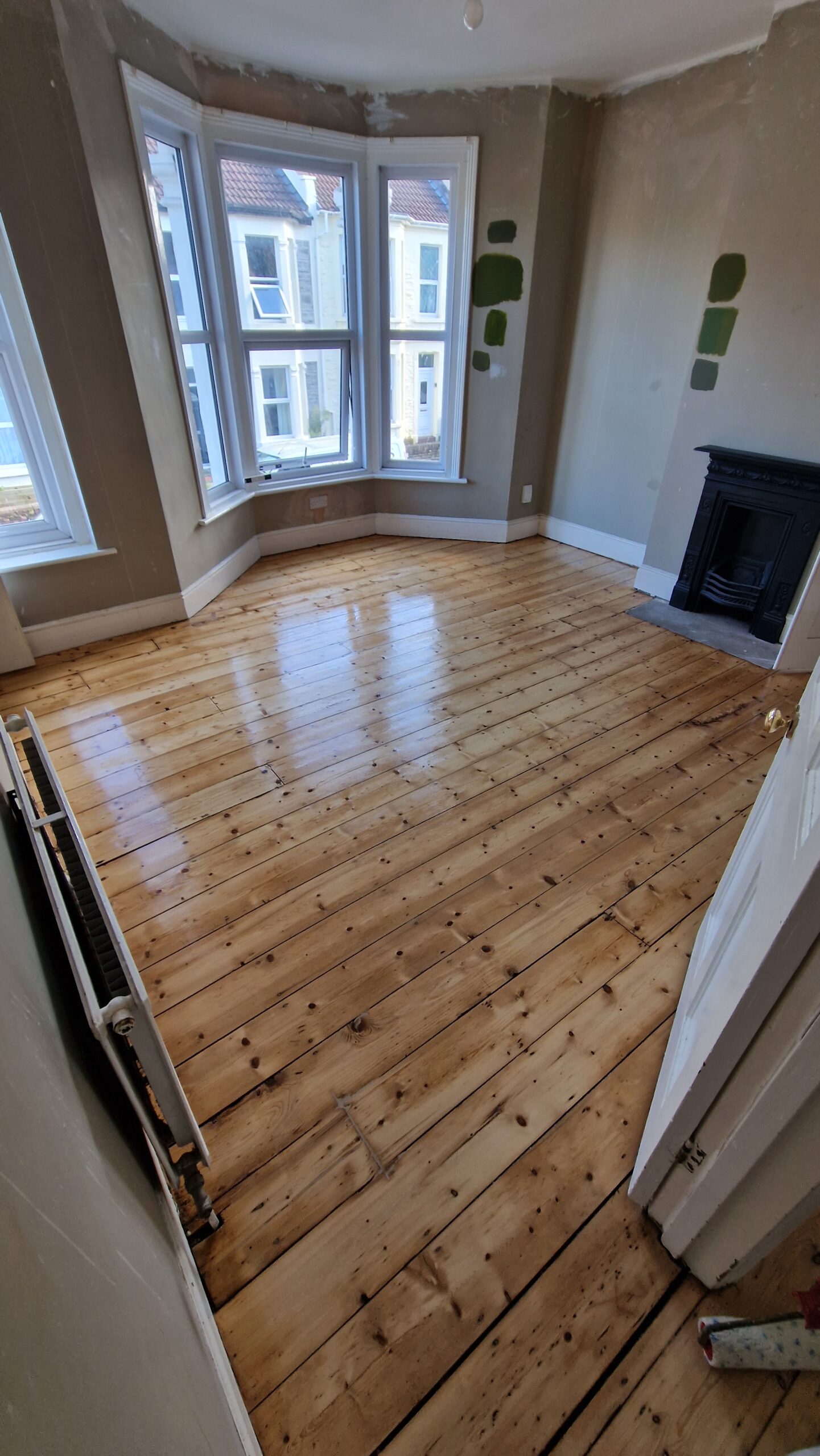
Softwood is more common in later houses and in upstairs rooms. Pine floor restoration needs patience: the boards dent easily, nail heads have to be punched well below the surface, and old dark stain often sits deep in the grain. A finer grit sequence and a little restraint stop the softer summer growth rings being scooped out, which is what gives badly sanded pine its rippled look.

Our wood floor restoration page describes the whole sequence in more detail, from the survey and repairs through to the final coat.

Mending Boards Before the Machines Go In

Almost every older floor needs some work before it is sanded. Boards lift where nails have rusted through, tongues snap when a board is levered up for a pipe or a cable, and doorway nosings take a beating from decades of traffic. Our wooden floor repairs put all of that right first, because sanding over a loose board only makes the next problem harder to fix.

When a board is too far gone, it is replaced. Coastal homes see more end rot than most, usually under a window or beside an outside door where water has got in over the years. Floorboard replacement uses reclaimed timber of the same species, thickness and width, chosen from our own stock so the new board sits comfortably beside the old ones once the floor is finished.

Gaps come next. Wide gaps let cold air up from the void, which is noticeable in an exposed spot like this, and they collect sand and grit. Narrow joints can be packed with a resin filler mixed with dust from your own floor; wider ones are better closed with glued timber slivers. Our gap filling page explains the difference. Creaking boards in a guest bedroom are a common complaint, and squeaky wood floor repair quietens them by fixing the boards firmly back to the joists. Where the damage is purely cosmetic, such as a gouge from a suitcase wheel, wood floor scratch repair can sometimes put it right locally.

flooring sanding company
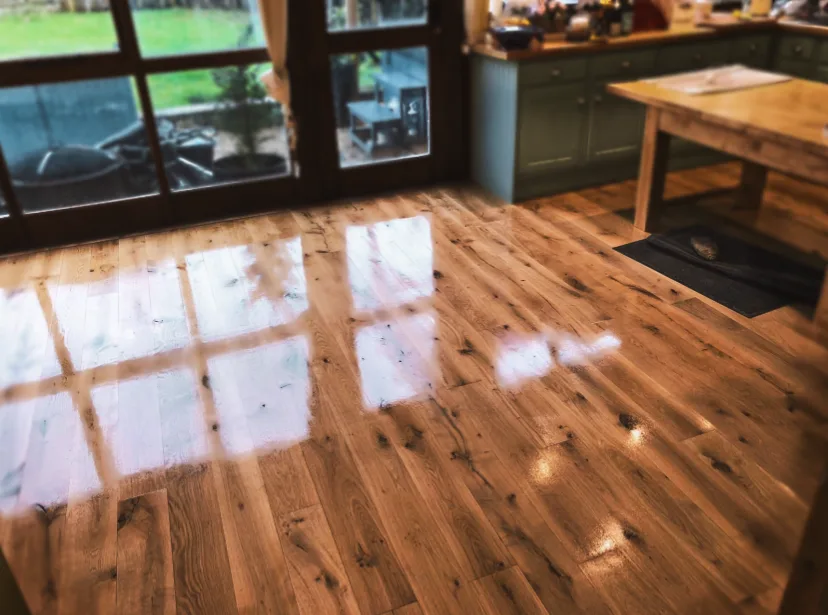
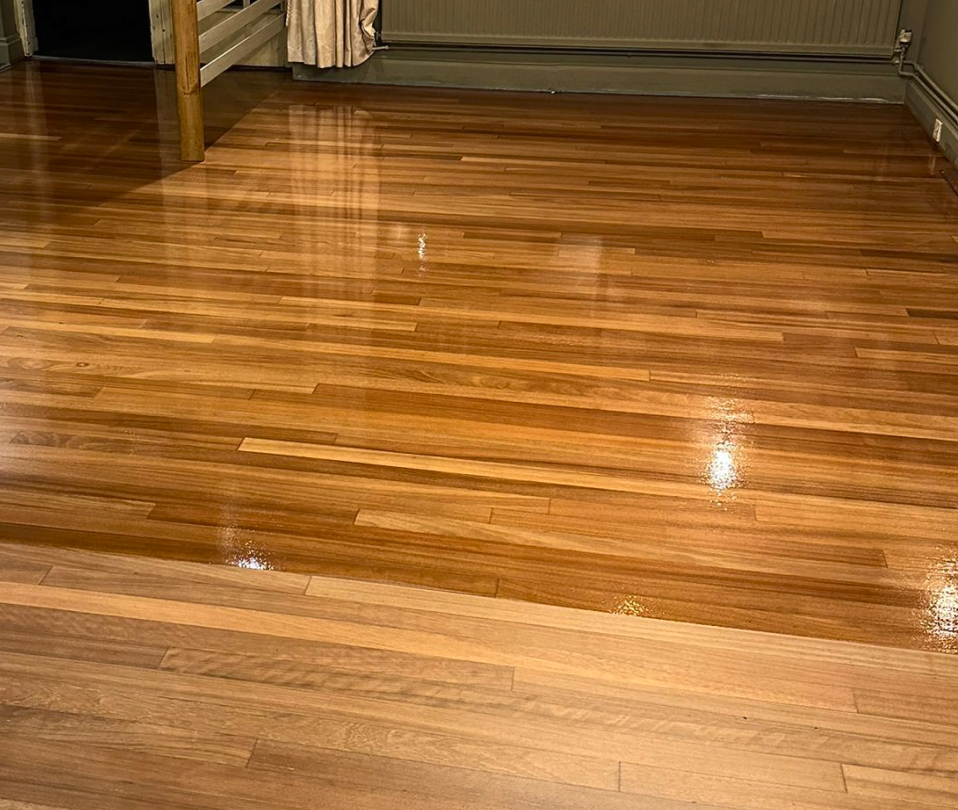
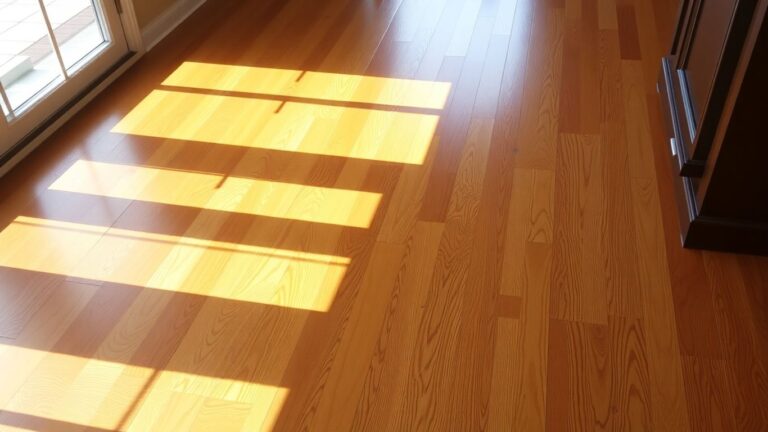
Sunlight across freshly lacquered wooden floorboards

Finishes That Cope With Sand, Boots and Salt Air

On the coast, the finish does a lot of the work. A floor near an outside door in Porlock gets a steady supply of grit, and that grit acts like fine sandpaper on whatever coating is on top.

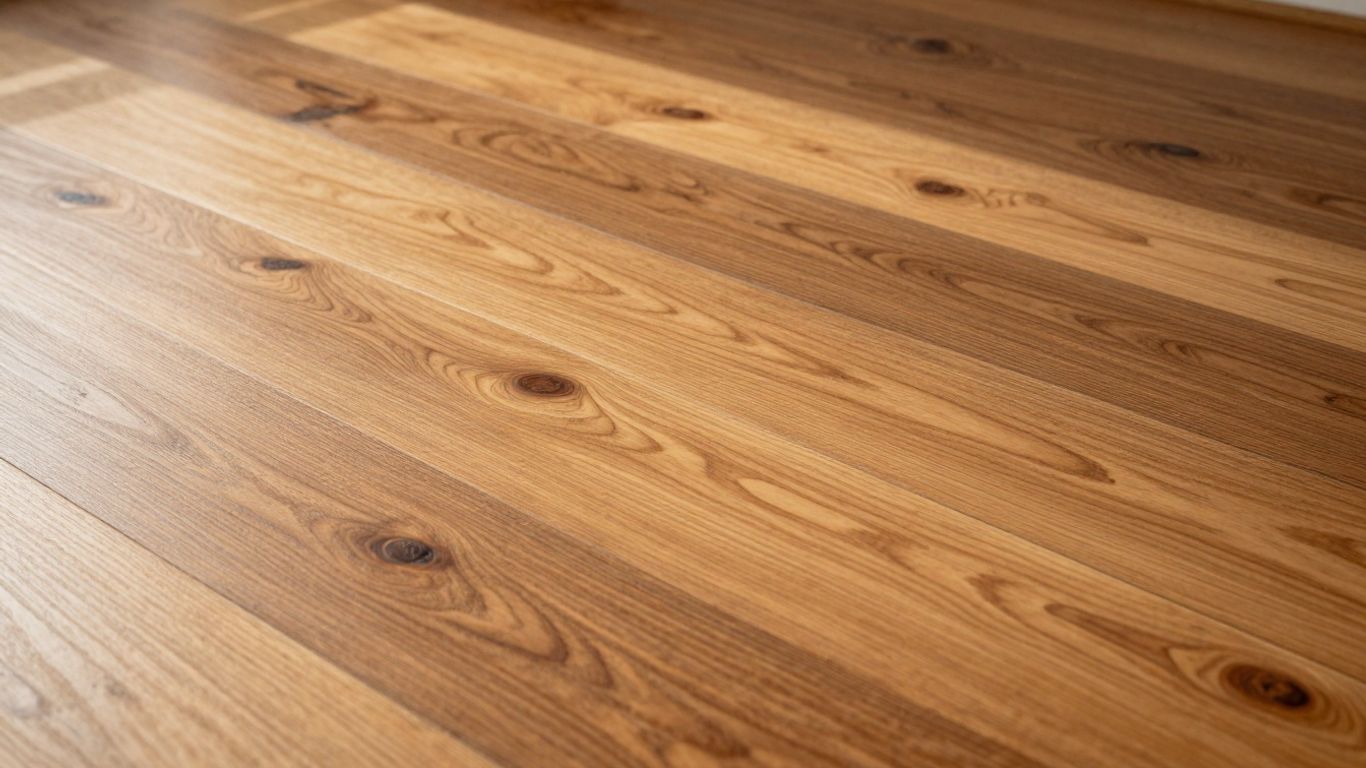
For hallways, kitchens and holiday lets, a hard-wearing water-based lacquer is usually the best defence. It stays clear, it resists scuffing and it can be cleaned with a damp mop. Wood floor sealing builds that lacquer up in several coats, each lightly de-nibbed so the next one grips.

Where a more natural feel matters, wood floor oiling is the alternative. Because oil lives inside the timber, a scuffed strip at the porch door can be washed and fed again without disturbing anything else. On the oldest cottage boards, wood floor waxing gives a soft glow that suits the rooms, although near entrances it needs more upkeep.

Colour can be changed too. Wood floor staining can warm up pale new repairs, deepen a bleached floor or tone down orange pine, and we always try a stain on your own timber first. After curing, wood floor polishing with a suitable maintenance product lifts the sheen. A mat on each side of an outside door does more to protect the finish than almost anything else. Allow a day before walking on it in socks and two to three before furniture goes back.

Herringbone Blocks and Cottage Staircases

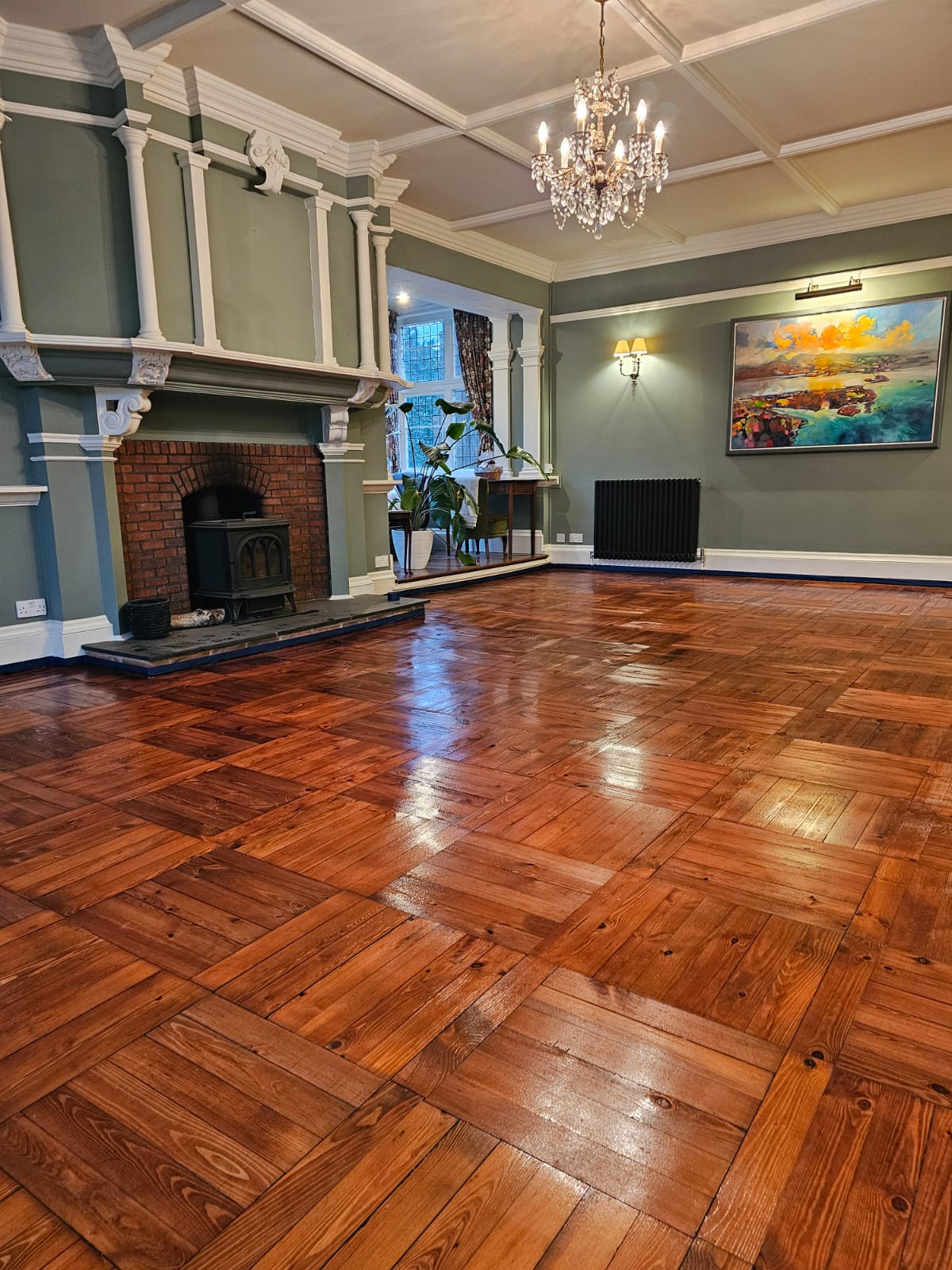
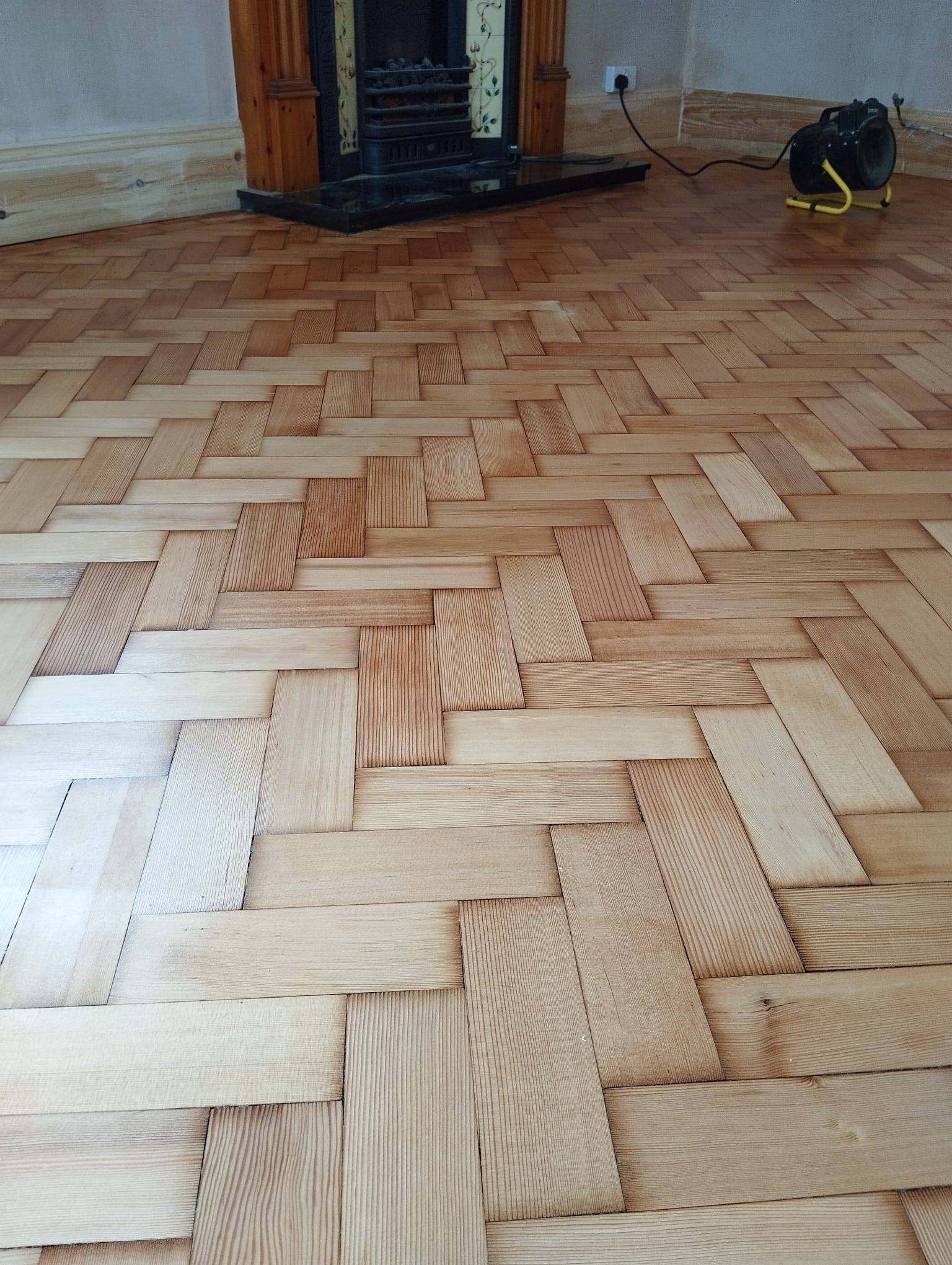
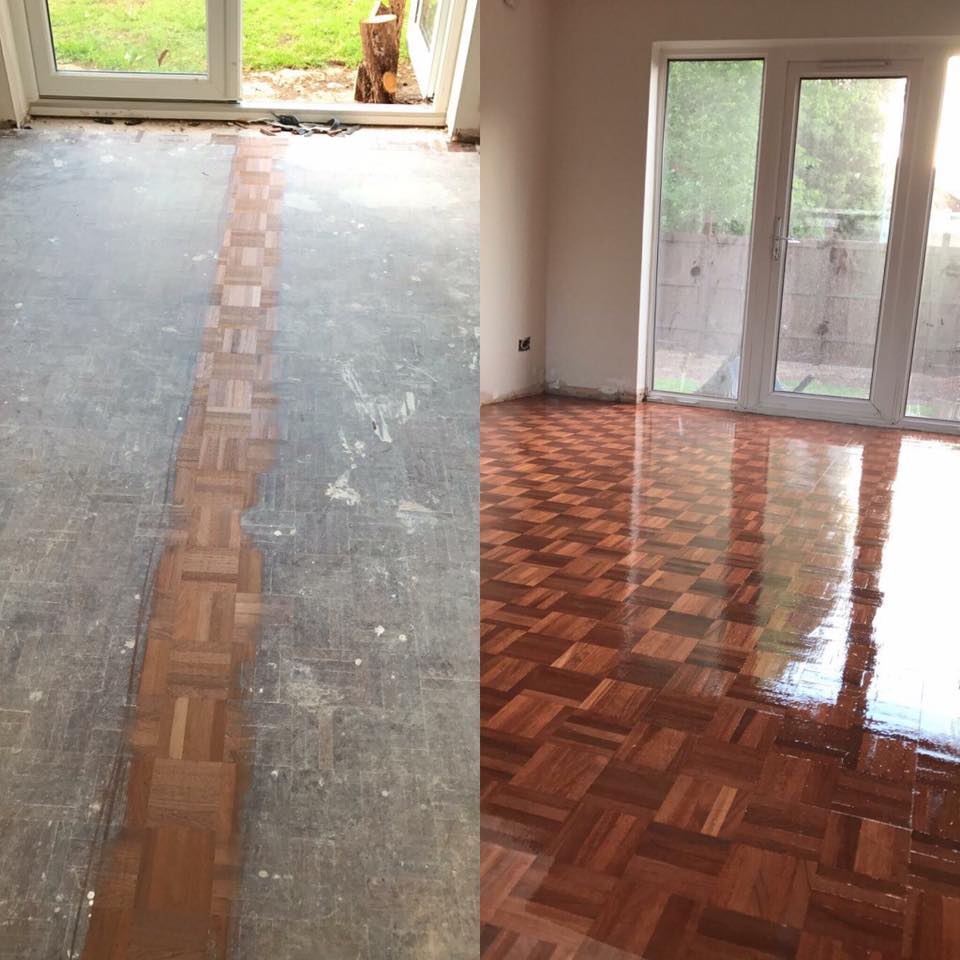
Parquet is not the first thing people expect in a coastal village, but woodblock floors do turn up in hotels, halls and some twentieth-century houses around Porlock. If blocks have been under carpet for years, the old bitumen adhesive may have failed in places. We tap the floor to find hollow areas, lift those blocks, scrape them back and relay them on modern adhesive.

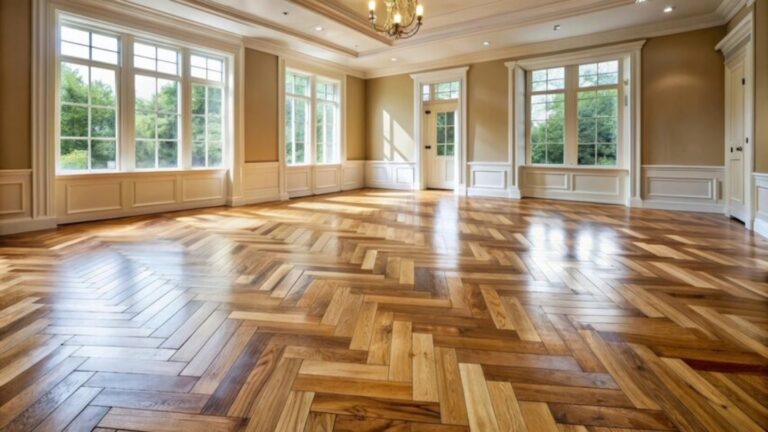
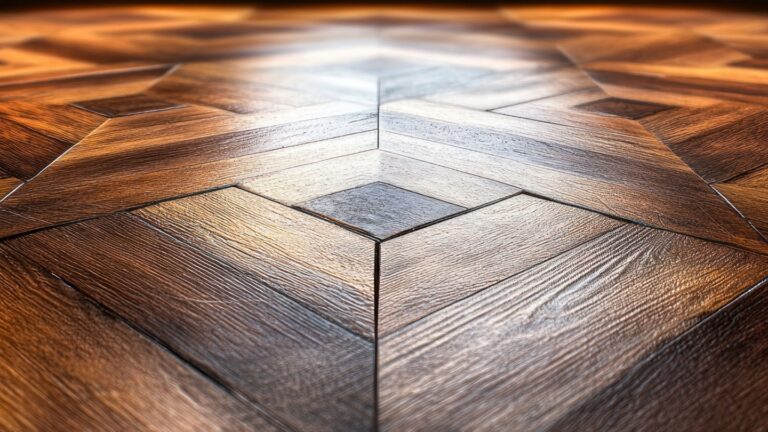
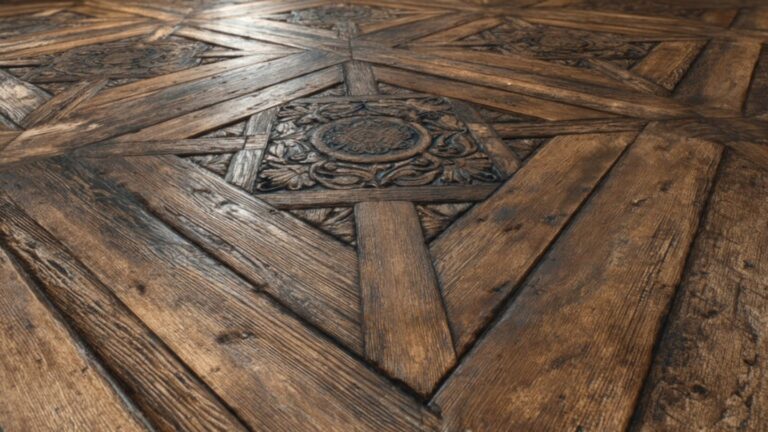
Any holes in the herringbone are plugged from our box of old blocks. Sanding herringbone takes care, because the grain runs two ways at once; we step down to finer abrasives sooner and finish with a multi-head sander to lift out the cross-grain scratches. Our parquet floor sanding and restoration service covers herringbone, basket weave and plain block layouts.

Cottage stairs are often steep, narrow and boxed in, which rules out big machines altogether. Stair sanding is done with detail sanders, scrapers and hand work on every tread, riser and nosing. Worn nosings at the top and bottom are common in older houses and may need a repair before refinishing. Book the stairs alongside the hallway and both will come from the same tin and the same sanding sequence, so they match.

Wood floor sanding company
Floor sanding taunton

How a Porlock Job Is Arranged

The first step is simple: send two pictures, a wide one of the room and a close one of its worst corner. From those we can usually say whether the floor will sand, what repairs it is likely to need and whether a visit makes sense. Porlock is well within our regular area, as our workshop is at Higher Poole near Wellington.

If a visit is the right next step, the survey is free and takes around half an hour. You then get an itemised quotation in writing, and the figure on it does not move unless the scope of the job does.

After the work, a home floor normally lasts eight to ten years before it needs another full sand. Guest houses and holiday lets will need attention sooner. Booking a wood floor buffing visit at the end of each busy season, where the old finish is screened and a new coat applied, protects the timber underneath and puts off the next full sand for years.

If a floor is past rescue, or you want timber where there is currently carpet, we can lay one through our wooden floor installation service, laying solid or engineered flooring (Junkers and Bona are among the ranges) or supplying it for your own fitter. Our Somerset floor sanding page covers the wider county and Minehead has a page of its own. When you are ready, send your photographs to the team.

Porlock Floor Sanding Questions

Most hospitality clients book the quieter months, between the end of one season and the start of the next. Dates can be held well in advance, and larger buildings can be done in phases so some rooms stay available while others are being sanded and finished.

Yes, over time grit wears through any coating. A hard-wearing lacquer, good mats at every outside door and regular sweeping make a big difference. When the finish starts to look tired, a screen and recoat refreshes it before the timber itself is affected.

We would not try to. Old floors have dips and slopes that belong to the building, and forcing them flat would remove far too much timber. We follow the existing contours, sand as lightly as the floor allows and leave the character in place.

Our sanders are connected to sealed extraction, so most dust is captured at the machine. A small amount can still escape, so doorways are sheeted off and anything that cannot be moved is covered, but it is far cleaner than older sanding methods.

Yes. Rotten sections are cut out back to sound timber and replaced with reclaimed boards matched for species, width and thickness. We also look for the cause, such as a failed threshold or blocked ventilation, so the repair is not undone within a few years.

Light foot traffic in socks is usually fine after a day, and furniture can go back after two to three days. Rugs are best left off for longer while the finish reaches full hardness. We agree the timetable with you before work begins.

Yes. Stairs are sanded mostly by hand and with detail sanders, then finished to match the hall or landing. Worn nosings are common in older cottages and can be repaired before the stairs are refinished.

Send us two photographs through the form or by email, one of the whole room and a closer one of the area you are most concerned about. You will hear back with our first thoughts. If the floor needs seeing in person we come out for a free survey, and the itemised quotation arrives in writing afterwards.

For most holiday lets we suggest lacquer, because it shrugs off sand, spilled drinks and suitcases and only needs a damp mop between guests. Oil looks more natural and is easier to patch, but it needs topping up more often, which is harder to manage when the property is let back to back.