Floor Sanding in Salcombe for Second Homes and Holiday Lets
A large share of the houses in Salcombe are not lived in all year round. Some are family second homes opened up at Easter, through August and over New Year; others are let by the week and welcome a fresh group of guests every changeover day from spring to autumn. That rhythm shapes nearly every decision about a wooden floor in the town. A family floor inland wears slowly and evenly. A holiday let here can soak up more footsteps in one summer than an ordinary sitting room sees in three years, many of them in beach shoes, wet trainers and sandy bare feet, and then stand empty, shut up and unheated, through a damp winter.
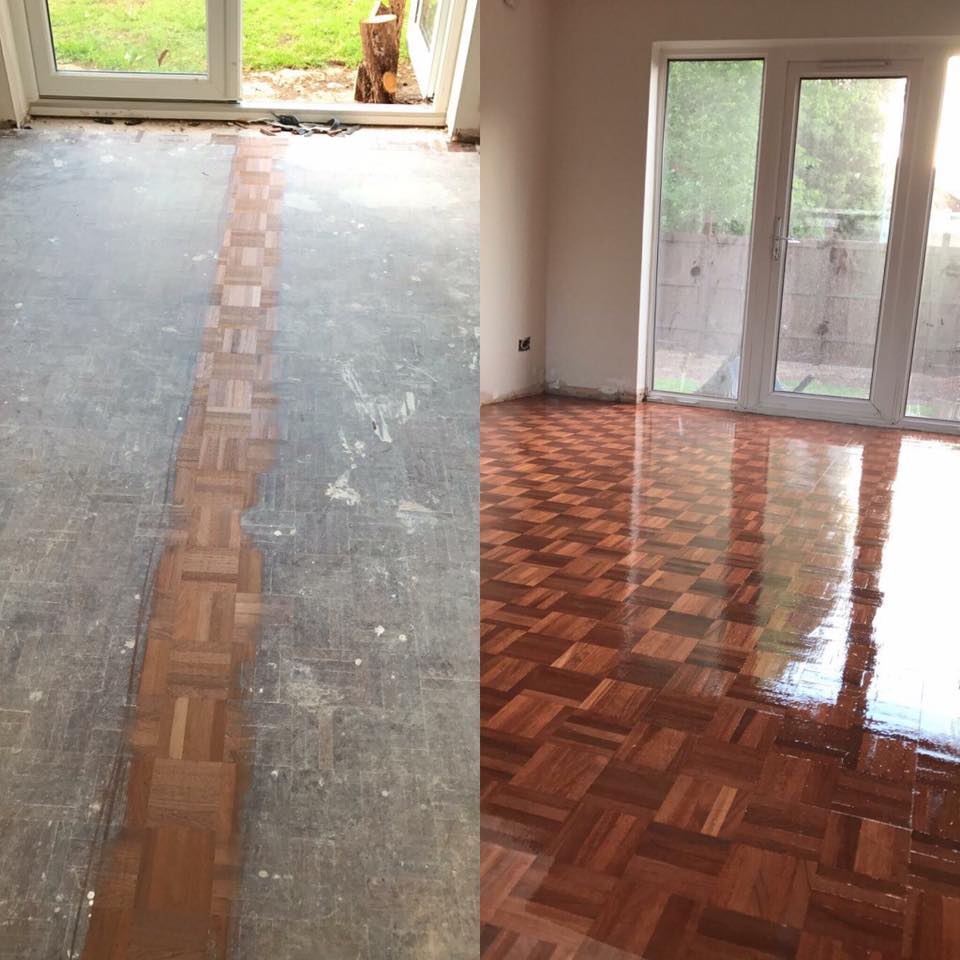
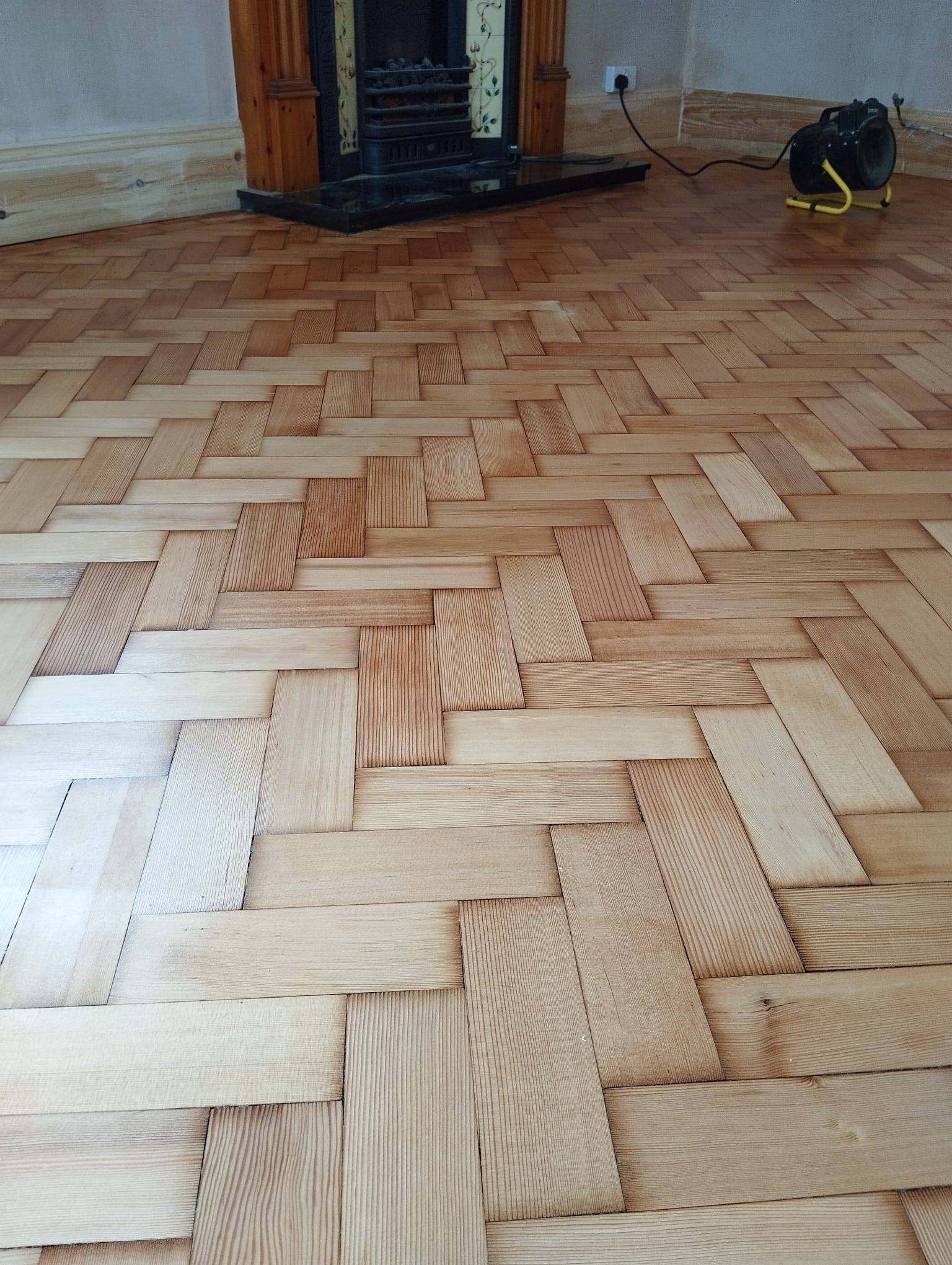
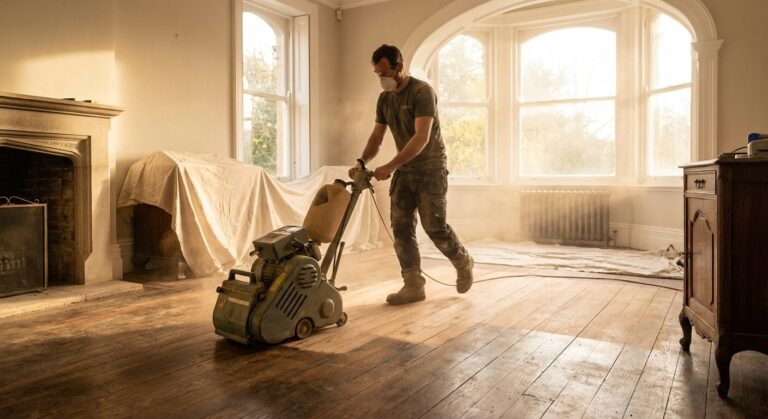
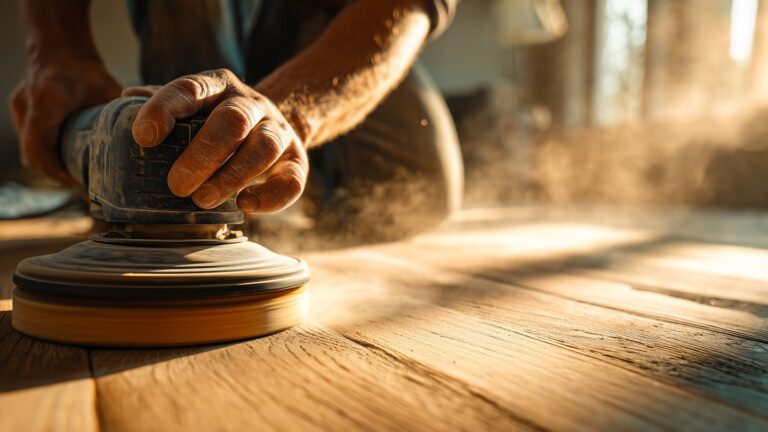
So floor sanding in Salcombe usually happens in short windows: the weeks either side of the main season, a gap in the booking calendar, or the months when the owners are back at their main home somewhere else. The sanding itself follows the same principles as any professional wood floor sanding job, working from a coarse abrasive down through finer grades and bringing the margins level with the middle of the room. The planning around it is what differs. Furniture in a let tends to be heavy and plentiful, beds are made up, cushions and throws are everywhere, and there is rarely a garage to stack things in. We usually sequence a house room by room, so that a bed or a dining table only has to be shifted once, and so that a three-bedroom property is never left with every room out of action when the owners might want to arrive soon afterwards.
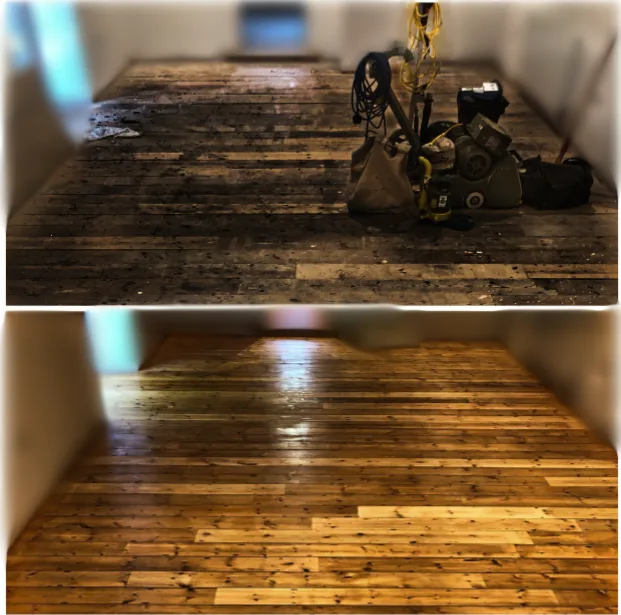
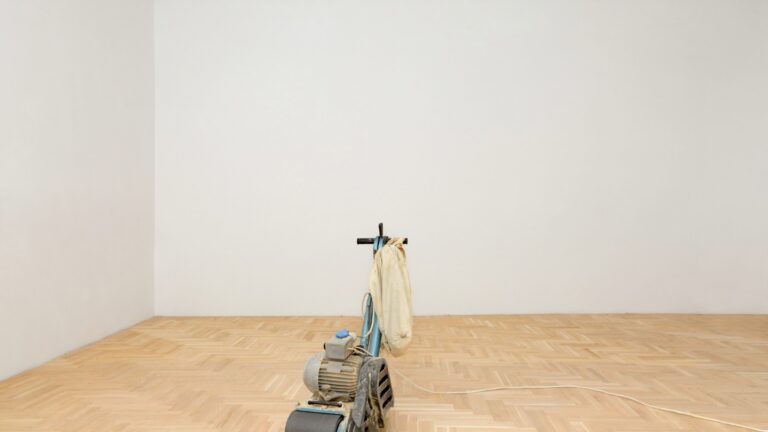
Fine dust is a bigger nuisance in a dressed holiday home than on an empty renovation, because curtains, sofas and bedding hold on to it. Each of our machines feeds a sealed extraction unit, and that dust-free floor sanding arrangement catches the bulk of the fine material at the drum before it can drift. A light settling on high shelves can still happen, so it pays to bag up throws and cushions, but changeover teams notice the difference straight away.
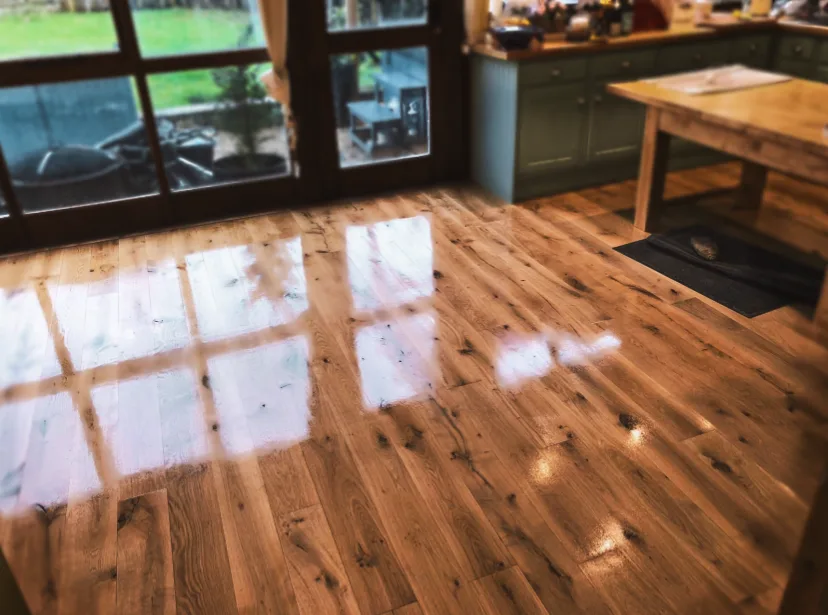
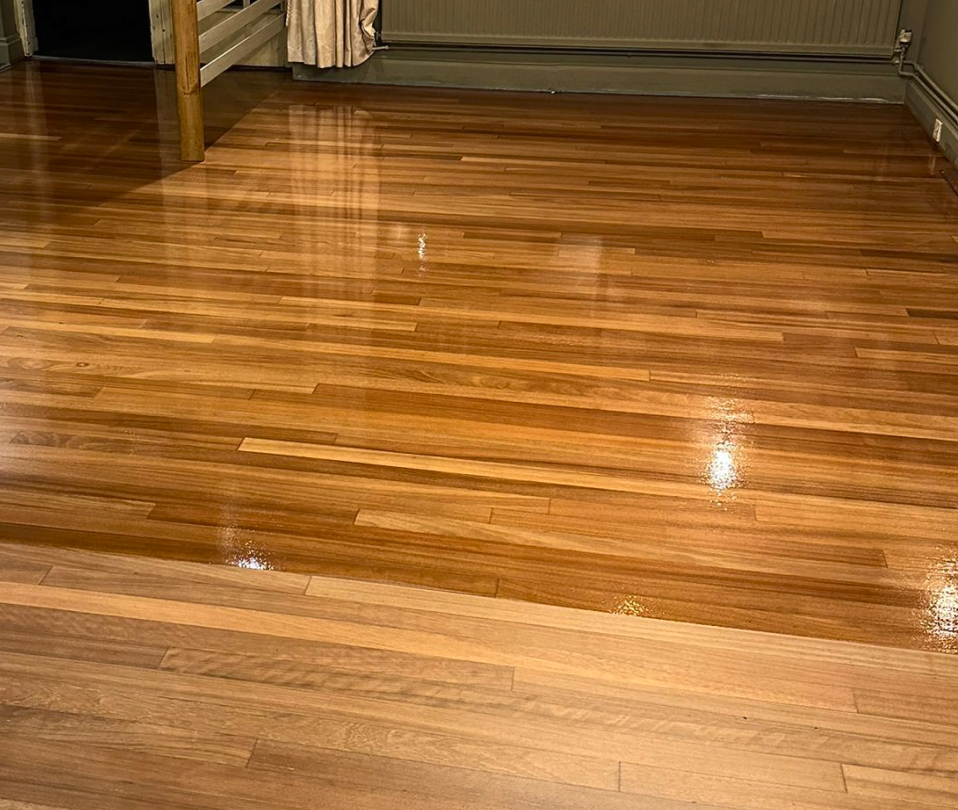
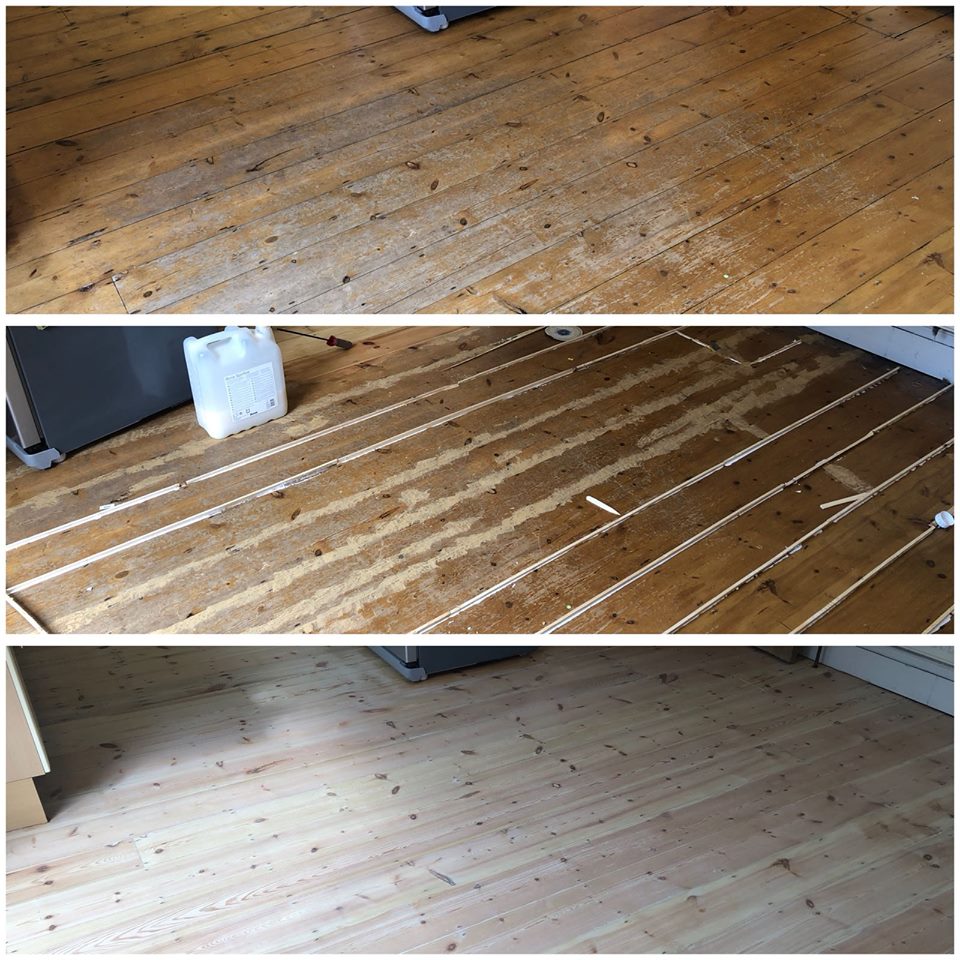
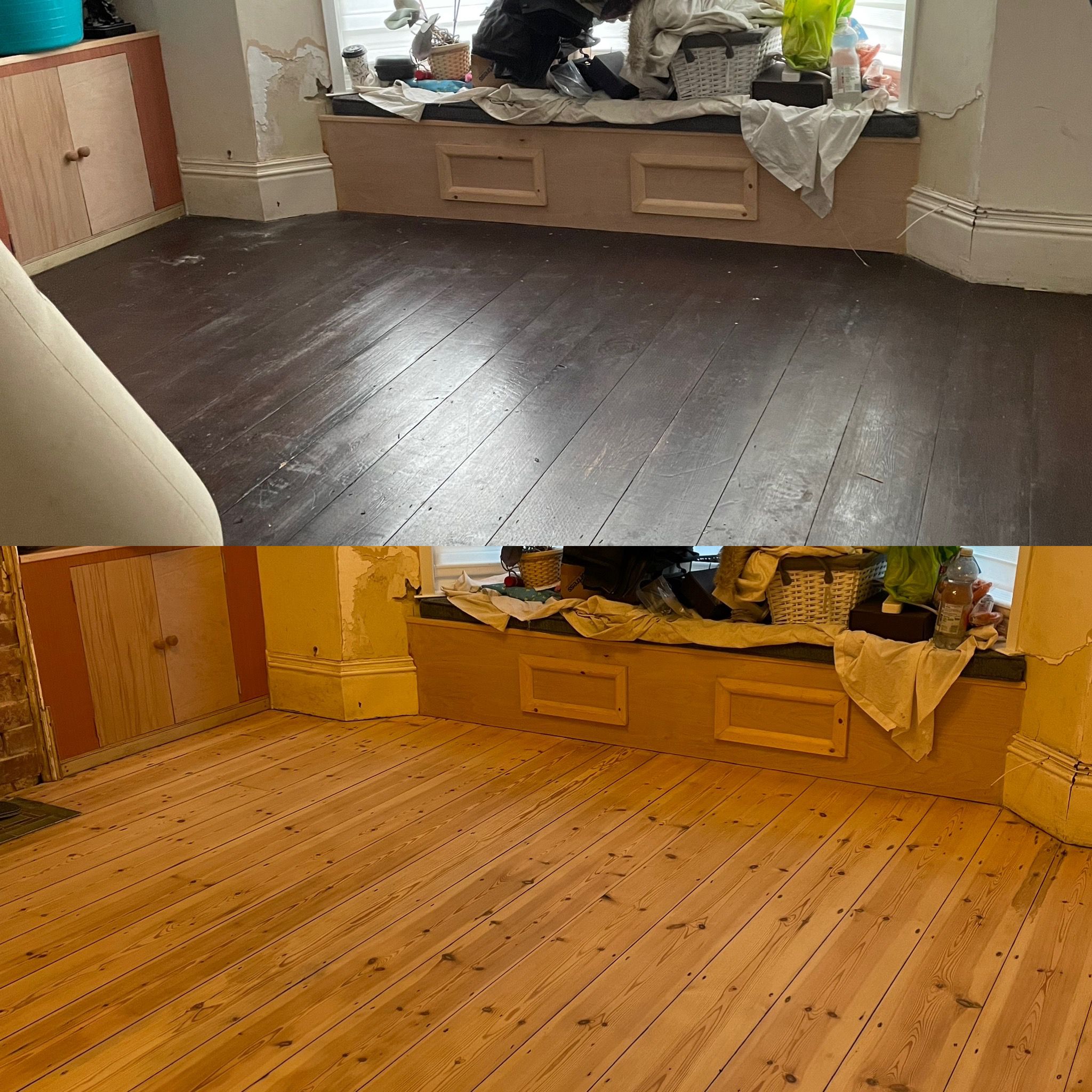
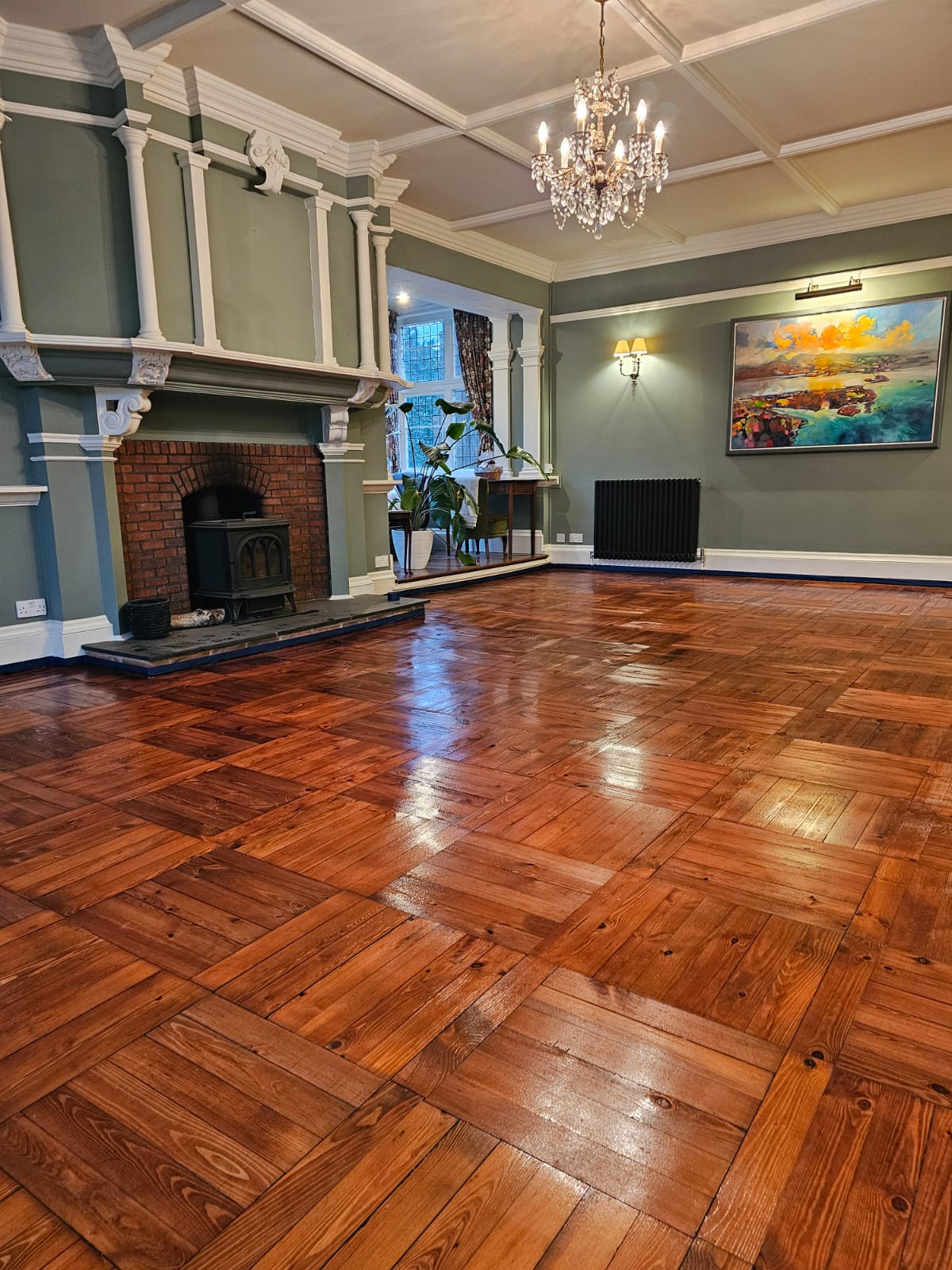
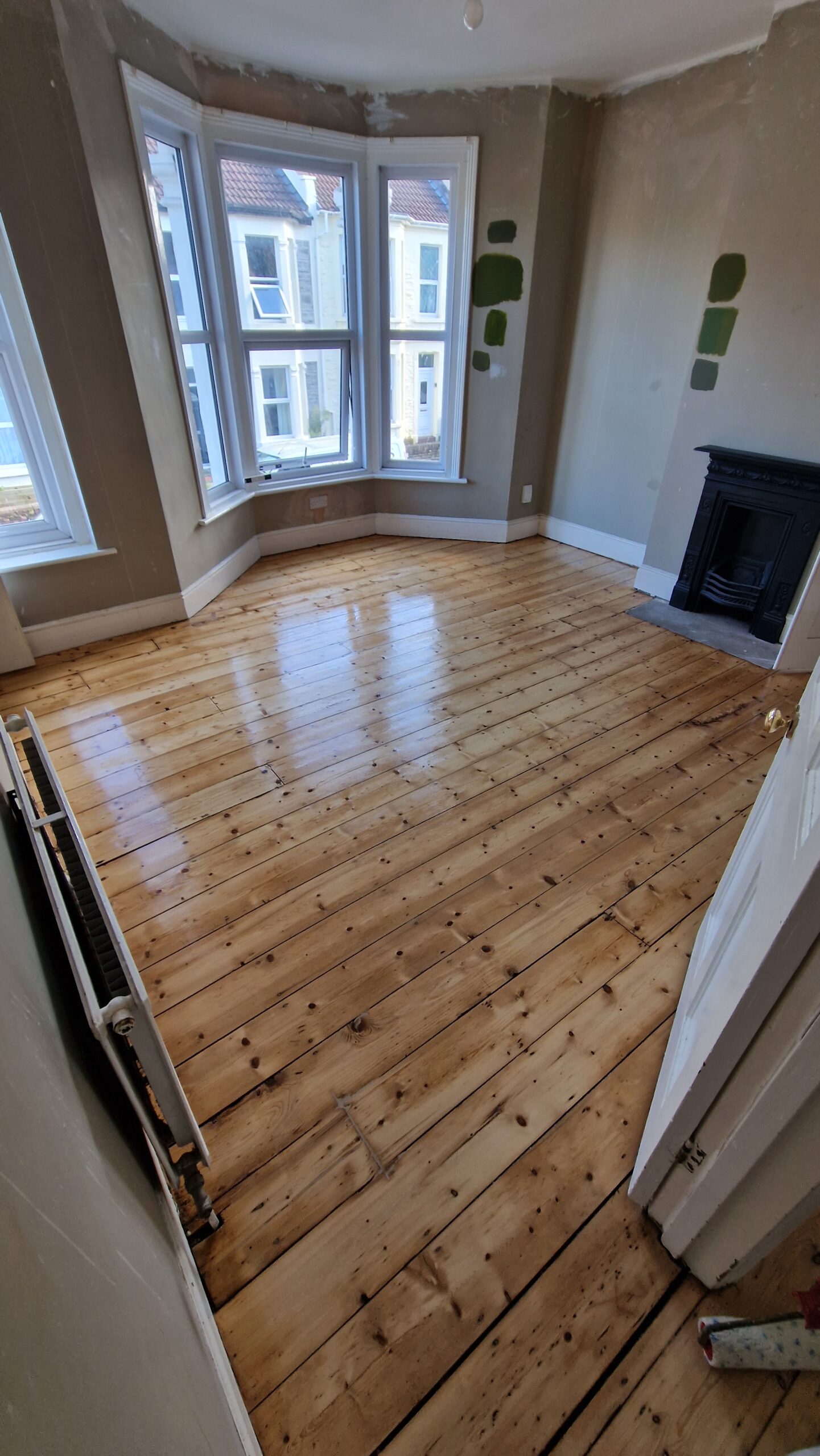
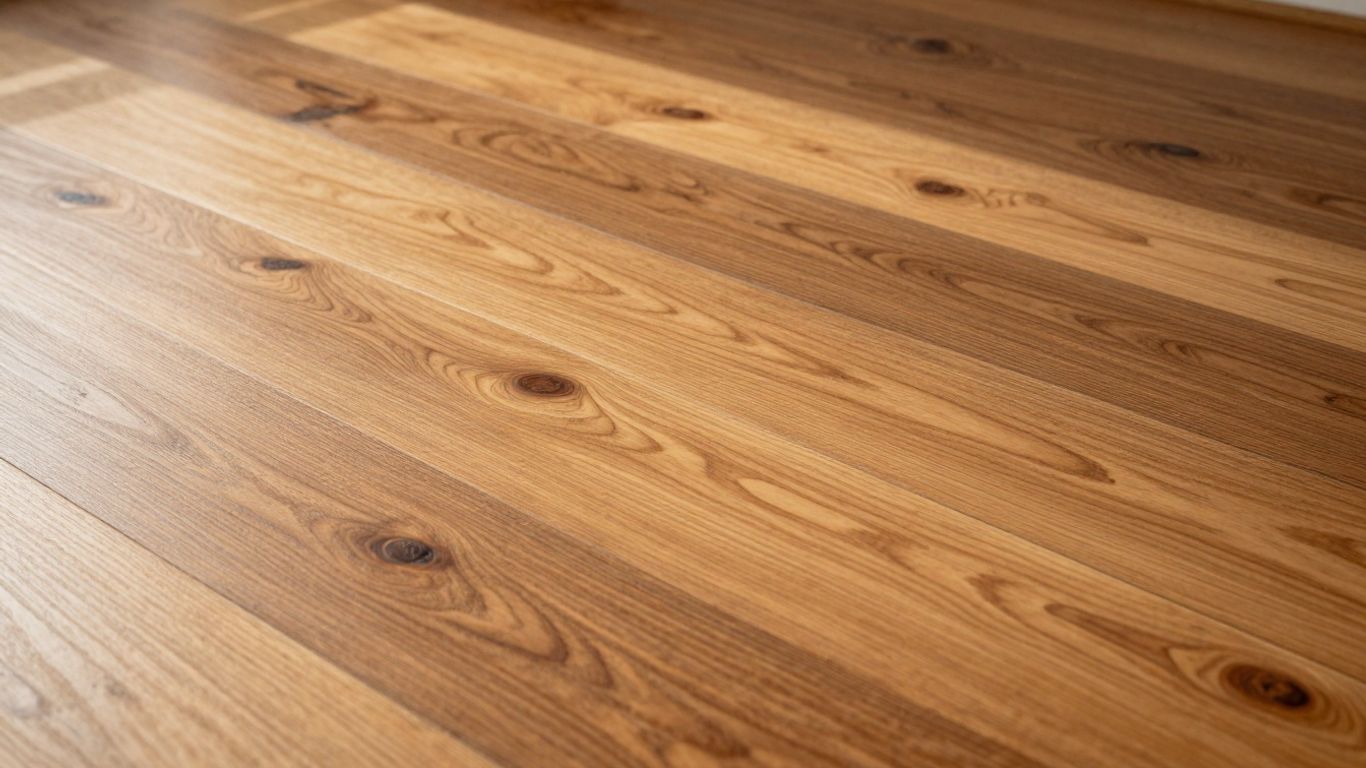
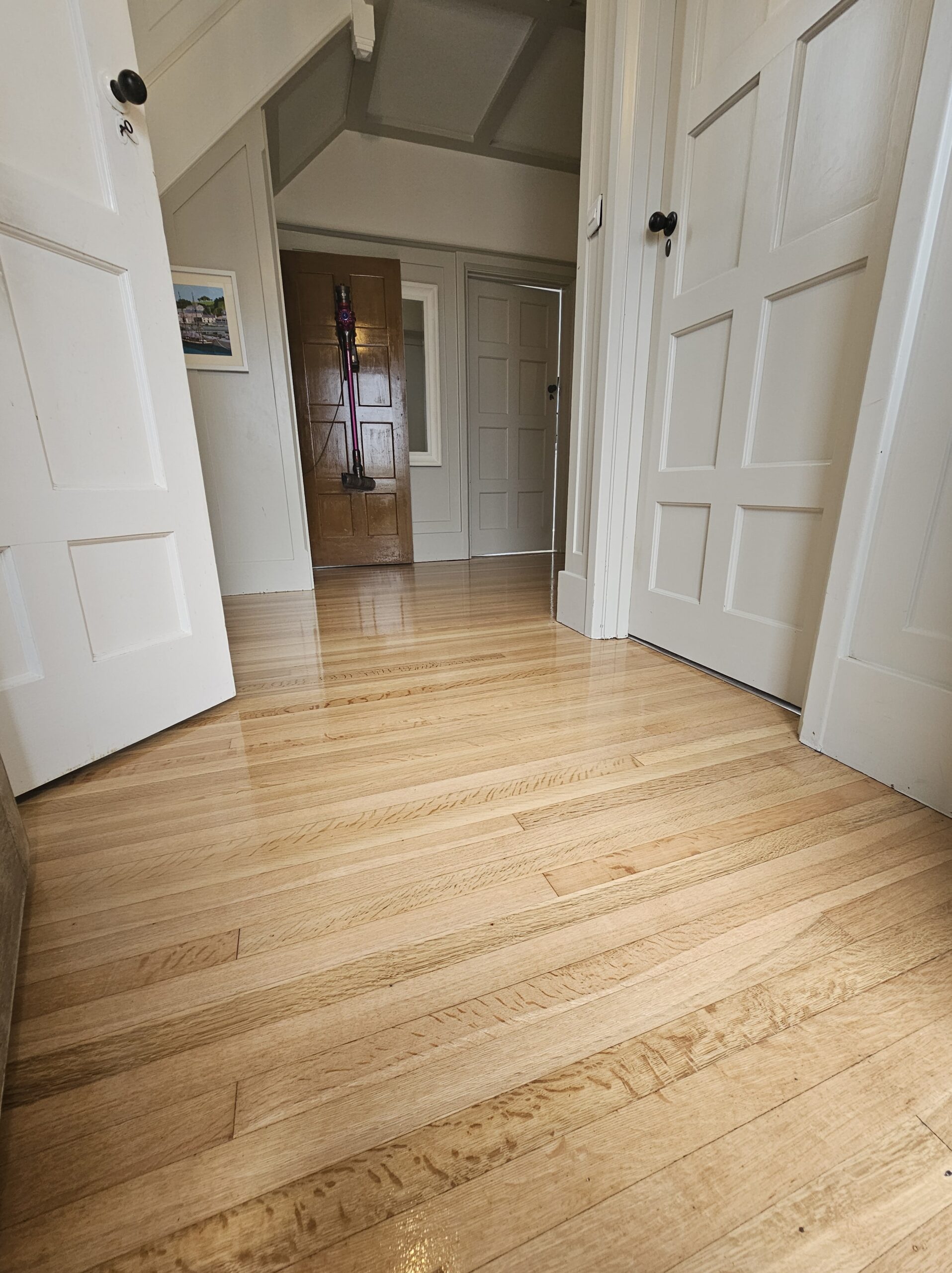
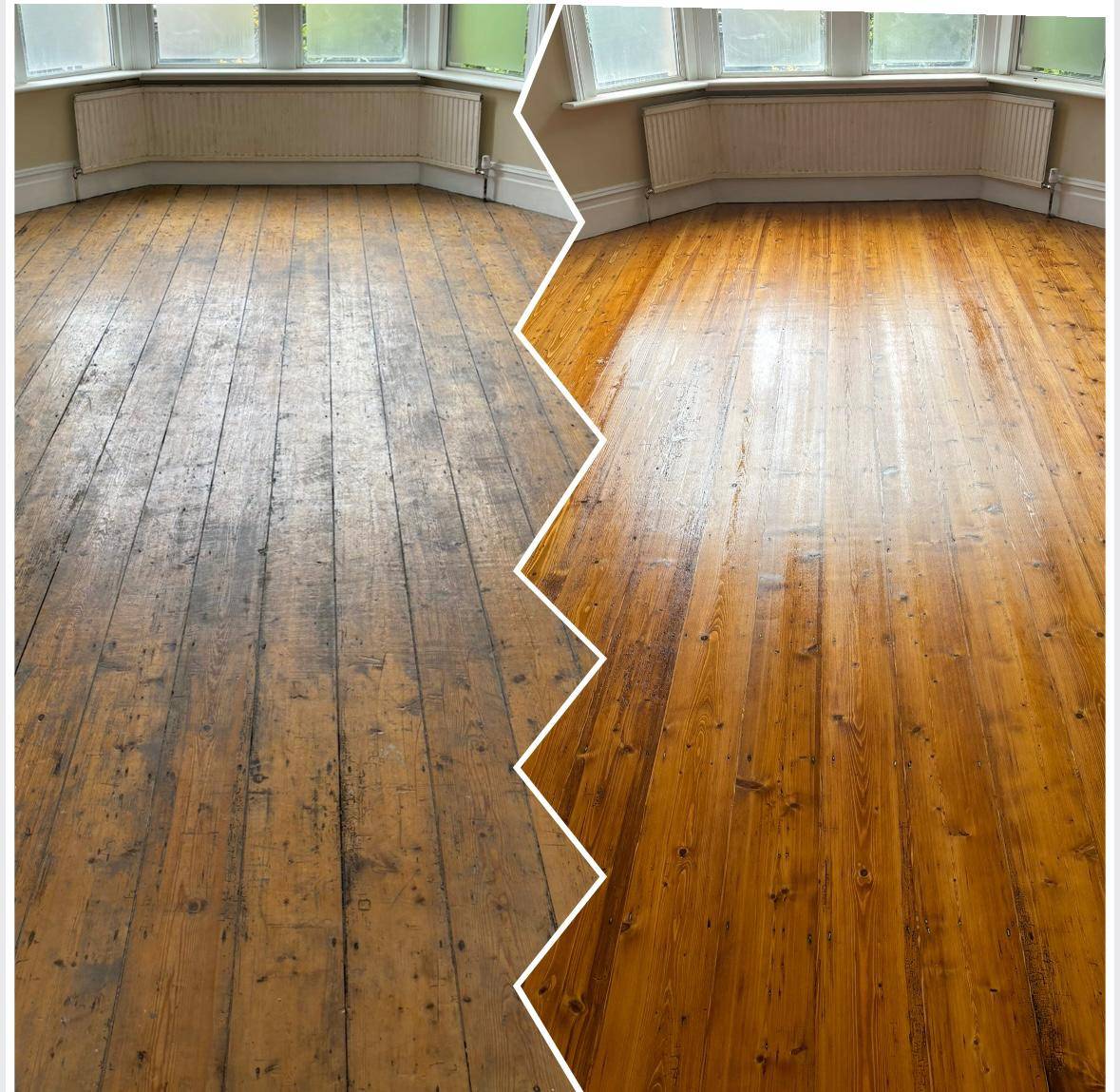
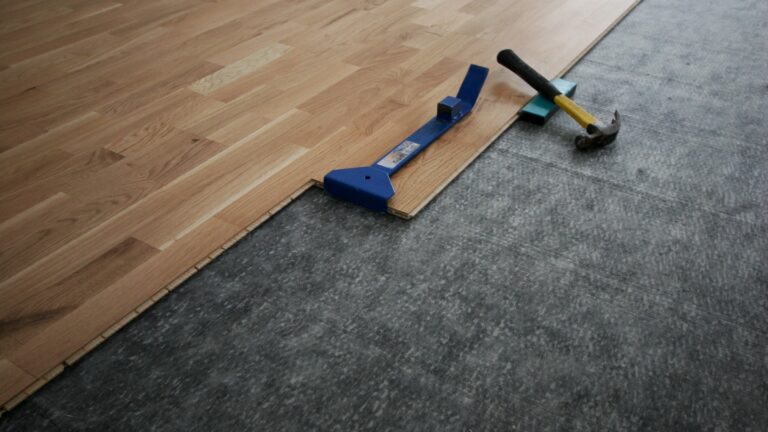
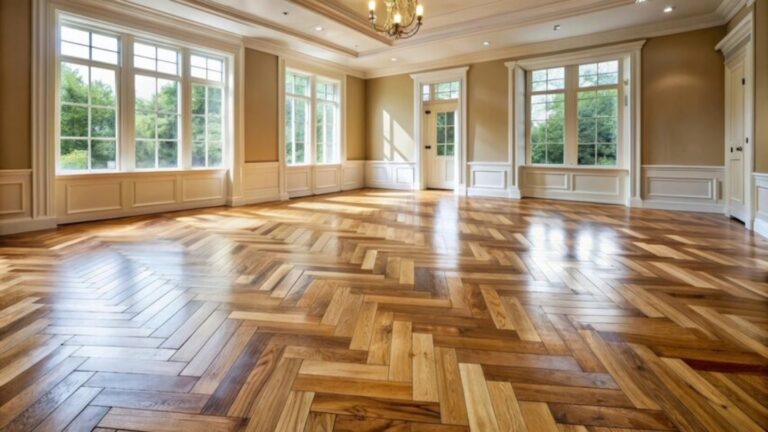
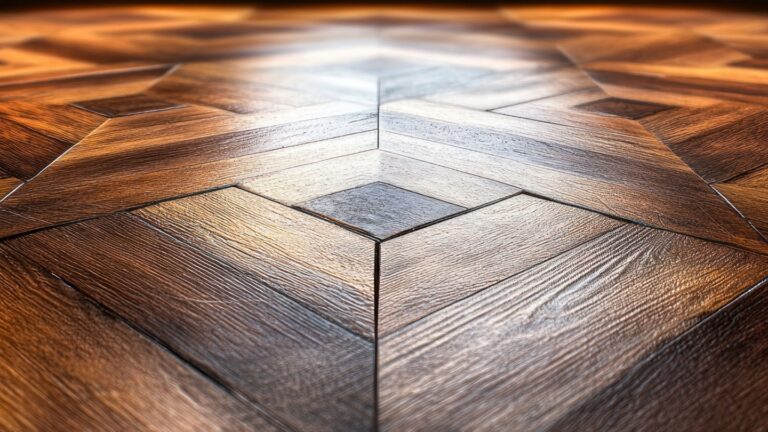
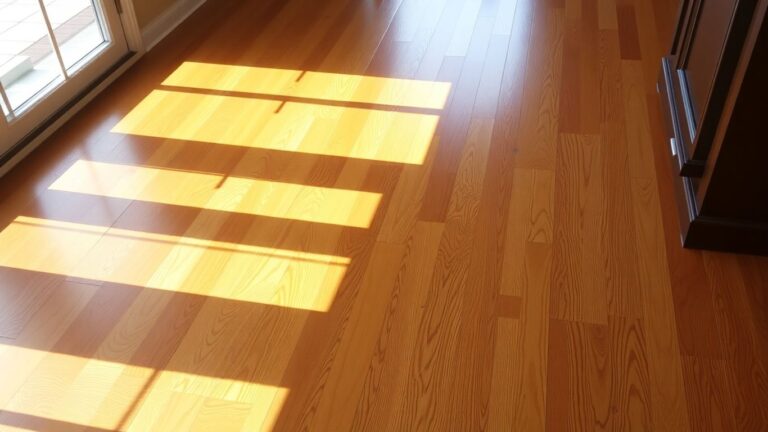
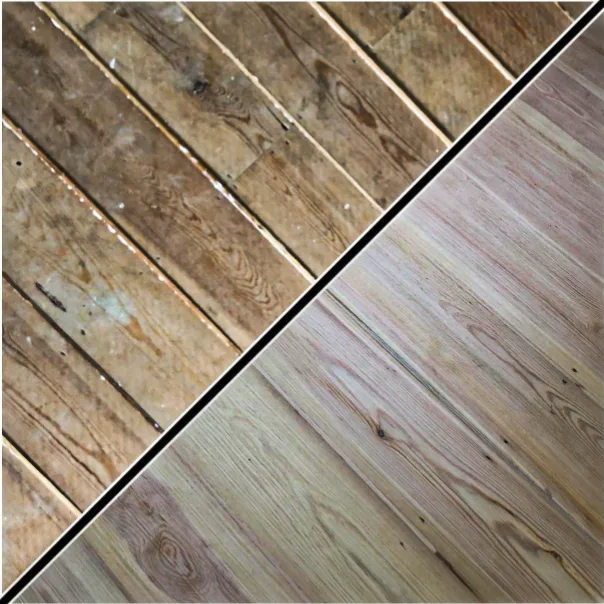
The buildings vary a great deal. Older cottages and villas on the slopes above the harbour usually have softwood boards, which call for careful pine floor restoration because the timber is soft and marks easily under a heavy machine. Many newer rebuilds along the water have wide oak or engineered planks laid right up to big glazed doors, where oak floor restoration is more about colour, sunlight and protecting the surface. A free survey before any dates are booked tells us which kind of floor we are dealing with.