Floor Sanding Salisbury

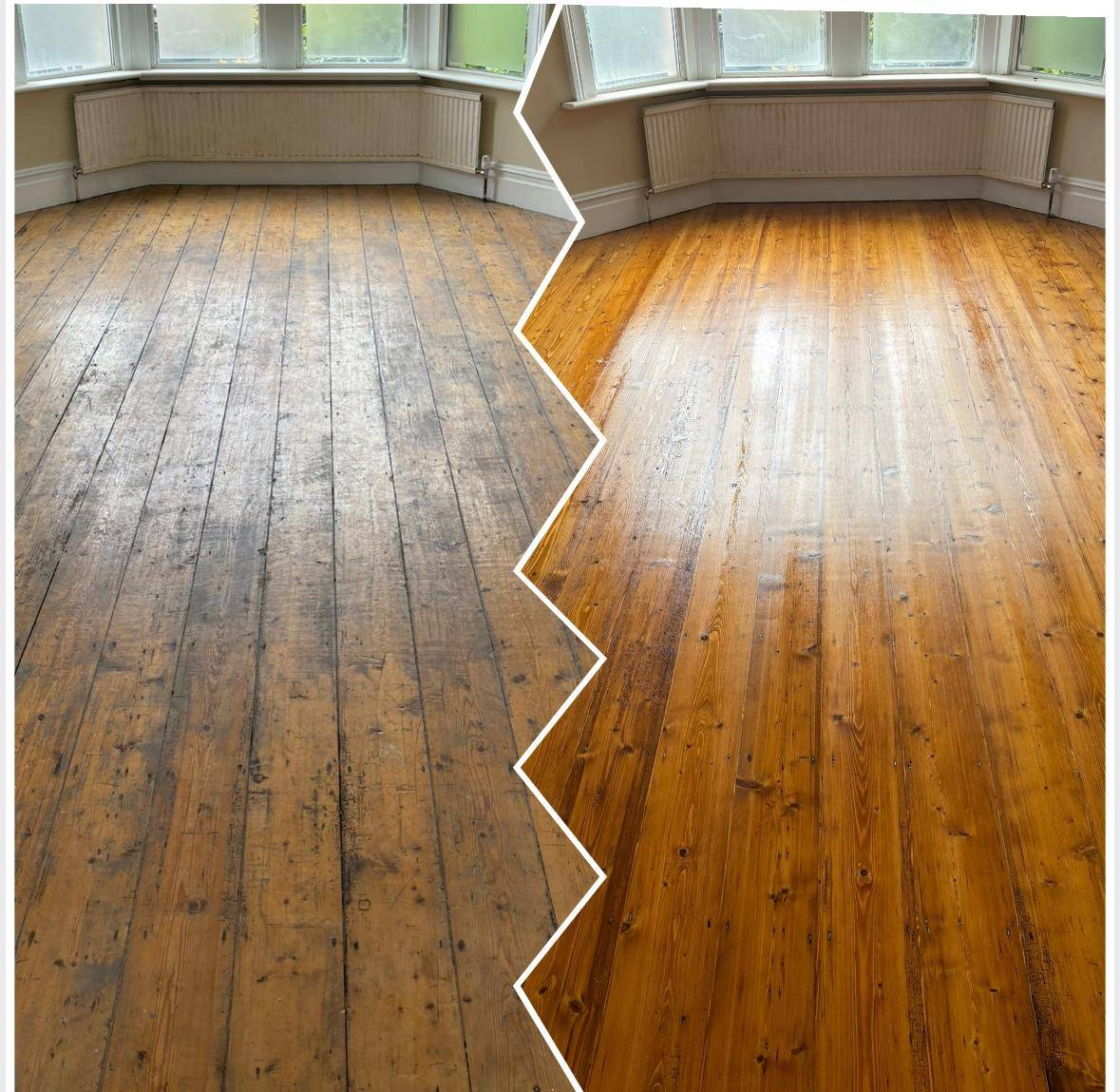
Floor Sanding and Wood Floor Restoration in Salisbury

QUICK QUOTATION

Floor Sanding Taunton

Floor Sanding Across Salisbury and South Wiltshire

Salisbury packs an unusual amount of history into a small area. The Cathedral Close alone holds some of the finest domestic buildings in the country, and the medieval grid of the city centre still has timber-framed property behind more recent frontages.

We cover Salisbury and the surrounding area — Wilton, Amesbury, Downton, Tisbury, Mere, Bulford, Durrington, Alderbury and out towards Andover, Blandford and Shaftesbury.

Quotes are free. On the older property we would much rather come and look than price from a photograph, because how much timber is left in a board is the whole question and no image will tell us.

Cathedral Close, Georgian Town Houses and Listed Property

Salisbury has a very high concentration of listed buildings, and in a listed property the original floorboards are usually part of what the listing protects.

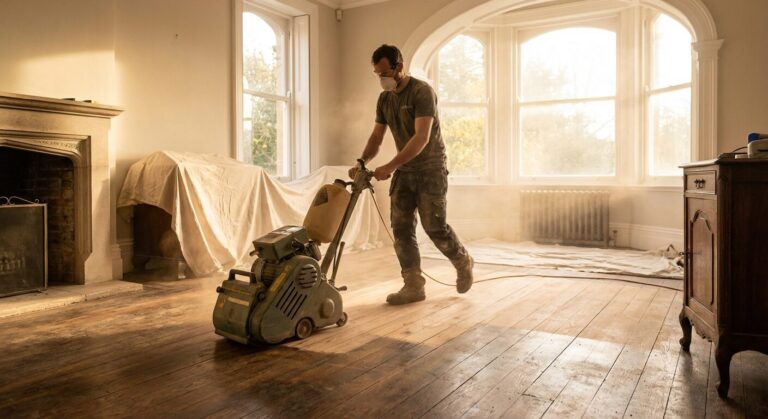
The oldest floors here are wide oak and elm over hand-cut joists, often thin, uneven and repaired many times across four or five centuries. They get minimum intervention: the finest grit that will lift the damage, hand work where a machine would be heavy, and a deliberate acceptance of unevenness rather than sanding through boards chasing flat.

The Georgian town houses are more generous — wider, better quality boards with more thickness — though most have had a sanding or two already. We measure remaining thickness before committing rather than assuming.

Sanding and refinishing an existing floor rarely needs listed building consent. Replacing boards or altering the structure generally does, and unauthorised work to a listed building is a criminal matter. Where there is doubt we provide a written method statement for your conservation officer.

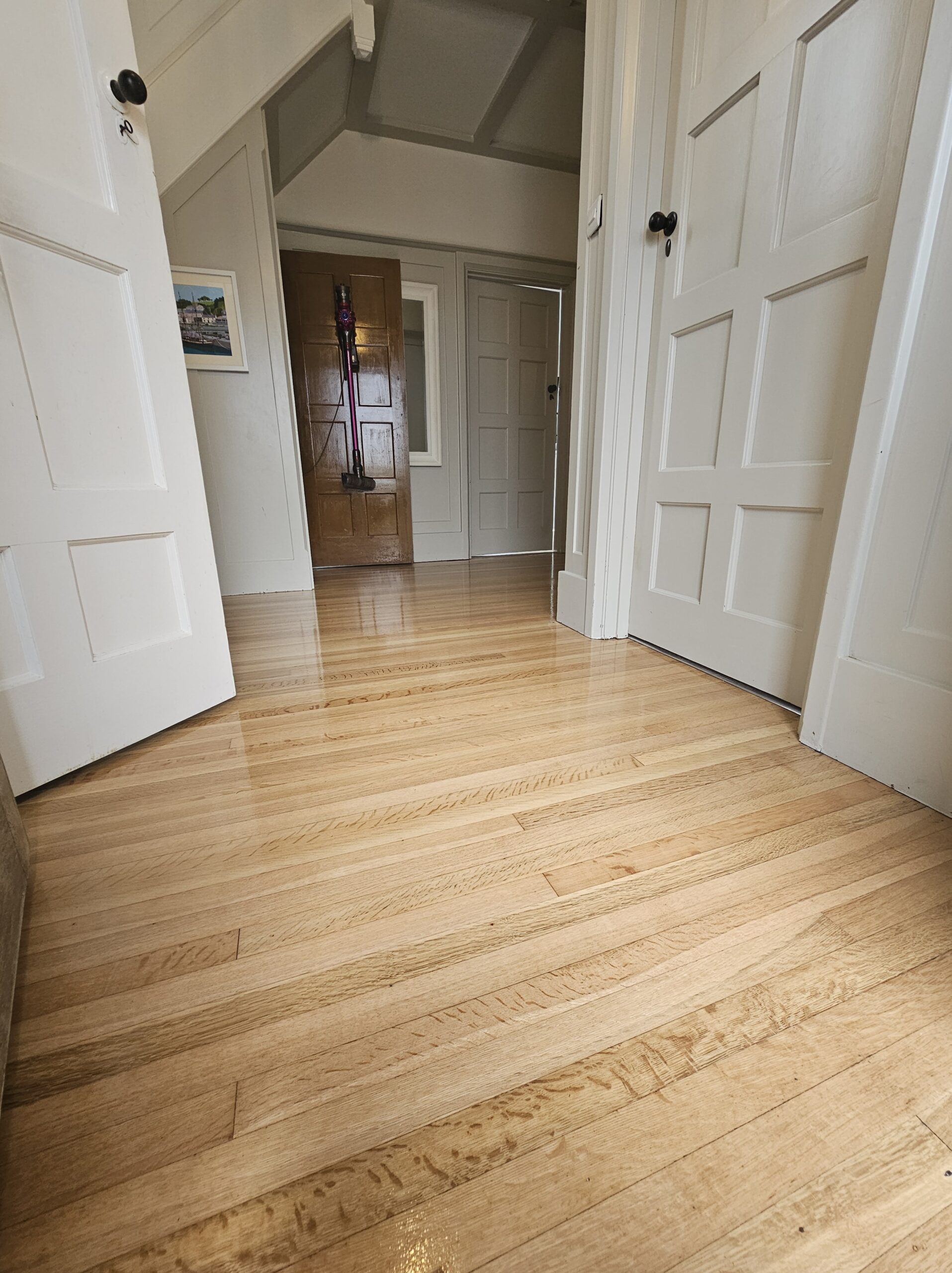
Floor sanding south east London
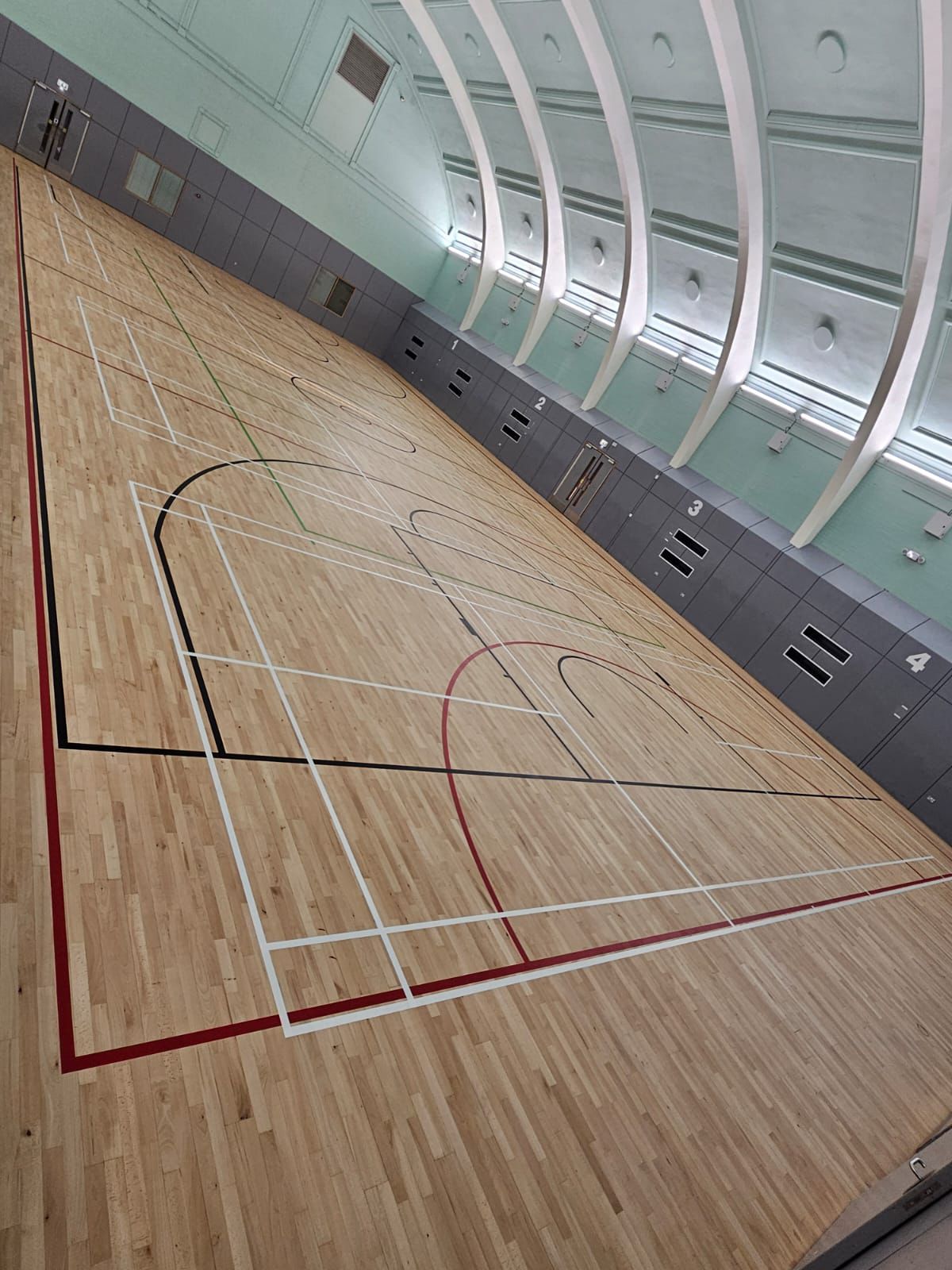
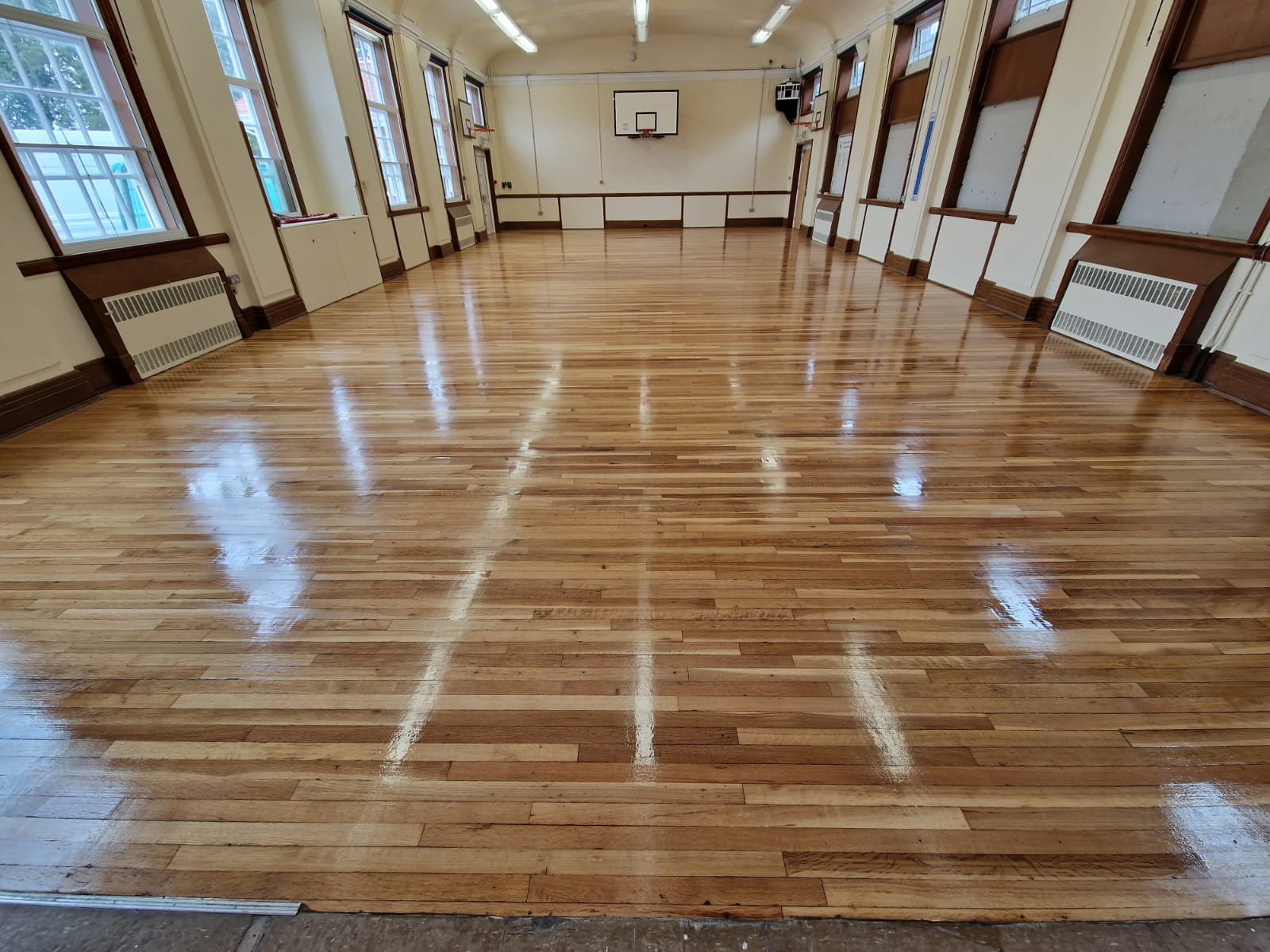
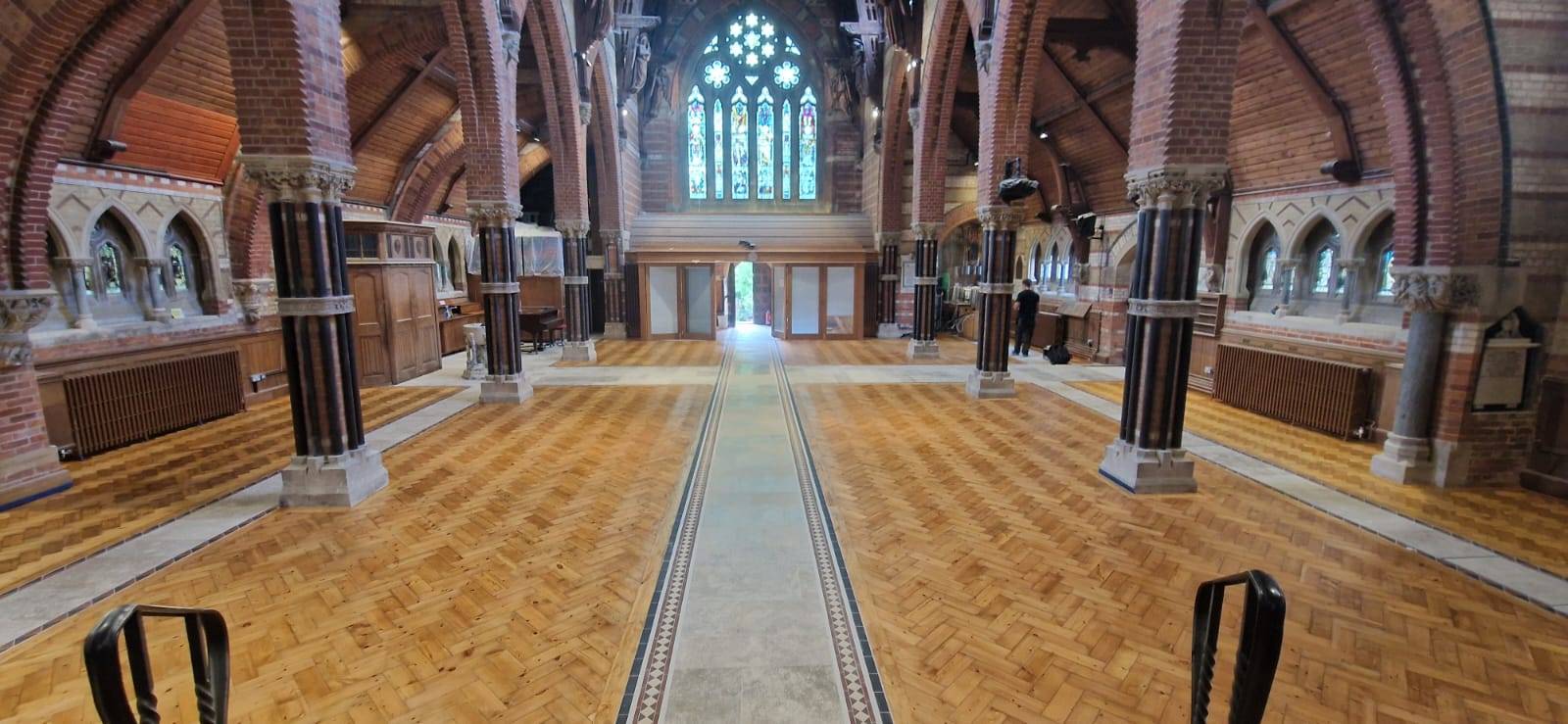
Commercial Hall Floor Refurbishment

Water Meadows, the Avon and Rising Damp

Salisbury sits where five rivers meet, and much of the older city is built on ground that was never especially dry. Properties near the Avon, the Nadder and the old water meadows frequently carry more subfloor moisture than the housing up on the chalk.

The symptom is cupping — boards curving up at the edges so the floor feels ridged. In older property it is usually made worse by later work: airbricks rendered over, ground levels raised by patios and driveways, or an extension sealing off the airflow to one side of the house.

Sanding a cupped floor flat while it is still wet is the mistake we are most often called in to fix. The boards flatten as they dry and every one ends up thin down the middle. We take moisture readings before quoting, and where they are high we will tell you to sort the ventilation first.

Chalk Water and Dull Finishes

Wiltshire chalk gives you very hard water, and it affects floors in two ways worth knowing about.

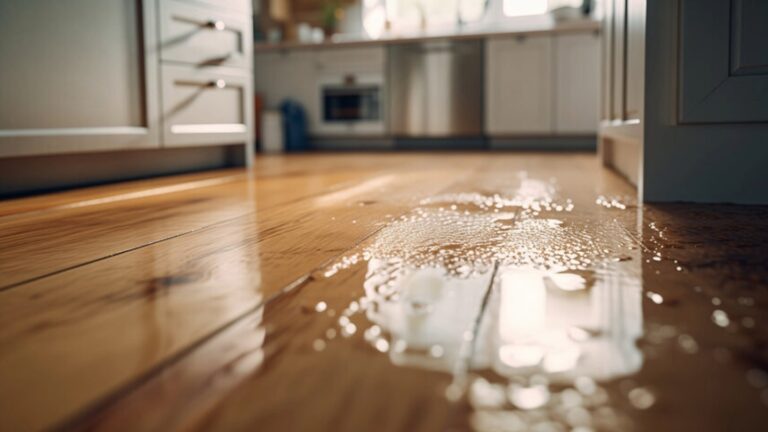
Around sinks, back doors and radiators you get pale mineral rings where splashed water has evaporated and left its dissolved content behind. Caught early they buff out; left for years they etch into the finish and need sanding.

More common is general dulling. Floors mopped with tap water accumulate a fine limescale film that scatters light, so the floor looks tired well before the finish has actually worn through. That is good news, because a proper clean and a machine buff usually restores it for a fraction of the cost of sanding.

Locally we suggest a barely damp mop, a pH-neutral wood floor cleaner rather than tap water alone, and never a steam mop.

Floor Sanding Essex
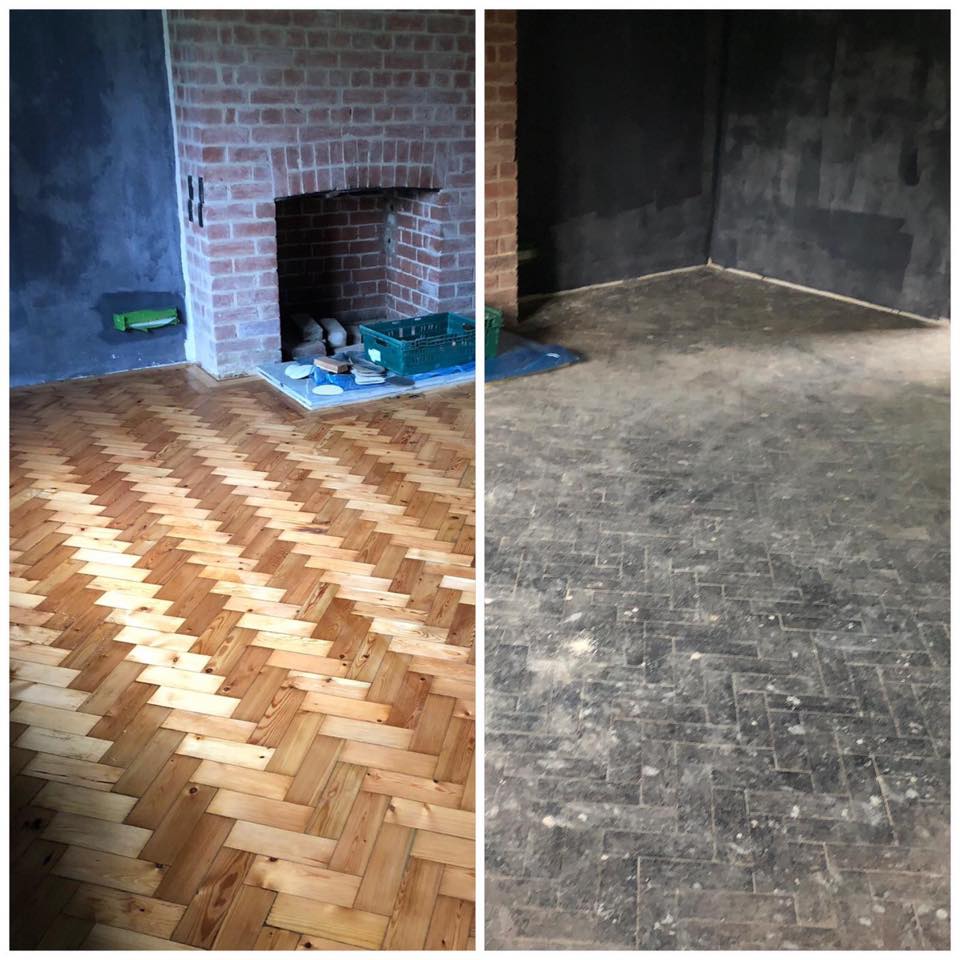
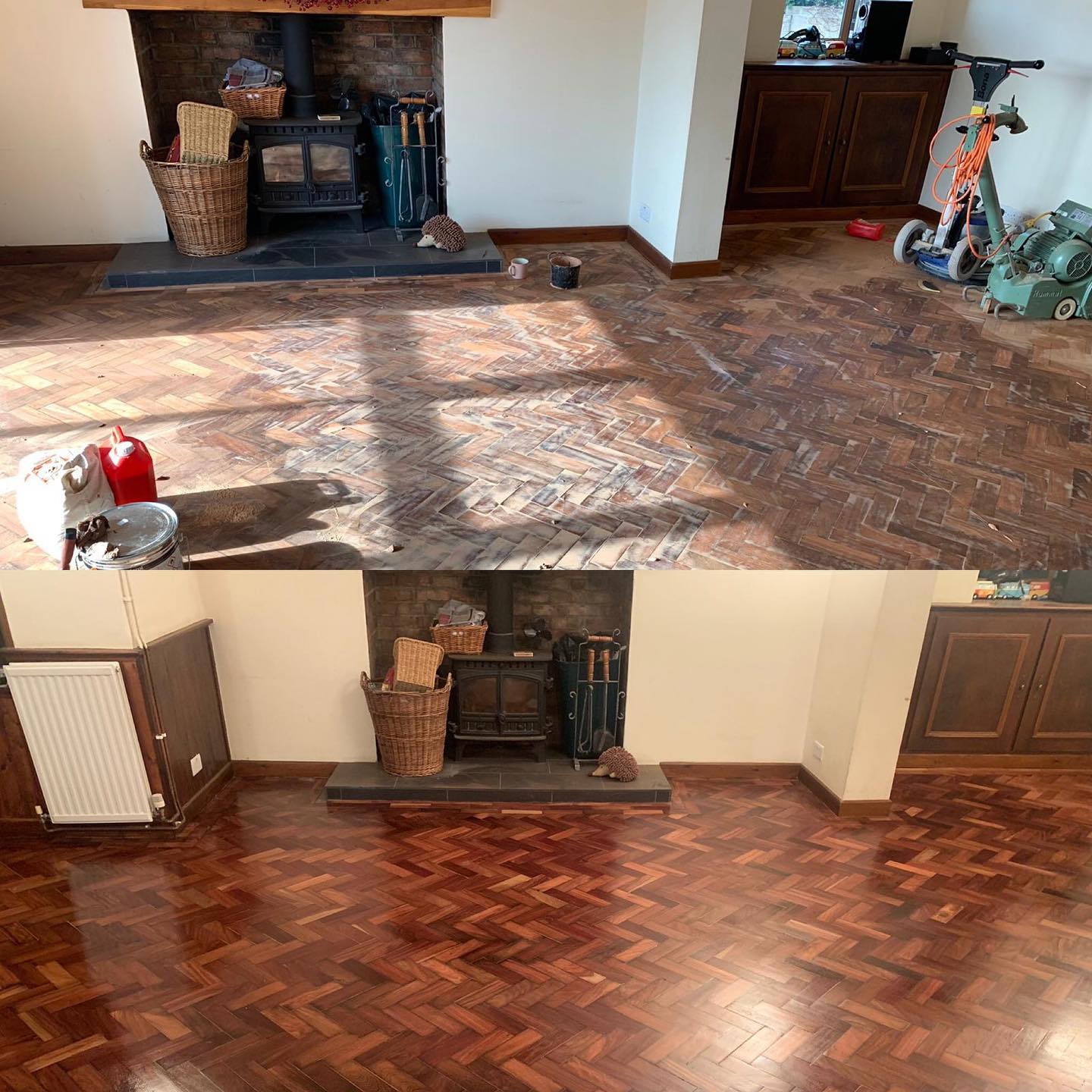
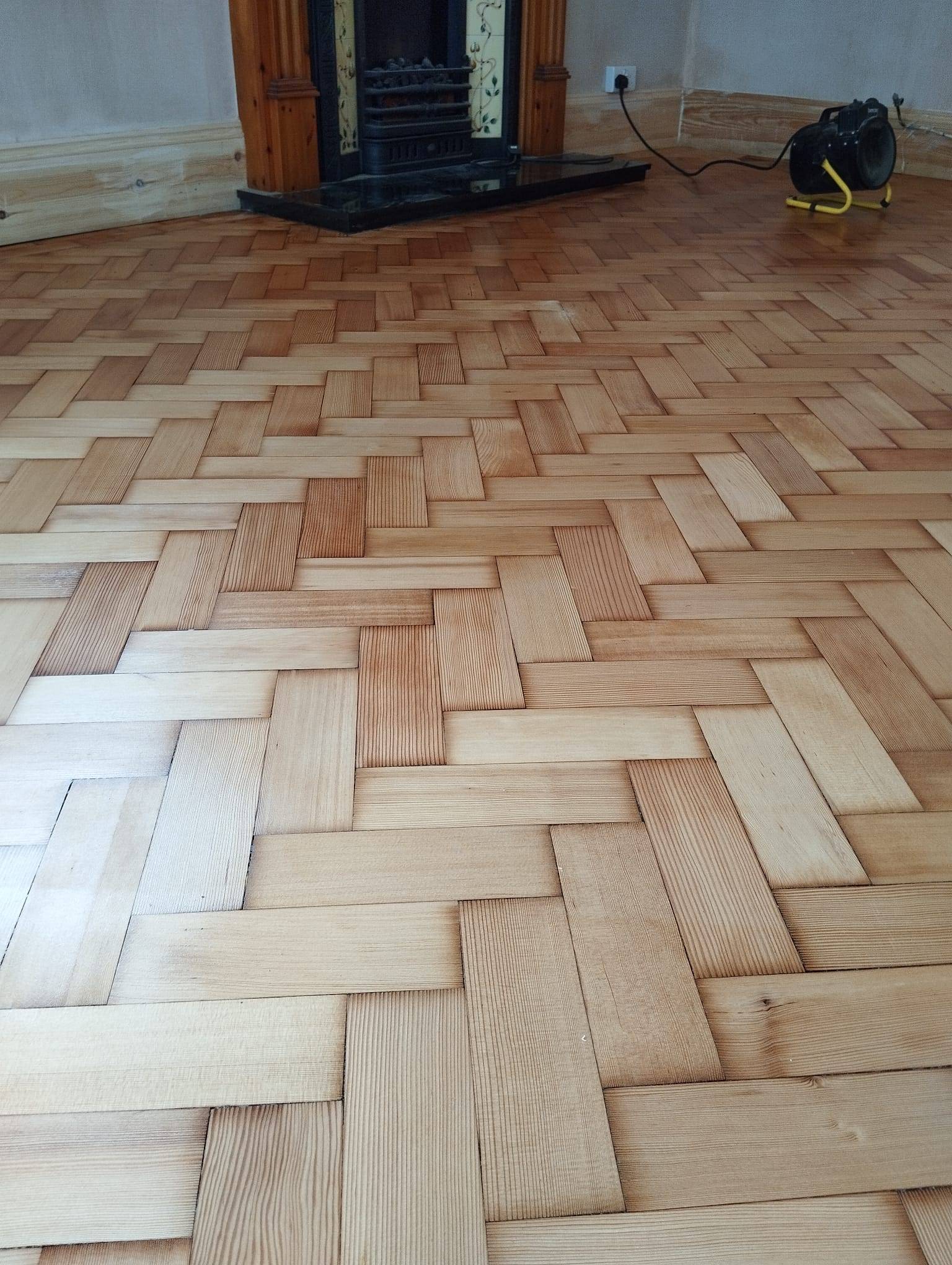
parquet floor restoration near me

Why Salisbury Customers Choose Us

Forty-five years of restoring wood floors, a good part of it in listed and period property. The main thing that experience buys is knowing when to stop, which on a five-hundred-year-old board is most of the job.

Sealed dust extraction on every job as standard. Fixed written prices agreed before we start. Furniture moved by us, the rest of the property protected, all waste taken away.

Fully insured, comfortable working alongside conservation officers and architects, and happy to point you at recent work nearby.

Book a Free Salisbury Floor Survey

Send photographs of the room from the doorway and close-ups of anything that concerns you, with rough measurements, and mention whether the building is listed because it changes what we would propose.

Surveys are free and carry no obligation, and we will tell you honestly if the floor would be better cleaned and recoated than sanded.

Call 01823 674562, email info@ryansrestoration.co.uk, or use the form on this page.

Parquet Flooring Restoration

FAQ: Floor Sanding in Salisbury

Salisbury, Wilton, Amesbury, Downton, Tisbury, Mere, Bulford, Durrington and Alderbury, plus Andover, Blandford and Shaftesbury.

Sanding and refinishing an existing floor rarely needs it. Replacing boards or altering the structure usually does, and unauthorised work to a listed building is a criminal offence. We provide a written method statement for your conservation officer where needed.

Subfloor moisture, common near the rivers and old water meadows. It is usually made worse by airbricks being rendered over, ground levels raised by patios, or an extension sealing off airflow. The floor must dry and flatten before sanding.

Hard chalk water. Mopping with tap water leaves a fine limescale film that scatters light, so the floor looks tired long before the finish has worn. A clean and machine buff usually restores it at a fraction of a full sand.

Yes, lightly. Boards that old are thin and irregular with centuries of repair. We use the finest grit that will do the job and accept some unevenness rather than sanding through them.

A solid board typically has five or six full sands in its life. Georgian floors here have often had one or two already, so we measure remaining thickness first and will recommend a recoat if the floor has had its last sand.

On every job as standard and at no extra charge. It matters particularly in old property where dust travels through gaps you cannot see.

It depends on size, condition, timber and finish. Listed and period work takes longer because of the lighter approach required, and that is built into a fixed written price rather than added later.

Yes. We source timber of the right age and species so repairs disappear once the floor is sanded. New softwood in a period floor is always visible.

Yes, with no obligation, and we will tell you if the floor does not need the work yet.

Ryan's Restoration
4.9
Based on 114 reviews
×
js_loader