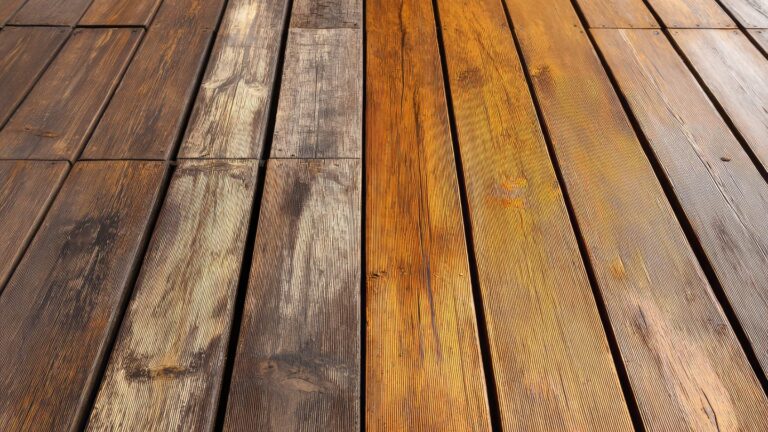
Floor Sanding Seaton, Devon

Floor Sanding and Wood Floor Restoration in Seaton and Colyton

QUICK QUOTATION

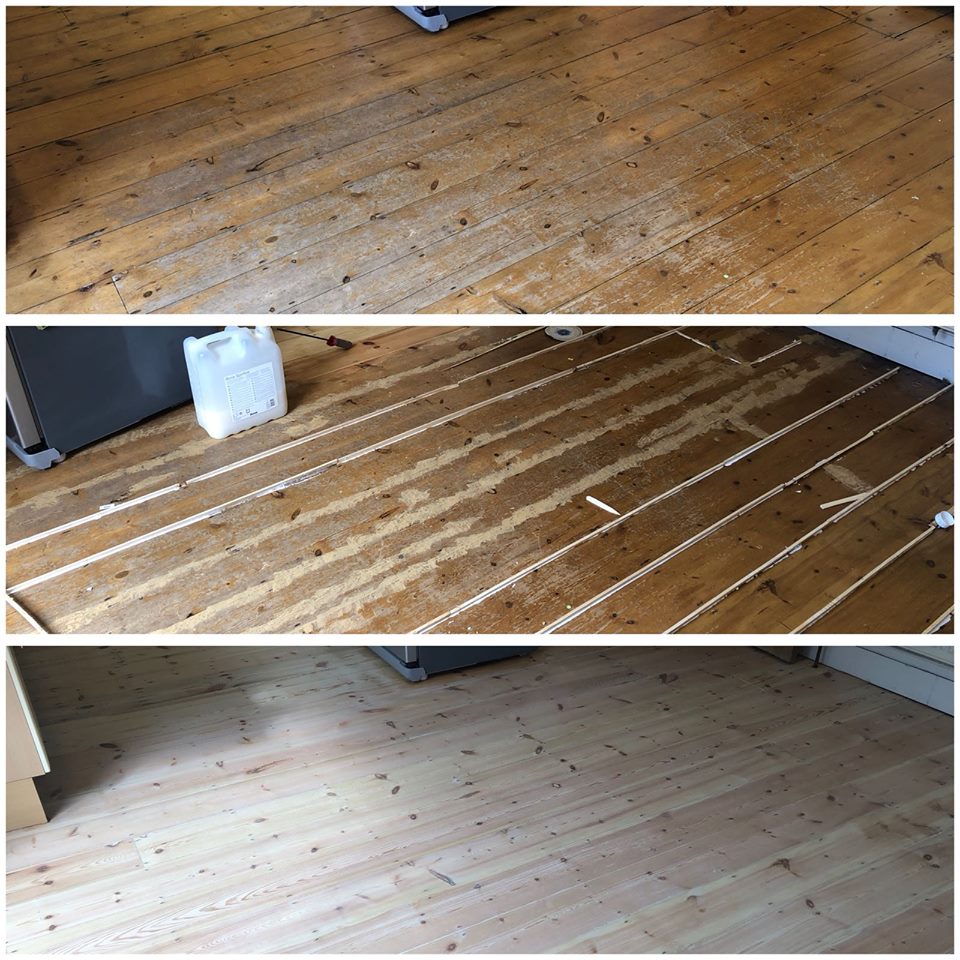
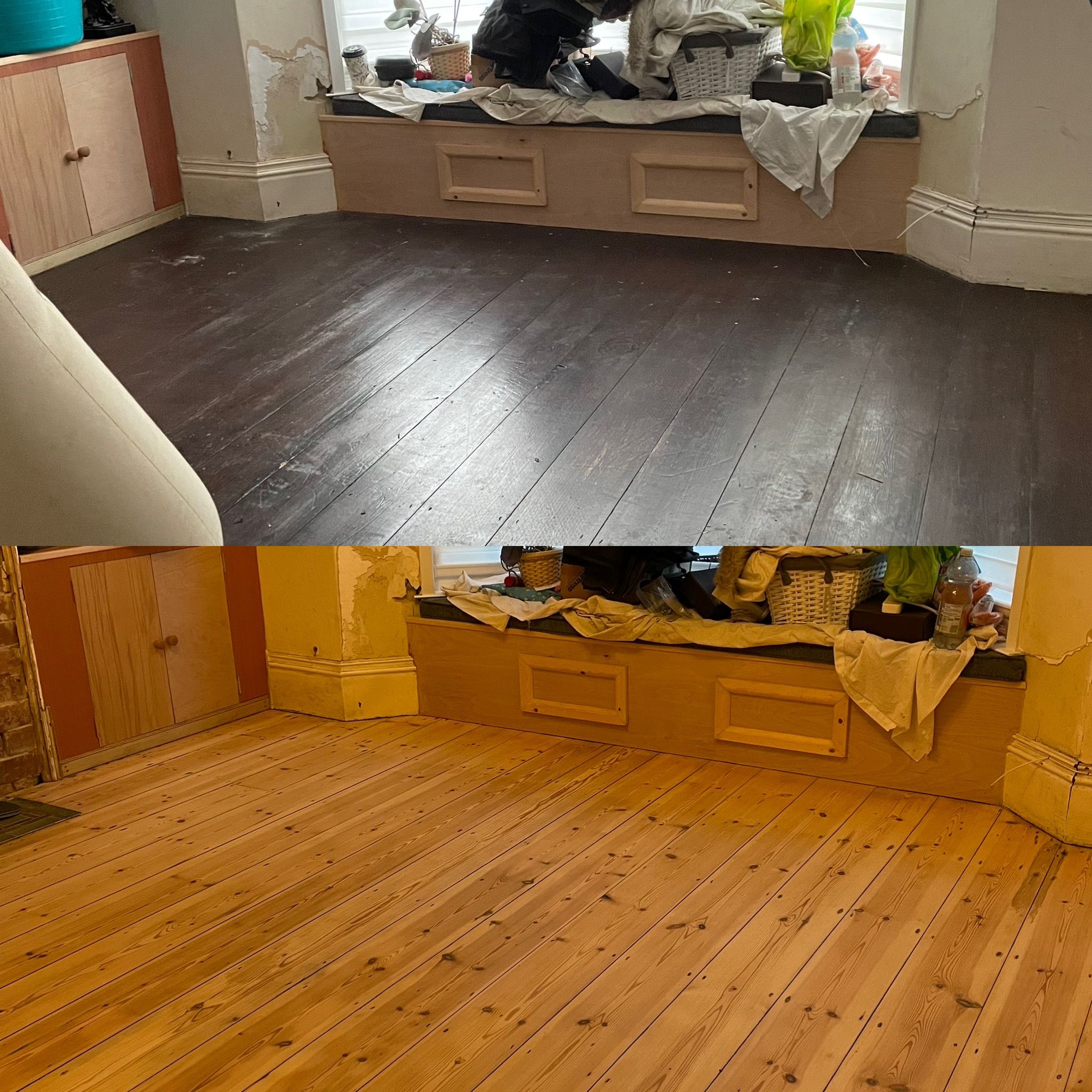
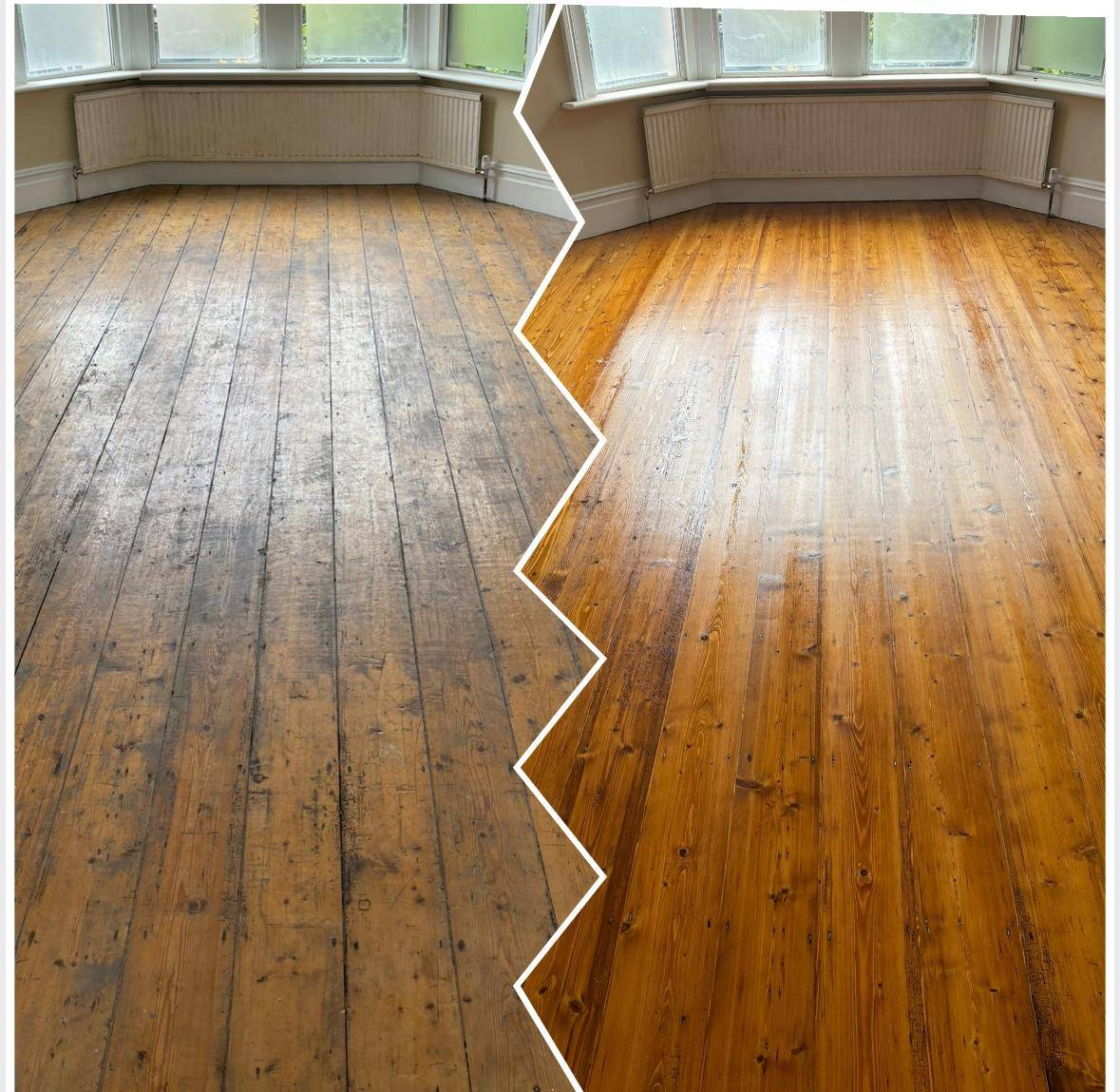
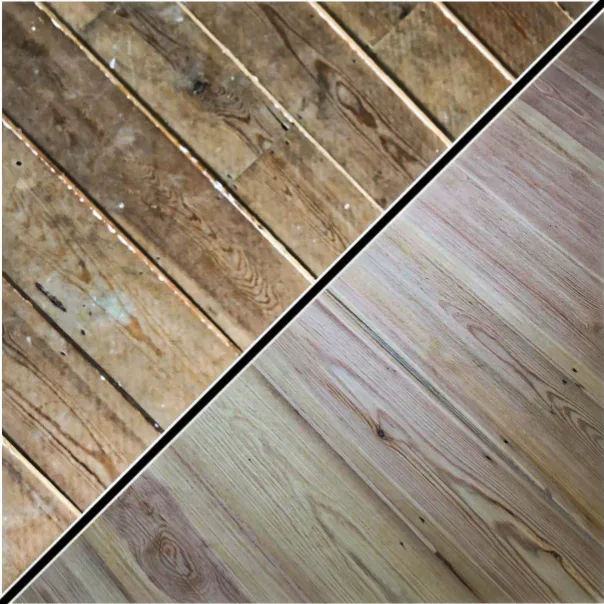
Floor sanding before and after

Wood Floor Sanding in Seaton

Seaton’s Victorian and Edwardian terraces behind the seafront hold exactly the kind of pine boards our trade was built on, while the cob and stone cottages up the Axe valley at Colyton and Colyford carry floors that are older again. Ryan’s Restoration is family-run, with over 45 years’ experience across both.

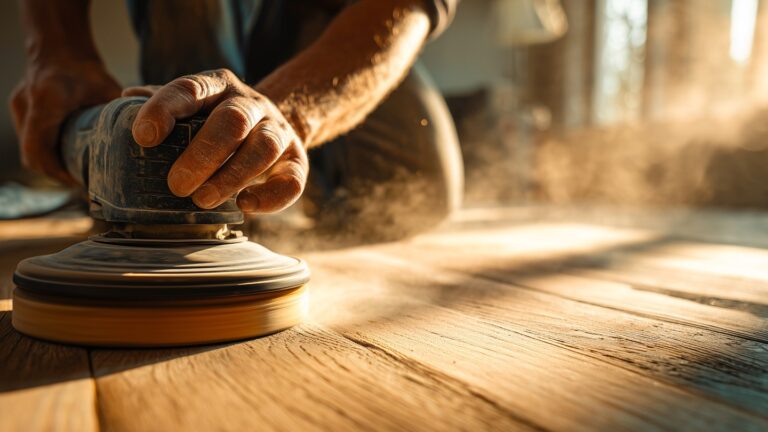
Wood floor sanding here follows the same discipline everywhere: repairs first, then a full grit sequence down to clean timber, then a seal specified for the room. Seafront properties get particular thought, because shingle grit walked in off the beach is a floor finish’s worst enemy.

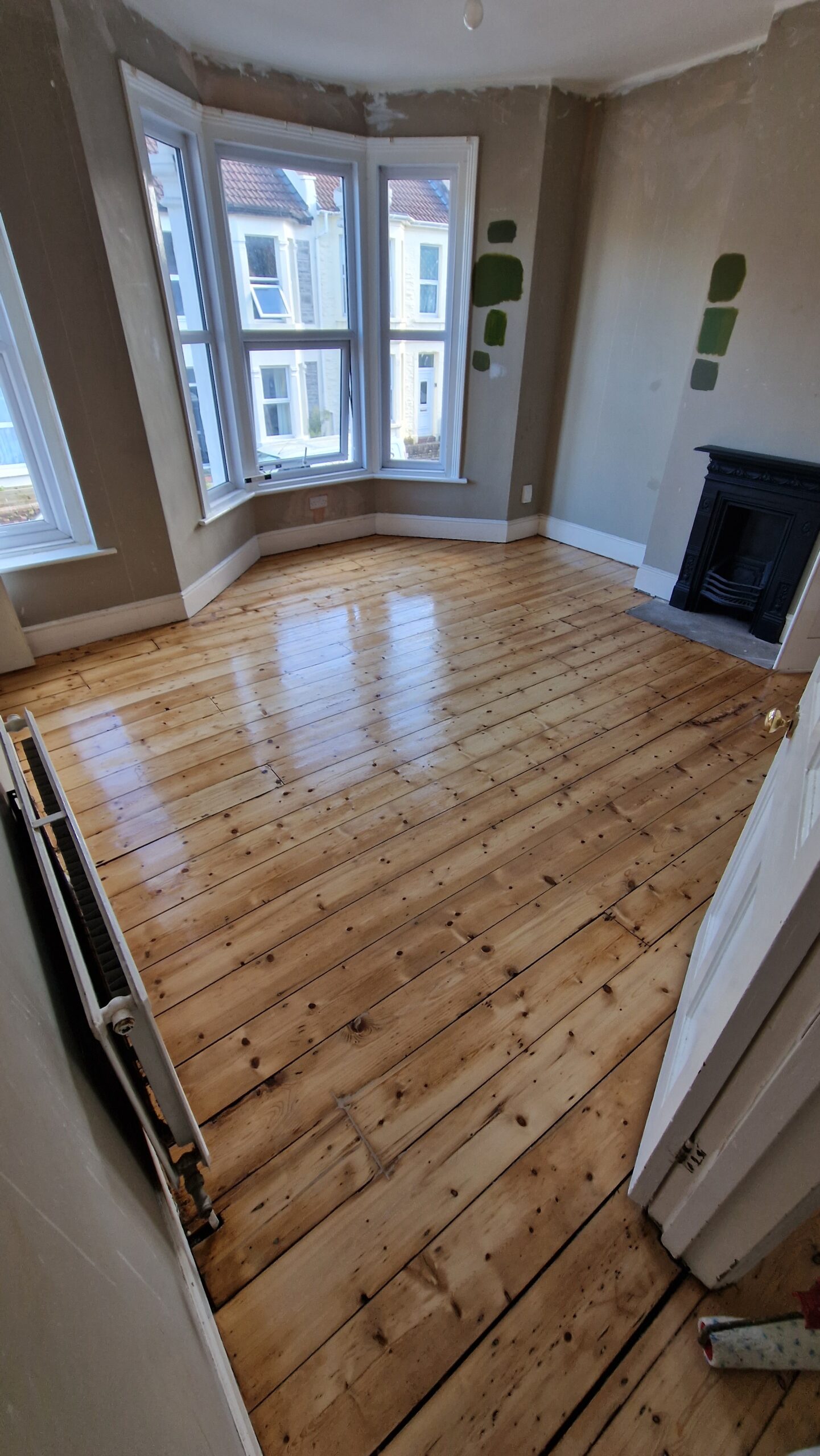
Victorian terraces have a signature we see week in, week out: a dark stained or shellacked border running around the room, from the days when only the margin showed beyond a central carpet square. Those borders were often coloured with heavily pigmented finishes that have soaked deep into the grain, so removing them takes extra passes at the perimeter and honest advice where a ghost of the old line may remain in the timber. Nine times out of ten the border disappears completely and the floor reads as one surface for the first time in a century.

Bays and hearths ask for care too. Board direction often changes where a bay was framed out, so machine direction changes with it, and slate or tile hearth plates are masked and worked around by hand so nothing chips at the junction.
Repairs, Board Replacement and Gap Filling

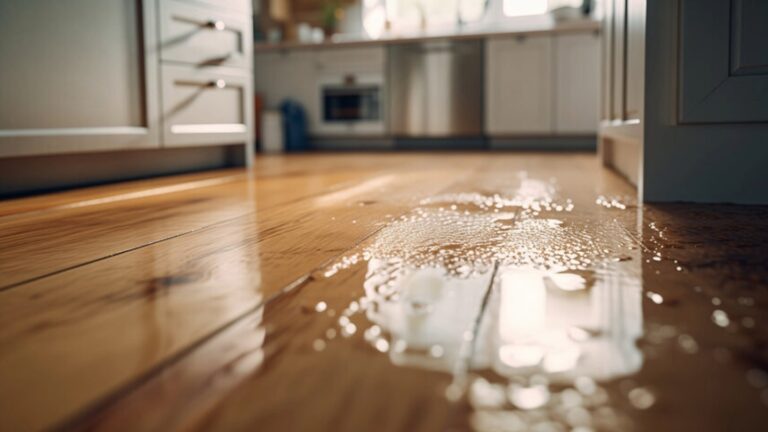
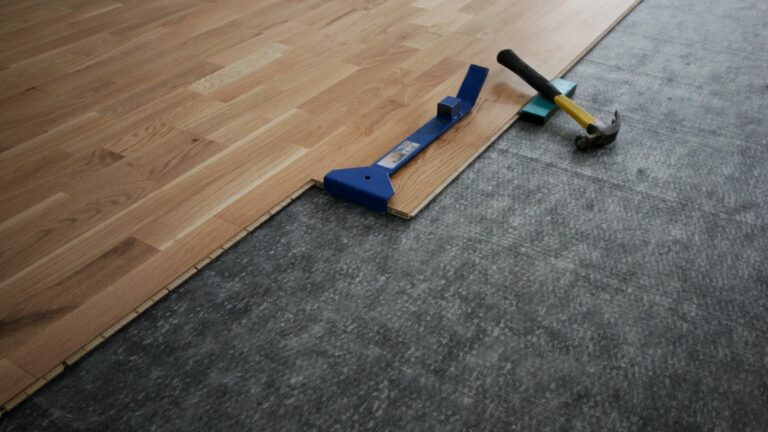
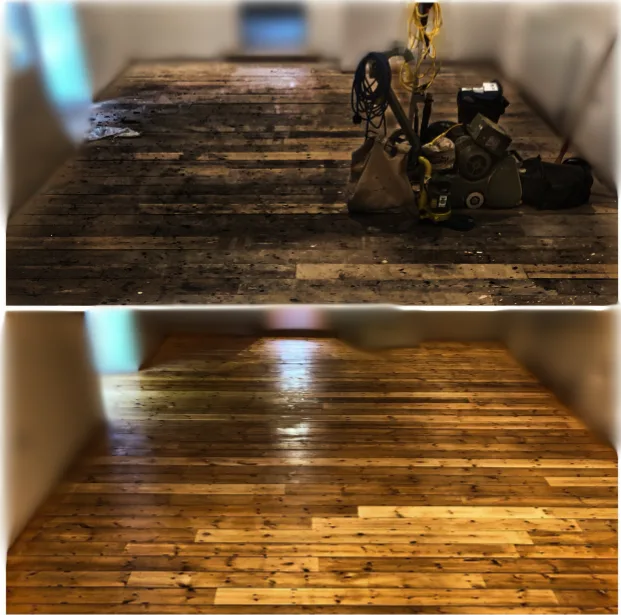
Our wooden floor repairs service deals with the damage a century of seaside life leaves behind: soft boards by doorways, splits, old pipe notches and loose fixings. Floorboard replacement uses reclaimed timber from our workshop stock so new boards sit invisibly among old.

We also silence squeaky boards, carry out scratch repairs, and offer gap filling that noticeably cuts draughts in the older village cottages.

A good share of our repair work is undoing earlier repairs. Central heating installations left many of these floors with runs of mismatched board, offcuts and the occasional square of chipboard screwed over a pipe route, none of which sands or seals like the timber around it. We lift the lot and piece in proper reclaimed boards of the right width and thickness, leaving access screws neatly pelleted where the pipes below may need reaching again.

Boards that have merely worked loose are re-fixed and cramped up tight before machining, because a floor that moves under the sander never finishes cleanly.

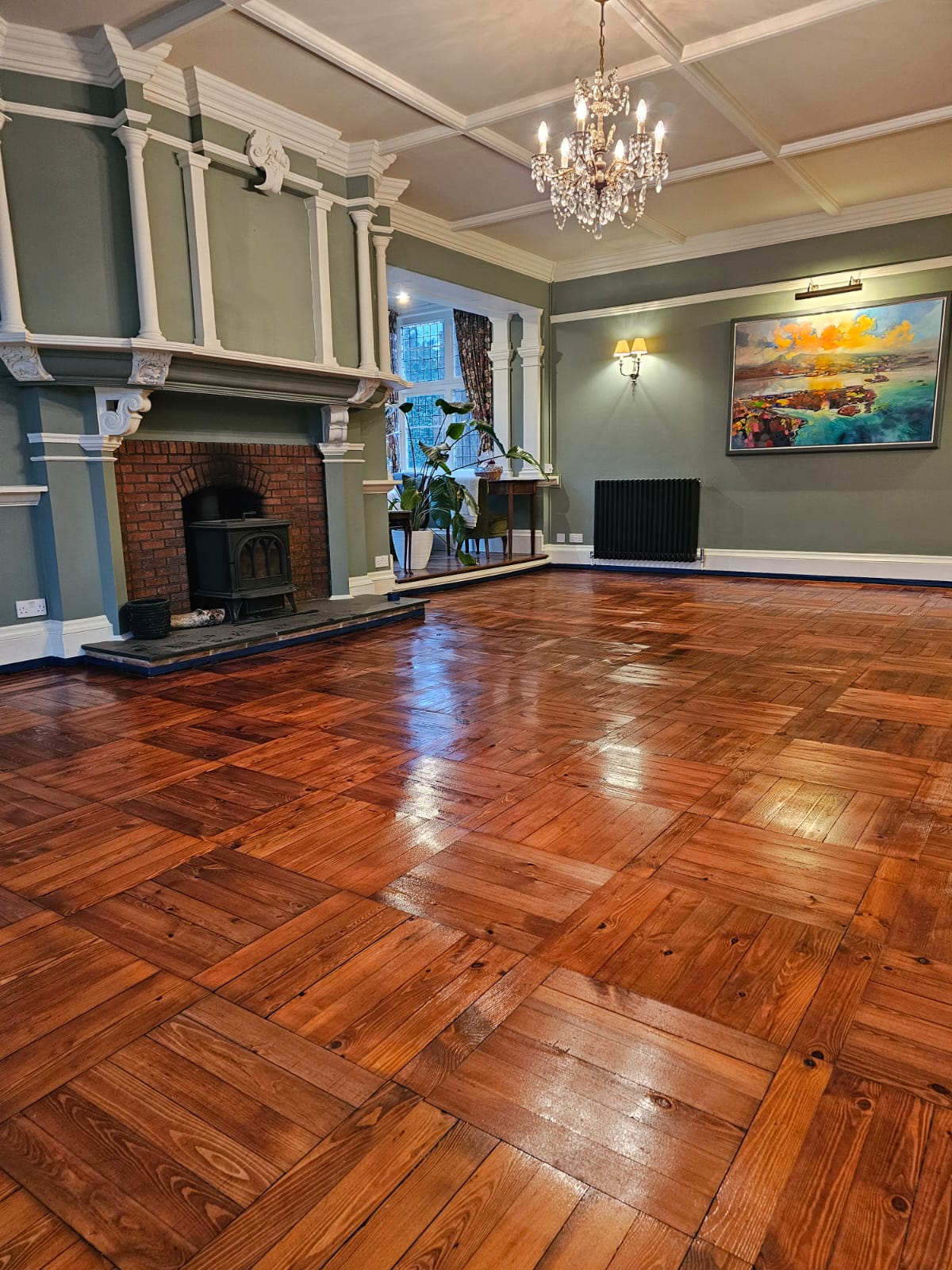
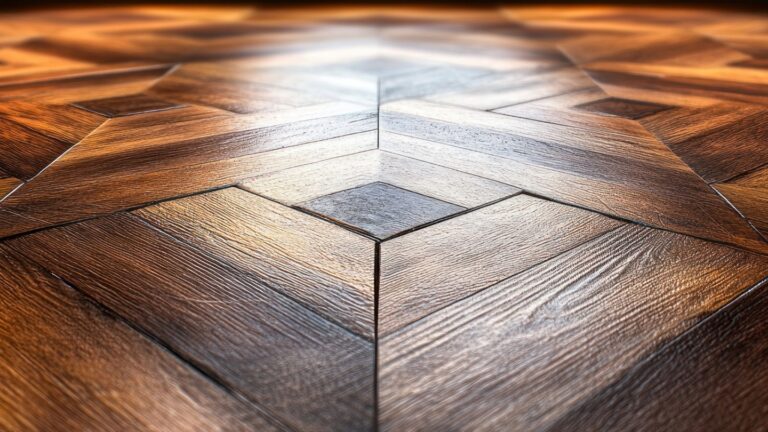
parquet wooden floor sanding
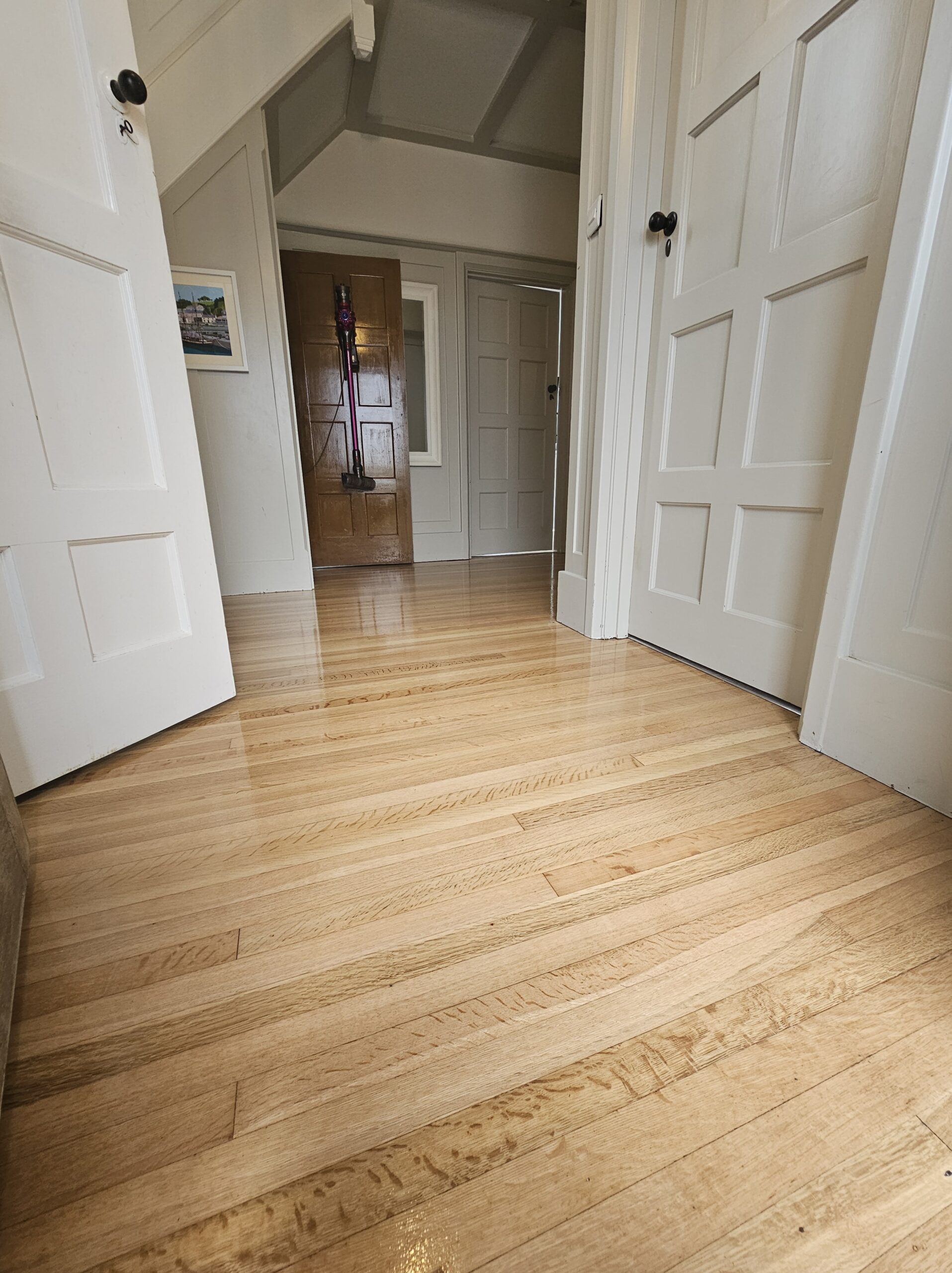
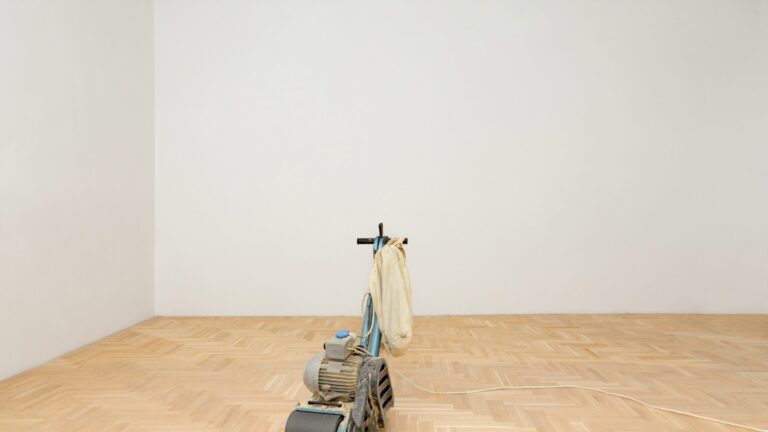
wooden floor sanding

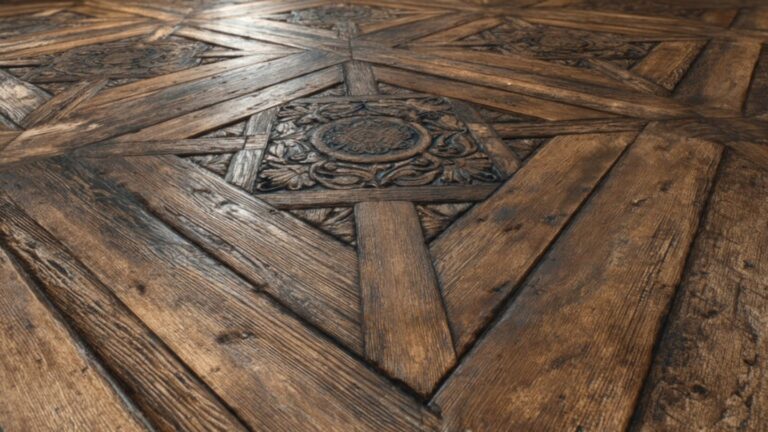
Parquet Floor Restoration

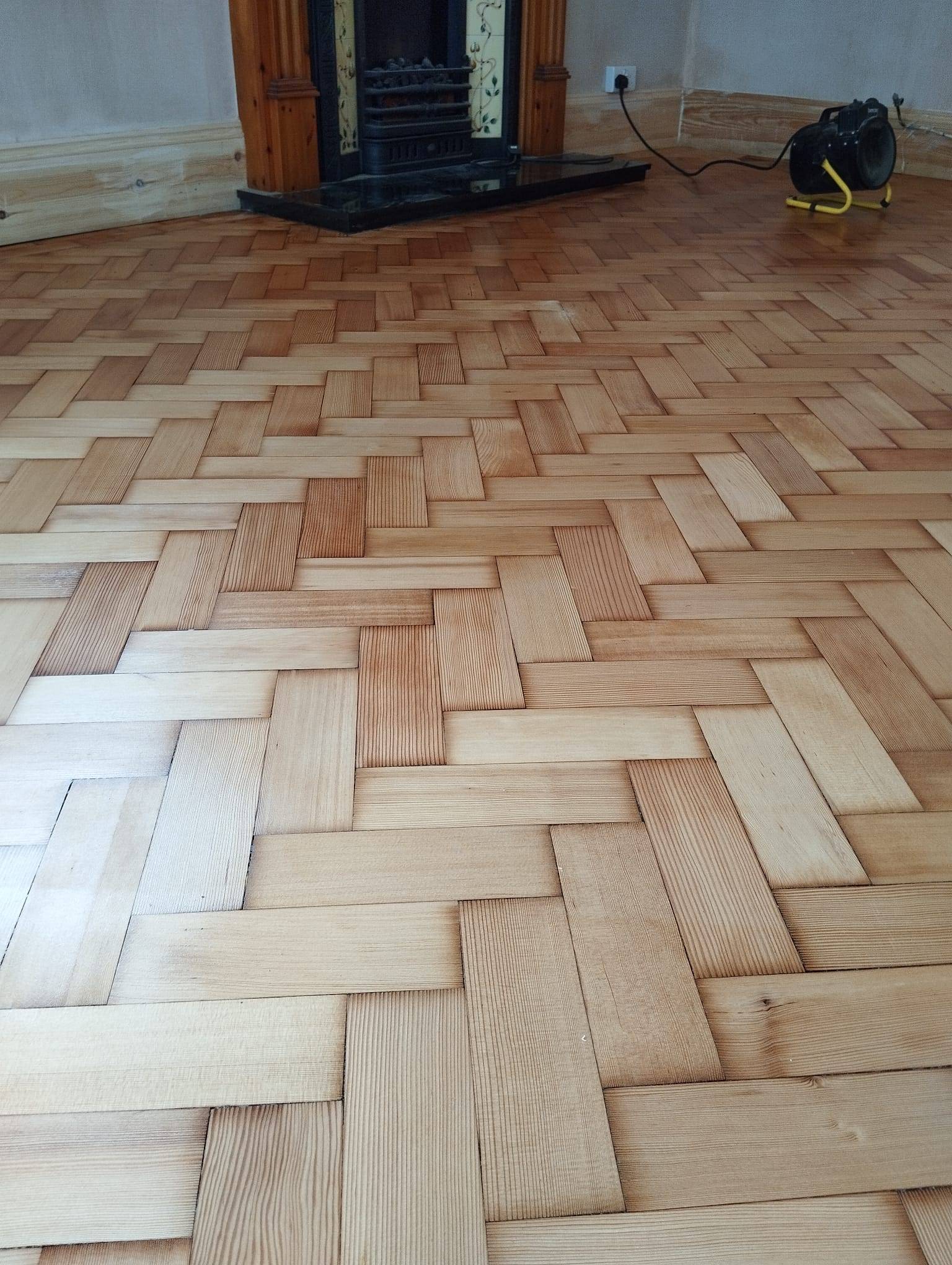
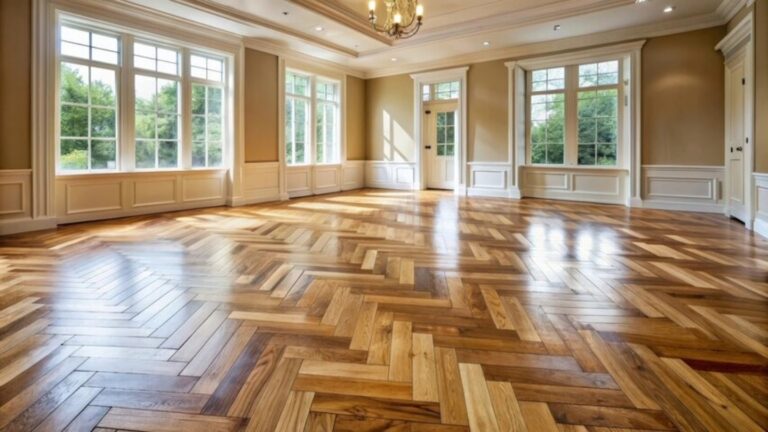
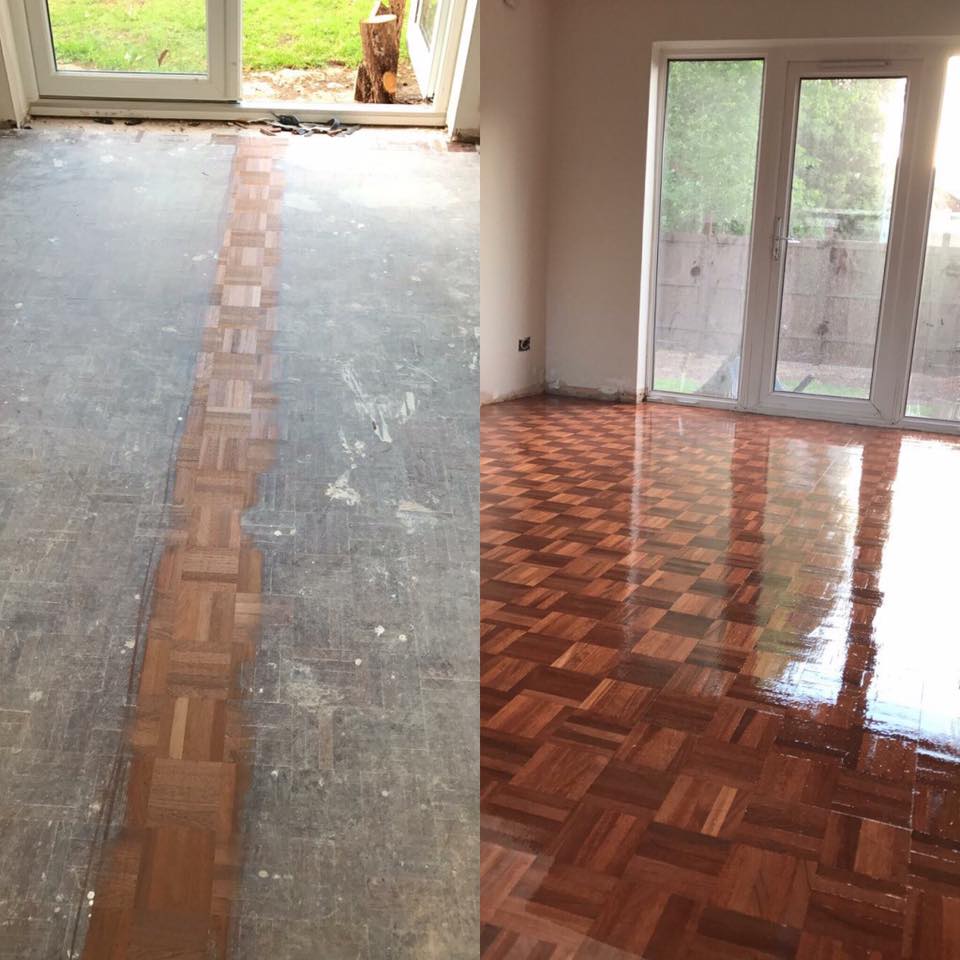
Block floors turn up in Seaton’s halls, schools and interwar houses, usually buried under later coverings. Our parquet floor sanding service takes them methodically: loose blocks lifted and re-bedded, bitumen residues removed, missing blocks matched from reclaimed stock, then the whole pattern sanded flat and sealed.

Parquet restored this way is tougher than most modern floor coverings and considerably better looking.

Bitumen removal is mechanical, deliberate work. We scrape and grind the old adhesive back rather than attacking it with solvents, which can drive dissolved bitumen deeper into the block and bleed up through pale finishes months later. It is slower, but it leaves each block clean enough to bond properly and keeps the timber uncontaminated.

Owners are sometimes surprised by the colour change when old blocks are sanded: decades of darkened seal come off and the floor emerges several shades lighter than they have ever known it. We show you the bare timber before sealing and, where the older, mellow tone is preferred, we can take the colour back toward it with stain before the final coats.

Sealing, Oiling, Waxing and Colour Changes

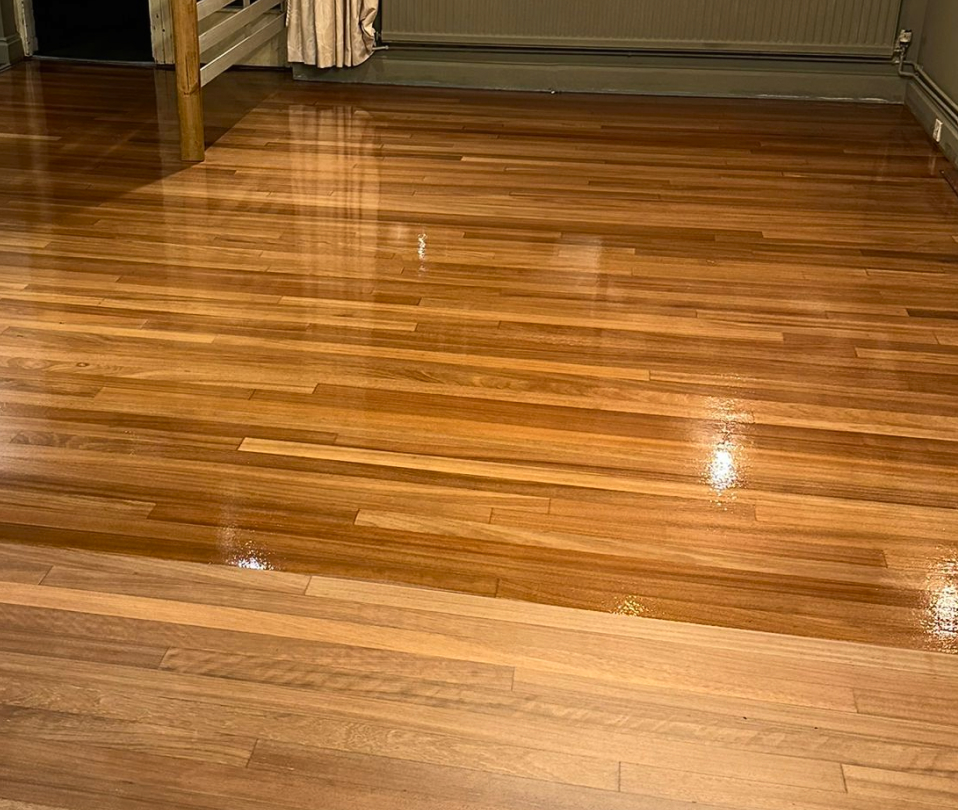
Finish specification changes street by street here. Homes taking beach traffic do best under a hard two-pack lacquer seal that resists grit, while the older properties at Colyton suit breathable oiled or waxed finishes that can be repaired in patches.

Wood floor staining handles colour changes, always sampled on your own boards, whether that is toning down orange pine or taking oak a shade deeper.

The phrase two-pack is worth demystifying. These lacquers are supplied with a separate hardener that is mixed in just before application, triggering a chemical cure that crosslinks the coating into something far tougher than an ordinary single-can product. That extra resilience is why we specify them for hallways, kitchens and any floor collecting beach grit daily.

Toning down orange pine, one of the most common requests we get, is a layered job rather than a single product: a neutralising or lightly pigmented stain to counter the warmth, then a water-based seal that will not amber over it. Built that way, the floor keeps its cooler tone instead of drifting back to orange within a year or two.

flooring sanding company
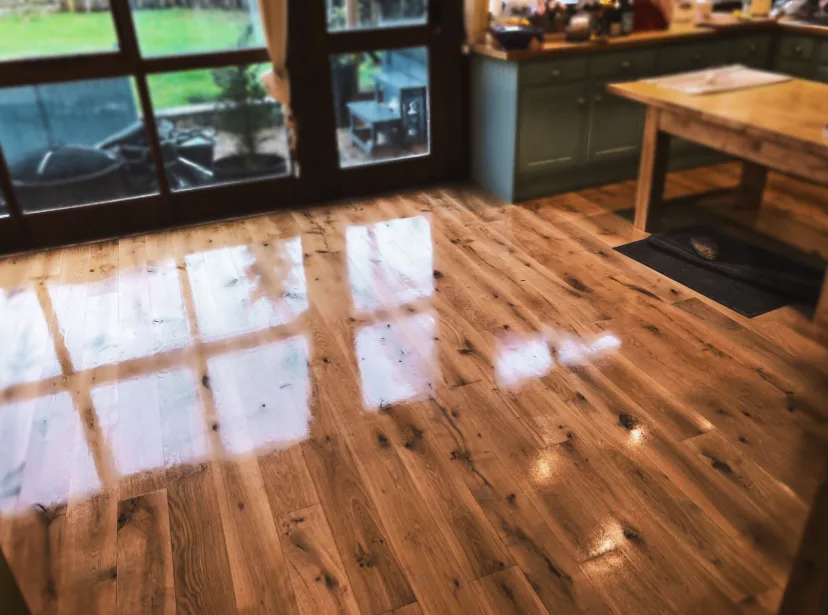
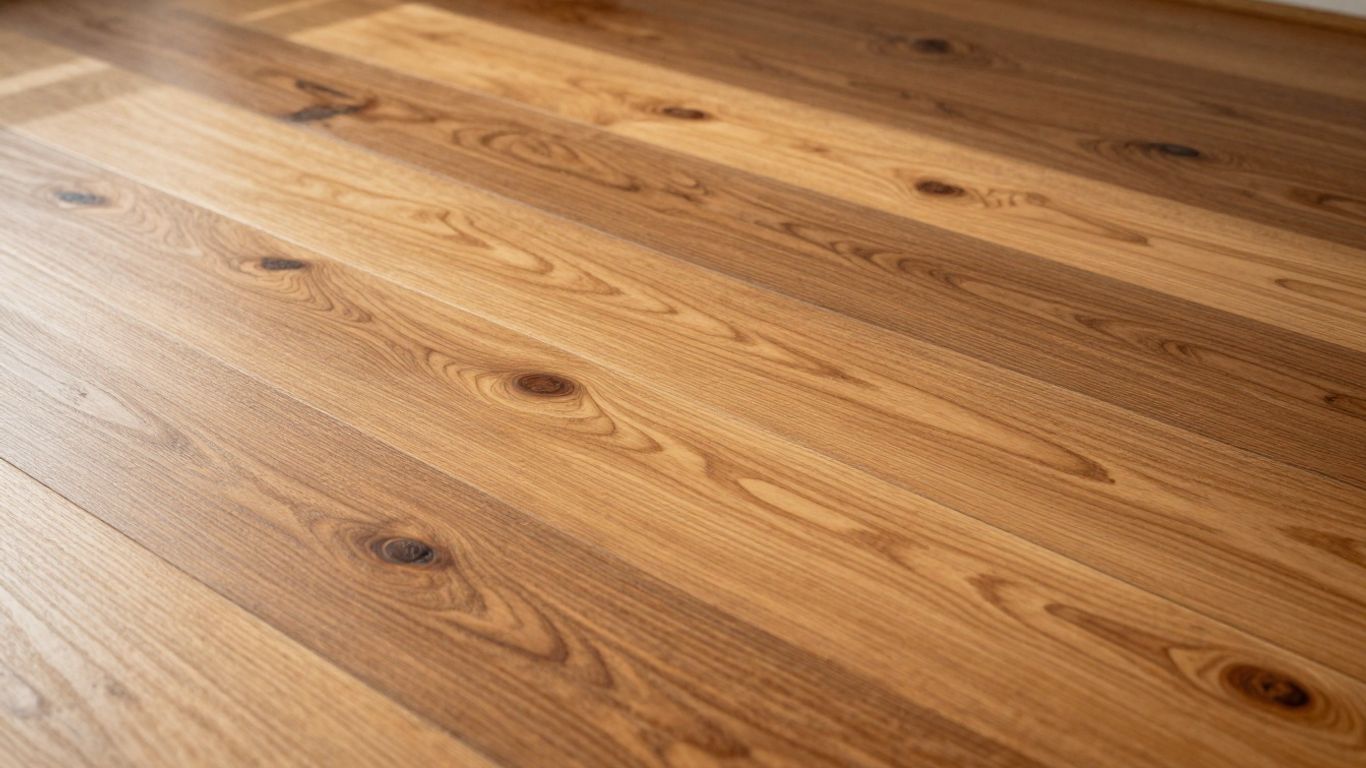
Sunlight across freshly lacquered wooden floorboards

Stairs, Buffing and Ongoing Care

Stair sanding finishes the job properly, taking treads and risers back to match newly sanded landings. Once a floor is done, buffing and recoating every few years keeps the finish ahead of wear for a fraction of the effort of another full sand, and polishing revives sheen between times.

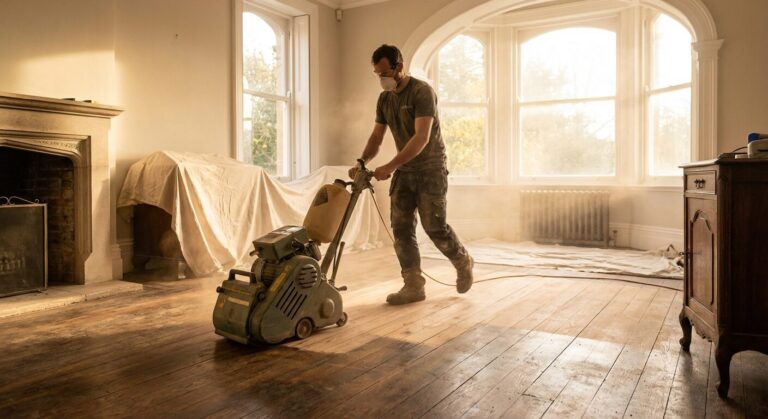
All machines run sealed extraction capturing the overwhelming majority of dust at source, so occupied homes and furnished lets stay clean.

Floors tell you when they are due for attention, and reading the signs early keeps the work small. Matt lanes appearing along traffic routes while the room edges stay glossy mean the finish is wearing but intact, which is exactly when a buff and recoat does its best work. Grey or darkening patches are the later warning: there the seal has gone entirely and the timber itself is taking the traffic, at which point only sanding puts things right.

A maintenance polish sits between clean and recoat, feeding the surface and evening out light scuffs, and it is a sensible half-yearly habit for busy halls and lets.

Commercial Floor Sanding in Seaton

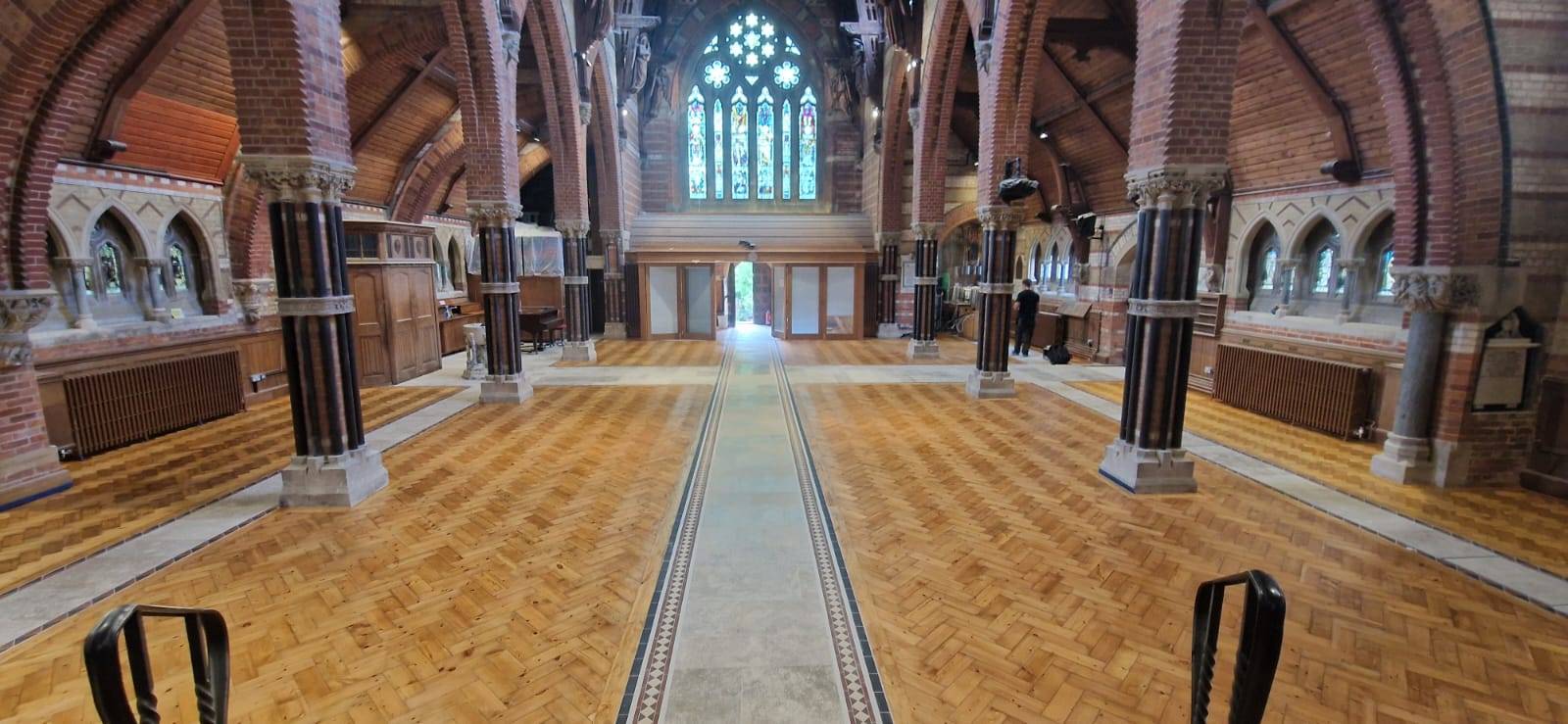
Commercial floor sanding along this coast means seafront cafes, restaurants, shops and guest houses that cannot lose trading days, so we work overnight and across closed days with fast-curing sealers. Village halls up the Axe valley book a quiet week; schools take holiday windows.

Sports and gym floors are sanded, line-marked to governing body specification and sealed with proper sports systems. Method statements and insurance documentation are provided as standard.

Guest houses need a different kind of programme from shops: the building never truly closes, so we work floor by floor and room by room, agreeing quiet hours with the owners, keeping corridors passable with protected walk routes, and timing seal coats so guests are never met by a wet landing. It is choreography as much as floor work, and it is planned on paper before a machine arrives.

Sports floors take their own materials. Sports seals are formulated with controlled surface friction and a degree of elasticity, so they grip trainers predictably and flex with a semi-sprung floor instead of cracking, and the court lines go down between coats so they are sealed beneath the final layer rather than sitting on top to wear away.

Wood floor sanding company
Floor sanding taunton

Get a Floor Sanding Quote in Seaton

Send us two photographs, one wide and one close on the worst area, for an honest opinion and a fixed written quotation. A free no-obligation site survey is available across Seaton, Colyton, Colyford and the Axe valley whenever the floor needs looking at in person.

Call 01823 674562, email info@ryansrestoration.co.uk, or use the form on this page.

All services available in Seaton: floor sanding, commercial floors, repairs, board replacement, gap filling, parquet restoration, sealing, oiling, waxing, staining, stair sanding and buffing.

Nearby areas we also cover: Axminster, Honiton, Sidmouth and Barnstaple. There is a page for each, and the full list of towns is on our areas we cover page.

FAQ: Floor Sanding in Seaton

Sanding and sealing, repairs and board replacement, gap filling, parquet restoration, staining, oiling, waxing, stair sanding, buffing and the full commercial service.

Yes. Overnight and closed-day working with fast-curing sealers means the floor is cured and back in use by opening time.

Usually. Grit-worn and water-softened boards near entrances are a classic seaside problem; we repair or replace them with matching reclaimed timber before sanding.

It nearly always does. Once loose blocks are re-bedded and the pattern sanded flat, sealed parquet outperforms almost anything laid in its place.

Yes. Staining is done between sanding and sealing, with samples on your own timber so you approve the shade in your own light.

Laminate never, as there is no solid timber in it. Engineered boards only when the remaining wear layer allows, which we confirm at the survey.

Sealed extraction takes the overwhelming majority at the machine, doorways are sheeted, and we clean down daily rather than once at the end.

Two photographs by email bring an honest opinion and a fixed written quotation; a free no-obligation survey follows if the job needs measuring up in person.

Almost always. Those Victorian carpet-square borders need extra perimeter passes because the pigment sits deep in the grain, but they normally disappear completely and we advise honestly in the rare case a shadow might remain.

Longer than plain boards because of the lifting, cleaning and re-bedding stage. A typical room runs across several days, and we set out the sequence in the written quotation so you know what happens when.