Floor Sanding Suffolk

Floor Sanding and Wood Floor Restoration Across Suffolk

QUICK QUOTATION

Floor Sanding Taunton

Floor Sanding Across Suffolk

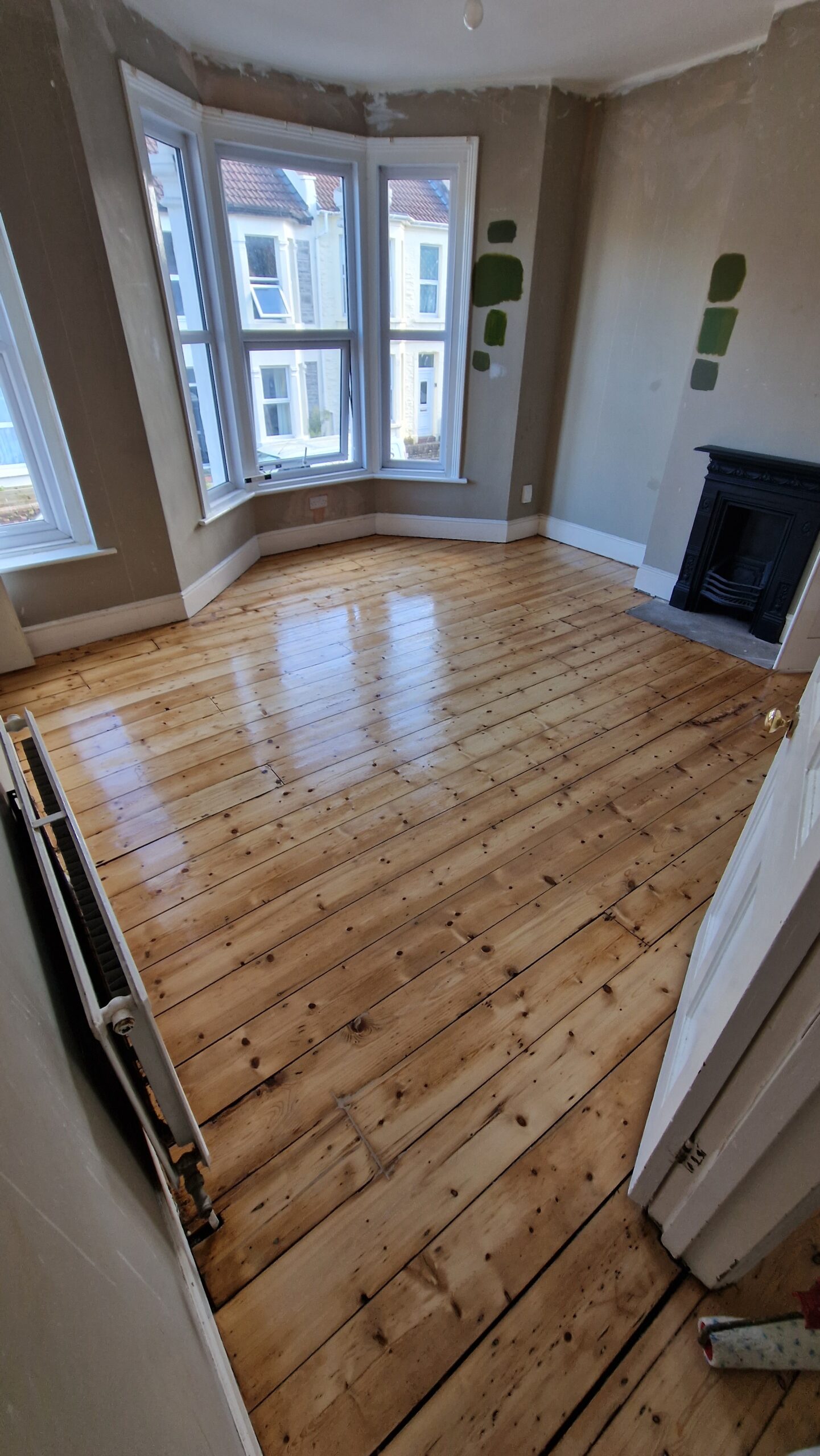
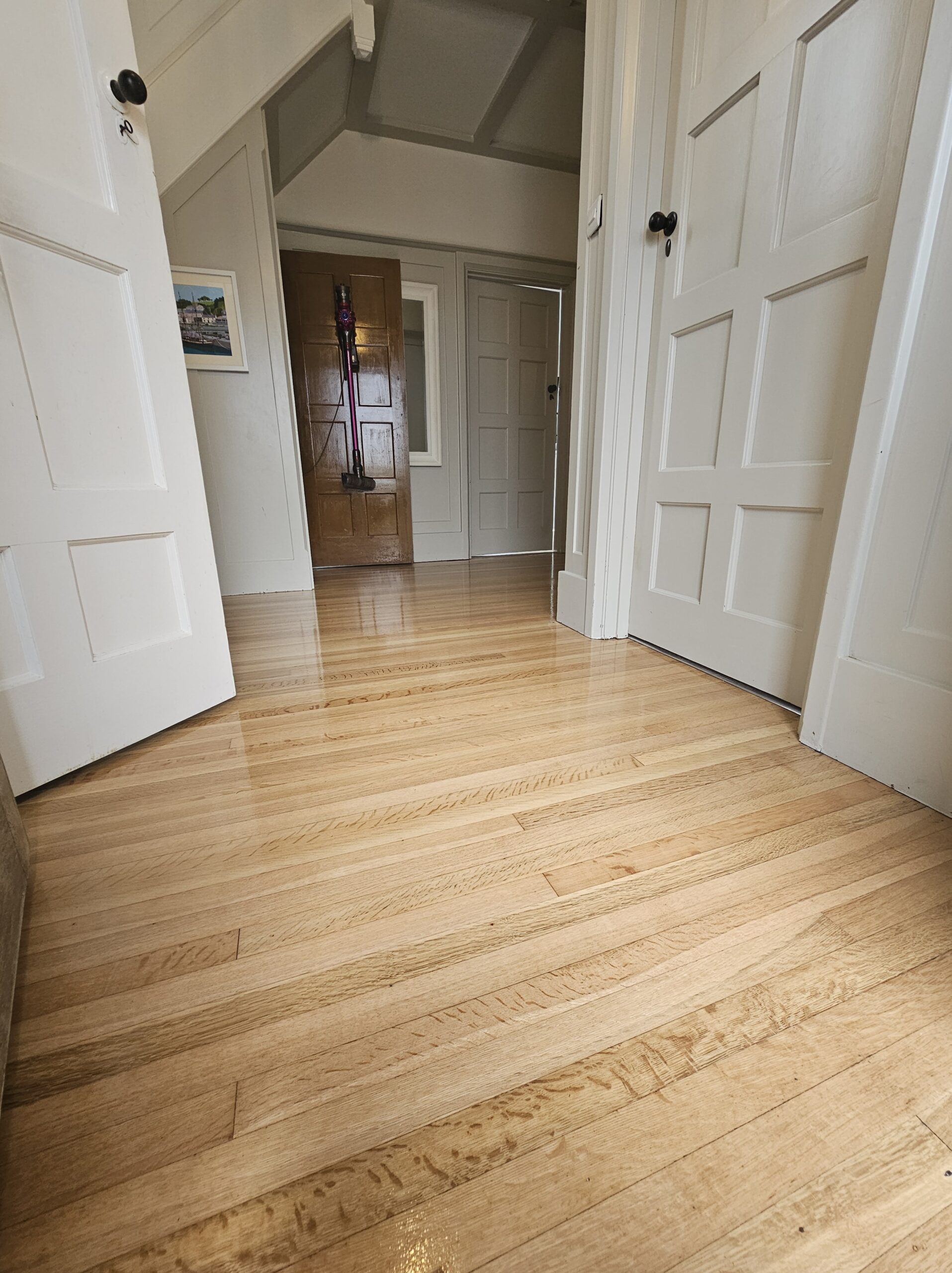
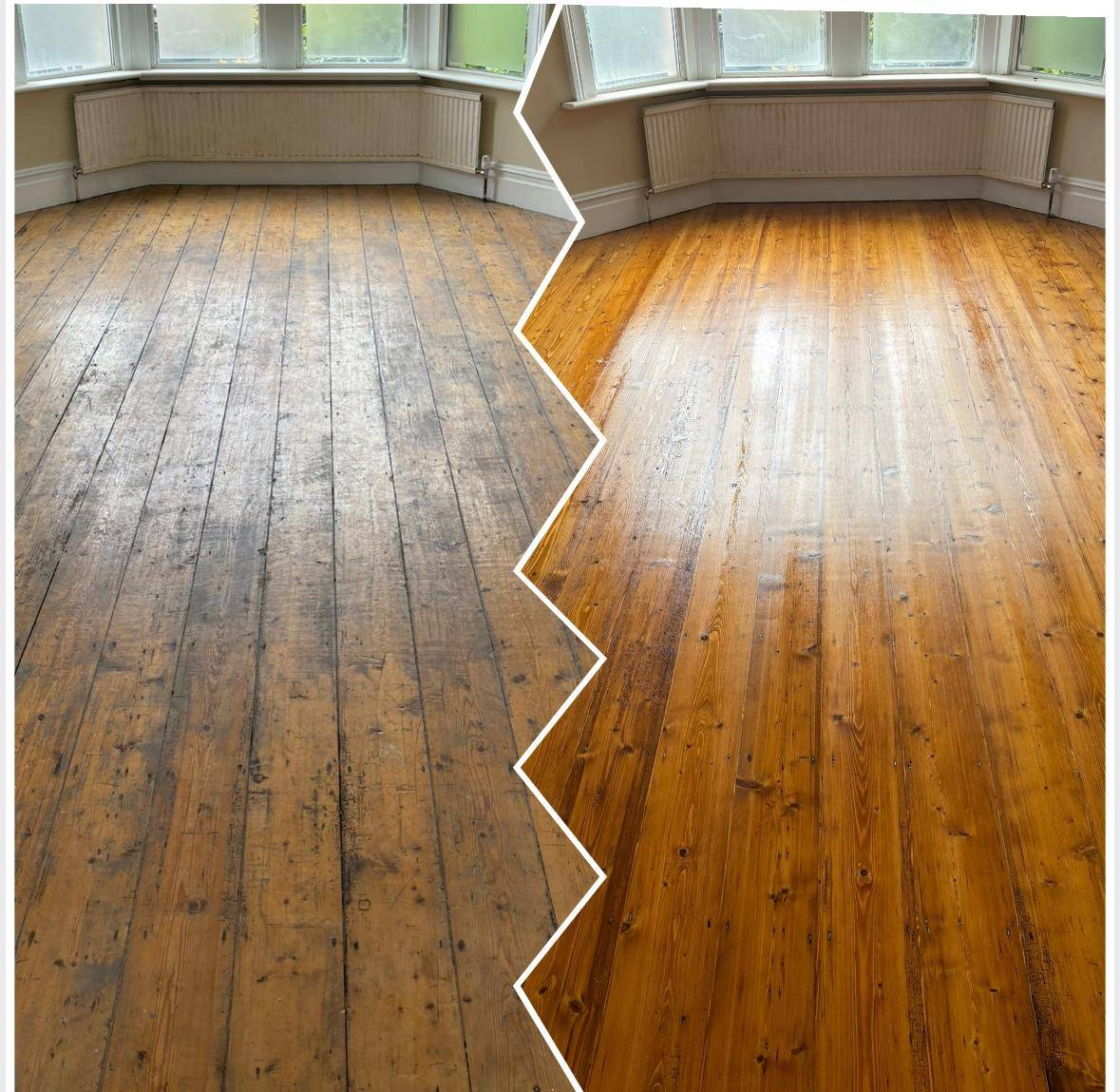
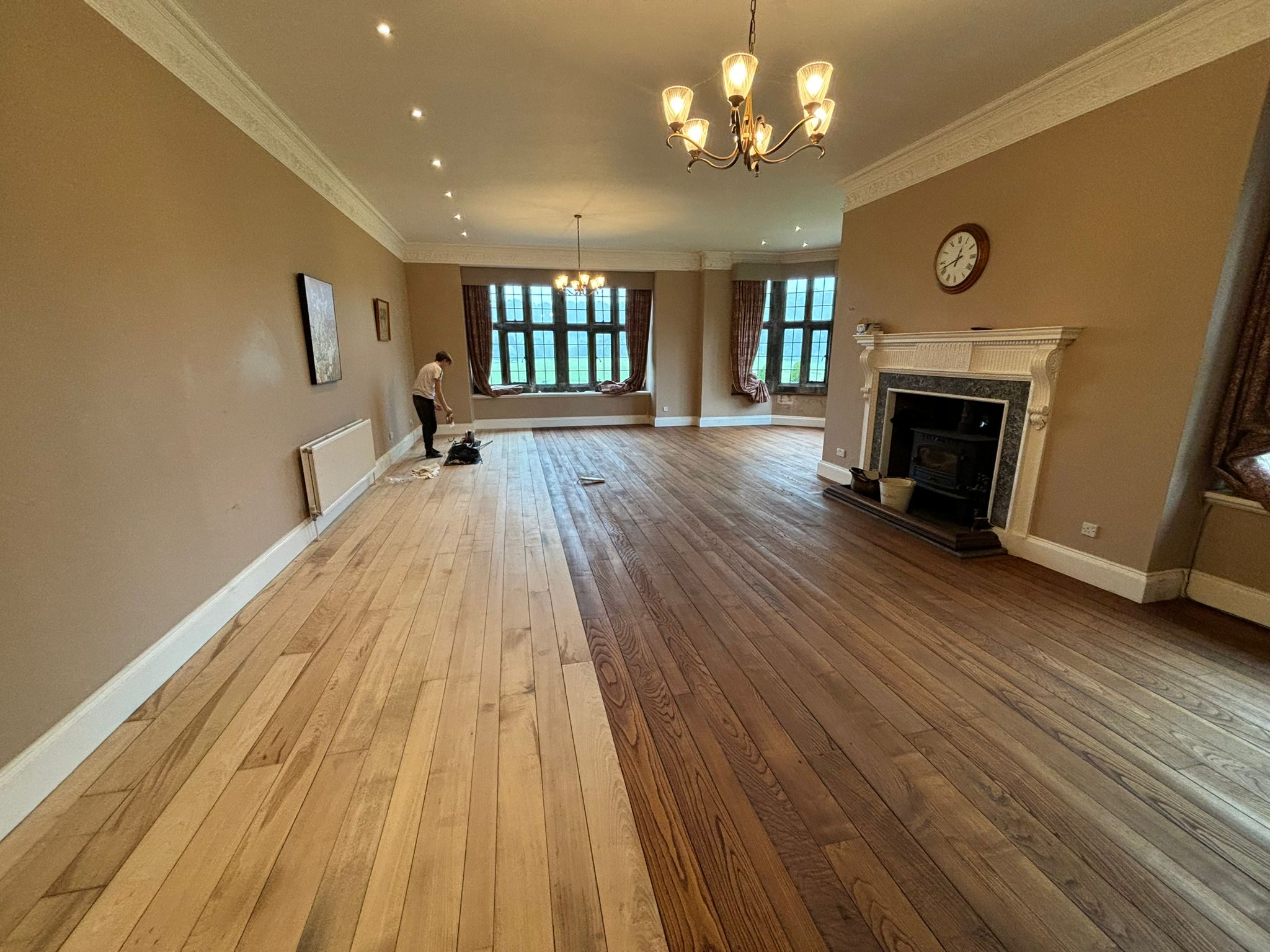
Family-run and sanding floors for more than 45 years, we cover the whole county — Ipswich, Bury St Edmunds, Sudbury, Lavenham, Long Melford, Woodbridge, Framlingham, Aldeburgh, Southwold, Beccles, Newmarket, Stowmarket and Lowestoft. Because Suffolk is large and rural we schedule multi-day runs by area, so jobs on the coast are grouped into the same week. The core service is wood floor sanding with sealed extraction that captures the overwhelming majority of dust at source — a real consideration in timber-framed wool-town houses where dust travels through the frame. On very old, wide oak boards we take a minimum-intervention approach, and where a light refresh will do, buffing and recoating or restoration without sanding may be the better call.

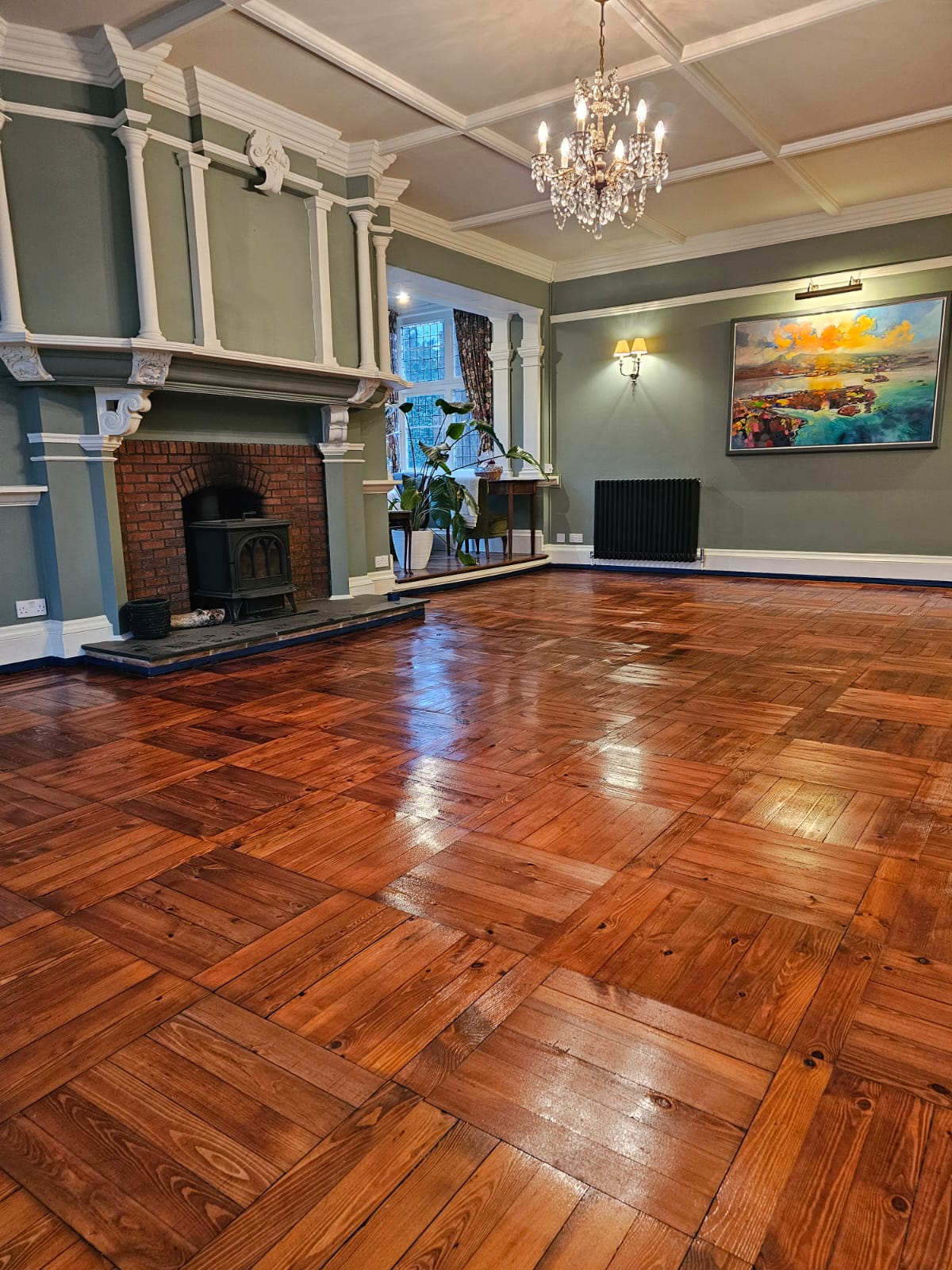
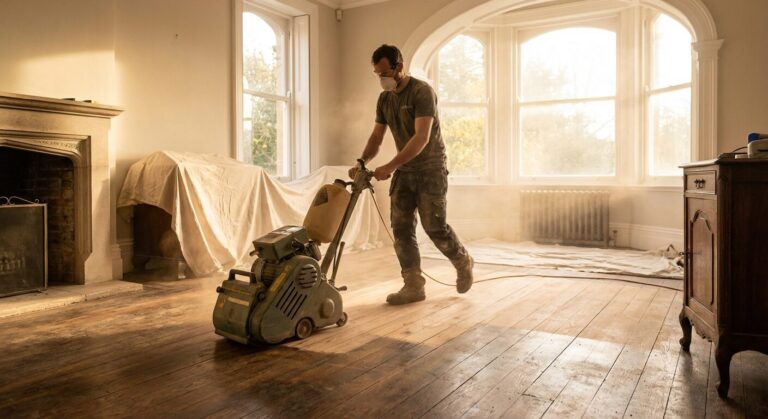
Wide, old oak boards demand a different discipline from Victorian pine. Elm and oak that has sat in a house for two or three hundred years is often gently undulating, and forcing it dead flat would mean grinding away irreplaceable timber, so we follow the surface rather than fight it, taking off only what is needed to remove grime and old finish while keeping the wear of centuries in the board. Fixings get attention first on any floor: every nail head is set below the surface with a punch, old tacks and staples come out, and loose boards are secured, because machinery and metal do not mix.

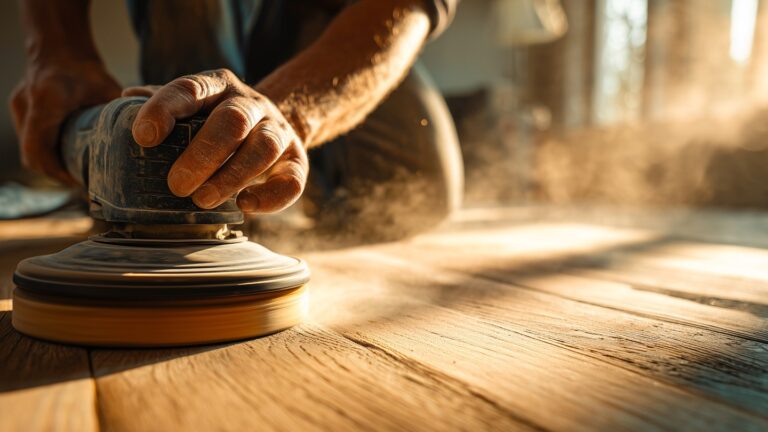
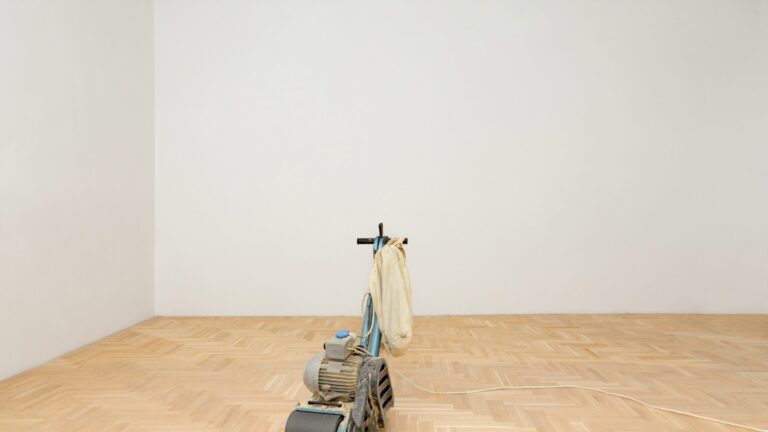
The abrasive sequence itself is a chain, with each grit existing to erase the scratches of the one before it. Jumping from coarse straight to fine leaves deep marks that only reveal themselves once the finish goes on, when it is too late. The big machine covers the open floor, a dedicated edging sander works the borders, and the last few centimetres in corners and around pipework are cut back by hand so the whole room finishes to the same standard.
Commercial Floor Sanding for Suffolk Businesses

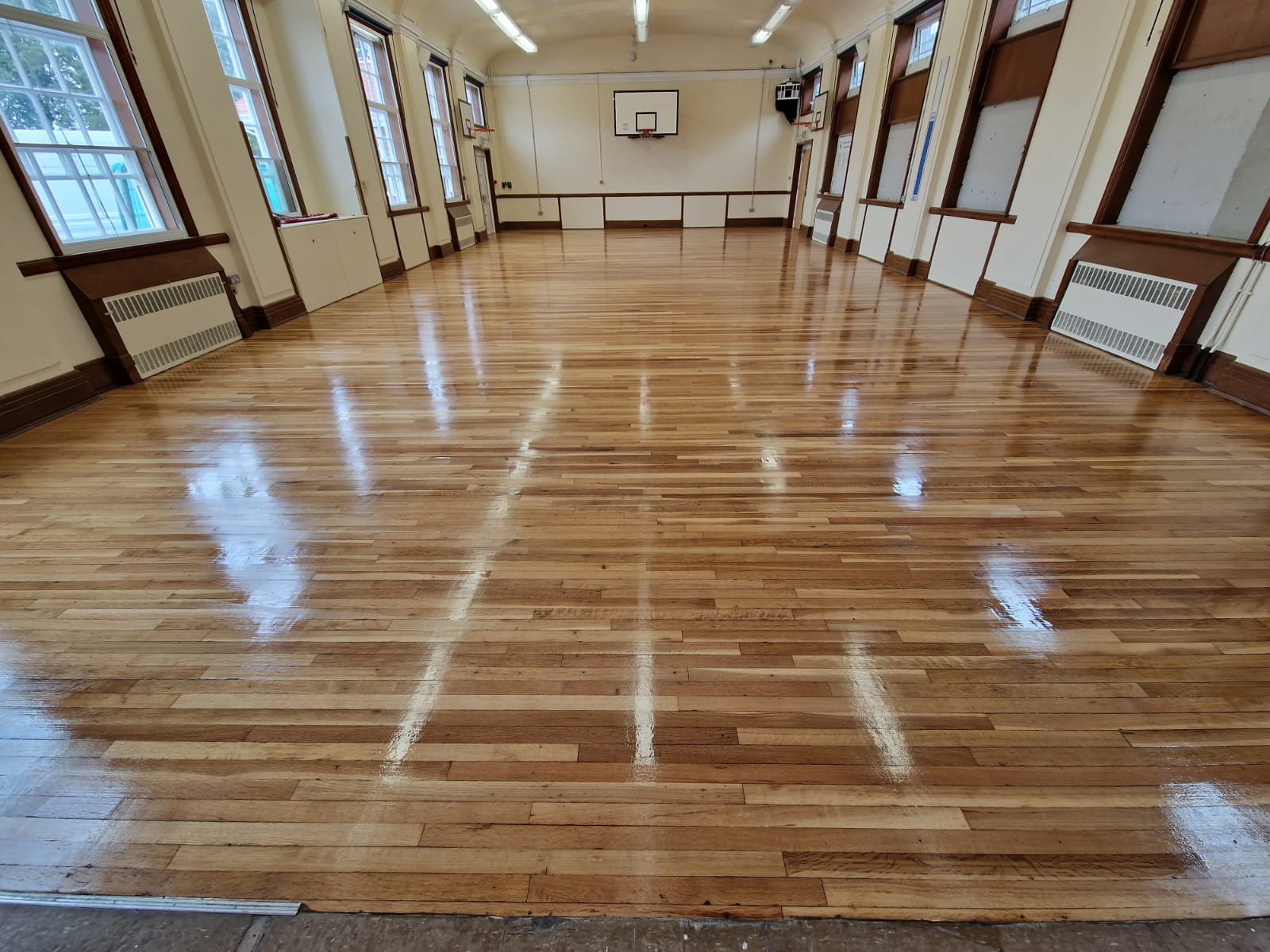
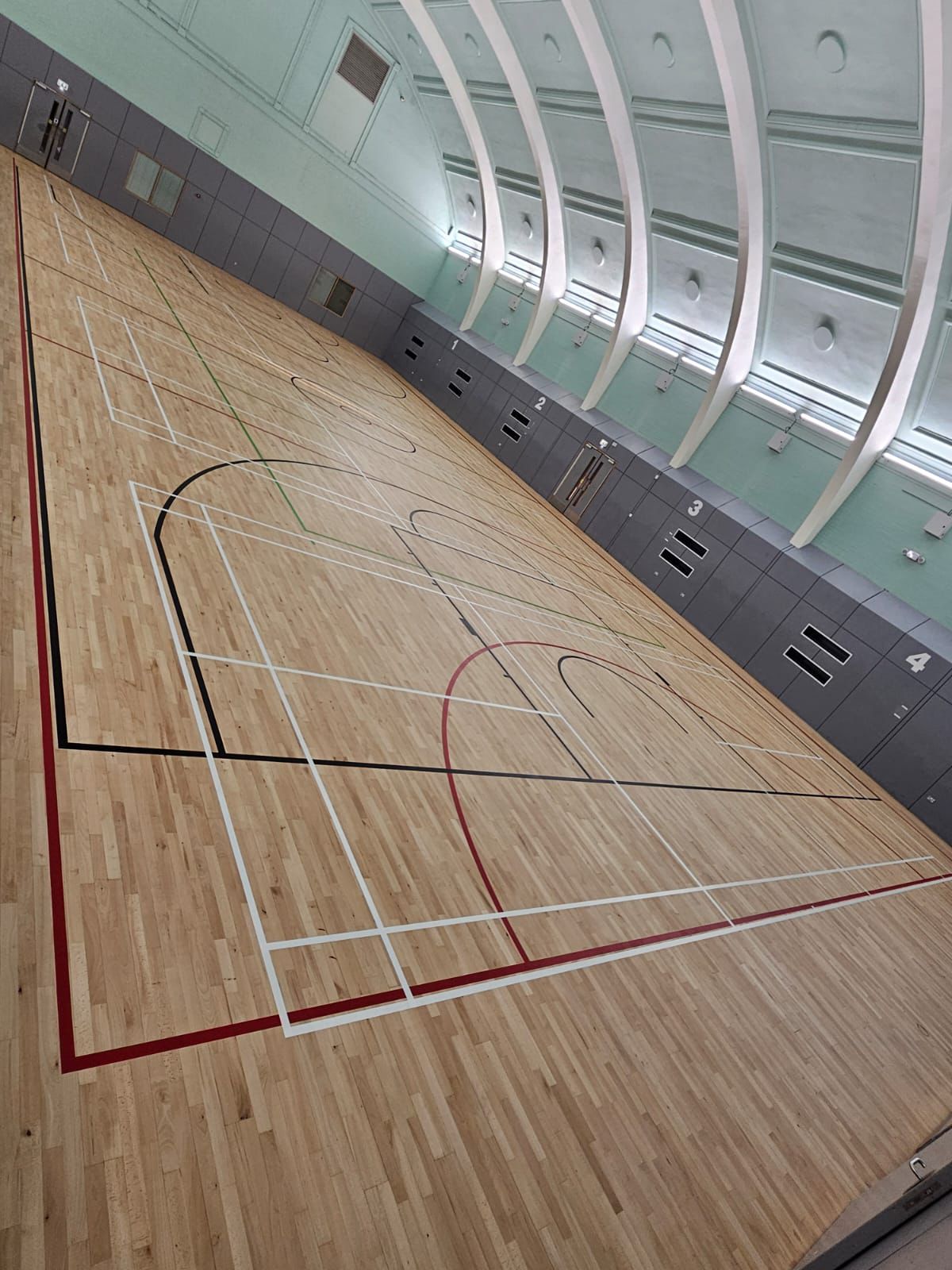
Pubs, farm shops, village halls and holiday-let owners across the county use our commercial floor sanding service. Work is planned around trading and changeover dates — overnight and weekend shifts are standard — and every job comes with method statements and insurance documentation up front. We sand restaurants, shops, hotels and schools, with sports-hall lines re-marked to governing body specification.

Holiday lets bring their own scheduling puzzle: the floor has to be sanded, sealed and hard enough for luggage and dogs between one changeover and the next. We plan these jobs to the hour, choosing finishes by their recoat and cure behaviour as much as their looks, and we will say plainly if a booking gap is too short to do the work properly. In village halls and public buildings we can work in phases so one end of the hall stays usable, and where floors serve wet areas or entrances we advise on seal systems with suitable slip resistance rather than simply the shiniest option.

Every commercial job is preceded by paperwork your management team can actually use: a method statement setting out sequence, equipment and timings, risk assessments for the site, and proof of insurance. Agreeing these details in advance means the night crew arrives, works and leaves without a single question needing an answer at two in the morning.

Floor sanding south east London
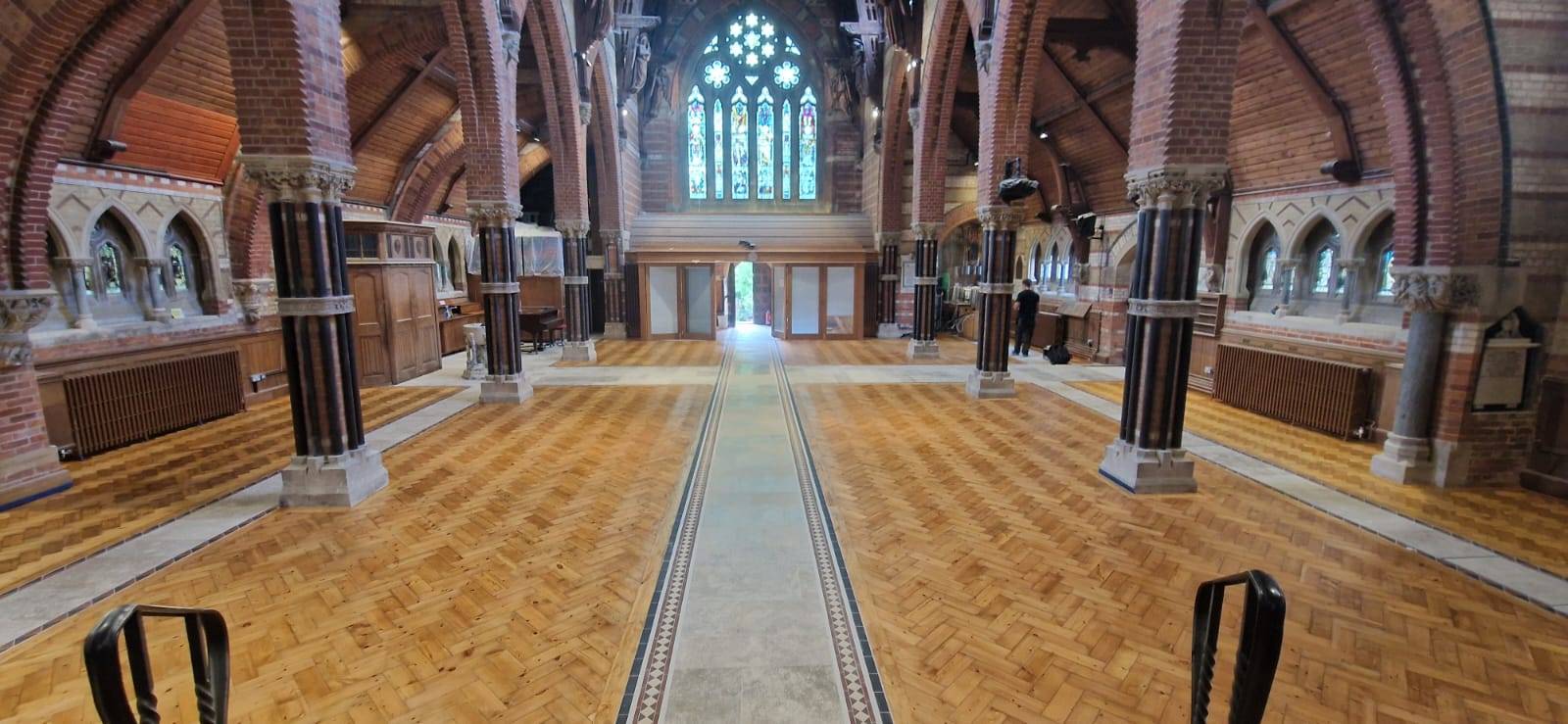
Commercial Hall Floor Refurbishment

Floor Repairs, Board Replacement and Gap Filling

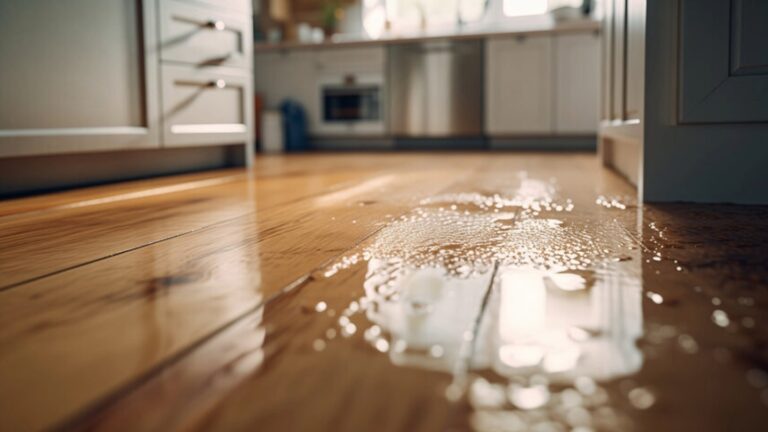
Old floors usually need making sound before they can be made smooth. We handle wooden floor repairs — rot, woodworm, burns and water damage — and floorboard replacement from our reclaimed timber stock, which matters in period Suffolk houses where a bright new board would spoil the room. Creaks are dealt with through squeaky floor repair, surface marks through scratch repair, and draughty joints are closed with gap filling — timber slivers in older boards, resin where movement allows.

Choosing between slivers and resin is a judgement about the floor, not a preference. Handmade slivers suit the wide, irregular gaps of older board floors because they flex with seasonal movement and are planed back to sit flush with an uneven surface; resin bound with the floor’s own sanding dust suits tighter, more stable gaps where it sets to an exact colour match. We will also tell you when filling is unwise — a floor over a damp cellar that swells every winter will spit rigid filler back out, and honesty at survey saves disappointment later.

Parquet and Block Floor Restoration

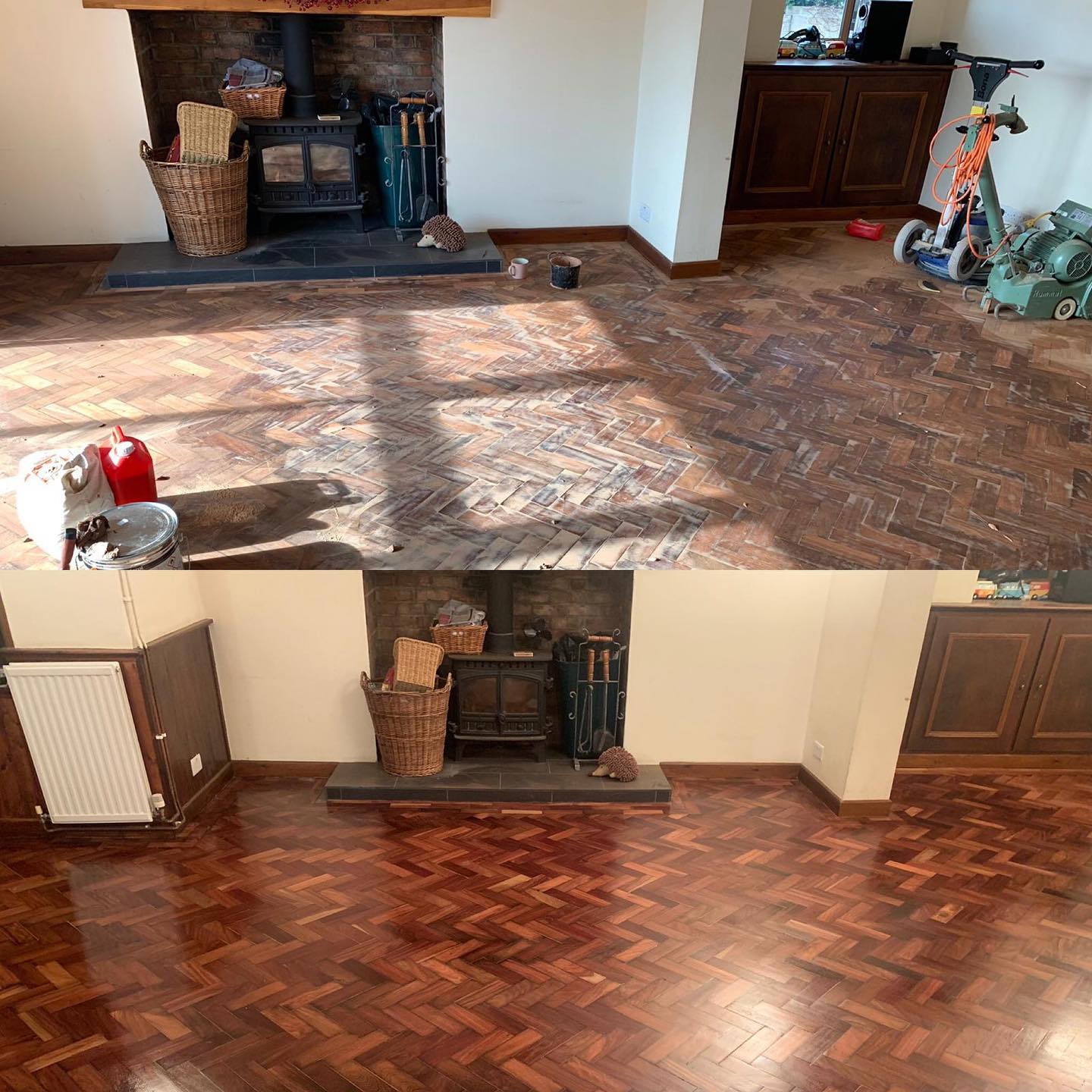
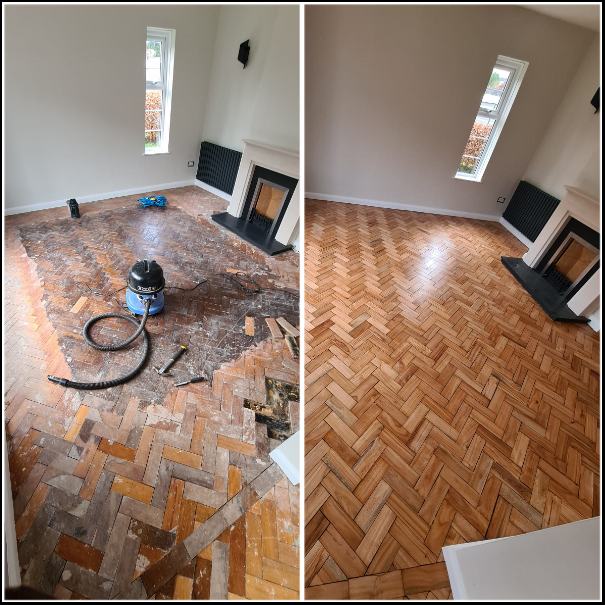
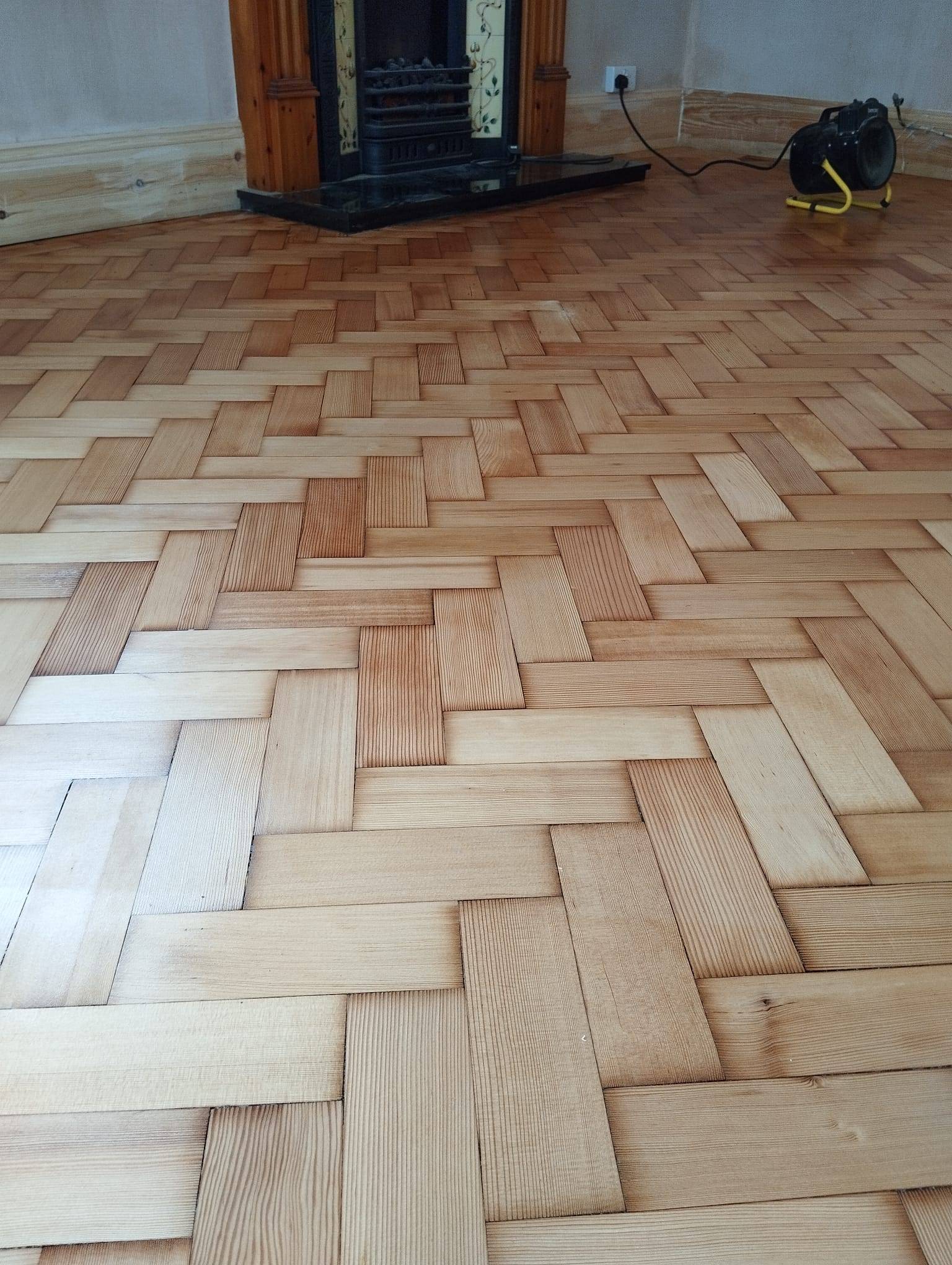
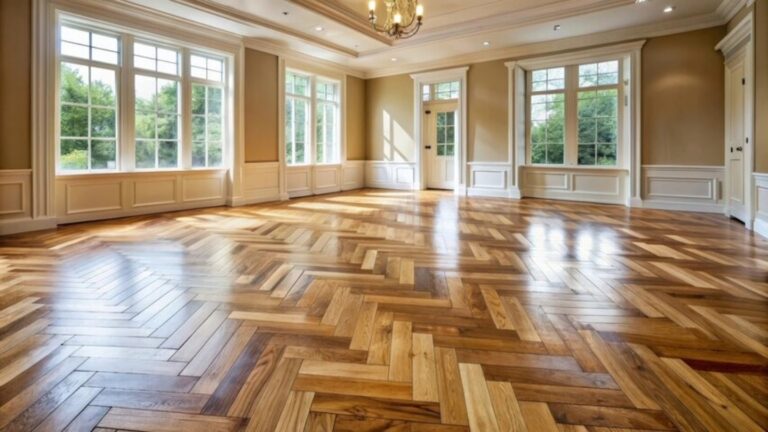
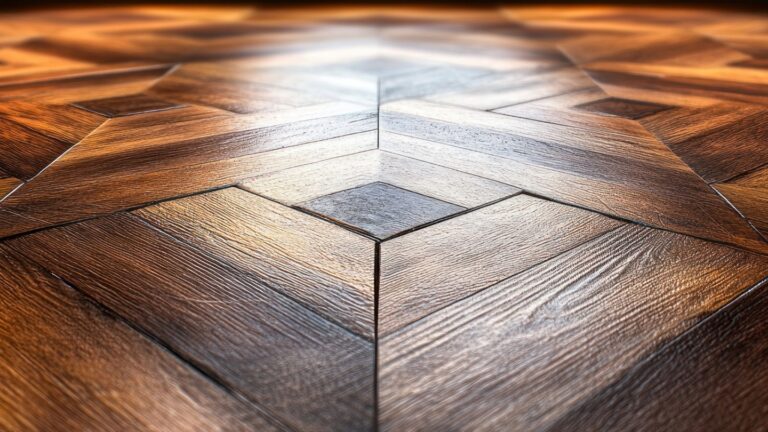
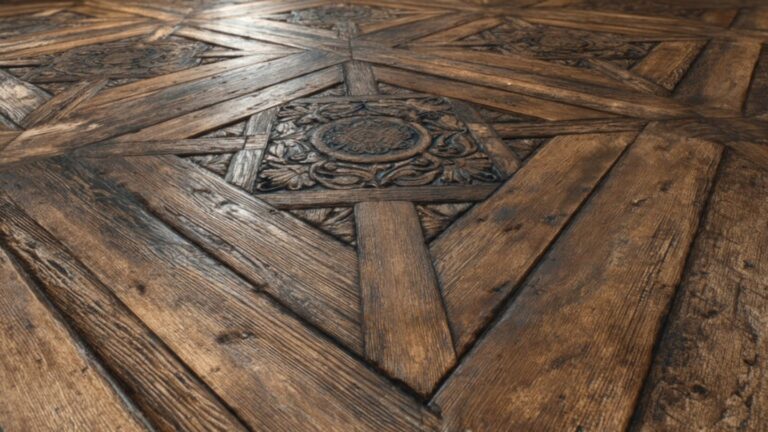
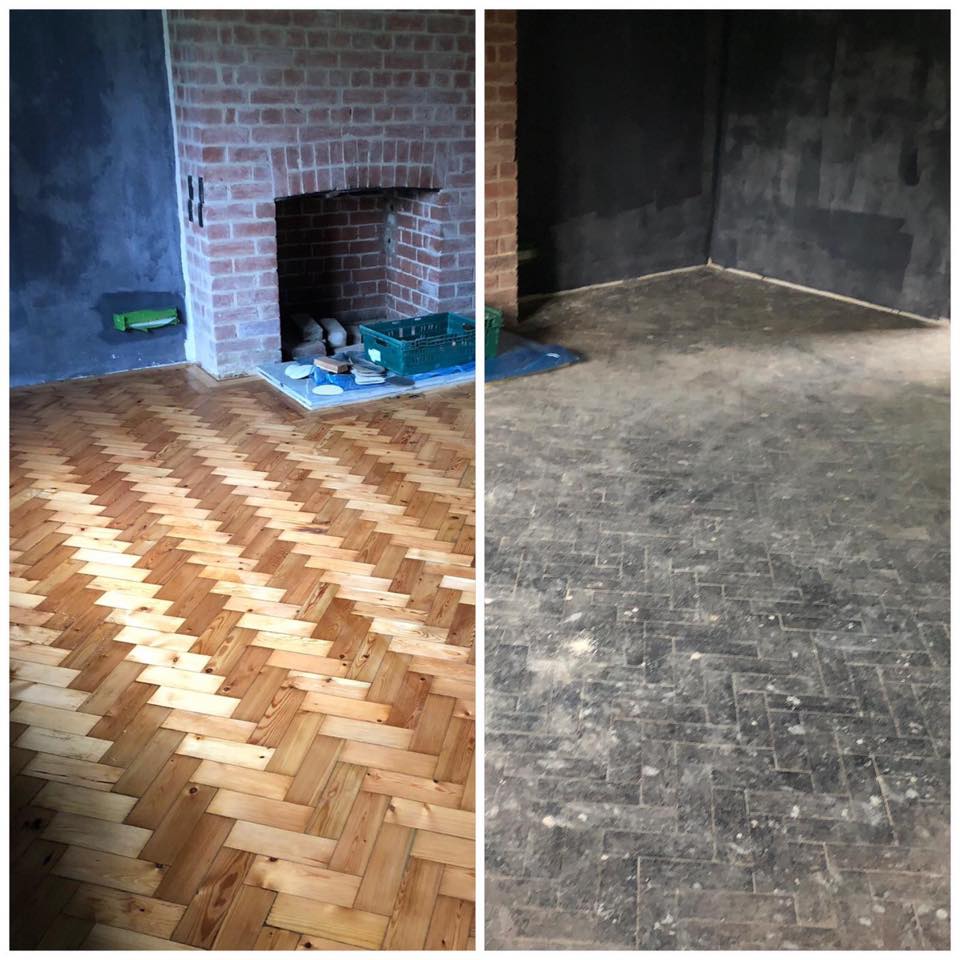
Schools, chapels and mid-century homes across Suffolk hide some excellent block floors. Our parquet floor sanding service lifts and re-bonds loose blocks, replaces missing ones from matching stock, removes old bitumen and sands the whole pattern level before sealing. Herringbone and basketweave layouts are restored with the grain directions in mind, so the finish reads evenly across the room.

Before a single block is re-stuck we check what it is being stuck to. Old screeds can be soft, dusty or damp, and adhesive is only as good as the surface beneath it, so failed patches are made good and moisture is assessed before re-bonding begins. Replacement blocks are the slow part done properly: we match species, block dimensions and, as far as possible, the depth of colour that decades of light and wear have given the originals, drawing on reclaimed stock rather than fresh-cut timber. Done well, the mended areas vanish into the pattern once the floor is sanded and sealed as one.

Floor Sanding Essex
parquet floor restoration near me

Staining, Sealing, Oiling and Waxing in Suffolk

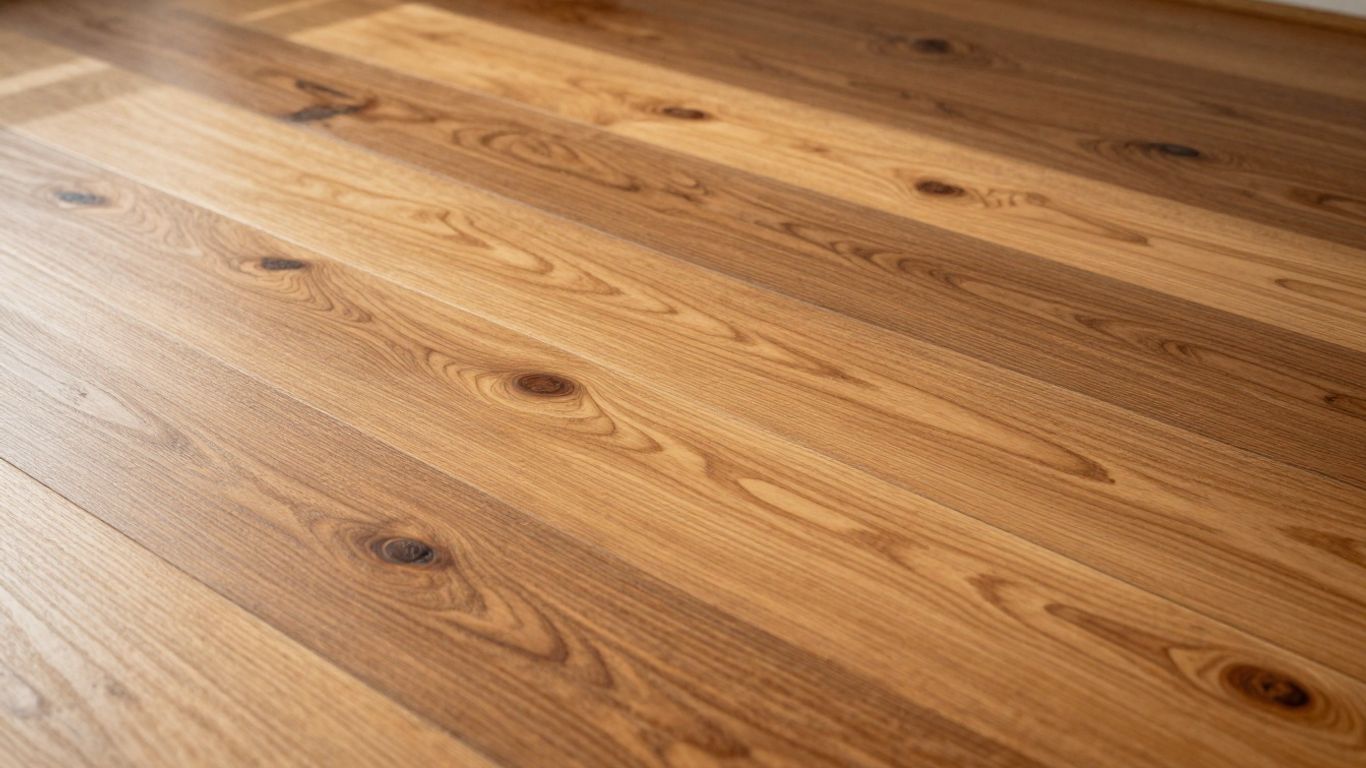
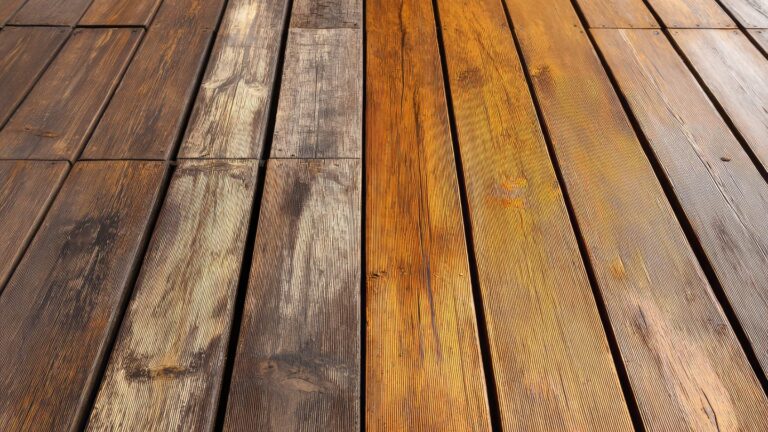
Finishing is chosen to suit the building as much as the taste. Staining changes or evens out colour; lacquer sealing gives maximum resistance for busy family houses and lets; oiling breathes with the timber, which suits coastal cottages where humidity keeps boards moving; and waxing gives period rooms a soft, traditional surface. We always test the chosen finish on your own floor before committing the whole area.

Sheen changes a room more than most people expect. Full gloss belongs to formal spaces and shows every footprint; satin is the safe middle ground; matt lacquers keep the timber looking almost bare while still wearing like a modern seal. For hard-working lets we often suggest a maintenance rhythm rather than a one-off finish — hard wax oil refreshed with a thin maintenance coat between seasons, or a lacquered floor screened and recoated every few years — because little and often keeps a floor permanently presentable and pushes the next full sand many years away.

Get a Floor Sanding Quote in Suffolk

Start with two photographs — one of the room, one close-up of the damage — and we will give you an honest opinion and a fixed written quotation. For listed buildings, larger houses and multi-room lets, the site survey is free and carries no obligation.

Call 01823 674562, email info@ryansrestoration.co.uk, or use the form on this page.

All services available in Suffolk: floor sanding, commercial sanding, repairs, floorboard replacement, gap filling, parquet restoration, staining, waxing, stair sanding and new floor installation.

Nearby areas we also cover: Ipswich, Brentwood, Cambridge and Chelsea. There is a page for each, and the full list of towns is on our areas we cover page.

Parquet Flooring Restoration

FAQ: Floor Sanding in Suffolk

The full range: sanding and restoration, board repairs and replacement, gap filling, parquet work, staining, sealing, oiling and waxing, stair sanding, recoating, and new wooden floor installation.

Yes — we sand after closing time, overnight or over a weekend, and the floor is cured before doors open again. Paperwork, including method statements and insurance documentation, arrives before we do.

We do, using reclaimed timber held in stock so the replacement matches the age, width and patina of its neighbours instead of announcing itself as a repair.

Almost always. We re-bond what has lifted, fill in missing blocks from matching stock, take off the old adhesive and sand the pattern flat. The transformation tends to surprise people.

It can. Once sanded back to bare wood, boards will take stains from pale and limed through to deep brown, and we sample the shade on your floor first so you approve the real thing.

Where the wear layer allows, yes — we measure it before promising anything. Laminate cannot be sanded at all, and we will tell you straight if that is what you have.

Every sander runs through sealed extraction that traps the overwhelming majority of dust at source — important in timber-framed buildings where loose dust finds every gap in the frame.

Two photographs by email gets you an honest opinion and a fixed written quotation, usually without a visit. Otherwise book the free, no-obligation survey: 01823 674562, info@ryansrestoration.co.uk, or the form on this page.

Yes, with restraint. We take a minimum-intervention approach on historic boards, removing only enough surface to clean and refinish them, and we will recommend hand-finishing or a light buff where full machine sanding would take away too much character.

Light foot traffic is usually fine within a day, furniture after two or three days depending on the finish, and rugs only once the finish has fully cured. We confirm exact timings for your chosen seal before we start.